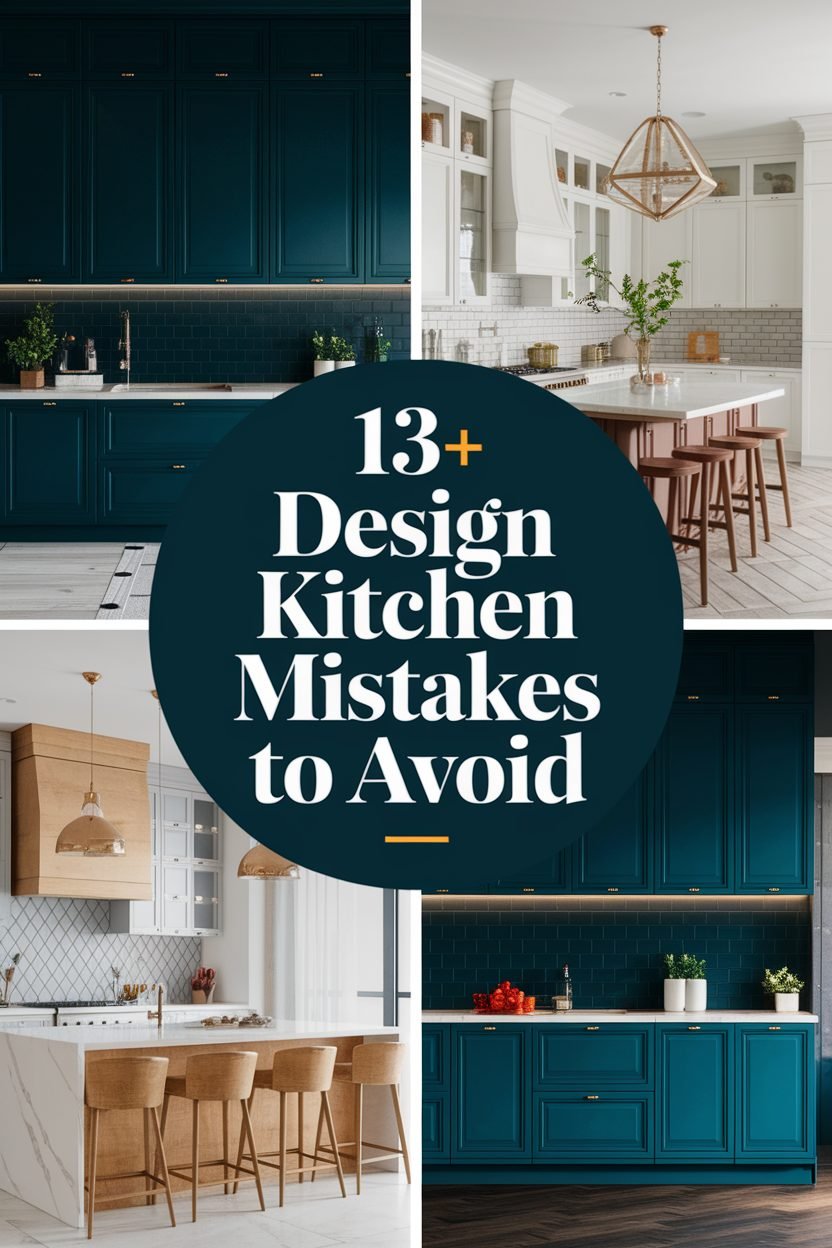
Kitchen design can look simple until the details start fighting back. A few small choices can make the whole room feel awkward.
1. Ignoring the Work Triangle
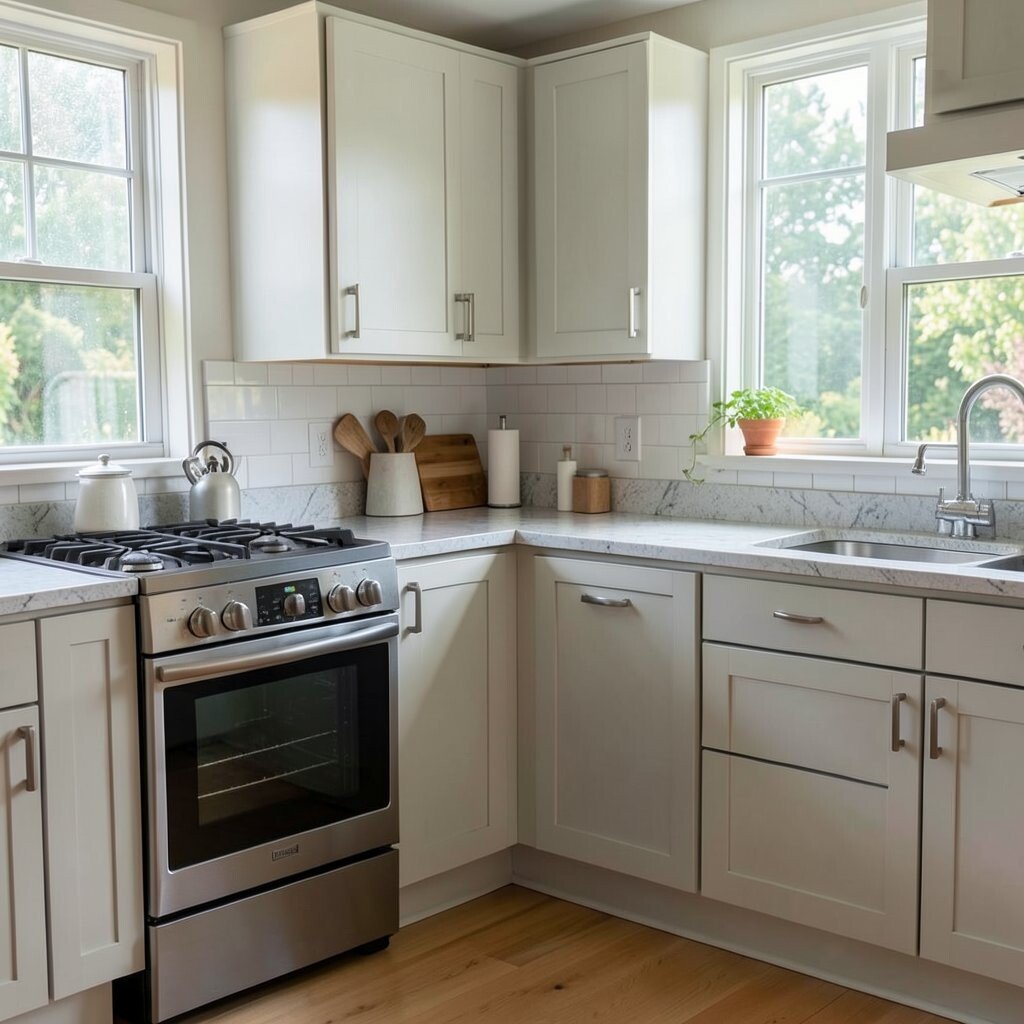
A kitchen can look beautiful and still feel hard to use when the sink, stove, and fridge are placed too far apart. The room may seem stylish at first, but daily cooking turns into extra steps and extra stress.
A smart layout keeps these key spots close enough for easy movement, which saves time and energy. This setup also makes the kitchen feel more open and natural, even in a small space. If you want a personal touch, think about how you cook most often and place things to match your habits.
2. Choosing Style Over Storage
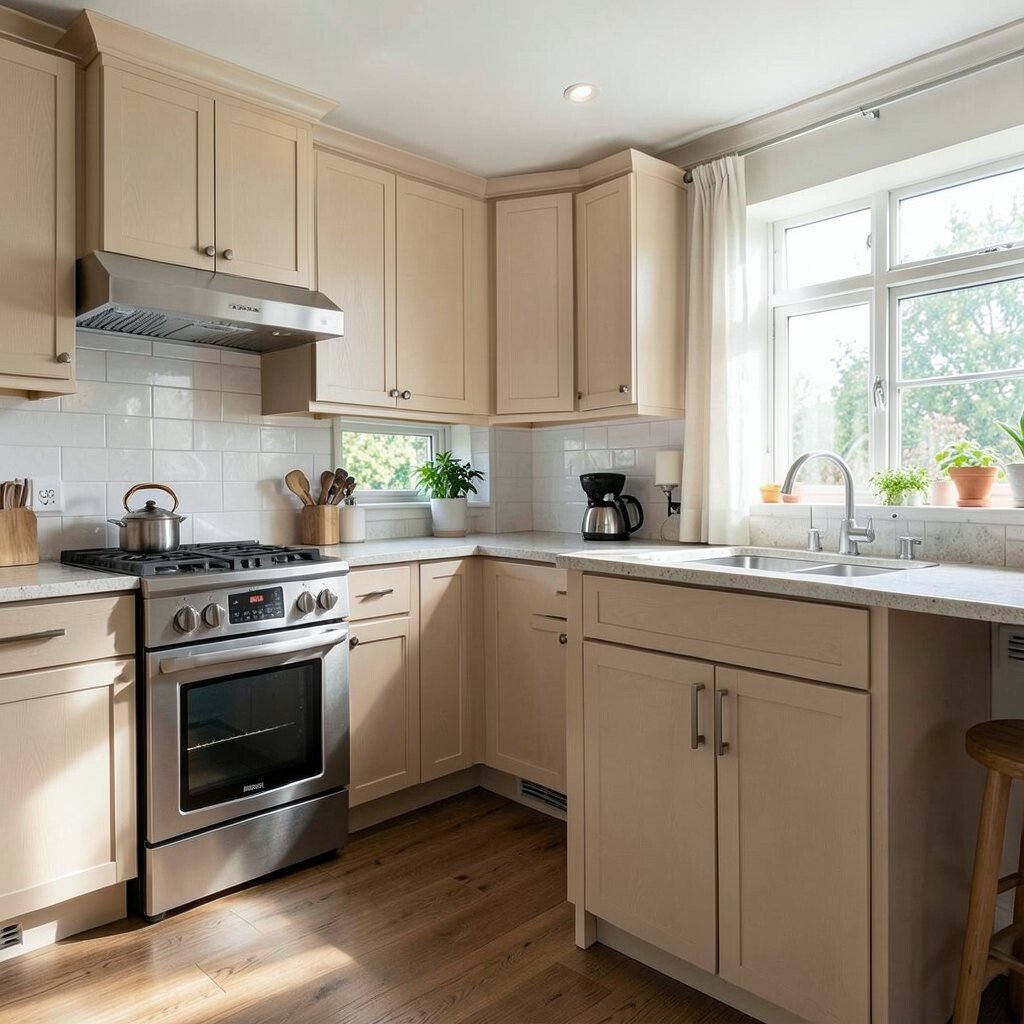
Open shelves and slim cabinets can look clean and modern, but they may not hold everything you need. The room can end up with clutter on the counters, which makes the space feel busy instead of calm.
Good storage gives you a neat look and a better place for tools, food, and dishes. Deep drawers, corner pull-outs, and tall pantry cabinets can make a big difference without changing the whole room. If you are watching costs, mix a few custom features with ready-made cabinets to keep the budget in check.
Many current kitchens use hidden storage to keep the view simple and bright. You can still show off a few pretty items, like a favorite bowl or colorful mugs, while keeping the rest tucked away. That balance makes the space feel unique and easy to live in.
3. Picking the Wrong Countertop Material
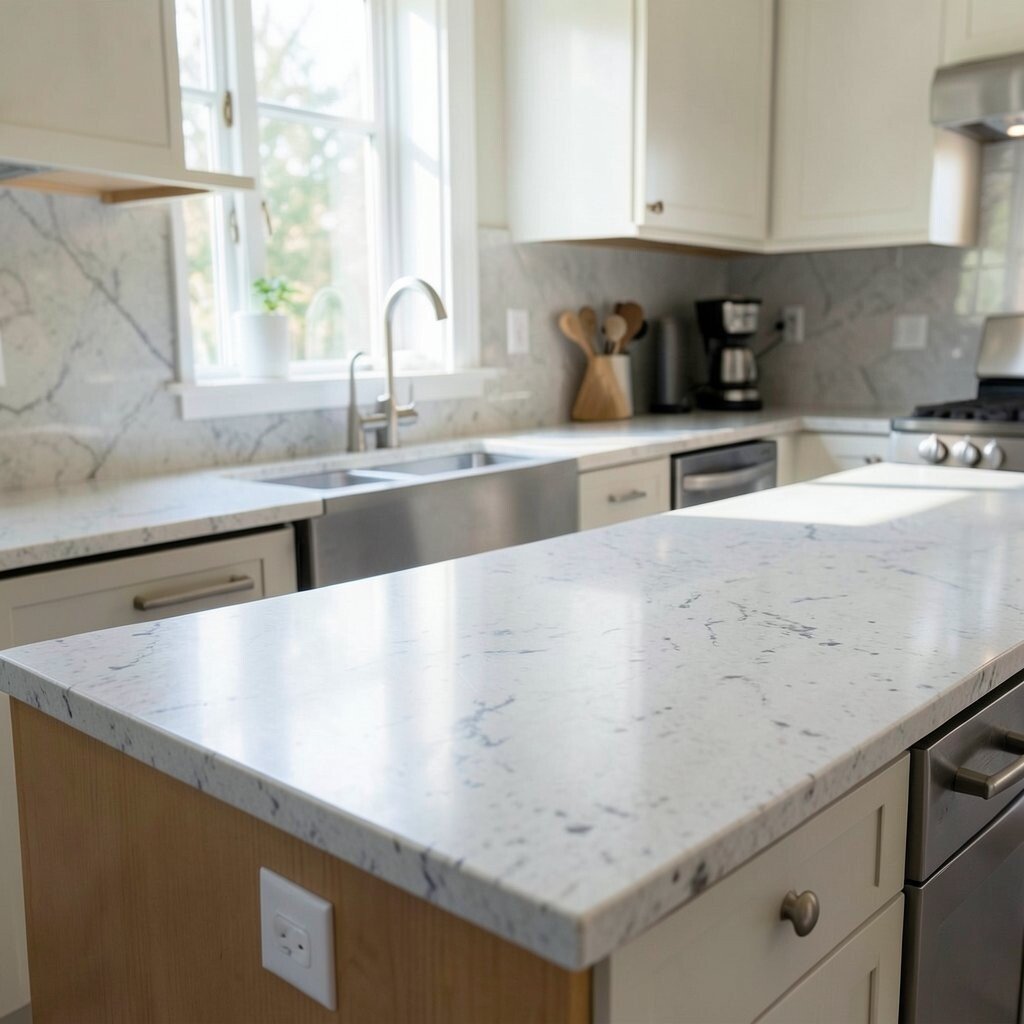
A shiny stone top may look rich, but it may not fit the way your family uses the kitchen. Some surfaces scratch, stain, or chip more easily than people expect.
Think about heat, spills, and how much care you want to give the surface each week. Quartz is popular because it looks polished and is easier to care for than some natural stones. For a more personal feel, choose a color and pattern that fits your cabinets, floors, and the light in the room.
Cost matters here, too, because the price can change a lot based on the material and edge style. A simple edge and a common color can lower the bill while still giving the kitchen a fresh look. If you want something special, use a bold slab on the island and a more affordable top on the side counters.
4. Forgetting About Lighting Layers
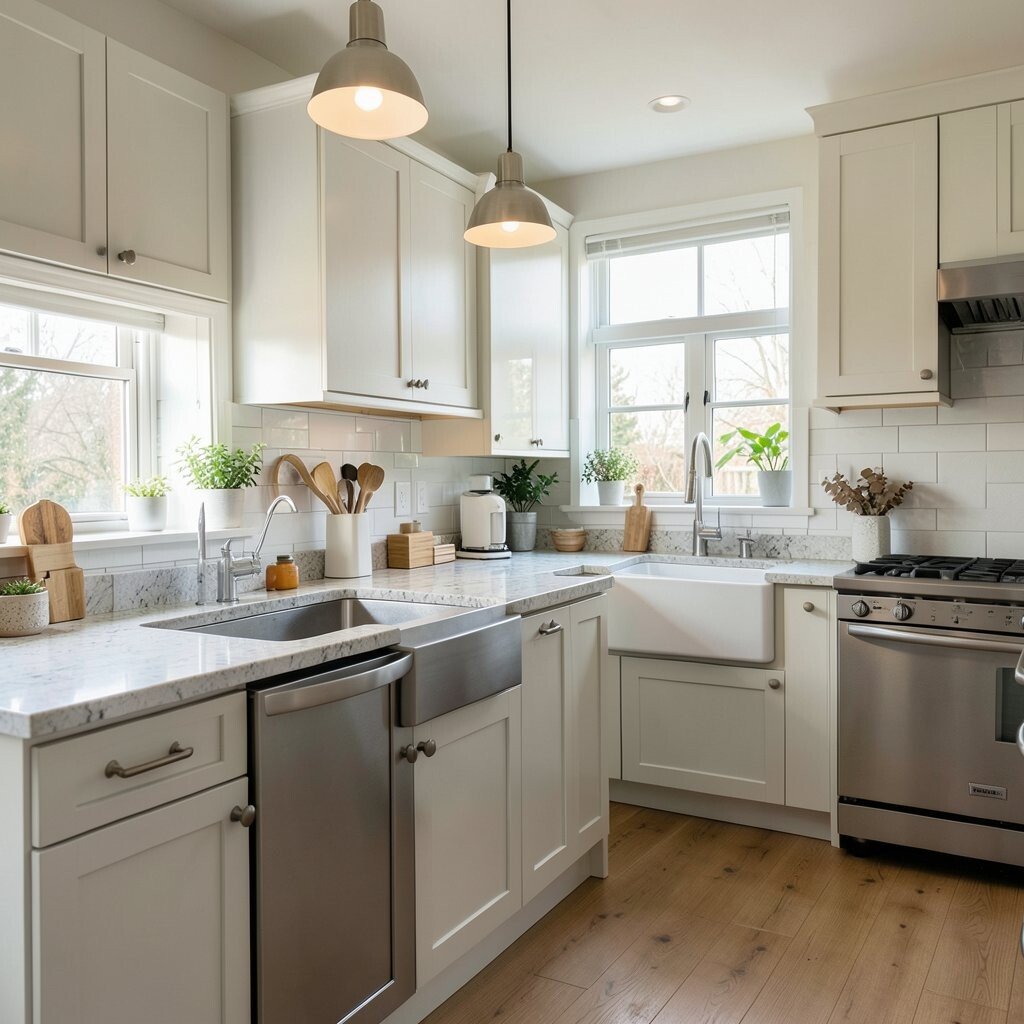
One ceiling light is not enough for most kitchens, even if the room looks bright at first. Shadows can fall over the prep area, making chopping and cleaning less safe and less pleasant.
Good lighting usually includes overhead lights, task lights, and a softer glow for mood. Under-cabinet strips are a favorite trend because they make counters look crisp and help the room feel larger. You can also pick warm or cool bulbs to match the feel you want in the space.
5. Making Aisles Too Tight
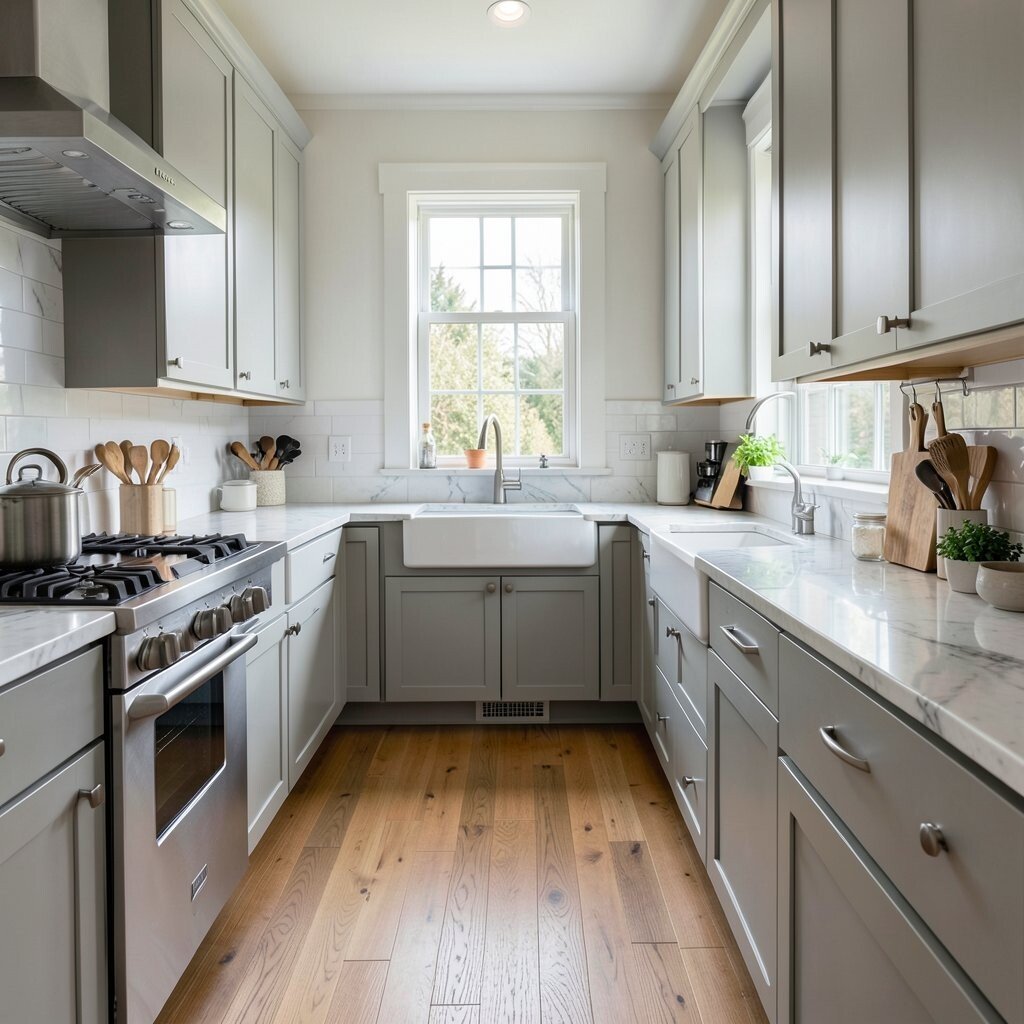
A kitchen can feel cramped fast when cabinets, islands, and appliances sit too close together. People bump into each other, doors hit walls, and simple tasks become annoying.
Wide walk paths make the room feel easier and calmer, especially when more than one person cooks at once. This also helps the kitchen look more open and airy, which many homeowners love right now. If your room is small, choose a slimmer island or a rolling cart instead of forcing in a large block.
Personal style still matters, so you can make the space feel special without crowding it. A narrow island with a pretty finish can add charm, storage, and work space at a lower cost than a giant custom piece. The best layout feels good to move through and easy to keep clean.
6. Skipping Enough Outlet Planning
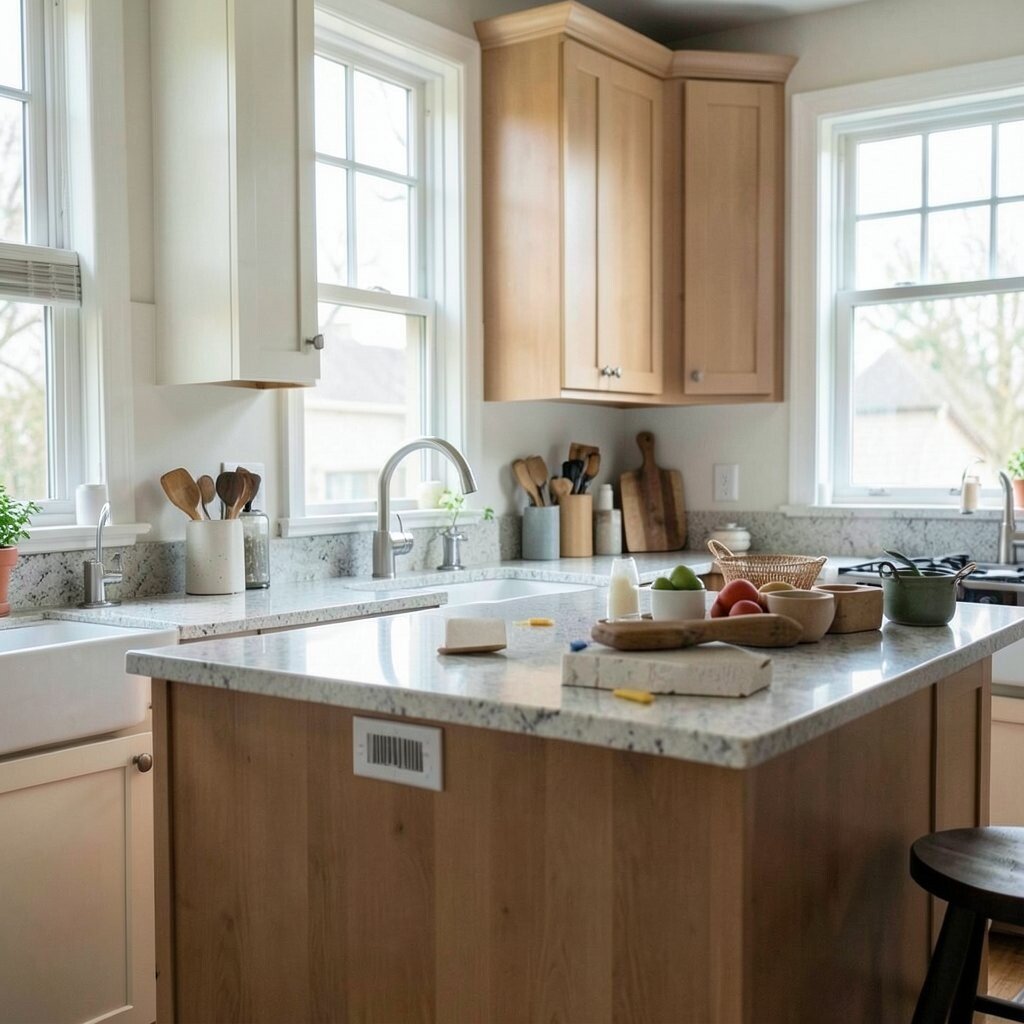
It is easy to forget outlets when you are focused on cabinets, colors, and finishes. Then the coffee maker, toaster, and mixer all end up fighting for the same plug.
Good outlet placement keeps cords neat and makes the kitchen safer and easier to use. Many modern kitchens hide outlets under cabinets or inside islands so the walls stay clean and simple. If you enjoy a custom look, match the outlet covers to the wall color for a softer, more polished feel.
Planning outlets early can also save money later, since changing them after the walls are finished costs more. Think about where you charge devices, blend smoothies, or use a laptop, not just where the big appliances go. A kitchen that supports real life feels more thoughtful and more unique.
7. Using Too Many Competing Finishes
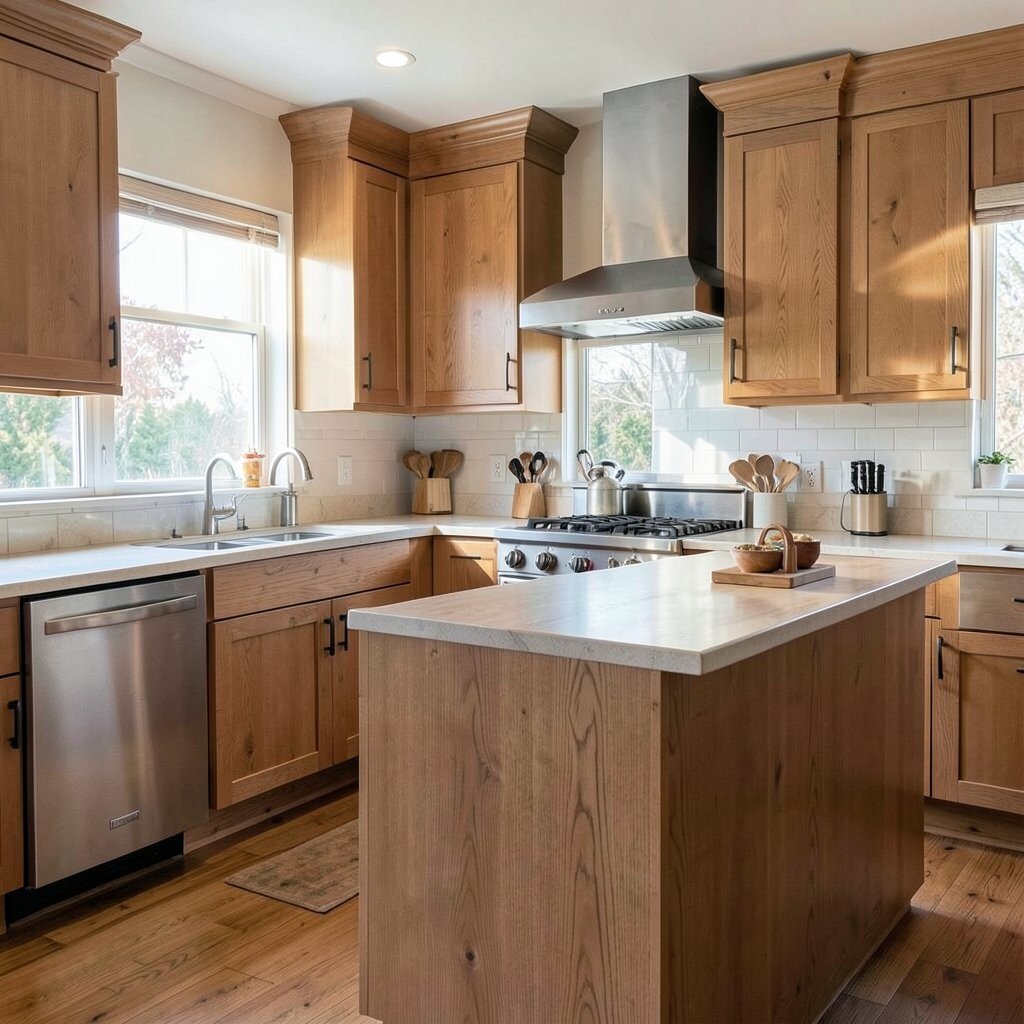
Mixing metals, woods, tiles, and paints can be exciting, but too many bold choices can make the room feel noisy. The eye has nowhere to rest, so the kitchen can lose its calm and charm.
A simple finish plan gives the room a clean look and helps the best features stand out. Many designers now mix one main metal with one accent metal for a fresh but controlled style. You can make it personal by repeating a favorite finish on handles, lights, and stools.
Cost can rise when every surface is different, since each finish may need its own special parts. A more focused palette often feels more expensive because it looks neat and well planned. If you want uniqueness, use texture instead of too many colors, such as matte cabinets, a soft wood tone, or a handmade tile backsplash.
8. Forgetting Storage for Everyday Zones
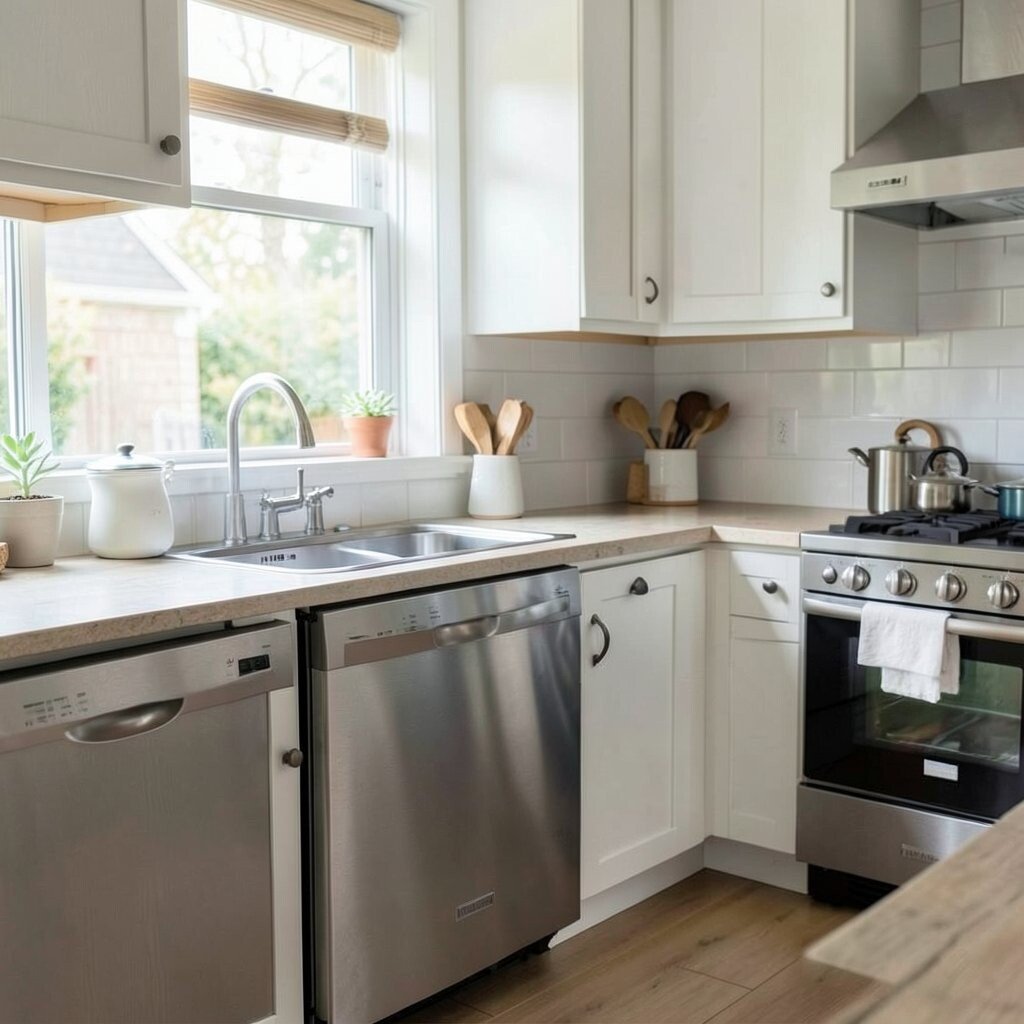
Some kitchens look great on paper but fail when it comes to daily habits. Plates may be far from the dishwasher, spices may be across the room, and trash may be tucked in a strange corner.
Keeping items near where you use them saves steps and makes cooking feel smooth. A snack zone, coffee zone, and prep zone can make the room easier for everyone in the home. This kind of setup is also a smart way to make the kitchen feel custom without a huge remodel.
Open shelving near the coffee area or a drawer for lunch boxes can add both style and function. These small zones are popular because they fit busy lives and look tidy in photos. They can also help control costs by making the room work harder without adding more square footage.
9. Choosing a Backsplash That Fights the Room
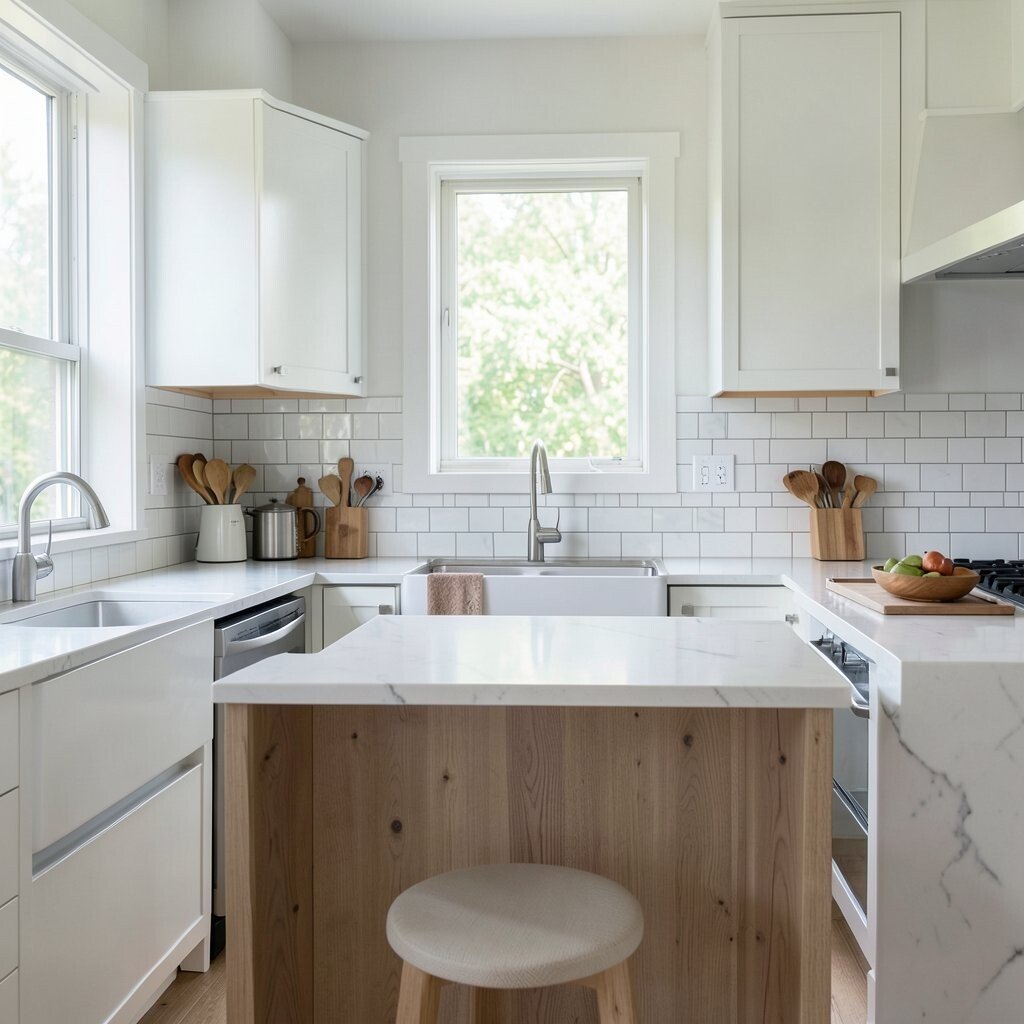
A backsplash can be the star of the kitchen, but it should not shout over everything else. If the pattern is too busy or the color is too sharp, the room may feel restless.
The best backsplash supports the cabinets, counters, and floors instead of competing with them. Soft tile shapes, warm stone looks, and handmade pieces are popular because they add charm without too much noise. You can make the design feel personal by choosing a tile shape that matches your taste, from simple subway tile to a gentle scallop pattern.
Price can vary a lot, so the material matters as much as the look. Ceramic tile often gives a beautiful result at a lower cost than stone or glass. If you want something special, use a small accent area behind the stove and keep the rest simple.
10. Not Thinking About Cleaning
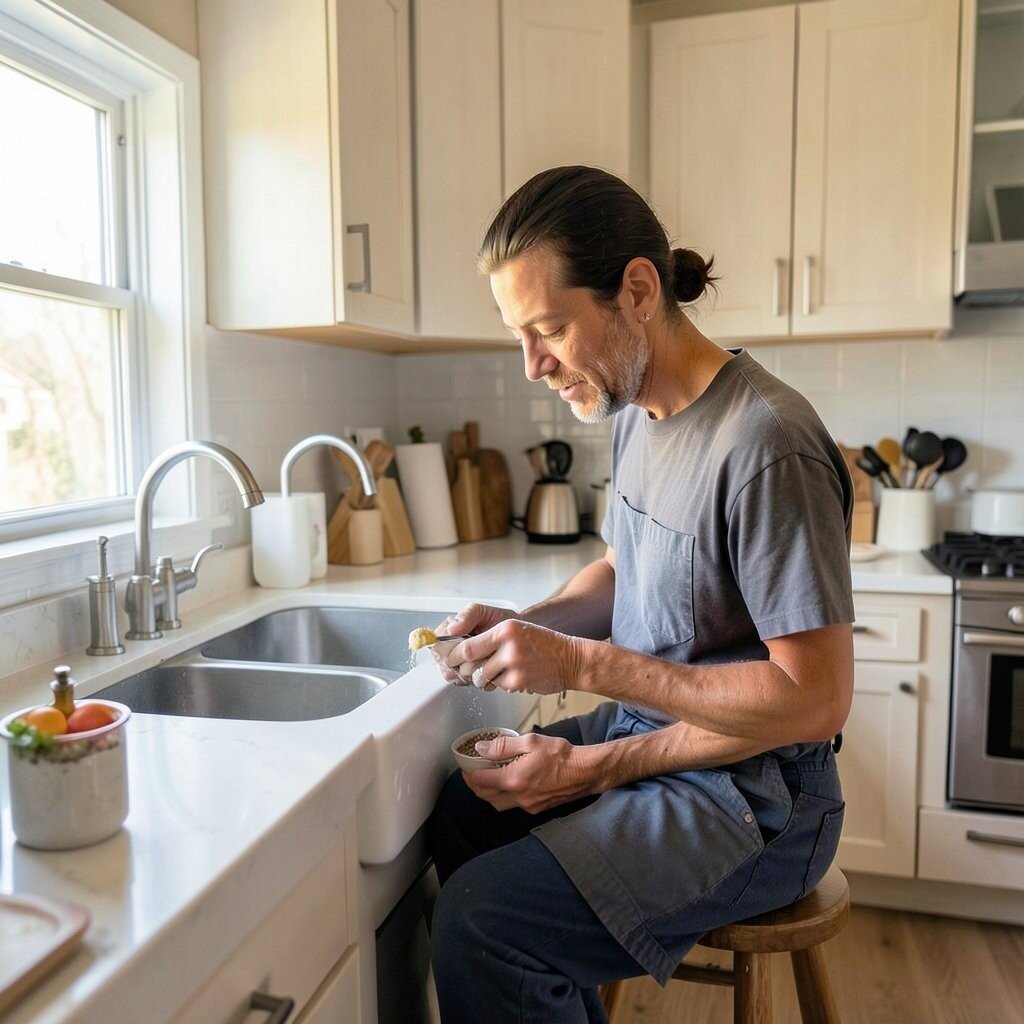
Some kitchens look stunning in photos but are hard to wipe down in real life. Deep grooves, tiny tile lines, and fussy cabinet details can trap grease and dust.
Easy-to-clean surfaces make the kitchen feel fresh longer and reduce the time spent scrubbing. Smooth cabinet fronts, simple pulls, and larger tile pieces are practical choices that still look stylish. A clean-lined kitchen is also a big trend because it feels calm and modern.
If you cook often, choose materials that can handle spills without worry. Matte finishes may hide fingerprints better, while glossy ones can show smudges more easily. Personal taste matters here, but comfort in daily use should always come first.
11. Overcrowding the Island
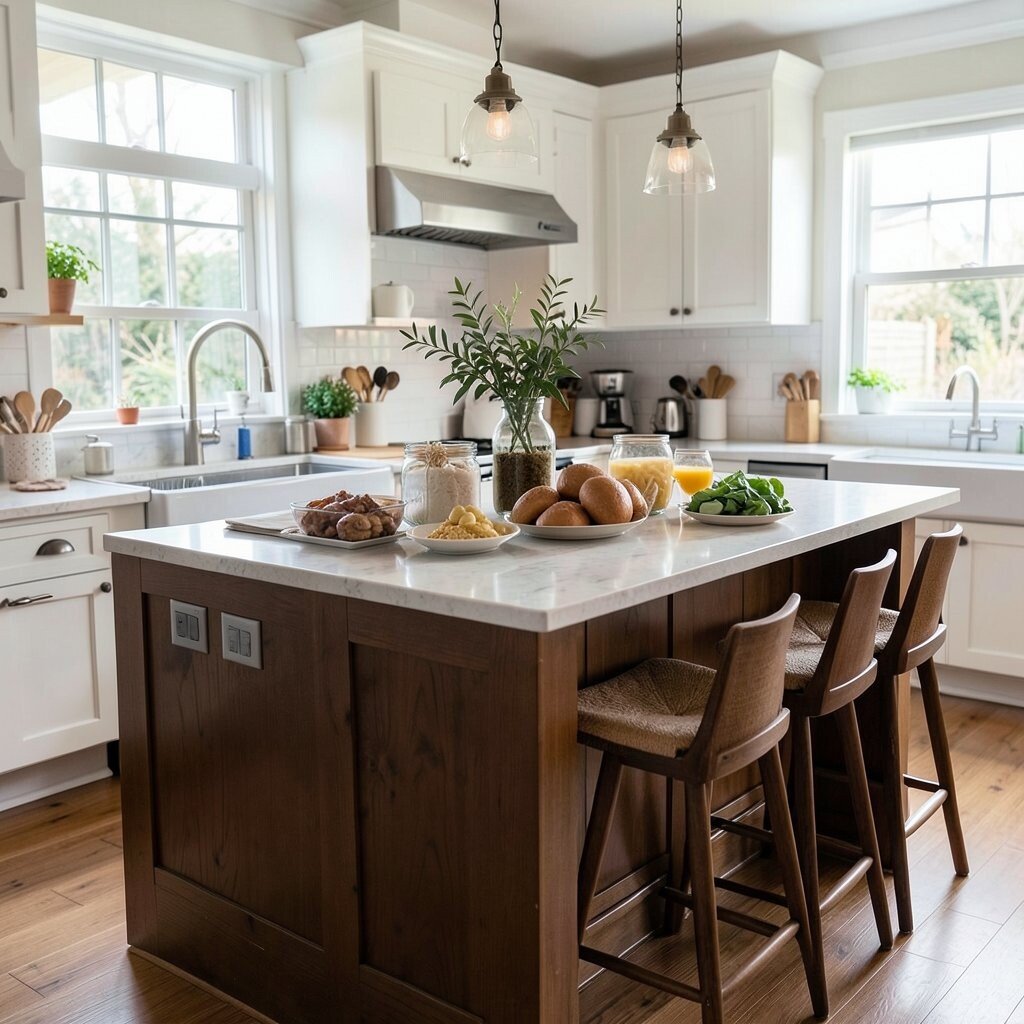
An island can be the heart of the kitchen, but it should not try to do everything at once. When it holds too many stools, too many gadgets, and too much decor, it starts to feel heavy.
A well-sized island gives room for prep, chatting, and casual meals without blocking movement. Waterfall edges, mixed materials, and bold colors are popular trends that can make the island feel special. You can also give it a personal touch with a painted base or a wood top that warms up the room.
Big islands can cost a lot, so size should match the room and the budget. A smaller island or a peninsula may work better and still offer storage and style. The best island looks inviting, not crowded.
12. Forgetting Ventilation
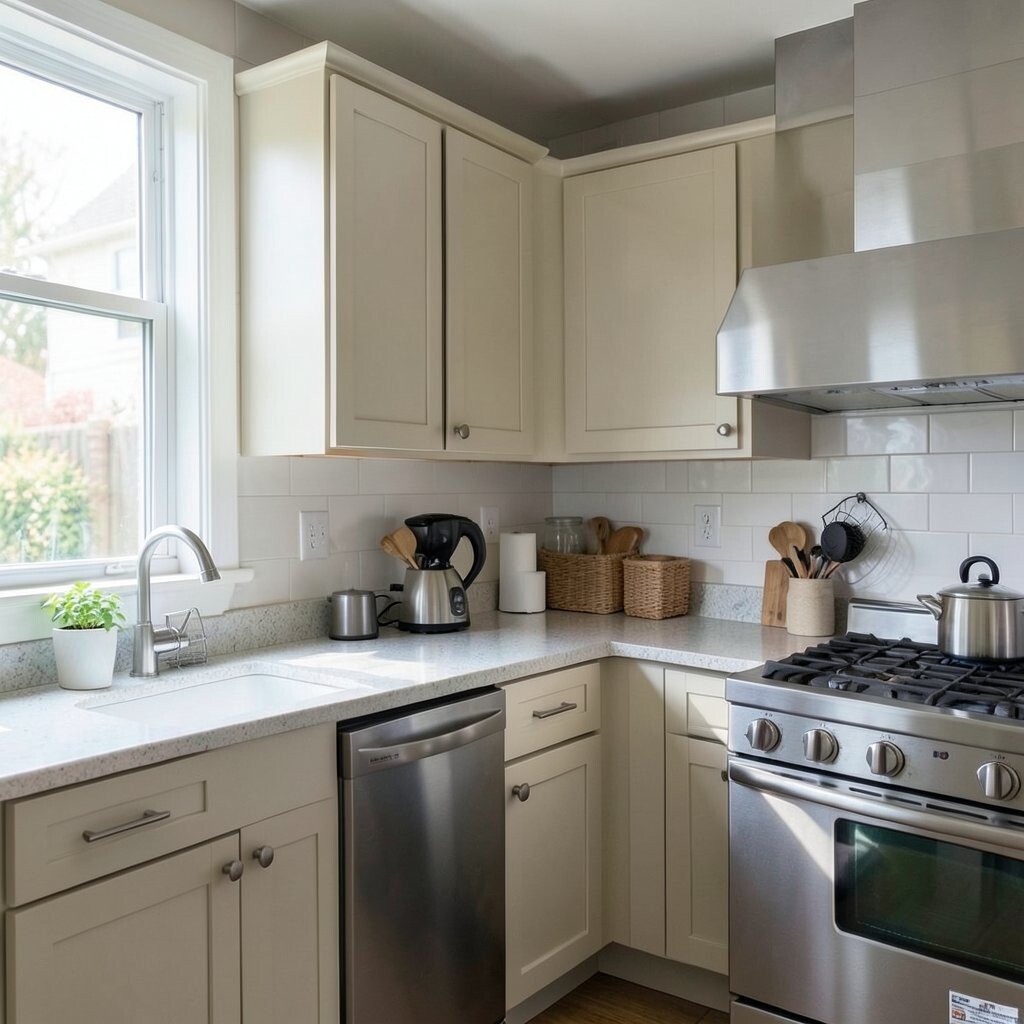
Cooking smells can linger long after the meal is done if the kitchen has weak airflow. Smoke, steam, and grease can also make the room feel sticky and less pleasant.
A good hood or vent helps keep the air fresh and protects cabinets and walls over time. Sleek range hoods are a strong design trend because they can look like art while still doing important work. You can choose a hood that matches your style, from bold and dramatic to quiet and simple.
Ventilation choices can affect cost, especially if ductwork needs to be added or changed. Still, this is one place where spending wisely can save trouble later. A kitchen that smells clean and feels airy always seems more welcoming.
13. Using the Wrong Sink Size
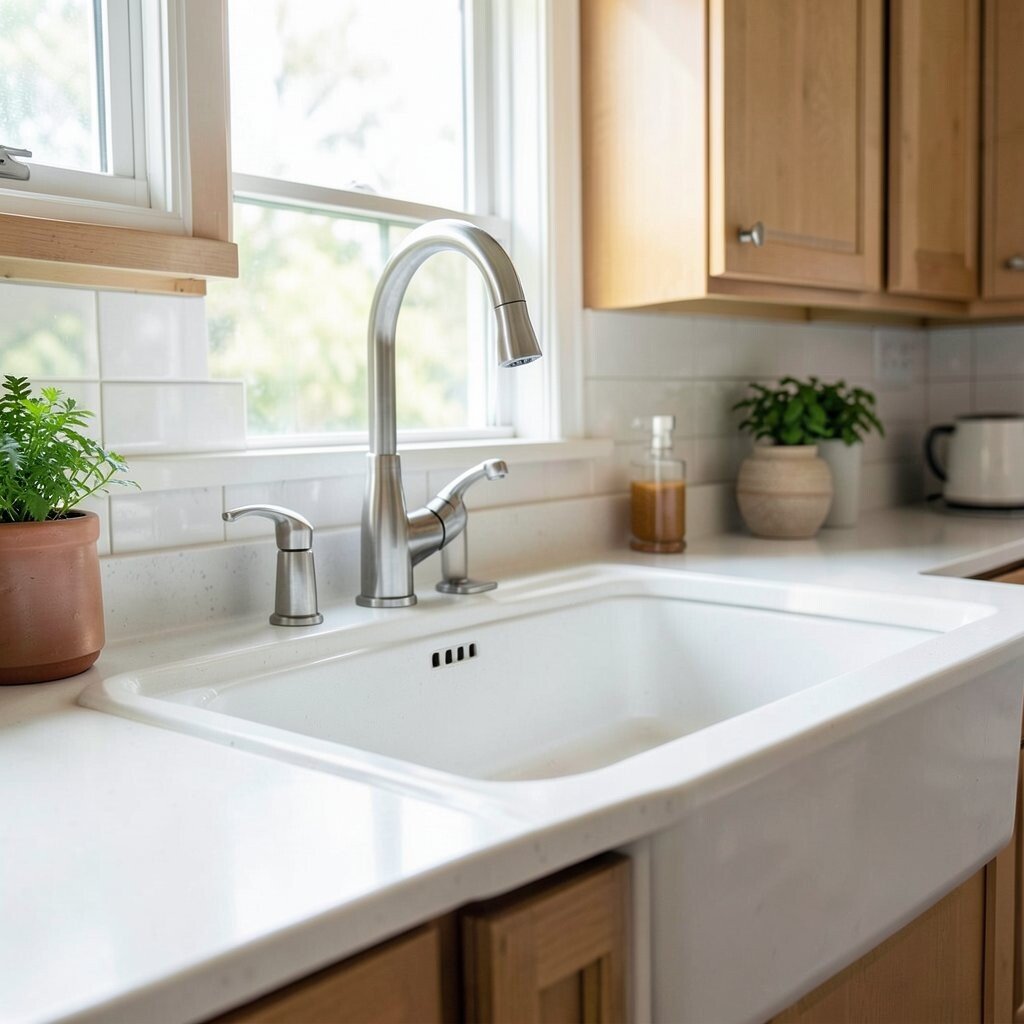
A sink that is too small can make dishwashing messy and slow. A sink that is too large can eat up valuable counter space and make the room feel unbalanced.
The right sink fits your cooking style and the size of your kitchen. Deep single-bowl sinks are popular for big pots, while divided sinks can help with washing and rinsing at the same time. You can make the sink area feel more personal with a pretty faucet, a built-in soap dispenser, or a small ledge for tools.
Sink prices vary, so the shape and material should match your budget. Stainless steel is often a practical choice, while fireclay or stone can add a unique look. Think about how the sink will work with the rest of the room, not just how it looks in a showroom.
14. Following Trends Without Thinking Long Term
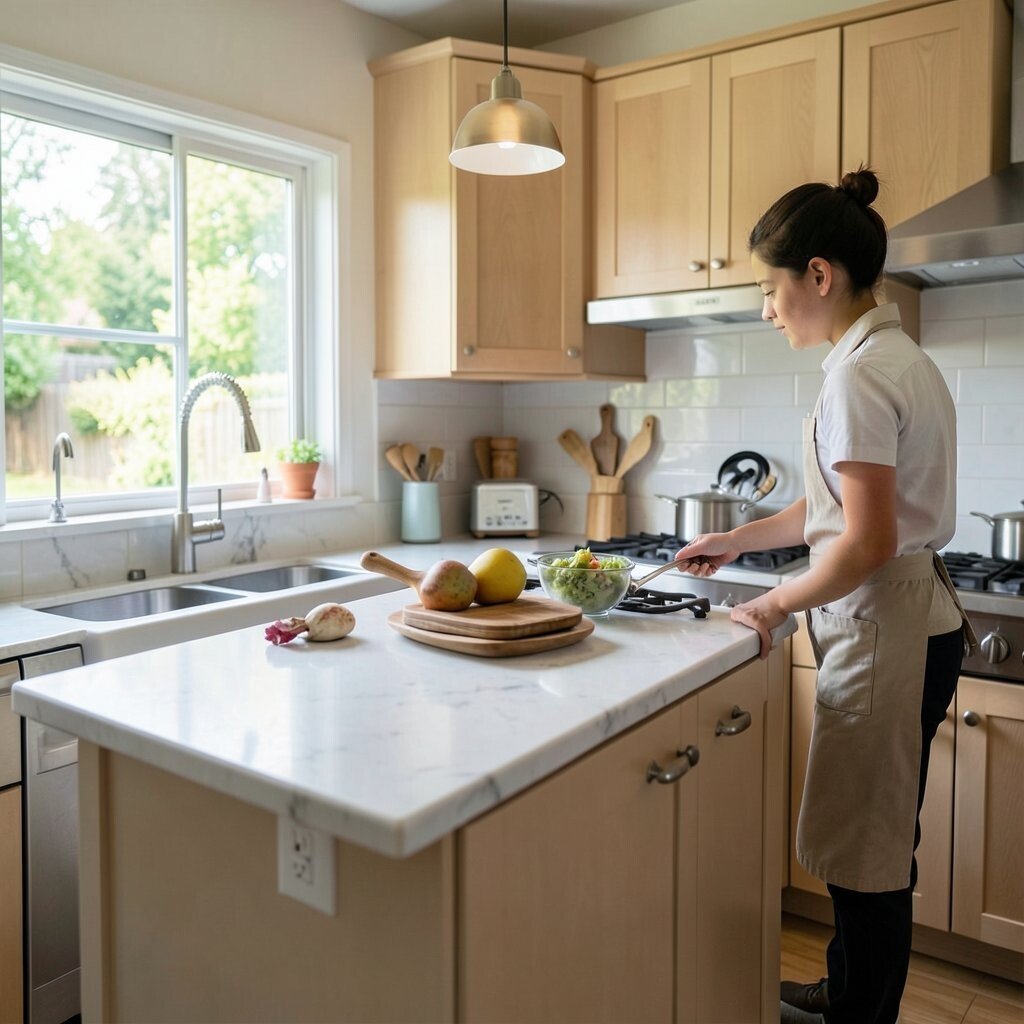
It is tempting to copy a style you see everywhere online, especially when it looks bold and fresh. But a kitchen that chases every trend can feel dated faster than you expect.
Long-lasting design usually mixes classic parts with a few current touches. That might mean simple cabinets, neutral counters, and one trendy light fixture or stool style. This approach keeps the room feeling special while making it easier to enjoy for years.
Budget also matters here, since trend-heavy choices may need replacing sooner. If you want a kitchen that feels unique, add trend pieces in smaller ways, like hardware, paint, or decor. That gives you room to change things later without a big cost or a full redo.