
Awkward kitchens can feel tricky at first. They can also become the most charming room in the house.
Odd corners, narrow walls, and strange bumps do not have to limit your style. With the right layout, a tight space can feel easy, bright, and fun to use.
1. The Galley Layout That Keeps Everything Close
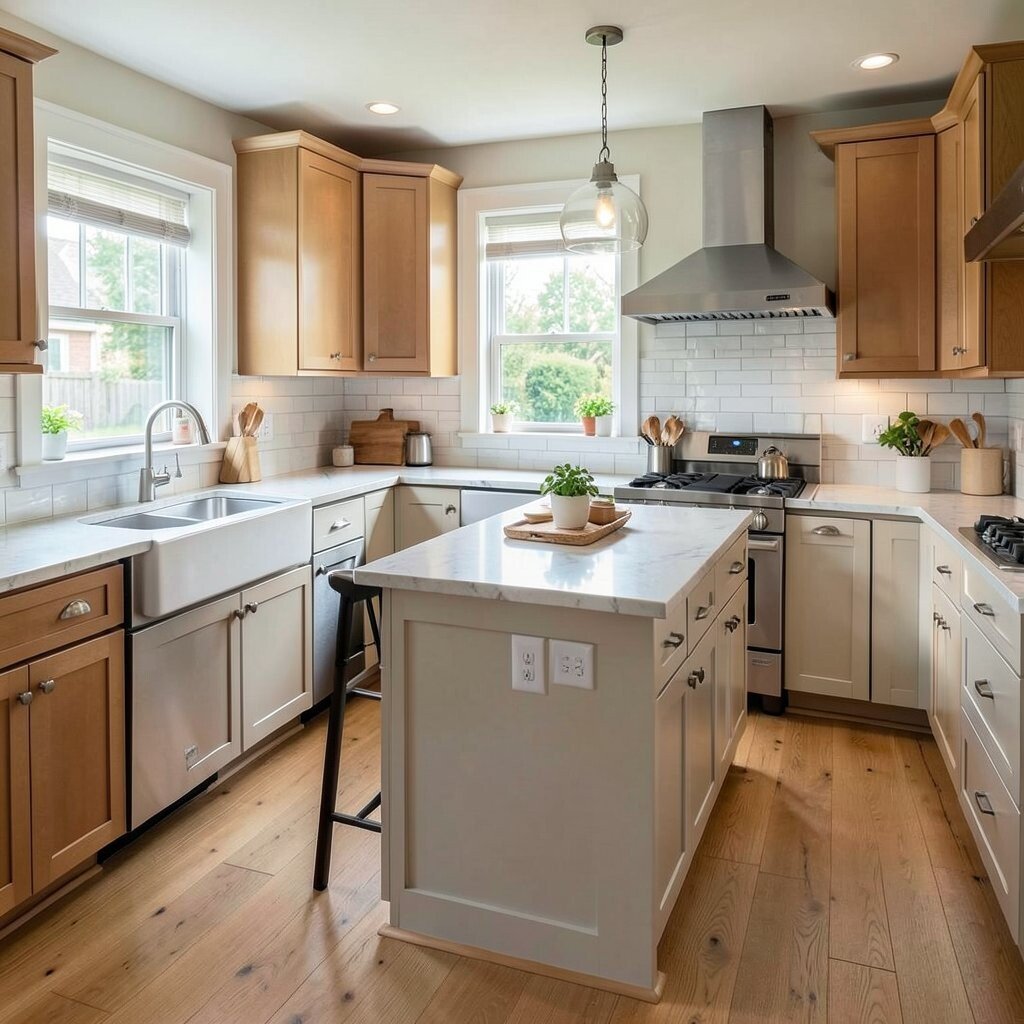
A galley kitchen uses two parallel sides, which makes it a smart fit for long and narrow rooms. It gives the space a clean look and keeps cooking tools within easy reach.
This layout works well because it cuts down on extra steps while you cook. Add open shelves, slim cabinets, or light colors to make the room feel wider. If you want a custom touch, try one bold backsplash or warm wood accents to soften the straight lines.
2. The L-Shaped Layout For A Busy Corner
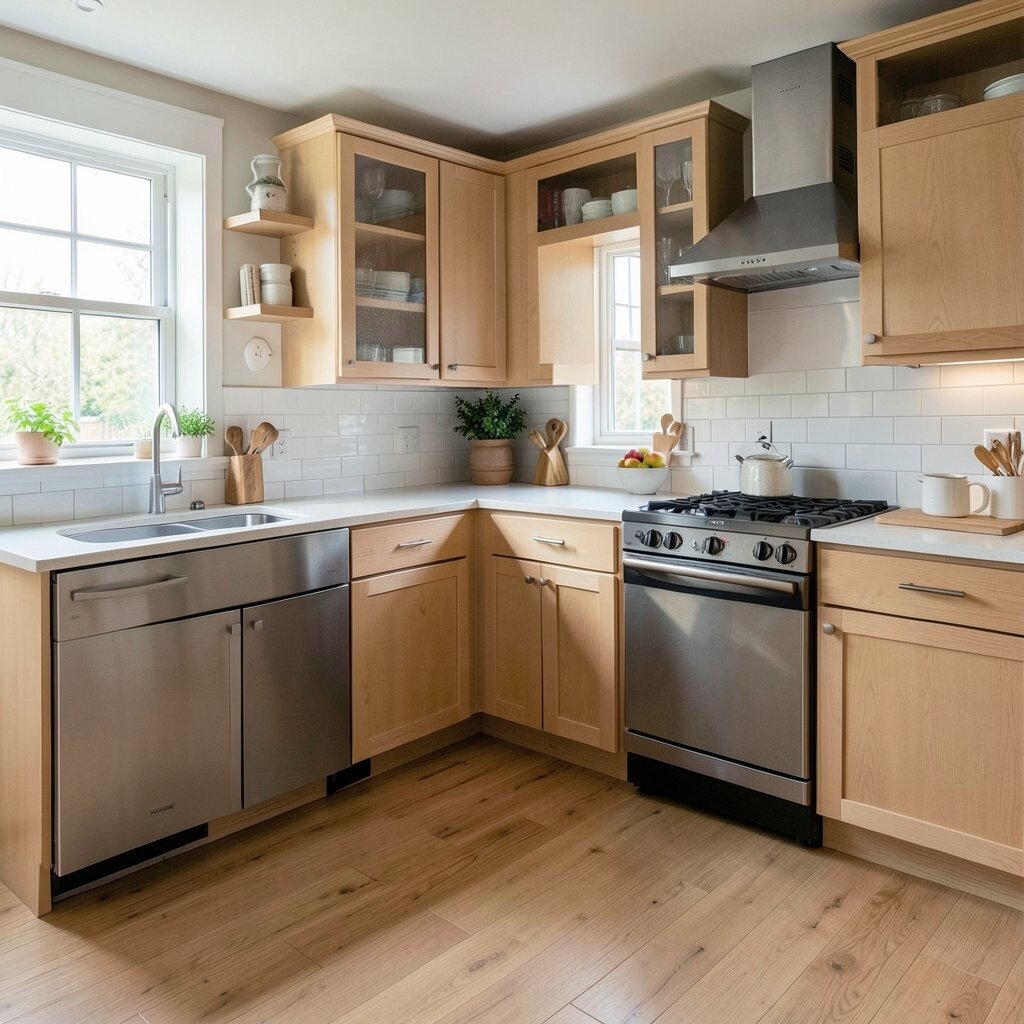
An L-shaped kitchen fits neatly into a corner and leaves the middle open. It feels airy and helps a small room seem less crowded.
This layout is great for people who like a simple path from sink to stove to fridge. You can add a small table, a cart, or even a cozy breakfast nook in the open area. Costs can stay friendly if you keep the cabinet run short and use standard-size pieces.
Many homes now use this shape with mixed materials, like painted cabinets and wood tops. It gives the kitchen a fresh look without making the room feel busy.
3. The U-Shaped Layout That Wraps Around You
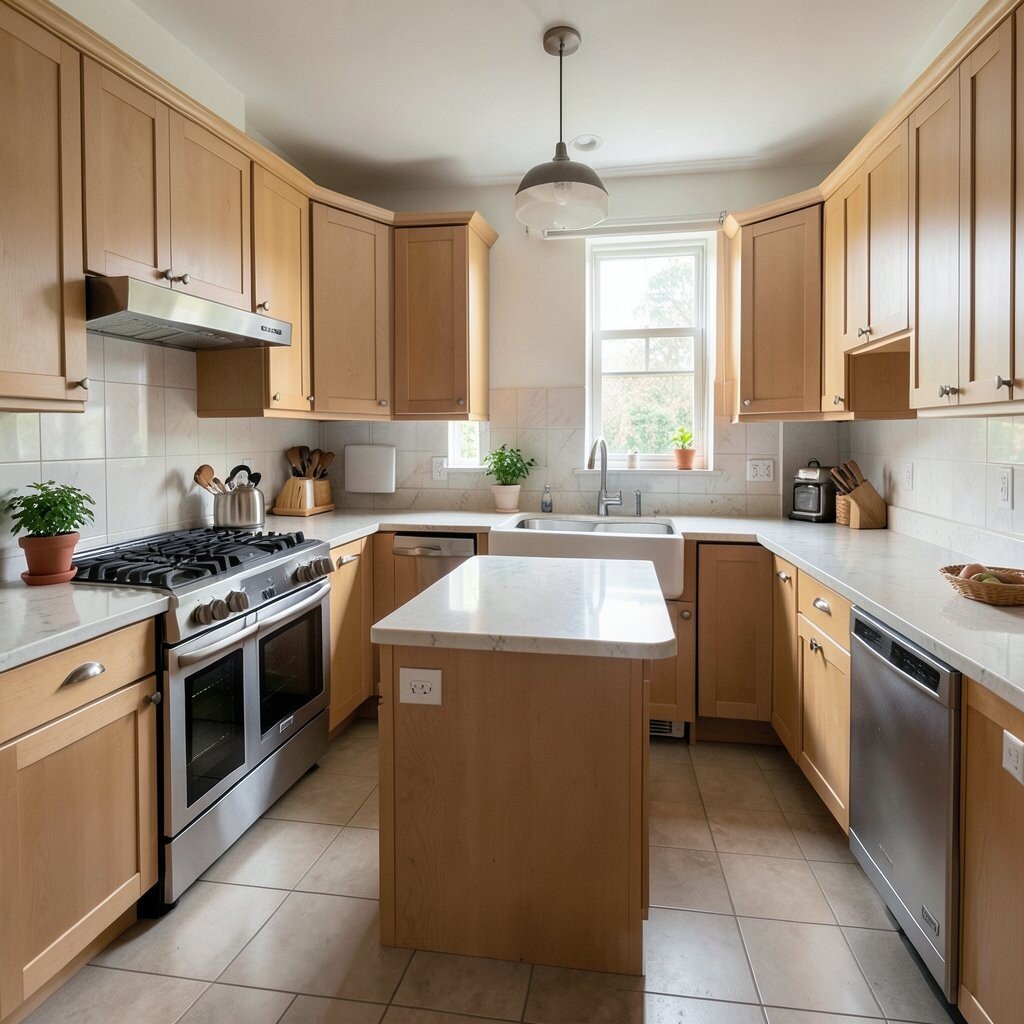
A U-shaped kitchen uses three sides and creates a snug work zone. It is a strong choice for rooms that need more counter space without adding a lot of floor clutter.
This layout can make cooking feel smooth because everything sits close by. It also gives you room for storage, which is a big help in awkward spaces. For a personal touch, use one open wall for art, a small herb shelf, or a window view.
If the room feels tight, keep the upper cabinets light or skip a few of them. That small change can make the whole space feel calmer and more open.
People often like this layout because it feels both cozy and useful. It can cost more than a simple line kitchen, but the extra storage often makes it worth it.
4. The Single-Wall Layout For Tiny Rooms
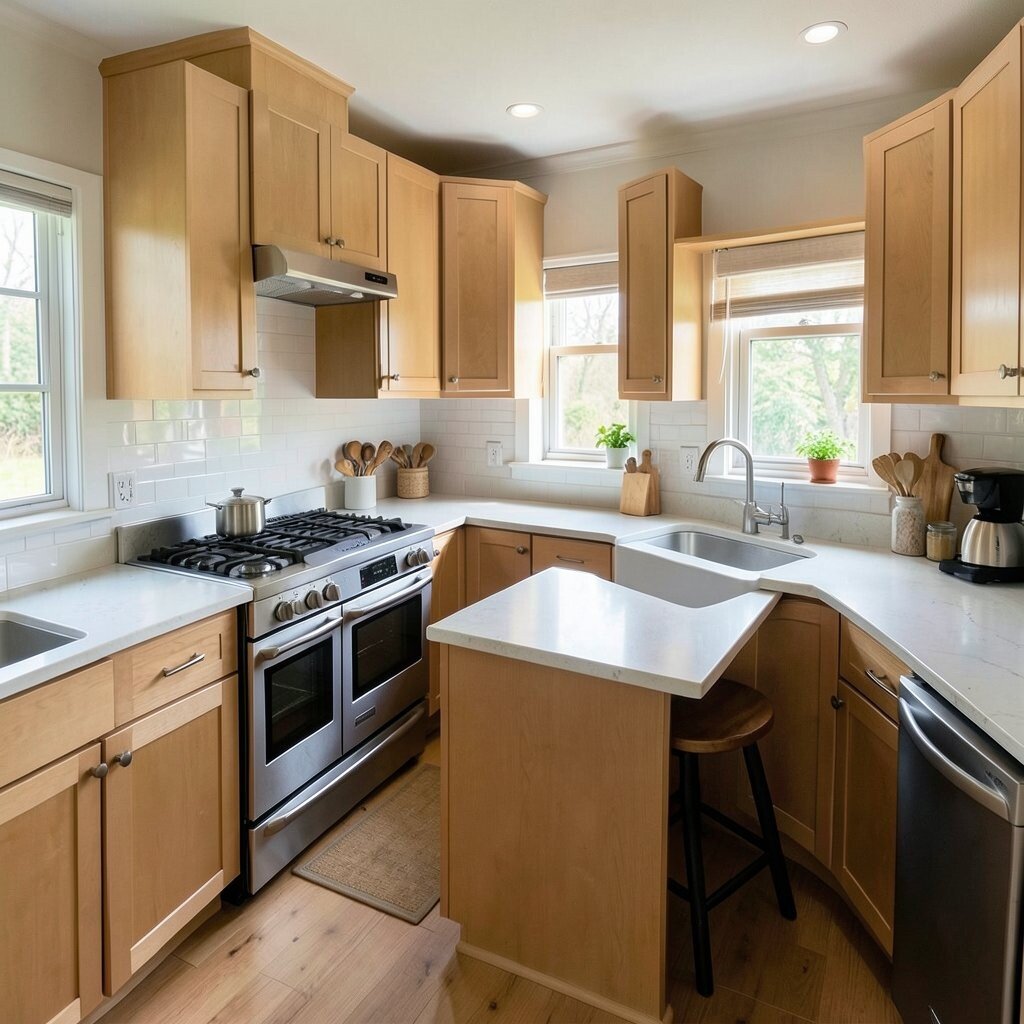
A single-wall kitchen puts all the key items on one wall, which is perfect for very small or narrow homes. It keeps the room neat and easy to read at a glance.
This style works best when each part has a clear job, like prep, cooking, and cleanup. Tall cabinets, hanging racks, and under-cabinet lights can make the wall work harder. If you want a trend-aware look, try flat cabinet fronts and hidden handles for a smooth finish.
5. The Peninsula Layout That Adds A Handy Edge
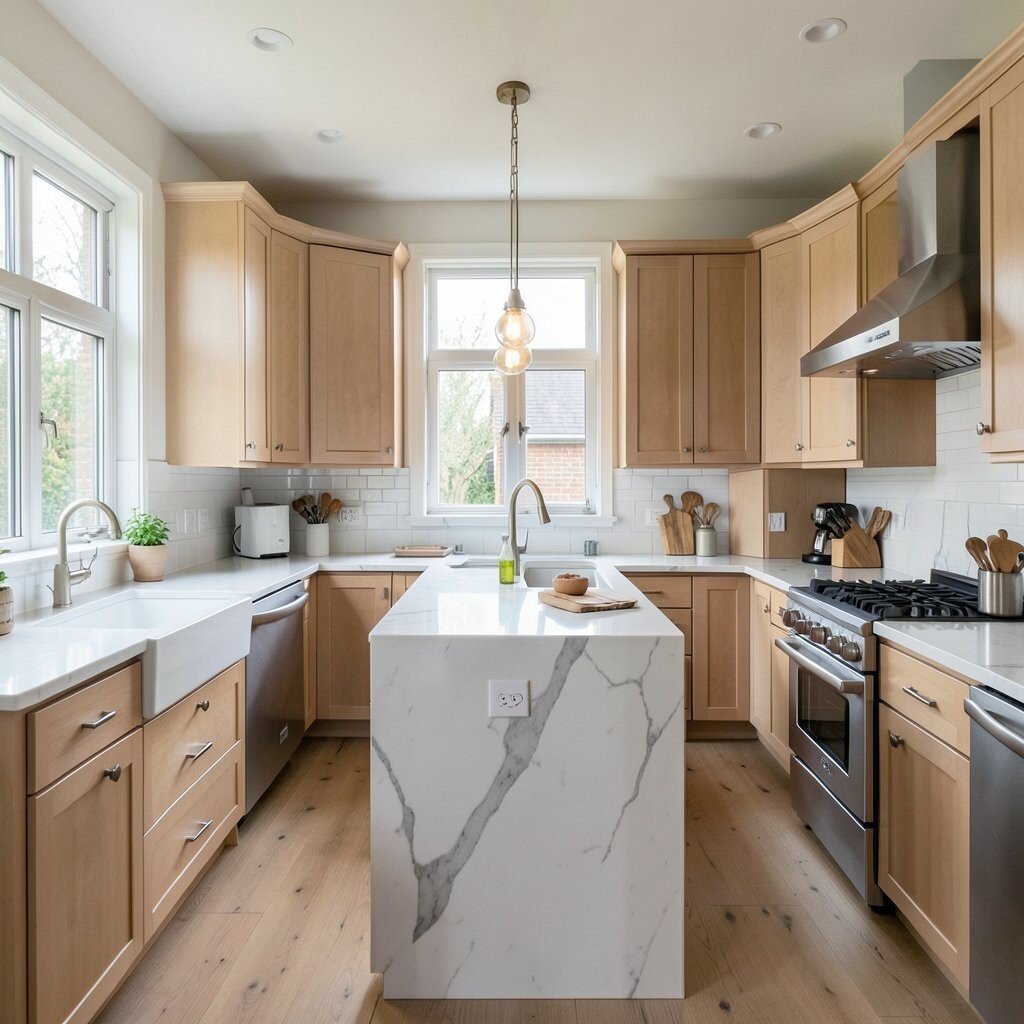
A peninsula acts like a connected island and gives you extra counter space without needing a full open floor. It is a smart pick for rooms that are too small for a true island.
This layout can help divide the kitchen from a nearby dining or living area. It also gives you a spot for stools, snacks, or quick homework time. For a custom feel, choose a different counter color on the peninsula so it stands out.
Peninsulas are popular because they add function without a huge price jump. You can often build one with fewer changes than a full island setup.
6. The Island-In-A-Narrow-Open-Plan Setup
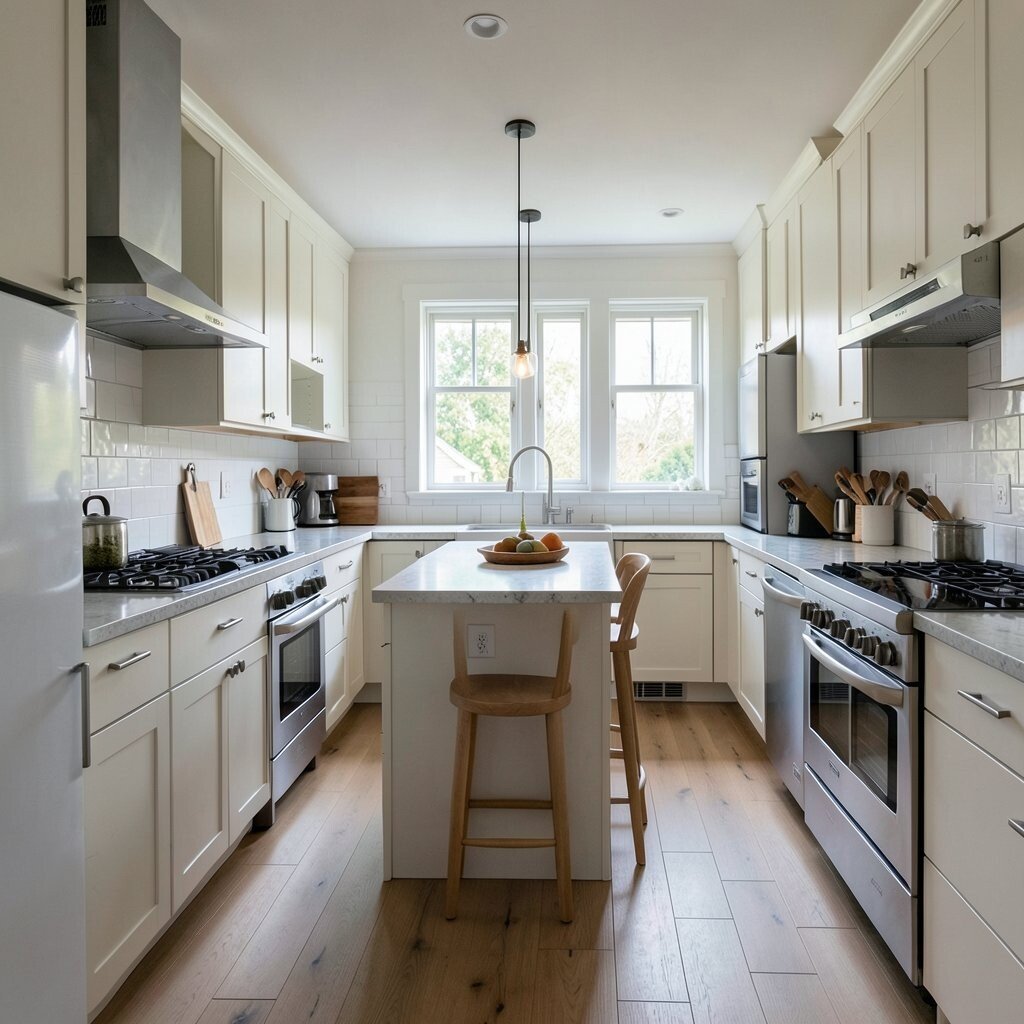
Some awkward kitchens sit inside open rooms that feel hard to arrange. A small island can help anchor the space and make the kitchen feel planned instead of random.
The best islands for tight spaces are slim, movable, or rounded at the corners. They can hold prep space, a sink, or even extra storage drawers. If you love current trends, try a light oak base or a soft stone top for a warm, calm look.
Be sure to leave enough room to walk around it without bumping into chairs or doors. A well-sized island can make the whole room feel more balanced and useful.
7. The Zoned Layout For A Kitchen With Odd Angles
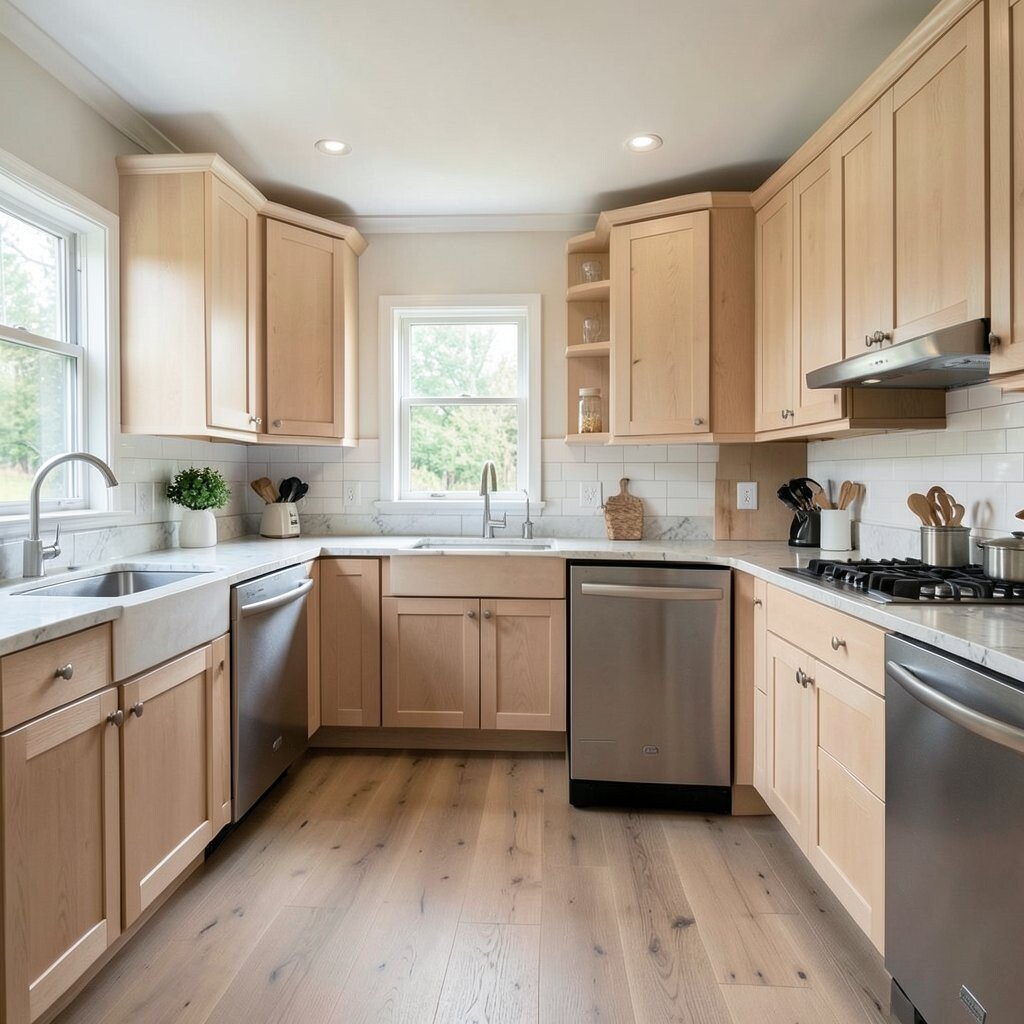
When walls are crooked or the room has strange angles, zoning can help a lot. This means grouping the kitchen into clear areas for prep, cooking, cleaning, and storage.
Each zone can use the space it fits best, which is great for awkward rooms. A deep corner might hold pantry shelves, while a short wall could fit the stove. You can personalize the zones with labeled jars, special lighting, or a different tile pattern in each area.
This idea often keeps costs under control because you use the room as it is. It also makes the kitchen feel thoughtful, even when the shape is not perfect.
8. The Wraparound Layout For A Room With Extra Corners
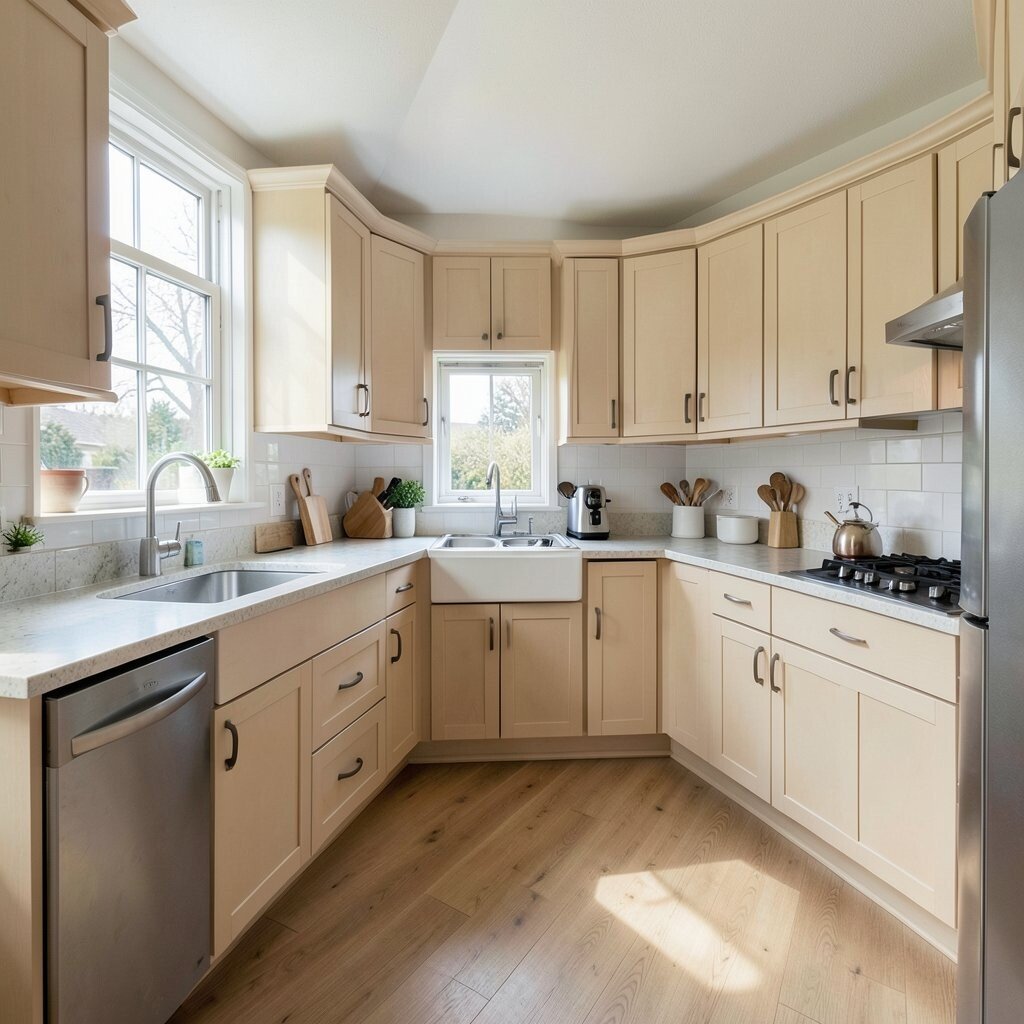
A wraparound layout uses more than one wall and follows the room’s shape in a smooth way. It is helpful when a kitchen has little nooks that would otherwise go to waste.
This setup can make storage feel bigger without making the room feel boxed in. Corner drawers, lazy Susans, and pull-out shelves help every inch work better. For a style boost, use matching cabinet fronts so the room feels calm and polished.
Many people like this layout because it can hide awkward spots so well. It also gives you room to mix practical storage with pretty details like open cubbies or glass doors.
If you want a softer look, choose curved lighting or rounded bar stools. Small shape changes can make a tricky room feel much friendlier.
9. The Compact Chef’s Layout With Smart Storage
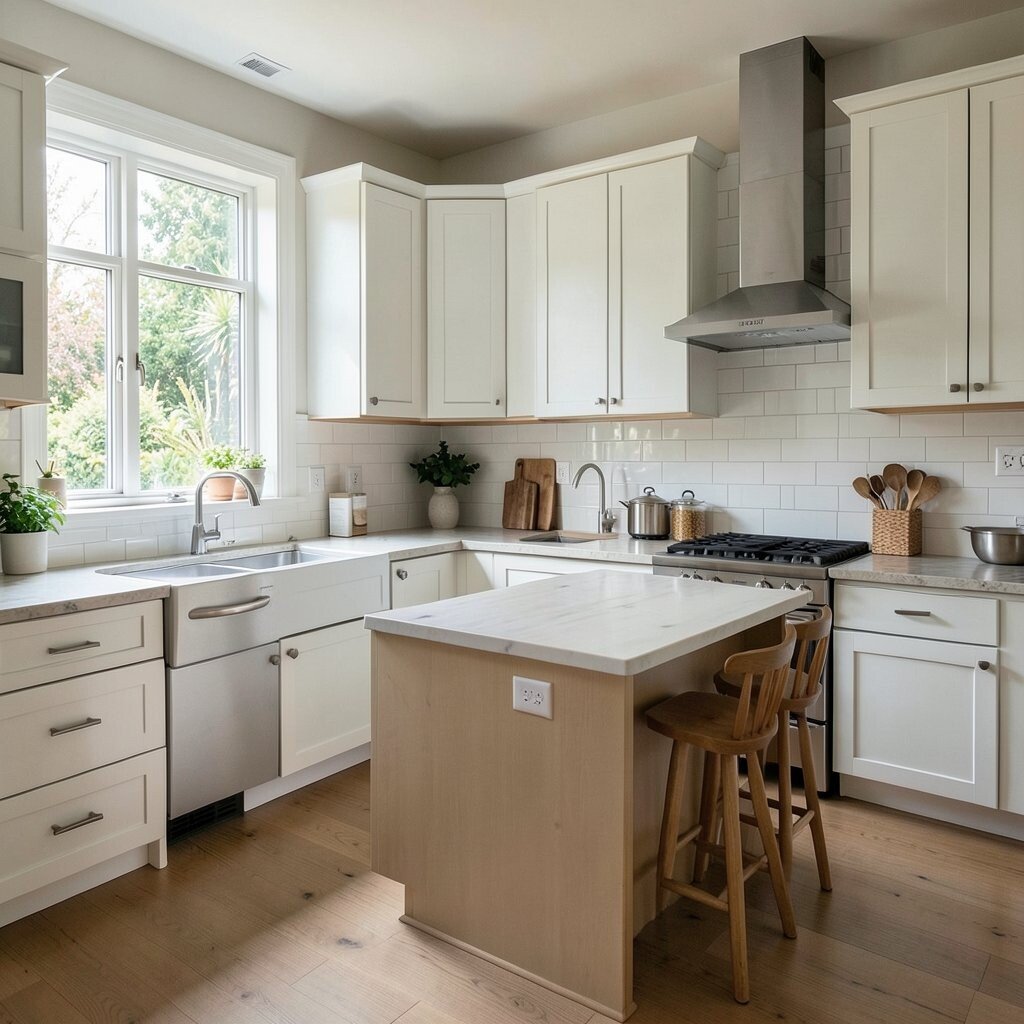
A compact chef’s kitchen packs serious function into a small footprint. It is made for people who cook often and need every tool to have a home.
This layout usually uses tall storage, strong task lighting, and a very clear work path. Add a peg rail, drawer dividers, or a slim pantry tower to keep the counters open. If your budget is tight, focus on storage upgrades first because they often give the biggest payoff.
This style feels modern and efficient, which fits today’s love for clean, uncluttered rooms. It can also be made warm with soft paint colors or natural finishes.
10. The Eat-In Layout For A Shared Family Spot
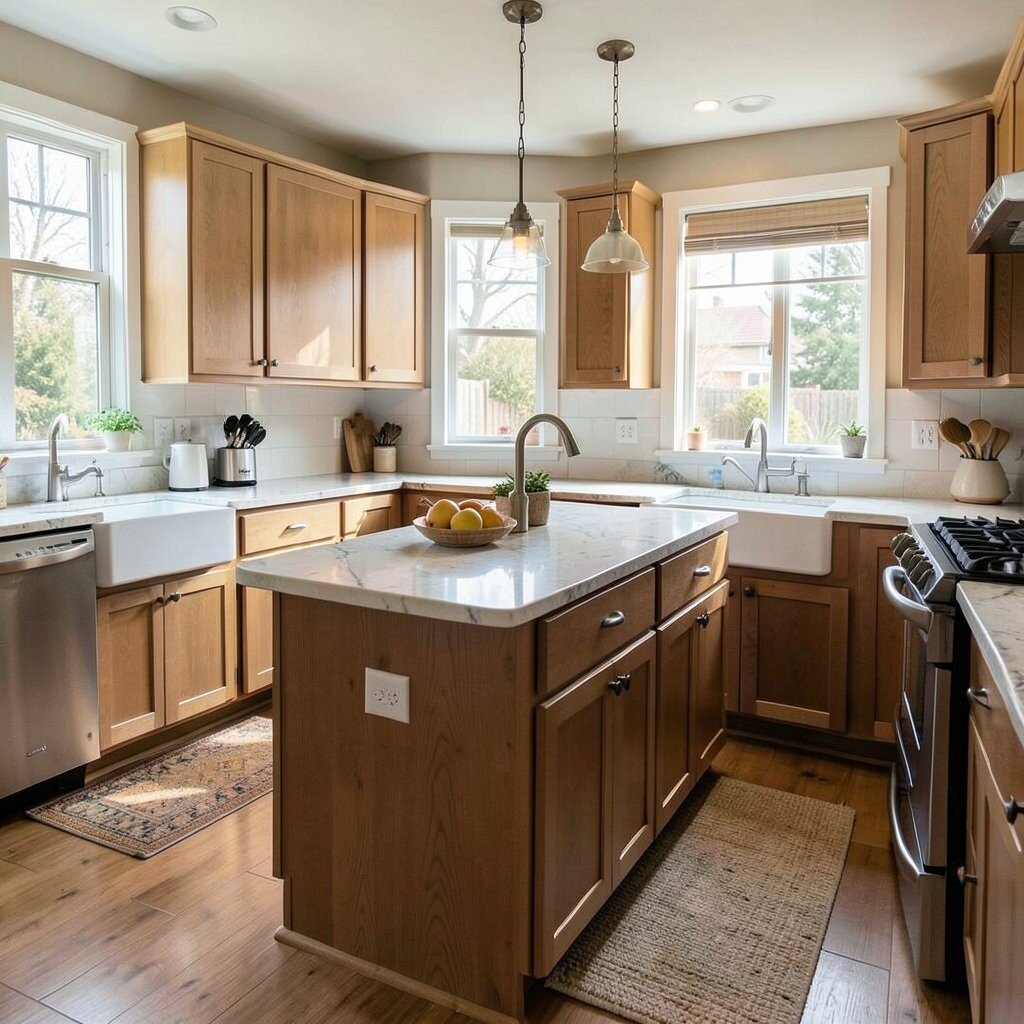
Some awkward kitchens need to do more than cook. An eat-in layout adds a place to sit, chat, and do daily life without needing a separate dining room.
This can be a built-in bench, a small table, or a banquette tucked into a corner. It helps the kitchen feel social and makes the room more useful for family routines. Personal touches like cushions, pendant lights, and a colorful rug can make the area feel cozy.
Keep the seating size in check so the room still moves well. A simple setup can feel stylish without asking for a big remodel.
11. The Split Layout For Long Or Broken-Up Rooms
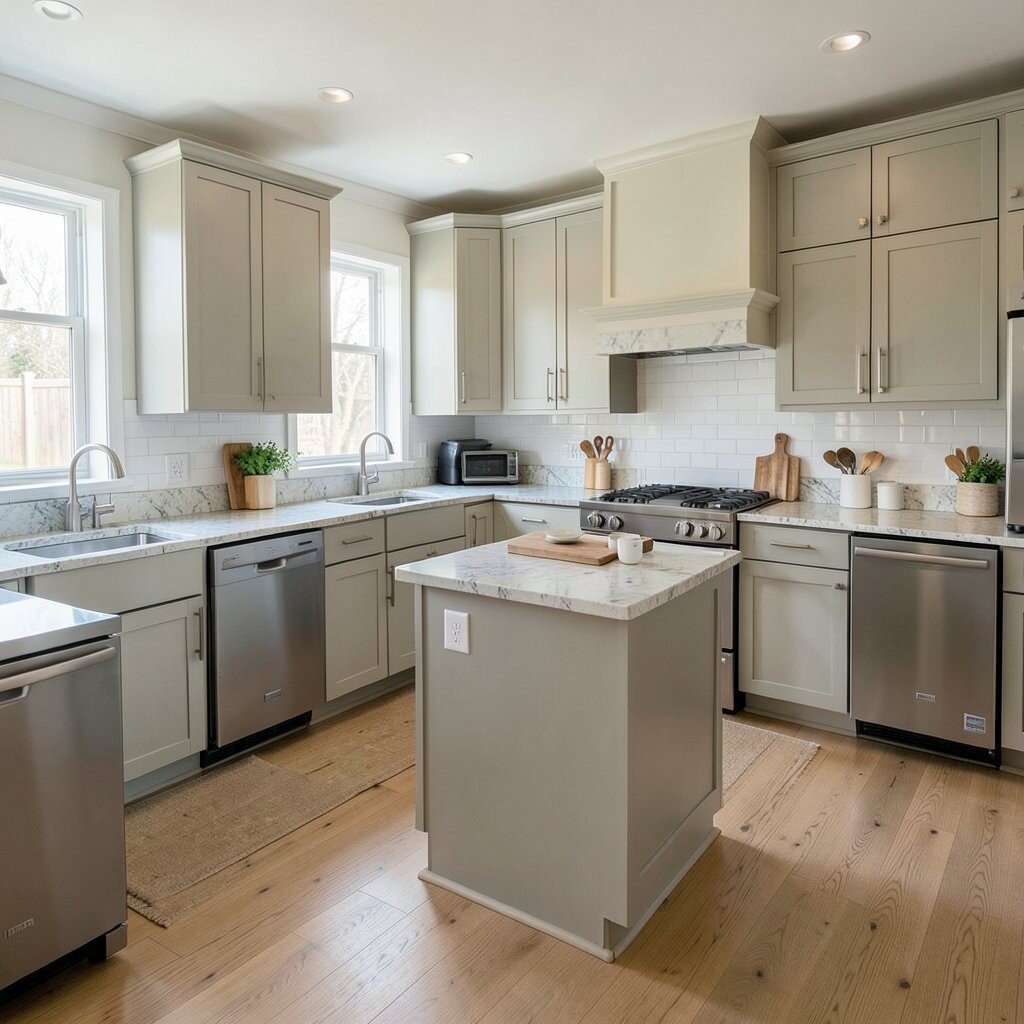
A split layout works well when the kitchen is divided by doors, windows, or a strange walkway. It spreads the work areas into two parts so the room feels less forced.
For example, one side might hold cooking tools while the other side handles prep and storage. This can be a smart fix when one wall is too short for a full kitchen run. Try repeating the same cabinet color on both sides so the room still feels connected.
This layout can be budget-friendly if you keep plumbing and wiring changes small. It also gives the room a custom feel, which is great for homes with unusual shapes.
12. The Flexible Modular Layout For A Kitchen That Grows With You
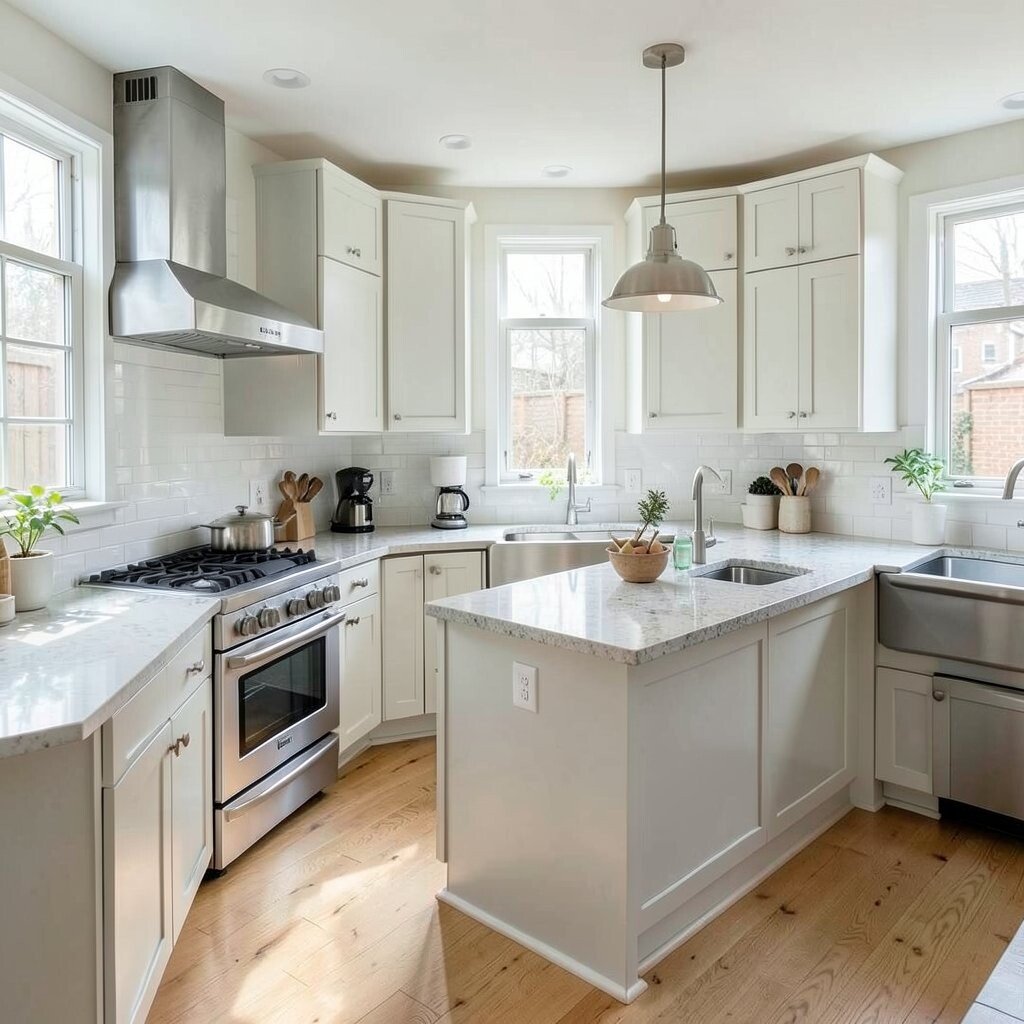
A modular kitchen uses pieces that can move, swap, or grow over time. It is a strong choice for awkward spaces because it can fit around the room instead of forcing the room to fit a set plan.
You can use rolling carts, stackable shelves, and modular cabinets to build a setup that suits your habits. This is helpful if you rent, remodel in stages, or expect your needs to change later. For a current look, mix simple cabinet blocks with open shelving and warm metal accents.
The best part is how personal it can feel. You can start small, test what works, and add pieces as your budget allows.