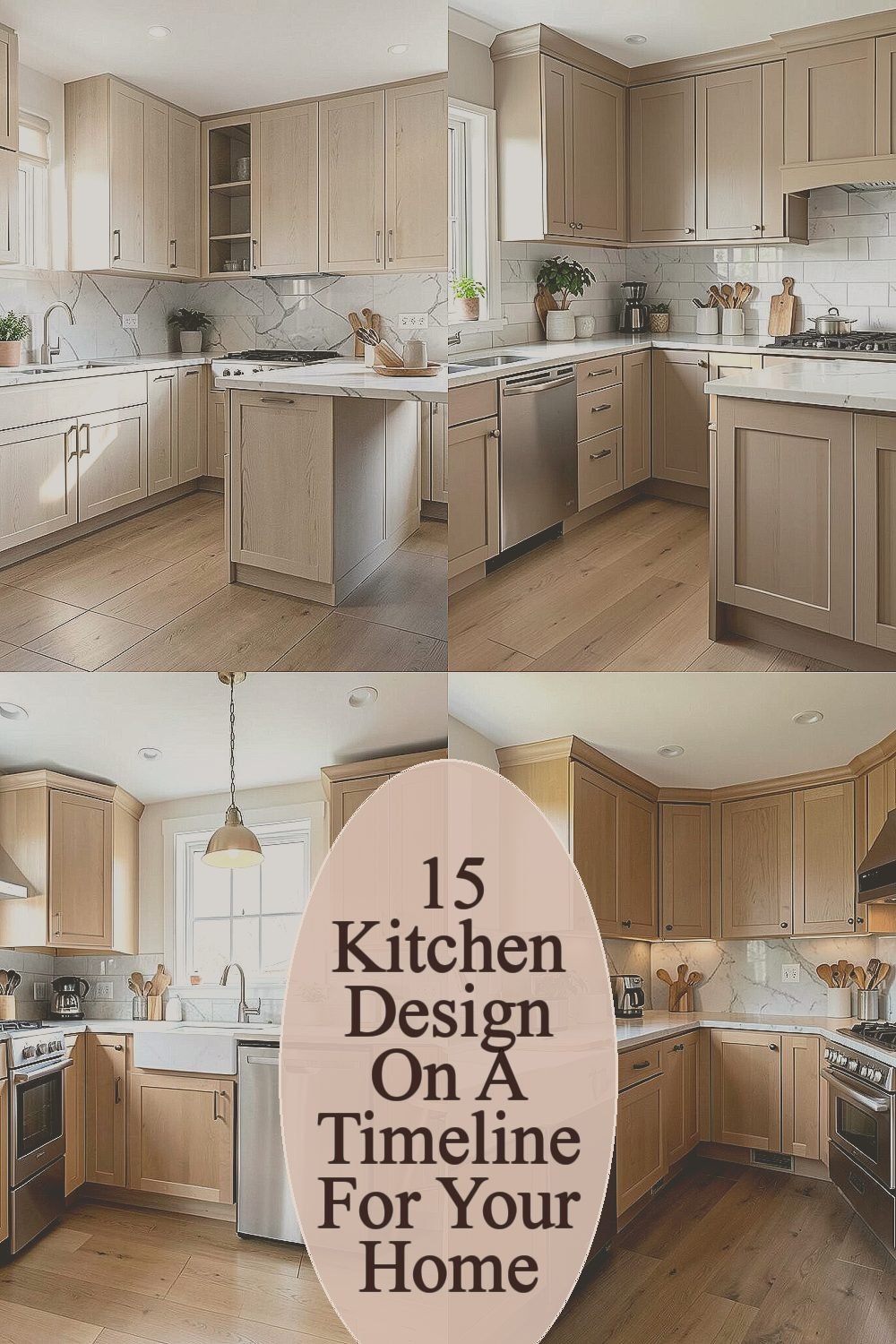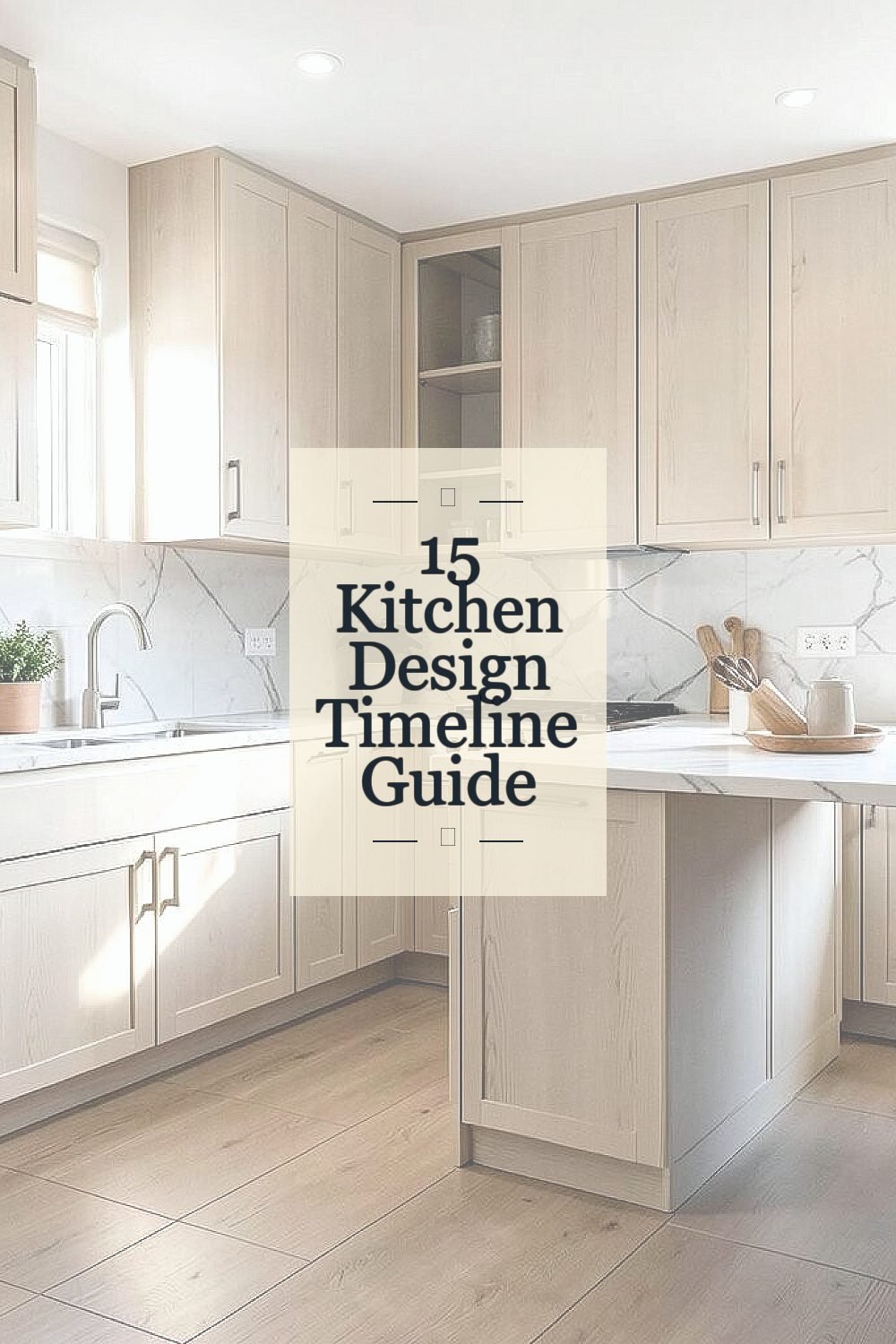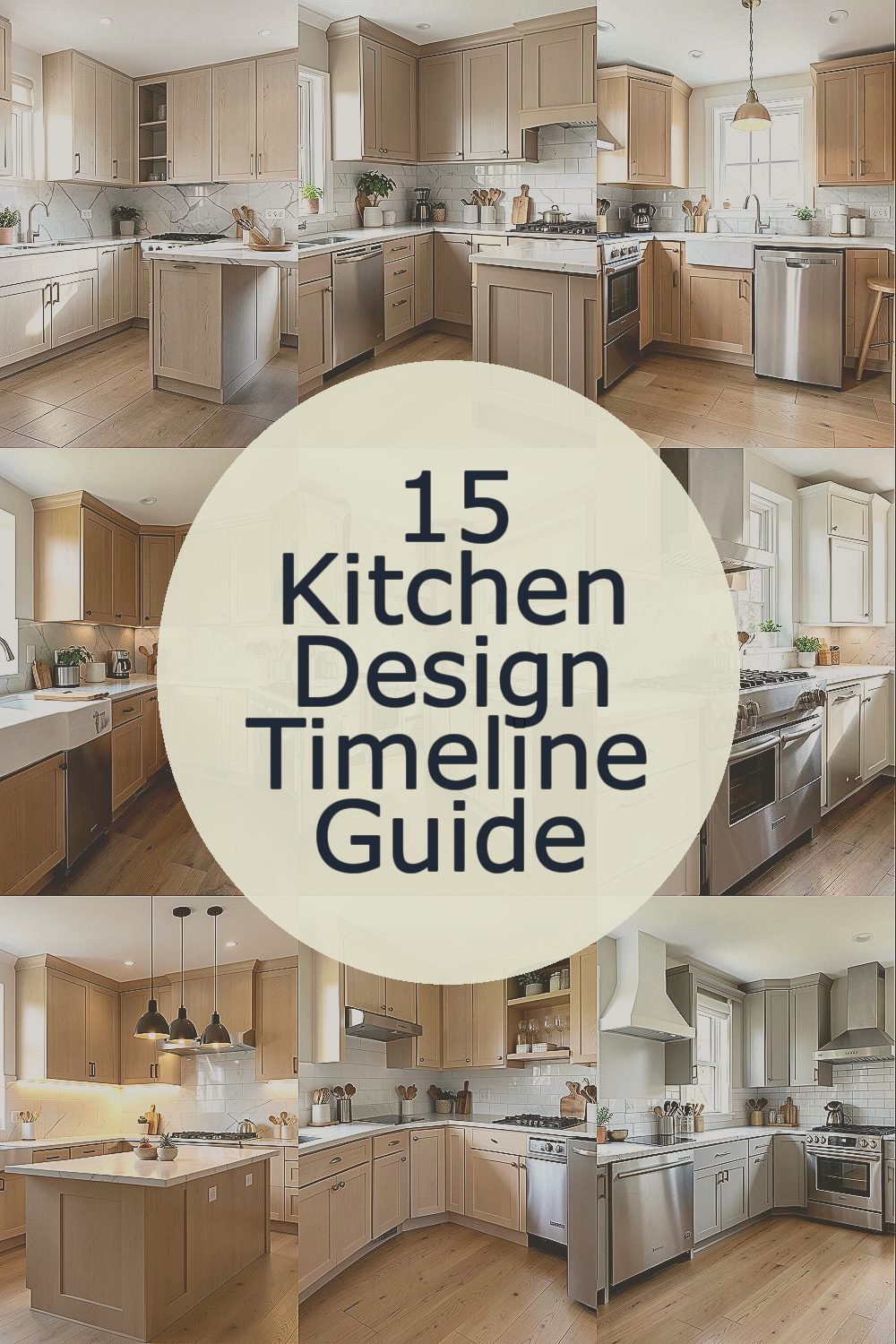
The kitchen can change how a home feels every single day. A smart plan can make the process smoother and far less stressful.
1. Start With a Clear Kitchen Vision

A clear vision gives your project a strong starting point. It also helps the room feel calm, bright, and put together.
Think about how you use the space and what style makes you smile. A soft white kitchen can feel airy, while warm wood can feel cozy and rich. Write down your must-haves, your nice-to-haves, and the things you want to avoid so choices stay focused.
2. Set a Budget That Matches Your Goals

A budget keeps your kitchen plan grounded and realistic. It also helps you choose where to spend more and where to save.
Cabinets, counters, and labor often take the biggest share of the money. Small details like pulls, paint, and lights can still make a big visual impact without a huge cost. If you want a high-end look on a tighter budget, mix one statement feature with simple finishes around it.
Many homeowners today like to spend more on storage and lighting because those upgrades improve daily life. A good budget also leaves room for surprise costs, which can save stress later.
3. Measure the Room Before You Buy Anything
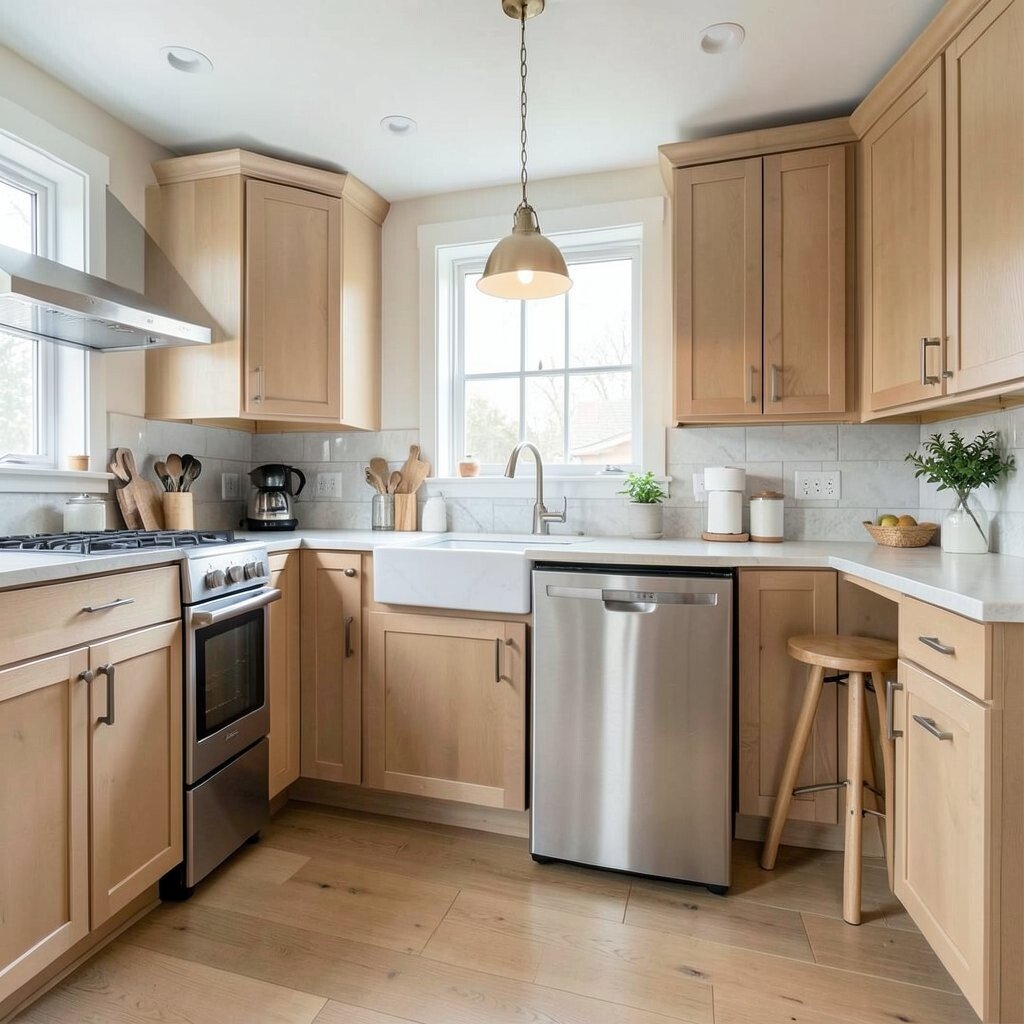
Good measurements help every part of the kitchen fit the right way. They also stop costly mistakes before they happen.
Use a tape measure to check walls, windows, doors, and ceiling height. Then mark where sinks, stoves, and fridges can go without crowding the room. If the space is small, careful measuring can make it feel bigger and more open.
Some people draw the room on paper, while others use simple design apps. Either way, exact sizes make it easier to plan a layout that looks neat and works well.
Accurate measurements also help you compare prices with confidence. When you know what fits, you can shop smarter and avoid returns.
4. Pick a Layout That Fits Daily Life

The layout shapes how easy the kitchen feels every day. It can make cooking, cleaning, and moving around much simpler.
Open layouts are popular because they feel bright and social. Galley kitchens can be great for small homes, while L-shaped plans often give a nice balance of work space and flow. A good layout should match how your family cooks, eats, and gathers.
Try to place the sink, stove, and fridge in a way that saves steps. That small change can make the kitchen feel faster and more comfortable to use.
5. Choose Cabinets That Set the Style

Cabinets often take up the most visual space in the room. That makes them one of the biggest style choices in the whole design.
Flat-front cabinets can look clean and modern, while shaker doors feel classic and warm. Deep colors like navy or forest green can give the room a bold look, and light colors can make it feel bigger. If you want personality, try mixing painted cabinets with a wood island or open shelving.
Cabinet hardware matters too, since handles and knobs can change the mood in a small way. Matte black, brushed brass, and soft nickel are popular choices right now.
Custom cabinets cost more, but they can fit tricky spaces better. Ready-made options are often easier on the budget and still look polished with the right finish.
6. Add Countertops That Work Hard and Look Good

Countertops need to handle daily messes and still look beautiful. They can also help the kitchen feel more polished and finished.
Quartz is a favorite because it is strong and easy to care for. Butcher block adds warmth and charm, while stone surfaces can bring a natural, high-end feel. Think about how much cooking you do, since busy kitchens need surfaces that are easy to wipe clean.
Light counters can brighten a dark room, while darker ones can create a bold, rich look. Matching the counter color to the cabinet style can make the whole space feel balanced.
7. Plan Lighting That Makes the Room Glow

Lighting changes how every kitchen looks and feels. It can make the room cheerful, useful, and more welcoming at night.
Use a mix of ceiling lights, task lights, and accent lights for the best effect. Under-cabinet strips are very useful because they light up counters where you chop and mix. Pendant lights over an island can add style and give the room a cozy focal point.
Warm light often feels inviting, while cooler light can feel crisp and bright. Dimmers are a smart choice because they let you change the mood with ease.
Many current kitchens use simple fixtures with clean lines. That look feels fresh now and can stay stylish for a long time.
8. Make Storage Feel Built-In and Easy

Great storage keeps the kitchen neat and less crowded. It also helps the whole room look cleaner and more open.
Pull-out shelves, deep drawers, and tall pantry spaces can hold a lot without looking messy. Corner storage tricks can help use awkward spots that often go to waste. If you want a tidy look, hide appliances behind cabinet doors or place them in one special zone.
Open shelves can add charm, but they work best when used with care. A few pretty dishes, jars, or plants can make the room feel personal without adding clutter.
9. Pick Appliances That Match Your Needs
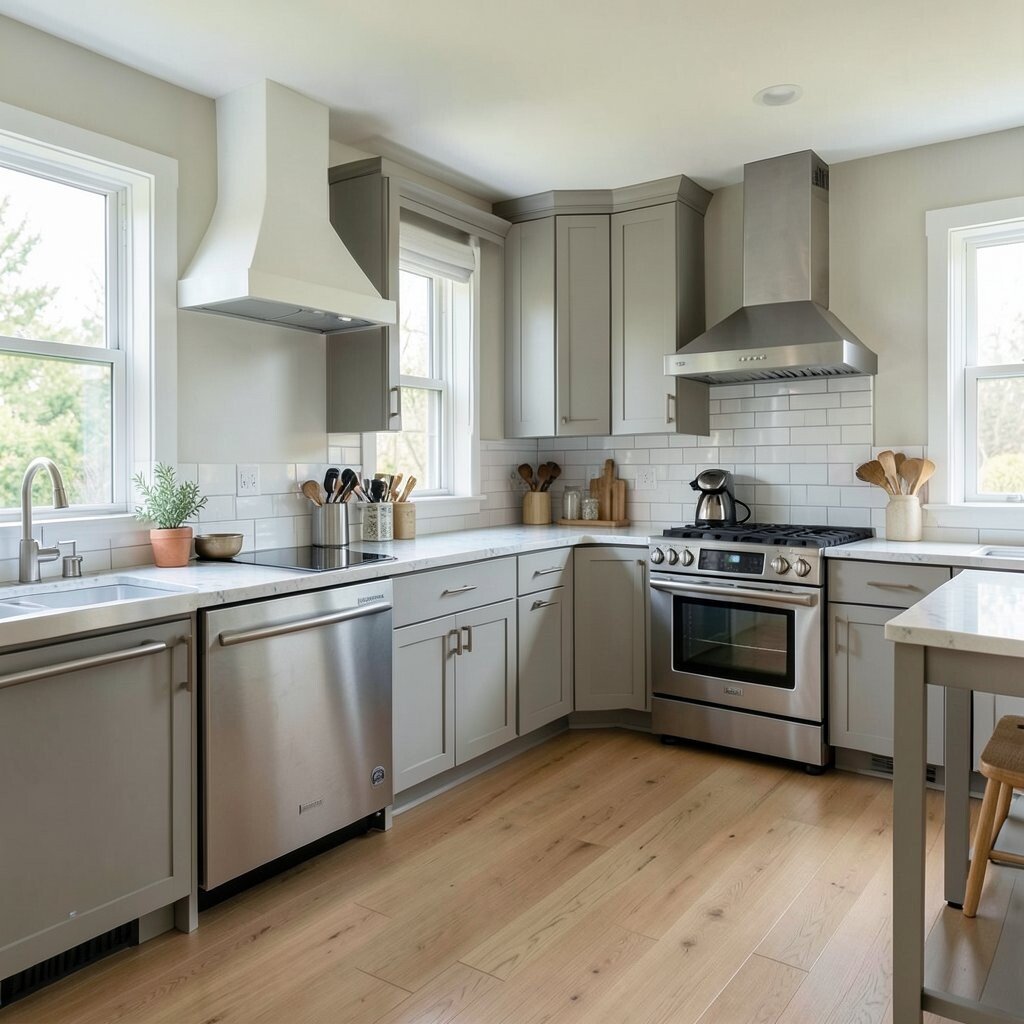
Appliances should fit your cooking habits, not just your style. The right ones can make meals easier and save time every week.
Families who cook often may want a larger oven or a strong range. Smaller homes may do better with compact pieces that save space and still work well. Stainless steel is still popular, but panel-ready appliances are trending because they blend into the cabinets for a smooth look.
Think about energy use too, since efficient models can help lower bills over time. A smart appliance may cost more at first, but it can bring real value later.
Choose finishes that match the room so the kitchen feels planned. When the appliances fit the design, the whole space looks more polished.
10. Use a Backsplash to Add Personality

A backsplash can bring color, pattern, and charm to the kitchen. It also protects the wall from splashes and stains.
Simple tile can keep the room calm, while bold patterns can make it feel lively. Handmade-looking tiles are popular because they add a soft, human touch. If you want a timeless look, try a shape or color that works well with both modern and classic styles.
Backsplashes are a great place to show your taste without spending as much as you would on cabinets. Even a small section of special tile can make the room feel custom.
11. Add an Island If the Space Can Handle It

An island can become the heart of the kitchen. It gives you more room to prep, sit, serve, and gather.
Some islands hold sinks or cooktops, while others stay simple and open. A waterfall counter edge can give the room a sleek, current look. If your kitchen is small, a slim island or rolling cart may work better than a full-size one.
Color can make the island stand out in a fun way. Many people choose a different finish for the island so it feels like a special piece of furniture.
Before you add one, make sure there is enough walking space around it. Comfort matters just as much as style in a busy kitchen.
12. Bring in Warmth With Flooring Choices

Flooring helps tie the whole kitchen together. It also needs to stand up to spills, shoes, and daily traffic.
Wood-look floors are loved for their cozy feel and easy care. Tile can be strong and stylish, especially in homes that need extra durability. Light floors can make a room feel open, while darker ones can ground the design and add depth.
Think about texture too, since a little grip can help make the space safer. A floor that feels good underfoot can improve the room in a quiet but important way.
When the floor color works with the cabinets and counters, the kitchen looks more complete. That balance can make even a simple design feel special.
13. Create a Spot for Everyday Living
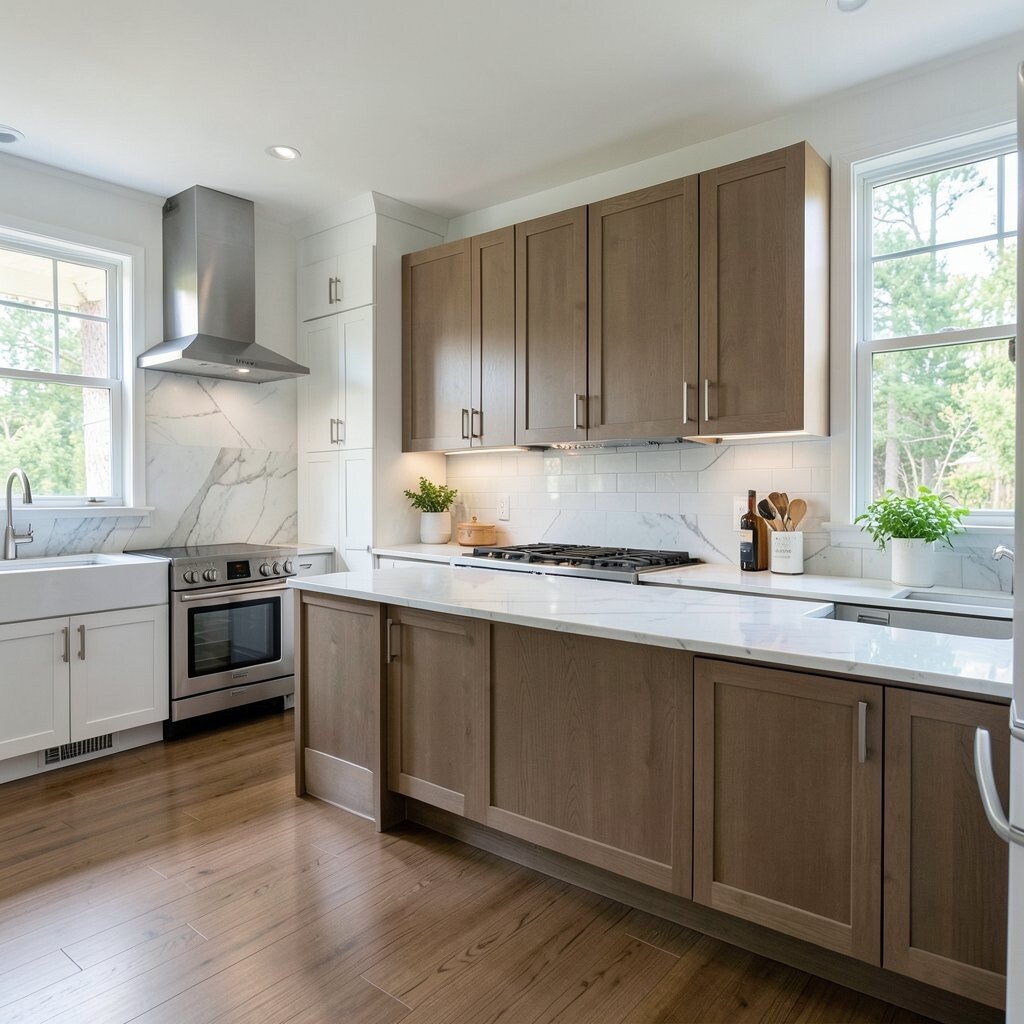
A kitchen should do more than cook meals. It should also support schoolwork, coffee breaks, chats, and busy mornings.
A small desk nook, a breakfast bench, or a cozy corner seat can make the room more useful. These touches help the kitchen feel like part of real family life instead of just a work zone. Soft cushions, a warm wood finish, or a painted built-in can make the area feel inviting.
Personal touches matter here, like framed art, favorite mugs, or a pinboard for notes. These details make the space feel like home.
14. Use Color in Smart and Simple Ways
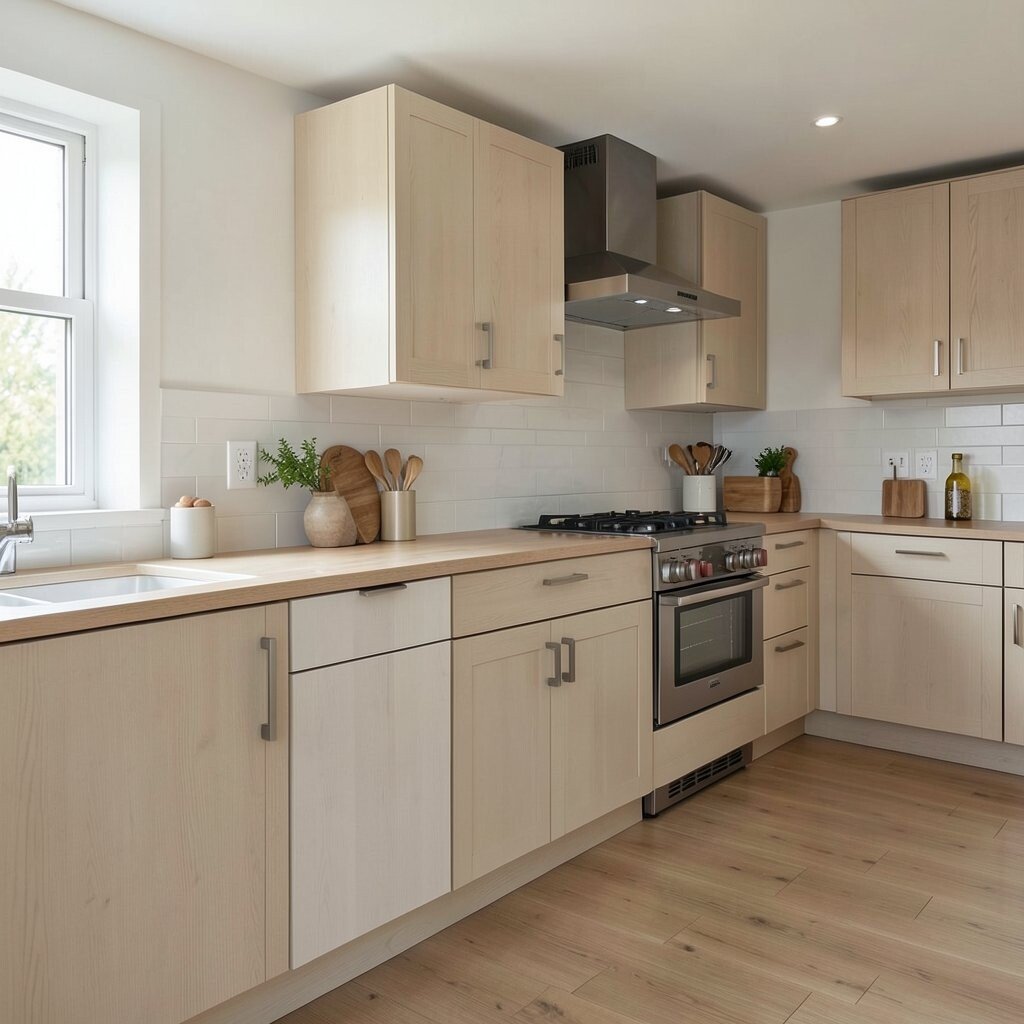
Color can change the mood of the kitchen fast. It can make the room feel sunny, calm, bold, or fresh.
Soft neutrals are still a popular choice because they age well and pair with many styles. Sage, clay, and dusty blue are also on trend because they feel gentle and modern. If you want a bigger splash of color, try it on the island, pantry door, or a few open shelves.
Paint is one of the most budget-friendly ways to update a kitchen. It gives you room to be playful without making a huge commitment.
Choose shades that feel good in both morning light and evening light. The best color is one that keeps making you happy day after day.
15. Finish With Details That Make It Yours
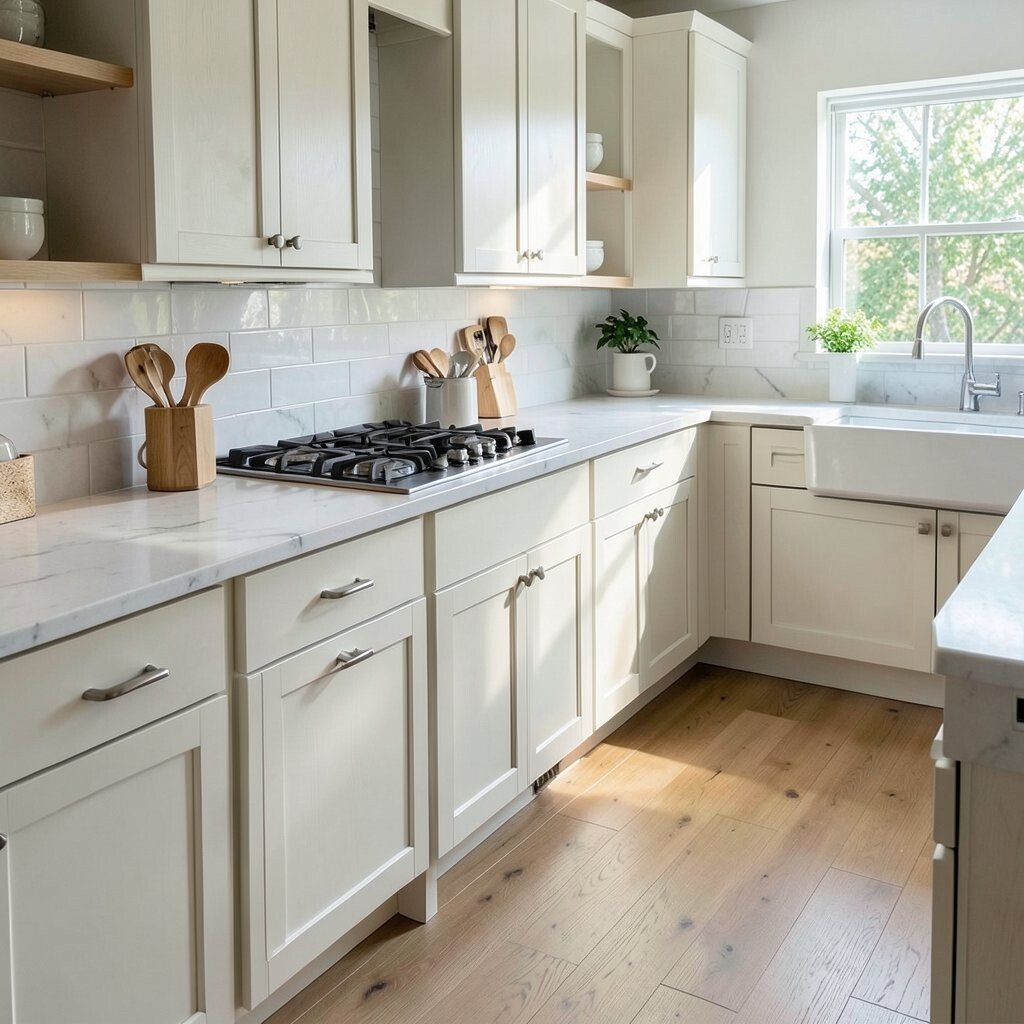
Small details often give a kitchen its soul. They can make the room feel warm, thoughtful, and complete.
Think about faucets, cabinet pulls, stools, rugs, and even the shape of your light switches. A brass faucet can add shine, while a woven runner can soften a hard floor. Plants, art, and pretty containers can also bring life to the space without costing too much.
Personal style shines through in these final touches, so choose pieces that feel true to you. A well-loved kitchen should look good, but it should also feel easy to live in.
These details are often the last things added, yet they can have a big effect. When the small pieces work together, the whole kitchen feels finished and welcoming.