Busy kitchens need calm spaces. Small changes can make cooking feel easier.
1. Keep Countertops Almost Bare
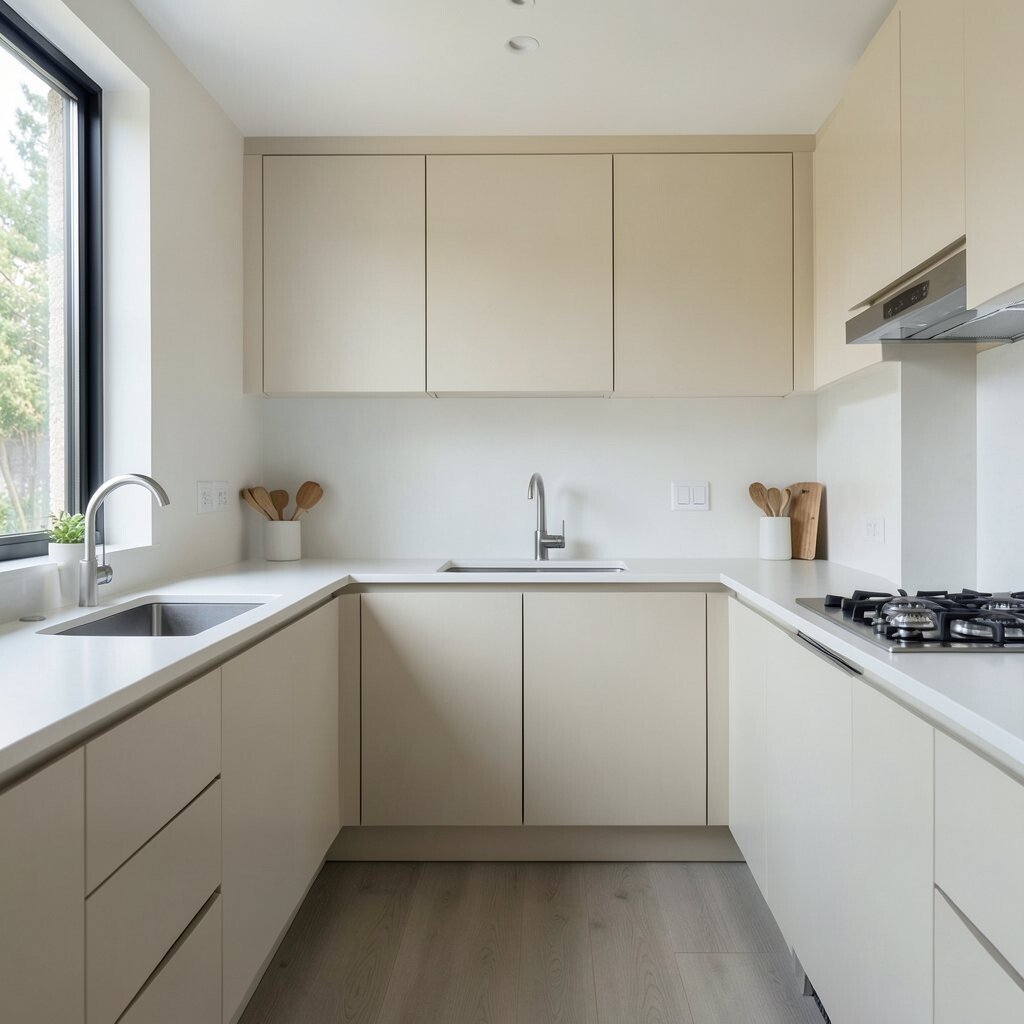
A clean counter gives the kitchen a quiet, open look. It also makes it faster to start cooking because your tools are easy to reach.
Keep only the items you use every day in sight, like a cutting board, salt, and one coffee maker. Choose simple containers in glass, wood, or matte black for a neat look. If you want a personal touch, add one pretty bowl of fruit or a small plant near the sink.
2. Use Flat Cabinet Fronts
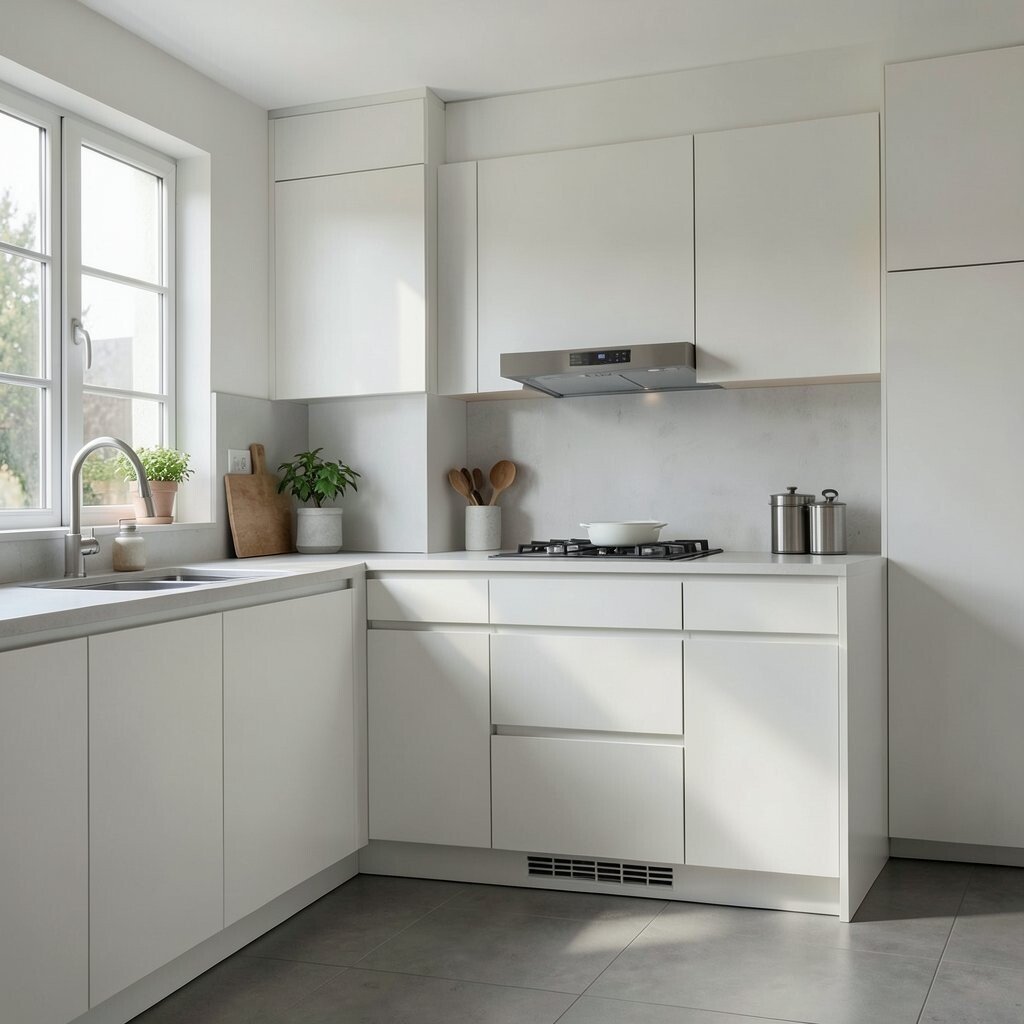
Flat cabinet doors bring a smooth and modern feel to the room. They are easy to wipe clean, which is a big win for busy cooks.
This style works well in small kitchens because it does not add visual clutter. Soft white, warm gray, and natural wood tones are popular right now and feel fresh for a long time. If you want a custom look without a high price, mix simple cabinet fronts with low-cost handles in brushed metal.
For a more personal style, pair flat cabinets with a bold backsplash or a soft wall color. That gives the room character without making it feel crowded. Many home chefs like this look because it keeps the focus on the food, not the furniture.
3. Add Hidden Storage Everywhere
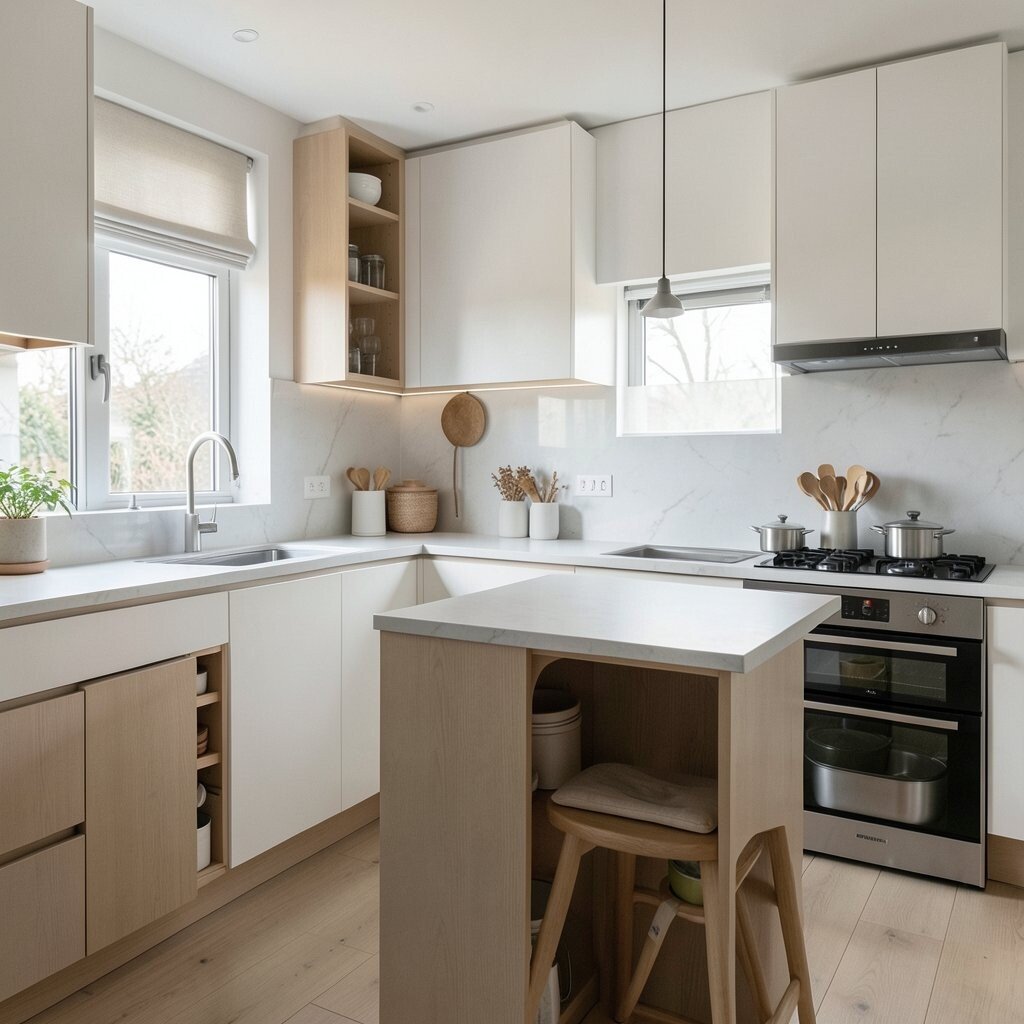
Hidden storage keeps tools close but out of sight. That means less mess and more room for chopping, mixing, and plating.
Pull-out drawers, toe-kick drawers, and deep pantry shelves can hold a lot without showing a lot. These features are very useful for pots, pans, and baking trays that can take over a kitchen fast.
Think about the way you cook before choosing storage spots. Put spices near the stove, knives near prep space, and baking tools near the oven. A good storage plan may cost more at first, but it can save time every single day.
4. Choose One Strong Material
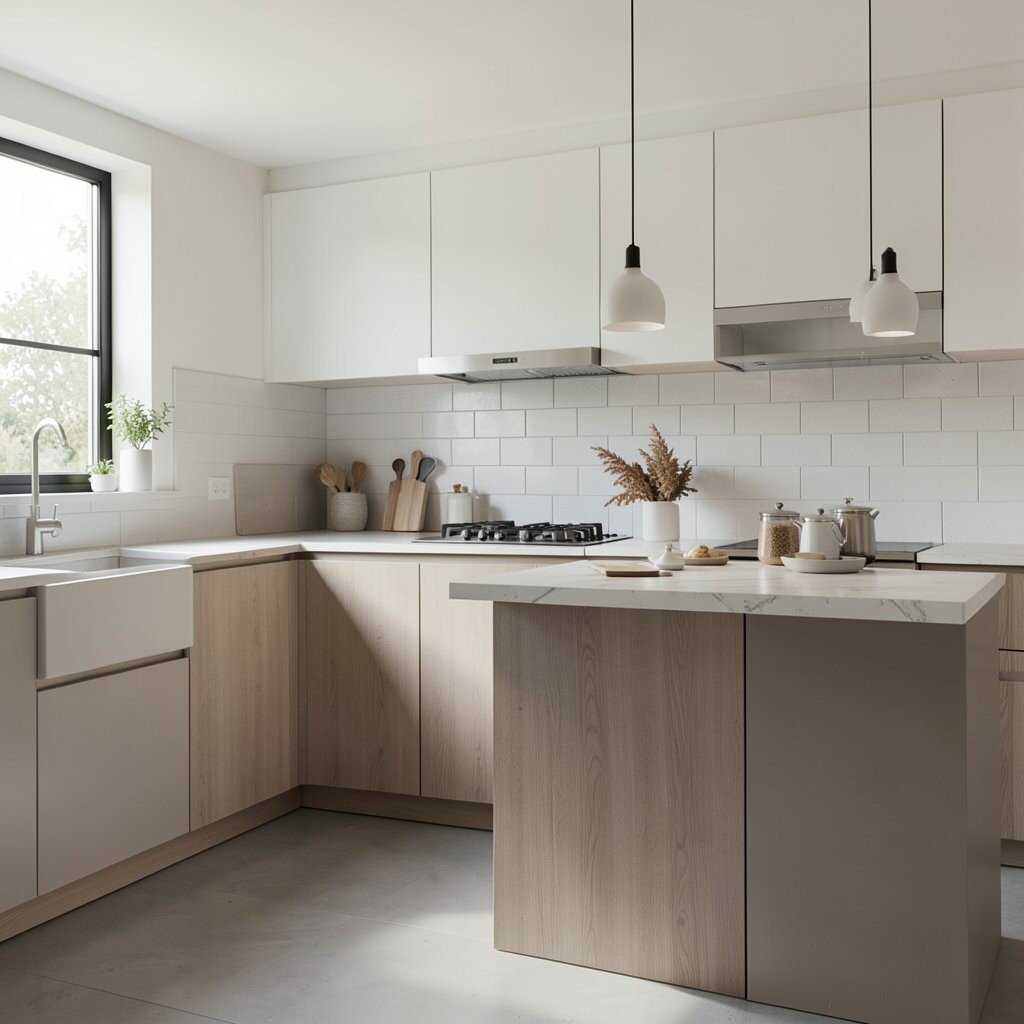
Using one main material can make the kitchen feel calm and tidy. It also helps the room look bigger because the eye is not jumping from one finish to another.
Wood, stone, and stainless steel are common choices for this style. A butcher-block island or a stone counter can give the room warmth and strength at the same time.
If you want a lower-cost option, use a strong-looking laminate that copies the feel of real wood or stone. You can still make it feel special with simple hardware and a few warm accessories. Many busy chefs like this approach because it looks clean and is easy to care for.
Stick to one main finish for cabinets or counters, then use small accents for contrast. That keeps the design peaceful while still giving it life. It is a smart way to get a polished look without spending too much.
5. Use Open Shelves with Care
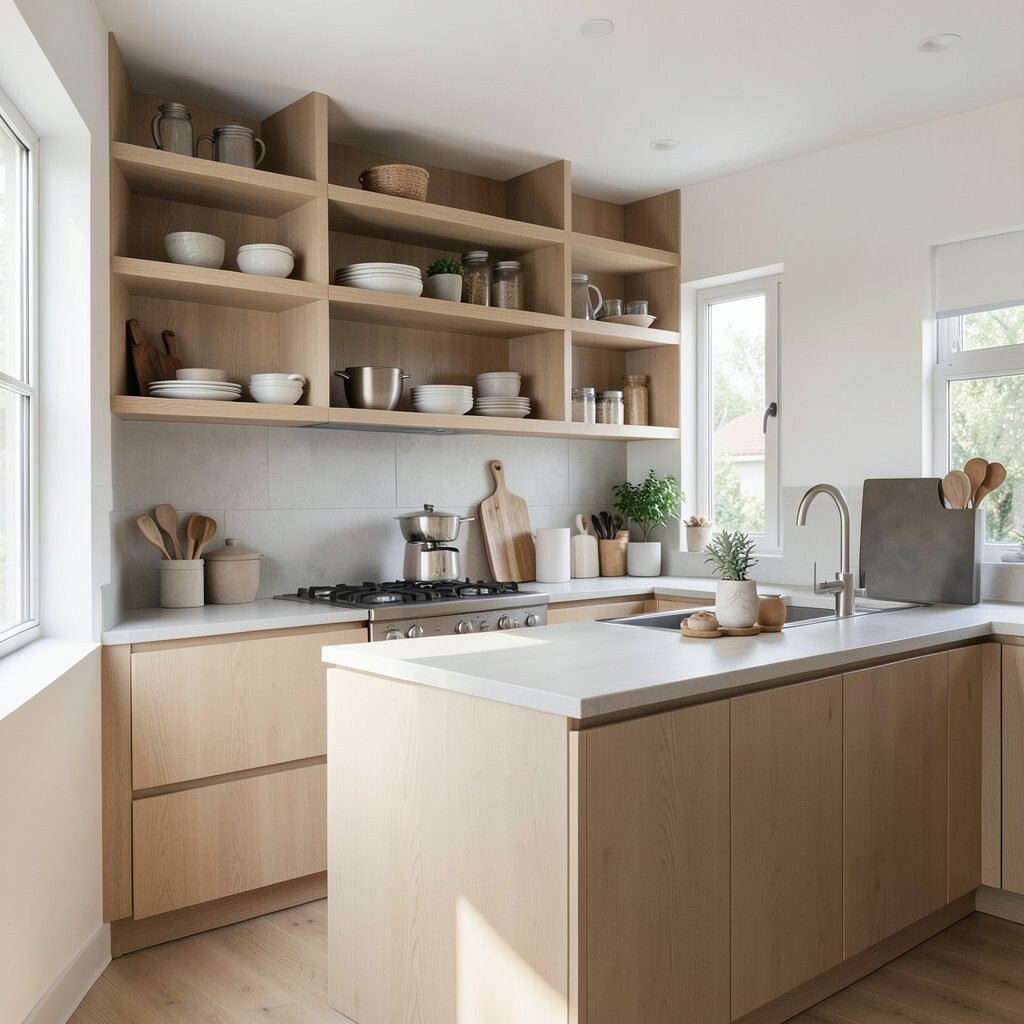
Open shelves can make a kitchen feel light and friendly. They also keep daily dishes and bowls easy to grab during a rush.
Use them for items that look nice and get used often. White plates, clear glasses, and matching mugs can turn a wall into a neat display.
Do not crowd the shelves, or they will lose the minimalist feel. Leave space between objects so each piece can stand out. If you want a personal touch, add one cookbook, a small framed print, or a favorite ceramic piece.
6. Pick Slim, Smart Appliances
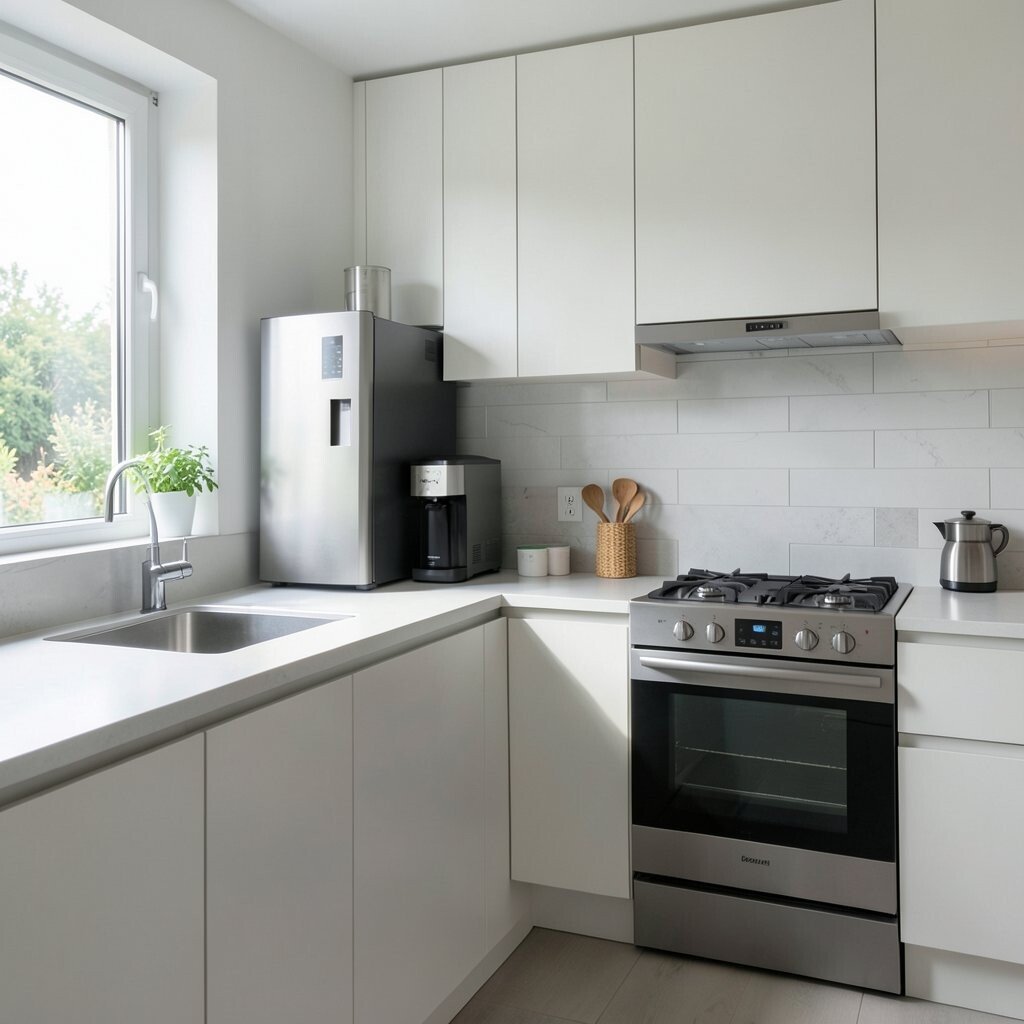
Slim appliances help the kitchen stay open and easy to move through. They are a great fit for people who cook often but do not want a bulky setup.
Many new models are built with clean lines and quiet finishes that blend in well. Panel-ready fridges and built-in microwaves are especially popular in modern homes.
Think about what you truly need before you buy. A smaller oven or a narrow dishwasher may be enough if you cook in a simple, focused way. These choices can lower costs and still give you a sleek look.
For a personal twist, choose one appliance in a soft color or warm metal finish. That little detail can make the room feel less plain. The trick is to keep the rest of the space calm so the appliance can shine.
7. Keep a Simple Color Story
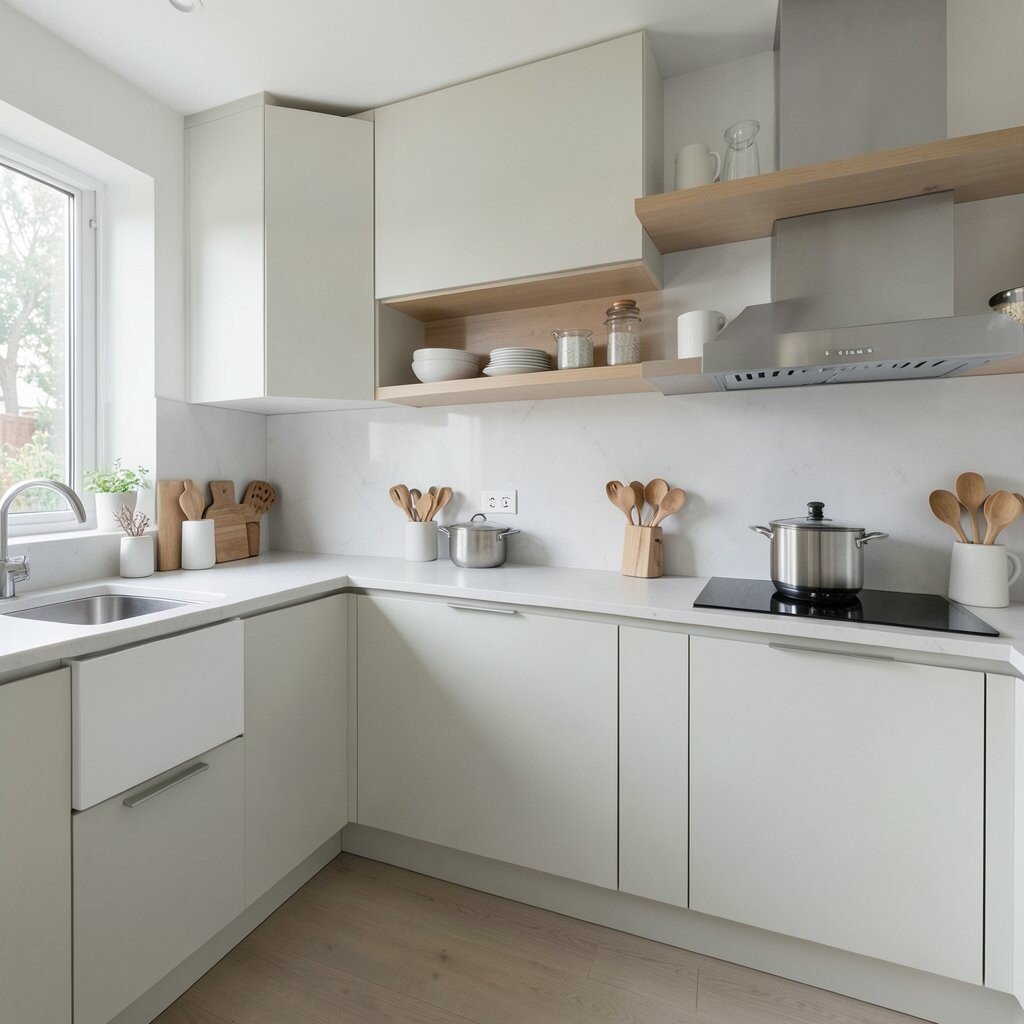
A soft color story can make the whole kitchen feel peaceful. It also helps the space look neat even on a busy day.
Try white, cream, pale gray, soft green, or light wood tones for a calm base. These shades reflect light well and can make a small kitchen feel larger.
You can add life with one accent color in a bowl, rug, or tea towel. This keeps the room from feeling dull while still staying clean and modern. If you want to save money, paint is one of the easiest ways to change the mood of a kitchen.
Choose colors that match how you like to cook and live. A warm palette can feel cozy, while a cool palette can feel crisp and fresh. Either way, the room should help you stay focused and relaxed.
8. Build a Prep Zone That Works Hard
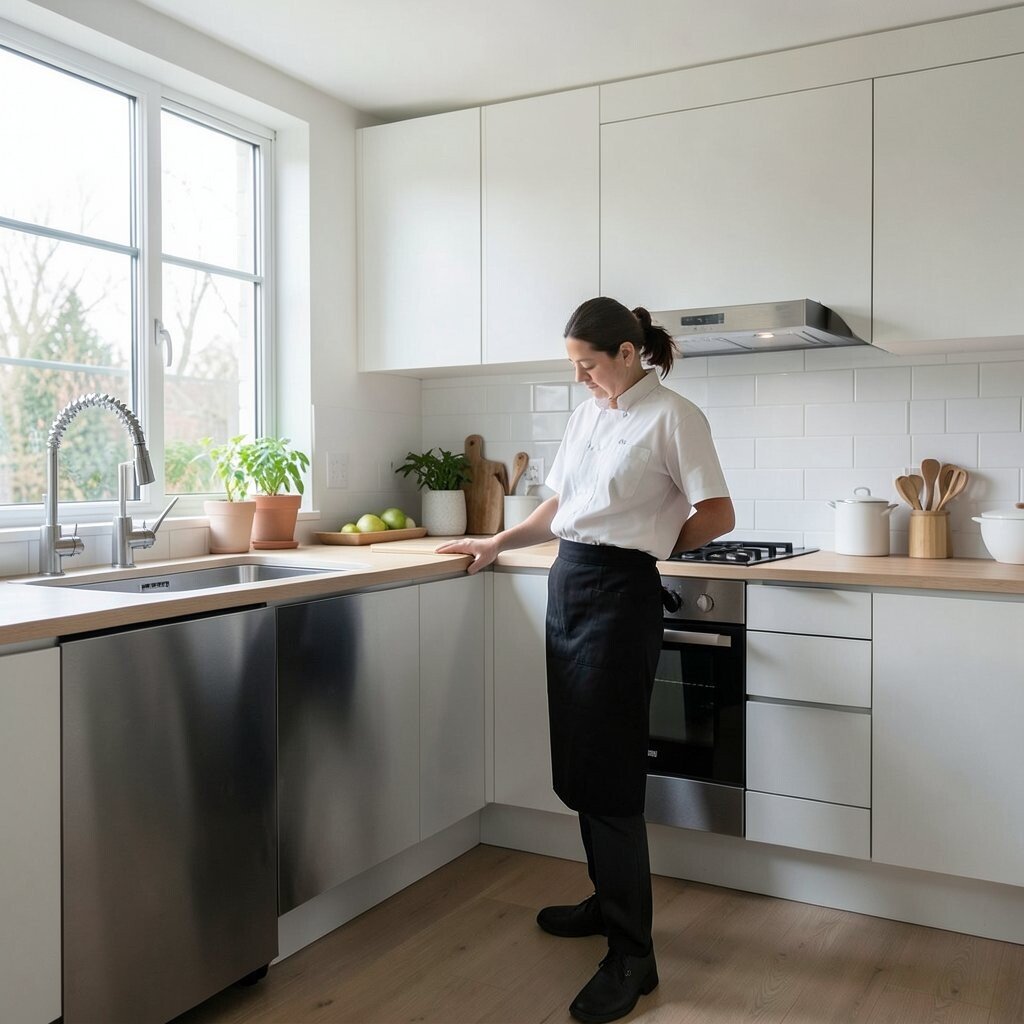
A good prep zone saves time and cuts down on kitchen stress. It gives you one place to chop, mix, and set out ingredients with ease.
Place your cutting board, knives, bowls, and trash bin close together. That way, you can move through meal prep without extra steps or clutter.
If you have room, add a small drawer for spices or measuring tools right under the prep spot. This makes the space feel custom and easy to use. A prep zone does not need fancy parts to be helpful, but careful placement makes a big difference.
Busy home chefs often like this idea because it supports fast cooking and easy cleanup. You can personalize it with a favorite board, a magnetic knife strip, or a small lamp for evening prep. It is a simple setup that can feel very high-end when planned well.
9. Use Lighting That Feels Clean and Bright
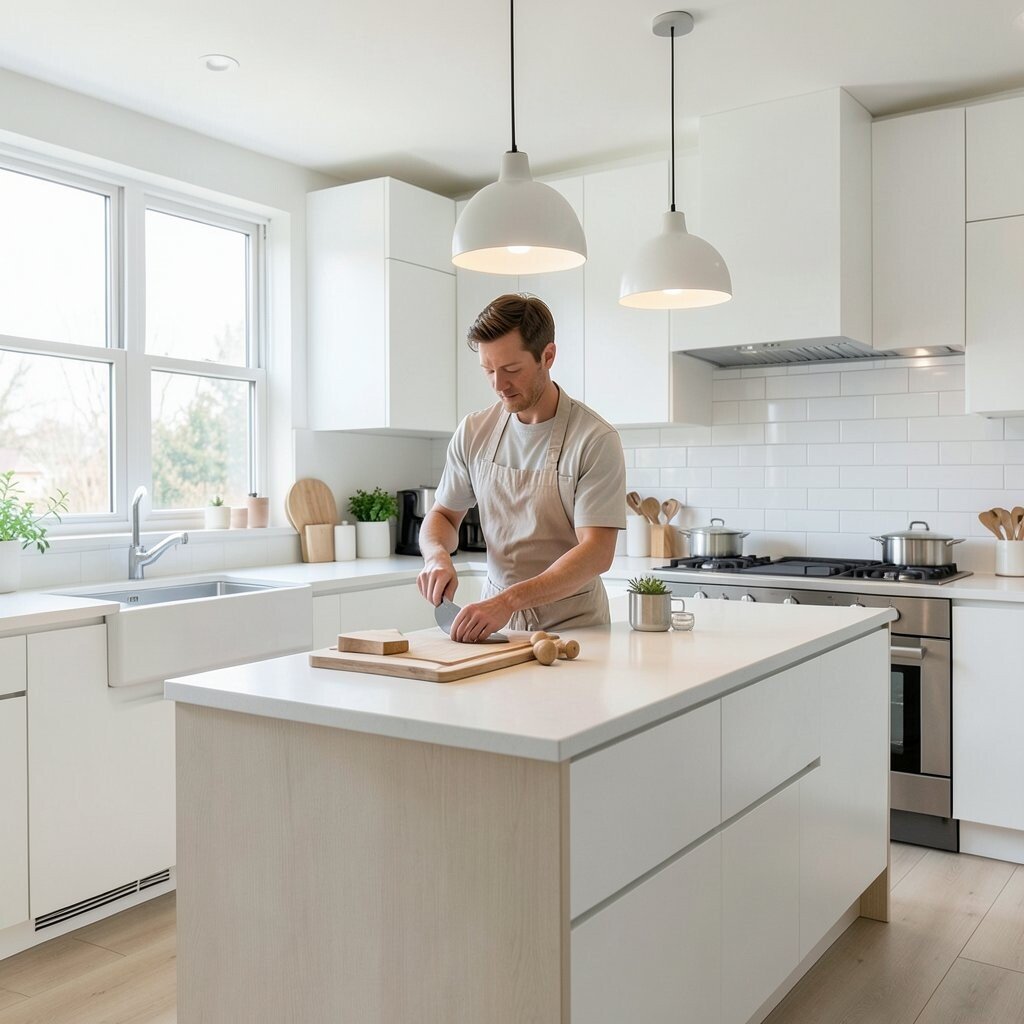
Good lighting makes a minimalist kitchen feel fresh and safe. It also helps you see what you are cutting, stirring, and baking.
Under-cabinet lights are very useful because they brighten the work area without adding clutter. Pendant lights with simple shapes can also give the room style without making it busy.
Warm white light is a popular choice because it feels soft but still clear. If you want a more personal mood, use dimmers so you can change the feel from bright cooking time to quiet evening time. Good lighting may cost a bit more up front, but it can make the whole kitchen more useful.
10. Keep Decor Small and Meaningful
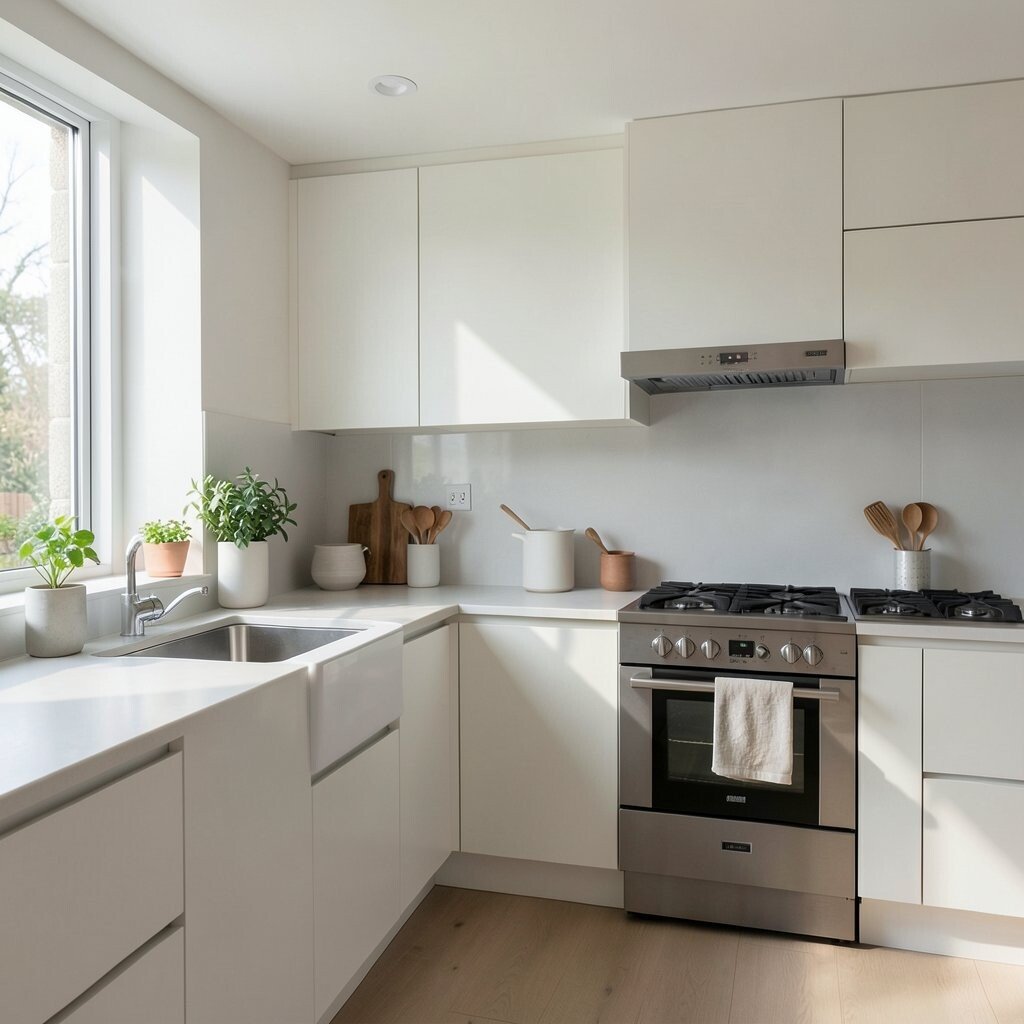
Minimalist kitchens do not need much decor to feel complete. A few thoughtful pieces can make the room feel warm and lived in.
Choose items that are useful and lovely at the same time, like a wooden spoon set or a pretty salt cellar. This keeps the room tidy while still adding charm.
Try to avoid too many signs, jars, and small trinkets on the counter. Too many tiny things can make the space feel crowded fast. A single framed recipe, a vase of herbs, or a handmade bowl can give the kitchen a clear point of interest.
11. Make the Island Do More
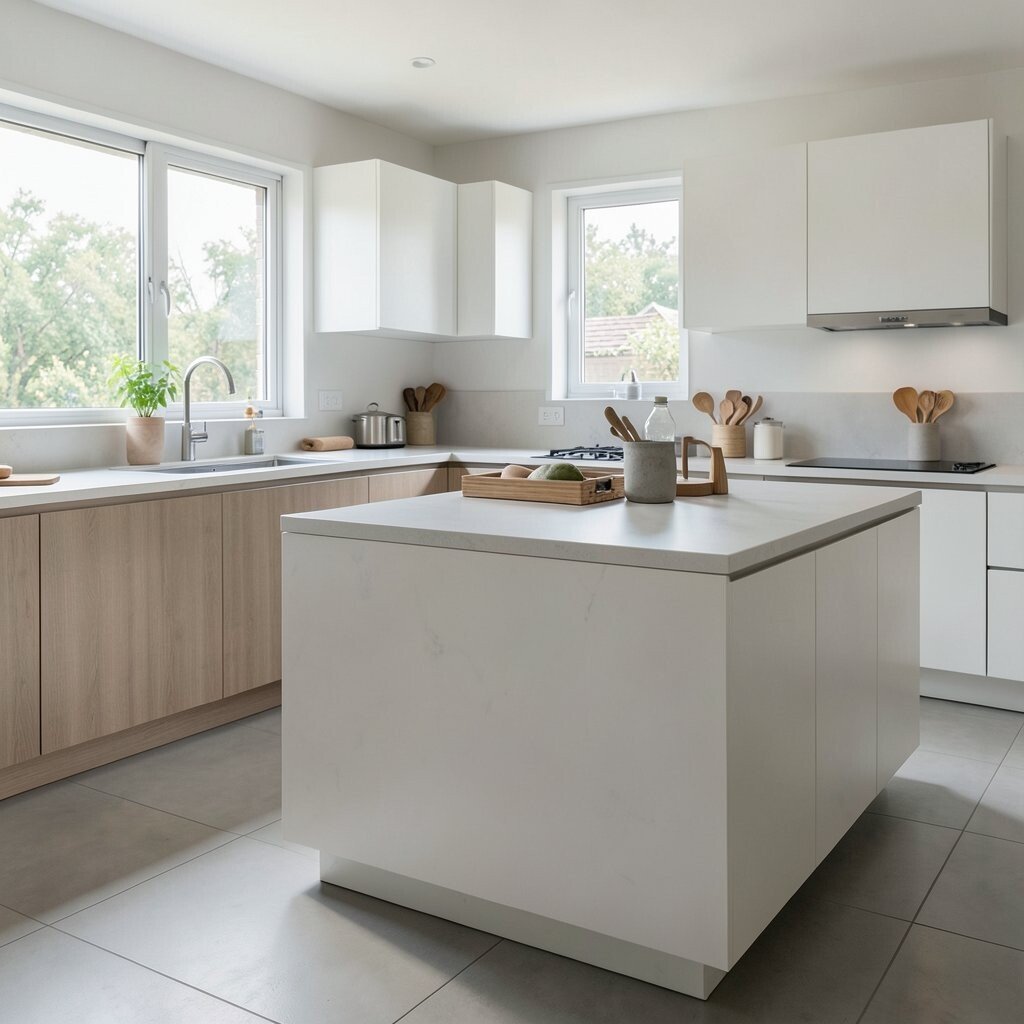
An island can be the heart of a busy kitchen. In a minimalist design, it should look simple and work very hard.
Use it for prep, serving, storage, or even quick meals. A clean island with hidden drawers can hold tools without making the room feel full.
Waterfall edges and simple block shapes are current favorites because they look neat and modern. If your budget is smaller, a basic island with a fresh coat of paint can still feel stylish. You can personalize it with stools in a natural wood finish or a soft fabric seat.
A well-planned island can also help family members stay out of the main cooking path. That makes the kitchen more peaceful during busy meal times. It is a strong design choice for home chefs who want both style and function.
12. Use Vertical Space Wisely
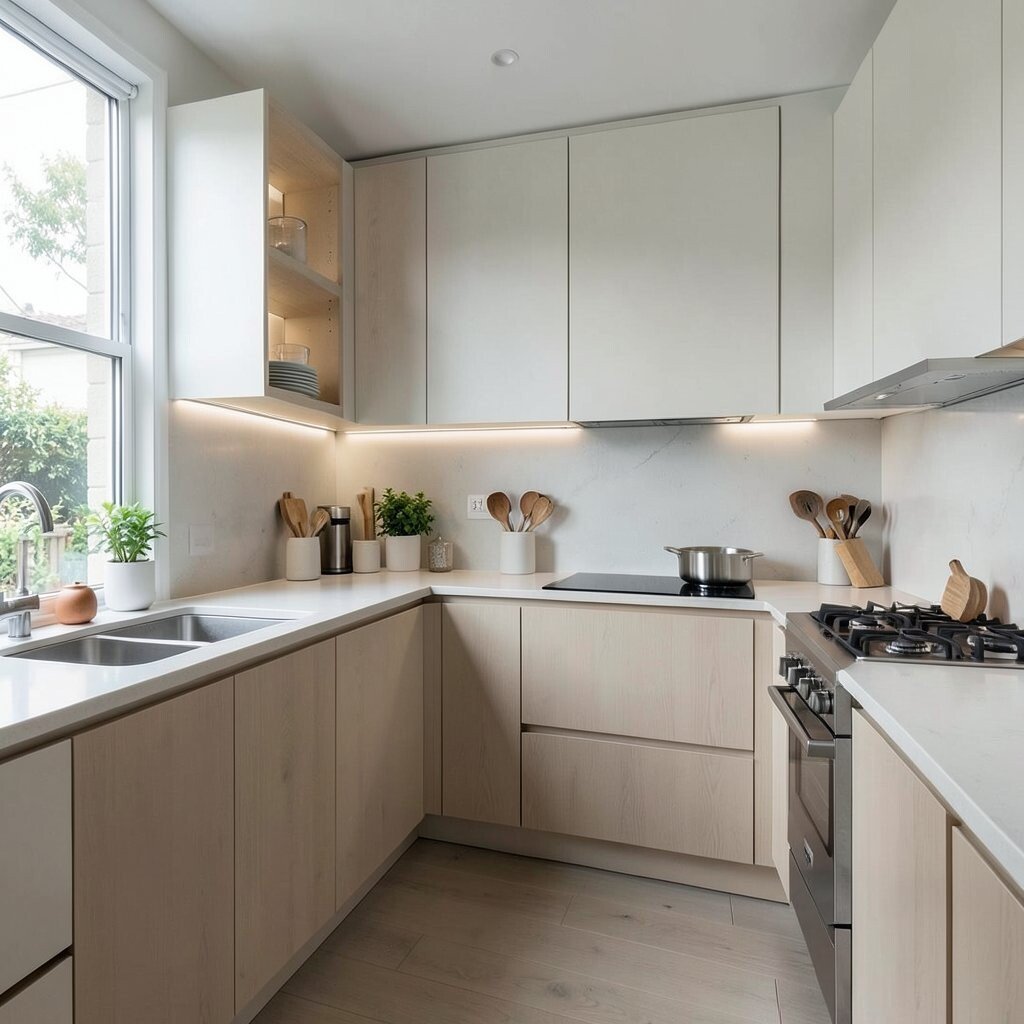
Walls can do more than hold art. In a minimalist kitchen, they can help store tools and keep the counters clear.
Hang pans, ladles, or measuring cups on simple rails or hooks. This keeps your favorite items close and adds a neat, chef-like look.
Open wall storage works best when it stays organized. Group similar items together and leave space around them so the wall does not look packed. If you want a custom touch, use matching hooks or a slim shelf in a finish that matches your cabinets.
13. Mix Texture, Not Clutter
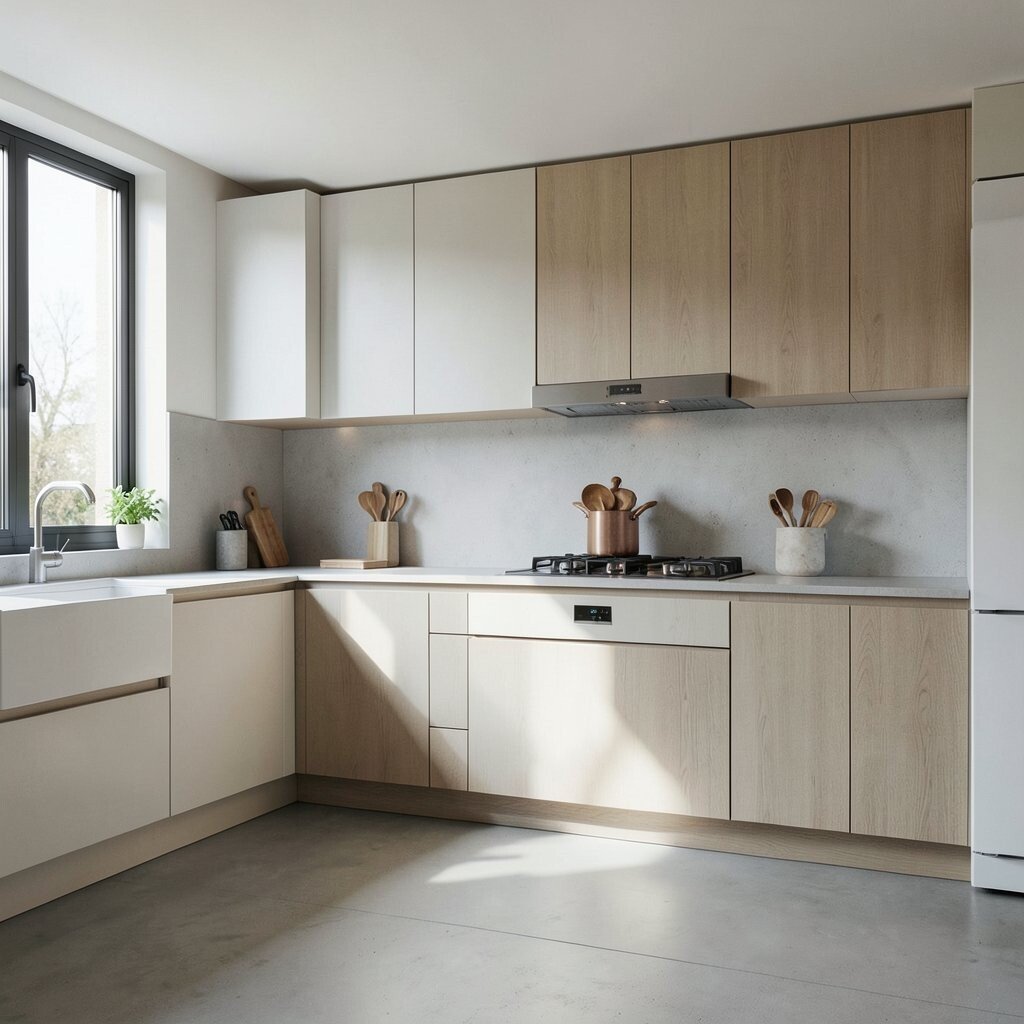
Minimalist design can still feel rich and warm. Texture gives the room depth without adding extra objects.
Try smooth counters, soft wood grain, woven stools, and a matte backsplash. These layers make the kitchen feel thoughtful and complete.
This idea is great for people who want a simple room that still feels cozy. It also works well with current trends that favor natural materials and quiet luxury. To keep costs in check, mix one special material with more basic ones around it.
You can personalize the look with a linen runner, a clay vase, or a textured rug near the sink. These details are small but powerful. They help the kitchen feel warm even when the design stays very clean.
14. Create Easy Cleanup Surfaces
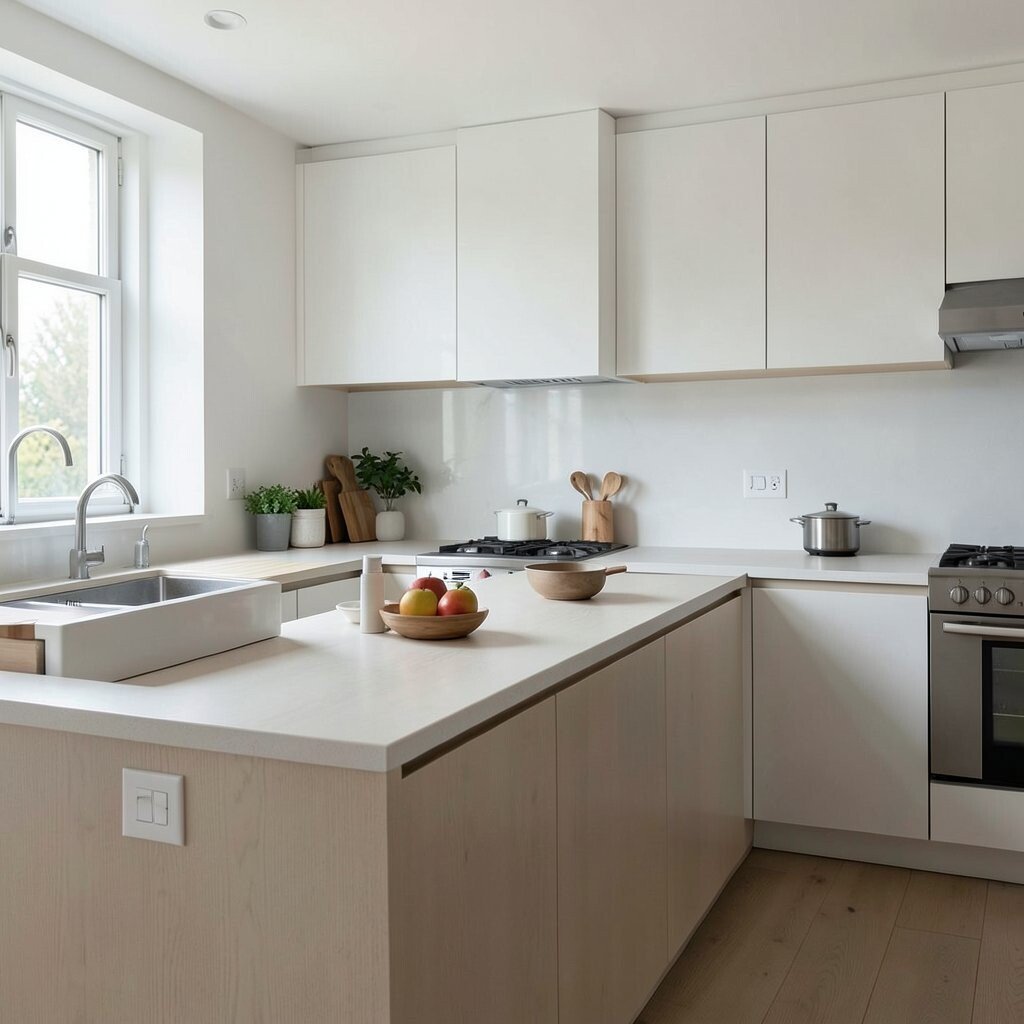
Busy cooks need surfaces that are quick to wipe down. A minimalist kitchen should make cleanup feel simple instead of stressful.
Choose counters and backsplashes that resist stains and do not show every mark. Quartz, sealed stone, and smooth tile are strong choices for this reason.
Try to keep seams, grooves, and tiny ledges to a minimum. Fewer tricky spots mean less scrubbing after dinner. If you are planning a remodel, this is one place where spending a little more can save a lot of time later.
For a personal touch, add a handsome soap bottle or a small tray for daily items near the sink. That keeps the area neat while still feeling homey. Clean surfaces help the whole kitchen stay calm, even on the busiest nights.
15. Keep the Pantry Simple and Sorted
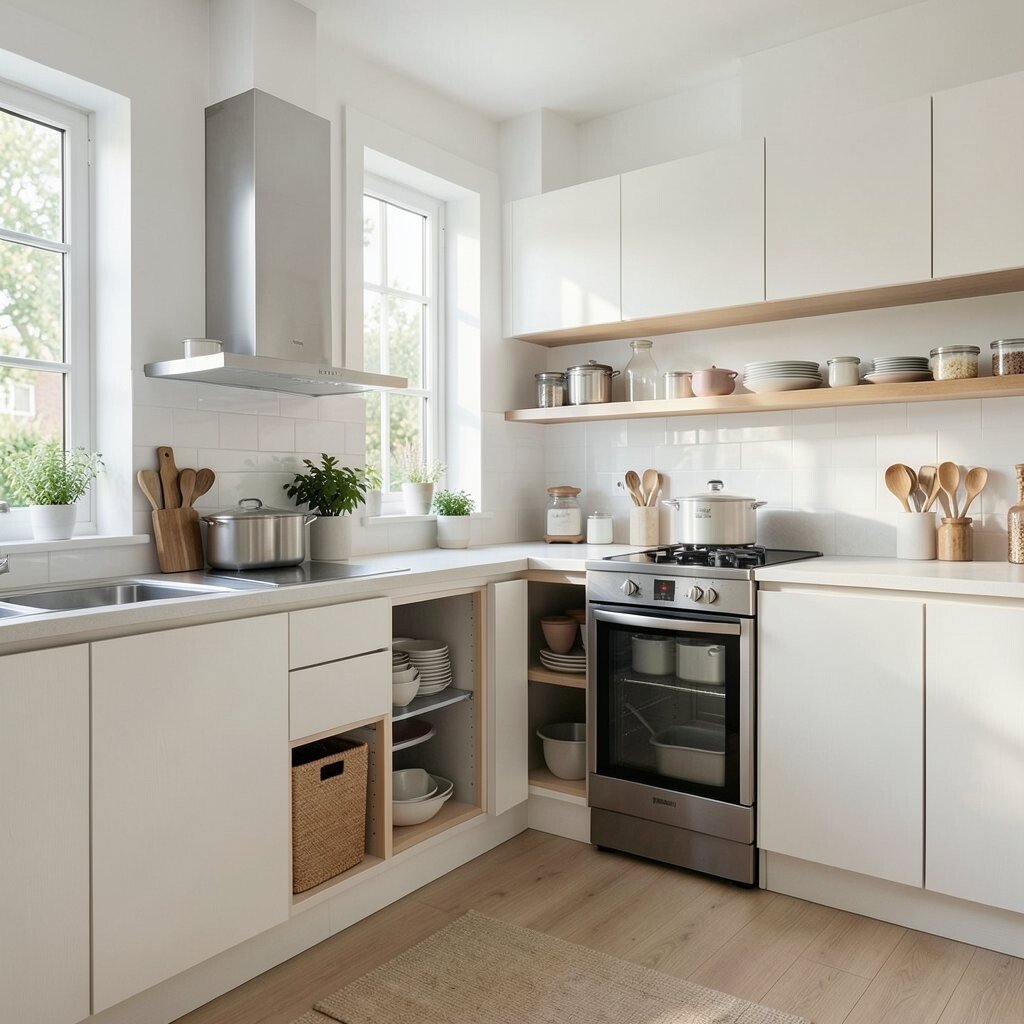
A tidy pantry can make the whole kitchen feel easier to use. It helps you see what you have so you can cook faster and waste less food.
Use clear jars, matching bins, or plain baskets to group dry goods. This creates a clean look and makes it simple to grab what you need.
Labeling can help, but keep it neat and not too busy. A few clean labels on jars or shelves are enough for most homes. If you want to save money, reuse glass containers from sauces or jams instead of buying all new storage.
Sort items by how often you use them, with daily basics at eye level. That keeps the pantry practical for real life. It is a small change that can make a big difference in a busy kitchen.
16. Add One Warm Focal Point
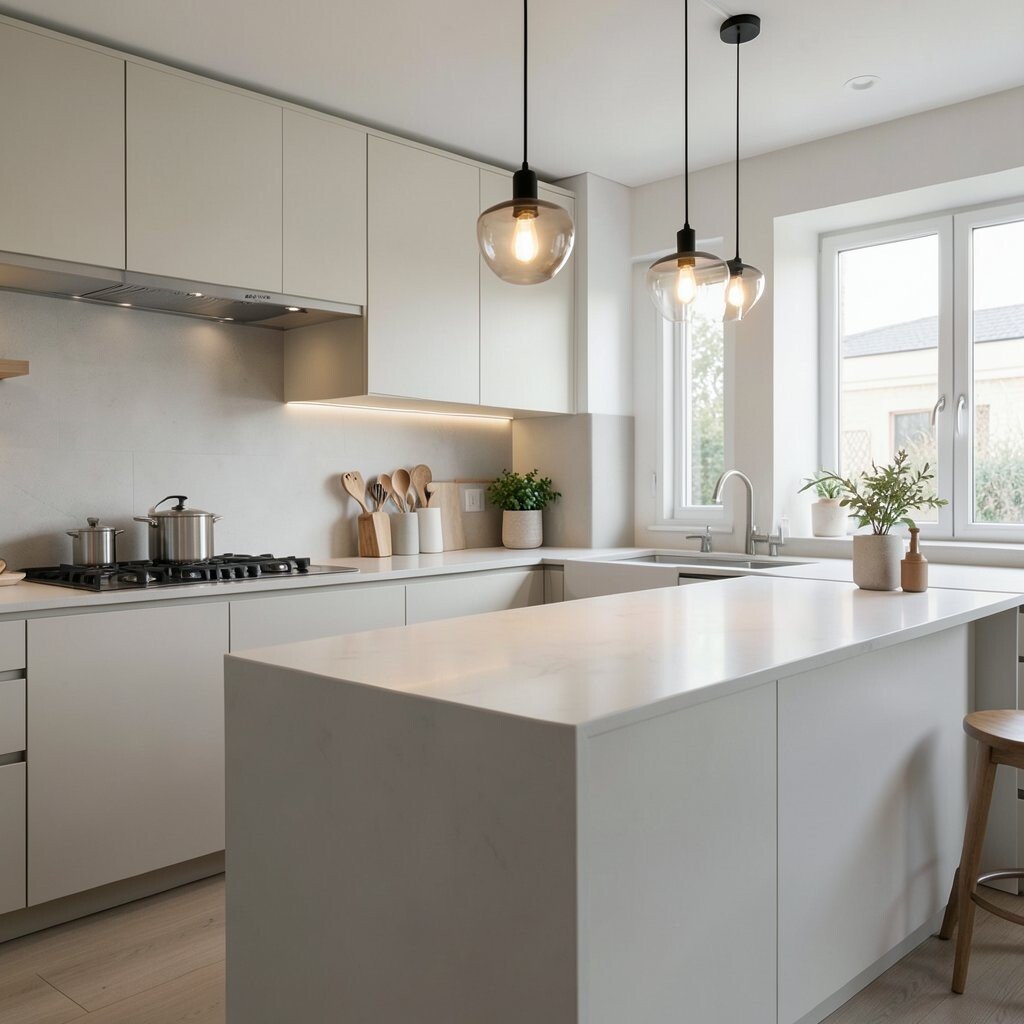
Even a minimalist kitchen needs one spot that feels special. A warm focal point can make the room feel inviting without breaking the clean style.
This could be a wood hood, a stone backsplash, a statement light, or a small breakfast nook. The key is to choose one feature and let it stand out.
Keep the rest of the kitchen simple so the focal point has room to breathe. That balance makes the design feel calm, not empty. If you want a personal touch, choose a feature that matches your cooking style, like a cozy nook for coffee or a bold backsplash near the stove.
Many current kitchens use natural textures for this role because they feel timeless and fresh. A warm focal point can make the room look higher-end without filling it with extras. It gives the kitchen a quiet personality that busy home chefs can enjoy every day.