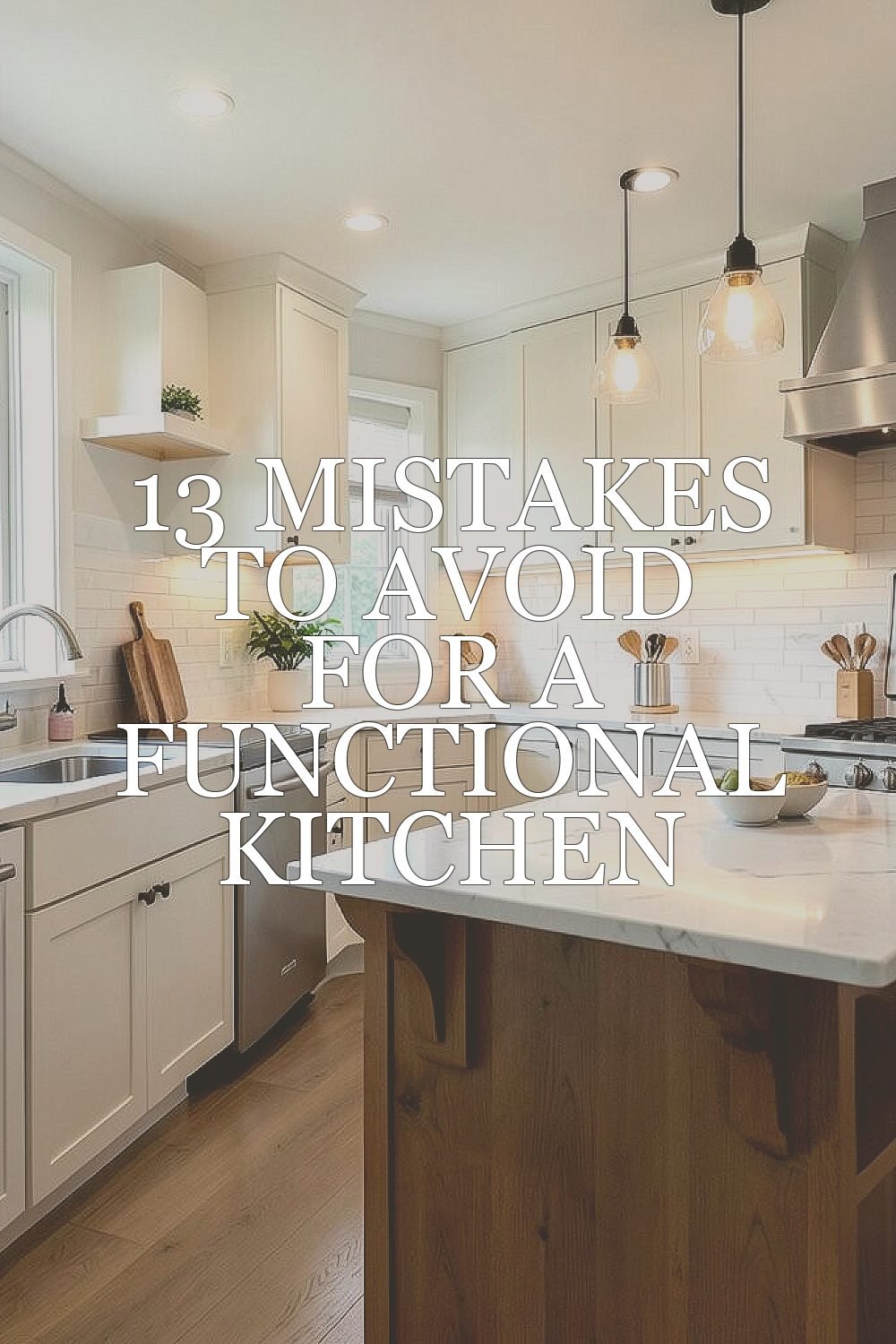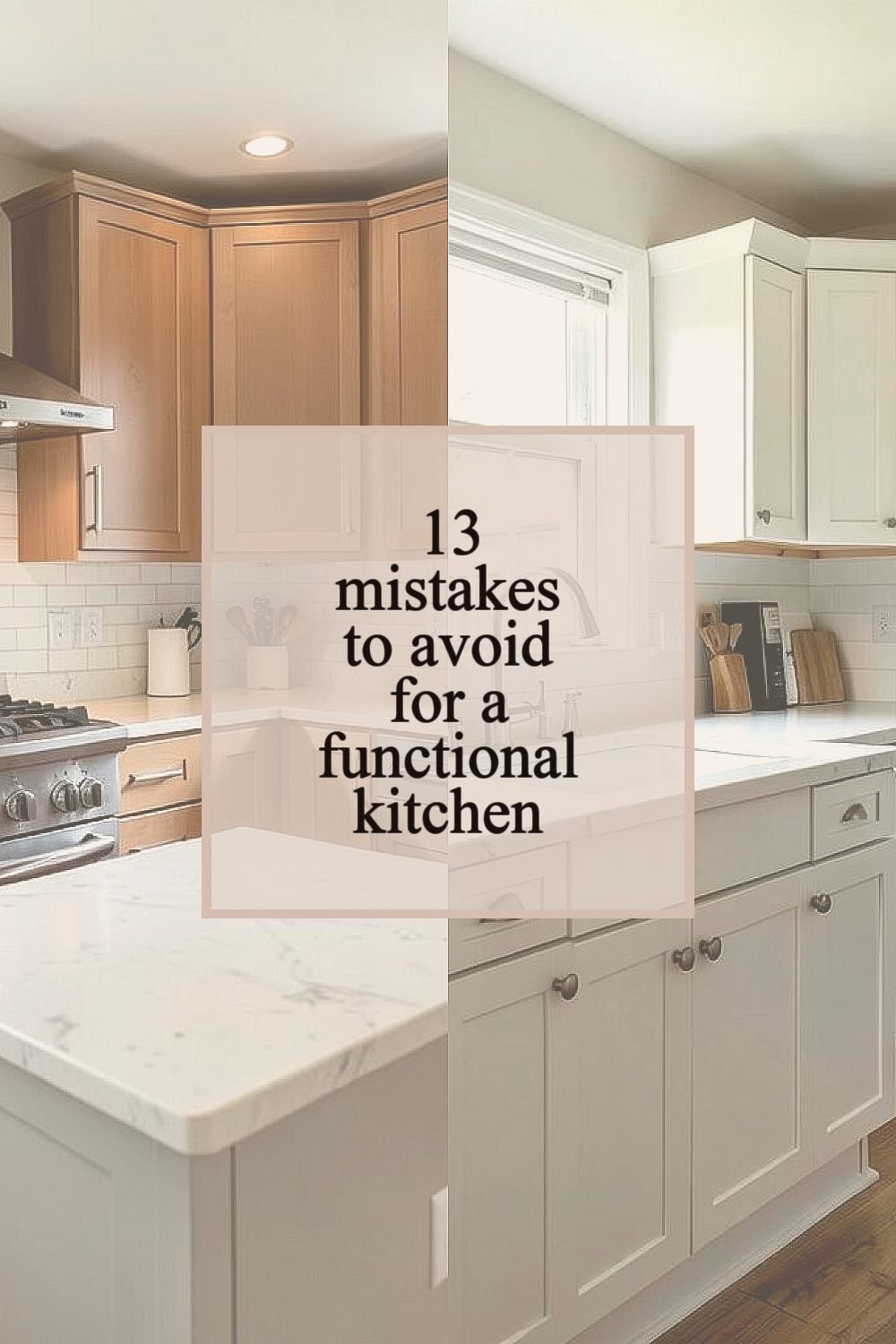
Some kitchens look lovely but work poorly. A smart layout can make everyday cooking feel calm and easy.
1. Ignoring the Work Triangle
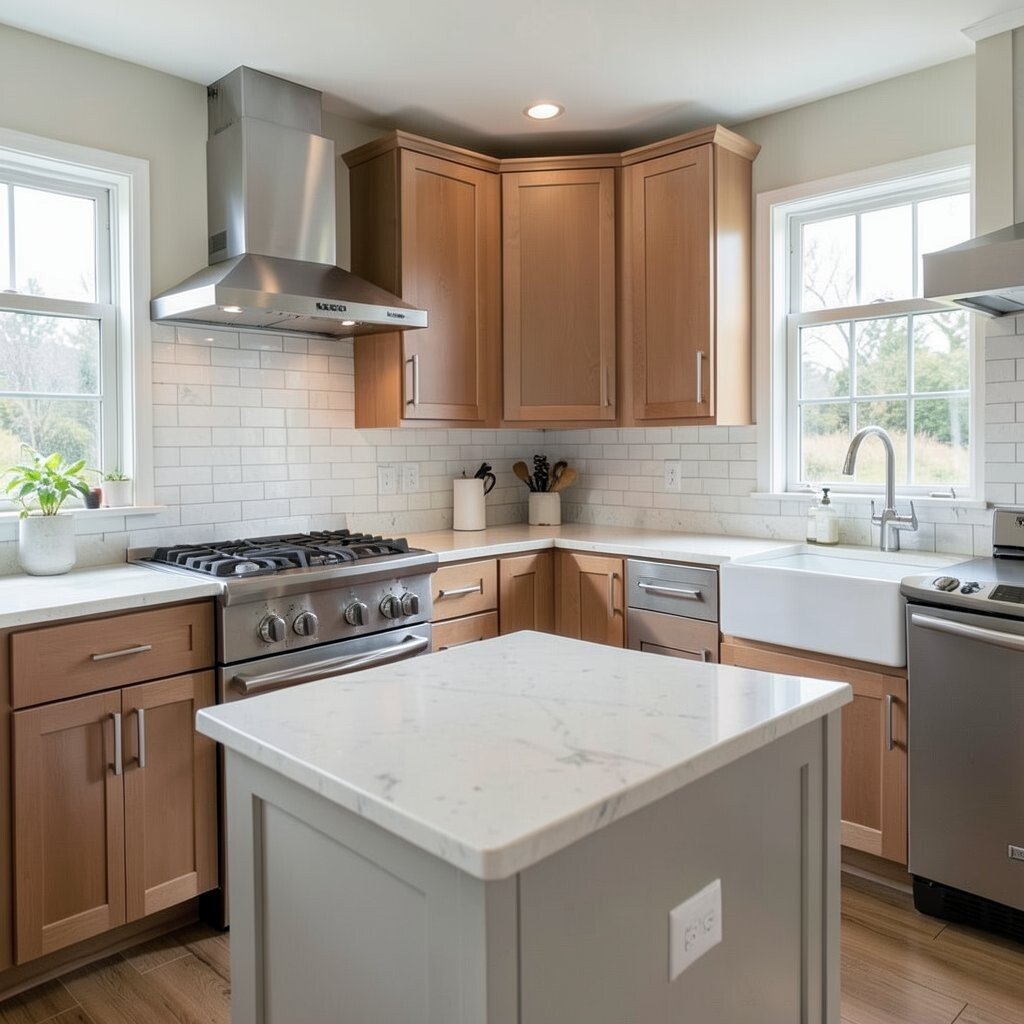
A kitchen can look polished and still feel clumsy if the sink, stove, and fridge are too far apart. When those key spots are placed badly, every meal turns into extra walking and extra stress.
The best layouts keep movement smooth and natural. This simple idea helps the room feel open, saves time, and makes cooking less tiring, which is a big win in busy homes.
2. Choosing Style Over Storage
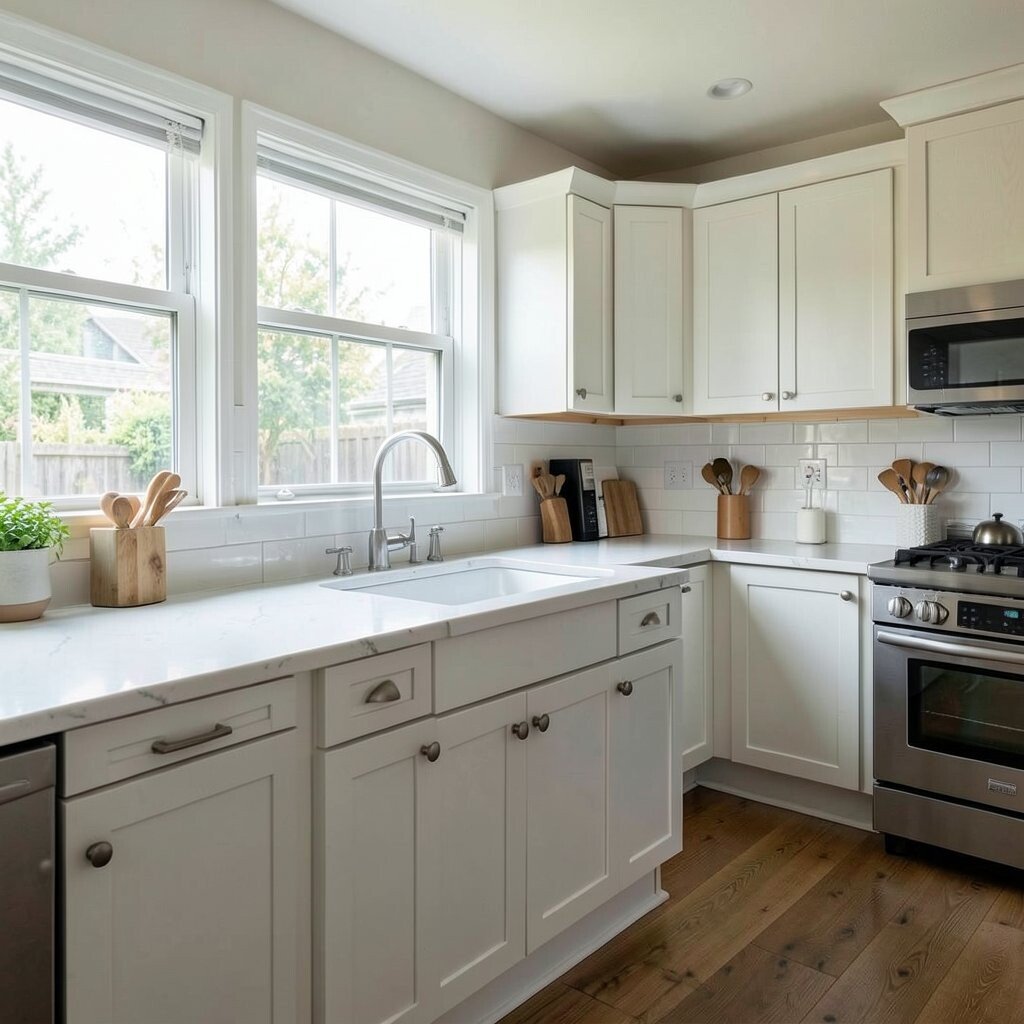
Open shelves and pretty cabinets can make a kitchen feel light and airy. But if there is no real place for pans, lids, spices, and small tools, the counters get crowded fast.
Storage should match the way the kitchen is used every day. Deep drawers, tall pantry cabinets, and pull-out organizers can make the space more useful without taking away charm.
Many people like clean, modern looks right now, yet a kitchen still needs hidden spots for the messy stuff. Think about your own habits before buying storage pieces, because a good fit can save money later.
3. Skipping Good Lighting
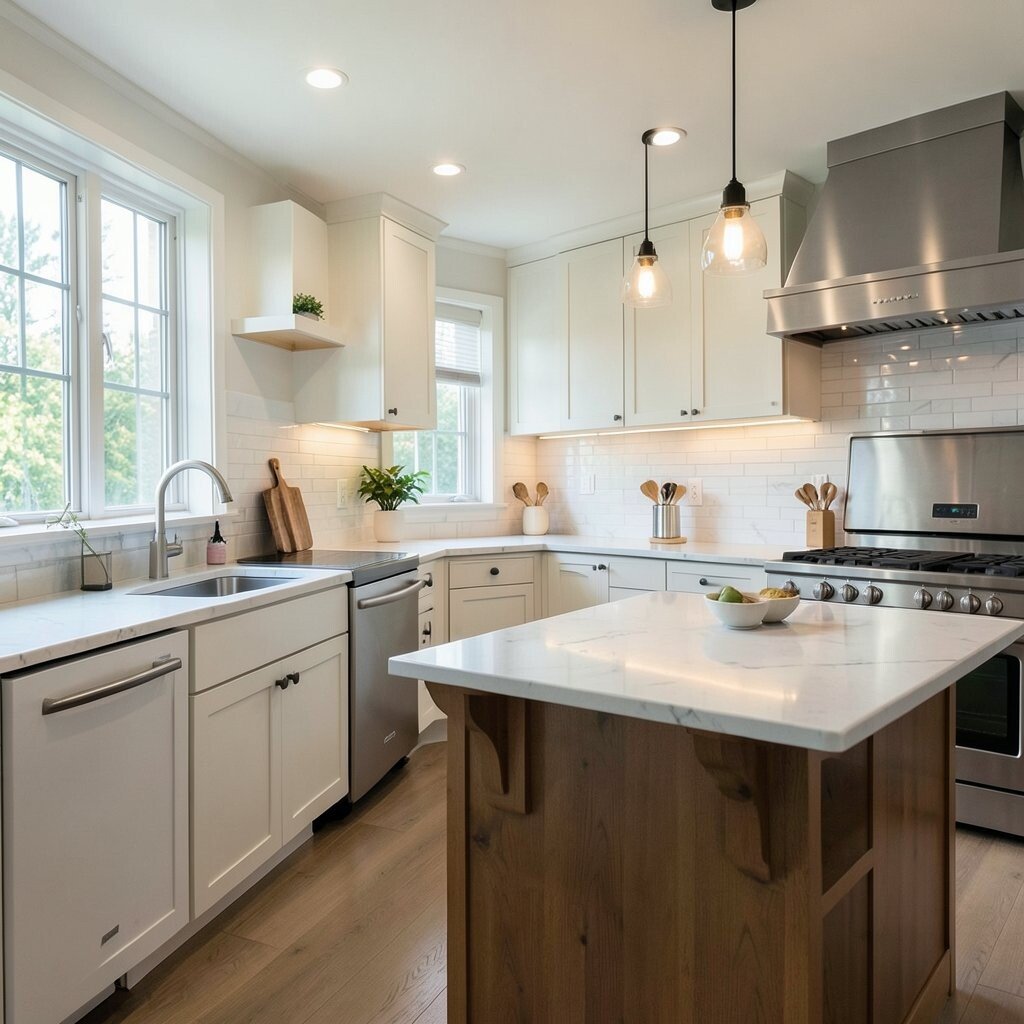
Dark corners make even a beautiful kitchen feel dull and hard to use. Good light helps food prep feel safer and makes the whole room look bigger and fresher.
Layered lighting works best in most homes. A mix of ceiling lights, under-cabinet lights, and a bright fixture over the island can give the room a warm glow and a more finished look.
Many new kitchens use soft, simple fixtures that match modern styles. If the budget is tight, start with the most important spots first, like the sink and cutting area, so the room feels better right away.
Light also changes the mood of the room. A bright kitchen feels lively in the morning and calm in the evening when the bulbs are chosen with care.
4. Making the Countertops Too Busy
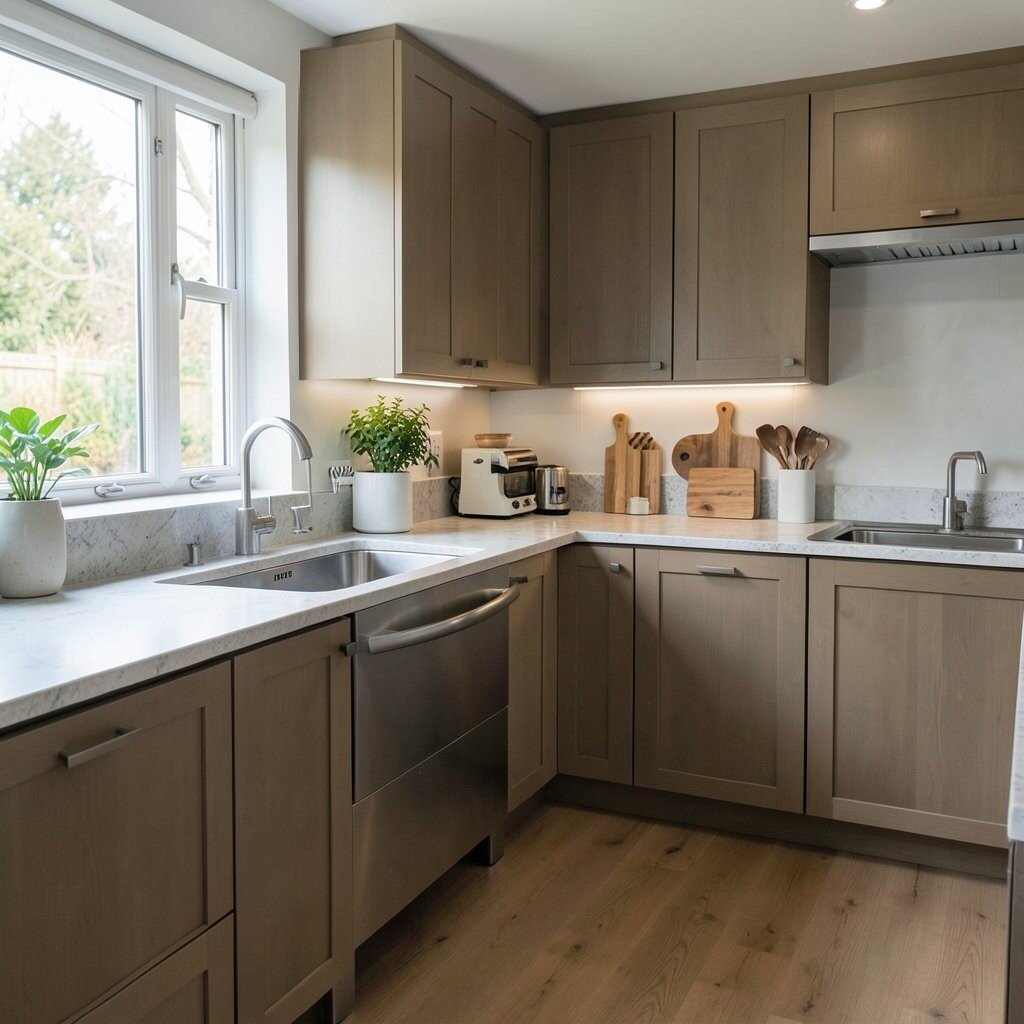
Too many items on the counter can make a kitchen feel smaller than it is. A cluttered surface also makes cleaning harder and can hide the beauty of the cabinets and backsplash.
Keep only the tools you use every day within easy reach. Store the rest in drawers, baskets, or a pantry so the room has breathing room and a cleaner look.
5. Forgetting About Trash and Recycling
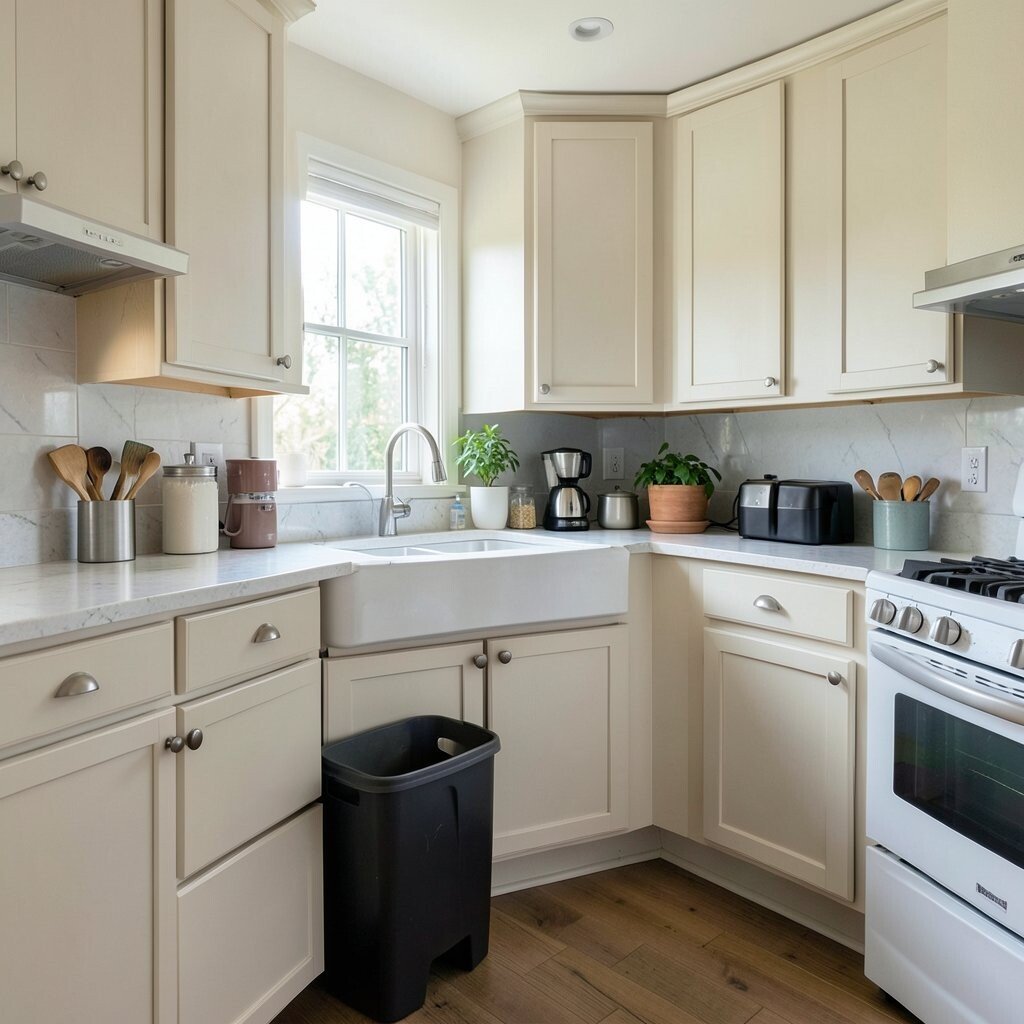
Trash bins tucked in the wrong spot can make a kitchen feel messy and awkward. If the bin is far from the prep area, scraps and wrappers end up scattered across the room.
A built-in pull-out bin or a neat corner station can make cleanup much easier. This small change gives the kitchen a tidier look and keeps the workflow moving without bumps.
Some homes now use hidden recycling centers with separate bins for paper, plastic, and compost. If that sounds useful, plan for it early so you do not have to force a solution into a tight space later.
6. Using the Wrong Cabinet Sizes
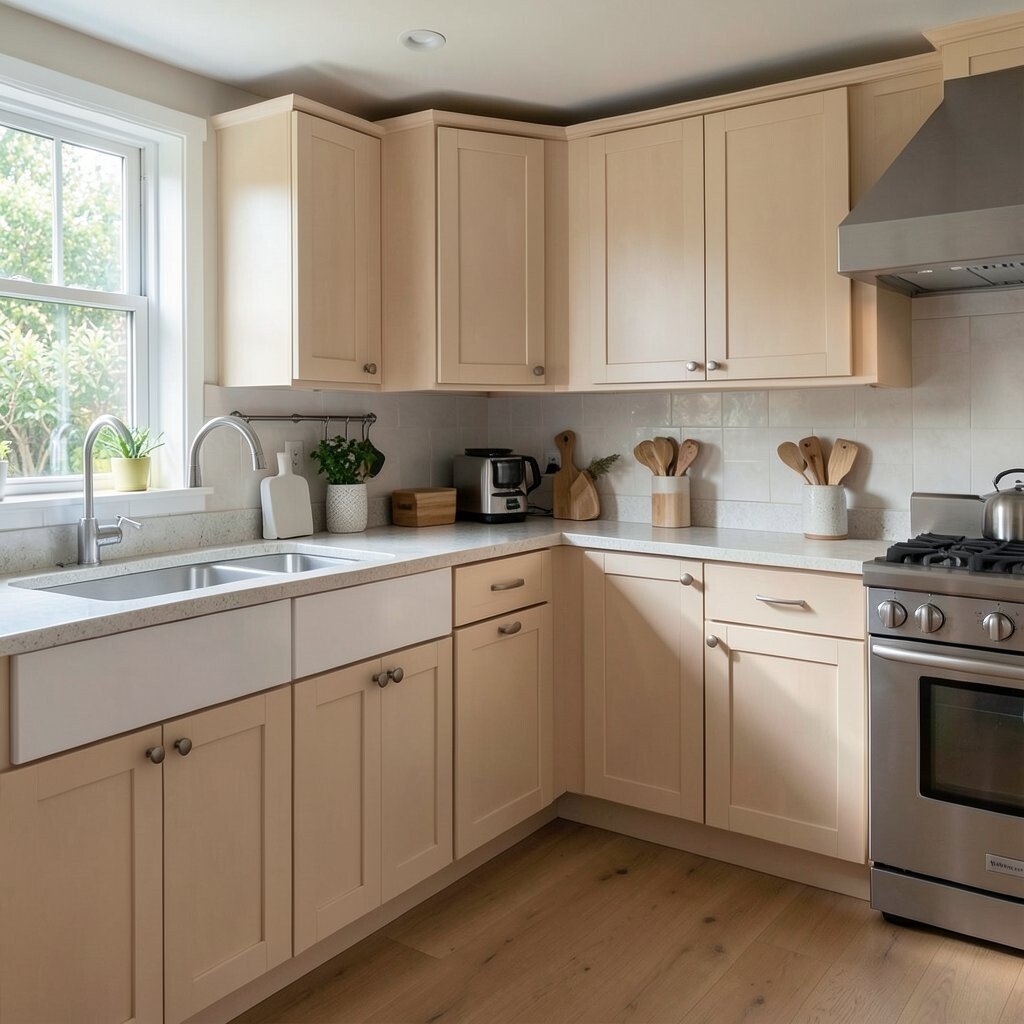
Cabinets that are too tall, too shallow, or too deep can cause daily frustration. You may end up with hard-to-reach shelves or wasted space that never gets used well.
Cabinet size should match the things you own and the people using the kitchen. Shorter family members may need lower storage, while tall cooks may prefer higher shelves and deeper drawers.
Custom cabinet work can cost more, but it often pays off in comfort and better use of space. Even small changes, like adjustable shelves, can make the room feel more personal and practical.
7. Overlooking the Sink Area
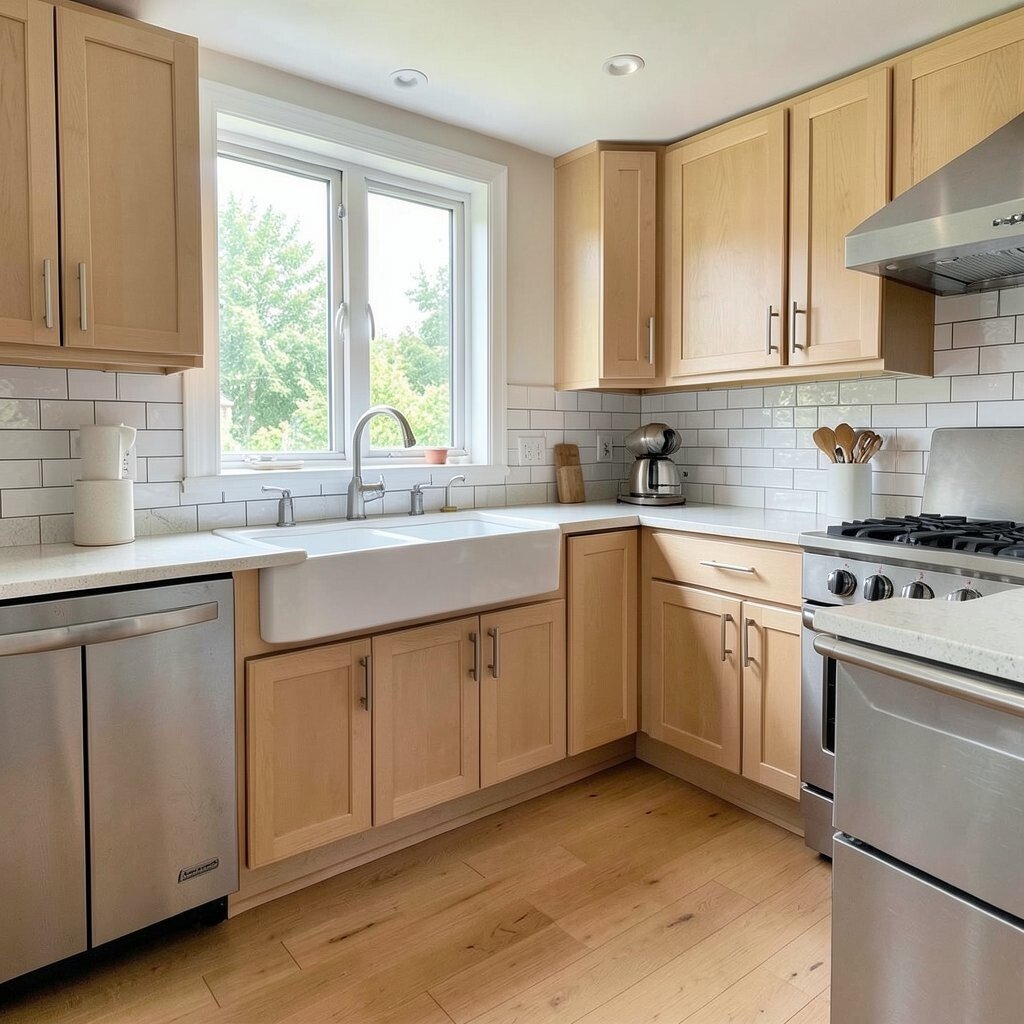
The sink is one of the hardest-working spots in the kitchen. If it is cramped or poorly placed, washing dishes and rinsing produce can feel like a chore with no easy rhythm.
Leave enough room around the sink for drying racks, soap, and a cutting board nearby. A clean, bright sink zone can make the whole kitchen feel more organized and easier to enjoy.
Farmhouse sinks, deeper basins, and touch-free faucets are popular because they look nice and work well. Pick the style that fits your routine, not just the one that looks best in a picture.
Small details matter here too. A good faucet finish, a sturdy mat, and a simple dish brush holder can make the area feel neat and welcoming.
8. Not Planning for Appliance Placement
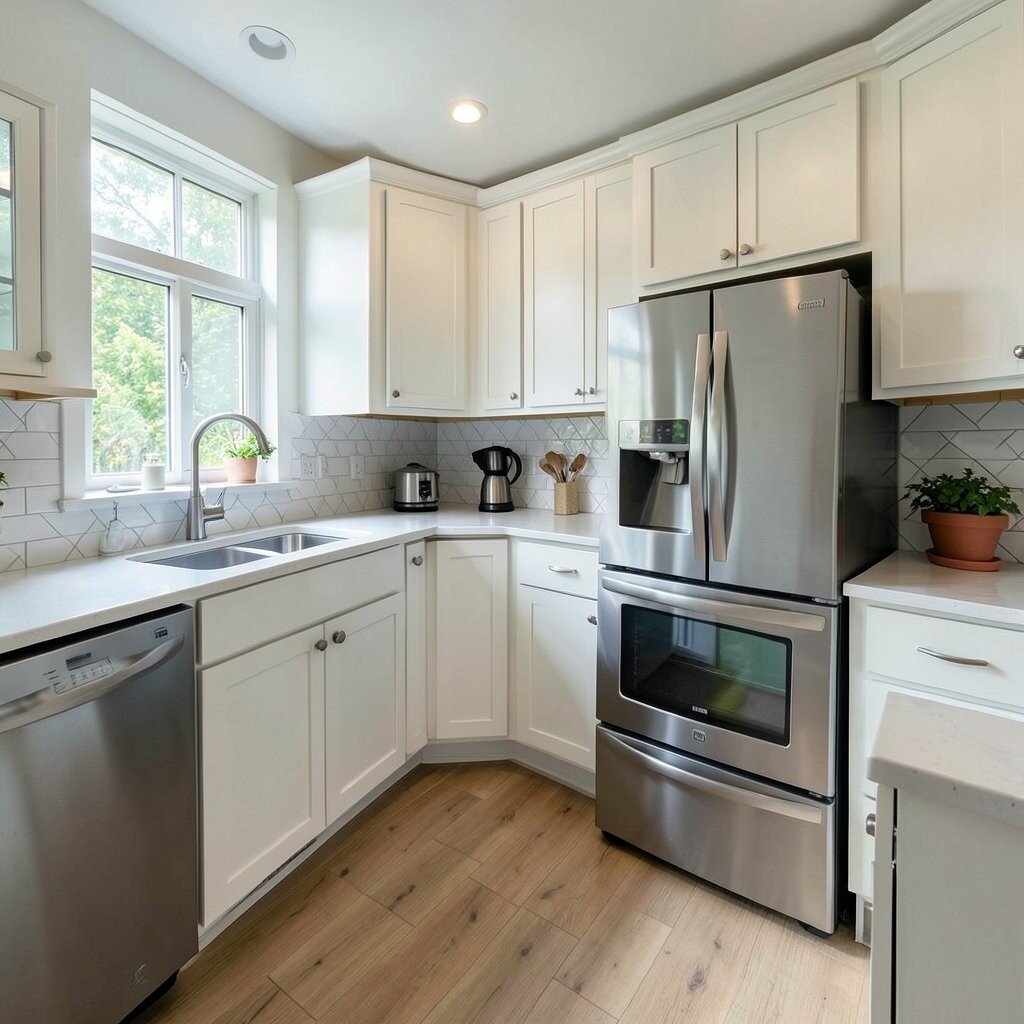
Appliances need room to open, breathe, and work safely. If the oven door hits an island or the fridge blocks a walkway, the kitchen becomes annoying very quickly.
Think about how each appliance opens and how often it is used. A well-placed dishwasher near the sink or a microwave at the right height can save time and reduce strain.
9. Forgetting About Outlet Locations
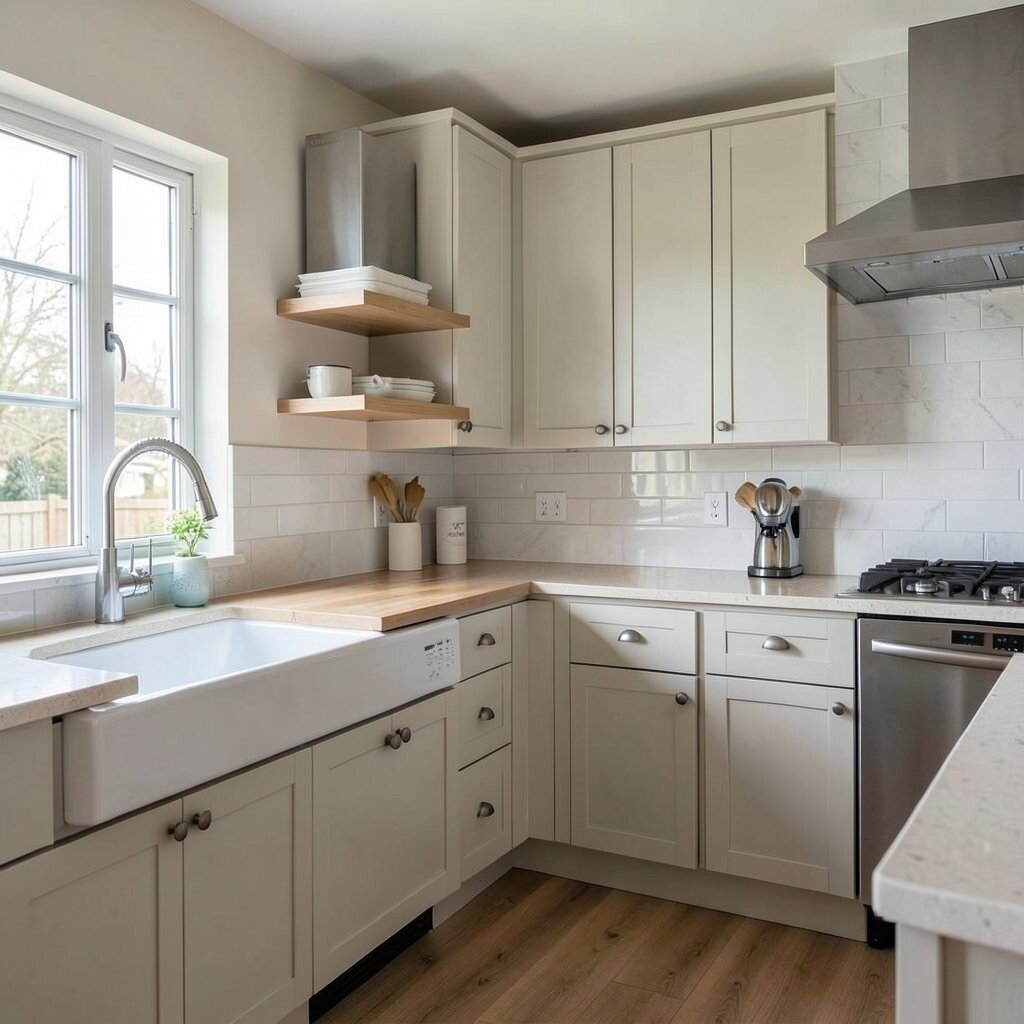
Few things are more frustrating than needing power where there is no outlet. Small appliances, chargers, and mixers all need easy access, especially in a kitchen that gets used often.
Plan outlets near prep zones, the island, and any spot where you may use a coffee maker or toaster. This keeps cords from stretching across counters and helps the room look cleaner.
Some newer kitchens use sleek pop-up outlets or hidden strips to keep the look simple. These can cost more, but they offer a neat finish and can fit well in modern spaces.
10. Neglecting the Floor Plan Flow
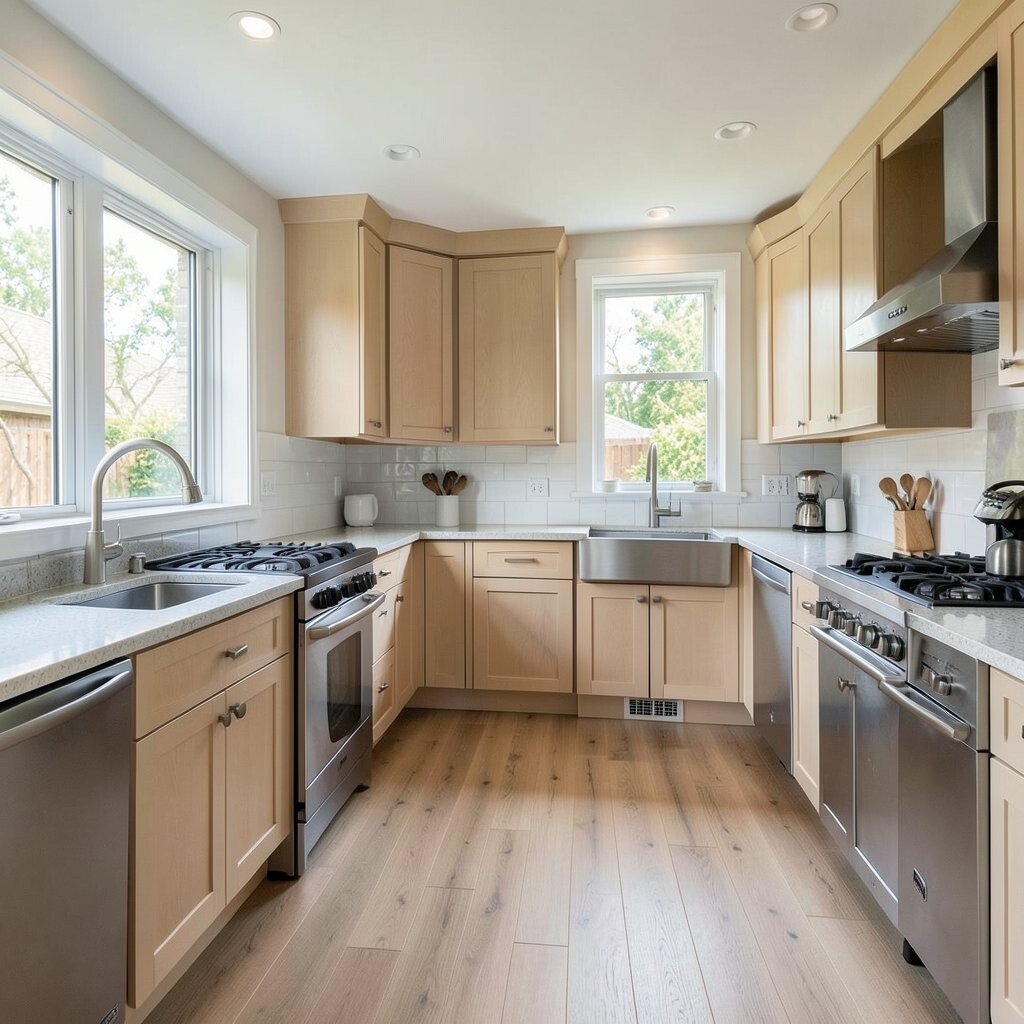
A kitchen should feel easy to move through, even when more than one person is cooking. Tight paths, awkward corners, and blocked walkways can make the room feel crowded and tense.
Good flow gives the space a calm, open feeling. It also helps kids, guests, and family members move around without bumping into each other or stopping the cook.
Before buying anything, picture how doors open, where people stand, and how groceries enter the room. A little planning now can prevent expensive fixes later and make the kitchen feel custom-made.
11. Picking the Wrong Backsplash

A backsplash can add color, shine, and personality to a kitchen. But if the material is hard to clean or the pattern is too loud, it may become a problem instead of a highlight.
Choose a backsplash that matches your lifestyle and your cabinets. Easy-wipe tile, soft stone looks, and simple patterns often work well in busy homes because they stay nice with less effort.
Bold tile is still popular, especially in homes that want a playful or artistic touch. If you love a strong look, use it in a smaller area so the room feels special without becoming too busy.
Personal style matters here. A backsplash can be the place where a kitchen shows its personality, but it should still support easy cleaning and a good budget.
12. Leaving No Space for Everyday Habits
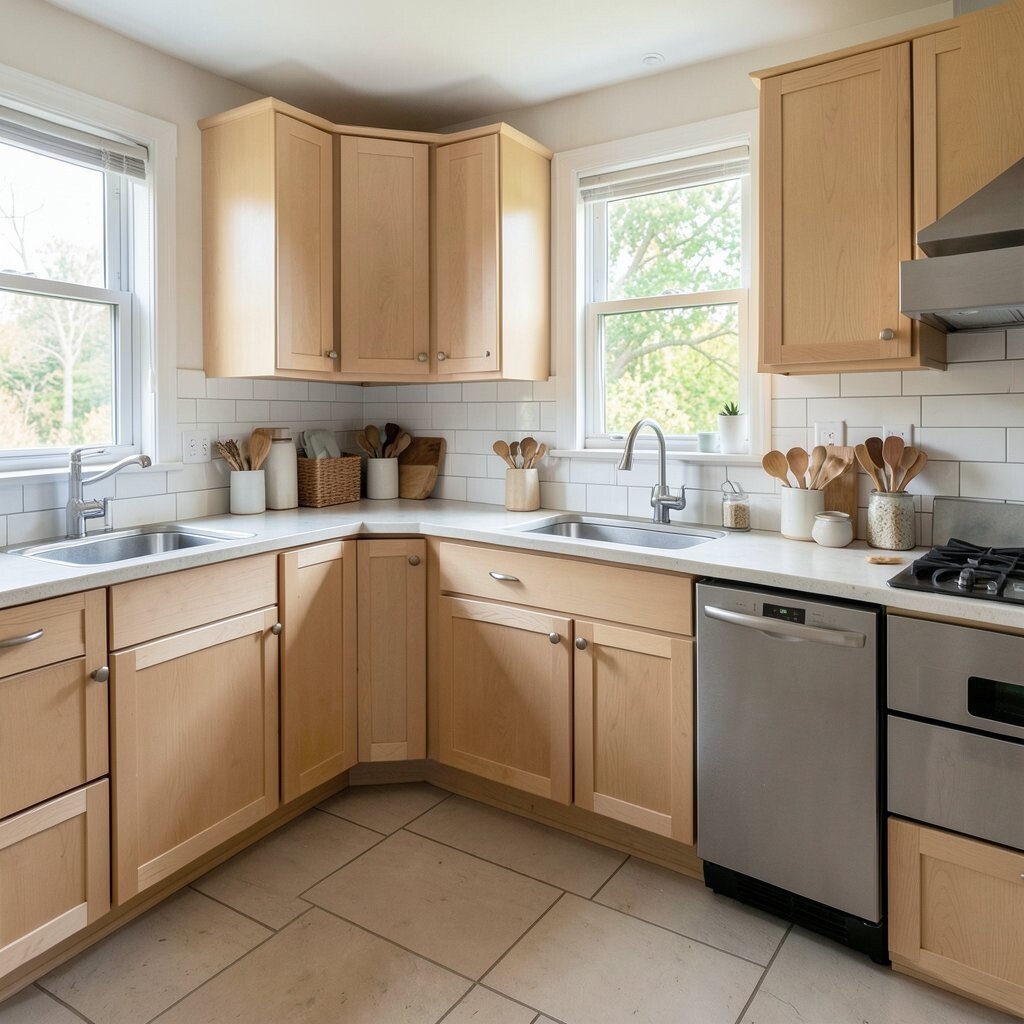
Every family uses a kitchen in a different way. Some need a spot for lunch packing, some want a coffee corner, and others need room for school bags or pet bowls.
When the kitchen ignores real life, it becomes harder to keep tidy. A small landing zone, a breakfast shelf, or a drawer for daily items can make the room feel more thoughtful and useful.
Personal touches help a lot here. A favorite mug rack, a chalkboard wall, or a small display of cookbooks can make the kitchen feel warm while still staying practical.
13. Spending Without a Clear Plan
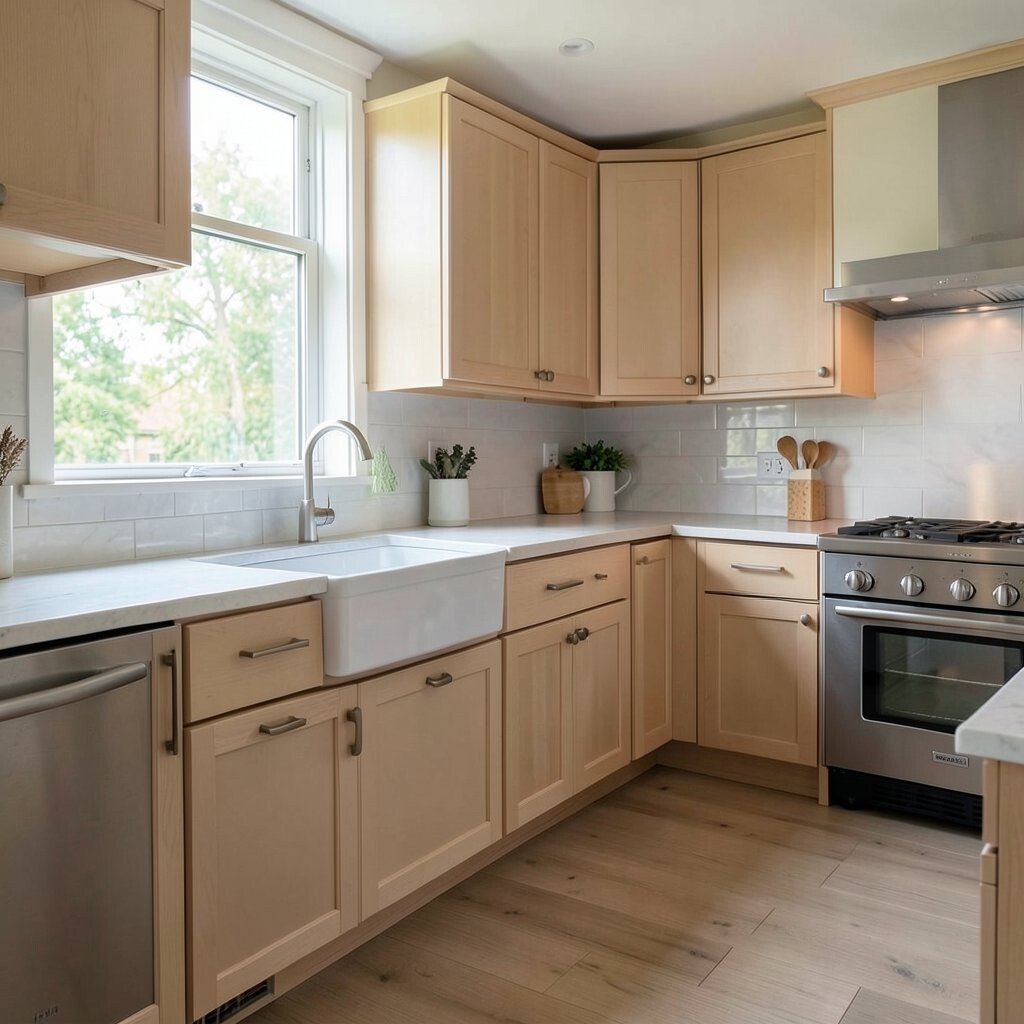
It is easy to get excited by pretty finishes, fancy hardware, and shiny new appliances. Without a clear budget, though, the costs can grow fast and leave little money for the things that matter most.
Focus first on the parts that affect daily use, like layout, storage, lighting, and durable surfaces. Then add style pieces that fit the remaining budget, so the kitchen feels balanced and complete.
Smart shoppers mix high and low costs to get a better result. A simple cabinet style with one special feature, like a bold light fixture or a colorful stool, can make the room feel unique without overspending.