
Food can look magical when light, color, and texture work together. A simple plate can feel like a tiny stage.
With a few smart choices, your camera can turn meals into art. Small changes often make the biggest visual punch.
1. Use Window Light for a Soft, Fresh Look
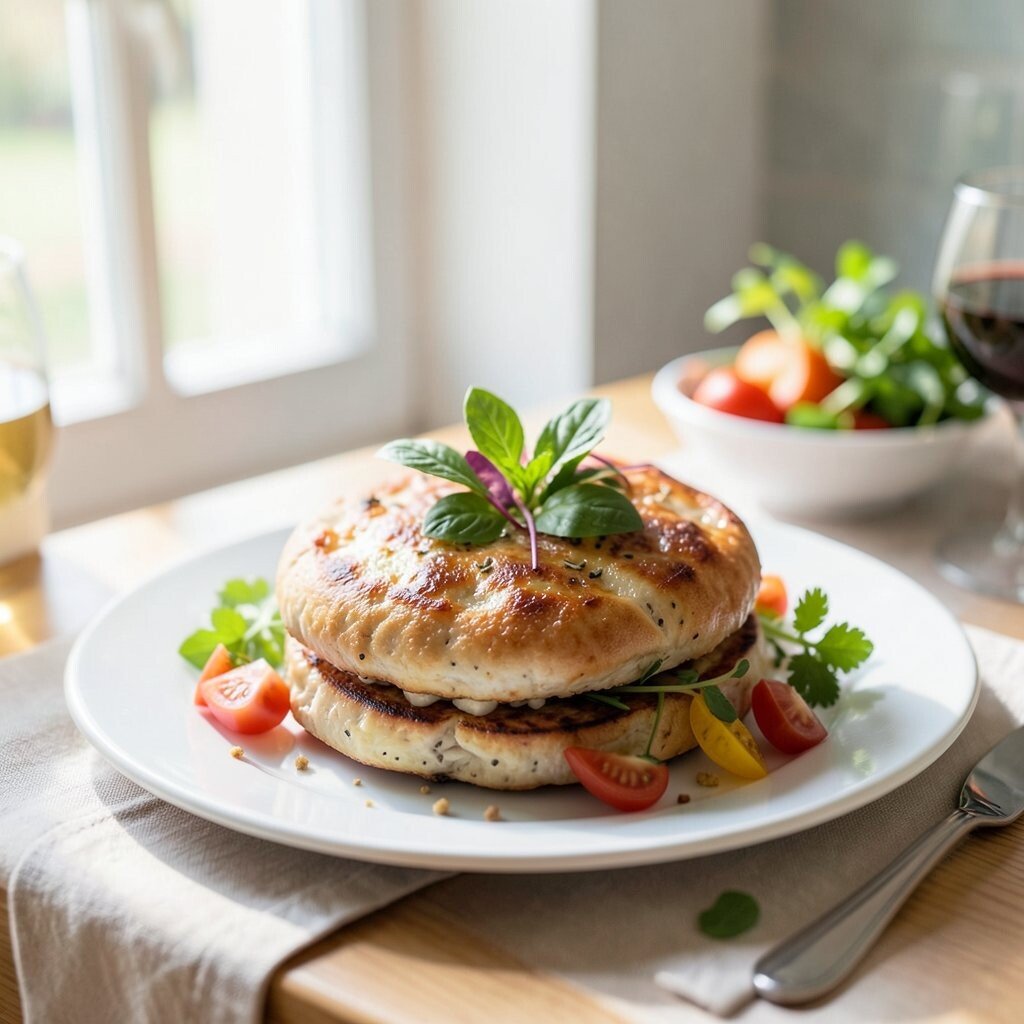
Window light gives food a calm, natural glow that feels honest and inviting. It works well for breakfast bowls, baked goods, and bright salads.
This style is loved because it is easy to try and usually costs nothing. Place your dish near a side window, then turn off harsh overhead lights so the shadows stay gentle. You can add a white napkin, a pale plate, or a simple wooden board to keep the scene clean and personal.
2. Build a Cozy Story With Rustic Props

Rustic props can make a dish feel warm, homey, and full of life. Think old spoons, linen cloths, weathered boards, and handmade bowls.
This look stands out because it adds a sense of place without stealing attention from the food. Try mixing one rough texture with one smooth one, such as a crusty loaf on a soft cloth. You can shop secondhand or use items from your own kitchen, which keeps the cost low and the style unique.
Many food photos today lean toward a lived-in feel instead of a perfect, polished setup. That makes rustic styling a strong choice for soups, pies, coffee, and family recipes. Add a favorite mug or a folded recipe card to make the scene feel more like you.
3. Shoot From Above for a Clean Flat Lay
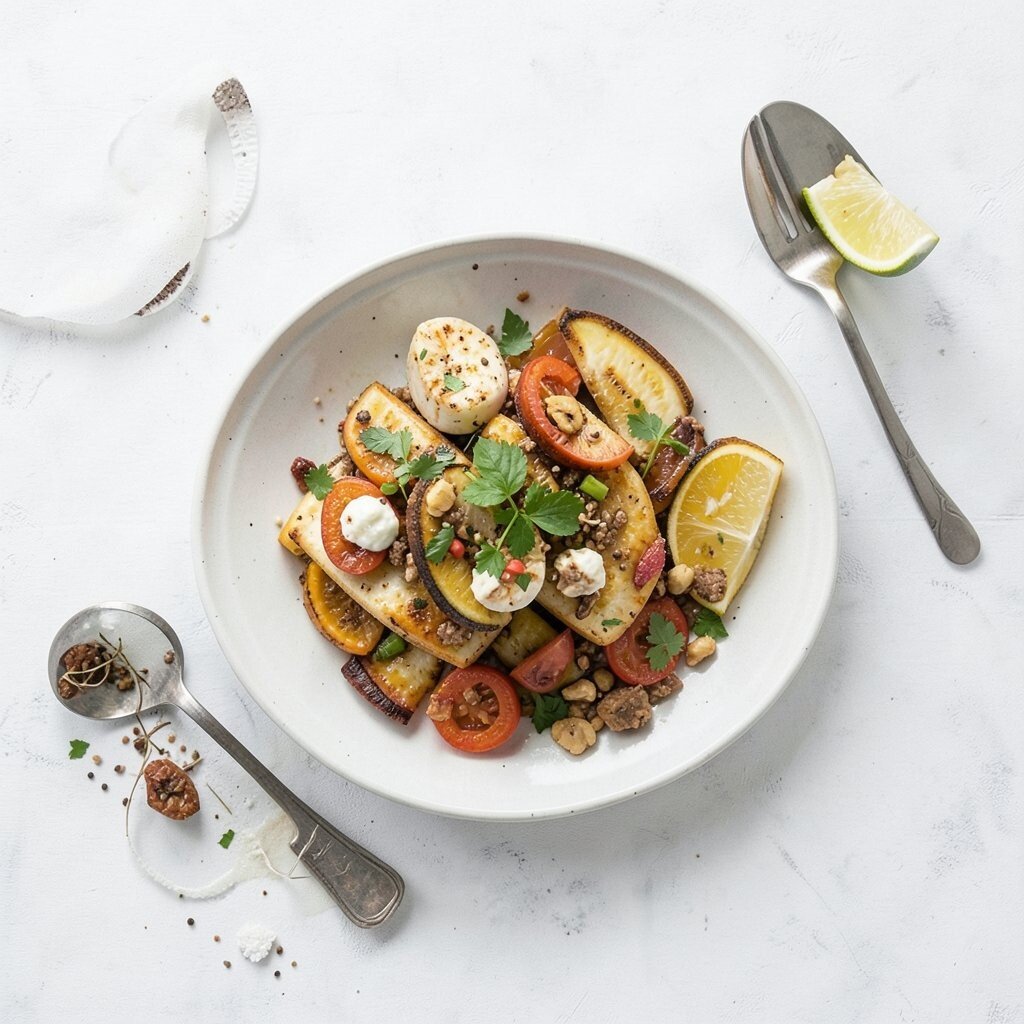
An overhead view makes patterns, shapes, and colors easy to see. It is a great fit for boards, brunch spreads, snack trays, and colorful ingredient groups.
This angle helps you show more of the table and tell a bigger story in one frame. Keep the items spaced with care so the scene feels neat and not crowded. A plain tablecloth, a tray, or even craft paper can work well and save money.
Flat lays are popular because they feel tidy and modern. You can personalize the shot by adding handwritten labels, a spoon with a little drizzle, or a napkin in your favorite color. Try to keep one clear focal point so the viewer knows where to look first.
4. Highlight Steam and Warmth for Fresh-Off-the-Stove Energy
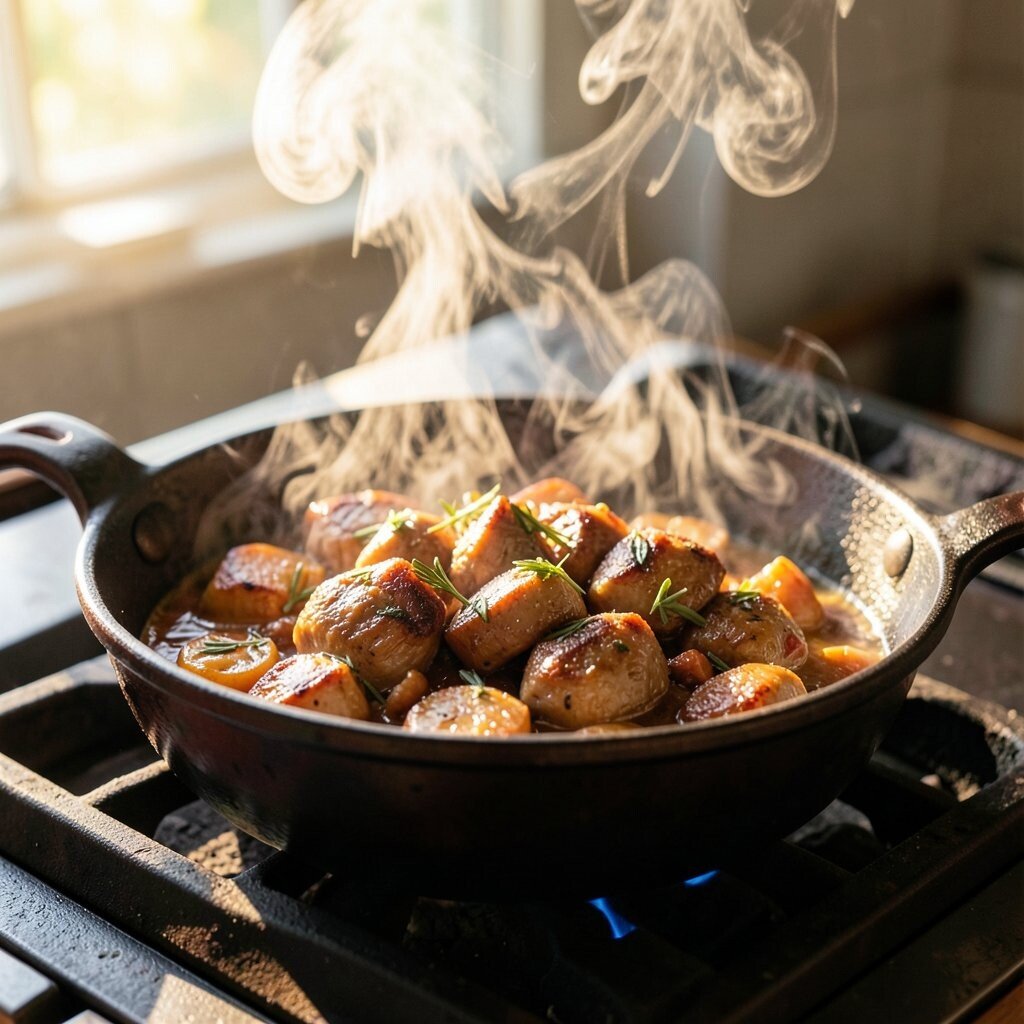
Steam can make food feel hot, fresh, and ready to eat. It adds motion to a still image and gives the whole photo a cozy mood.
This idea works well for soups, noodles, cocoa, and roasted dishes. Shoot fast while the steam is still visible, and use a darker background if you want the wisps to stand out more. A mug warmer, a hot dish, or a kettle can create this effect without much extra cost.
5. Play With Bold Color Contrast
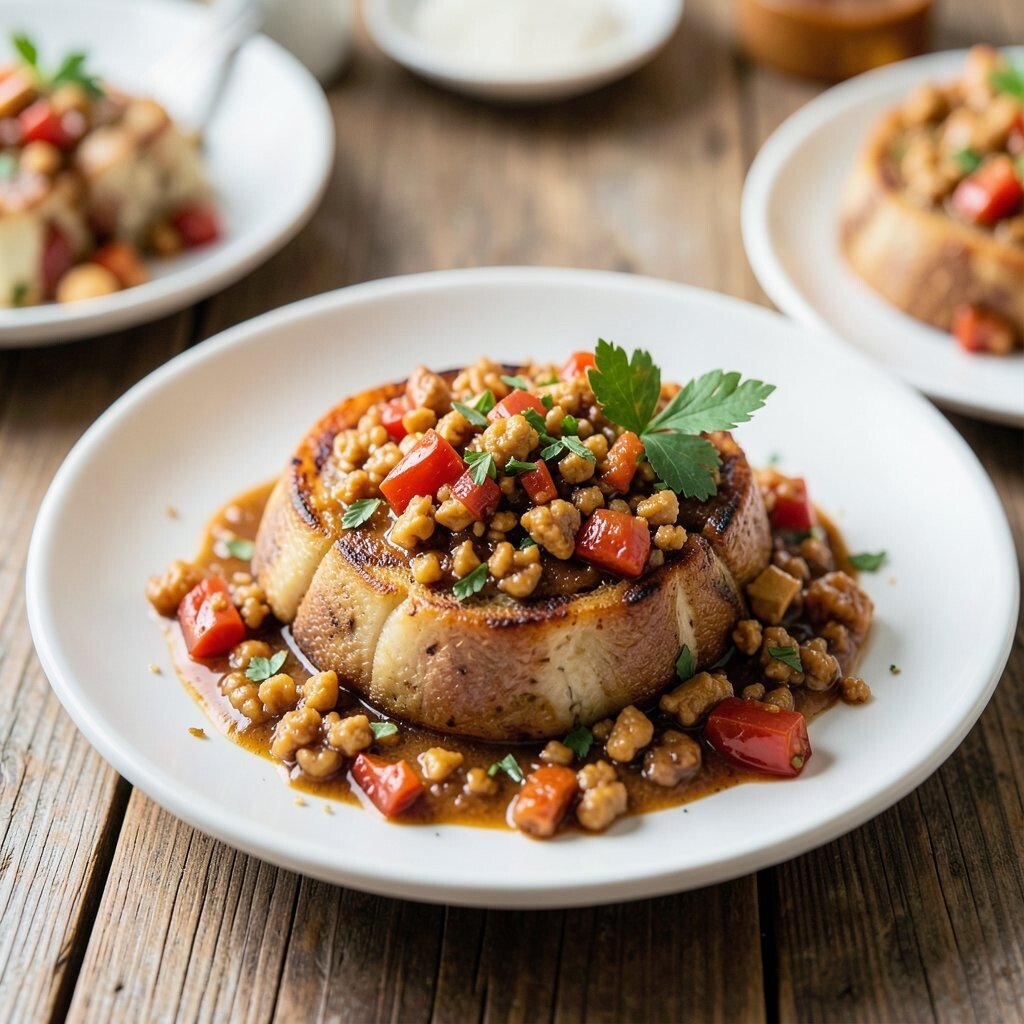
Strong color contrast makes food pop right off the page. Bright berries on dark slate or green herbs on creamy pasta can look lively and sharp.
This style is useful when your dish has simple shapes but needs more visual energy. Pick one main color and one supporting color, then keep the rest of the scene quiet. You can use cloth, plates, and napkins to echo the colors in the food and make the whole image feel planned.
Colorful food photos are a big trend because they feel cheerful and fresh. If you want a personal touch, choose colors that match your brand, your kitchen, or the season. Even a low-cost setup can look polished when the colors are chosen with care.
6. Add Hands to Make the Scene Feel Alive
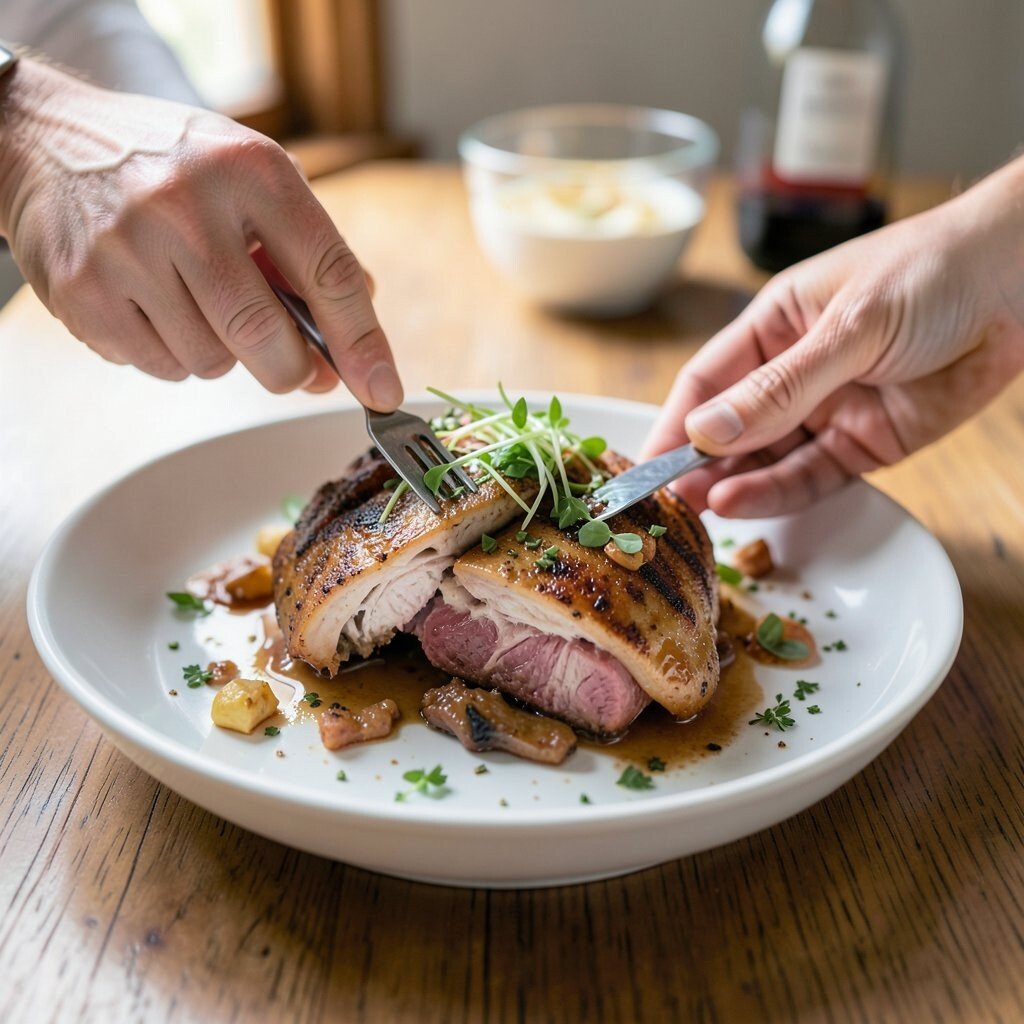
Hands bring a human touch that makes food photos feel warm and real. A hand sprinkling herbs, holding a slice, or pouring sauce can turn a simple meal into a story.
This approach is helpful because it shows scale and action without needing a full person in the frame. Keep the hands relaxed and natural, and avoid stiff poses. You can use your own hands or ask a friend to help, which keeps the setup simple and free.
People often respond well to images that feel shared instead of staged. Try matching nail color, sleeves, or jewelry to the mood of the dish for a subtle personal detail. A little motion can make the photo feel fresh, modern, and more memorable.
7. Use Dark Backgrounds for Rich, Moody Drama
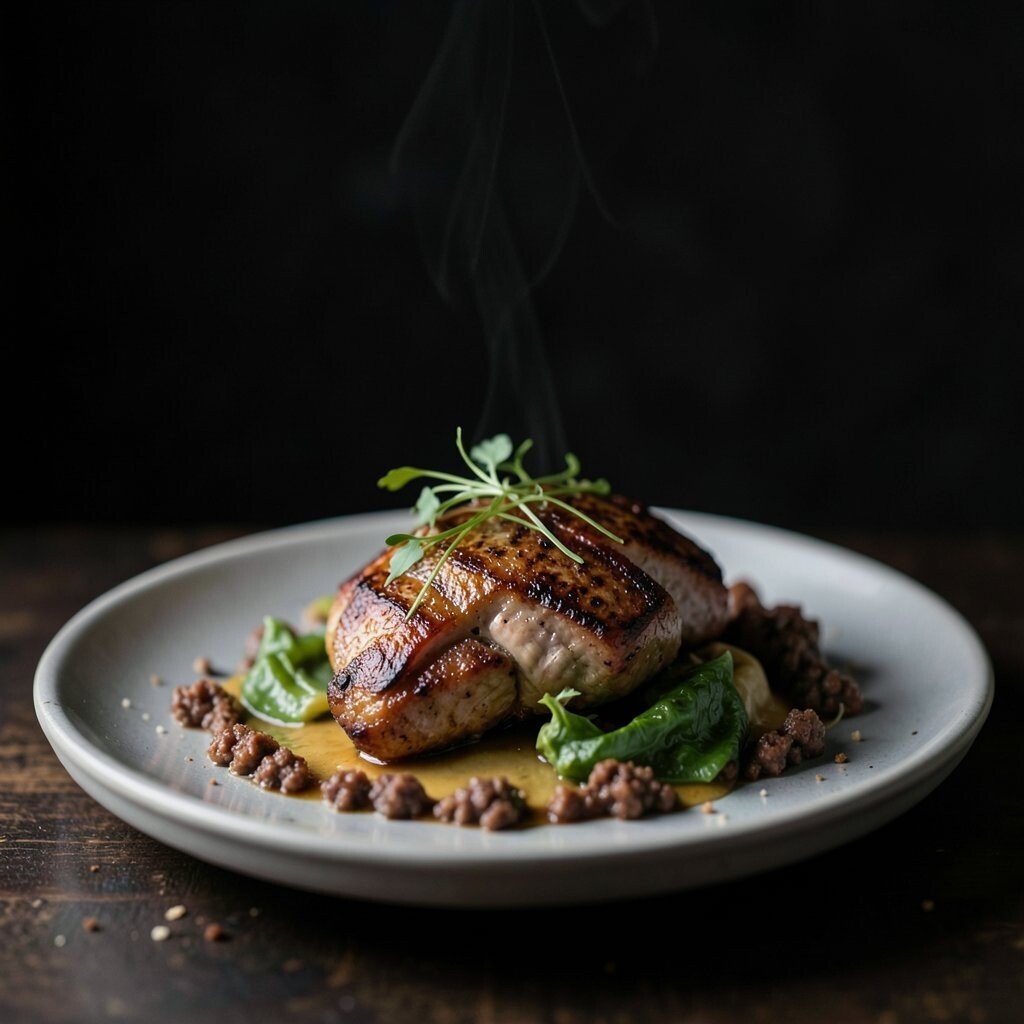
Dark backdrops can give food a deep, rich look that feels elegant and bold. They work especially well for chocolate desserts, red sauces, grilled meats, and drinks.
This style helps the food stand out with strong contrast and clear shape. Use one light source from the side so the highlights show texture while the shadows stay soft. A black board, dark fabric, or painted cardboard can be an affordable way to get the look.
Moody food photography is still popular because it feels serious and artistic. You can make it your own by adding a bright garnish, a shiny spoon, or a splash of color in the background. Keep the set simple so the drama stays focused on the dish.
8. Show Texture Close Up
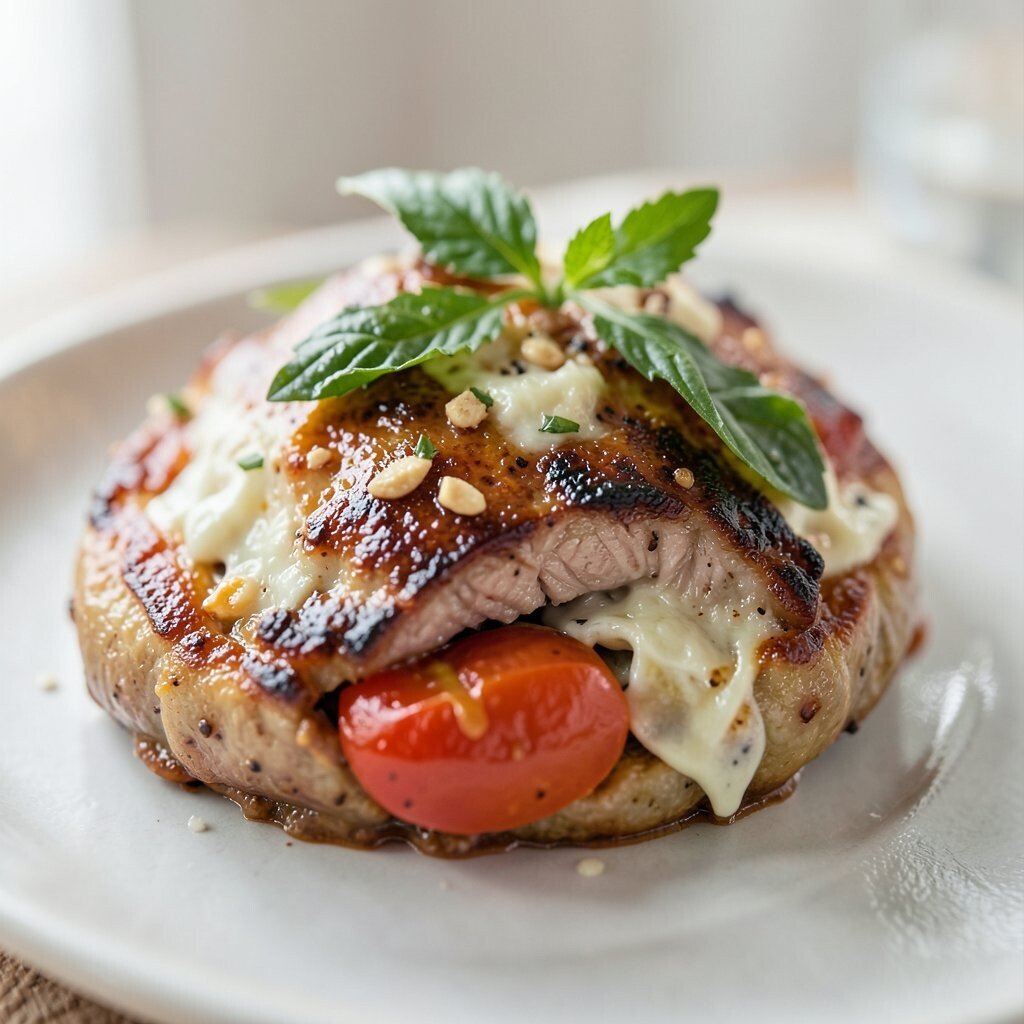
Close-up shots can make food feel almost touchable. Craggy bread crust, glossy frosting, flaky pastry, and juicy fruit all look rich when the camera gets near.
This idea gives viewers a strong sense of taste and feel. Use a lens or phone setting that keeps the subject sharp, then fill the frame with the most interesting part of the dish. A small plate, a clean towel, or a plain board can keep the focus on texture instead of clutter.
Texture-focused images are great for social posts, menus, and recipe pages because they make people hungry fast. Try adding a tiny smear of sauce or a dusting of powdered sugar to boost the detail. The best part is that you do not need fancy gear to make the food look rich and close.
9. Tell a Story With Ingredients Around the Dish
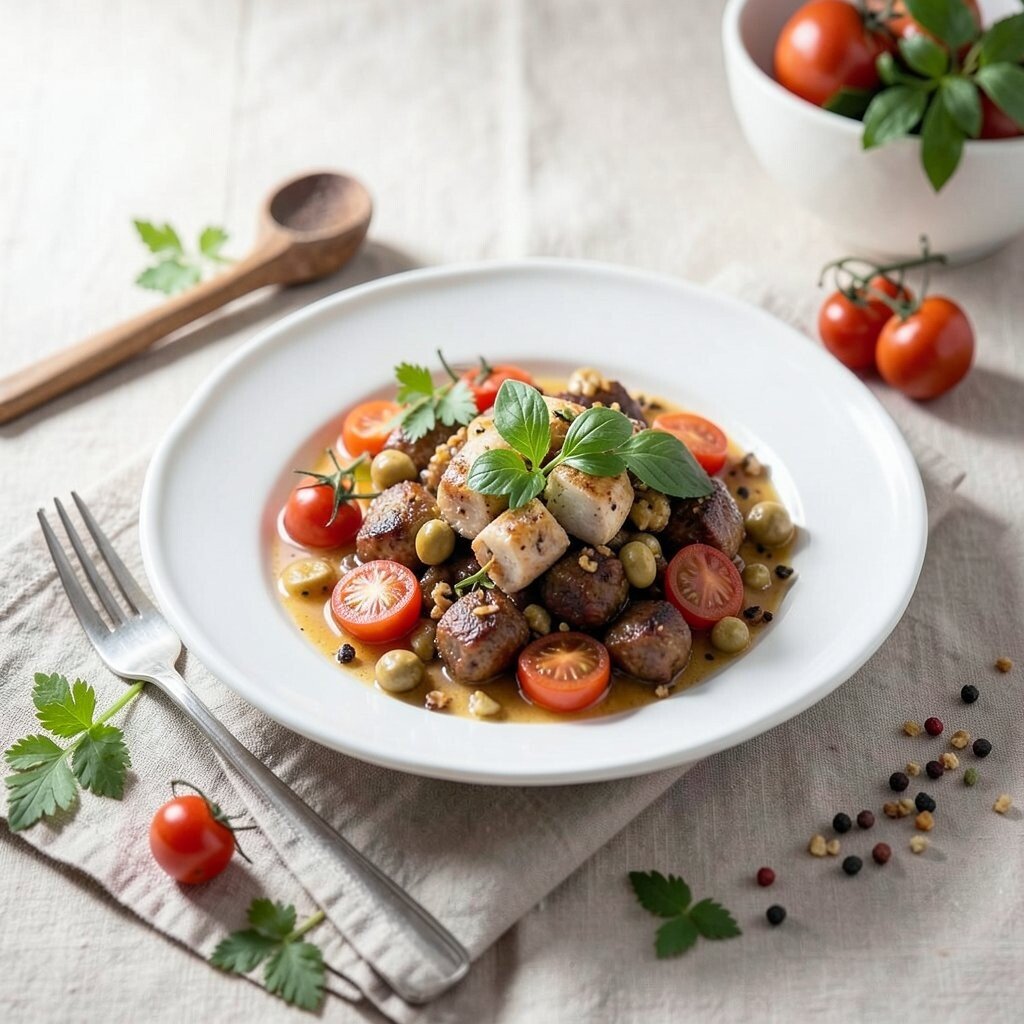
Scattered ingredients can show how the dish came to life. A few eggs, herbs, flour, or citrus slices can make the image feel active and full of meaning.
This style helps viewers connect the final plate to the process behind it. Keep the extras neat and useful, not random, so the scene still feels calm. You can use what is already in your kitchen, which makes this one of the most budget-friendly ideas.
Recipe creators often use this approach because it feels honest and helpful. Add a favorite spoon, a measuring cup, or a family spice jar to make the image more personal. When the ingredients echo the colors in the dish, the whole frame feels balanced and thoughtful.
10. Try a Bright, Airy Minimal Look

Light backgrounds and simple props can make food feel fresh and clean. This look is lovely for yogurt bowls, fruit tarts, tea, and light lunches.
The benefit is easy: fewer distractions mean the food gets all the attention. Use pale plates, white cloth, and soft daylight to keep the mood open and cheerful. This setup often costs very little because it relies on plain items you may already own.
Minimal food photography fits current tastes for calm, neat, and uncluttered visuals. You can personalize it with one small accent, like a sprig of mint, a linen ribbon, or a favorite ceramic cup. Keep the scene airy so the image feels peaceful and modern.
11. Capture Motion With Pouring, Drizzling, or Sprinkling
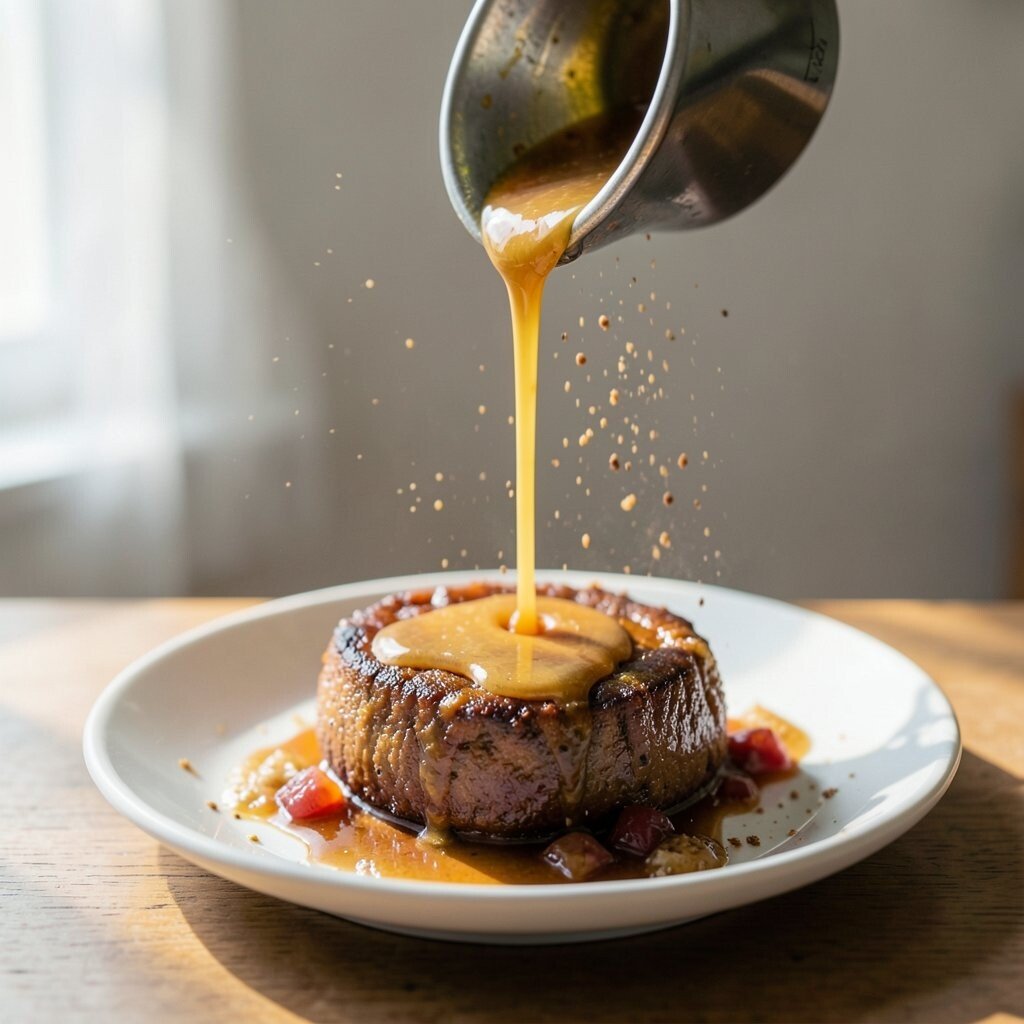
Movement can make a still photo feel full of energy. A stream of honey, a dusting of herbs, or milk pouring into coffee adds a lively spark.
This idea is useful because it shows action and makes the food feel fresh. Use a fast shutter or burst mode if your camera allows it, and practice the motion a few times before you shoot. You do not need expensive tools; a steady hand and a little patience can do a lot.
Motion shots are eye-catching on social feeds because they feel instant and real. Try matching the direction of the pour with the lines in the plate or table to guide the eye. A personal favorite ingredient can make the action feel more like your own style.
12. Lean Into Seasonal Colors and Ingredients
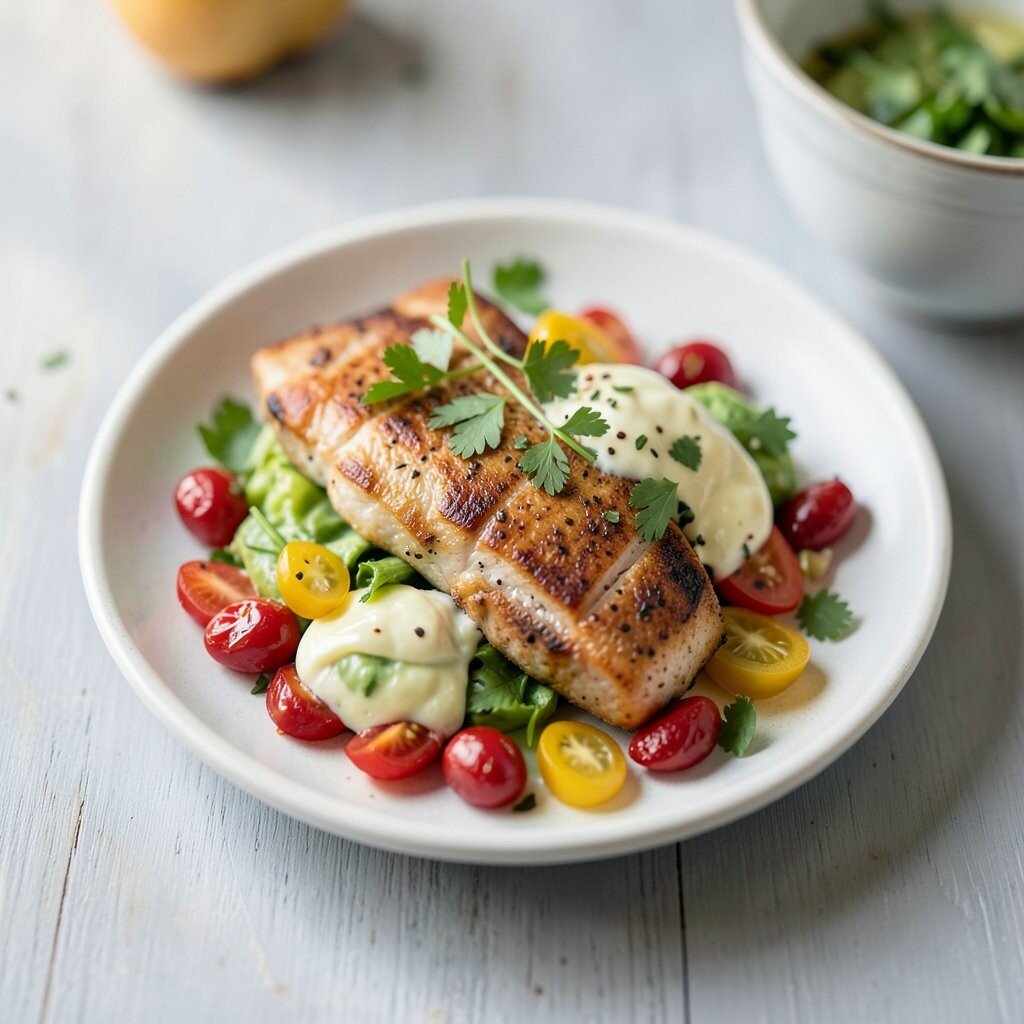
Seasonal food photography feels timely and full of natural charm. Think bright berries in warm months, apples and cinnamon in cool months, or rich greens in fresh spring light.
This approach gives your photos a clear mood and helps them feel current. Use colors, garnishes, and props that match the time of year so the image feels in step with the season. Seasonal items can also be easier on the budget because they are often easier to find and look their best.
People enjoy photos that feel connected to the moment. You can make the scene personal by using a family recipe, a holiday mug, or a cloth in a seasonal shade. When the food and styling match the time of year, the image feels warm and memorable.
13. Frame the Dish With Negative Space
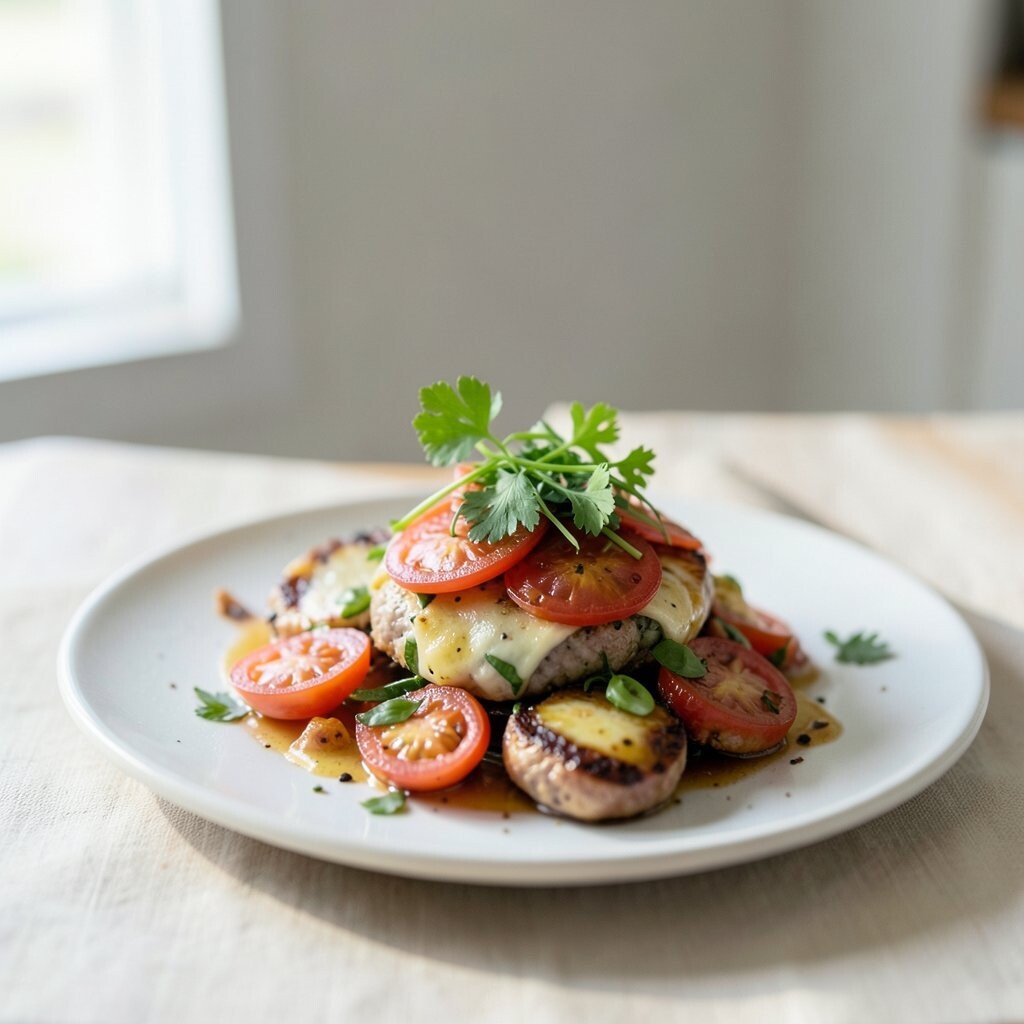
Empty space around food can make the main subject look calm and important. It gives the eye room to rest and helps one dish feel like the hero.
This style is great for editorial photos, menu images, and clean social posts. Place the food off to one side and leave the rest of the frame open with a plain background or soft blur. You can use simple, low-cost props, but keep them light and minimal so they do not crowd the shot.
Negative space is a smart way to make room for text if you want to add a quote or recipe title later. It also gives a modern feel that many brands like right now. Personal touches should stay small, like a single fork, a folded napkin, or a tiny herb leaf.
14. Mix Styles to Create Your Own Signature Look

Some of the most memorable food photos blend a few ideas into one scene. You might pair soft window light with rustic props, or use a dark background with a bright splash of color.
This is where your own taste can shine the most. Try combining a favorite angle, a color palette you love, and one prop that feels special to you. Mixing styles also helps you work with what you already have, which can keep costs down while making your photos look fresh.
Signature style matters because it helps people recognize your work right away. Look at what feels natural in your kitchen, your brand, or your recipes, then build from there. The best food photos often feel personal, thoughtful, and a little bit playful.