
A backsplash can change the whole mood of a kitchen. It can also cause more second-guessing than people expect.
1. A backsplash is more than a pretty wall
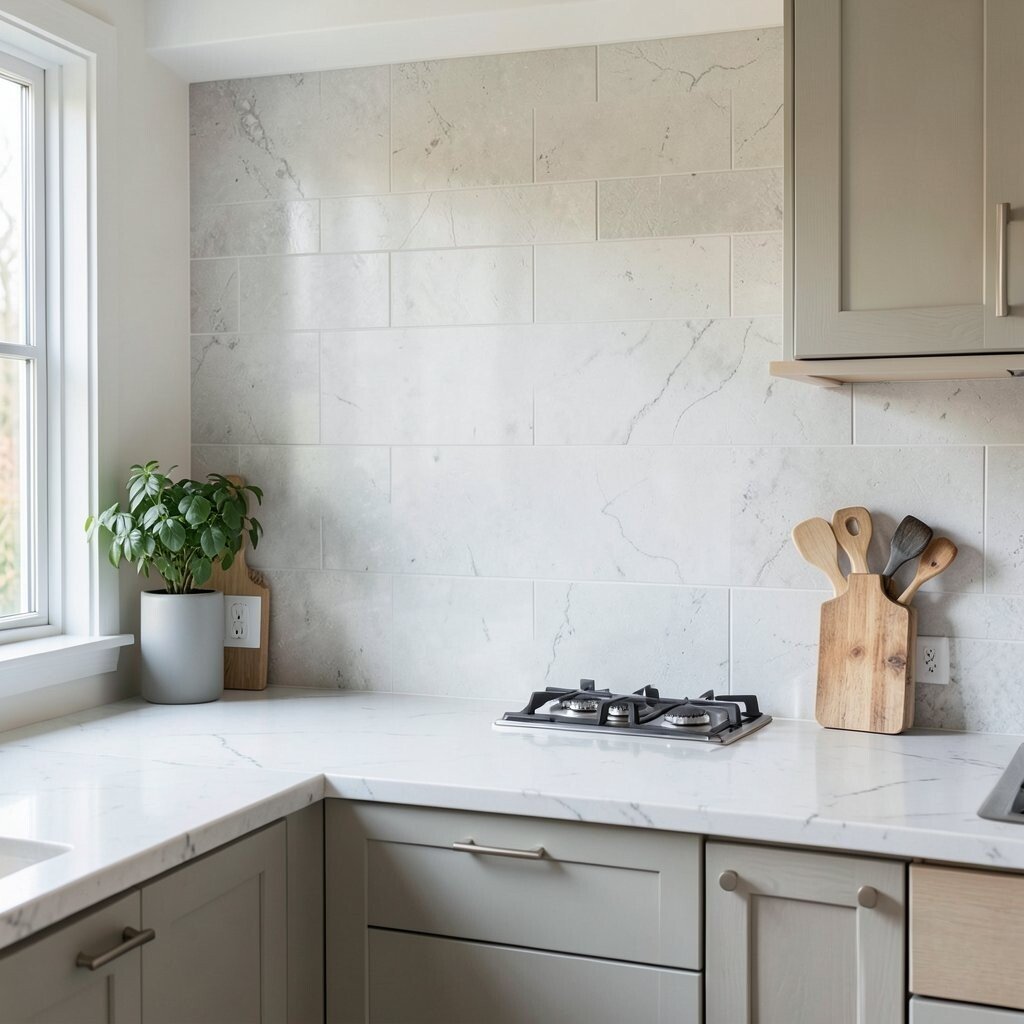
A backsplash does not just sit behind the stove and sink looking nice. It protects the wall from splashes, grease, steam, and daily mess.
That means the right choice can save you time and stress later. A clean backsplash also makes the whole kitchen feel brighter and more finished. If you want a simple upgrade with a big visual payoff, this is one of the smartest places to start.
2. The color can change the whole room

People often think backsplash color is a small detail, but it can shift the mood of the kitchen fast. A light shade can make a small room feel open, while a dark shade can add drama and depth.
Glossy tiles bounce light and feel fresh, while matte surfaces feel softer and more calm. You can match the backsplash to your cabinets for a smooth look or use contrast for a bold style.
Many homeowners now choose warm whites, soft greens, and earthy clay tones because they feel cozy and modern. If you want your kitchen to feel more personal, pick a color that connects to your dishes, rugs, or wall art.
3. Small tiles are not always the easiest choice

Tiny tiles can look charming and detailed, but they often come with more grout lines. More grout means more scrubbing and more chances for stains to show.
Large tiles or slab-style backsplashes can feel cleaner and simpler. They also make a wall look less busy, which can help a small kitchen feel calmer.
If you love the look of small tiles, use them in a focused area instead of the whole wall. That keeps the style unique without making cleaning a chore every week.
Cost matters too, since detailed tile work can raise labor prices. A simpler pattern may save money and still look high-end.
4. Grout can make or break the look
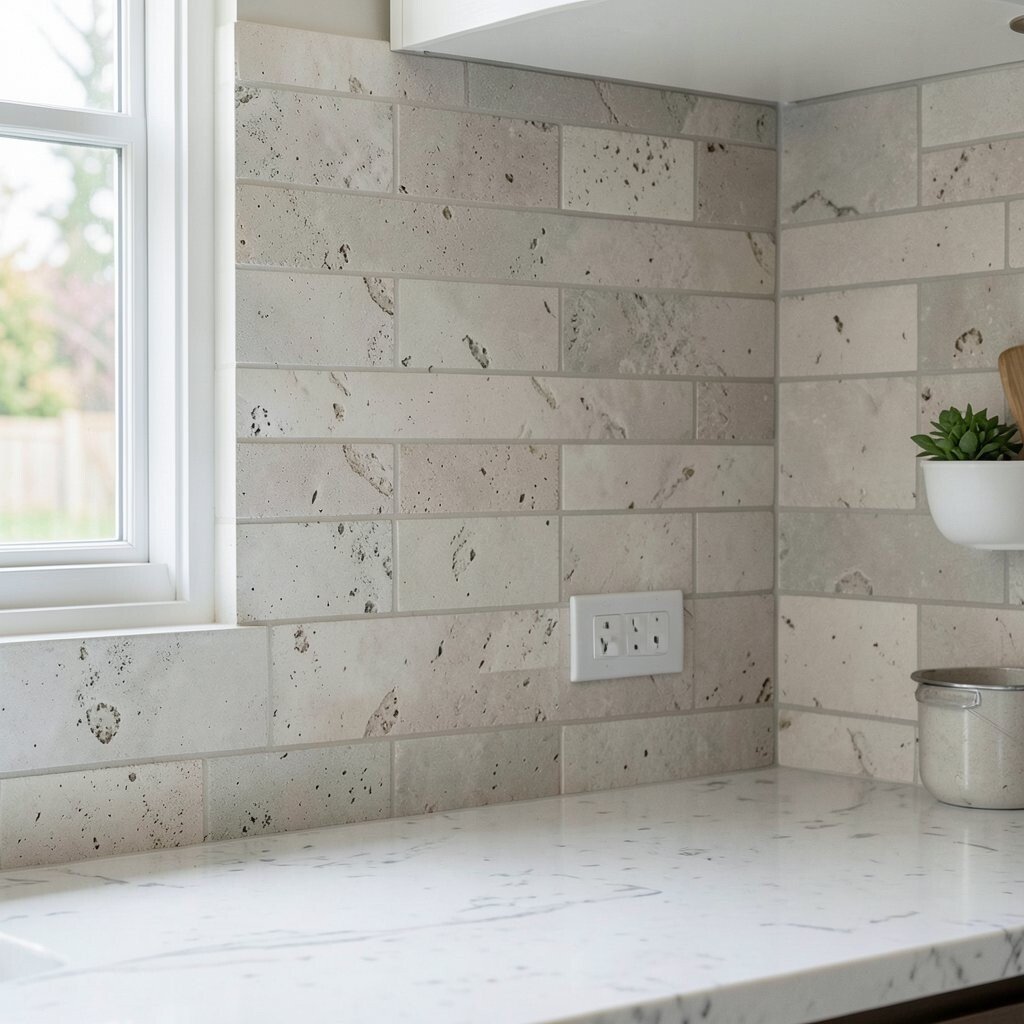
Grout is easy to ignore until it starts changing color or collecting grime. It can either frame the tile in a lovely way or make the whole backsplash look tired.
Light grout looks crisp, but it can stain faster in busy kitchens. Dark grout hides marks better and gives a stronger visual edge.
5. The finish matters as much as the material
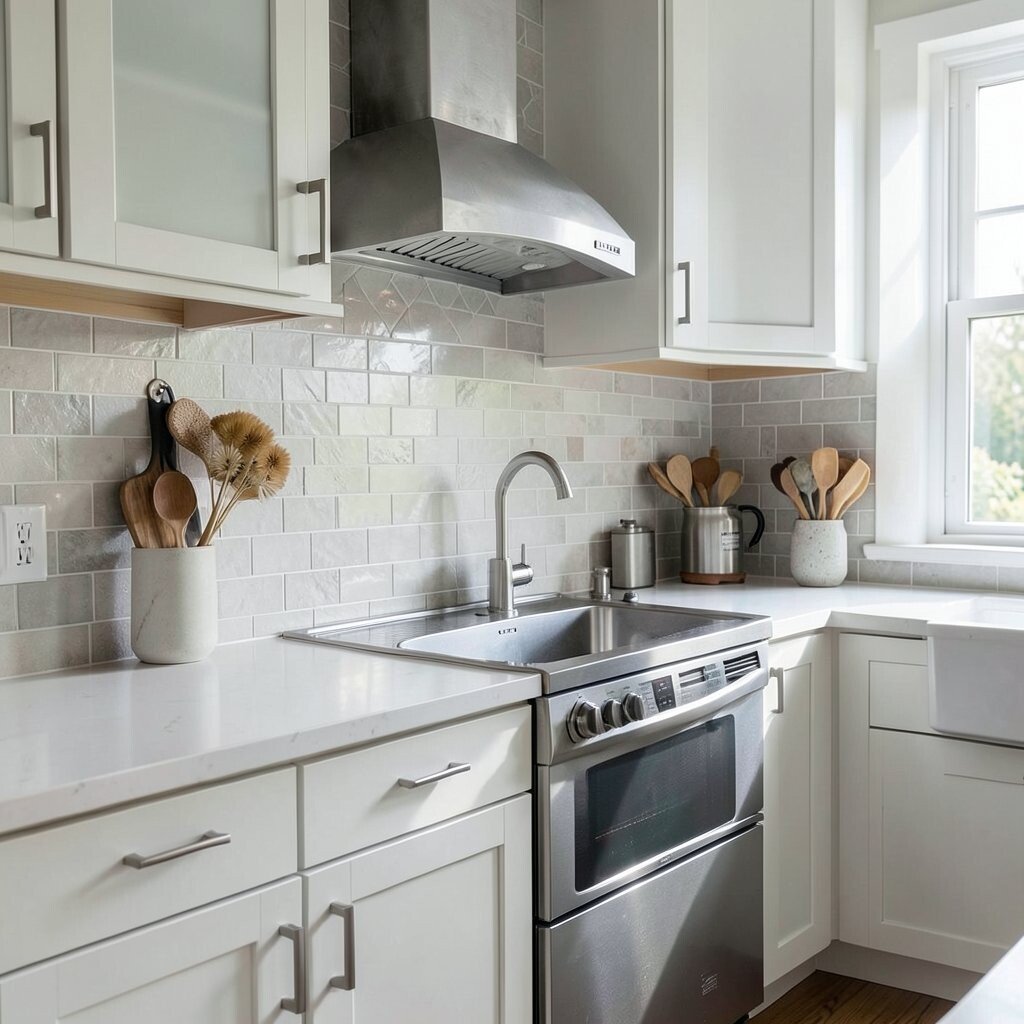
Shiny tile can feel bright and lively, while a soft, honed finish feels more gentle and modern. The finish changes how the backsplash catches light during the day.
Some finishes are easier to wipe clean than others. Others may show fingerprints, water spots, or tiny scratches more quickly.
Think about how you cook and clean before you choose. If your kitchen gets heavy use, a low-fuss finish can be a better fit than a fancy one that needs constant polishing.
6. A backsplash can be the star of a plain kitchen

When cabinets and counters are simple, the backsplash can bring the whole room to life. It becomes the place where color, texture, and pattern get to shine.
That is why many people use patterned tile, hand-painted designs, or bold stone to add personality. The wall behind the stove becomes a focal point that feels custom and special.
You do not need a huge budget to make it stand out. Even a small strip of eye-catching tile behind the range can make the kitchen feel more thoughtful and stylish.
For a personal touch, try mixing a classic tile shape with an unusual color. That blend feels current without being too loud.
7. Some materials are prettier than practical
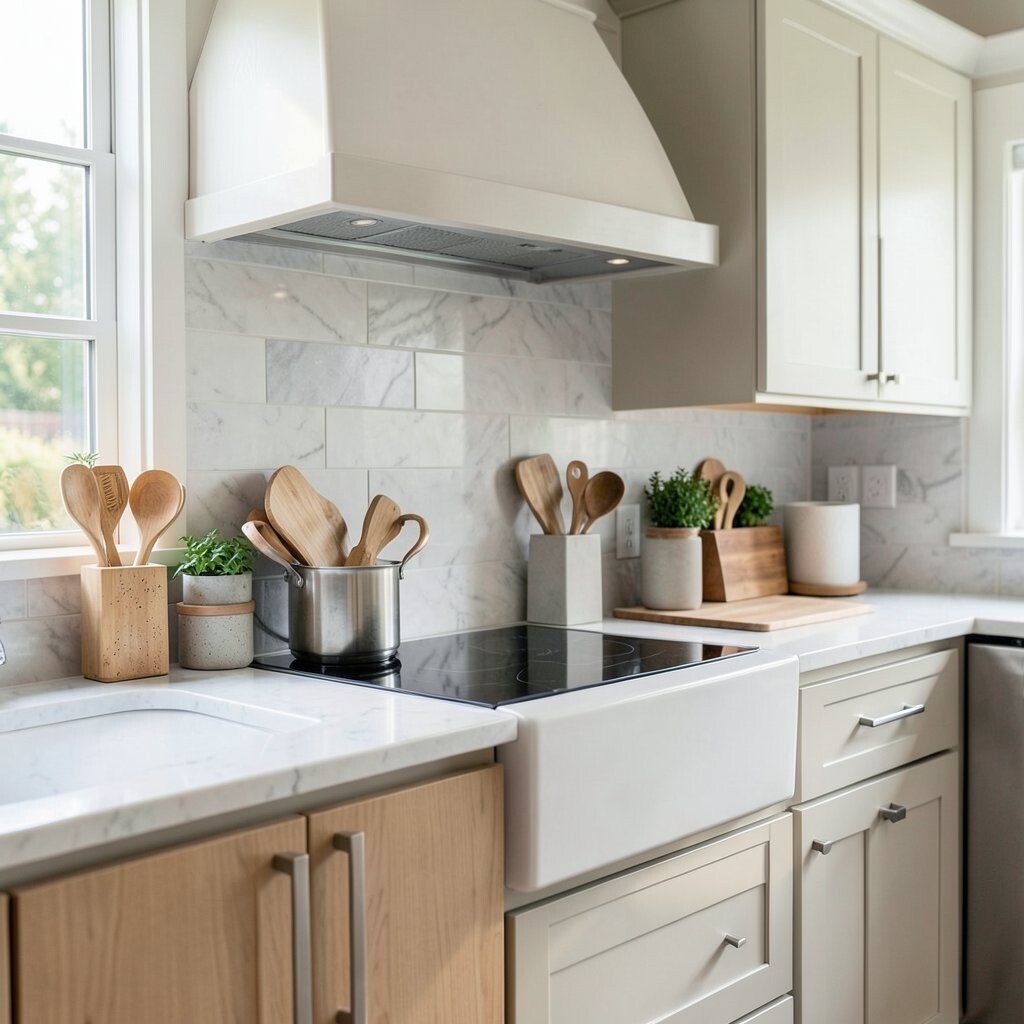
Marble looks rich and elegant, but it can stain or etch more easily than people expect. Glass can look sleek, yet it may show smudges after every meal.
Porcelain, ceramic, and quartz-backed panels often give better everyday performance. They can still look beautiful while standing up to heat, splashes, and busy family life.
If you love a high-end material, use it in a place with less mess or pair it with a tougher surface nearby. That way you get the style you want without adding too much upkeep.
Budget also plays a role because natural stone and custom slabs can cost much more than basic tile. A smart mix of materials can give you the same wow factor for less.
8. Height changes the whole feel

A backsplash does not have to stop at the bottom of the cabinets. Running it higher can make the kitchen feel taller, cleaner, and more complete.
Some people carry tile all the way to the ceiling for a bold, polished look. Others stop at a simple line for a quieter style that still protects the wall.
The best height depends on your room and your budget. Taller coverage usually costs more, but it can also make a plain wall feel much more finished.
If you want a custom feel, try extending the backsplash behind open shelves or around a window. Those little choices make the design feel built just for your space.
9. Trends change, but texture lasts
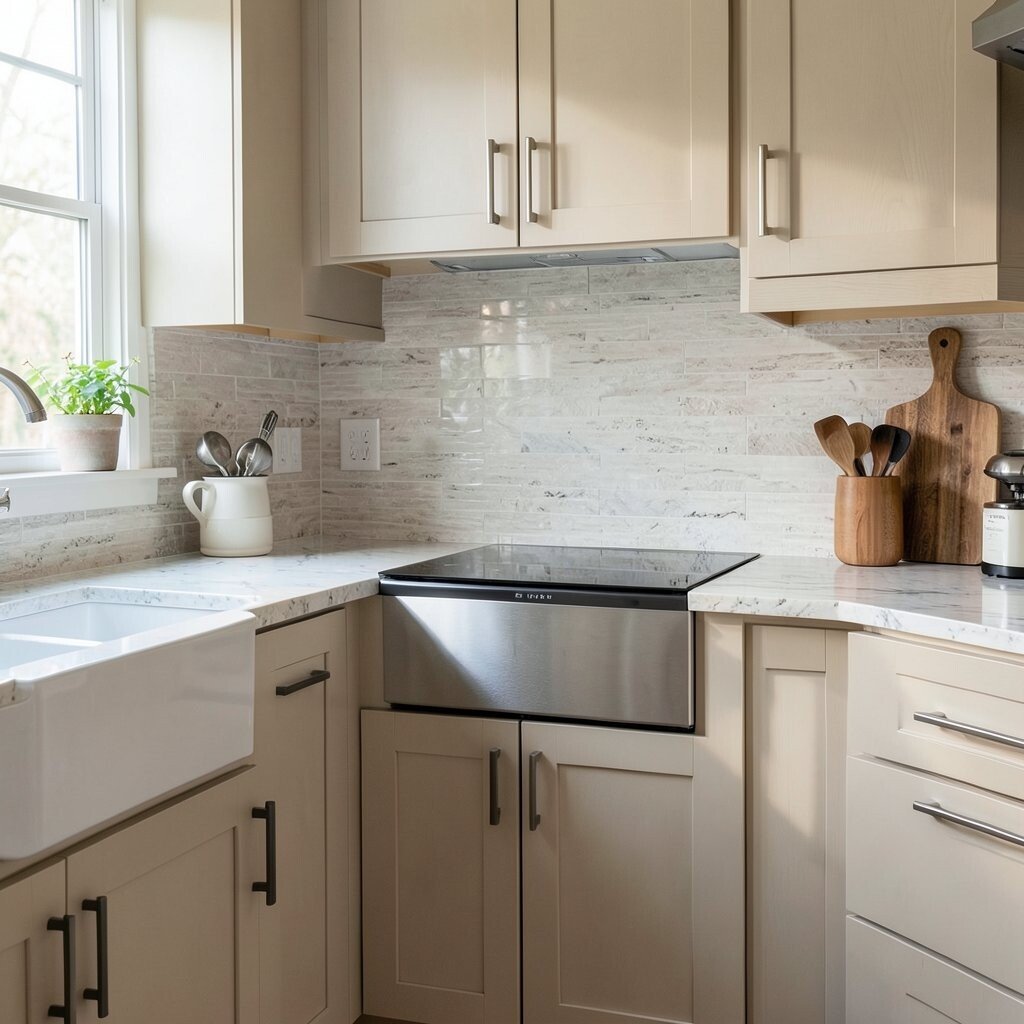
Right now, many kitchens are moving away from plain, flat looks and toward texture. Zellige-style tile, handmade edges, and soft uneven surfaces are popular because they feel warm and lived-in.
These styles catch light in a gentle way and add depth without needing bright colors. They also make a kitchen feel less stiff and more welcoming.
If you want something trendy but not too risky, texture is a smart path. It gives the backsplash character now and still feels good years later.
Mixing texture with simple cabinets is a great personalization idea. The wall gets to be interesting while the rest of the room stays calm.
10. The wrong pattern can make a kitchen feel crowded
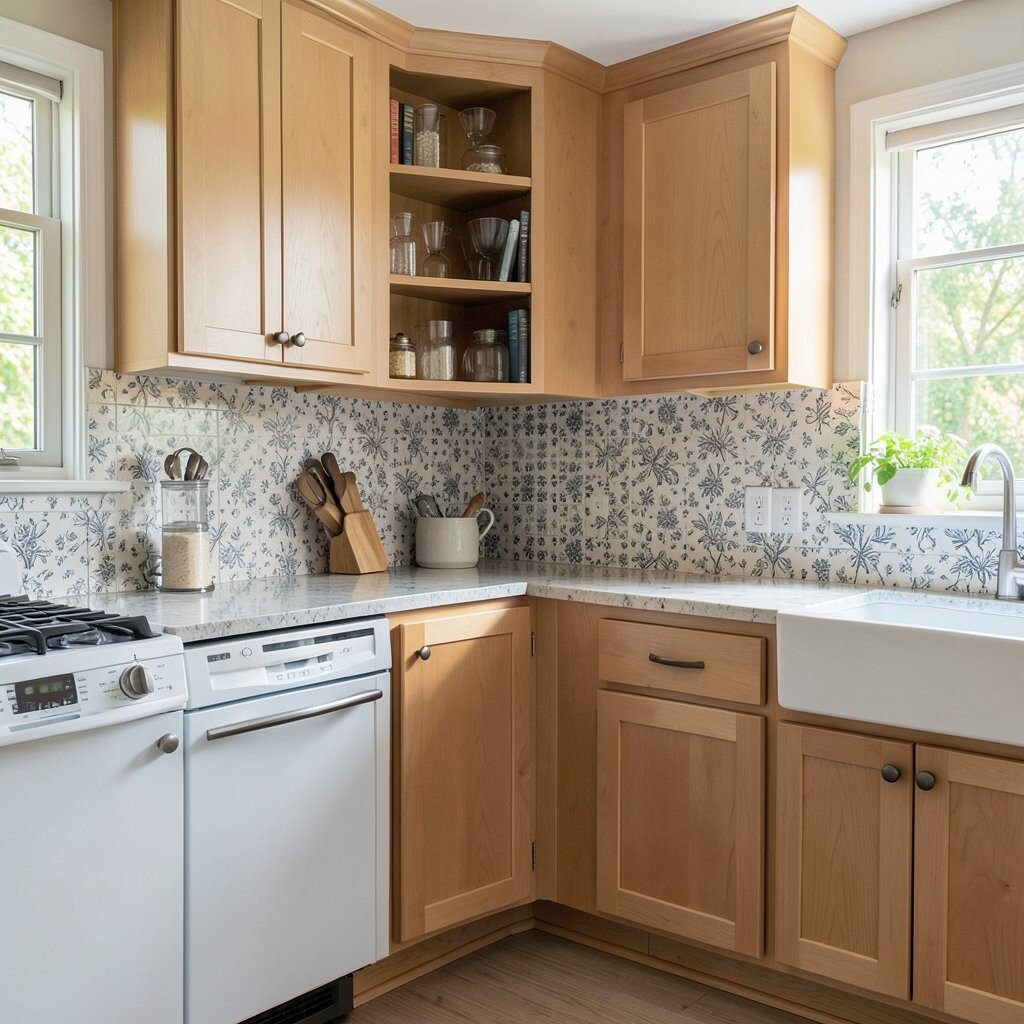
Bold patterns can be fun, but they can also take over a small room. Too much action on the wall can make the kitchen feel noisy instead of inviting.
That is why scale matters so much. Large patterns can feel calmer, while tiny repeating prints can look busy fast.
Before you buy, hold samples near your cabinets and counters. Look at them in morning light and evening light so you can see how the pattern behaves all day.
If you love a loud design, use it in a small zone and keep the rest simple. That keeps the kitchen unique without making it feel packed.
11. Installation skill can change the final result

Even a beautiful tile can look off if the lines are uneven or the cuts are sloppy. A careful installer can make a mid-range backsplash look much more polished.
That is why labor costs matter so much in backsplash projects. Sometimes the tile itself is not the biggest expense; the hands putting it in place are.
If you are planning a DIY job, start with a simple layout and a forgiving material. Straight lines, larger tiles, and fewer corners are easier for beginners.
For a custom look, ask about edge trim, outlet placement, and how the backsplash will meet the counter. Those small details can make the whole wall feel neat and intentional.
12. Open shelves and backsplashes need to work together
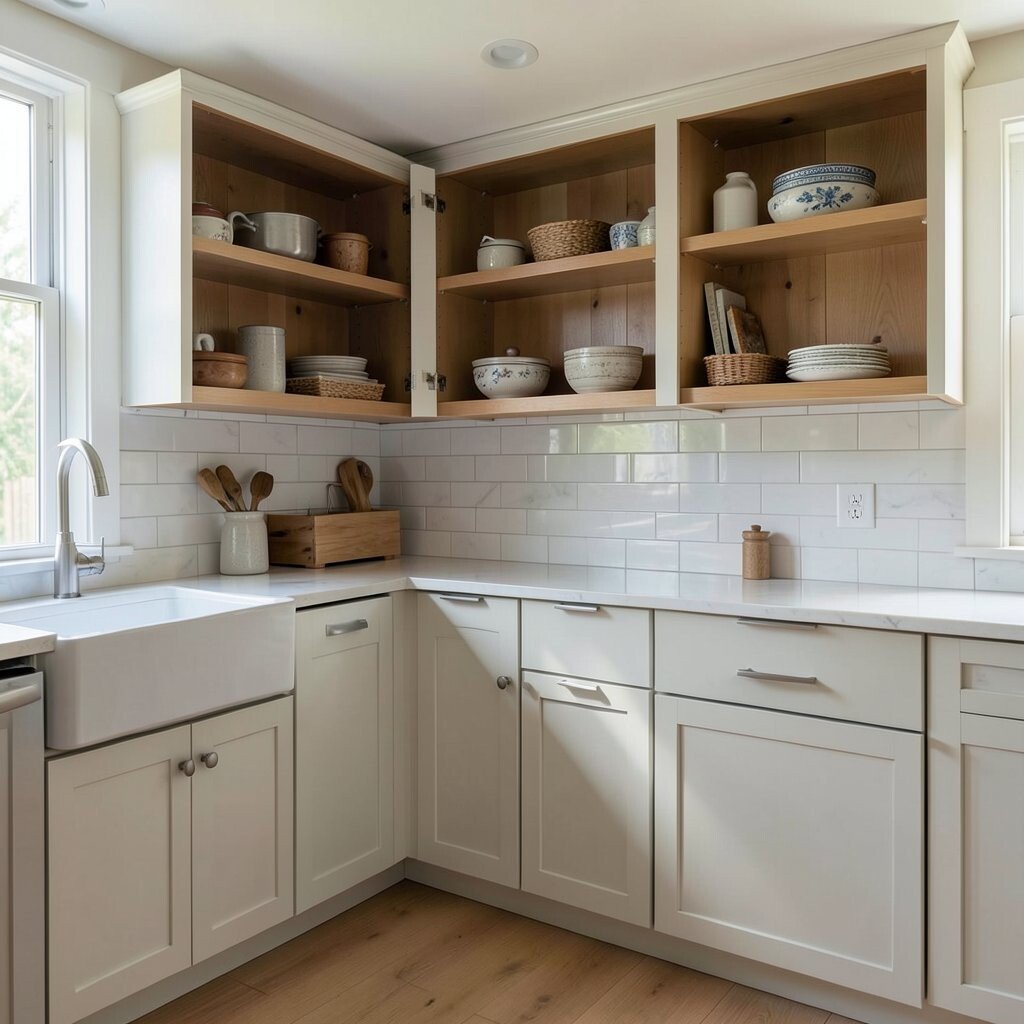
When open shelves sit above the backsplash, both features become part of the same picture. The wall color, shelf wood, and dish display all need to feel balanced.
A busy backsplash behind open shelves can look lively, but it can also compete with the items you display. A quieter surface often lets pretty bowls, cups, and plants stand out more.
This is a great chance for personalization. You can choose tile that matches the wood tone of your shelves or pick a color that makes your favorite dishes pop.
Think about what you keep on display before you choose the wall finish. A good backsplash should support the style of the shelves, not fight with them.
13. Lighting can make it look twice as good

A backsplash can look flat in bad lighting and stunning in good lighting. Under-cabinet lights, daylight, and pendant lamps all change how the surface feels.
Glossy tile reflects light and can brighten a darker kitchen. Matte and textured surfaces create soft shadows that make the wall feel richer and more layered.
If your kitchen is dim, choose a backsplash that helps bounce light around. If your room is already bright, you can use a deeper color or texture without making it feel heavy.
Lighting is also a low-cost way to improve the whole design. Sometimes a simple strip of LED light makes an ordinary backsplash look much more expensive.
14. The best backsplash is the one that fits your life
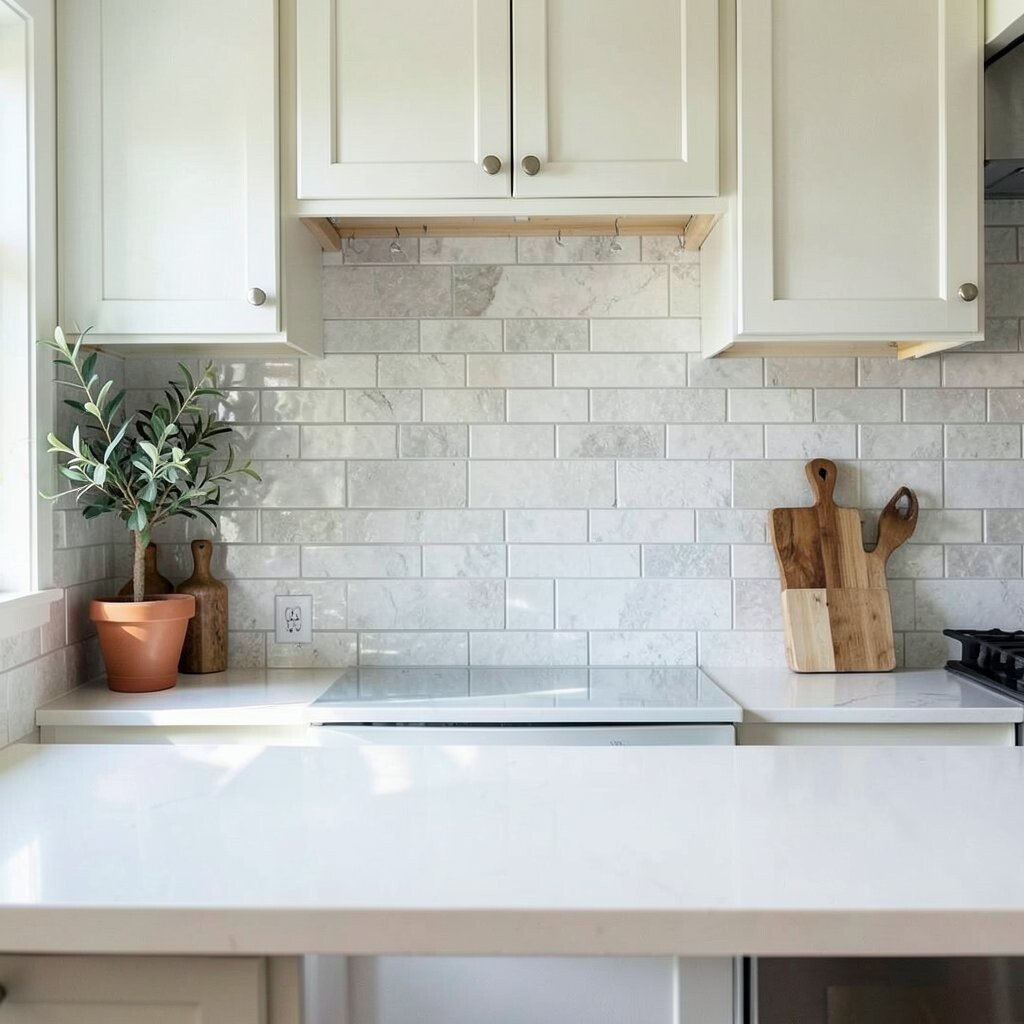
Some people want a showpiece wall, while others want something calm and easy to clean. The right backsplash kitchen choice depends on how you cook, clean, and live each day.
A family that makes a lot of sauces may want durable tile and simple grout. A person who loves style may prefer a bold color, handmade texture, or a unique pattern that feels like art.
Try to balance beauty, upkeep, and cost before you commit. If you choose a surface that fits your habits, it will keep looking good longer and feel worth the money.
The best part is that a backsplash can be personal without being fussy. It can show your taste, support your routine, and make the kitchen feel like yours every time you walk in.