A food processor can feel like a quiet kitchen helper with a lot of power. It can turn messy prep into a smooth, fast routine.
1. Make Fresh Salsa in Minutes
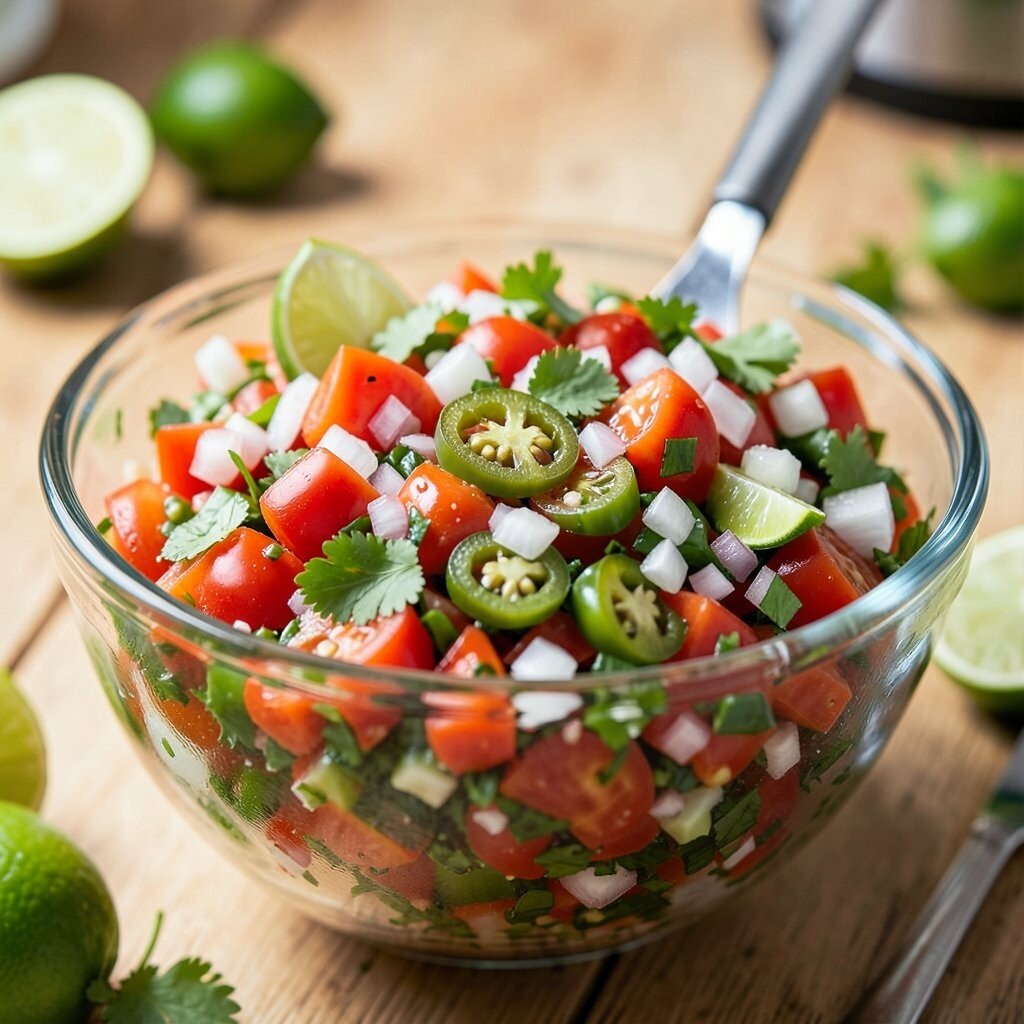
Bright tomatoes, onion, cilantro, and lime can become a lively salsa with very little effort. The bowl fills with a colorful mix that looks fresh and smells amazing.
This is a great way to save time on snack night or taco night. You can make it chunky for a rustic feel or pulse it more for a smoother style. Add jalapeño, roasted garlic, or extra lime to match your taste.
2. Create Smooth Hummus at Home
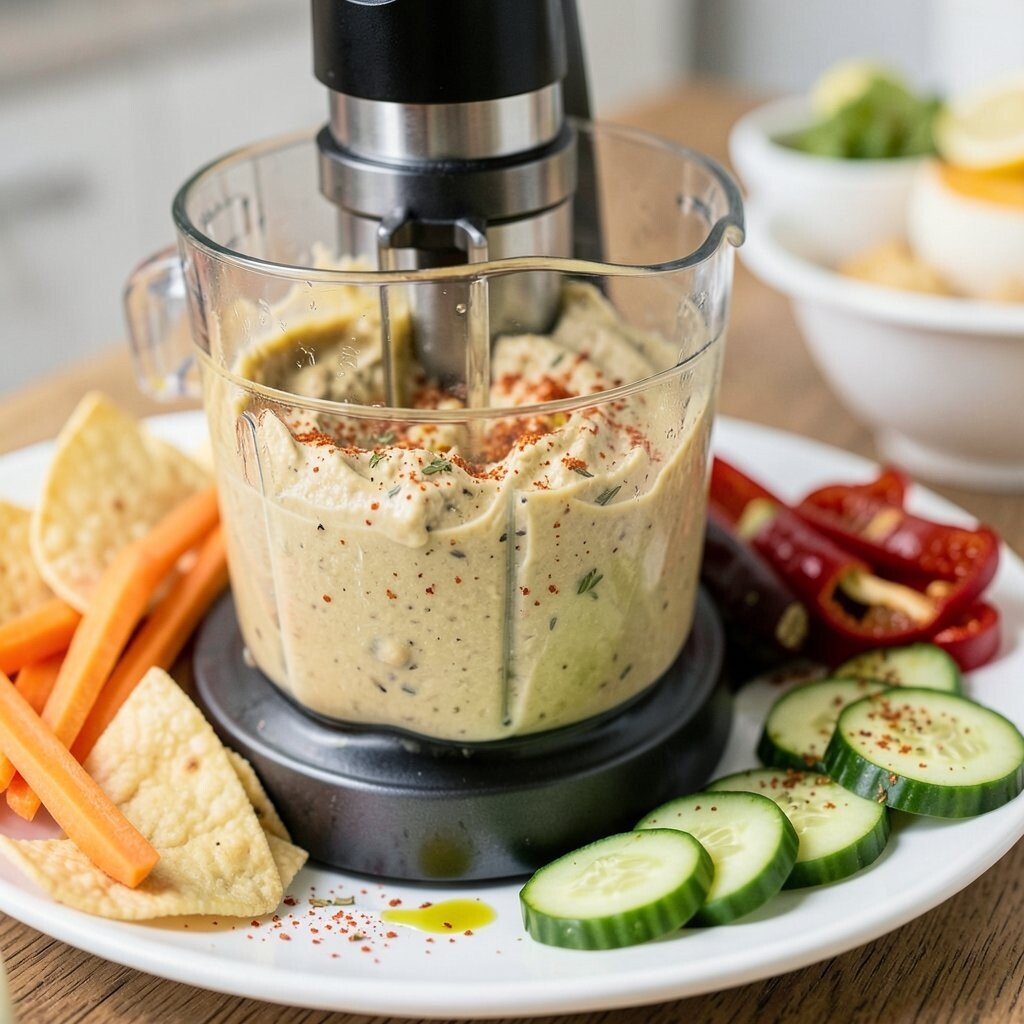
Hummus made in a food processor has a creamy look that feels fancy but stays simple. Chickpeas, tahini, lemon, and olive oil blend into a soft dip that works for lunch, snacks, or party trays.
It is cheaper than many store-bought tubs and often tastes fresher. You can change the flavor with roasted red pepper, garlic, or herbs, and top it with paprika or olive oil for a pretty finish. Many home cooks like this because it fits modern meal prep and plant-based eating trends.
If the mix seems thick, add a little water or chickpea liquid and keep blending. A good processor makes the texture smooth without much work. Try serving it with carrots, pita chips, or cucumber slices for an easy, colorful plate.
3. Chop Veggies for Fast Soup Prep
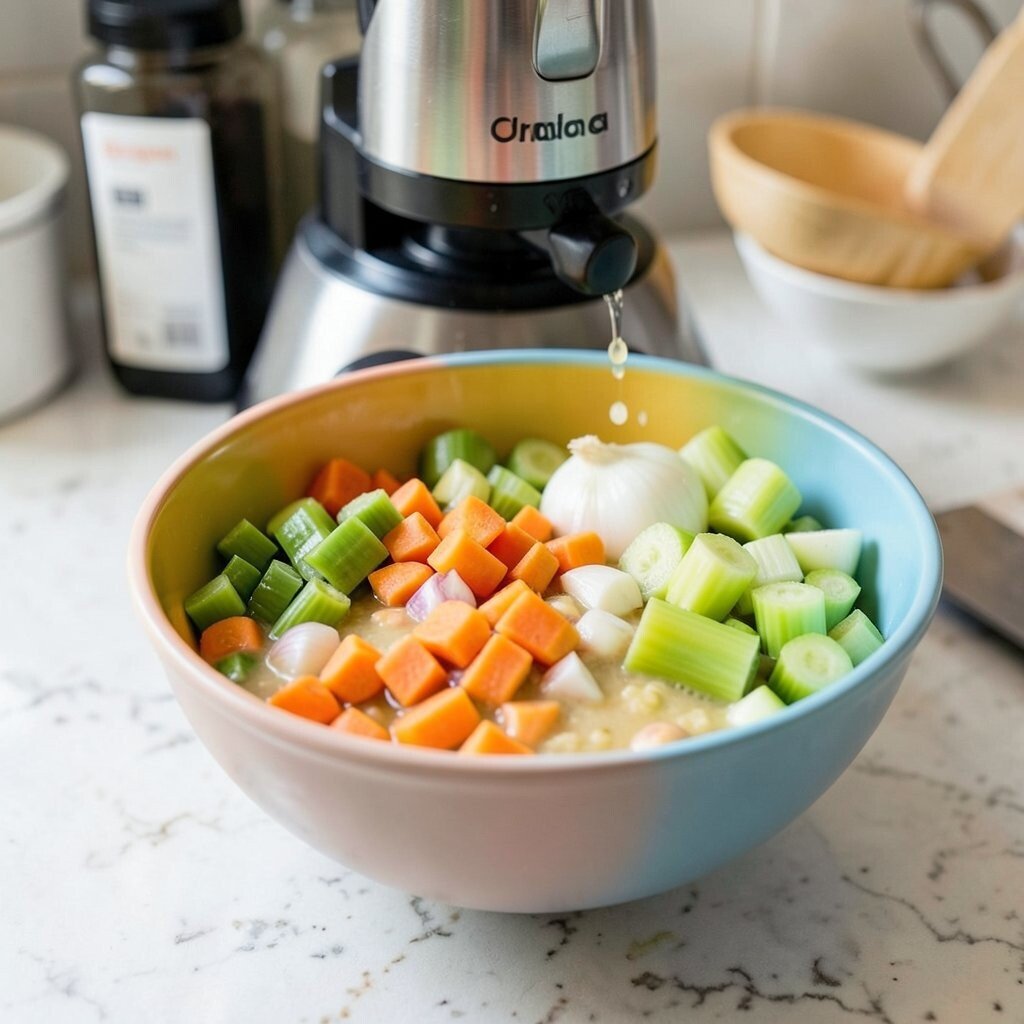
Carrots, celery, onions, and garlic can go from whole pieces to neat bits in a flash. The bowl looks like a tidy rainbow of soup starters, ready to cook.
This saves a lot of cutting time on busy days. It also helps keep pieces more even, so they cook at the same speed. For a personal touch, you can make the chop fine for creamy soups or a little larger for chunky stew.
Many families use this trick during cold months when soup is a weekly meal. It keeps the kitchen cleaner too, since less chopping means less mess on the counter. If you want to save even more time, prep extra and freeze the mix in small bags.
4. Mix Pie Crust with Less Mess
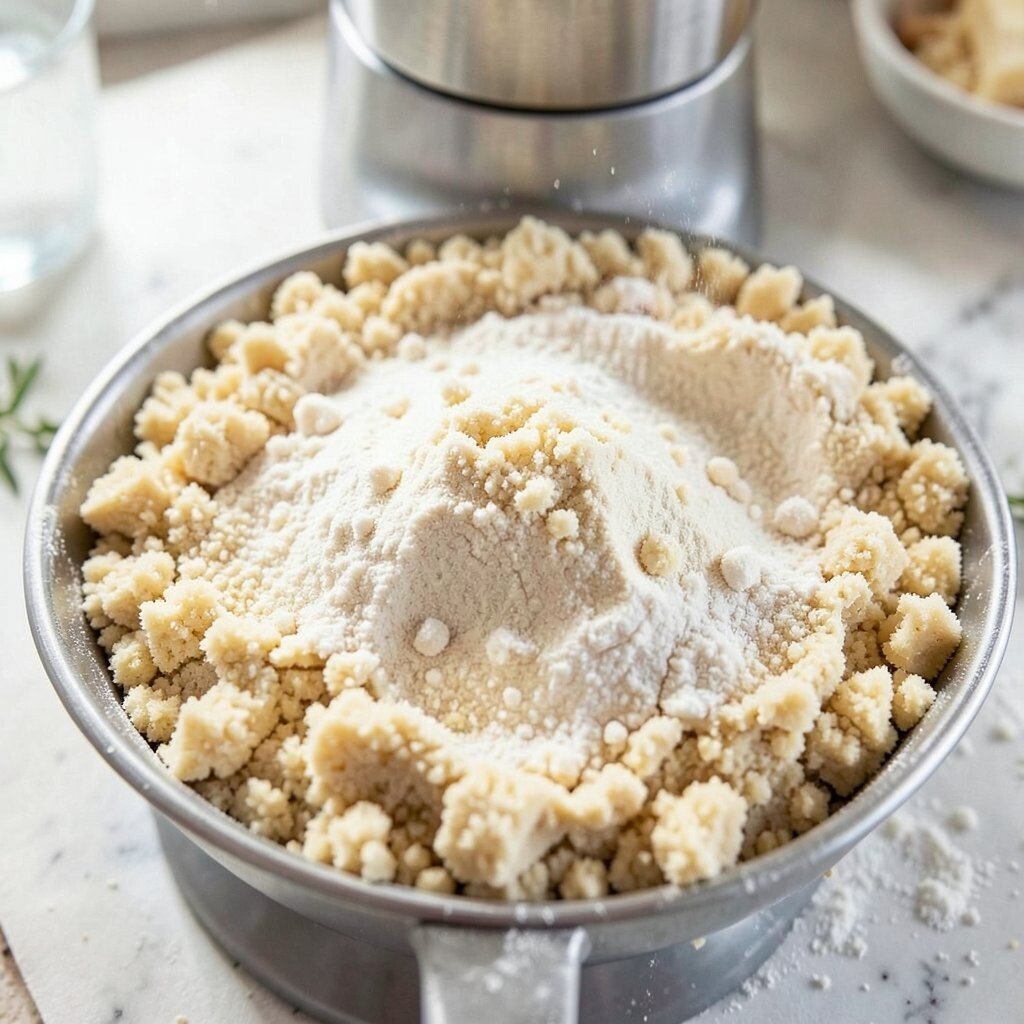
A food processor can make pie dough look simple instead of scary. Flour and butter turn into soft crumbs that are ready for cold water.
This method helps keep the butter cold, which can make the crust flakier. It also cuts down on hand mixing, so the dough stays more even. You can add a little sugar for sweet pies or herbs for savory ones.
5. Make Nut Butter at Home
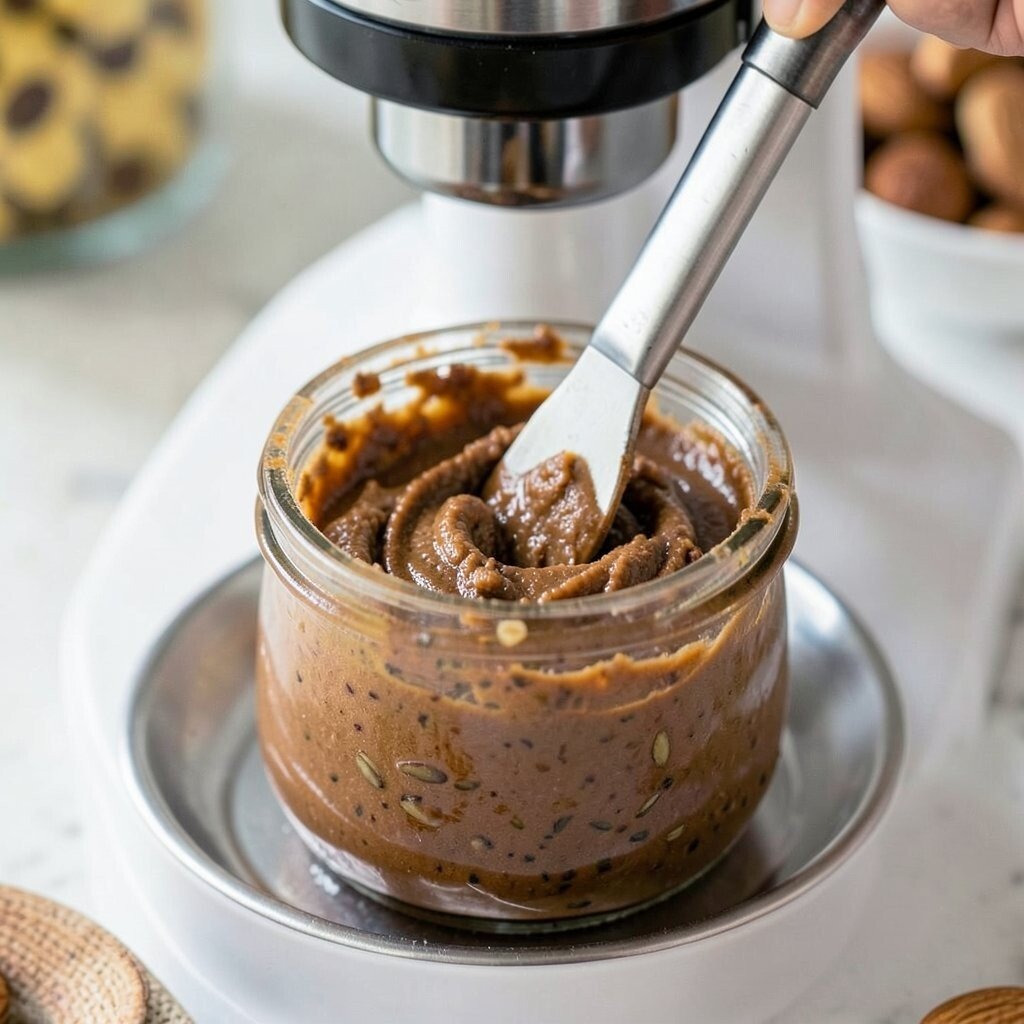
Peanuts, almonds, cashews, or sunflower seeds can become a thick, rich spread with a deep roasted look. The texture starts crumbly, then turns glossy and smooth as the blades keep working.
This can cost less than fancy jars from the store, especially if you buy nuts in bulk. You can make it plain or add cinnamon, cocoa, honey, or sea salt for a custom taste. Nut butter is also a hot trend because many people like simple, homemade snacks.
Be patient, because the mix may look dry before it turns creamy. Stop and scrape the sides now and then so everything blends well. Store it in a clean jar and keep it in the fridge for a fresh, easy spread.
6. Shred Cheese in a Flash
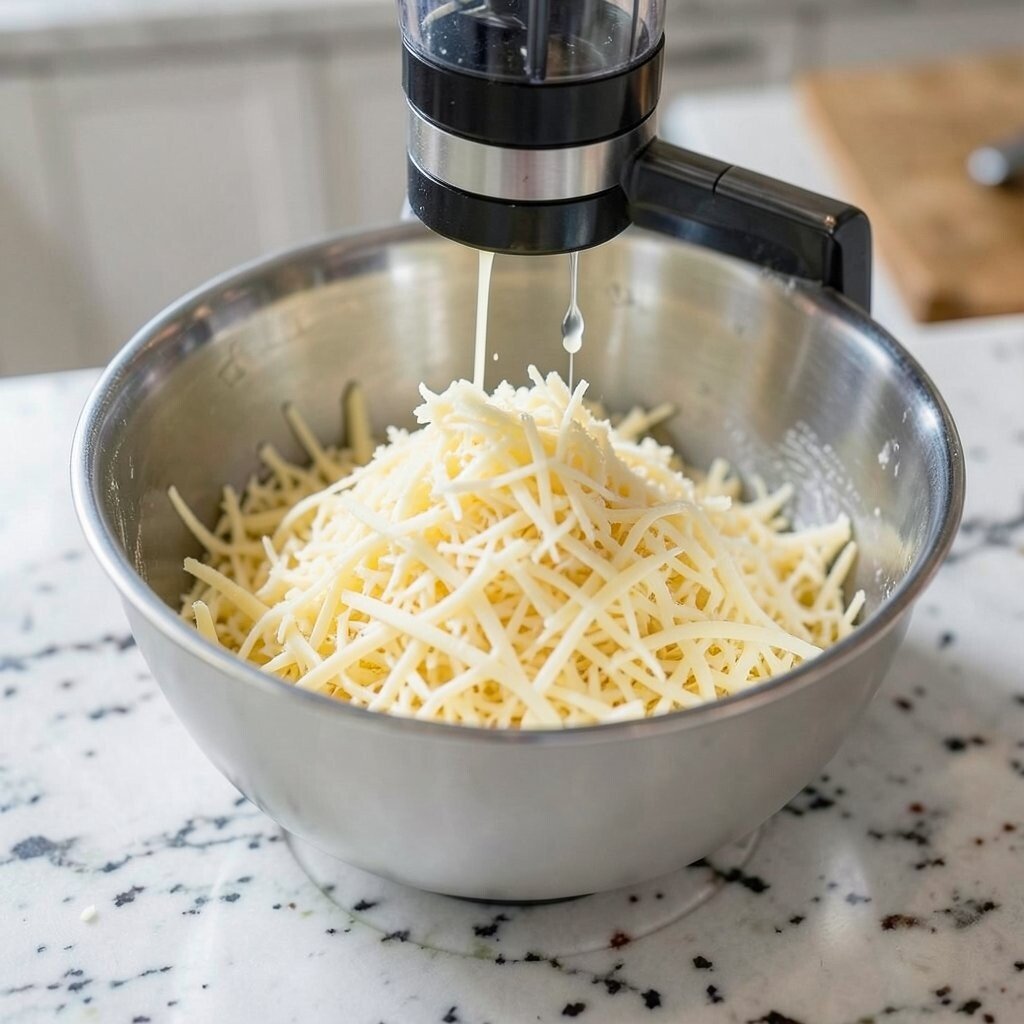
Blocks of cheese can become fluffy shreds that look light and fresh. The bowl fills fast, and the smell often makes people hungry right away.
Shredding your own cheese can save money and often melts better than bagged cheese. You can use sharp cheddar, mozzarella, or pepper jack for different meals. It is also nice for personal control, since you can make big shreds or small ones.
Try this for pizza, pasta, quesadillas, or baked potatoes. If you buy cheese on sale, you can shred extra and freeze it for later. This is one of those simple kitchen habits that makes everyday cooking feel easier.
7. Blend Salad Dressings
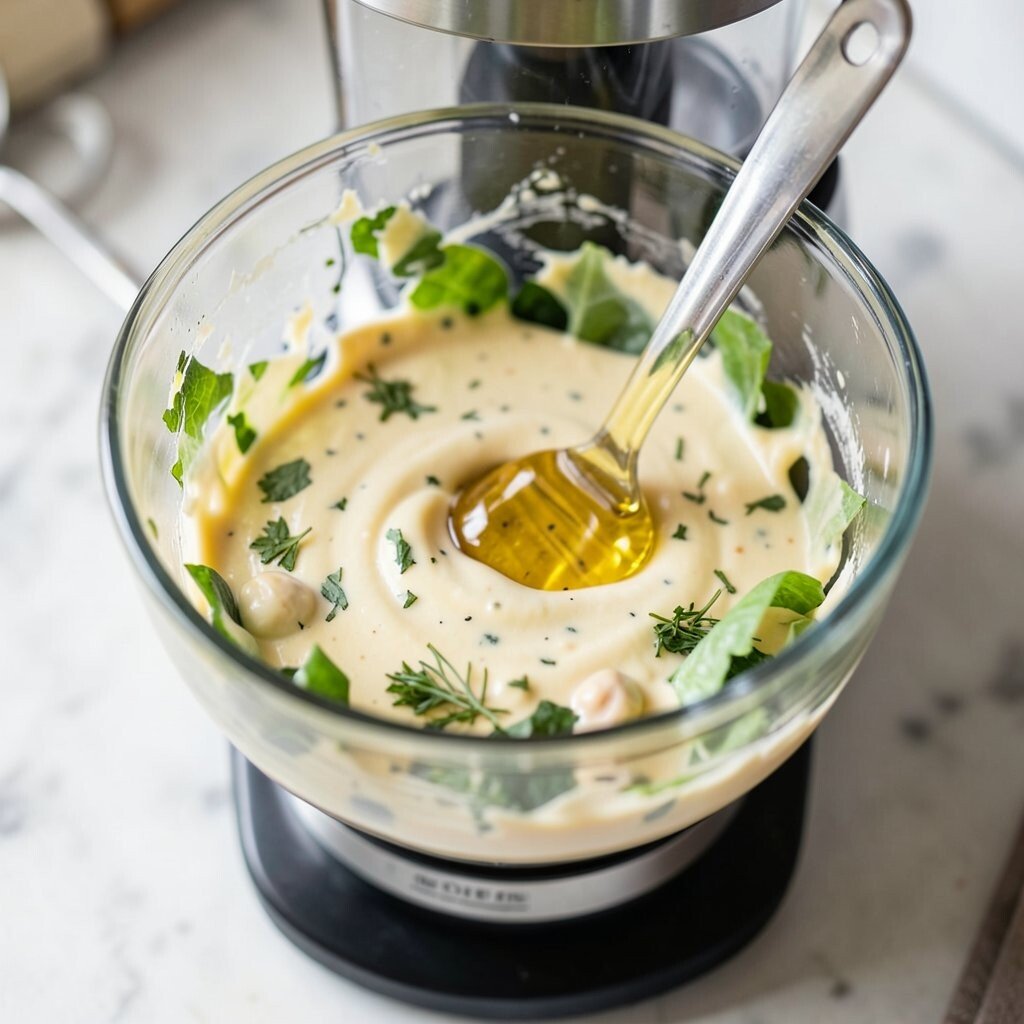
A homemade dressing can look silky and bright in the processor bowl. Oil, vinegar, mustard, herbs, and garlic come together into a smooth mix that tastes fresh.
This is a smart way to skip heavy bottled dressings with long ingredient lists. You can make it creamy, tangy, or sweet based on what your family likes. A little honey, lemon, or yogurt can change the whole feel of the dressing.
Many people enjoy making dressings because they can match the season or the meal. A lemon herb version feels light for spring, while a creamy garlic one feels cozy for dinner. Keep a small jar in the fridge so salads feel ready in a hurry.
8. Make Energy Bites and Snack Mixes
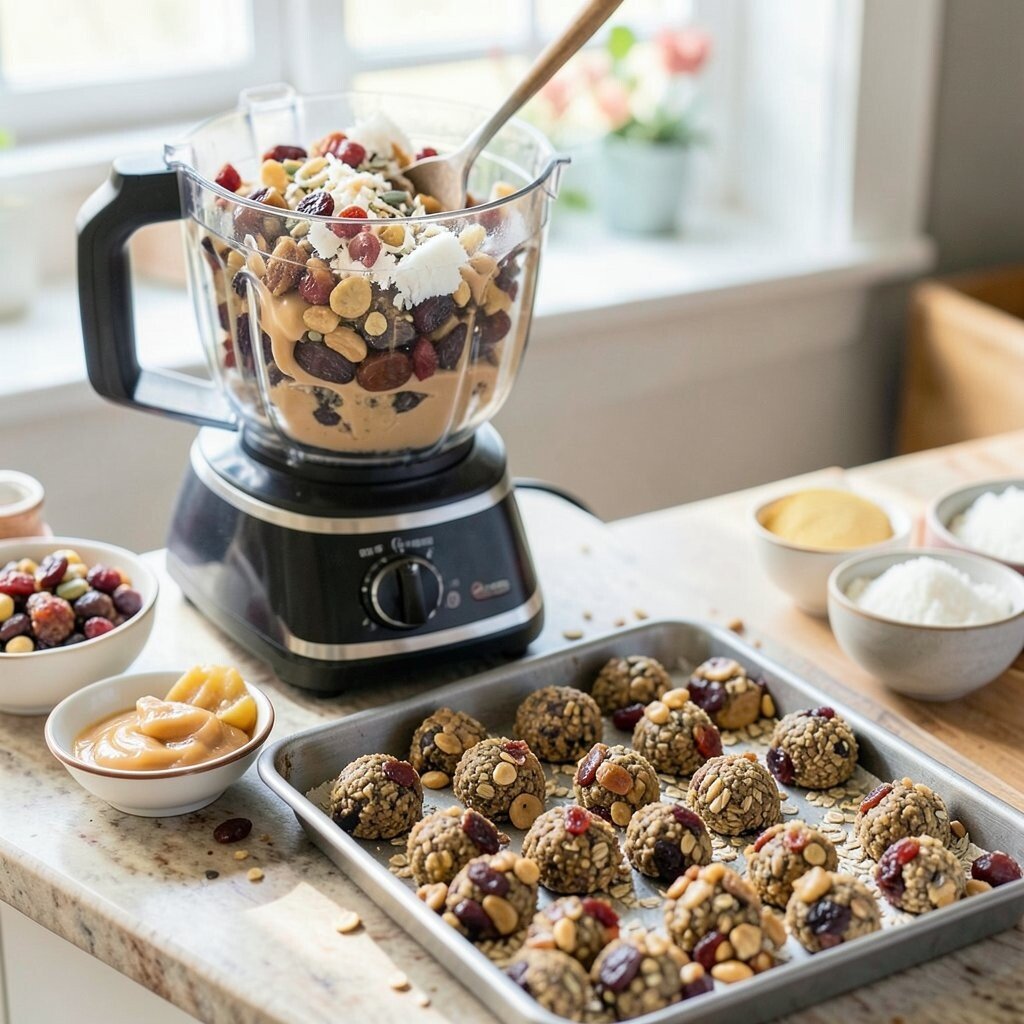
Dates, oats, nuts, seeds, and cocoa can become soft little snack bites with a rich, earthy look. The food processor helps everything stick together without much kneading or fuss.
These are handy for lunchboxes, road trips, or after-school snacks. They can be made without baking, which keeps the kitchen cool and the process quick. Add coconut, peanut butter, or dried fruit to make your own style.
You can roll them into balls or press them into a pan and cut bars. They are a good fit for busy people who want a homemade snack with less sugar than many packaged treats. Try different flavors each week so the snack routine stays fun.
9. Purée Baby Food or Soft Meals
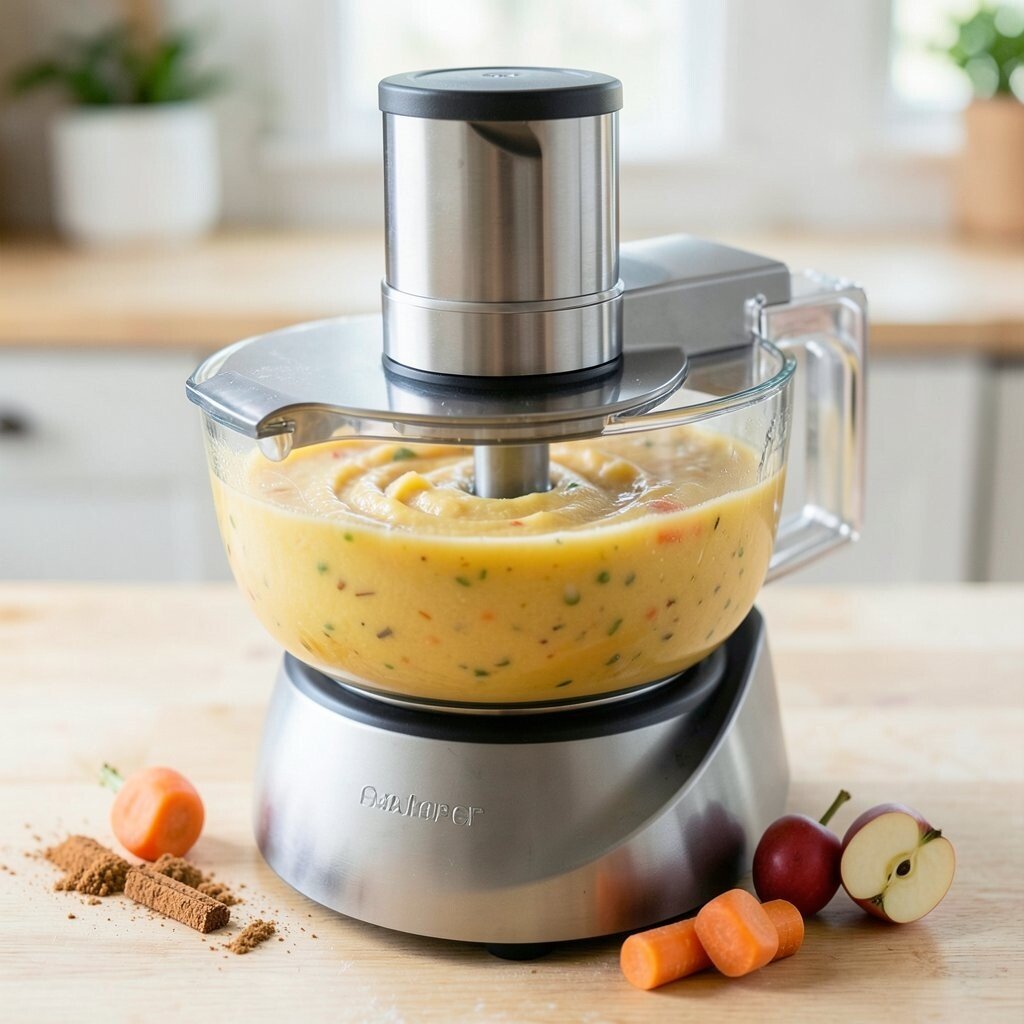
The processor can turn cooked carrots, peas, apples, or sweet potatoes into a smooth, gentle purée. The finished food looks soft and bright, almost like a small bowl of color.
This is helpful for babies, older adults, or anyone who needs softer food. You can control the texture and skip extra salt or sugar. It also lets you use fresh ingredients and make just the right amount.
For a personal touch, blend fruits with cinnamon or vegetables with a little broth. Make small batches so the food stays fresh and easy to store. Many parents like this because it can save money and reduce waste from store-bought jars.
10. Pulse Cauliflower Rice
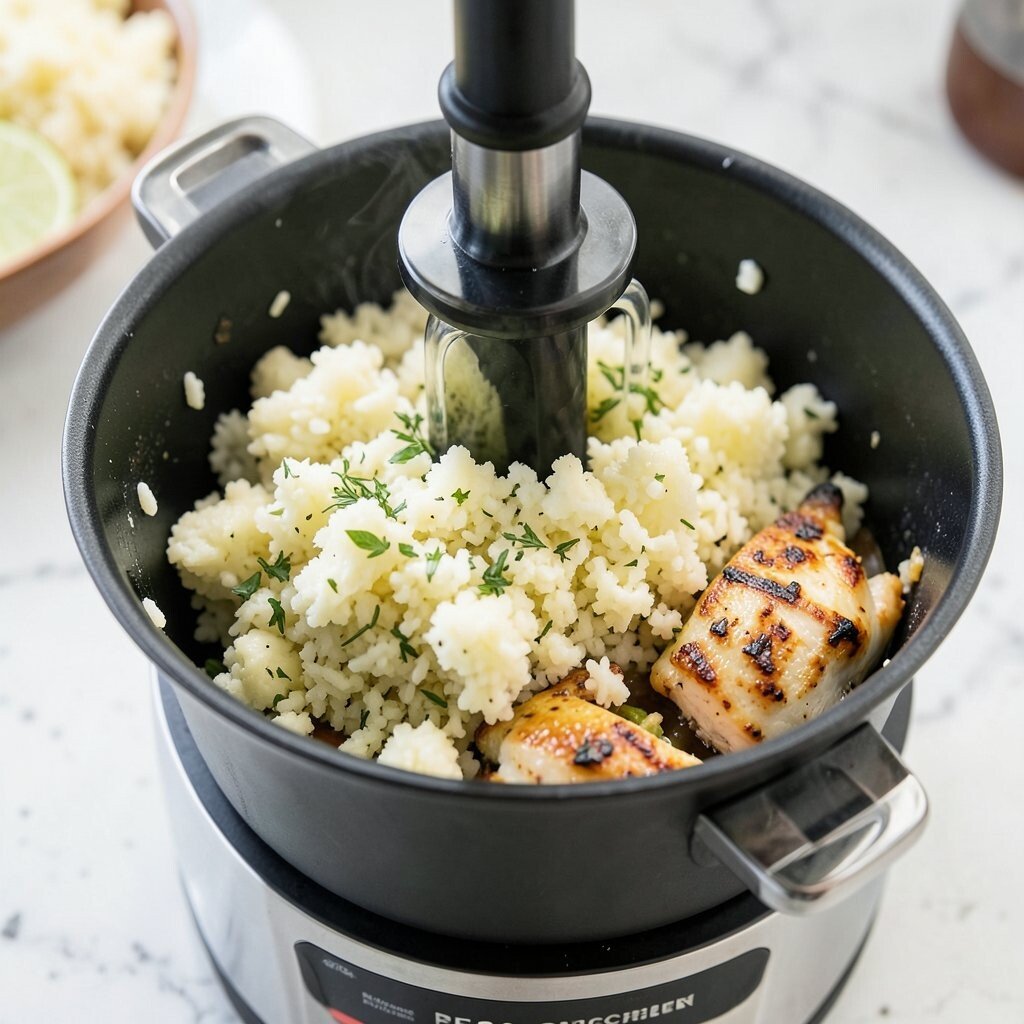
Cauliflower can look like tiny rice pieces after a quick spin in the processor. The pale, fluffy bits are light and easy to cook in a pan.
This is a popular choice for low-carb meals and lighter bowls. It cooks fast and can take on many flavors, from garlic butter to soy sauce. You can season it your own way with herbs, lime, or a sprinkle of cheese.
It works well under stir-fry, curry, or grilled chicken. If you like meal prep, make a big batch and keep it in the fridge for a few days. The simple look and quick cooking time make it a smart modern kitchen trick.
11. Whip Up Pesto with Ease
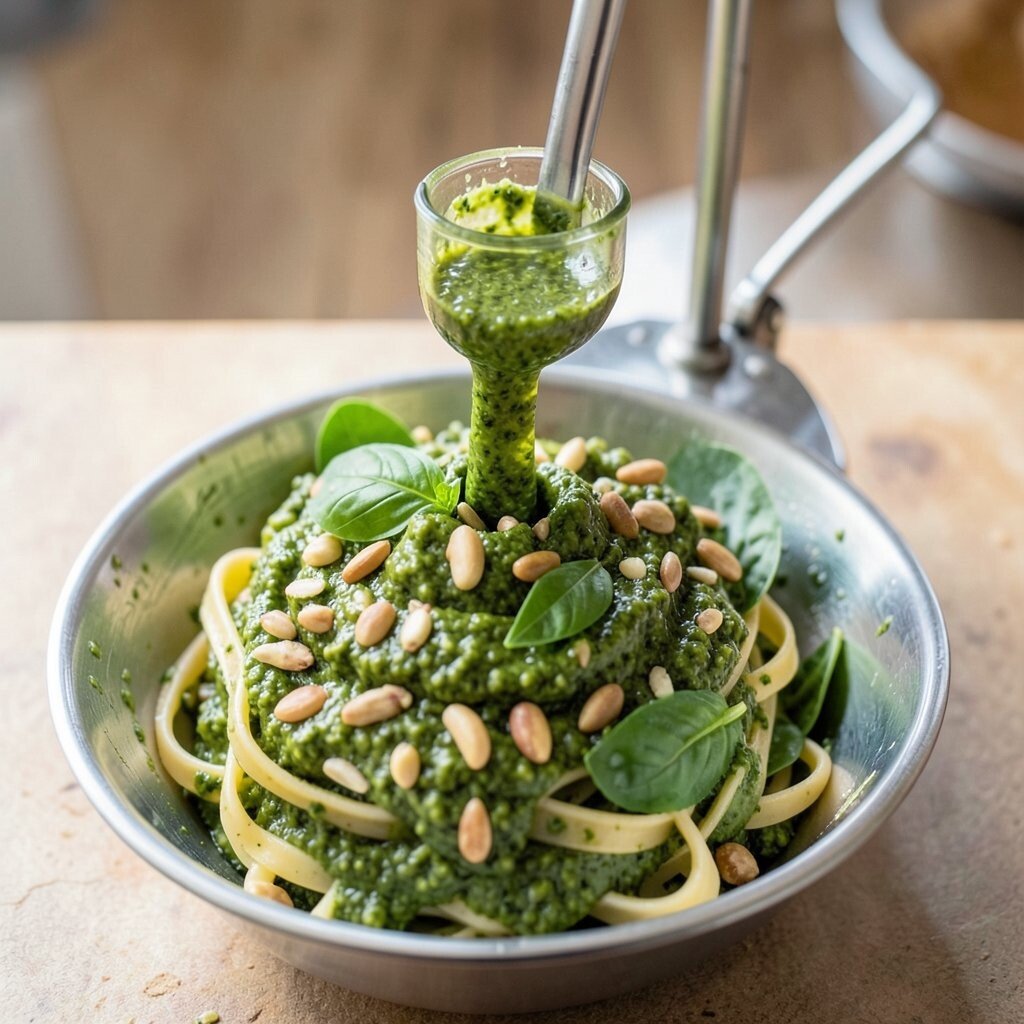
Basil, garlic, nuts, cheese, and olive oil can turn into a bright green sauce that looks fresh from a garden. The color is bold, and the smell is sharp in the best way.
Pesto is great on pasta, sandwiches, pizza, or roasted vegetables. It can be made with pine nuts, walnuts, or even sunflower seeds to fit your budget. If you want a personal twist, add spinach, arugula, or lemon zest.
Homemade pesto often tastes more lively than jarred sauce. It is also easy to freeze in small cubes for later meals. This makes it a favorite for cooks who like bold flavor with very little work.
12. Make Cookie Dough Faster

A food processor can mix cookie dough into a soft, even ball with less hand stirring. Butter, flour, sugar, and add-ins come together in a smooth, rich-looking blend.
This saves time and helps keep the dough from getting overmixed by hand. You can make chocolate chip, oatmeal, or shortbread with the same basic method. Add nuts, sprinkles, or citrus zest to make the batch feel special.
It is also a good option for bakers who want less mess on the counter. Chill the dough before baking for better shape and texture. Many home bakers like this fast method because it fits busy weeknight baking trends.
13. Grind Meat for Custom Burgers
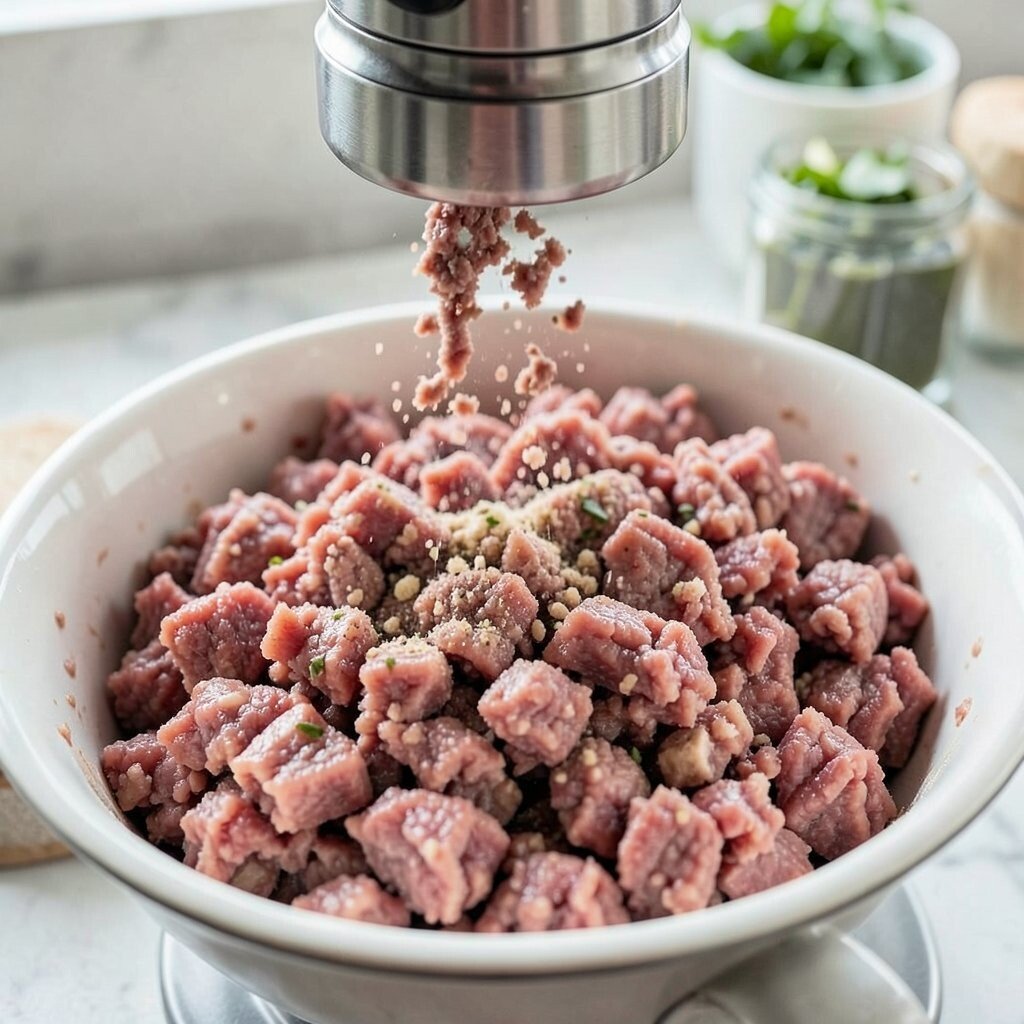
Chunks of beef, chicken, or turkey can become fresh ground meat with a clean, rough texture. The color looks bright and fresh when it is just processed.
This gives you more control over fat, flavor, and freshness than many store options. You can mix cuts for juicy burgers or use lean meat for lighter meals. A little seasoning, onion, or herb can make the blend feel more personal.
It is smart to keep the meat very cold before processing. Work in small batches so the texture stays even and safe. If you like weekend cookouts, this can make your burgers feel extra homemade and special.
14. Make Slaw and Shredded Veggie Mixes
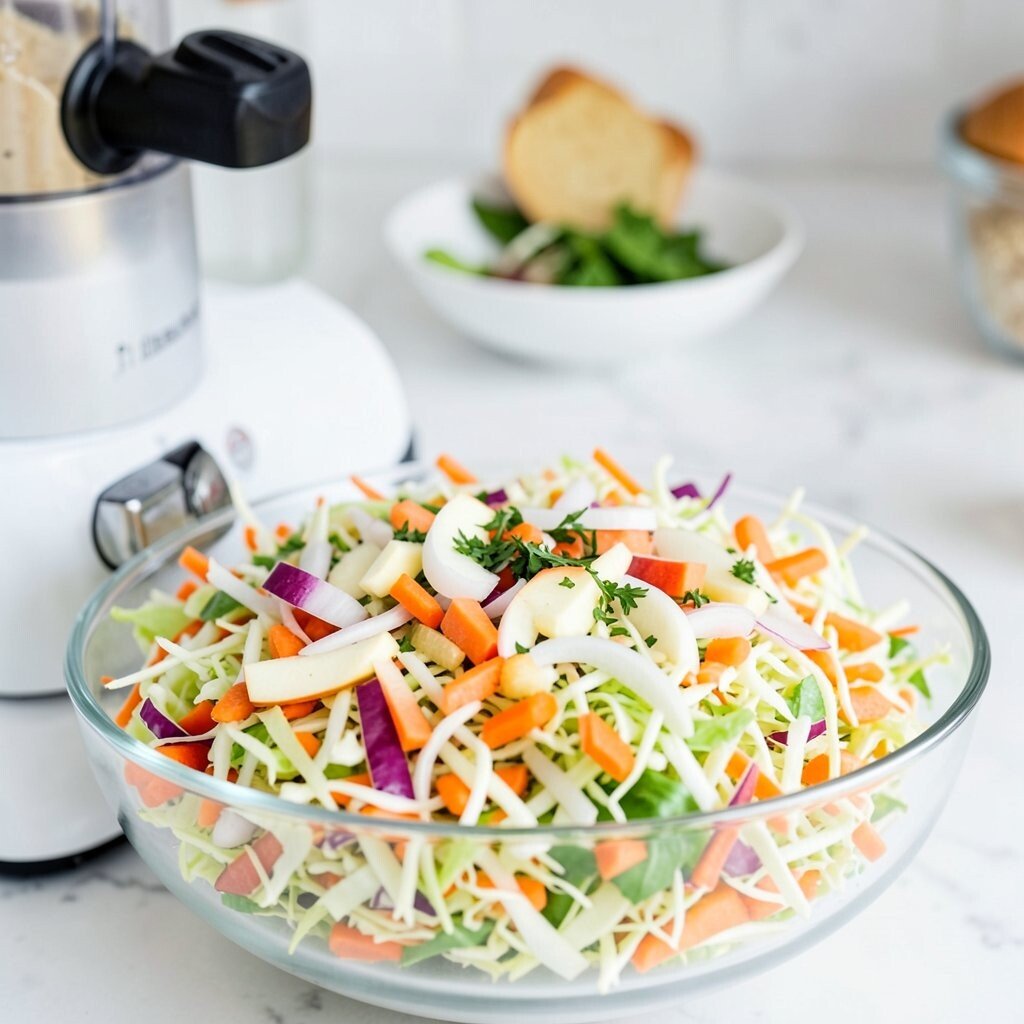
Cabbage, carrots, and other crisp vegetables can become a bright, crunchy pile in seconds. The bowl looks full of color, and the pieces feel light and fresh.
This is useful for tacos, sandwiches, bowls, and side dishes. It can save a lot of slicing time and keeps the pieces neat. You can mix in apple, onion, or herbs for a sweeter or sharper taste.
Shredded veggie mixes are popular because they work in so many meals. Dress them lightly for slaw or keep them plain for meal prep. A food processor makes it easy to build a healthy side dish without much effort.
15. Blend Smooth Soups and Sauces
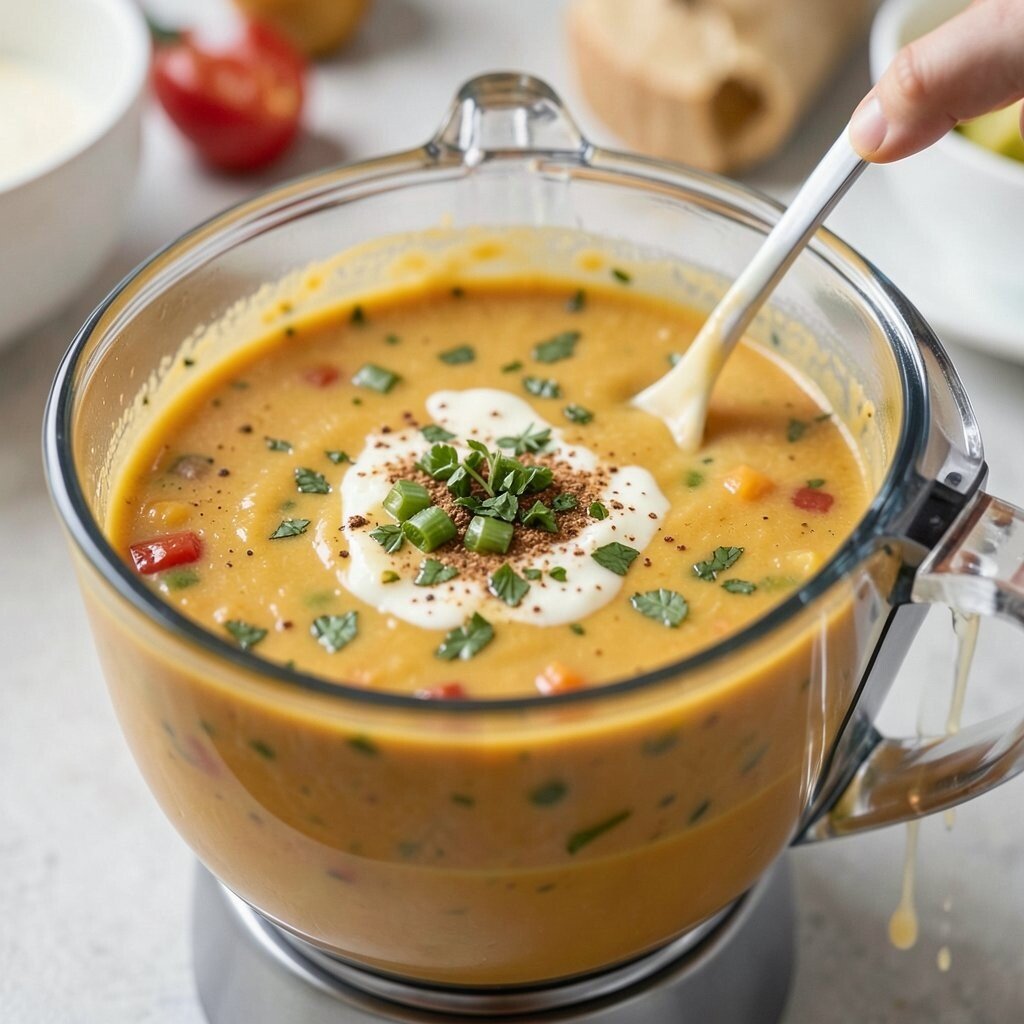
Cooked vegetables, broth, and cream can become a smooth, warm soup with a rich look. Sauces also turn silky and glossy, which can make a simple meal feel special.
This is a great way to fix texture problems and make leftovers feel new. You can blend tomato soup, pumpkin soup, or even a creamy pepper sauce. Add herbs, spice, or a splash of cream to make it fit your taste.
Use care when blending hot food and work in small amounts if needed. Many cooks like this because it gives a restaurant-style finish at home. It is a smart trick for weeknights when you want comfort food with less effort.
16. Make Homemade Cracker or Bread Crumbs
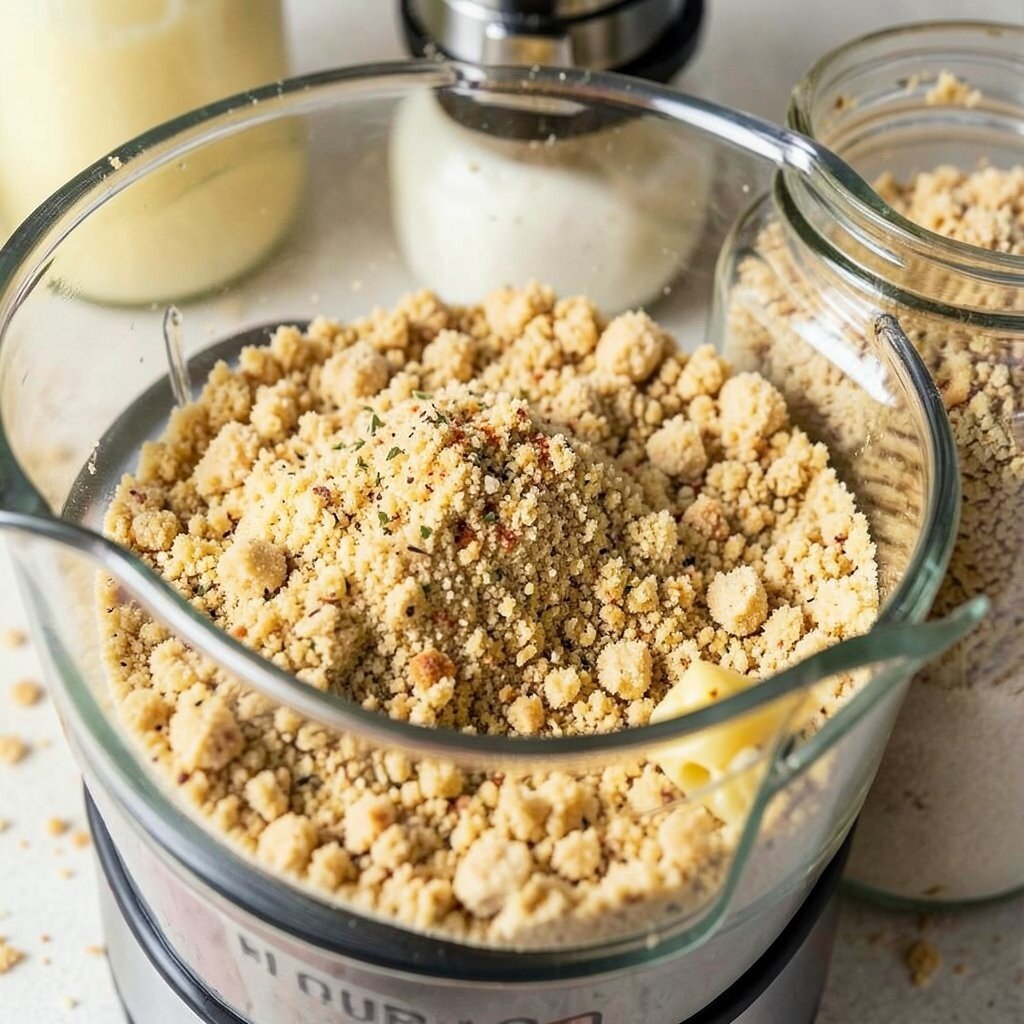
Old bread, crackers, or toast can become fine crumbs with a quick pulse. The result looks golden and sandy, ready to coat or top many dishes.
This helps cut food waste and saves money at the same time. You can season the crumbs with garlic, herbs, parmesan, or paprika for extra flavor. Keep them plain or flavored, depending on what you plan to cook.
Use them for meatballs, baked chicken, casseroles, or macaroni and cheese. Store extra crumbs in a sealed jar so they stay dry and ready to use. It is a simple habit that makes the kitchen feel more organized and resourceful.
17. Make Fruit Toppings and Pie Fillings
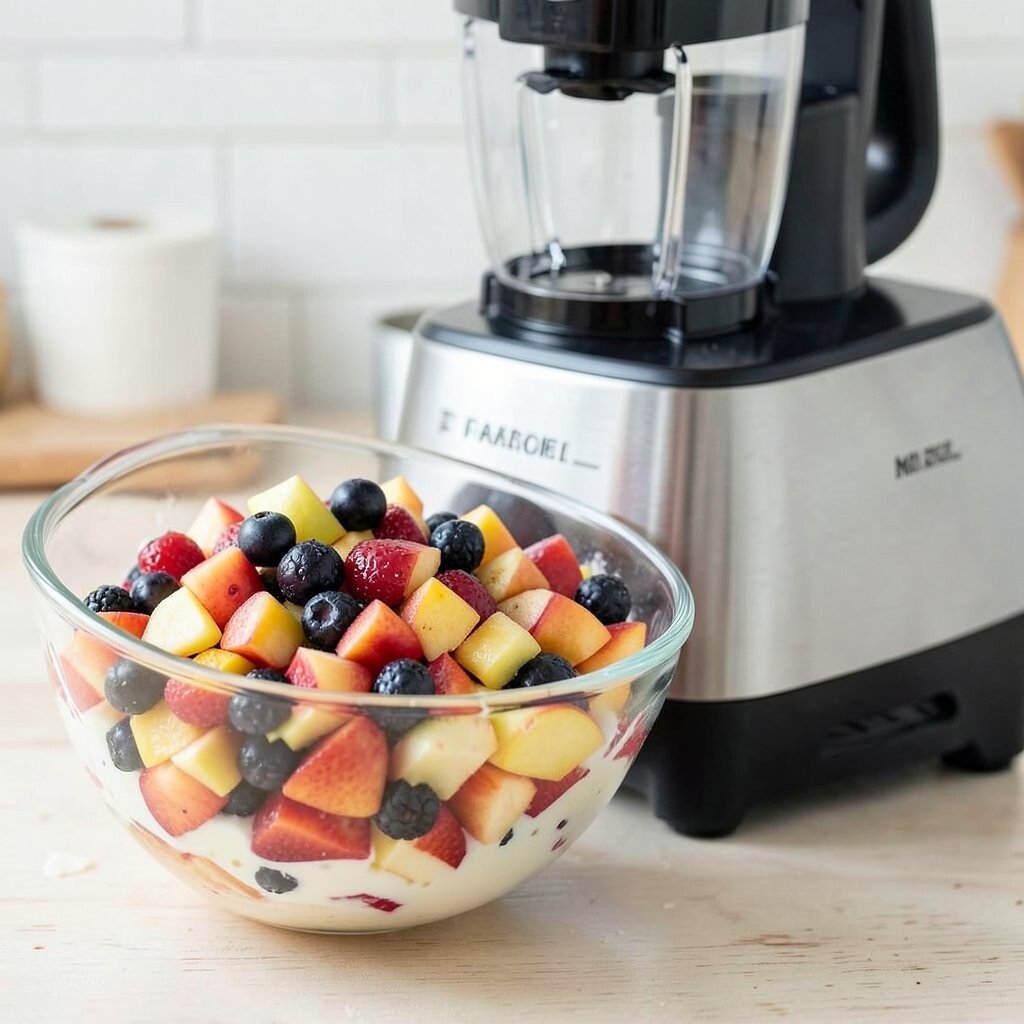
Soft berries, apples, peaches, or pears can be chopped into a sweet, juicy mix. The bowl can look bright and shiny, like a fresh fruit salad ready for dessert.
This is helpful for yogurt bowls, pancakes, waffles, and pies. You can keep the pieces chunky or pulse them into a smoother filling. Add cinnamon, vanilla, or lemon juice to make the flavor pop.
It is a nice way to use fruit before it gets too ripe. You can also adjust the sweetness instead of relying on packaged fillings. This fits current home baking trends that focus on simple, homemade toppings.
18. Prepare Dips, Spreads, and Party Plates
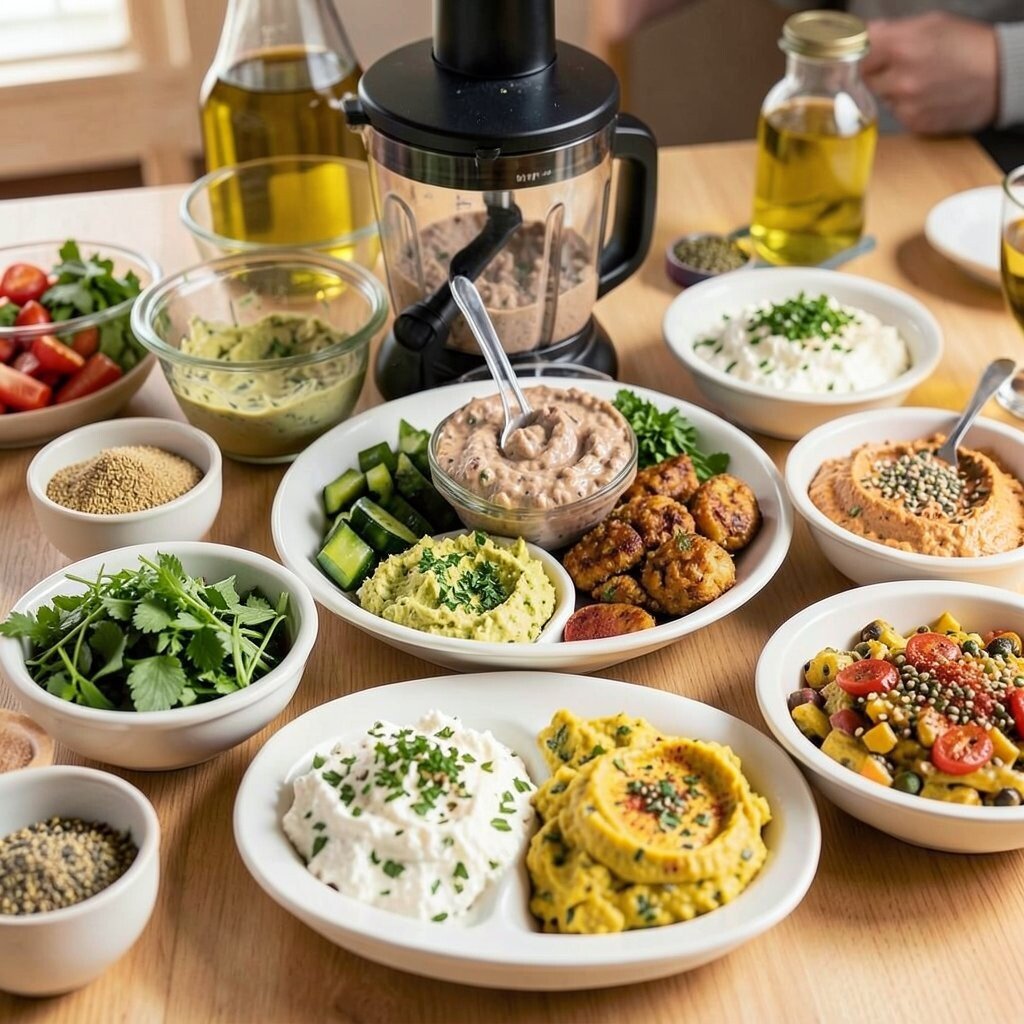
A food processor can help you make a whole spread of dips that look colorful and inviting. Think bean dip, whipped feta, herbed cheese, or roasted veggie spread in one easy setup.
This is a fun way to build a snack table for guests or family night. You can match the colors and flavors to the season, like bright spring herbs or warm fall spices. Add toppings such as olive oil, chopped herbs, seeds, or paprika for a finished look.
Custom dips make people feel cared for because they can suit different tastes and diets. They also cost less than many fancy store trays, especially when you use pantry ingredients. With a good processor, a simple party plate can look stylish without much stress.