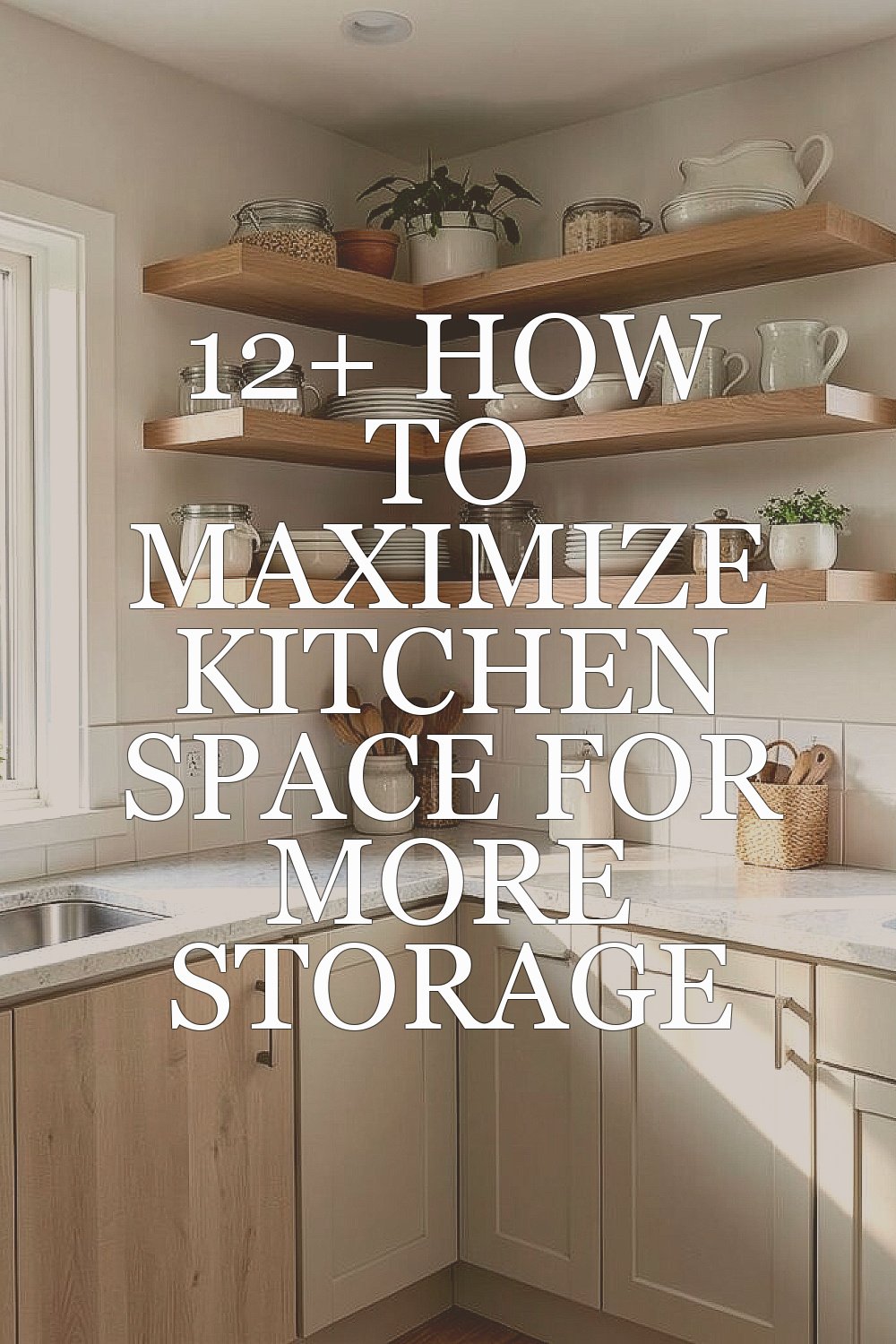
Small kitchens can hide a lot of missed space. A few smart changes can make them feel calm and roomy.
1. Use the Inside of Cabinet Doors

Cabinet doors often sit plain and empty, but they can work much harder. Clear racks, slim bins, and hooks turn that flat space into a handy storage spot.
This idea keeps spices, wraps, and cleaning tools close at hand, so daily cooking feels easier. It also gives the kitchen a neat, tidy look because the items are tucked away but still easy to reach. For a low-cost start, try adhesive hooks or peel-and-stick holders before buying a full door system.
2. Add Shelves Right to the Wall

Open wall shelves give a kitchen a light, airy look while making room for dishes, jars, and mugs. They also help show off pretty bowls, plants, or matching containers.
These shelves can fit above counters, beside windows, or in a narrow gap that would otherwise stay empty. Many people like this trend because it feels modern and personal at the same time. If you want a cozy style, use wood shelves; for a sharper look, choose metal or white shelves.
Wall shelves work best when the items stay grouped by type, like baking supplies in one area and everyday plates in another. That keeps the shelves pretty and useful, not crowded. Before drilling, check stud placement and shelf weight limits so the setup stays safe and lasts longer.
3. Make the Most of Tall Cabinets

High cabinets can hold much more than the eye first sees. A stack of bins, risers, or extra shelves can turn a deep cabinet into several smart layers.
This gives you a great place for serving platters, bulk pantry items, or holiday dishes that you do not use every day. It also helps keep lower shelves open for things you grab often. Budget-friendly shelf risers cost little, while custom inserts cost more but can fit the cabinet like a glove.
Label the upper zones so you can find items fast without moving everything around. You can also store light items up high and heavier items below for easy handling. If the cabinet feels too dark, add a small battery light inside for a cleaner, more welcoming look.
4. Roll In a Slim Cart

A slim rolling cart can slide into a tiny gap beside the fridge, stove, or pantry. It looks neat and can hold oils, snacks, baking gear, or produce.
This is a smart choice for renters because it needs little or no wall work. It also gives you movable storage, which is great when you want to clean or switch tasks. Prices range from simple wire carts to prettier wood and metal styles that match modern kitchens.
5. Hang Pots and Pans Up High

Big cookware takes up a lot of cabinet room, and hanging it can free that space fast. A pot rail, ceiling rack, or sturdy wall hooks can hold pans in a clean display.
This setup looks bold and homey, almost like a café kitchen. It also keeps heavy pans easy to grab, which saves time during dinner prep. If you like a softer style, choose brass or matte black hardware instead of shiny metal.
Measure carefully before hanging anything overhead so the hooks sit in a safe and comfortable spot. You can group similar pieces together for a tidy look, like frying pans on one side and saucepans on the other. For a lower-cost option, mount a simple rail and add hooks one by one as your collection grows.
6. Use Stackable Storage Bins

Stackable bins make shelves look clean and controlled instead of messy. Clear bins are especially helpful because you can see the food inside at a glance.
They work well in pantries, under sinks, and in deep cabinets where items tend to get lost. This simple upgrade keeps snacks, packets, and backup supplies grouped in one place. Many families like the uniform look because it creates order without much effort.
Choose bins with handles if you need to pull them out often. For a personalized setup, use different labels or colors for breakfast items, baking items, and quick lunches. Start with a few bins first to keep costs gentle, then add more only where clutter still shows up.
7. Turn Empty Corners Into Storage Spots

Corners often look awkward, but they can hold shelves, lazy Susans, or small corner cabinets. That odd triangle of space can become one of the most useful spots in the kitchen.
Round organizers are great for sauces, jars, and canned food because they spin into view. Corner shelves also make the room feel custom and thoughtful. If you like a fresh trend, curved storage pieces can soften the sharp lines of a kitchen.
Use corners for items you reach often, so the spinning or sliding feels worth it. If the corner is deep, keep taller items in the back and shorter items in the front. For a small budget, a simple turntable can make a huge difference without any building work.
8. Build a Pull-Out Pantry

A pull-out pantry can turn a skinny cabinet into a storage star. It glides out smoothly, showing rows of cans, jars, and boxes in one neat view.
This style saves space because it uses a narrow gap that might otherwise stay wasted. It also helps you see what you already own, so food waste can drop. Custom pull-out systems cost more, but there are ready-made versions for less if you want a simpler path.
Choose shelves with shallow sides so items do not tip while sliding. You can personalize the setup with labels or by sorting food by meal time, like breakfast, lunch, and dinner. Many people love this modern look because it feels crisp, smart, and very easy to use.
9. Store Tools on a Magnetic Strip

A magnetic strip on the wall can hold knives, spice tins, or metal tools. It keeps the counter open and gives the kitchen a tidy, chef-like feel.
This works well in a busy cooking space because tools stay visible and easy to grab. It can also be a bit safer than digging through a crowded drawer. Magnetic strips are usually affordable, and they come in simple black, steel, or wood finishes.
Place the strip where it will not bump into hands or get splashed too often. For a custom touch, use one strip for knives and another for spices or small tools. If you like a clean trend with a small footprint, this is one of the easiest upgrades to try.
10. Use Clear Jars and Matching Containers

Clear jars make shelves look fresh, bright, and calm. When dry goods sit in matching containers, the whole kitchen feels more organized right away.
This setup helps you see sugar, pasta, cereal, and flour without opening many packages. It also stacks well, which saves shelf space and gives a polished look. The price can stay low if you reuse jars from food you already bought.
Label each jar so family members can find things fast and put them back in the right spot. You can also pick lid colors that match your kitchen style for a more personal feel. Many homes use this look now because it blends beauty with everyday function.
11. Hang Baskets Under Shelves

Under-shelf baskets create a hidden storage layer beneath a shelf. They look simple, but they can hold napkins, wraps, spices, or tea bags.
This little trick is great for tight kitchens because it uses space that often goes ignored. It also keeps small items from getting lost in deep cabinets. The baskets are usually inexpensive, and they come in wire, plastic, and woven styles.
Choose a basket that slides on easily and does not block the shelf above. For a more personal touch, group similar items together, like snack wrappers in one basket and lunch supplies in another. If you want a softer look, woven baskets can add warmth without taking up much room.
12. Create Zones for Each Task

A kitchen feels bigger when each area has a clear job. Cooking tools near the stove, prep items near the counter, and cleaning supplies near the sink all make sense.
This setup cuts down on wasted steps and keeps clutter from drifting across the room. It also helps everyone in the home know where things belong. The cost can be very low because zoning is more about placement than new products.
Try using trays, small bins, or drawer dividers to mark each zone. You can personalize the layout for your habits, like setting a coffee area beside the mug shelf or a baking corner near the mixer. This approach is popular because it makes even a small kitchen feel more peaceful and easy to use.
13. Put the Sink Area to Work

The space around the sink often gets messy fast, yet it can still hold useful storage. A sink caddy, over-the-sink shelf, or slim drying rack can make that zone work harder.
This keeps sponges, soap, and scrub brushes neat instead of scattered. It also opens up the counter beside the sink, which helps the whole room feel less crowded. Some over-the-sink products are budget friendly, while sturdier stainless-steel versions cost more but last longer.
Pick a style that matches how you wash dishes every day, not just how it looks in a store. You can choose a narrow rack for a tiny sink or a wider shelf if you need room for soap and plants. A clean sink zone gives the kitchen a brighter look and makes the whole space feel more under control.