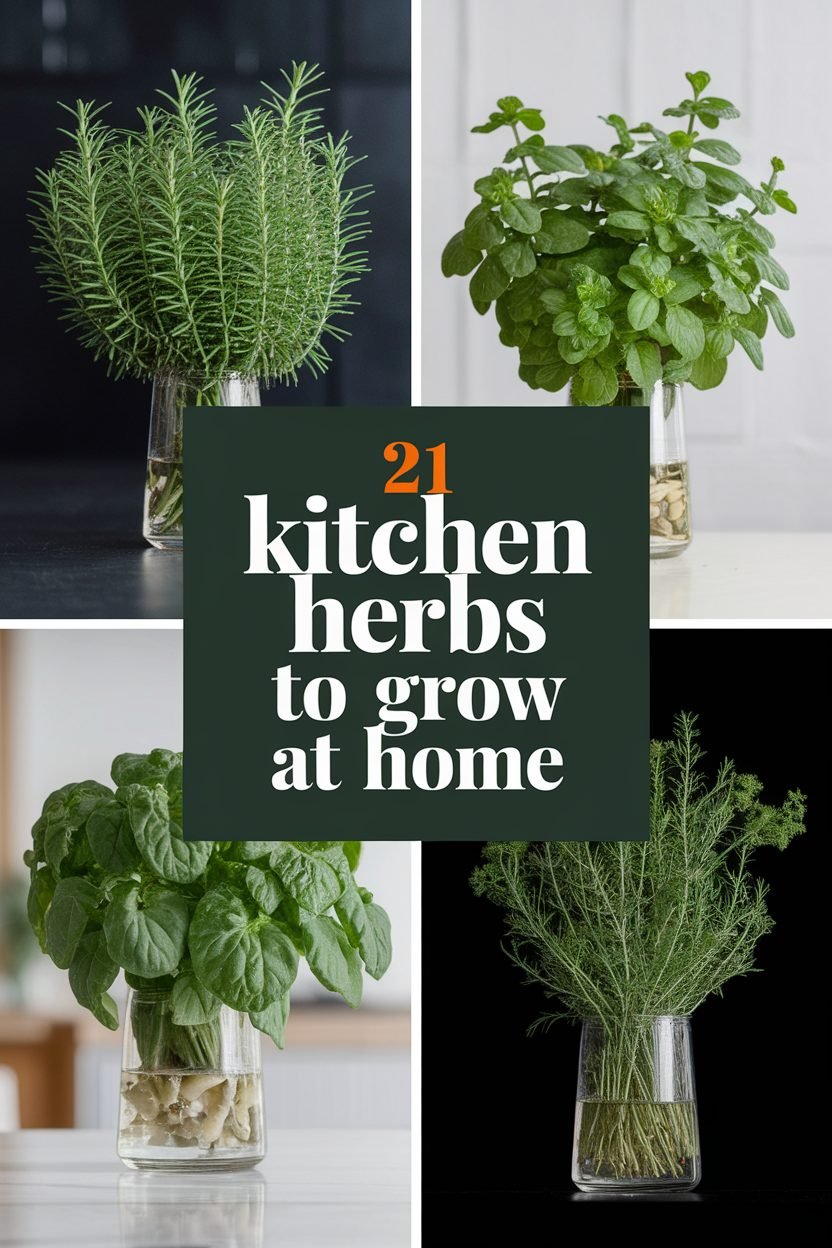
Fresh herbs can make a plain meal taste bright and lively. A small pot by the window can change the whole feel of your kitchen.
1. Basil
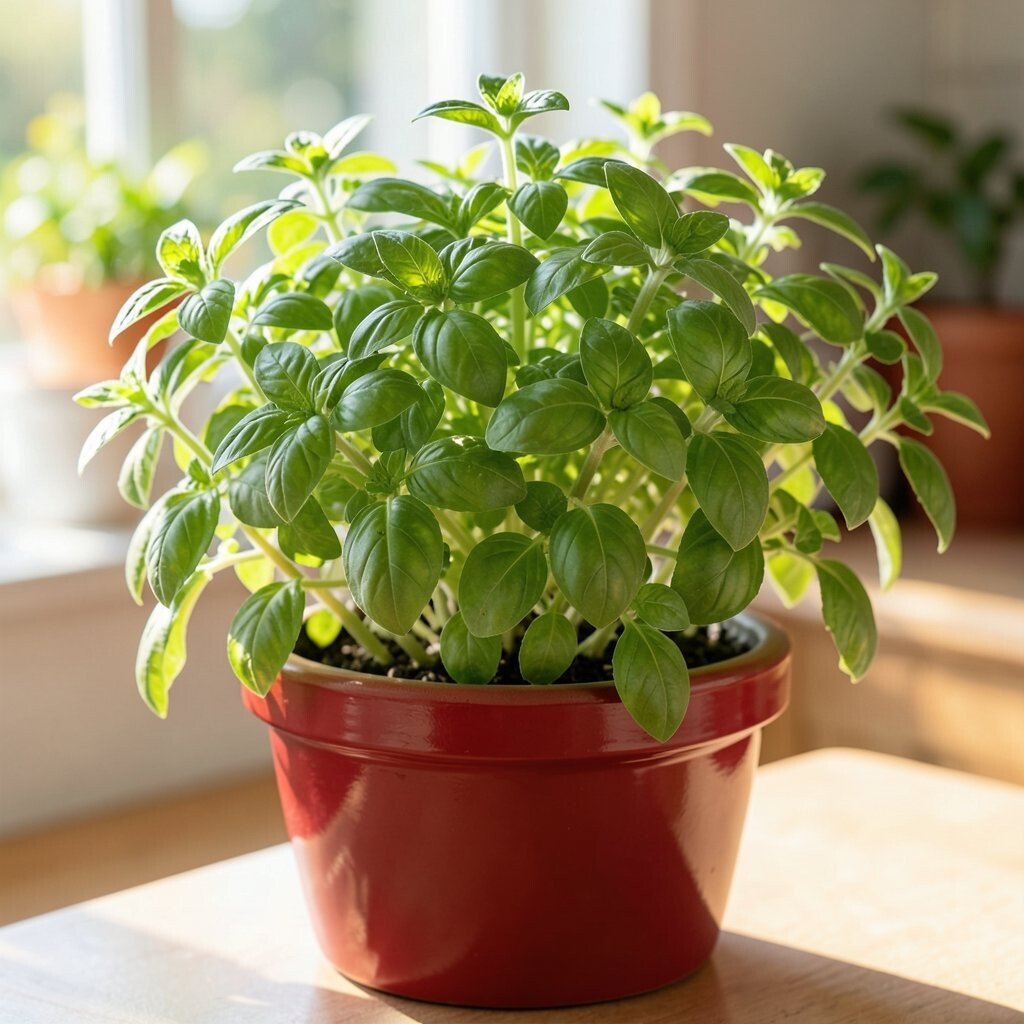
Basil is a cheerful herb with soft green leaves and a sweet smell that fills the air. It looks lovely in a sunny pot and grows fast when it gets warm light.
This herb is great for pasta, pizza, salads, and homemade sauce. Many home cooks like it because one plant can give a lot of leaves for very little money. Pinch the tops often so it grows bushier, and try a red pot or a painted clay pot to match your kitchen style.
2. Mint
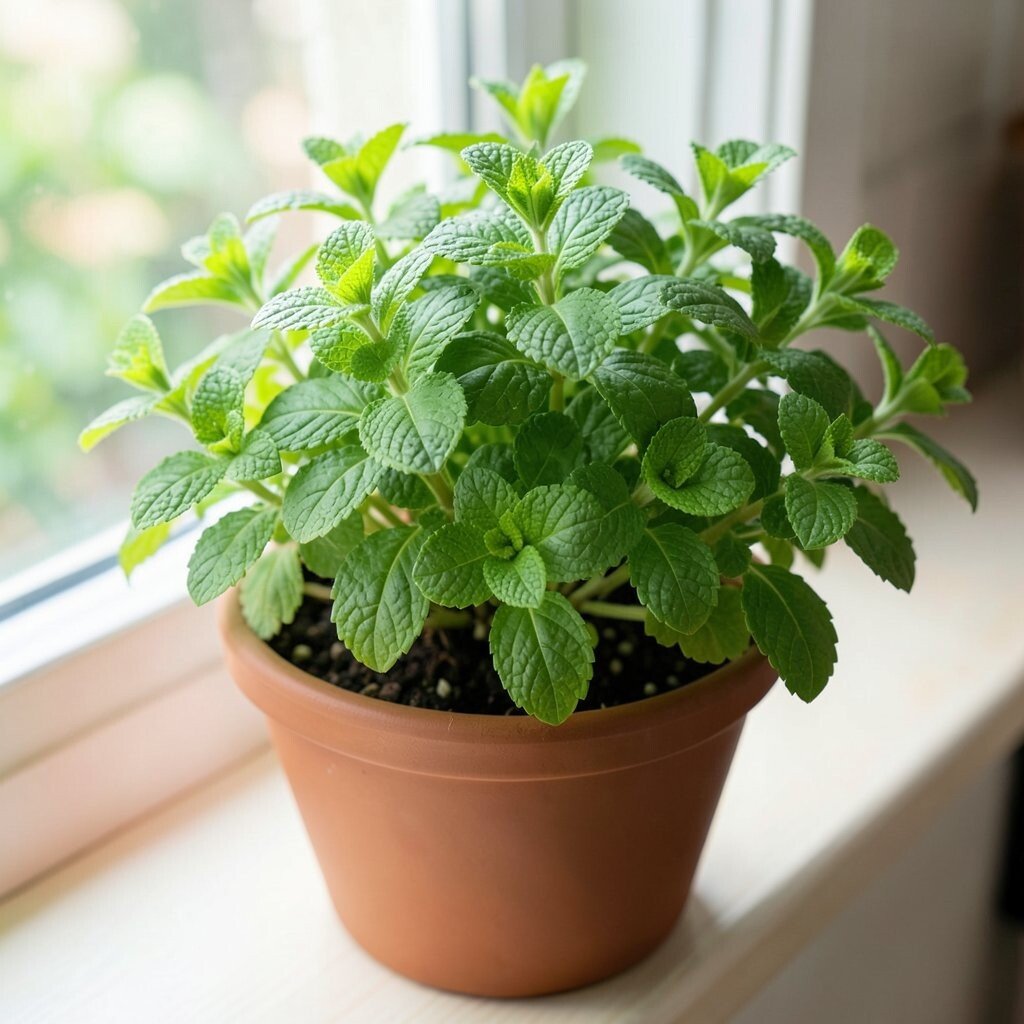
Mint has bright leaves and a clean scent that feels cool and fresh. It can make a windowsill look lively with its quick, leafy growth.
Tea, fruit bowls, yogurt, and drinks all taste better with mint. It is a smart choice for new gardeners because it grows easily and does not ask for much care. Keep it in its own pot since it spreads fast, and use a deep container if you want a fuller, richer look.
Mint is also a budget-friendly herb because one plant can keep giving for a long time. Varieties like spearmint and peppermint are popular, so you can pick the flavor that fits your taste.
3. Parsley
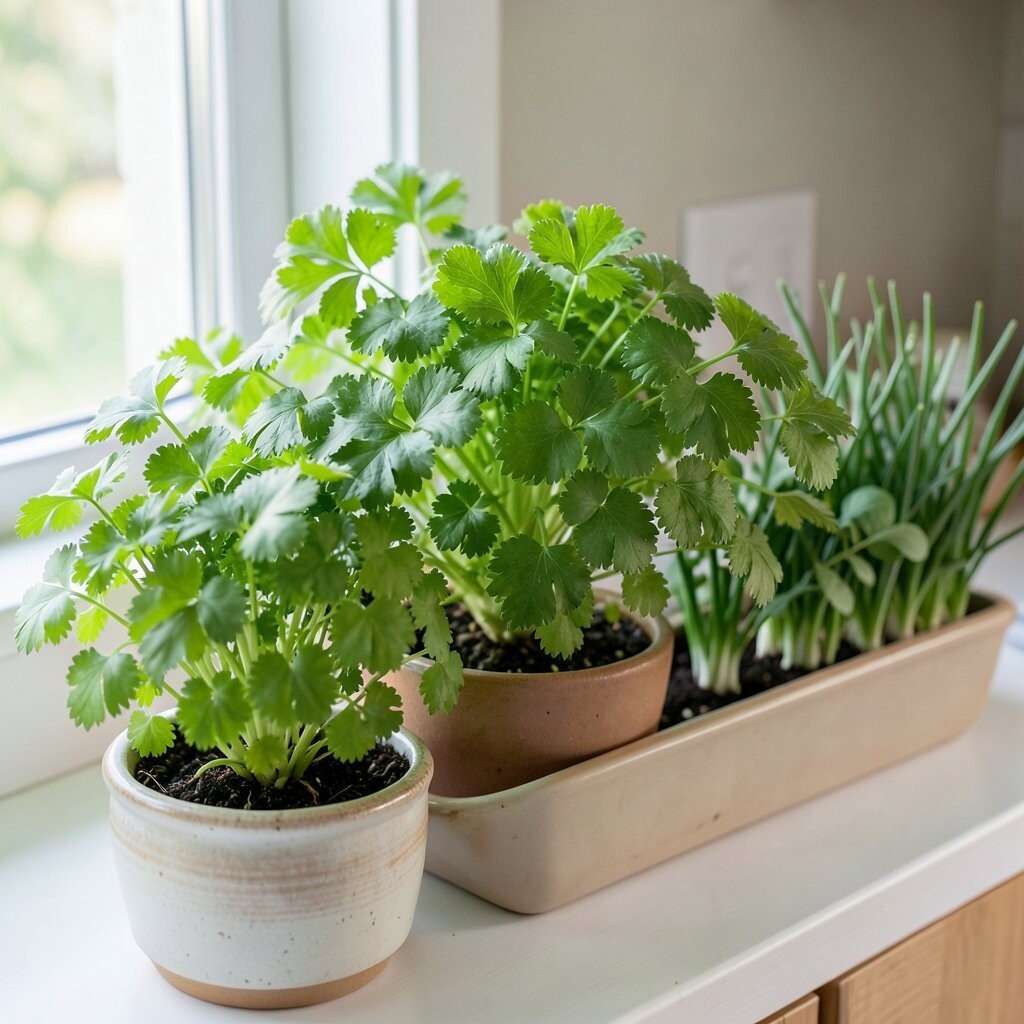
Parsley has curly or flat leaves that look neat and bright on a kitchen shelf. Its fresh green color makes it a pretty plant even when you are not cooking with it.
This herb adds a clean taste to soups, eggs, potatoes, and fish. It is a favorite in home gardens because it grows well in pots and can be snipped again and again. Give it steady water, and place it near a bright window for strong growth.
Parsley is a nice pick if you want a herb that feels useful every day. Flat-leaf parsley is popular in modern kitchens because many people like its stronger flavor.
You can grow it in a small ceramic pot or a long tray with other herbs. Try pairing it with chives for a simple, tidy herb garden look.
4. Chives
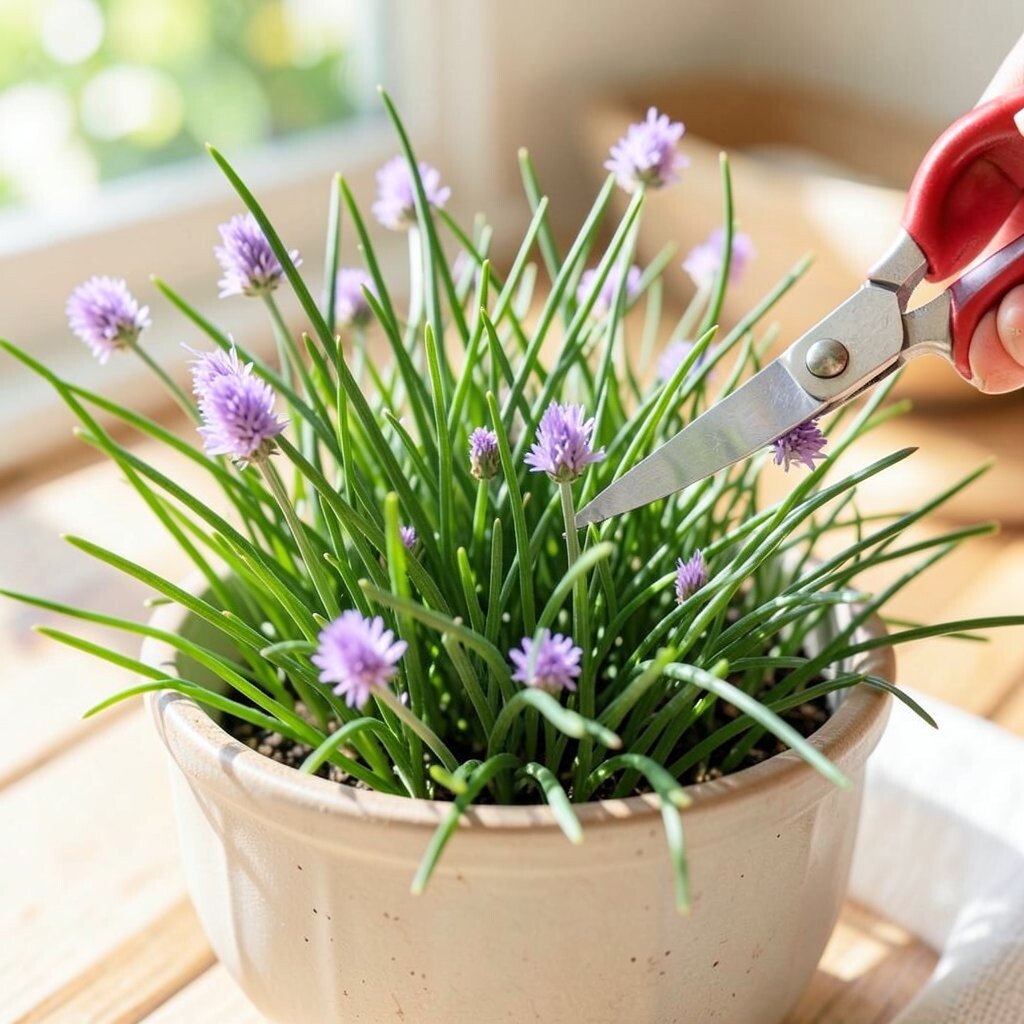
Chives grow as slim green blades that look like little grass tufts. Their purple flowers can be very pretty if you let them bloom.
They add a light onion taste to eggs, baked potatoes, and dips. Chives are easy on the wallet because they come back after cutting and keep producing for a long time. Use a shallow pot near bright light, and trim them with scissors for a neat harvest.
5. Cilantro
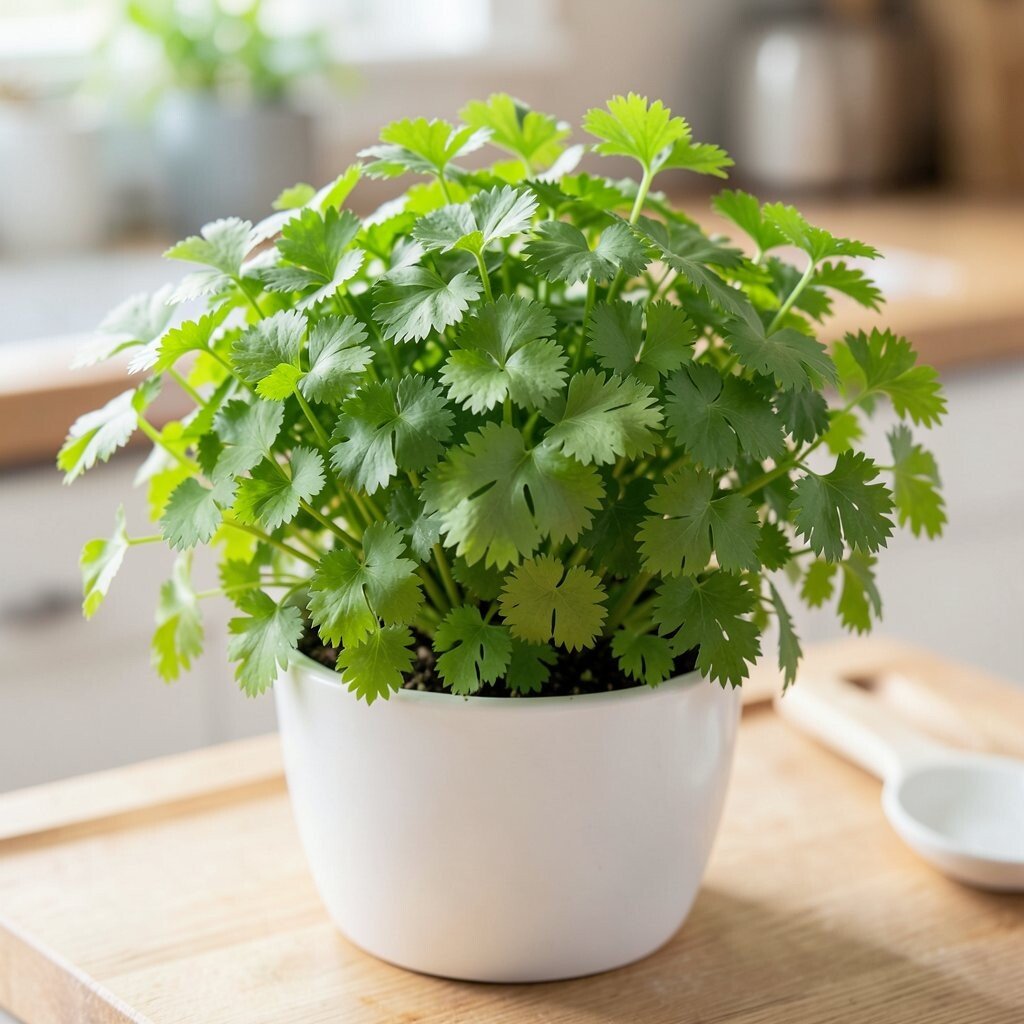
Cilantro has soft, lacy leaves and a bright, fresh smell. It gives a kitchen garden a lively, feathery look that stands out from thicker herbs.
This herb is loved in salsa, tacos, soups, and rice dishes. It grows quickly, so it is a good pick for people who like fast results and fresh flavor. Since it can bolt in heat, keep it in cooler indoor spots and plant a new batch now and then.
Cilantro is often seen in current home cooking because fresh, bold flavors are very popular. If you want a fuller harvest, sow a few seeds in the same pot and keep the soil lightly moist.
Some people love the taste and some do not, which makes cilantro a fun herb to personalize around your own meals. A plain white pot can make its bright leaves look extra fresh and clean.
6. Rosemary
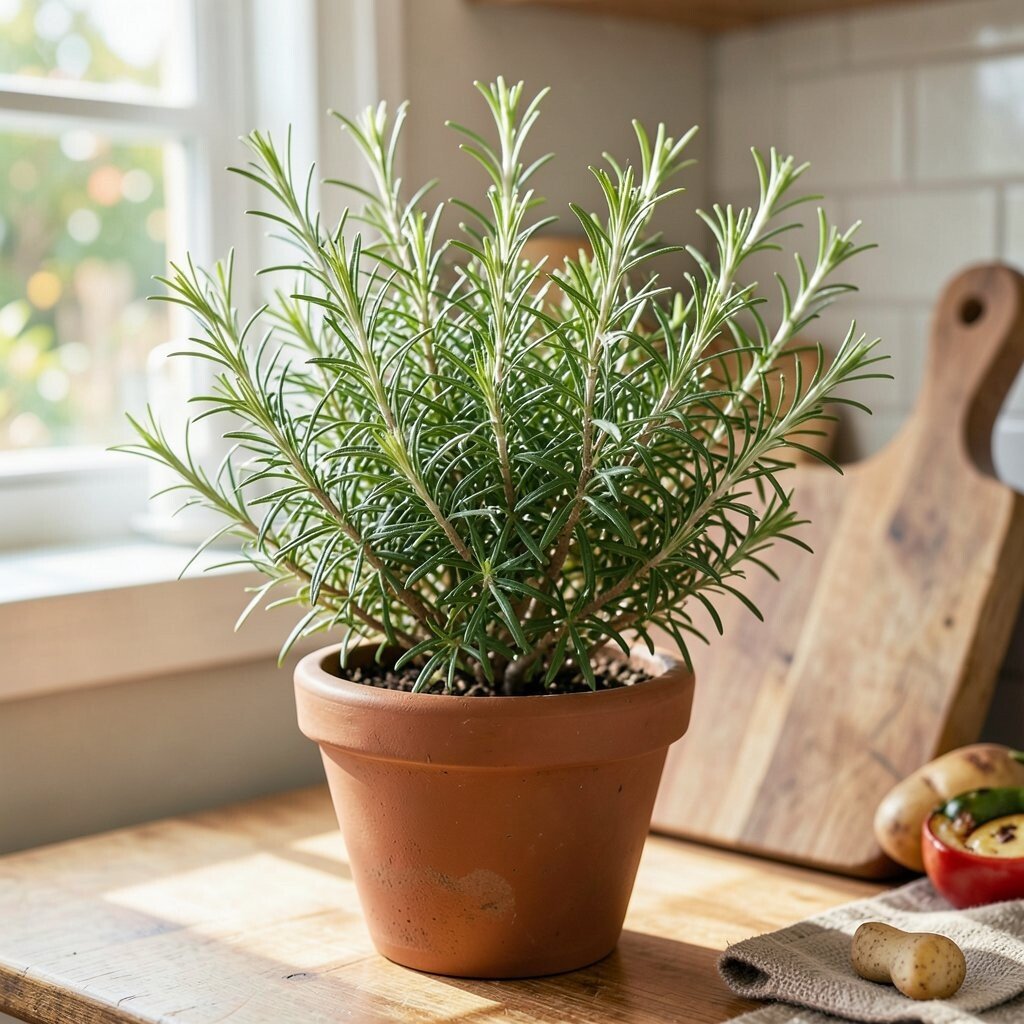
Rosemary has needle-like leaves and a strong pine scent that feels a little wild and fancy. Its woody stems give it a mini shrub look that adds charm to any sunny kitchen spot.
It works well with roasted potatoes, chicken, bread, and grilled vegetables. Many people like rosemary because one plant can live a long time and give steady harvests. Use a clay pot with good drainage, and let the soil dry a bit between waterings.
Rosemary can be a smart buy because it often lasts longer than herbs you cut from the store. If you enjoy a rustic style, place it in a rough-textured pot or near a wooden cutting board.
7. Thyme
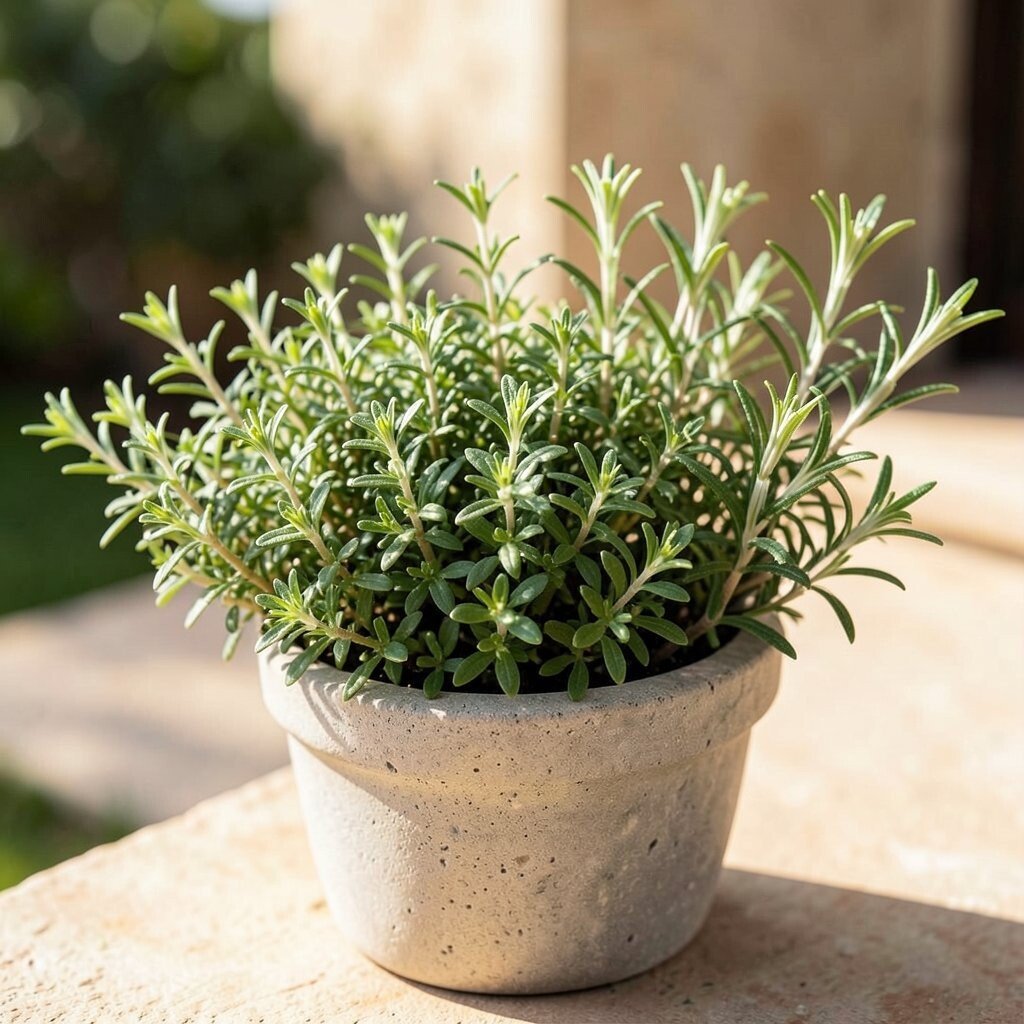
Thyme has tiny leaves and a low, tidy shape that looks neat in small pots. Its fine texture makes it a gentle, pretty herb for kitchen shelves and sunny ledges.
This herb adds warm flavor to soups, chicken, beans, and roasted vegetables. It is a good choice for small spaces because it does not need a big container. Water it lightly, give it plenty of sun, and clip it often to keep it compact.
Thyme is also nice for people who want a low-cost herb with steady use. Lemon thyme and common thyme are both popular, so you can choose a flavor that matches your cooking style.
Try grouping thyme with rosemary for a mini Mediterranean feel. A small stone pot can make it look simple and elegant.
8. Oregano
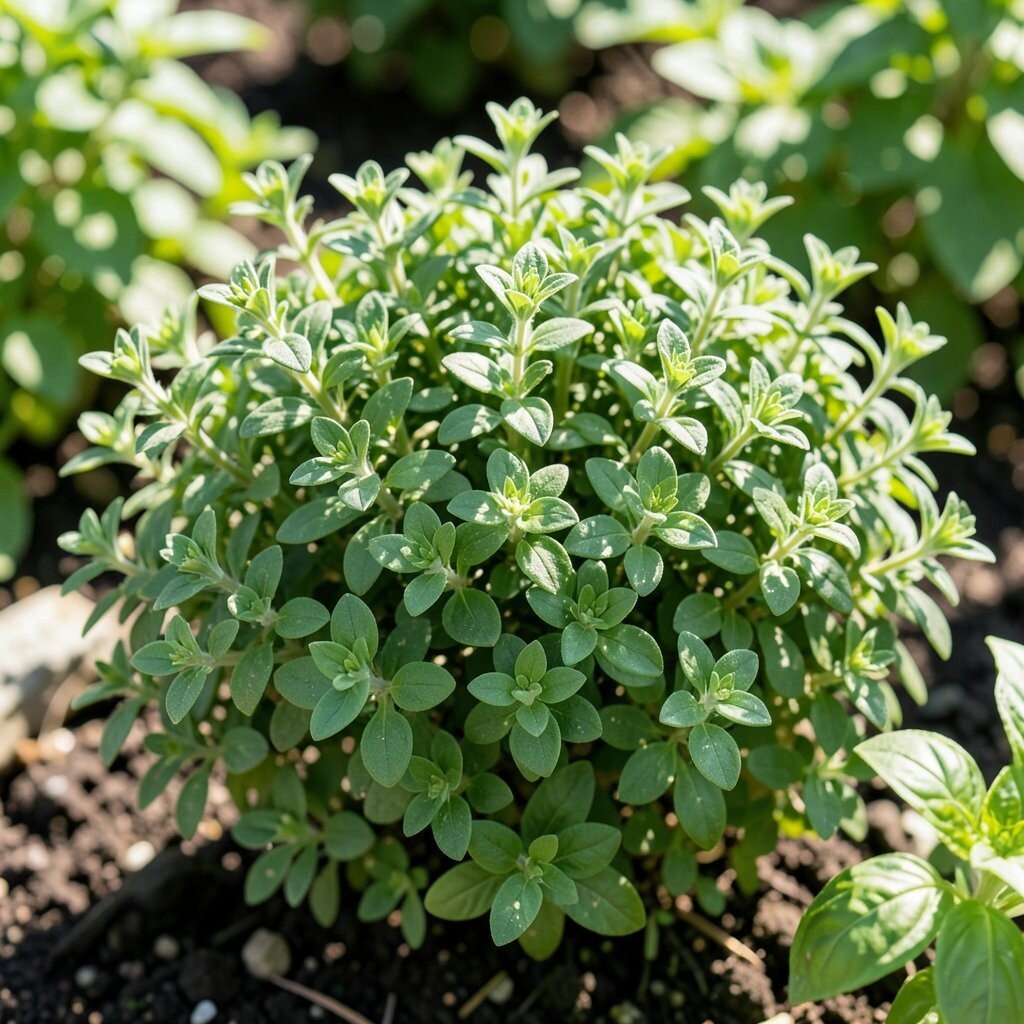
Oregano grows with small round leaves and a soft, bushy shape. It looks full and cheerful, especially when it gets enough light to stay thick and green.
Pizza, tomato sauce, roasted meats, and beans all taste great with oregano. It is a strong herb, so a little goes a long way and one plant can save money over time. Keep it in a sunny spot and trim the stems to encourage more growth.
Many home cooks like oregano because it fits so many easy meals. Greek oregano is a popular type, and some gardeners enjoy mixing it with basil for a classic kitchen pair.
9. Sage
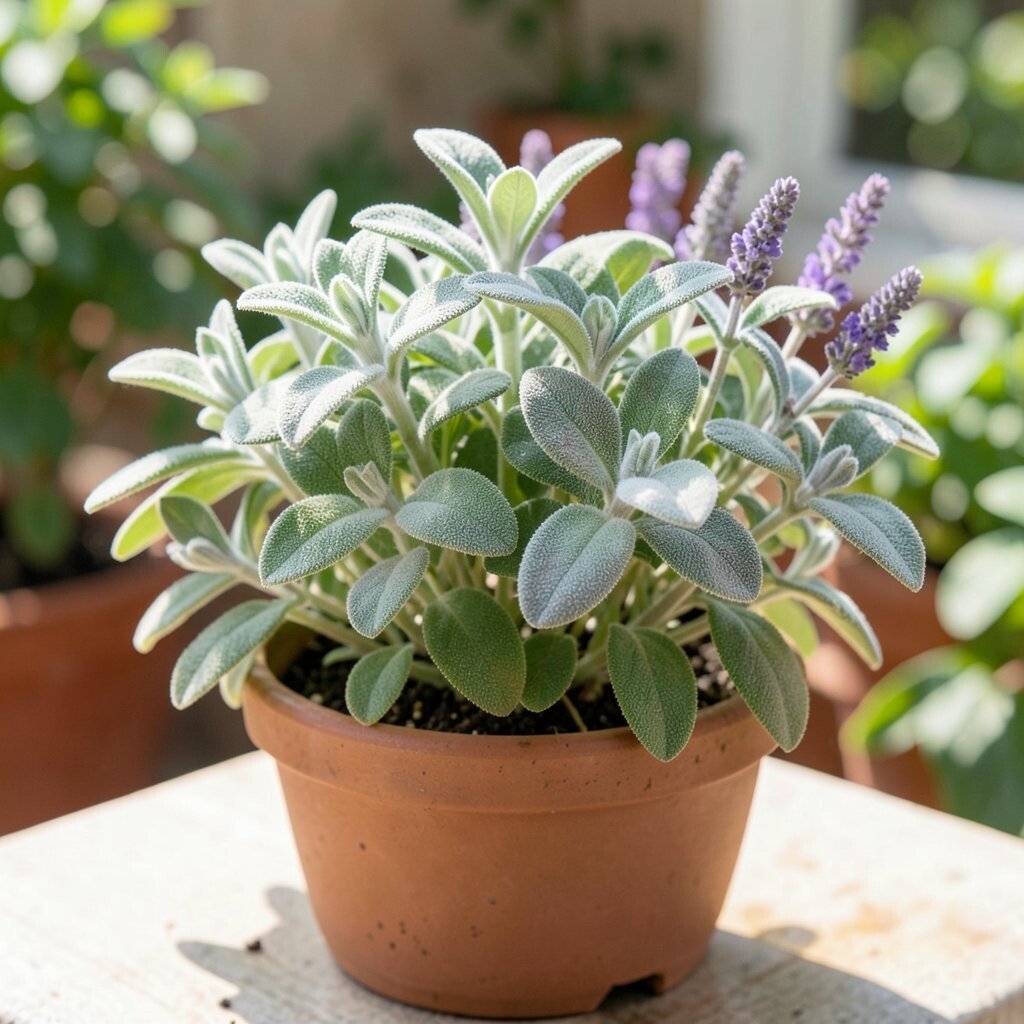
Sage has soft, fuzzy leaves with a gray-green color that feels calm and earthy. It brings a rich look to a kitchen garden and stands out from brighter herbs.
This herb is tasty with poultry, butter, stuffing, and roasted squash. It grows best in a sunny place and does not need too much water, which makes care simple. Use a medium pot with drainage holes, and avoid soggy soil so the roots stay healthy.
Sage can be a nice choice if you want a plant that feels a little special. Purple sage and golden sage are trendy picks for people who want both flavor and color.
10. Dill
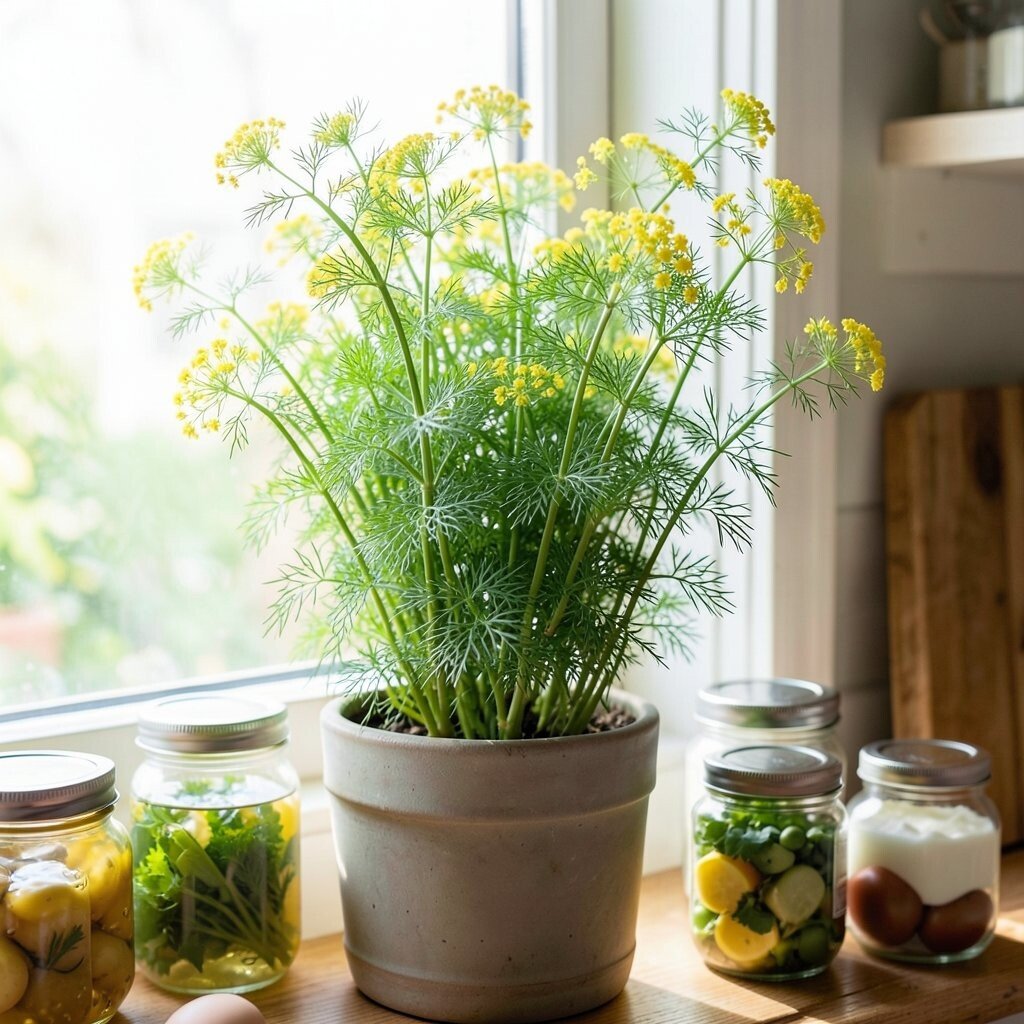
Dill has soft, feathery leaves that look light and airy. It can make a windowsill feel fresh and delicate, almost like a tiny green cloud.
Pickle jars, fish, potatoes, eggs, and yogurt sauces all pair well with dill. It grows quickly from seed, so it is fun for people who like fast and rewarding herb projects. Give it bright light and a tall pot, since its stems can stretch upward as it grows.
Dill is a good value because you can cut what you need and keep the plant going for a while. Some people also like its pretty yellow flowers, which can add a cheerful touch to the home.
If you want a soft, cottage-style kitchen look, dill fits right in. Pair it with parsley for a gentle, feathery herb mix.
11. Tarragon
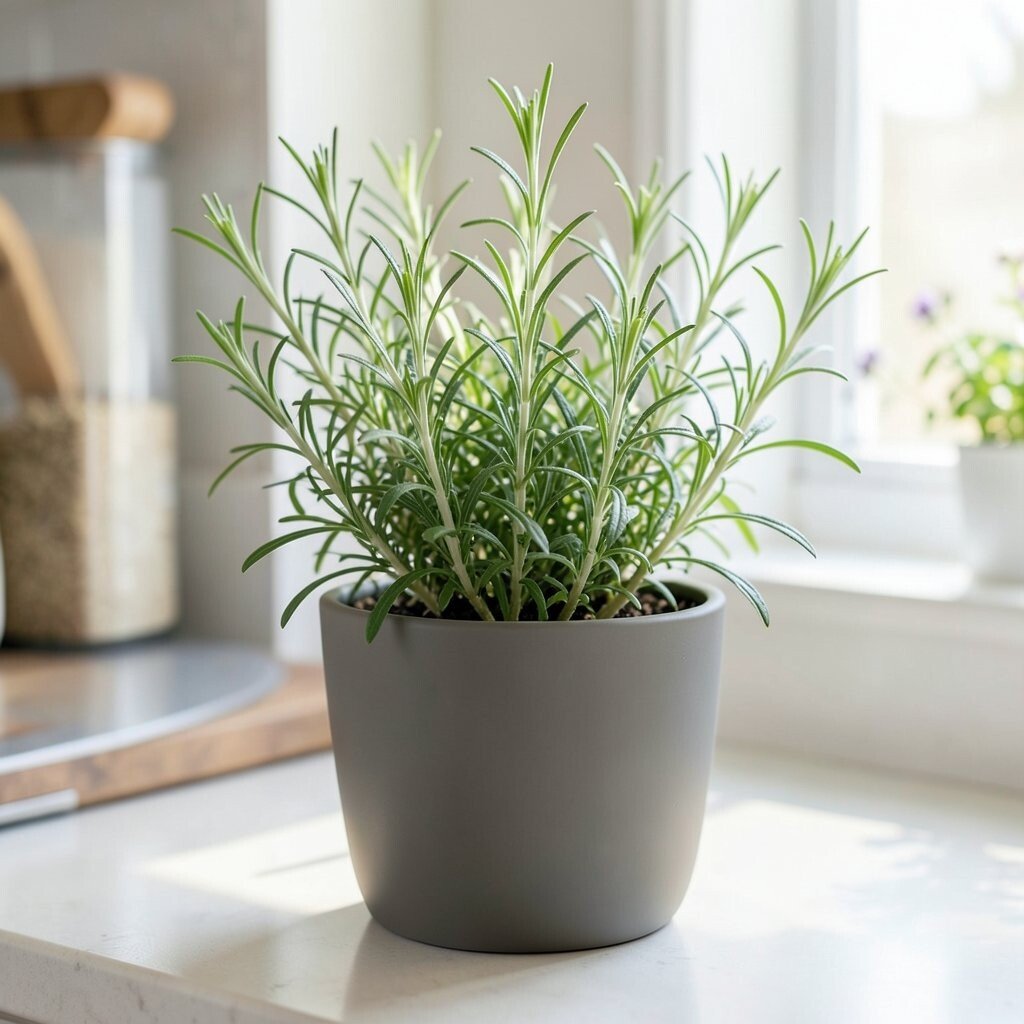
Tarragon has thin leaves and a graceful shape that looks elegant in a small container. Its narrow stems give it a neat, refined look on a kitchen shelf.
This herb has a light anise flavor that works well with chicken, eggs, and creamy sauces. French tarragon is prized by many cooks because of its smooth taste and kitchen-friendly use. Keep it in bright light, water it carefully, and choose a pot that drains well.
Tarragon can feel a little fancy, yet it is still easy enough for home growing. A simple matte pot can make its soft green leaves look even more polished.
12. Lemongrass
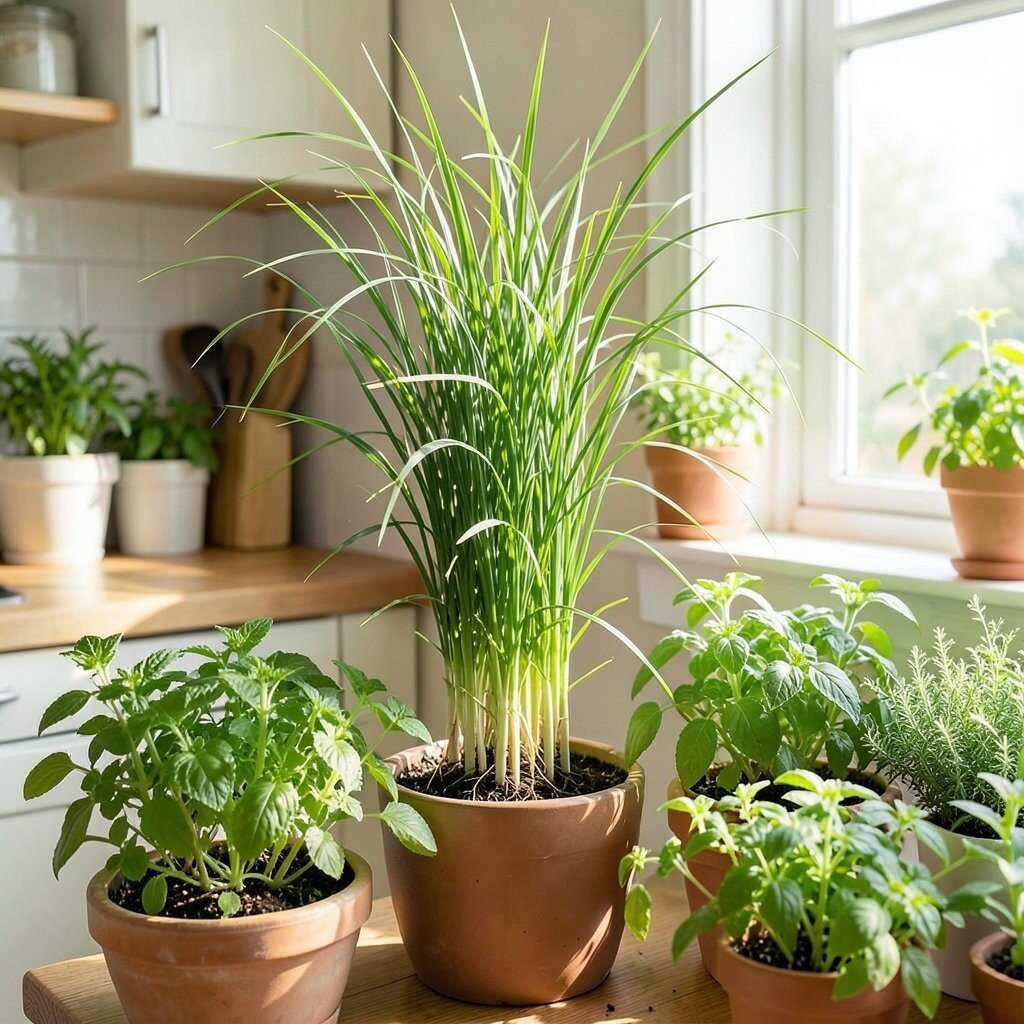
Lemongrass grows as tall, slim stalks with a bright, grassy look. It adds a clean, tropical feel to a kitchen garden and looks striking in a tall pot.
Soups, teas, curries, and marinades all benefit from its lemony taste. It is a smart plant for people who like fresh drinks and bold flavors at home. Give it warmth, bright light, and room for the roots to spread in a wide container.
Lemongrass can be a good choice if you want a plant that feels modern and useful. It may cost more than tiny herb starts, but one healthy plant can provide plenty of stalks over time.
Try placing it near other heat-loving herbs for a lively indoor garden corner. Its tall shape also makes it a nice visual anchor in a mixed herb display.
13. Bay Laurel
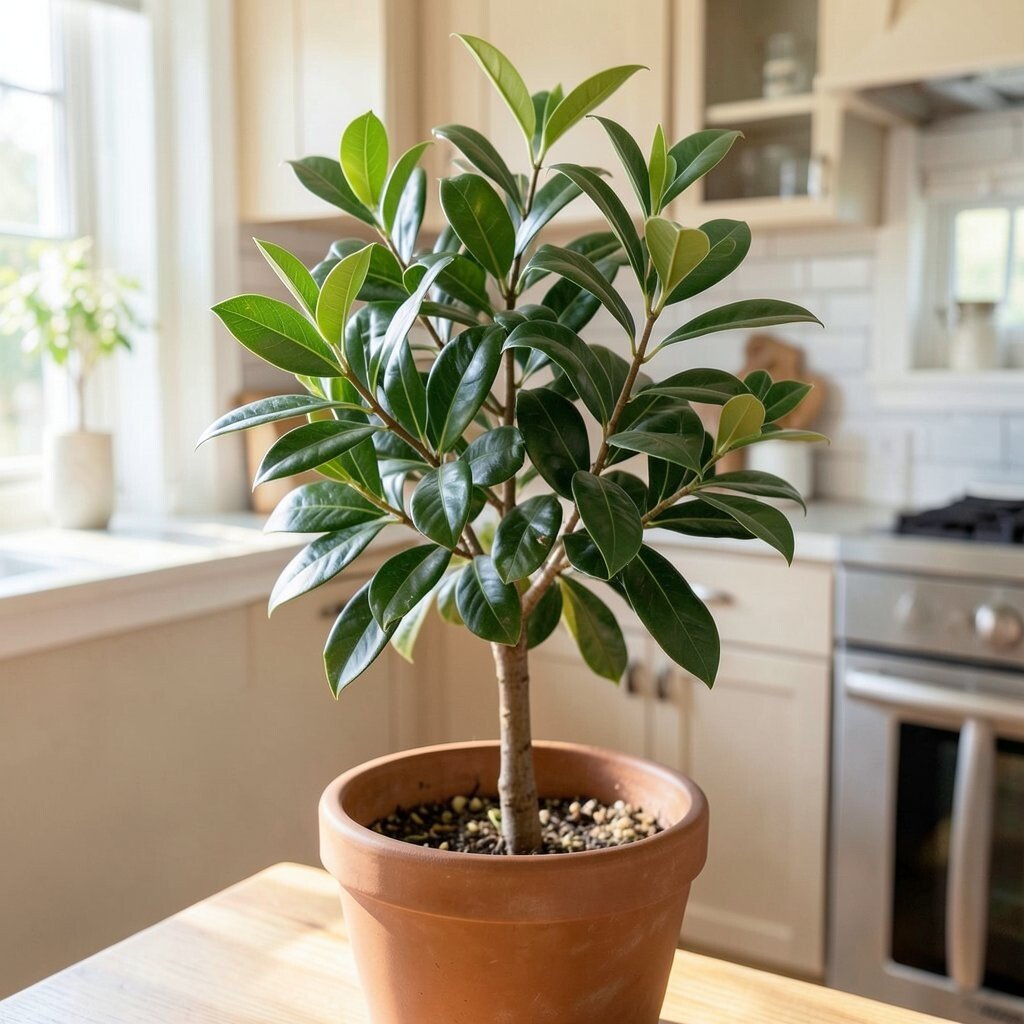
Bay laurel has glossy leaves and a small tree-like shape that looks classy indoors. Its shiny green leaves bring a fresh and polished look to the kitchen.
Bay leaves are used in soups, stews, rice, and slow-cooked meals. The plant grows slowly, but it can live for many years and offer long-term value. Keep it in a large pot, give it sun, and prune it lightly to shape it the way you like.
This herb is a favorite for cooks who want a steady pantry helper. A bay plant can be a little pricier at the start, yet it pays off with years of use.
If you enjoy a formal style, bay laurel fits well with simple pots and neat lines. It also works nicely as a gift for someone who loves cooking at home.
14. Lavender
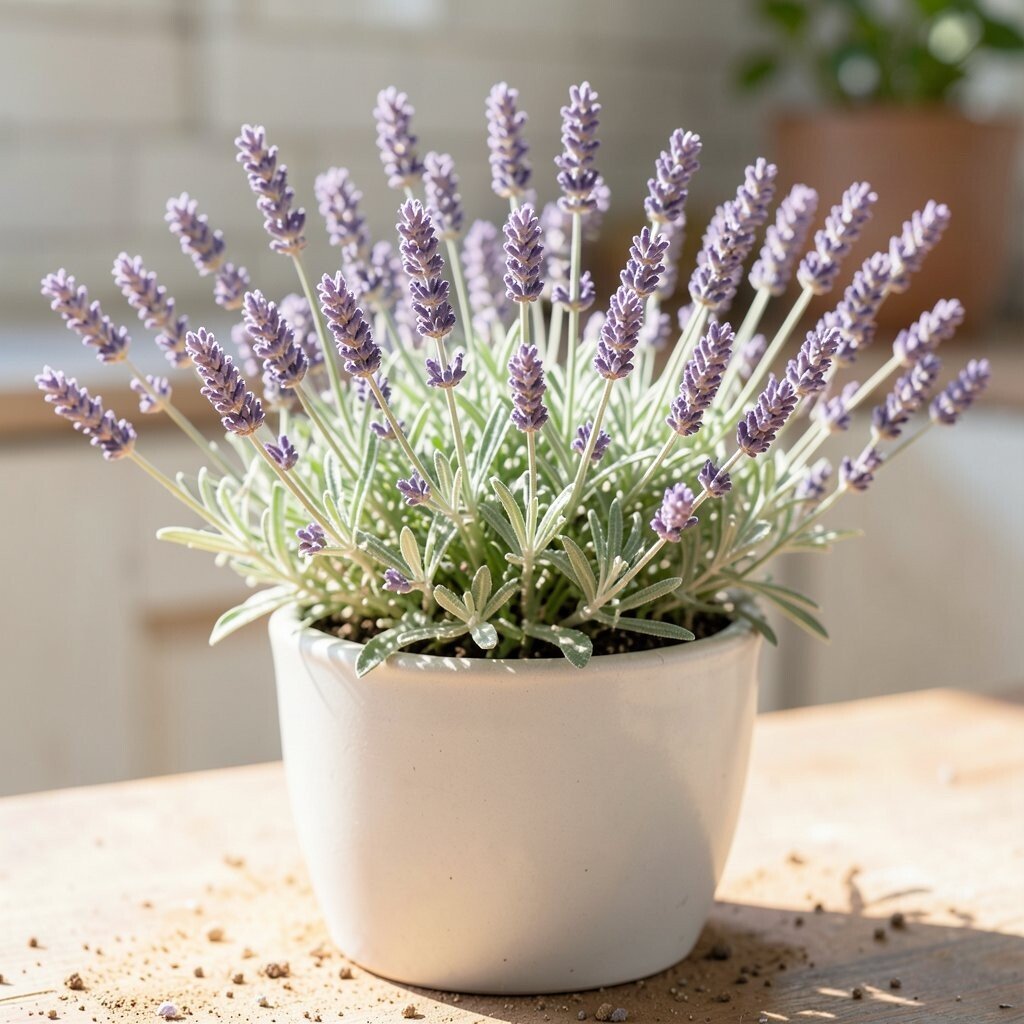
Lavender has soft purple blooms and silvery leaves that look calm and pretty. Its sweet scent can make a kitchen feel peaceful and welcoming.
People use it in tea, baked treats, sugar blends, and small home sachets. It is also loved for its scent, which makes it popular in current home decor trends. Give it bright sun, dry soil, and a pot with strong drainage so it stays healthy.
Lavender is a lovely choice if you want beauty and usefulness in one plant. English lavender is a common pick for indoor growing because it stays manageable in containers.
Its color can brighten a plain kitchen shelf in a very gentle way. Try a pale ceramic pot to make the purple flowers stand out even more.
15. Marjoram
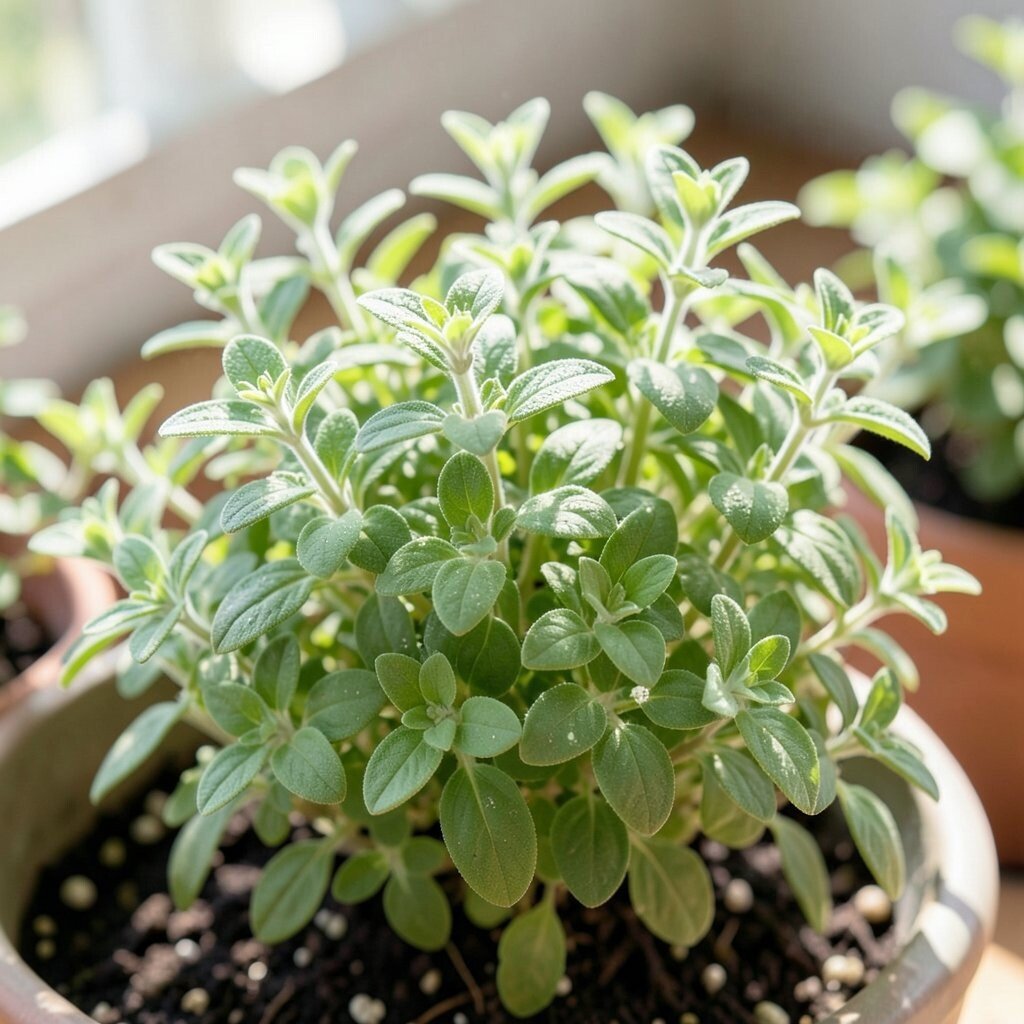
Marjoram looks soft and delicate with small oval leaves and a light green color. It has a gentle charm that works well in tidy indoor herb gardens.
This herb tastes sweet and mild, so it fits soups, meats, eggs, and vegetable dishes. It is often used in place of oregano when a softer flavor is wanted. Keep it in bright light, water it evenly, and trim it often so it stays full.
Marjoram is a good pick for cooks who like subtle flavor. It does not cost much to grow, and a small plant can still give plenty of leaves for daily meals.
16. Stevia
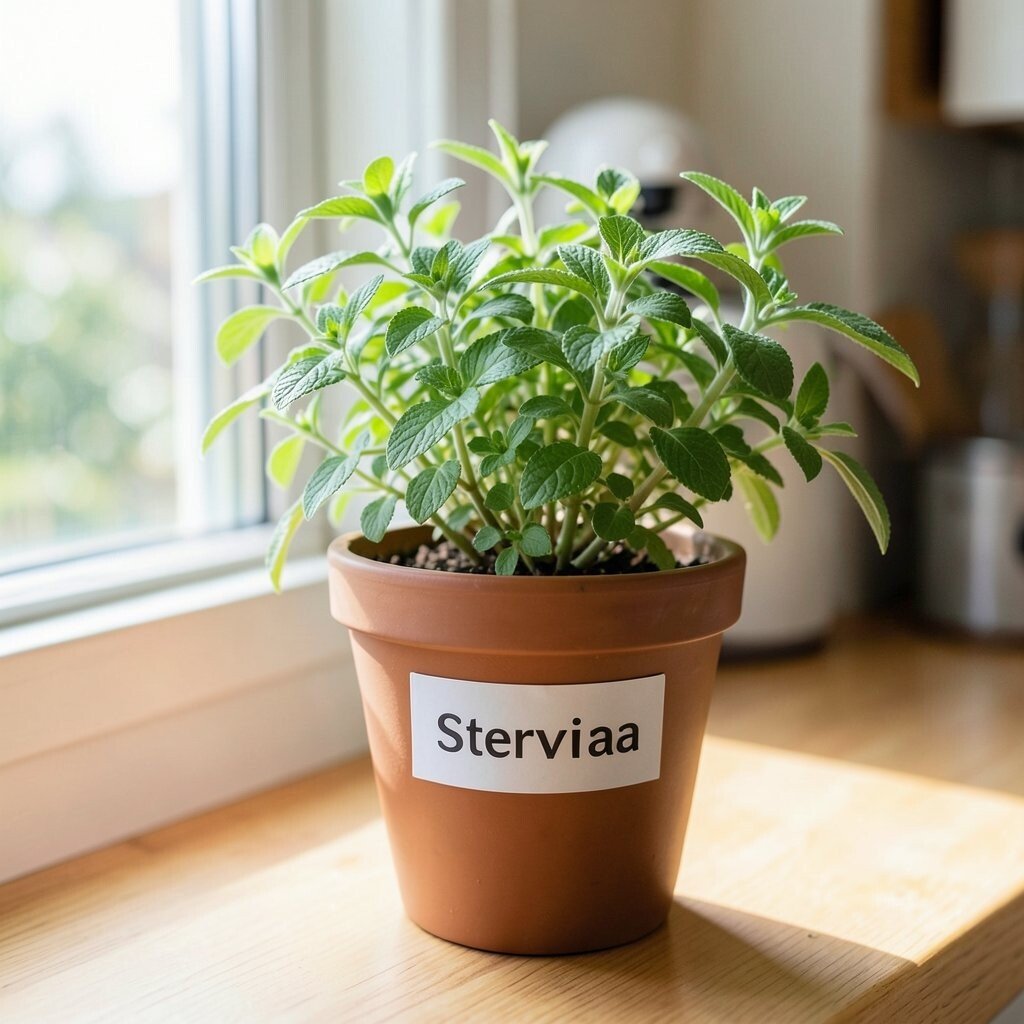
Stevia has small green leaves and a simple, bushy shape. It may not look fancy, but it is very useful and easy to keep on a sunny windowsill.
The leaves can sweeten tea, fruit, and homemade drinks without using sugar. Many people grow stevia at home because it can help cut grocery costs on sweeteners. Use a warm spot, keep the soil lightly moist, and snip leaves as needed for fresh use.
Stevia is a great fit for people watching their sugar intake. It is also a current favorite for home gardeners who want more useful plants in less space.
If you like practical plants, stevia is a smart choice with a big payoff. A bright pot with a simple label can make it easy to spot during busy cooking.
17. Lemon Balm
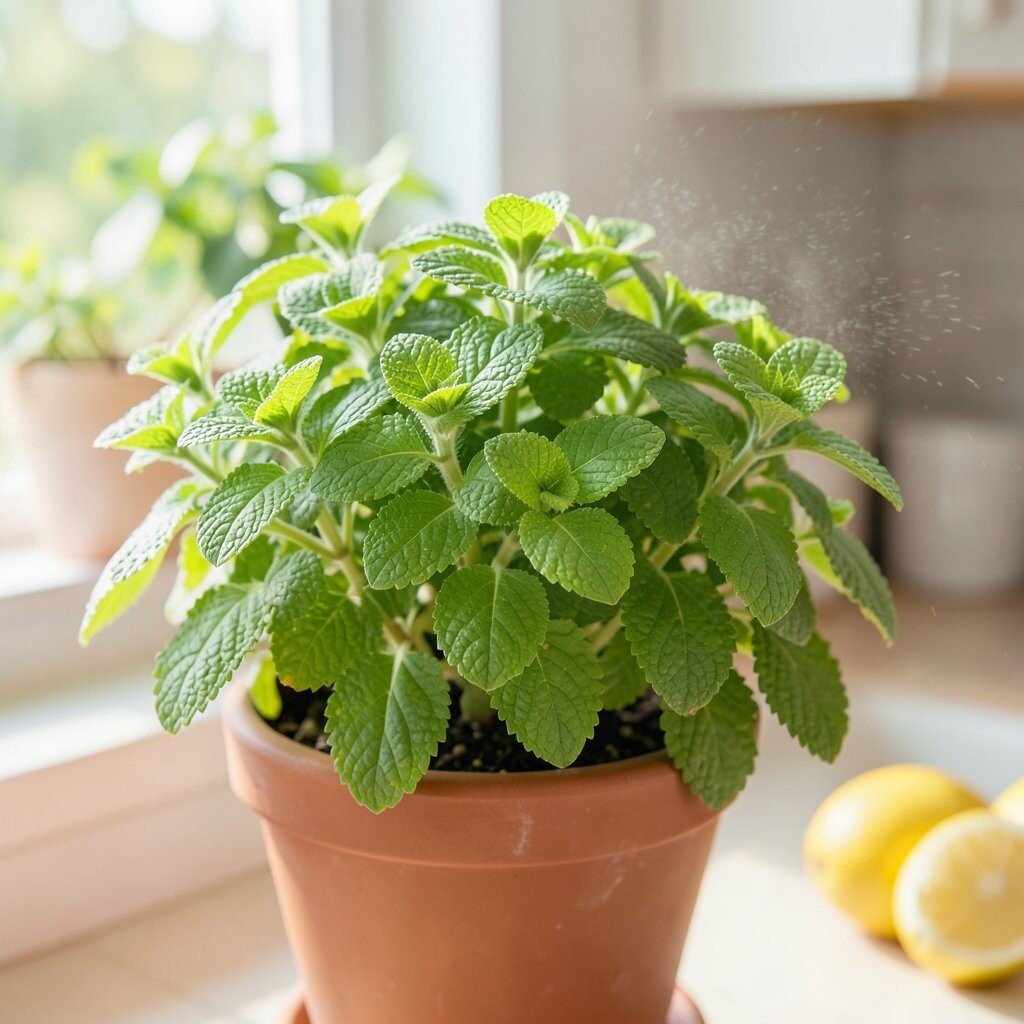
Lemon balm has soft, crinkly leaves and a fresh citrus scent. It looks bright and friendly, almost like mint with a sunny twist.
This herb is lovely in tea, fruit bowls, and light desserts. It grows with little fuss and can bring a calm feel to the kitchen with its gentle smell. Keep it in a pot of its own, give it regular trimming, and place it where it gets good light.
Lemon balm is a nice herb for families because it is easy to use and easy to grow. It can also help fill a room with a clean, lemony scent after you brush against the leaves.
18. Chamomile
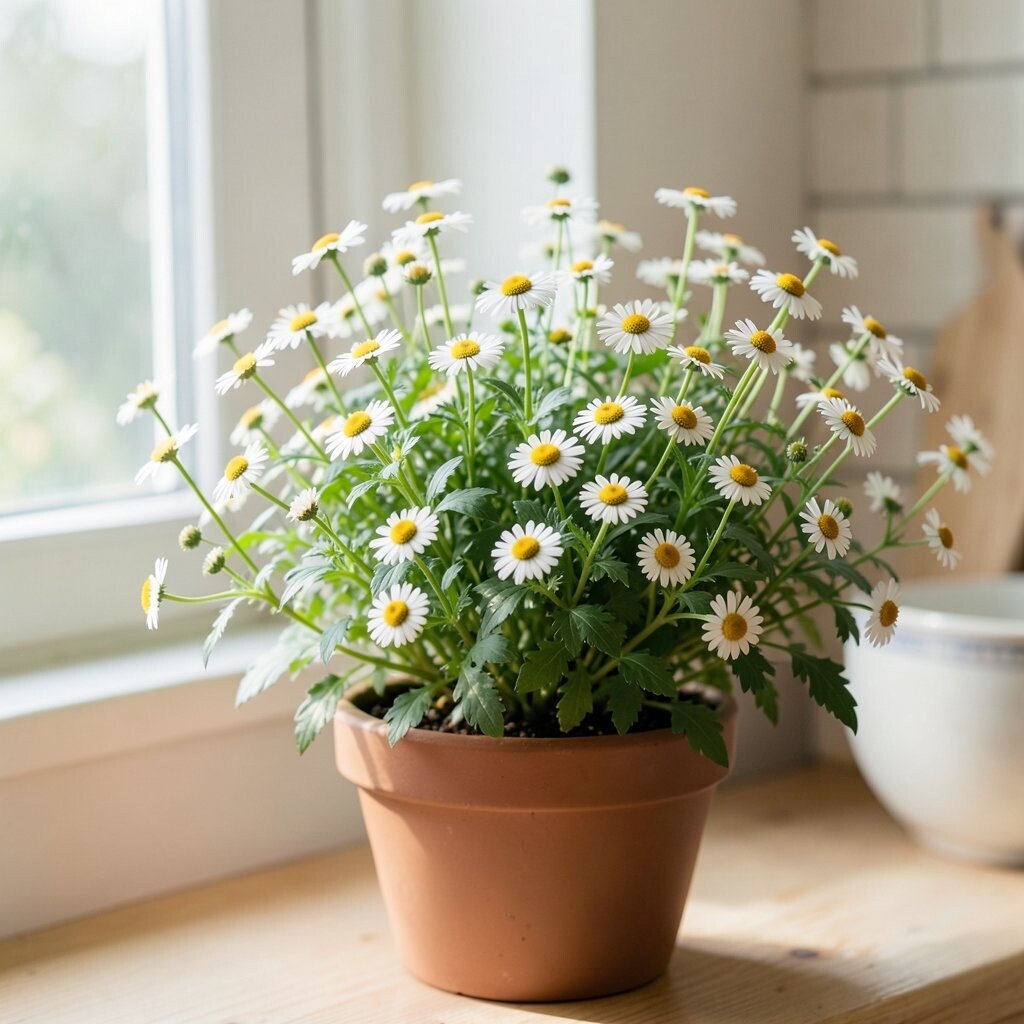
Chamomile has tiny daisy-like flowers that look sweet and delicate. Its soft blooms can make a kitchen herb corner feel cozy and cheerful.
People often dry the flowers for tea, which is one reason this plant is so loved at home. It grows best in bright light and well-drained soil, and it can be a fun project for gardeners who enjoy flowers as much as flavor. Use a small pot, and pick the blooms when they are fresh and open.
Chamomile is a gentle herb that feels soothing to grow and use. It fits well with the current trend of indoor tea gardens for calm evenings at home.
If you want a plant with a soft, cottage-garden look, chamomile is a lovely match. Its tiny white petals can brighten a windowsill in a quiet, simple way.
19. Tarragon Basil
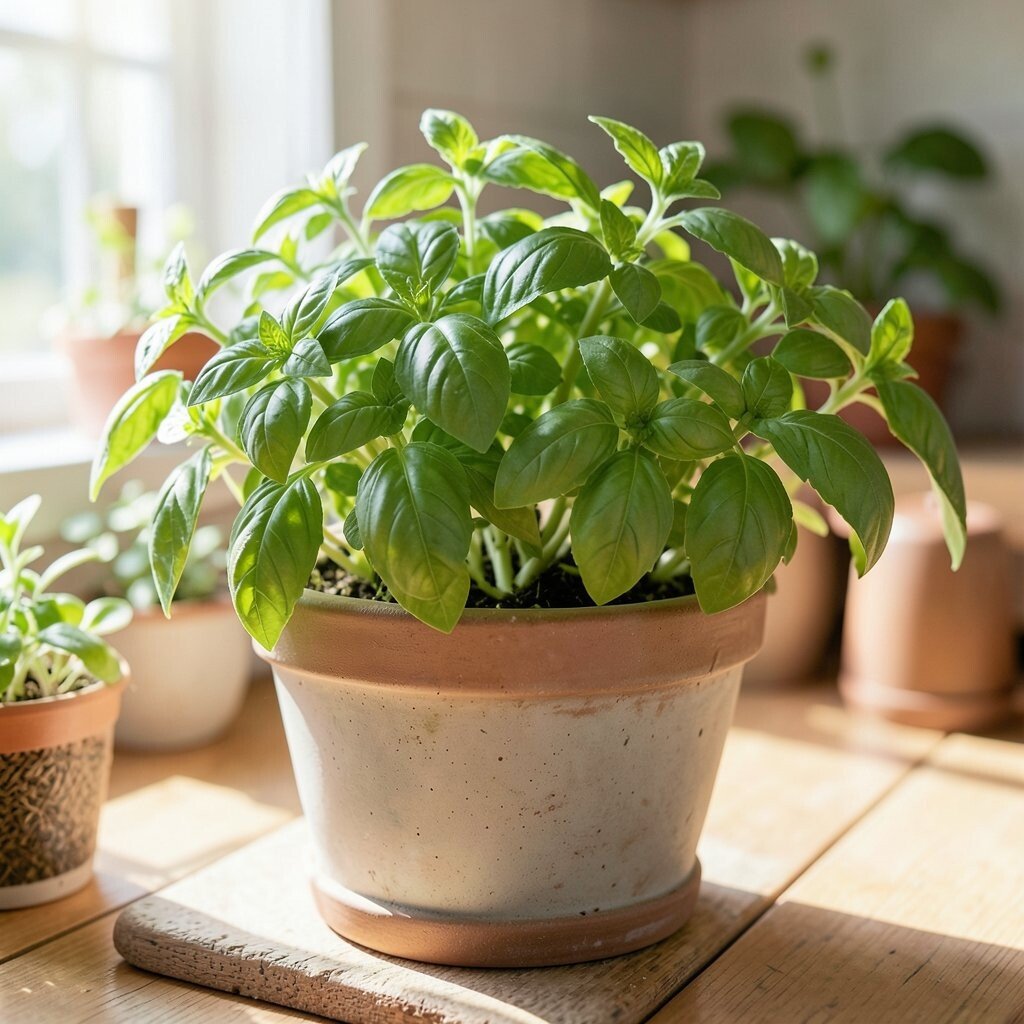
Some gardeners like to group special basil types with herbs that share a fresh, green look. A basil with a hint of tarragon-like flavor can feel unusual and exciting in a home kitchen.
This kind of herb mix can add a new twist to salads, sauces, and herb butter. It is a fun choice for people who enjoy trying different tastes without needing a big garden bed. Use a roomy pot, keep it in bright light, and taste the leaves often so you learn its best use.
Unique herbs like this are popular with home cooks who want something beyond the usual grocery store bunch. They can also make your herb shelf look more personal and creative.
If you enjoy mixing flavors, choose a plant that feels a little rare. A handmade pot or labeled jar can make the setup feel special and thoughtful.
20. Vietnamese Coriander
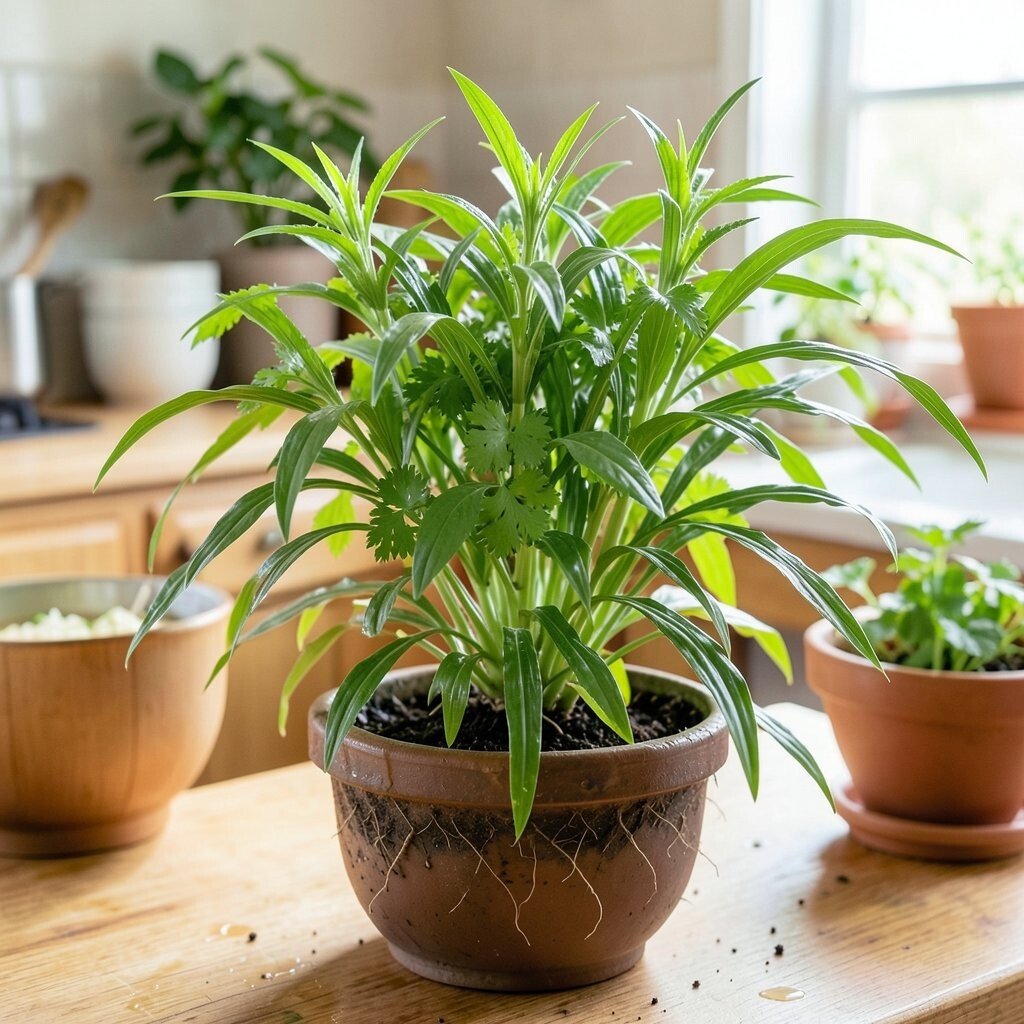
Vietnamese coriander has long, narrow leaves and a bright, tropical look. Its glossy green color can add a bold touch to a kitchen herb collection.
This herb is often used in noodle bowls, soups, and fresh wraps. It grows well in warm indoor spaces and can be a great pick for cooks who like lively, strong flavors. Keep the soil moist, give it bright light, and use a pot that can hold plenty of roots.
It is a unique herb that feels current because more home cooks are trying global flavors. If you want your kitchen garden to stand out, this plant is a great conversation starter.
21. Fennel
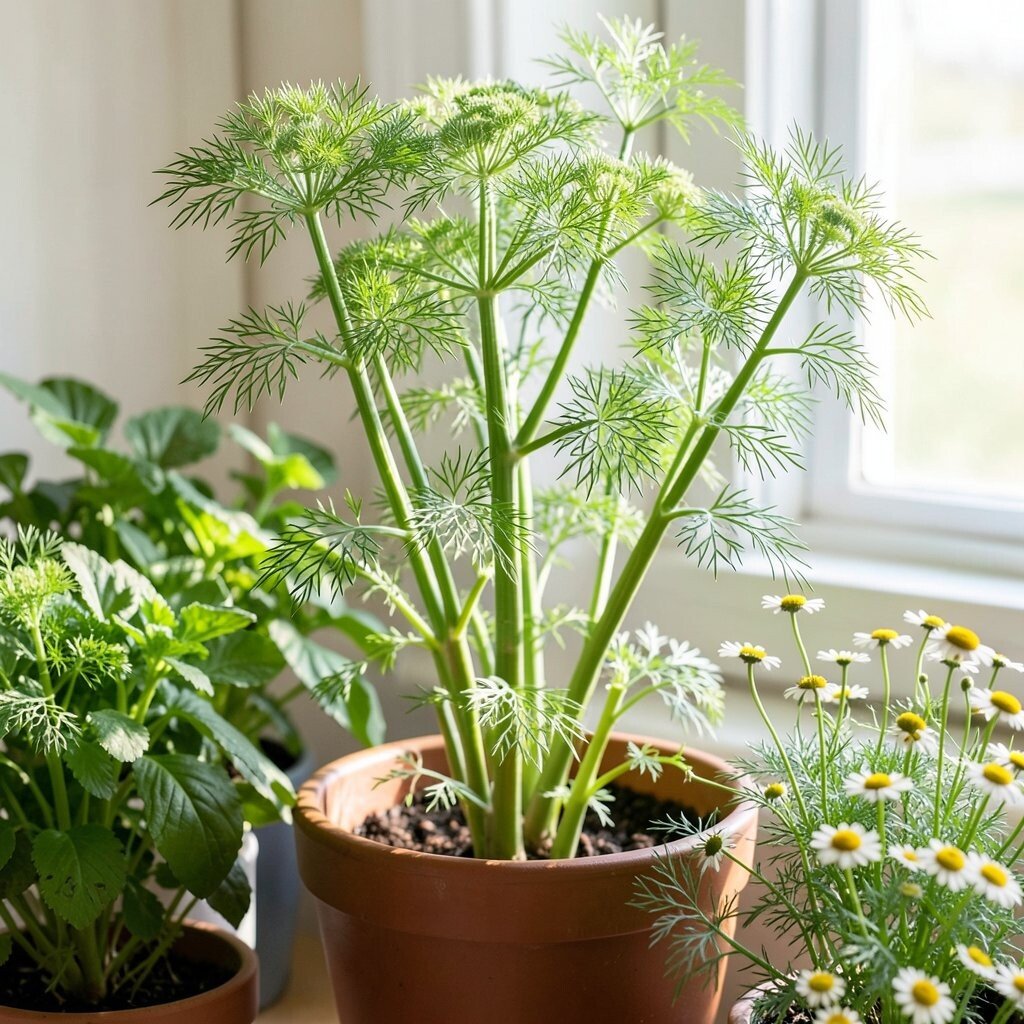
Fennel has feathery leaves that look soft and airy, almost like dill with a bigger presence. Its fresh green stems can make a kitchen herb garden feel light and graceful.
The leaves and seeds both have a sweet, anise-like taste that works in salads, fish, and roasted vegetables. Fennel can be a smart choice for growers who want a plant with more than one useful part. Give it a deep pot, strong light, and steady water so it can grow well indoors.
Fennel is a nice pick for people who enjoy trying herbs with a bold personality. It can cost a little more than common herbs, but its flavor and looks make it worth the space.
For a stylish setup, place fennel near other feathery herbs like dill or chamomile. Its tall, delicate shape can help your kitchen garden feel full without looking crowded.