Kitchen chaos can sneak up on anyone. A few smart changes can make the whole room feel calmer.
Small organizing slips can waste time, money, and space. The good news is that each one has a simple fix.
1. Buying Storage Before You Measure

Pretty bins and baskets can look perfect in a store and fail at home. A shelf that is too tall or a drawer insert that is too wide can make a neat kitchen feel cramped.
Start with a tape measure and a quick sketch of your cabinets, drawers, and pantry shelves. Measure the inside space, not just the outside, so you know what truly fits. This keeps you from spending extra on returns and helps you pick pieces that work for your exact kitchen.
2. Keeping Too Much Duplicate Stuff
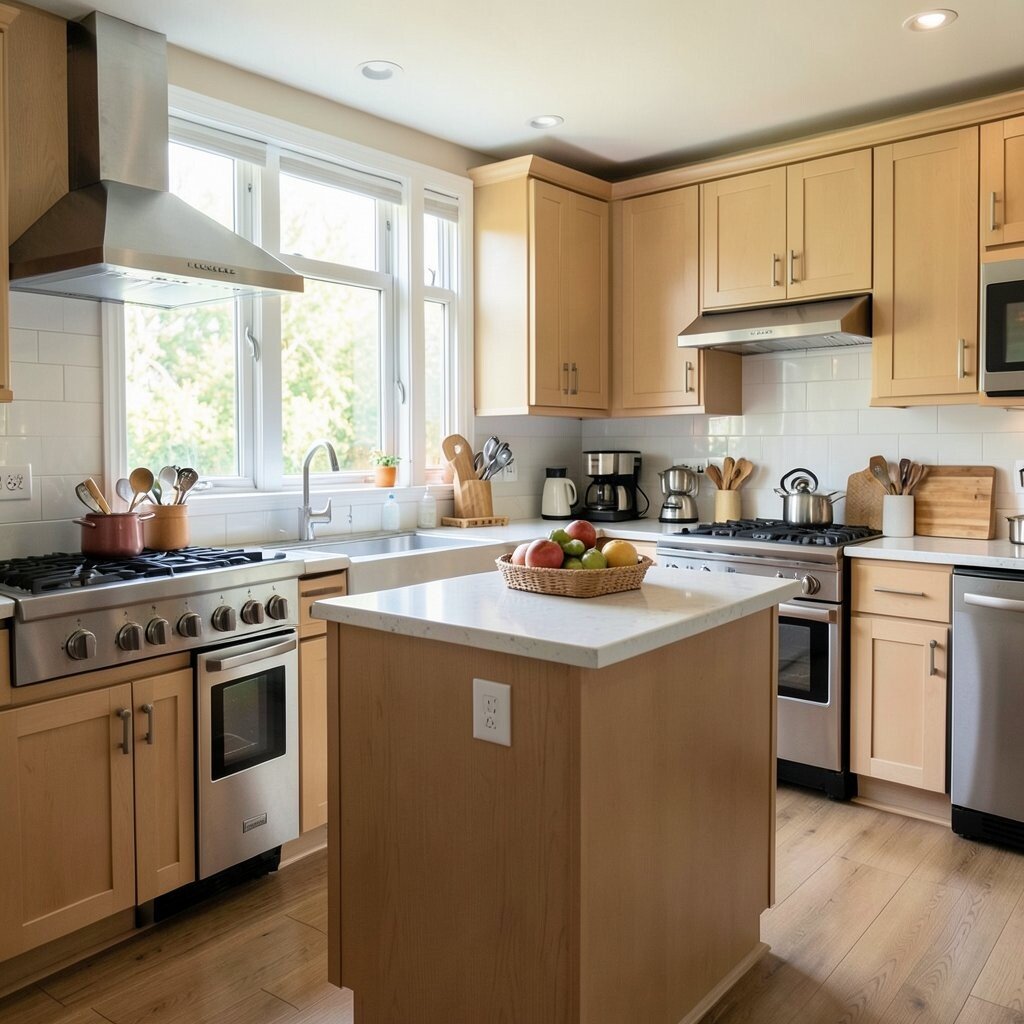
It is easy to end up with five spatulas, three can openers, and cups from every event you ever attended. Cluttered drawers can make simple cooking feel slow and messy.
Choose the tools you use most and let the rest go to a donation box or a neighbor who needs them. A clean drawer with fewer items feels brighter and easier to use, and it can save money by stopping repeat purchases. You can also keep one special item, like a favorite whisk or bright mixing bowl, to add a bit of your own style.
Try grouping items by job, such as baking tools, prep tools, and serving pieces. This makes your kitchen feel thoughtful instead of stuffed. If you love a current trend, use a clear tray or a small open caddy so the space stays neat and still looks fresh.
3. Ignoring How You Actually Cook
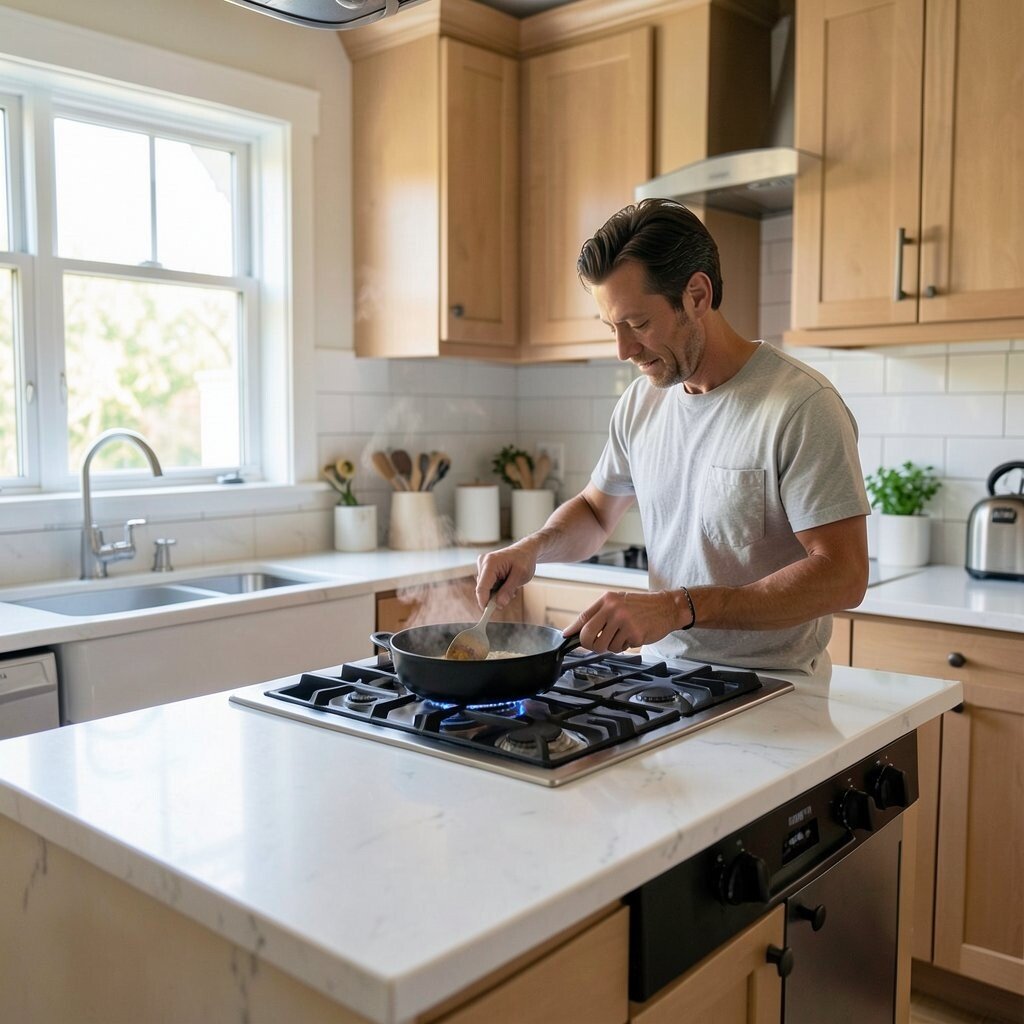
A kitchen may look neat on a photo shelf, but that does not mean it works for real life. If your coffee gear sits far from the mug stack or your spices hide across the room from the stove, daily tasks get slower.
Think about your own habits before placing anything. Put often used items near the spot where you use them, such as pans near the oven and snacks near the kid zone. You can make the room feel personal by matching the setup to your breakfast routine, baking style, or packed-lunch habits.
This kind of planning costs less than buying fancy organizers that do not help. It also gives your kitchen a custom feel without a big remodel. For a modern touch, many people now create small work zones that keep steps short and surfaces clear.
4. Filling Every Inch With Containers
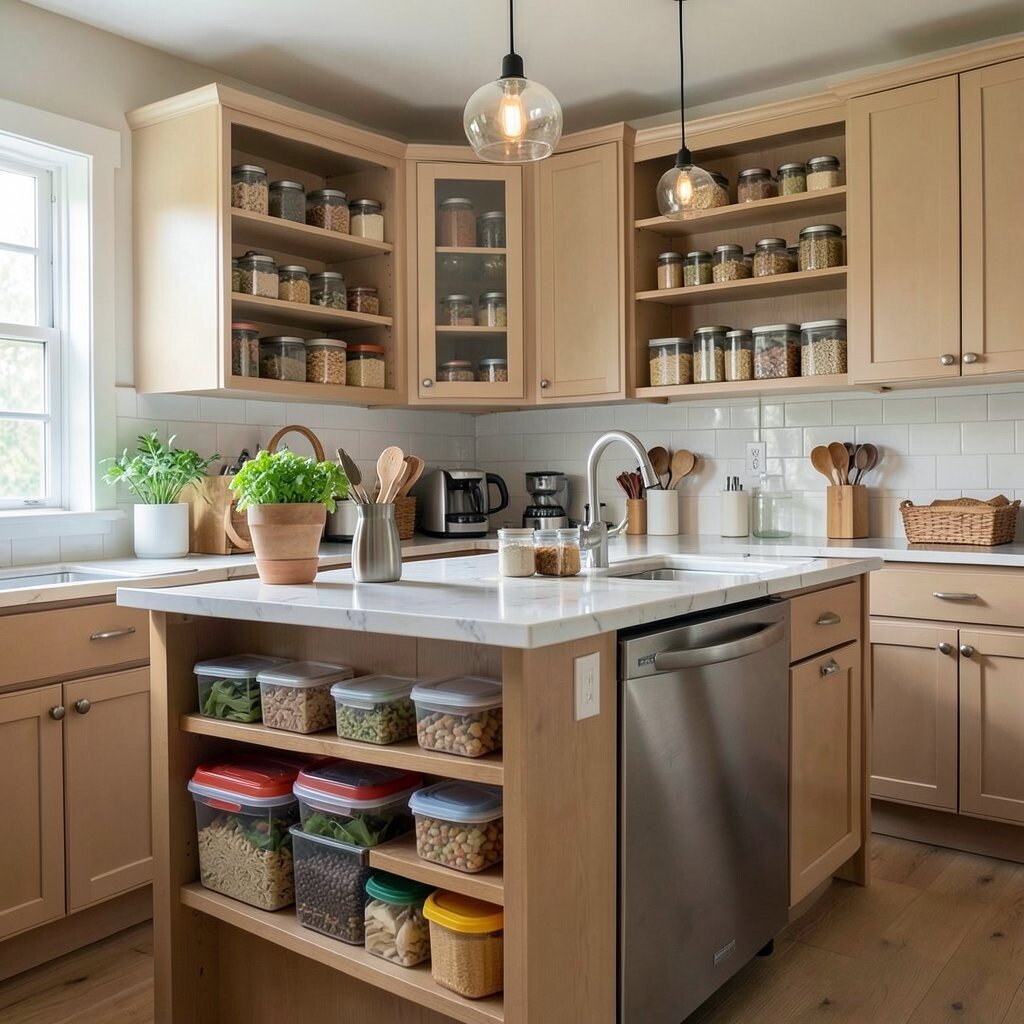
Clear jars and matching bins can look lovely, but too many can make the kitchen feel stiff. When every shelf is packed with containers, there is no room for hands, labels, or air.
Leave some open space so the kitchen can breathe and stay easy to clean. A few well-placed organizers can do more than a full set of crowded bins. Choose pieces in sizes that match your food and tools instead of buying a whole set just because it looks tidy on a shelf.
5. Forgetting About Labels
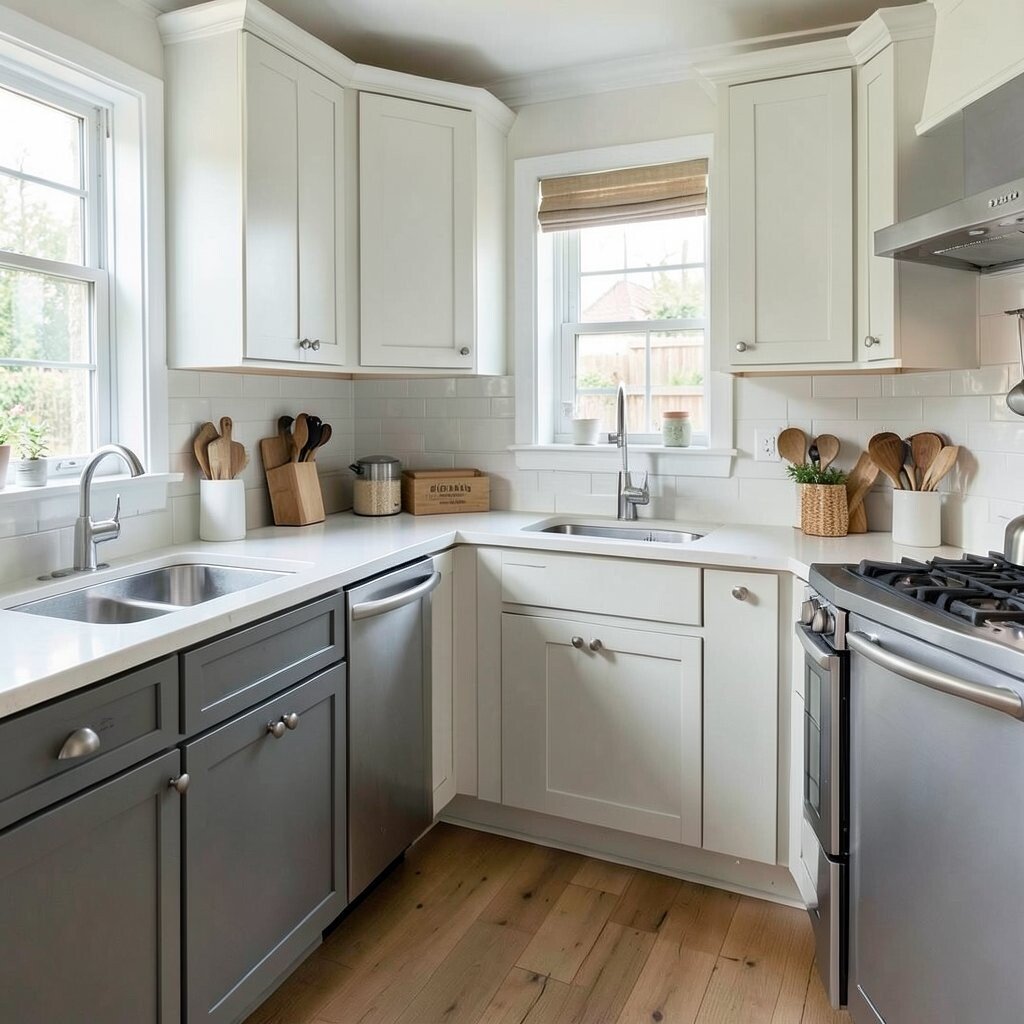
Without labels, even a clean pantry can become a guessing game. One plain jar may hold rice today and flour next week, and that can lead to mistakes.
Simple labels bring order and save time during busy mornings. They also help other people in the house put things back where they belong. You can make them personal with handwritten tags, neat printed strips, or chalk labels for a softer look.
Labels do not need to be costly. Masking tape and a marker can work just as well as fancy sticker sets. If you like a more polished style, a few matching labels on glass jars can make the whole pantry look calm and current.
6. Not Using Vertical Space
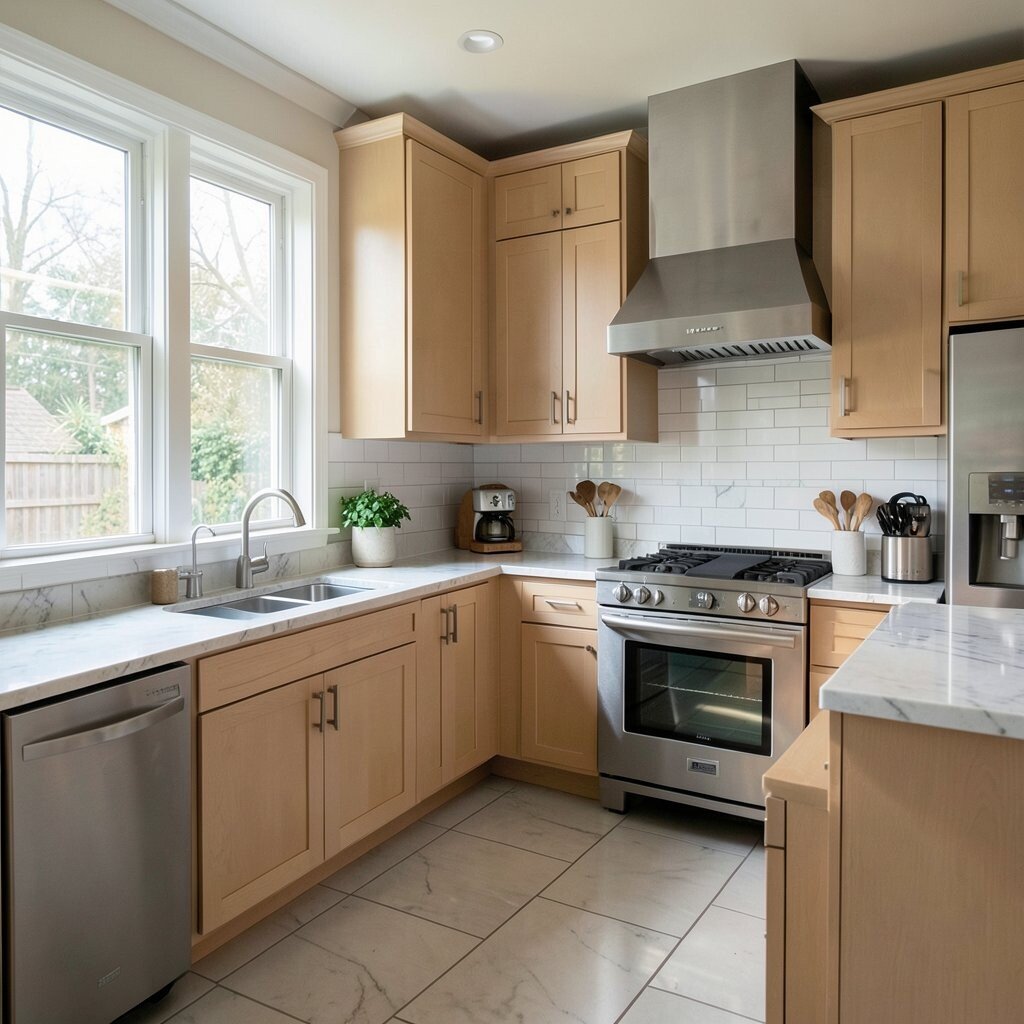
Many kitchens have empty wall space above counters and inside cabinets. That unused room is a missed chance to make storage easier and more open.
Stackable shelves, wall hooks, and hanging racks can lift items off crowded surfaces. This can make a small kitchen feel bigger and lighter right away. Pick one feature that fits your style, like a wooden rail for utensils or slim shelves for mugs, so the room feels useful and unique.
Vertical storage can also be a smart budget choice because it uses the space you already have. It often costs less than buying new furniture or bigger cabinets. A tidy wall display can even add a trendy, open-kitchen look without much effort.
7. Shoving Everything Into Deep Cabinets
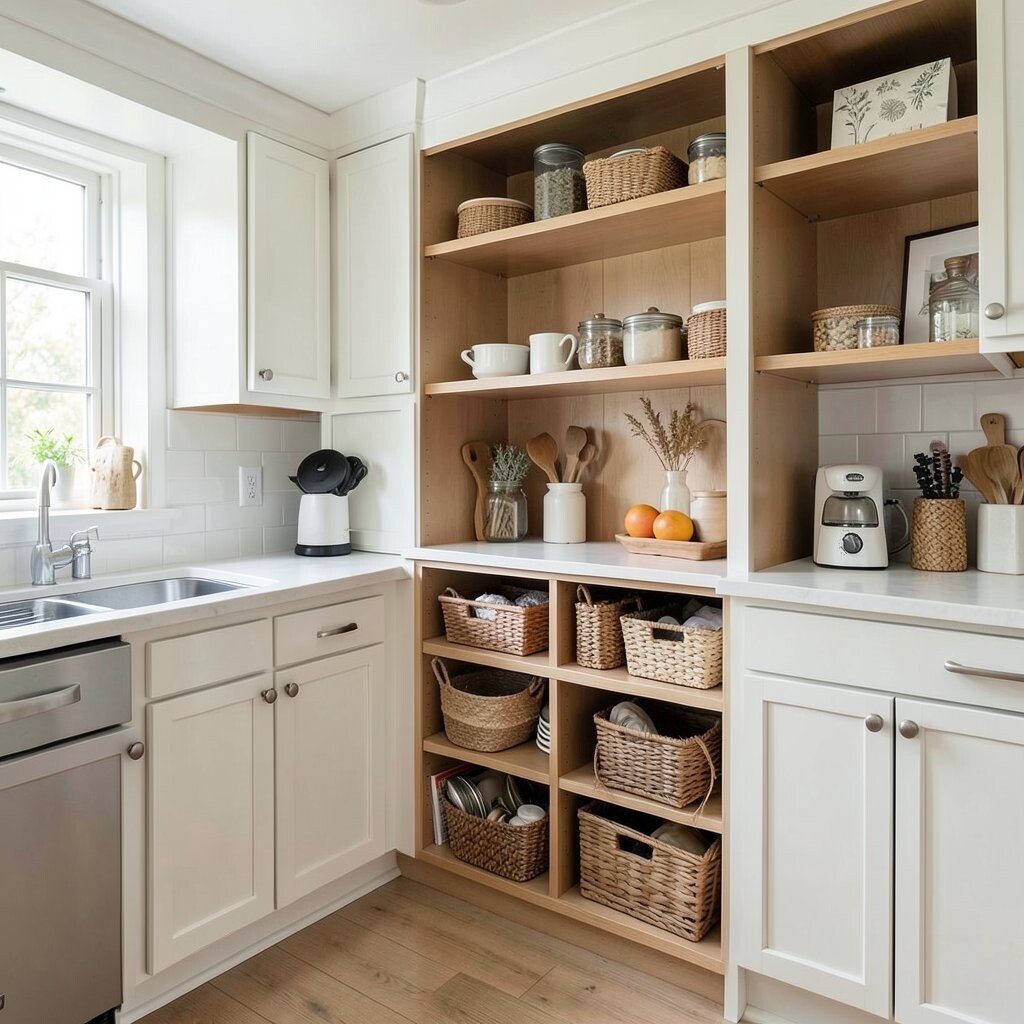
Deep cabinets can swallow bowls, pans, and containers fast. Items get pushed to the back, and then good space turns into a hidden mess.
Use pull-out trays, risers, or bins to bring things forward. This helps you see what you own and stops food from getting lost until it expires. For a personal touch, keep your most-used dishes in the easiest spot and save the back for less-used extras.
There is no need to buy the most expensive organizer right away. Start with one shelf riser or a simple sliding tray and see how much easier it feels. Many kitchens now use pull-out storage because it makes old cabinets work like newer ones.
8. Letting Countertops Become Storage Zones
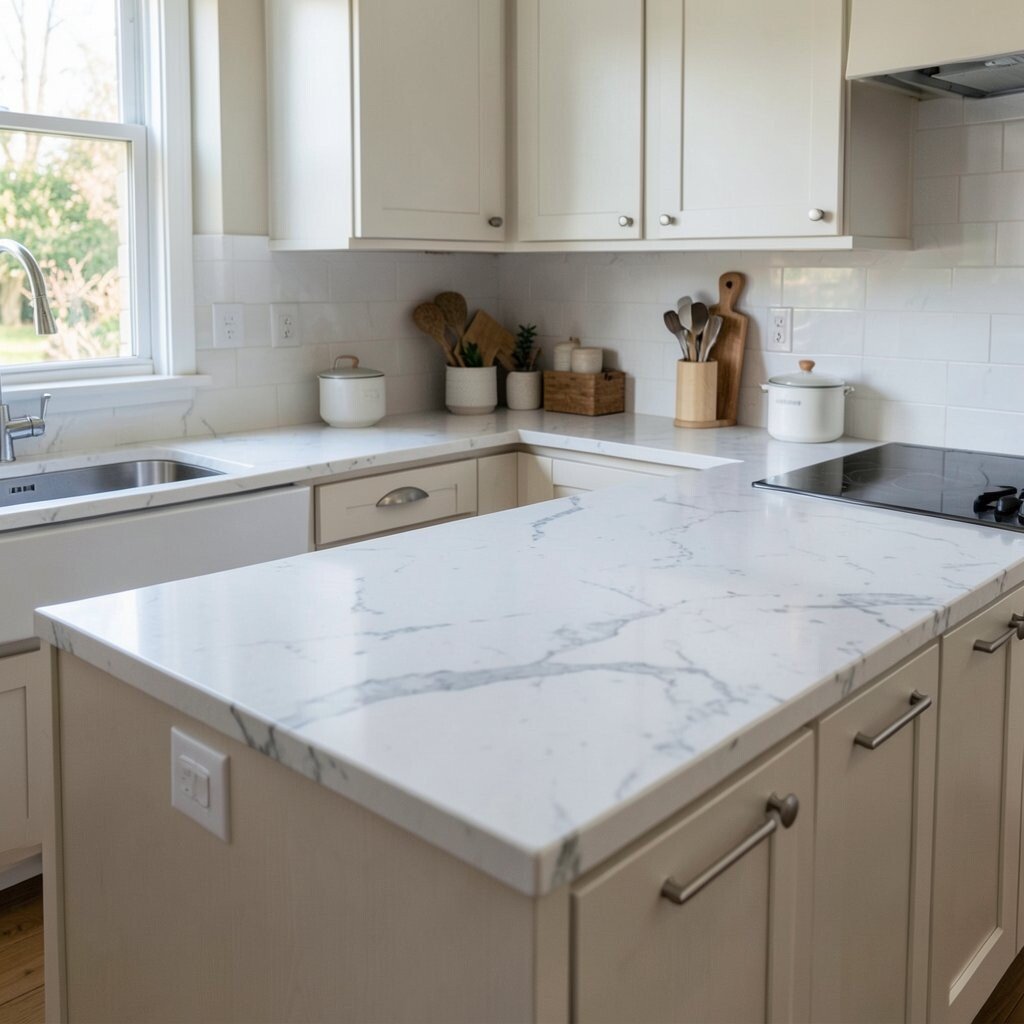
Counters can quickly turn into a pile of mail, chargers, appliances, and half-used bags of snacks. When that happens, the room feels busy even if the cabinets are neat.
Keep only the items you use every day, like a coffee maker or toaster. Put the rest away so there is room to chop, bake, and serve meals. A clear counter makes the whole kitchen look brighter and more welcoming.
You can still show some personality with one pretty bowl, a small plant, or a favorite utensil holder. That keeps the room warm without making it crowded. If you shop carefully, you can save money by avoiding extra decor that ends up taking space.
9. Mixing Too Many Styles at Once
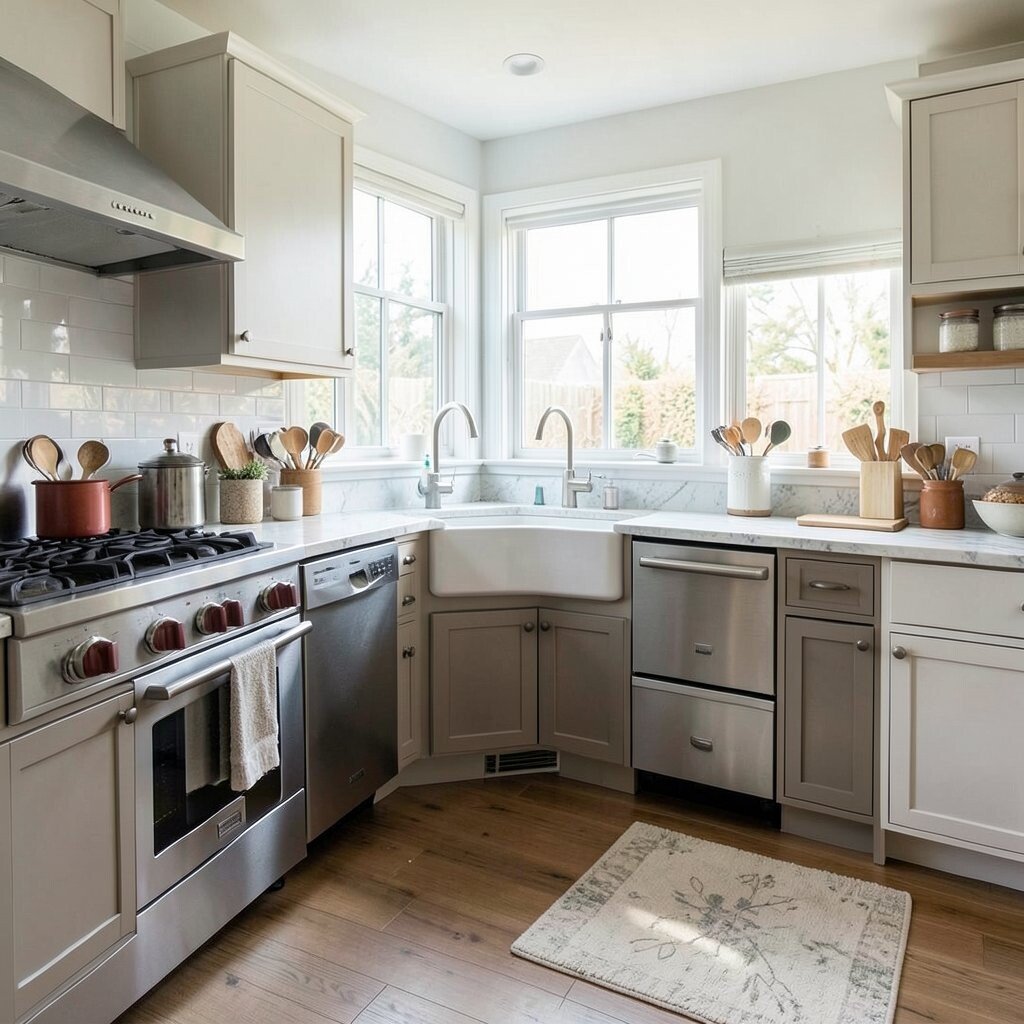
A kitchen can start to feel noisy when every bin, jar, and basket looks different. Bright plastic, old metal, and random labels can make the room seem messy even when it is not.
Pick a simple look that fits your home, such as clear, wood, or white pieces. A steady style creates a calm feel and makes it easier to tell what belongs where. You can still add one or two special items that show your taste without making the whole room feel busy.
This is one area where less often costs less. Buying a few matching basics can be cheaper than collecting many odd organizers over time. A unified look also matches a current trend that favors simple shelves and soft, clean lines.
10. Forgetting to Sort by Use
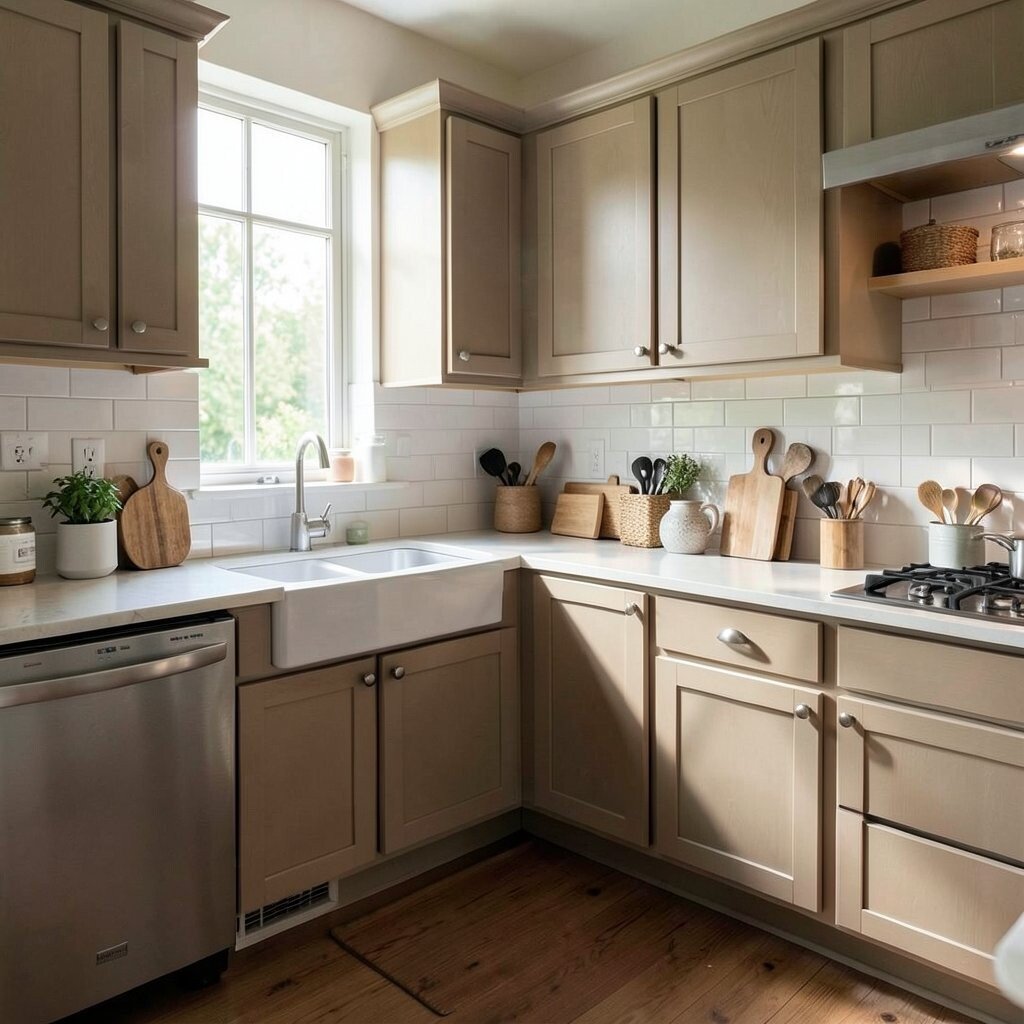
When items are put away by shape alone, daily cooking can become awkward. You may end up hunting through gadgets when the item you need is buried under things you rarely touch.
Sort by use instead of size so the kitchen works with your habits. Keep baking supplies together, lunch items together, and dinner tools near the stove. This makes the room feel more personal because it follows the way your family actually lives.
A good sort can also keep you from buying extras you do not need. When everything has a clear place, it is easier to see what is missing and what you already own. For a modern home, this style of grouping creates a neat look that still feels easy and friendly.
11. Overstuffing the Pantry
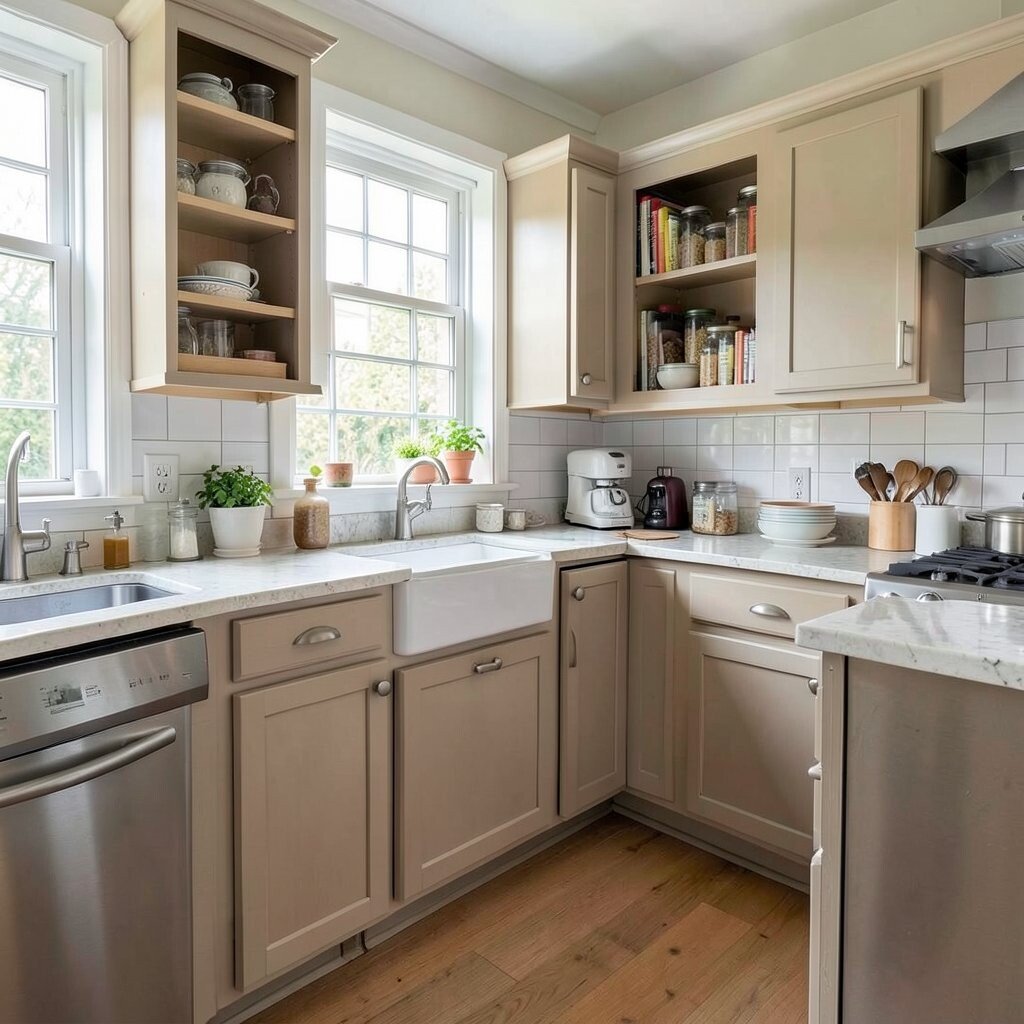
A packed pantry may look productive, but it often leads to waste. If food piles up in front of food, older items can get hidden and forgotten.
Give each shelf some breathing room and keep like items together. Put tall items in the back only if they will still stay visible, and place new groceries behind older ones. This simple habit helps your food last longer and keeps shopping trips from becoming guesswork.
Clear bins and shallow baskets can make the pantry feel tidy without much cost. They also add a clean, pretty look that many people like right now. You can personalize the space with a favorite label style or a small snack bin just for kids.
12. Skipping a Regular Reset
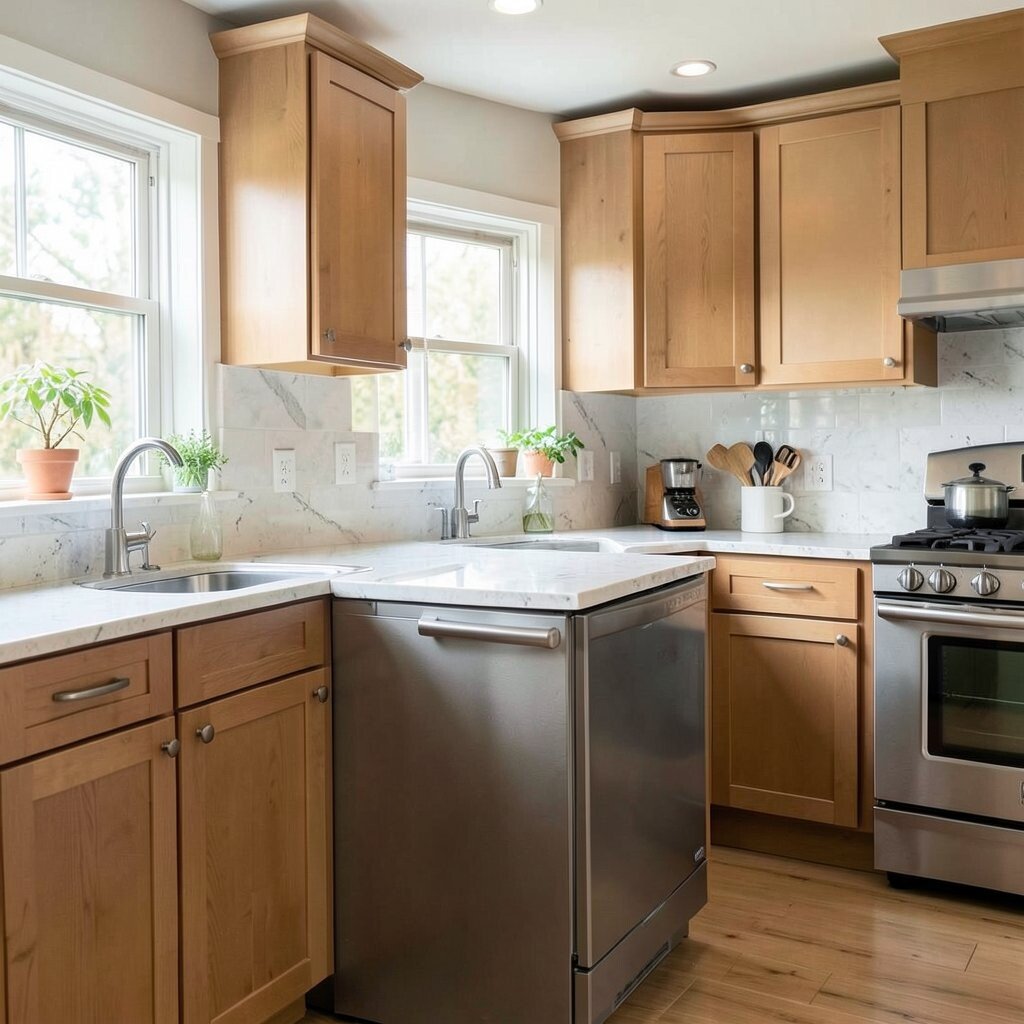
Even a well-planned kitchen can slide back into clutter if no one checks it often. A drawer that starts neat can become a tangle of clips, pens, and rubber bands in just a short time.
Set a simple reset habit for the end of the week or after grocery day. Put items back, wipe shelves, and remove things that no longer belong there. This keeps the kitchen fresh and makes the next meal prep much easier.
A reset does not need fancy tools or extra spending. It only takes a few minutes and a clear plan. If you want to make it feel special, use a small basket for stray items and a pretty cloth for quick wipe-downs, which can give the kitchen a cared-for look.
13. Trying to Copy Someone Else’s Kitchen
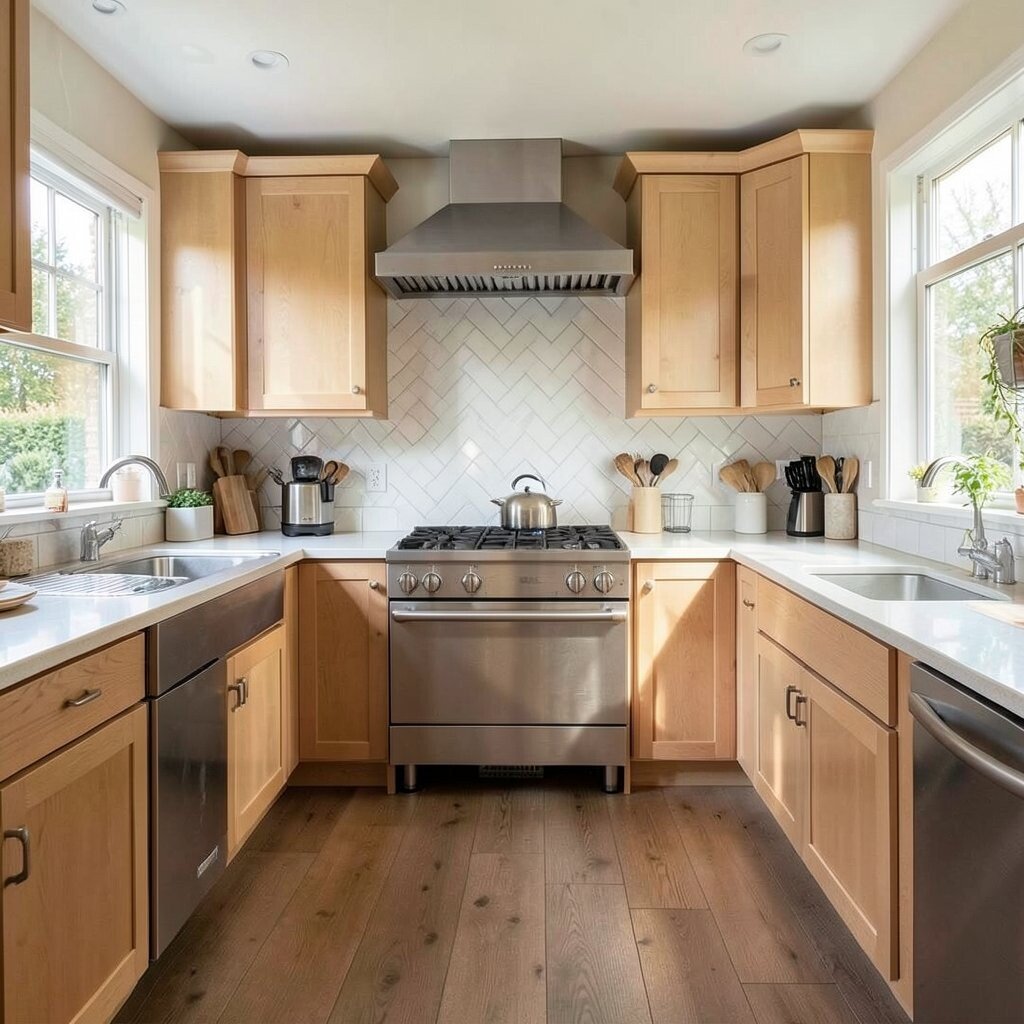
A space on a screen can look perfect and still fail in real life. Your kitchen may need bigger snack storage, more room for school lunches, or a spot for pet food that no trend photo can show.
Use ideas from others, but shape them to fit your home. Think about your budget, your family size, and the tools you use every day. A kitchen that fits your life will always feel better than one that only looks good for a moment.
This is where your own style matters most. You can choose warm wood, soft colors, bold labels, or simple clear containers based on what makes you happy. The best organizing plan is the one that feels easy to keep and truly yours.