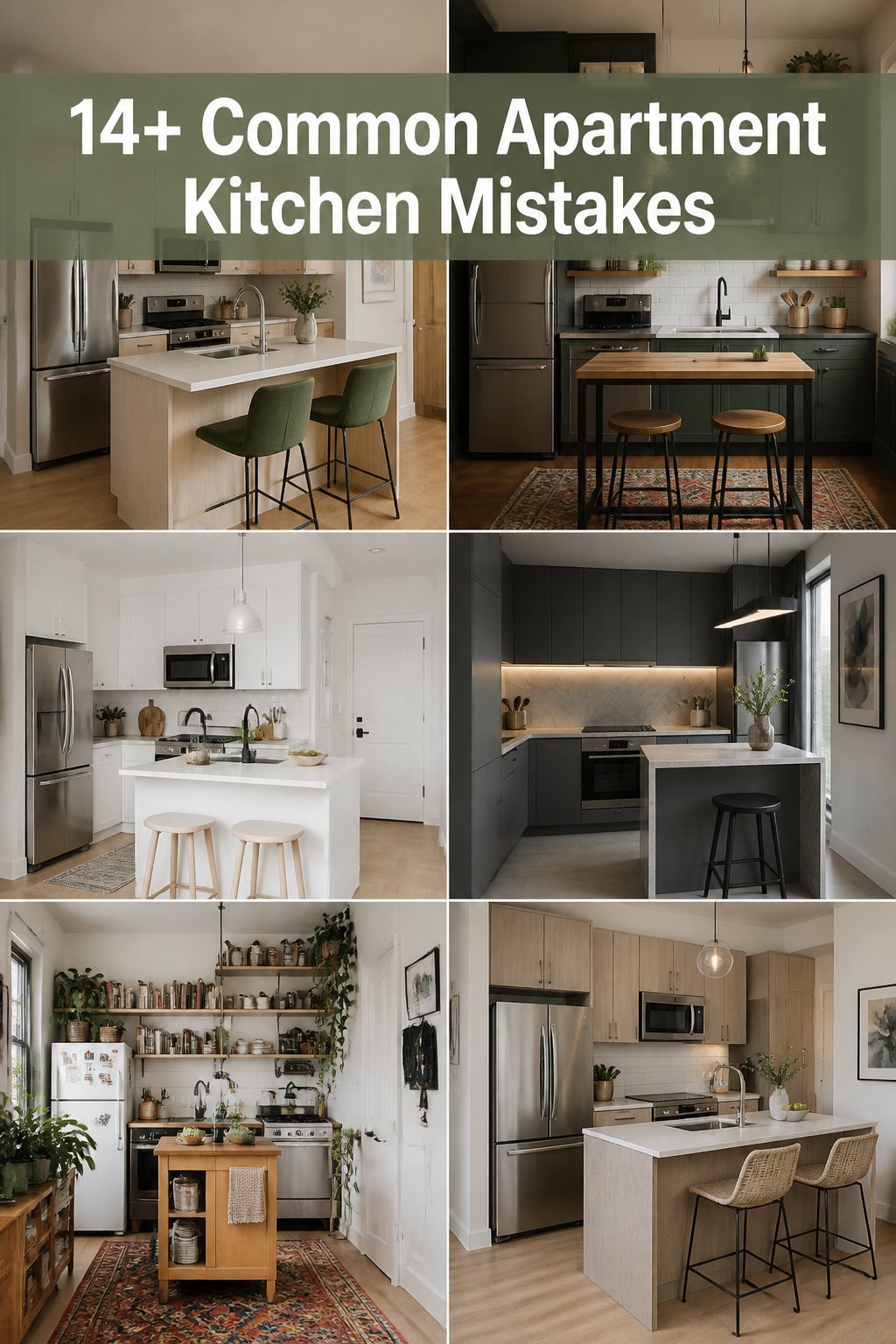
Small kitchens can still cook big meals. A few smart changes can make every meal feel easier.
1. Blocking the Counter With Too Many Things

When counters are crowded, cooking starts to feel tense and slow. A clear surface makes the kitchen look bright, calm, and ready for action.
Keep only the tools you use often within reach, like a knife block, a cutting board, or a coffee maker. Store the rest in cabinets, baskets, or drawer organizers so the room feels open and easy to clean. This simple habit costs little and gives you more room for prep, plating, and even a quick snack.
2. Using Bad Lighting Over the Prep Area

Dim light can make onions harder to chop and spills harder to spot. Bright, focused light gives the kitchen a fresh, clean look and helps food prep feel safer.
Try adding under-cabinet strips, a clip-on lamp, or a brighter bulb above the sink. Warm white light can make the space feel cozy, while cool white light can help you see food colors better. If you rent, choose peel-and-stick lights or plug-in options so you can improve the room without spending much.
Many people now like layered lighting because it feels modern and useful. You can also match the light style to your cabinets, metal handles, or backsplash for a more personal look. A small change here can make your kitchen feel more stylish without a full remodel.
3. Keeping Only One Cutting Board and One Knife

One dull knife and one tiny board can slow down even a simple dinner. A small set of good tools makes the kitchen feel more serious and more fun to use.
Use one board for vegetables and another for raw meat if you cook both. Pick a sharp chef’s knife, a small paring knife, and maybe a serrated knife for bread or tomatoes. Good tools can cost more at first, but they last longer and help you work faster with less mess.
You can personalize this setup with a wooden board, a colorful plastic board, or a knife strip on the wall. Many home cooks like slim magnetic holders because they save drawer space and look neat. The right tools can also make your kitchen feel unique, not just plain and basic.
4. Ignoring Storage Inside Cabinets

Deep cabinets often hide pots, lids, and snacks in messy piles. When storage is not planned, the kitchen looks smaller and cooking takes longer.
Use shelf risers, stackable bins, and lazy Susans to make the space work harder. Put everyday items in front and less-used items higher up or farther back. These helpers are usually low-cost, and they can save you from buying duplicates because you can finally see what you own.
5. Buying Too Many Big Appliances

It is easy to fill a small kitchen with gadgets that seem useful but mostly sit there. Too many large appliances can make the room feel packed and hard to clean.
Keep the items that match your real habits, like a toaster, blender, or rice cooker. If you only use a slow cooker once in a while, store it away instead of leaving it on the counter. Multiuse tools are a smart trend because they save space, money, and effort.
Try choosing items that match your style too, such as matte black, soft white, or brushed steel. This can make the kitchen feel more put together, even if it is small. A simple setup often cooks better than a crowded one because everything has a clear place.
6. Forgetting About Trash and Recycling Placement

A trash can in the wrong spot can turn cooking into a messy shuffle. When waste bins are easy to reach, the room stays cleaner and smells better.
Place the trash near the prep area and keep recycling close if you use it often. A slim pull-out bin or a small lidded can can fit neatly beside a cabinet or under the sink. This is a practical fix that does not need much money, yet it can make cleanup feel much faster.
You can also use separate bins with labels to keep paper, cans, and food scraps in order. Some people like hidden bins for a tidy look, while others prefer a cute bin that adds color to the room. Pick the option that fits your space and your daily routine.
7. Storing Spices in a Hard-to-Reach Place

Spices lose their magic when you cannot find them quickly. A neat spice setup makes cooking feel lively, colorful, and less stressful.
Keep spices near the stove, in a drawer insert, or on a small shelf where you can see the labels. Group them by type, like baking spices, savory spices, or hot spices. This saves time and helps prevent buying the same jar again and again.
Clear jars, matching labels, and a small rack can make the area look tidy and stylish. If you enjoy a personal touch, use handwritten labels or colored lids. Many renters like drawer spice trays because they are easy to move and usually cost less than built-in storage.
8. Not Planning a Landing Spot for Groceries

Walking in with bags and nowhere to set them down feels awkward fast. A landing spot near the door or fridge makes the whole kitchen work better from the start.
Use a clear section of counter, a small cart, or even a sturdy stool as a temporary drop zone. This helps with unloading, sorting, and putting cold foods away before they warm up. It also keeps the kitchen from turning into a pile of bags on the floor.
For a personal touch, add a basket for produce or a tray for mail and keys if the kitchen doubles as an entry space. Rolling carts are a current favorite because they add storage and can move when you need space. A simple landing spot can save time every single day.
9. Choosing the Wrong Cookware for the Stove

Not every pan works well on every stove, and that can cause burnt food or uneven heat. The right cookware makes meals look better and taste better too.
If you have a small apartment kitchen, choose a few sturdy pans that fit your burner size. A medium skillet, a saucepan, and a pot with a lid can handle many meals without taking over the cabinets. Good cookware may cost more at first, but it can heat more evenly and last for years.
Look for pans that stack well or have removable handles if storage is tight. Some people like colorful enamel pieces, while others prefer plain stainless steel for a clean modern feel. Either way, matching your cookware to your stove and your style can make cooking feel easier and more fun.
10. Leaving No Room to Dry Dishes

A wet sink full of dishes can make the whole kitchen feel stuck. A small drying area keeps the room neat and helps dishes dry faster.
Use a foldable rack, a mat, or an over-the-sink shelf if your counter space is limited. Keep it near the sink so water does not drip across the room. This small setup is usually cheap, and it can make cleanup feel much smoother after every meal.
Some people now like slim racks with a clean metal look, while others prefer soft silicone mats that roll up and store easily. You can personalize the area with a dish towel in your favorite color or a small tray underneath for drips. A tidy drying spot can make even a tiny kitchen feel more organized.
11. Skipping a Real Prep Zone

Chopping, mixing, and measuring all in random spots can make cooking feel messy. A real prep zone gives the kitchen a clear job for each area.
Pick one section of counter and keep it ready for cutting boards, bowls, and measuring cups. If space is tight, use a rolling cart or fold-down table as your prep spot. This setup keeps ingredients together and helps you move through recipes with less backtracking.
Try adding a small container for peels, a utensil cup, or a bowl for scraps to keep the space neat. A prep zone can be simple, but it should feel like your own. Many home cooks like to keep a plant, art print, or small lamp nearby to make the space feel warm and inviting.
12. Forgetting Ventilation and Smell Control

Strong cooking smells can linger in a small apartment for a long time. Better airflow makes the kitchen feel fresher and more pleasant after every meal.
Use the range hood if you have one, open a window when you can, and run a fan to move air around. A simple bowl of baking soda or a clean trash bin can also help with odor control. These fixes are low-cost and easy, but they can make a huge difference in a small room.
Fresh herbs on the windowsill or a small herb garden can add a nice smell and a pretty green look. Some people enjoy modern air purifiers or charcoal filters because they fit neatly in compact spaces. Good airflow is one of those quiet upgrades that makes cooking feel much more pleasant.
13. Keeping the Fridge Too Full or Too Empty

A fridge packed too tight makes food hard to see and easy to forget. A nearly empty fridge can feel sad and lead to extra takeout.
Use clear bins, labels, and simple shelf zones for dairy, leftovers, produce, and sauces. Keep the items you use most at eye level so they do not get lost behind taller containers. This helps reduce waste and saves money because food gets eaten before it goes bad.
Many people like clear storage because it looks clean and makes the fridge feel brighter. You can also make it personal with a small list on the door or a magnetic menu board. A well-managed fridge is a small habit that supports better cooking all week long.
14. Using Dull Decor That Makes the Space Feel Cold

An apartment kitchen should feel alive, not plain and tired. Small decor choices can make the room look warm and inviting without costing much.
Add a rug, a framed print, a colorful towel, or a bowl of fruit to bring in life and color. Choose pieces that match your taste, like soft pastels, bold patterns, or simple natural wood. These details help the kitchen feel more like your own place and less like a blank box.
Current kitchen style often leans toward mixed textures, open shelves, and small plants. You do not need a big budget to get that look, either. A few thoughtful items can make cooking feel happier and more personal every day.
15. Not Setting Up the Kitchen for Your Own Habits

Every cook has a different rhythm, and a generic setup can get in the way. A kitchen works best when it matches how you really cook, eat, and clean.
If you make coffee first thing, keep mugs and beans close by. If you bake often, store flour, sugar, and measuring tools in one easy spot. Personalizing the room around your habits saves steps, cuts stress, and makes the space feel truly useful.
Think about what you reach for most and place it where your hand naturally goes. You can also choose colors, handles, and storage pieces that fit your taste and budget. A kitchen made for your life will always feel better than one copied from a showroom.