
Japanese curry is cozy, rich, and full of comfort. It also loves a personal touch.
A small change can make the whole bowl feel new. That is the fun part of cooking it at home.
1. Pick a Curry Roux That Matches Your Taste
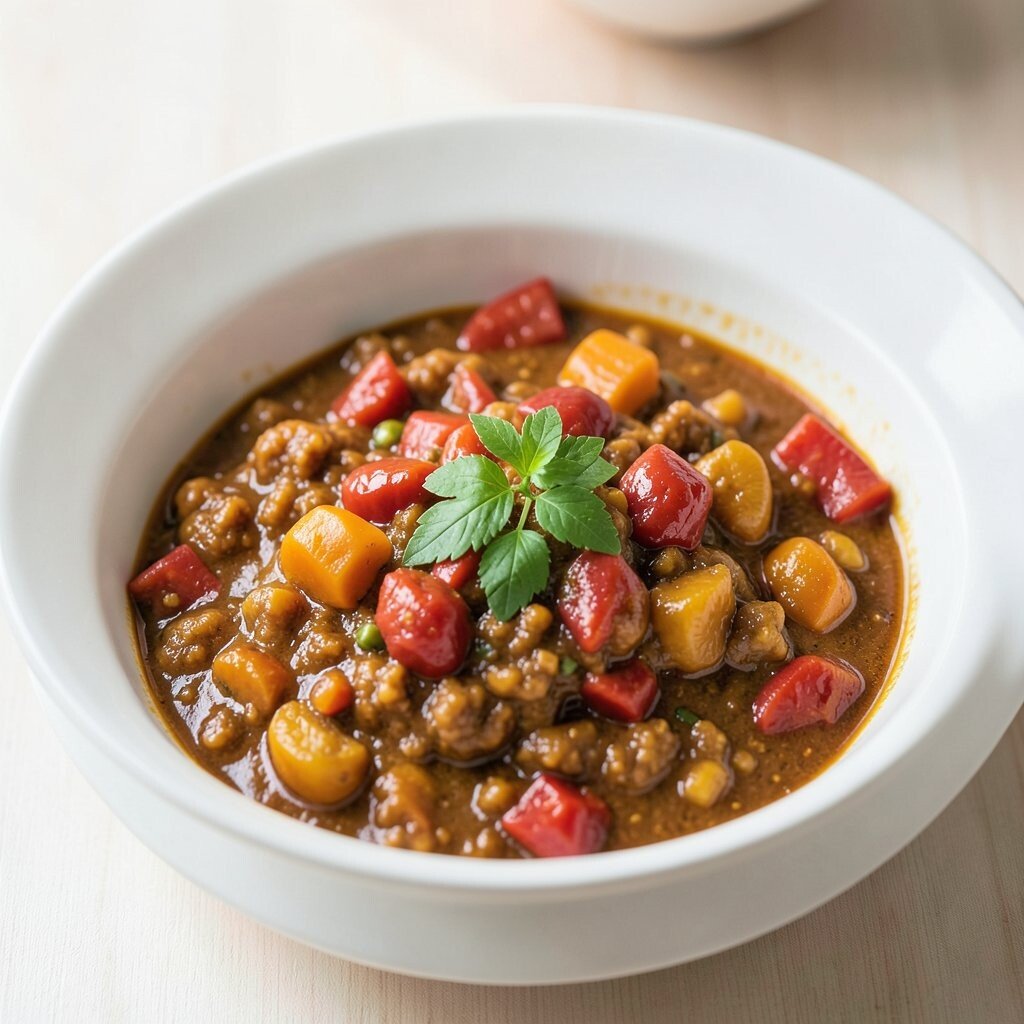
Store-bought curry roux blocks come in many styles, from mild and sweet to dark and bold. The color in the pot can look glossy brown, thick, and silky, which makes the meal feel warm and inviting.
Choosing the right roux saves time and keeps cooking simple. A milder box is great for kids, while a stronger one gives a deeper bite, and both can stay budget-friendly.
2. Add Fresh Fruit for Sweet Depth
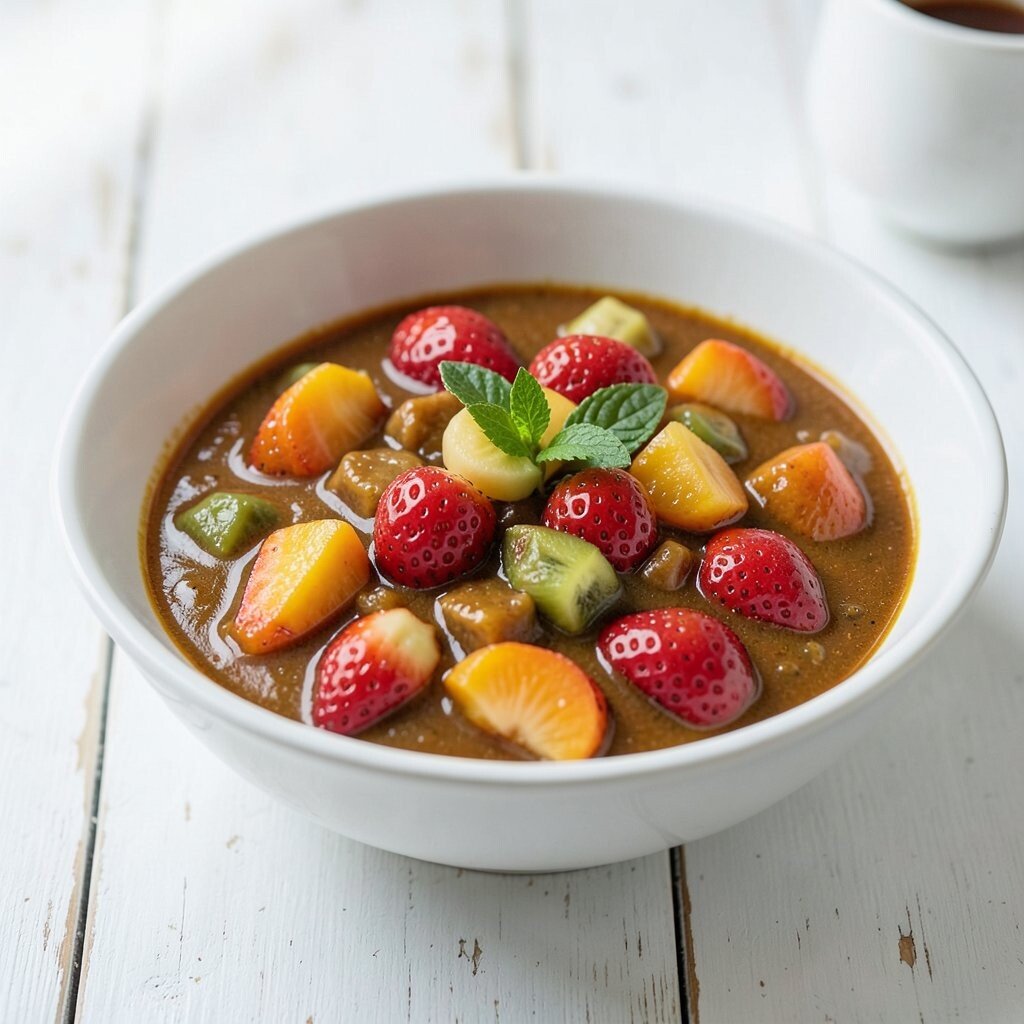
Grated apple, mashed banana, or a spoon of pear puree can make Japanese curry taste round and smooth. The sauce often turns shiny and rich, with a gentle sweetness that balances the spice.
This trick is handy when you want the curry to feel softer and more special. It also helps use fruit that is getting very ripe, which can save money and cut waste.
Try adding fruit a little at a time so the curry does not become too sweet. Fresh fruit is a current home-cooking trend because it gives a handmade feel without much effort.
3. Build Flavor with Extra Vegetables
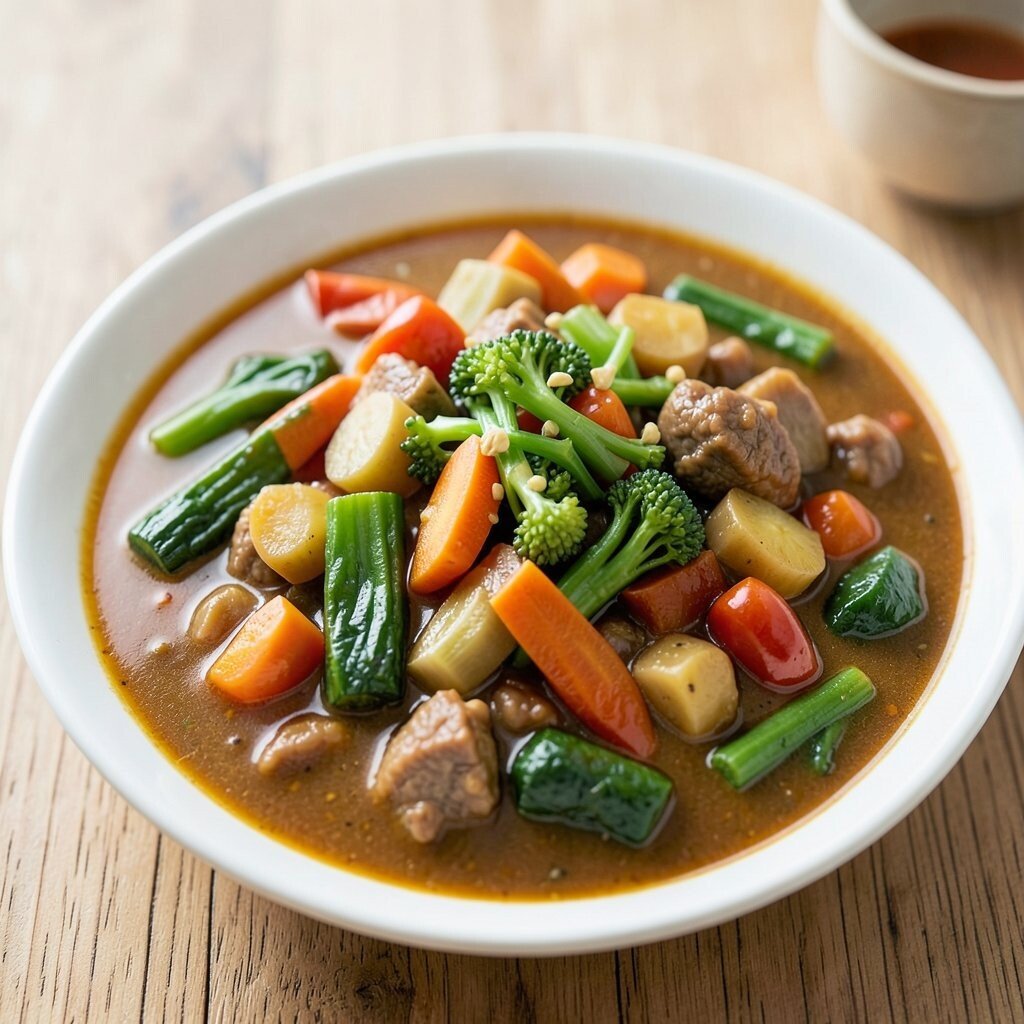
Carrots, onions, potatoes, and mushrooms are the classic base, but many other vegetables work well too. A bowl filled with colorful chunks looks bright and hearty, and the mix adds more texture.
Roasted pumpkin, sweet potato, or bell pepper can make the curry taste fuller. These choices are great for adding fiber, stretching the meal, and keeping the grocery bill under control.
Cut the vegetables into similar sizes so they cook evenly and look neat in the bowl. If you want a more modern feel, try baby corn, spinach, or broccoli for a fresh twist.
4. Use Different Proteins for a New Feel

Chicken, beef, pork cutlets, shrimp, tofu, and chickpeas all work well in Japanese curry. The finished plate can look rustic and rich, with each protein giving a different shape and color.
Protein choice changes the whole mood of the meal. Chicken keeps things light, beef feels hearty, and tofu can make the dish cheaper and easier for meatless nights.
Season the protein well before adding it to the pot so the flavor starts strong. If you want a trendy home-style bowl, top the curry with a soft egg or crispy fried tofu.
5. Stir in the Right Spices
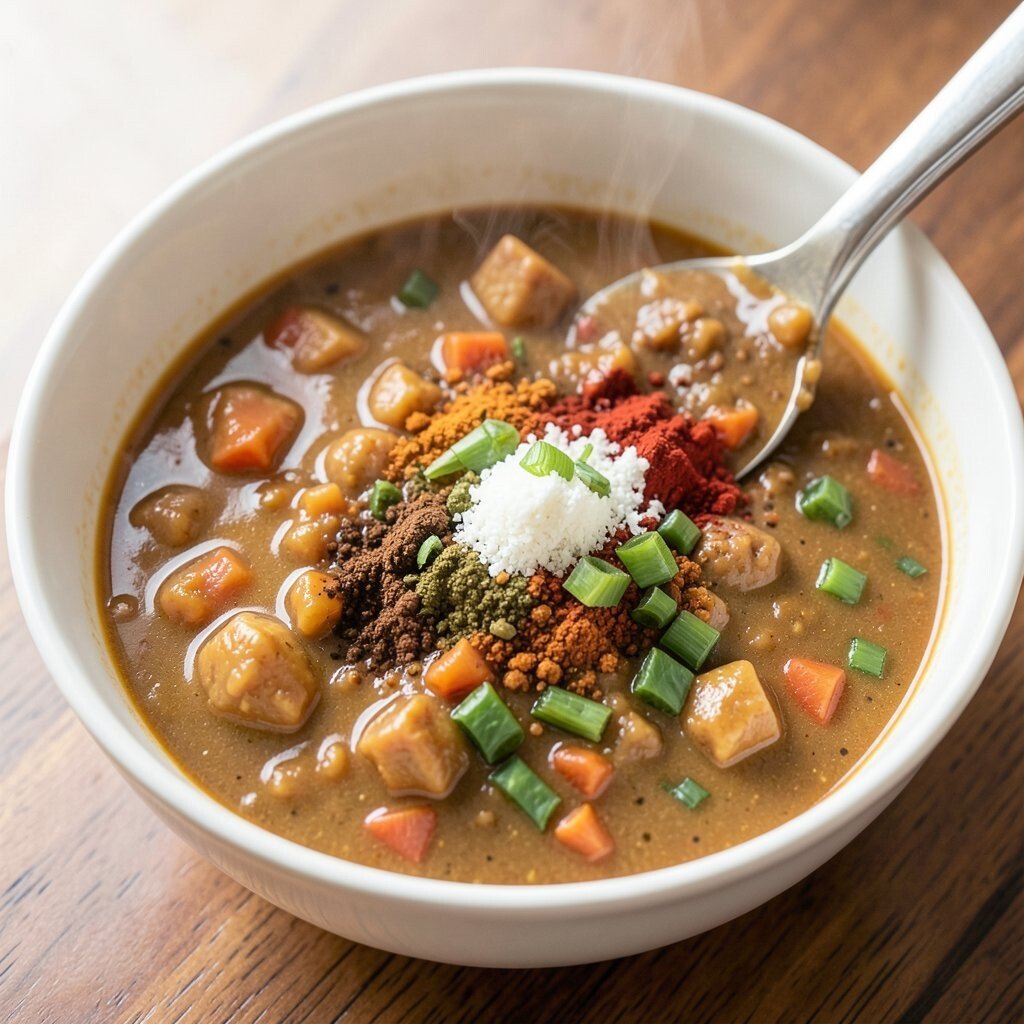
Japanese curry is mild by design, but extra spices can make it more lively. The sauce can take on a warm golden-brown glow when you add the right mix.
Try a little garam masala, cumin, turmeric, or chili powder for a stronger voice. These spices are often cheap, and a small jar can season many meals.
Add spices near the end so they stay bright and do not turn bitter. If you like current food trends, a tiny pinch of smoked paprika can give the curry a fun modern edge.
6. Change the Liquid for a Deeper Sauce

Water is the usual choice, but broth can make Japanese curry taste richer. The sauce may look darker and smell more savory, which makes the whole kitchen feel welcoming.
Chicken broth, vegetable broth, or beef stock each bring a different note. Broth can cost a bit more than water, yet it often gives a bigger flavor payoff for the price.
Use low-salt broth if you want more control over the final taste. For a cleaner, lighter bowl, many home cooks now like mushroom broth because it adds depth without heaviness.
7. Finish with Butter, Cream, or Yogurt
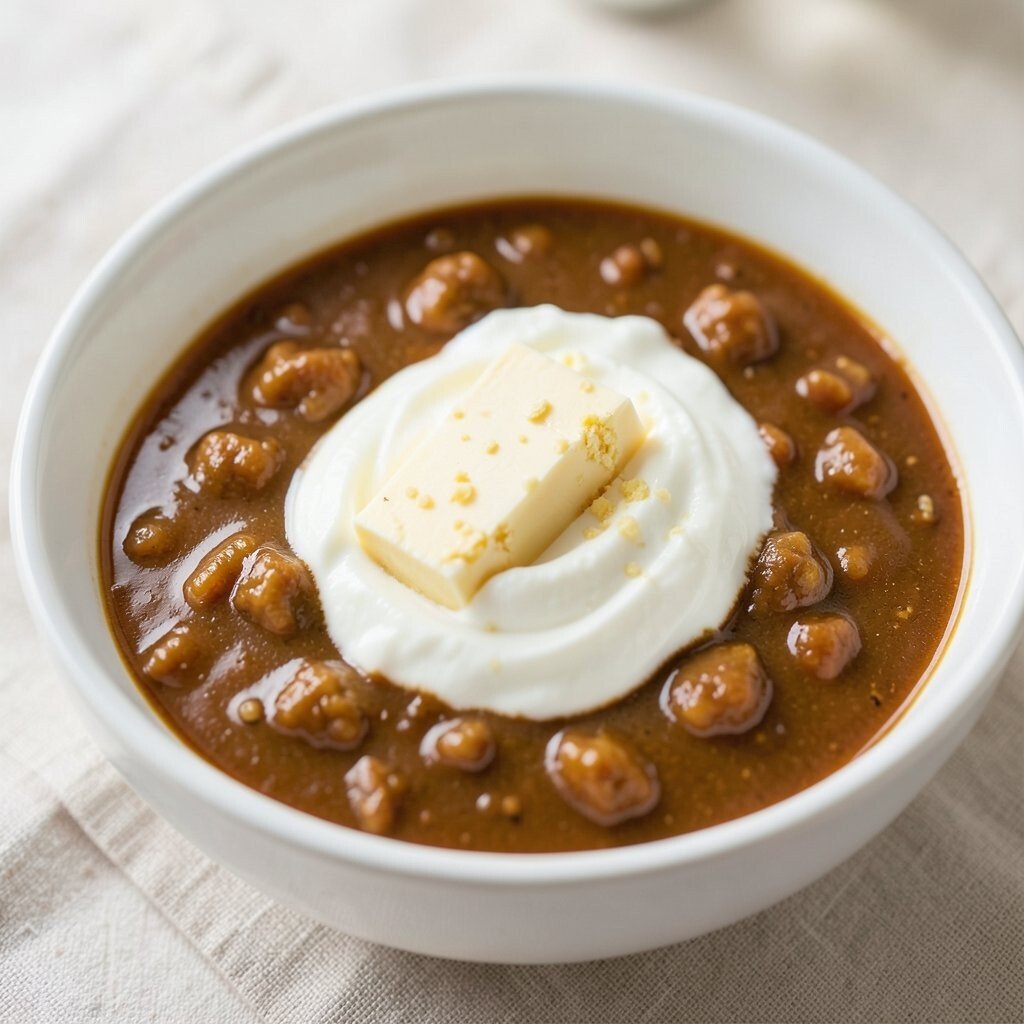
A small spoon of butter can make the curry glossy and smooth. Cream or yogurt can soften the spice and give the sauce a silky, rich look.
This is a simple way to make the meal feel extra cozy. Butter is easy and low-cost, while yogurt can be a smart pick if you want a tangy finish with less heaviness.
Stir dairy in at the end so it blends well and stays smooth. If you want a fresh taste that fits current home trends, a little plain yogurt on top can brighten each bite.
8. Add Heat in a Gentle or Bold Way
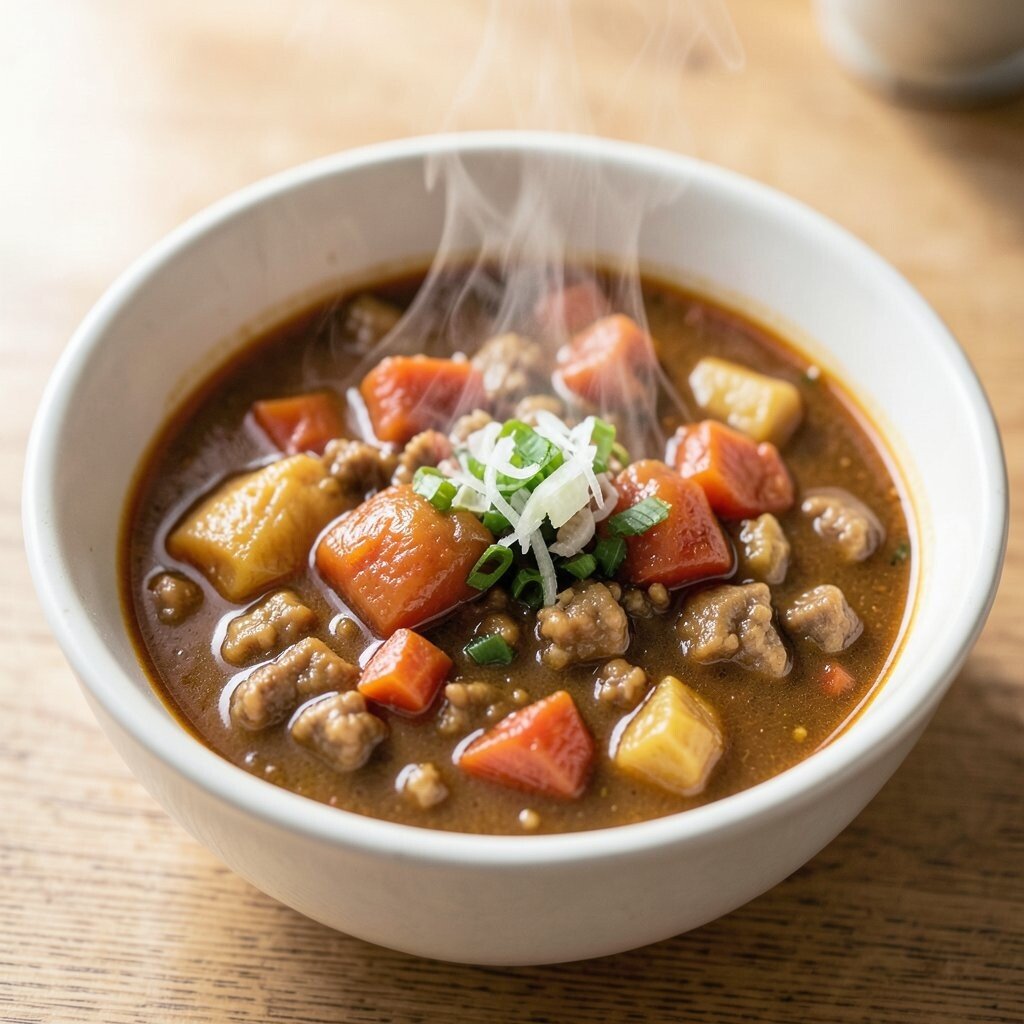
Some people like Japanese curry mellow, while others want a little fire. A bowl with red chili flakes or sliced fresh pepper can look exciting and full of energy.
You can keep the base mild and serve hot sauce on the side. That makes the meal easy for mixed tastes at one table and keeps the cost low because a little heat goes a long way.
Try chili oil, cayenne, or shichimi togarashi for a clean spicy kick. This kind of custom heat is popular now because it lets each person build their own bowl.
9. Make It Extra Savory with Umami Boosters

Umami is the deep, tasty flavor that makes curry feel full and satisfying. The sauce can turn dark, smooth, and almost shiny when you add the right savory boost.
Try a spoon of soy sauce, miso, Worcestershire sauce, or tomato paste. These pantry items are often affordable, and they can make plain curry taste much richer.
Add only a little at first, then taste and adjust slowly. A small amount of grated cheese on top is also a trendy touch that gives the curry a creamy, salty finish.
10. Change the Toppings for Color and Crunch

Toppings can turn a simple bowl into something special and fun to eat. Golden fried onions, bright parsley, and crisp pickles make the plate look lively and neat.
Try tonkatsu, soft-boiled eggs, shredded cabbage, or sesame seeds for more texture. Some toppings cost very little, yet they make the meal feel like it came from a favorite cafe.
Keep a few topping ideas ready so you can match the curry to your mood. Pickled ginger, fukujinzuke, or a crunchy salad on the side can fit both classic and modern tastes.
11. Adjust the Sweetness and Sharpness

Japanese curry tastes best when sweet and sharp flavors stay in balance. The sauce can look thick and smooth, with a gentle shine that hints at a well-made pot.
A little honey, sugar, or grated fruit can soften the edges. A splash of vinegar, lemon, or pickled liquid can brighten the dish and keep it from feeling too heavy.
Change these parts in tiny steps so the flavor stays easy to control. This method is useful for home cooks on a budget because it lets simple ingredients taste more polished.
12. Serve It in New Ways

Japanese curry does not have to stay in one plain bowl. It can look playful and new when served over rice, noodles, bread, fries, or even baked in a casserole dish.
This makes leftovers feel fresh and helps stop food waste. A curry bread sandwich, curry udon, or rice bowl with a fried egg can be low-cost and very fun to eat.
Serving style is a great place to show your own taste, especially if you like current comfort-food trends. Try small ramekins for dipping, big family platters for sharing, or lunch boxes for an easy meal on the go.