
Crunchy carrots are waiting, and your peeler is about to do more than you think. Try these simple ideas for faster prep and better flavor.
1. Ribbon Carrot Noodles
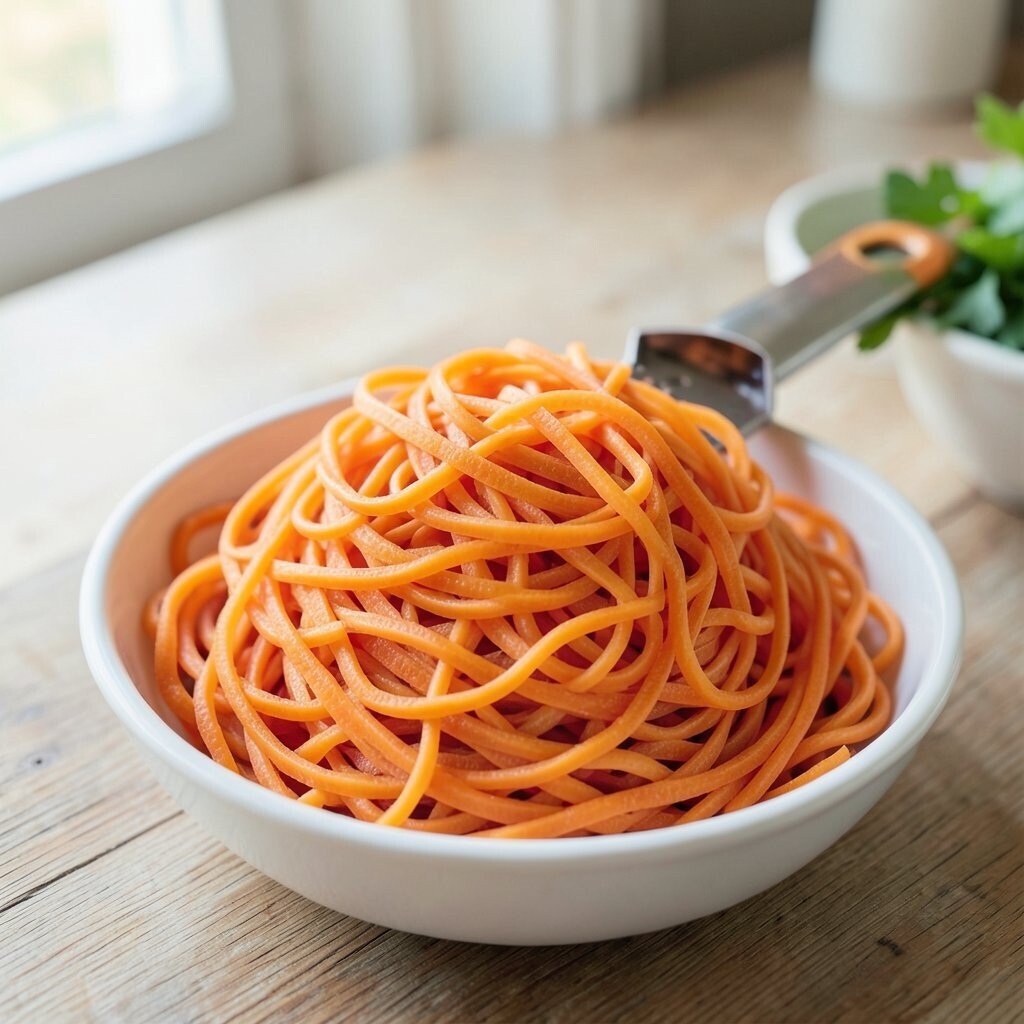
Use a standard Y-peeler to shave carrots into long ribbons. Keep your carrot steady by trimming one side so it won’t roll.
Heat a skillet with a teaspoon of olive oil, then toss the ribbons for 30 to 60 seconds so they stay bright and slightly crisp. For extra flavor, add a pinch of salt and a squeeze of lemon right at the end. Serve with garlic yogurt or a light soy-honey sauce for a quick, low-effort meal.
2. Zucchini “Spaghetti” with Wide Shaves
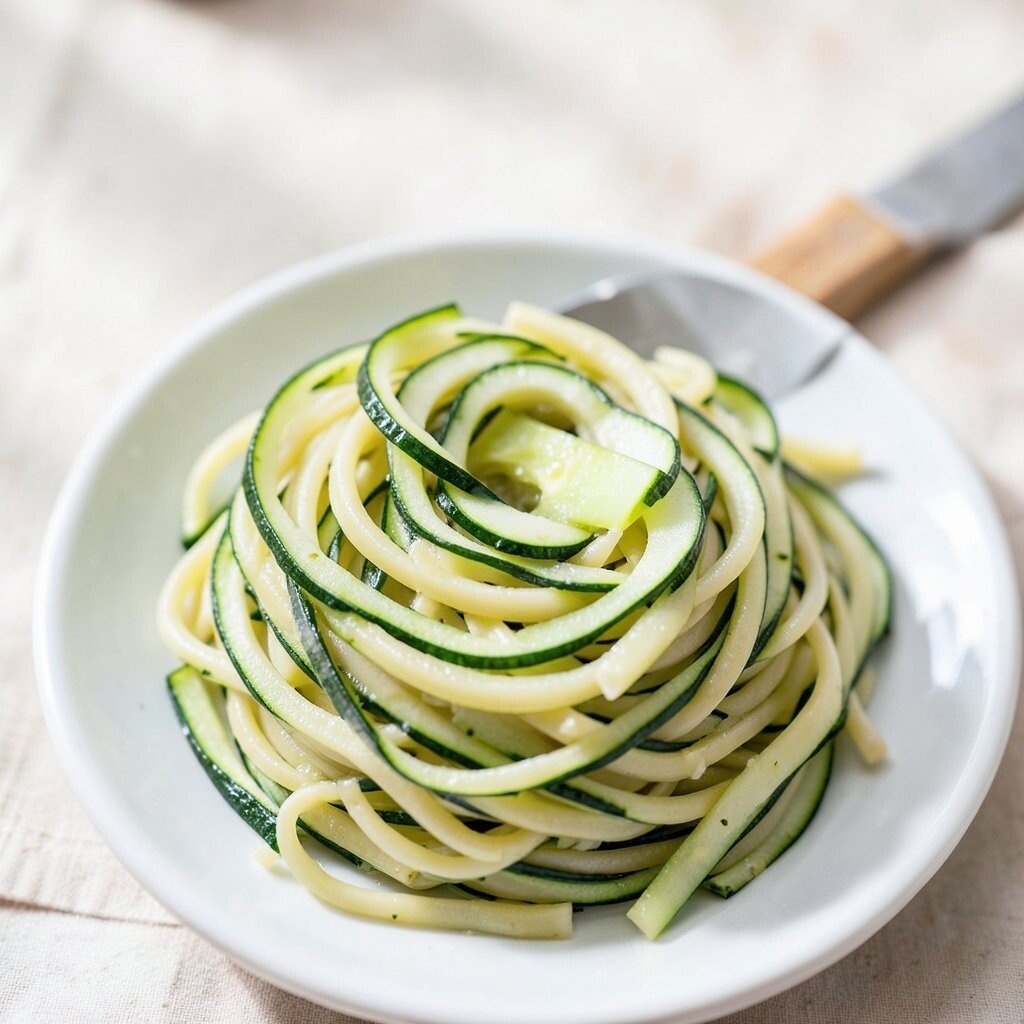
Choose a zucchini that feels firm and carve wide strips with a straight-blade peeler. Widening the cut helps the strands feel more like pasta.
For best texture, don’t overcook; sauté for just a minute or use them raw in a cold salad. Try topping with chopped tomatoes, basil, and a drizzle of balsamic glaze. If you want it warmer, steam for a few minutes instead of boiling.
Add a sprinkle of grated Parmesan and cracked pepper to make it feel restaurant-style. You can also spiral the leftovers from thicker sections for bite-sized “chunks.” A basic peeler works, but a wide blade can give more uniform strands.
3. Potato Spiral Fries (Not the Oven Kind)
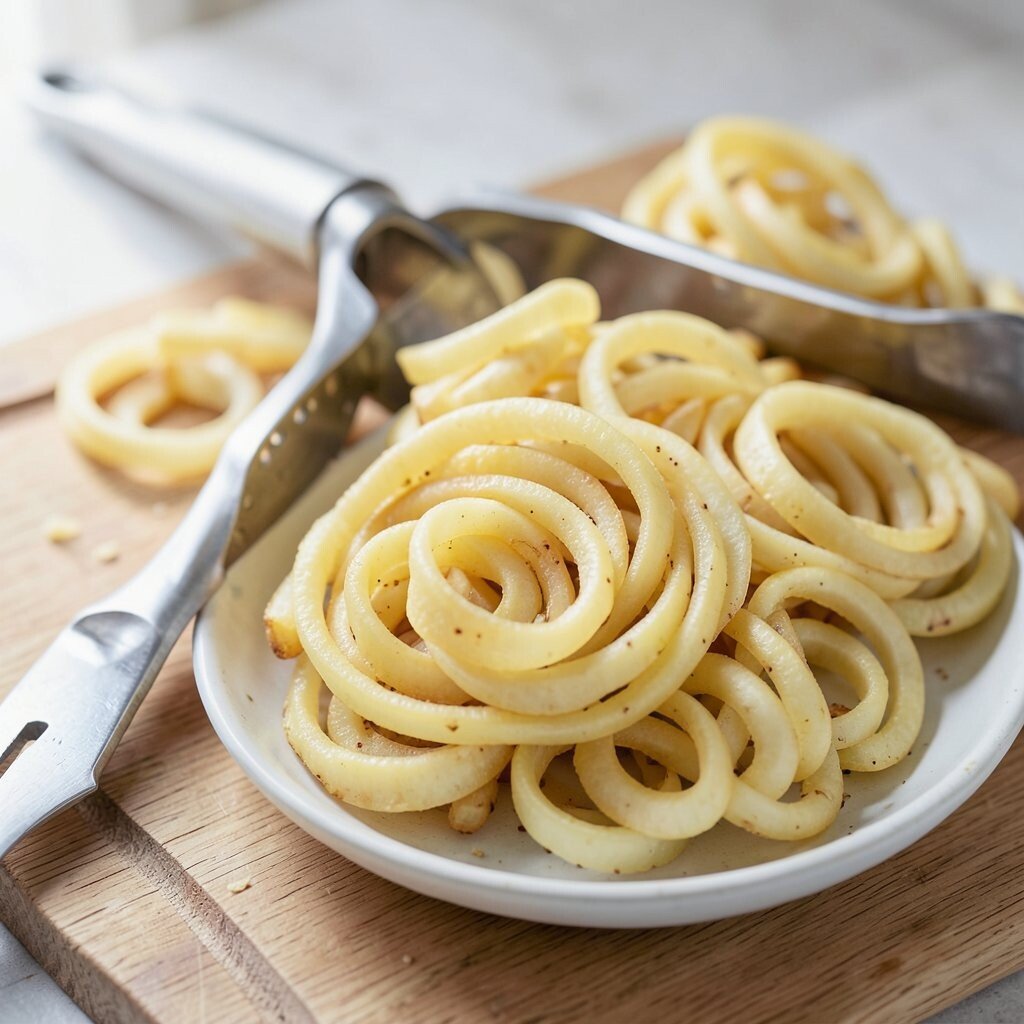
Peel potatoes into thin spirals, then cut longer ribbons into fry-length pieces. Rinse them briefly to remove extra starch.
Pat dry carefully, then toss with oil and a little salt before air-frying or pan-frying. Spread them out so they crisp instead of steaming. If your peeler leaves uneven edges, trim with kitchen scissors for a clean look.
For seasoning ideas, mix smoked paprika, garlic powder, and black pepper. Another tasty option is tossing hot fries with vinegar and a dust of chili. This method is handy because you can make portions fast without standing at a cutting board.
Keep the cost low by using whatever potatoes you already have. Today’s trend is less oil and shorter cook times, and spirals help because they cook more evenly. If you use an inexpensive peeler, just expect a little variation and embrace rustic shapes.
4. Citrus Peel for Instant Garnish
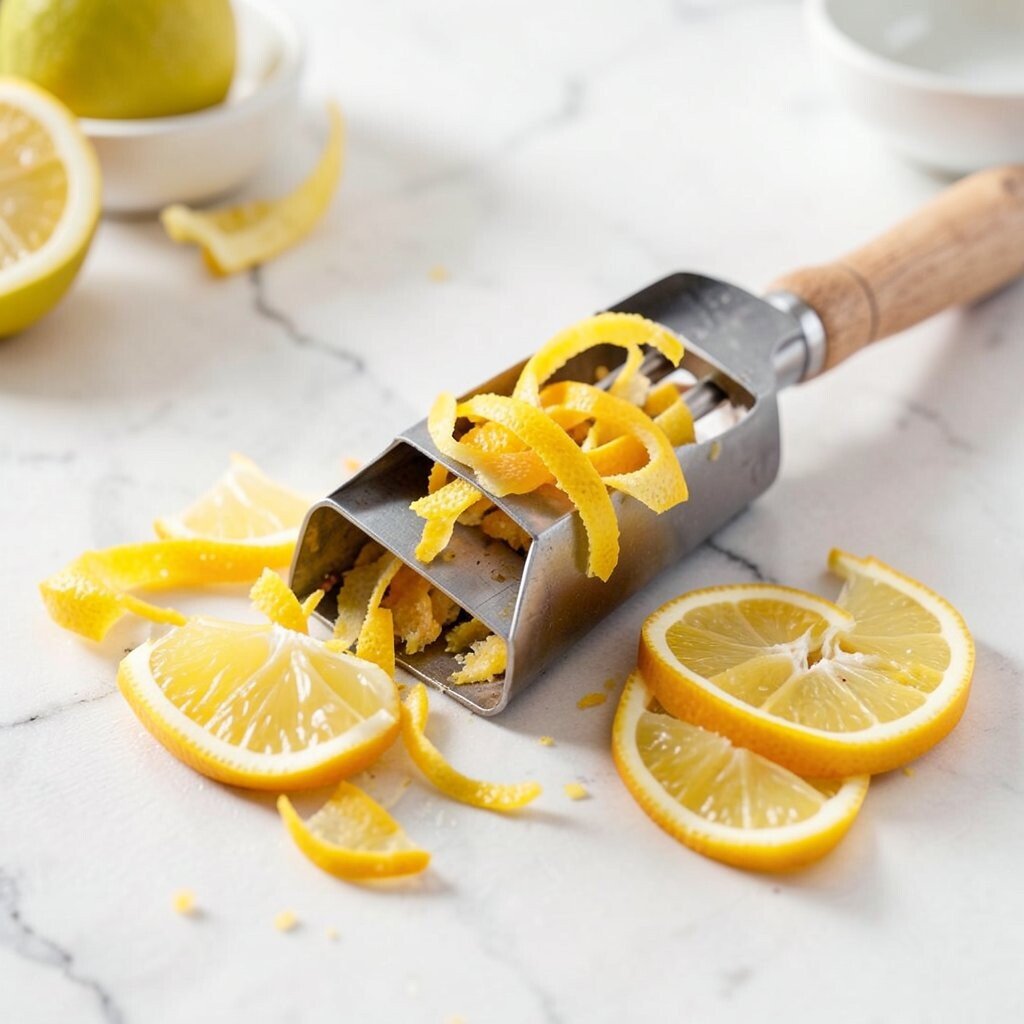
Remove strips of lemon or orange peel with a peeler, then twist them into curls. Try using only the colored part, not the bitter white pith.
Use the curls in cocktails, yogurt bowls, or on roasted vegetables for a fresh smell. For a safer, cleaner peel, press lightly and keep your wrist steady. This idea costs almost nothing and upgrades ordinary food fast.
5. Cucumber Ribbon Salad with Herby Drizzle
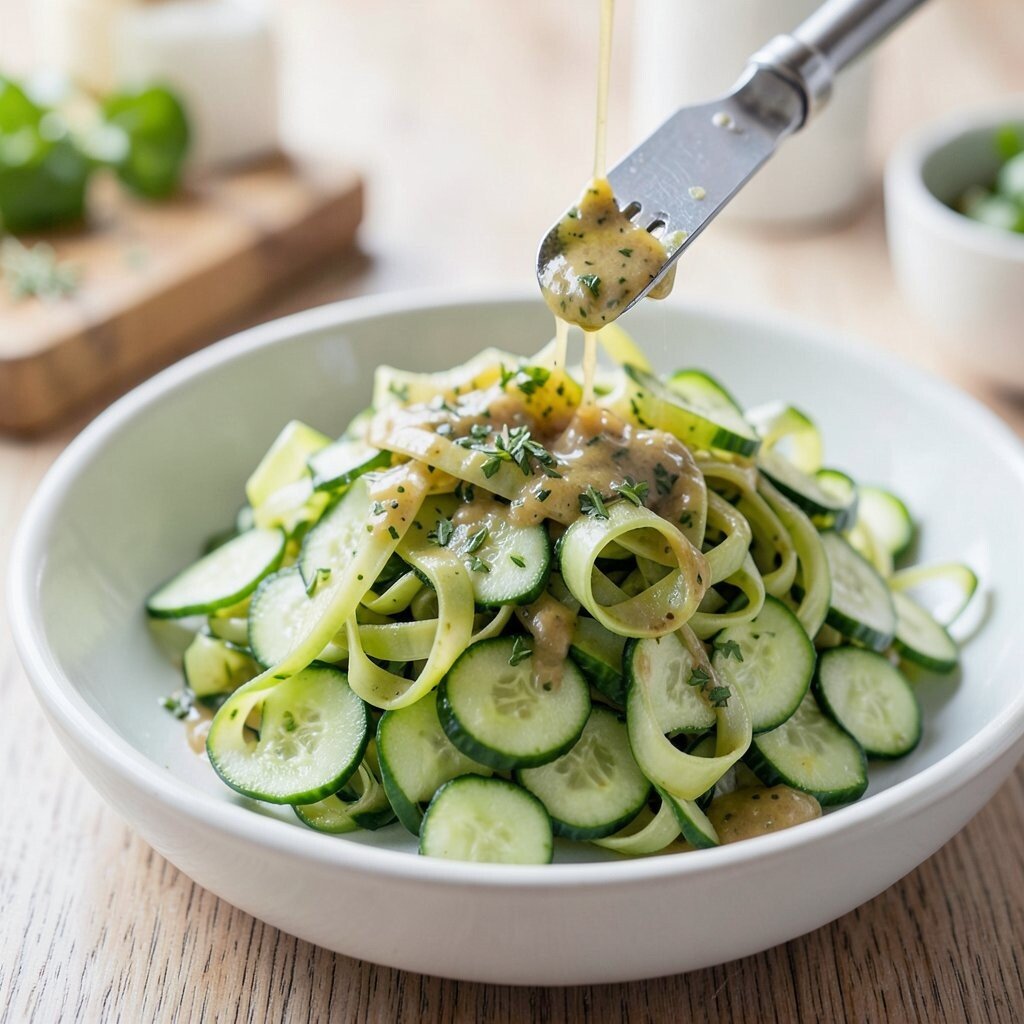
Peel cucumber into ribbons, then layer them in a bowl like you’re making edible streamers. A serrated peeler can help the ribbons grip dressing.
Mix yogurt, chopped dill, lemon juice, salt, and pepper, then spoon over the ribbons. Add thinly sliced red onion for crunch and a small burst of color. If you prefer no dairy, try olive oil with vinegar and a pinch of sugar instead.
For personalization, add feta, sesame seeds, or chopped cucumber cores turned into tiny pieces. Keep the cucumber cold to keep the ribbons crisp and not watery. A basic peeler and a sharp cucumber are the only supplies you truly need.
6. Eggplant Skin “Gliding” for Tender Slices
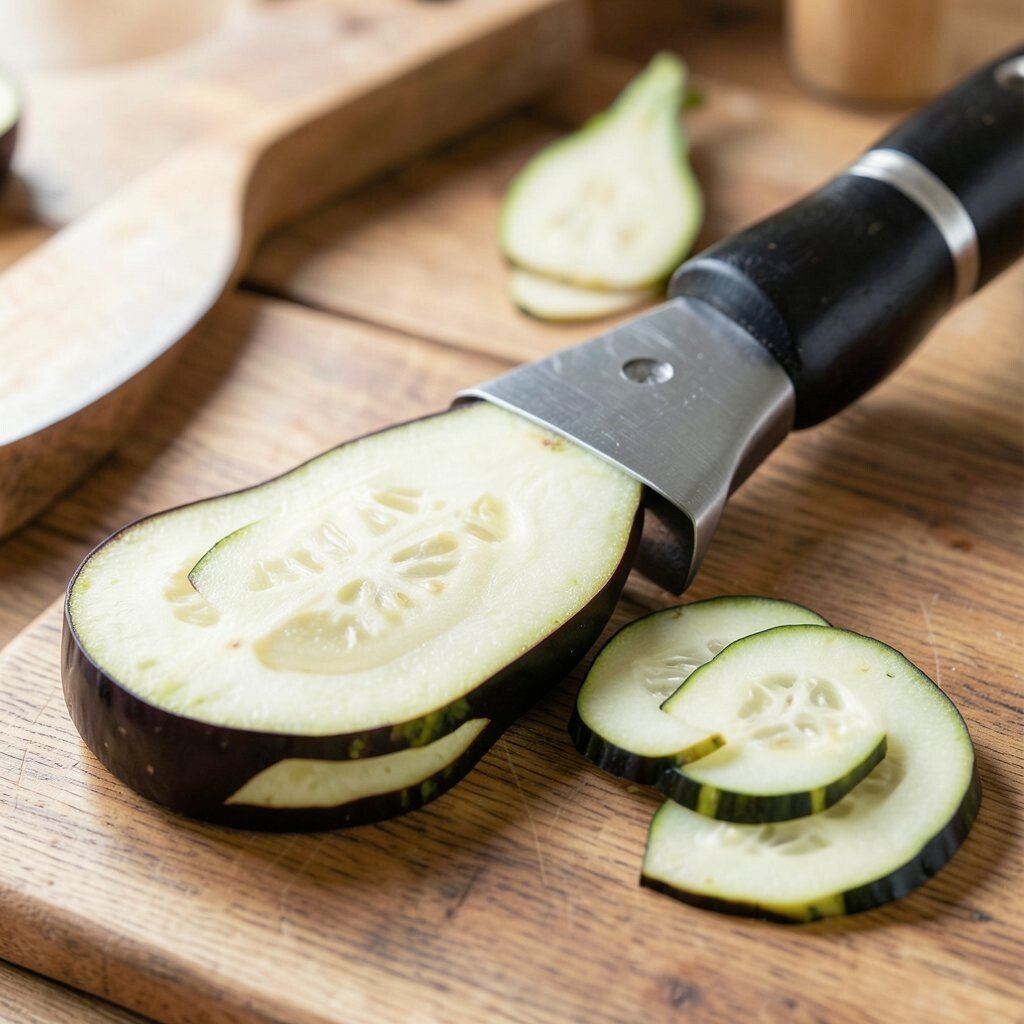
For a softer bite, peel just partway down the eggplant so you keep some skin for texture. Use gentle strokes and stop when you like the balance.
Slice the peeled sections into thin sheets, then roast or grill until browned and silky. The partial peeling reduces bitterness and can also help sauces cling better. If you want deeper flavor, leave a strip of skin intact as a natural contrast.
This is a great time-saver when you’re cooking for picky eaters. Many home cooks are aiming for less bitterness without masking flavors, and this method fits that goal. Your cost stays low because you’re using one vegetable and one tool.
7. Watermelon Snow: Peeling for Quick Shapes
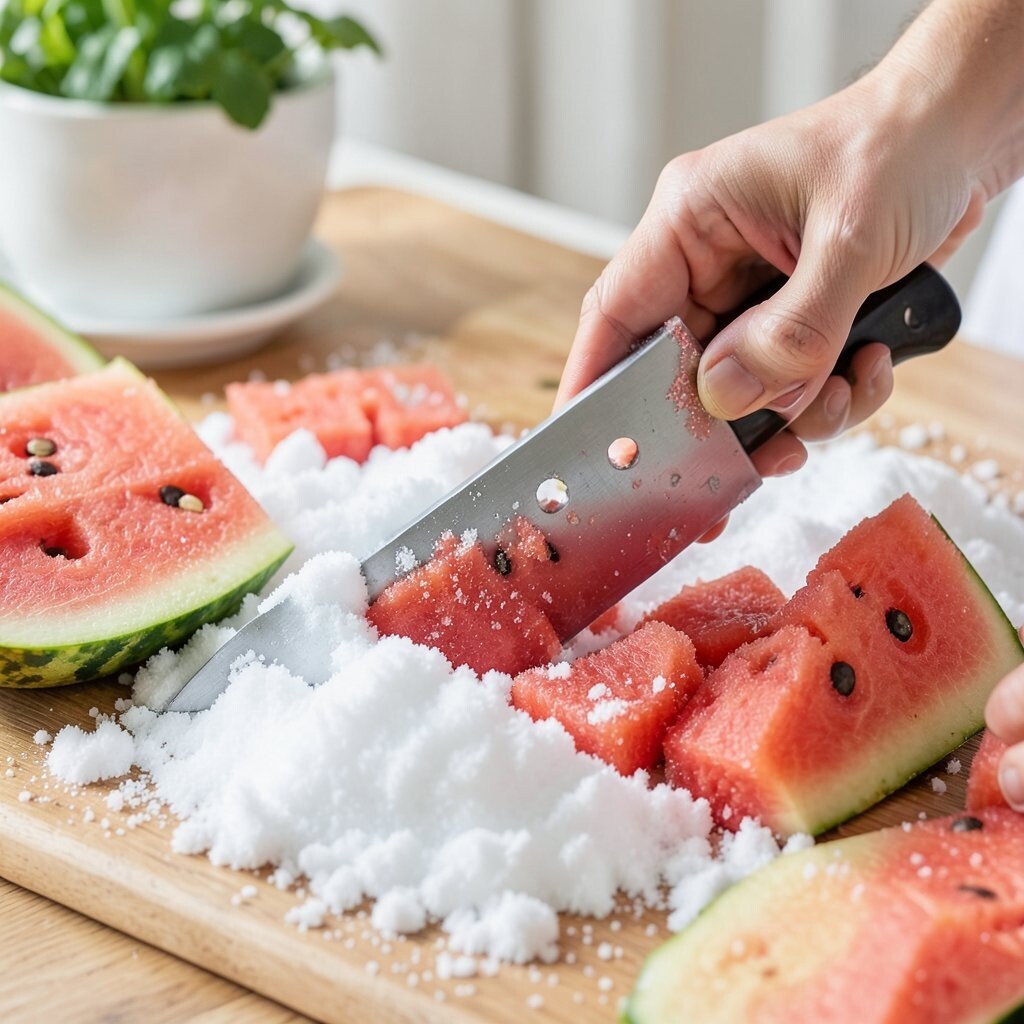
Chill watermelon well, then peel off thin strips to create “shave-like” pieces. It feels fun and looks playful in a bowl.
Use a peeler to remove the rind, then shave the fruit into light curls. Toss with lime juice and a pinch of salt, or add mint for a cooling finish. If the watermelon gets soft, pause and chill again for a few minutes.
For personalization, sprinkle tajin or chili-lime powder, or add berries for extra color. This trend of fresh “shaved” fruit is popular at summer markets, and your kitchen can match it. A standard peeler is enough, but a smoother blade makes cleaner curls.
8. Carrot-Lime Beauty Slaw
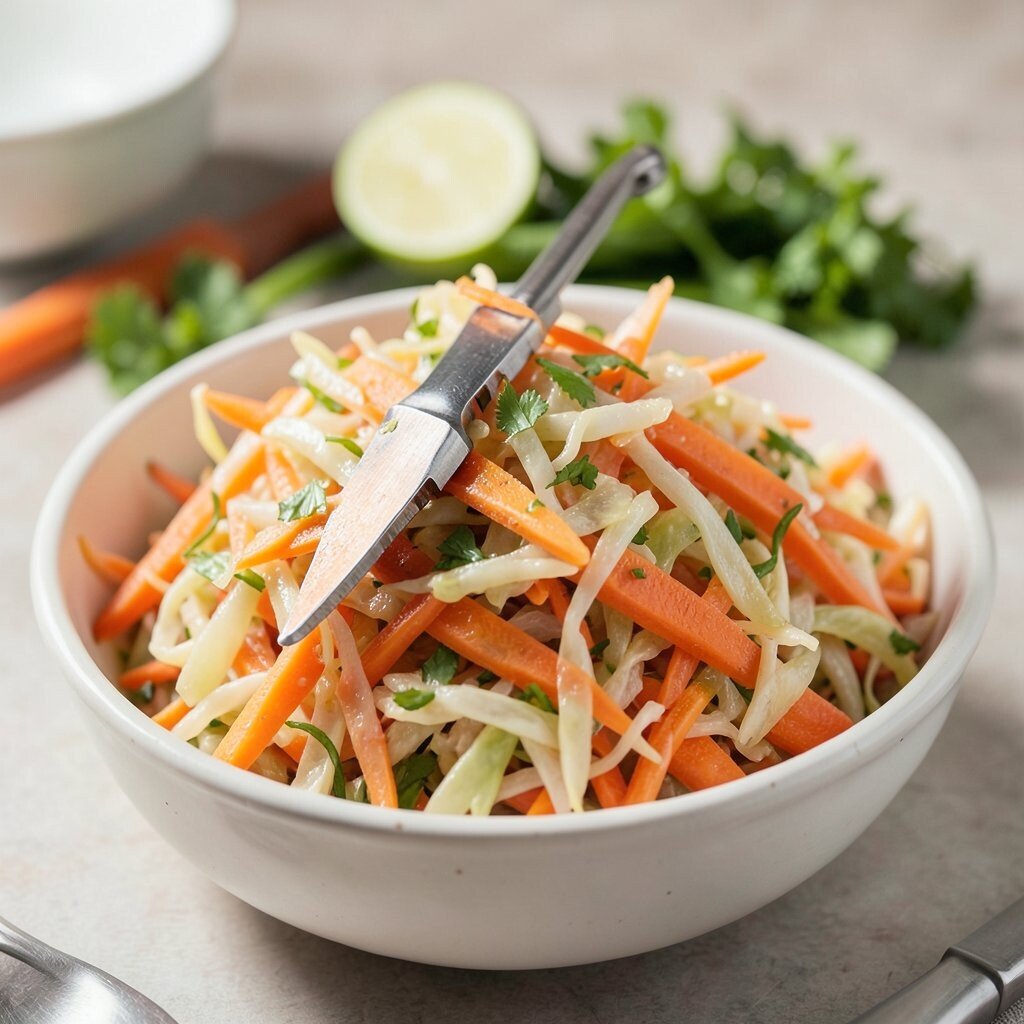
Peel carrots into long, thin curls, then cut them into manageable lengths. The curls look fancy without needing any special gadget.
Combine with shredded cabbage or kale, then add a simple lime dressing. A drizzle of olive oil, lime juice, salt, and a small spoon of honey makes it bright. Let it sit for 10 minutes so flavors blend.
For a bolder taste, add grated ginger and a pinch of cumin. You can also top with toasted pepitas for crunch. Cost is friendly because you’re stretching one carrot across a larger salad.
This idea works especially well when you want color on the plate. Many people now prefer lighter slaws with more visual texture, and ribbons deliver that instantly. If your peeler makes thicker strands, just cut them into smaller curls.
9. Onion Peel “Noodles” for Soup Texture
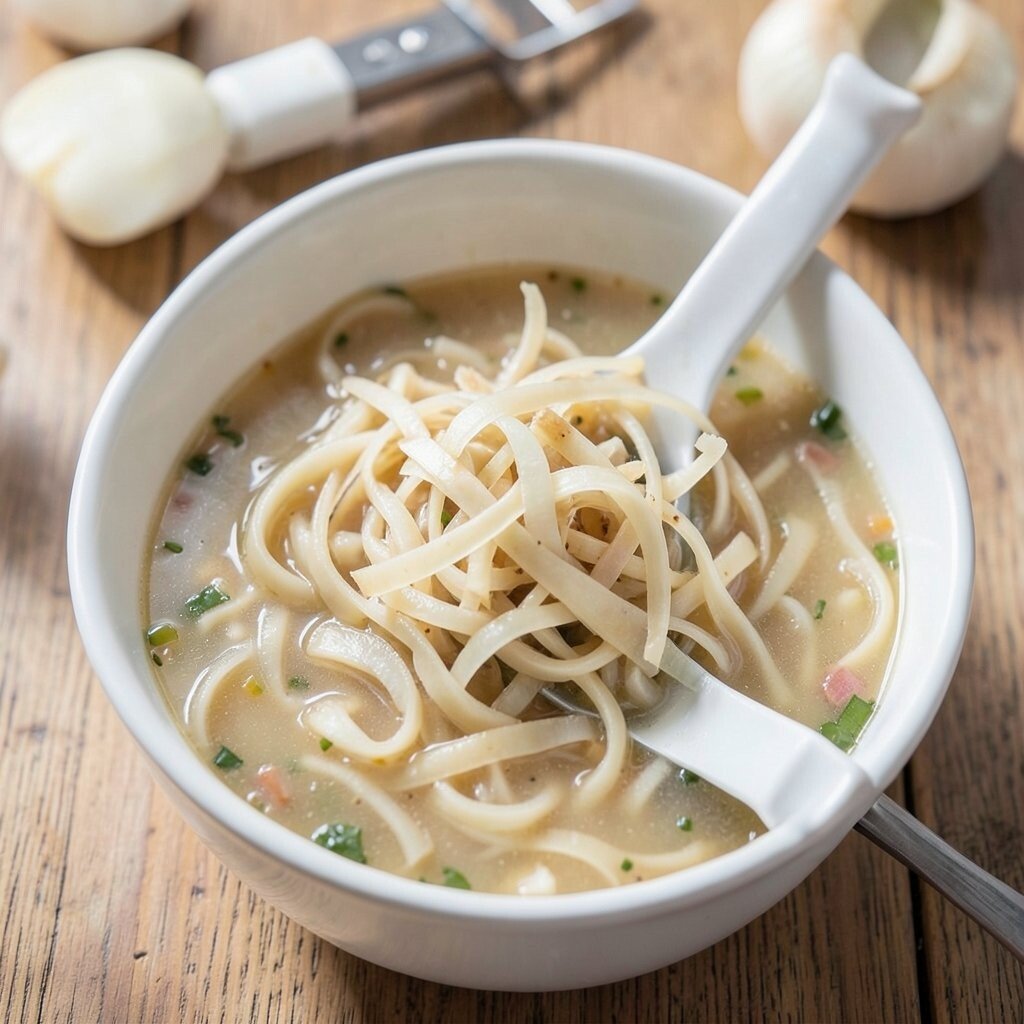
Peel onions into thin layers, then use the peeler to shave longer strips for soup. This method is gentle compared to chopping, and it cooks down quickly.
Add the onion strips toward the end of simmering so they keep a bit of structure. If you want sweetness, sauté them first, then drop them into broth. Keep a small bowl handy for papery bits so cleanup stays quick.
Personalize by seasoning your soup base with bay leaf, thyme, or smoked salt. A peeler makes the strips consistent, which helps cooking timing. You don’t need extra tools, so it’s a budget-friendly trick.
10. Sweet Potato “Skin-On” Crunch Strips
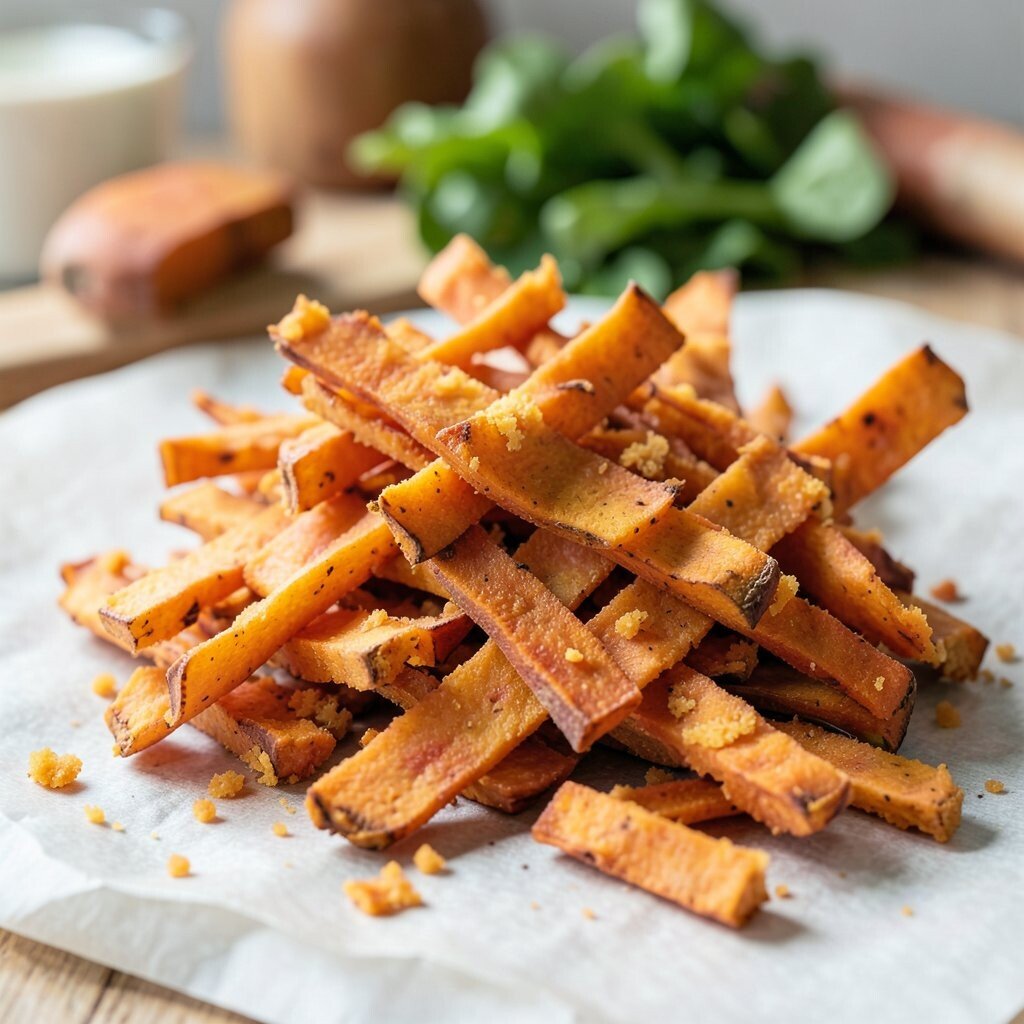
Scrub sweet potatoes, then peel very lightly so some skin stays on. Use thinner shaves for crisp strips or thicker shaves for softer bites.
Soak cut strips in cold water for 15 minutes, then pat dry and roast or air-fry. Toss with oil, salt, and cinnamon for a sweet option, or chili powder for savory crunch. Make sure the oven is hot so the edges brown.
Try adding grated garlic after cooking for a fresh punch. This is a fun way to reduce waste because you’re using more of the potato. A standard peeler works, but a peeler with a firm grip can make thin cuts easier.
11. Apple Peel Curl Chips for Snacks
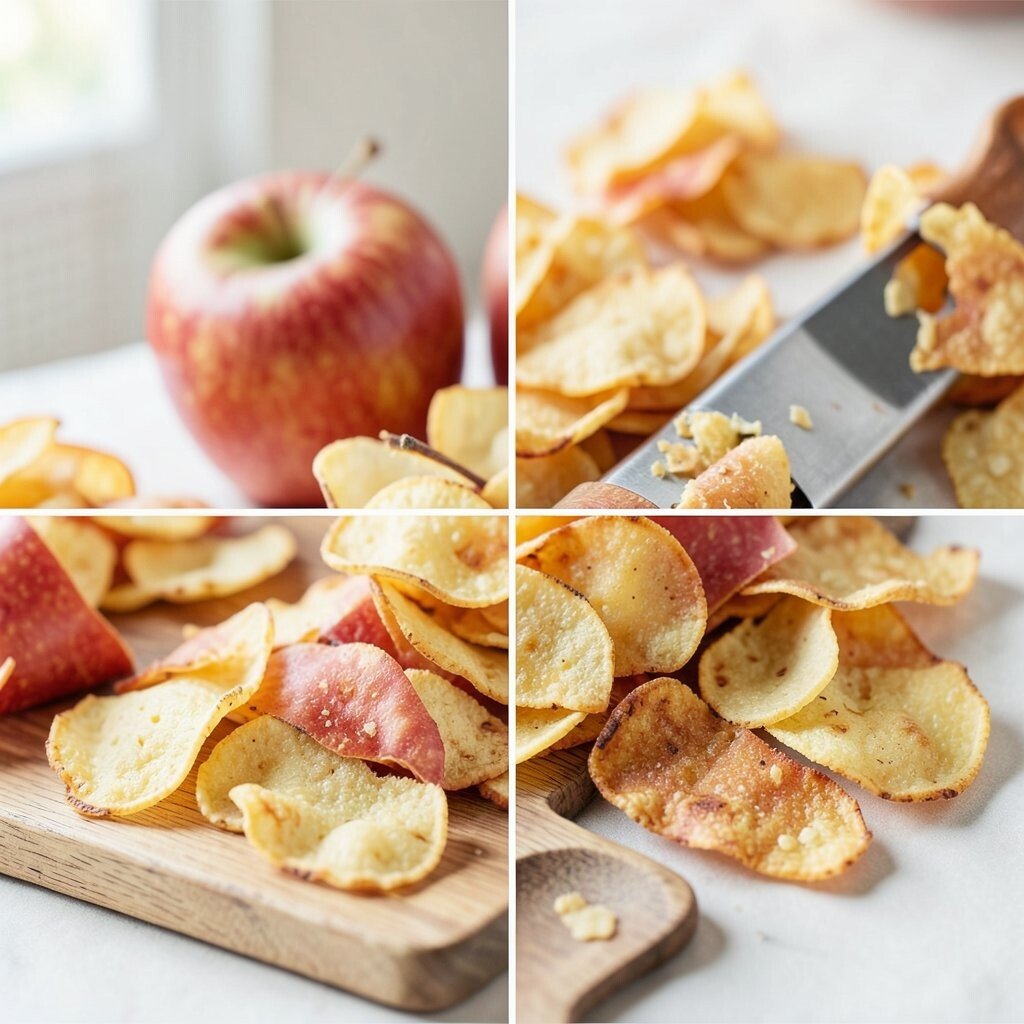
Core an apple, then peel long spirals and keep the strips intact. Pat them dry and spread out for even baking.
Lightly toss peels with a tiny bit of honey or cinnamon, then bake at a moderate temperature until crisp. Flip once for better color. If your strips curl too much, flatten gently while they’re still warm.
For personalization, add a pinch of nutmeg or a squeeze of orange juice in the coating. This is a creative snack that uses the peel instead of throwing it away. Cost stays very low because you’re turning scraps into something crunchy.
People love these as “zero-waste” treats, especially for lunchboxes. If you’re new to peeling, start with firm apples so the peels don’t tear. A vegetable peeler with a sharp edge matters here.
12. Beet Ribbon Salad with Simple Vinaigrette
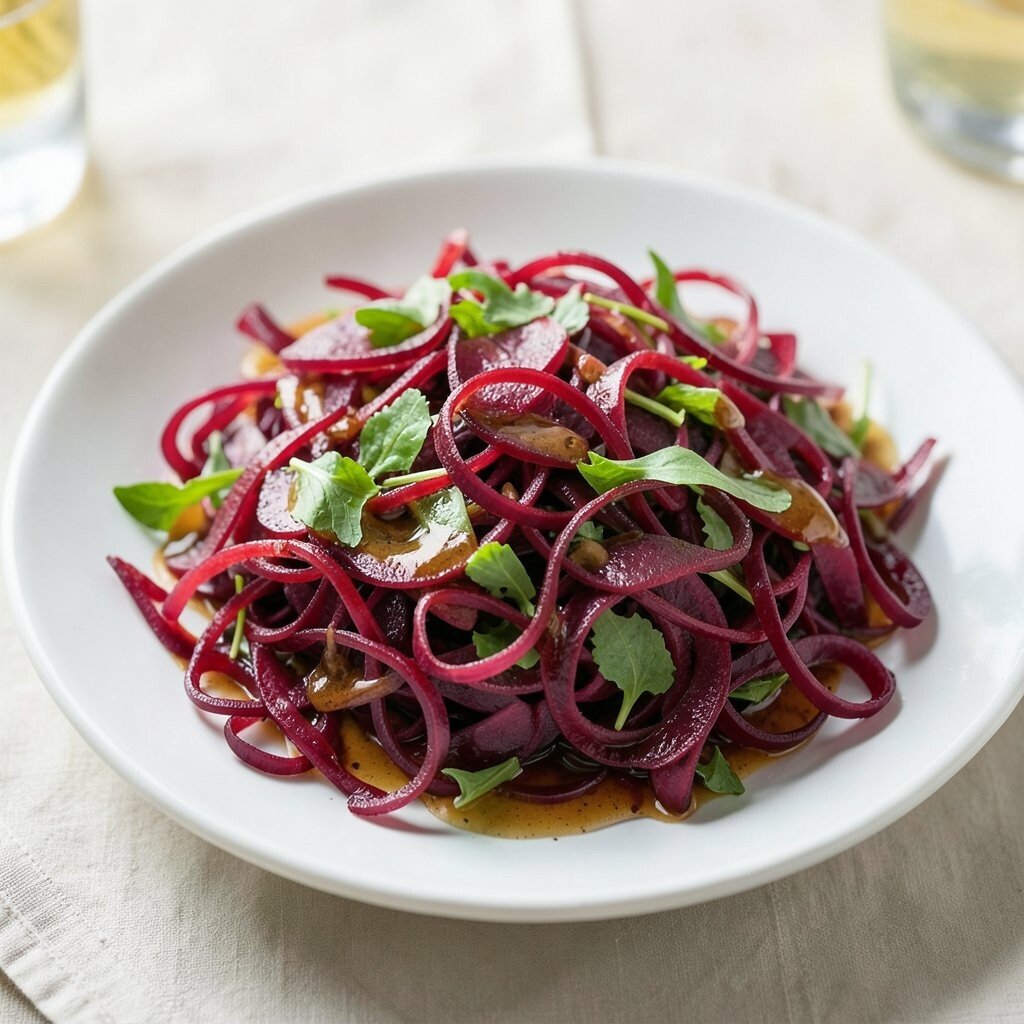
Peel raw beets into thin ribbons, then rinse quickly to control stickiness. The color is intense, and the ribbons look like edible fabric.
For dressing, mix olive oil, vinegar, salt, and pepper, then toss and taste. Add arugula or goat cheese to balance the sweetness. If you want a softer flavor, roast beets first, then peel into ribbons again.
To personalize, sprinkle with toasted walnuts or sesame seeds. Wear gloves if you don’t want stained hands, since beet juice can linger. A peeler is cheaper than specialized salad tools, and it creates a dramatic look.
13. Ginger “Matchsticks” Using the Peeler

Peel ginger into thin strips, then cut them into matchstick-sized pieces. This keeps ginger fragrant and helps it distribute evenly in dishes.
Cook the matchsticks in oil for a minute, then add garlic or broth for a quick flavor base. You’ll get less waste than with thick chopping. If your ginger is tough, soak it in warm water for 5 minutes first.
For personalization, add strips to stir-fries, ramen toppings, or tea. The trend of boosting flavor with fresh aromatics makes this a smart habit. A basic peeler is enough, but a sharp blade creates finer strips.
If you batch your strips, store them in the freezer and pull out what you need. This saves time on busy weeknights. Just label bags so you don’t forget what’s inside.
14. Garlic Peeling Shortcut with a Quick Twist
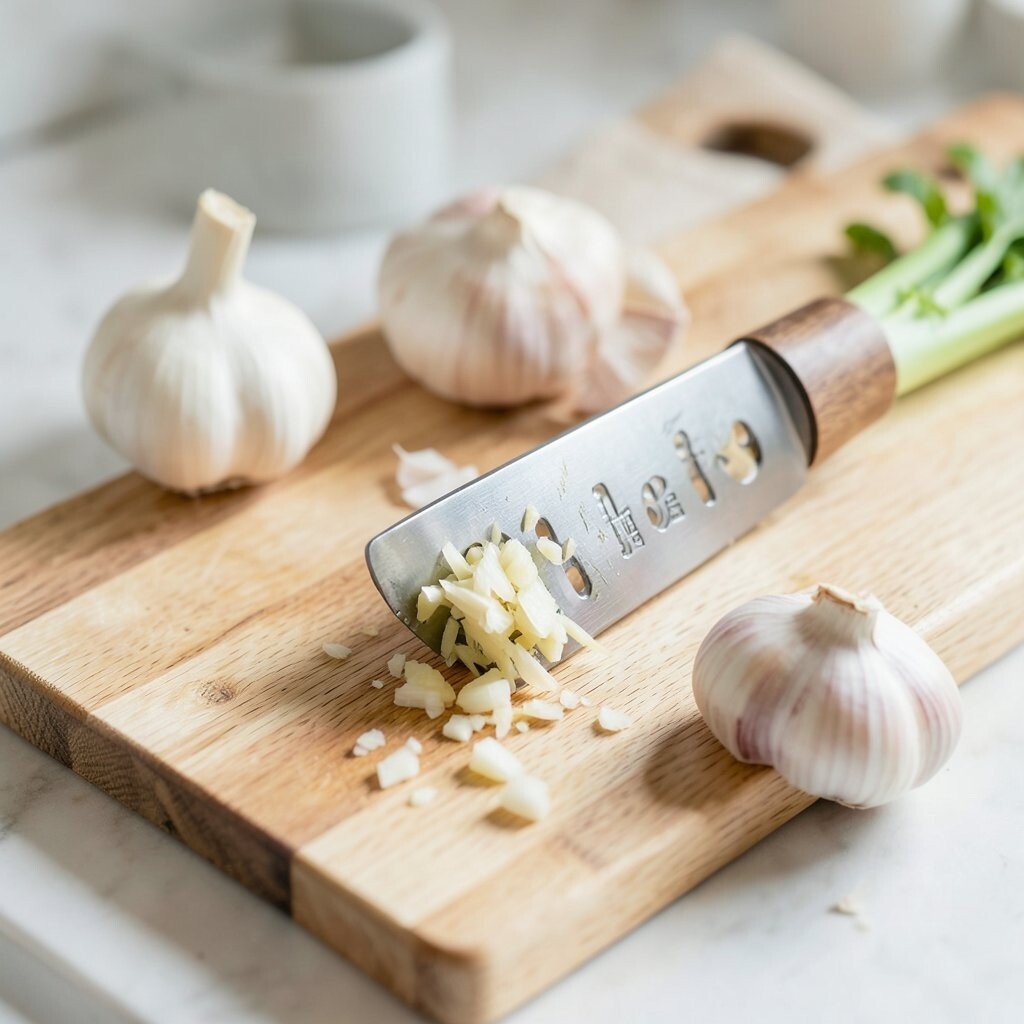
Use a small peeler to remove papery outer layers from garlic cloves after soaking briefly. Start by warming cloves in a bit of water so skins loosen.
Then peel off thin bits and keep cloves whole for roasting or chopping. This is especially helpful when you want consistent pieces for sauces. The cost is low, and you use only what you already buy.
15. Butternut Squash Noodles for Easy Roasting
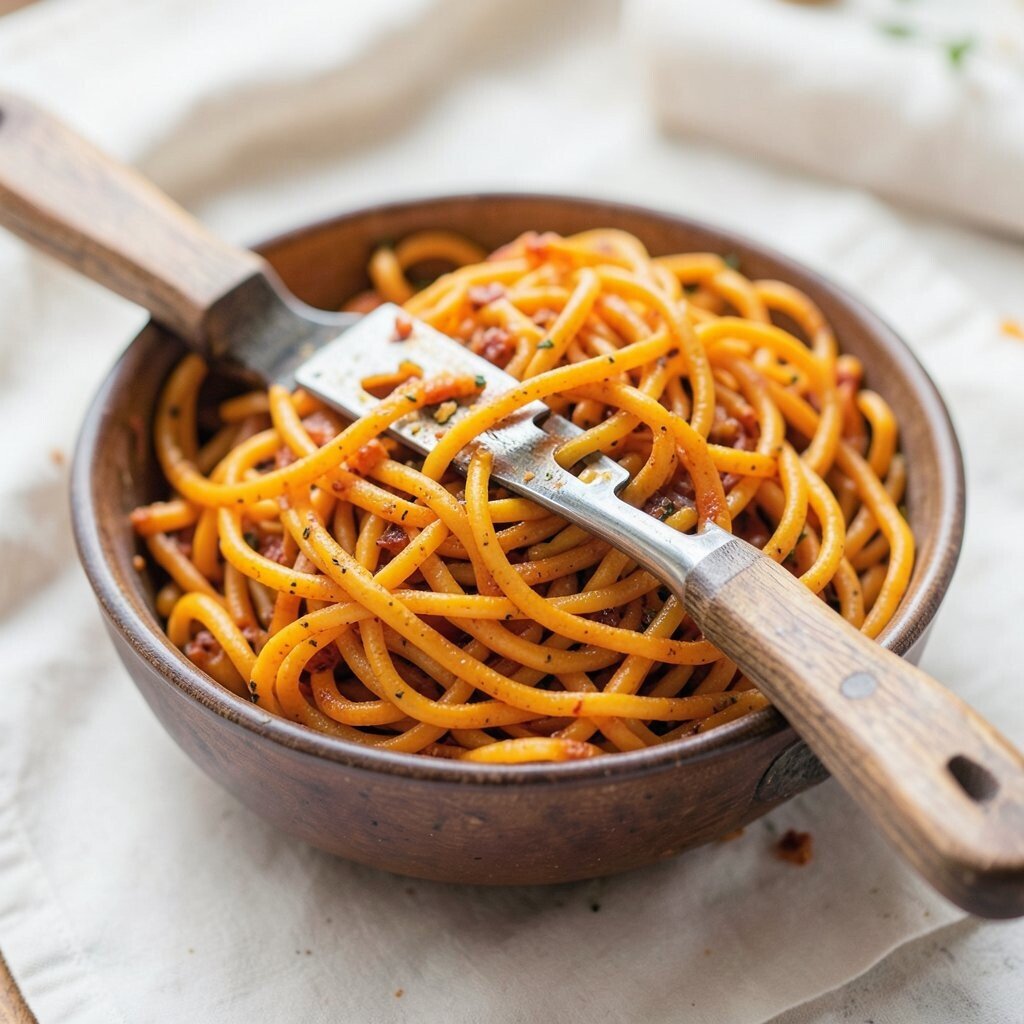
Peel butternut squash into long strips, then slice into noodle-like lengths. Remove only the tough outer skin, leaving the softer interior ready for cooking.
Toss the strips with oil, salt, and herbs, then roast until edges caramelize. Turn once to help even browning. If you prefer softer noodles, reduce cooking time and cover for part of the roast.
Personalize with sage, rosemary, or a squeeze of orange to wake up the sweetness. Many people now choose “noodles” from vegetables to lighten meals, and squash ribbons are a cozy version. A peeler makes it faster than cutting into uniform slices.
16. Kohlrabi Ribbon Slaw with Crunchy Snap
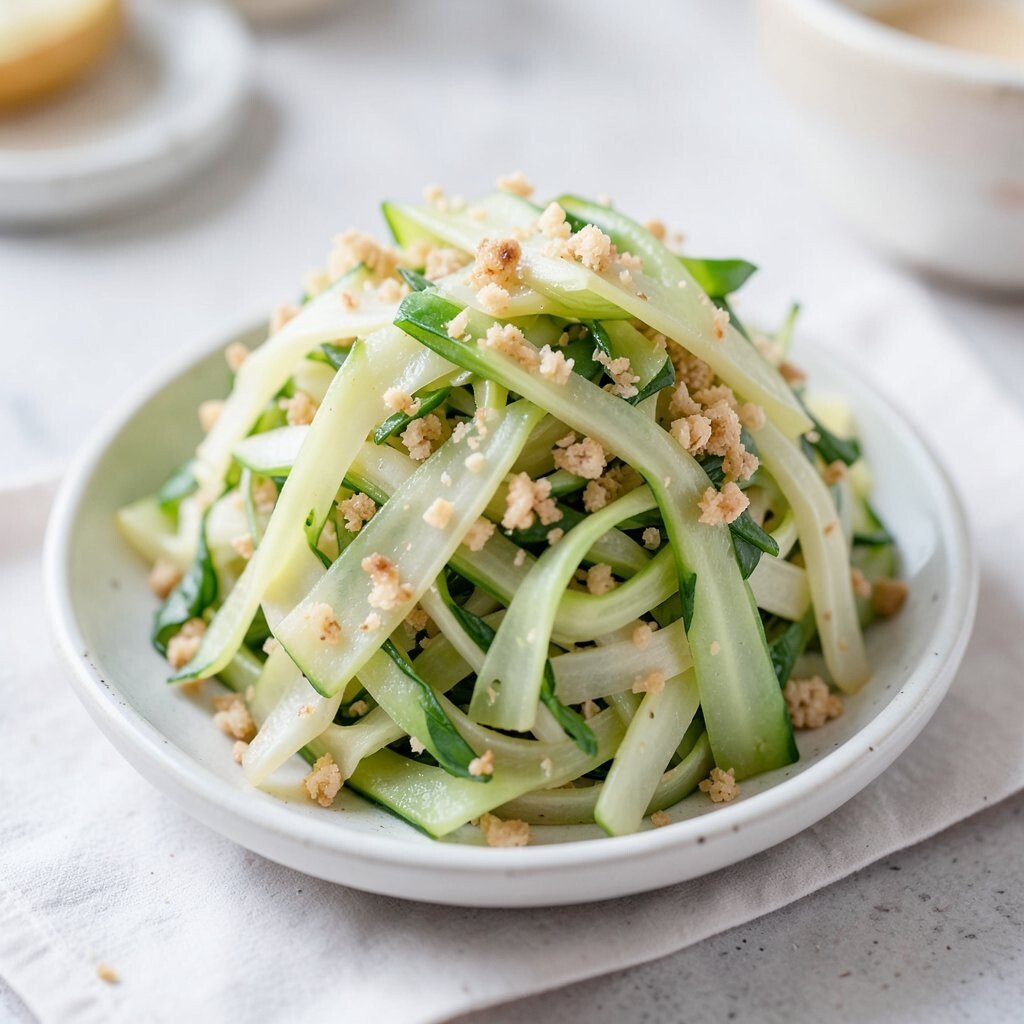
Scrub kohlrabi and peel it, then shave into crisp ribbons. Kohlrabi tastes mild and slightly sweet, and the ribbons show off its pale color.
Mix with grated carrot, a creamy dressing, and a little vinegar for brightness. Let it sit for 10 minutes so it softens just a touch while staying crunchy. For a lighter vibe, use a simple oil-and-cider-vinegar dressing instead.
Try adding herbs like parsley or chives for a fresh finish. Cost considerations are great because kohlrabi is often inexpensive in seasonal markets. A sharper peeler helps keep the ribbons thin and uniform.
17. Pear Peel Confetti for Desserts
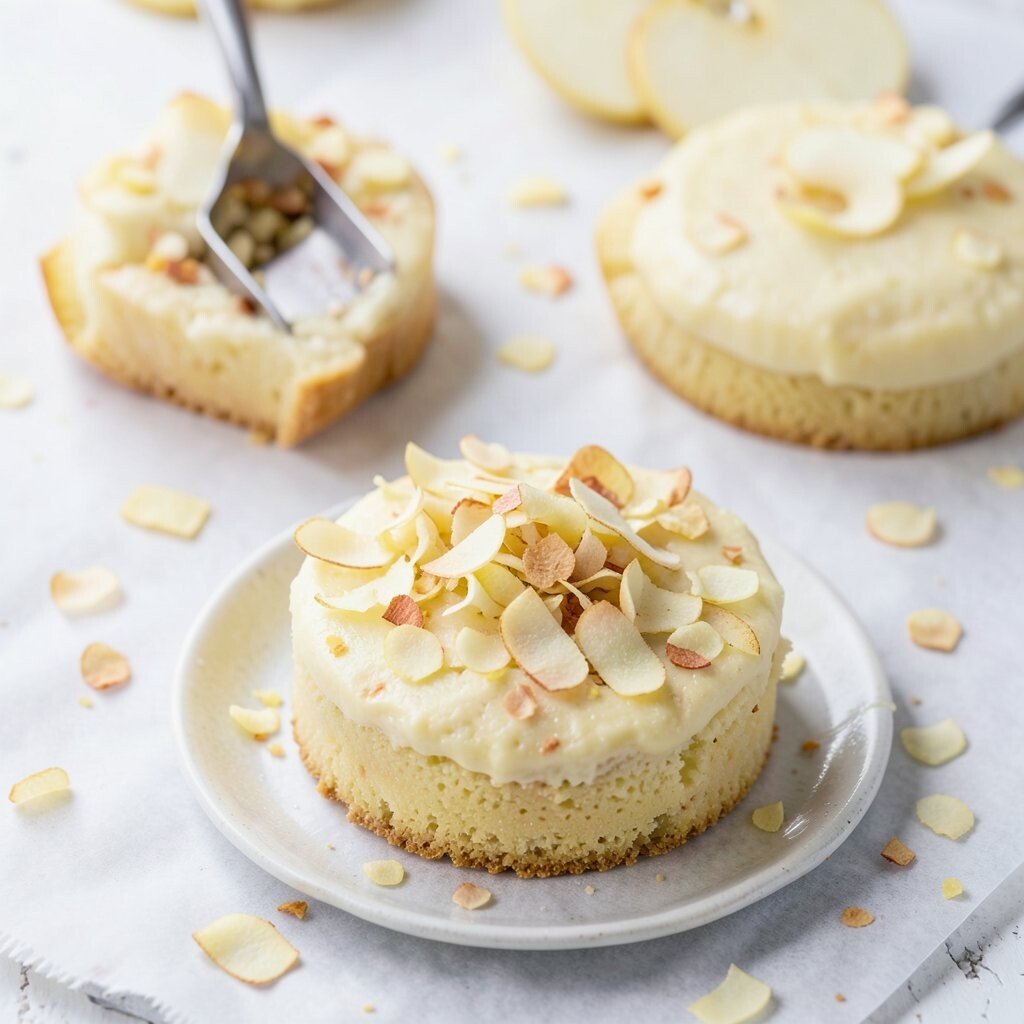
After peeling pears, save the peels and cut them into tiny confetti pieces. Spread them on top of oatmeal, yogurt, or ice cream.
For a warm effect, sauté the confetti in a little butter and sprinkle cinnamon. It becomes a quick topping that smells like fall. If you want it crunchy, bake the pieces briefly until they dry out.
Personalize with chopped toasted nuts or a drizzle of caramel. This idea reduces waste and makes fruit peels feel special. A basic peeler is all you need for clean, long strips.
If the peels are tough, choose firmer pears and keep peels thin. Store leftover peel confetti in a sealed container for a few days. It’s a small habit that makes desserts feel homemade.
18. Celery “Leafy” Garnish Strips
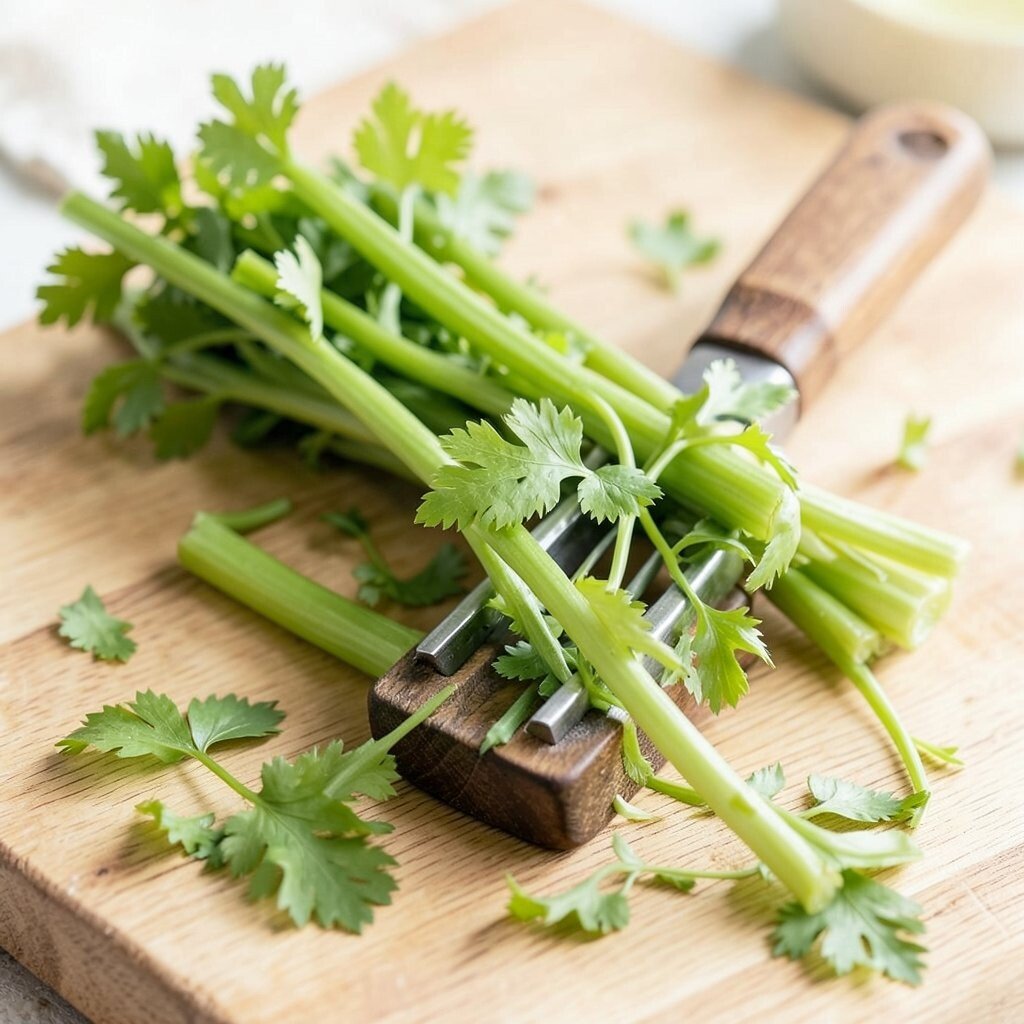
Peel celery lightly to remove tough strings, then shave into thin strips. The result is neat, clean garnish that’s not too fibrous.
Use the strips in soup bowls, on sandwiches, or mixed into a fresh salad. They add a crunchy, watery bite without needing extra chopping time. Try pairing with lemon and olive oil to keep flavors bright.
19. Carrot Peel Pesto (Yes, the Peels)
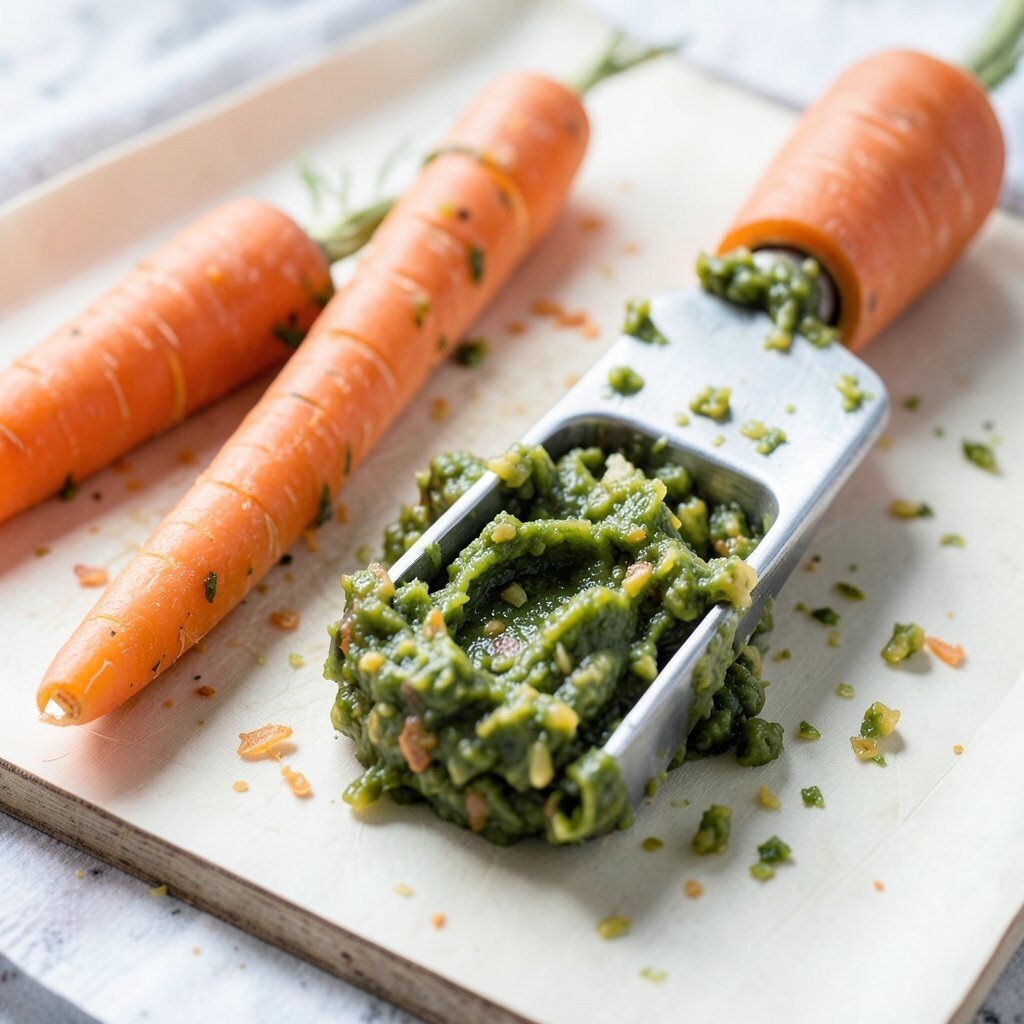
Rinse carrot peels and blend them into a pesto with basil, garlic, nuts, and olive oil. Because peels are slightly earthy, they give the sauce a bold green-like punch.
Stir in a little grated cheese or nutritional yeast to help it taste smooth and rich. Add a splash of lemon juice to brighten the flavor. If the pesto is too thick, loosen with more oil or warm water.
Personalize by adding sunflower seeds instead of pine nuts or swapping basil for parsley. Cost is often lower because you’re using parts you would throw away. This is a growing trend in many kitchens, where “scrap cooking” meets delicious results.
20. Daikon or Radish Waves for Crunch Plates
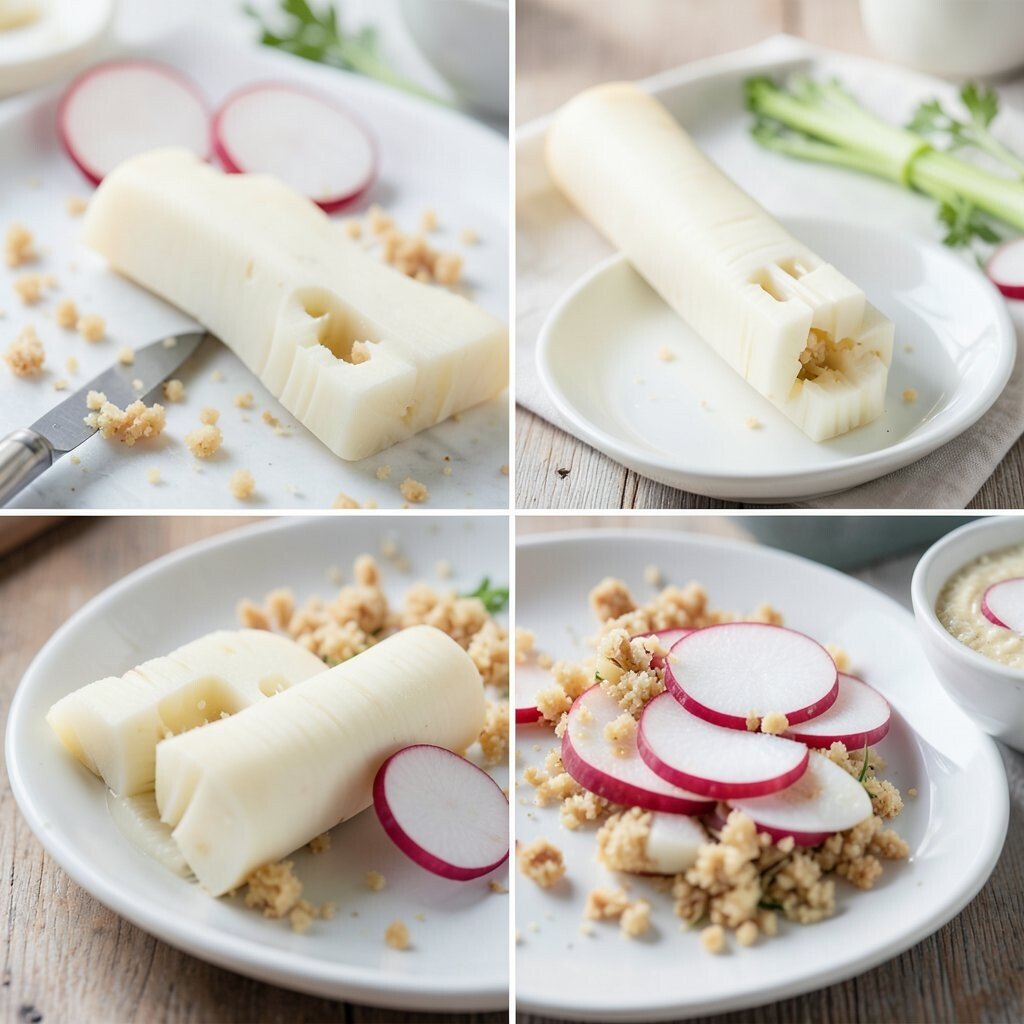
Peel daikon or radish into thin waves, then layer them on a plate. The translucent look is stunning, especially with a little salt and sesame oil.
For fast seasoning, sprinkle with salt, then let sit for 5 minutes before topping with rice vinegar and chili flakes. You can also add soy sauce and toasted sesame seeds. Keep the waves thin so they curl nicely and stay crisp.
21. Watermelon Rind Pickles (Quick Strips)
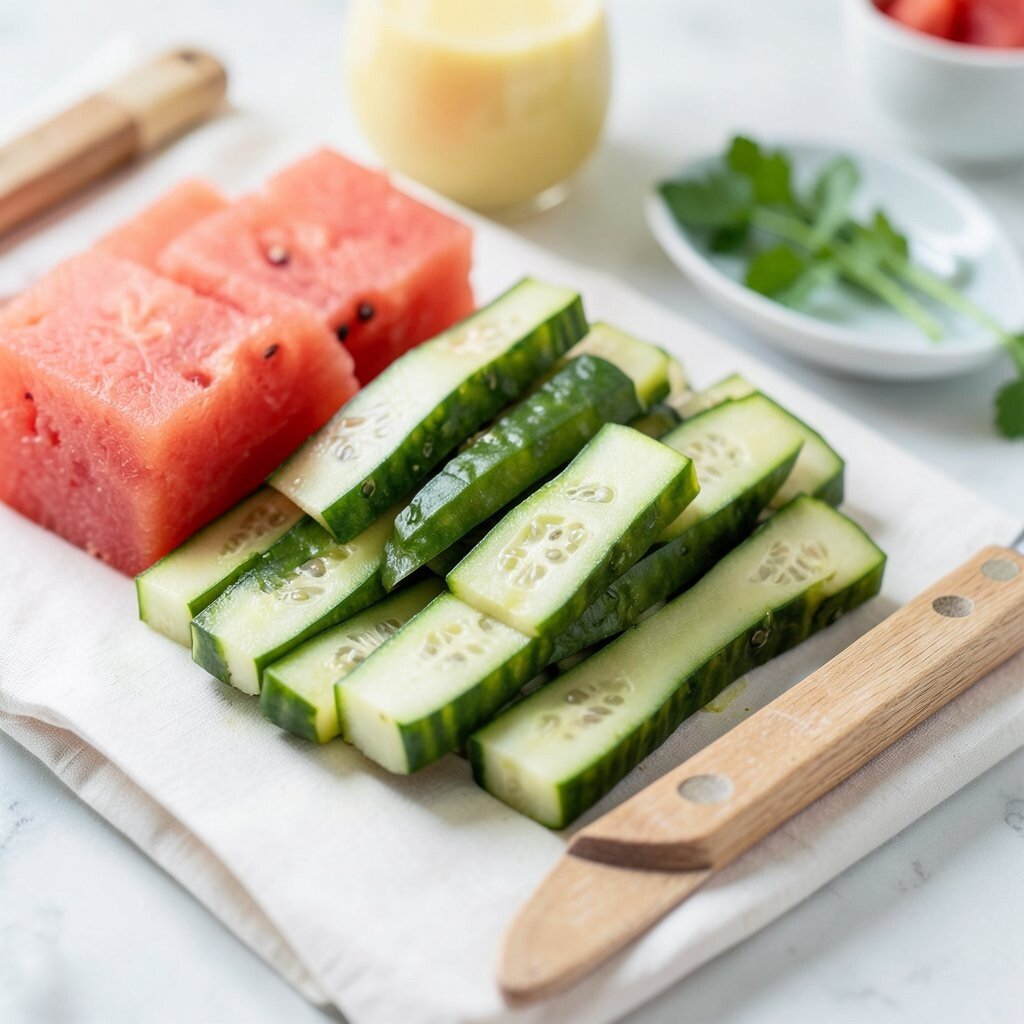
Peel watermelon rind into thin strips, removing the green skin as much as you prefer. The pale part pickles up tender and mild.
Soak strips in salted water, then simmer briefly with vinegar, sugar, and spices like mustard seeds. For a sharper taste, add extra vinegar and a pinch of pepper. Make the strips uniform so they cook evenly.
Personalize by adding ginger or turmeric for a warmer color. Cost is very low because this uses leftovers, and it saves fruit scraps from the trash. Current trends favor using “second-life” ingredients, and this one brings a sweet-tart surprise to your fridge.
When you store them, keep them chilled and serve within a week for the best texture. If you want faster pickles, cut thinner strips and simmer slightly longer. A vegetable peeler helps you get consistent shapes without heavy knife work.