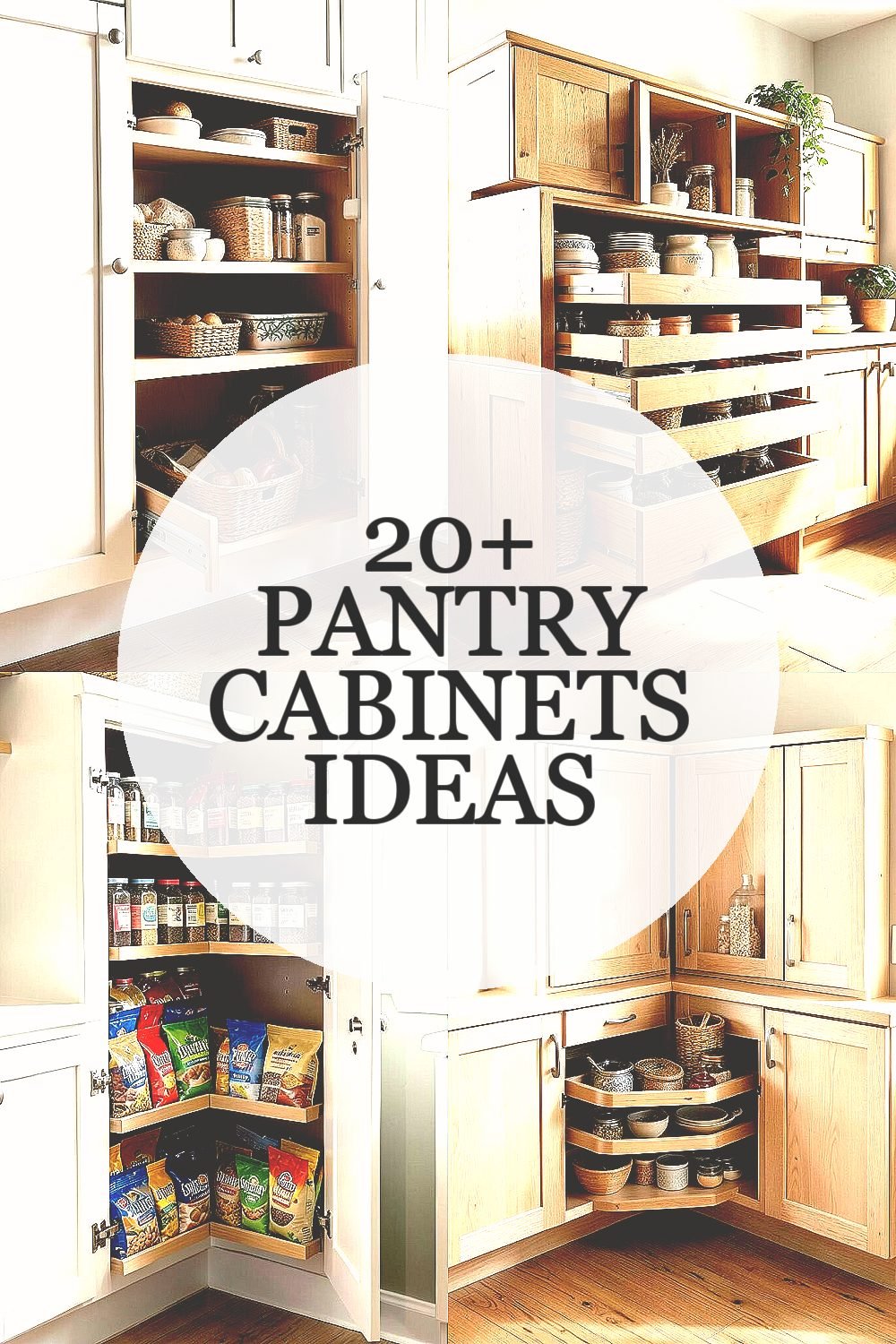
Pantry cabinets can make everyday cooking feel calmer. With the right setup, everything you need stays easy to reach.
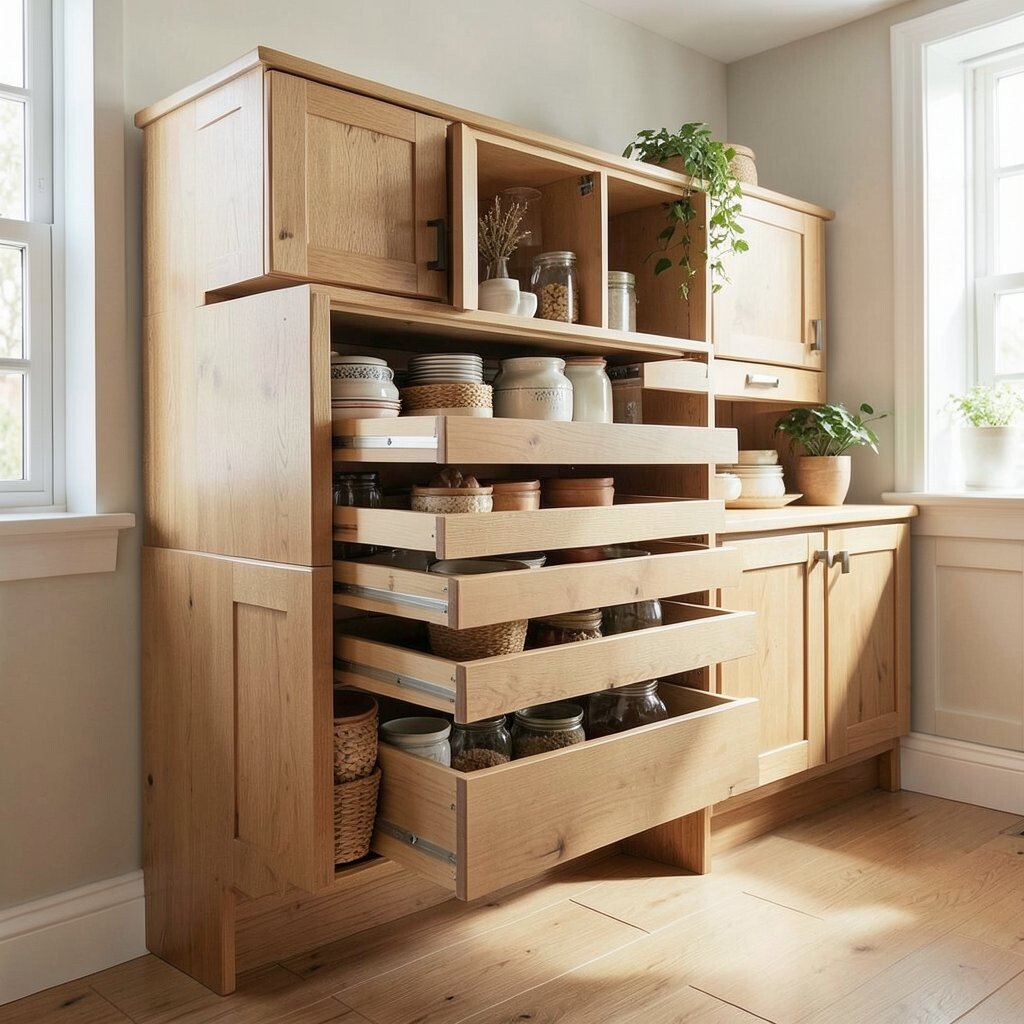
1. Pull-Out Pantry Shelves With Soft-Close Slides

These cabinets look sleek, but the magic is in the movement. Pull-out shelves glide smoothly, so jars and bags never get stuck in the back.
Soft-close slides reduce loud slamming and help you open drawers gently. For best results, measure the cabinet depth and plan for full extension rails. Label shelf sections so quick restocking is faster.
2. Deep Cabinet With Adjustable Height Slats
A deep pantry cabinet with adjustable slats can handle tall cereal boxes and wide mixing bowls. You get a clean, organized look without permanently fixed shelves.
Set shelf heights based on what you store most, then tweak as your needs change. This flexibility helps prevent wasted space and makes items easier to grab.
When you install slats, leave a little headroom at the top for sturdy items like rice sacks or bulk pasta. Consider shelf liners to catch spills and keep glassware from sliding.
3. Door-Storage Racks for Spices and Small Packets

Using the inside of the pantry door turns unused space into storage. Small spice jars, seasoning packets, and tea bags suddenly have a home.
This idea is unique because it keeps the main cabinet shelves clear for bulk goods. It also makes everyday cooking faster since seasonings are at eye level when the door opens.
Choose racks that match your jar sizes, and keep heavier bottles on the lower portion. For a tidy look, group items by meal type, like taco night, baking, and soups.
If you have kids, consider a soft latch or a slower-opening hinge to reduce accidental spills.
4. Corner Cabinet With Rotating Lazy Susan

Corner pantry cabinets can feel awkward, but a rotating Lazy Susan solves that problem. You can spin the shelf and reach items without crawling into the corner.
This setup is great for odds and ends like oils, vinegars, and baking supplies. To make it work smoothly, confirm the cabinet opening has enough clearance for full rotation.
5. Vertical Divider Cabinet for Baking Sheets and Trays

If your pantry holds baking gear, a vertical divider cabinet keeps everything upright. Trays, cutting boards, and sheet pans stop leaning and clattering.
It’s unique because it uses vertical space like a library shelf, which feels orderly and efficient. With the right dividers, you can separate items by size for quick grab-and-go.
Install non-slip liners between dividers to prevent scratches. Keep the most-used tray size in the easiest-to-reach section and store seasonal items higher up.
6. Slim Tall Cabinet for Bulk Staples
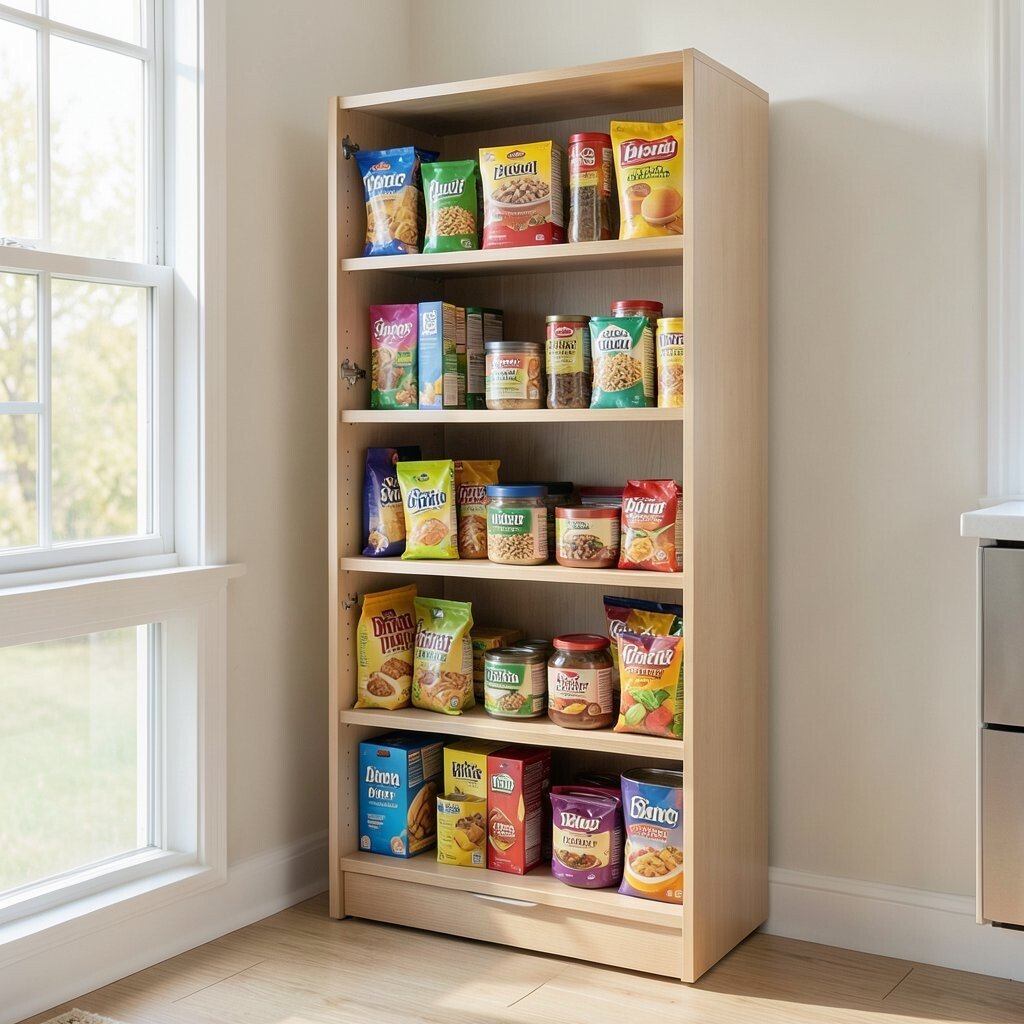
A slim tall cabinet is perfect for homeowners who want pantry storage without a bulky footprint. It gives you tall, narrow lanes for rice, flour, beans, and snacks.
Because it stays vertical, items are easier to see and less likely to get lost behind other shelves. Use uniform containers for a clean look and quicker refills.
7. Cabinet With Pull-Out Hamper-Style Basket for Produce
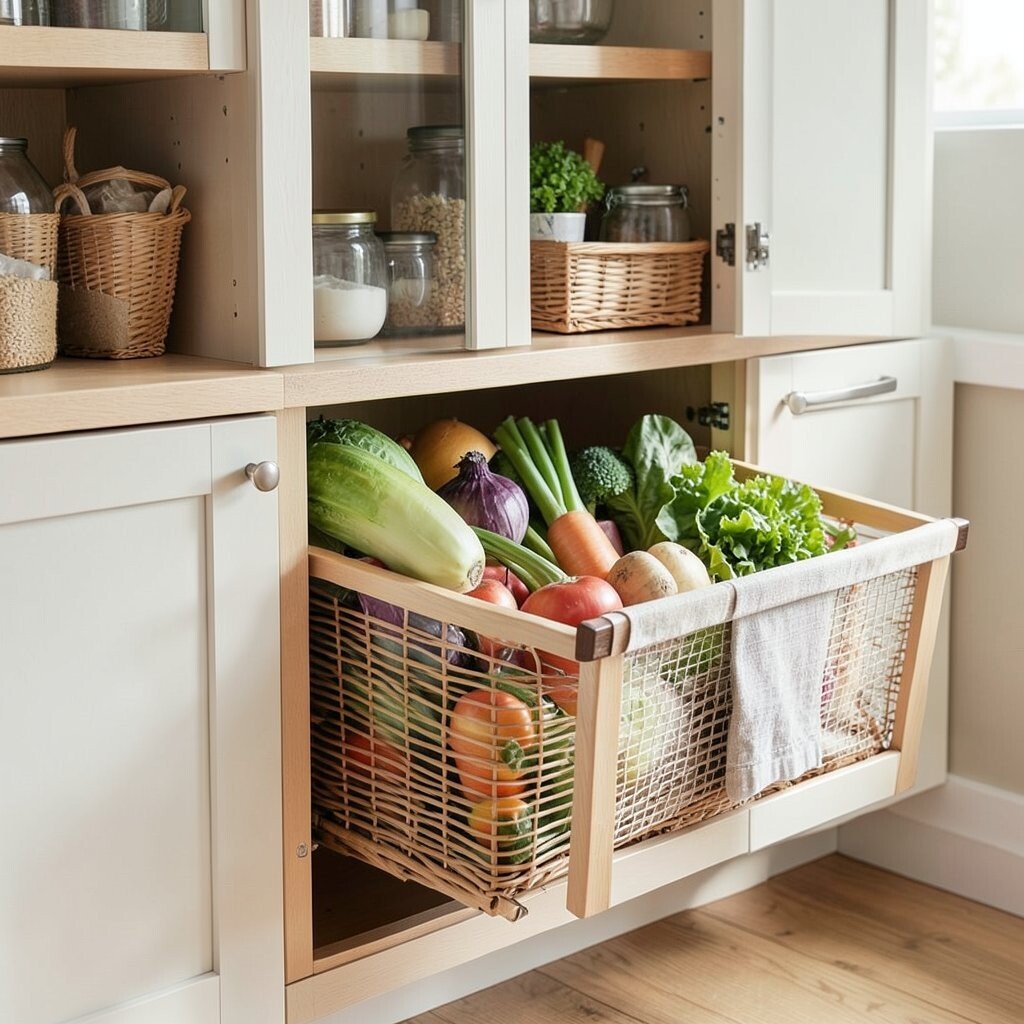
Some pantries double as a cool storage area for onions, potatoes, and citrus. A hamper-style pull-out basket keeps produce contained and breathable.
Basket dividers are helpful because they prevent apples from mixing with potatoes. You can also lift baskets out for easy cleaning.
Try adding a small label area so you remember what’s inside and when to use it. If your kitchen runs warm, place the basket away from direct heat sources.
8. Under-Shelf Lighting Cabinet for Easy Visibility

Lighting changes a pantry cabinet from “hard to see” to “easy to use.” Under-shelf LED strips brighten the cabinet interior without adding bulky fixtures.
This is a practical upgrade because you’ll spot low supplies fast and reduce the chance of expired food. It also makes the cabinet feel more premium and inviting.
Pick warm-white LEDs for a cozy look, and use a motion sensor or soft switch if you prefer hands-free lighting. Keep wires neatly routed so the installation stays safe and clean.
Use clear bins where you can, since lighting plus visibility helps you grab what you need quickly.
9. Cabinet With Stackable Clear Food Bins and Labels
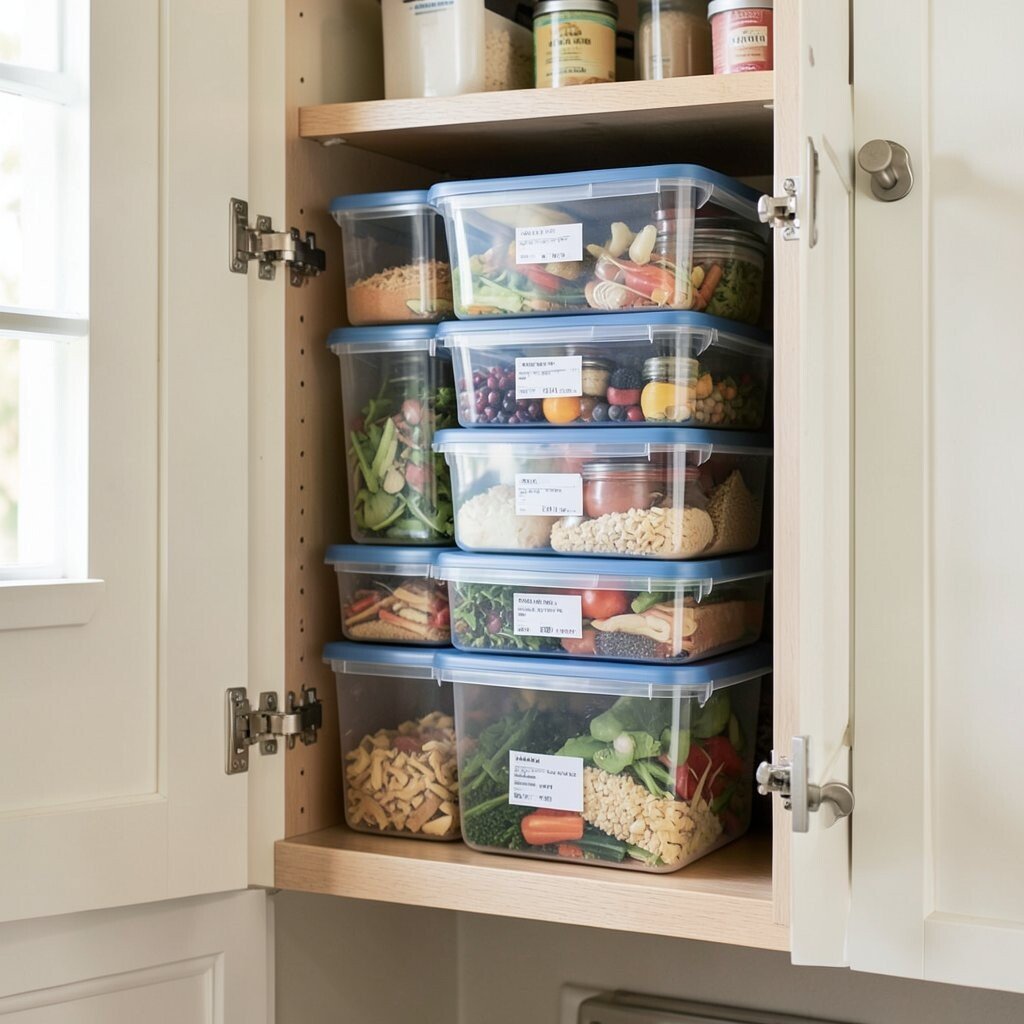
Stackable clear bins give your pantry a tidy, “everything in its place” vibe. You can see contents instantly, even when stacks get tall.
This approach is unique because it mixes clear organization with flexible storage. Swap bins as your shopping habits change, and the cabinet stays consistent.
For personalization, choose bin sizes for your pantry staples like pasta, oatmeal, and baking mix. Add labels at eye level so you don’t have to pull everything out to find items.
Keep lids aligned for a smooth stack, and use stack guards if your cabinet is slightly uneven.
10. Pantry Cabinet With Built-In Measuring Cup or Scoop Station
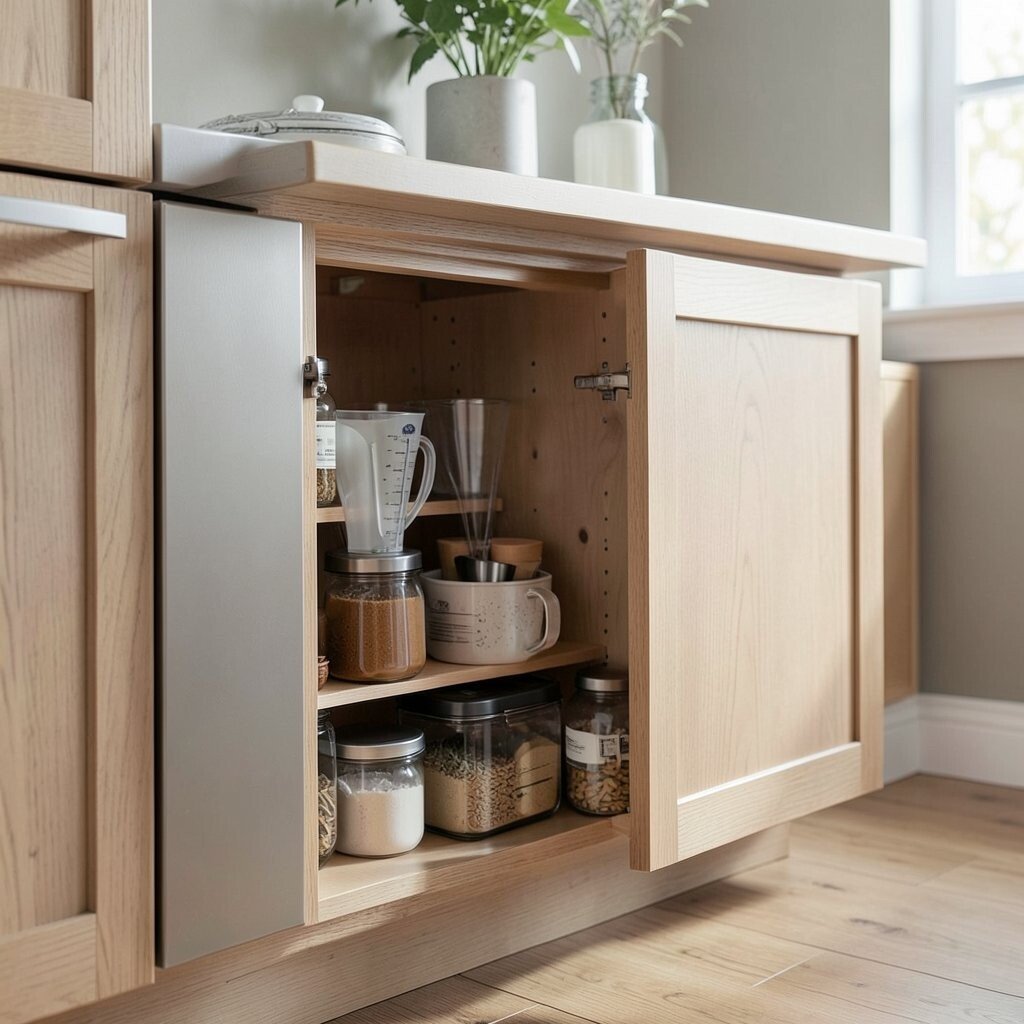
Nothing slows cooking like searching for a measuring cup. A built-in scoop station inside a pantry cabinet keeps tools right where ingredients live.
It’s a small detail, but the benefit is big: you can portion flour, sugar, and dry snacks without extra mess. Mount a dedicated holder on a shelf edge so it stays visible.
11. Sliding Door Pantry Cabinet With Hidden Storage Lines

A sliding door pantry cabinet saves space in kitchens where regular swing doors get in the way. It glides open, giving you a wide view of what’s stored inside.
This setup feels unique because it hides clutter behind a clean front. You can also add storage rails inside to create organized “zones.”
When choosing hardware, look for smooth tracks and durable rollers. For cost control, consider installing a pre-made cabinet system and adding your own shelves and organizers.
12. Cabinet With Adjustable Wire Baskets for Snacks
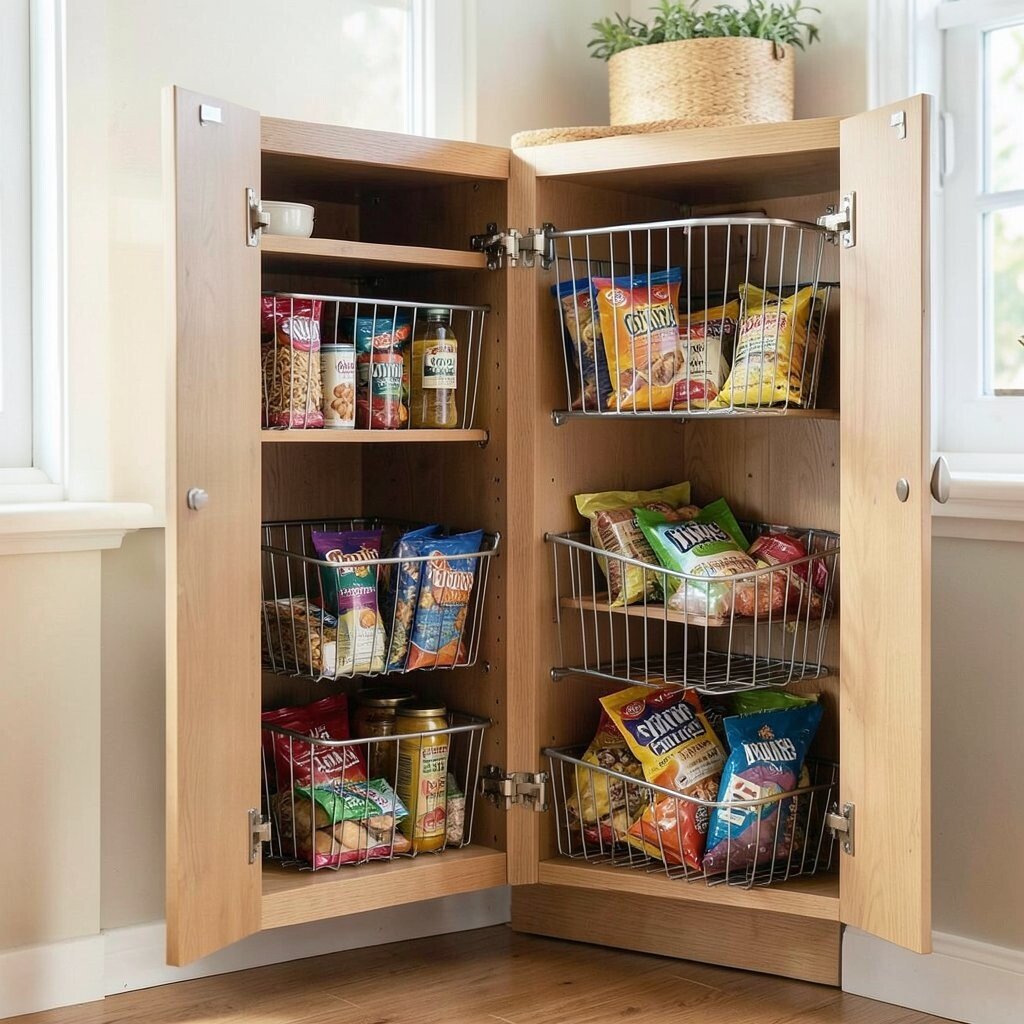
Wire baskets keep pantry items breathable and easy to reach. They’re especially handy for snack bags, granola, and grab-and-eat foods.
Wire storage is unique because it helps reduce trapped moisture and makes items feel lighter. You can see what’s inside without opening everything.
Use removable basket tags so you can rotate snacks by season. For a cleaner look, keep the most eye-catching snacks in front rows and store bulky bags deeper.
13. L-Shaped Pantry Cabinet System for Two-Wall Storage

An L-shaped cabinet setup uses two walls, making it ideal for narrow kitchens. It creates distinct areas for cooking staples and backup supplies.
This idea stands out because it turns “in-between” spaces into functional shelves. You can place one side for daily items and the other side for overflow.
Measure carefully, and plan shelf depths so items don’t bump into each other when you open the door. Use matching bins to make the shape feel intentional and neat.
For personalization, color-code labels by family member, like “kids snacks” or “meal prep.”
14. Flat-Shelf Cabinet With Matching Canisters for a Uniform Look
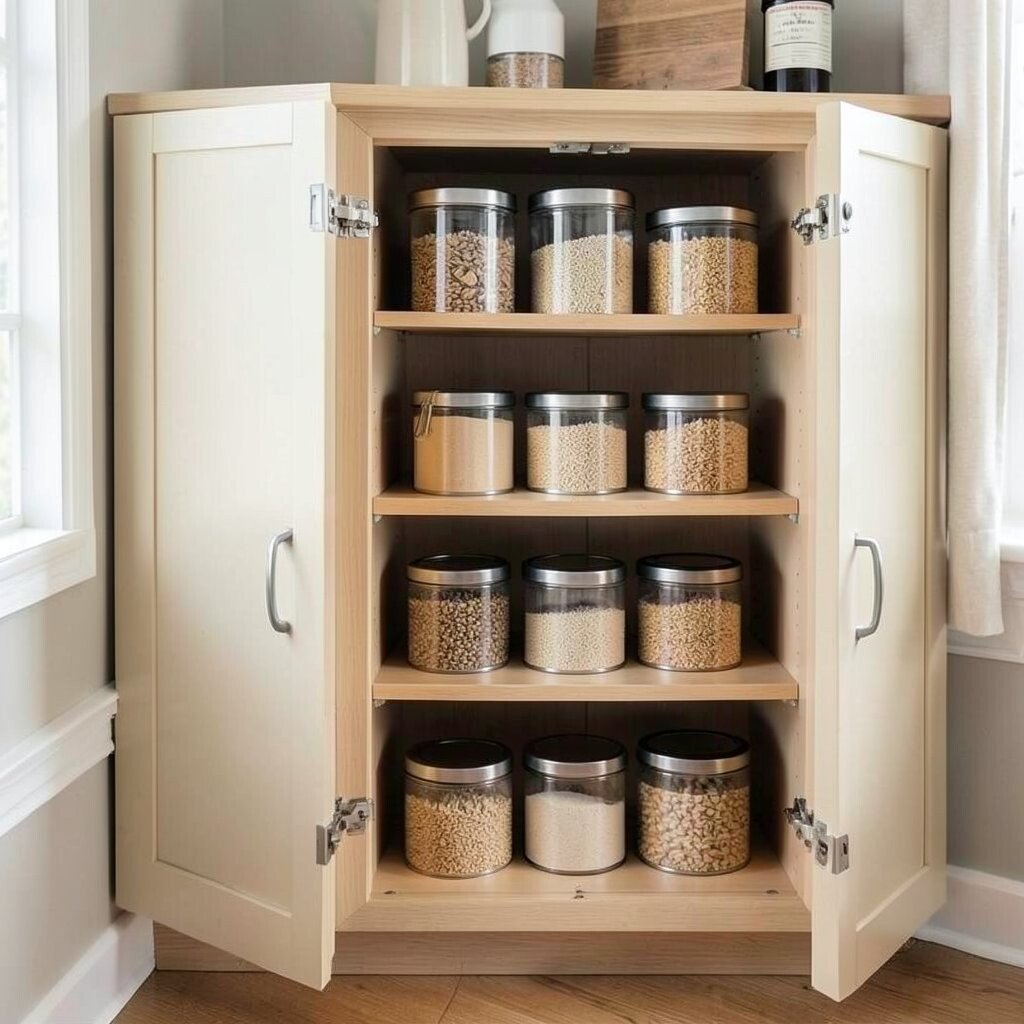
Classic flat shelving plus matching canisters creates a calm, uniform pantry style. Everything looks cohesive, even when you store different foods.
You’ll also benefit from clearer inventory, since canisters make it obvious when something is running low. Choose canisters with airtight seals for ingredients you use often.
15. Pantry Cabinet With Pull-Down Rack for Rarely Used Items
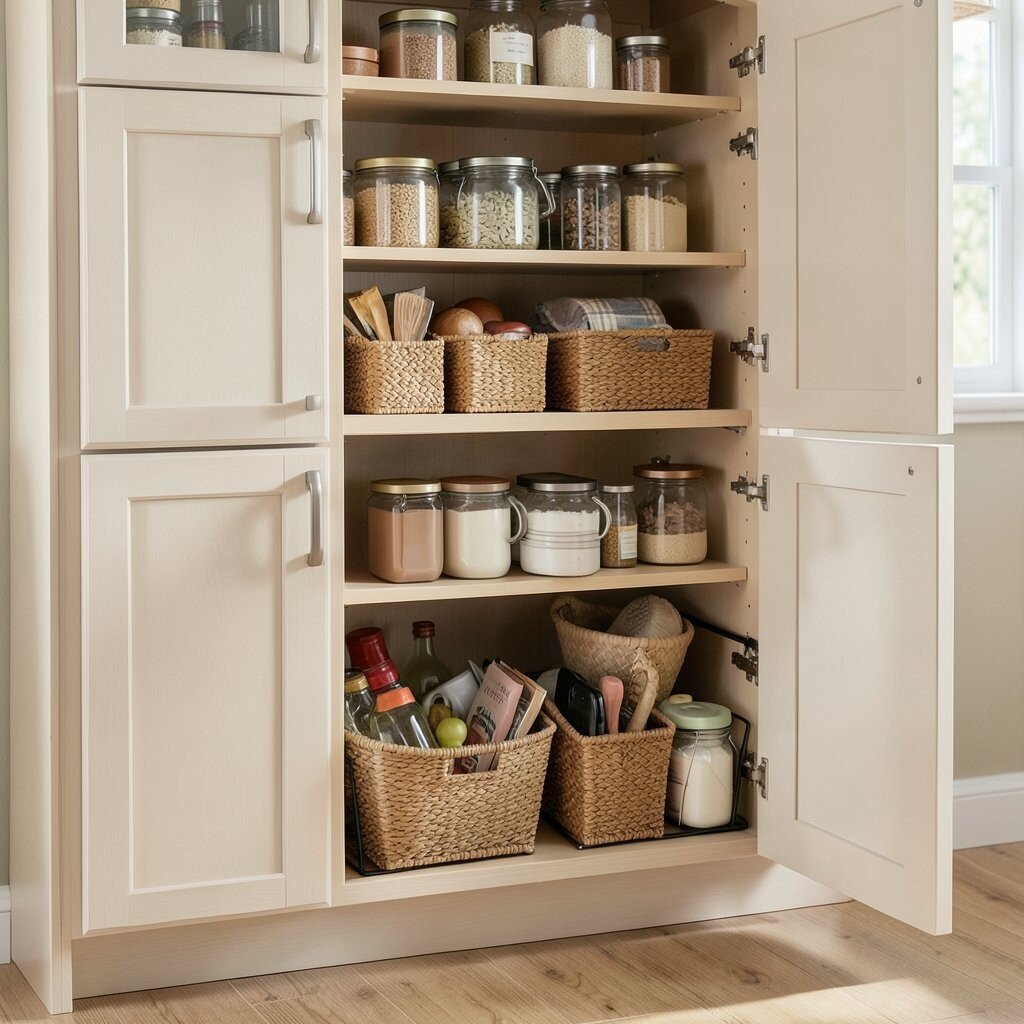
For items you don’t reach every day, a pull-down rack keeps storage high but accessible. It’s useful for extra serving platters, specialty flours, or holiday baking supplies.
This is unique because it raises storage without forcing you to climb or struggle with awkward reach. It can also keep the lower cabinet areas free for everyday ingredients.
When you install a pull-down system, confirm the rack weight rating fits your heaviest items. Add a stop feature so the rack doesn’t swing when you pull it down.
16. Cabinet With Removable Drawer Inserts for Cleaning and Tools
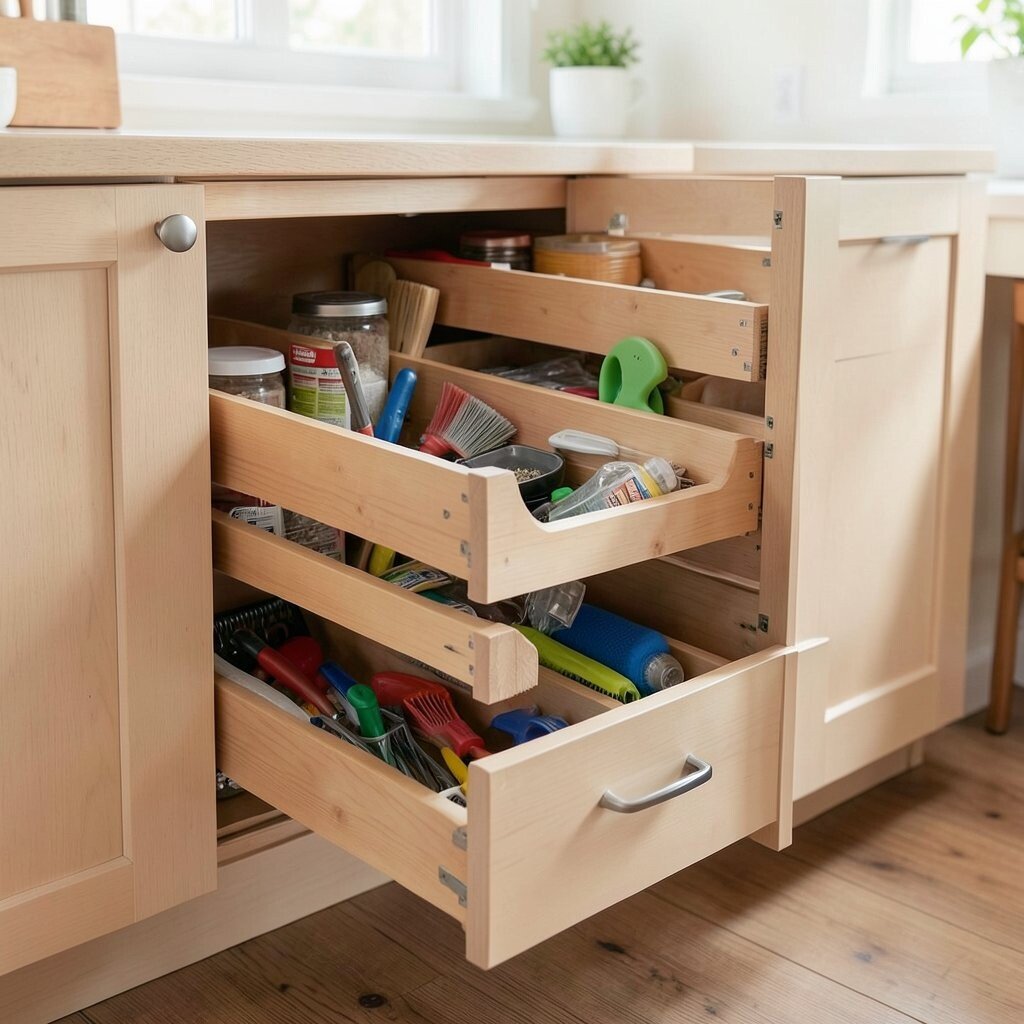
Some pantries work as a utility spot, especially in apartments and smaller homes. Drawer inserts make room for paper goods, cleaning sponges, and cooking tools.
Drawer storage is a smart benefit because it keeps small items from mixing and disappearing. Removable dividers help you personalize the space for your routine.
17. Pantry Cabinet With Baking-Ingredient “Zones” and Corner Shelves
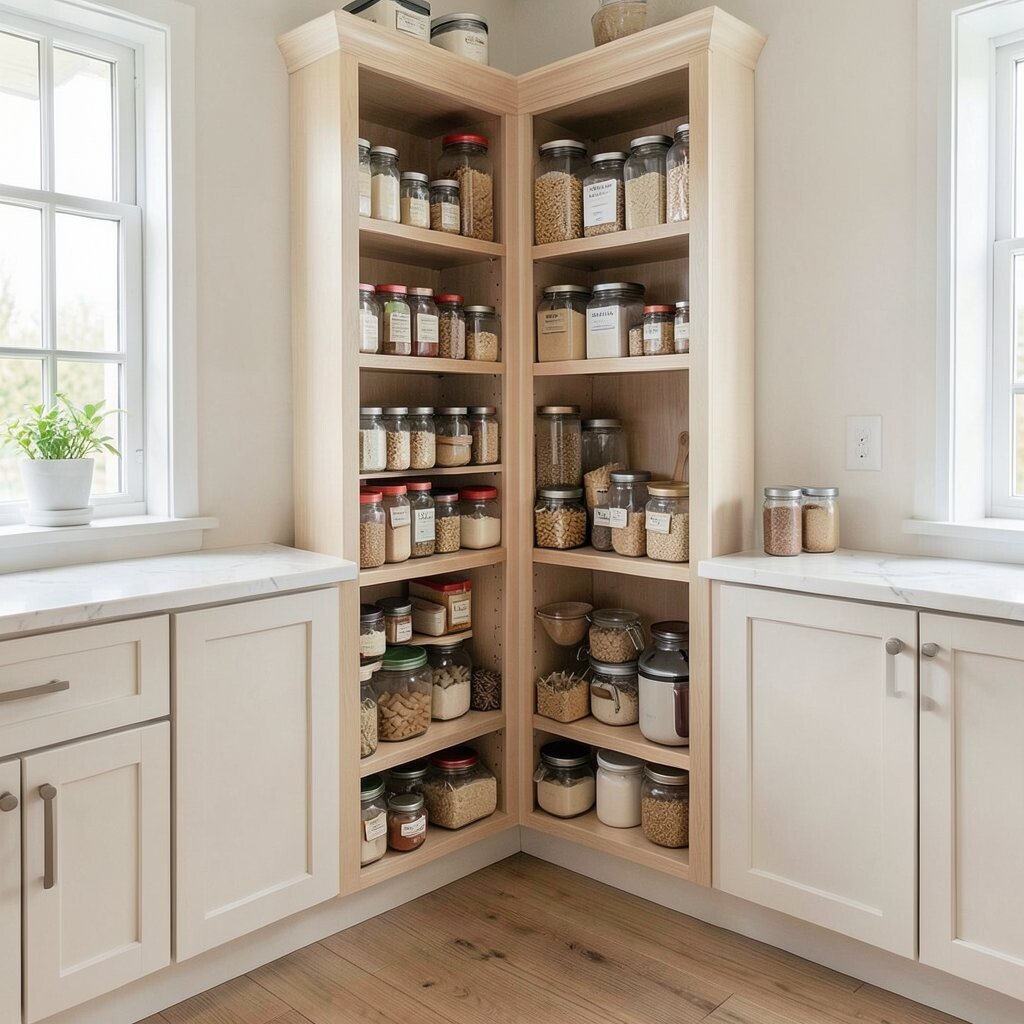
A baking-focused pantry cabinet can be organized into clear zones for ingredients and tools. Corner shelves are great for round items like cookie cutters and small mixing bowls.
This design feels special because it supports a hobby or regular baking schedule. When you break the cabinet into zones, you reduce the time spent searching mid-recipe.
Use shallow bins for sprinkles and toppings, and deeper compartments for flour and sugar. Keep measuring spoons together, so you don’t scatter tools across the kitchen.
18. Tall Pantry Cabinet With Built-In Wine or Beverage Shelf
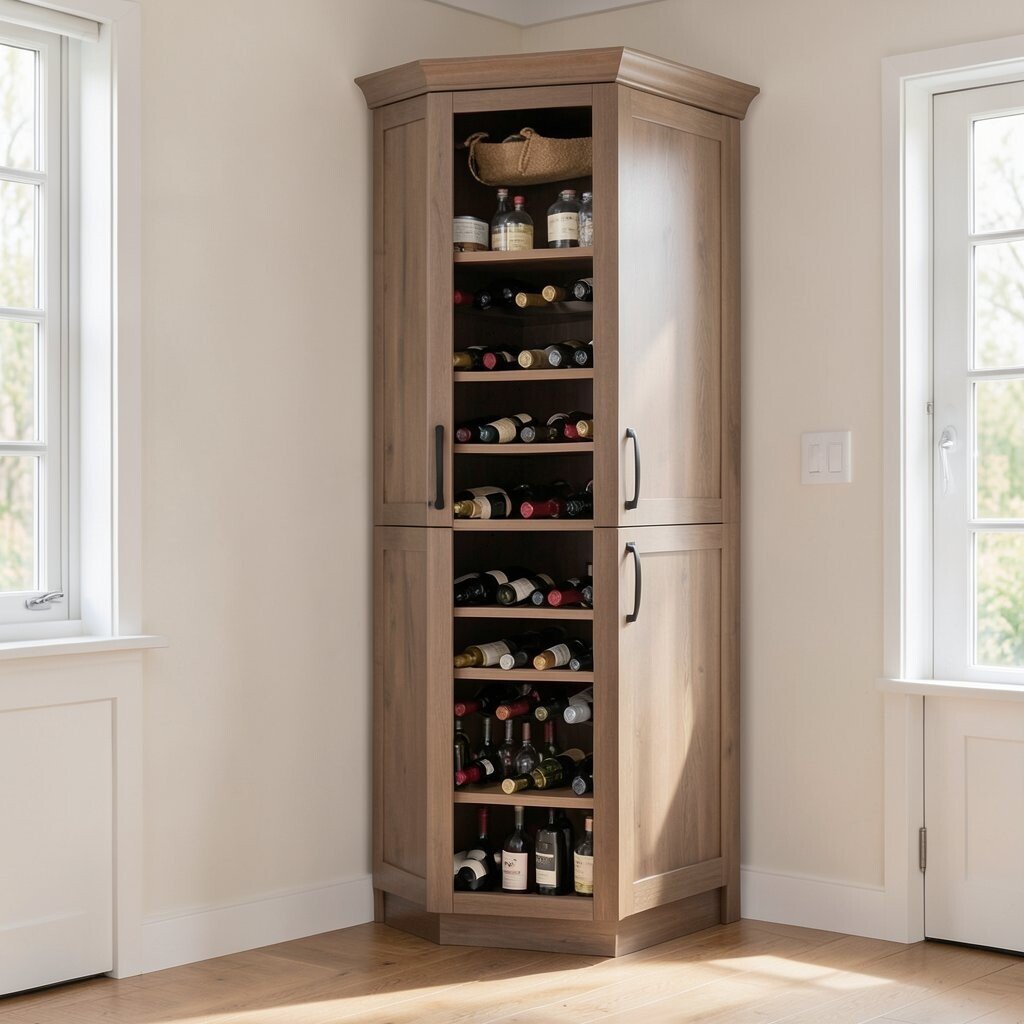
If your pantry includes drinks, a built-in beverage shelf makes it look intentional. Tall cabinet sections can hold wine bottles, sparkling water, or juice cartons in tidy rows.
This idea is unique because it keeps beverages separate from food, which helps reduce clutter. Add a small tray at the base to catch drips and spills.
19. Cabinet With Microwave-Safe Pull-Out Shelf or Prep Counter

Some pantries can double as a mini prep area. A pull-out shelf gives you a convenient spot for a small appliance or food prep without taking up counter space.
It’s a practical upgrade because it supports meal prep while keeping ingredients nearby. Choose a shelf height that feels comfortable for mixing, portioning, or reheating.
For safety, follow appliance clearance guidelines and use heat-resistant materials where needed. Add a small organizer tray inside the cabinet so you have labels, pens, and extra utensils ready.
20. Pantry Cabinet With Sliding Pull-Out Reaching Tracks
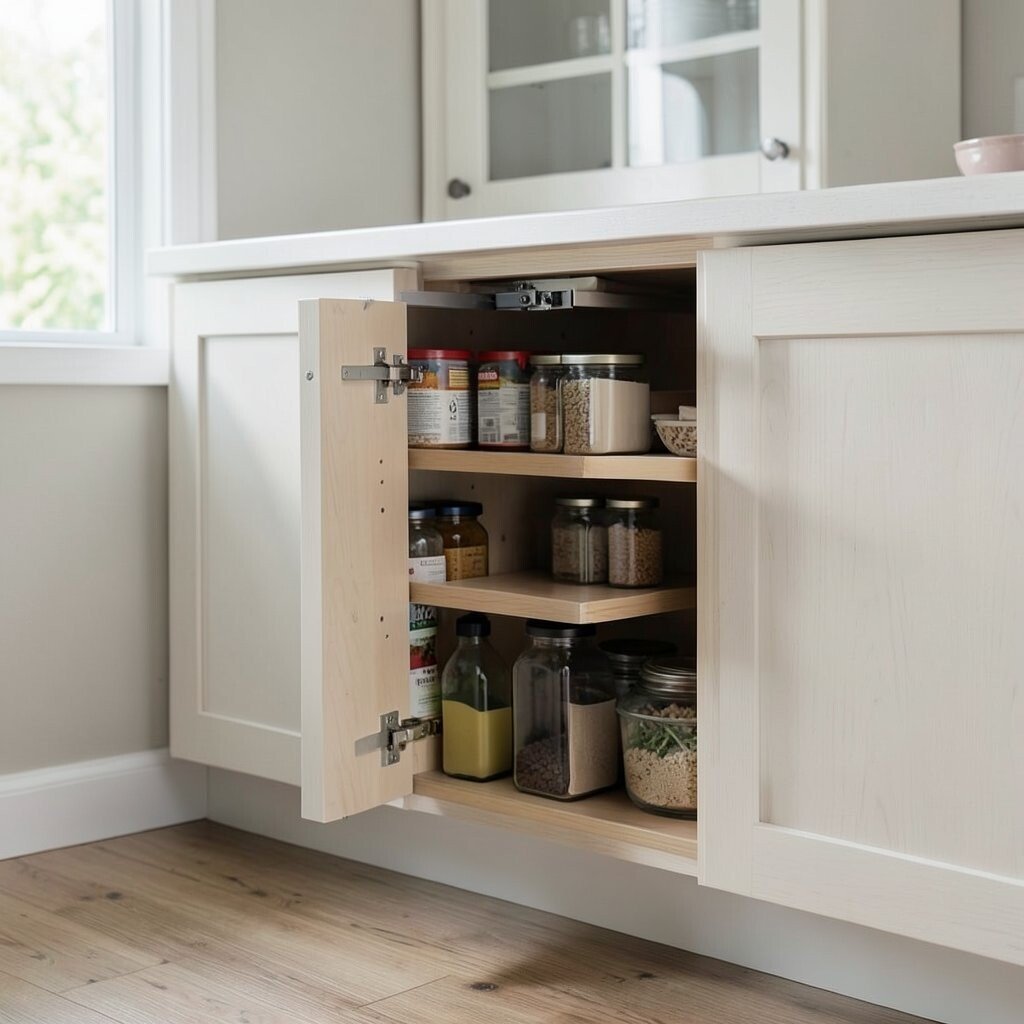
Reaching across deep cabinets can be annoying, especially for larger bags. Pull-out tracks that slide forward make it easier to access items without rearranging everything.
This approach helps you use the entire cabinet depth, which reduces waste. Install the tracks level so drawers glide smoothly and don’t jam.
21. Custom Pantry Cabinet Doors With Chalk Labels and Clear Inserts

Custom pantry doors can make your storage feel personal and fun. Chalk labels on the door, paired with clear inserts, show what’s inside at a glance.
This is unique because it blends style with daily function. You can update labels as recipes change, and the clear inserts help you spot staples quickly.
Use a durable chalk marker or a wipe-clean label system so the door stays neat. If you want a budget-friendly option, start with removable label boards and clear acrylic pockets before upgrading shelves.