Warm wood can make any kitchen feel instantly inviting. A butcher block surface adds both charm and everyday usefulness.
1. The Classic Prep Island That Looks Custom
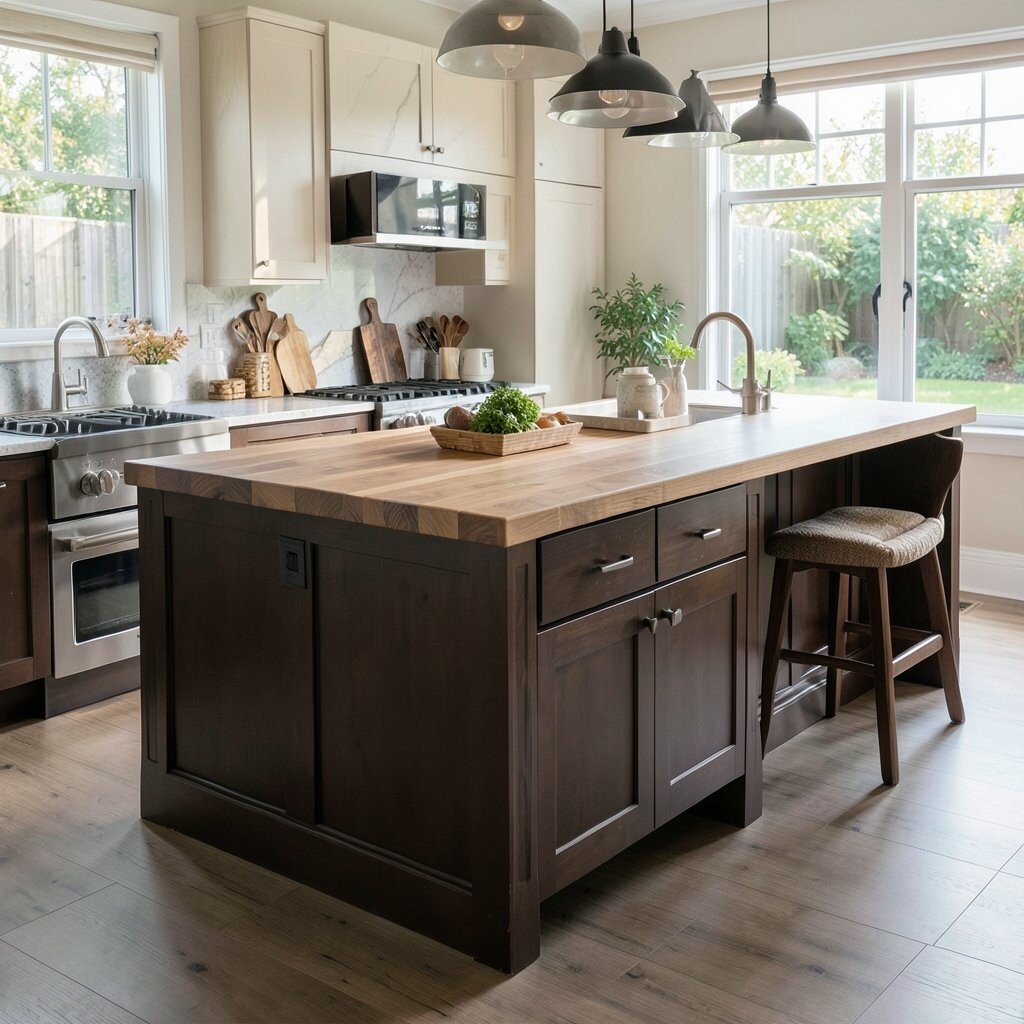
A butcher block island with clean edges gives your kitchen a timeless, tailored look. It also gives you a dedicated spot for chopping, rolling dough, and staging ingredients.
Choose a hard, tight-grain wood like maple or walnut for a surface that takes daily use well. Seal it with a food-safe oil and plan a quick re-oiling every few months to keep it looking rich. If you want it to feel built-in, match the island height to your countertops and add simple hardware to tie it together.
2. Butcher Block Countertops With a Farmhouse Warmth
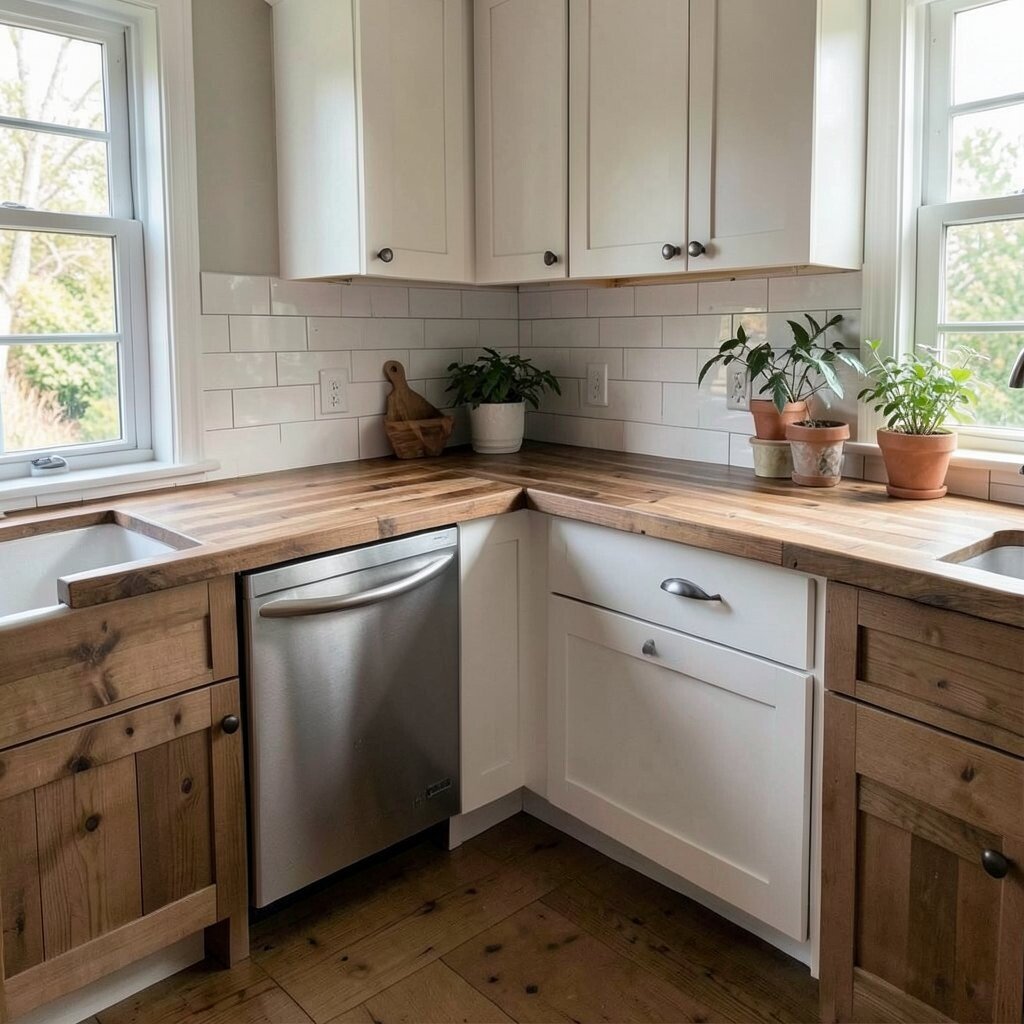
Counter-height butcher block instantly softens a kitchen with stainless steel or white cabinets. The warm tone makes lighting feel gentler and helps the space look more lived-in.
Install over a sturdy base and leave room for expansion, since wood moves with humidity. For daily care, wipe spills quickly and reapply mineral oil when the surface looks dry. This option is unique because it blends style with real function—your counters can handle prep without feeling precious.
To manage cost, compare wood species, and ask about prefinished slabs to reduce finishing labor. A trend worth watching is mixed-material kitchens, like wood counters paired with stone backsplashes. If you like personalization, consider a light edge profile or a subtle bevel so the wood catches highlights without looking overly busy.
3. A Wall-Mounted Butcher Block Serving Station
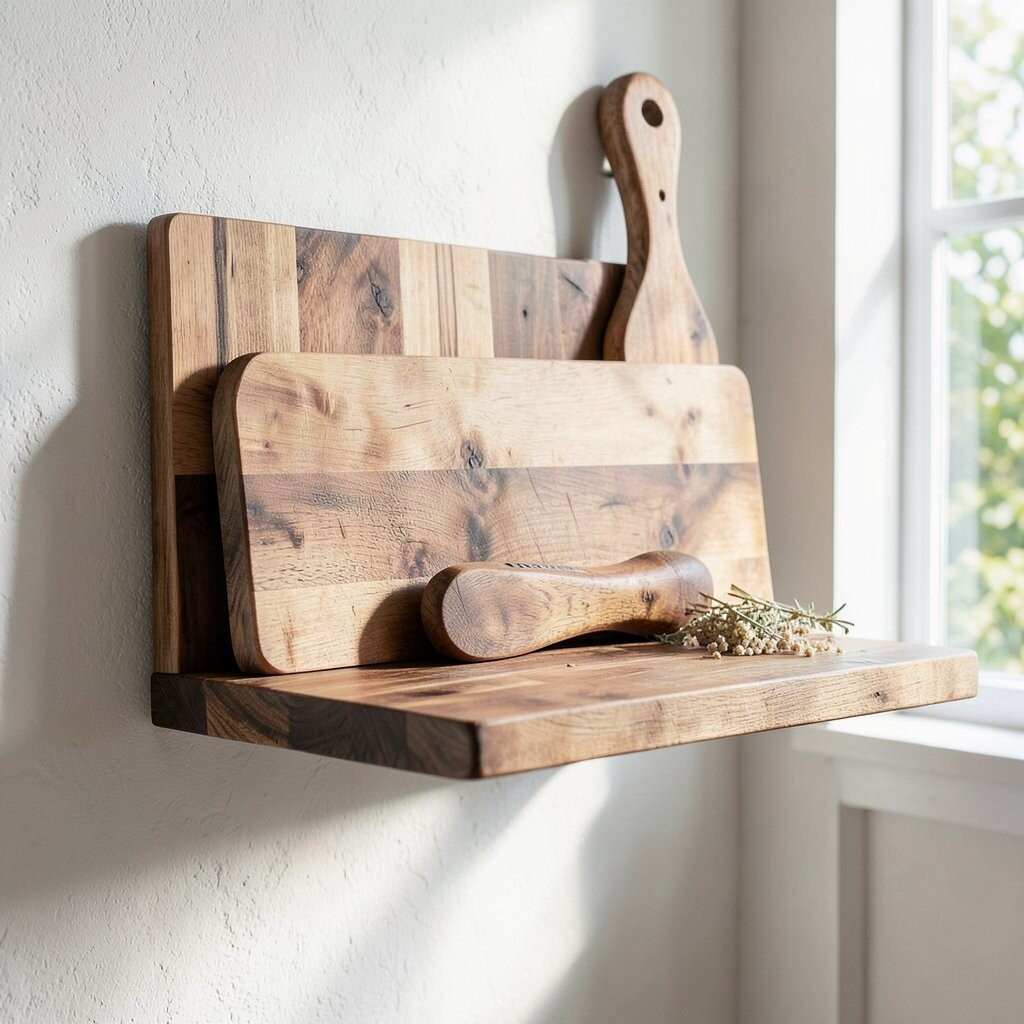
Think of a butcher block section on the wall as a practical “pause space” for food. It’s perfect for hosting, plating, and setting out snacks without cluttering the main counter.
This idea stands out because the wood becomes decor and utility at the same time. Mount it securely into studs and keep the top a comfy height for chopping small items. Use it for bread boards, cheese spreads, and grab-and-go lunches.
For practical tips, add a drip tray or a small rail underneath so crumbs and drips stay tidy. Keep a small bottle of oil nearby for quick touch-ups after heavy use. If you want a personalization boost, stain the wood slightly darker than your cabinets so it reads as intentional contrast.
Costs are usually lower than full countertops, since you’re buying a smaller piece and hardware. Current trends show more “micro-stations” for entertaining, so this fits right in. Pair it with two matching hooks for utensils or a small shelf for seasonal cutting boards.
4. Butcher Block Floating Shelves for Storage and Style
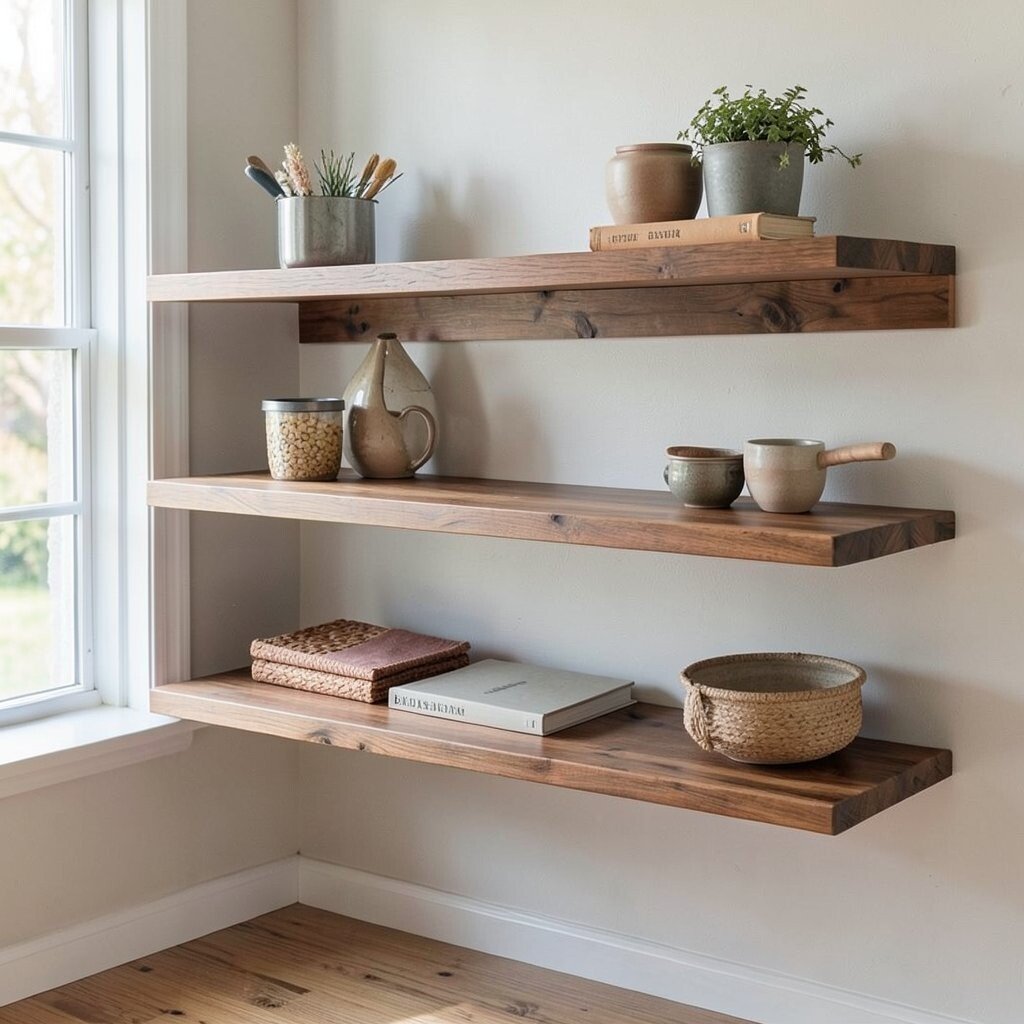
Floating butcher block shelves can make an open kitchen feel warmer and more organized. They also give you a place to set cookbooks, jars, and a favorite cutting board.
Because shelves take less material than counters, they’re an easy way to enjoy the butcher block look without the bigger budget hit. Use brackets rated for your shelf load, and sand the edges smooth so nothing snags. Finish with a food-safe sealer so you can wipe off the inevitable splatters.
5. A Built-In Breakfast Bar With Matching Legs

A breakfast bar made from butcher block can become the heart of your kitchen, especially for quick meals and school mornings. The wood tone makes everyday routines feel less rushed.
Keep it functional by planning for seating clearance and adding an overhang that fits your stools. If you’re using it for meals, consider sealing the surface regularly so it stays resistant to coffee rings and light water marks. This design is unique because it mixes seating convenience with a truly workable surface.
To personalize, choose legs that match your cabinet style—simple straight legs for modern looks or turned legs for a more classic vibe. Cost considerations depend on thickness and whether you use a single block slab or multiple joined sections. A current trend is mixing warm wood with matte hardware like black fixtures for a clean, updated feel.
6. Butcher Block Behind the Range as a Heat-Friendly Feature
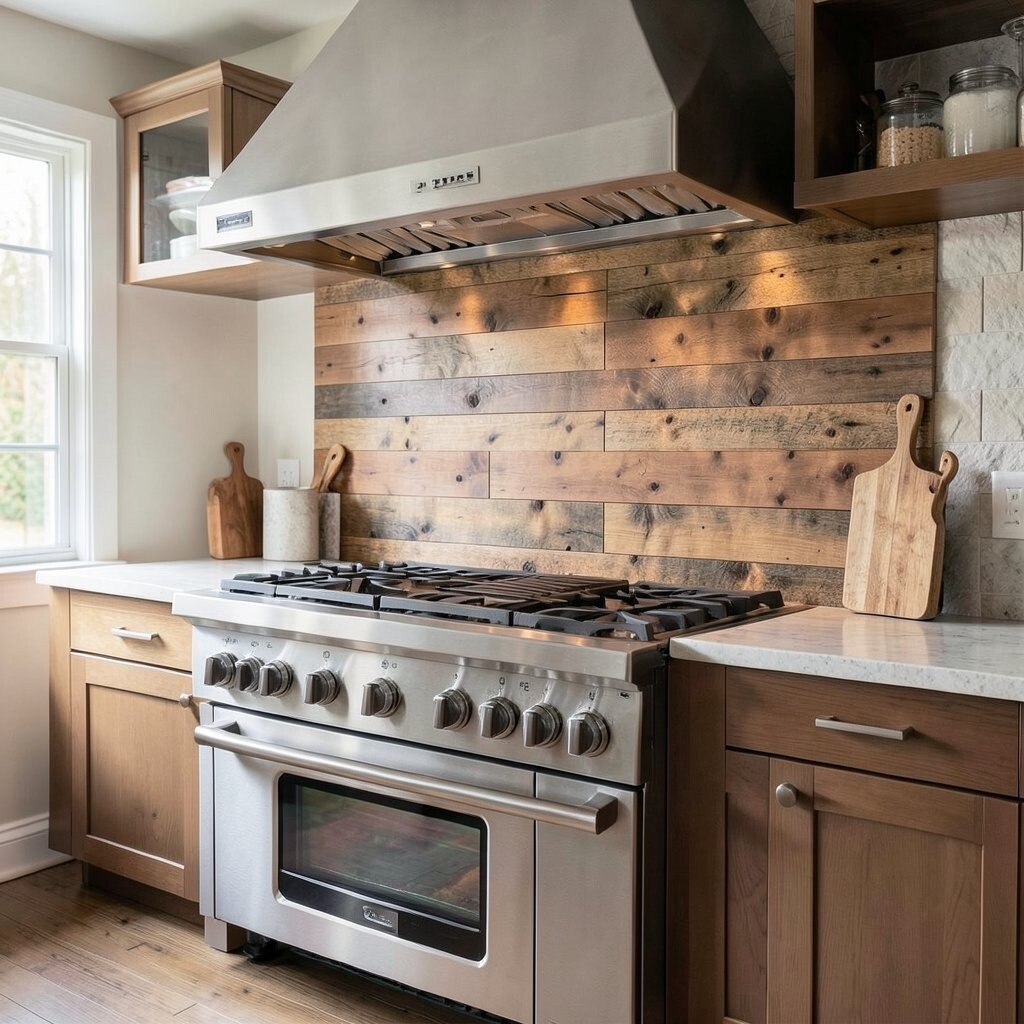
Adding butcher block behind the range creates a rich focal wall that looks like a custom feature. It also gives you extra prep space when you’re cooking.
Be careful with heat, since wood needs protection from direct flames and heavy steam. Use a heat-resistant barrier and consider leaving a clear safe gap, then finish the surface with a durable food-safe coating. This setup feels unique because it turns what’s usually a plain backsplash into an artful working surface.
If you want practical tips, keep a small scraper and board nearby so you can move chopping to the safest area. Consider lighter-weight stain for a fresh look, especially if your kitchen gets lots of natural light. In terms of cost, you may spend less than full countertop coverage while still getting strong visual impact.
7. Cutting Board Style Butcher Block With Rails
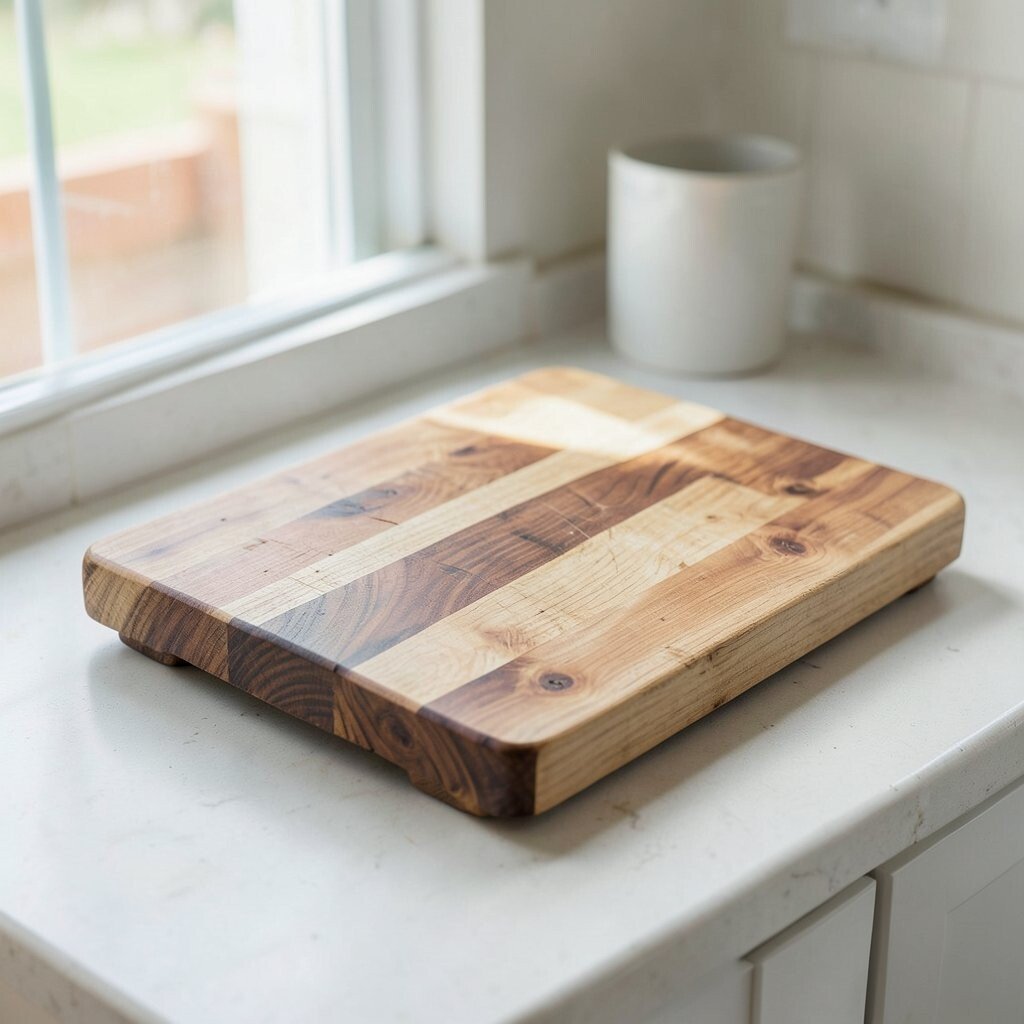
Some butcher block tables look like oversized cutting boards, and that playful idea works beautifully in kitchens. Adding rails around the edges helps keep boards from sliding and gives the surface a “designed” feel.
This option is great for families because it turns the whole top into a ready-to-use prep zone. Keep the rails rounded so they’re comfortable for hands and easy to clean. Personalize by matching the rail spacing to your favorite sheet pan size, if you often prep meals in batches.
For practical care, wipe with a mild soap, rinse, and dry right away to prevent moisture from sitting in the corners. Cost can be moderate depending on how thick you go, but the effect is high-end because the shape feels intentional. A current trend is using functional furniture shapes, like prep carts and board-like islands, to reduce the “dead zone” between tasks.
8. Reclaimed Wood Butcher Block for Eco-Friendly Character

Reclaimed wood butcher block brings history into your kitchen with visible grain and subtle color variation. Every mark makes the surface look richer and more personal.
This is unique because the “imperfections” are part of the beauty, not a flaw to hide. Ask what the wood was used for before, and confirm it’s been properly processed for safe food contact. Pair it with simple cabinets so the reclaimed tones can shine without fighting other patterns.
For practical tips, seal and oil carefully since reclaimed wood may absorb finish differently. Start with a test area to see how the surface drinks oil, then proceed evenly. Cost considerations vary, but reclaimed wood can be higher in price while delivering a one-of-a-kind look.
Current trends lean toward sustainability, so reclaimed butcher block fits right in with modern “responsible materials” choices. If you want to personalize further, match the wood tone to your flooring undertones for a balanced, cohesive look.
9. Corner Butcher Block Nook for Small Kitchens

A corner butcher block nook uses space you might otherwise ignore, especially in tighter kitchens. It gives you a spot for mail, lunches, or small meal prep without crowding the main counters.
This idea is unique because it can feel custom even when you buy a smaller slab and build around it. Install a base that supports the weight, then finish the top so it’s ready for everyday use. Add a simple shelf below for baskets or mugs so the area stays functional.
For practical tips, choose a size that still lets you open drawers and doors comfortably. Use a light stain if your kitchen is narrow to keep it from feeling heavy. Cost is usually reasonable because you’re using less material, and the payoff in usable space can be huge.
10. A Butcher Block Desk-Style Work Surface in the Kitchen

Why hide your planning area when you can make it beautiful with butcher block? A desk-style work surface lets you handle bills, prep packets, or plan meals while staying in the kitchen flow.
This setup is unique because it turns the kitchen into a multi-purpose hub. Add shallow drawers or a cubby base so kitchen tools and paper clutter have a place. Personalize with a monitor shelf or hooks if you work from home and need a dedicated spot.
For practical tips, keep cords managed and use a protective mat under any hot devices. Seal the wood regularly because daily use may be messier than you expect. Cost can be moderate since you’re building from a slab, but the storage features can raise it depending on your design.
11. Butcher Block Pantry Doors for Warm Contrast

Butcher block used as pantry door fronts adds a warm, welcoming look that feels different from standard paneling. The wood texture becomes a subtle backdrop for the rest of your kitchen.
This idea is unique because it uses butcher block vertically, not just as a work surface. You can keep the rest of your kitchen sleek while letting the doors bring comfort. Consider a lighter finish if your cabinets are dark, so the room looks balanced.
For practical tips, choose hardware that matches the kitchen metals and ensure door alignment is tight. Seal the edges well since vertical surfaces may collect grease mist near ovens. Cost considerations include custom door sizing, but the visual impact often feels worth it.
A current trend is adding texture to cabinets without changing the whole layout, and butcher block doors fit that perfectly. Personalize by adding small inset frames or a simple handle style that matches your faucet.
12. Butcher Block Custom Trough Sink Surround
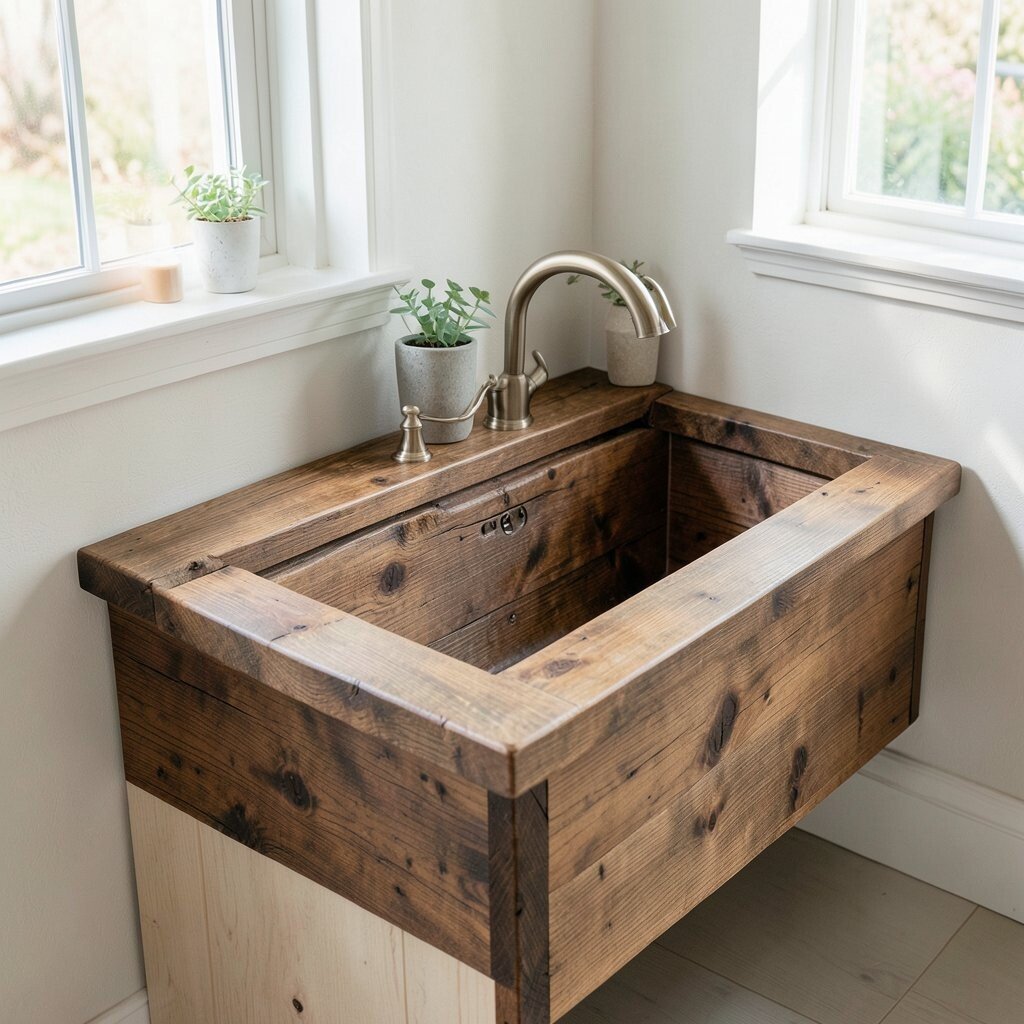
A trough-style sink paired with butcher block around it creates a classic, hardworking look. It also gives you “landing space” for rinsing and prepping vegetables.
This is unique because the butcher block isn’t just decoration—it works with your workflow by giving you a natural staging surface. Seal it well and treat it like a high-use area since splashes happen often. If you like efficiency, keep a towel bar near the edge and add a small sideboard for drying.
For practical tips, plan for water control with a proper overhang and careful sealing at seams. Avoid standing wet items on the wood for long periods to reduce wear. Cost can be higher if you need custom cabinet framing, but the payoff is a bold, designer-style focal point.
13. Butcher Block Around a Kitchen Table or Rolling Cart
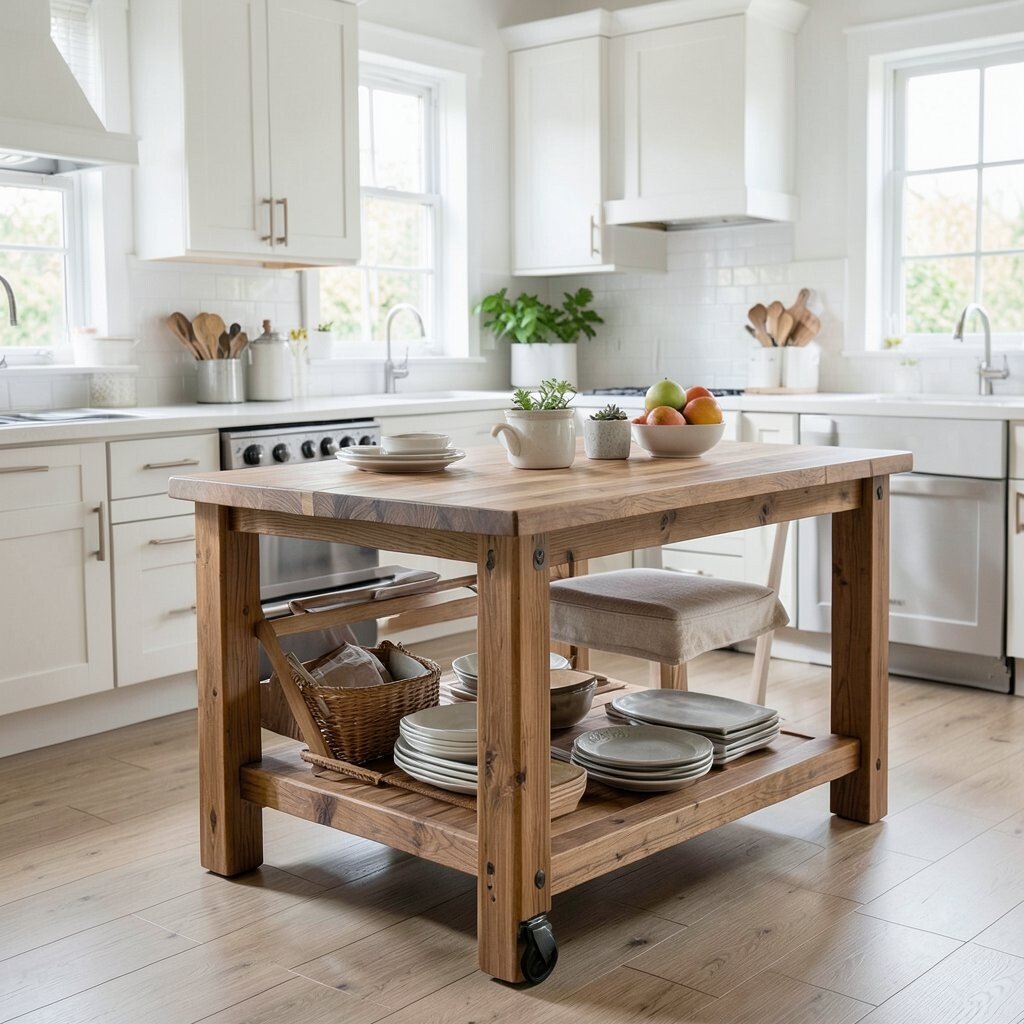
Borrow the butcher block idea from islands and apply it to a kitchen table or rolling cart. The wood makes even simple furniture feel like part of your built-in kitchen.
This option is unique because it’s flexible—you can move it, change your layout later, and still keep that same warm surface. Use it for serving, extra cutting, and staging food during weeknights when the main counters feel full. Personalize by matching the wood tone to your existing butcher block countertop, if you have one.
For practical tips, choose wheels with locks if you plan to roll it close to your stove. Add a tray or side hooks so you always have tools within reach. Cost considerations depend on whether you buy a ready-made cart top or build from a slab.
A trend right now is mobile prep areas for meal prep seasons, and a butcher block cart fits that lifestyle. Keep a small oil tin with a rag so you can maintain the surface between big gatherings.
14. Butcher Block Fireplace Mantel Shelf for Kitchen-Adjacent Warmth
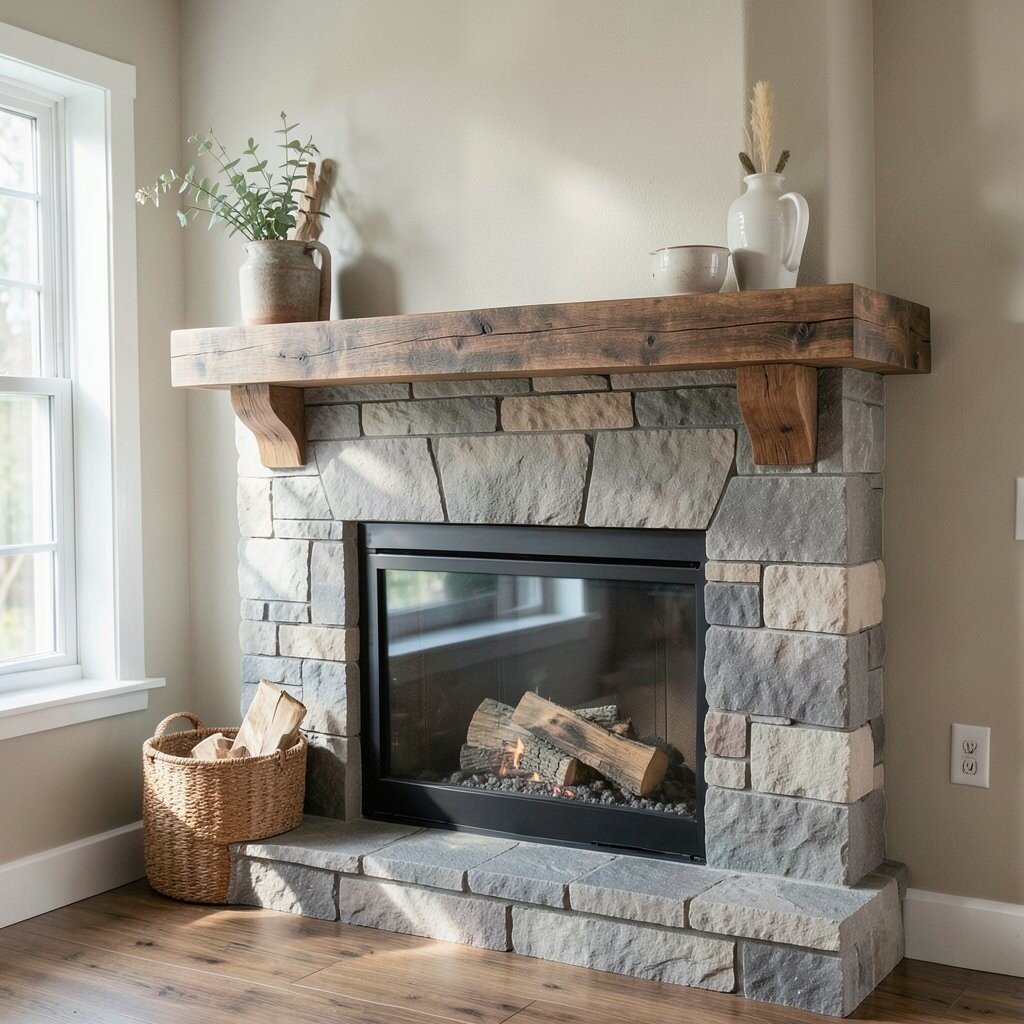
If your kitchen shares space with a fireplace or mantel wall, a butcher block shelf can add cozy texture. It creates a warm transition between cooking and relaxing zones.
This idea is unique because it brings butcher block into a non-traditional location while still feeling natural with kitchen styling. Decorate with framed photos, herb pots, or a long row of cookbooks. Make it practical by adding a small hook strip for utensils or oven mitts if it’s near a functional kitchen area.
For practical tips, make sure clearance from heat is safe and keep the surface sealed. Dust gently, then wipe occasionally with a damp cloth and dry immediately. Cost is usually moderate because you’re working with a smaller footprint compared to counters.
If you want personalization, consider a slightly darker stain to match your floor or light fixtures. Current trends favor mixed textures like wood, stone, and metal, and a butcher block mantel supports that look.
15. Butcher Block with a Waterfall Edge for a Modern Twist
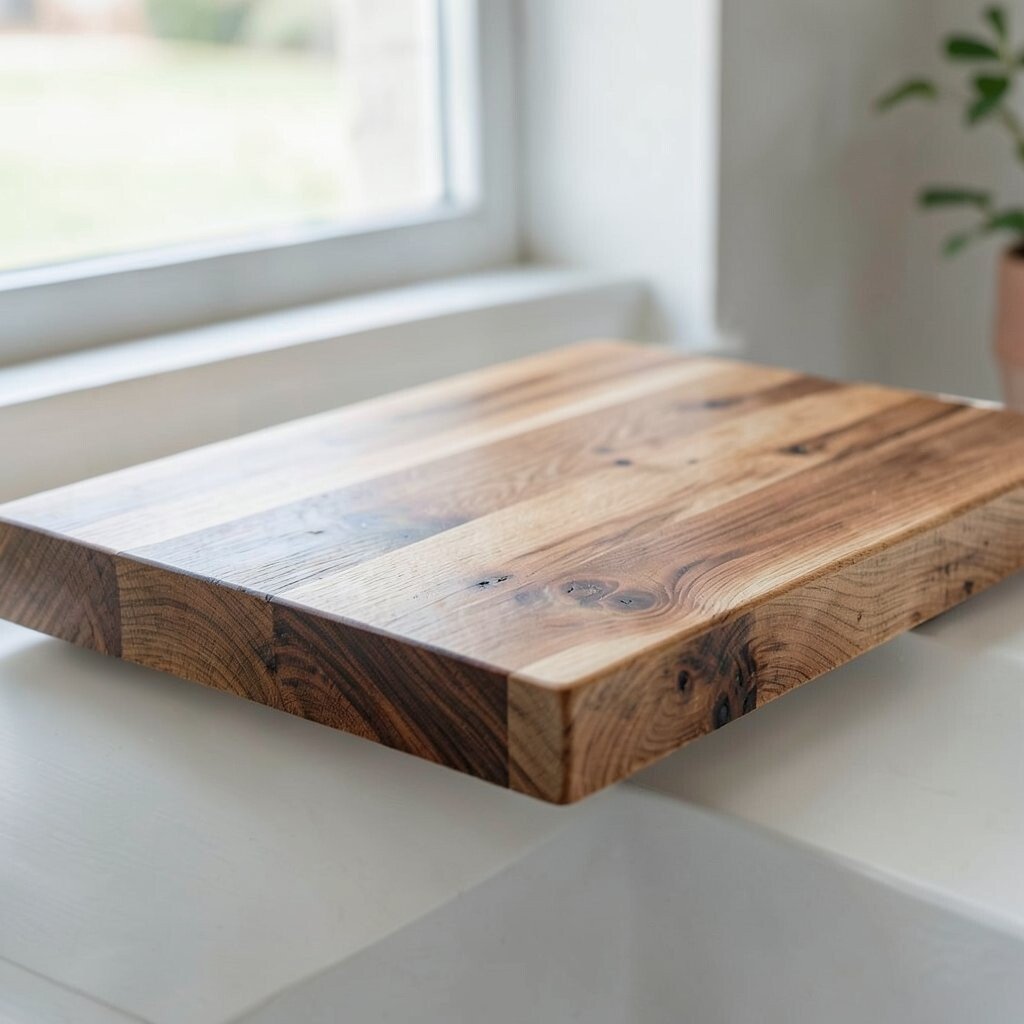
A waterfall edge butcher block counter looks sleek and architectural while keeping the cozy wood feel. The wood flows down the sides so the surface feels like one continuous piece.
This idea is unique because it turns a warm material into a modern design statement. Choose a thickness that shows a clear waterfall line, and make sure your cabinet base is strong enough to support the extended edge. If your kitchen is minimalist, this feature adds softness without extra clutter.
For practical tips, oil maintenance is still important, and you’ll want to keep drips from sitting along the vertical faces. Use trivets for hot pans and wipe liquids quickly to reduce staining. Cost considerations can be higher due to custom fabrication, but the look often feels worth it because it looks magazine-ready.
16. Butcher Block Tabletop With Drop-Leaf Style for Flexibility

A butcher block tabletop with drop leaves can make dining and prep easier without taking up constant space. When the leaves are down, you get a compact setup; when they’re up, you gain room for meals and projects.
This idea is unique because it’s both practical furniture and functional prep surface. Seal the top well so the surface handles spills from everyday living. Add a matching butcher block cutting board that stores under or beside it for a simple workflow.
For practical tips, keep the leaves aligned and use a stable base so the table doesn’t wobble during chopping. If you’re worried about damage, choose a slightly thicker tabletop for extra durability. Cost can be moderate, and personalization is easy through staining and hardware choices.
Current trends show more flexible eating spaces in smaller homes, and this design fits right in. Match the wood tone to your cabinet finish so the table feels like part of the kitchen, not an extra piece.
17. Butcher Block Bar Top With Seating-Friendly Overhang
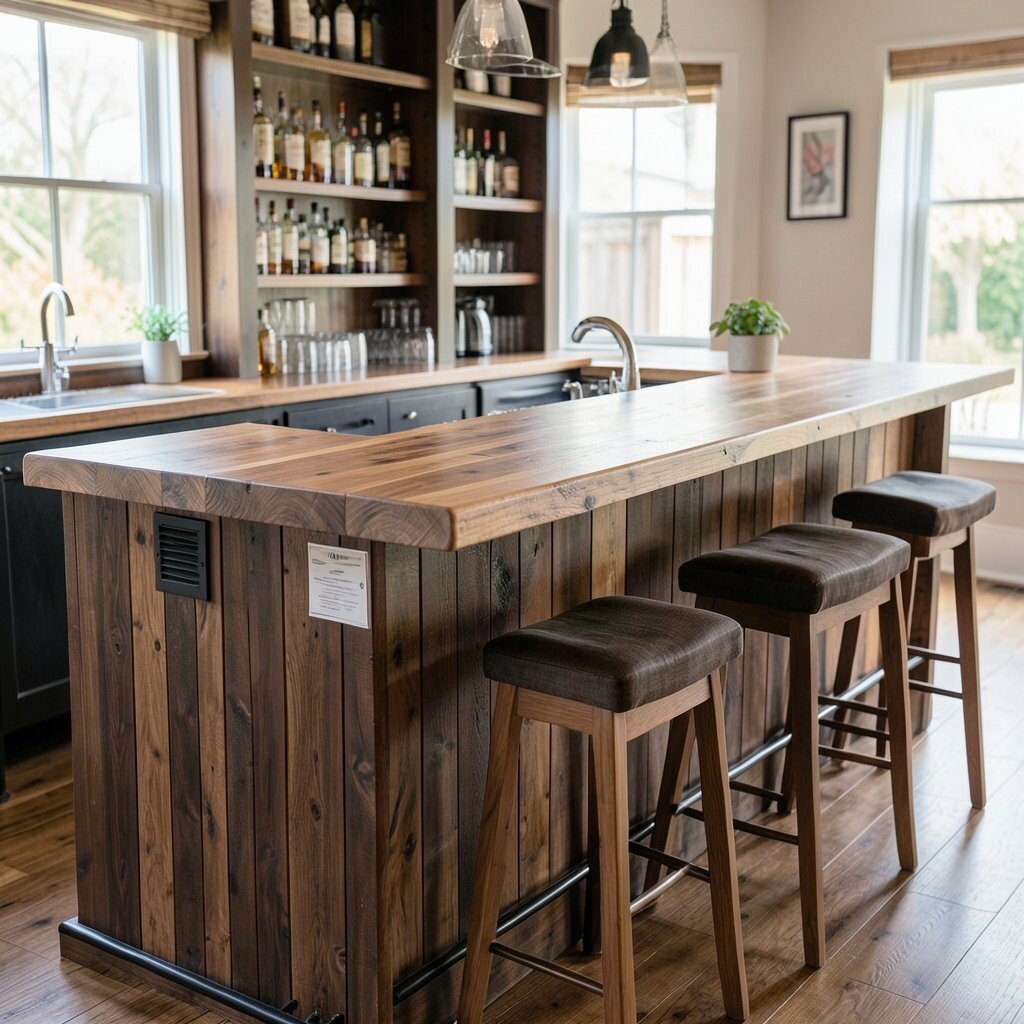
A butcher block bar top gives you a casual hangout spot that still performs like a real kitchen surface. The wood edge under seating feels inviting, especially with warm lighting.
This is unique because you can design it to support both dining and cooking tasks. Add an overhang for stools and keep the bar height consistent for comfort. Personalize it with a subtle chamfer on the underside so it feels smooth against hands and elbows.
For practical tips, ensure the bar surface has strong sealing and watch for moisture near beverage areas. Use coasters and wipe condensation quickly since drink spills happen more at bars than on counters. Cost considerations depend on the length of the slab and whether you need custom base cabinetry, but the visual payoff is strong.
18. Butcher Block Mug and Utensil Station With a Behind-Shelf Rail

A dedicated butcher block mug and utensil station can tidy up everyday clutter in seconds. You get a warm “drop zone” for cups, spoons, and small prep tools that you reach for constantly.
This idea is unique because it combines a small work surface with built-in organization. Add a rail behind the shelf for utensils or place a shallow groove along the top edge for board storage. Finish the wood so it wipes clean after cooking splatter or coffee steam.
For practical tips, mount securely and use strong hooks so items don’t pull loose over time. Keep a mini oil bottle nearby for maintenance after heavy cleaning days. Cost is usually budget-friendly because you’re using a smaller piece of butcher block, plus a few shelves or rails.
Personalization can be as simple as matching the wood tone to your cutting boards and choosing handles in the same finish as your faucet. A current trend is more “visible storage,” and a butcher block station supports that by looking intentional, not messy.
19. Butcher Block Accent Islands With Color-Matched Bases
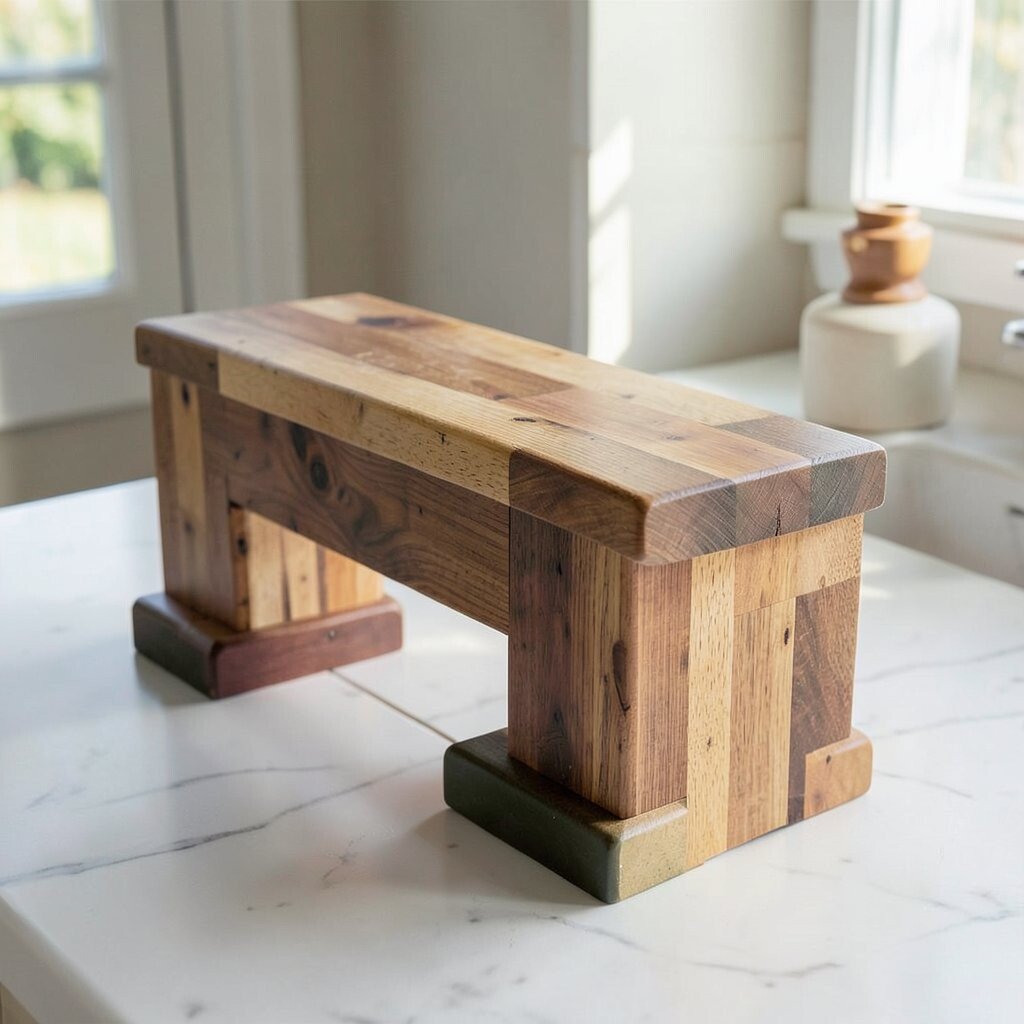
An accent island with a butcher block top can look bold while staying grounded and practical. Pairing the wood surface with a color-matched base helps the island feel designed rather than random.
This idea is unique because it blends warm material with your color palette, creating a focal point that still works hard. Choose a base paint color that complements your cabinets or adds a playful contrast, then seal the top to keep it consistent. Personalize with a matching backsplash trim or a coordinating pendant light above it for a complete look.
For practical tips, plan for durability on the painted base by using a tough finish and keeping water away from the wood edges. Use felt pads under decor so the surface doesn’t scratch during styling. Cost considerations depend on whether you build from scratch, buy a prebuilt base, or use a ready-made cabinet system.