Silicone spatulas are small tools with big help baked into every kitchen day. The best part is how many different ways you can use one without switching tools.
1. Spread Jam Like a Pro
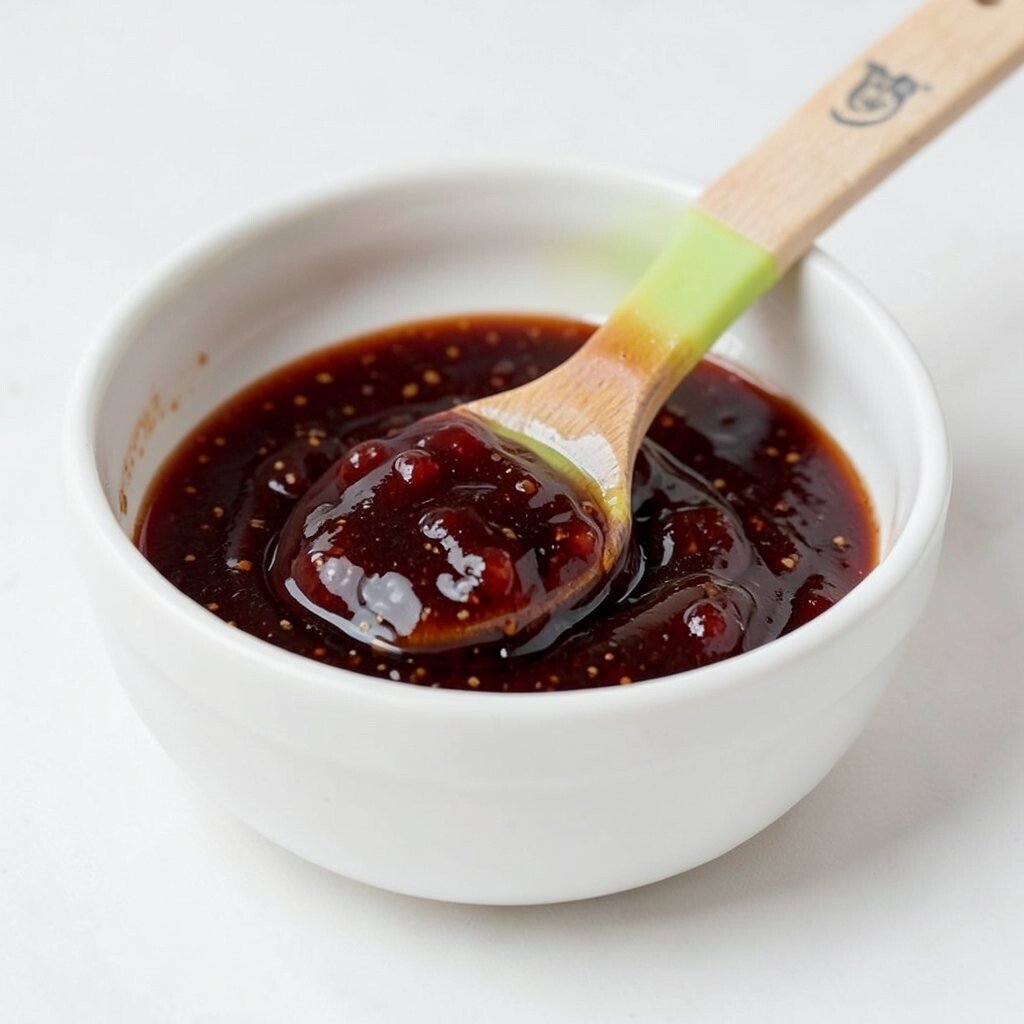
Silicone spatulas glide through sticky fruit jam with almost no drag. The flexible edge hugs jars and helps you get nearly every last spoonful.
Use a wide, thin spatula for thin spreads on toast, and a thicker one for thicker preserves. Press gently along the rim of the jar to scrape down the sides without gouging. If your jam is cold, warm the jar in your hands for a minute so it loosens and spreads more smoothly.
2. Scrape Every Last Bit of Peanut Butter
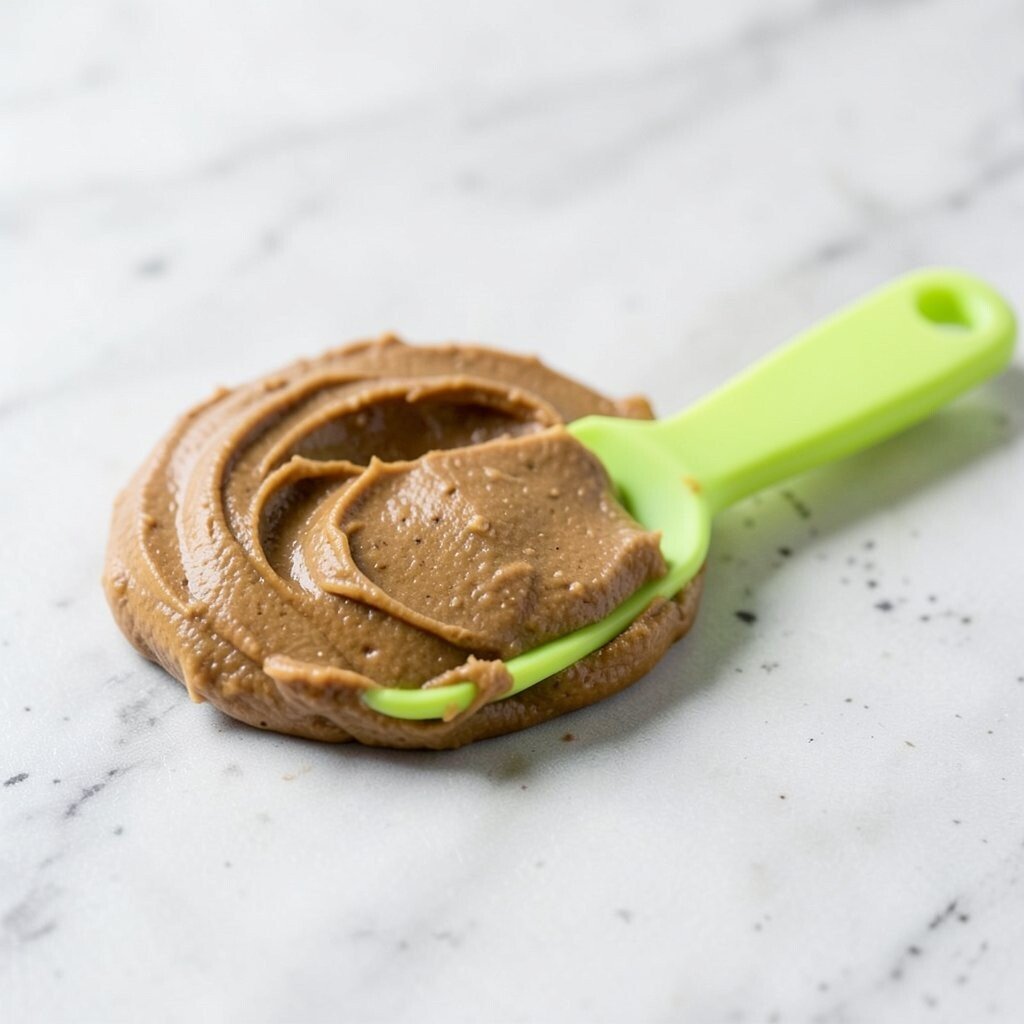
That stubborn peanut butter layer at the bottom of the jar is no match for silicone. The spatula’s bend makes it easier to sweep corners clean.
For a smoother texture, stir with the spatula while rotating it inside the jar, then stop and scrape again. This method helps mix oil back into the peanut spread. Choose a spatula with a comfortable handle so your wrist doesn’t get tired after a few rounds.
If you’re thinking about cost, a durable silicone model often pays off because it won’t rust or chip like some metal tools can. Look for food-safe markings and a heat rating that fits your usual habits. A fun personalization idea is to pair a neutral spatula with matching jar labels so your pantry looks tidy and intentional.
3. Fold Batter Without Overmixing

When you fold batter, the goal is gentle motion, not rough stirring. A silicone spatula helps you keep the lumps where they belong until the batter comes together.
Use slow, sweeping turns from the bottom of the bowl and lift up through the center. This motion reduces the chance of knocking out air you worked hard to add. If the batter is thick, scrape the sides often so everything mixes evenly.
For extra control, hold the spatula like a paintbrush and let the flex help you guide the fold. Try a silicone spatula with a slightly angled head for better access in deep bowls. Clean the tool right away so batter doesn’t dry onto the surface and become harder to remove.
Some bakers like to keep a dedicated spatula for sweet batters, especially if they hate lingering flavors. You can also choose a color you love, like pastel pink for cakes or bright teal for everyday muffins. This small choice can make baking feel more playful while staying practical.
4. Make Smooth Icing With Fewer Tools
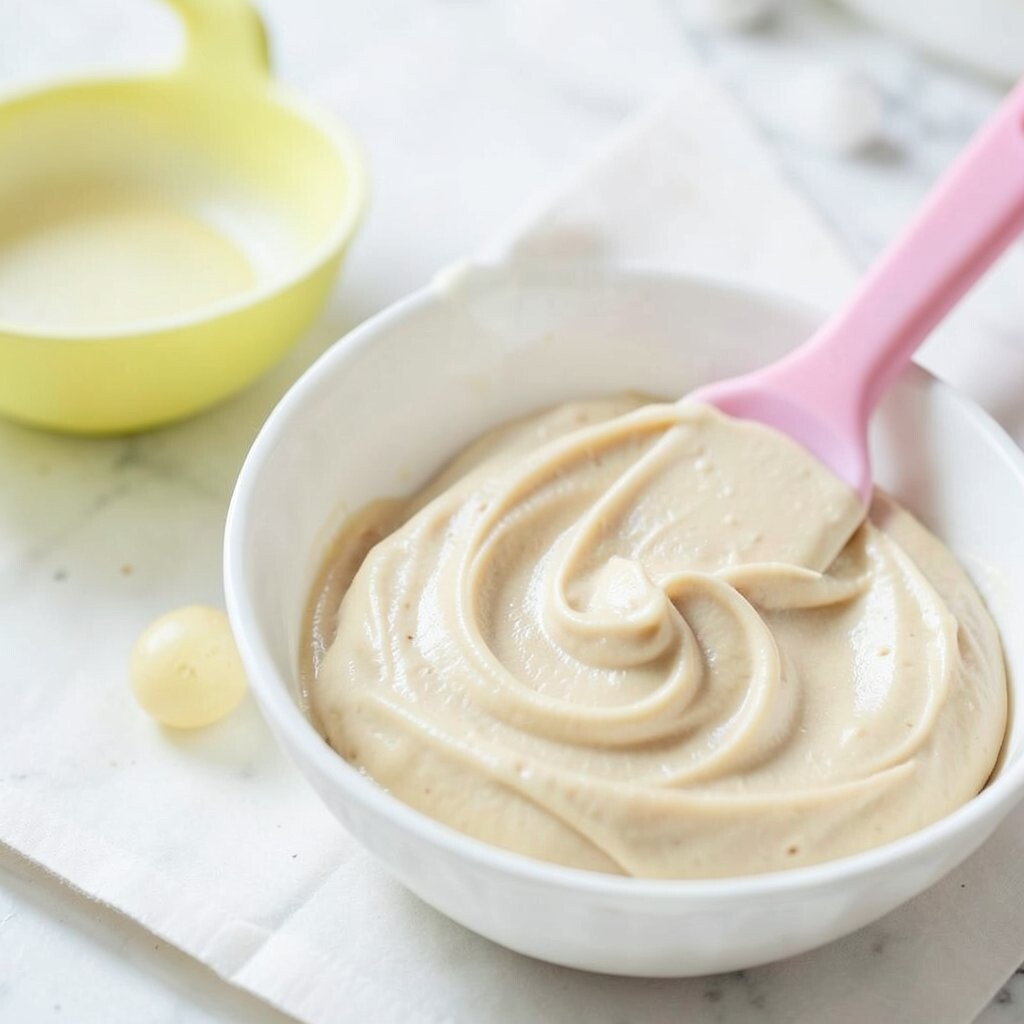
Silicone spatulas are excellent for icing because they spread thinly and leave fewer streaks. Their soft edge helps you smooth frosting without tearing the surface.
Start with a dollop, then spread outward with steady pressure. If you want a perfectly even finish, tilt the spatula slightly and glide like you’re smoothing a countertop. Keep a separate, smaller spatula for detailed edges so your main one stays clean for big coverage.
5. Scramble Eggs in a Gentle, Nonstick-Safe Way
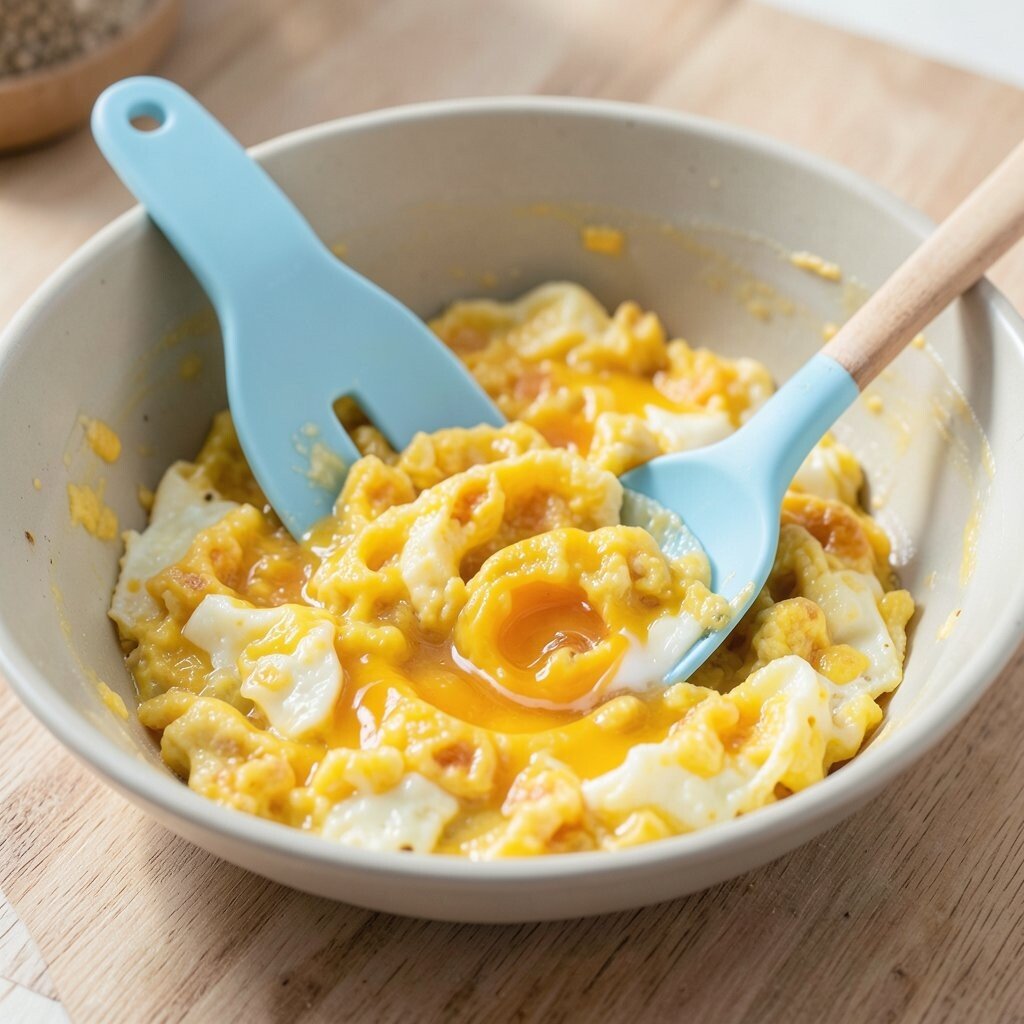
Eggs cook quickly, and you need a tool that moves fast without scratching. Silicone spatulas are friendly to nonstick pans and still strong enough to stir.
Stir with a slow figure-eight motion so curds form evenly. Scrape the bottom frequently to prevent sticking, especially as the eggs start to thicken. For creamier results, lower the heat a touch and keep stirring until the eggs look slightly underdone.
If your pan is wide, choose a spatula with a wider head to reduce the number of passes. Many people also like heat-resistant silicone for stovetop cooking and then a quick wipe for cleanup. A trendy idea is matching your spatulas to your cookware color theme so the kitchen looks coordinated.
6. Plate Sauces Cleanly for Better Presentation
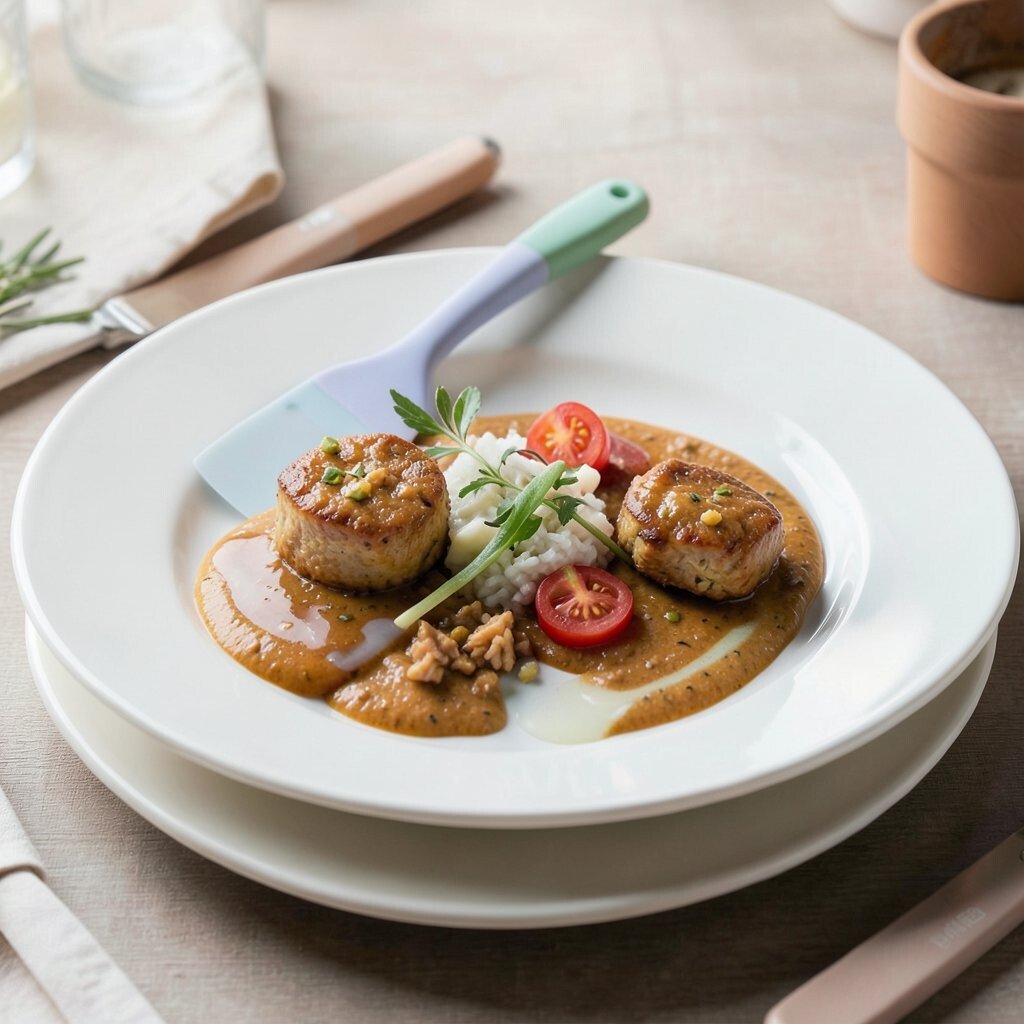
A silicone spatula can portion sauce with control instead of dumping it out. The flexible blade lets you guide drips back onto the plate in a neat line.
Use it to lift sauce from a pan, then tap lightly to release the last bit. If you’re doing layered meals, scrape the spatula edge gently against the container so portions stay consistent. For busy weeknights, this means fewer messes and faster plating.
Consider using a spatula with a medium thickness so it doesn’t bend too much when you lift. If you care about cost, look for multipacks that include different widths. You can also personalize by adding a small tag on the handle for “sauce” so it doesn’t get mixed up with baking tools.
7. Portion Cookie Dough Without Sticking
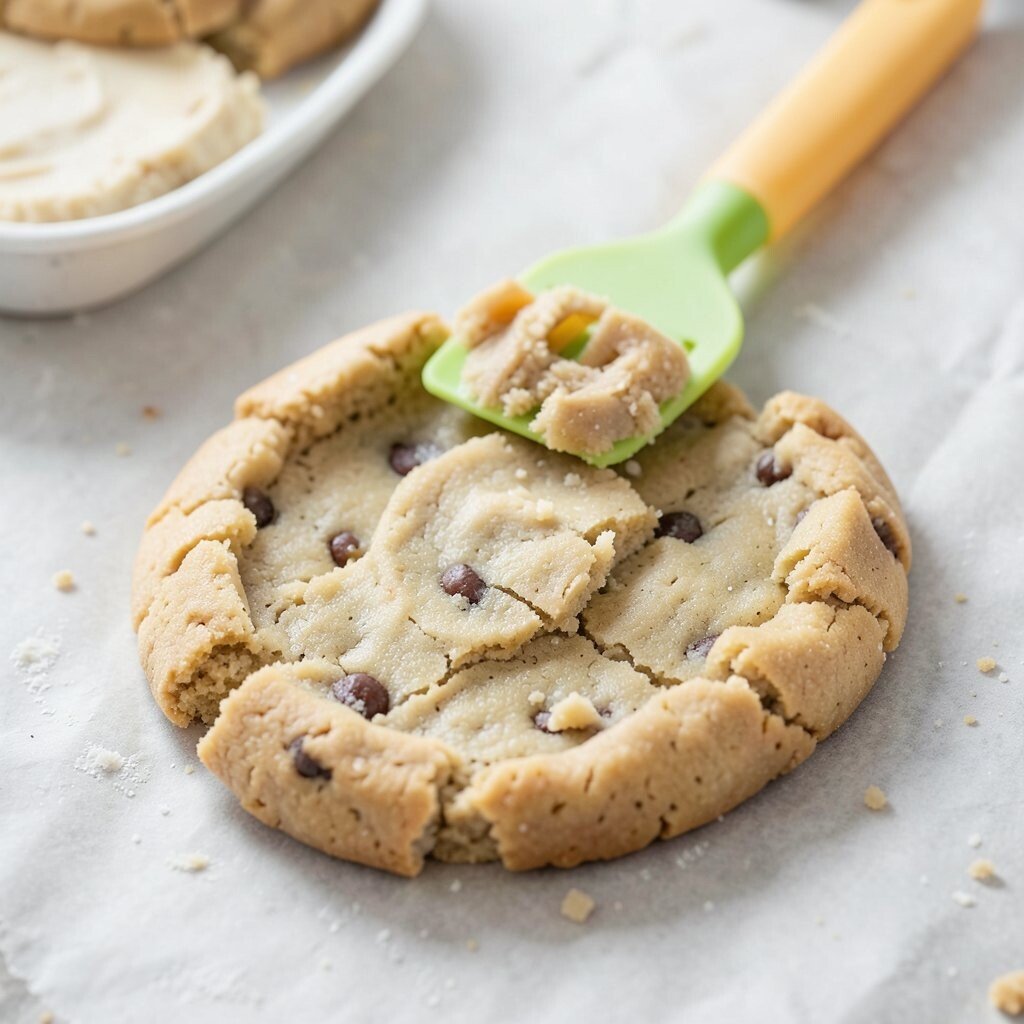
When cookie dough sticks, it steals time from your baking. A silicone spatula helps you scoop dough cleanly and spread it evenly on the tray.
Chill your dough first for easier handling, then use the spatula to lift and portion. If the dough is sticky, lightly dampen the spatula with water or oil so it releases better. Keep your strokes smooth so the cookies bake with consistent thickness.
Try a narrow spatula for precise portions, especially for smaller cookies. This is also a great moment to think about trends like “no-fuss meal prep” tools that make baking feel less stressful. For personalization, store your spatula with a small container of parchment and label it “cookies” in your own handwriting.
8. Scrape Spreads From Bowls Without Smearing
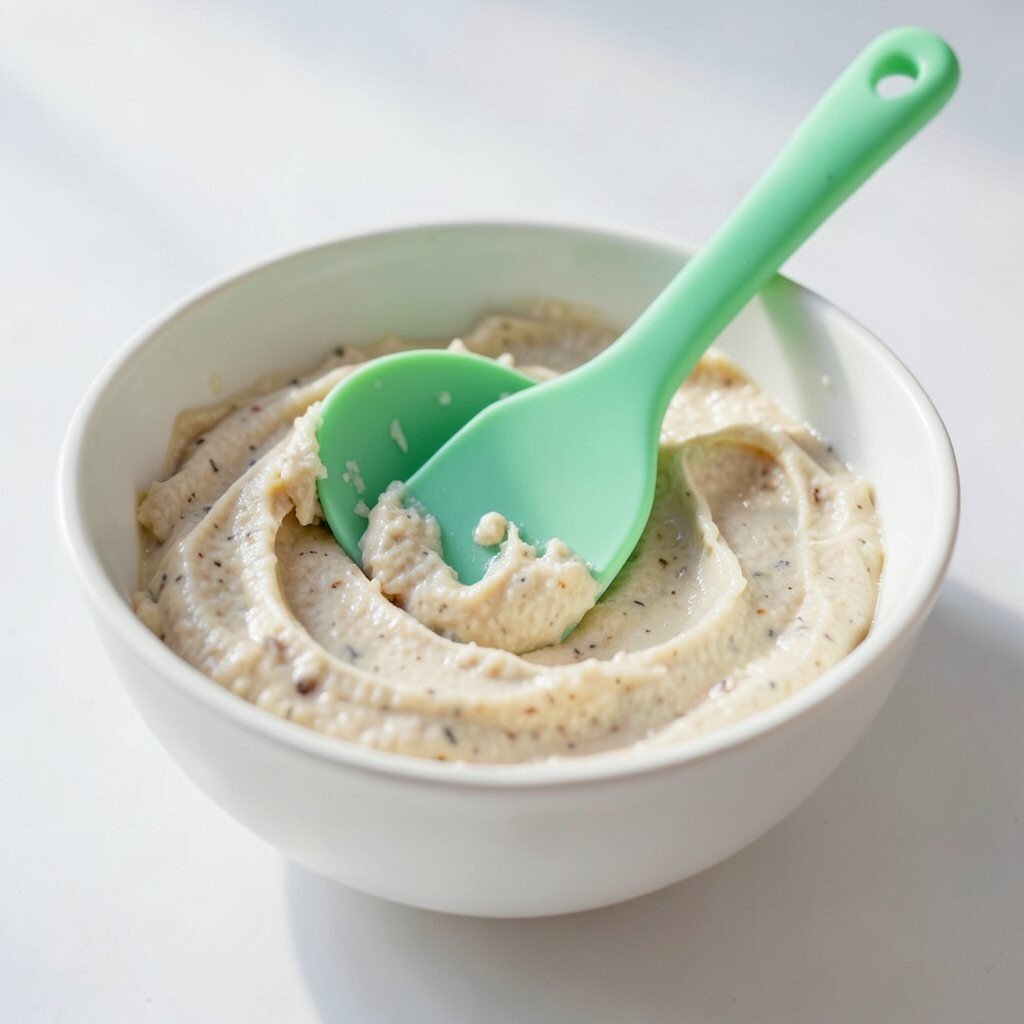
Thick spreads like hummus or yogurt frosting cling to the sides of bowls. Silicone’s flexibility lets you scrape close without gouging or smearing everywhere.
Run the spatula around the bowl’s edge, then pull inward in slow sweeps. Pause and rotate the bowl so you can scrape from every angle. This is especially helpful when you’re working with glass bowls, where stains can linger.
If you’re making a big batch, use a larger head so you cover more surface at once. For practical cleaning tips, soak in warm soapy water for a few minutes and then rinse. Many people also like choosing a light color spatula for foods like dips because it makes it easier to see when the tool is fully clean.
When it comes to cost, a midrange silicone spatula usually lasts longer than thin, cheap versions. Buying from brands that list heat ratings is a smart move for day-to-day kitchen use. A unique idea is to keep two spatulas—one for savory and one for sweet—to keep flavors separated.
9. Turn Marinades Into Even Coats
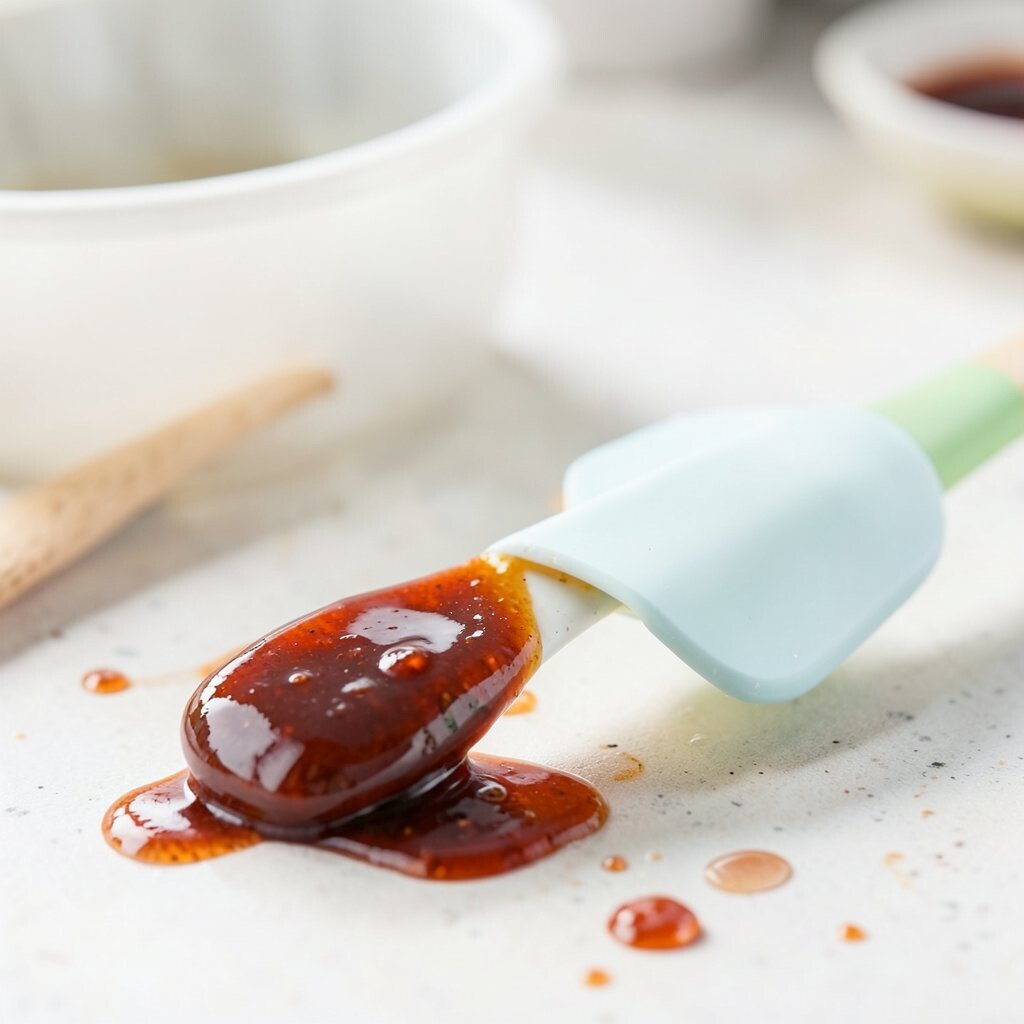
Marinades need full coverage, and a silicone spatula makes that job easier. You can spread marinade over meat and veggies evenly in the container.
Use gentle pressure to push marinade into the surface, then seal and refrigerate. If you’re using a bowl, scrape down the sides so nothing gets left behind. For safety, keep a separate spatula for raw proteins and don’t reuse it for cooked food.
Choose a spatula with a comfortable handle because mixing can take a minute. Some cooks like to use wide heads for evenly coating sheet-pan veggies. A personalization idea is to color-code spatulas by purpose, like red for proteins and green for vegetables, if you prefer quick visual sorting.
Cost-wise, it’s worth investing in at least one good protein spatula that you don’t mind washing often. Look for dishwasher-safe designs if you want less daily work. Trends like batch cooking make this tool extra valuable because it helps you keep prep tidy and consistent.
10. Swirl Smooth Soup in the Pot
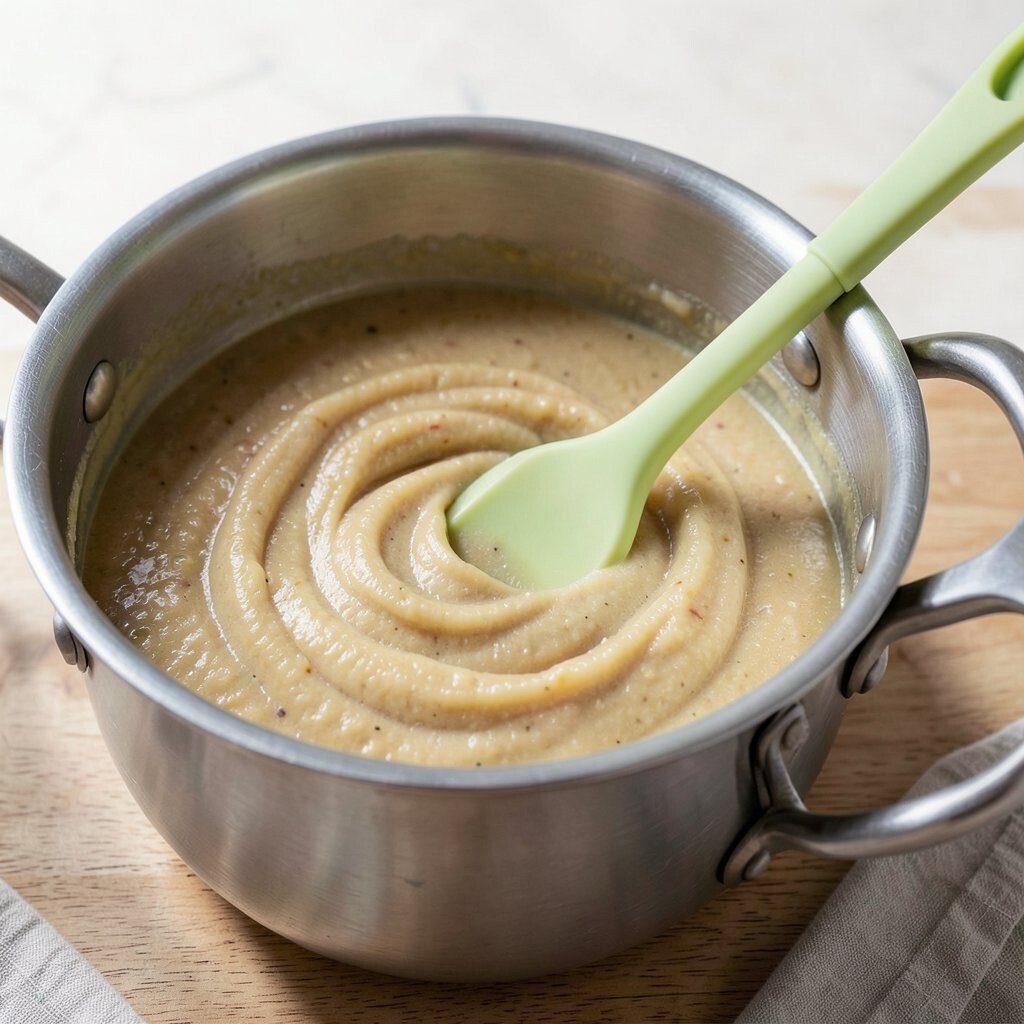
Silicone spatulas can help you stir soups without risking scratched cookware. The soft edge makes it easier to reach corners in stockpots.
For a nice swirl, stir in circles and then scrape the bottom once to bring up any thick bits. If your soup is chunky, use a slower motion so you don’t break pieces apart. Keep an eye on heat tolerance so the spatula stays safe as the soup simmers.
11. Melt Chocolate Without Scorching
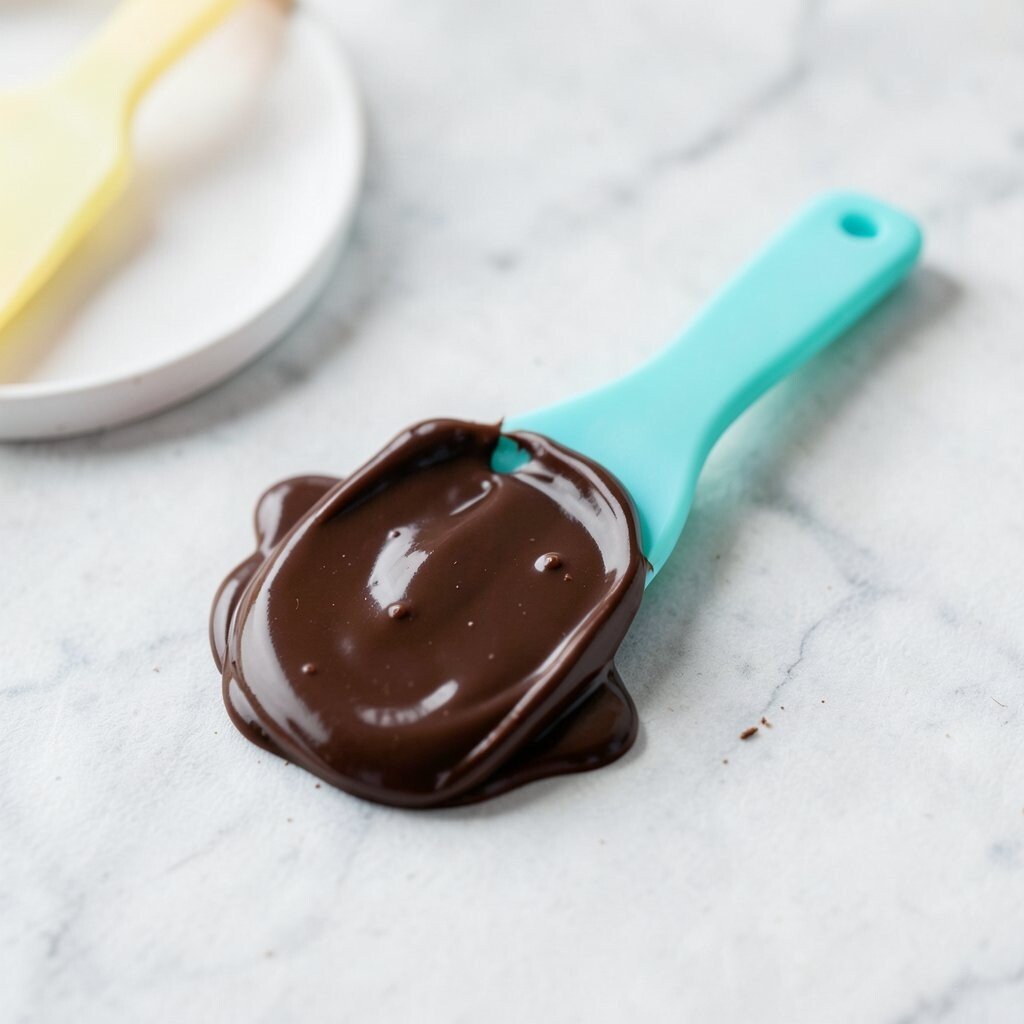
Chocolate needs patience, and silicone supports gentle melting. A silicone spatula helps you stir smoothly while controlling how fast heat moves through the mixture.
Use a steady, slow stir, especially if you’re melting in a bowl over warm water. Scrape the sides often so chocolate melts evenly and doesn’t form gritty patches. If you notice thickening, reduce heat and keep stirring until glossy.
For uniqueness, try pairing your chocolate spatula with a thermometer for more consistent results. If cost is a concern, you can designate one spatula for chocolate so you don’t have to buy extra tools. Many modern kitchens also lean toward multi-use items, so choose one that can handle chocolate and also do general mixing tasks.
12. Spread Vegan Butters and Nut Butters

Plant-based spreads can be thick, and silicone handles that texture really well. The spatula helps you portion without digging or tearing the container.
Warm the spread slightly for easier spreading, then use long strokes across the bread or toast. For sandwiches, spread in a thin layer so the flavor is balanced and the bread stays sturdy. If you store multiple spreads, label jars and keep a dedicated “spread” spatula for quick grab-and-go.
A trendy kitchen habit is building “snack boards” at home, and silicone makes portioning neat. Consider a spatula with a narrower head for mini bowls and a larger one for meal-prep tubs. For cost considerations, buy silicone that stays flexible after many washes so it doesn’t get stiff and harder to use.
13. Create Perfectly Portioned Pancake Batter
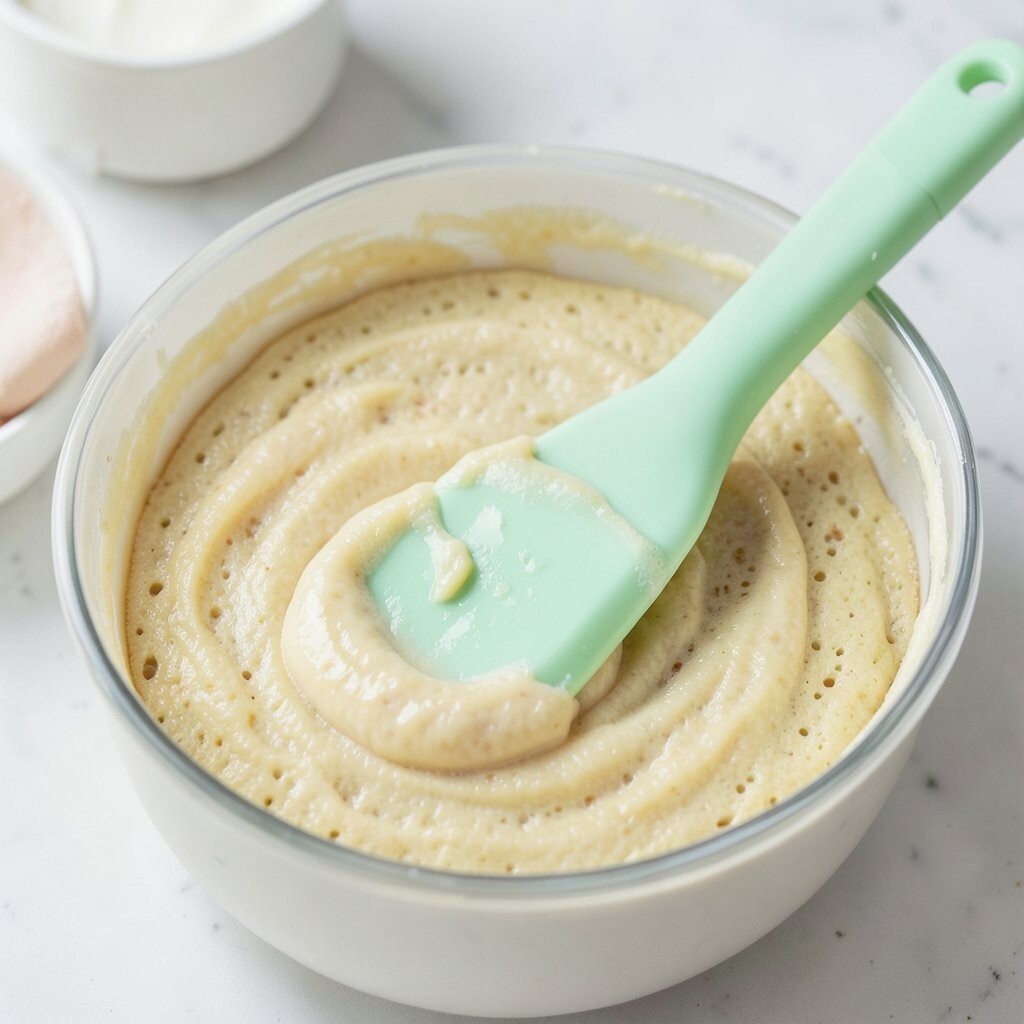
Pouring pancake batter can get messy, especially when the batter is thick. A silicone spatula helps you guide batter from bowl to pan with less waste.
Stir batter right before cooking, then scoop with the spatula and slide it off into the pan. If you’re using a ladle, silicone still works for scraping the ladle clean so no batter clings behind. For thin pancakes, keep the motion gentle so you don’t introduce extra bubbles.
Personalize your cooking setup by keeping a spatula color for breakfast routines. Many home cooks like heat-resistant silicone for cooking on hot surfaces. If you hate cleanup, a one-piece silicone spatula with minimal seams often makes washing faster.
14. Scoop and Smooth Yogurt Bowls Toppings

From thick yogurt to creamy curds, silicone makes serving feel effortless. It helps you scoop toppings neatly without scratching your bowl.
Use a small spatula to portion yogurt into cups, then smooth the top so toppings sit evenly. When adding granola or fruit, scrape the spatula edge so leftovers don’t clump. If your bowls are glass, silicone reduces the chance of chips compared to metal tools.
15. Apply Homemade Whipped Cream Gently
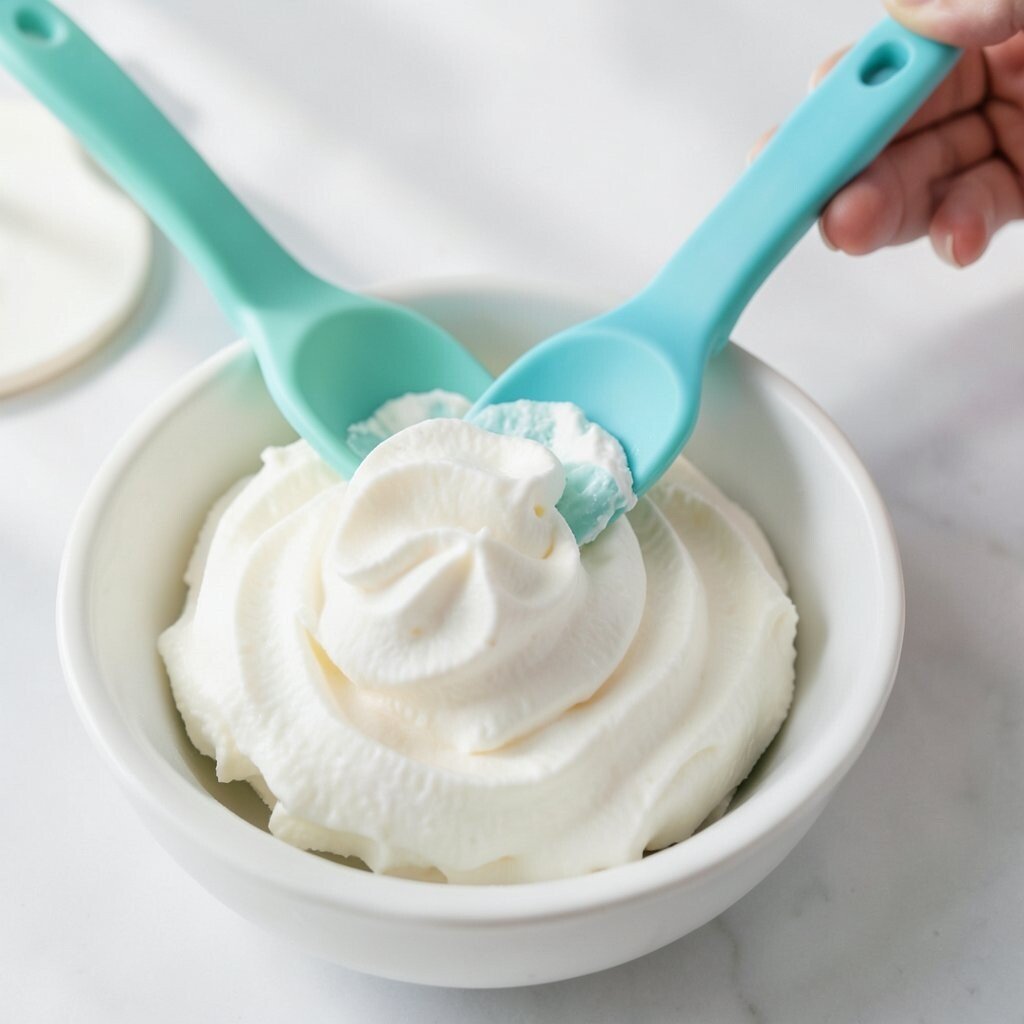
Whipped cream is light, so you want a tool that won’t crush it. Silicone spatulas fold and spread with less harshness than stiffer materials.
Start by dolloping, then smooth with gentle strokes from the center outward. If you’re frosting a cake, wipe the blade between passes for clean lines. Choose a spatula with a slightly flexible blade so it follows the cake curves without dragging.
16. Clean Up Marinade and Sauce Residue Fast
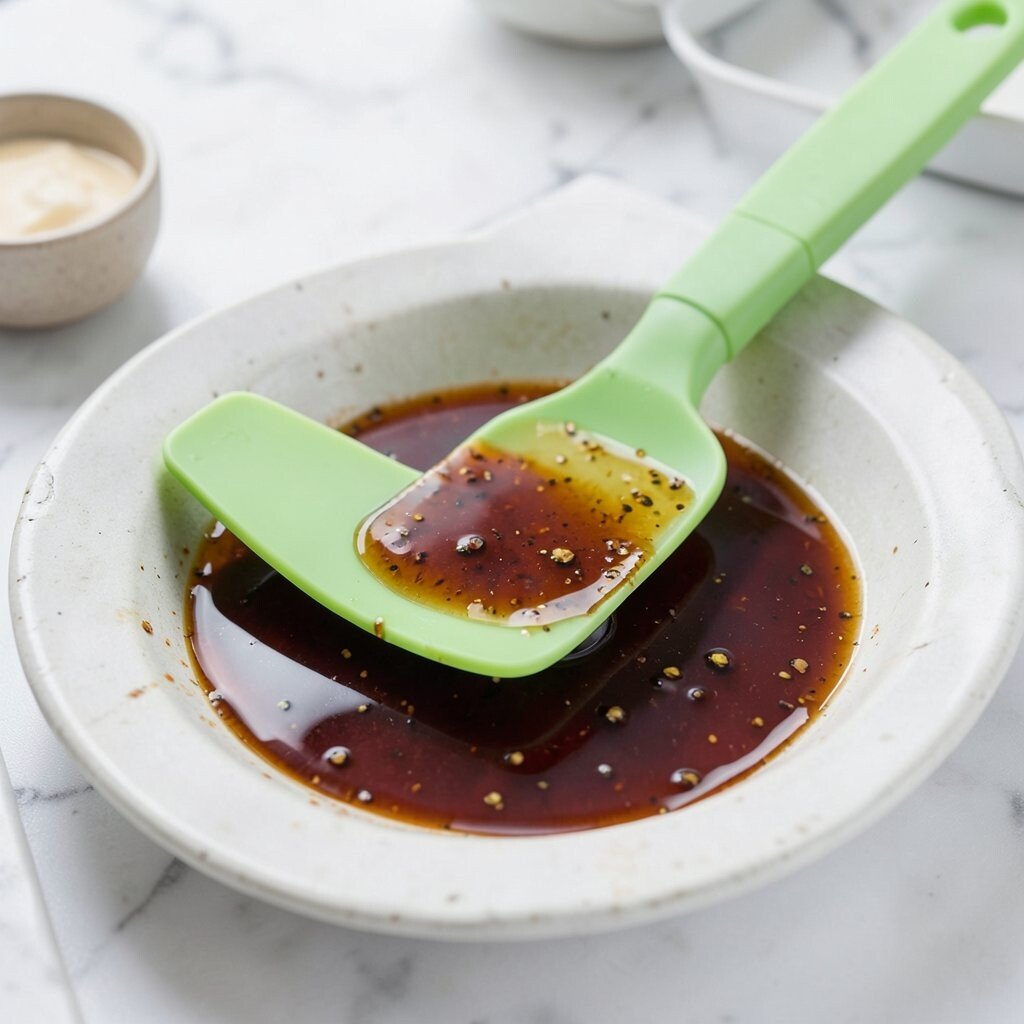
After cooking, sauce residue can cling to containers and bowls. A silicone spatula acts like a scraper that pulls leftovers away quickly.
Scrape out the last streaks into the sink or a storage container, then rinse. For stubborn bits, soak for a few minutes and scrub with a soft sponge. If you’re trying to save money, reducing food waste with proper scraping can add up over time.