Your salad spinner can do more than dry greens. With a few smart moves, it turns wet produce into crisp, ready-to-eat bowls.
1. Ice-Cold Spin to Keep Greens Crunchy
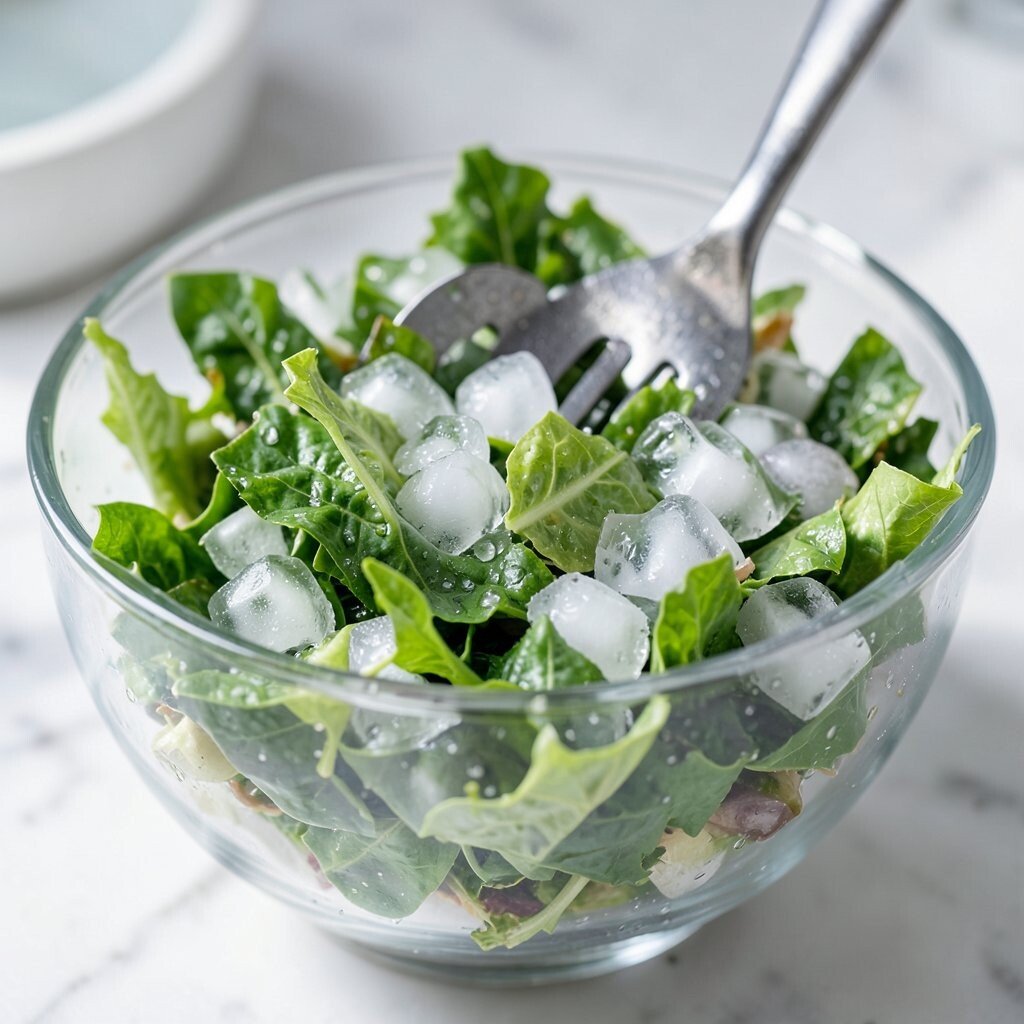
Rinse your greens under cool water, then spin them in the salad spinner with extra cold. For best results, chill the spinner bowl for a few minutes first.
Cold water helps leafy textures stay firm instead of turning limp. After spinning, check the inside rim for droplets and spin again for 10 to 15 seconds if needed. Store the greens in a container lined with a dry paper towel for crispness that lasts.
2. Spin, Then Layer: Build a Fresh Salad Base

Instead of tossing everything together at once, spin your washed greens and keep them dry. A crisp base holds dressing longer without getting soggy.
Layer greens in a bowl, add toppings that like moisture (like sliced cucumbers), and keep drier ingredients on top. This method makes each bite feel balanced and fresh.
If you meal prep, store the dressing separately and assemble just before eating. Consider using small containers so you can spin and pack in quick batches.
3. Spin Herb Bunches for “Restaurant” Flavor
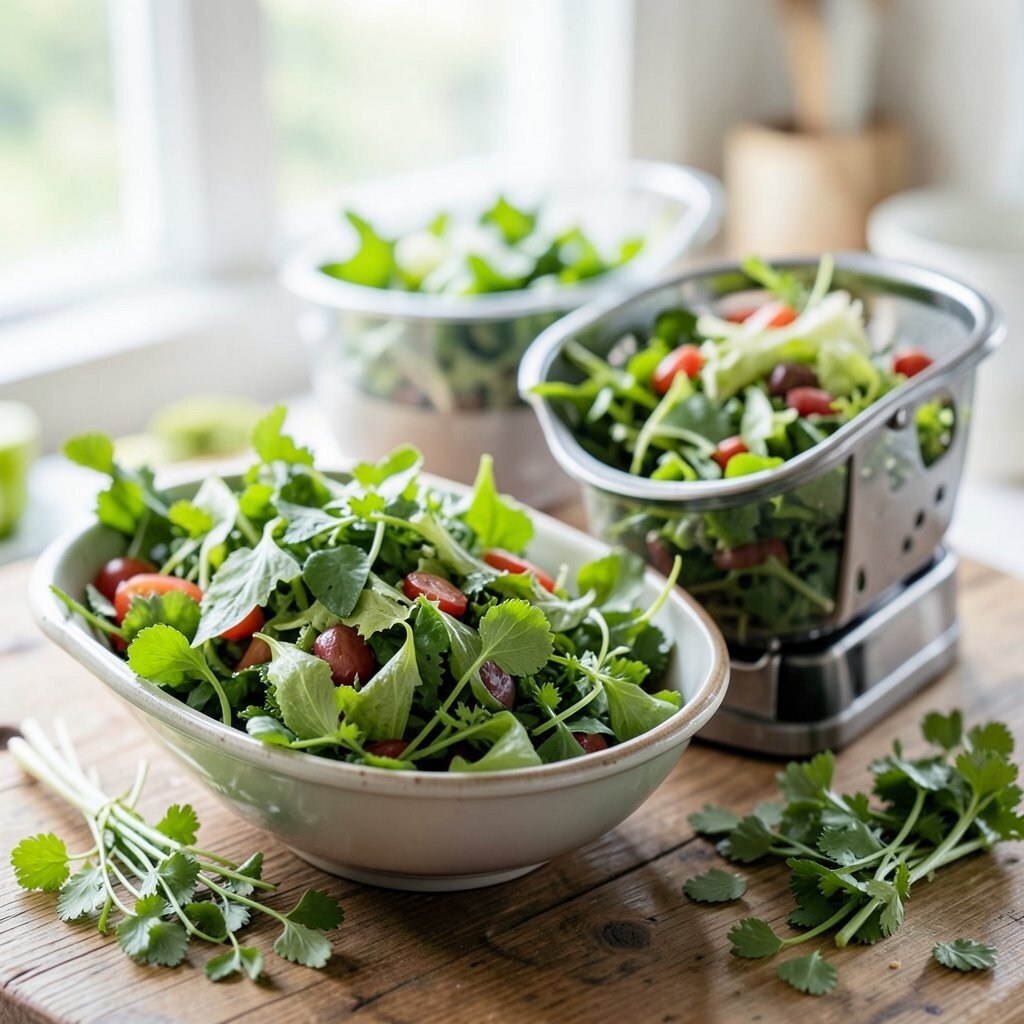
Herbs often clump after rinsing, but a spinner keeps them light and separated. Spin parsley, cilantro, and dill gently to avoid bruising.
Dry herbs taste brighter and cling better to oil-based dressings. Give the herbs one careful spin, then spread them on a clean towel and wait a minute before a short second spin.
For personalization, chop a mix of herbs while they’re still slightly springy. If your herbs are very delicate, use the slowest setting or spin for shorter bursts.
Costs stay low because you’re using produce you already bought. You’ll waste less since herbs won’t turn slimy from lingering water.
4. Dry Cherry Tomatoes Before Snacking
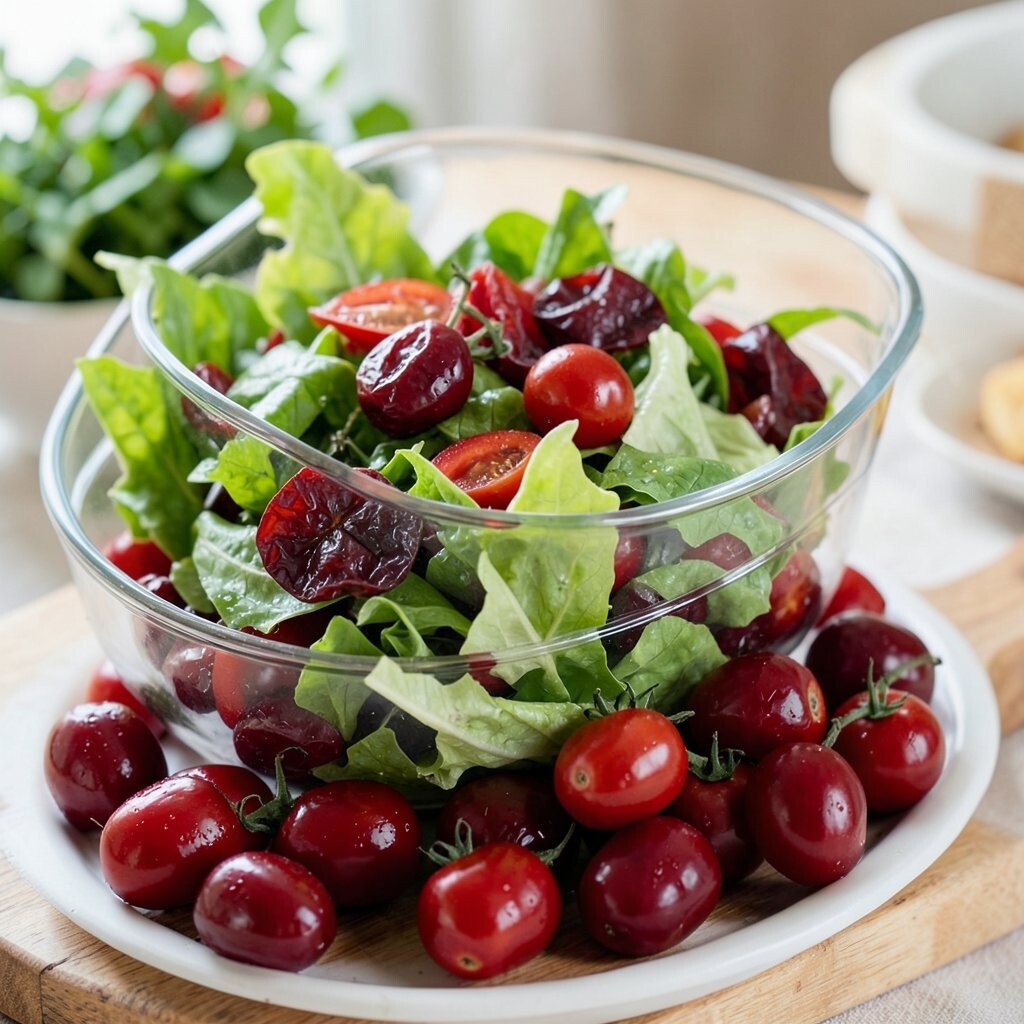
After rinsing, spin cherry tomatoes so they stop rolling around and dripping juice. Dry tomatoes taste sweeter because extra water doesn’t water down the flavor.
Pack them into a snack container with a pinch of salt and a tiny drizzle of olive oil. If you like spicy bites, add chili flakes after spinning.
5. Spin Leafy Greens for Better Wraps

For wraps, dry lettuce leaves help sauces stay where you put them. Spin lettuce and leafy herbs until only a light film of moisture remains.
Use dry leaves as a “barrier layer” so tortillas don’t get soggy. Then add your fillings and roll firmly without squeezing out liquid.
If your wrap fillings are watery, spin the herbs and add them after assembly. This keeps the texture crisp even on busy days.
6. Spin Strawberries for Jammy Smoothness
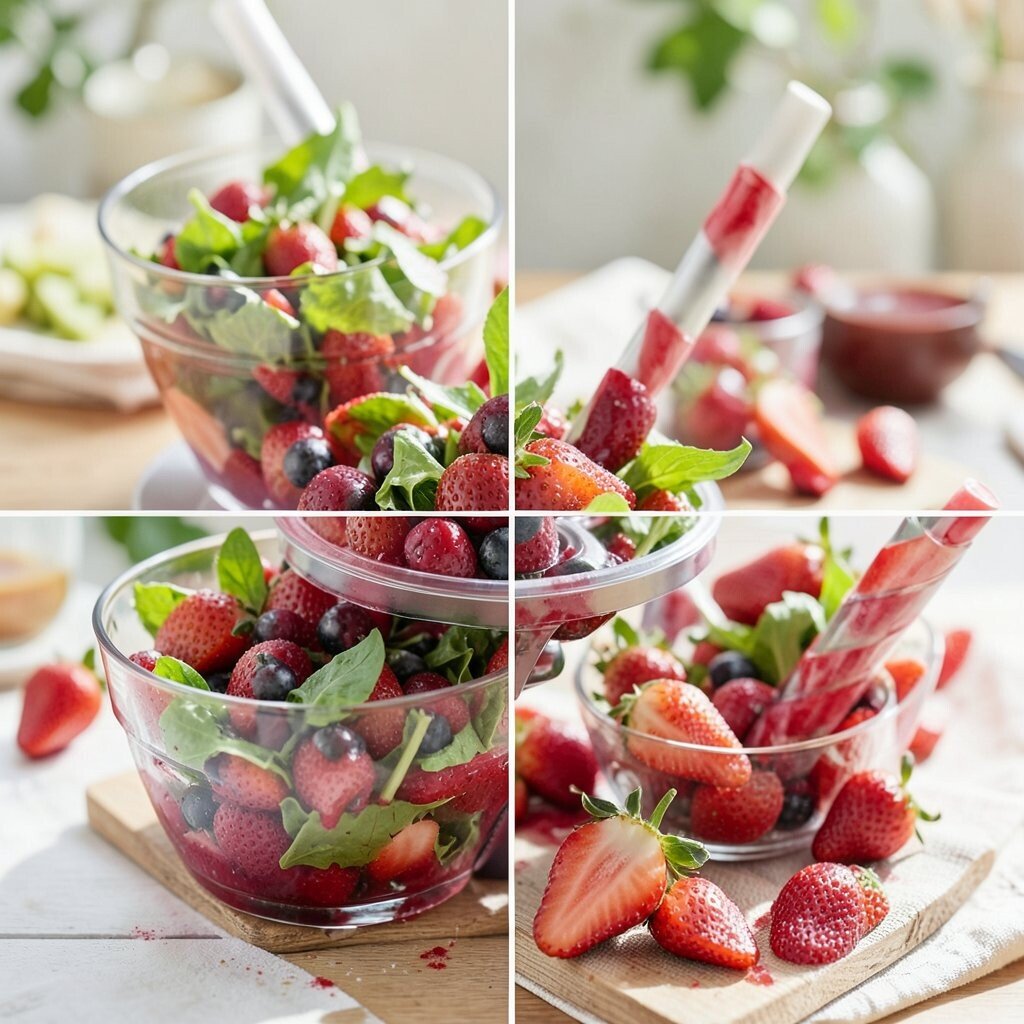
Rinse strawberries, then spin them quickly so they’re ready for slicing. Dry fruit helps sugar stick better and reduces watery puddles.
For a unique twist, spin berries and let them rest a few minutes before mashing. You can use the extra-dry fruit for quick sauces, topping yogurt, or making a fridge jam.
Choose the gentle setting to avoid bruises, especially with soft berries. If you’re watching costs, spinning helps you use more of the batch since you’re not waiting for water to evaporate.
7. Spin Beans and Chickpeas for a Cleaner Salad
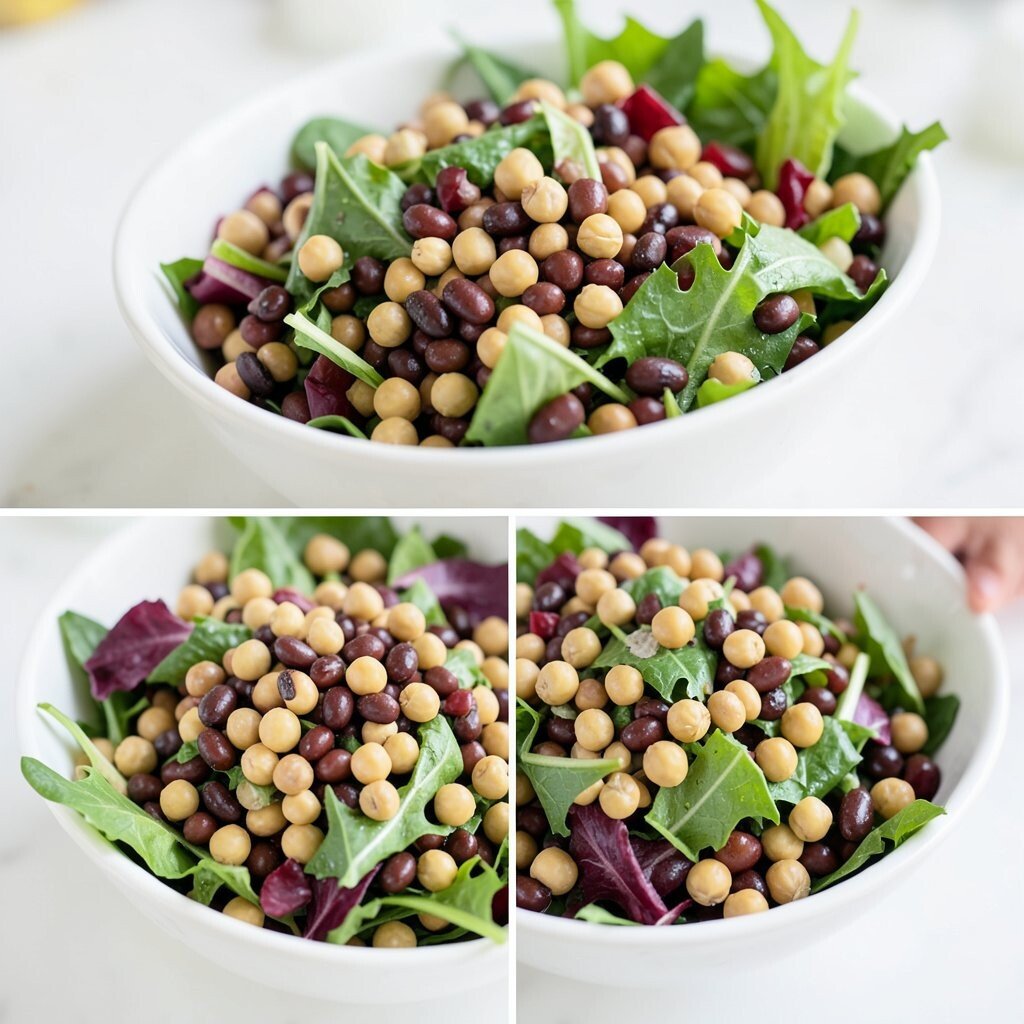
Rinsed canned beans can feel slick, and that’s where a spinner helps. After rinsing, spin them for a minute so vinaigrette clings better.
Use spun beans in grain bowls with chopped vegetables and a zesty dressing. When the beans are drier, the salad tastes more layered instead of heavy and wet.
Personalize by mixing beans with spices in a bowl, then adding them to greens right away. Try smoked paprika, cumin, or a squeeze of lemon for a bright finish.
8. Spin Shredded Cabbage for Slaw That Stays Crisp
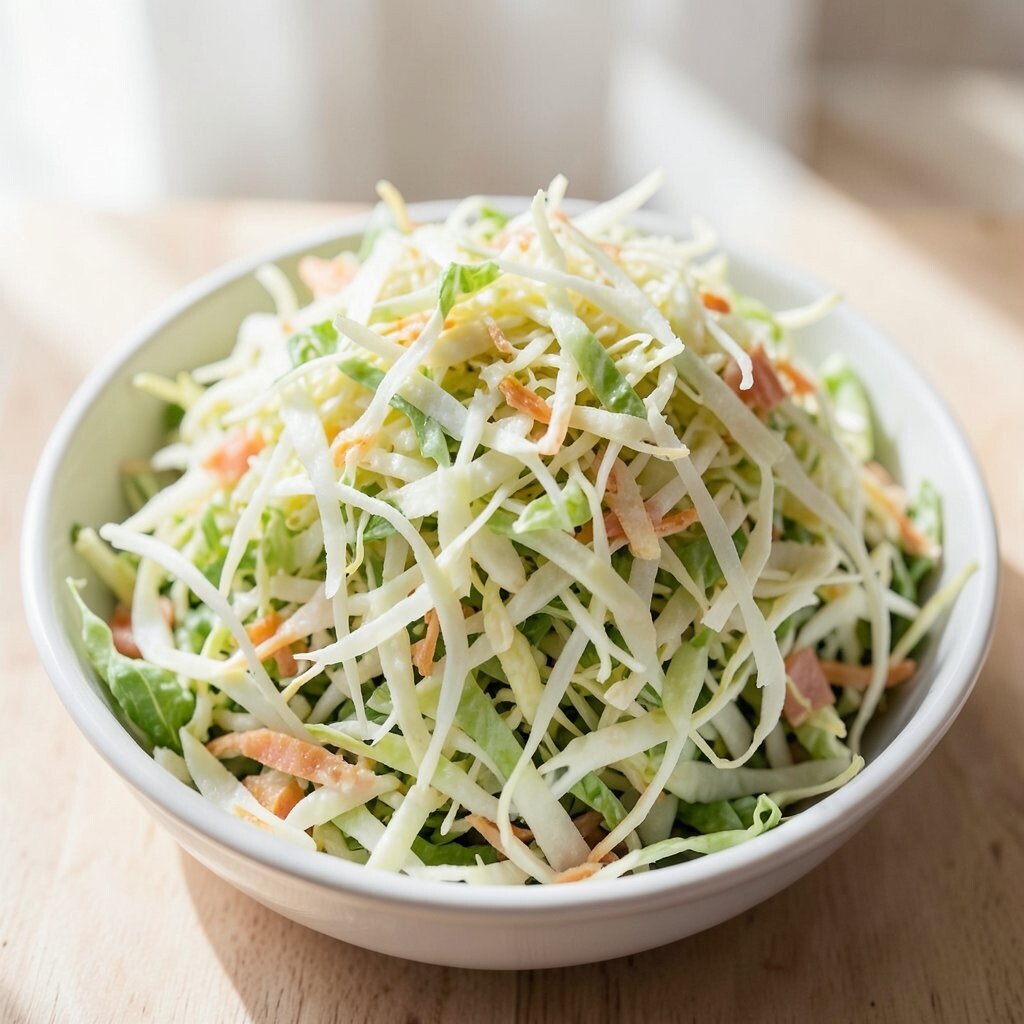
Wet shredded cabbage can turn limp fast, so spin it as soon as it’s rinsed. Even a quick spin removes extra water and helps slaw hold crunch.
For coleslaw, make a dressing, toss it with cabbage, and rest for a short time. If you spin well, the slaw won’t look watery after ten minutes.
You can also spin shredded cabbage for tacos, then top with creamy sauces. Keep shredded carrots in a separate spin so both textures stay right.
If you want to cut time, pre-shred in batches and spin weekly. It’s an easy trend-friendly move because many kitchens now lean into quick “prep-first” cooking.
9. Spin Mushrooms for Saute Readiness

Mushrooms get soggy if they hold water, and spinning helps. Rinse briefly, then spin them so they start cooking instead of steaming.
Cook mushrooms in a hot pan with space between pieces for better browning. If you spin them enough, you’ll notice a faster sizzling start.
Personalize your flavor by adding garlic, thyme, and a dash of soy sauce. For cost savings, use the whole mushroom batch and avoid throwing away pieces that go watery.
10. Spin Frozen Produce After Thawing
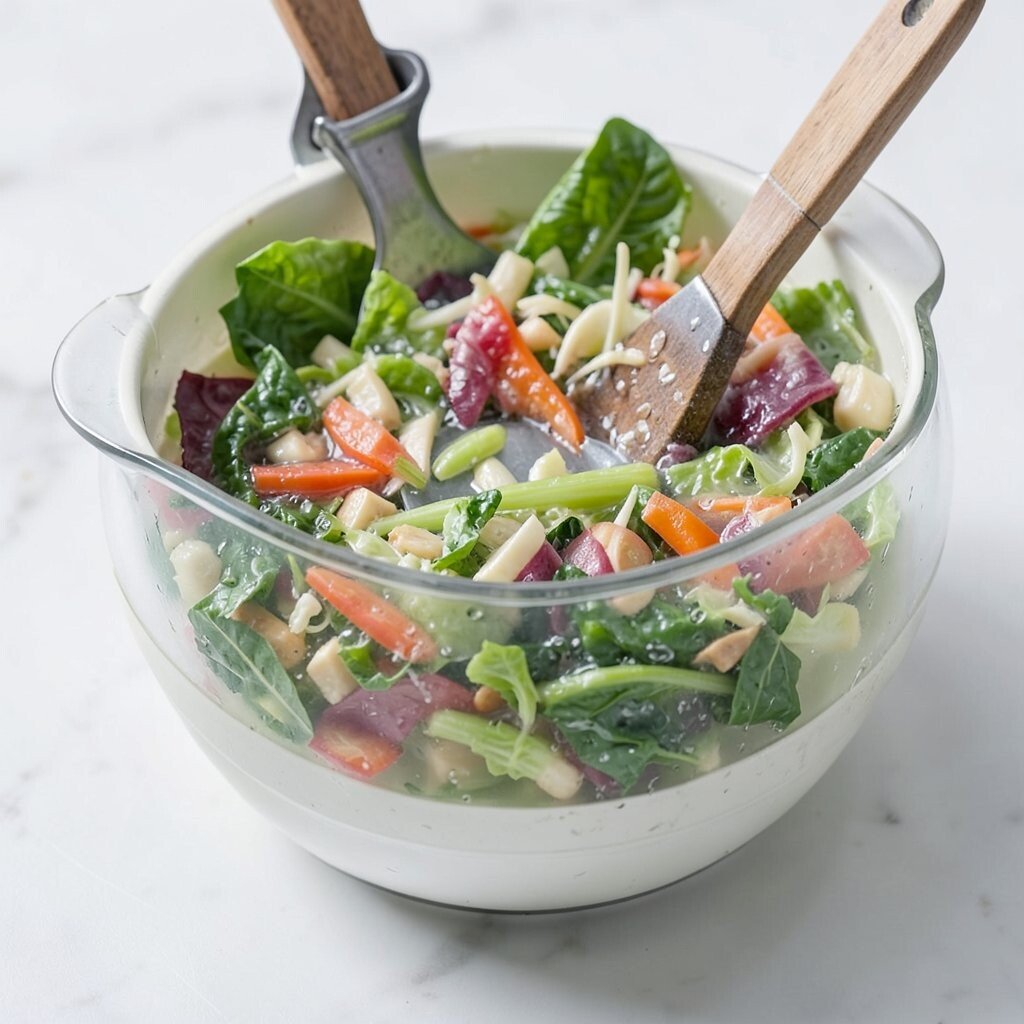
Thawing can leave fruit and vegetables wet, but a spinner can dry them fast. Spin thawed spinach or mixed berries briefly for better texture.
This is great for smoothies, quick sautés, and yogurt bowls. Just remember to use gentle spins so you don’t crush delicate fruit.
For a handy tip, drain first, then spin in small batches. It’s a simple modern habit that fits today’s faster meal routines.
11. Spin Cucumber Rounds for Smooth Crunch
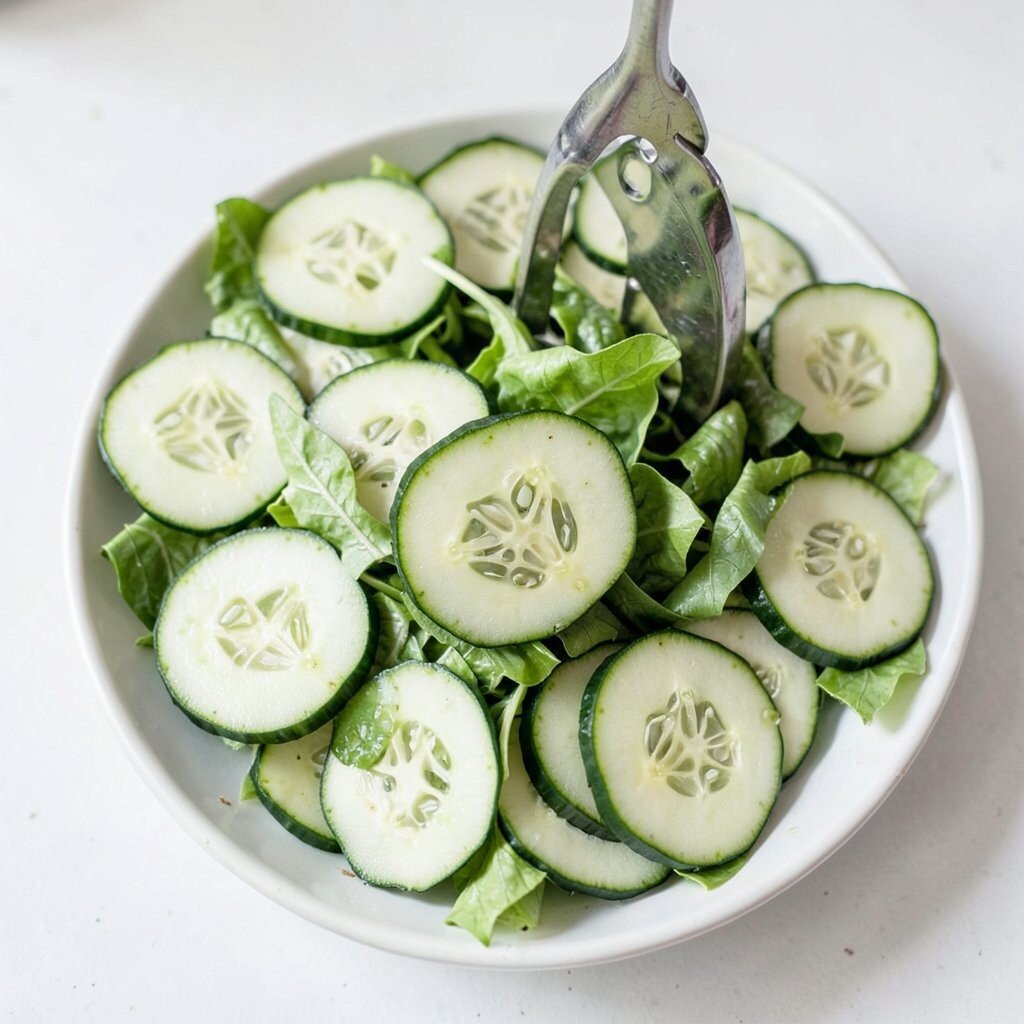
Cucumber slices have lots of water, so spinning helps them taste cleaner. Rinse, slice, then spin in a towel-lined section so they don’t get beat up.
Use spun cucumbers for salads, sandwiches, or crunchy snacks. With less water, they stay crisp even when mixed with thicker dressings.
Try personalization by adding dill and lemon zest right after drying. If you want a low-cost upgrade, use what you have instead of buying fancy pickles.
12. Spin Rinsed Quinoa or Couscous for Fluffier Bowls

After rinsing quinoa or couscous, extra water can make it clump. Spinning can help you dry it just enough before cooking or chilling.
For practical use, rinse, drain well, then spin briefly with a fine insert or cloth. You’ll get a lighter texture for grain bowls and tabbouleh-style recipes.
Consider pairing with fresh herbs that you also spin and chop. This trend of “fresh + fluffy” bowls works especially well for quick lunch prep.
13. Spin Lettuce and Store in Mini Containers
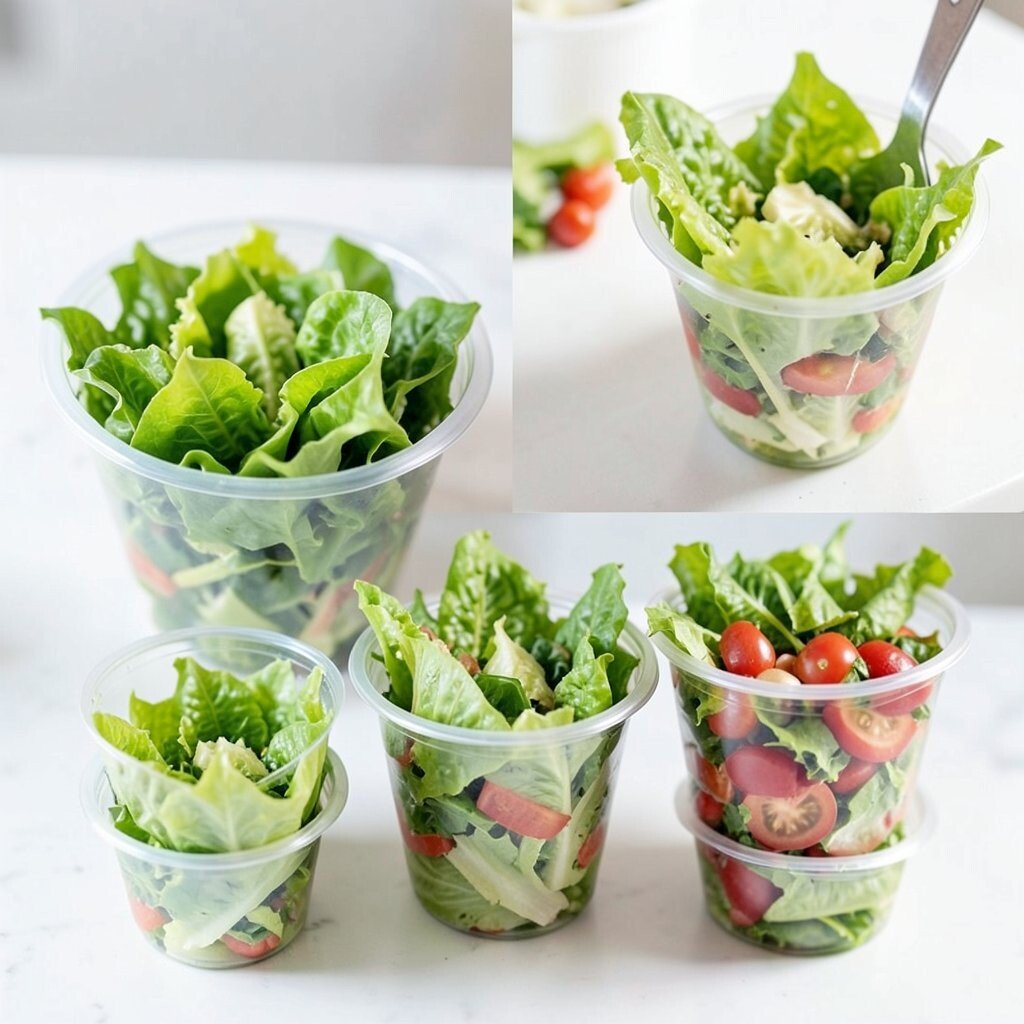
Portioning makes greens easier to grab, and the spinner helps you dry each batch properly. After spinning, pack greens into smaller containers for fewer openings and less moisture exposure.
Keep a paper towel in each container to absorb any leftover humidity. When it gets damp, swap it for a new dry one.
To personalize, mix mild greens and peppery greens in separate containers. That way you can build different flavor profiles without re-washing.
This approach reduces waste and saves time on busy weeknights. You’ll also spend less on replacement produce when greens last longer.
14. Spin Edamame for a Better Toss
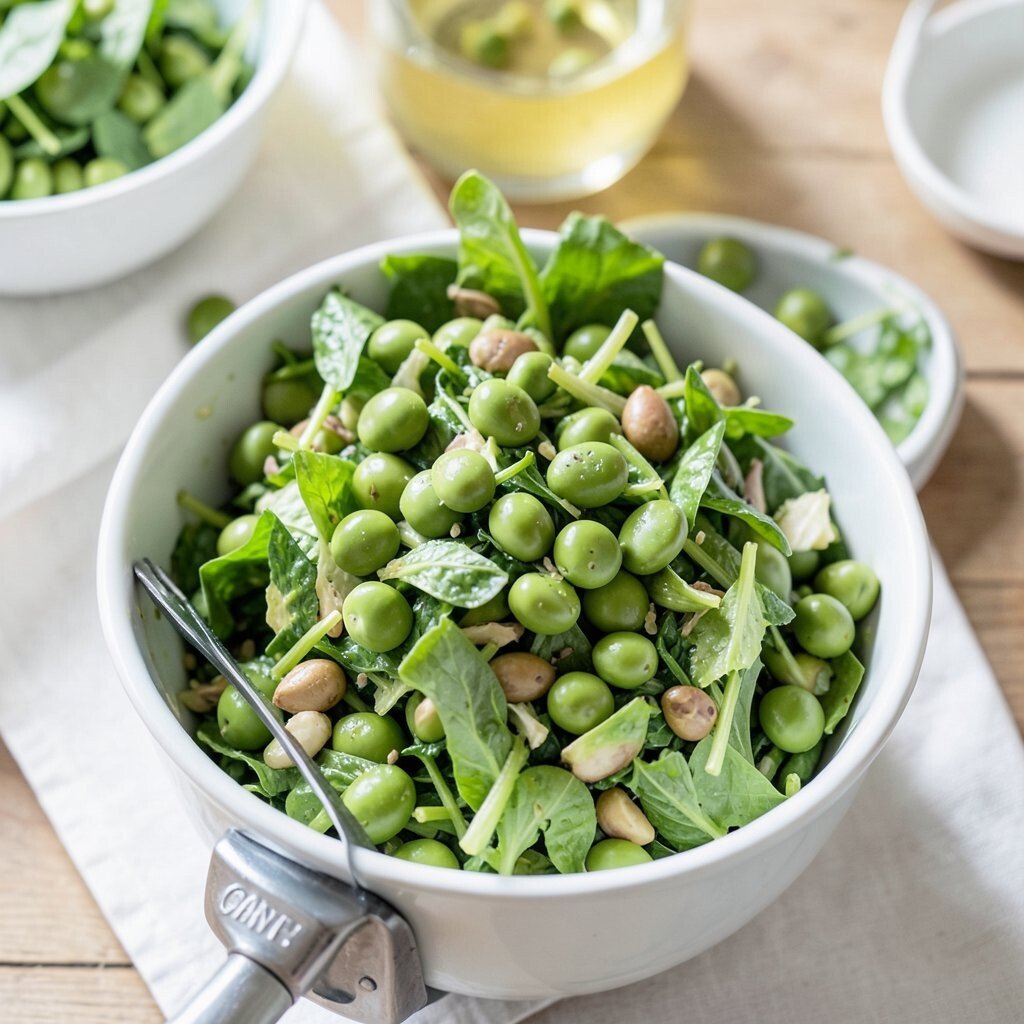
Edamame can carry water after cooking or rinsing, so spin it for a cleaner toss. Spin gently so the pods stay intact.
After spinning, toss with sesame oil, garlic powder, and a sprinkle of salt. This keeps the seasoning from sliding off and helps the flavors pop.
15. Spin Sprouts for Safer, Crispy Texture
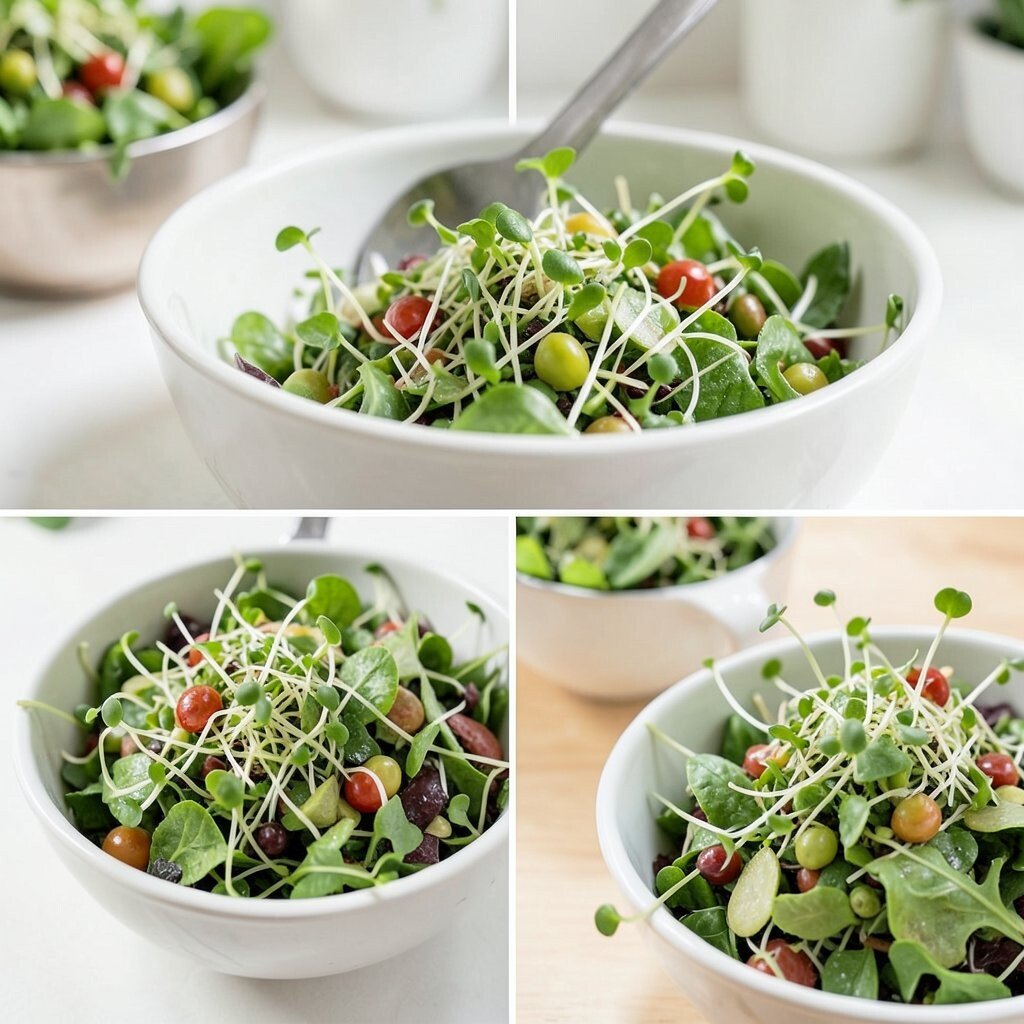
Sprouts need washing, but they can stay wet in storage. Spin them carefully to reduce excess water before you refrigerate.
For practical tips, rinse well, drain, then spin for a short burst. Check for any wet pockets and spin again very briefly.
Personalize with a quick vinaigrette or a light sprinkle of toasted seeds. If you follow current “fresh crunch” trends, sprouts add that crisp bite without extra calories.
16. Spin Cooked Greens for Smooth Smoothie Prep
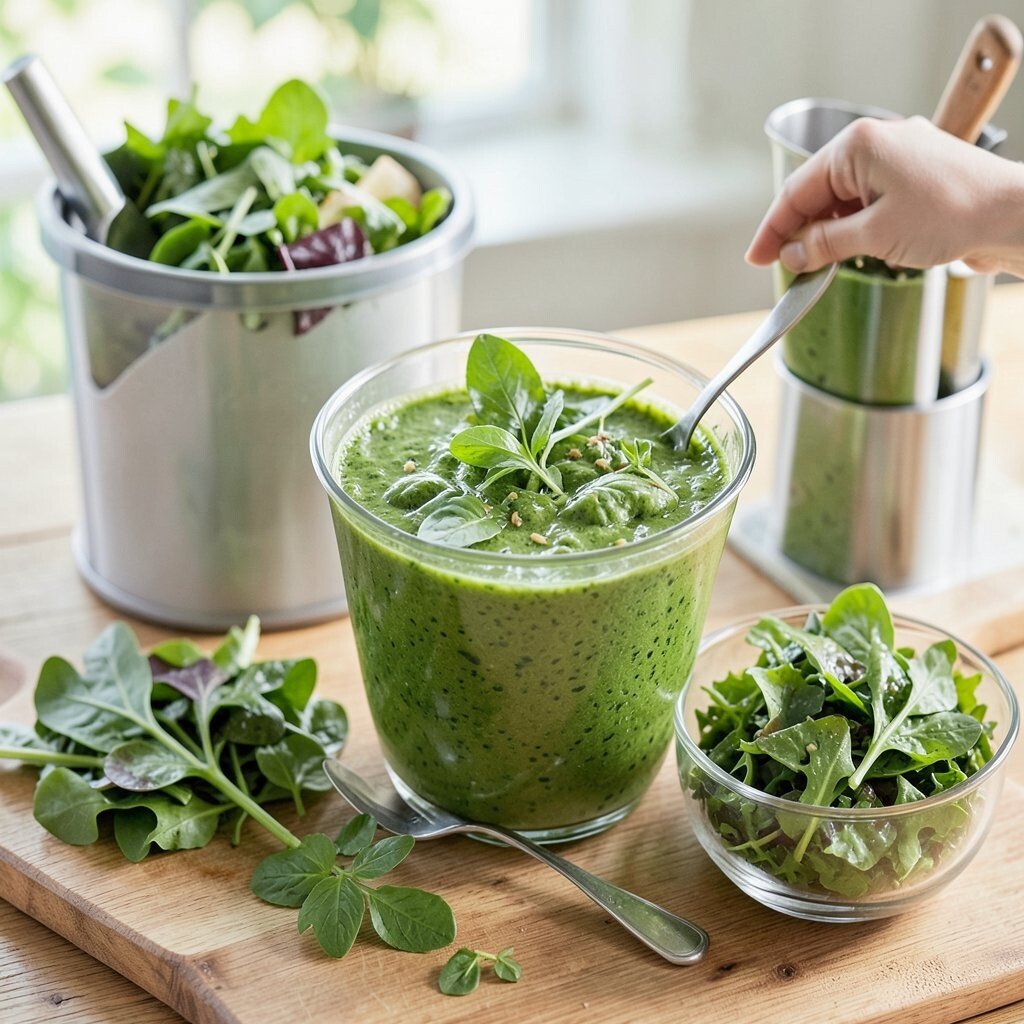
Even cooked greens can hold water after cooling, especially for smoothies. Spin steamed spinach or kale to remove moisture before blending.
Use the drier greens for thicker smoothies and better texture. If you like creamy drinks, add a banana or yogurt to complement the flavor.
This also helps you measure more accurately since water won’t skew your portion. It’s a smart cost consideration because you use the ingredients more efficiently.
17. Spin Salad Mixes Right When You Get Them Home
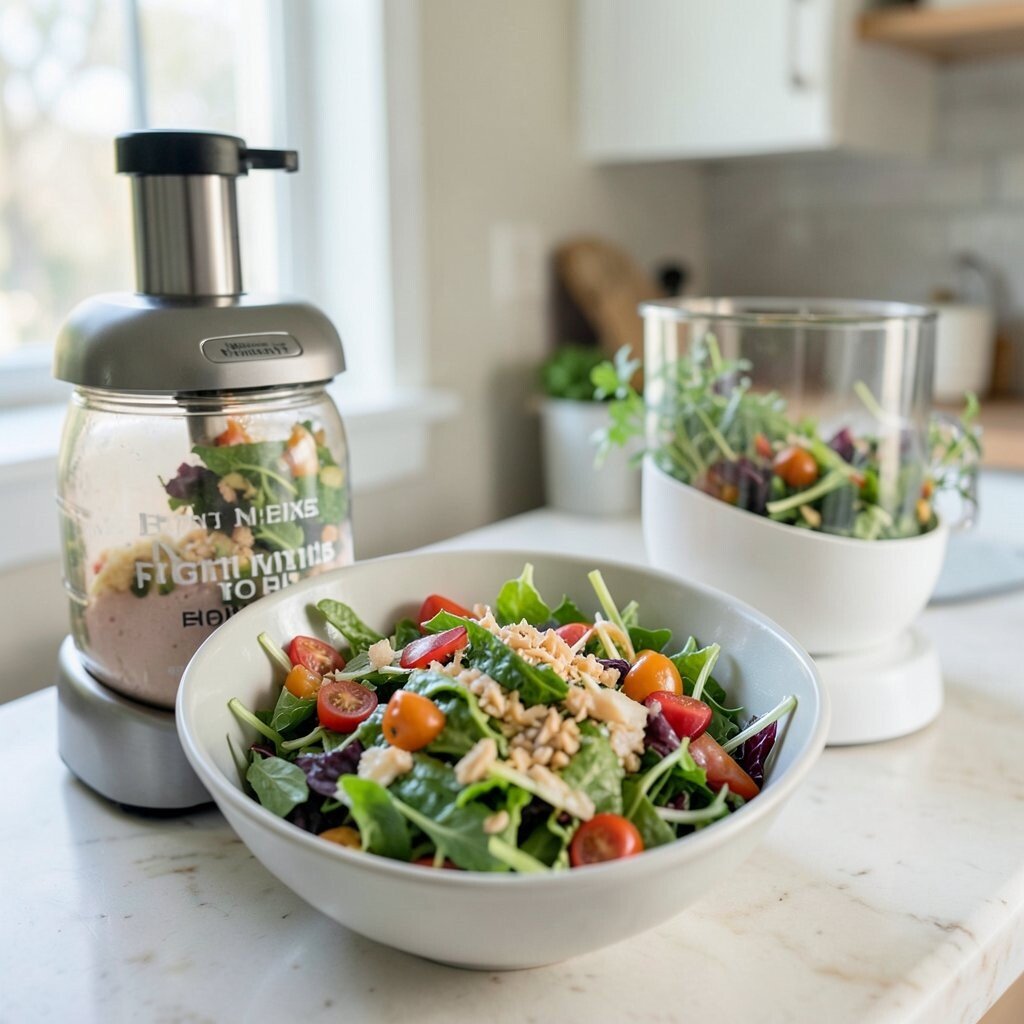
Buying pre-washed greens is convenient, but they can still hold rinse water. Spin them right when you bring them home so you start with a crisp base.
Check the packaging for care instructions, then follow with gentle spinning. After spinning, re-pack in a container with a dry towel.
For customization, add your favorite dressing type like creamy ranch, citrus vinaigrette, or tahini. This habit matches a popular kitchen trend toward “better freshness from day one.”
18. Spin Everything: Make a “Dry Basket” Habit
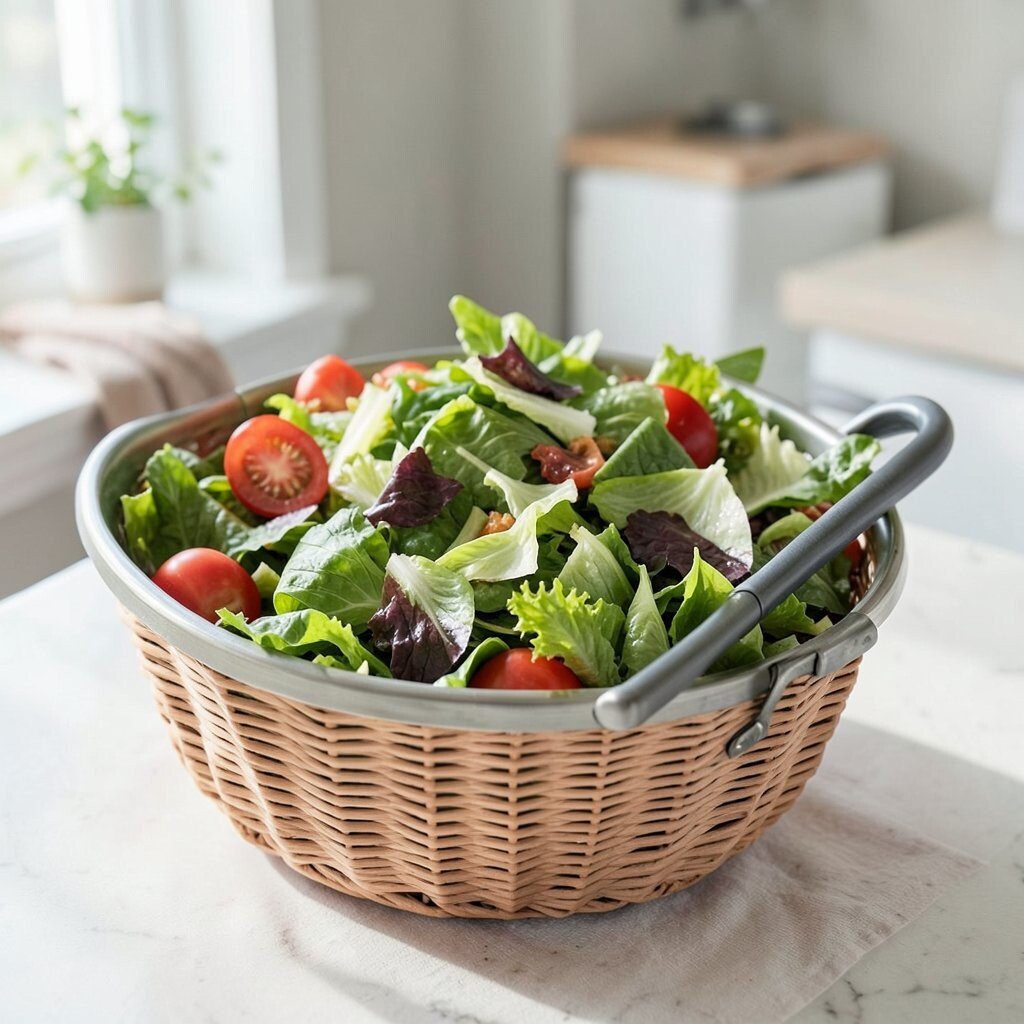
Create a routine where you wash, drain, then spin any produce that needs drying. Your kitchen will feel faster because you’ll always have ready-to-use ingredients.
Keep a small towel nearby for delicate items and spin in batches to avoid overcrowding. Over time, you’ll learn the right spin times for lettuce, herbs, fruit, and crunchy veg.
Personalize the system by labeling containers with the date and intended meal. It’s a simple way to cut waste, control cost, and keep flavor fresh all week long.