A kitchen can feel calm or chaotic in a blink. Small design choices often make the biggest difference.
Many people focus on pretty cabinets and skip the real-life details. That is where trouble starts.
1. Ignoring How You Move Through the Kitchen
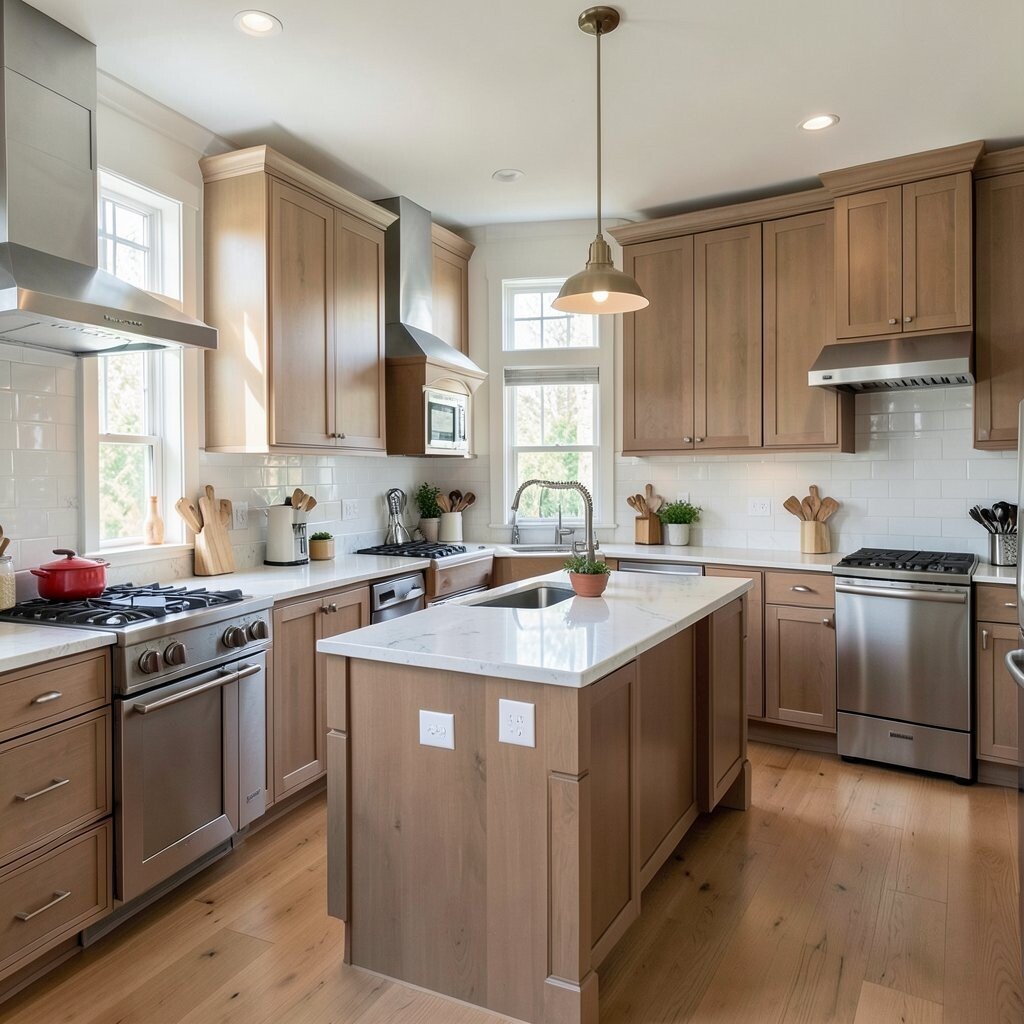
A kitchen should feel easy to walk through, not like an obstacle course. When the sink, stove, and fridge sit in awkward spots, even simple meals can feel tiring.
A smart layout makes the room look cleaner and work better. It also helps families move around without bumping elbows.
2. Choosing Style Before Function
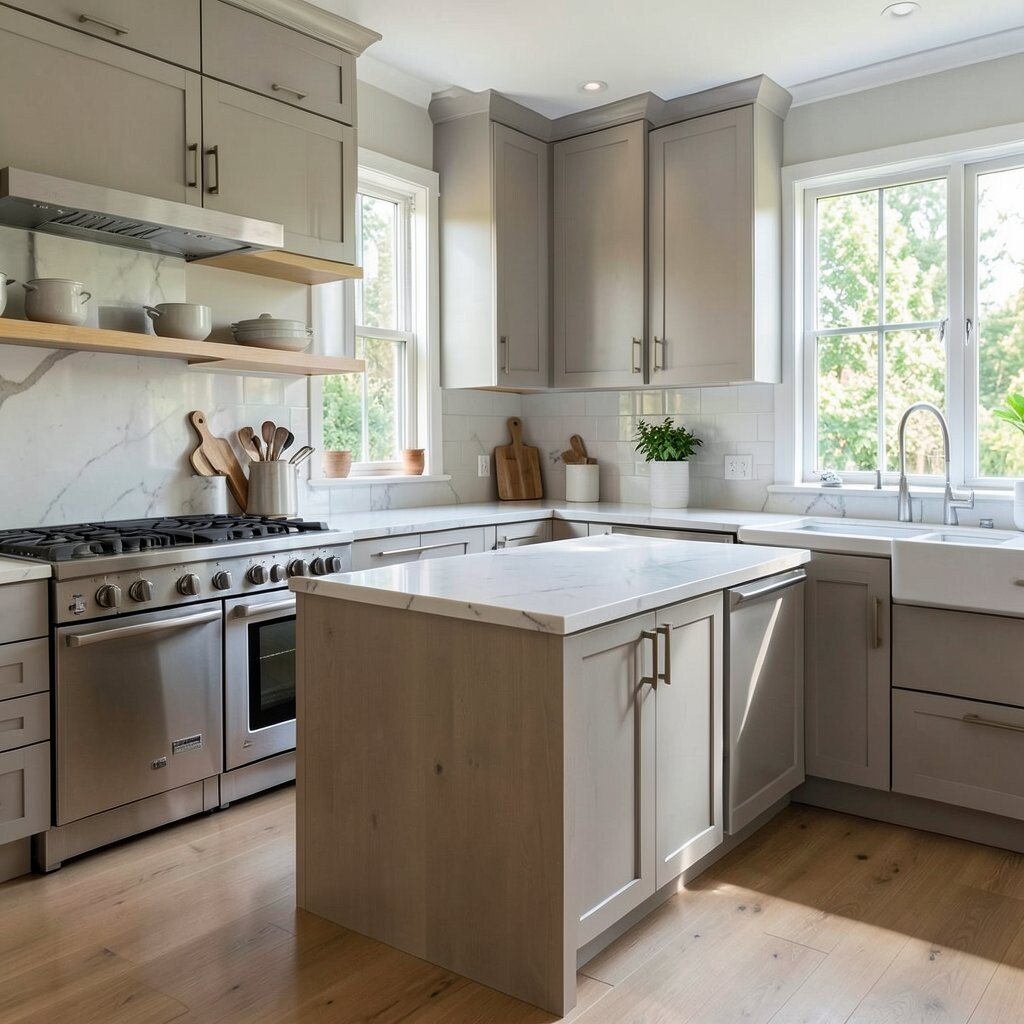
Shiny finishes and bold colors can look amazing at first. Still, a kitchen that only looks good on a screen may not help much on a busy day.
Function should lead the design, because daily life is the real test. Think about how you cook, clean, and store things before picking the prettiest pieces.
A matte cabinet can hide smudges better than a glossy one, which is nice for kids and pets. Open shelves may feel trendy, but they need more dusting and careful styling. Personal touches like warm wood, colorful tile, or special hardware can still make the room feel yours without hurting the flow.
3. Skipping Enough Storage
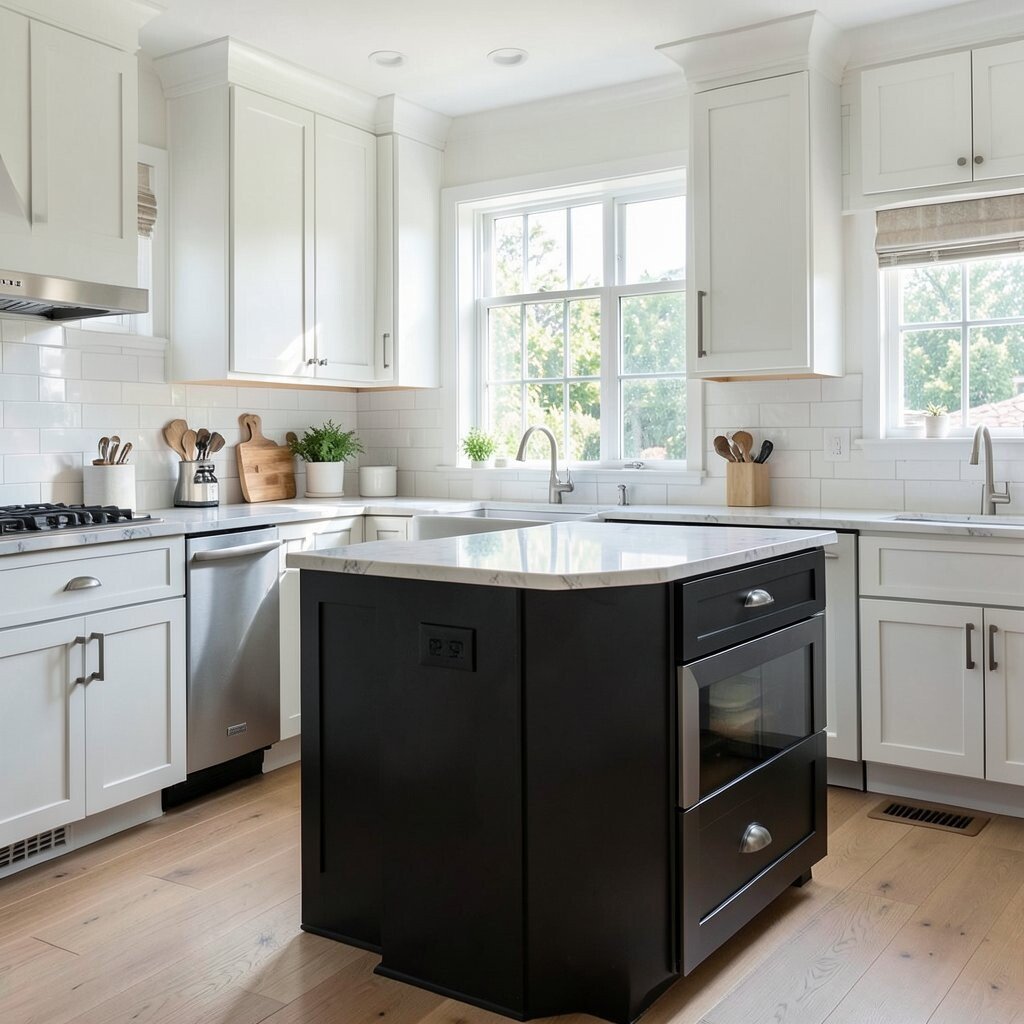
Clutter grows fast when storage is not planned well. A kitchen with too few drawers or shelves can look busy and feel stressful.
Deep drawers, pull-out trays, and tall cabinets can keep tools neat and easy to reach. These choices may cost more up front, but they often save time and reduce the need for extra furniture later.
One helpful trick is to think about where each item will live before the remodel begins. Everyday plates, pots, and snacks deserve the best spots, not the hardest-to-reach corners.
You can also personalize storage with a spice pullout, a baking zone, or a hidden trash bin. These small upgrades make the room feel custom and can add real value.
4. Forgetting About Lighting Layers
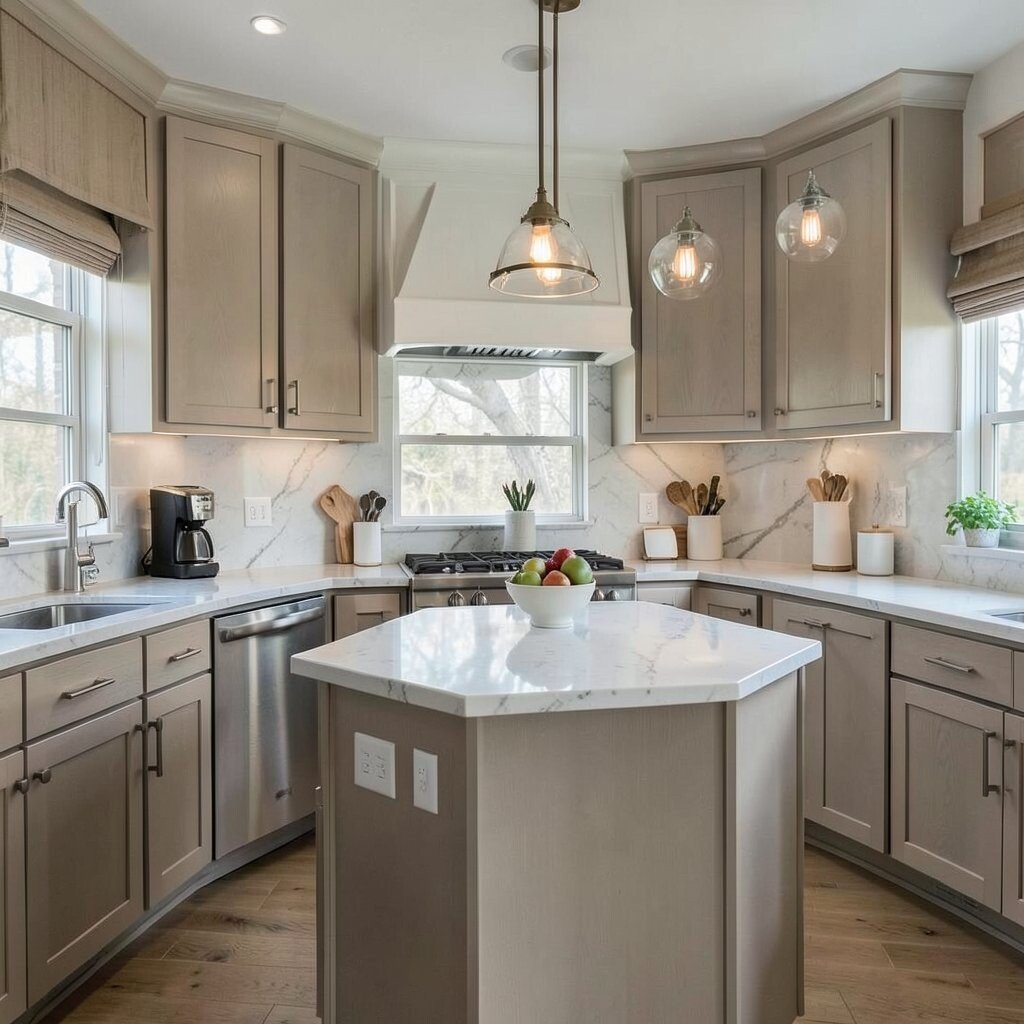
A kitchen with one ceiling light can feel flat and gloomy. Good lighting makes colors richer and surfaces easier to use.
Task lights, soft room lights, and accent lights each play a different role. Together, they make the space safer, brighter, and more inviting.
5. Making the Island Too Big or Too Small
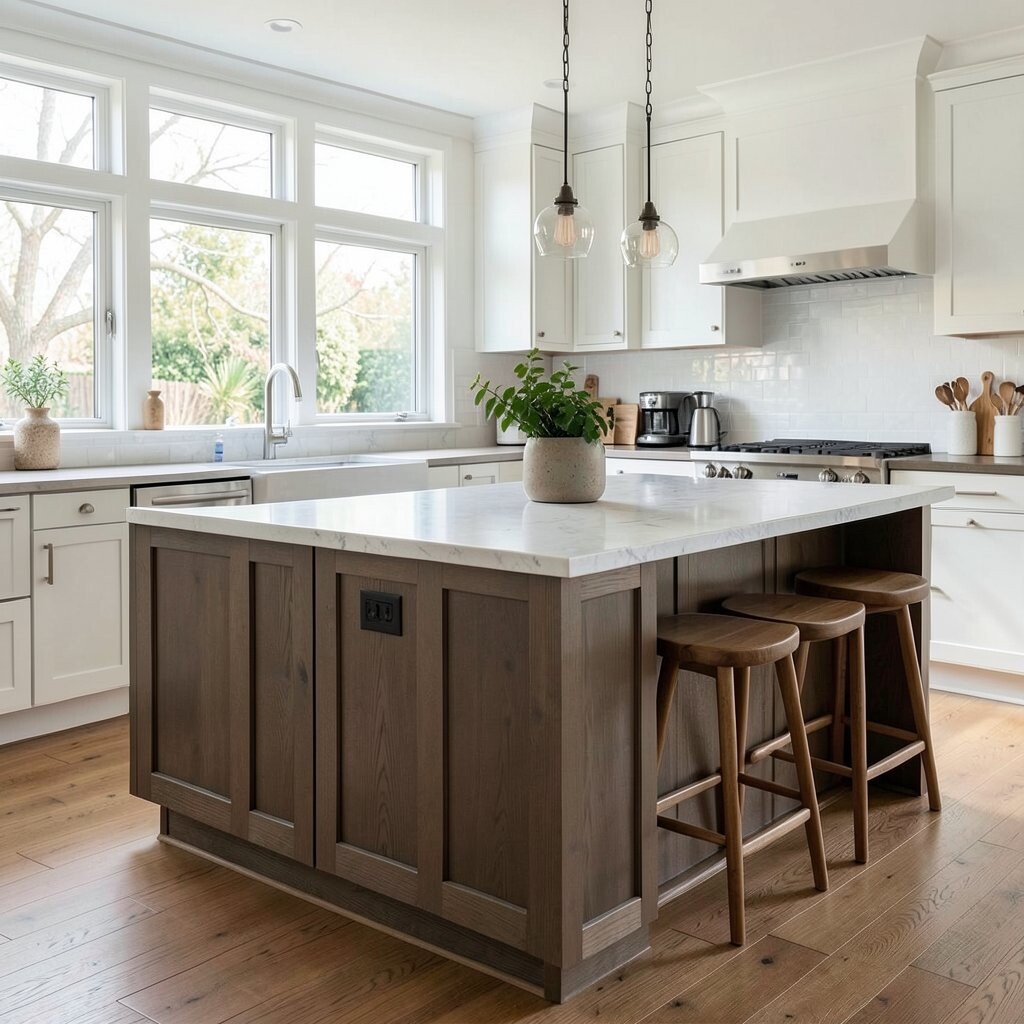
An island can be the star of the room, but size matters a lot. If it is oversized, the kitchen may feel cramped and hard to move in.
If it is too small, it may not help with prep or seating. The best island fits the room and supports the way the family cooks and gathers.
Think about what the island should do before choosing the shape. Some people need extra prep space, while others want a casual spot for breakfast or homework.
Waterfall counters and built-in storage are popular trends, but they should match the budget too. A simpler island with a strong color or wood tone can still feel special and useful.
6. Using Materials That Do Not Fit Real Life
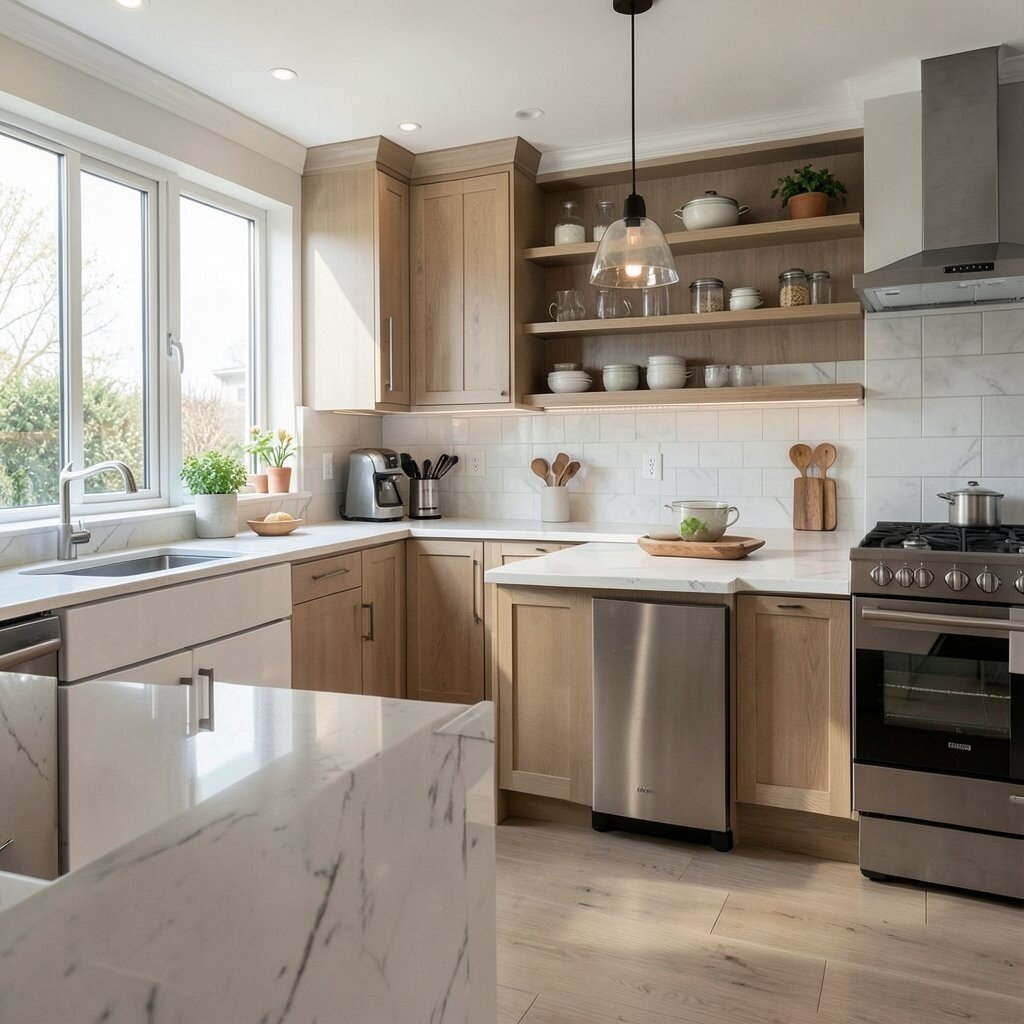
Some materials look stunning but wear down quickly in a busy kitchen. A delicate countertop or slippery floor can become frustrating fast.
Choose surfaces that match how much cooking, cleaning, and foot traffic the room gets. Durable choices often cost less over time because they need fewer repairs and replacements.
Families with kids may want stain-resistant counters and easy-clean floors. Home cooks may prefer heat-tough surfaces and backsplashes that wipe down quickly after splashes.
Personal style still matters, so mix practical materials with beautiful details. A sturdy base with a lovely color, texture, or pattern gives the room charm without extra stress.
7. Blocking Natural Light
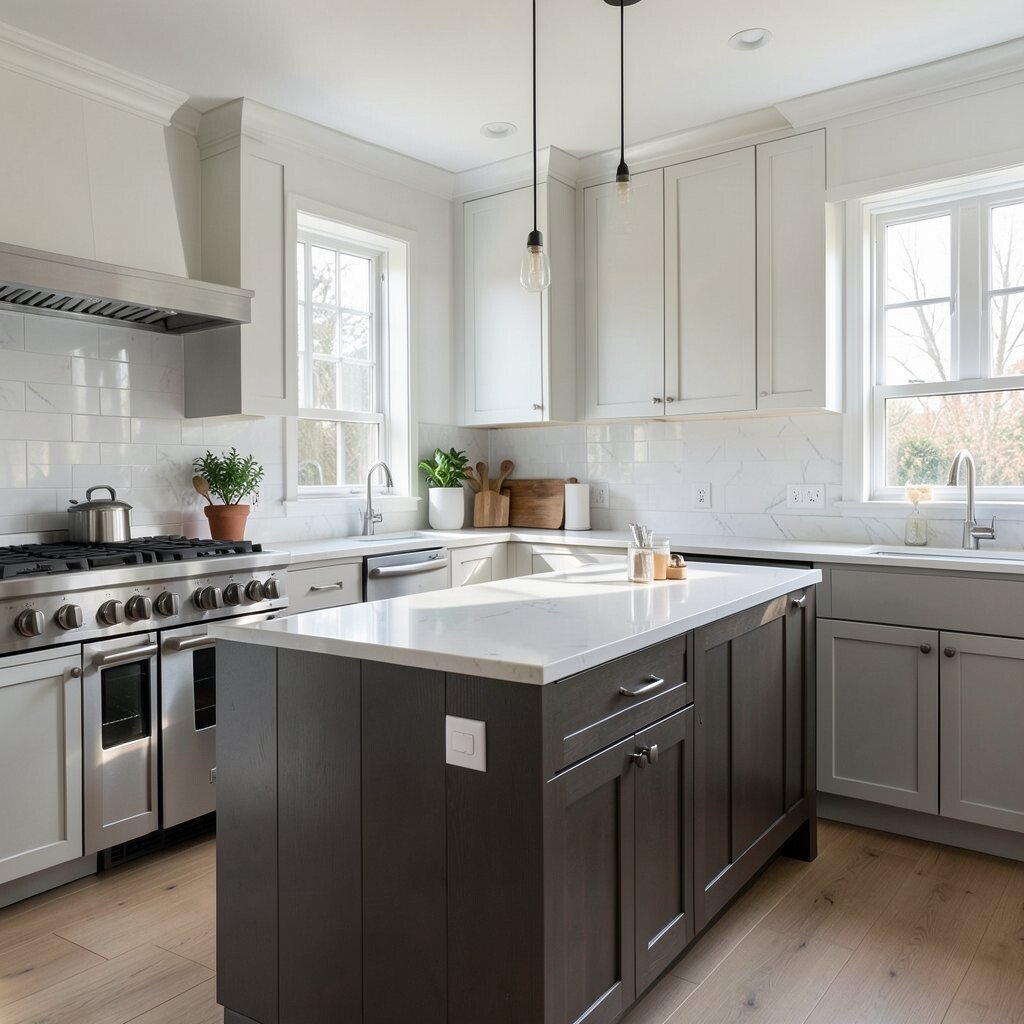
Sunlight can make a kitchen feel bigger, softer, and friendlier. Heavy window treatments or bulky cabinets near windows can steal that glow.
Natural light also helps show true colors in cabinets, counters, and paint. It can even make the room feel cleaner and more cheerful during the day.
Try lighter window coverings or open shelf placement near bright windows. If privacy is needed, frosted glass or simple shades can keep the room private without making it dark.
Many modern kitchens use lighter finishes to bounce sunlight around the room. That look feels fresh, and it can also make a smaller kitchen feel more open.
8. Leaving the Backsplash as an Afterthought
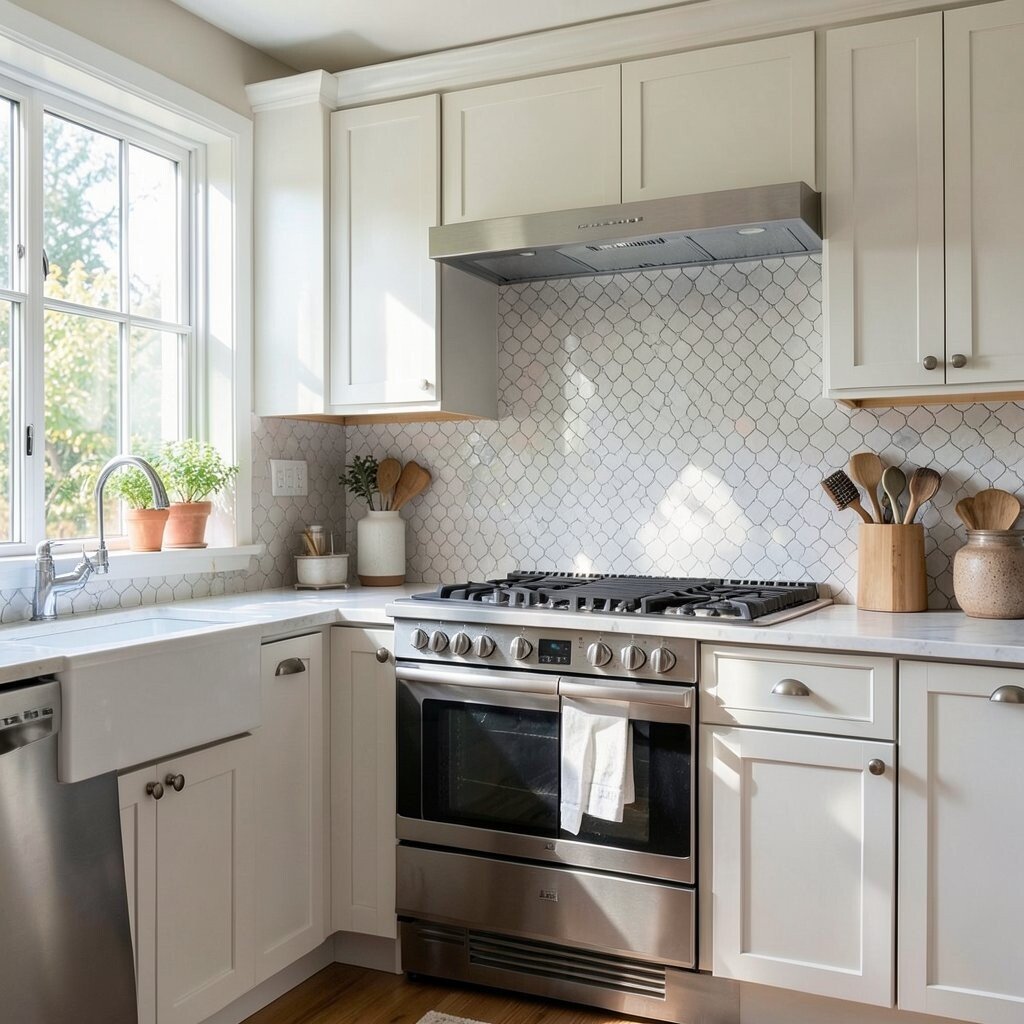
A backsplash is more than a wall cover behind the stove. It can pull the whole room together and protect the walls from messes.
Without a good backsplash, splashes and stains show up fast. A well-chosen one adds style, color, and a finished look.
Tile is a classic choice, but slab backsplashes and textured surfaces are also popular now. Each option has a different price, so it helps to balance beauty with easy cleaning and budget needs.
For a personal touch, try a pattern that matches your home style or a color that makes you smile. Even a small change here can give the kitchen a fresh identity.
9. Forgetting Outlet Placement
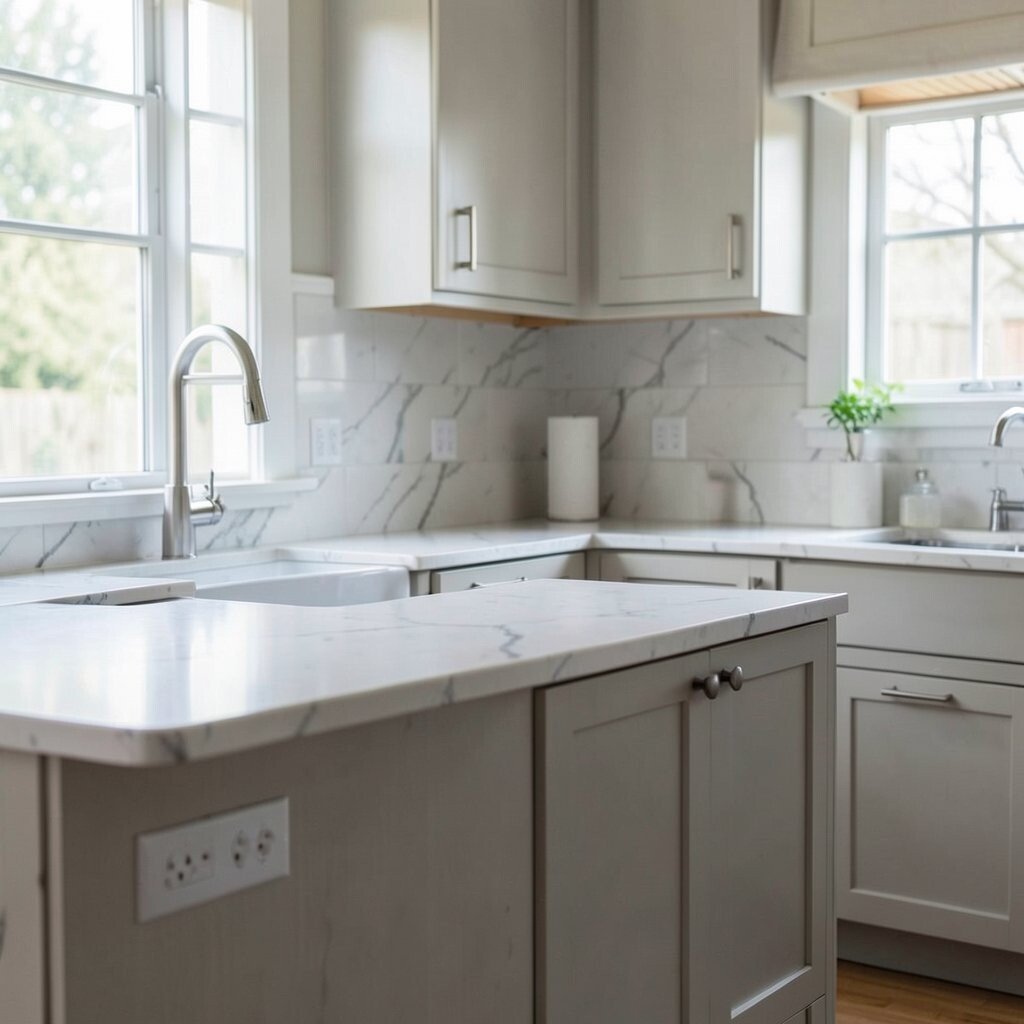
Not enough outlets can make a kitchen annoying to use every day. Cords across counters also make the space look messy.
Plan outlets where small appliances actually live and work. That keeps counters neater and helps the room feel more polished.
Think about coffee makers, blenders, and charging spots before the walls are finished. It is much easier and cheaper to plan them early than to fix the problem later.
Some newer kitchens hide outlets under cabinets or in islands for a cleaner look. Those details can make the space feel modern while still staying practical.
10. Picking Cabinets Without Thinking About the Finish
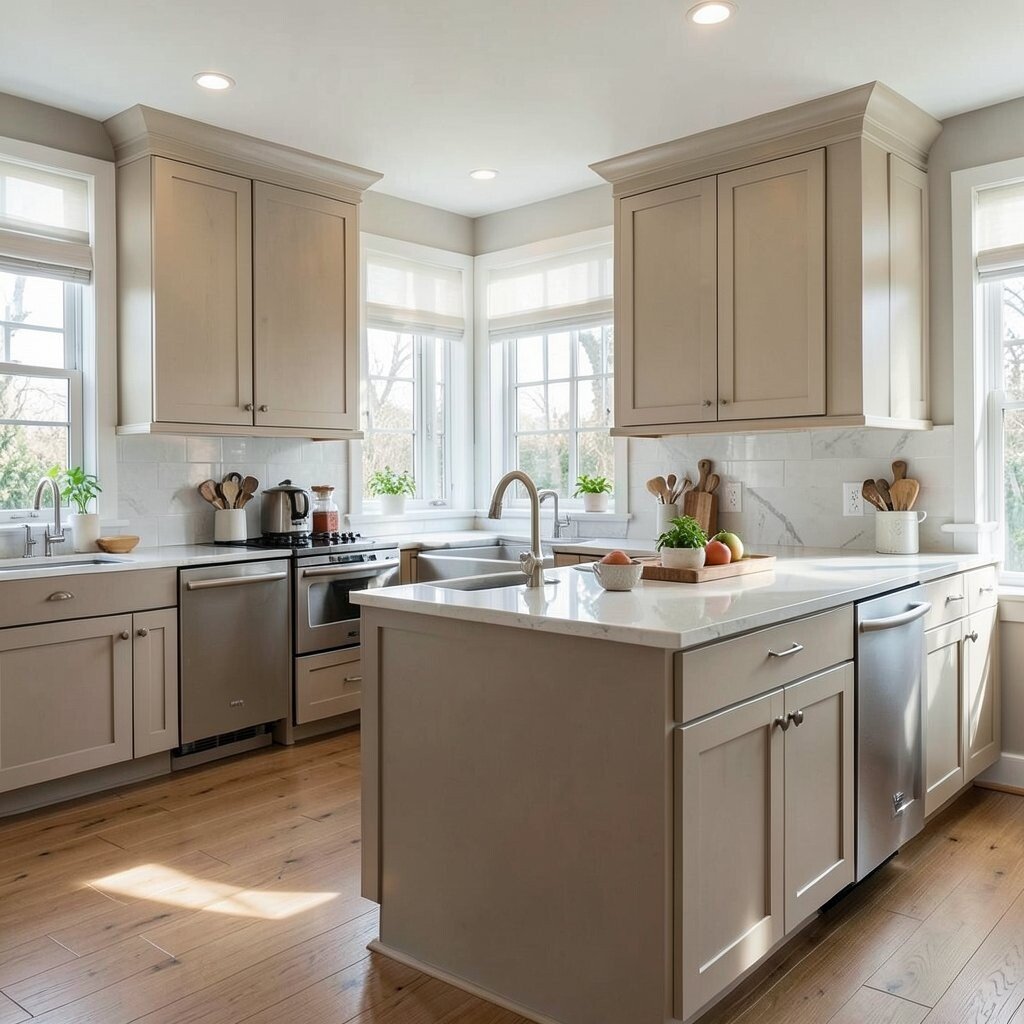
Cabinet style matters, but finish matters too. A finish that looks great in a photo may show fingerprints, chips, or dust in everyday use.
Glossy white can feel bright and crisp, while warmer wood tones can feel cozy and rich. The best choice depends on the room size, light, and how much upkeep feels manageable.
Shaker doors remain popular because they fit many homes and budgets. Flat fronts and mixed materials are also trending, especially for people who want a clean, modern look.
To make the kitchen feel personal, try a two-tone cabinet plan or a unique hardware style. Small details can make even a simple layout feel custom and warm.
11. Cramping the Work Zones
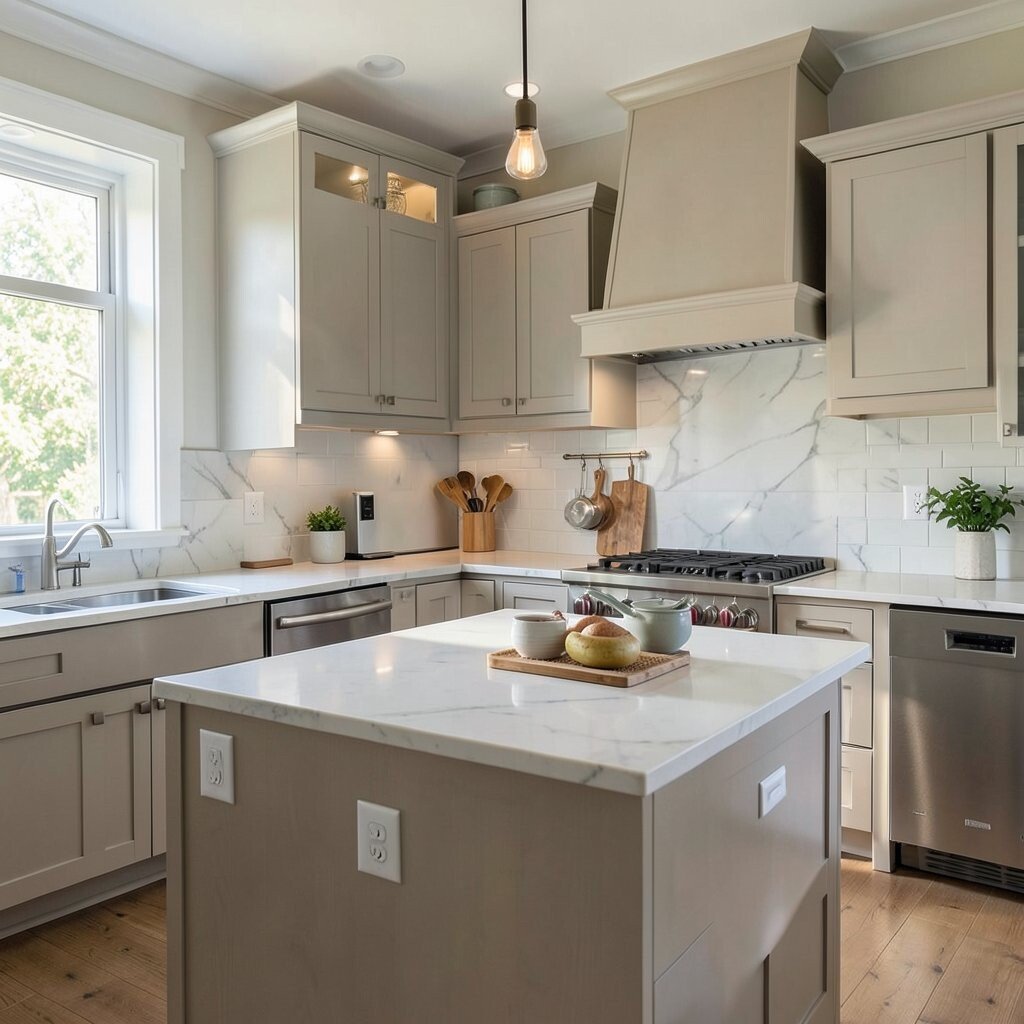
Cooking gets harder when prep, cooking, and cleanup areas are too close together or too far apart. A cramped work zone can create mess and slow down every meal.
Each zone should have enough room for tools and movement. That way, the kitchen feels smoother and the tasks feel less tiring.
Put cutting boards near prep storage, pans near the stove, and soap near the sink. These small decisions help the kitchen work like a team instead of a jumble.
If space is limited, use vertical storage or slim carts to help each zone do more. This can be a budget-friendly way to improve function without a full rebuild.
12. Ignoring Ventilation Needs
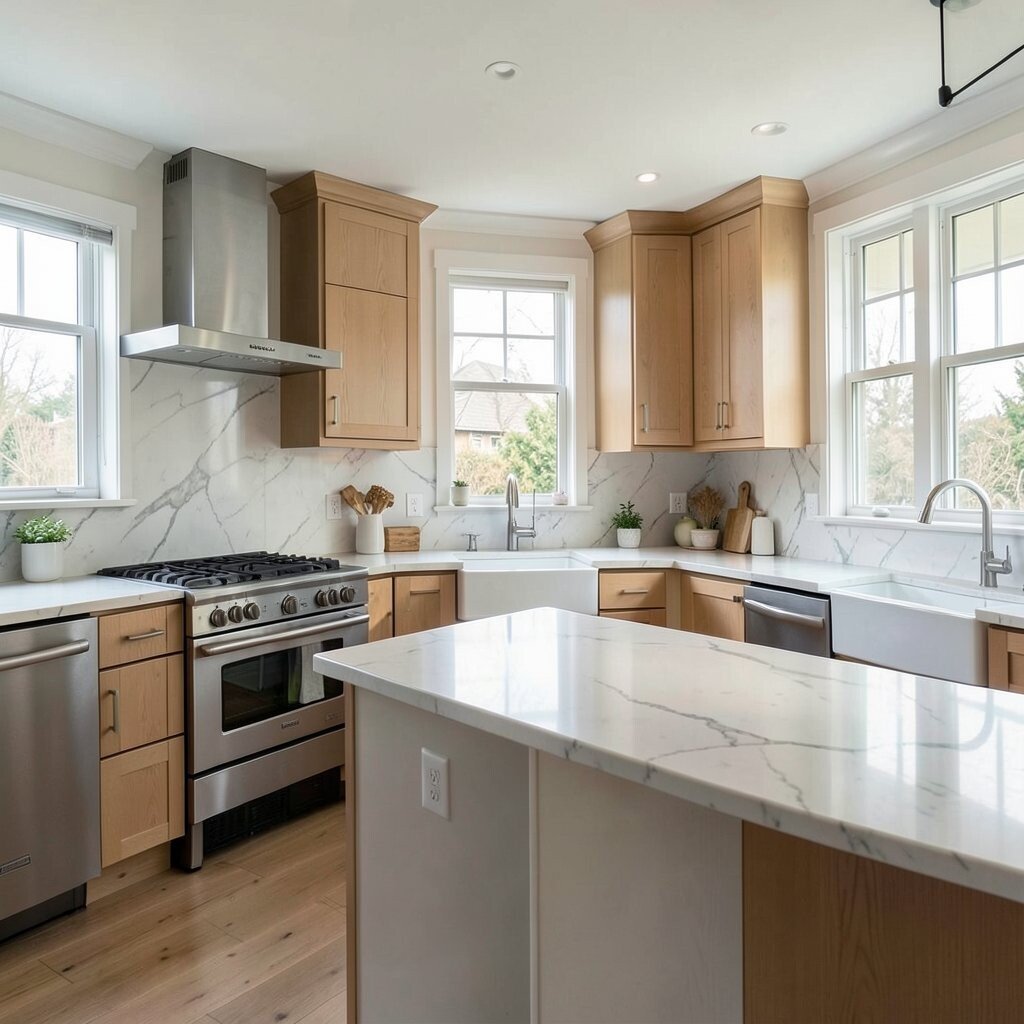
A beautiful kitchen can still feel uncomfortable if smoke and smells hang in the air. Good ventilation keeps the room fresh and helps protect cabinets and walls.
Range hoods, windows, and quiet fans all play a part. Without them, cooking odors can linger and make the kitchen less pleasant.
Some sleek hoods blend in so well that they almost disappear, which many homeowners love. Others make a bold statement and become a design feature on their own.
If the budget is tight, plan for the best ventilation you can afford now and upgrade later if needed. That choice can save the room from bigger problems down the road.
13. Making the Room Too Trendy
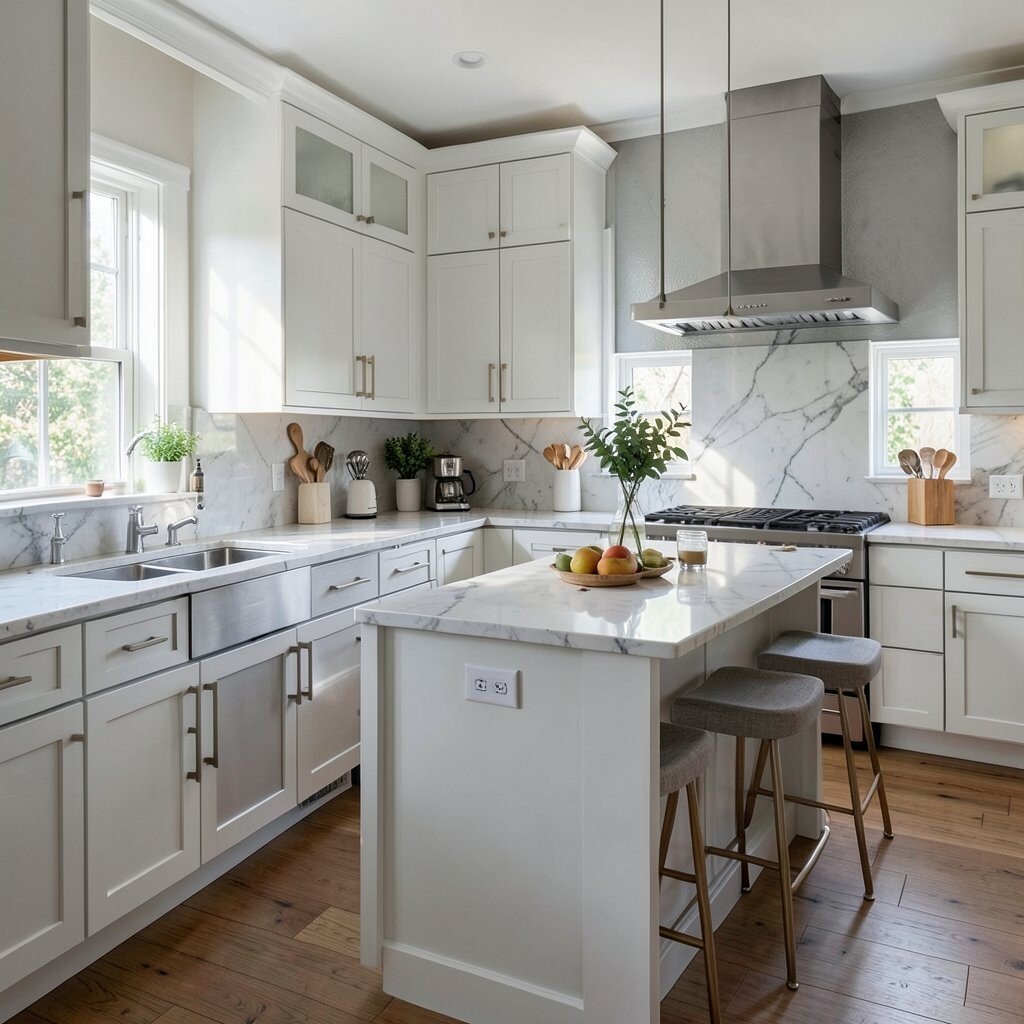
Trend-driven kitchens can look exciting at first. The problem is that bold fads may feel old before the cabinets even wear in.
A better plan is to use trends in places that are easy to change. Paint, stools, light fixtures, and decor can bring in fresh style without locking you into one look.
Choose a solid base that feels timeless, then layer in fun pieces that match your taste. This keeps the room personal and makes updates easier on the wallet later.
Muted colors, natural textures, and simple shapes are still popular because they last. A balanced kitchen usually feels nicer for longer and costs less to refresh.
14. Not Planning for the People Who Use It
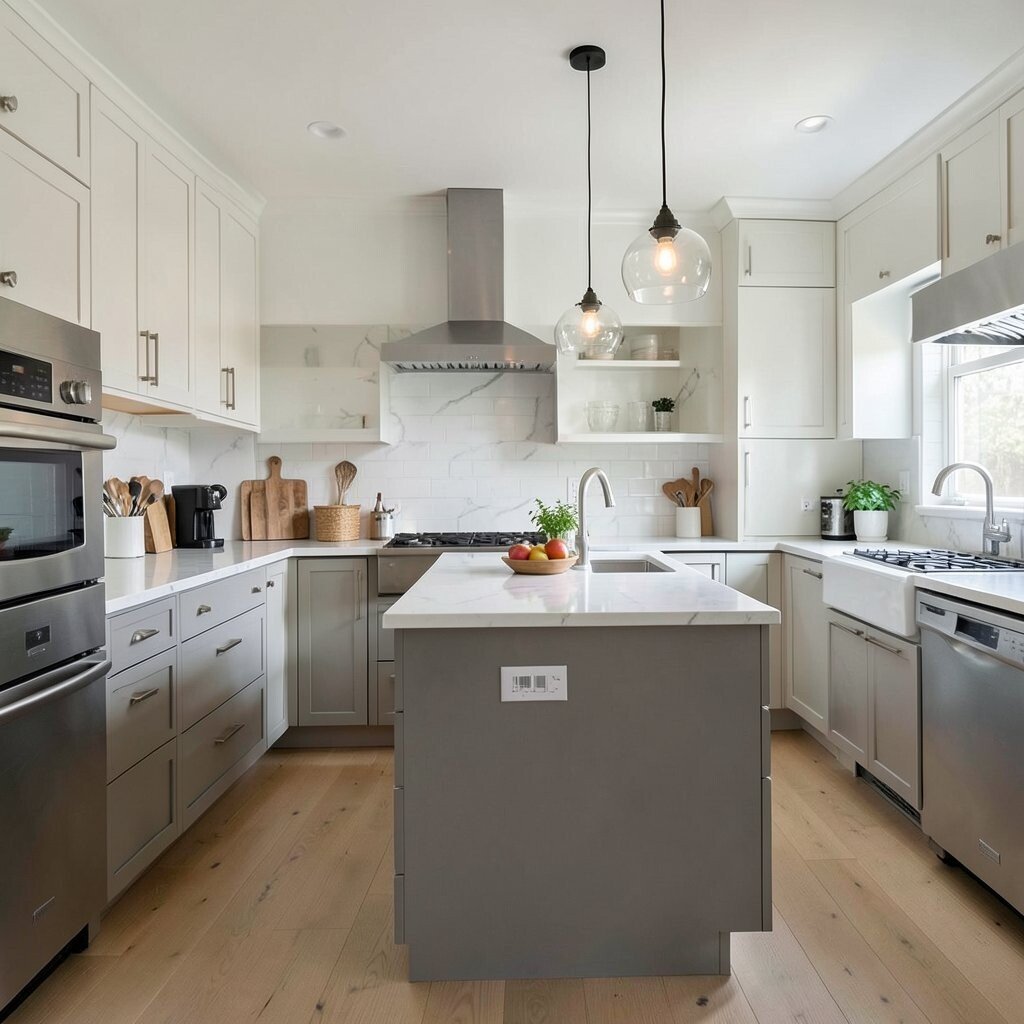
A kitchen should fit the people who live there, not just a design magazine. A single cook, a big family, and a frequent entertainer all need different things.
Think about height, habits, and daily routines before choosing the final plan. A space that fits real life feels calmer, safer, and much more enjoyable.
Lower prep counters, extra seating, or softer edges can make the room friendlier for children, guests, or older family members. Those details may seem small, but they change how welcoming the kitchen feels.
Personalizing the space can be as simple as a favorite paint color, a family message board, or a display shelf for cherished dishes. When the kitchen reflects the people who use it, it feels warmer and more useful at the same time.