White cabinet hardware can make your kitchen look crisp and bright. But a few small choices can quietly ruin the vibe.
You want the hardware to feel right in your hands and look right from across the room. This list shares common missteps, what to do instead, and how to keep your look fresh, modern, and personal.
-
Mistake #1: Picking the wrong metal tone for white
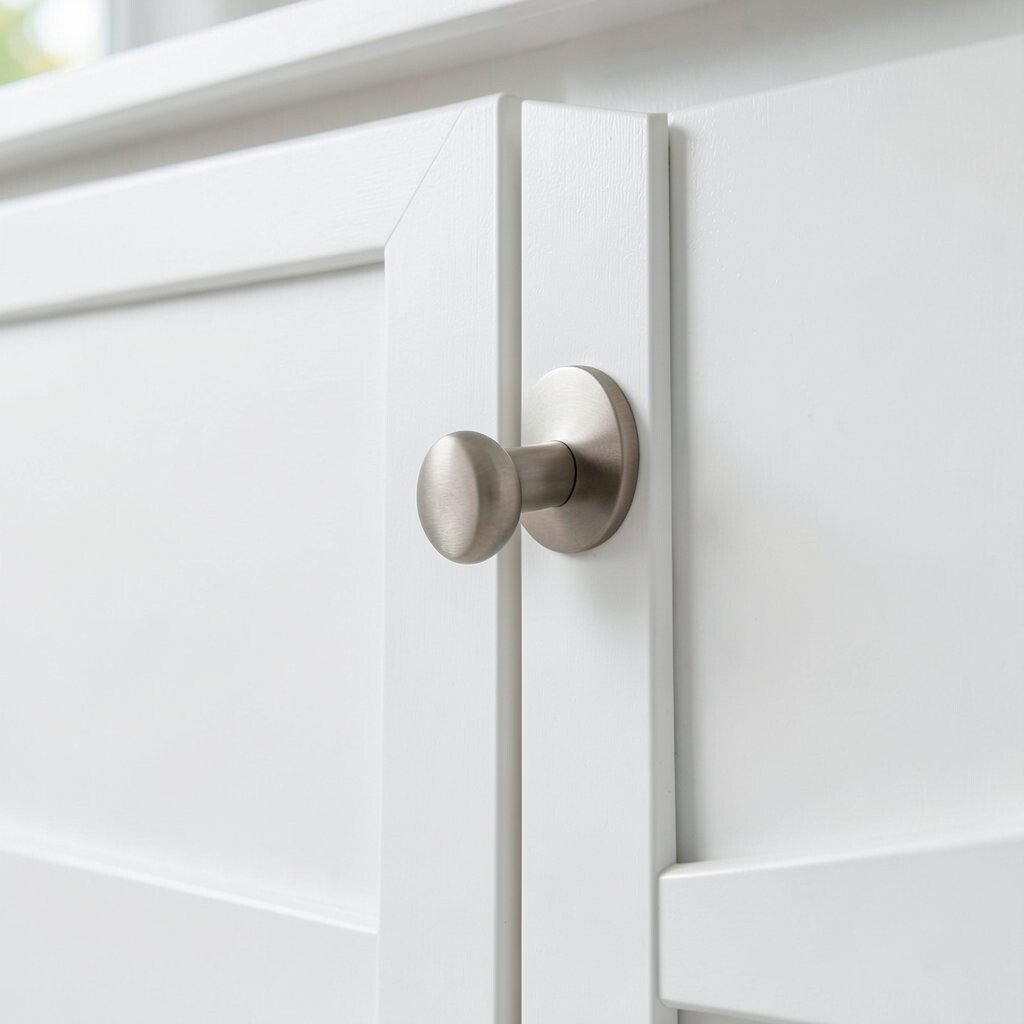
Mistake #: Picking the wrong metal tone for white White cabinets can look either warm or cool depending on the metal tone. If you match the wrong undertone, the hardware can look “off” next to the cabinet color.
Take a close look in daylight and at night with your kitchen lights on. Brushed nickel often reads softer and modern, while polished chrome can look shinier and cooler.
-
Mistake #2: Ignoring the cabinet finish and sheen
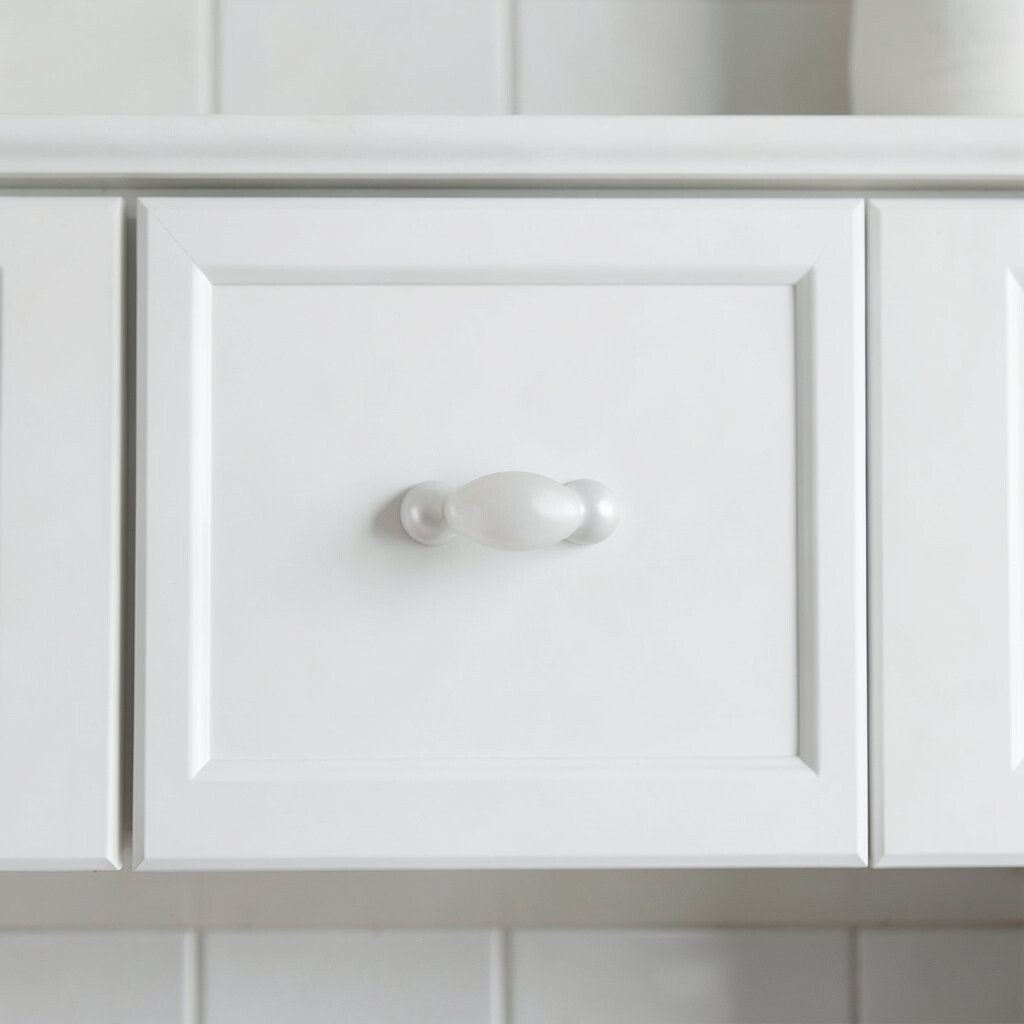
Mistake #: Ignoring the cabinet finish and sheen A flat white cabinet door catches light differently than a glossy one. The hardware finish needs to “play” with that sheen, or it can look too bright or too dull.
If your cabinets have a smooth, glossy finish, try hardware with a clean, subtle shine. If your cabinets are more matte, consider brushed or satin finishes to keep the look calm.
To get the best match, compare a small hardware sample next to a door. This simple test saves you money and regret later.
-
Mistake #3: Choosing hardware before measuring spacing
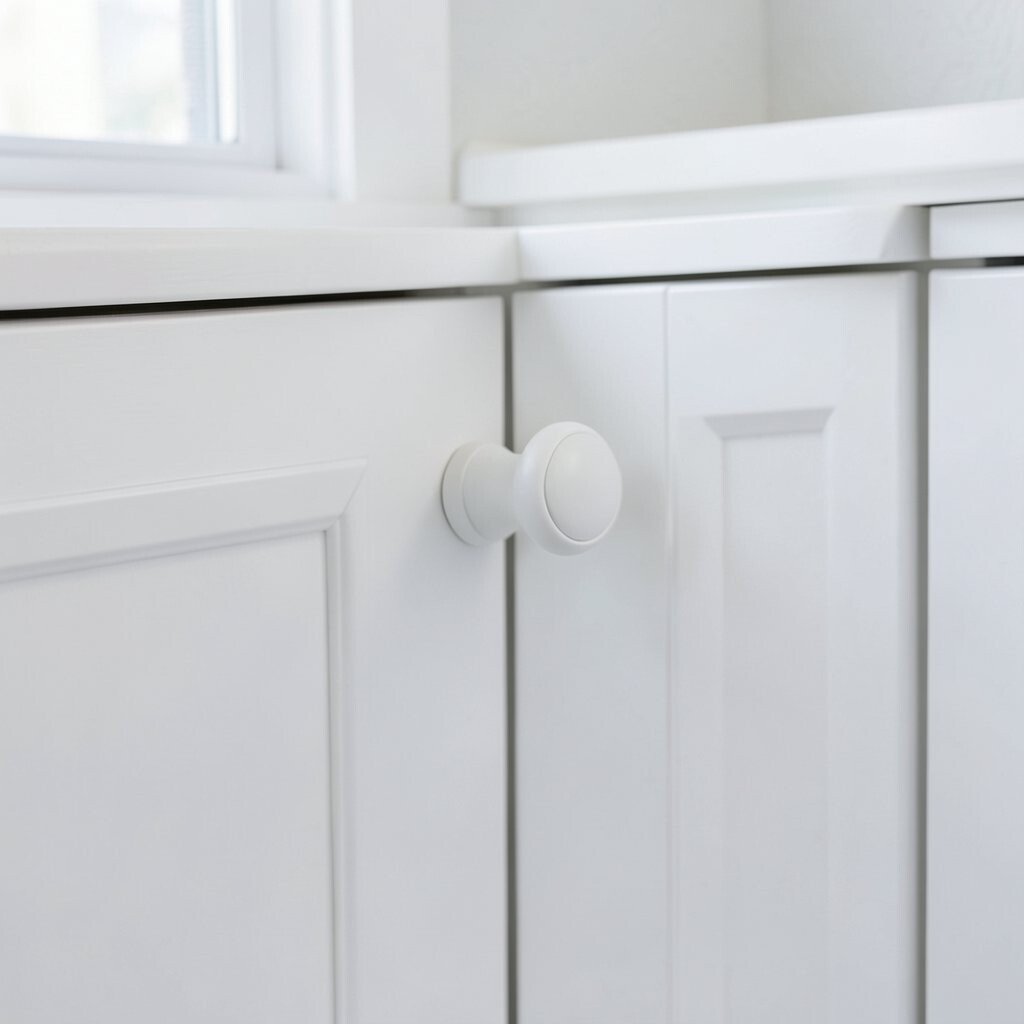
Mistake #: Choosing hardware before measuring spacing Hardware that looks perfect in a store photo can fail in your cabinet layout. Even small spacing differences can make the pulls look crooked or cramped.
Measure the distance between screw holes and the height you want each pull to sit. Then check the backset depth so the screw length won’t poke through.
It helps to lay painter’s tape on a door and mark where fingers will land. That way you can “test” comfort before buying anything.
Many stores also list fit details, so double-check compatibility. Buying the right size on the first try is usually cheaper than returning and reordering.
-
Mistake #4: Forgetting finger clearance and hand comfort
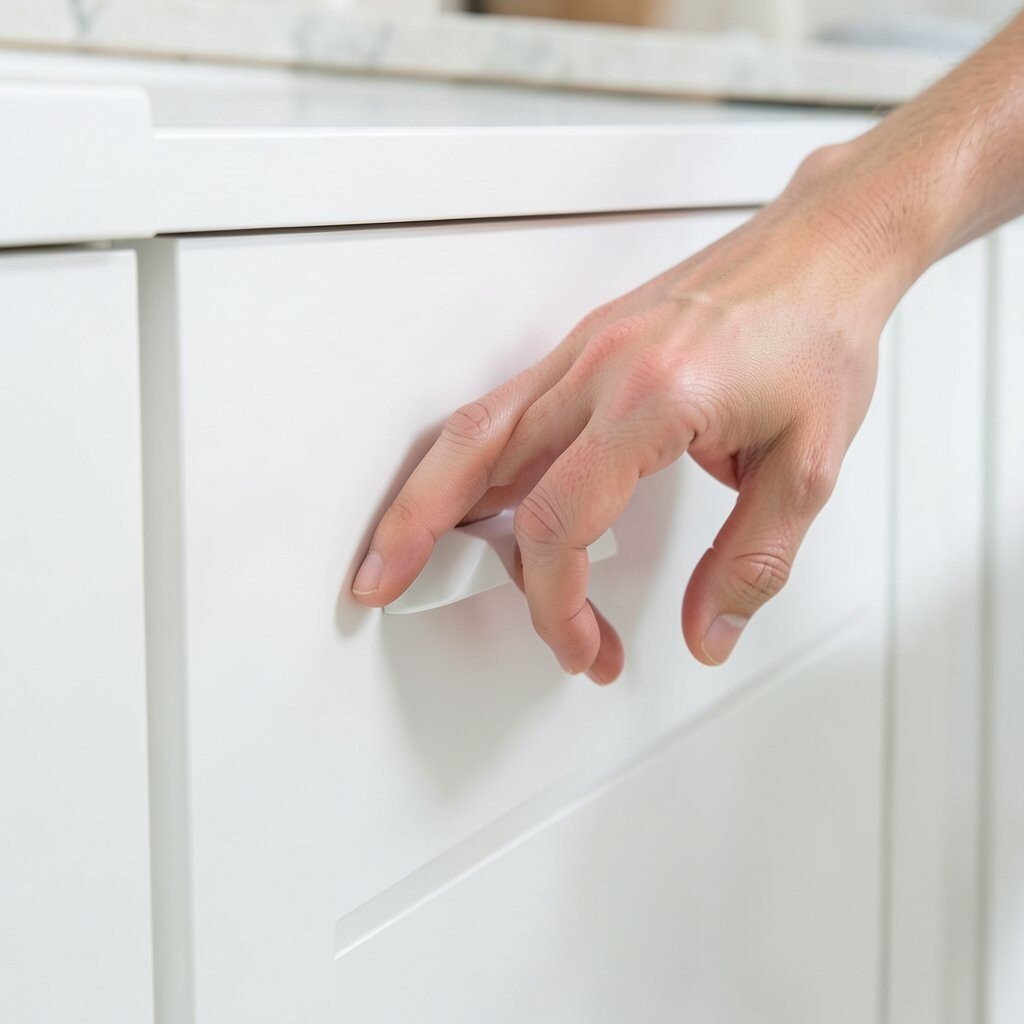
Mistake #: Forgetting finger clearance and hand comfort Some pulls look elegant but feel awkward when you reach for them. Wide knobs or sharp edges can feel uncomfortable, especially if you have small hands.
Choose pulls with a comfortable shape and a finish that doesn’t snag. A smooth satin texture often feels “friendly” and easy to grip.
As a quick test, hold the pull in your hand and pretend you’re opening a cabinet. If it feels bulky, consider a slimmer profile.
-
Mistake #5: Using one style everywhere without a plan
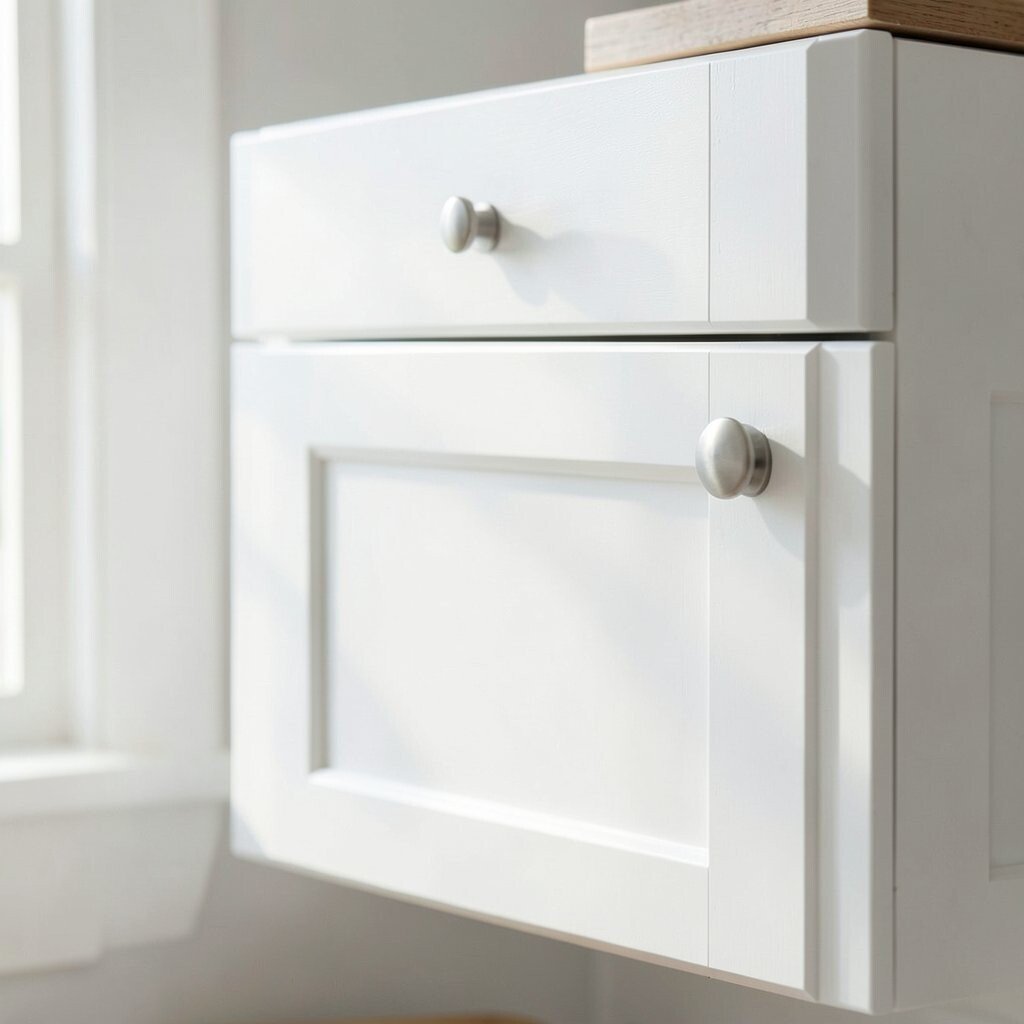
Mistake #: Using one style everywhere without a plan Not all cabinets should share the exact same look. Upper cabinets, lower drawers, and specialty storage spaces each have different visual roles.
Using different but related styles can look more intentional. For example, you might use pulls on drawers and knobs on certain doors.
Pick a consistent “family” by sticking to the same metal tone and design language. That keeps everything cohesive while still giving each area personality.
-
Mistake #6: Matching only color, not shape
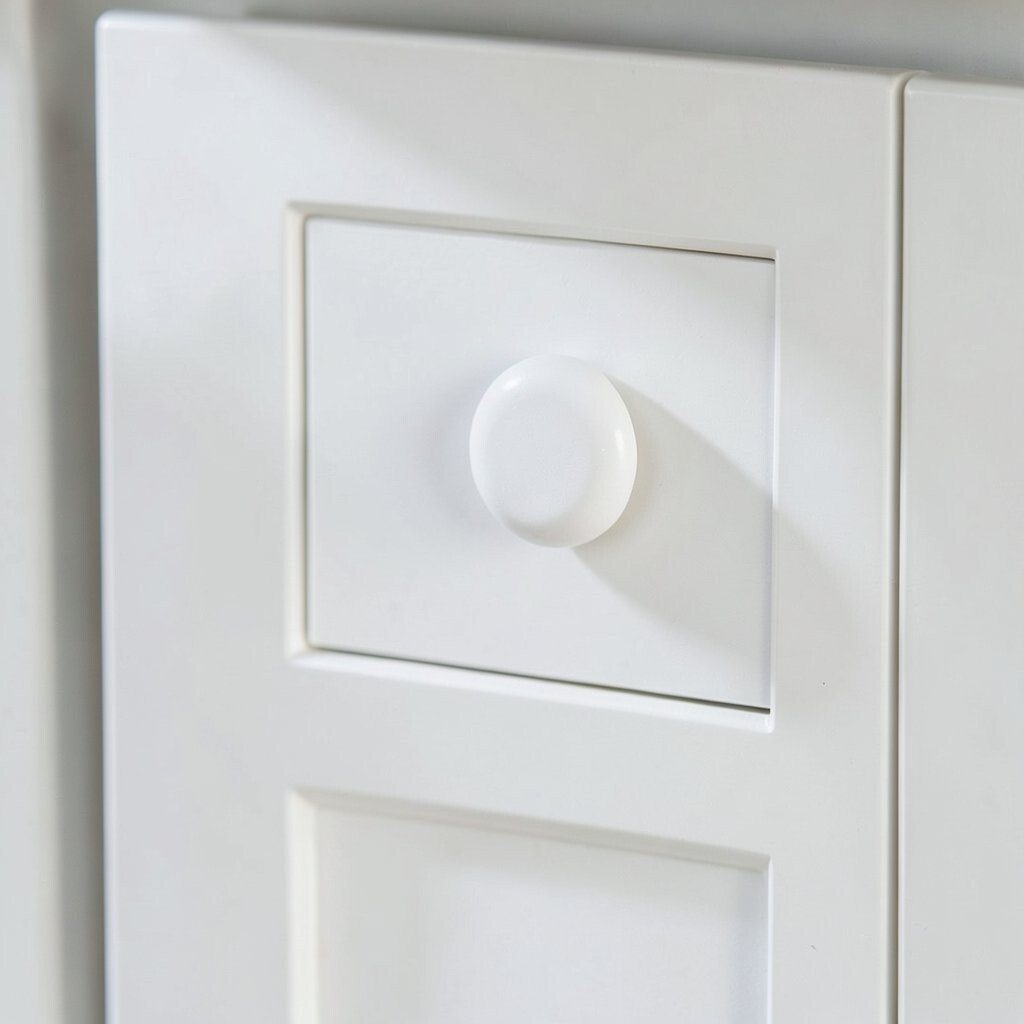
Mistake #: Matching only color, not shape It’s easy to focus on “white cabinets + shiny hardware” and stop there. But shape matters just as much as color for how your kitchen reads visually.
Round knobs can soften strong lines, while bar pulls can sharpen the look. If you want a calm style, choose shapes that echo your cabinet door style.
Look at your faucet, light fixtures, and cabinet frames too. When shapes and proportions connect, your room looks designed, not accidental.
-
Mistake #7: Overlooking the backplate and mounting style
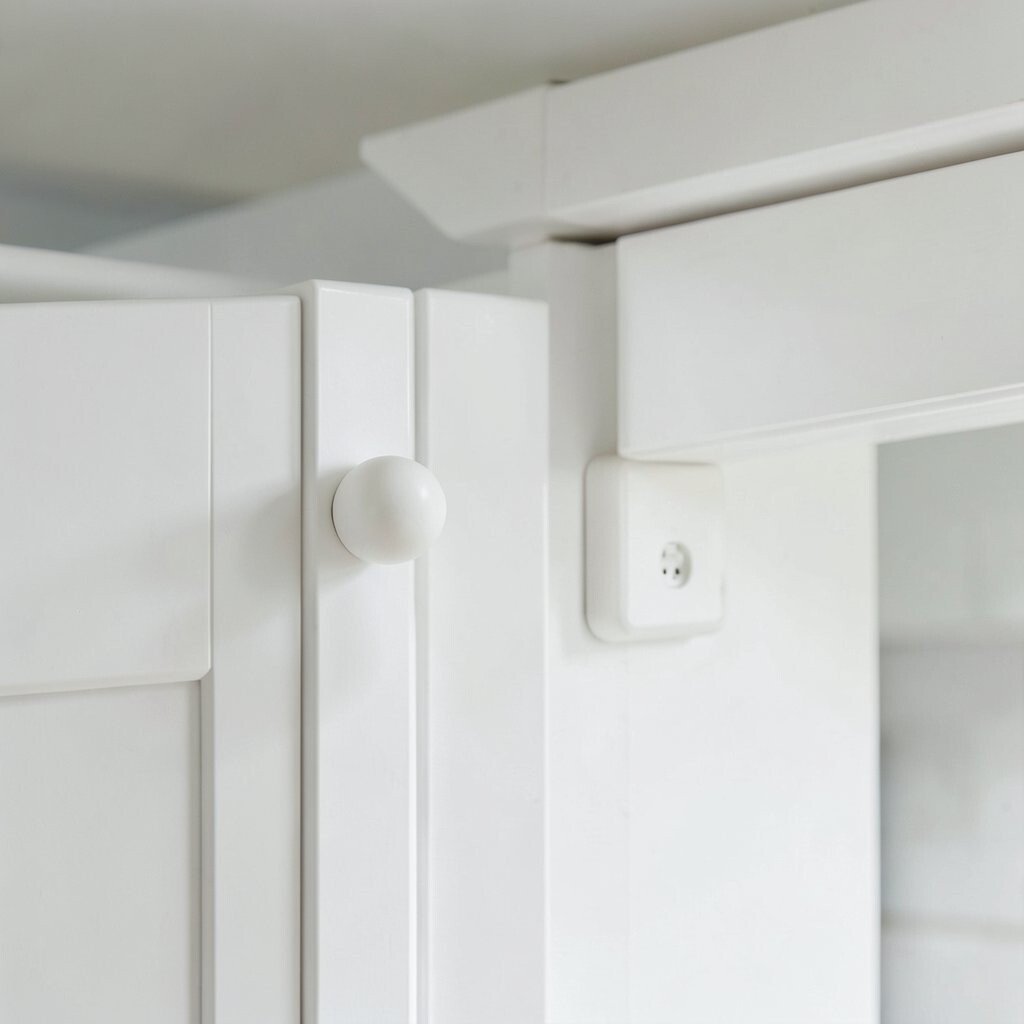
Mistake #: Overlooking the backplate and mounting style Backplates can make hardware look more finished, but they can also cover existing holes. If your cabinet already has holes, you may need a different mounting approach.
Check whether you need new hardware that matches your current hole pattern. If you don’t, you might end up with extra holes showing after installation.
When you do need backplates, choose ones that fit the cabinet door size. A big backplate on a small door can look heavy and crowded.
-
Mistake #8: Buying cheap hardware that chips or stains
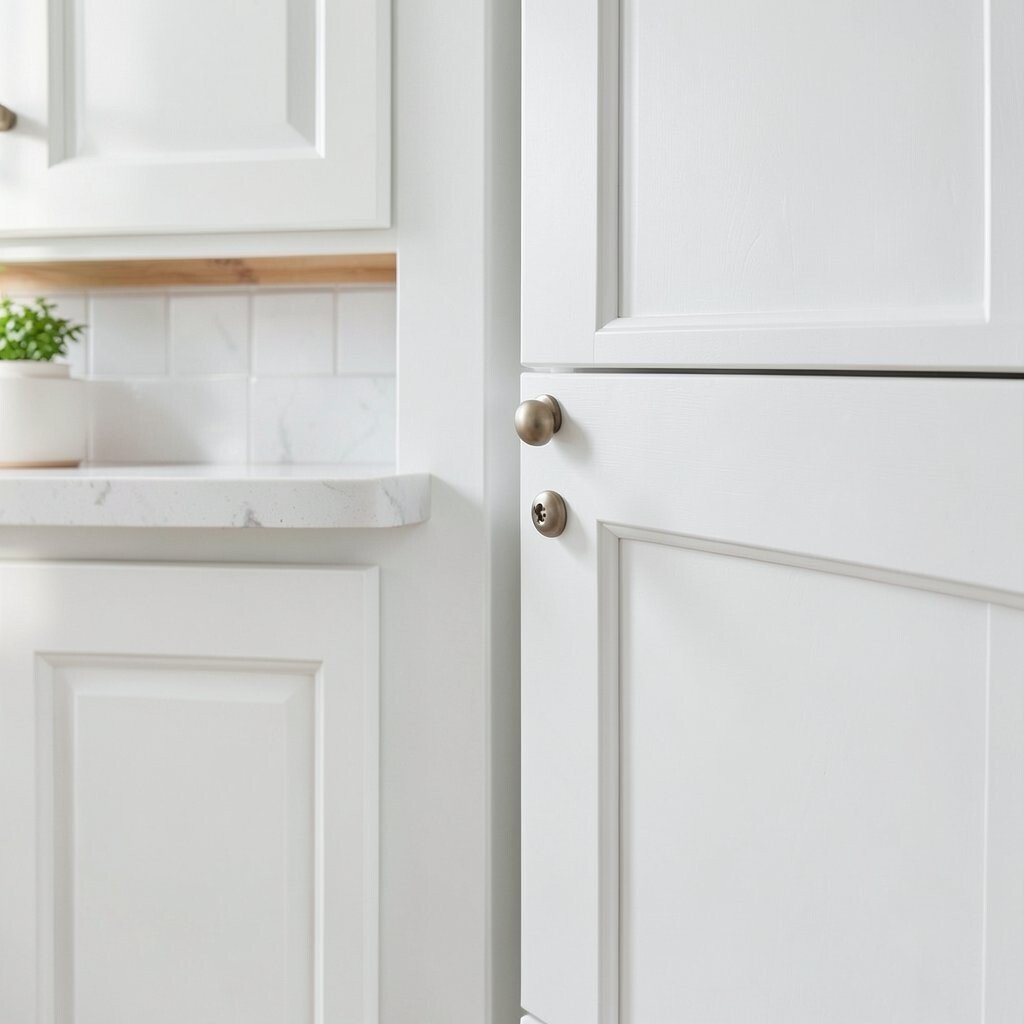
Mistake #: Buying cheap hardware that chips or stains Low-cost hardware can look fine at first, then wear quickly. Scratches show faster, finishes can dull, and knobs can loosen over time.
White kitchens show everything, including small scuffs and fingerprints. Spending a bit more often means smoother action and better coating that resists daily wear.
Look for quality details like solid construction and secure mounting screws. A sturdy feel is a benefit you notice every day.
If your budget is tight, upgrade in stages. You can prioritize high-use drawers and then expand the improvement room by room.
-
Mistake #9: Forgetting how often you clean
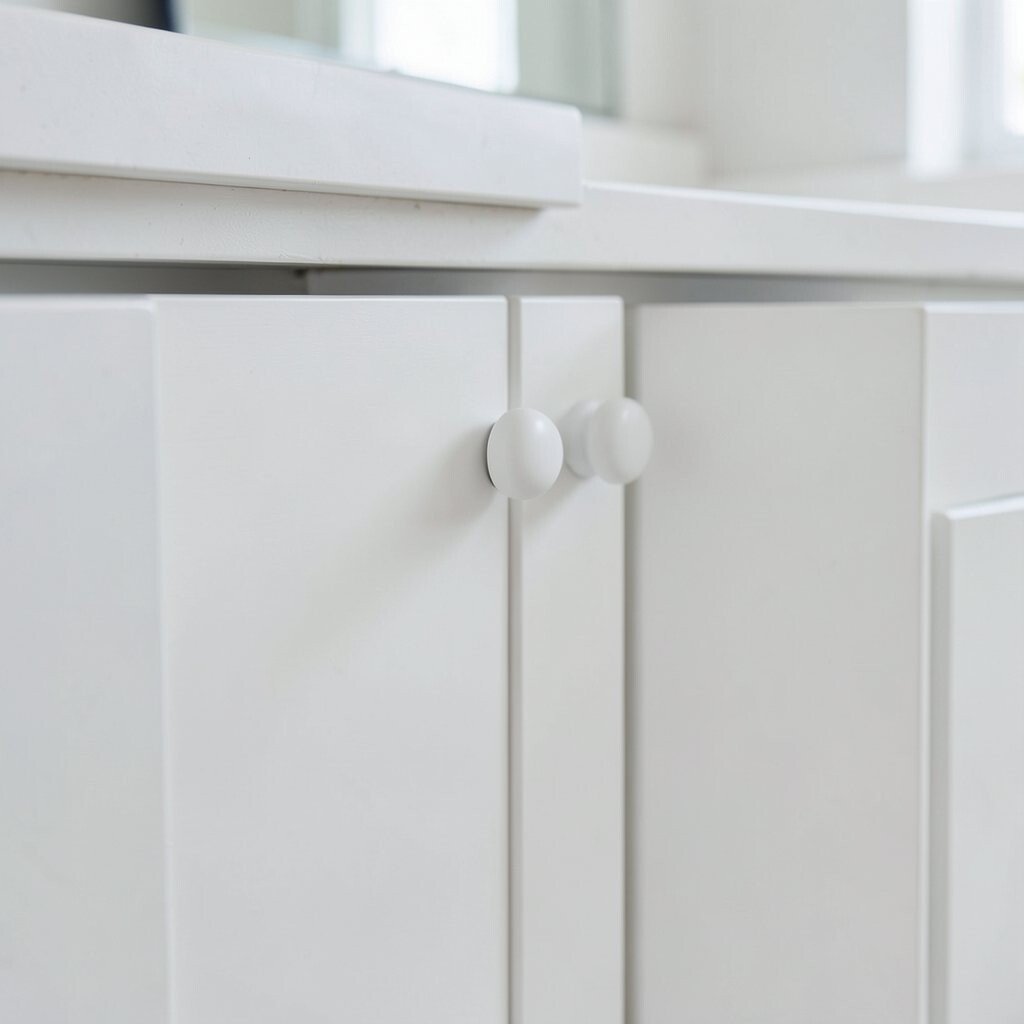
Mistake #: Forgetting how often you clean Some finishes are easier to wipe clean than others. Polished styles can show smudges quickly, while brushed finishes hide them a bit better.
Think about your daily life: do you cook a lot, or is your kitchen mostly for light meals? Your answer can guide whether you choose a glossy or textured look.
-
Mistake #10: Ignoring fingerprint visibility on white cabinets
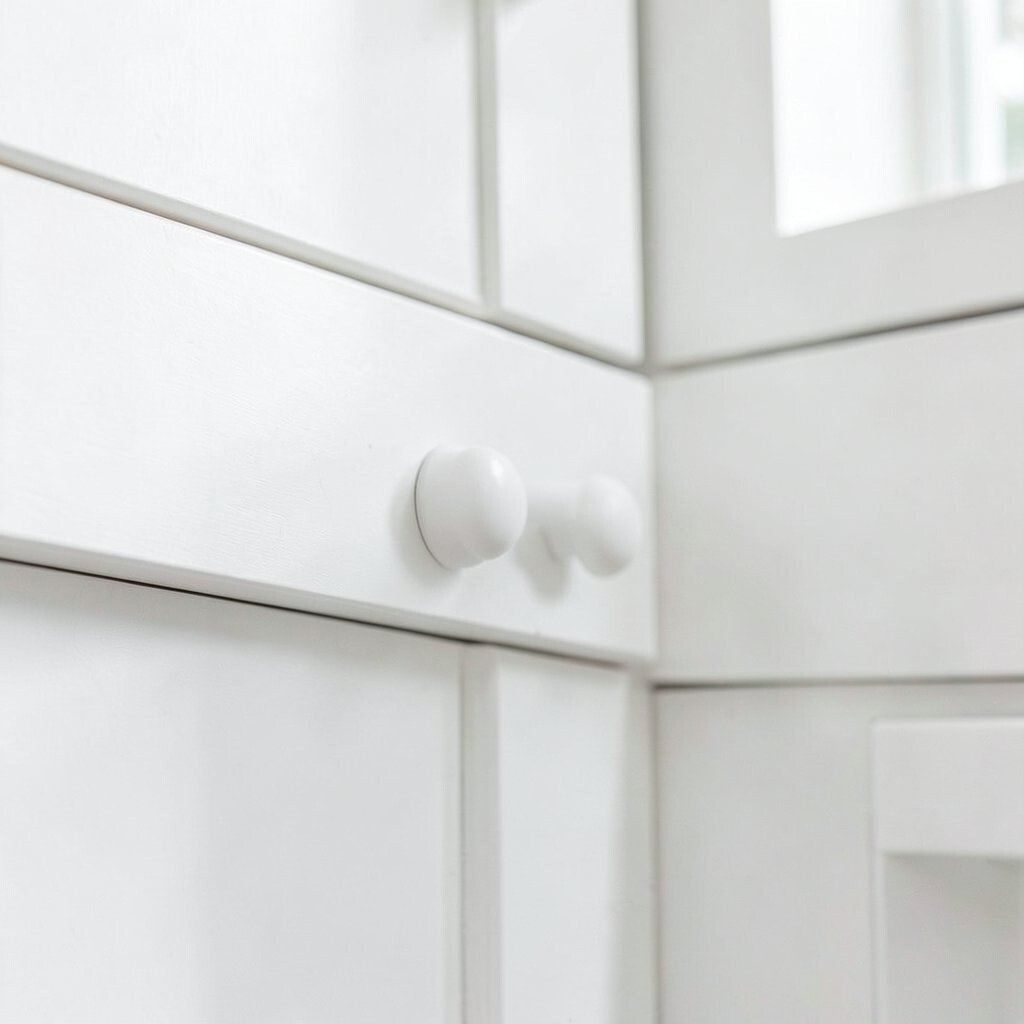
Mistake #: Ignoring fingerprint visibility on white cabinets White cabinet hardware can look gorgeous, but it can also show fingerprints on certain coatings. This is especially true with darker finishes or high-gloss looks.
If you want a bright, clean vibe, choose finishes that stay looking fresh. Satin brass and brushed nickel often strike a good balance.
Add a simple cleaning routine with a soft cloth and gentle cleaner. It keeps the hardware shining without damaging the finish.
-
Mistake #11: Installing at uneven heights across cabinets
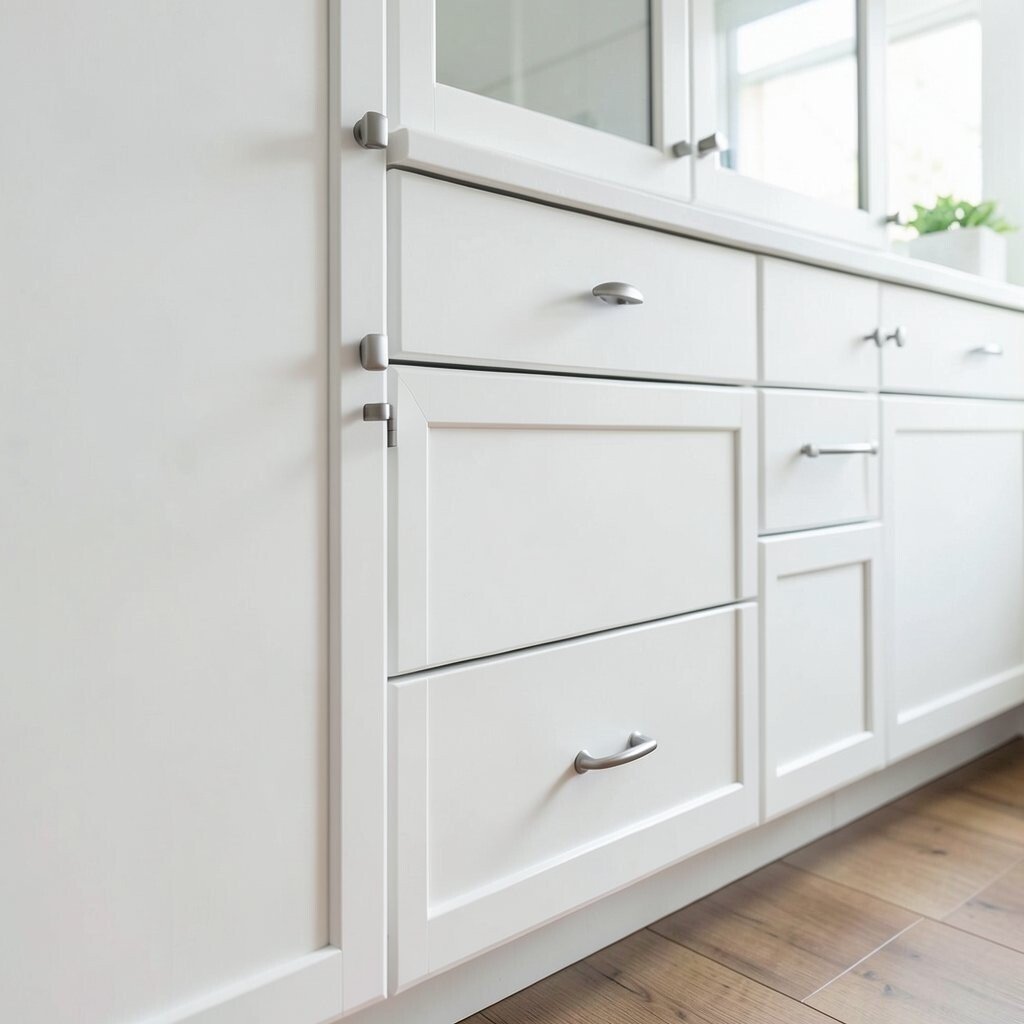
Mistake #: Installing at uneven heights across cabinets Even tiny height differences can make a kitchen feel messy. A line of hardware should look level from left to right.
Use a level, a measuring guide, or a template to keep everything consistent. Consistency is a big part of that “designer” look.
Try marking the first cabinet door, installing the hardware, then measuring again for the rest. This helps catch spacing surprises early.
-
Mistake #12: Choosing long pulls for small doors or narrow drawers
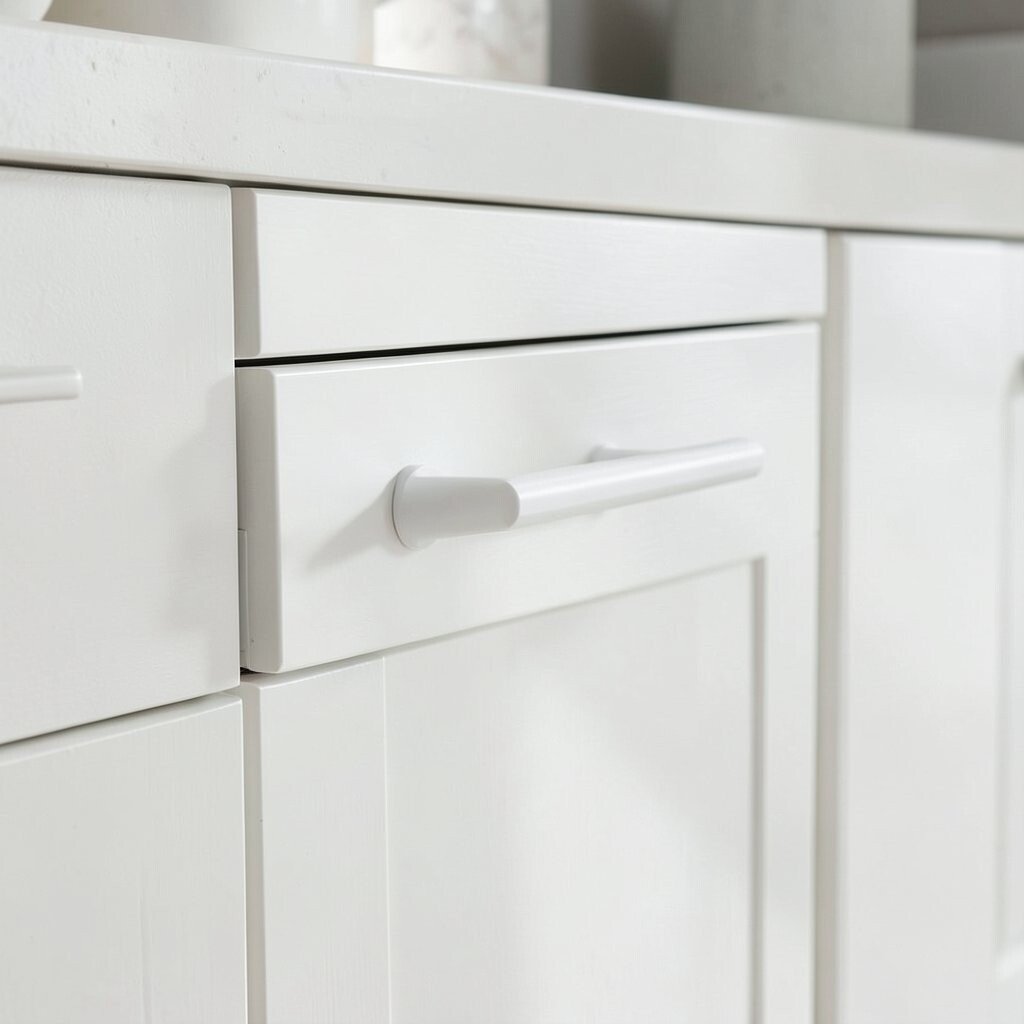
Mistake #: Choosing long pulls for small doors or narrow drawers Oversized pulls can crowd small spaces and make doors feel harder to open. When hardware is too long, your fingers may hit the frame or adjacent doors.
For narrow drawers, consider shorter bar pulls or compact knobs. The benefit is comfort, plus a cleaner visual scale.
If you love a long look, apply it to wide drawers where your hand naturally has room. That keeps the style beautiful and practical.
-
Mistake #13: Not matching hardware to the home style
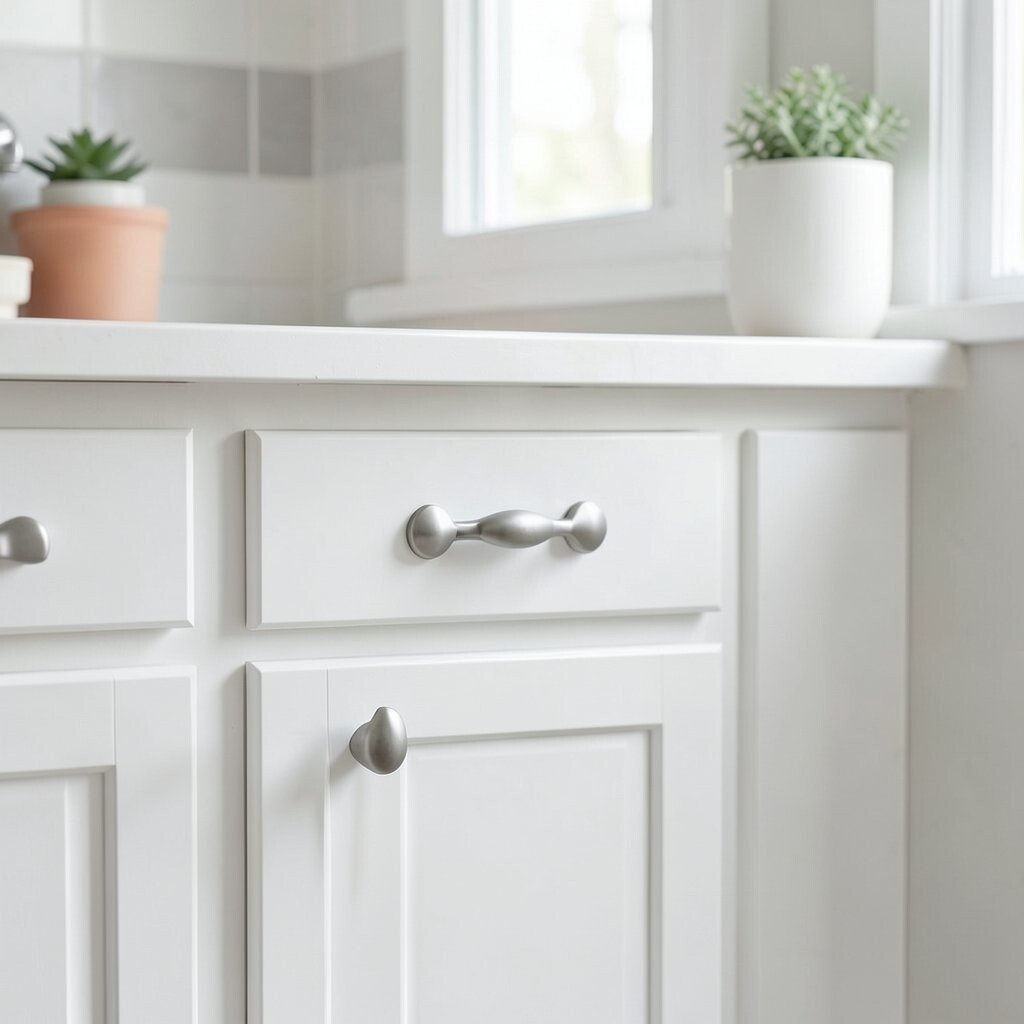
Mistake #: Not matching hardware to the home style Hardware should fit your home, not fight it. Modern hardware can look out of place in a traditional kitchen, and classic hardware can look heavy in a sleek space.
Look around: are your lights and countertops more modern, farmhouse, or traditional? Pick hardware shapes that echo that theme.
You can still personalize without mixing everything. Choose one main style and use accents like finishes or small details to keep it interesting.
This avoids the “random drawer” look and gives your kitchen a strong identity. Strong identity usually makes people love the space more each day.
-
Mistake #14: Ignoring trends that can date your cabinets
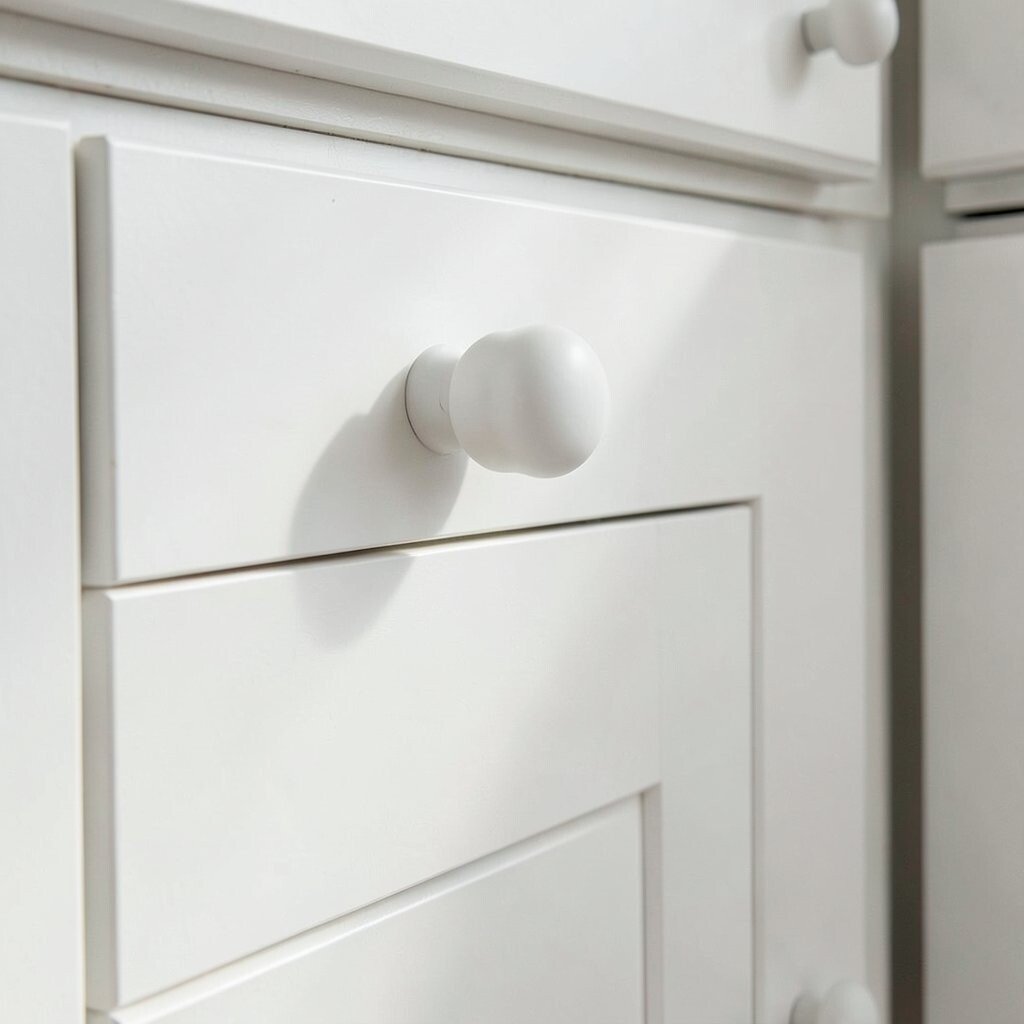
Mistake #: Ignoring trends that can date your cabinets Trends are fun, but some details can feel outdated fast. If you choose the most extreme trend, you may want to change it sooner than you expected.
Try trend-aware choices that stay wearable, like simple bar pulls with a soft curve or timeless knob shapes. That way your hardware feels current without feeling temporary.
-
Mistake #15: Overdoing contrast without a visual anchor
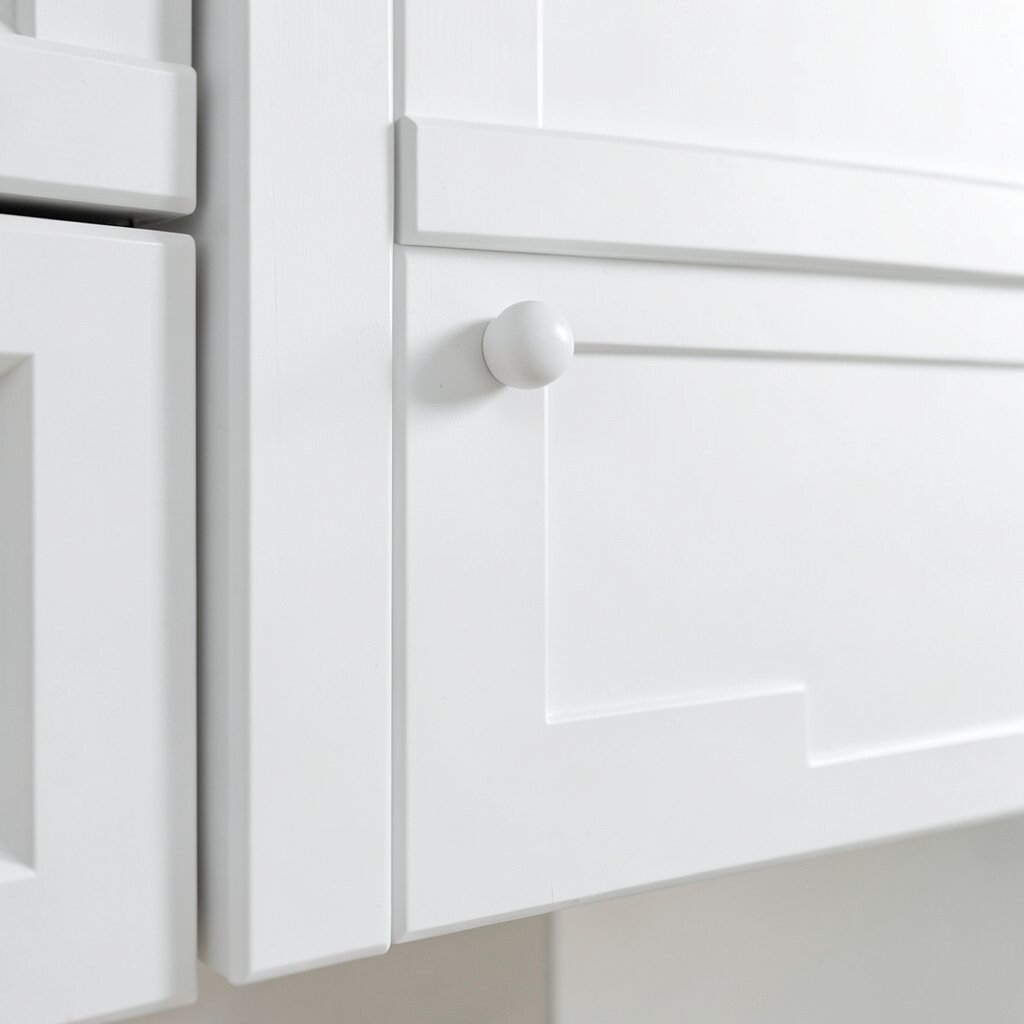
Mistake #: Overdoing contrast without a visual anchor Contrast can look bold, especially with white cabinets and dark hardware. But too much contrast can make the kitchen feel busy.
Pick a visual anchor by matching hardware with other elements like faucet finish, light fixtures, or cabinet trim. This brings balance and makes the design feel intentional.
You can also soften contrast by using satin textures instead of very glossy ones. Soft texture keeps the look elegant and calm.
-
Mistake #16: Choosing handles with weak mounting hardware
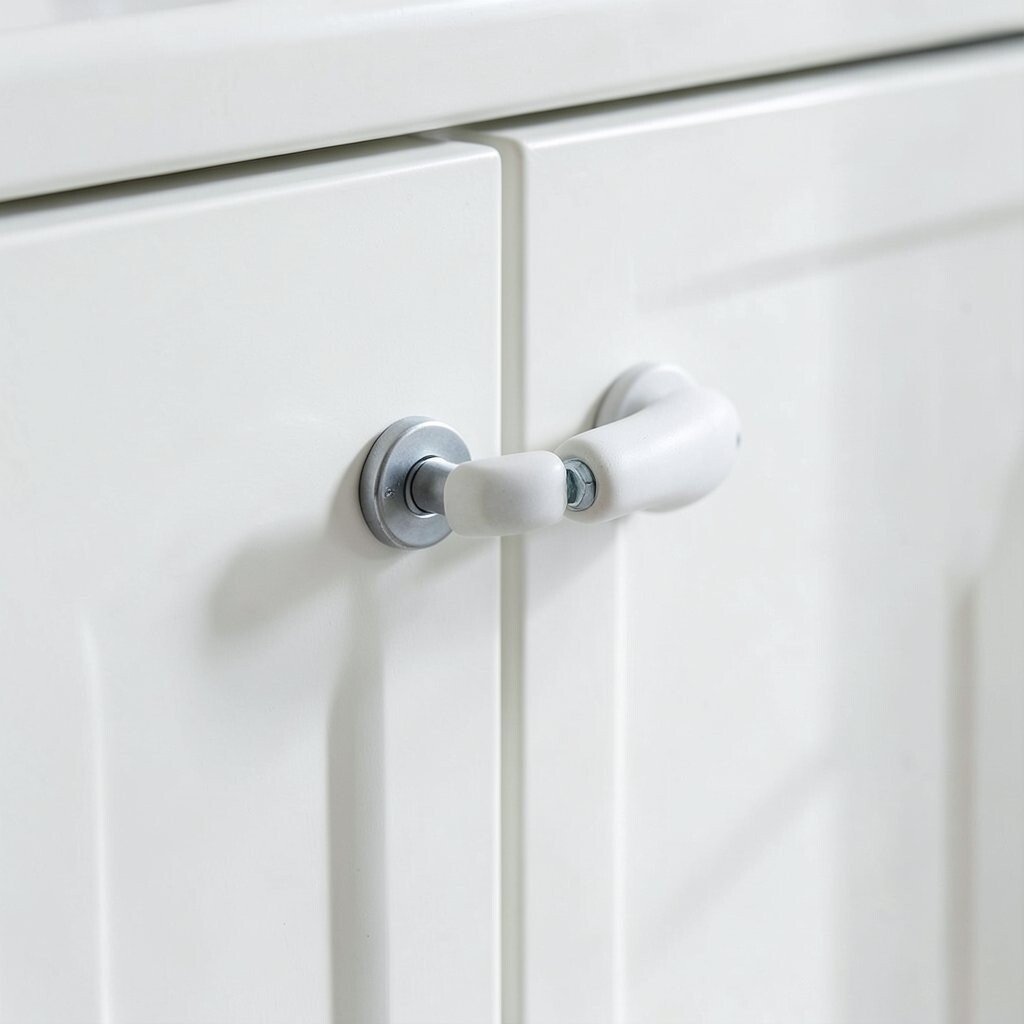
Mistake #: Choosing handles with weak mounting hardware Sometimes the hardware looks right, but the included screws are not a good fit. Loose pulls can twist, wobble, and feel annoying right away.
Check screw length and thread type before you install. If your cabinet doors are thicker than average, you may need different screws.
It’s also wise to look for hardware that tightens securely and sits flush. This helps the pull feel solid every time you open a drawer.
-
Mistake #17: Forgetting to plan for knobs vs. pulls
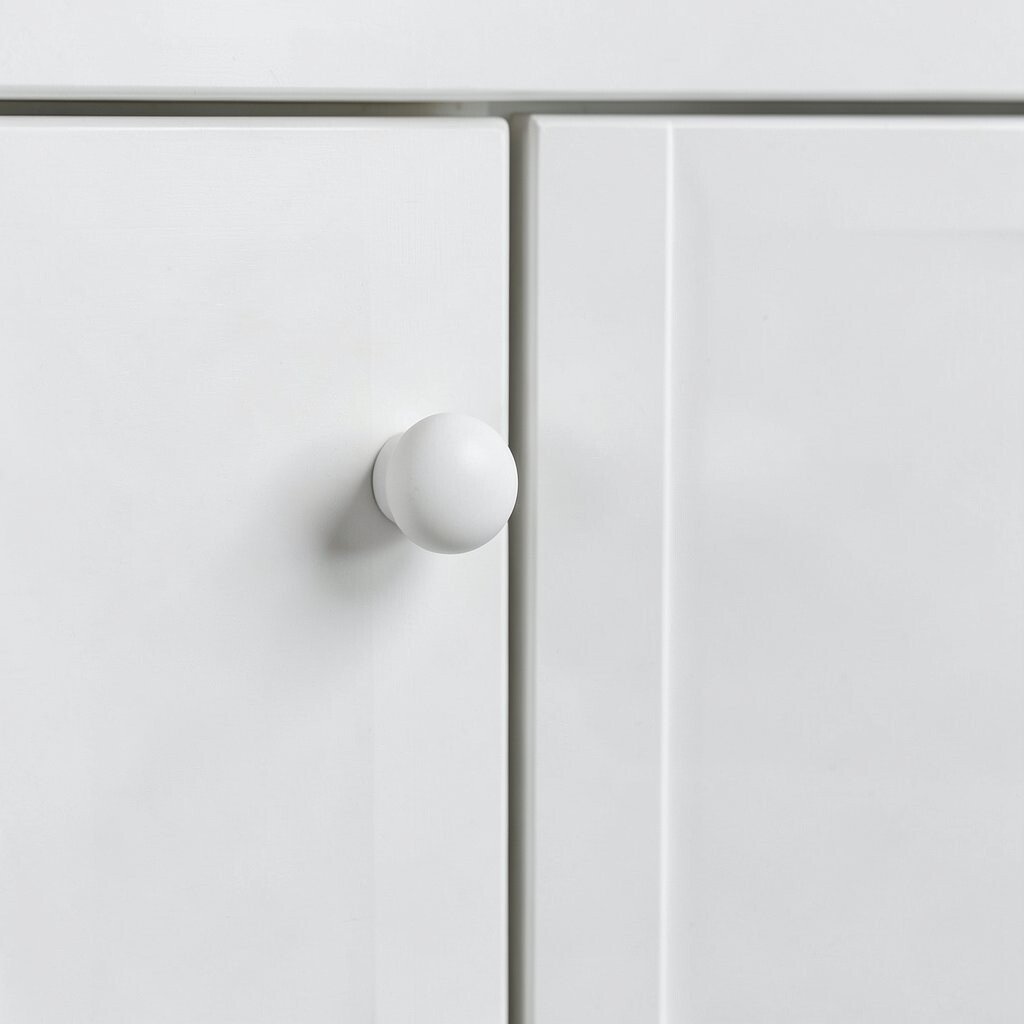
Mistake #: Forgetting to plan for knobs vs. pulls Knobs and pulls give different everyday experiences. Knobs can be quick for small doors, while pulls often feel smoother for drawers.
Think about where your hands naturally go. If you reach into drawers often, a pull can be more comfortable than a knob.
You can personalize by using knobs for select upper doors and pulls for lower drawers. Just keep the metal tone and style consistent.
-
Mistake #18: Not considering how hardware affects the resale look
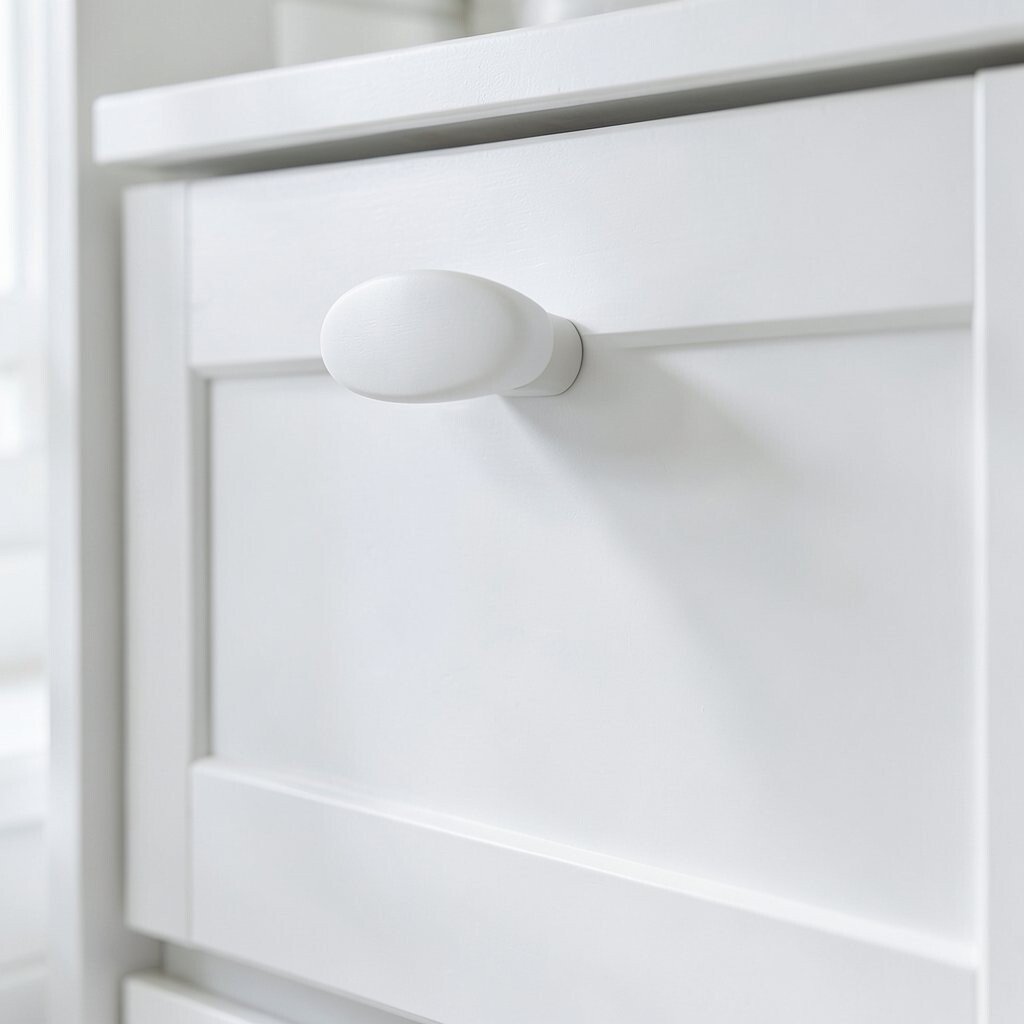
Mistake #: Not considering how hardware affects the resale look If you think you might sell someday, neutral-but-stylish hardware can be a smart move. White cabinets tend to work well with many tastes, and classic hardware keeps your home broadly appealing.
Overly bold colors or very unique shapes can limit buyer appeal. A widely loved look, like satin brass or brushed nickel, often creates a strong first impression.
It’s a practical benefit: you’ll enjoy the look now and still feel good about it later. Resale-minded choices also help control long-term costs.
Consider sticking to a cohesive set rather than mixing unrelated pieces. This makes the kitchen look clean and well maintained.
-
Mistake #19: Skipping a budget plan for extra pieces
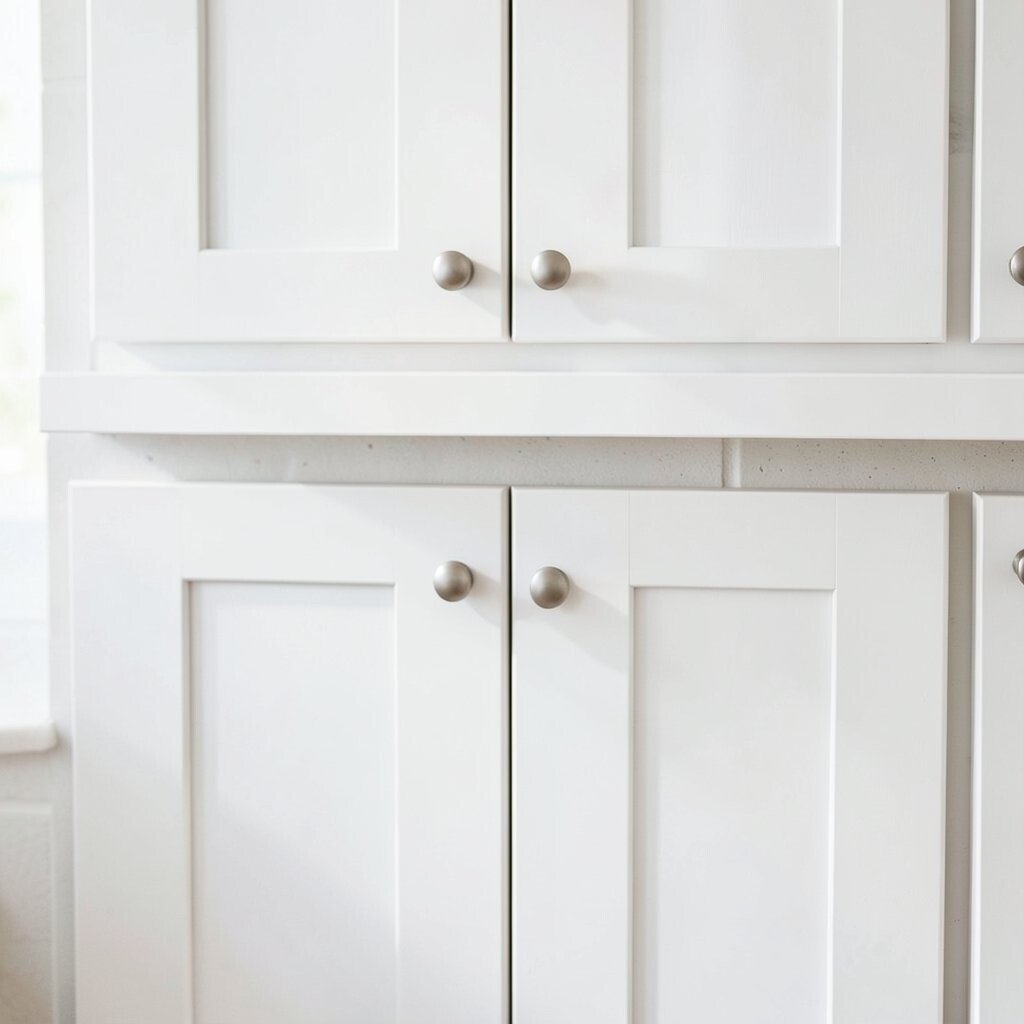
Mistake #: Skipping a budget plan for extra pieces Hardware shopping can surprise you with add-ons. You may need adapters, longer screws, replacement parts, or extra pieces because of mis-drilled holes.
Before you buy, count the number of drawers and doors you’ll update. Then plan for a little extra so you don’t run out mid-project.
Compare prices by considering lifespan, not just the tag. Higher quality often costs less over time because it stays beautiful longer.
If you’re working with a tight budget, upgrade the most visible cabinets first. People notice the front ones every day, and it’s a great way to spend wisely.
-
Mistake #20: Installing without templates and taking “eyeball” shortcuts
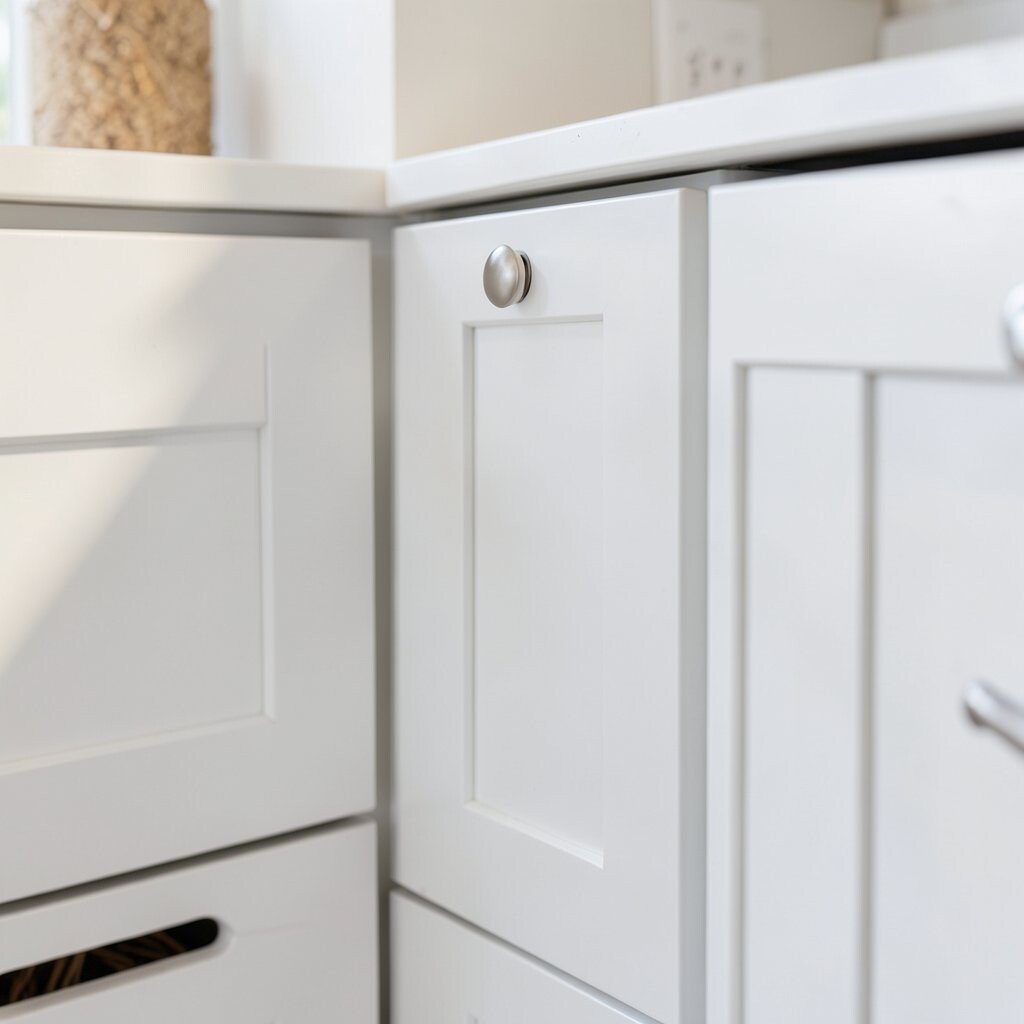
Mistake #: Installing without templates and taking “eyeball” shortcuts Eyeballing holes feels fast, but it can cause misalignment that looks obvious. White cabinets make tiny mistakes stand out even more.
A template helps you mark screw spots cleanly and install without guesswork. You get straighter lines and a more polished look.
To personalize, mark the exact spot where each hand naturally grips and keep it consistent. This turns hardware into a functional part of your daily routine.