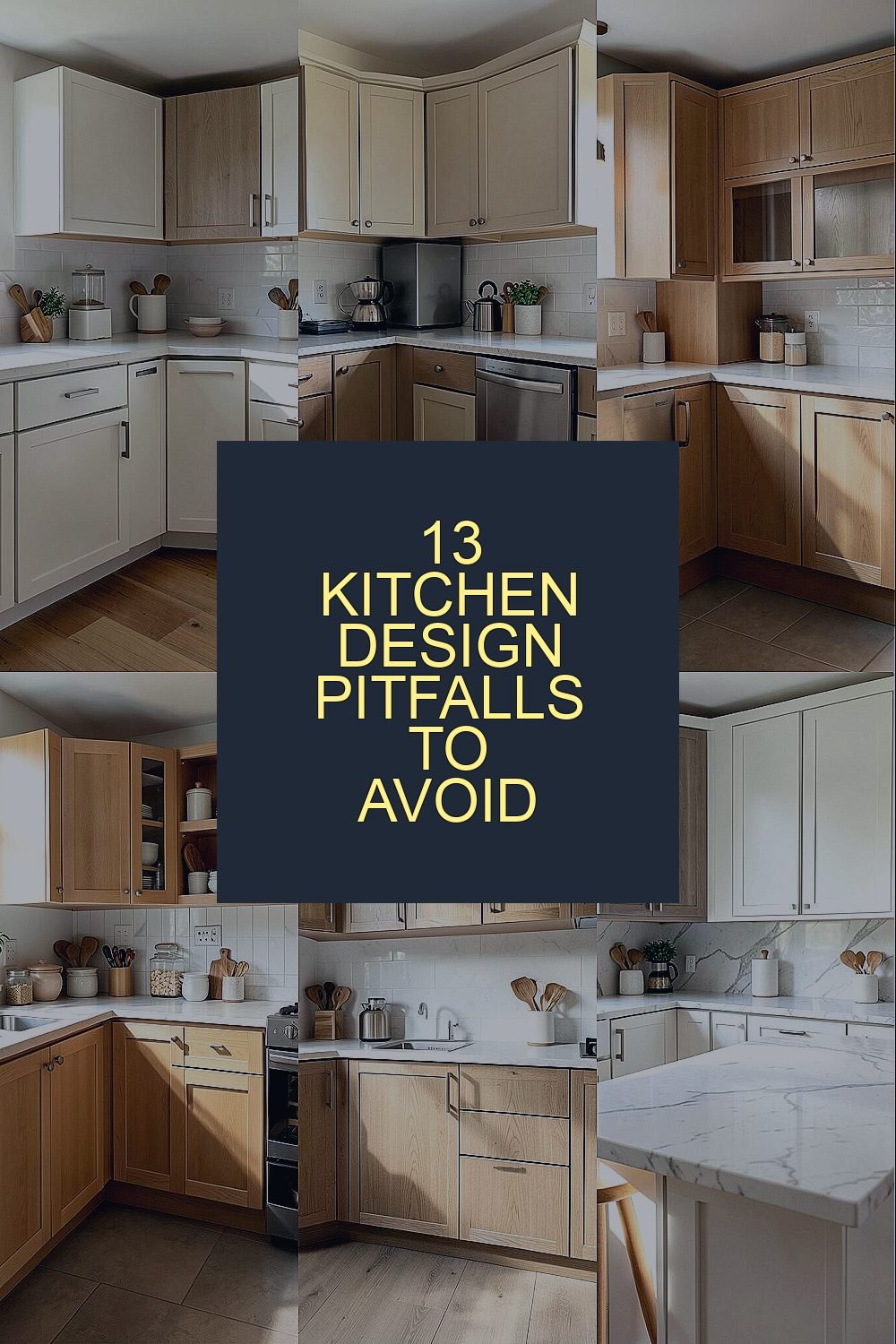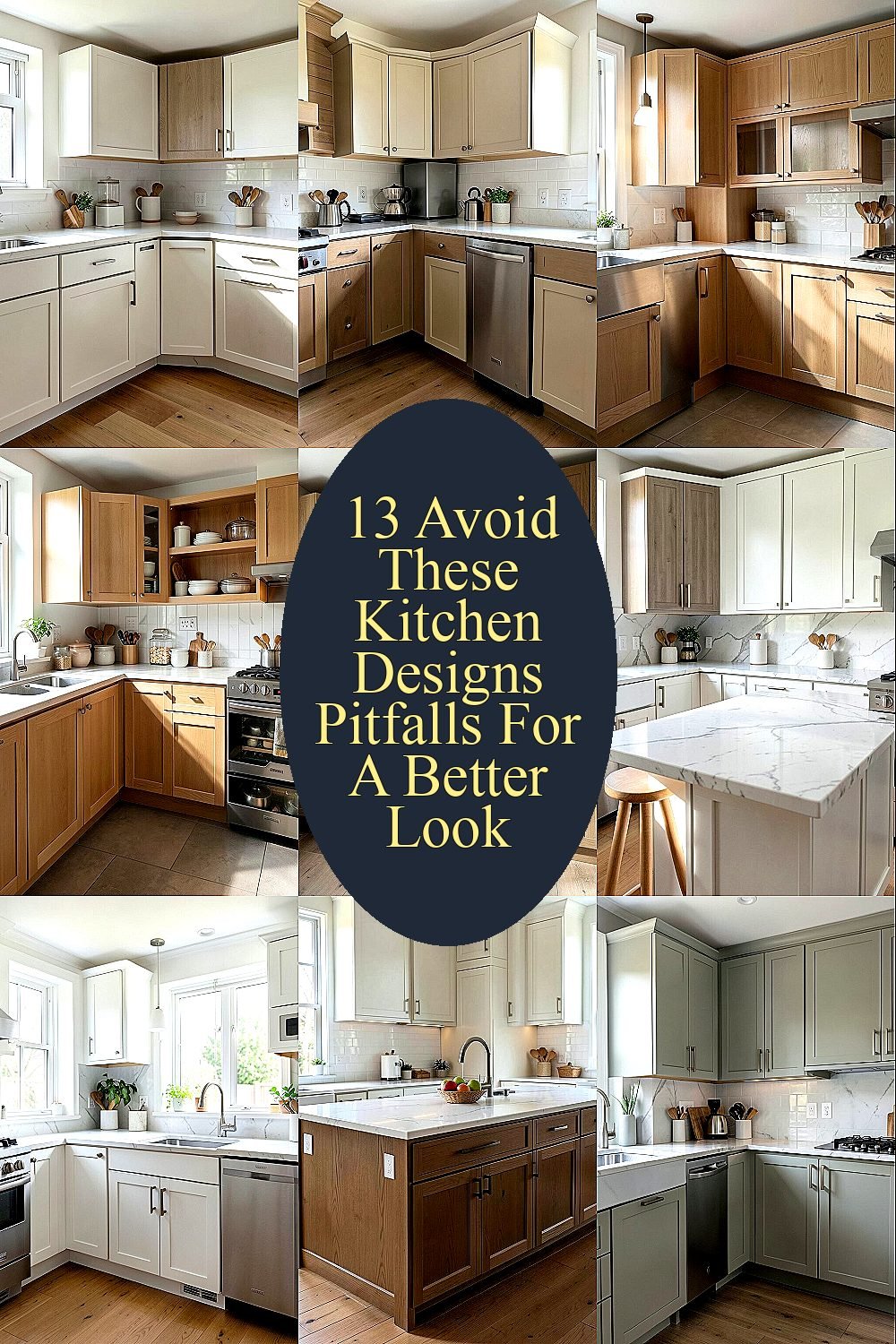
Some kitchens feel calm the moment you step inside. Others seem busy before the kettle even boils.
1. Skipping a Clear Layout
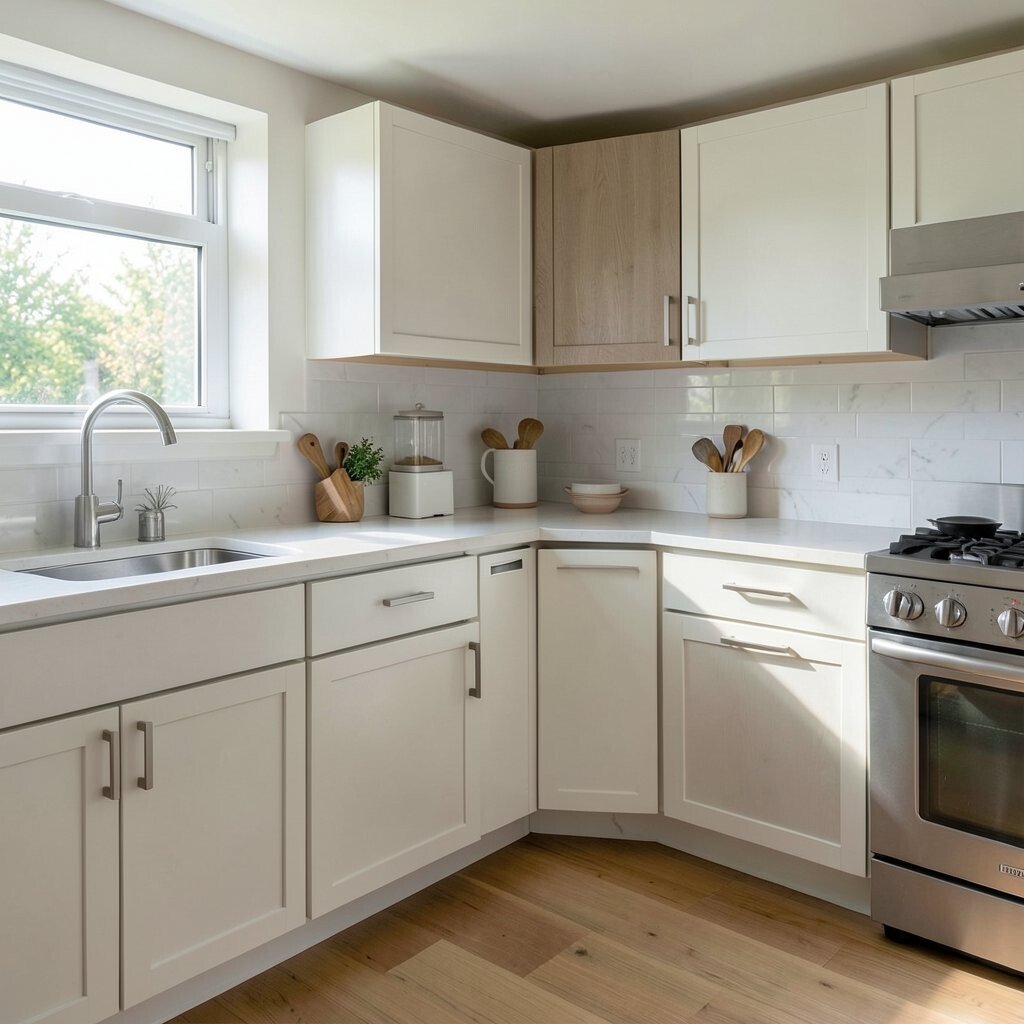
A kitchen can look pretty on paper and still feel awkward in real life. When the sink, stove, and fridge sit too far apart, the room starts to feel clumsy and hard to use.
A smart layout makes cooking easier and gives the space a neat, balanced look. Try to keep work zones close together, and think about how you move when you chop, cook, and clean. A simple layout often costs less to build, and it can make even a small kitchen feel more open.
2. Choosing Too Many Competing Finishes

Shiny cabinets, bold counters, busy tile, and strong flooring can fight for attention. The room may end up feeling noisy instead of stylish.
Pick a few finishes that work well together and let them share the spotlight. Soft wood, matte paint, and one strong accent can make the kitchen feel rich without looking crowded. If you want a custom feel, add personality through handles, stools, or a single colorful backsplash.
This kind of balance is also kind to your budget because you do not need expensive materials everywhere. A calm finish mix can make the room look more planned and more current.
3. Forgetting About Lighting Layers

One ceiling light is rarely enough for a kitchen. It can leave corners dark and make the whole room feel flat.
Good lighting adds warmth, depth, and a clean shine to work areas. Use a mix of ceiling lights, under-cabinet lights, and a hanging light over an island or table. This setup helps the kitchen look brighter and safer, and it can make simple finishes look much better.
Many modern kitchens use warm light to soften stone and wood surfaces. If you want a personal touch, choose light fixtures that match your style, from simple glass to bold metal shapes.
Energy-saving bulbs can also help keep bills down over time. That makes the room look good and feel smart at the same time.
4. Ignoring Storage That Hides Clutter
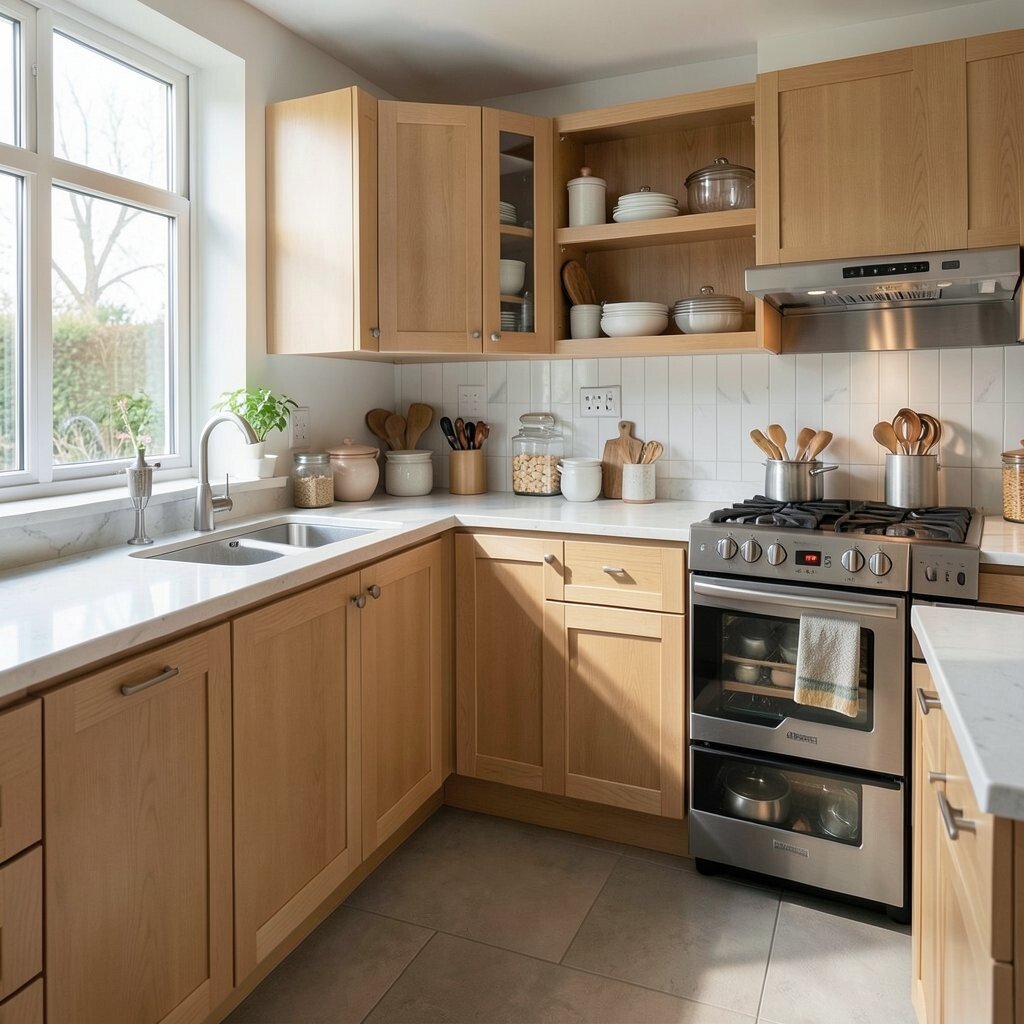
Open shelves may look lovely at first, but they can turn messy fast. When jars, gadgets, and mail pile up, the kitchen loses its clean look.
Closed storage helps the room stay neat and peaceful. Deep drawers, tall cabinets, and pull-out trays can hide daily clutter while keeping it easy to reach. If you like a more personal style, use a few open spots for favorite dishes or a small plant.
Well-planned storage can also save money by helping you use the space you already have. Fewer extra organizers and less wasted cabinet room can make the kitchen feel more polished.
5. Using Oversized Cabinets in a Small Room

Big cabinets can swallow a small kitchen and make it feel boxed in. Heavy upper units may also block light and make the walls seem closer.
Choose slimmer cabinets, lighter colors, or glass-front doors to keep the room airy. Open space between the ceiling and the top of the cabinets can help the kitchen feel taller. This is a popular look right now because it feels light, fresh, and less stiff.
If you want a custom touch, mix a few closed cabinets with open display areas. That blend can add style without making the room feel crowded.
Smaller cabinets may cost less than tall built-ins, which can help if you are watching spending. The result is often a room that feels easier to breathe in and nicer to look at.
6. Picking Countertops That Fight the Room

Some countertops are so bold that they take over the whole kitchen. A loud pattern can make cabinets, floors, and walls feel like they are all shouting at once.
Choose a counter that fits the mood of the room and supports the rest of the design. Soft veining, simple stone looks, and smooth colors often work well in modern kitchens. They can make the space feel clean, calm, and more expensive than it really is.
If you want a unique look, use a strong counter on just one area, like an island. That gives you personality without overwhelming the room.
Material choice matters for cost too, since some stones are much pricier than others. A good balance of style and price can make the whole kitchen feel thoughtfully planned.
7. Forgetting the Power of a Focal Point

A kitchen without a focal point can feel plain and forgettable. The eye needs one place to land, or the room may seem unfinished.
A pretty range hood, a bold backsplash, or a standout island can give the space a clear star. This helps the kitchen feel more designed and less random. A focal point also makes it easier to add simple details around it without making the room too busy.
Current trends often favor one strong feature instead of many small ones. If you want a personal feel, choose a focal point that matches how you cook and live, not just what looks nice online.
8. Making the Island Too Large or Too Small
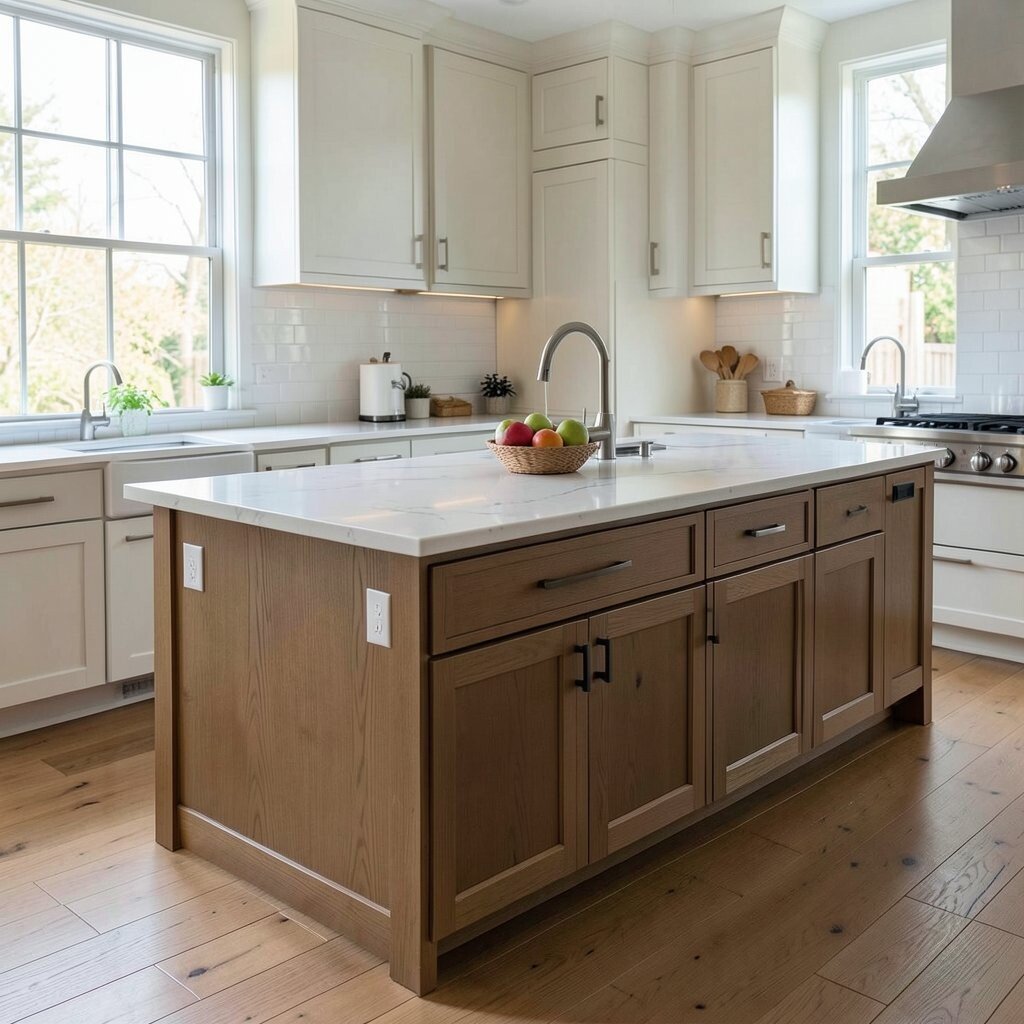
An island can be the best part of a kitchen, but the wrong size causes trouble fast. A giant island can block movement, while a tiny one may look lost in the room.
Measure the space with care and think about how people walk around it. Leave enough room for drawers, chairs, and easy movement so the kitchen stays comfortable. A well-sized island adds prep space, storage, and a nice place to gather.
You can also make it more personal by adding a wood top, a painted base, or stools that show your style. That small choice can make the whole room feel more special.
Custom islands can cost more, but a simple shape often works just as well. The best island is the one that fits the room instead of fighting it.
9. Using the Wrong Paint Color
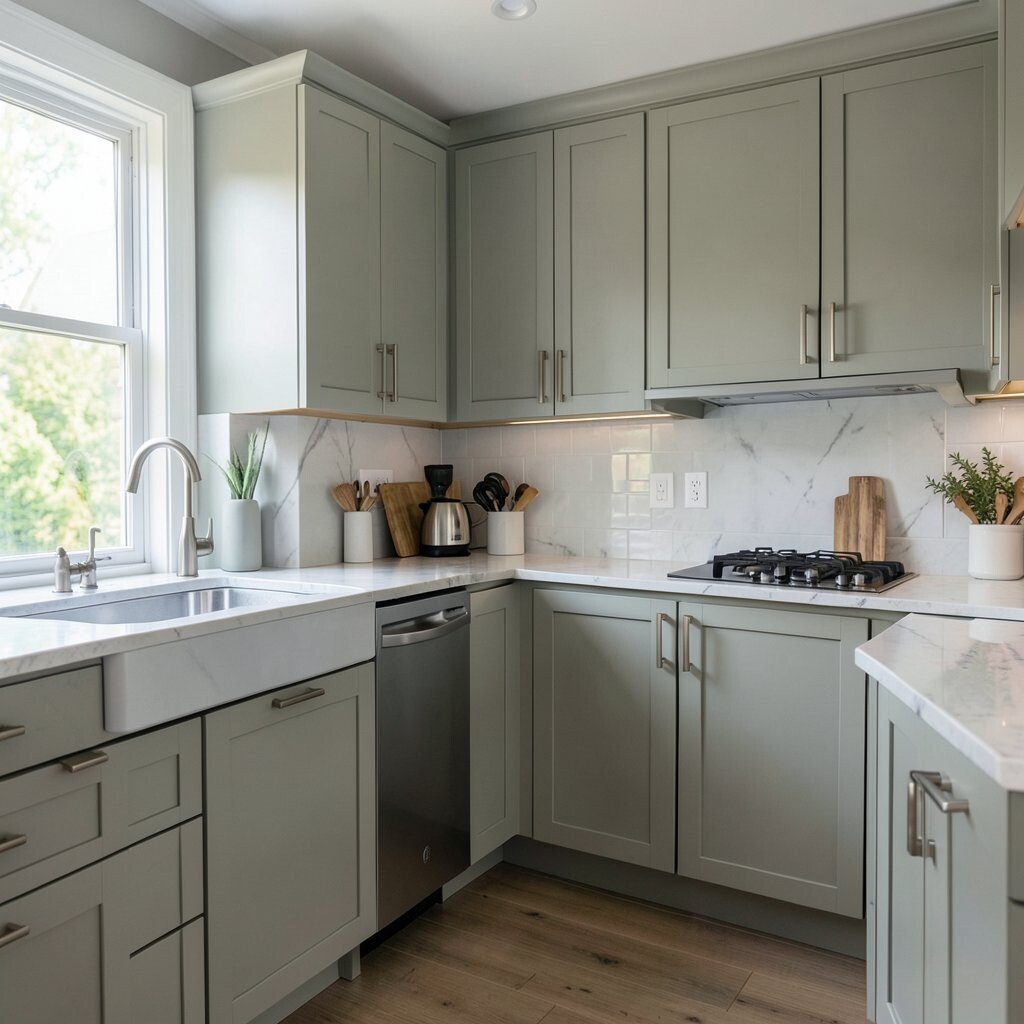
Color can change the whole mood of a kitchen in a flash. A shade that looks soft in the store may feel too cold, too dark, or too yellow at home.
Test paint on the wall and watch it during the day and at night. Natural light, bulbs, and nearby finishes can all change how the color looks. A warm white, soft green, or gentle gray can make the kitchen feel fresh and easy to live with.
If you want something more unique, try color on the island or lower cabinets instead of every wall. That gives the room charm without making it feel too loud.
Paint is one of the least costly ways to refresh a kitchen, so it is a smart place to be careful. The right color can make older cabinets and simple trim look much better.
10. Overlooking the Backsplash

The backsplash is small, but it has a big job. If it feels dull or mismatched, the whole kitchen can lose its charm.
Choose a backsplash that ties the room together and protects the wall at the same time. Tile, stone, or even a simple slab look can add texture and shine. This is also a great place to bring in a trend, like soft handmade tile or a smooth full-height surface.
For a personal touch, pick a shape or color that feels a little different from the usual choice. Even a simple design can stand out when it fits the rest of the room well.
Cost can stay reasonable if you keep the pattern simple and use the special tile only where it matters most. That way, the backsplash looks thoughtful instead of busy.
11. Neglecting the Floor Finish

Kitchen floors take a lot of wear, so a weak choice shows fast. A floor that scratches easily or clashes with the cabinets can drag down the whole look.
Pick a finish that is tough, easy to clean, and kind to the eye. Wood-look planks, warm tile, and soft neutral tones can make the room feel steady and inviting. A good floor also helps the kitchen feel connected instead of chopped into pieces.
If you want a more unique look, try a pattern that adds life without stealing the show. Herringbone, wide planks, or large tiles can all feel current and stylish.
Some flooring choices cost more at the start, but they may last longer and need less fixing later. That can make them a wiser choice for busy homes.
12. Leaving Appliances as an Afterthought
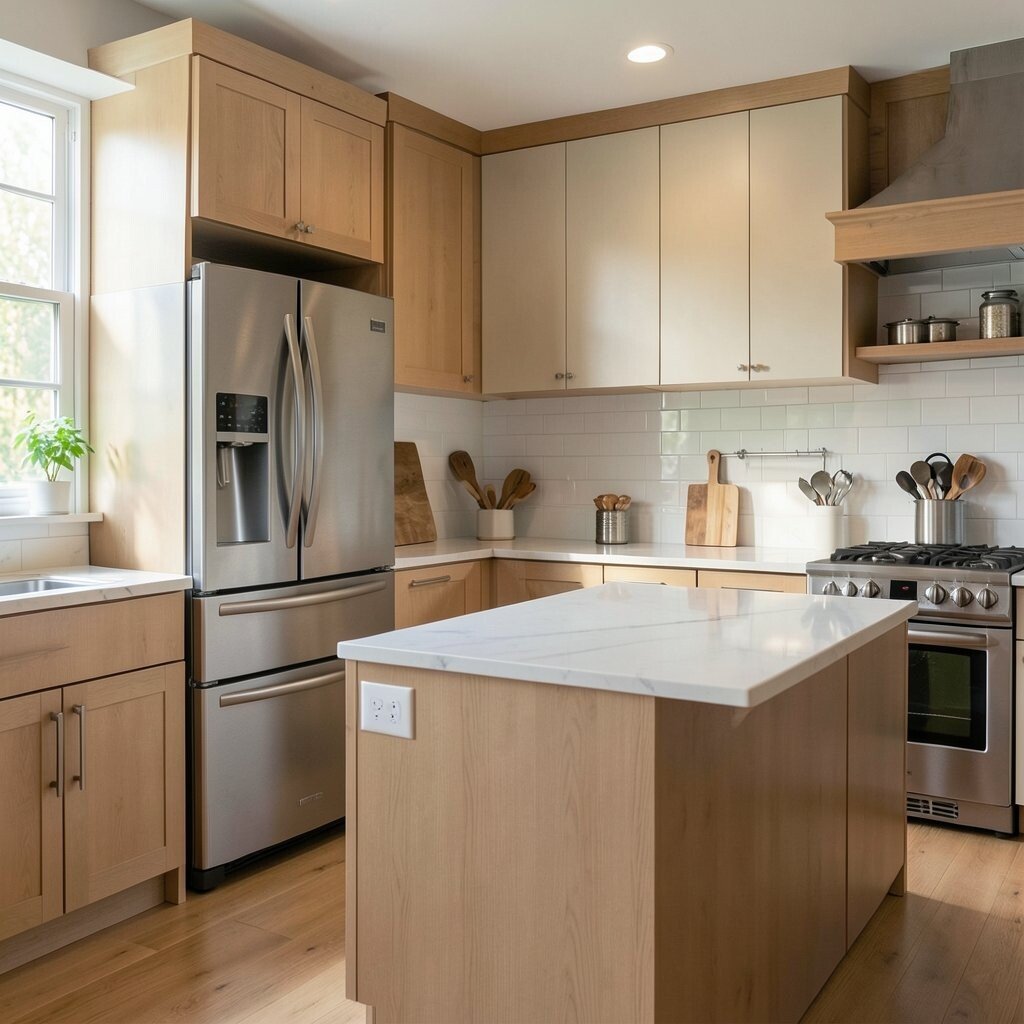
Appliances can either blend in or stick out in a bad way. When they are placed without care, they can break up the lines of the kitchen and make it feel messy.
Plan for size, finish, and placement before you choose them. Matching or panel-ready appliances can create a smoother look, while a bold range can act like a design feature. This is a smart way to keep the room looking clean and modern.
If you like a more personal style, mix finishes on purpose instead of by accident. A black oven, brushed metal hood, or hidden fridge can each tell a different story.
Some sleek appliance styles cost more, but they can raise the whole look of the room. Even budget-friendly appliances can feel upscale when they fit the design well.
13. Filling Every Inch with Decor

A kitchen does not need every surface covered to feel warm. Too many signs, jars, baskets, and trinkets can make the room look crowded and hard to clean.
Keep a few special pieces and give them space to shine. A bowl of fruit, a nice cutting board, or one plant can add life without making the room feel busy. Clean surfaces also help the kitchen look bigger and brighter.
This simple style is very popular because it feels calm and easy to maintain. If you want more personality, swap items with the seasons or choose decor that matches your favorite colors.
Low-cost decor can still look lovely when it is chosen with care. The best effect often comes from less, not more.