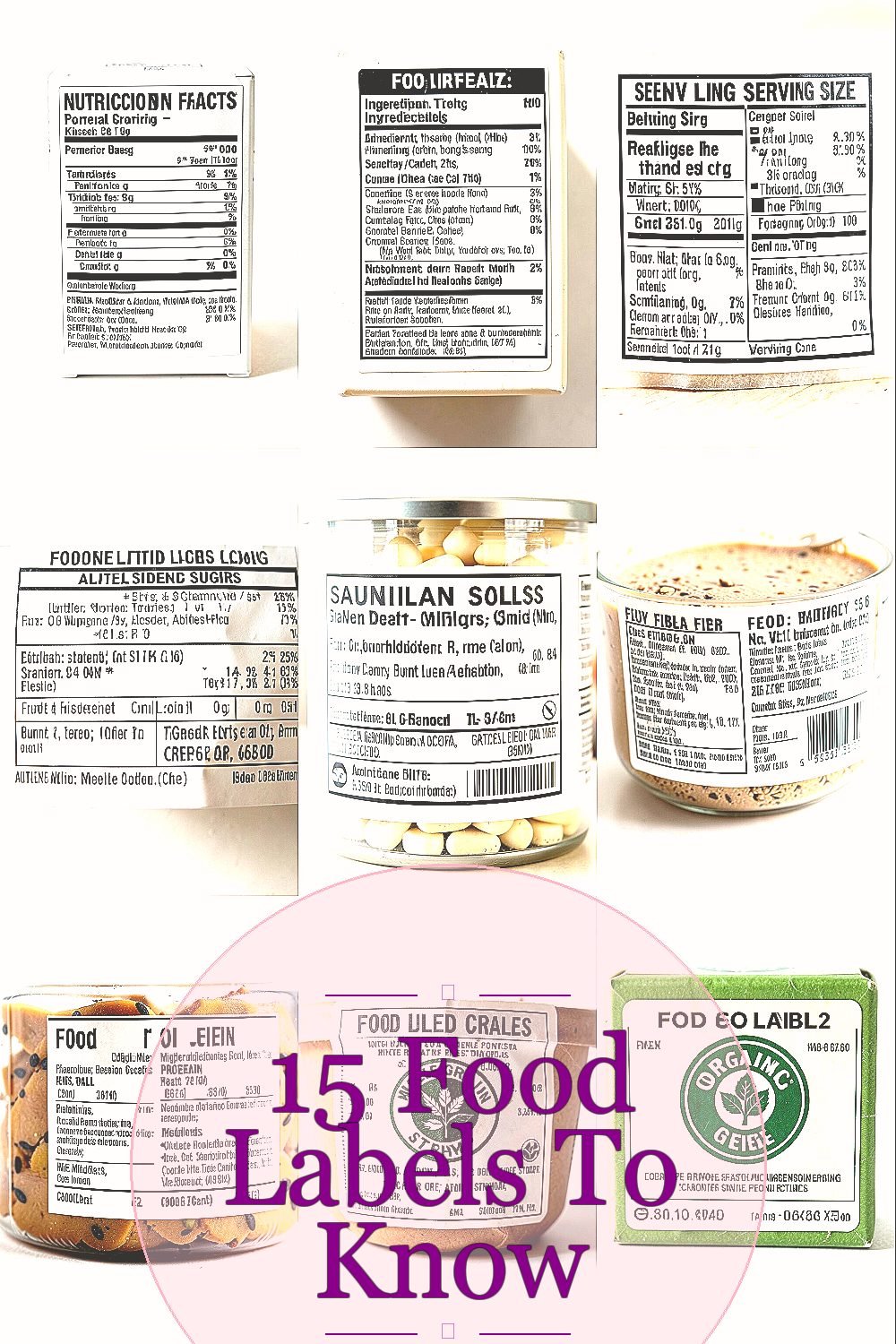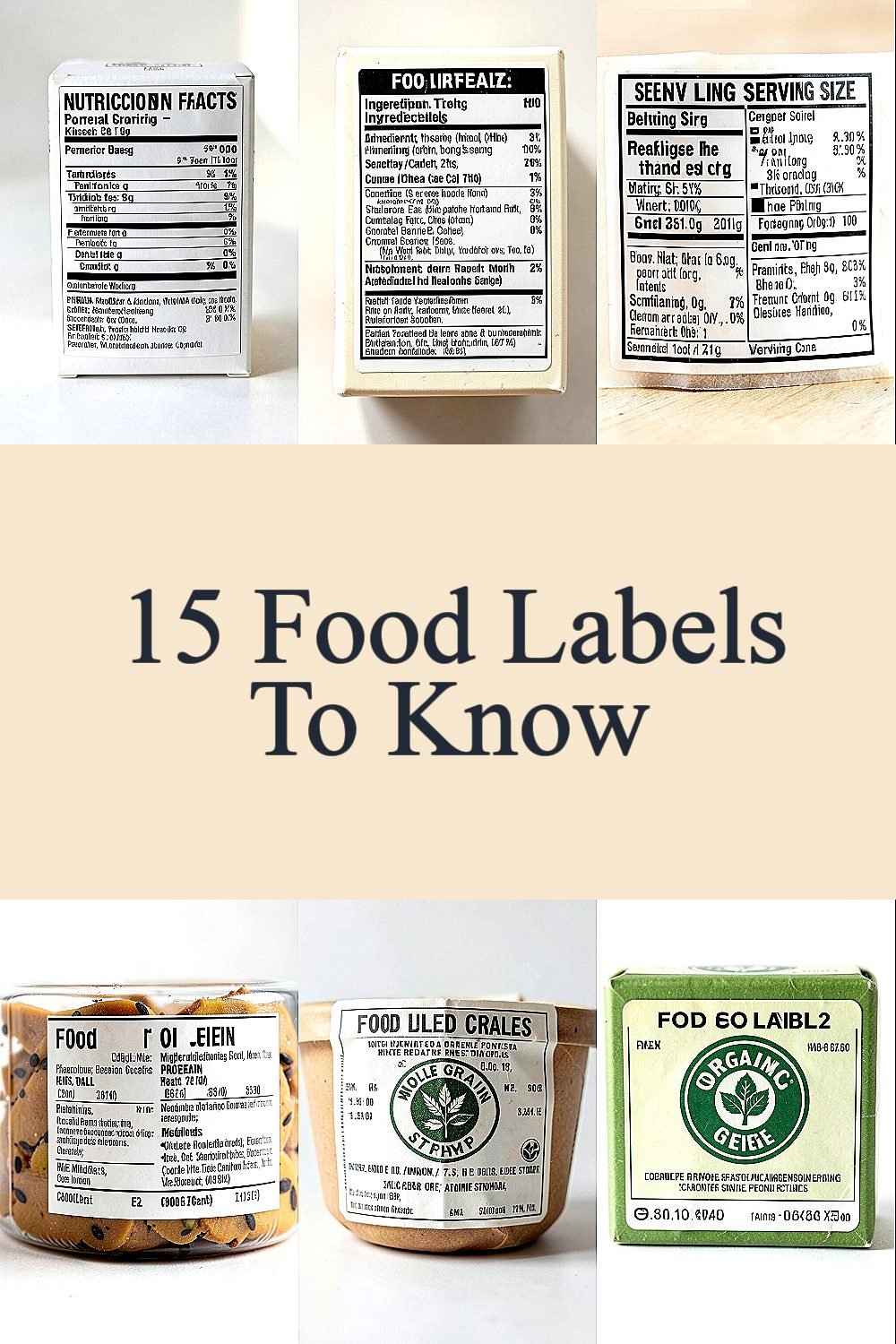
Food packages can look cheerful, but the real story hides in small print. A few smart label checks can make shopping feel much easier.
Some labels help you save money, eat better, and skip surprise ingredients. Once you know what to spot, the store aisle feels a lot clearer.
1. Nutrition Facts Panel
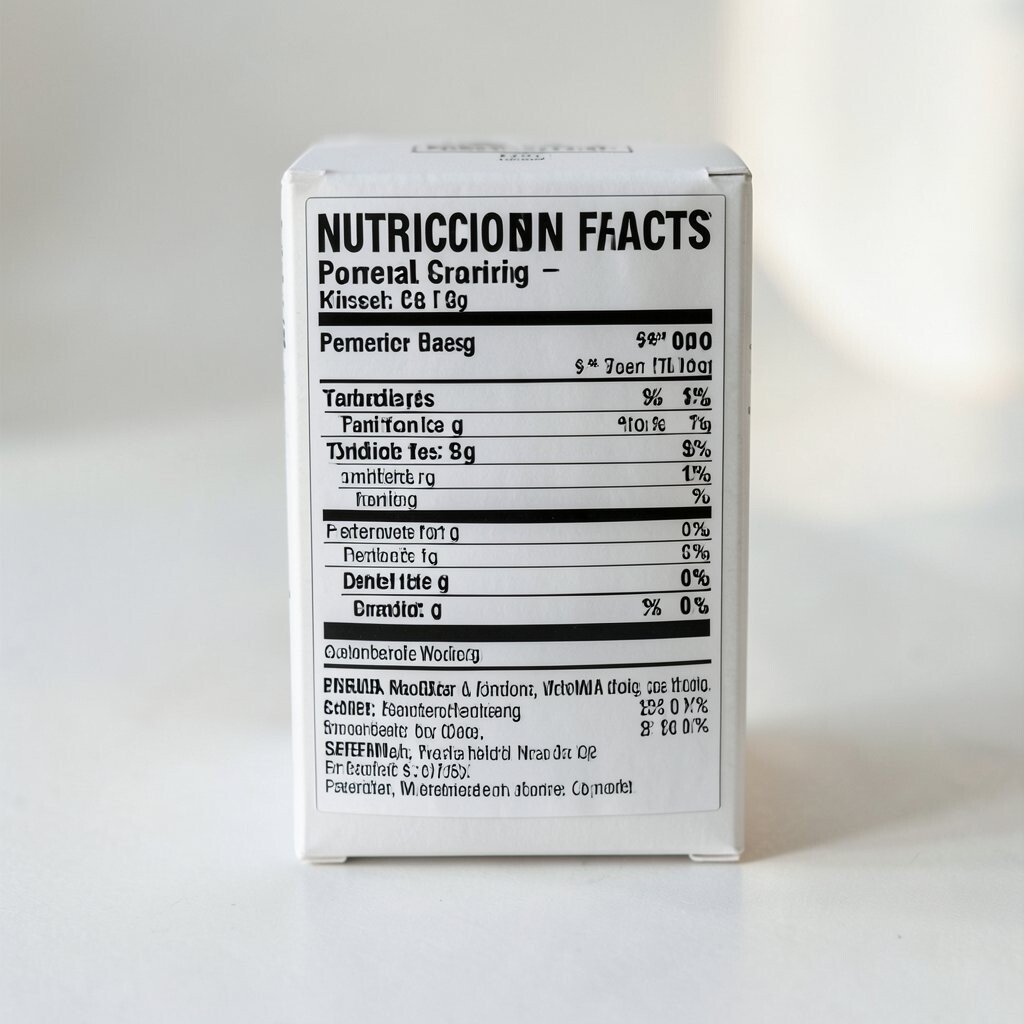
This black-and-white box is often the first place to look, and it gives a clean snapshot of what is inside. It is plain and simple, which makes it easy to compare one product with another.
Check the serving size first, because the rest of the panel depends on it. A package may look like one snack, but the label can count it as two or three servings. That small detail can change calories, sugar, salt, and cost in a big way.
2. Ingredient List
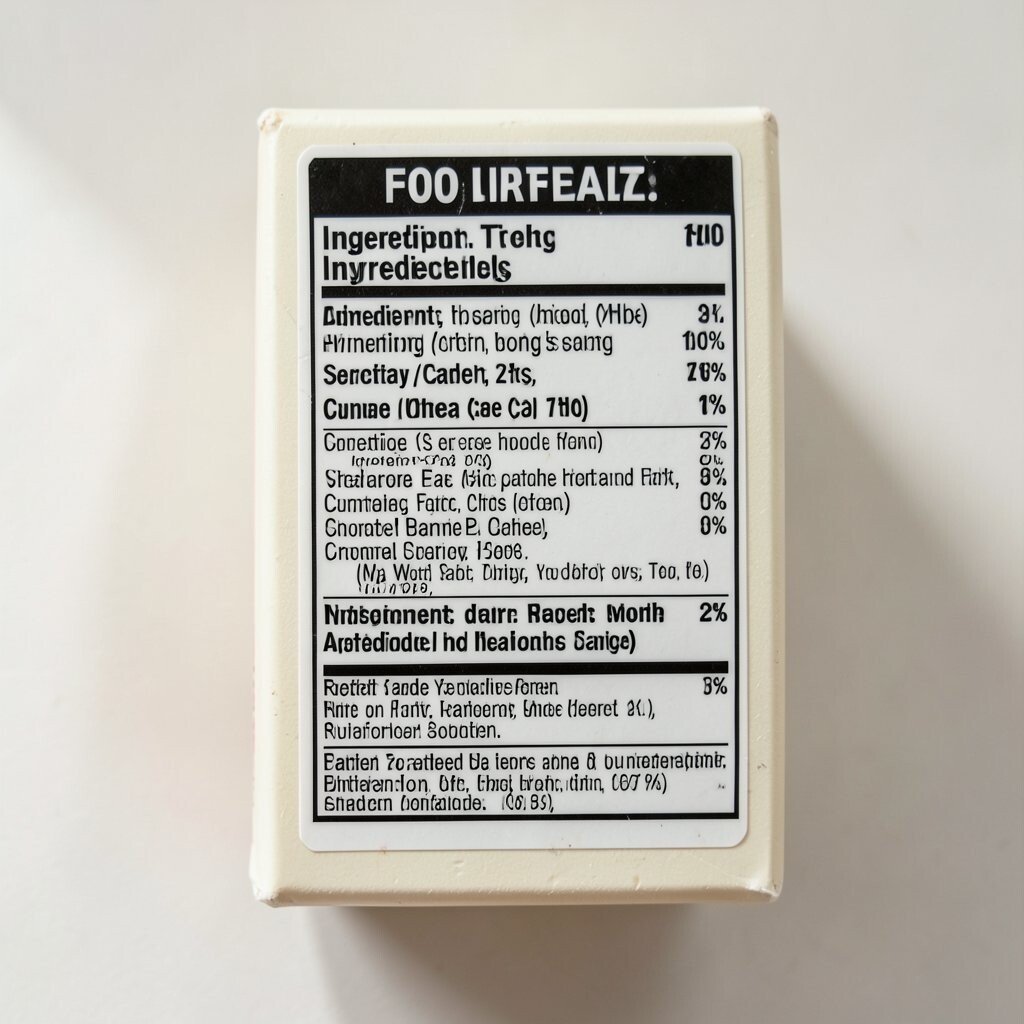
The ingredient list tells the true story of a food, and it is often more useful than the front of the box. It usually starts with the biggest ingredient by weight, so the first few items matter most.
Shorter lists often feel less crowded and easier to understand, though that is not a perfect rule. If you want a cleaner choice, look for foods made with items you can picture in your own kitchen. This is a handy way to personalize shopping for your taste, your family, or your budget.
Many shoppers now like foods with fewer highly processed ingredients, and that trend is easy to follow on the label. A good tip is to scan for added colors, flavors, and sweeteners if you want a simpler pick. When two items seem similar, the one with the more familiar list may also feel worth the extra cost.
3. Serving Size

Serving size can be sneaky because it changes everything else on the label. A small bowl of cereal or a few chips may look like a normal snack, but the package may define it differently.
Use this number to match the food to your real habits, not the package’s idea of a portion. If you often eat more than one serving, multiply the numbers before you decide. That simple step helps with calories, sugar, and price per meal.
Families, athletes, and snack lovers may all need different serving sizes, so personal needs matter here. For a better deal, compare the cost per serving rather than only the sticker price. This label is especially useful for foods like ice cream, crackers, and cereal, where portions can be easy to miss.
4. Added Sugars
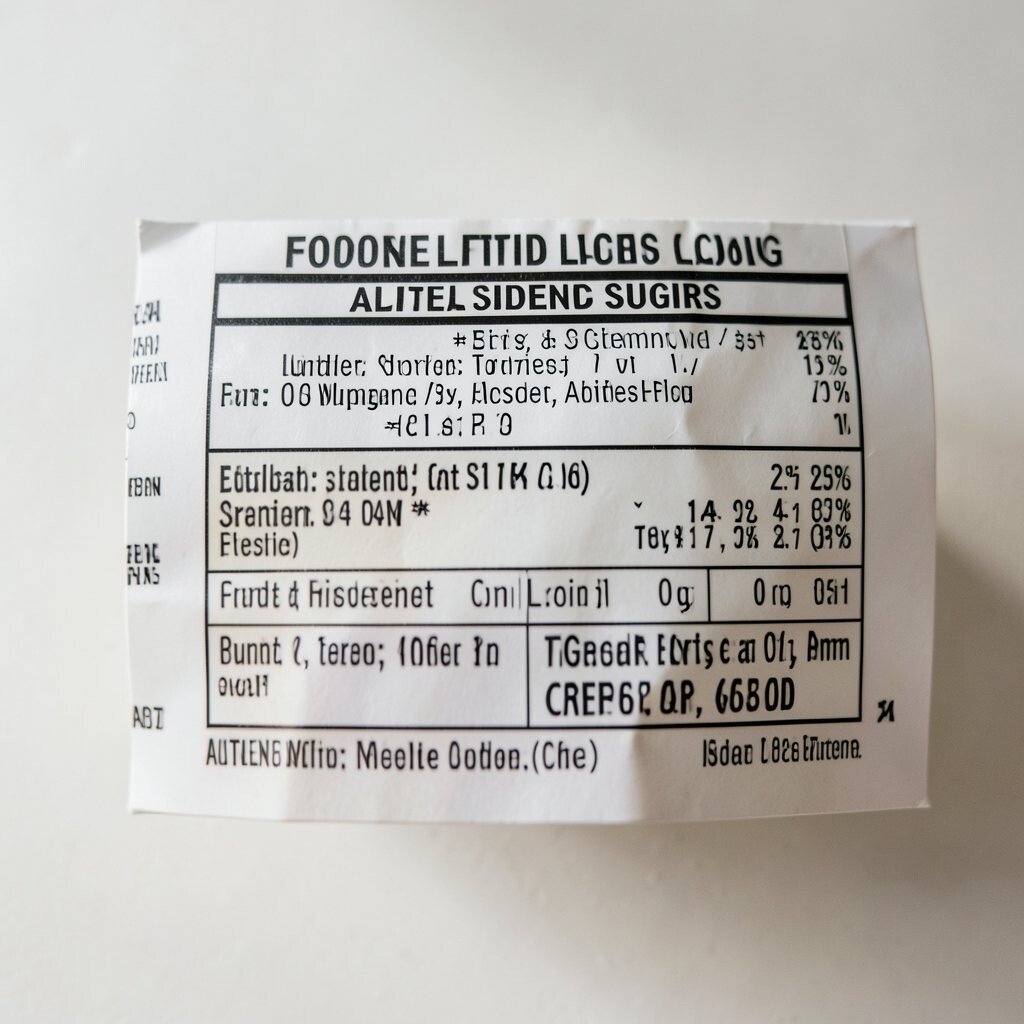
Added sugars can hide in many foods, even ones that seem healthy at first glance. The label makes them easier to spot, and that can help you choose with more care.
Look for words like cane sugar, syrup, honey, and fruit juice concentrate. These can all raise sweetness without making a food feel obviously sugary. If you want a less sweet choice, pick the product with the lower added sugar amount and use fruit or spice for flavor at home.
5. Sodium
Sodium is the part of salt that shows up on labels, and it can add up fast in packaged food. Canned soups, frozen meals, sauces, and snack foods are common places where it hides.
Too much sodium may not fit every eating plan, so this label helps you stay aware. A lower-sodium version can be a smart swap, especially if you eat the food often. It can also help you balance a day filled with restaurant meals or salty snacks.
Many brands now offer reduced-sodium choices because more shoppers want everyday foods that feel lighter. Try pairing a salty item with fresh foods to keep the whole meal balanced. If you are comparing brands, the lower number can save your heart and sometimes your wallet too.
6. Fiber
Fiber is a friendly number to look for because it helps food feel more filling. It can be found in whole grains, beans, fruits, vegetables, nuts, and seeds.
Foods with more fiber often work well for breakfast, lunchboxes, and after-school snacks. They may help you stay satisfied longer, which can reduce random munching later. For a personal touch, choose fiber-rich foods you actually enjoy so healthy eating feels easier to keep up.
Some newer products now add extra fiber to cereals, bars, and breads to meet shopper demand. Still, whole foods usually bring a better mix of nutrients and taste. If two items cost about the same, the one with more fiber can be a wiser pick for daily use.
7. Protein

Protein helps build and repair the body, and the label makes it simple to compare foods. It is especially useful when shopping for breakfast, snacks, and quick meals.
Some items, like yogurt, eggs, tofu, beans, and nut butter, naturally bring more protein. Others add protein powders or isolates to boost the number on the label. If you want a filling snack, look for a balance of protein, fiber, and not too much sugar.
Protein trends are everywhere right now, from drinks to chips to pasta, so the label matters more than the hype. A higher protein food may cost more, so compare the price with how well it fits your needs. For a custom plan, pick the foods that match your activity level and your appetite.
8. Whole Grain Stamp
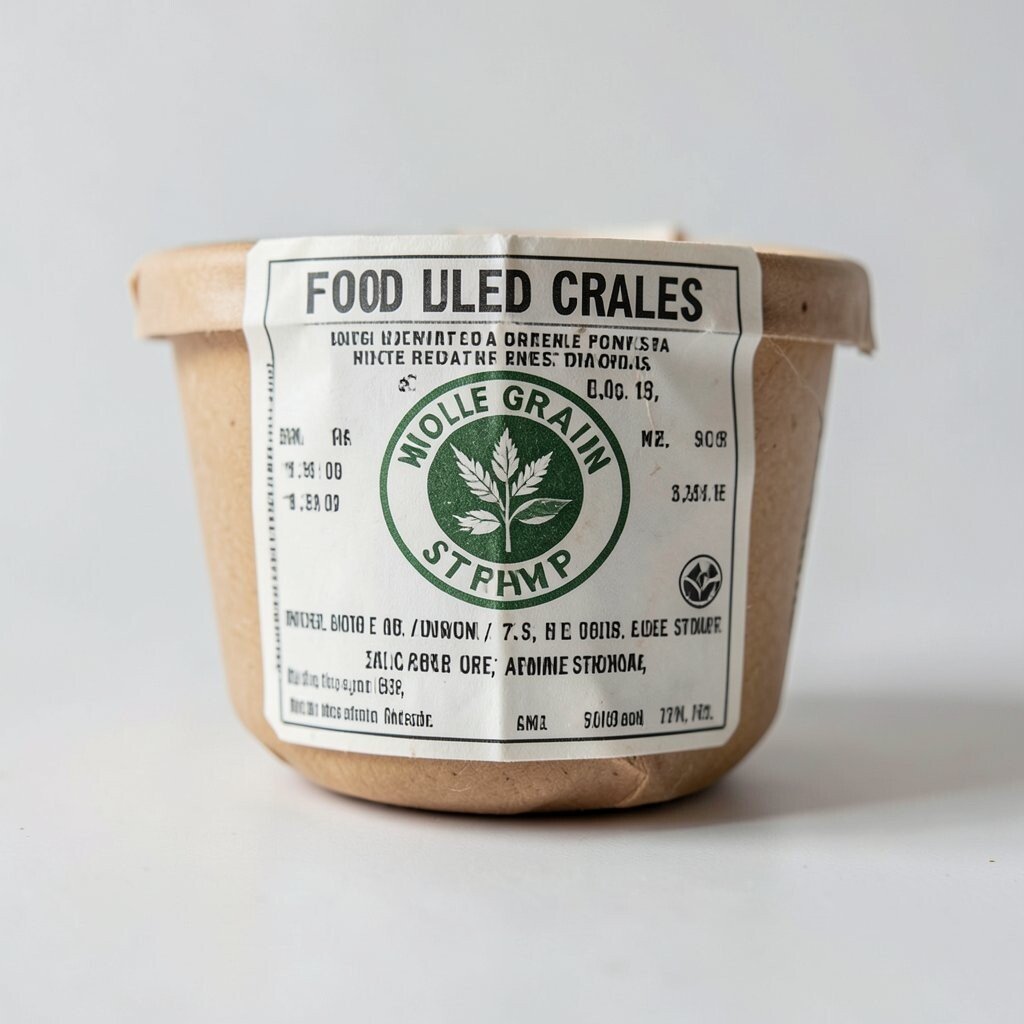
The whole grain stamp is a small mark, but it can make shopping easier. It often appears on bread, cereal, crackers, and other grain foods with a warmer, earthier look on the package.
This label can point you toward more fiber and a richer taste than refined grain versions. It is helpful if you want breakfast or sandwich choices that feel less empty. A good tip is to pair whole grain foods with protein or healthy fat to make them more satisfying.
Some shoppers prefer whole grains because they fit modern wellness trends without feeling strict or boring. The stamp can be a quick sign, but the ingredient list still matters too. If the price is a little higher, think about how often you will use the food and how full it keeps you.
9. Organic Seal
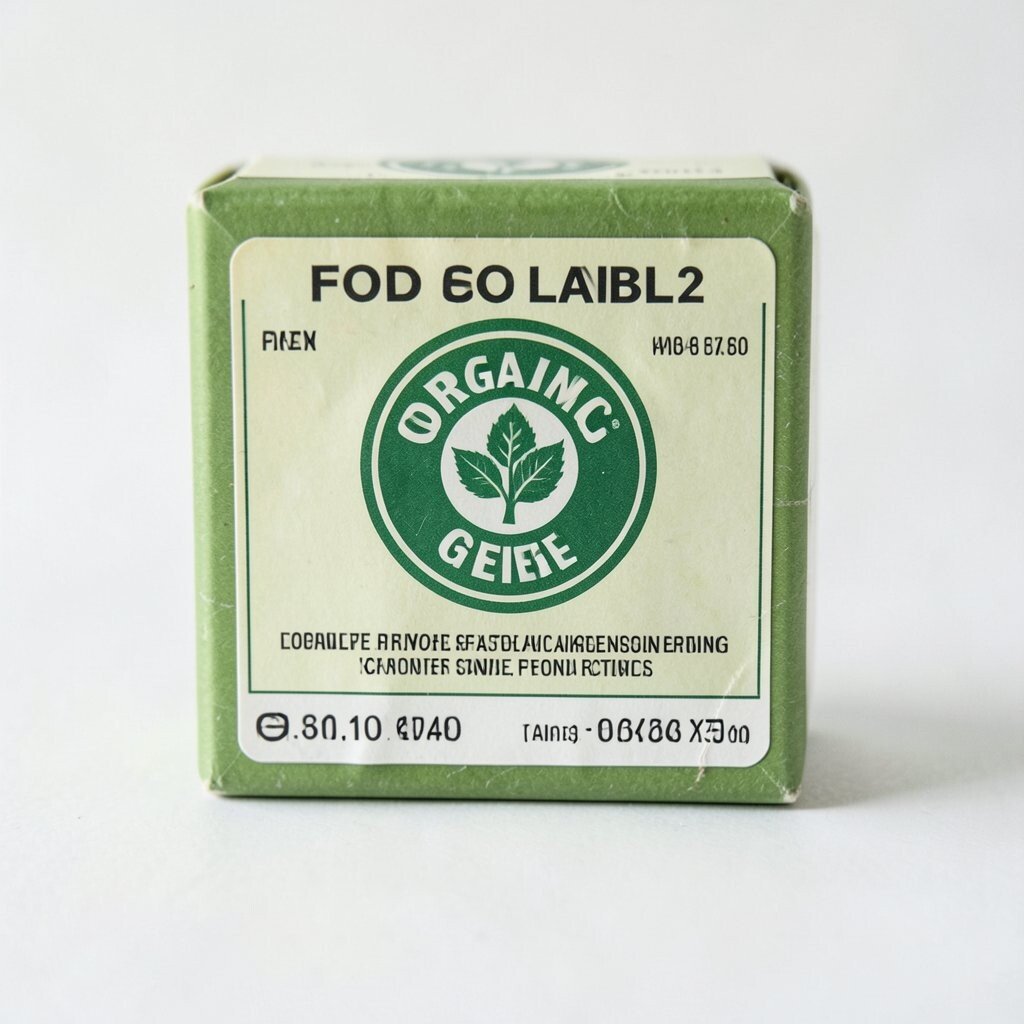
The organic seal is easy to spot because it often sits proudly on the front of the package. It usually comes with a clean, natural look that suggests careful farming and less use of certain synthetic inputs.
Many people choose organic foods for personal, family, or environmental reasons. It can be a helpful label when you want produce, dairy, eggs, or pantry items made under specific rules. Still, organic does not always mean lower sugar, lower salt, or better taste, so reading more than one label is wise.
Organic foods often cost more, so it helps to decide where the extra price matters most to you. Some shoppers buy organic for foods they eat often and choose regular versions for the rest. That mix can keep your cart balanced without making the bill too steep.
10. Non-GMO Project Verified
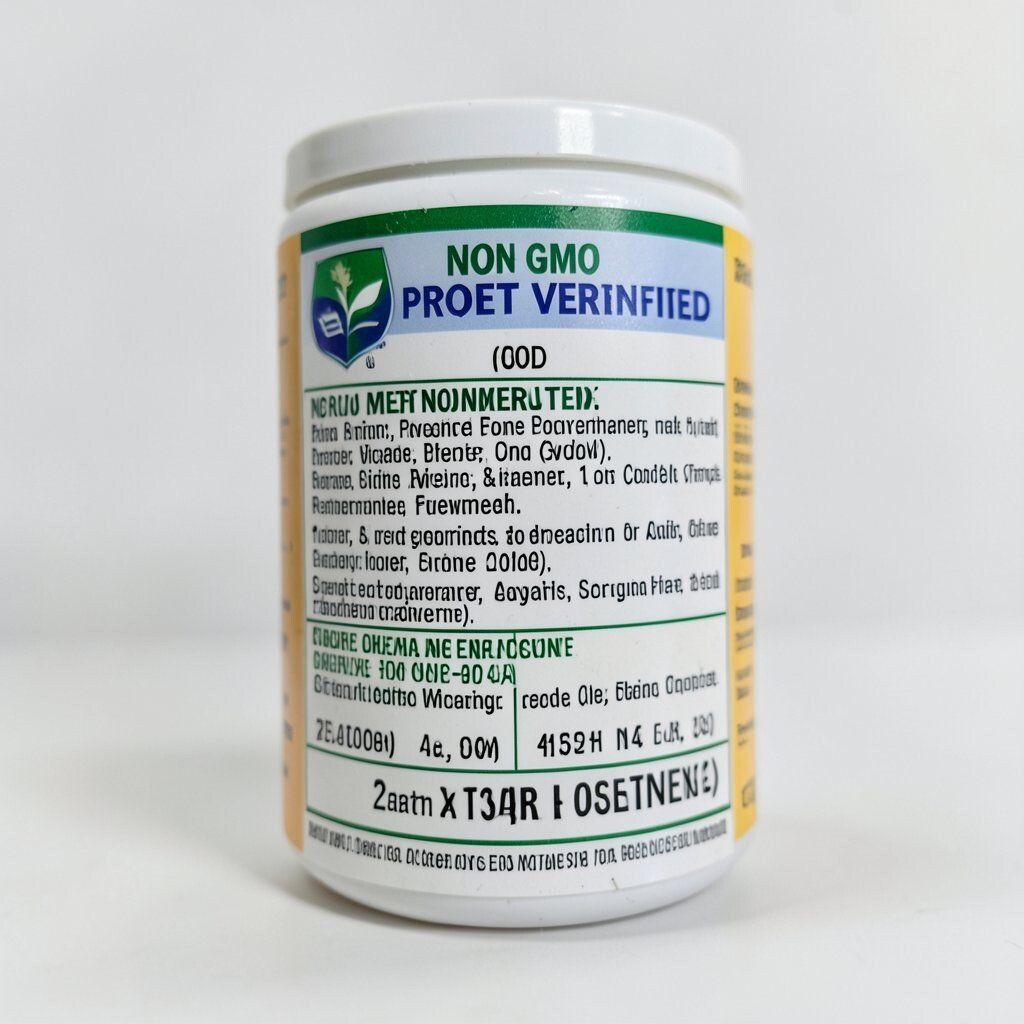
This label usually has a butterfly-like design that stands out on the front of the package. It tells you the product has been checked to meet non-GMO standards.
Some shoppers like this label because it matches their food values and shopping style. It is common on snacks, cereals, baking goods, and pantry staples. If you like to keep your choices aligned with your beliefs, this mark can be a quick filter.
The non-GMO trend has grown as more people ask for clearer food sourcing. Keep in mind that non-GMO does not always mean organic, low sugar, or less processed. When cost matters, compare the label with the ingredient list so you know what you are really paying for.
11. Gluten-Free Label
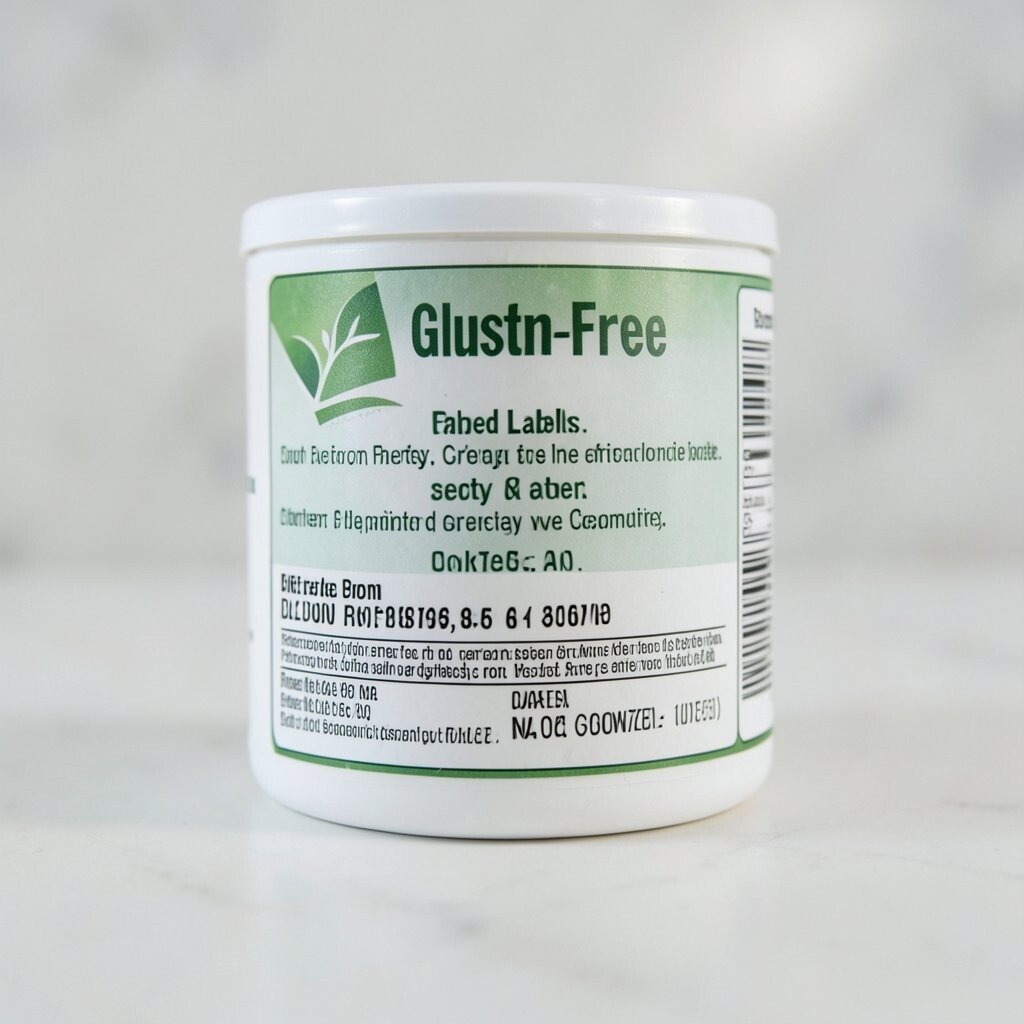
The gluten-free label can be a big relief for people who need to avoid wheat, barley, and rye. It often appears in a bold way that is easy to spot from a distance.
For some families, this label is a health need, while for others it is a personal food choice. It can help you quickly sort safe products from risky ones without reading every tiny word. A useful tip is to still check the ingredient list for hidden gluten ingredients or shared factory warnings.
Gluten-free foods are now common in many stores, from bread to pasta to cookies. Some of them cost more, so compare prices if you eat these foods often. If you want better value, pick naturally gluten-free foods like rice, potatoes, beans, and plain fruit.
12. Fair Trade Certified

The Fair Trade Certified label often gives a caring, trustworthy feel with its bright seal and clean design. It points to products made with attention to workers, farmers, and fairer trade practices.
This label is common on coffee, tea, chocolate, bananas, and other imported foods. It can help you choose items that match your values while still tasting great. If you enjoy a daily treat, this seal can make that purchase feel more meaningful.
Fair trade products can be part of a growing trend toward ethical shopping. They may cost a bit more, so many people choose them for a few favorite items rather than every purchase. That way, you can support good practices and still stay within your food budget.
13. Heart-Check Mark
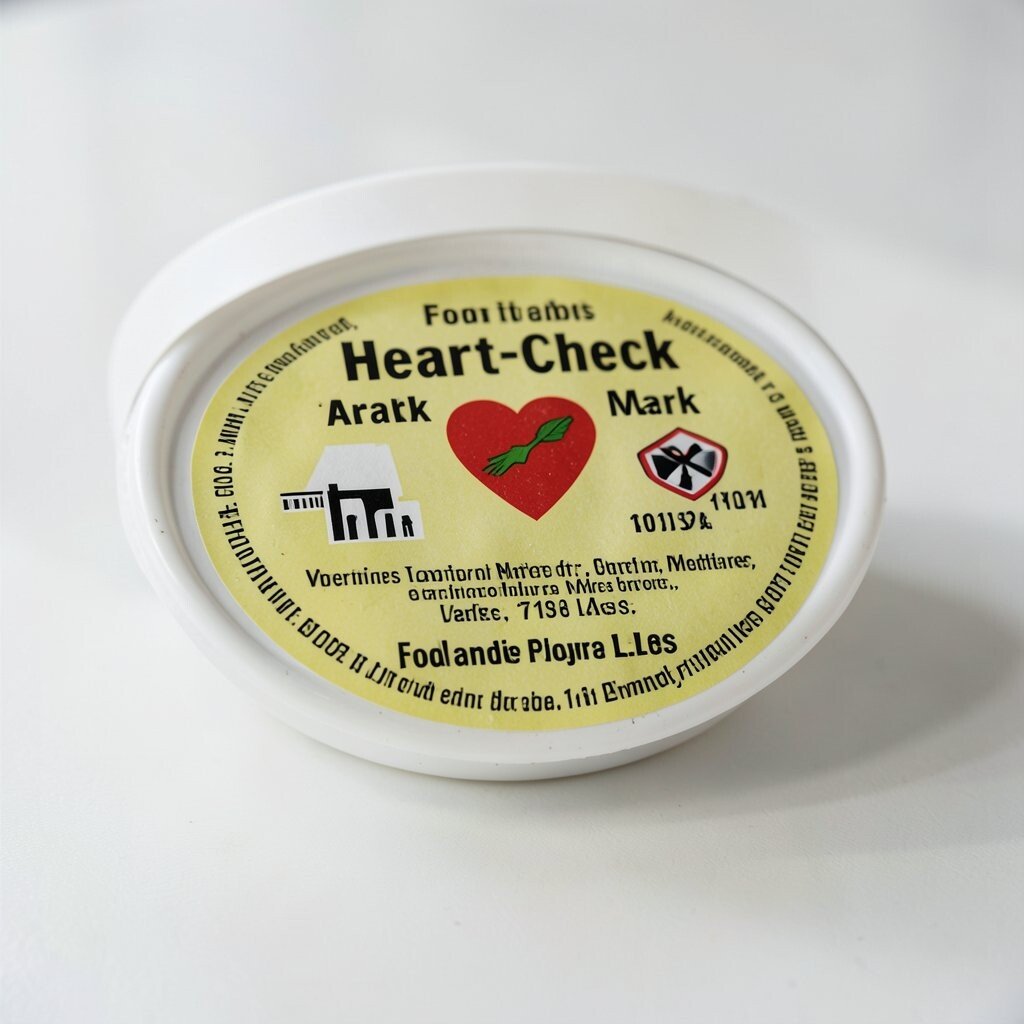
The Heart-Check Mark is small, but it can stand out like a helpful badge on the front of the box. It usually means the food meets certain nutrition rules for heart-friendly choices.
This label can be a quick guide when you want to shop with heart health in mind. It often appears on cereals, oils, frozen meals, and other packaged foods. A smart tip is to use it as a starting point, then still look at sodium, fiber, and fat on the full label.
People who want easier meal planning often like this kind of shortcut. It can save time in the store and reduce label stress. If two products look close in price, the one with a heart-friendly mark may be the better everyday pick.
14. Best By or Use By Date
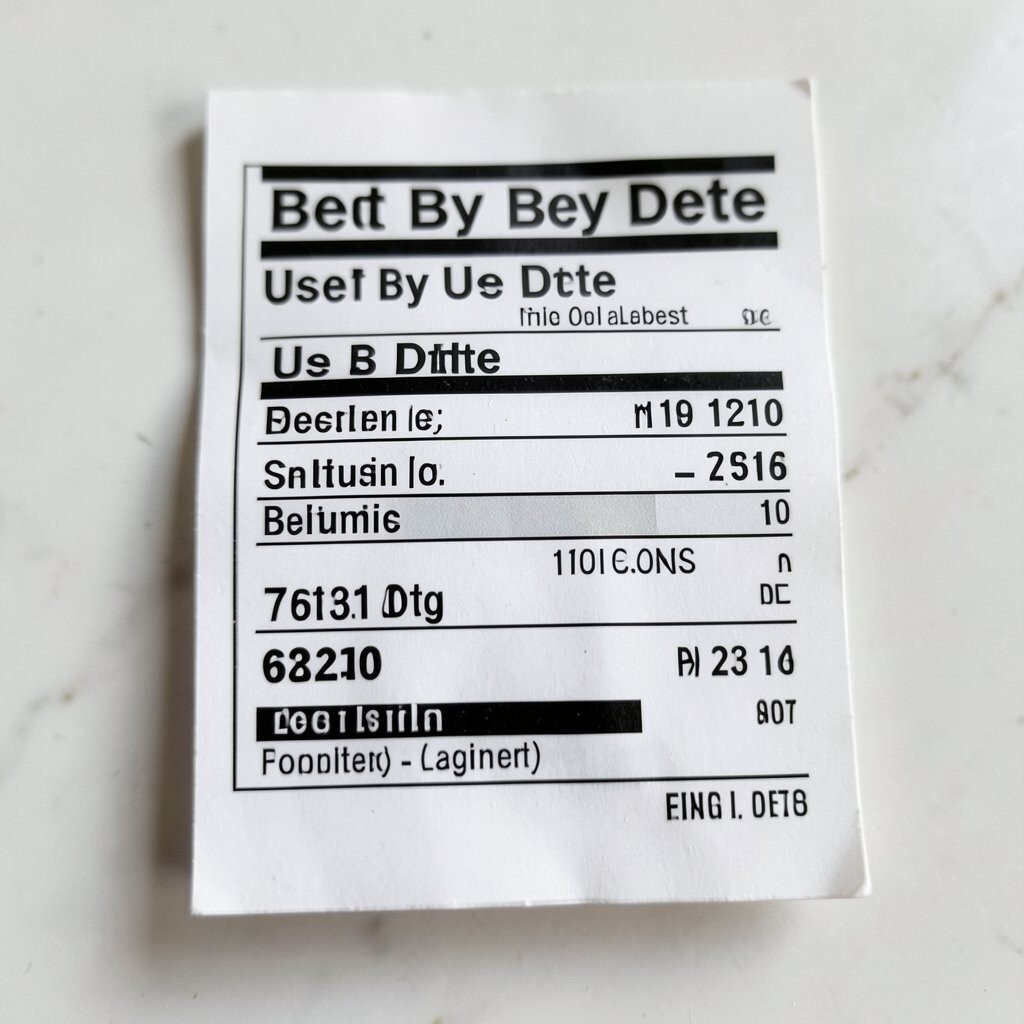
The date stamp may not look exciting, but it can save money and reduce waste. It usually sits quietly on a side or top panel, waiting for careful shoppers to notice it.
Best by dates often point to quality, while use by dates may matter more for safety on certain foods. Knowing the difference can help you avoid tossing food too early. That means more value from your cart and fewer items headed to the trash.
Many people now use date labels as part of a smarter kitchen routine. You can plan meals around older items first and keep fresher foods for later. This habit works well for personal budgets because it helps every dollar stretch a little farther.
15. Certified Humane or Animal Welfare Label

Certified humane labels often come with calm, reassuring designs that suggest better treatment for animals. They can appear on eggs, dairy, meat, and other animal products.
These labels matter to shoppers who care about how food is made, not just how it tastes. They can guide you toward products that match your values and your family’s food story. If you want to personalize your cart, this is a thoughtful place to start.
Animal welfare labels are part of a larger trend toward more transparent food systems. They may raise the price a bit, so it helps to decide which foods are worth the upgrade for you. Some shoppers choose certified humane items for a few key purchases and keep the rest simple to manage costs.