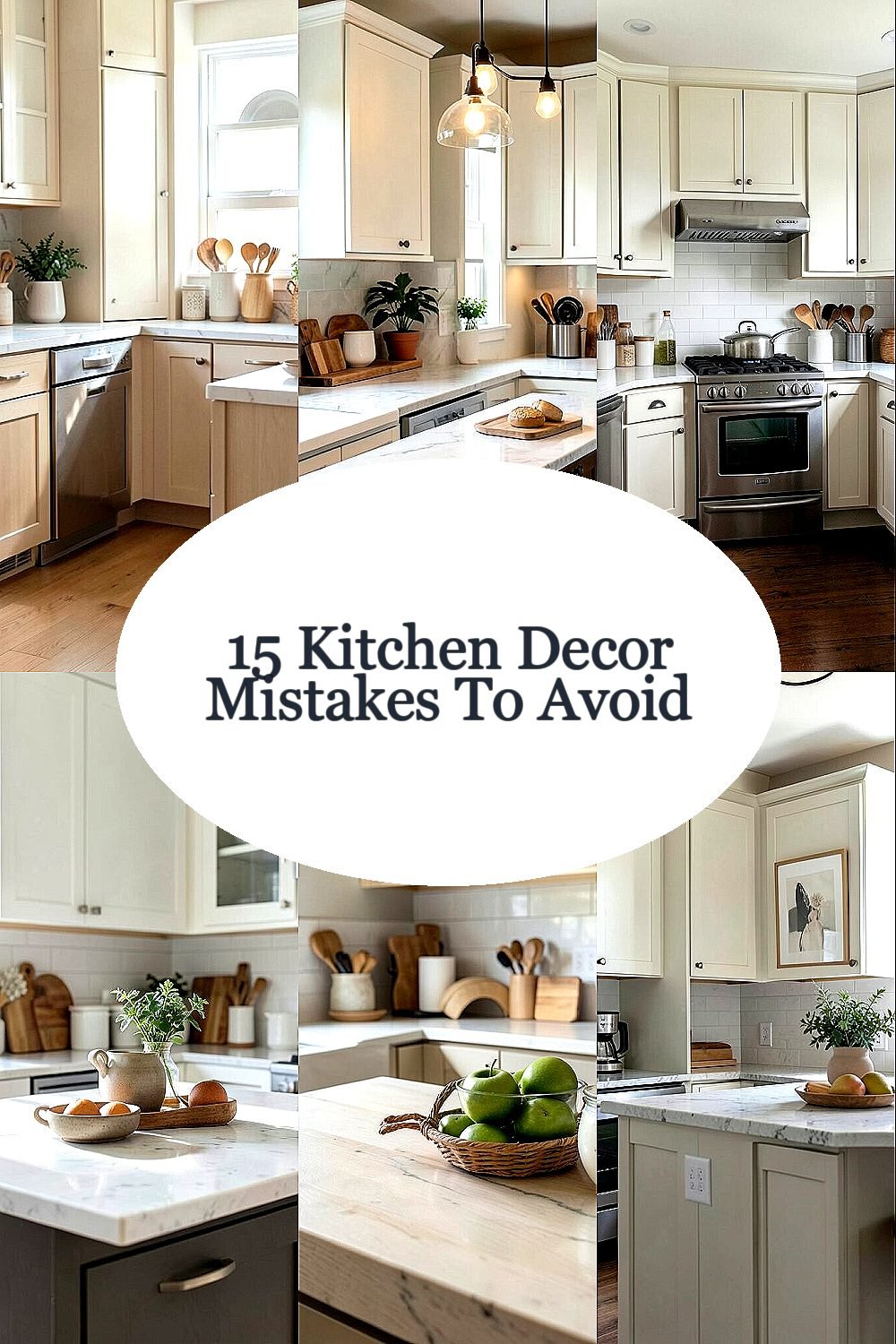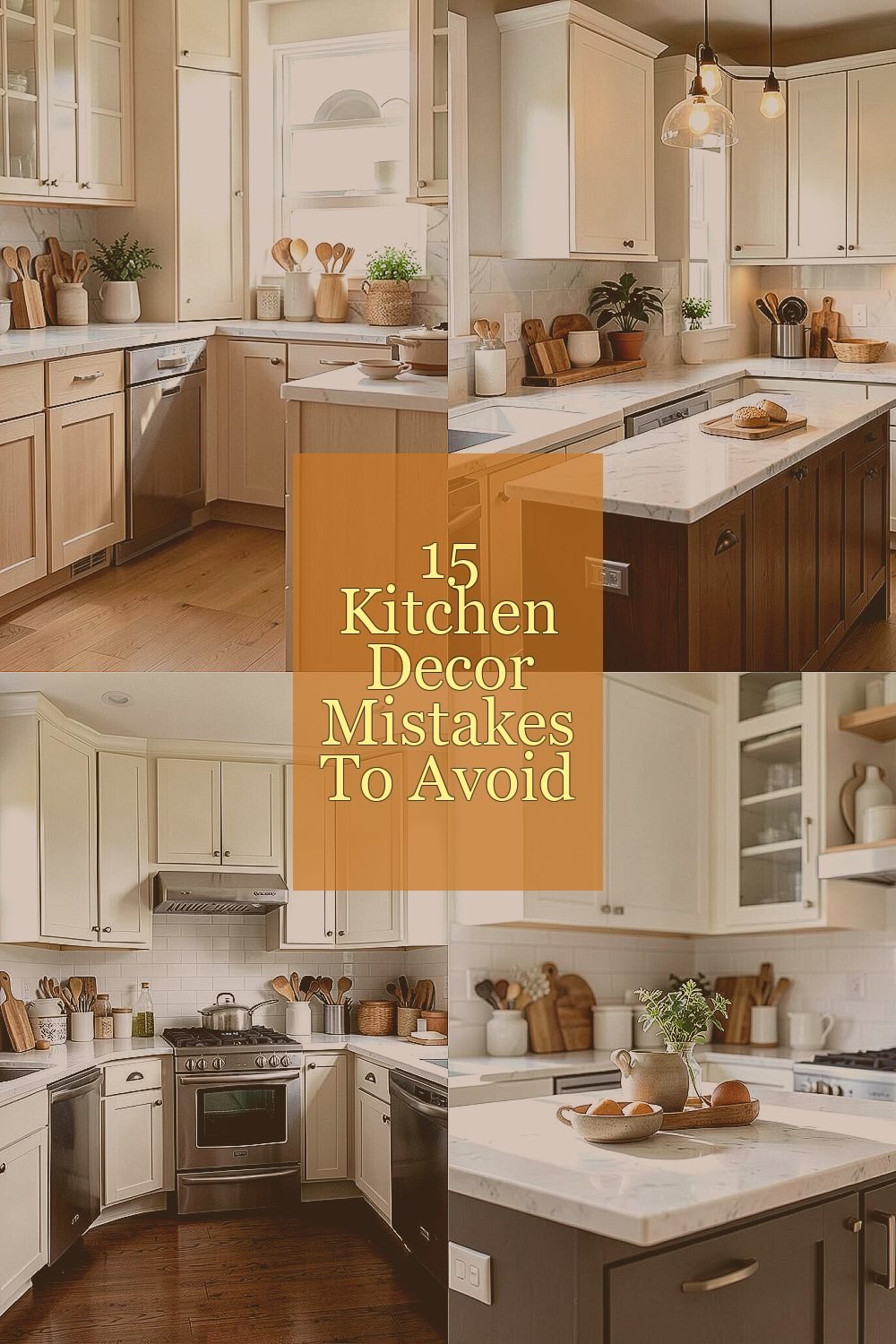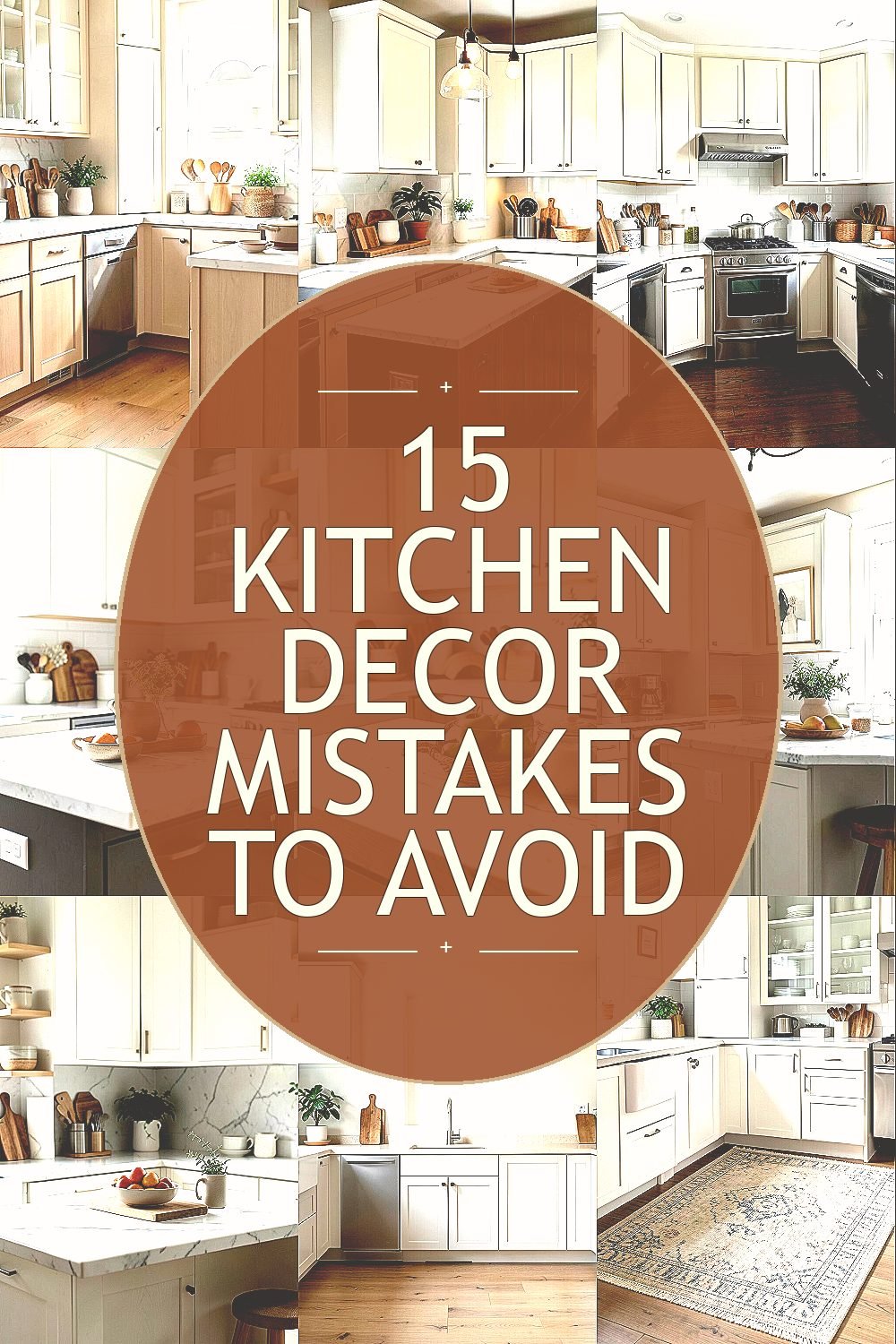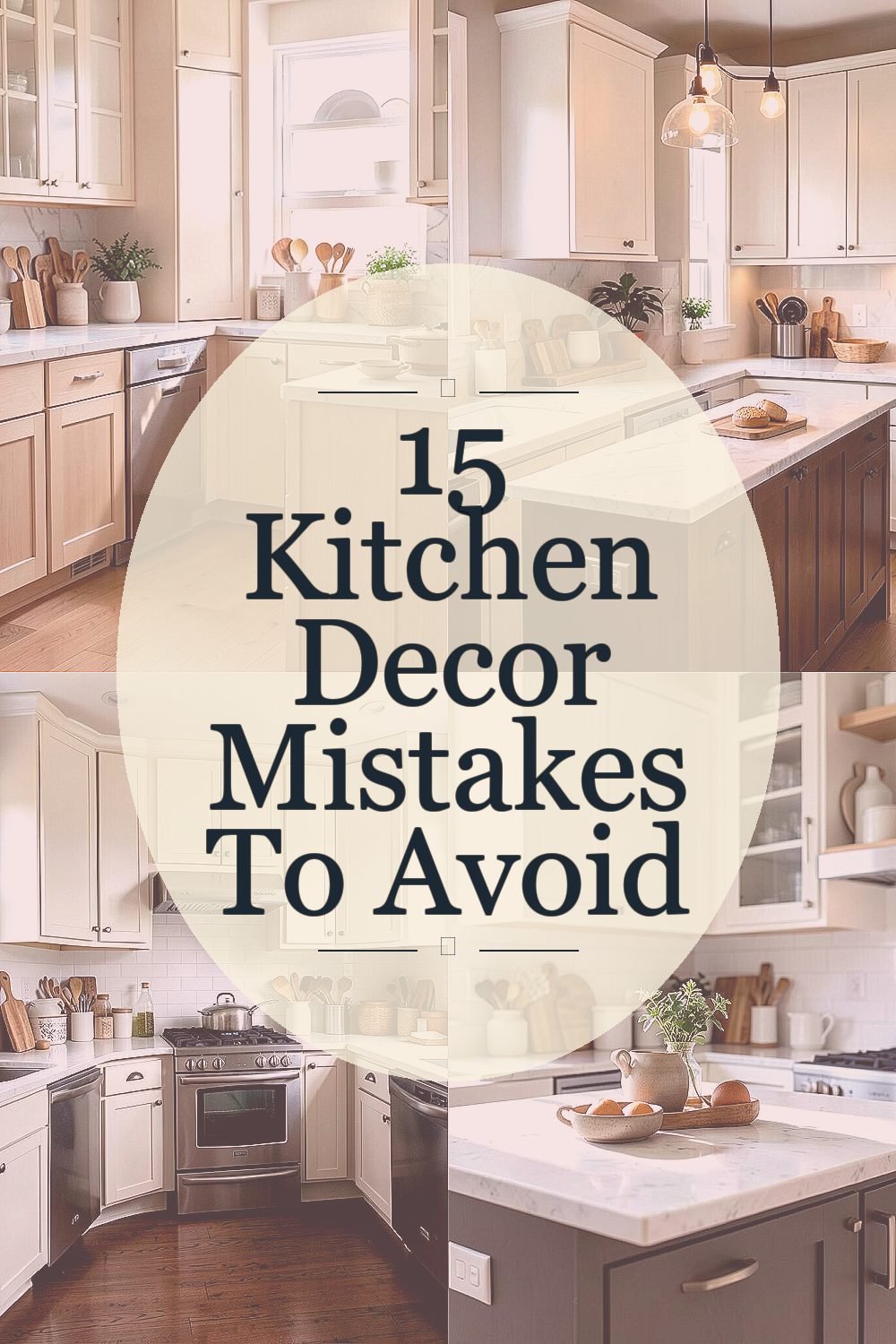
Your kitchen may be working harder than it should. A few small decor habits can quietly make the whole room feel off.
1. Using Too Many Matching Pieces

A kitchen filled with matching jars, matching towels, and matching stools can look stiff instead of warm. The room starts to feel like a showroom, not a real home.
Mixing a few shapes, finishes, and textures gives the space more life. Try pairing wood with metal, smooth glass with woven baskets, or soft linen with shiny ceramics. This approach also helps your kitchen feel more personal, and it often costs less because you can use what you already own instead of buying full sets.
2. Ignoring the Power of Lighting
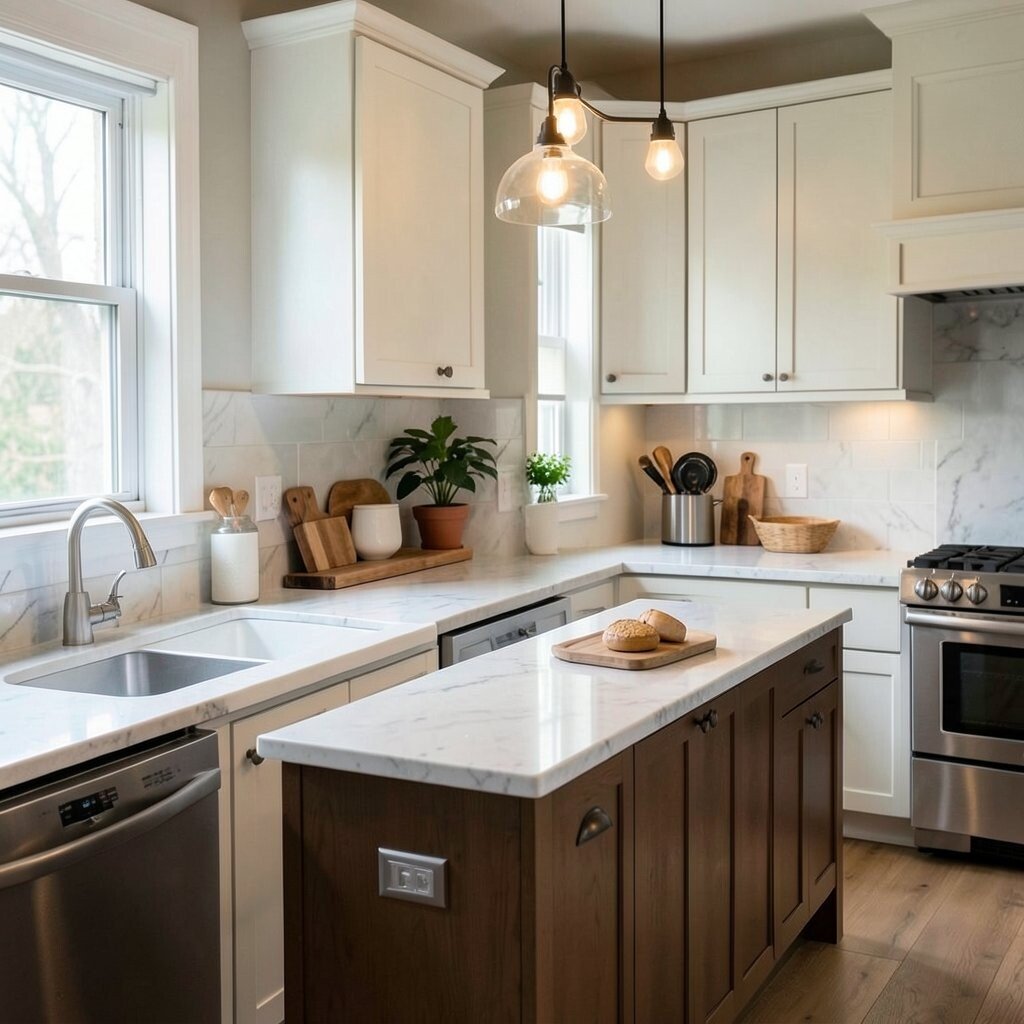
Harsh overhead light can make even a beautiful kitchen feel flat and cold. A soft glow from lamps, under-cabinet lights, or a warm pendant can change the whole mood.
Good lighting also makes cooking easier and safer. If your kitchen feels dull at night, add a small lamp on a shelf or a warm bulb over the table. Many current kitchens use layered lighting because it feels cozy, stylish, and easy to live with.
You do not need a big remodel to fix this. A simple bulb swap can be a low-cost upgrade with a big effect. Personalize the look with a lamp base or shade that matches your style, from clean and modern to old-fashioned and charming.
3. Crowding Every Surface
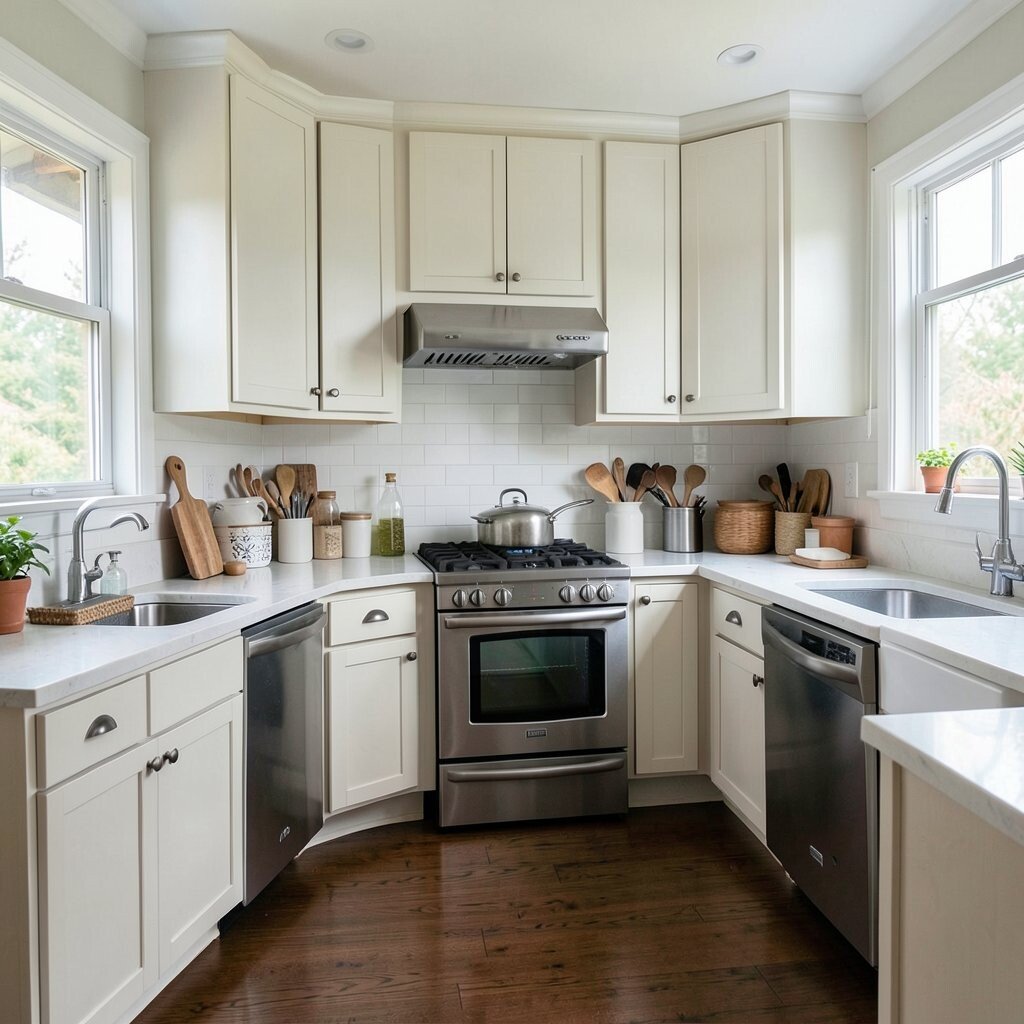
It is easy to cover every inch of counter space with canisters, art, plants, and tools. The room can start to look busy and smaller than it really is.
Open space gives the eye a place to rest, which makes the kitchen feel calmer. Keep only the items you use often or truly love seeing. A few well-chosen pieces can feel more unique than a pile of decor that fights for attention.
Try storing away extras and leaving one or two focal points on each surface. This also makes cleaning faster, which is a nice bonus. If you want a fresh trend-friendly look, use one larger statement item instead of many tiny ones.
4. Choosing Decor That Is Too Small
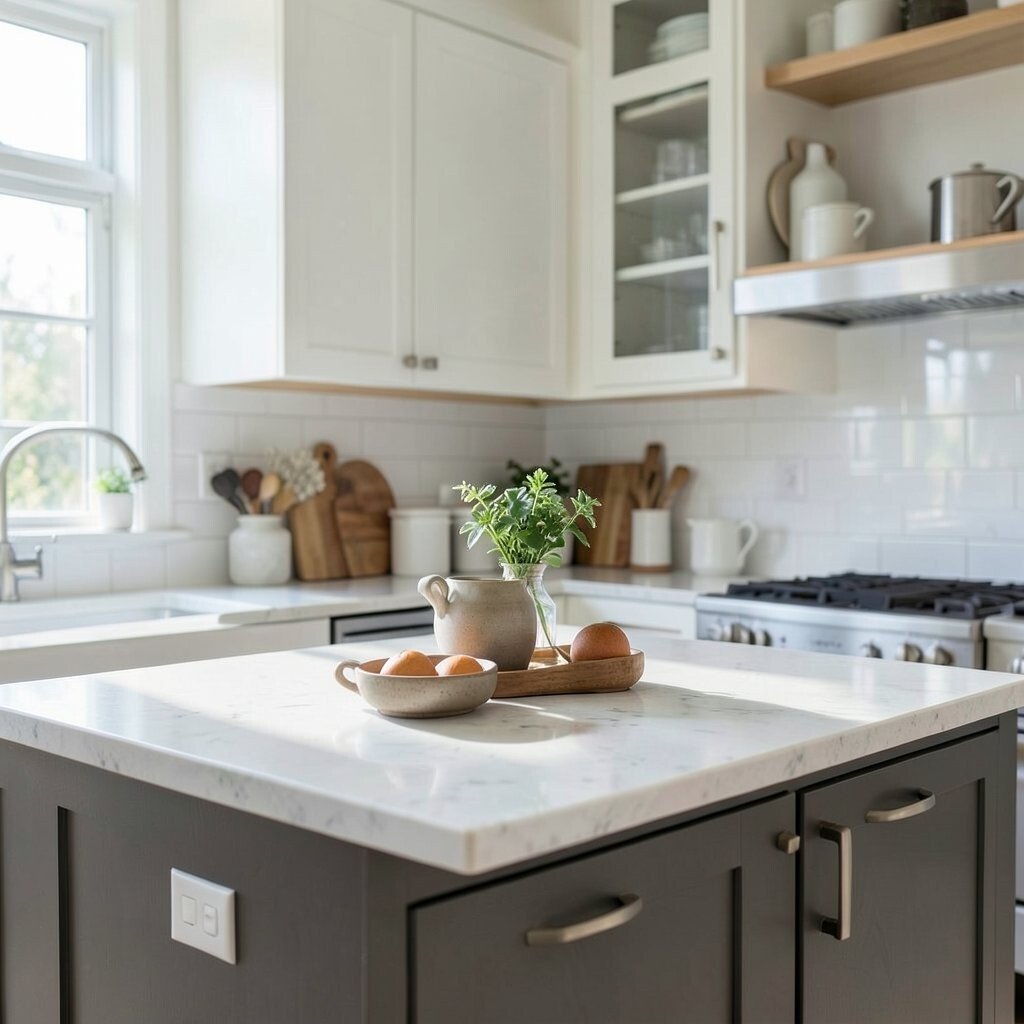
Tiny art, tiny rugs, and tiny wall pieces often disappear in a kitchen. They can make the room feel awkward and underdone.
Larger pieces usually work better because they hold attention and balance the space. A big framed print, a full runner, or a wide cutting board display can look bold and polished. Bigger accents can also save money because one strong piece often does the job of several smaller ones.
Think about scale before you buy anything new. A simple tape outline on the wall can help you picture the right size. If your kitchen has high ceilings or long walls, oversized decor can make it feel more complete and special.
5. Forgetting About Texture
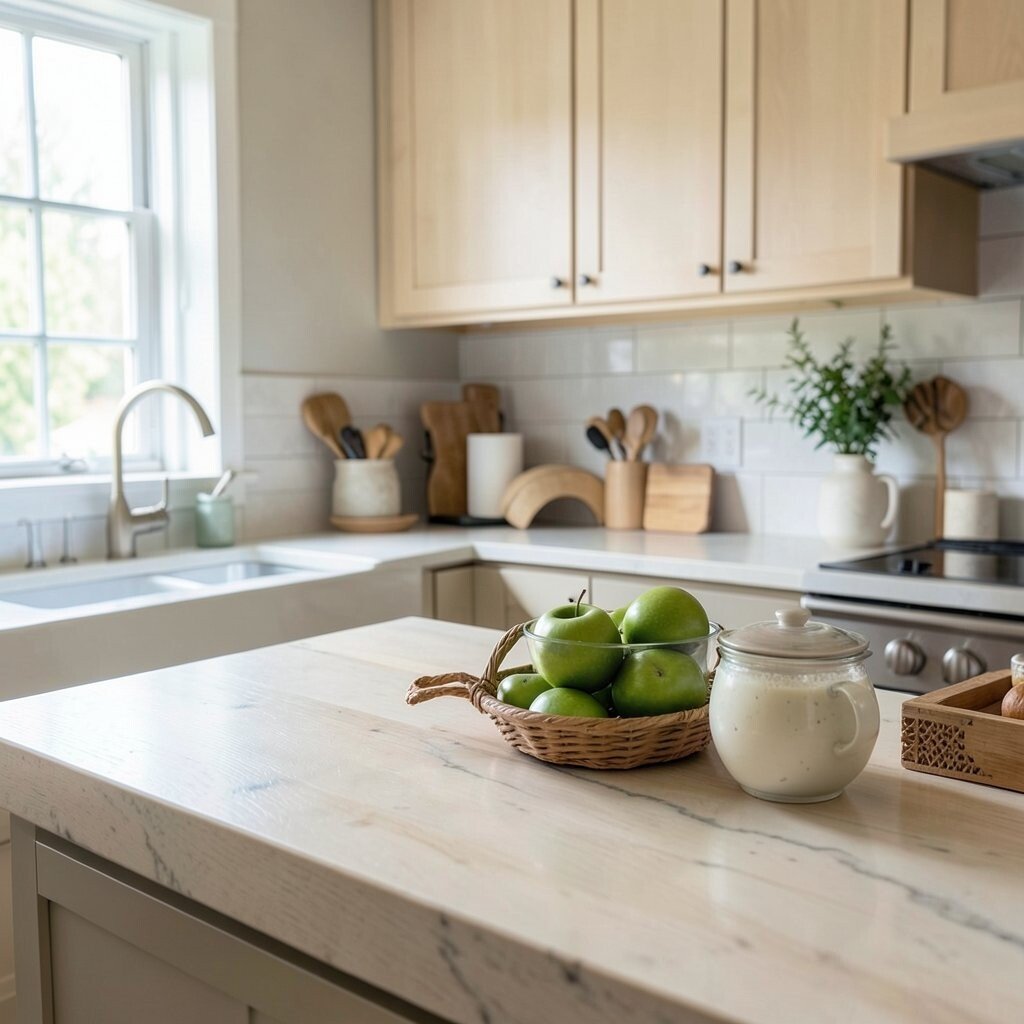
A kitchen with only smooth surfaces can feel cold and plain. Even a spotless room may seem a little lifeless without some texture.
Woven baskets, rough pottery, wood trays, and soft fabrics add depth and warmth. These details make the room feel layered and interesting without needing bright colors. Texture is also a smart way to make a simple kitchen look more custom and thoughtful.
Try adding one natural material at a time so the space does not feel cluttered. A jute mat, a linen curtain, or a ceramic bowl can change the mood right away. Many current styles mix calm colors with rich texture, which keeps the room fresh and easy to enjoy.
6. Hanging Art Too High
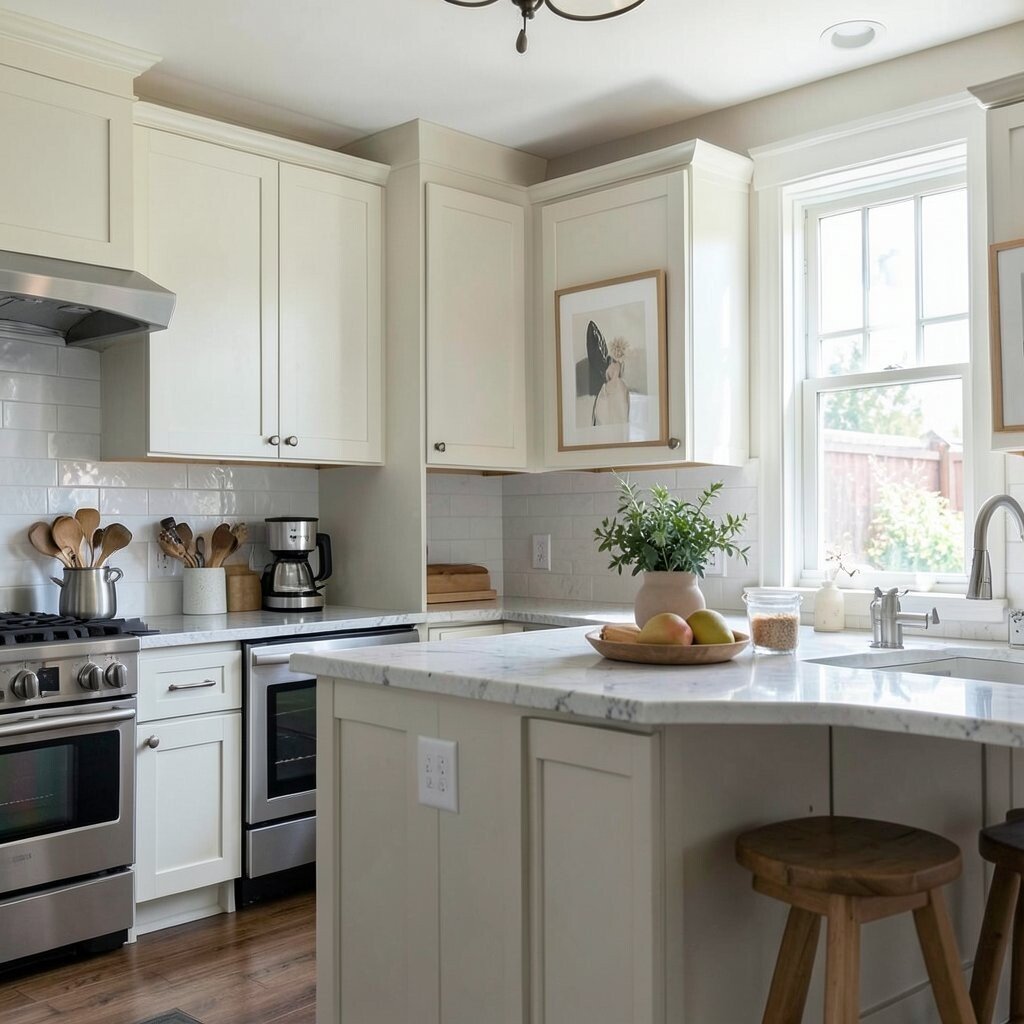
Art placed too close to the ceiling can feel disconnected from the rest of the room. It makes the walls look empty in the middle and can throw off the whole balance.
Art usually works best when it sits near eye level or relates to nearby furniture. In a kitchen, that might mean hanging a print above a bench, shelf, or breakfast nook. This creates a more welcoming feel and helps the piece become part of the room instead of floating away.
If you are unsure, stand back and check how the wall looks from across the room. A simple adjustment can make a big difference without costing a thing. You can also make the wall feel more personal by using family photos, food-themed prints, or handmade pieces.
7. Using Decor That Does Not Match the Mood

Some kitchens feel calm and soft, while others feel bright and playful. When the decor mood does not match the room, everything can seem a little off.
A farmhouse table with sleek neon art may feel mixed up in a way that is not intentional. The best kitchens usually have a clear feeling, even if the style is simple. That feeling can be cozy, modern, cheerful, rustic, or clean and airy.
Pick a mood and repeat it in small ways through color, shape, and material. This makes the room feel more unique and more pulled together. If you want to keep costs down, start with small items like towels, bowls, and wall prints before buying larger decor.
8. Leaving the Walls Bare
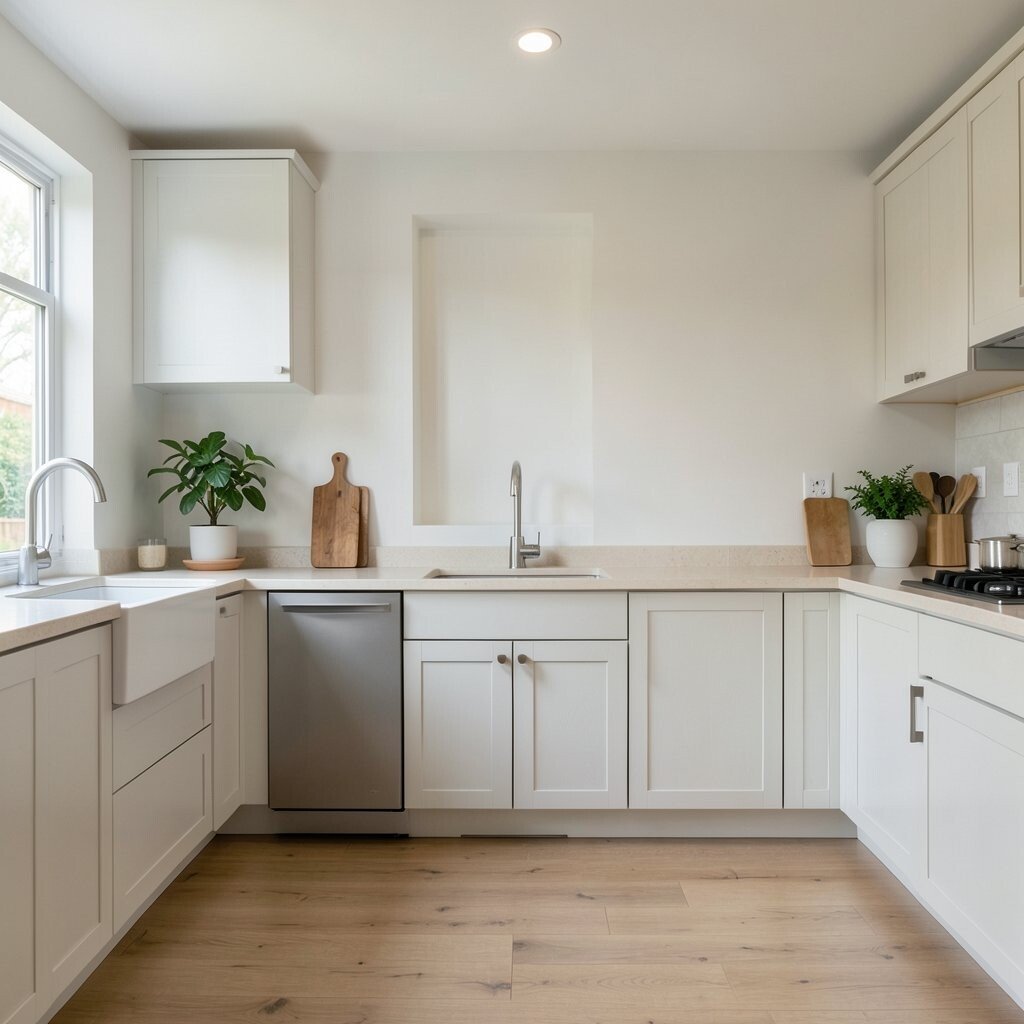
Empty walls can make a kitchen feel unfinished, especially if the room is large or has plain cabinets. The space may look clean, but it can also feel a little cold.
Wall decor brings in color, shape, and personality without taking up counter space. Try shelves, framed art, a clock, or even a simple hanging basket for a more lived-in look. These touches can also make the room feel more welcoming for guests and family.
Not every wall needs something bold. A single statement piece can be enough if the rest of the room is busy. For a current look, many people are using gallery walls with kitchen prints, vintage signs, or simple black frames.
Choose pieces that mean something to you so the room feels personal. A recipe print from a favorite dish or a photo from a family meal can add charm. This is one of the easiest ways to make a kitchen feel special without spending much.
9. Picking the Wrong Rug

A rug that is too small, too slippery, or too loud can throw off the whole kitchen. It can also make the room feel cramped or messy.
The right rug adds color, comfort, and a softer look underfoot. It can help define a work area or dining spot and make the room feel finished. Flat-weave rugs and washable styles are popular now because they are practical and still look nice.
Think about spills, foot traffic, and how easy the rug will be to clean. A good rug does not have to be expensive, but it should fit the space well. If you want a more personal touch, choose a pattern or color that ties in with your dishes or curtains.
10. Overusing Trendy Colors
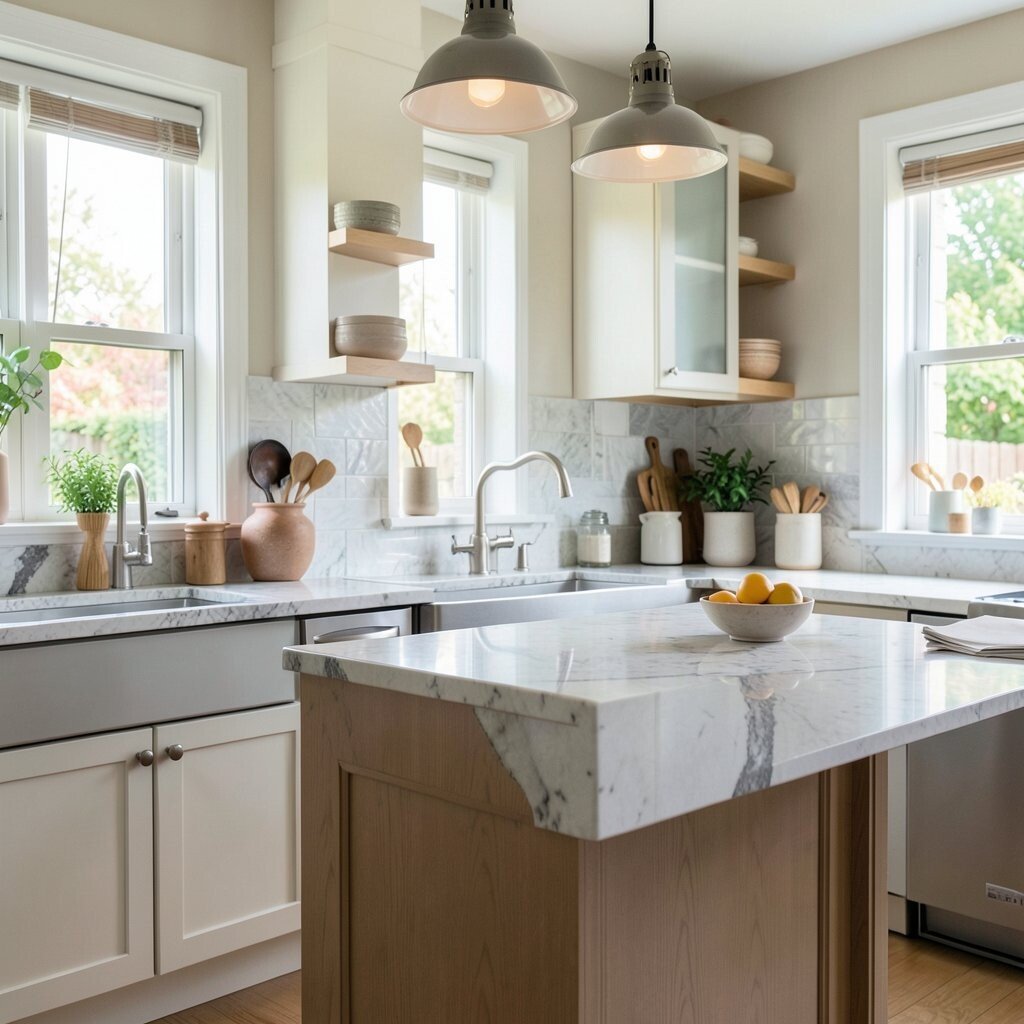
Trendy colors can be fun, but too much of one hot shade can age fast. A kitchen covered in one loud trend may feel exciting for a short time and tiring later.
It is smarter to use trend colors in small, easy-to-swap pieces. Towels, bowls, stools, and art can bring in a fresh look without locking you into a big change. This keeps the room current while protecting your budget.
Mix trendy accents with classic basics so the kitchen still feels balanced. Neutrals, wood tones, and simple metals are easy to live with for a long time. That mix also gives you more room to make the space your own as your taste changes.
11. Forgetting to Style Open Shelves

Open shelves can look lovely, but only when they are arranged with care. If they are packed too full or left too plain, they lose their charm.
Good shelf styling uses a mix of heights, colors, and shapes. Stack plates, lean a cutting board, and add one plant or small bowl for balance. This creates a light, airy look that feels modern and easy to use.
Open shelves also give you a chance to show off pieces you love. That might be handmade mugs, vintage dishes, or a favorite serving tray. Since shelves are visible all the time, the display should feel useful and personal at the same time.
If you are on a budget, start with what you already own and edit from there. A few well-placed items often look better than buying a full set of new decor. Keep the colors simple if you want the shelves to feel calm and polished.
12. Choosing Cabinet Hardware That Fights the Room

Cabinet handles and knobs may seem small, but they can change the whole look of a kitchen. The wrong finish or style can make the room feel choppy.
Hardware should work with the cabinets, faucet, and other metal details. A brushed finish can feel soft and easy, while polished metal can feel bright and sharp. Matching the hardware style to the rest of the room helps everything feel more connected and refined.
This is a smart place to add personality without spending a lot. Swapping hardware is often cheaper than replacing bigger decor pieces, and it gives a fast update. If you want a custom look, mix simple pulls with a few special knobs in a spot that matters most.
13. Blocking Natural Light
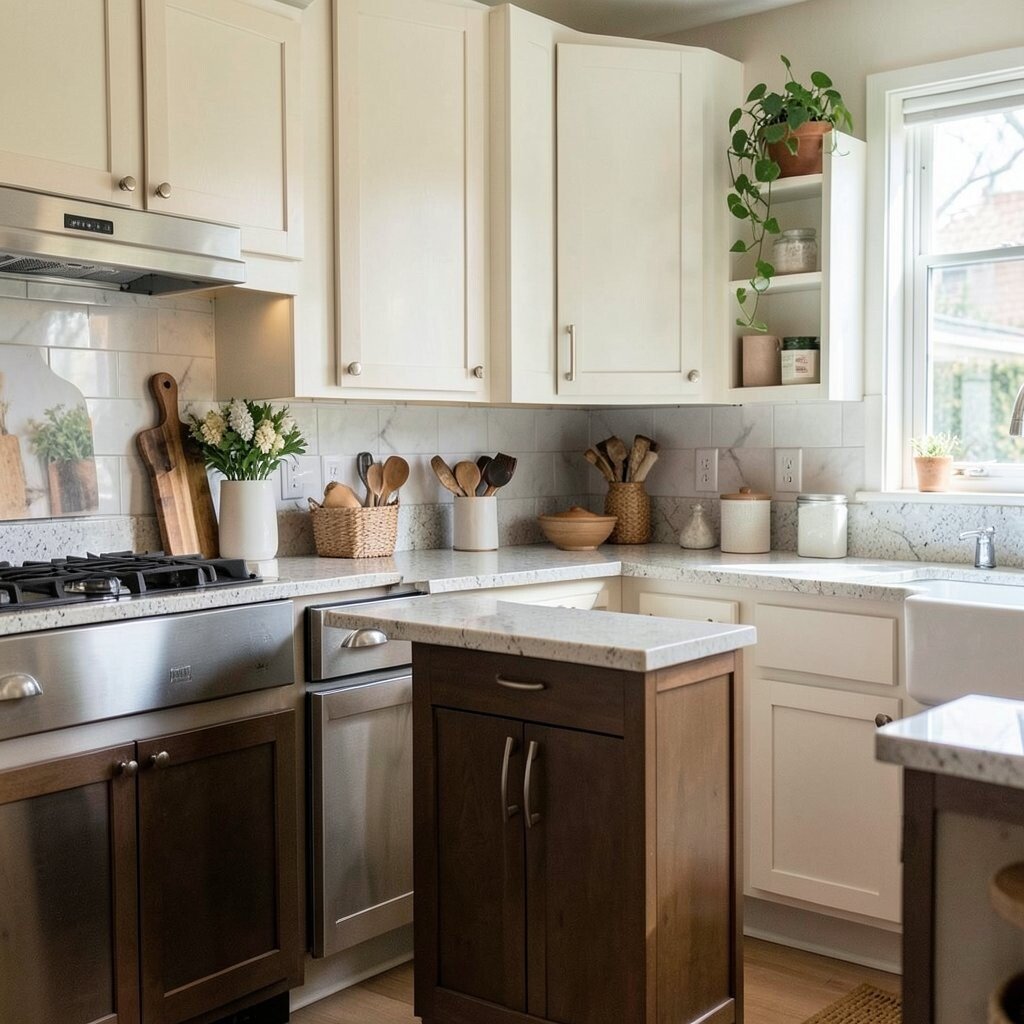
Heavy curtains, tall decor, and crowded windows can block the best light in the kitchen. That makes the room feel smaller and less cheerful.
Natural light brings out color, shows texture, and makes everything look fresher. Keep window areas open when you can, and use light fabrics or simple shades if privacy is needed. A bright kitchen often feels more welcoming and can even make morning routines feel easier.
Plants on the sill, a slim curtain, or a small hanging herb pot can add charm without blocking the view. These details feel current and useful at the same time. If you love a cozy look, choose soft colors that still let the light shine through.
14. Making the Kitchen Too Themed
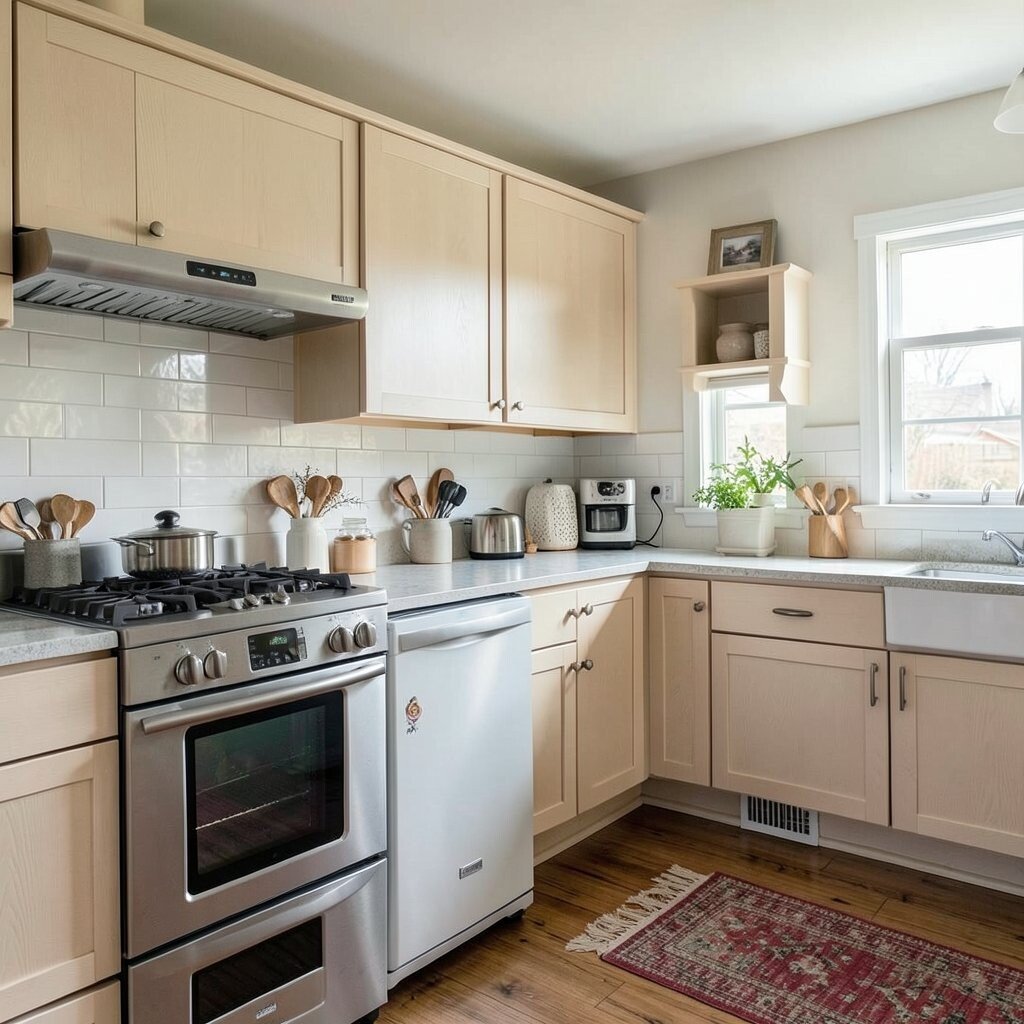
A few themed pieces can be fun, but too many can make the kitchen feel like a costume. Cookie jars, signs, towels, and wall art all shouting the same message can get old fast.
It is better to hint at a theme than to cover the room in it. For example, a coastal kitchen can use blue glass and light wood instead of seashells everywhere. This gives the room a unique feel without making it look forced or dated.
Theme-light decor is also easier to update when your taste changes. You can swap one or two pieces instead of replacing the whole room. That keeps costs lower and makes the kitchen feel more natural and lived in.
Try using one or two favorite symbols and let the rest stay simple. A baker might enjoy a pretty rolling pin display, while a gardener might like fresh herbs and clay pots. Personal touches work best when they feel real, not staged.
15. Forgetting That Function Is Part of Decor

Beautiful decor that gets in the way is not really helping the kitchen. If you cannot reach things easily or clean around them, the room starts to feel frustrating.
Good kitchen decor should look nice and make daily life smoother. A pretty bowl for fruit, a tray for oils, or labeled jars for dry goods can do both jobs at once. This kind of decor is popular because it feels smart, simple, and useful.
Think about how you move through the room before adding one more pretty object. The best pieces support cooking, cleaning, and gathering without adding stress. When decor fits your habits, the kitchen feels more personal, more comfortable, and more you.