New cooks often buy the wrong things first. A few smart swaps can make the kitchen feel calm fast.
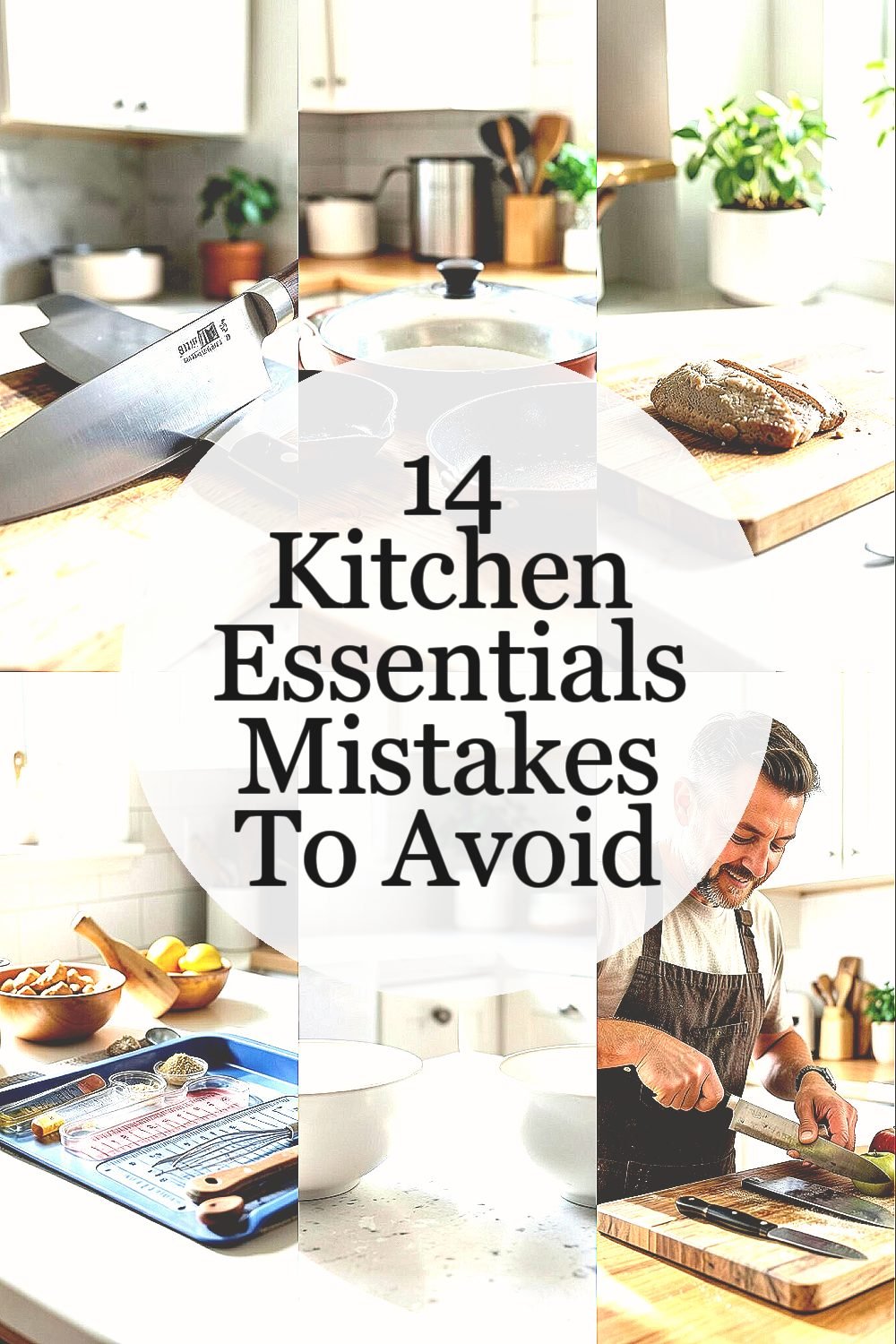
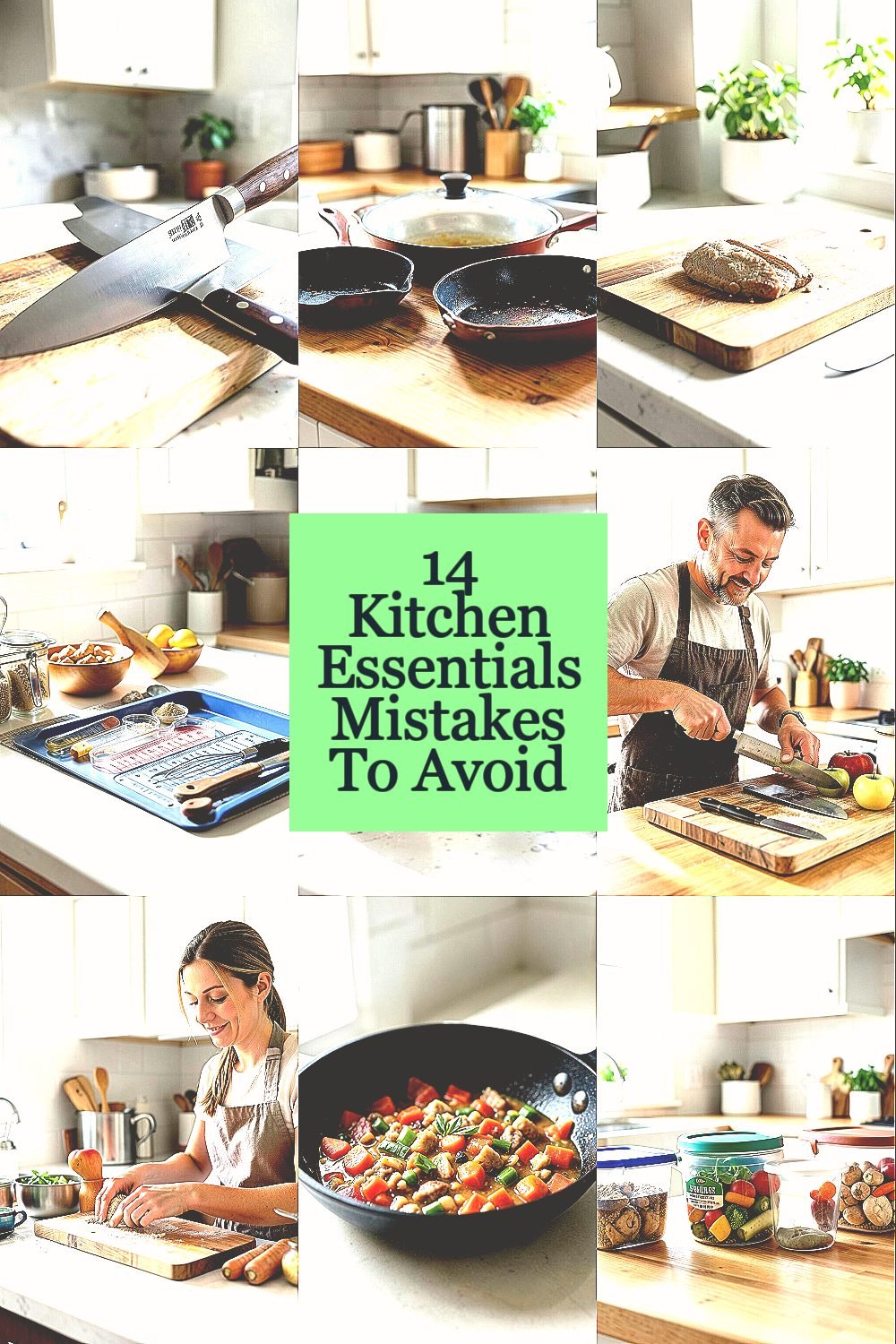
1. Buying a giant knife set instead of one good chef’s knife
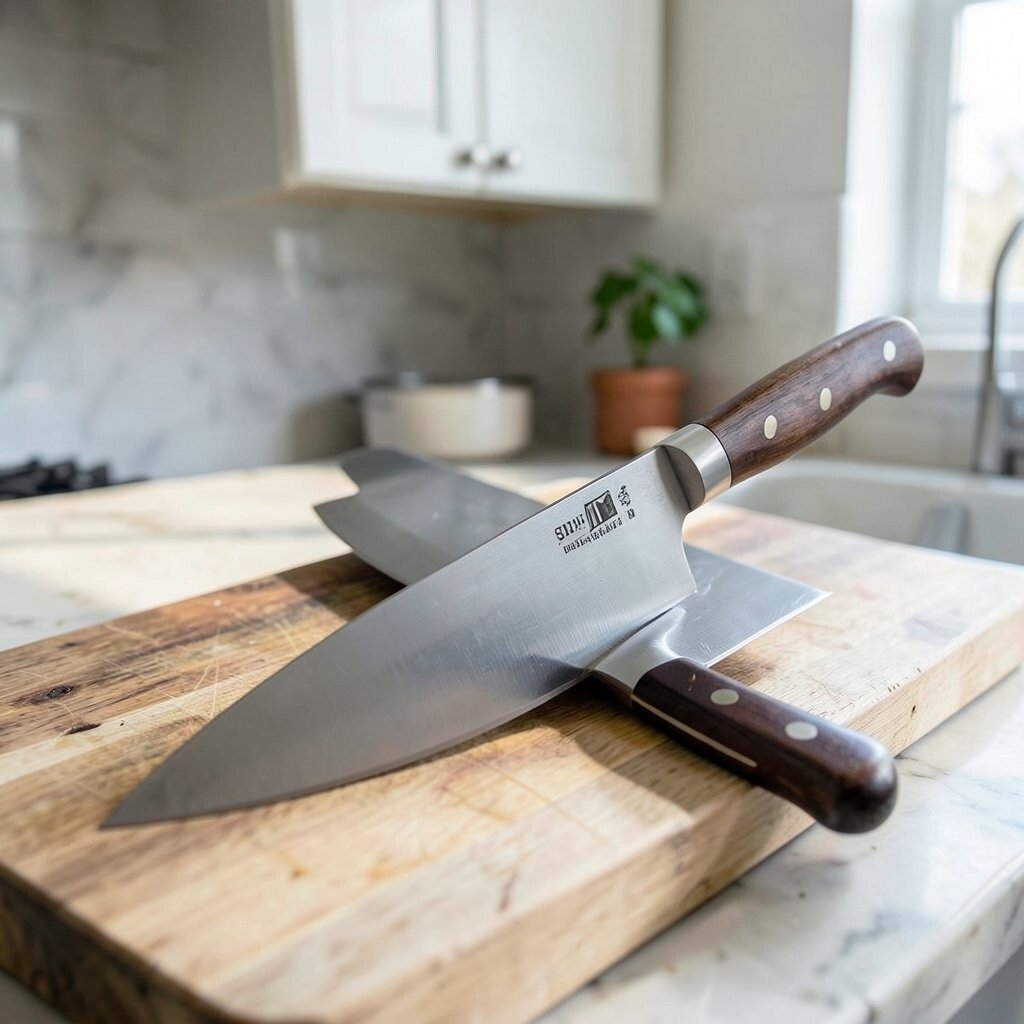
A shiny knife block can look impressive on the counter, but many new cooks only use one blade most of the time. A single sharp chef’s knife feels smooth in the hand and makes food prep faster and safer.
It is better to spend more on one strong knife than to waste money on a full set that stays in the drawer. Look for a handle that fits your grip, a blade that feels balanced, and a size that does not scare you. If you cook often, a knife with a simple black handle and clean steel look can match almost any kitchen style.
2. Choosing cheap pans that warp and stick
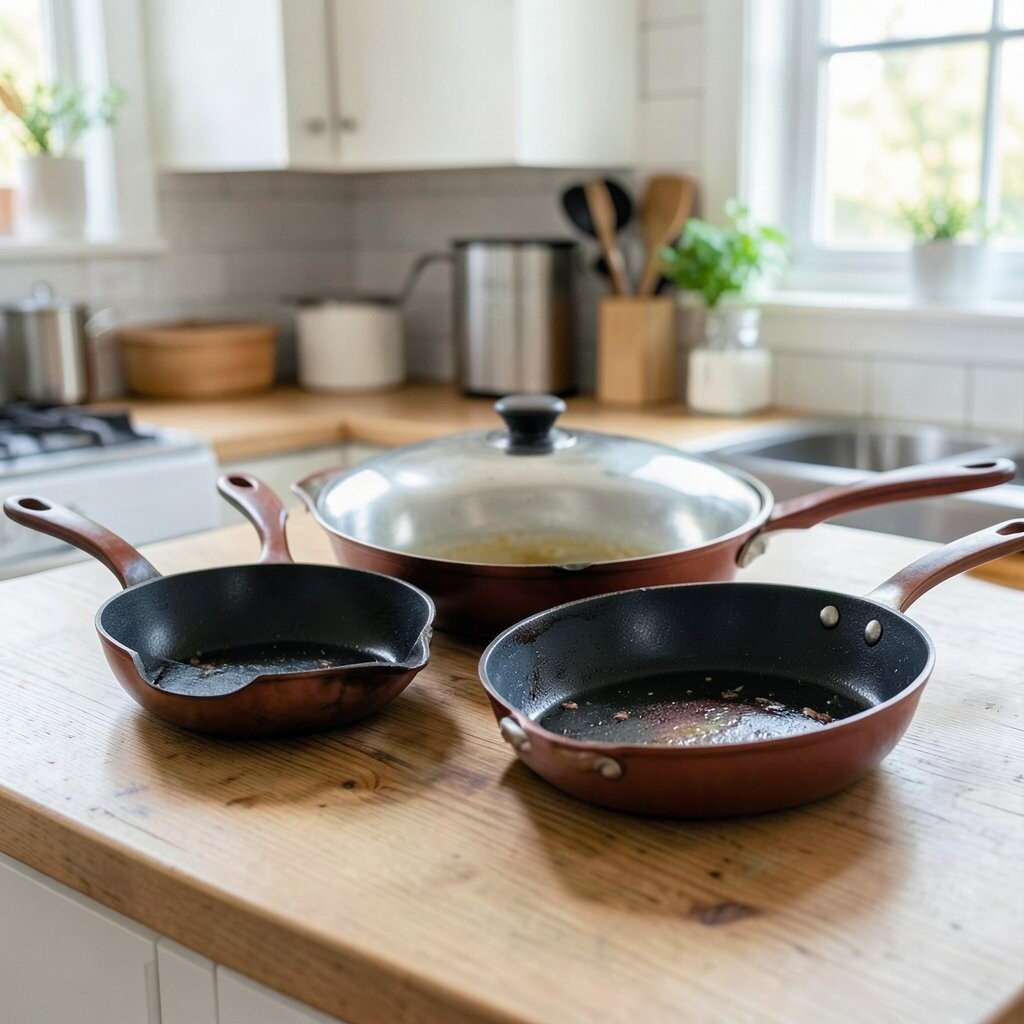
Thin pans may look light and easy, but they often bend on hot burners and cook food unevenly. A sturdy pan gives you better browning, less sticking, and more control.
That means eggs slide better, vegetables brown better, and sauces stay calmer. A good pan can last for years, so the cost makes more sense over time. Many home cooks now like stainless steel or hard-anodized pans because they look neat and clean up well.
If you want a personal touch, pick one pan size for everyday meals and one larger pan for family dinners. A simple lid can also help save money because it turns one pan into a tool for steaming, simmering, and reheating.
3. Ignoring a cutting board that stays put
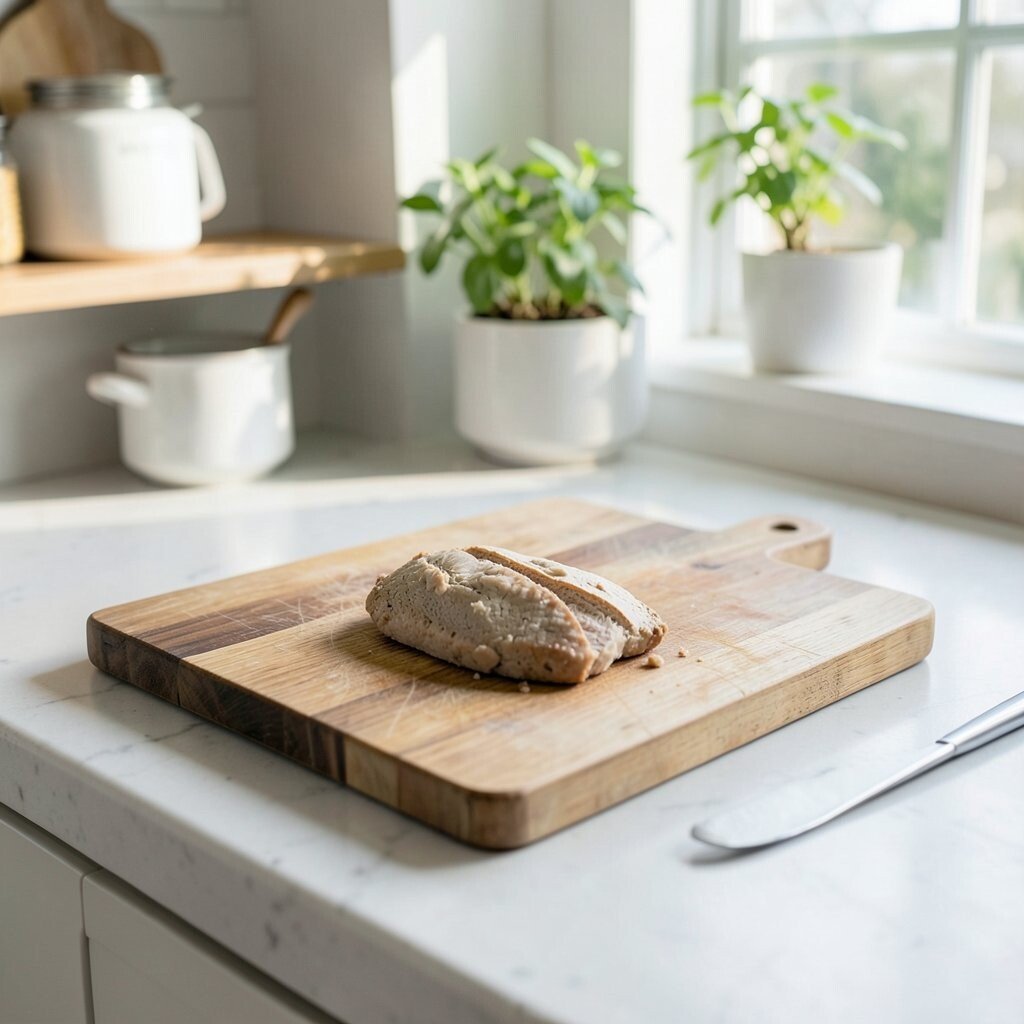
A sliding board can make chopping feel shaky and stressful. A board with grip gives you a steady base and helps your knife work better.
Wood boards feel warm and classic, while plastic boards are easy to wash and useful for raw meat. Many cooks keep both because each has a special job. A bright board can also add color to a plain kitchen and make the space feel more personal.
Look for one that is thick enough to stay flat and not curl at the corners. If you are watching your budget, start with one medium board and add more later as your cooking grows.
Some people now choose boards with juice grooves or built-in handles, which can be handy and stylish at the same time.
4. Forgetting a good set of measuring tools
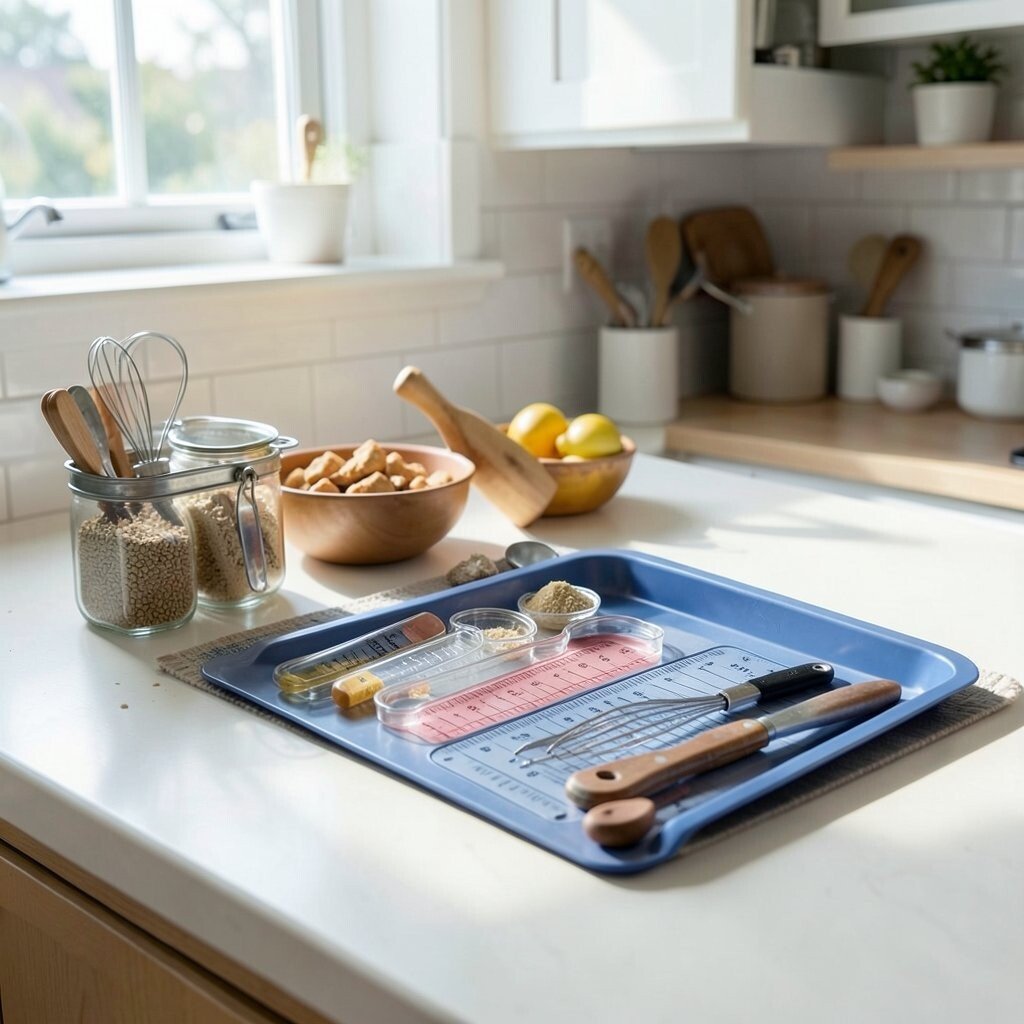
Eyeballing every ingredient can work sometimes, but baking and many sauces need real measurements. A small set of cups and spoons brings more steady results and less guesswork.
Bright metal or color-coded tools are easy to spot in a crowded drawer. They also help new cooks feel more confident because the recipe steps become clearer. If you like a tidy look, choose nesting tools that stack well and take up little space.
5. Skipping a solid mixing bowl set
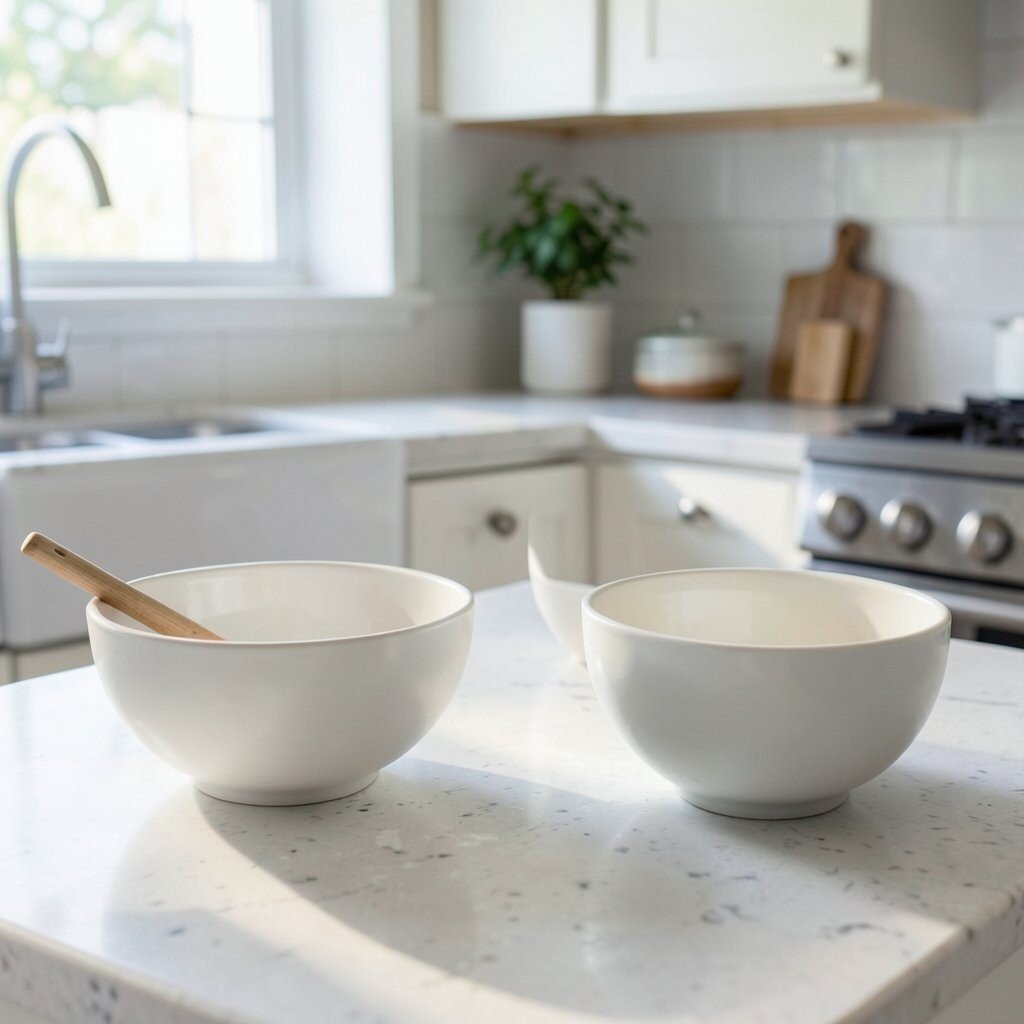
One bowl is never enough once you start cooking more at home. A few bowls in different sizes help with stirring, marinating, and holding chopped food.
Glass bowls let you see what is inside, while metal bowls feel light and modern. Deep bowls are great for whisking without splashing, and wide bowls are nice for tossing salads or pasta. Many people like sets that nest together because they save cabinet space and cost less than buying each bowl alone.
You can make the set feel more like your own by choosing a color that matches your dishes or towels. A bowl with a pour spout can also be a smart pick if you like pancakes, batters, or quick sauces.
6. Using dull tools and thinking they are fine
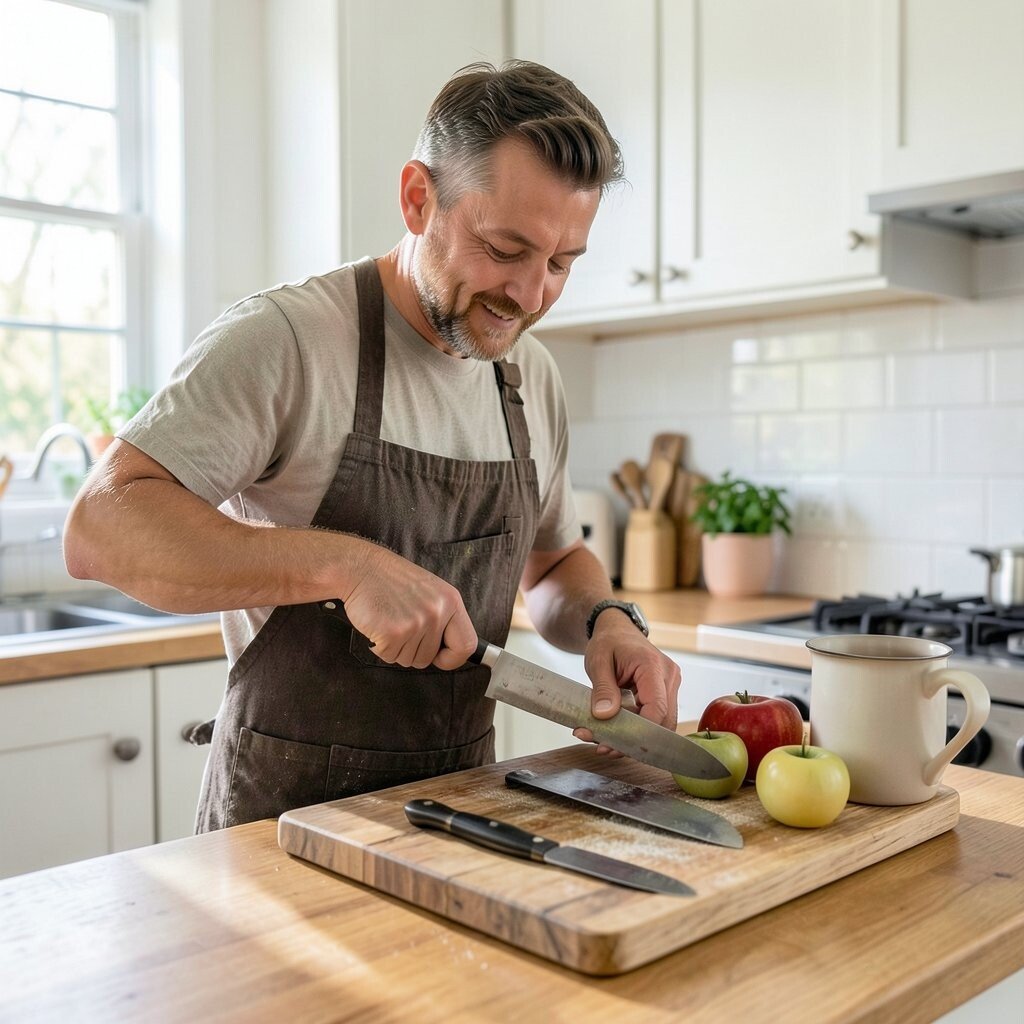
Dull tools make simple tasks feel hard, and that can turn cooking into a chore. Sharp blades and clean edges help food cut neatly and keep your hands working with less effort.
This matters for peelers, knives, and even kitchen scissors. Fresh cuts also help fruit and vegetables look prettier on the plate, which makes meals feel more fun. A small sharpening tool or honing rod costs far less than replacing tools all the time.
Many new cooks like compact sharpeners because they are easy to store and use. If you want a more personal setup, keep your most-used tools in one cup near the stove so they are always ready.
That little habit can make your kitchen feel more organized and more professional right away.
7. Buying too many gadgets before learning the basics
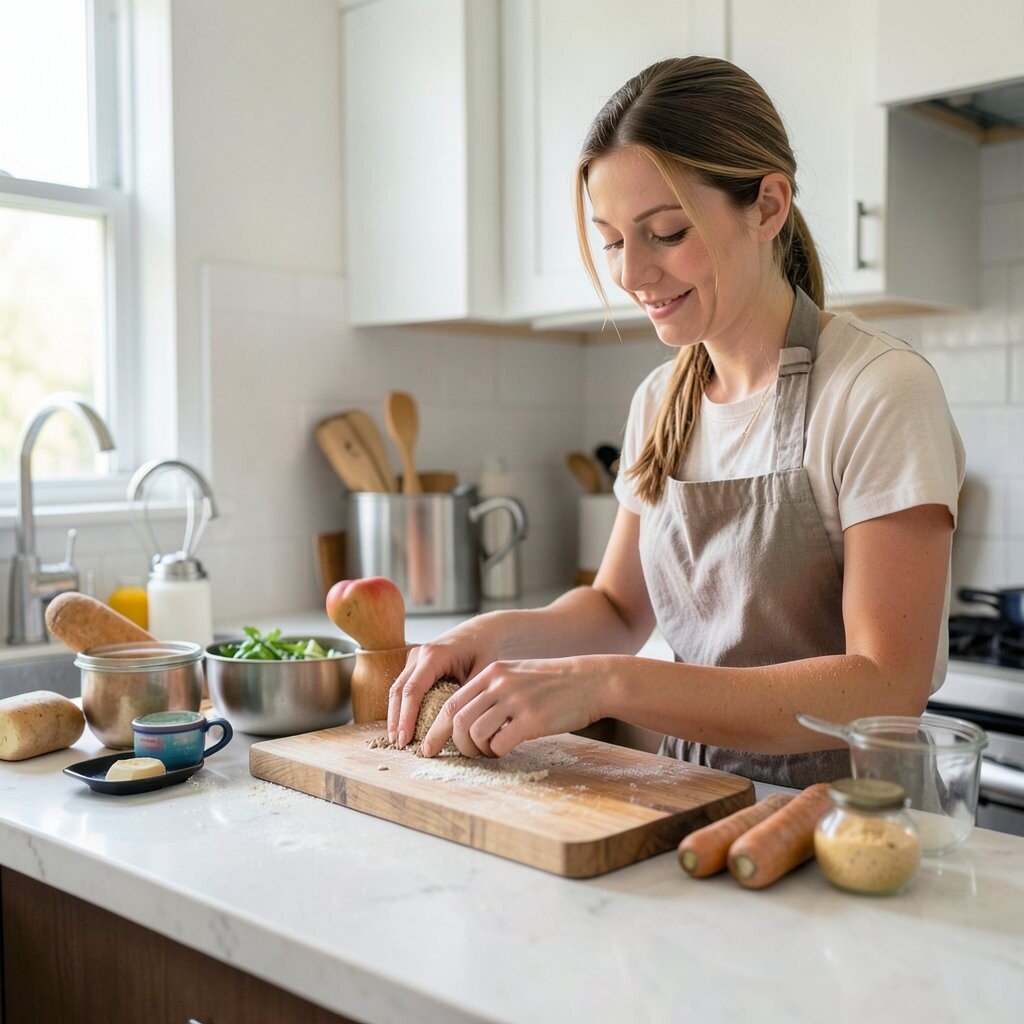
Special tools can look cute in the store, but many sit unused after the first week. A simple kitchen works better when every item has a real job.
Think about what you cook most before buying extras. A garlic press, avocado slicer, or egg gadget may seem fun, yet a knife often does the same work with less clutter. The trend now is to keep counters clear and choose tools that do more than one task.
This saves money and makes cleaning easier. It also gives your kitchen a calmer look, which can help new cooks feel less overwhelmed.
8. Overlooking a reliable skillet for everyday meals
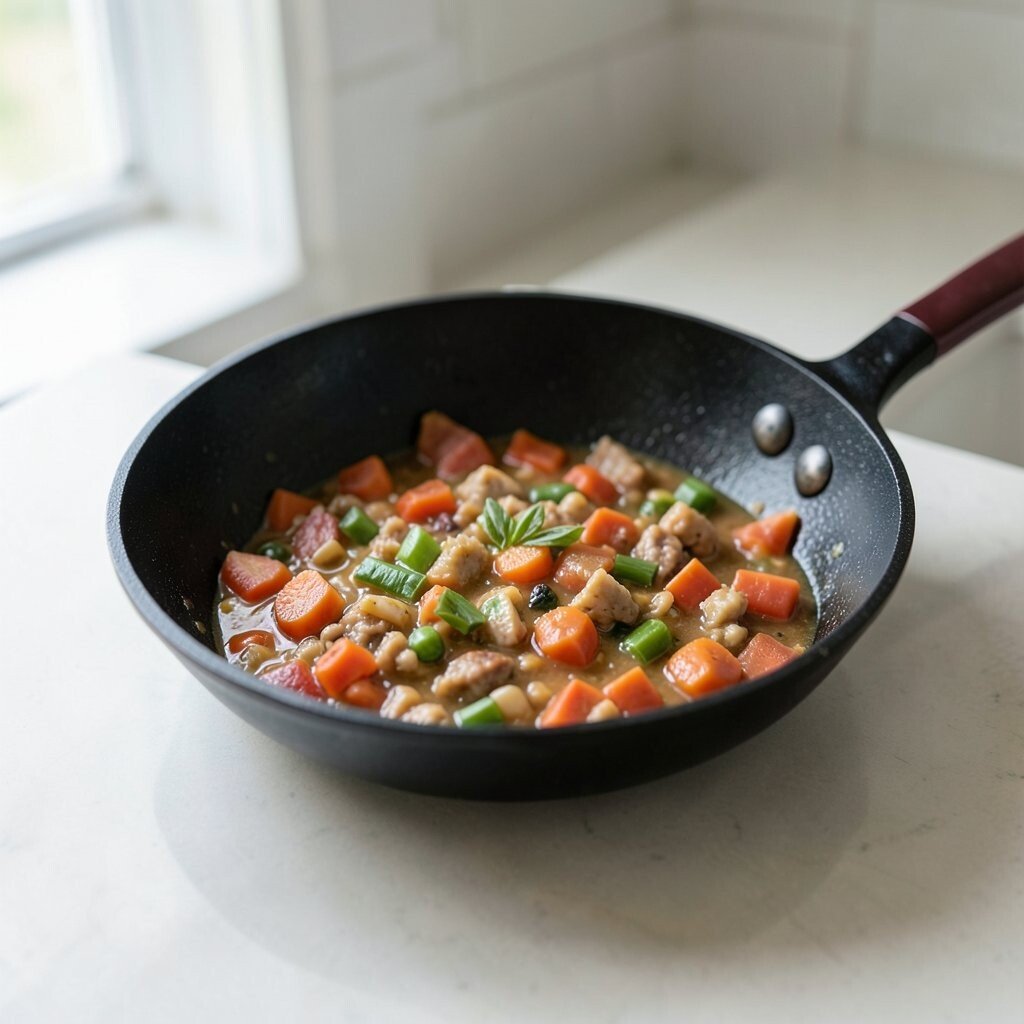
A good skillet is one of the most useful items in any kitchen. It can fry eggs, sear meat, cook vegetables, and finish dishes in the oven.
Cast iron looks bold and rustic, while nonstick feels smooth and easy for beginners. Each style has a different feel, so pick the one that matches your cooking habits. If you like a cozy, homey look, a well-seasoned cast iron pan can become part of the kitchen’s charm.
Cost matters here, but the cheapest pan is not always the best deal. A solid skillet can stay useful for a long time and make everyday meals taste better.
Many cooks now keep one pan on the stove because it is both practical and nice to see.
9. Leaving storage containers as an afterthought
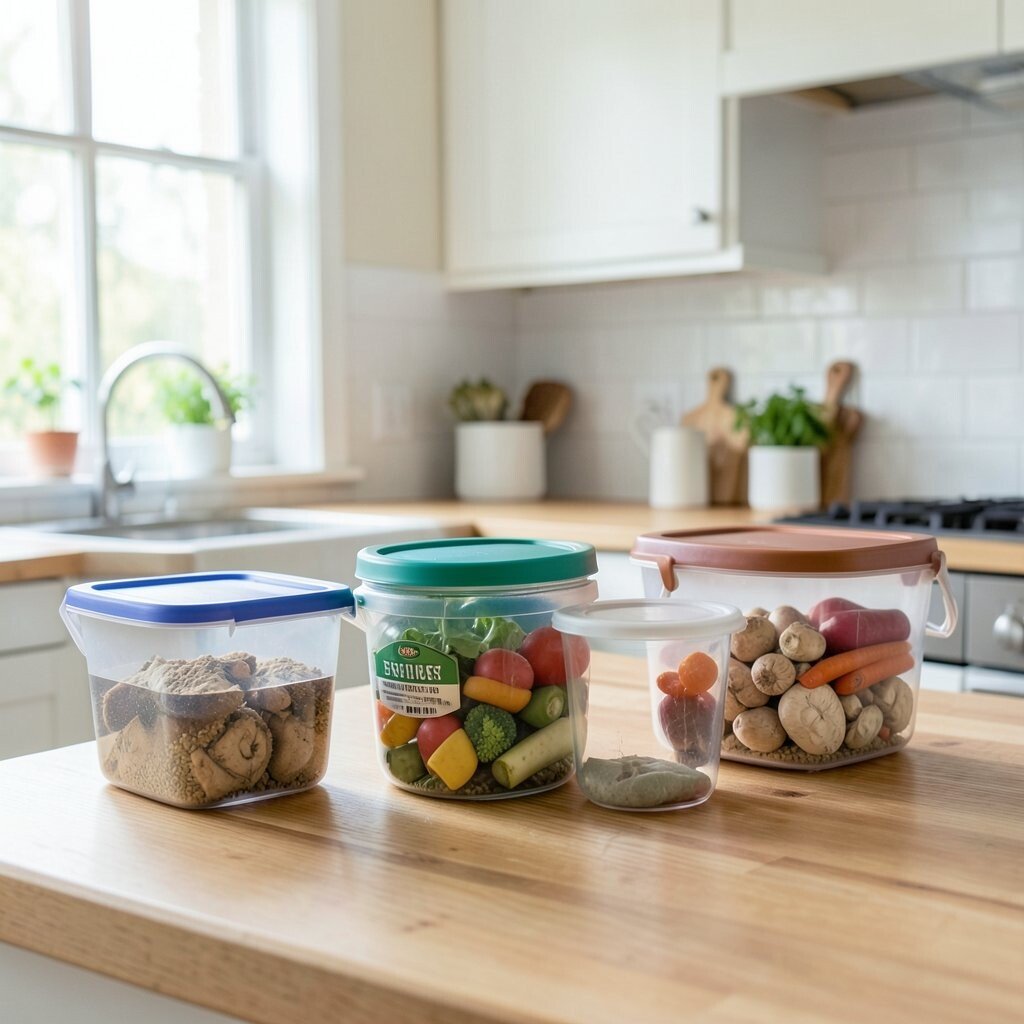
Leftovers need a home, and random lids can turn into a mess fast. Good containers help food stay fresh and make the fridge look neat.
Clear containers are popular because you can see what is inside right away. Stackable shapes save space and make lunch packing easier. A mix of small and medium sizes works well for sauce, fruit, rice, and soup.
Some people like glass for reheating and plastic for light carry-out meals. If you want a personal touch, choose one lid color for each food type so your system feels easy to remember.
10. Picking a tiny trash setup for a busy kitchen

A small trash bin fills up fast when you chop, peel, and cook every day. That leads to extra trips, bad smells, and a messy floor.
A larger bin with a lid can keep the room looking cleaner and feeling fresher. Many homes now use bins with simple step pedals because they are easy to open with messy hands. A neat trash area also helps the whole kitchen feel more put together.
Cost does matter, but a sturdy bin can save time and keep pests away. If space is tight, look for a slim shape that fits beside the fridge or under the sink.
Some cooks even match the bin color to the cabinets for a smoother look.
11. Forgetting a good colander or strainer
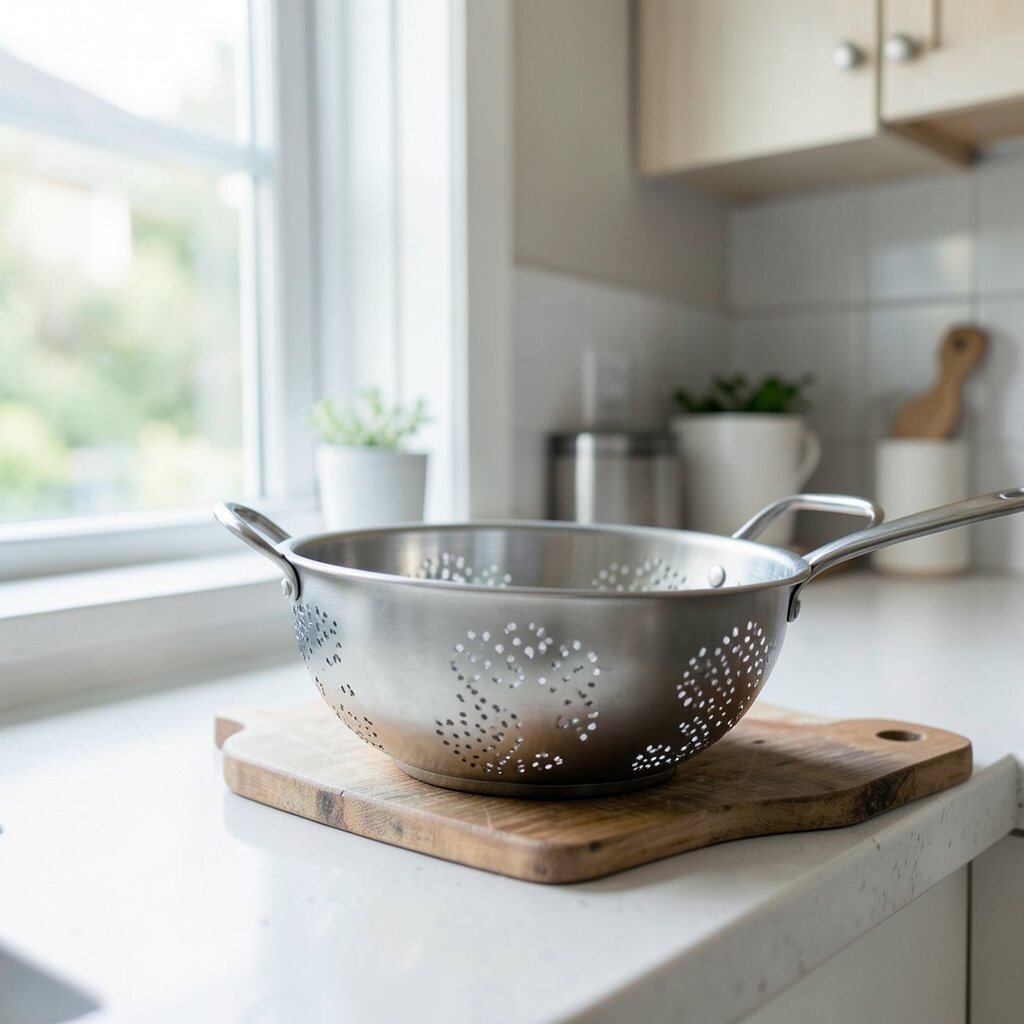
Draining pasta with the wrong tool can be awkward and messy. A strong colander makes water run away fast while keeping food safe inside.
Metal versions feel classic and sturdy, while silicone ones can fold for easy storage. Small strainers help with berries, tea, and rinsing grains. This one tool can save time in ways new cooks do not expect.
It also keeps steam and splashes under control, which makes cleanup easier. If you want a kitchen that feels more personal, choose a colander with a bright color or a clean modern shape.
That little choice can make an ordinary tool feel special.
12. Not planning for heat protection
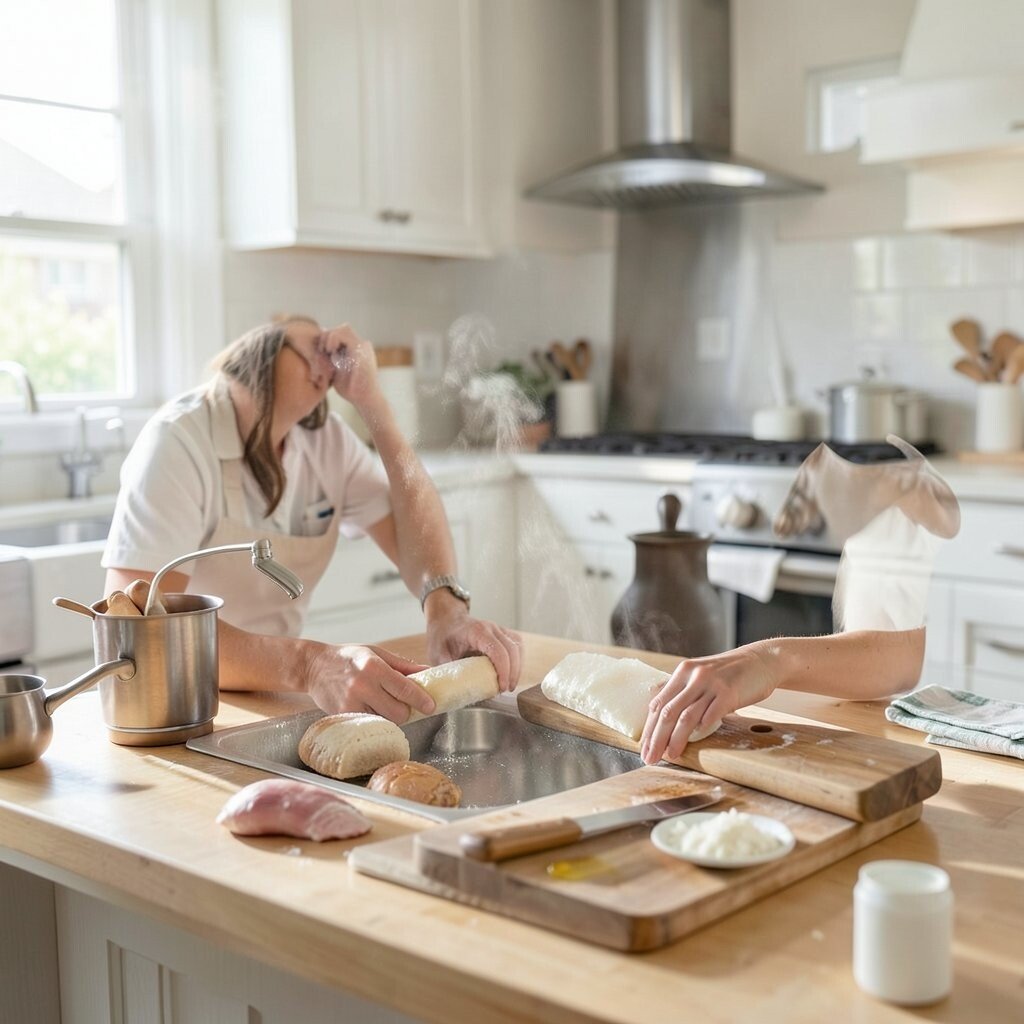
Hot pans and trays are part of daily cooking, so safe handling tools matter a lot. Oven mitts and pot holders protect hands and help you move fast without fear.
Thick fabric, silicone grips, and long mitts all have different strengths. Some look playful with patterns, while others fit a sleek modern kitchen. A matching set near the oven can make the space look ready for action.
Good heat protection also helps new cooks feel braver around the stove. It is a small cost that can prevent big pain and ruined meals.
Many cooks now prefer washable mitts because they stay fresh and last longer.
13. Buying weak utensils that bend or melt
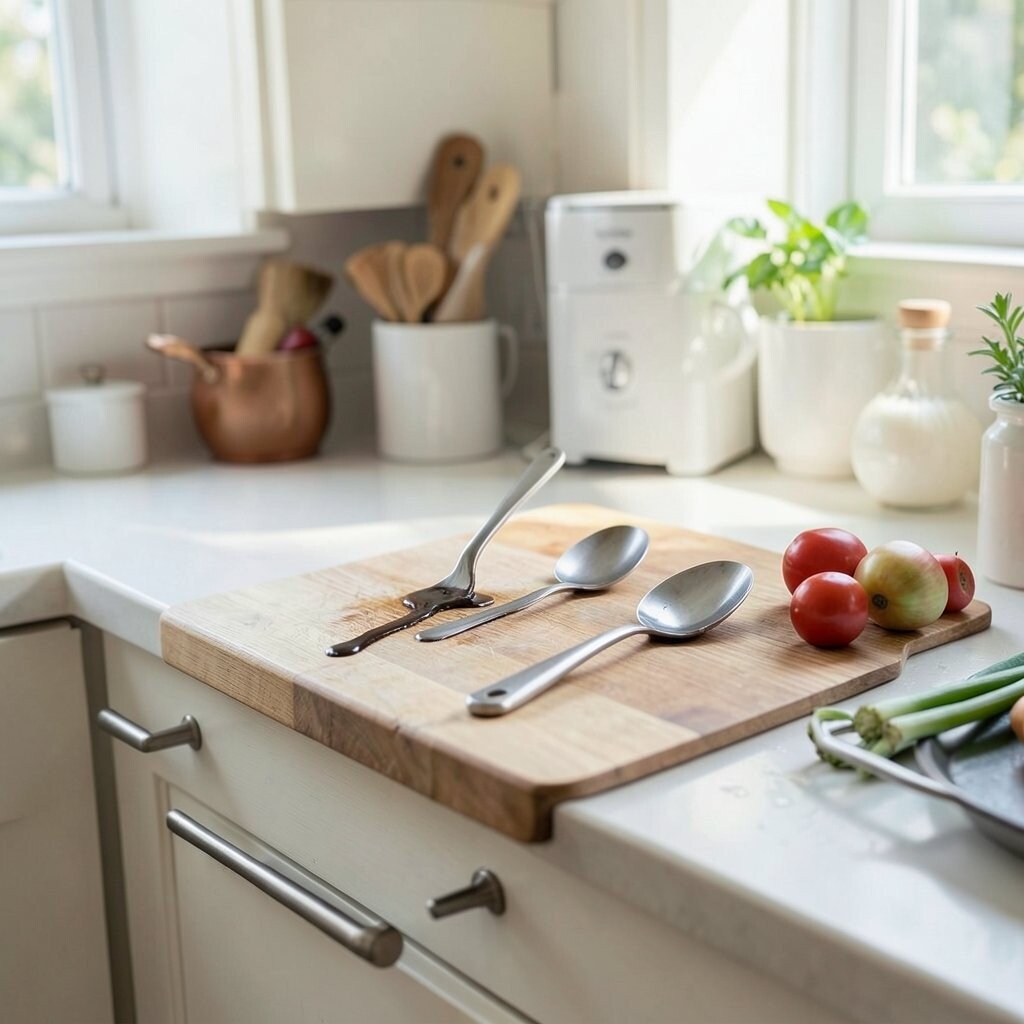
Cheap spatulas and spoons can twist in hot food or crack after a short time. Strong utensils make stirring, flipping, and serving much easier.
Wood feels warm and simple, silicone feels flexible, and metal feels tough. Each one has a place, but the key is choosing tools that match your pans and heat level. A bright utensil crock on the counter can also add style while keeping tools close.
It is smart to spend a little more on the tools you use every day. That choice often saves money later because you do not need replacements so soon.
14. Filling the kitchen before learning your own style
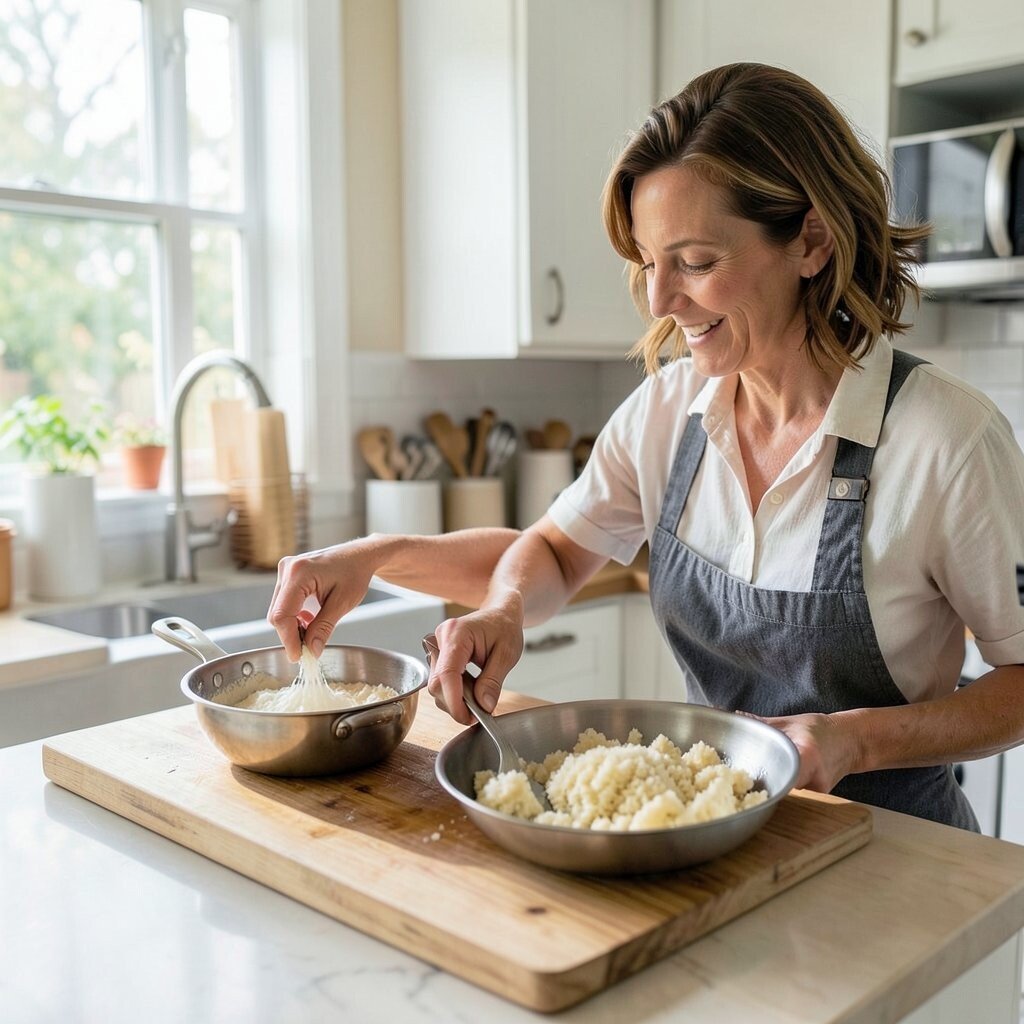
Many new cooks buy for a dream kitchen instead of the one they use every day. The result is shelves full of items that do not fit the way they actually cook.
Start with the tools that match your favorite meals, your counter space, and your budget. If you cook quick dinners, keep things simple and compact. If you enjoy baking, add bowls, measuring tools, and a sturdy mixer only when you truly need them.
This makes the kitchen feel more like yours and less like a store display. It also keeps spending under control, which matters a lot when you are still building your setup.
Current trends favor calm counters, useful tools, and pieces that look good without trying too hard.