
Kitchen cabinets can change the whole mood of a room. The right ones make daily life feel smoother and brighter.
1. Check How Your Kitchen Really Works
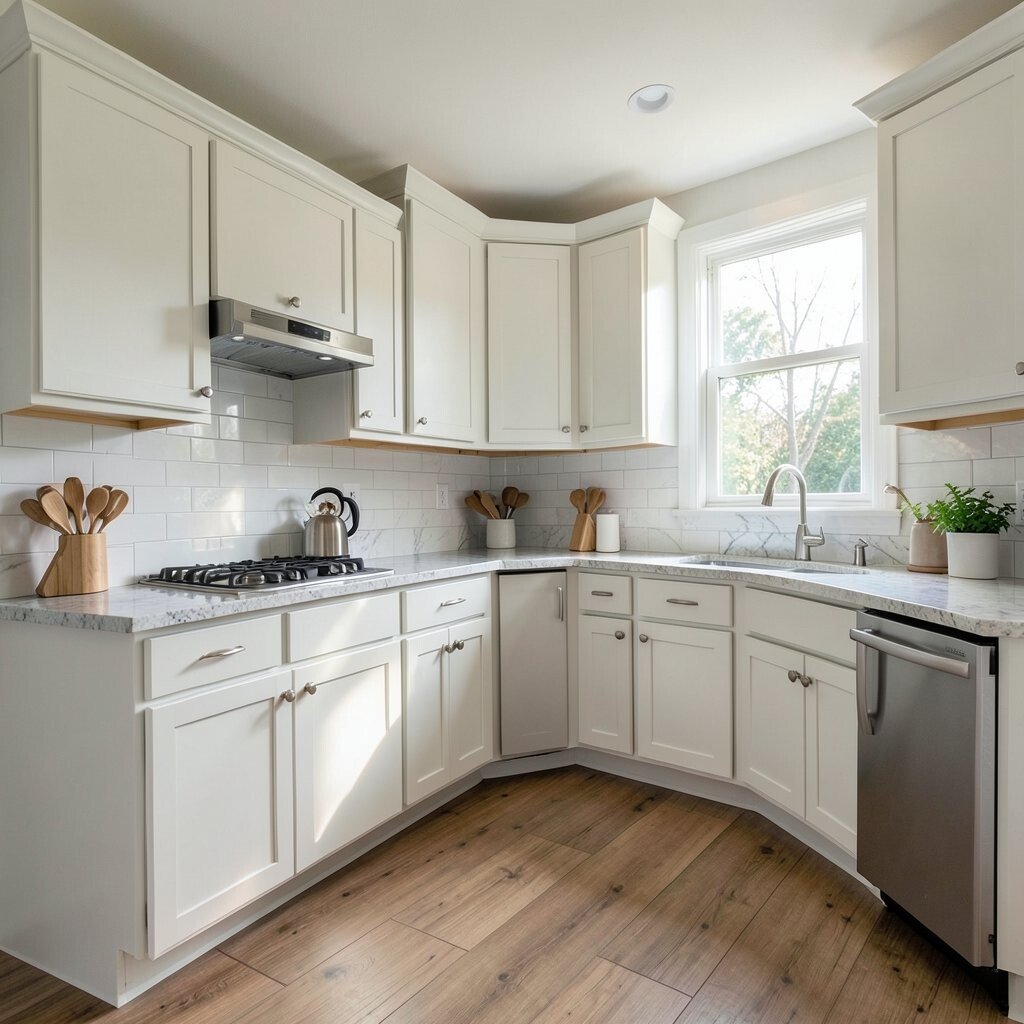
Before you fall for a pretty cabinet door, think about how you move in the kitchen every day. A smart layout can make cooking feel easy and calm.
Look at where you stand to chop, cook, wash, and store food. If the cabinet plan fits your habits, you will save time and avoid clutter.
2. Pick a Style That Matches Your Home
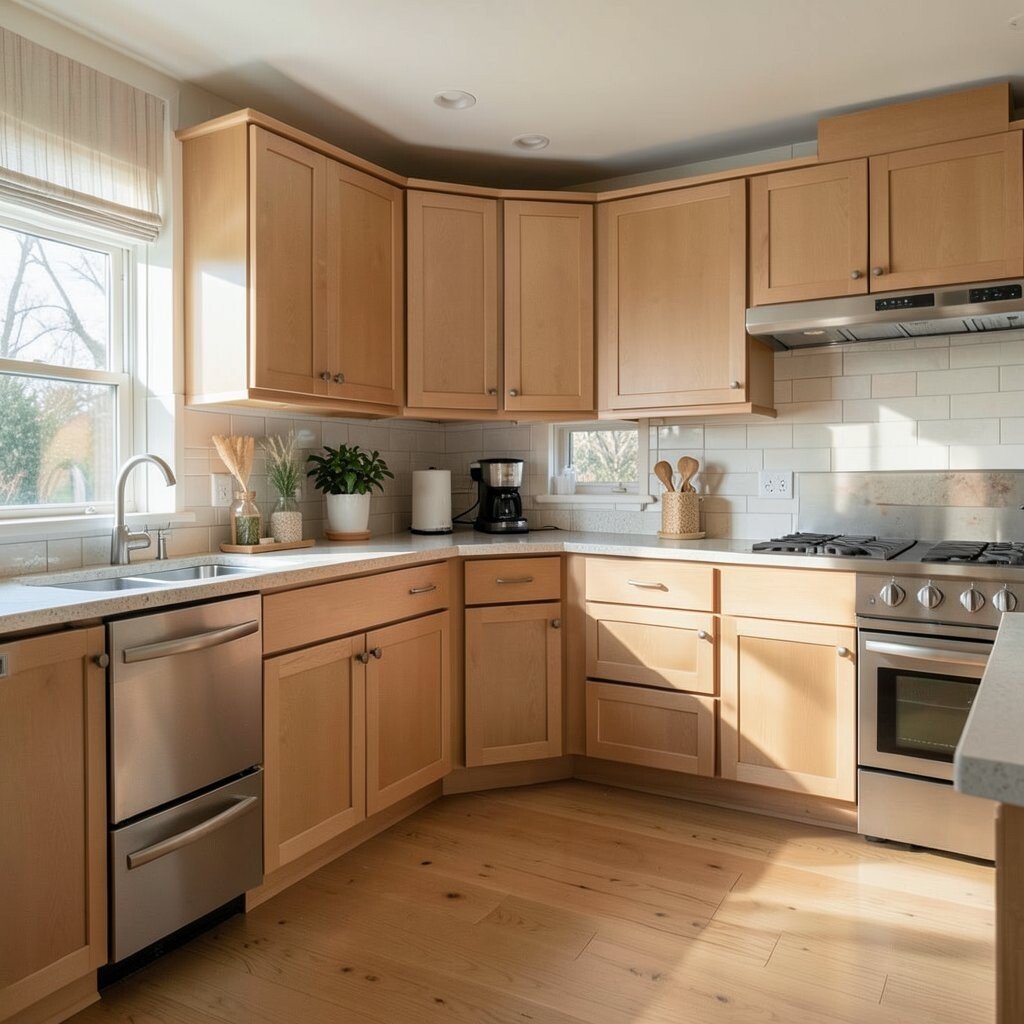
Cabinets should look like they belong in your house, not like they were borrowed from another place. A smooth shaker door feels classic, while flat fronts can feel clean and modern.
Color matters too, since soft white, warm wood, and deep green all create very different moods. Think about the rest of your home so the kitchen feels connected and natural.
For a unique touch, try mixing one bold color with simple cabinet lines. That small choice can make the room feel fresh without being too loud.
3. Think About Storage Before Looks
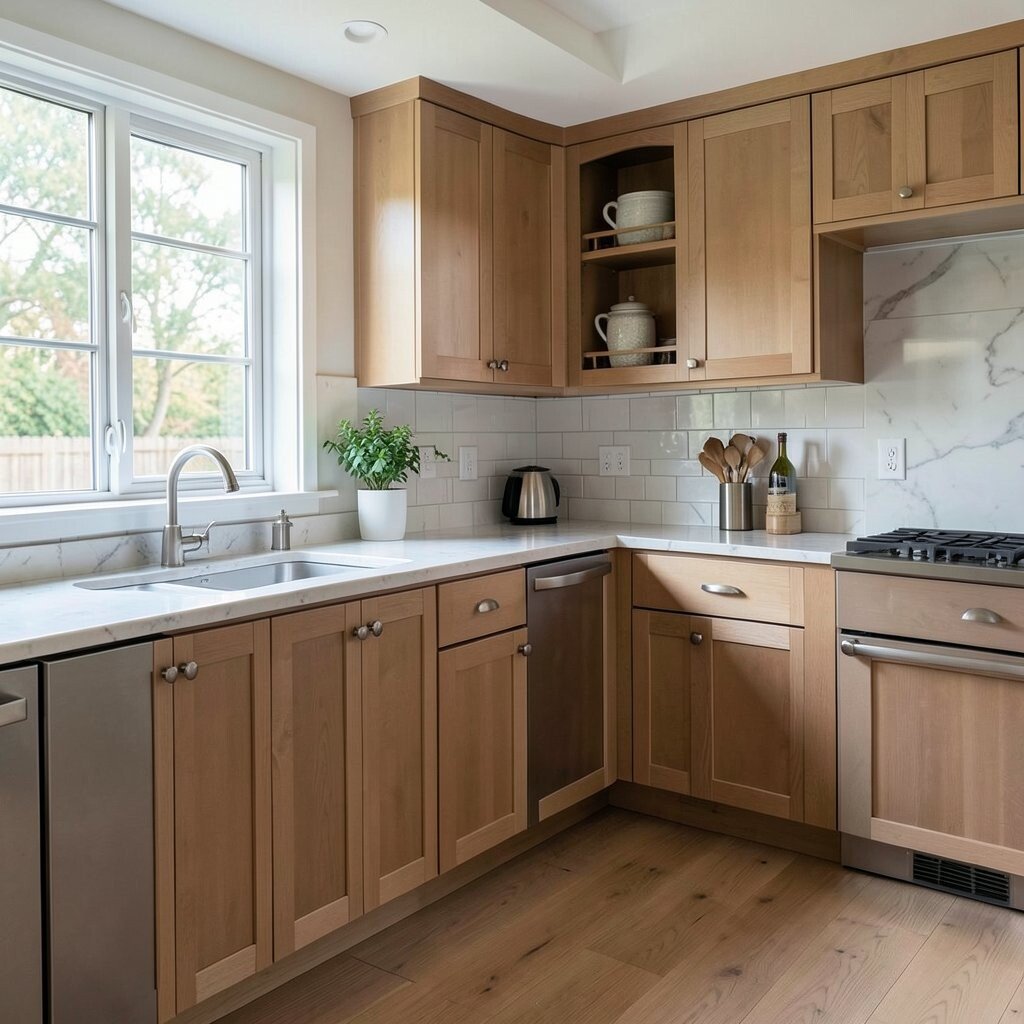
Pretty cabinets are nice, but storage is what makes them useful every day. Deep drawers, pull-out shelves, and tall pantry units can help keep things neat.
Open shelves may look airy, yet they work best when you enjoy tidy displays. If you need more hidden storage, closed cabinets will help the room feel calm and clean.
Ask yourself what you need to store most, like pots, plates, snacks, or small machines. A cabinet plan built around your life will feel more personal and much easier to use.
Some new cabinet designs include smart organizers that fit inside drawers and corners. These can cost more at first, but they often save space and stress later.
4. Choose Materials That Fit Your Life
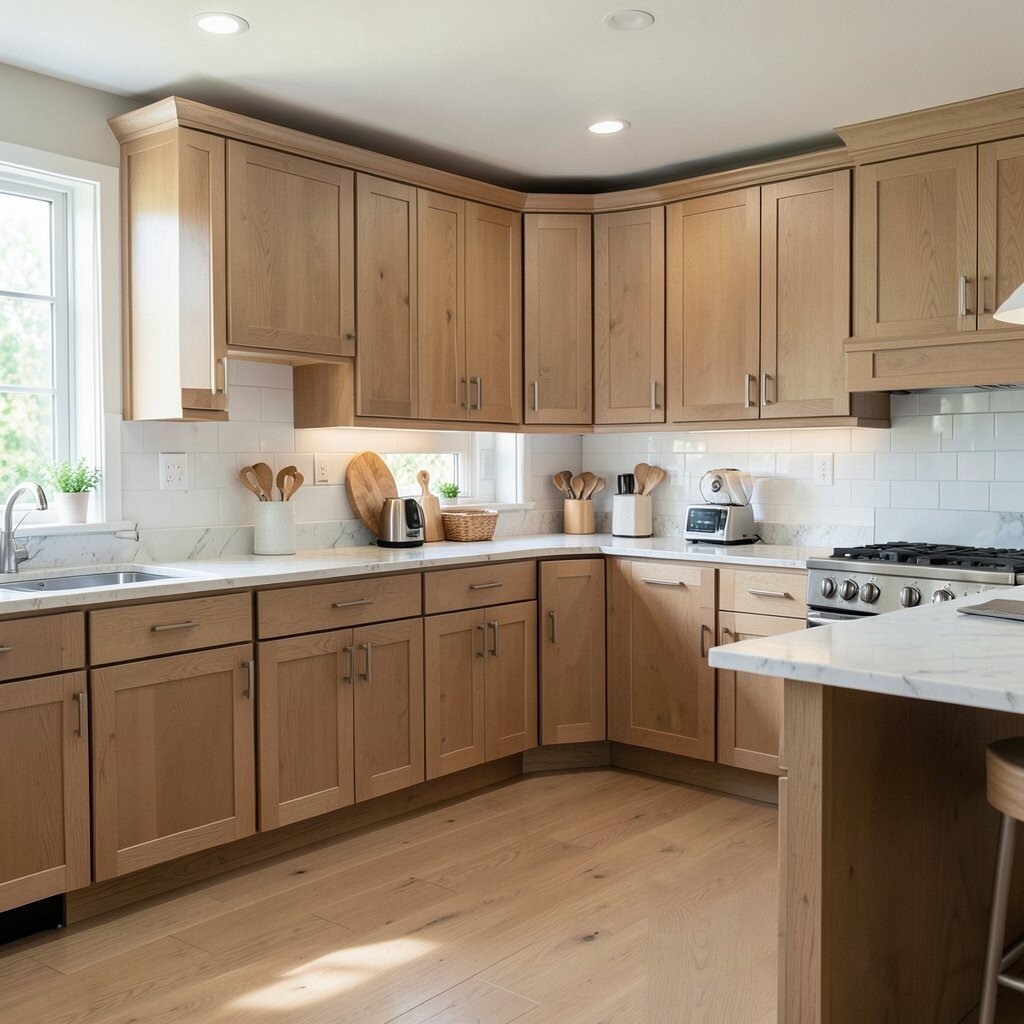
Cabinets come in many materials, and each one has its own look and feel. Wood, plywood, MDF, and laminate all have different strengths and price points.
If your kitchen gets heavy use, choose something strong and easy to clean. A busy family kitchen may need tougher surfaces than a space used only now and then.
5. Compare Colors in Real Light
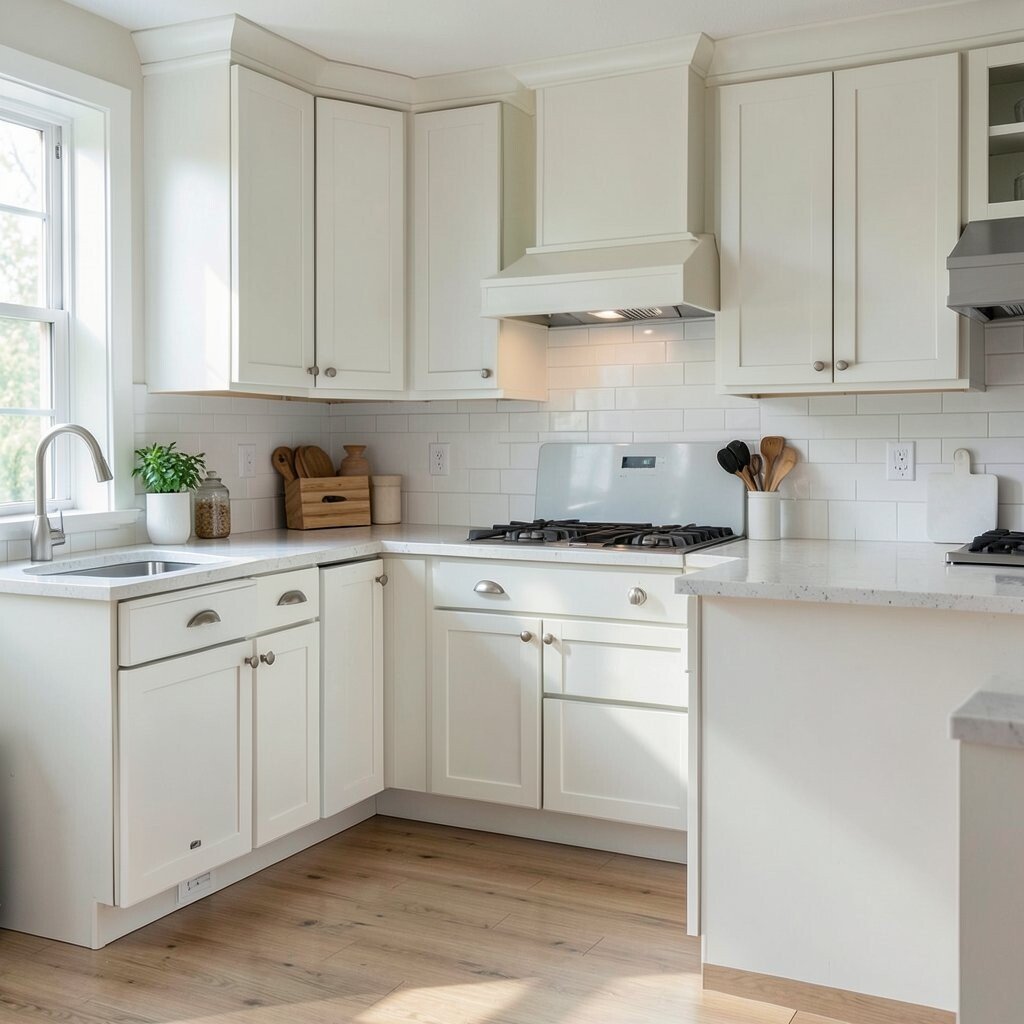
A cabinet color can look soft in a store and very different at home. Sunlight, bulbs, and wall color all change how the finish appears.
Take samples home and look at them in the morning, afternoon, and evening. This simple step can help you avoid a shade that feels too dull or too bright.
Trendy colors like sage, clay, and deep navy can feel fresh, but they should still fit your taste. If you want a safer choice, neutral colors give you more freedom with decor and hardware.
6. Measure With Care Before You Order
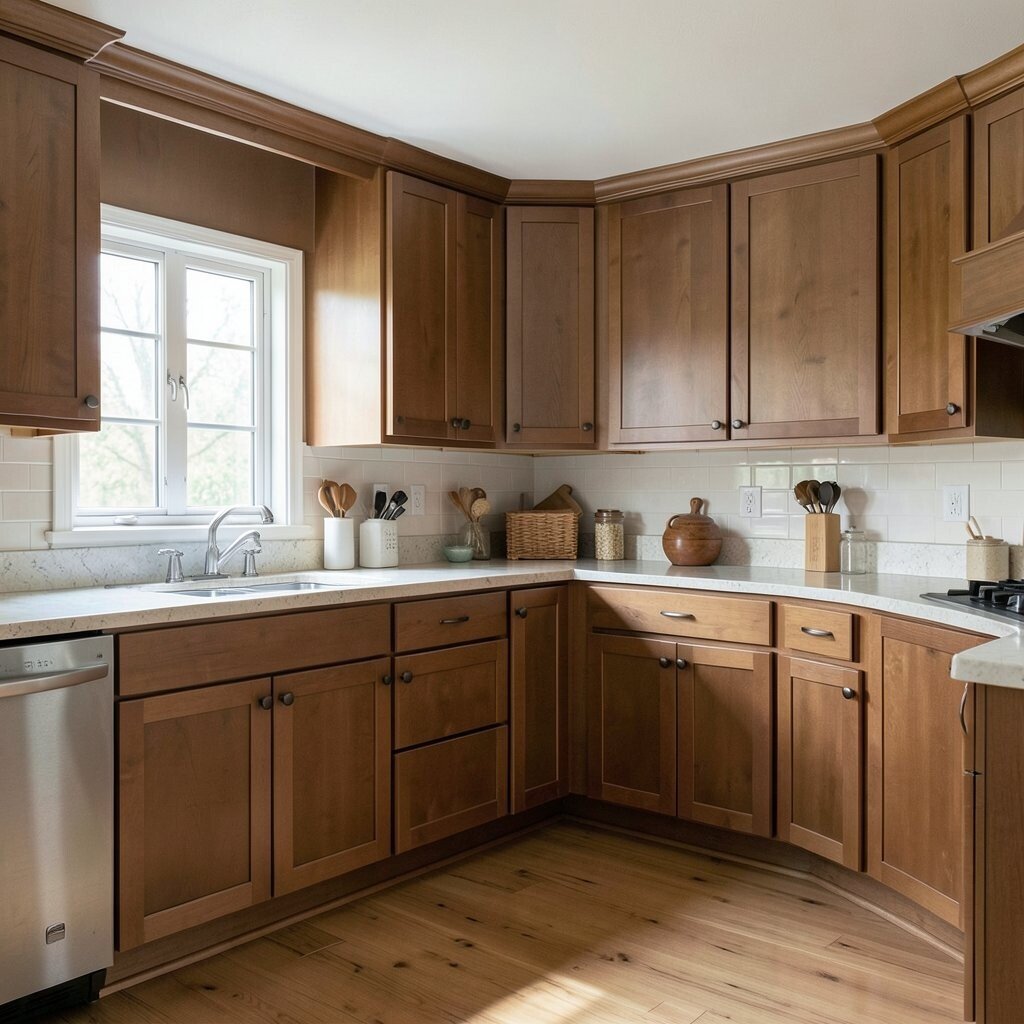
Good measuring keeps your cabinet project from turning into a headache. A small mistake can lead to gaps, tight corners, or doors that do not open well.
Measure walls, windows, appliances, and ceiling height with extra care. It is smart to check the space more than once, especially if the room is older or uneven.
Leave room for trim, handles, and any special features you want to add. Careful planning now can save money later by cutting down on fixes and returns.
If you are unsure, ask a pro to review your measurements before you buy. That small fee can be worth it when the cabinets arrive and fit just right.
7. Pay Attention to Cabinet Doors and Hardware
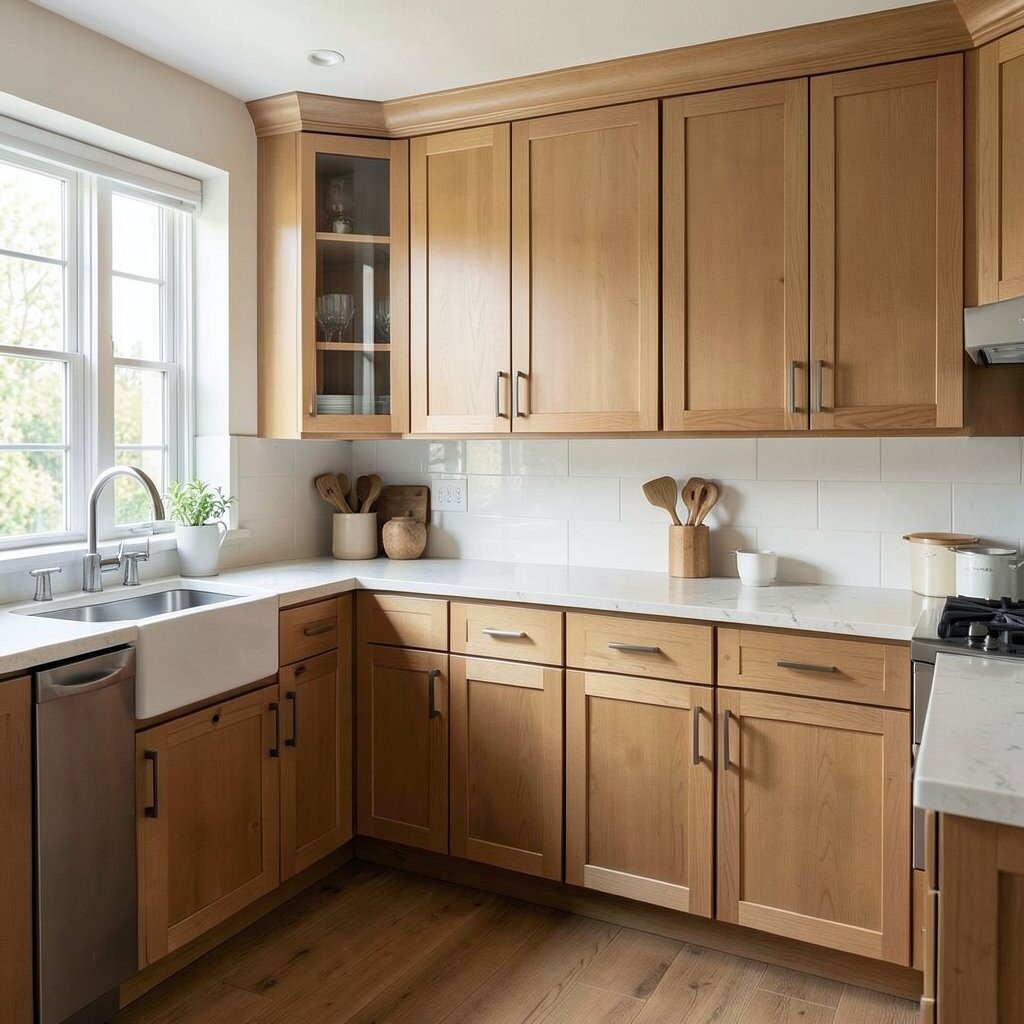
Doors and handles do more than open and close the cabinets. They also shape the whole style of the kitchen and affect how the room feels.
Simple pulls can look neat and modern, while knobs can feel sweet and classic. Soft-close hinges are a popular choice because they help doors shut quietly and gently.
Try holding a few handle styles in your hand before you choose. The best one should feel comfortable, look nice, and match the mood you want.
Hardware is also a good place to add personality without spending a lot. A small change in metal finish can make basic cabinets feel custom and special.
8. Set a Budget That Covers More Than Cabinets
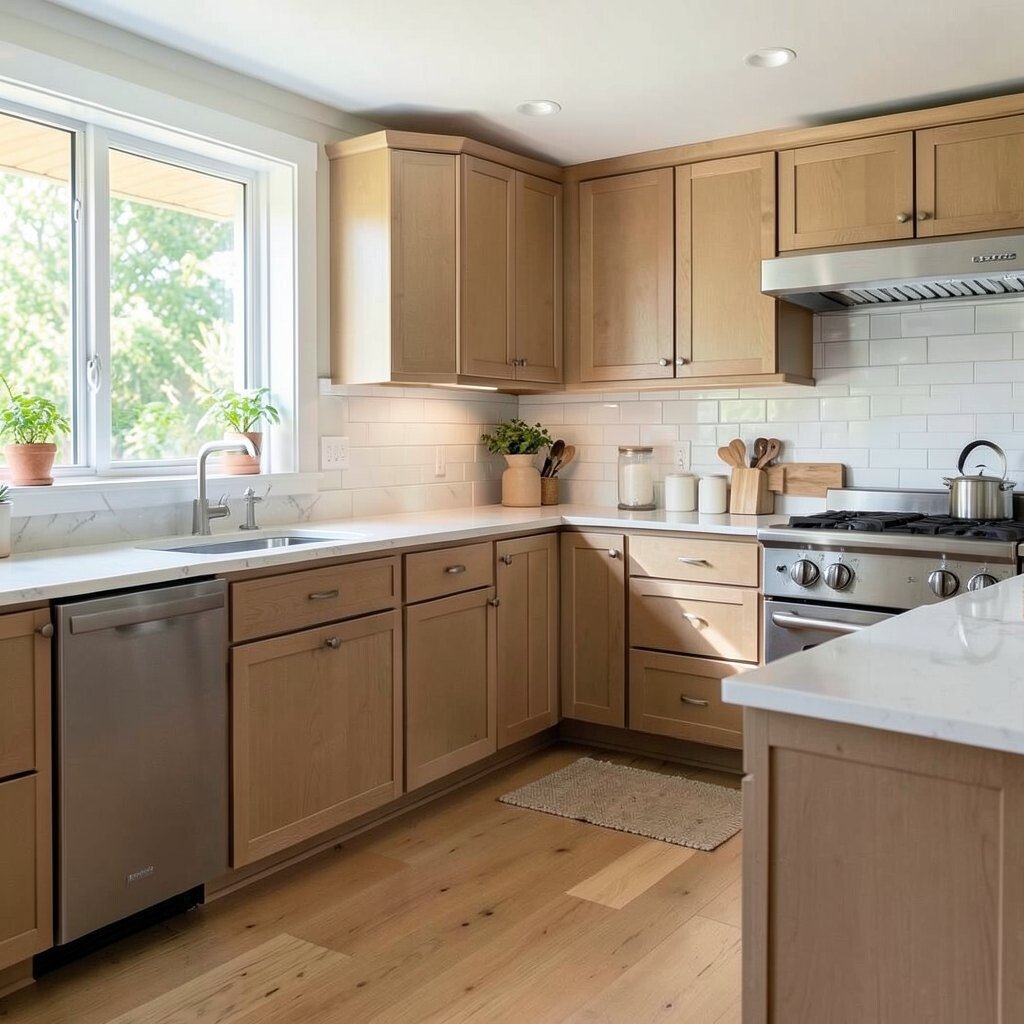
The cabinet price is only part of the full cost. You may also need to pay for delivery, installation, trim, hardware, and possible repairs.
It helps to write down your spending limit before shopping. That way, you can focus on choices that fit your wallet and still look great.
9. Look at Cabinet Quality Up Close
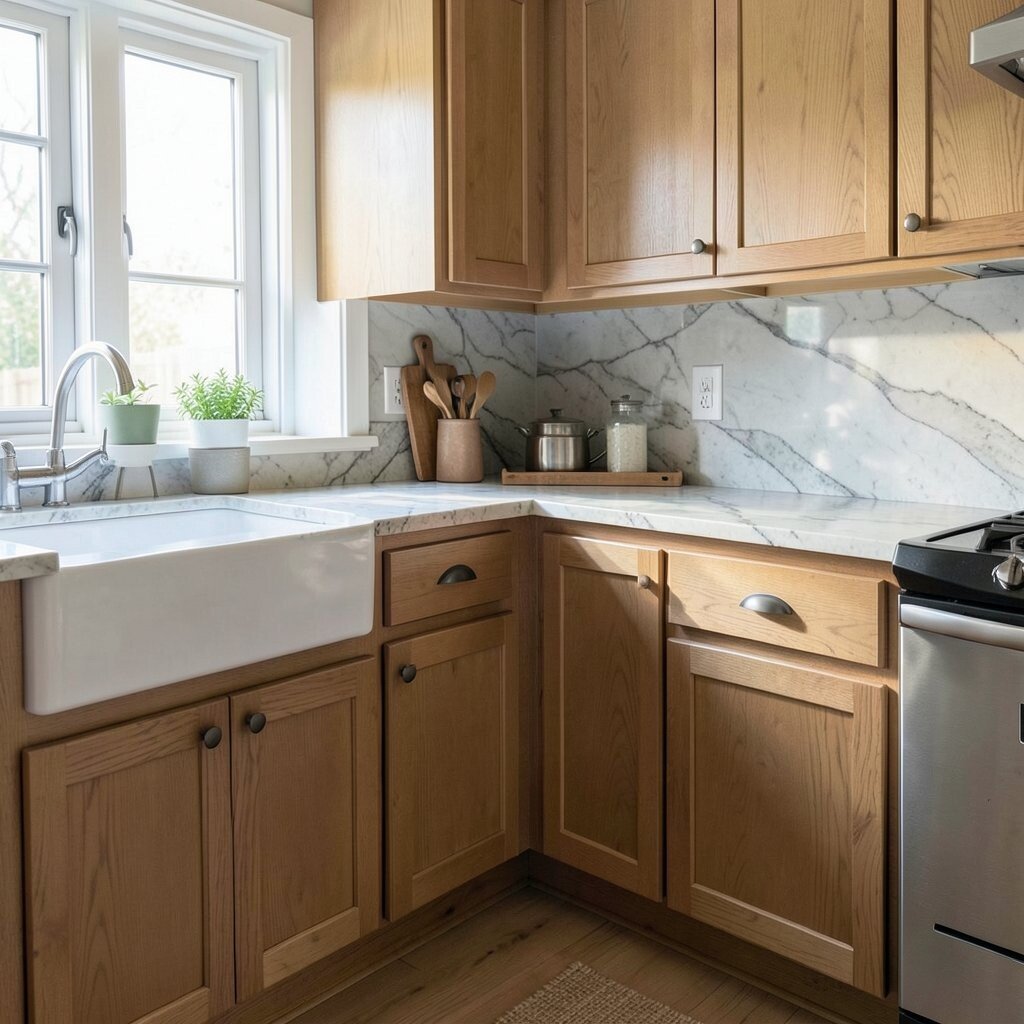
Cabinets can look beautiful in photos and still feel weak in person. Open the doors, check the hinges, and feel the drawer movement if you can.
Strong joints, smooth finishes, and solid backs often mean better quality. These details may not stand out right away, but they can help cabinets last longer.
Ask how the cabinet box is built and what kind of finish is used. A little curiosity now can protect you from spending on something that wears out too soon.
10. Plan for Easy Cleaning
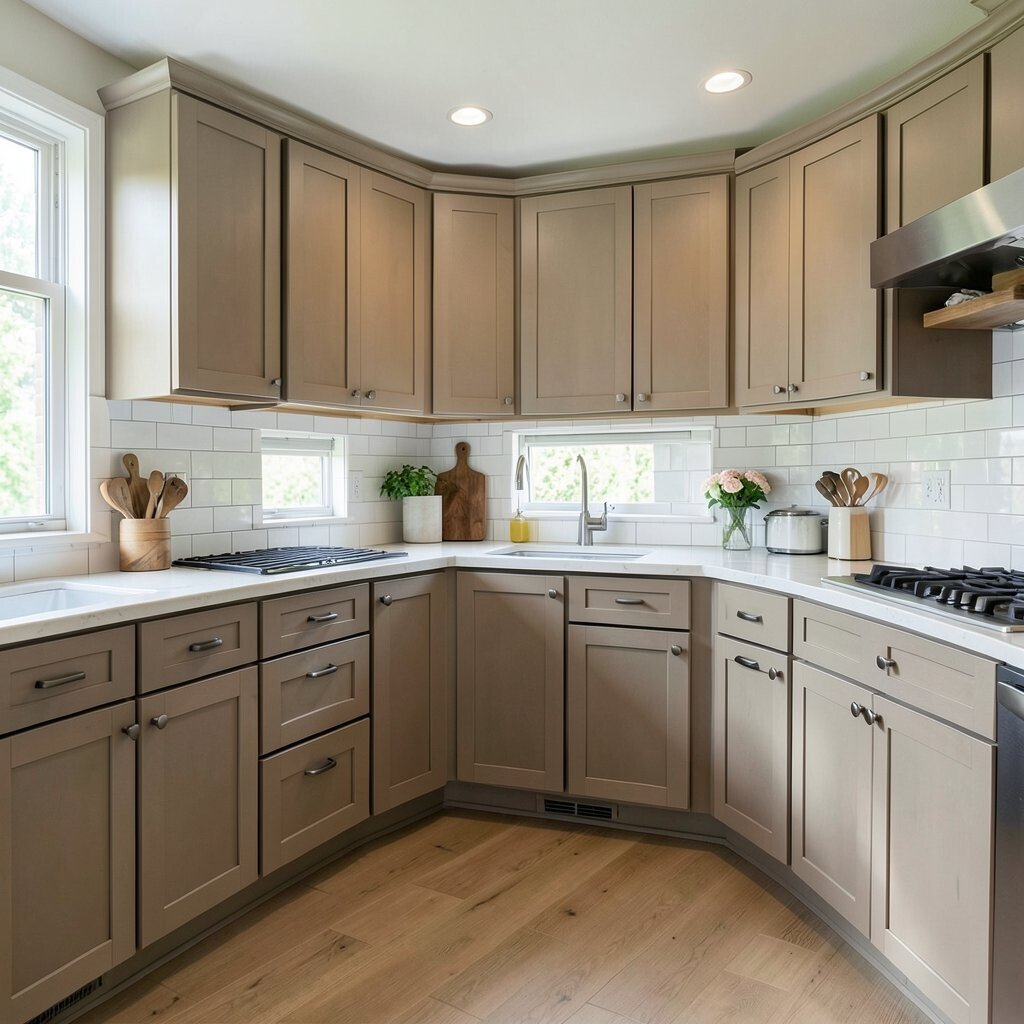
Kitchen cabinets get touched all day, so they should be easy to wipe down. Smooth finishes and simple door shapes can make cleaning much faster.
Very fancy grooves may look lovely, but they can trap dust and grease. If you cook often, a low-fuss design may be the better choice.
Light colors can show marks more easily, while darker colors may show dust. Think about your cleaning style so the cabinets stay nice without extra work.
Some newer finishes resist smudges better than older ones. That trend is helpful for homes with kids, pets, or lots of cooking.
11. Make Room for Your Future Needs
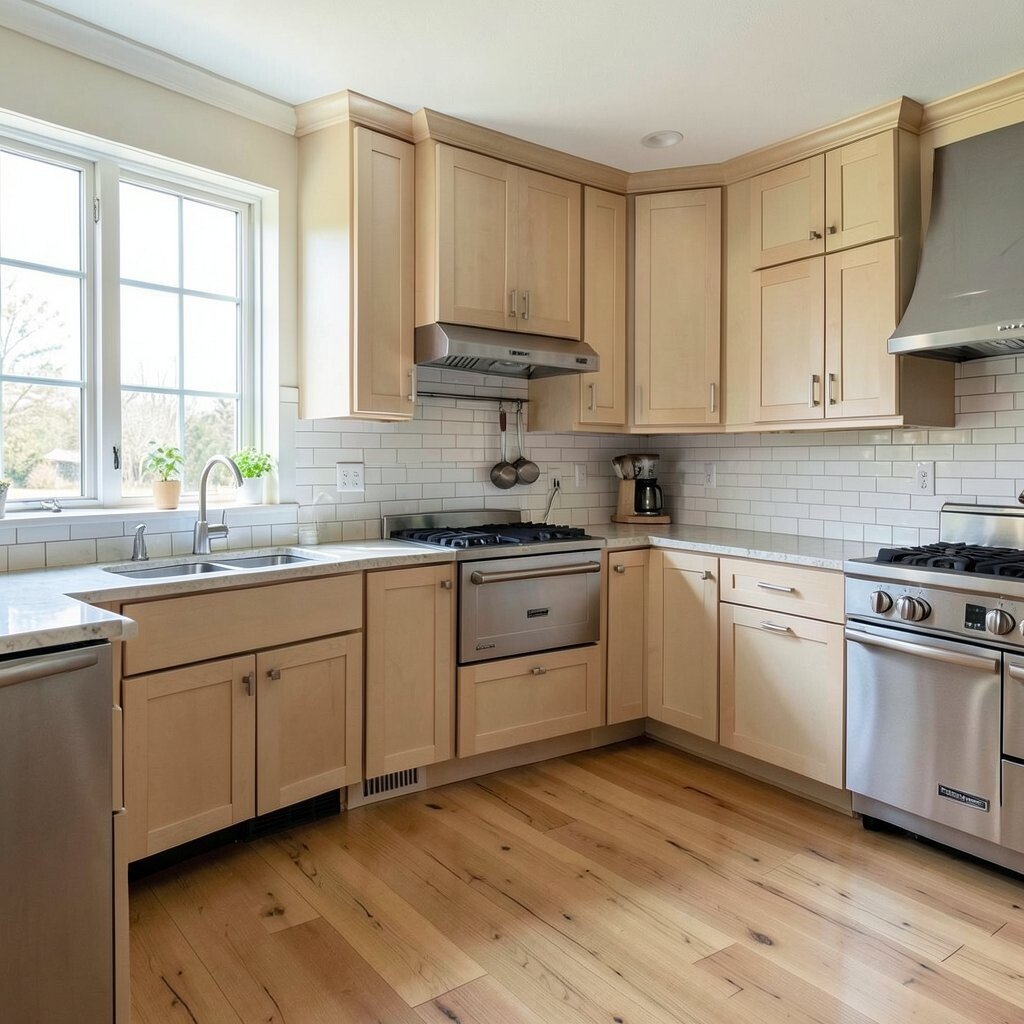
Think beyond today and picture how your kitchen may need to work later. Your family may grow, your cooking style may change, or you may add new tools.
Cabinets with flexible shelves and roomy drawers can adapt more easily over time. This can save you from replacing them again too soon.
If you love baking, plan space for trays, mixers, and tall containers. If you like simple meals, you may want fewer cabinets and more open space instead.
Personal touches matter here, since the best kitchen is one that supports your real life. A cabinet setup that fits your habits can make every day feel smoother.
12. Think About Installation and Timing
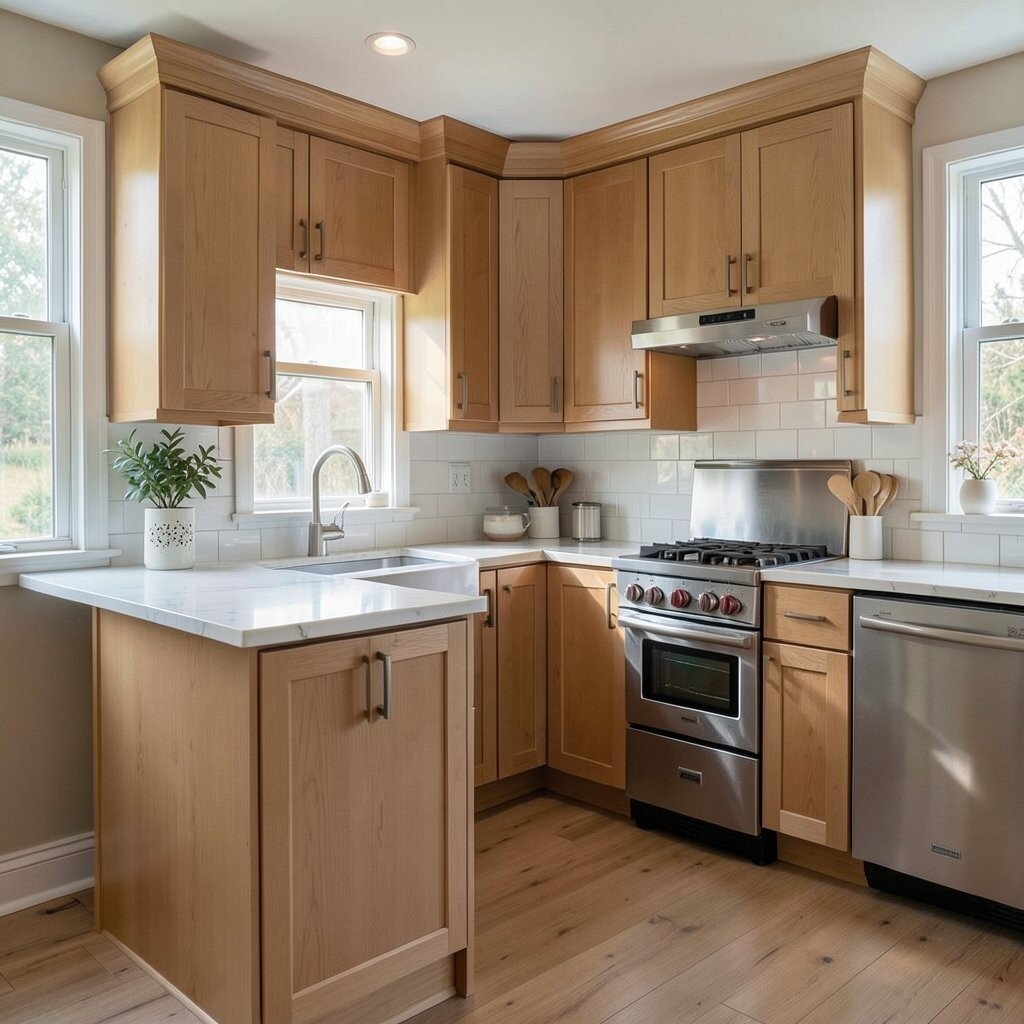
Even the nicest cabinets can cause stress if the install goes badly. Ask who will install them, how long it will take, and what happens if problems show up.
Some cabinet orders take weeks or even months to arrive, especially custom ones. Planning early can help you avoid living in a half-finished kitchen longer than needed.
It is also wise to check if walls, floors, or plumbing need work first. A good schedule keeps the project moving and may save money on surprise delays.
13. Choose Details That Make the Kitchen Feel Like Yours
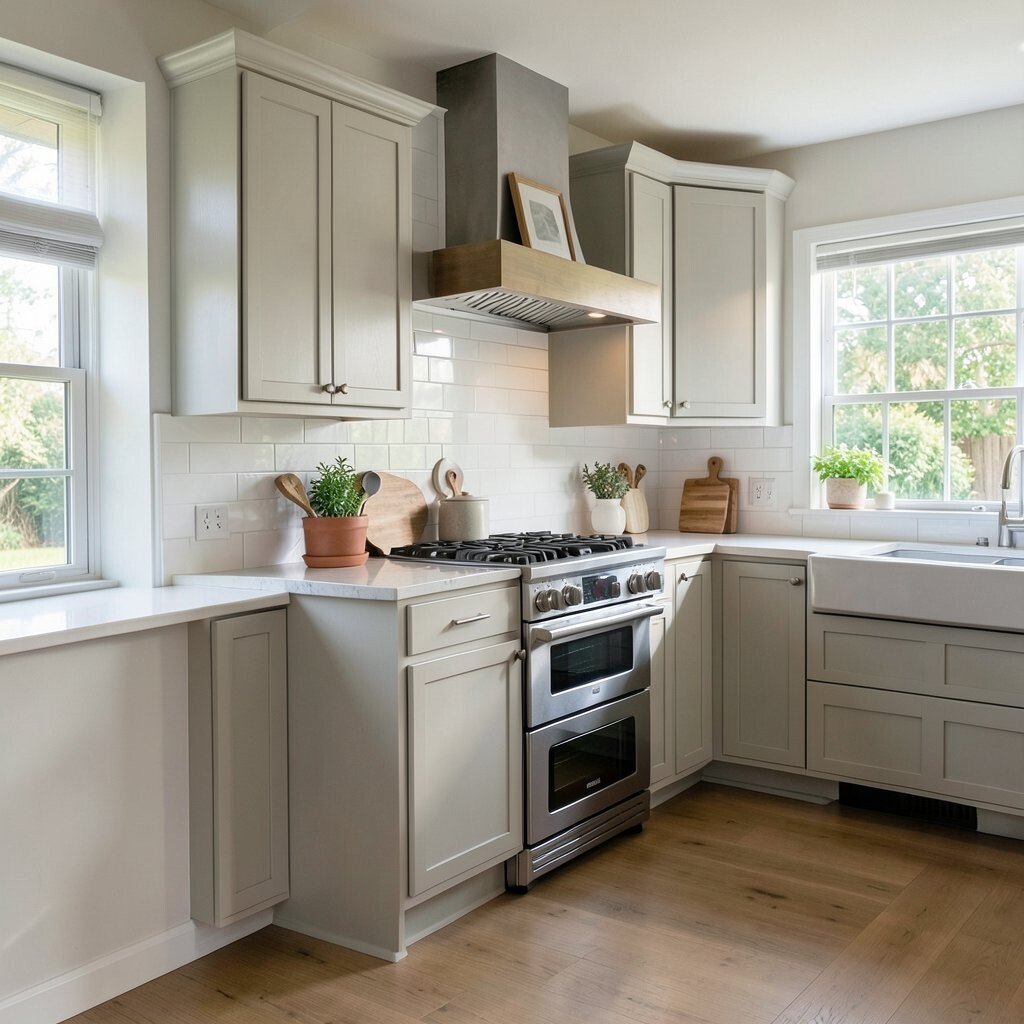
Small details can make cabinets feel special and personal. Glass doors, warm wood tones, open cubbies, and mixed finishes can all add charm.
Think about what makes you smile when you walk into the room. Your kitchen should feel useful, but it should also feel welcoming and true to your style.
Current trends lean toward calm colors, natural textures, and clean lines, yet the best choice is still the one you love. A cabinet design with your own touch will feel fresh long after trends change.