A countertop can make a kitchen feel calm or chaotic in a flash. Small choices here can change the whole room.
1. Picking A Countertop That Fights The Cabinets
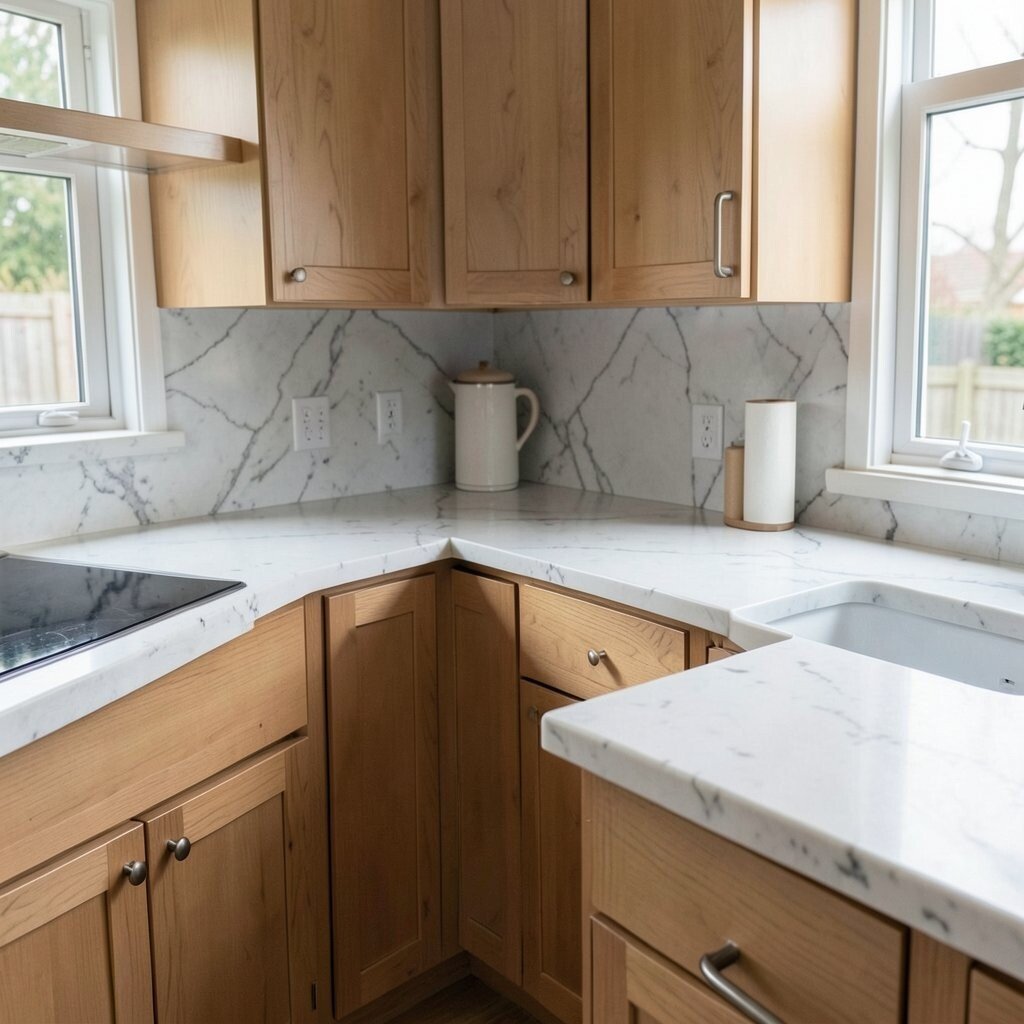
A countertop should work with the cabinets, not argue with them. When the colors and patterns clash, the kitchen can feel busy and uneven.
Soft white cabinets often look best with warm stone or gentle veining, while dark cabinets may need a lighter top to keep the room open. If you want a bold look, pick one strong feature and keep the rest simple so the space feels balanced.
2. Ignoring The Way Light Hits The Surface
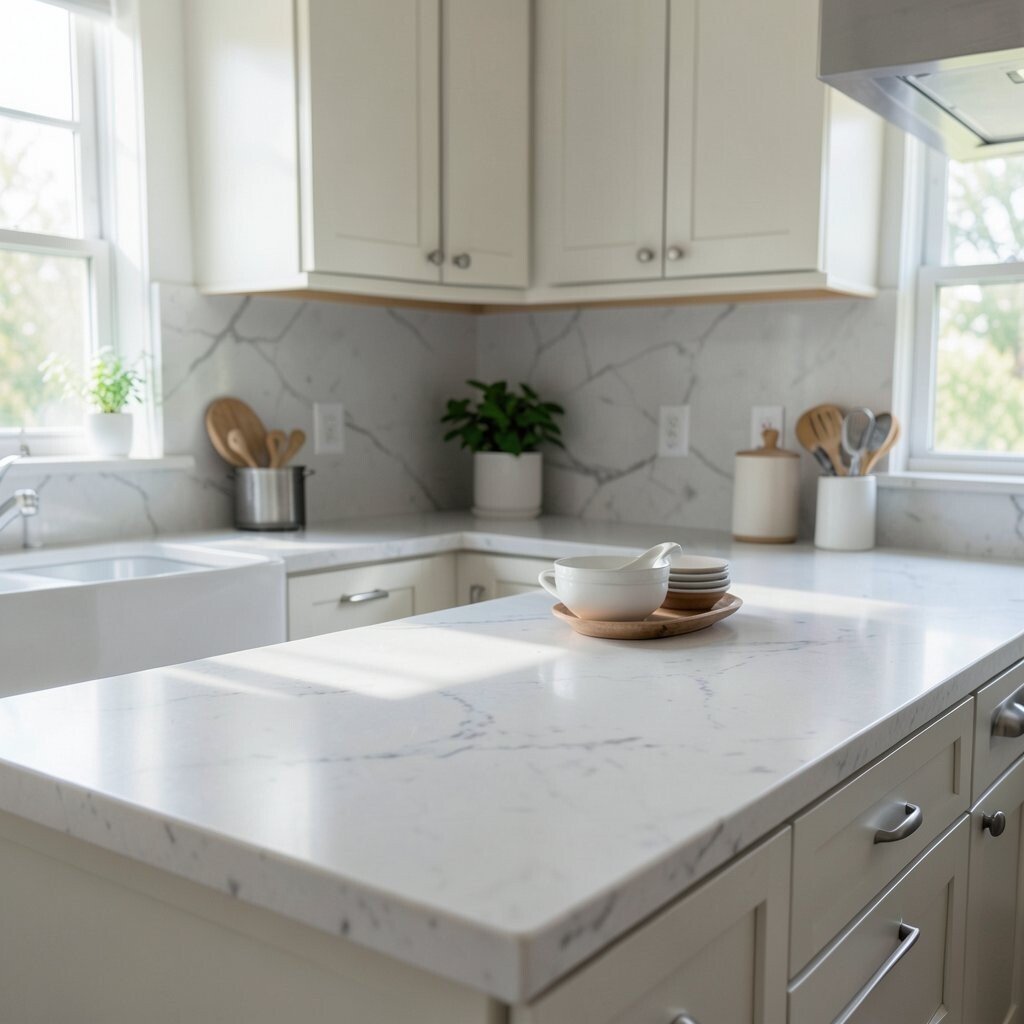
Light can make a countertop look rich and bright, or dull and flat. A glossy top near a sunny window may sparkle in a lovely way, but it can also show glare and fingerprints.
Matte finishes can feel calm and modern, while polished surfaces bring shine and a dressier look. Before you choose, hold samples in morning light and at night, since the same slab can look very different.
This step can save money too, because the right finish may hide wear and cut down on cleaning stress. For a personal touch, think about how your room feels most often, then match the surface to that mood.
3. Choosing A Trend Without Thinking About Daily Use
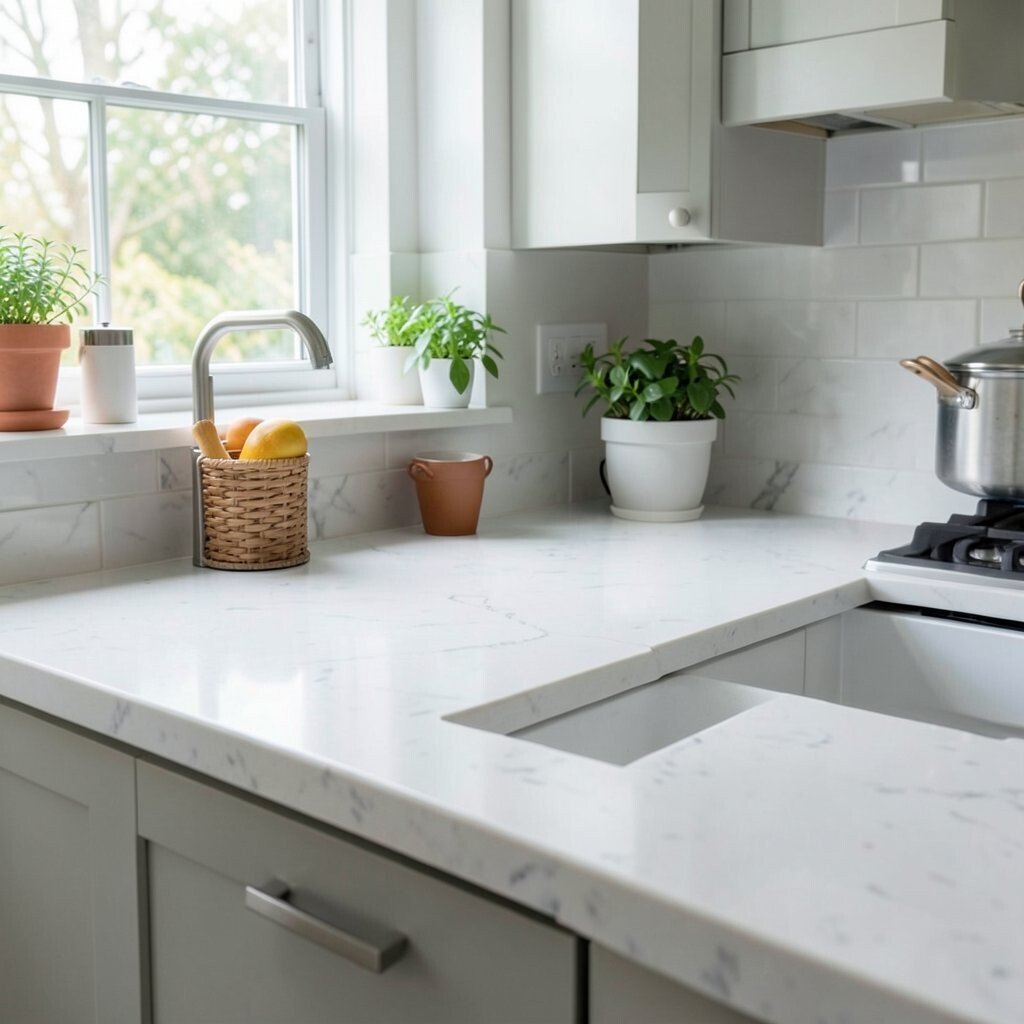
Trendy countertops can look amazing in photos, but a kitchen needs to work in real life. A very delicate surface may stain, scratch, or chip faster than you expect.
Quartz, butcher block, granite, and solid surface each bring a different feel and care level. If your family cooks a lot, choose a top that fits your habits instead of chasing a look that may fade fast.
Current styles often favor simple stone looks, soft movement, and warm natural shades. You can still make it unique with edge shape, backsplash pairings, or a mixed-material island that feels more personal.
4. Forgetting About Countertop Thickness
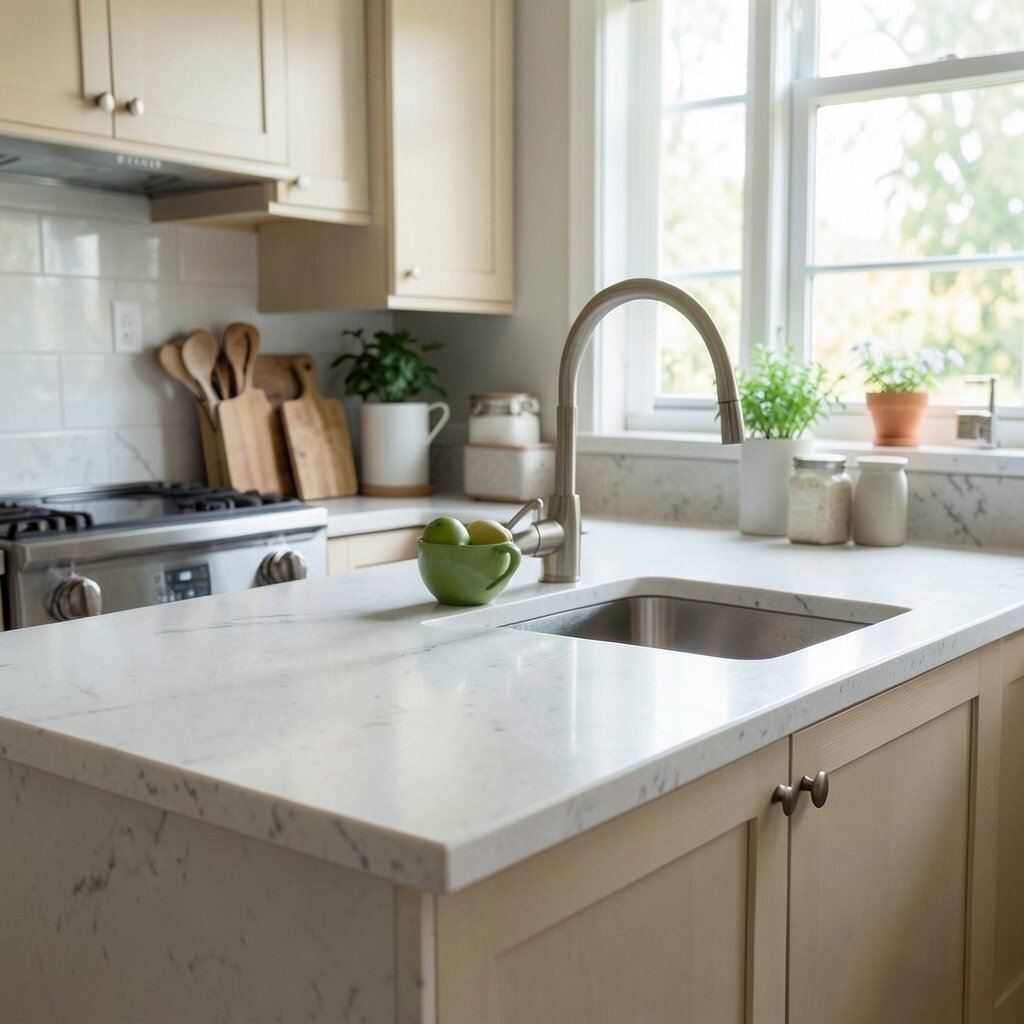
The thickness of a countertop changes the whole mood of the kitchen. A slim slab can feel light and sleek, while a thicker edge can look bold and strong.
Too much thickness may make a small kitchen feel heavy, and too little can seem weak in a large room. Think about the scale of your cabinets, island, and stools so the top looks like it belongs.
Cost matters here, since thicker edges often use more material and can raise the price. If you want a custom feel without spending too much, a simple edge profile can add style without the extra bulk.
One smart tip is to compare samples at the actual size you plan to use. That makes it easier to picture the final look and avoid a choice that feels off later.
5. Using Too Many Busy Patterns At Once
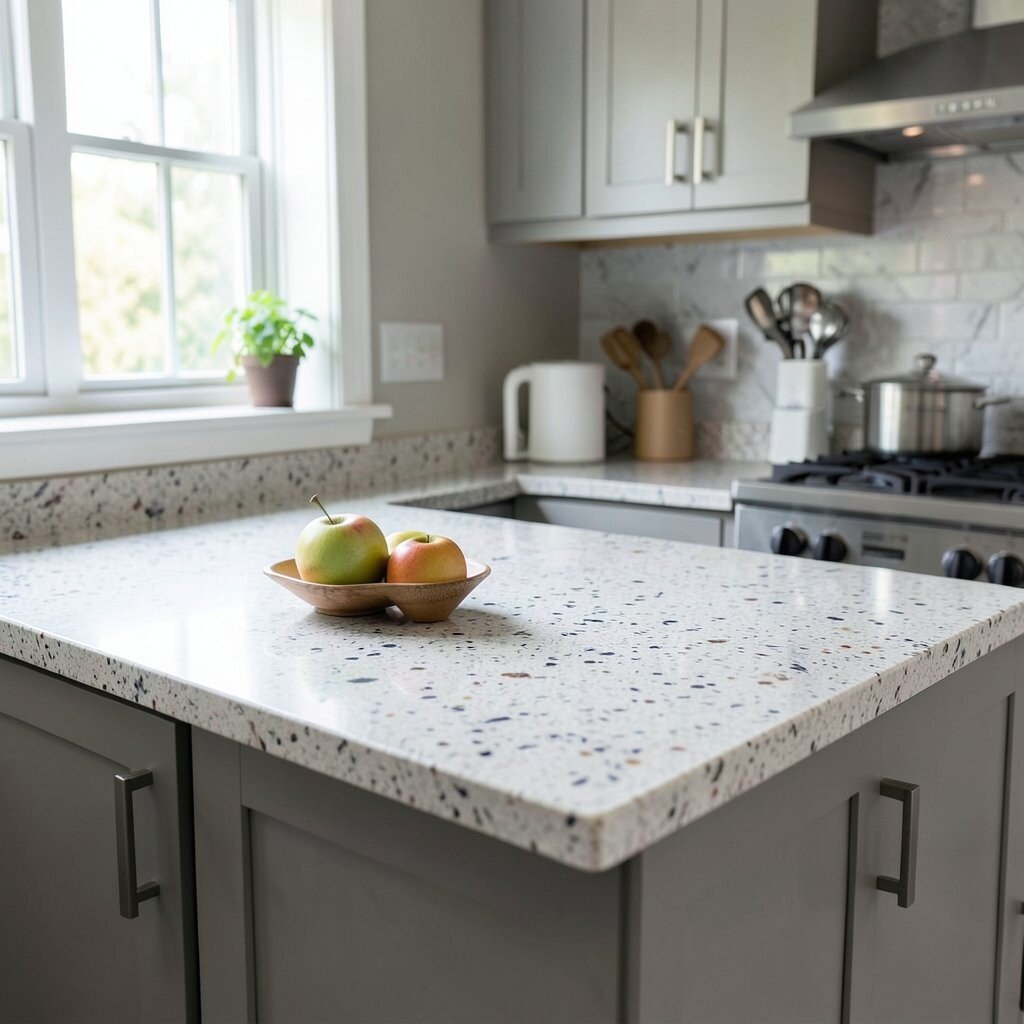
A countertop with strong veining or heavy speckles can be beautiful on its own. Trouble starts when the backsplash, floors, and cabinets all shout at the same time.
Too many patterns can make the kitchen feel smaller and harder to enjoy. A cleaner design gives the eye a place to rest and helps the room feel neat.
If you love a dramatic slab, keep nearby surfaces simple and let the countertop be the star. That creates a custom look that feels fresh, not crowded, and it can also help you spend less on extra decorative pieces.
6. Choosing A Color That Shows Every Mess
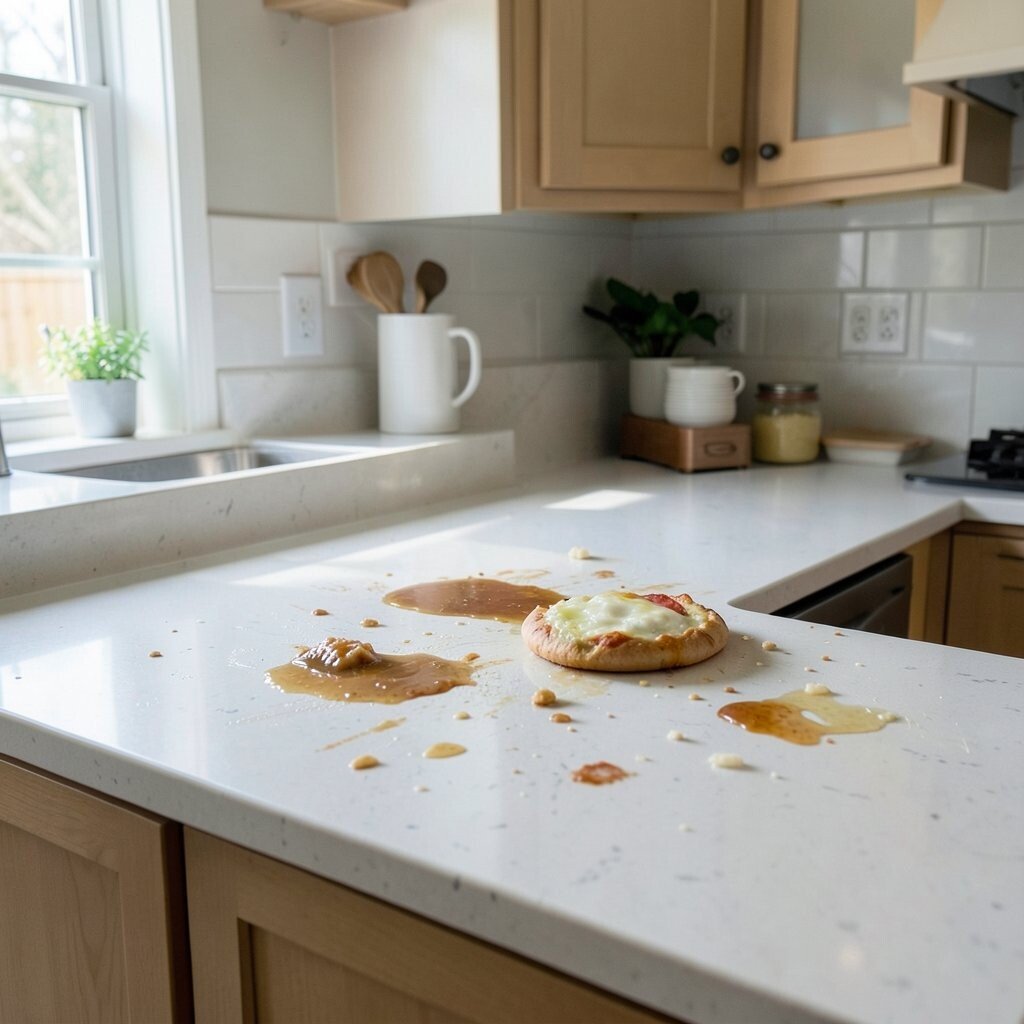
Some countertop colors look lovely in a showroom but reveal crumbs, smudges, and spills right away. Very dark or very bright surfaces can both be hard to keep looking tidy.
Mid-tone shades often hide daily wear better and still feel stylish. Soft gray, warm beige, and speckled stone can make cleanup feel less stressful.
This is a good place to think about your home life and your cleaning style. If you want a more personal touch, pick a color that matches your favorite dishes, wood tones, or wall paint.
That simple choice can make the kitchen feel more lived-in and less fussy. It can also save time, since you may not need to wipe the surface every few minutes to keep it looking good.
7. Skipping The Right Countertop Height
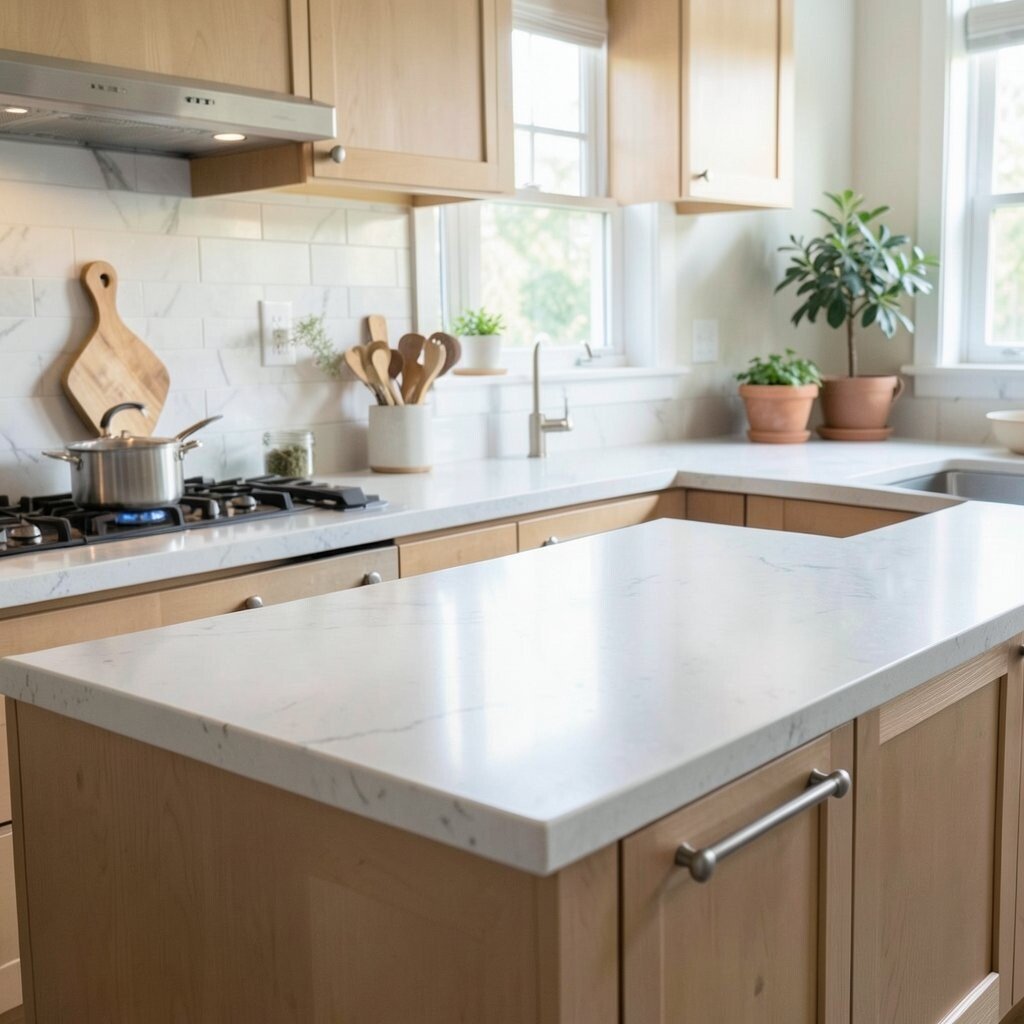
A countertop that sits too high or too low can make cooking feel awkward. The room may still look nice, but daily tasks can become tiring fast.
Comfort matters more than many people think, especially for chopping, mixing, and washing. The best height should fit the people who use the kitchen most often.
For a more personal design, you can set an island at one height and a prep area at another. That kind of planning adds uniqueness and can make the whole space feel more thoughtful.
It may cost a little more to adjust cabinet bases or custom supports, but the comfort is often worth it. A kitchen that feels easy to use usually looks better too, because everything seems in the right place.
8. Forgetting The Countertop Edge Style
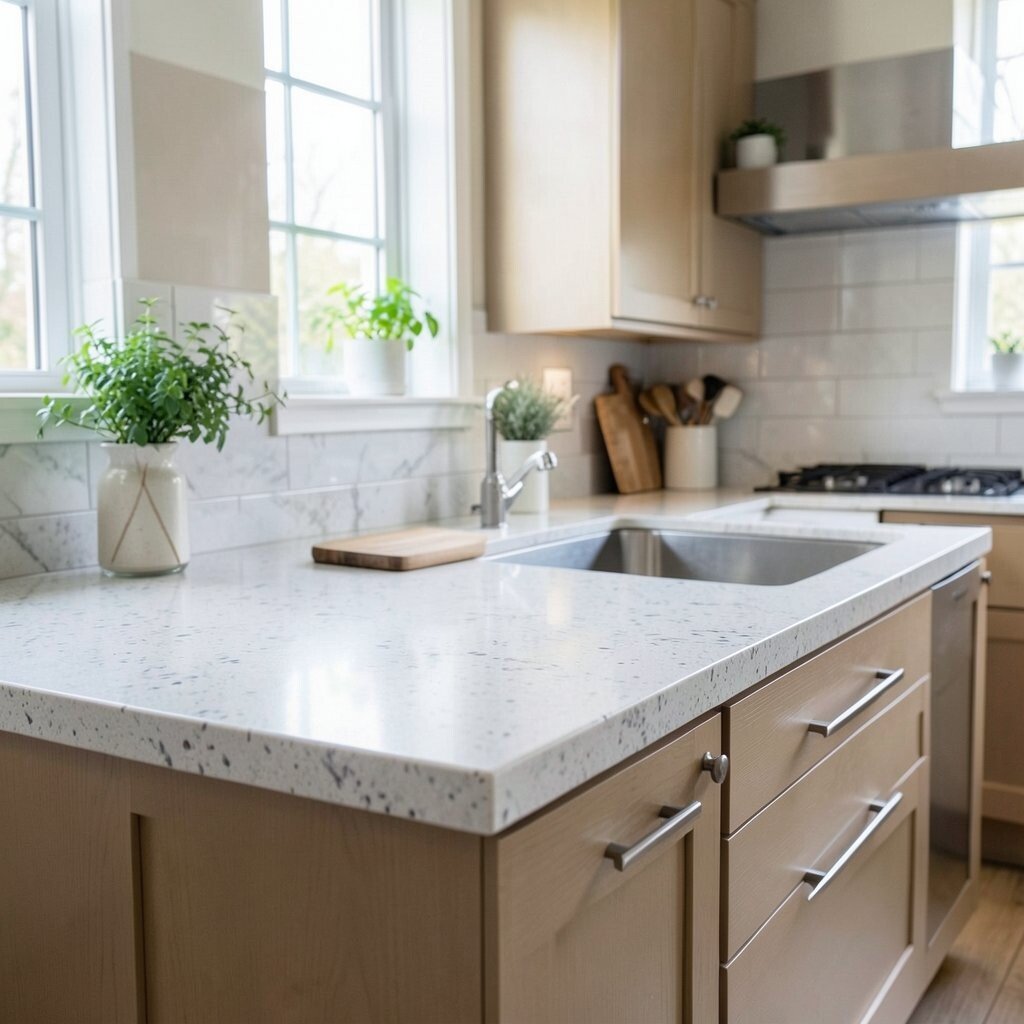
The edge of a countertop may seem small, but it changes the whole finish. A plain square edge feels clean and modern, while a rounded or beveled edge adds softness.
Sharp edges can look crisp, yet they may feel hard in a busy family kitchen. A softer edge can be safer and easier on little hands, bags, and elbows.
Think about how the edge works with your cabinets and hardware so the room feels complete. This detail can be a quiet way to make the kitchen feel more custom without a huge cost.
If you want a unique look, ask for a simple edge with one small twist, like a gentle curve. That tiny change can give the countertop personality without making it look too fancy.
9. Not Planning For Sink And Appliance Cutouts
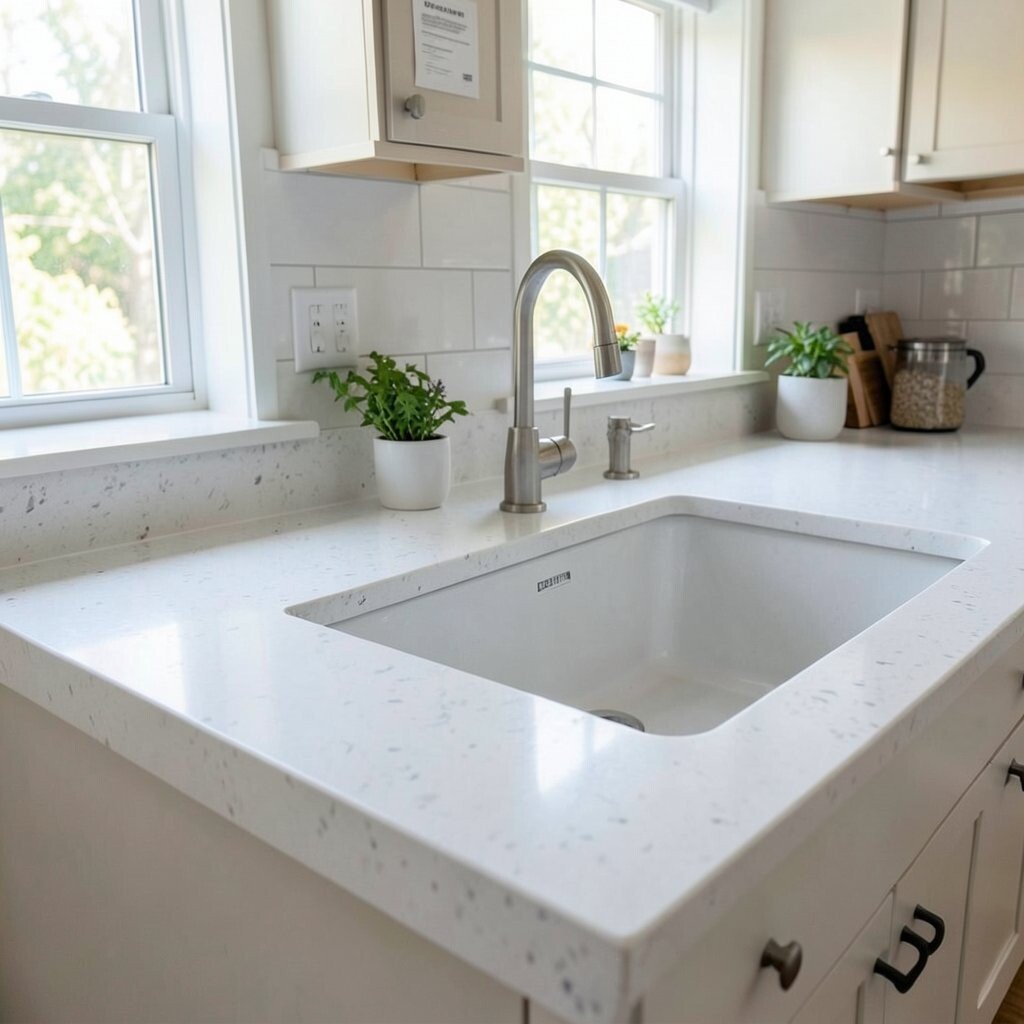
A beautiful countertop can lose its charm if the sink and appliances feel squeezed in. Poor cutout planning can leave weak spots, awkward seams, or a cluttered look.
The area around the sink gets a lot of use, so it needs enough support and space. If the layout feels crowded, the whole kitchen can seem smaller than it really is.
Be sure the faucet, soap dispenser, and drain area all fit with room to spare. Careful planning can also help you avoid extra costs from mistakes, remakes, or wasted stone.
For a cleaner style, keep the main work zone simple and place small tools nearby in trays or drawers. That makes the countertop look neat while still staying useful every day.
10. Choosing A Surface That Needs Too Much Care
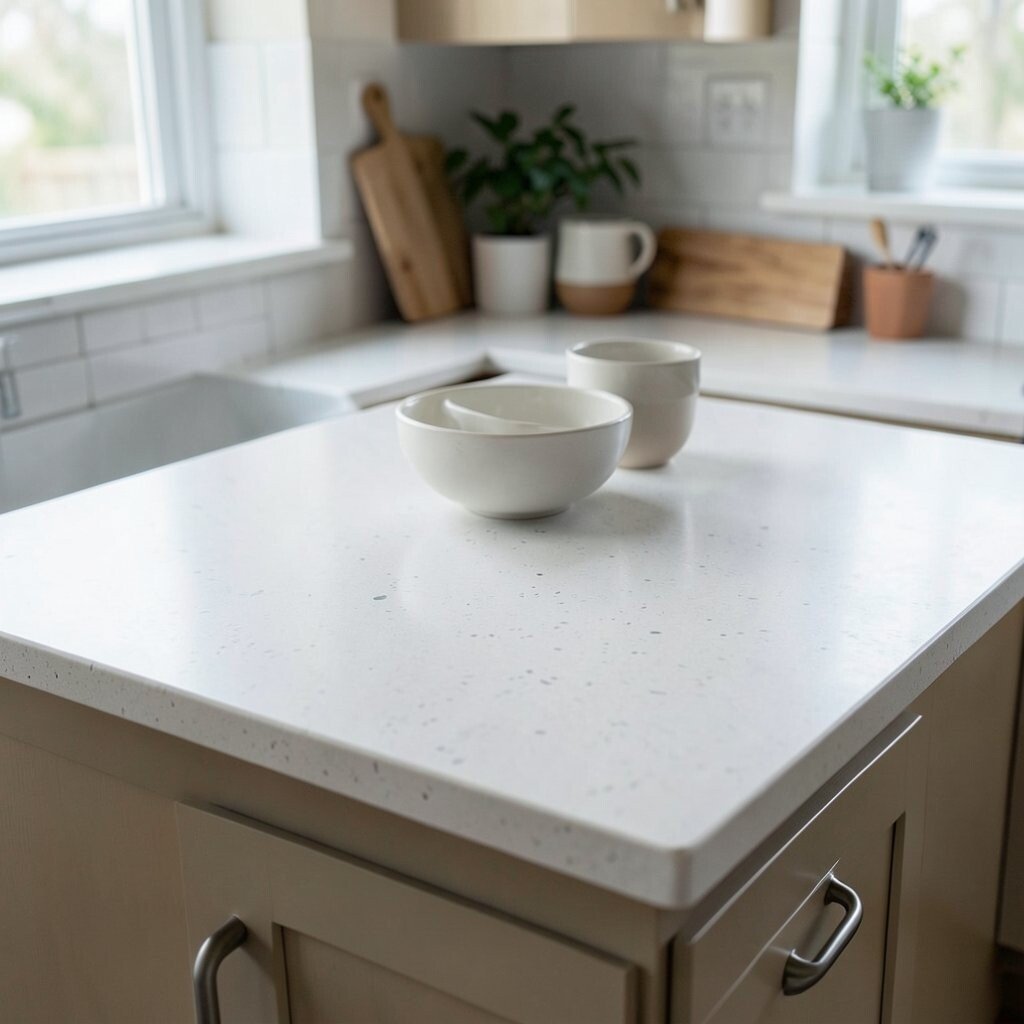
Some countertops ask for sealing, special cleaners, or gentle habits all the time. That can be fine for a careful home, but it may feel stressful in a busy one.
High-maintenance materials can take away from the joy of cooking and gathering. If a top needs constant babying, it may stop feeling like a treat and start feeling like a chore.
Low-care options can give you more freedom and a cleaner look with less work. Quartz and other easy-care surfaces are popular for this reason, especially in homes that want style without extra fuss.
To personalize the choice, match the material to your routine, not just the picture in your mind. A countertop that fits your life will stay beautiful longer and may even help keep the whole room looking calmer.
11. Ignoring The Backsplash Connection
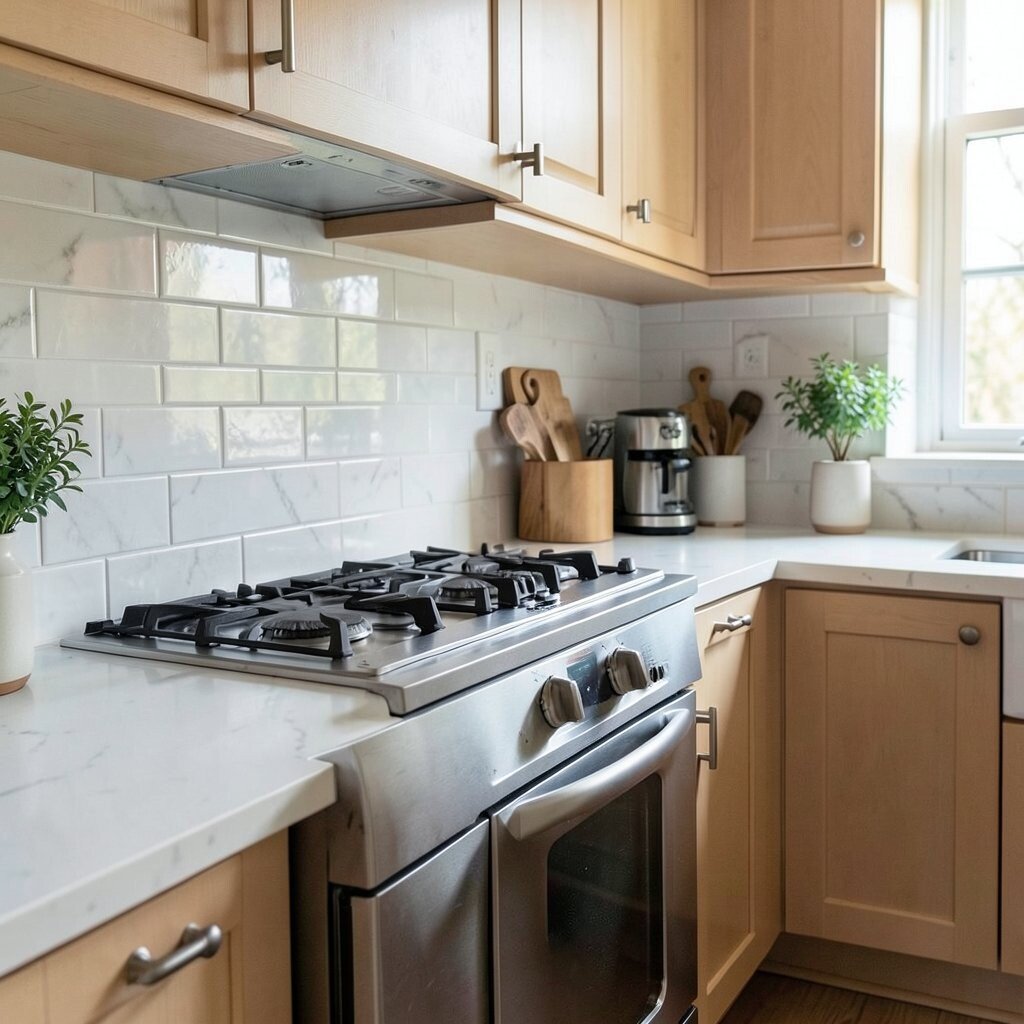
The countertop and backsplash should feel like friends, not strangers. When they clash, the wall and worktop can pull attention away from the rest of the room.
A smooth stone top with a simple tile backsplash often feels fresh and easy on the eyes. If both surfaces are bold, the kitchen may feel loud and less polished.
Try holding samples next to each other before you buy anything. That small step can help you see if the colors, shine, and patterns create a nice flow or a messy break.
You can also use this pairing to show your style in a soft way. A handmade tile with a quiet countertop, for example, can give the kitchen warmth and uniqueness without adding too much cost.
12. Leaving No Space For Everyday Clutter
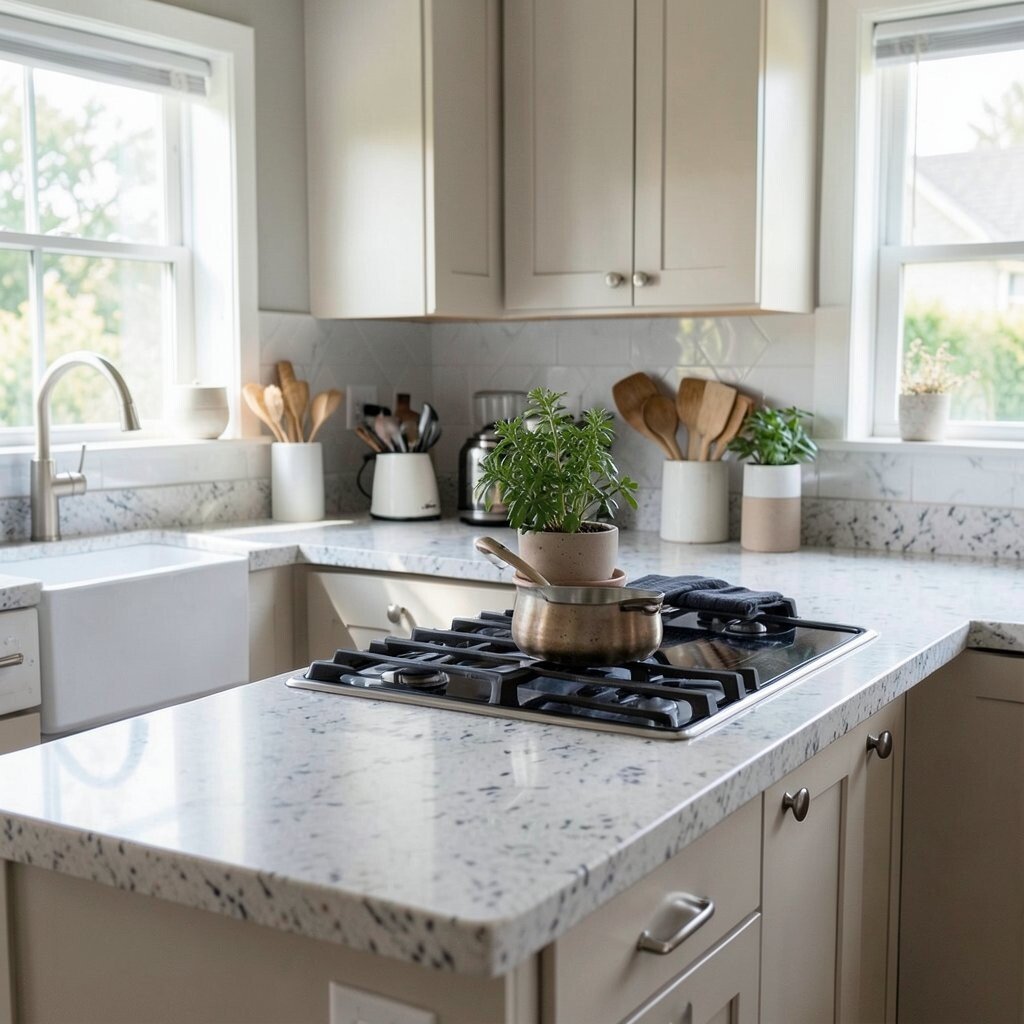
Even the prettiest countertop can look messy if every inch is packed. Small appliances, mail, keys, and cooking tools can quickly steal the clean look you wanted.
Good design leaves breathing room on purpose. Open space makes the room feel bigger, calmer, and more ready for real life.
Plan a landing zone near the stove and sink, then keep the rest of the top clear when you can. Baskets, trays, and hidden storage can help you keep things neat without losing style.
If you love a personal touch, set out one special item, like a bowl or plant, instead of many little things. That gives the countertop charm while still letting the material shine.
13. Forgetting To Match The Countertop To The Whole Home
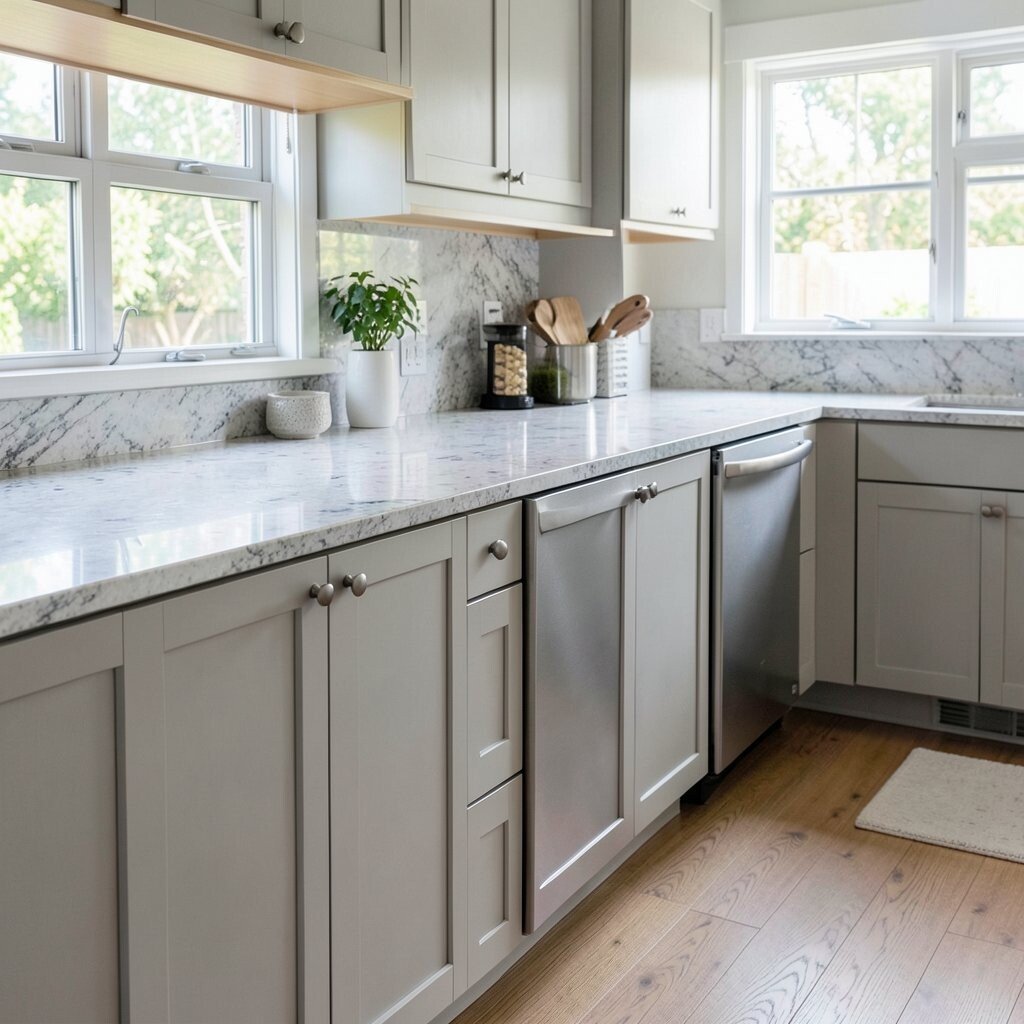
A countertop should feel right in the kitchen, but it should also fit the rest of the house. When the style is too far from nearby rooms, the kitchen can feel like it belongs to someone else.
Think about floors, wall colors, and even the mood of the dining area or living room. A smooth link between spaces helps the home feel more complete and welcoming.
This is a great place to show your own taste while still keeping the design steady. You might choose a warm stone for a cozy home, or a sleek surface for a modern one, depending on the story you want the room to tell.
Cost can guide the choice too, since a well-matched countertop may reduce the need for other updates. When the whole home works together, the kitchen often looks richer, calmer, and more finished.