
Cozy kitchens can feel like a warm hug. But small design slips can make cooking harder than it should be.
1. Crowding the counters with too much stuff
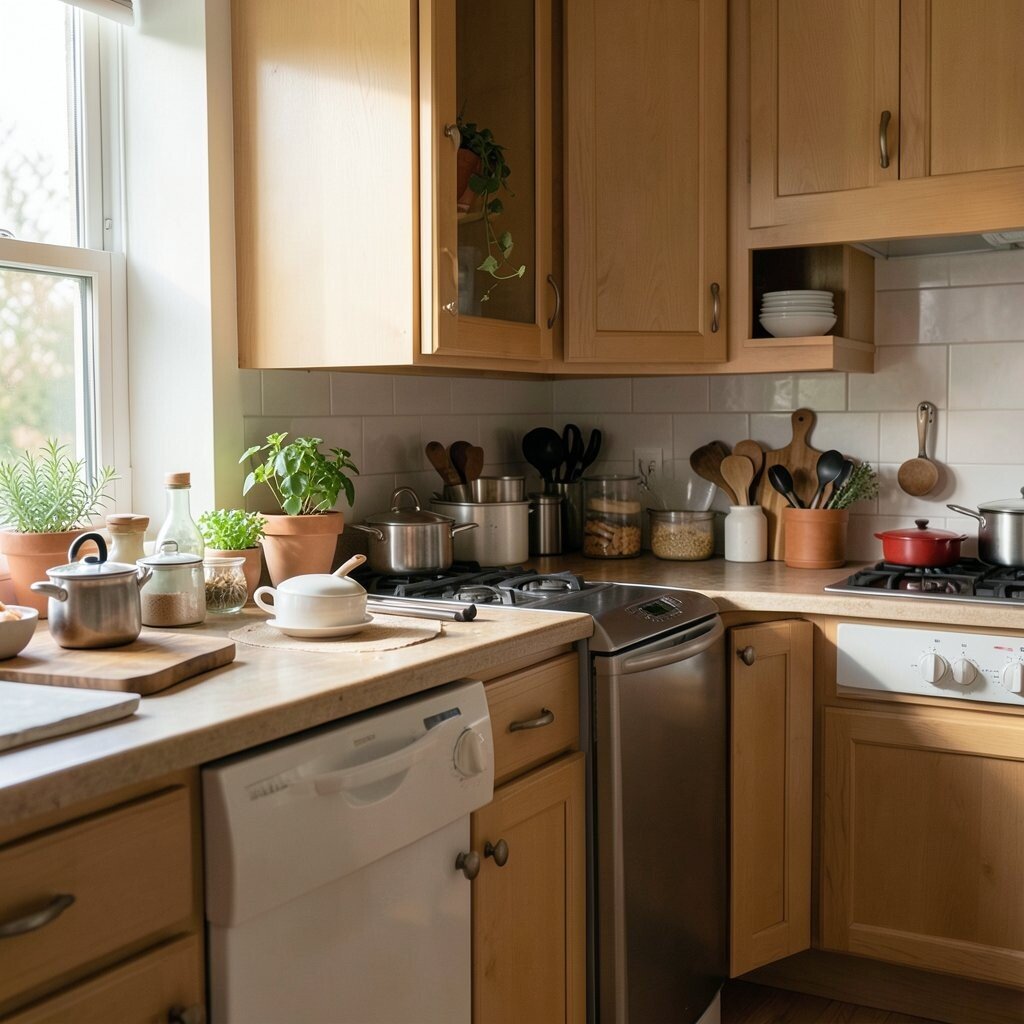
A cozy kitchen should feel calm, not packed edge to edge with gadgets and jars. When every inch of counter space is covered, chopping, mixing, and plating all get harder.
Clear counters make the room look brighter and bigger, which is a big win in a small space. Keep only the items you use every day, like a coffee maker or knife block, and tuck the rest away. Open counter space also helps you clean faster, so the kitchen feels fresh with less effort.
2. Ignoring warm lighting

Harsh light can make a snug kitchen feel cold and plain. Soft lighting gives the room a golden glow that makes food look better and the space feel friendly.
Try under-cabinet lights, a small pendant, or a dimmable bulb for a softer mood. Warm light is a popular trend because it adds charm without a big remodel. If you want a personal touch, pick lamp shades or light fixtures in brass, wood, or matte black for a look that fits your style and budget.
Good lighting also helps with safe cooking, since you can see your cutting board and stove more clearly. That means fewer mistakes and less strain on your eyes.
3. Choosing style over comfort

Pretty stools and chairs can look lovely, but they should still feel good to use. If you sit down to peel vegetables or help with homework, comfort matters just as much as looks.
Pick seating with the right height and a seat that does not feel too hard. A soft cushion or a backrest can make a big difference during long cooking sessions. For a personal touch, use seat covers in colors that match your kitchen towels or curtains.
Many people like mixing cozy textures with simple shapes, since that keeps the room charming and easy to live in. A small comfort upgrade often costs less than buying all new furniture.
4. Forgetting a clear work path

A kitchen works best when you can move from sink to stove to prep area without bumping into things. A blocked path can make cooking feel rushed and tiring.
Keep chairs, trash bins, and pet bowls out of the main walk space. This makes the kitchen safer and helps more than one person cook at the same time. If your room is tight, use slim storage pieces on wheels that can move aside when needed.
5. Using too many dark colors

Deep colors can look rich, but too much of them can make a cozy kitchen feel smaller and heavier. A room with no light balance may seem closed in, even when it is neat.
Mix dark cabinets with light walls, pale dishes, or bright towels to keep the space cheerful. This kind of contrast is very popular right now because it feels modern and still warm. If you want a custom look, add one bold color through art, a rug, or a tea kettle instead of painting everything dark.
Light and dark together create a more welcoming feel, and that can make time in the kitchen more pleasant. It also gives your food and decor a nicer backdrop.
6. Skipping easy storage solutions

When tools have no home, drawers turn messy fast. That mess can slow you down when you need a spoon, lid, or spice right away.
Use drawer dividers, shelf baskets, and hooks to keep things grouped by type. These small helpers are often low-cost and easy to add without a full kitchen update. A tidy storage plan also makes the room look more unique because each item has a clear place.
Labeling bins can be a simple way to personalize the space and help everyone in the home put things back. It saves time and cuts stress during busy meal prep.
7. Picking the wrong rug
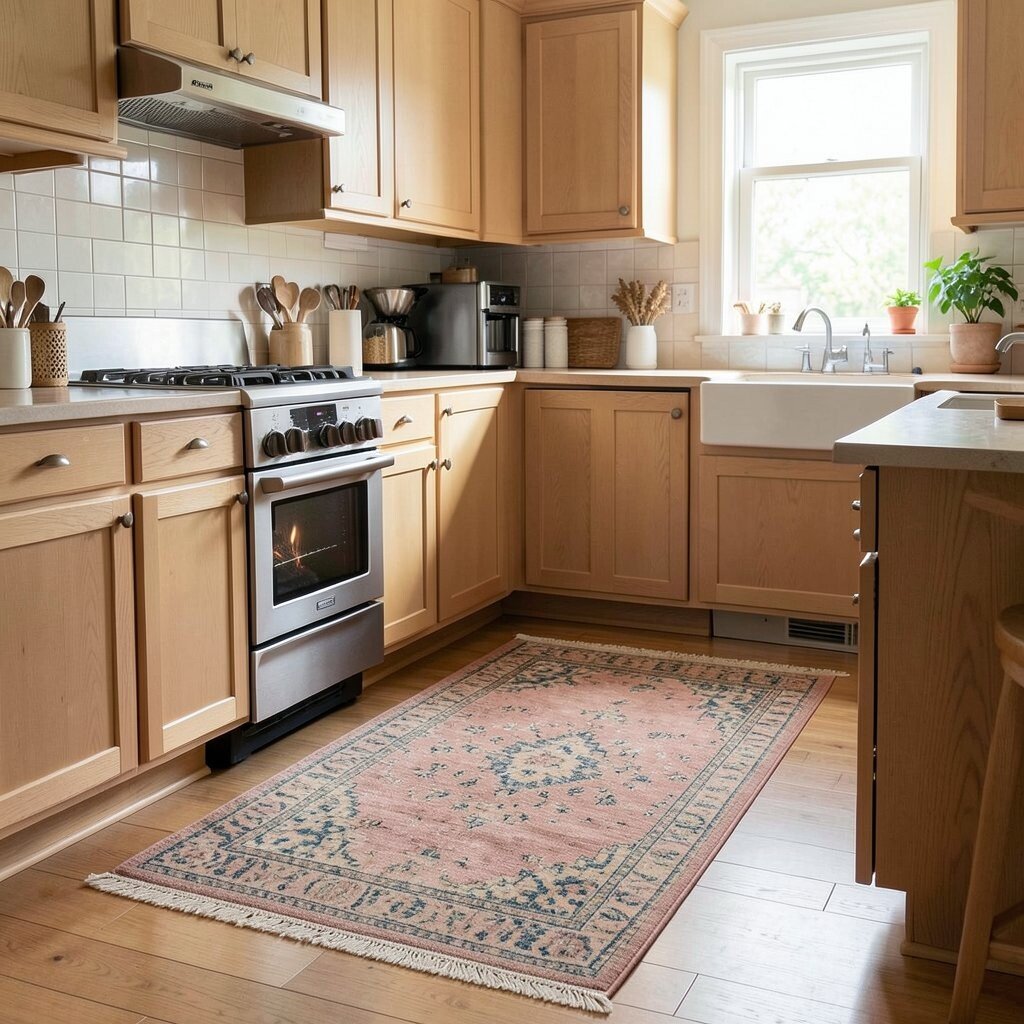
A rug can add warmth, color, and a soft feel under your feet. But the wrong rug can slip, stain easily, or get in the way while you cook.
Choose one that is easy to clean and stays in place, especially near the sink and stove. Flat weaves and washable rugs are a smart trend because they are practical and still look stylish. If you want a more personal touch, choose a pattern that matches your dishes or curtains.
A good rug can make the whole kitchen feel finished and inviting. It can also protect your floor and make standing for long periods more comfortable.
8. Blocking natural light

Sunlight makes a cozy kitchen feel lively and open. Heavy curtains, tall plants in the wrong spot, or clutter on windowsills can steal that bright feeling.
Keep windows as open as possible during the day and use light curtains if you need privacy. Natural light helps food colors look fresh and can make morning coffee feel extra pleasant. It is also a simple way to save on lighting costs while keeping the room cheerful.
Sheer fabrics and simple blinds are popular because they let in light without making the room feel bare. A small herb pot on the sill can add charm without blocking the view.
9. Buying too many matching sets
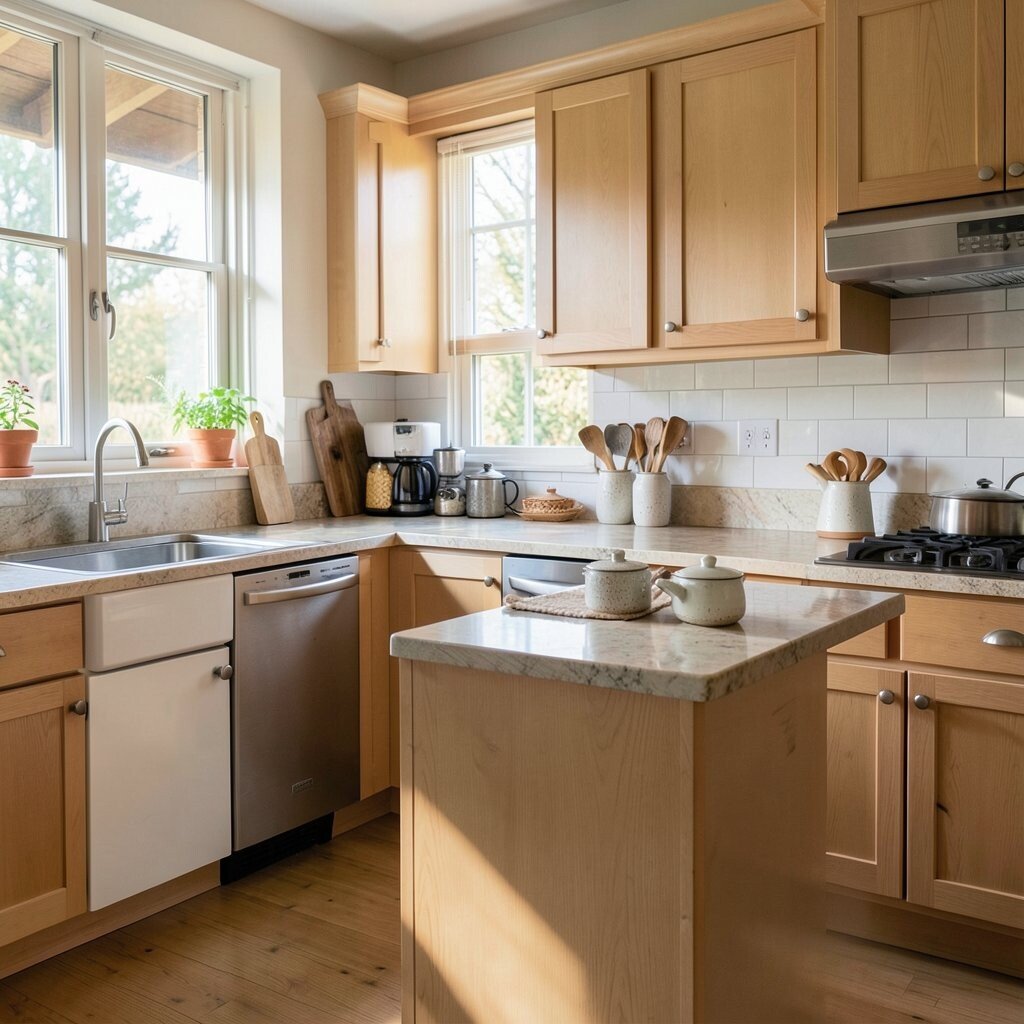
It can be tempting to buy everything in one style, but too much matching can make a kitchen feel flat. A cozy room often feels best when it has a little mix and personality.
Combine old and new pieces, like a vintage bowl with modern plates or a wooden spoon rest with sleek mugs. This gives the kitchen a collected look that feels warm and lived in. Mixing pieces can also save money because you can add items over time instead of replacing everything at once.
Personal touches make cooking more fun, and they help the kitchen feel like your own space. A few favorite pieces can say more than a full set ever could.
10. Forgetting good task zones
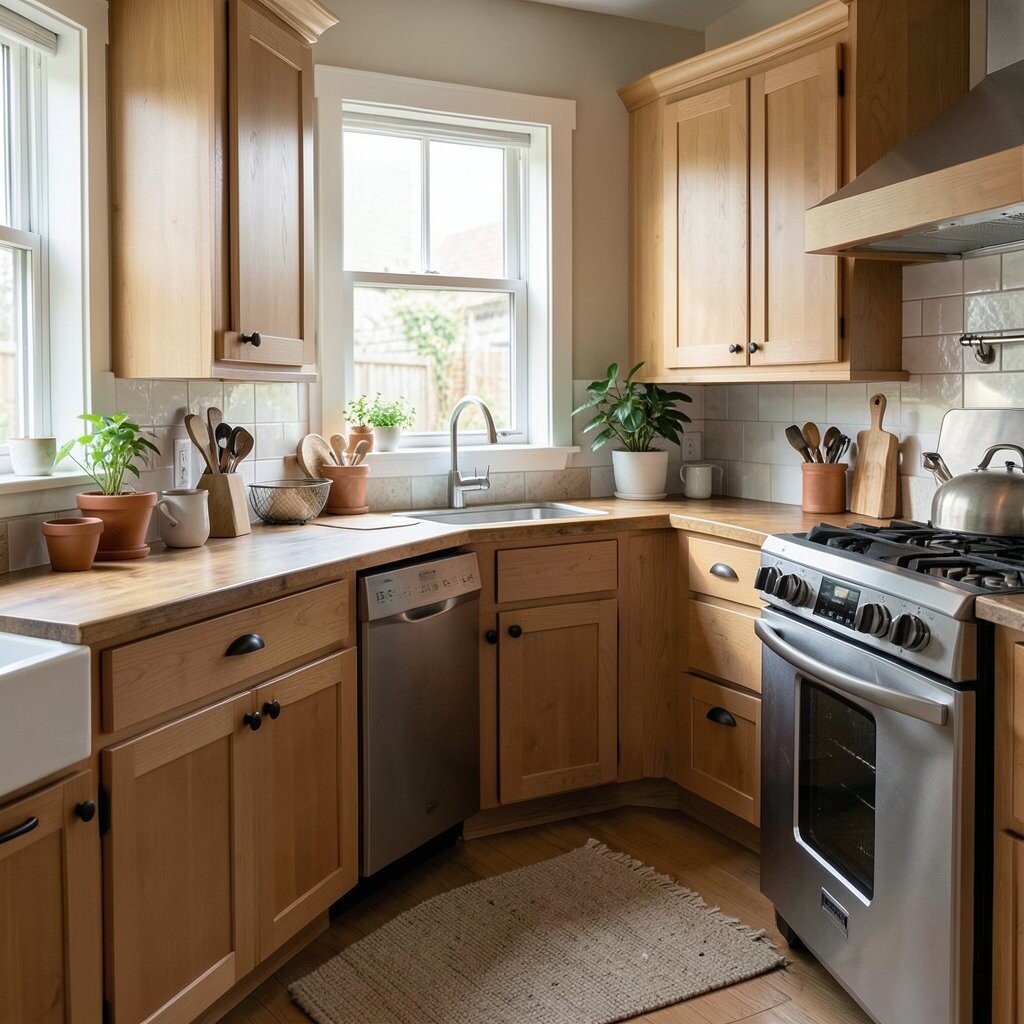
A pretty kitchen still needs smart zones for prep, cooking, and cleaning. If everything is mixed together, you may waste time walking back and forth.
Keep knives, cutting boards, and bowls near the prep area, then store pans close to the stove. This simple setup makes cooking smoother and less tiring. It also helps a small kitchen feel more organized without adding much cost.
Many home cooks like zone-based layouts because they make the space feel easy to use right away. You can personalize each zone with a small basket, a favorite utensil cup, or a color theme that fits the rest of the room.
11. Overlooking scent and freshness
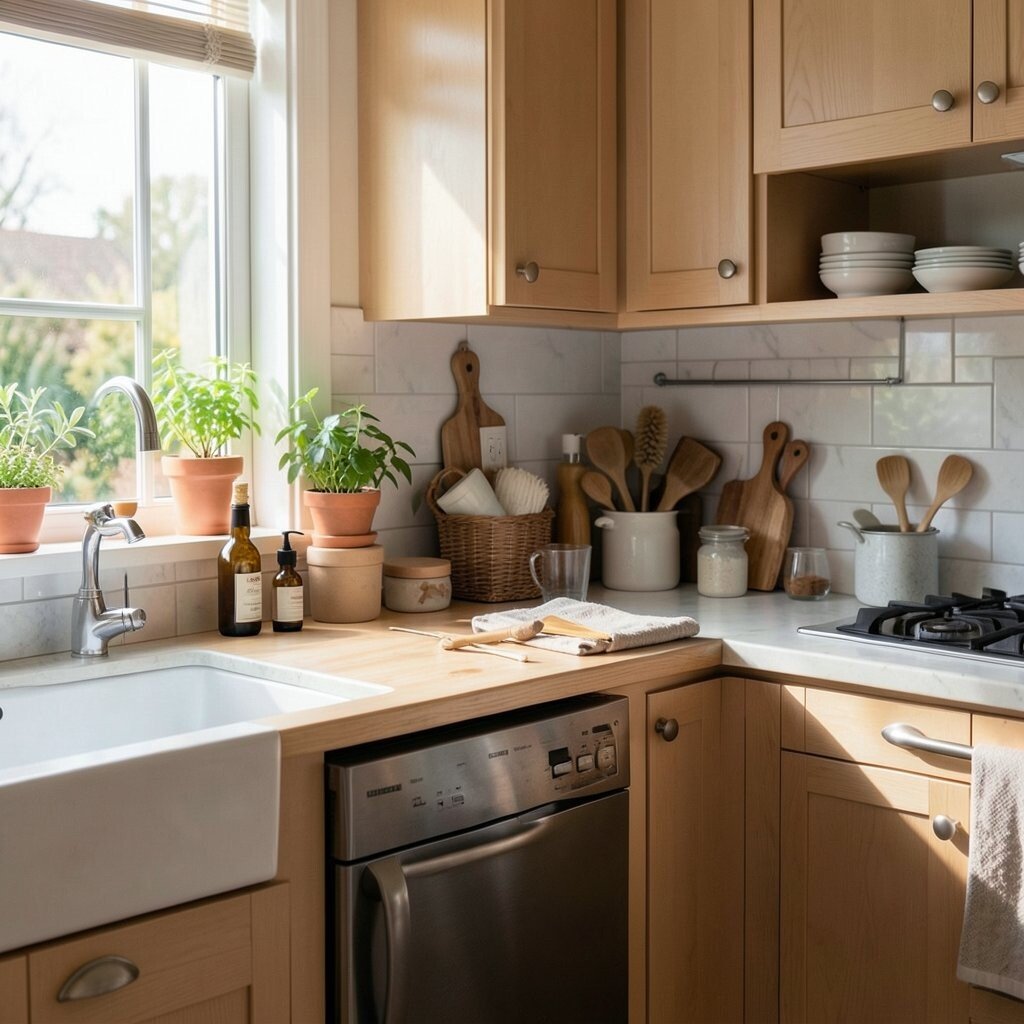
A cozy kitchen should smell clean, warm, and inviting. Old food smells, damp towels, or a full trash bin can make the room feel less pleasant fast.
Wash dishcloths often, empty the trash before it gets too full, and keep the sink clear. A small bowl of baking soda or a natural air freshener can help keep the air nice without much cost. Fresh herbs on the counter can add both scent and style.
This kind of care makes the space nicer for cooking and for guests. It also supports a healthier kitchen that feels ready for action.
12. Making the sink area hard to use

The sink is one of the busiest spots in any kitchen, so it needs to stay easy to reach and simple to clean. When soap, sponges, and drying racks pile up, the whole area can feel cramped.
Use a small caddy, a wall hook, or a narrow tray to keep cleaning tools in order. A neat sink zone looks calm and helps dishes get done faster. Many people now like sleek soap dispensers and slim racks because they save space and look tidy.
You can make the area feel more personal with a pretty dish towel or a small plant away from splashes. Small changes here often give the biggest daily payoff.
13. Buying oversized appliances

Big appliances can be useful, but they can also swallow up a cozy kitchen. A huge toaster or mixer may leave little room for the tools you use more often.
Choose sizes that fit your real cooking habits instead of the fanciest option on the shelf. Smaller appliances can cost less, use less space, and still do the job well. This is especially helpful in compact kitchens where every inch matters.
Compact and multi-use gadgets are a strong trend because they make life simpler. If you want a custom feel, pick appliance colors that match your cabinets or shelves.
14. Leaving walls empty or too busy

Blank walls can make a kitchen feel cold, while overly crowded walls can feel noisy. The sweet spot is a few items that add warmth and charm without taking over.
Hang one piece of art, a small shelf, or a row of hooks for mugs and towels. These choices make the room feel personal and useful at the same time. Wall decor can be low-cost, and even a framed recipe card can add a sweet homemade touch.
Soft earthy prints, handmade pottery, and simple shelf styling are all popular because they bring in texture. A well-placed wall detail can make the kitchen feel special every day.
15. Ignoring easy-to-reach tools

If the tools you use most are buried in the back of a drawer, cooking turns into a hunt. That can make even a simple meal feel slow and annoying.
Keep daily tools close by, such as wooden spoons, spatulas, measuring cups, and salt. A countertop crock or a shallow drawer can hold them where your hands can reach them fast. This saves time and keeps the kitchen looking neat.
Some people like to sort tools by color or material for a more personal look. It is a small detail, but it can make the room feel more thoughtful and fun.
16. Not adding soft, lived-in touches
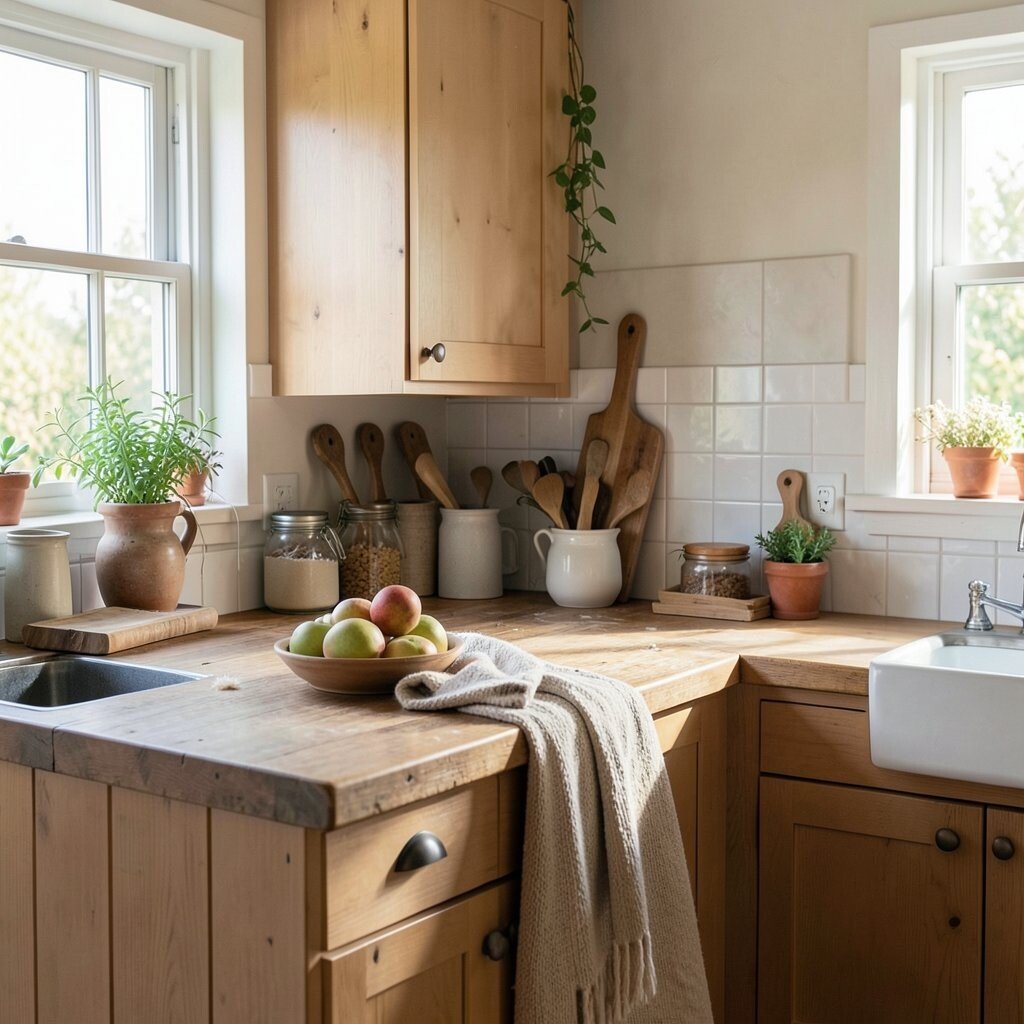
A cozy kitchen needs a little softness to feel warm and welcoming. Without it, the room may work fine but still feel plain and stiff.
Add touches like a woven basket, linen napkins, a small runner, or a wooden bowl of fruit. These items bring texture, color, and a homey feel without a huge price tag. They also make the kitchen feel unique because they show your taste and habits.
Current cozy style leans toward natural materials, simple shapes, and pieces that feel handmade. A few thoughtful details can make cooking feel more joyful every day.