Kitchen and dining spaces can feel calm, lively, or both at once. The right layout can make daily meals feel special.
1. Open Shelving That Bridges Both Zones
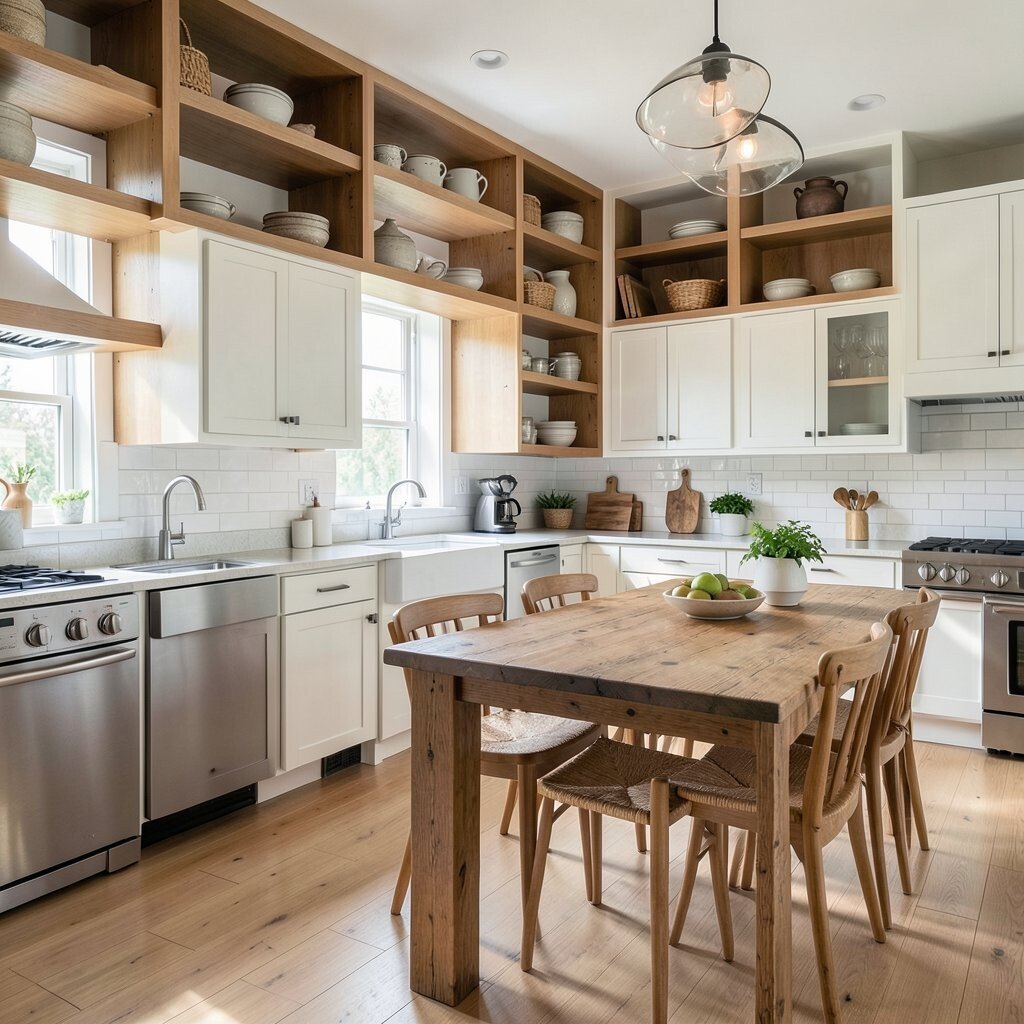
Open shelving above the kitchen edge can make the cooking and dining areas feel like one connected room. Glassware, bowls, and plants add a light look that feels airy and warm.
This idea works well in small homes because it keeps the space from feeling heavy. It also gives you a place for pretty items that are easy to reach, and you can match shelf colors to your chairs or cabinets for a personal touch. If you want to keep costs low, simple wood boards and basic brackets can create the same effect without a big budget.
2. A Slim Island With Dining Chairs Nearby
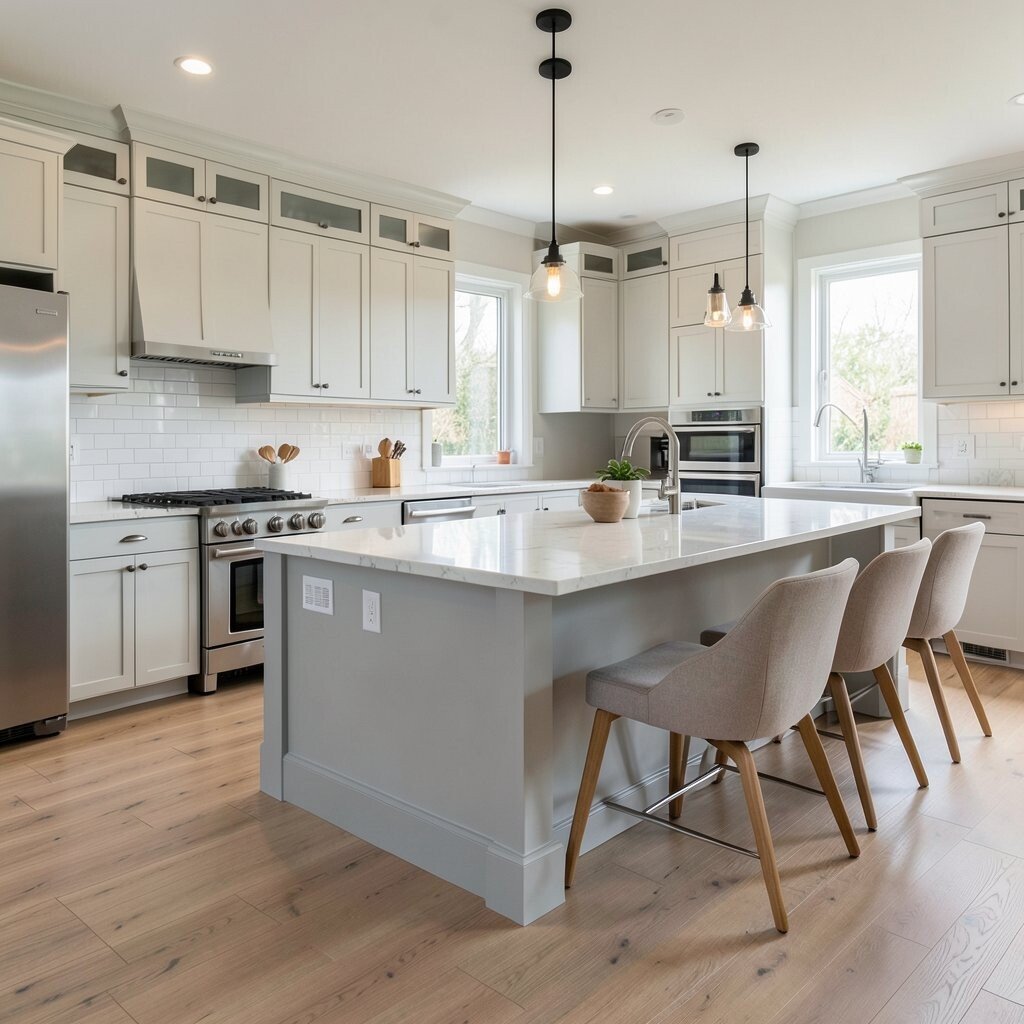
A slim island can sit between the kitchen and dining area without blocking the view. It gives you a handy place for prep, snacks, or morning coffee.
The look feels clean and modern, and it works well in homes that want a smooth flow. You can add stools on one side and a dining table on the other side, which helps the room serve more than one job. Choose a waterfall top for a bold style or a simple painted base for a softer feel.
Many people like this setup because it can replace a larger table and save space. It can also cost less than building a full custom divide between rooms. For a fresh trend, try mixed materials like wood, stone, and metal in the same area.
3. Built-In Banquette Seating Under a Bright Window
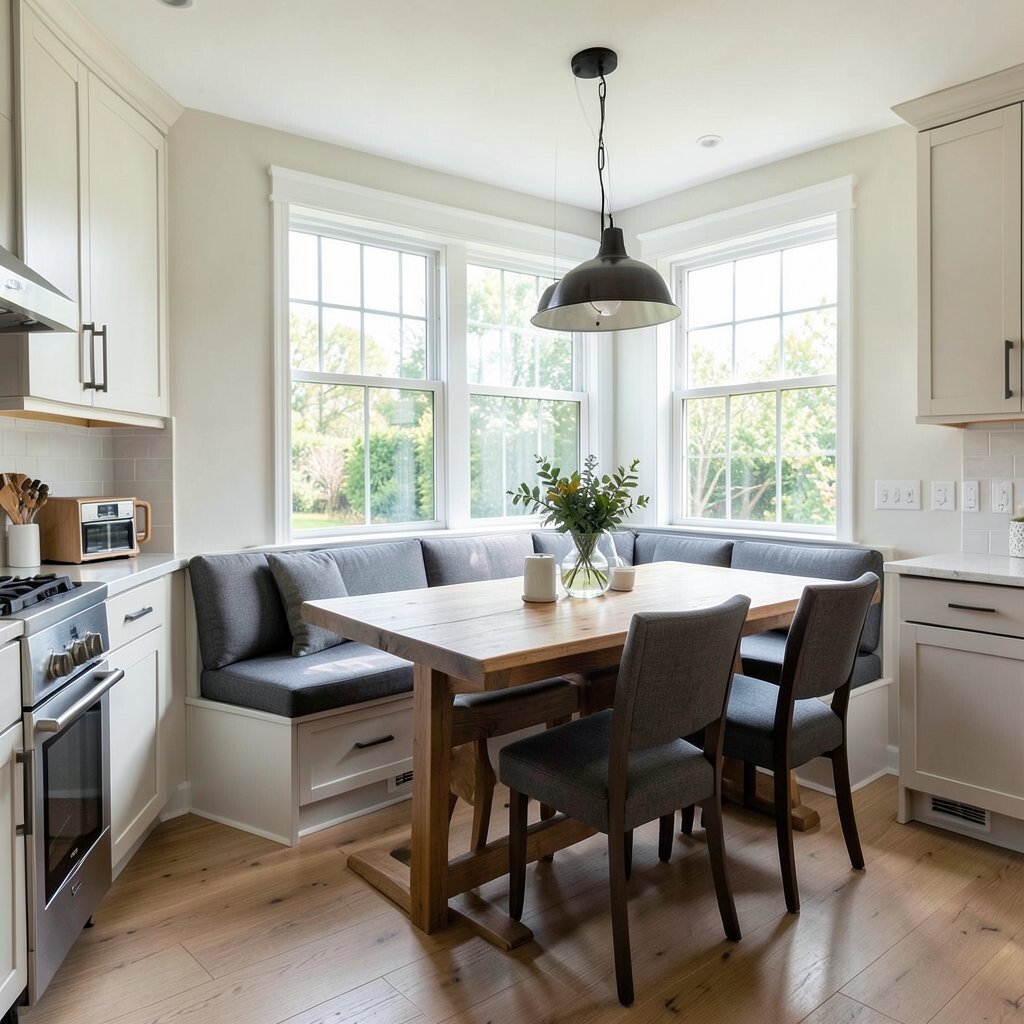
Banquette seating brings a cozy cafe feel to the area near the kitchen. It can turn an empty corner into a sweet spot for meals, homework, or chatting.
This choice feels inviting because cushions and pillows soften the room. It also adds hidden storage under the seat, which is great for boards, napkins, or small kitchen tools.
You can make it your own with bold fabric, calm neutral tones, or playful patterns. If you want to keep the price down, a simple bench and a few seat pads can give you the same charm. A round table nearby helps the whole area feel easy to move around in.
4. Pendant Lights That Frame the Eating Space
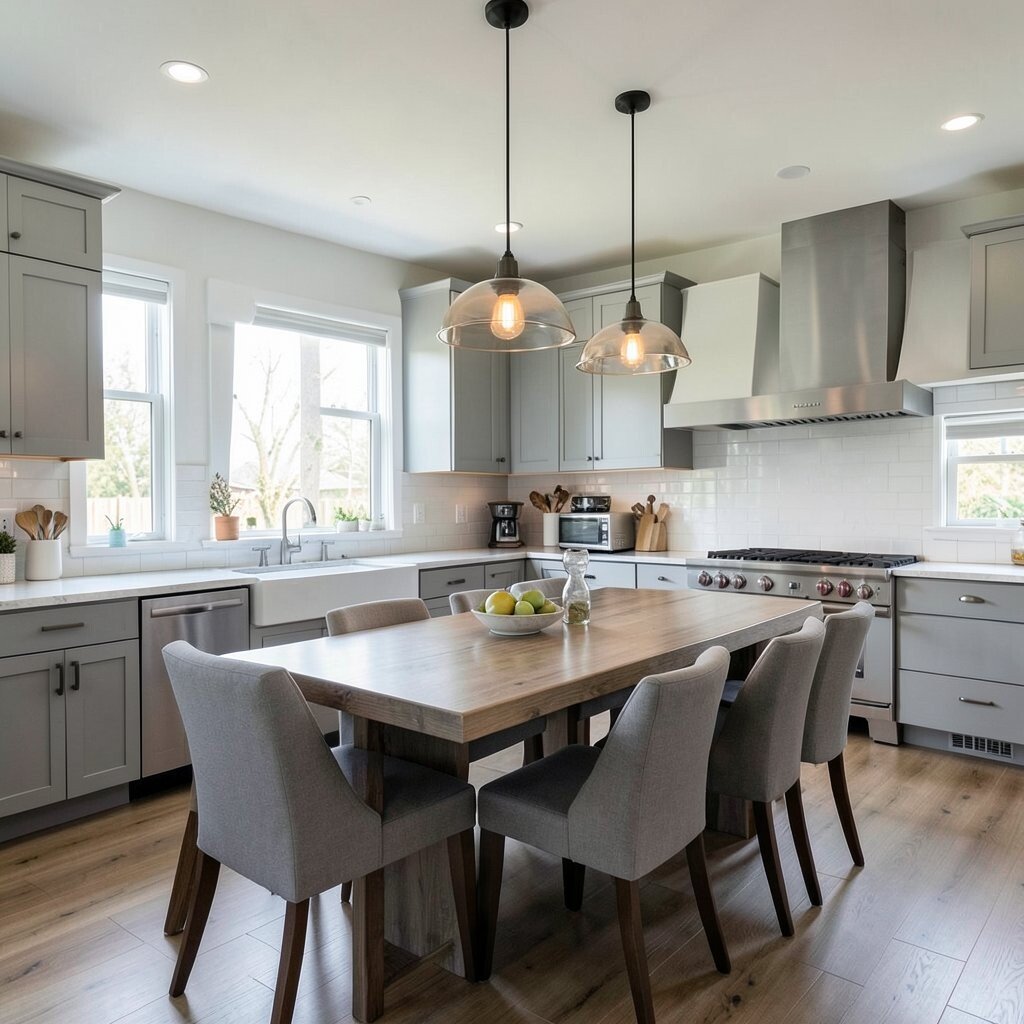
Pendant lights can mark the dining area clearly while still keeping the room open. Their glow makes food look nicer and helps the space feel cozy at night.
Try clear glass for a light look or matte metal for a stronger style. The right height matters too, because lights that hang too low can feel crowded.
This is a smart way to add style without changing walls or furniture. It can suit many budgets, from simple store finds to bold designer pieces. Current trends favor soft shapes, warm bulbs, and layered lighting that feels relaxed.
5. A Rustic Table That Adds Warmth
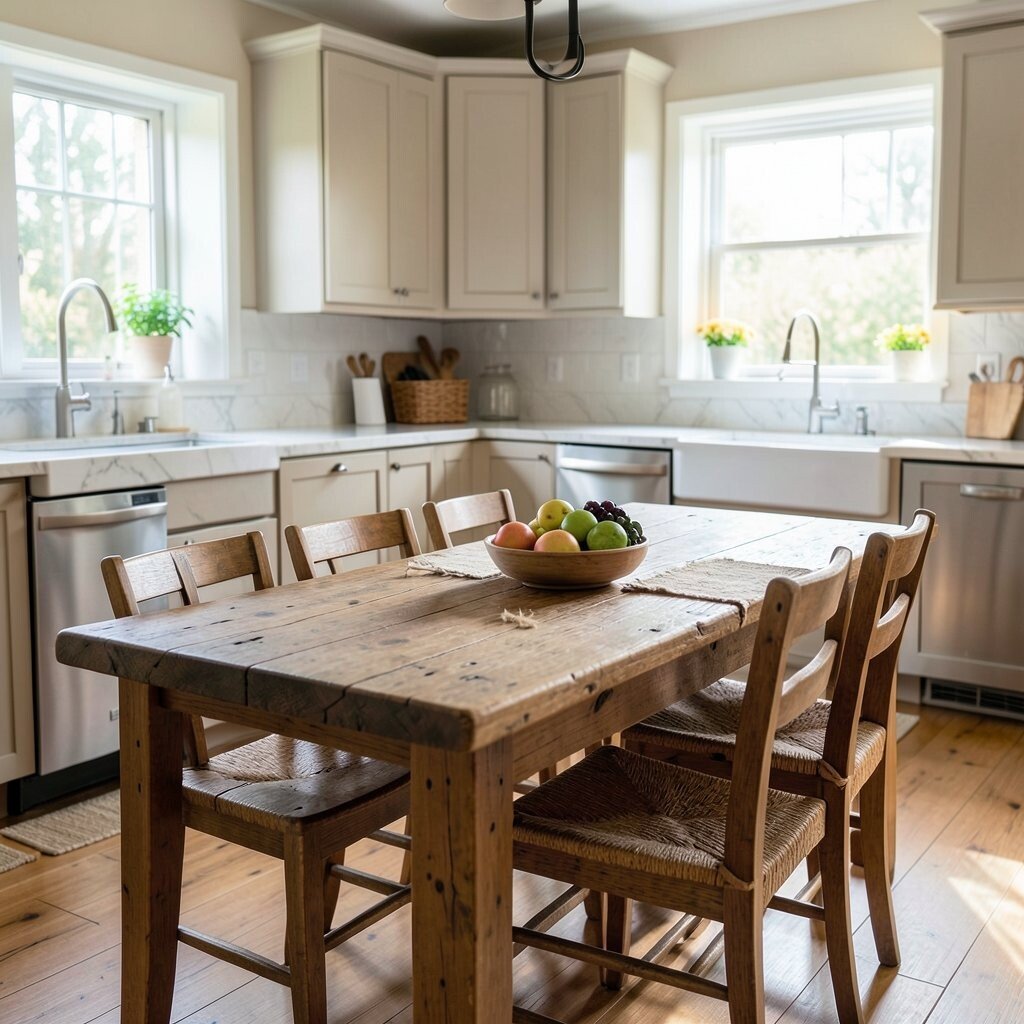
A rustic dining table can become the heart of the room. Its wood grain, knots, and worn edges bring a natural charm that feels welcoming.
This style works well beside a kitchen with white cabinets or sleek surfaces because it adds balance. You can pair it with mix-and-match chairs for a collected look that feels personal.
The benefit is simple: rustic pieces hide small marks and everyday wear better than shiny finishes. If your budget is tight, look for secondhand tables that can be sanded and refinished. Add a soft runner or a bowl of fruit to keep the scene easy and homey.
6. A Compact Round Table for Easy Flow
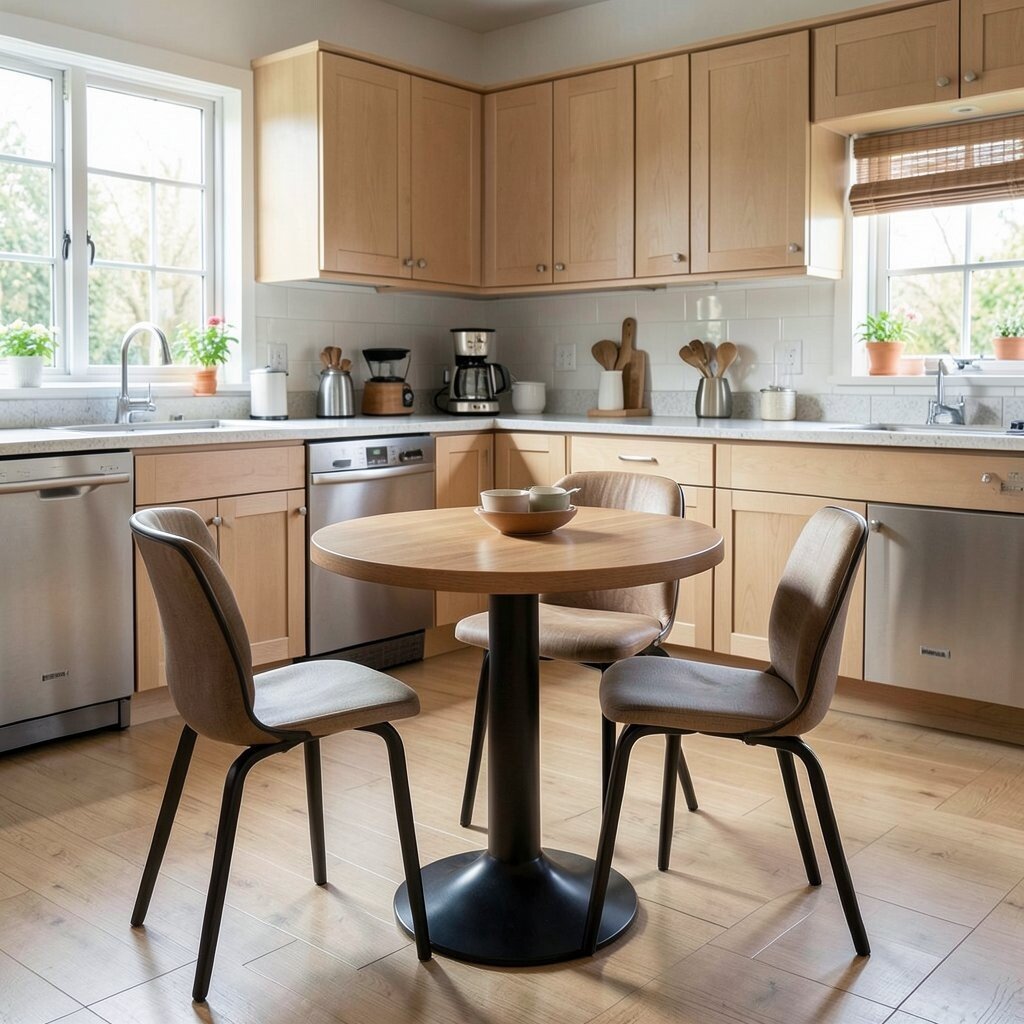
A round table makes the dining area feel soft and friendly. It helps people move around it more easily, which is great when the kitchen is close by.
This shape is useful in tight spaces because it has no sharp corners. It also gives the room a smoother path, which can make the whole area feel bigger.
Try a pedestal base for extra legroom and a neat look. You can style it with one vase, a simple lamp, or a bowl of lemons for color. Round tables come in many price ranges, so it is easy to find one that fits your plan.
7. A Half Wall That Still Keeps Things Open
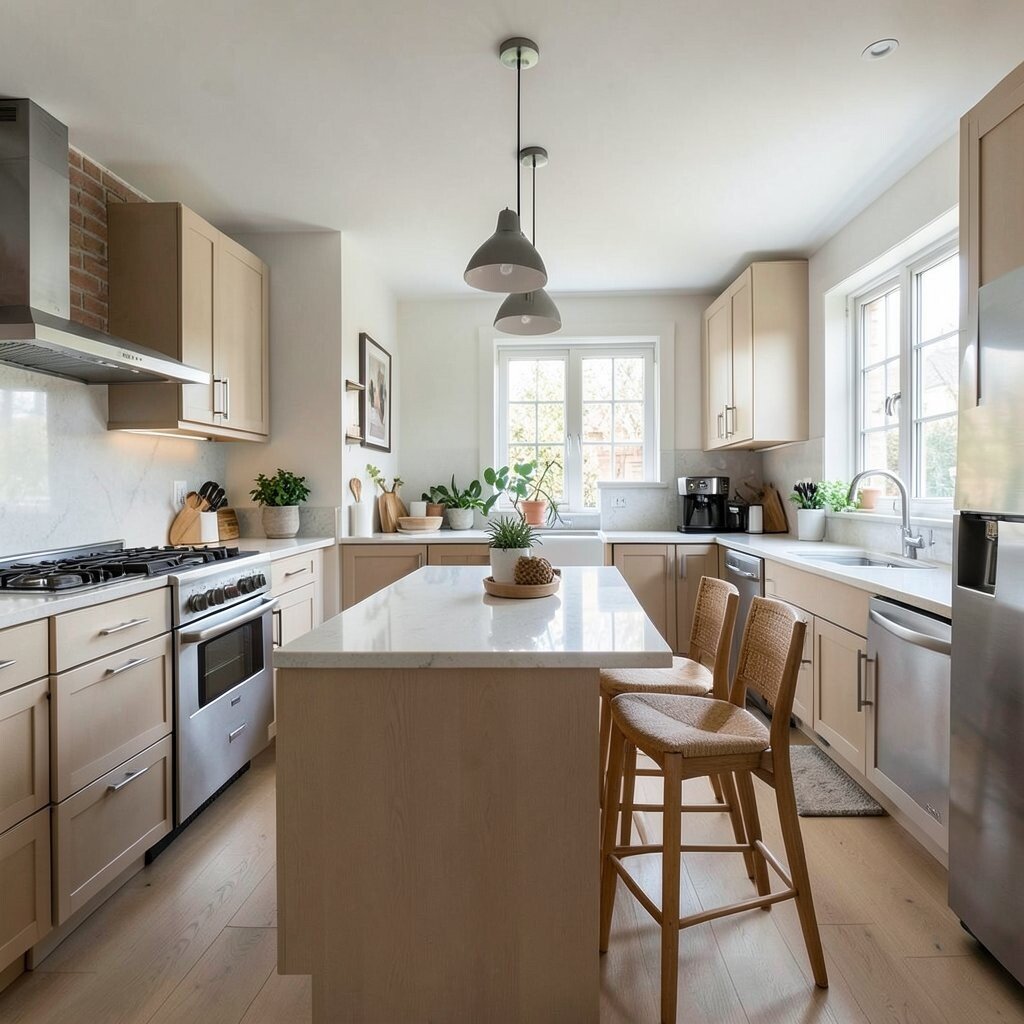
A half wall can separate the kitchen from the dining area without closing off the light. It gives each zone a clear purpose while keeping the room connected.
This can be helpful if you want to hide some kitchen clutter from the table. It also gives you a ledge for decor, cookbooks, or a few stools.
Paint the wall a matching color for a calm look, or use tile or wood on top for more interest. This idea can cost less than a full remodel because it uses less material. It is a great choice for people who want structure without losing the open feel.
8. A Statement Rug Beneath the Dining Table
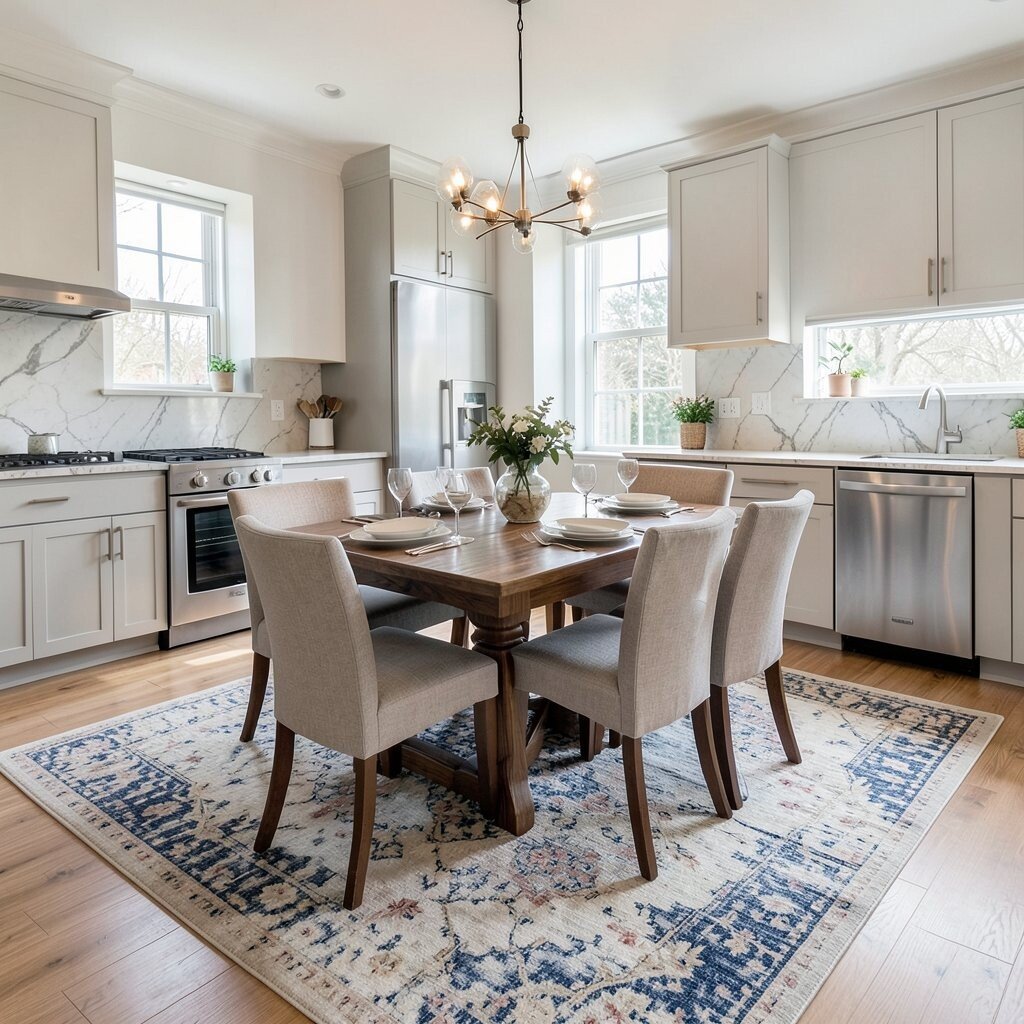
A rug can anchor the dining area and make it feel like its own little zone. It adds color, texture, and softness underfoot.
In an over dining setup, a rug also helps guide the eye so the room feels planned. Choose a flat weave or low pile so chairs can slide in and out with ease.
Patterns can hide crumbs and small marks, which is very handy near a kitchen. You can match the rug to cabinet tones, chair fabric, or wall art for a pulled-together look. If you want a budget-friendly upgrade, a simple rug can change the mood fast without much effort.
9. Floating Cabinets That Free Up Floor Space
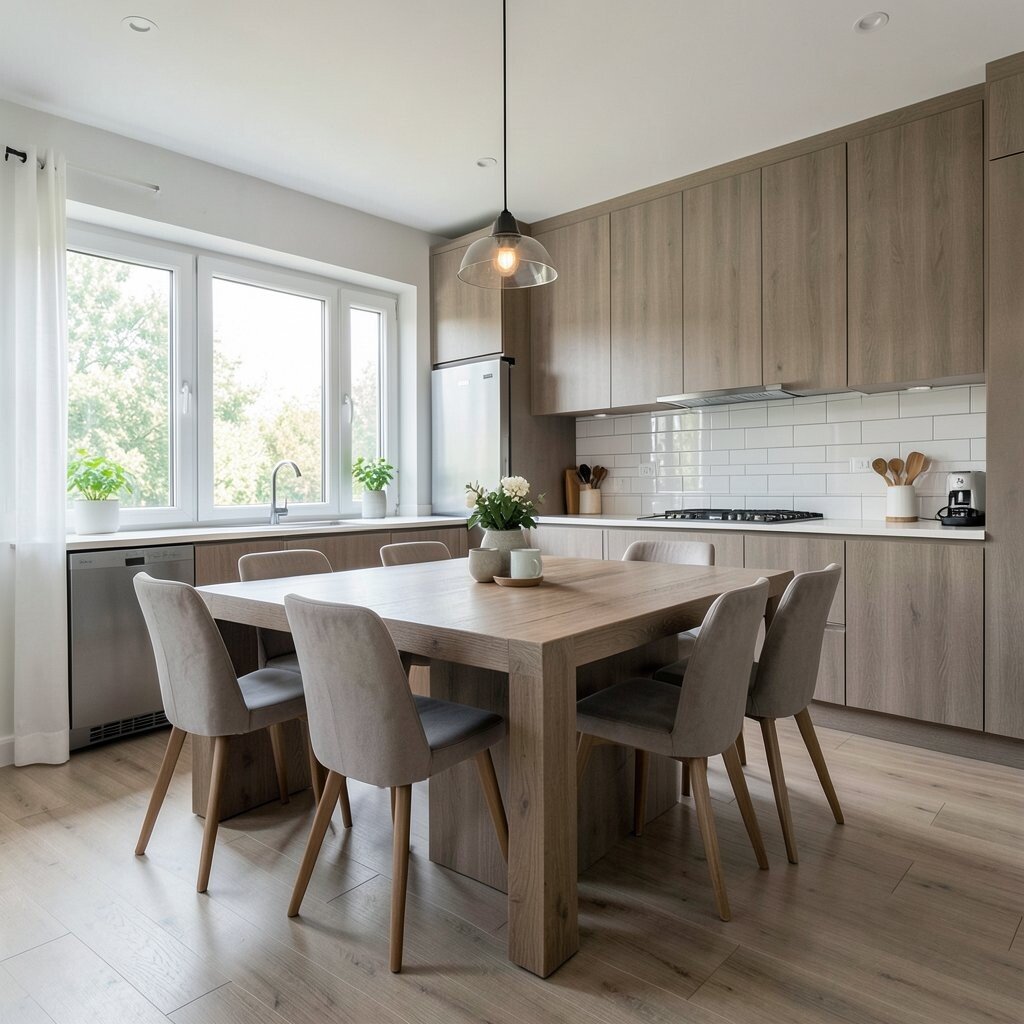
Floating cabinets keep storage off the floor and make the room feel less crowded. They can sit between the kitchen and dining area as a clean, modern feature.
This style works well for plates, serving pieces, or small appliances you do not want on display. The extra open space below can make the room feel bigger and easier to clean.
Choose wood for warmth or high-gloss fronts for a sleek edge. You can also add under-cabinet lighting to make the area glow softly at night. While custom floating units may cost more, ready-made options can still deliver a smart look for less.
10. Mixed Seating for a Relaxed Look
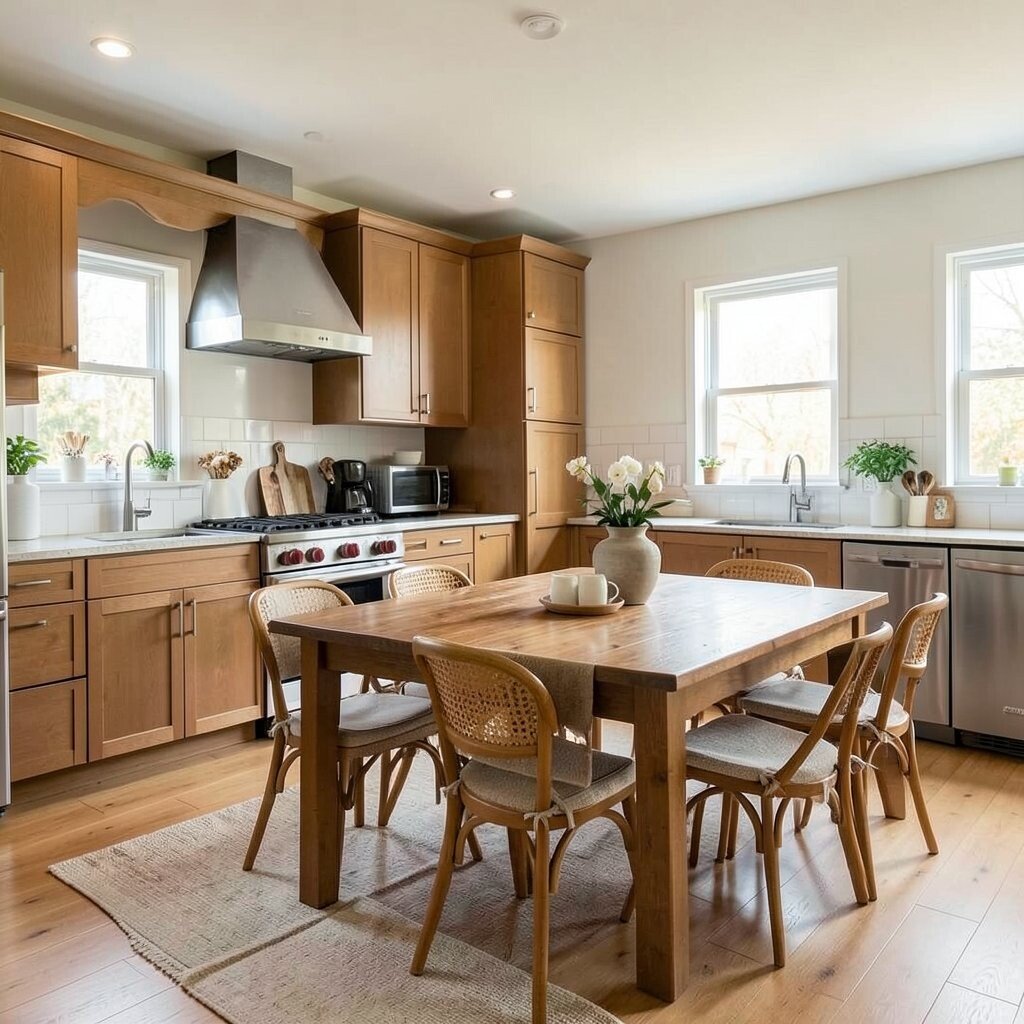
Mixing chairs and benches can make the dining area feel lively and personal. It gives the room a relaxed vibe that works well next to a busy kitchen.
This idea lets you blend shapes, colors, and materials in a fun way. A bench on one side can save space, while chairs on the other side keep seating flexible.
Many homes use this style now because it feels casual but still polished. You can keep the cost down by mixing pieces you already own with one new accent chair. A good tip is to repeat one color, like black, oak, or cream, so the look stays balanced.
11. A Ceiling Feature That Draws the Eye Up
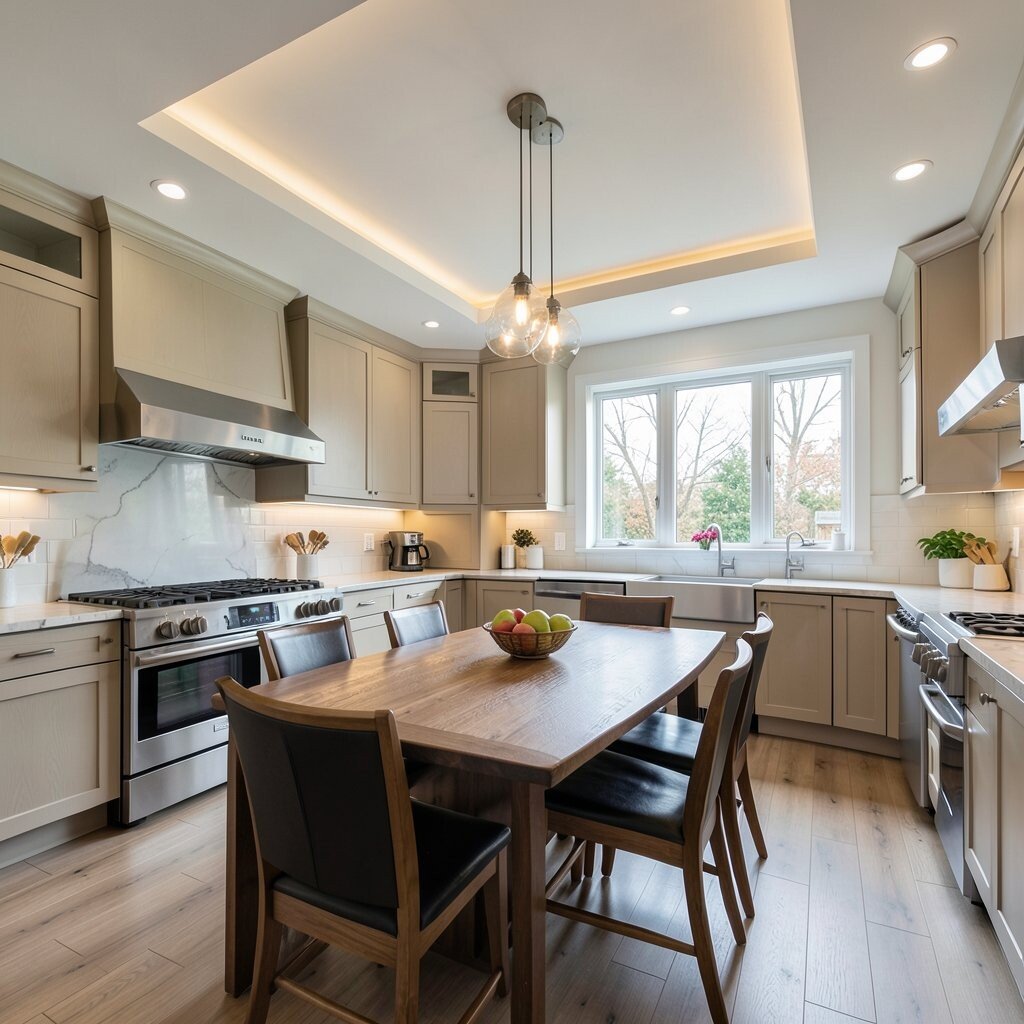
A painted ceiling, wood beam, or simple trim detail can make the kitchen and dining area feel special. It pulls attention upward and adds character without taking up floor space.
This can be a smart trick in rooms that feel plain or boxy. A darker ceiling can make a tall room feel cozier, while a light one can keep things bright.
You can keep the design subtle with soft stripes or make it bold with stained beams. The cost can stay reasonable if you use paint or light trim instead of major building work. For a trend-forward touch, many people are using natural wood tones and soft earthy paint colors.
12. A Breakfast Nook With Built-In Charm
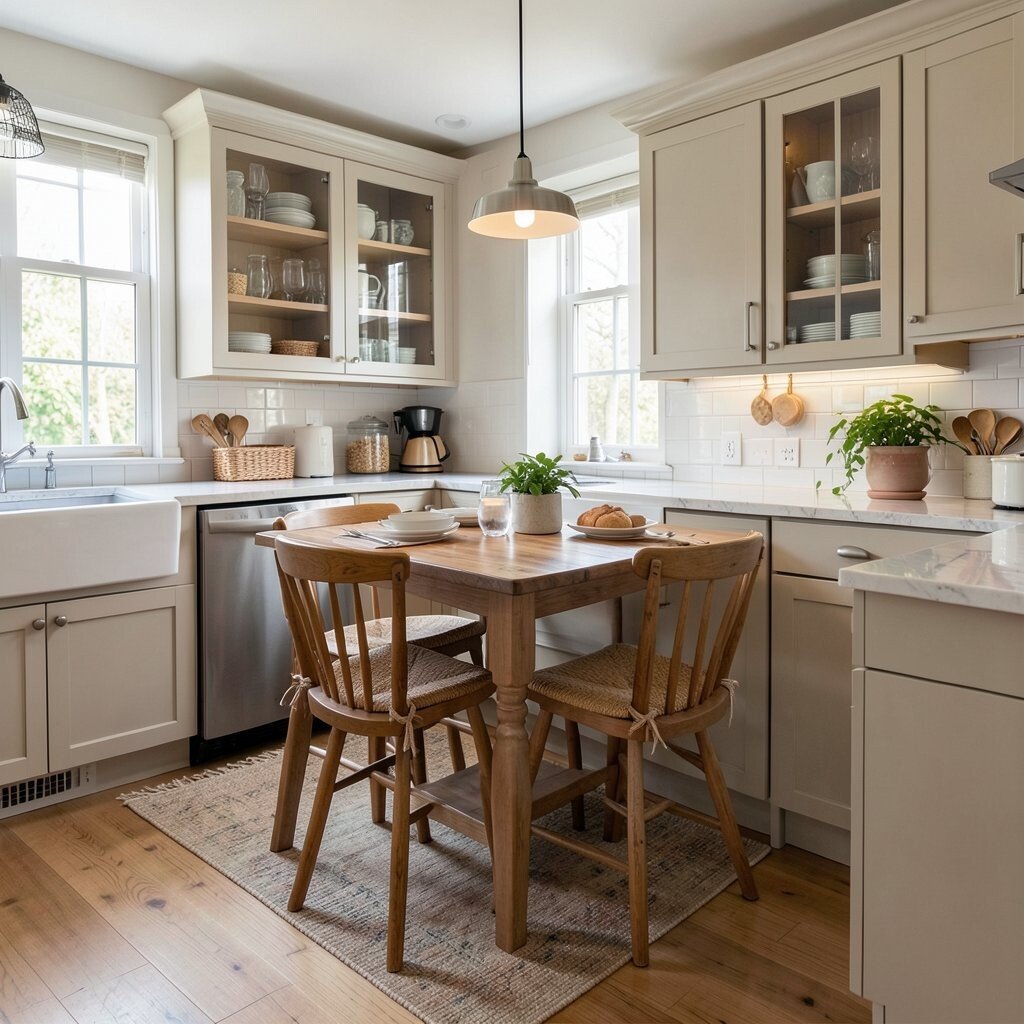
A breakfast nook gives the space a sweet, tucked-in feeling. It works well near the kitchen and can make quick meals feel more comfortable.
Built-in benches and a small table can fit into spots that might be hard to use otherwise. The setup can also create a cozy corner for reading, working, or sitting with tea.
Add cushions in colors that match your kitchen accents for a neat finish. If you want a lower-cost version, use a small table and two compact benches instead of custom seating. This kind of nook feels unique because it turns an everyday area into a little retreat.
13. Glass and Metal Pieces for a Light Modern Edge
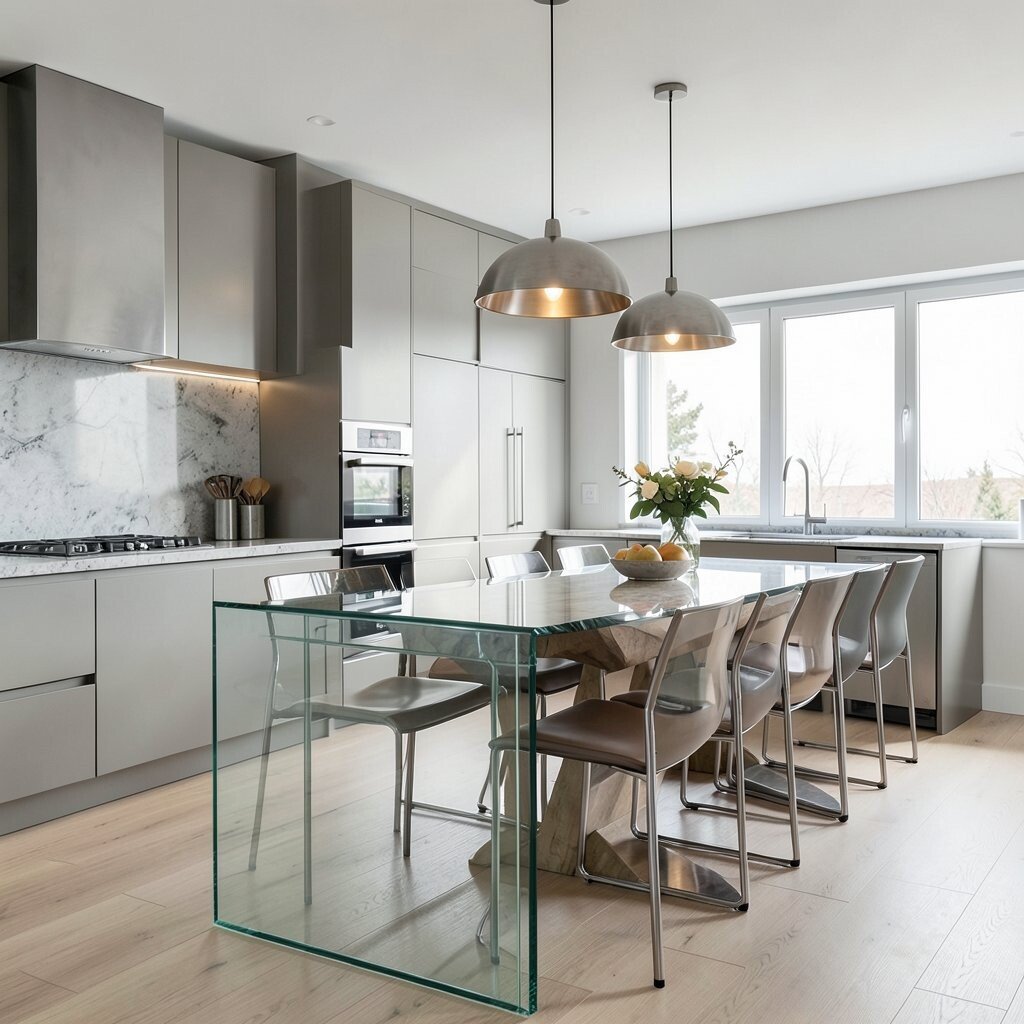
Glass tables, slim metal chairs, and clear decor can keep the dining area looking open. These pieces are great when the kitchen is close and you want the whole space to breathe.
The look is clean, stylish, and easy to pair with many cabinet colors. Light materials also help small rooms feel less crowded and more calm.
For personality, add one bold chair color or a bright vase on the table. Glass can be pricier, but a metal frame with a simple top often gives a similar feel for less. This style fits today’s love for airy rooms that feel fresh and uncluttered.
14. A Cozy Corner Bar for Casual Dining
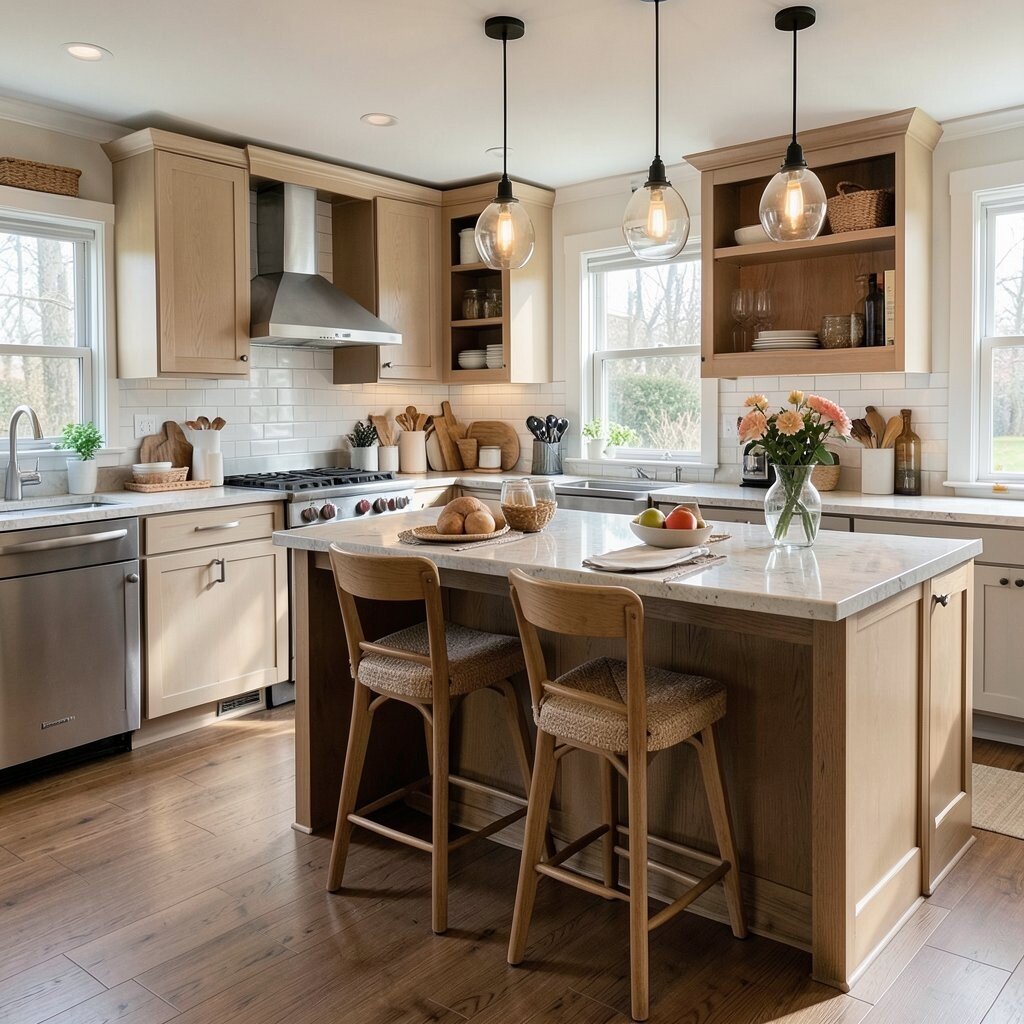
A small bar ledge can work as both a kitchen edge and a dining spot. It is perfect for fast meals, coffee breaks, or chatting while someone cooks.
This idea saves space and gives the room a modern, social feel. Stools can slide under the ledge, which keeps the area neat when they are not in use.
Choose wood for a warm look or stone for something sleek and durable. You can style the bar with a fruit bowl, a tray, or a pair of small lamps to make it feel welcoming. It can be a budget-friendly choice too, especially if you use a simple counter extension instead of a full table set.
15. Soft Color Layers That Tie Everything Together
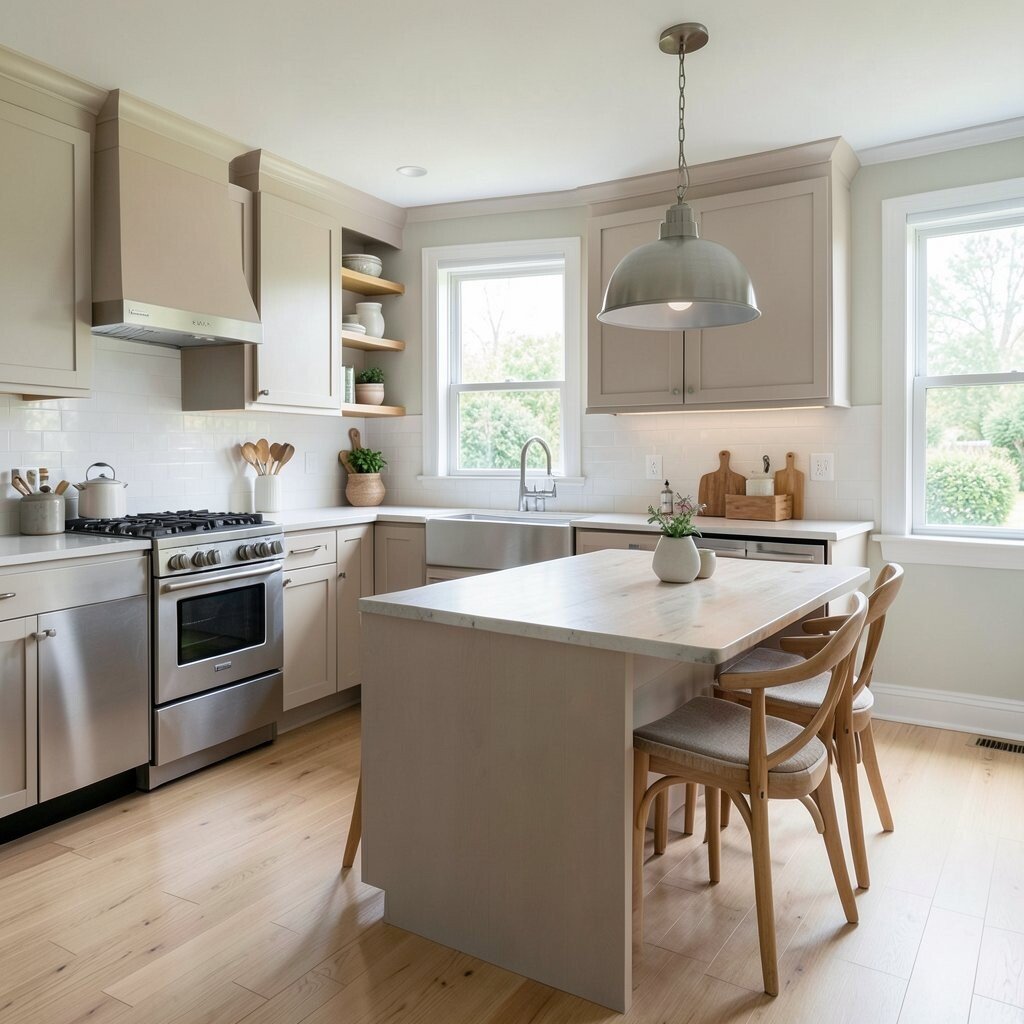
Color can be the easiest way to connect the kitchen and dining area. Soft layers of paint, fabric, and decor can make the room feel calm and finished.
Try repeating one shade in the chairs, art, dishware, or curtains so the whole space feels linked. This creates a smooth look that feels planned without being too formal.
Warm neutrals, dusty blues, sage greens, and clay tones are popular right now because they feel peaceful and current. You can personalize the room with family photos, handmade bowls, or a favorite centerpiece. Small color changes often cost less than major furniture updates, yet they can make the biggest visual difference.