The kitchen can sparkle without a pile of harsh chemicals. A few smart swaps can make cleanup feel fresh, simple, and kinder to the planet.
1. Use Vinegar Spray for Everyday Wiping
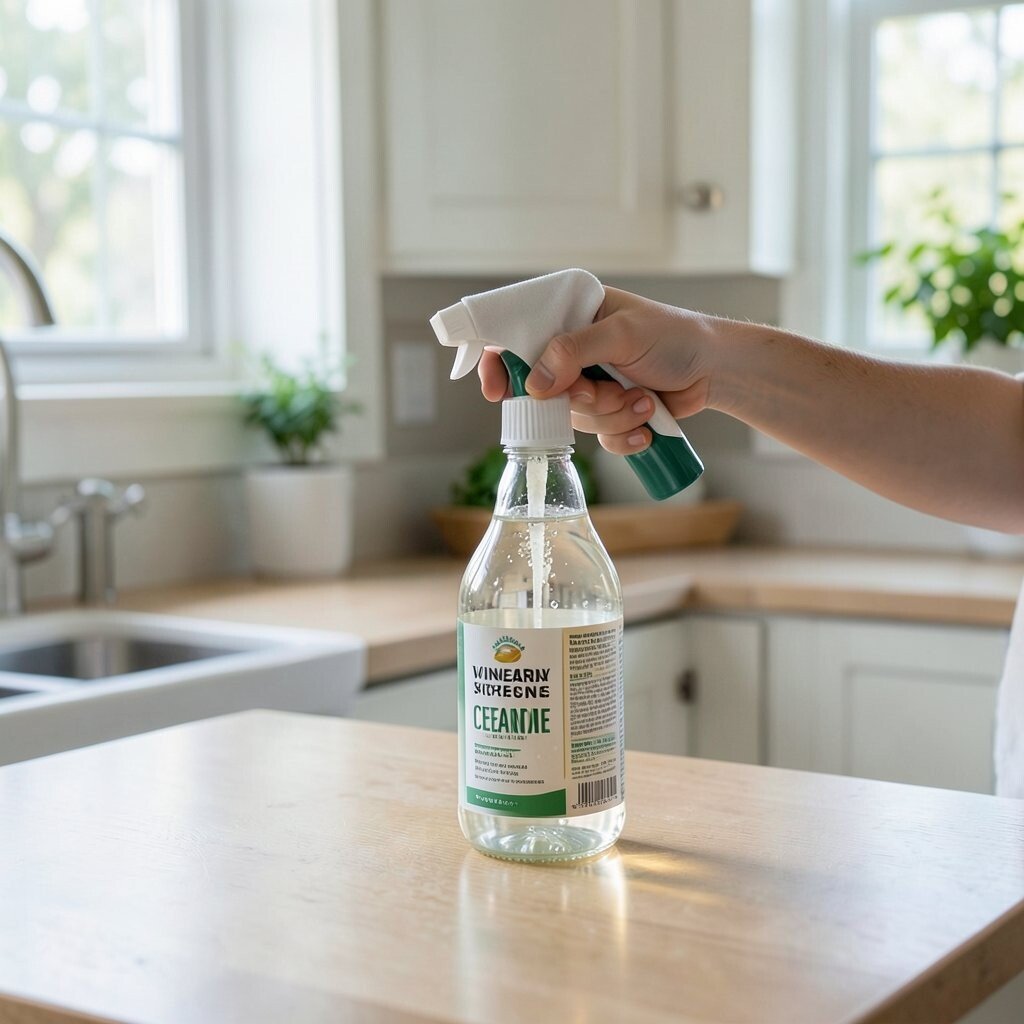
A clear spray bottle of diluted vinegar looks plain, but it works like a quiet helper on counters, cabinet doors, and table tops. It cuts through light grease fast and leaves a clean shine.
This method is popular because it is cheap, easy, and easy to mix again and again. Families can add a few lemon peels or a tiny splash of orange peel water for a softer smell, which feels more personal and cheerful. Keep it away from stone surfaces that may not like acid, and label the bottle so everyone knows what is inside.
2. Switch to Reusable Dishcloths
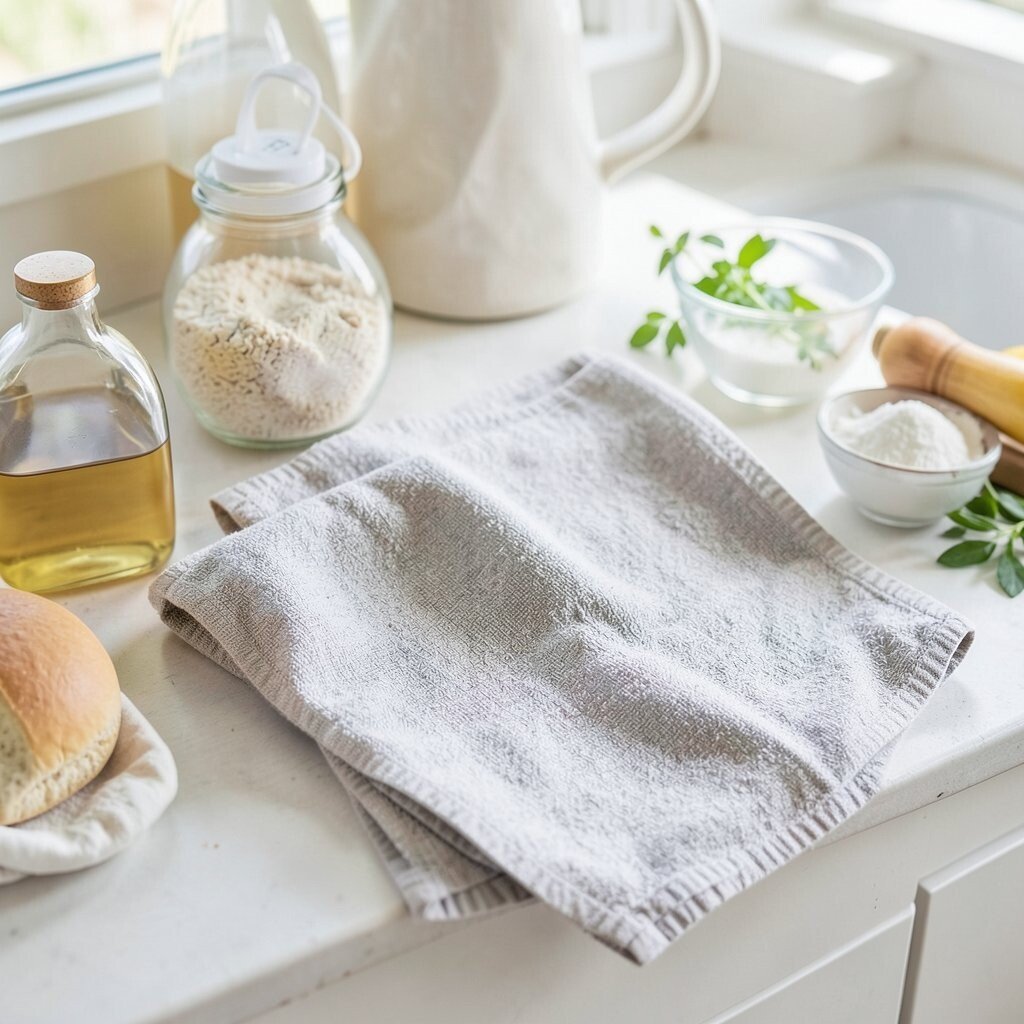
Soft cotton cloths or bamboo dish towels can replace stacks of paper towels with very little effort. They bring a warm, homey look to the kitchen while helping cut trash each week.
Reusable cloths save money over time because they can be washed and used again. Many eco-conscious families now choose pretty woven cloths in colors that match the kitchen, which makes cleaning feel more inviting. Keep a small basket by the sink for clean cloths and a laundry bin nearby for used ones, so the routine stays simple for kids too.
For a personal touch, assign each child a color so everyone knows their cloth. That small system can make cleanup feel fair and fun while teaching good habits.
3. Make Baking Soda Paste for Stuck-On Messes
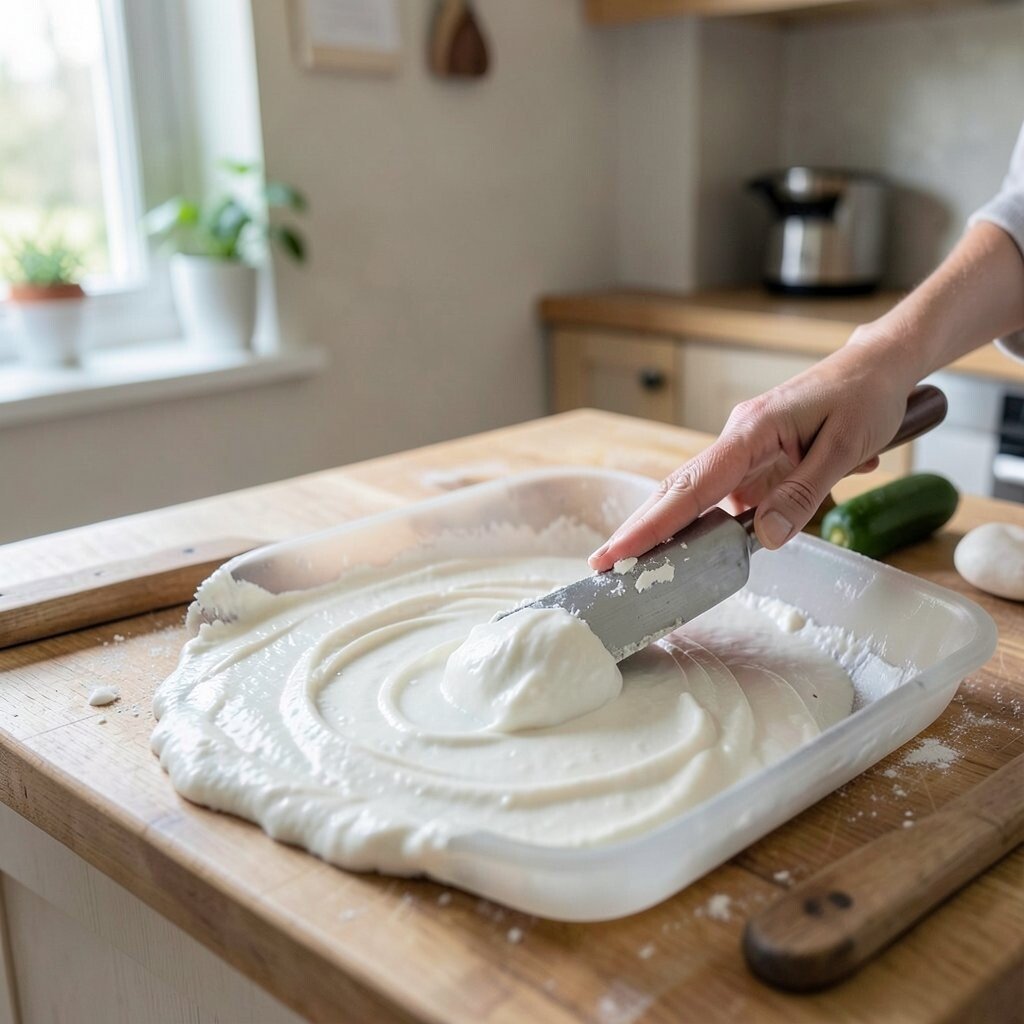
Baking soda mixed with a little water turns into a gentle paste that can lift dried spills from sinks, pans, and stovetops. It has a soft, sandy look and feels satisfying to spread with a sponge.
This trick is useful because it scrubs without scratching most surfaces. It is also budget friendly, since one box can handle many jobs around the kitchen.
Some families keep a small jar of paste ready near the sink for fast cleanup after dinner. You can even add a drop of lavender or citrus oil if you like a light scent, but keep it mild for little hands and noses.
4. Choose refillable soap bottles
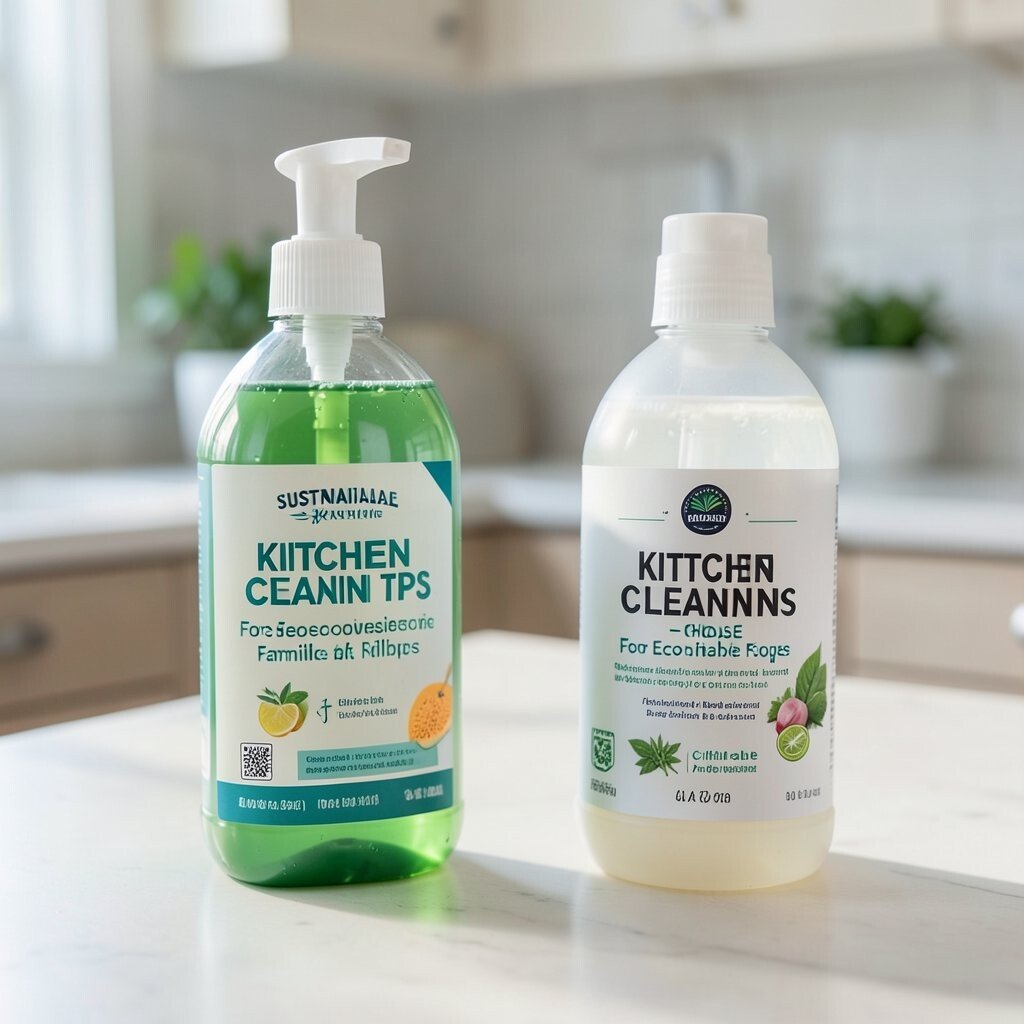
A refillable soap bottle beside the sink can look neat and tidy, especially when the bottle matches the kitchen style. It reduces plastic waste and keeps the counter from feeling crowded with extra packaging.
Many stores now offer refill stations, which is a growing trend for families who want less waste. The cost can be lower over time because refills often cost less than buying brand-new bottles again and again.
5. Clean with hot water and steam
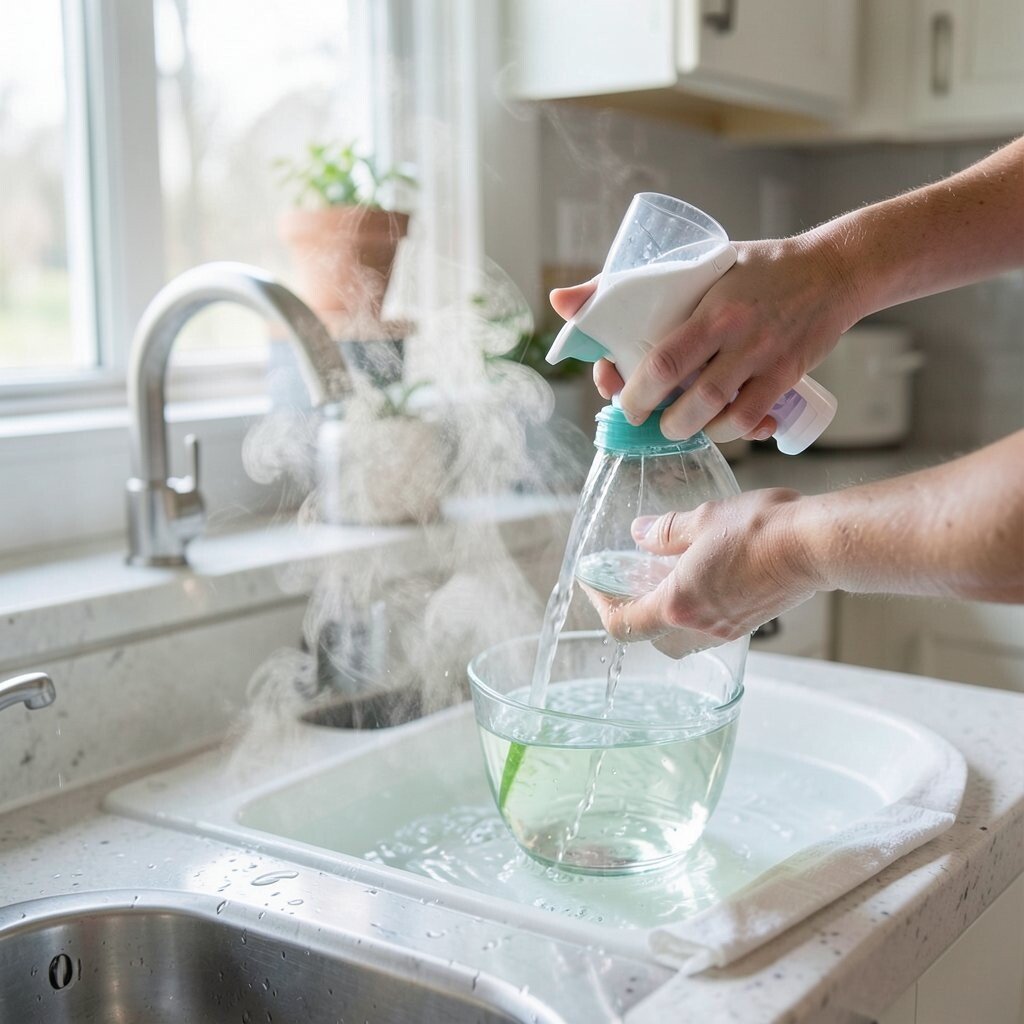
Steam makes a sink or stovetop shine with very little effort, and it can feel almost magical when grease loosens on its own. A kettle of hot water or a steam cleaner can help lift grime from corners and edges.
This method uses less soap, which is good for the environment and often gentler on sensitive skin. Families who want a simple routine can use steam for weekly deep cleaning and save stronger scrubbing for the worst spots.
Try adding a towel over a pot lid or using a handheld steamer for tight spaces. Just be careful with children nearby, since hot steam can burn.
6. Reuse Glass Jars for Cleaning Supplies
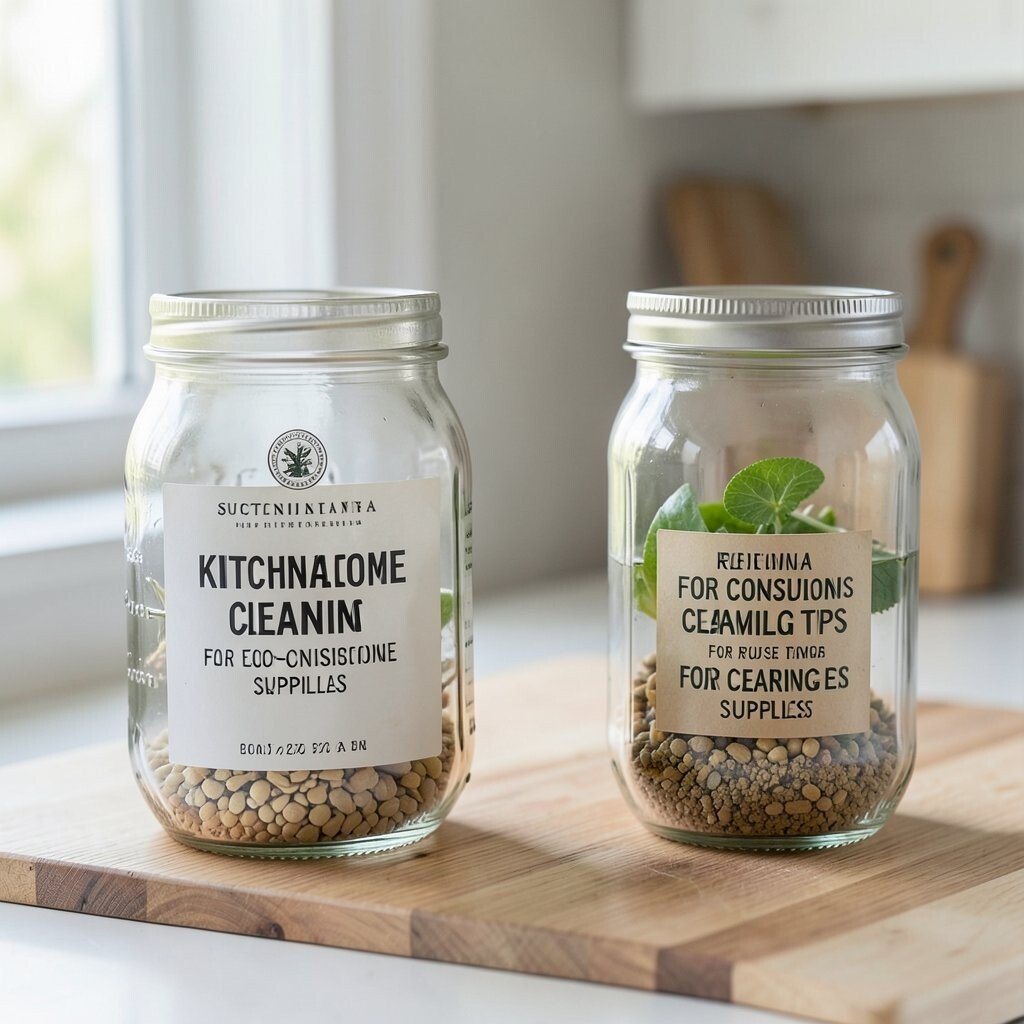
Old pasta jars or jam jars can become handy homes for cloths, brushes, baking soda, or homemade scrub mixes. Their clear sides make the pantry or sink area look bright and organized.
This is a smart way to cut waste and save money, since there is no need to buy fancy containers. Families can label each jar with simple words or stickers, which helps kids grab the right item fast.
Some people like to decorate the lids with paint or twine for a cozy farmhouse look. That small creative touch can make a practical shelf feel special and personal.
7. Use Lemon Peels for Fresh Smelling Surfaces
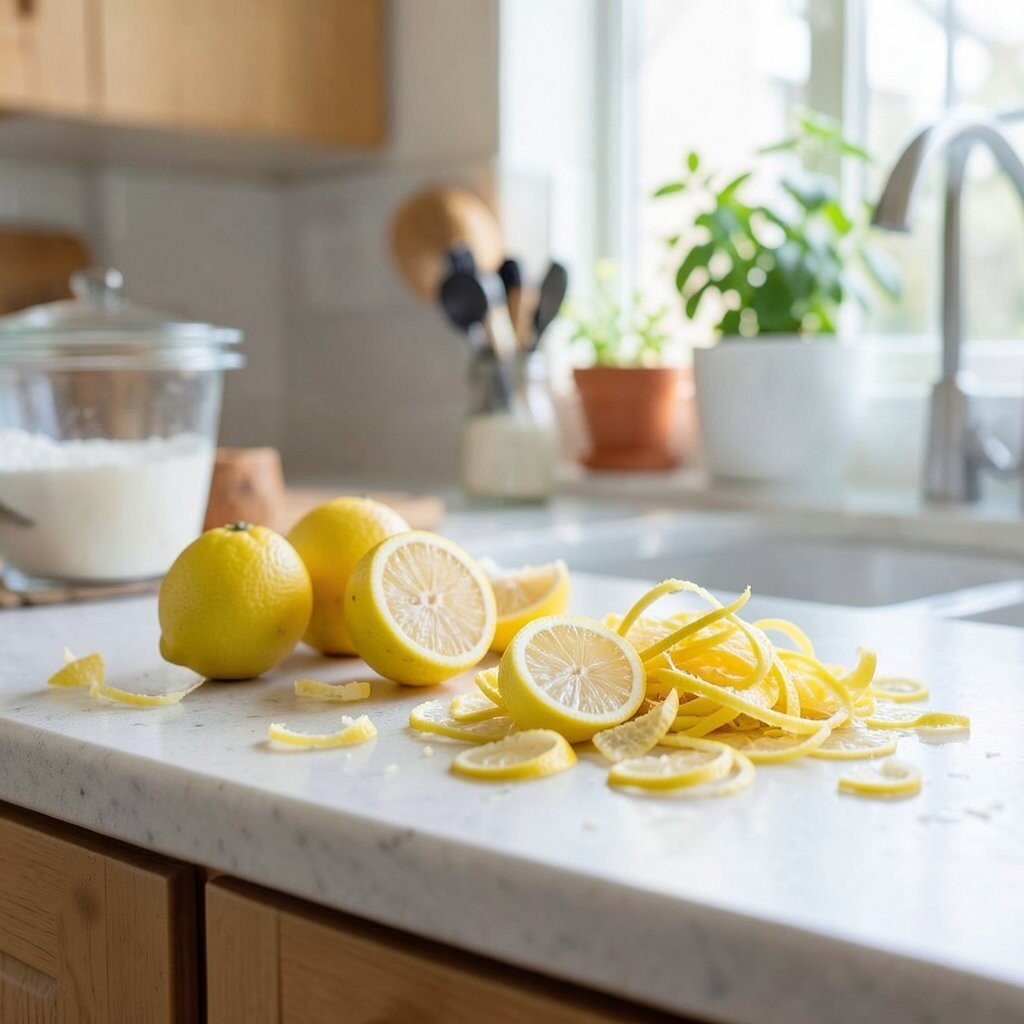
Lemon peels can brighten a cutting board, sink, or trash area with a fresh citrus scent. They look sunny and cheerful, and they put food scraps to work in a new way.
This tip is great because it uses peels that might otherwise be thrown away. It also feels more natural than strong air fresheners, which many families are trying to avoid now.
Rub the peel on a board after washing, then rinse well to remove loose bits. If you want a fun family habit, save peels in a small container during meal prep and use them at cleanup time.
8. Pick a scrub brush with replaceable heads
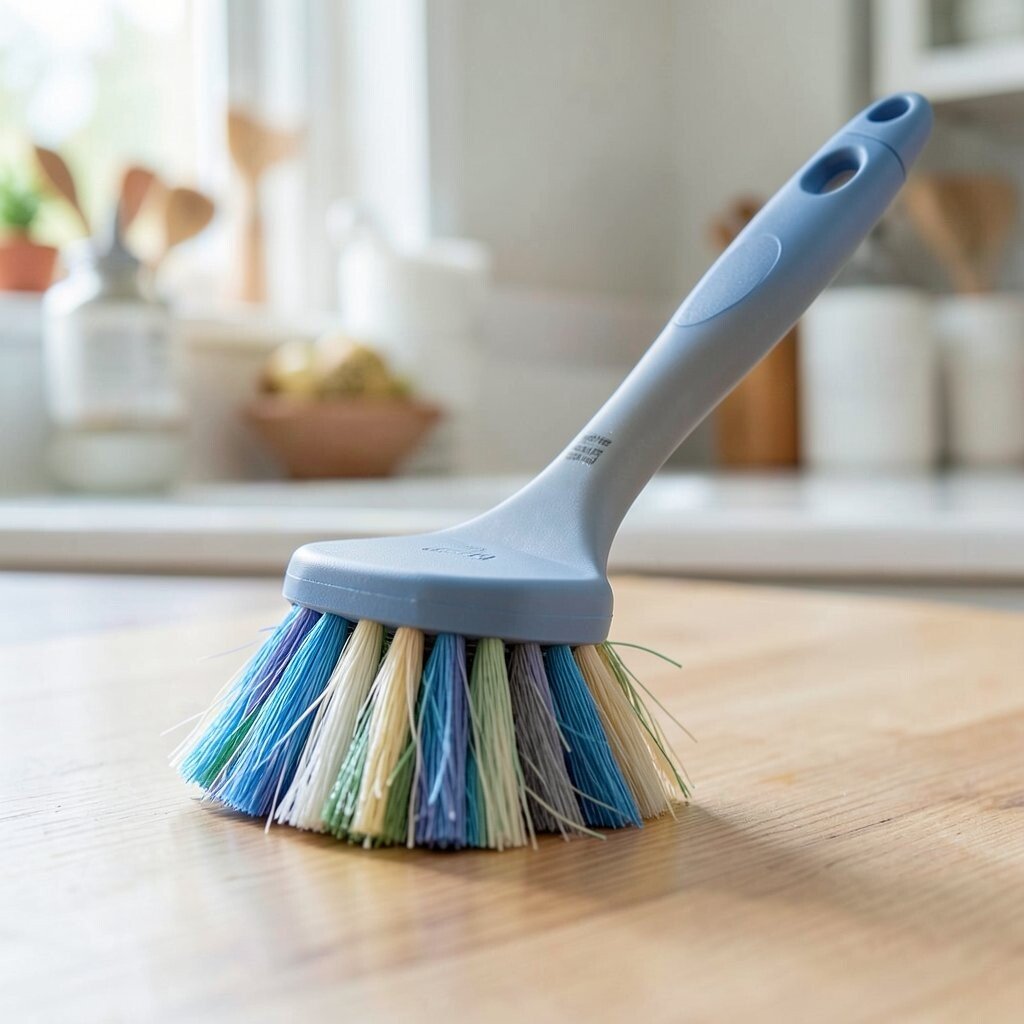
A sturdy brush with a wooden handle and replaceable head can look simple, clean, and modern by the sink. It feels solid in the hand and can handle pans, sinks, and tile grout without falling apart quickly.
This choice helps cut waste because you keep the handle and swap only the worn brush part. That can save money over time and matches the current trend of buying fewer, better tools.
Choose bristles that fit your family’s needs, from soft for delicate dishes to firmer for baked-on messes. A small hook near the sink keeps the brush dry and ready for the next job.
9. Set up a compost bowl for food scraps
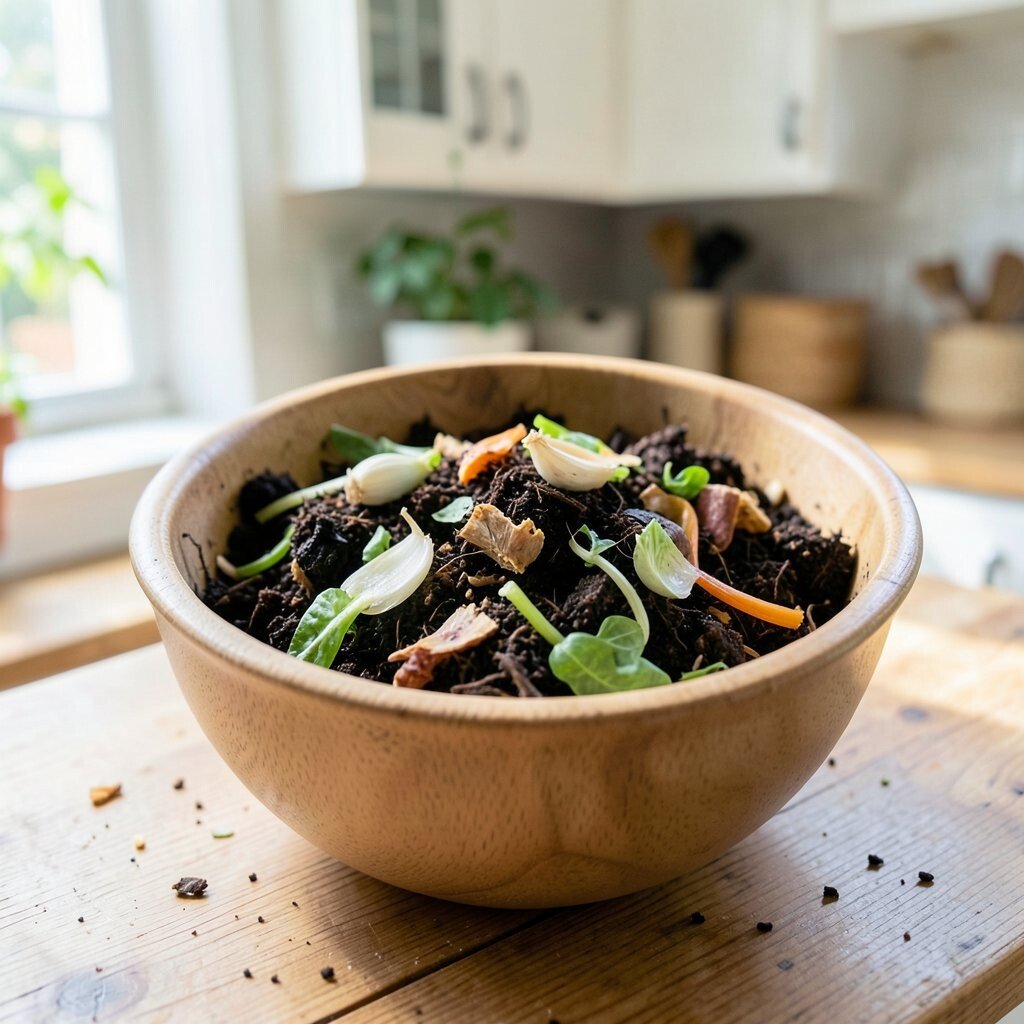
A small compost bowl on the counter can make scraps look neat instead of messy. Apple peels, herb stems, and veggie ends go straight into the bowl, which helps the kitchen feel calm and tidy.
This habit reduces trash and supports a greener garden or city compost program. It also helps children learn that food scraps can have a second life outside the garbage can.
Pick a bowl with a lid if you want less smell, or choose a colorful one if your family likes cheerful tools. Empty it often so the process stays clean and easy.
10. Clean with microfiber cloths carefully used
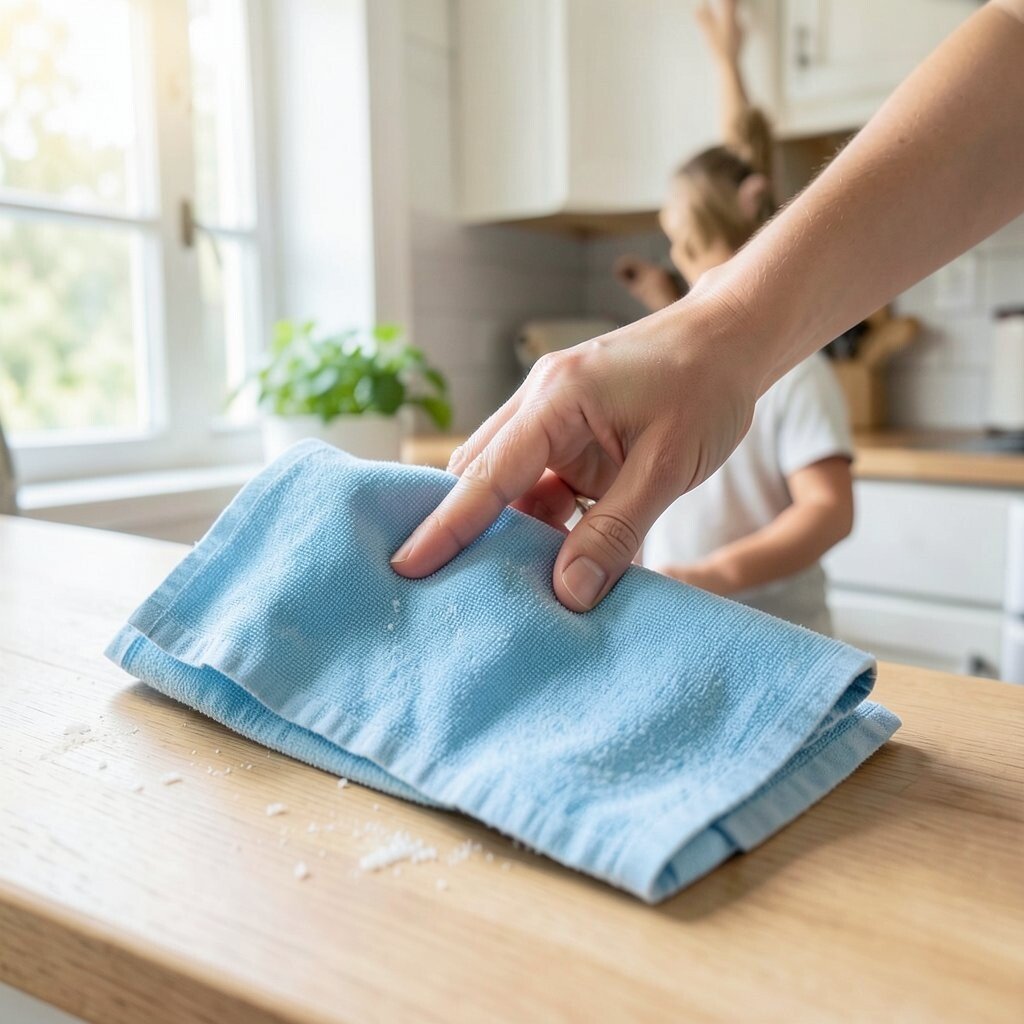
Microfiber cloths can wipe dust and grease with only a little water, and they leave glass and steel looking bright. They have a soft, slightly fluffy texture that feels gentle on most kitchen surfaces.
Because they work so well, families may use less soap and fewer paper products. The cost is fair at first, and the cloths can last a long time if washed gently and not used with too much heat.
Keep separate cloths for counters, appliances, and spills so the work stays cleaner. If your family prefers lower-waste choices, buy only a few and make them part of a simple cleaning kit.
11. Choose natural scrubs for sink shine
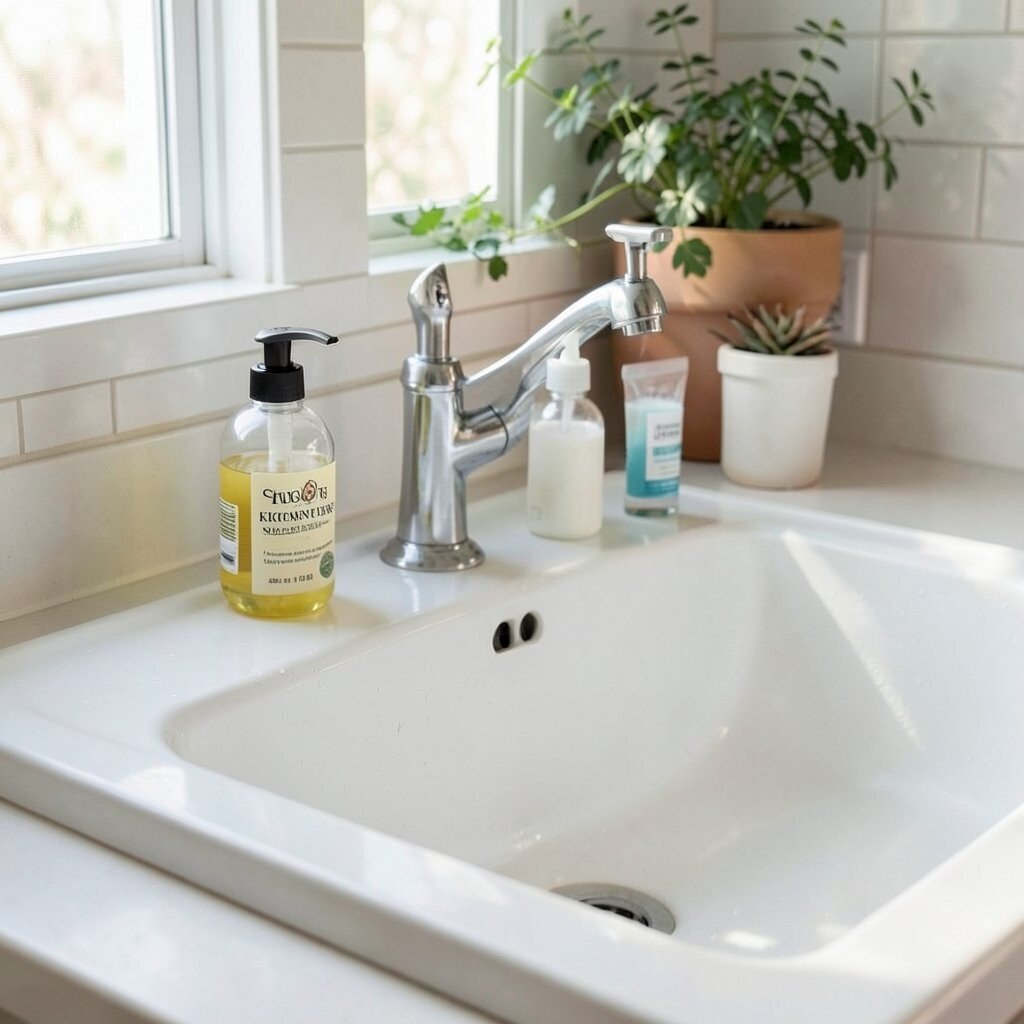
A sink can gleam after a scrub made from baking soda, salt, or gentle plant-based powder. The result looks polished and bright, which makes the whole kitchen feel more cared for.
Natural scrubs are a good fit for families who want less chemical smell in the air. They often cost less than specialty cleaners, and they can be mixed at home with pantry items already on hand.
Add a few drops of water to make a thick paste, then rub in small circles with a sponge. If you like, keep a little scoop in the jar so children can help measure safely.
12. Wash produce in a simple basin, not under a running tap
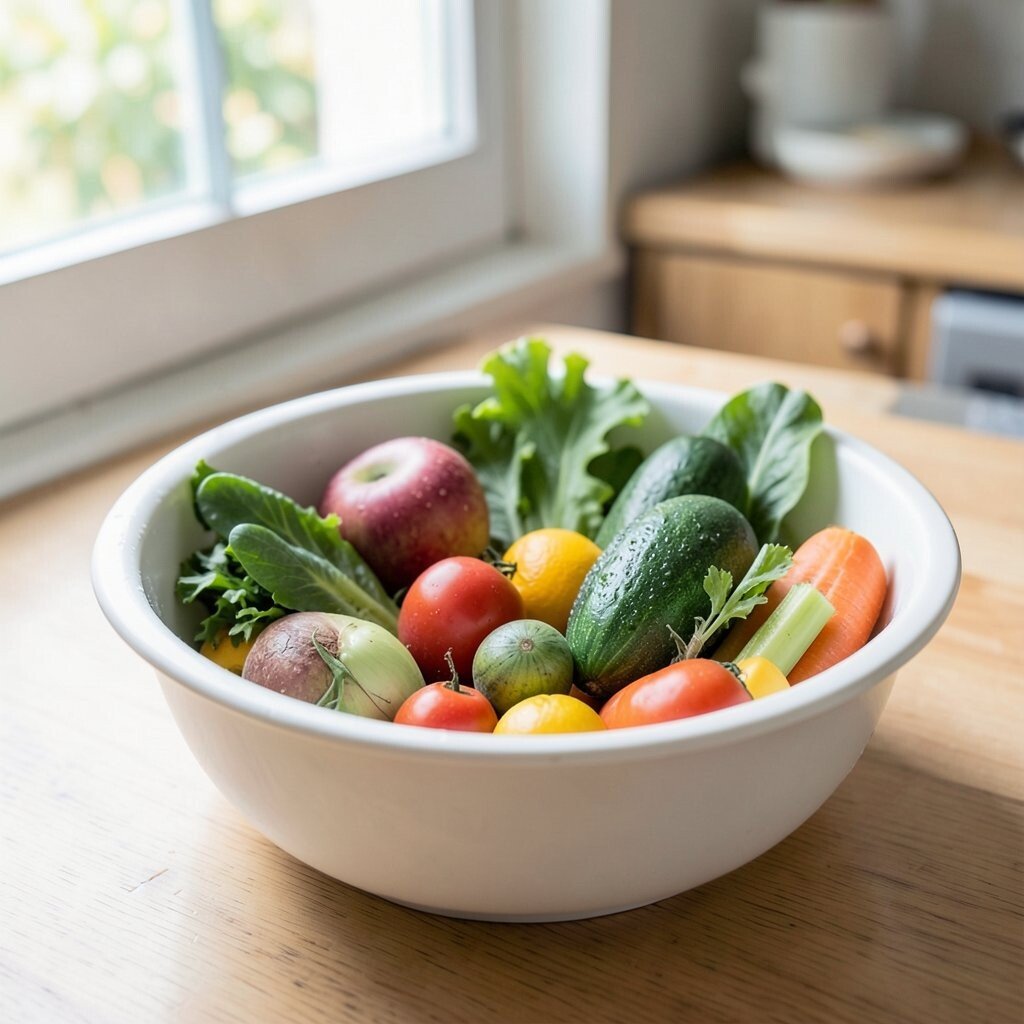
A bowl or basin of water makes fruit and vegetables look bright and ready without sending water straight down the drain. It gives the sink area a calm, organized look during meal prep.
This habit saves water and can be a good fit for busy families who want easy eco-friendly routines. It also makes it simple to move produce from washing to drying, especially when a clean towel is waiting nearby.
For extra ease, use a basin that nests inside the sink and is easy to lift. Some families even keep one in a favorite color so the task feels more pleasant.
13. Store cleaners in safe, clearly labeled bottles
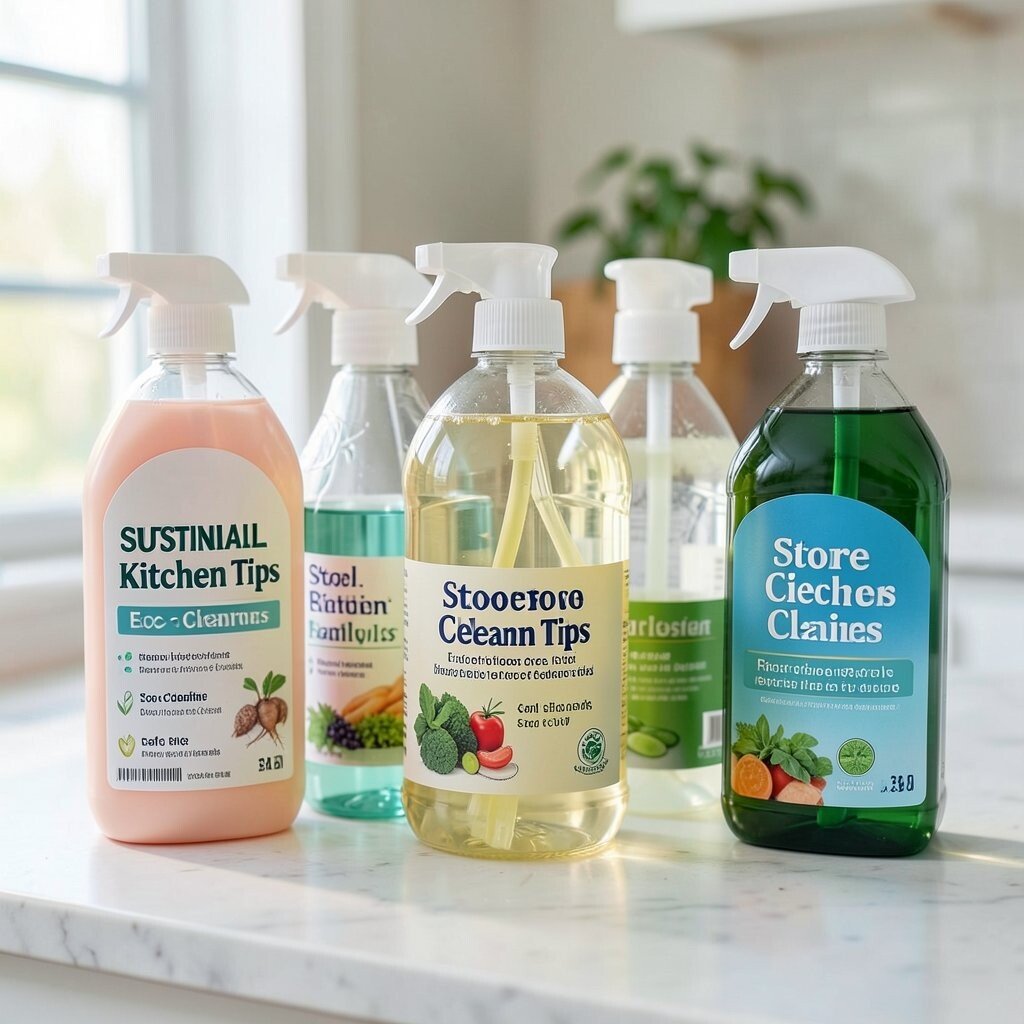
Clear labels and simple bottles can make even homemade cleaners feel neat and trustworthy. When the shelf looks organized, the whole kitchen seems calmer and easier to use.
This is important for safety, especially in homes with children who like to help. Labels also reduce waste because people are less likely to pour out the wrong thing or remake something that already exists.
Use large words, bold colors, or picture stickers so everyone can read them fast. If your family likes a modern look, choose matching bottles with the same shape and size.
14. Build a shared cleaning routine that fits your home
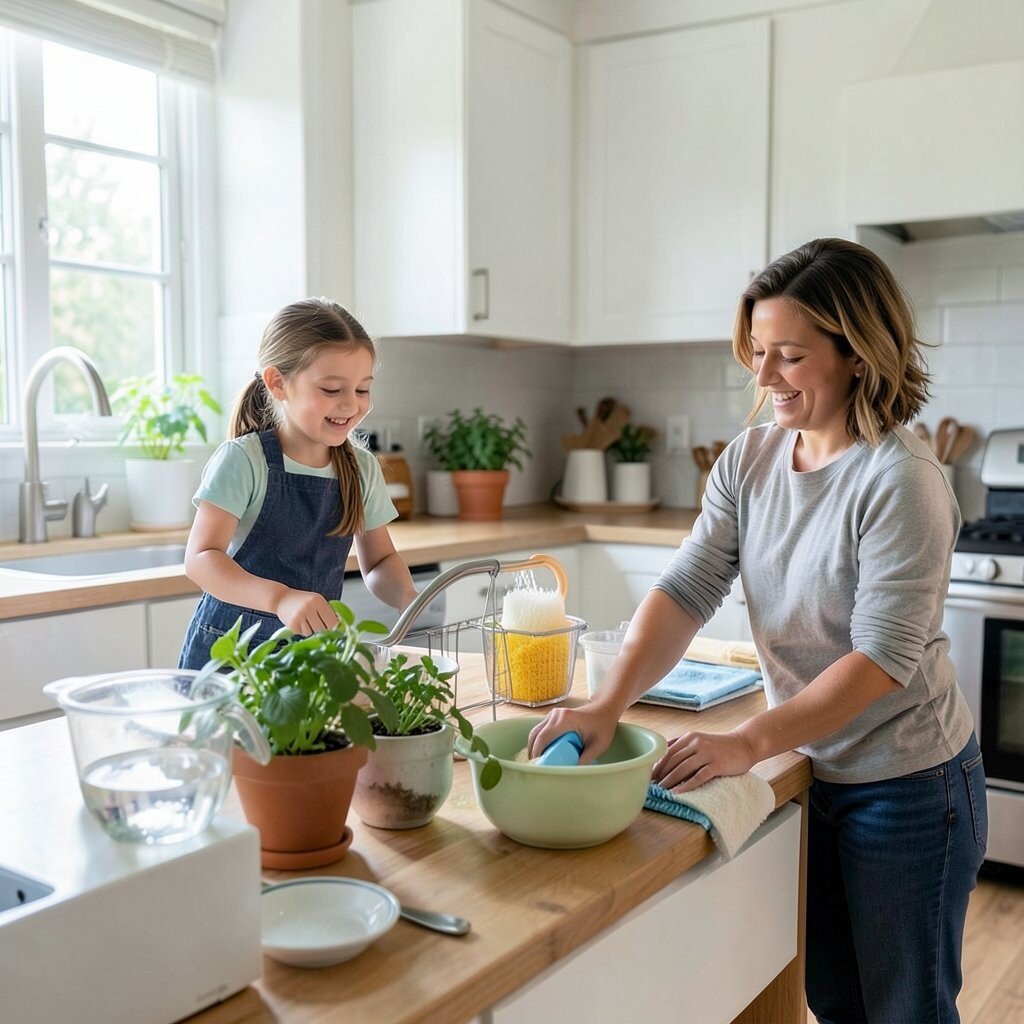
A simple family routine can turn sustainable cleaning into an easy habit instead of a chore. The kitchen may look busy for a few minutes, but the rhythm of small jobs can feel warm and teamwork-filled.
Assign tasks by age and ability, such as wiping counters, sorting cloths, or bringing the compost bowl outside. This keeps the work fair and makes it more likely that the habits will last.
Families can use a wall chart, a weekend checklist, or a song timer to make the routine more playful. When the plan fits your home, it costs little and brings a steady sense of order.