
Beadboard paneling makes rooms feel instantly warmer and more lived-in. It adds charm without asking you to overhaul everything.
1. Classic White Beadboard for Instant Cottage Warmth
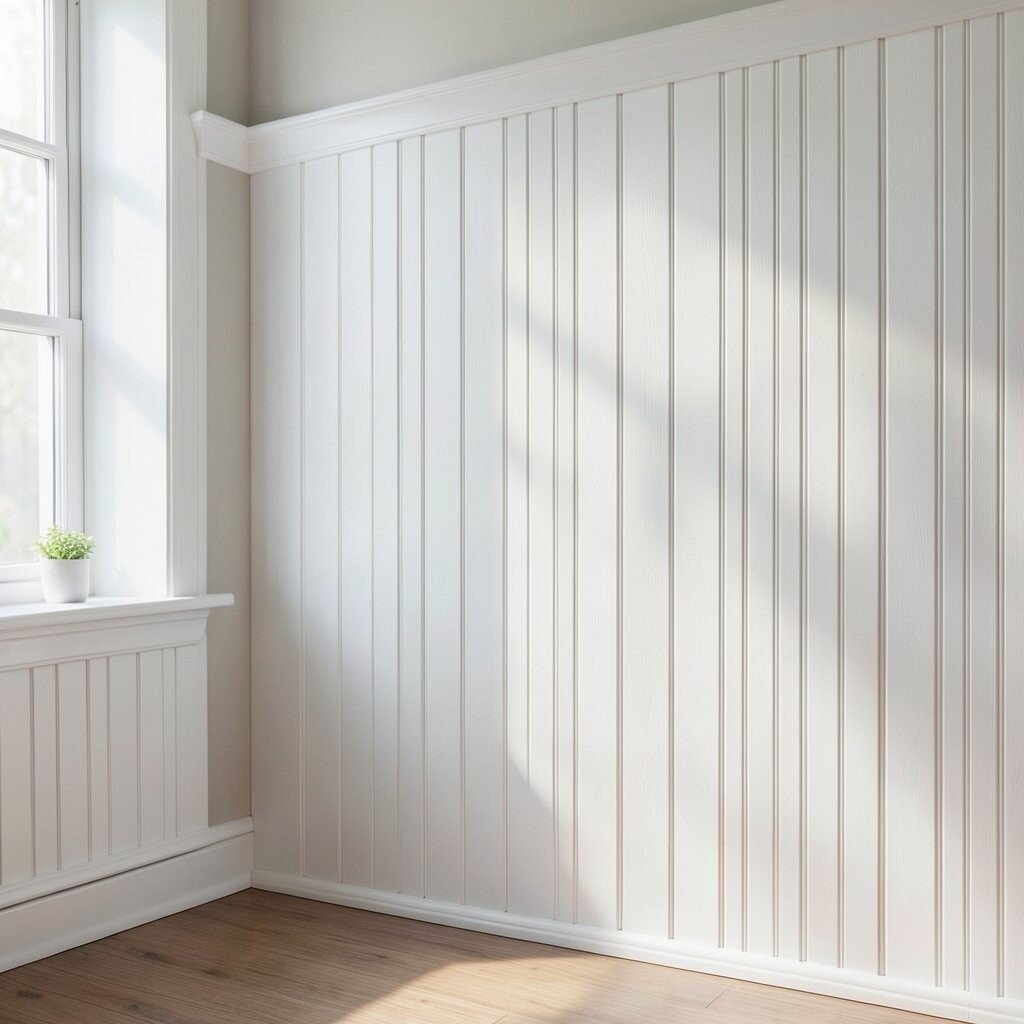
White beadboard instantly brightens a room and softens hard edges. It turns plain walls into something that looks cared for.
Use it on lower walls in a dining room or hallway so you get that crisp, tidy look. Pair it with warm wood floors and simple trim for a classic feel. For practicality, keep the surface clean with a gentle cleaner and a microfiber cloth, especially near doors.
2. Tall Beadboard Walls to Make a Small Room Feel Bigger
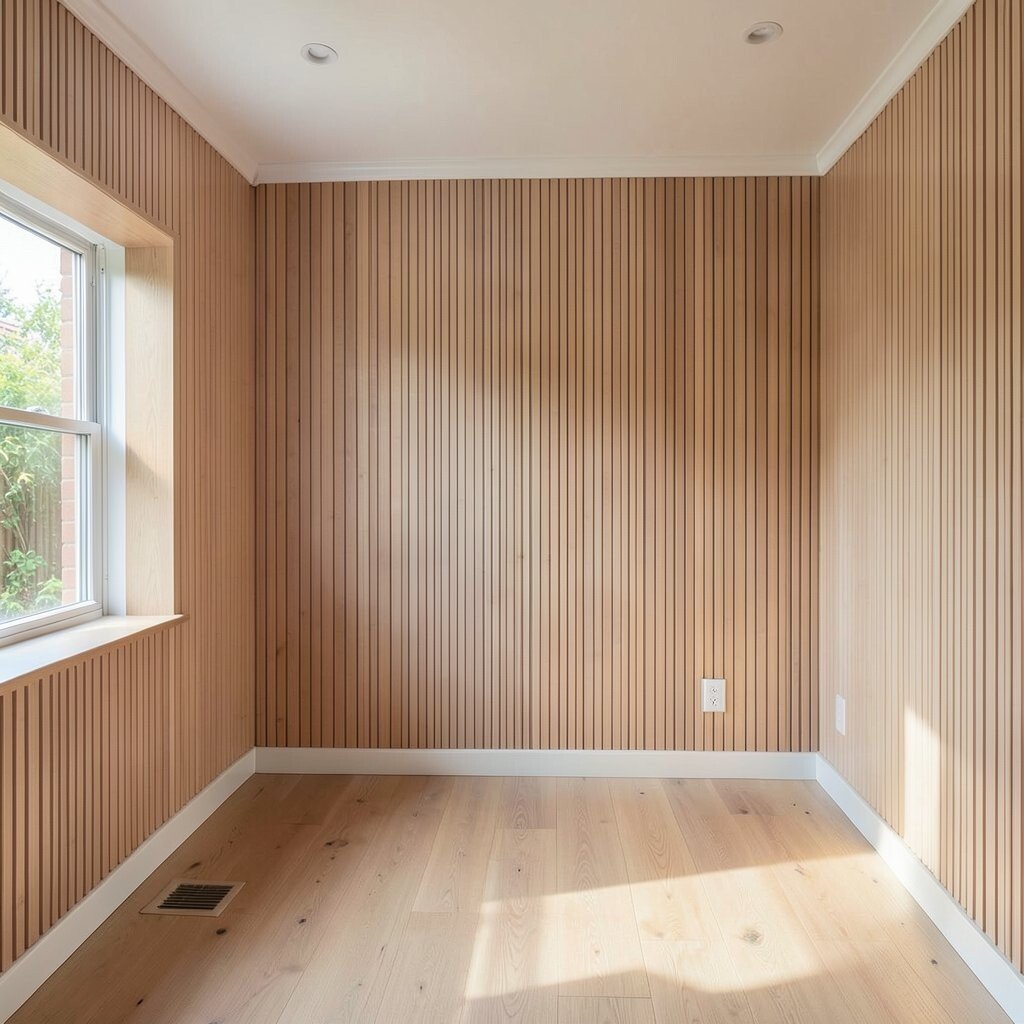
If you run beadboard from floor to near-ceiling, the space feels more structured and airy. The repeating lines guide the eye upward.
Choose a lighter color than the ceiling for contrast that still feels soft. Add a narrow baseboard and crown molding to make the paneling look built-in. If you’re working with a tight layout, mount beadboard with careful measurements so seams land where natural light highlights them least.
To keep the look cozy, add fabric like curtains or a textured rug that breaks up the crisp lines. A small room benefits from fewer patterns and more texture. Consider installing outlets and switches neatly within the panels for a smooth, tailored finish.
3. Beadboard Accent Wall Behind a Reading Nook

An accent wall of beadboard behind a chair or window seat gives you a perfect cozy backdrop. The texture makes reading corners feel special without needing extra décor.
Keep the surrounding walls neutral so the beadboard remains the hero. Install the panels at a comfortable height, then frame the area with matching trim. For a unique touch, add a thin ledge shelf where you can place books and a small lamp.
When you choose paint, opt for a warm white or creamy tone to avoid a sterile look. A semi-gloss finish on the beadboard helps with wiping and daily wear. If you want an extra level of comfort, match the undertone of the color to your curtains or bedding.
To reduce installation frustration, mark the wall studs first and pre-plan your seam locations. Use caulk at panel edges for a polished appearance. Finish with a matching top rail so the wall looks intentional from every angle.
4. Kitchen Beadboard Splash Zones for Easy Charm
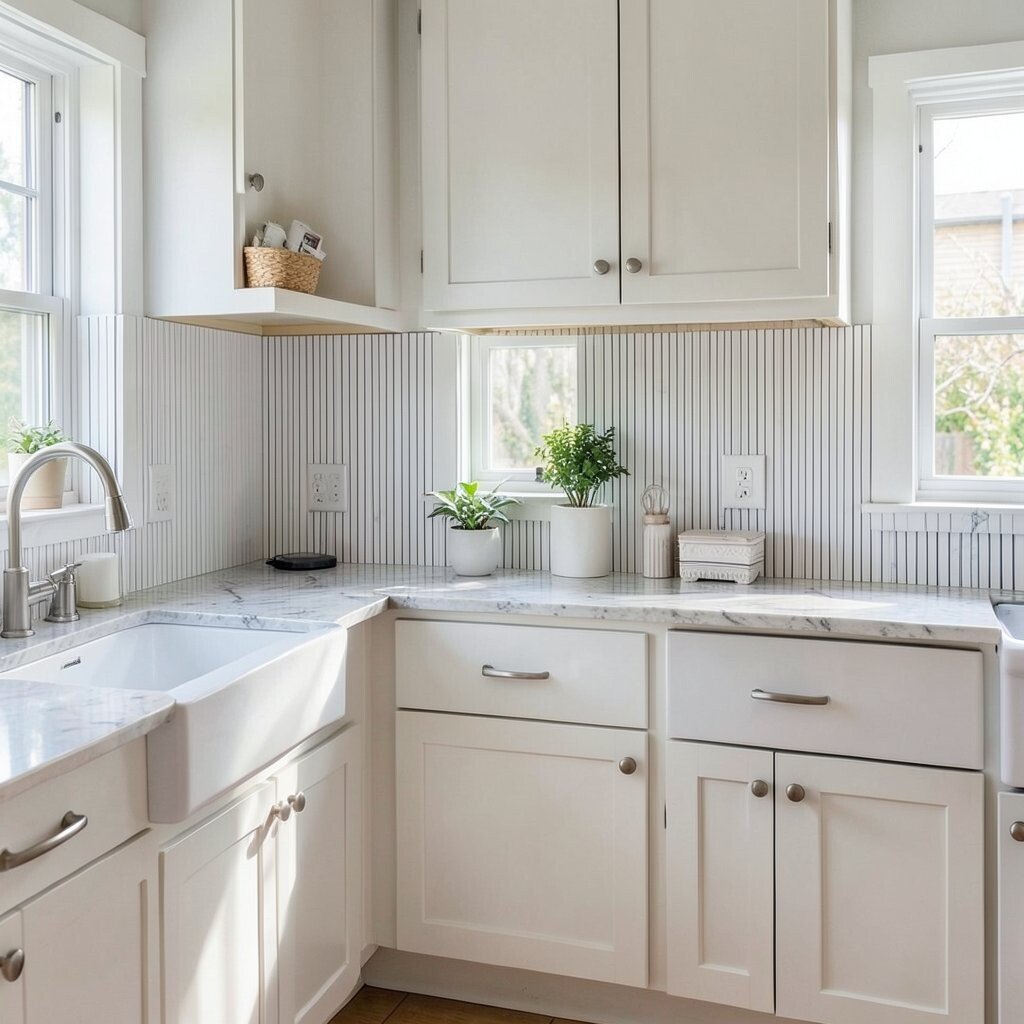
Beadboard in the kitchen can add a charming, cottage-like vibe while still staying practical. It also helps visually balance busy backsplash areas.
Try beadboard between open shelving and the countertops, or use it on the wall behind a coffee corner. Choose moisture-friendly paint and seal edges where splashes might reach. For cost control, cover only the most visible sections instead of wrapping the entire kitchen.
5. Boho-Modern Beadboard in Muted Earthy Tones

Beadboard doesn’t have to look purely coastal or traditional. In muted clay, sage, or oatmeal, it feels modern and calm.
Paint the panels in one steady color and keep hardware simple so the texture stays the focus. Add rattan, linen, or soft pottery to support the earthy palette. To make it look intentional, match your trim and door frames to the same color family.
For personalization, try a slightly darker tone at the bottom half and a lighter tone above. This creates depth without requiring complicated design work. If you’re budgeting, repaint existing trim rather than replacing everything.
6. Half-Wall Beadboard with a Picture Rail Effect

Half-wall beadboard makes rooms feel cozy while leaving the upper area open for art. It also offers a “framed” look that feels polished.
Pair beadboard with a picture rail or a simple ledge molding so you can hang smaller frames at varying heights. When you plan the height, measure from the floor and keep the top line level across the room. Seal the edges well to prevent the panels from looking uneven over time.
For practical upkeep, choose washable paint and avoid heavy gloss on every surface. Add a chair rail cap to create a smooth transition between wood tones and paint. This idea works beautifully in foyers, nurseries, and family rooms.
7. Beadboard Closet Lining for Neater Organization

Your closet can be a design moment, not just storage. Beadboard lining makes coats and folded items feel more orderly and visually calm.
Use beadboard on the back wall and side areas where you want the most impact. Paint it a crisp white or a soft gray to match your bedroom. If you have budget limits, focus on the visible interior wall rather than covering every surface.
To make it functional, add hooks or small shelves that complement the panel lines. Consider a uniform color for baskets so the texture feels consistent. This setup also makes it easier to spot dust when you do quick clean-ups.
8. Beadboard Fireplace Surround for Cozy-Heating Vibes
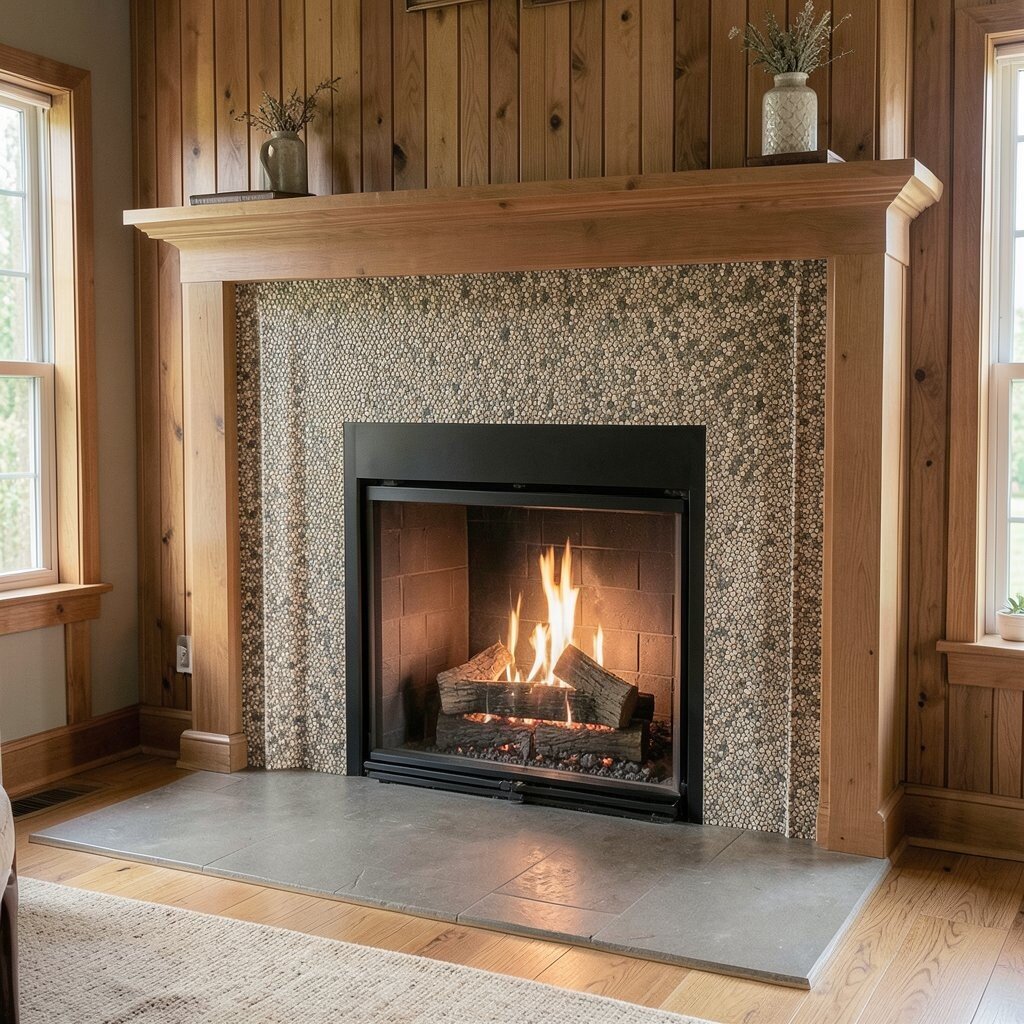
A beadboard fireplace surround instantly makes the whole room feel warmer. The texture adds softness around something that can look bold or harsh.
Keep the color bright and clean so the area feels fresh, especially during colder months. Install beadboard on the vertical sections and use trim to create neat borders. If your fireplace has a mantel, style it with seasonal items that don’t overcrowd the beadboard.
For uniqueness, add a slightly different trim profile—like a wider cap—so the fireplace becomes a focal point. Make sure you use materials safe for the heat zone and follow local building guidance. If you’re unsure, consult a professional for clearance requirements.
To personalize the look, paint the mantel in a wood tone while keeping the beadboard white. That contrast makes the design feel layered, not flat. Keep fireplace tools in a neat stand so the style stays cohesive.
9. Beadboard Bathroom Panels with Water-Friendly Finishes
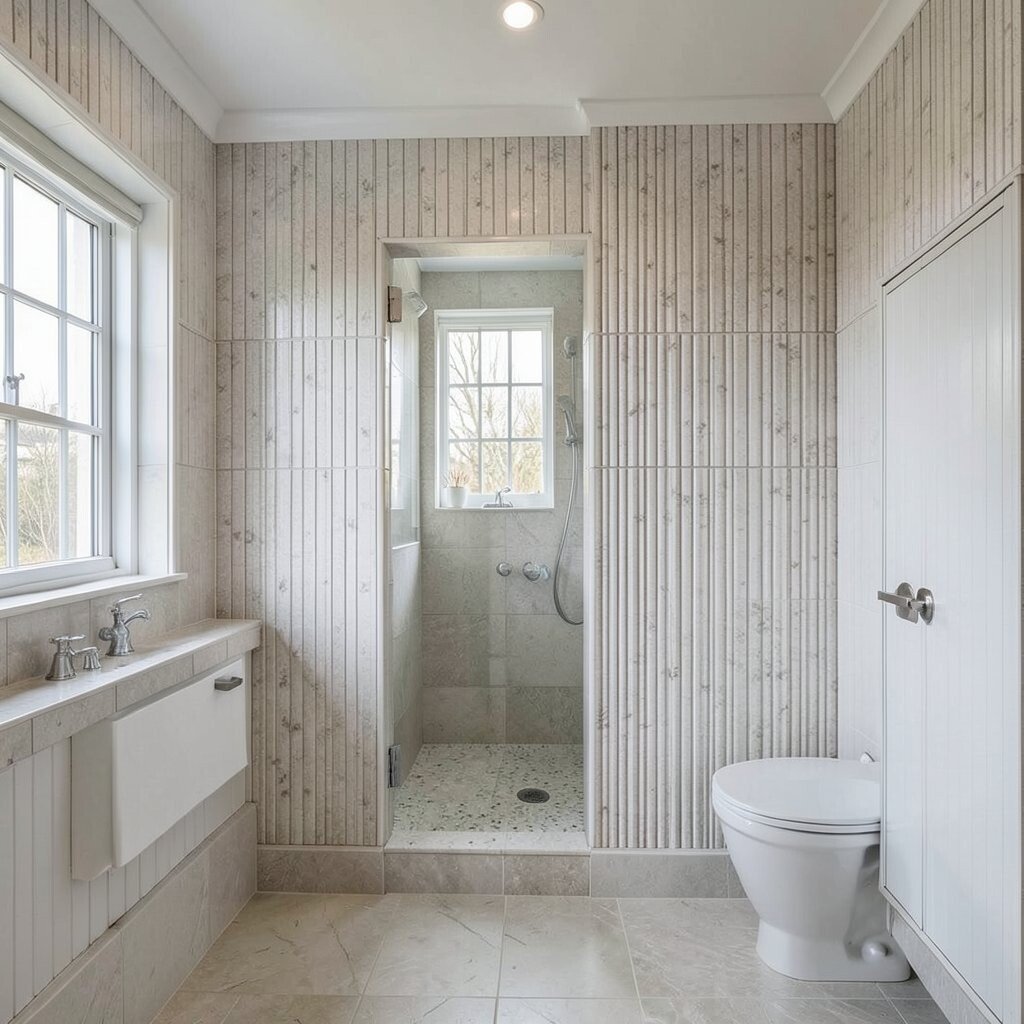
Bathrooms can handle beadboard beautifully when you choose the right finish. It adds a spa-like, cozy feel that still looks crisp.
Use it on the upper half of walls or on the side of a vanity where splashes are limited. Prime well, then paint with a moisture-resistant option for better durability. If you have a steam-heavy bathroom, pay extra attention to sealing edges and corners.
Add simple accessories like a framed mirror and coordinated towel rings for a clean look. To keep it practical, avoid porous finishes that stain easily. Choose hardware in brushed nickel or warm brass to match your fixtures.
For a clever trick, use beadboard in a niche where you store toiletries. It gives you a built-in look without needing extra cabinetry. Keep the niche shelves shallow so everything stays easy to reach.
10. Beadboard in a Mudroom for a Fresh, Organized Entry
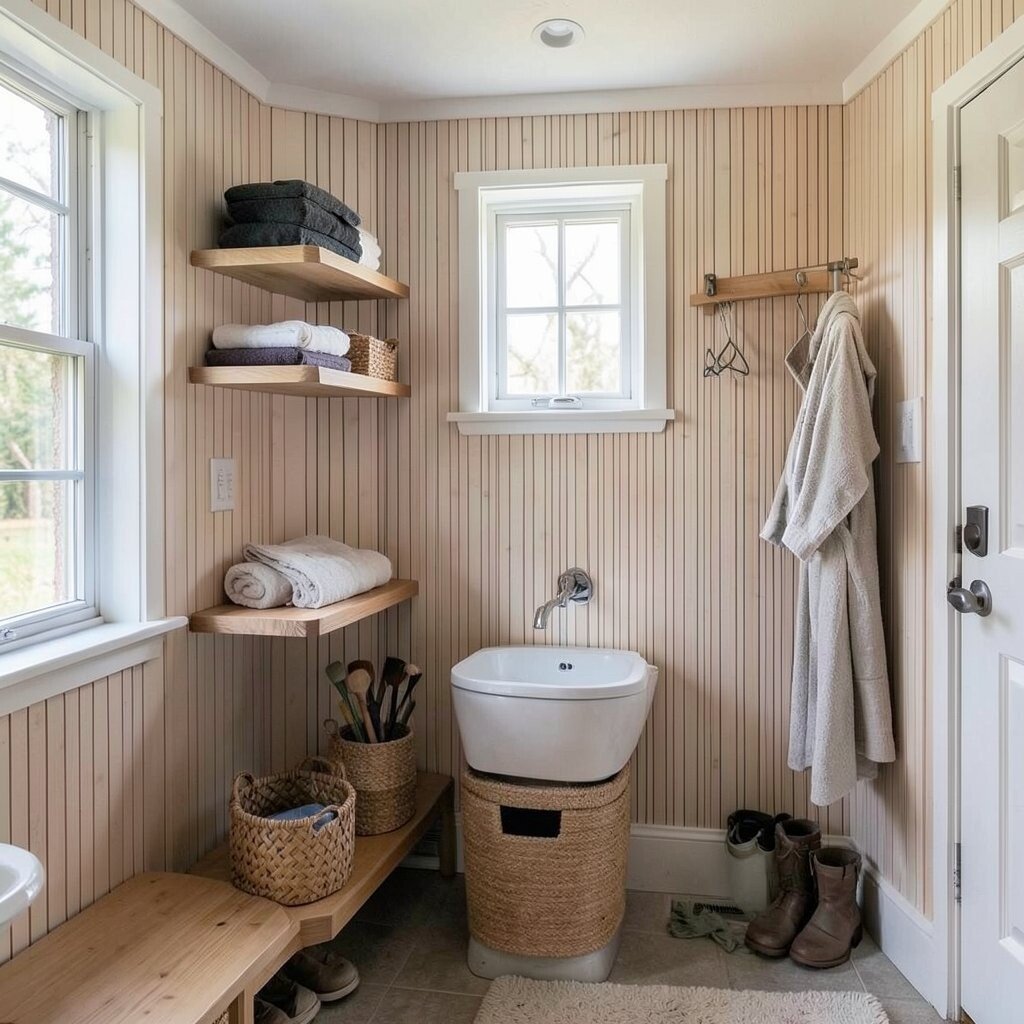
A mudroom takes on a calmer vibe when the walls have gentle texture. Beadboard helps your entry feel tidy and welcoming, even on busy days.
Install panels where jackets and bags bump the wall most. Pair beadboard with hooks, a bench, and a lower coat rack to keep items visible but controlled. Choose washable paint so scuffs wipe off without worry.
If you want a unique look, paint the beadboard slightly darker than the trim. That subtle contrast makes the entry feel designed. For cost, cover only the main traffic areas instead of the entire room.
11. Warm Wood Trim + White Beadboard for a Balanced Look
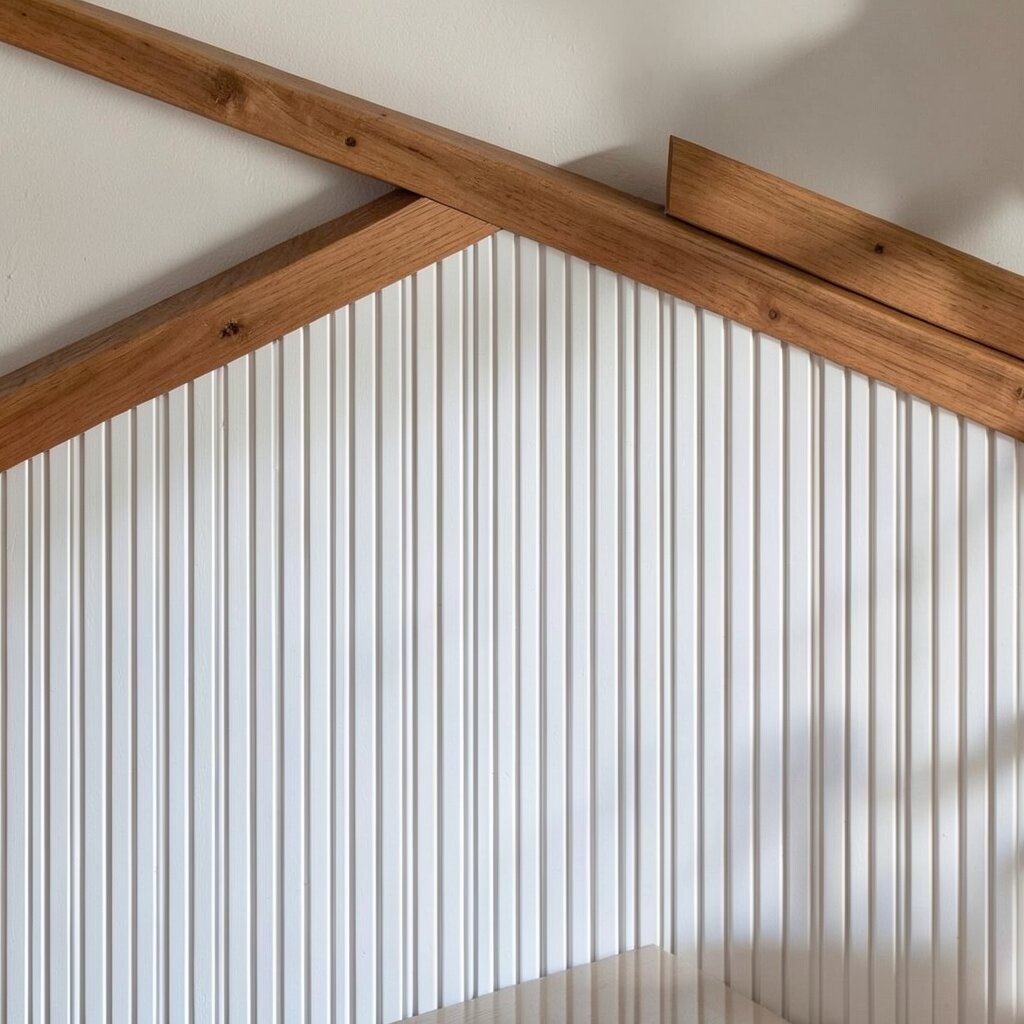
White beadboard looks extra cozy when it’s paired with warm wood accents. This combo feels inviting and natural rather than too stark.
Use stained trim along the top and bottom edges, and let the wood repeat in your floors or furniture. Keep beadboard paint in a creamy white to match the warm undertones of your wood. This approach is great if you want a classic look but still crave comfort.
To personalize, choose a trim width that matches your room scale. A small room may look best with thinner trim, while larger rooms can handle wider borders. For maintenance, use a protective finish on stained wood so it resists moisture and daily wear.
When planning installation, measure twice and cut trim carefully around corners. A neat border makes the beadboard feel custom. Add simple wall art to avoid visual clutter.
12. Navy or Charcoal Beadboard for Dramatic Coziness
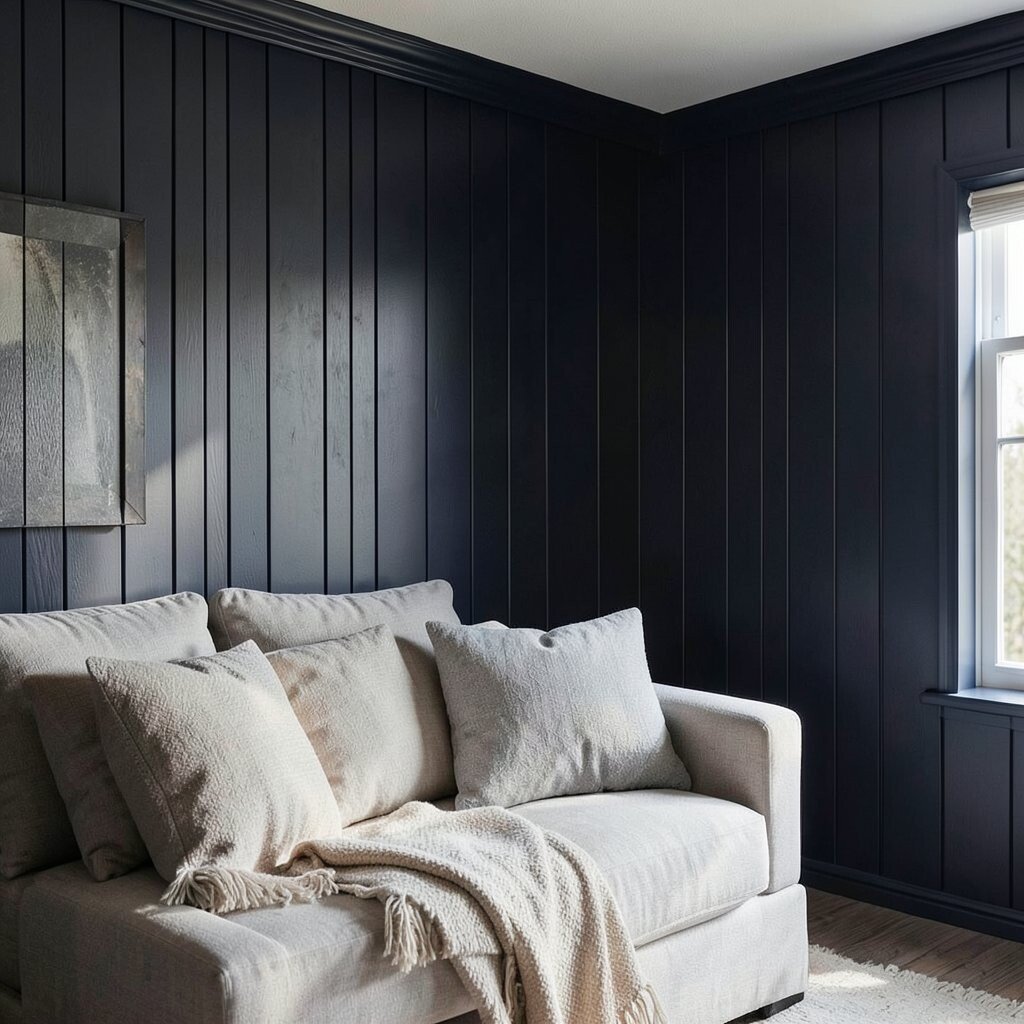
Dark beadboard can feel bold and cozy at the same time. The shadows created by the grooves add depth that lighter walls can’t always match.
Try navy in a library corner, bedroom, or dining space for a moody, welcoming atmosphere. Keep the rest of the room lighter to prevent it from feeling heavy. Use warm lighting like soft bulbs and lamps to complement the darker panels.
For uniqueness, pair dark beadboard with brass sconces or black metal frames. The contrast makes the texture pop. If you worry about resale, choose a removable panel approach or keep the design on a single feature wall.
13. Beadboard Window Seats for Built-In Comfort
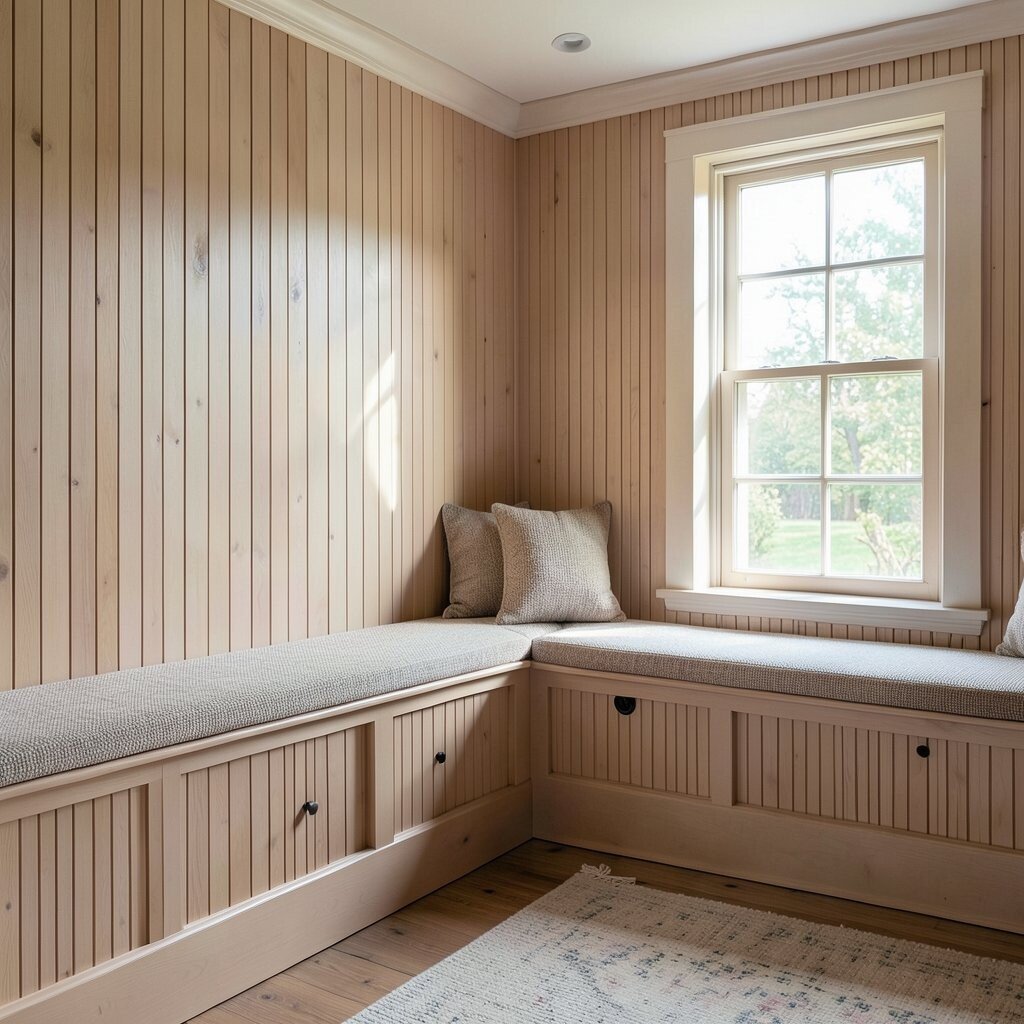
A window seat wrapped in beadboard turns a simple spot into a cozy retreat. The texture makes the built-in feel tailored and welcoming.
Use beadboard on the vertical sides and panel faces, then add cushions in a soft pattern or solid neutral. Keep the cushion fabric durable so it holds up to daily use. For practical cleaning, use removable covers where you can.
Consider adding storage drawers beneath for extra organization. The beadboard look pairs nicely with baskets and tidy bins. If you’re working on a budget, build a simple seat base and dress it with paneling rather than replacing cabinetry.
To keep the design cohesive, match the seat trim to your room’s existing molding. Measure the window width carefully so the panels align neatly at the edges. Finish with caulk and paint for a smooth, seamless look.
14. Beadboard Wainscoting in a Stairway Hall

Stairways can feel echoey and plain, but beadboard wainscoting adds warmth. It also helps make the steps and landing look more grounded.
Install beadboard along the walls where people naturally pass and linger. Use matching corner trim so the lines stay crisp around turns. If the stairs are narrow, keep the color light to maintain a bright feel.
For practical tips, secure panels carefully on stud spacing and use a level for each section. Stairs often have slight wall irregularities, so plan for small adjustments. A smooth paint job makes the entire hallway look professionally done.
15. Beadboard in a Nursery for Soft Texture and Calm
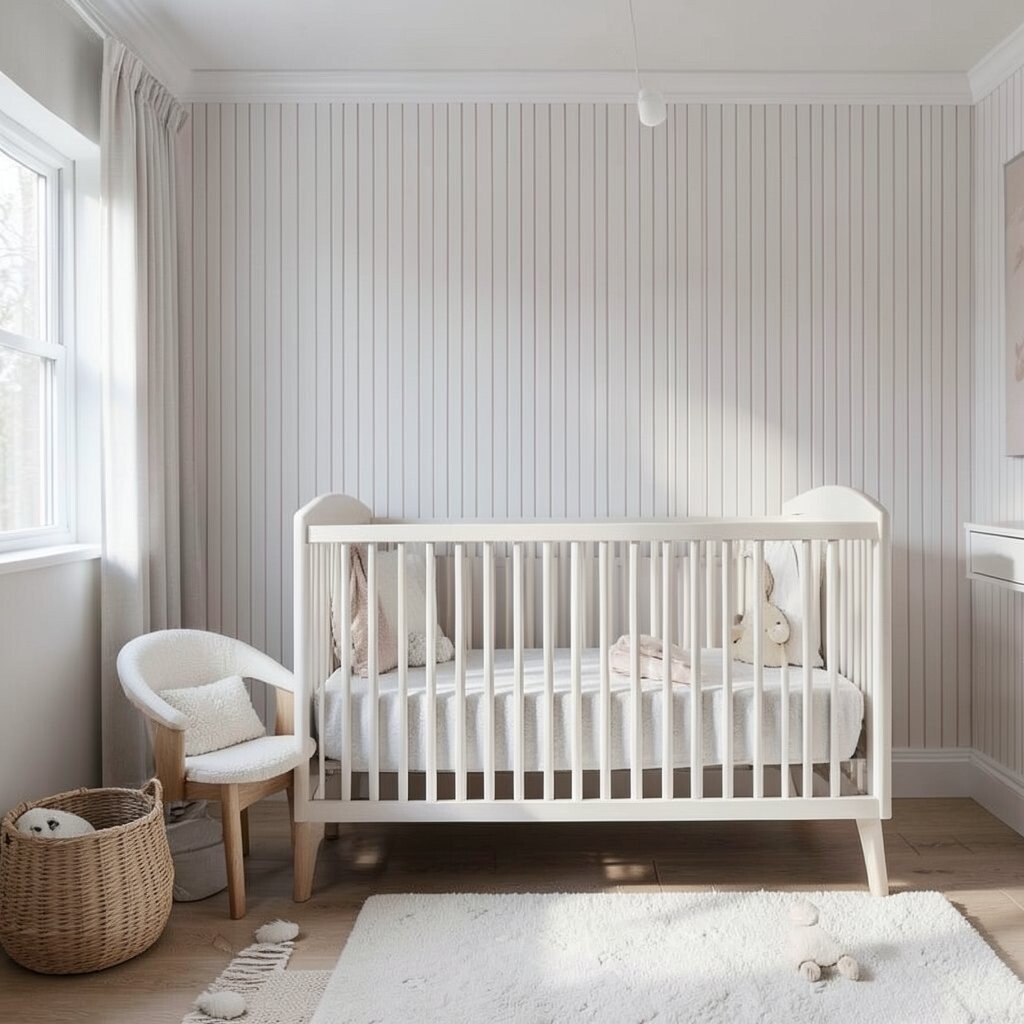
Beadboard can create a soothing nursery backdrop with a gentle, classic texture. It feels sweet without turning the room into a theme park.
Choose a soft white or pale pastel and keep the trim simple. Paint early, let it cure fully, and prioritize low-odor products if you’re sensitive to fumes. Add a changing station or crib area so the paneling frames the room’s main zones.
For personalization, hang framed name art, small mirrors, or a cozy wall mobile that doesn’t compete with the beadboard lines. Consider adding a washable rug to support easy clean-ups. This is one of those design choices that grows with the child.
16. Painted Beadboard with Subtle Two-Tone Contrast
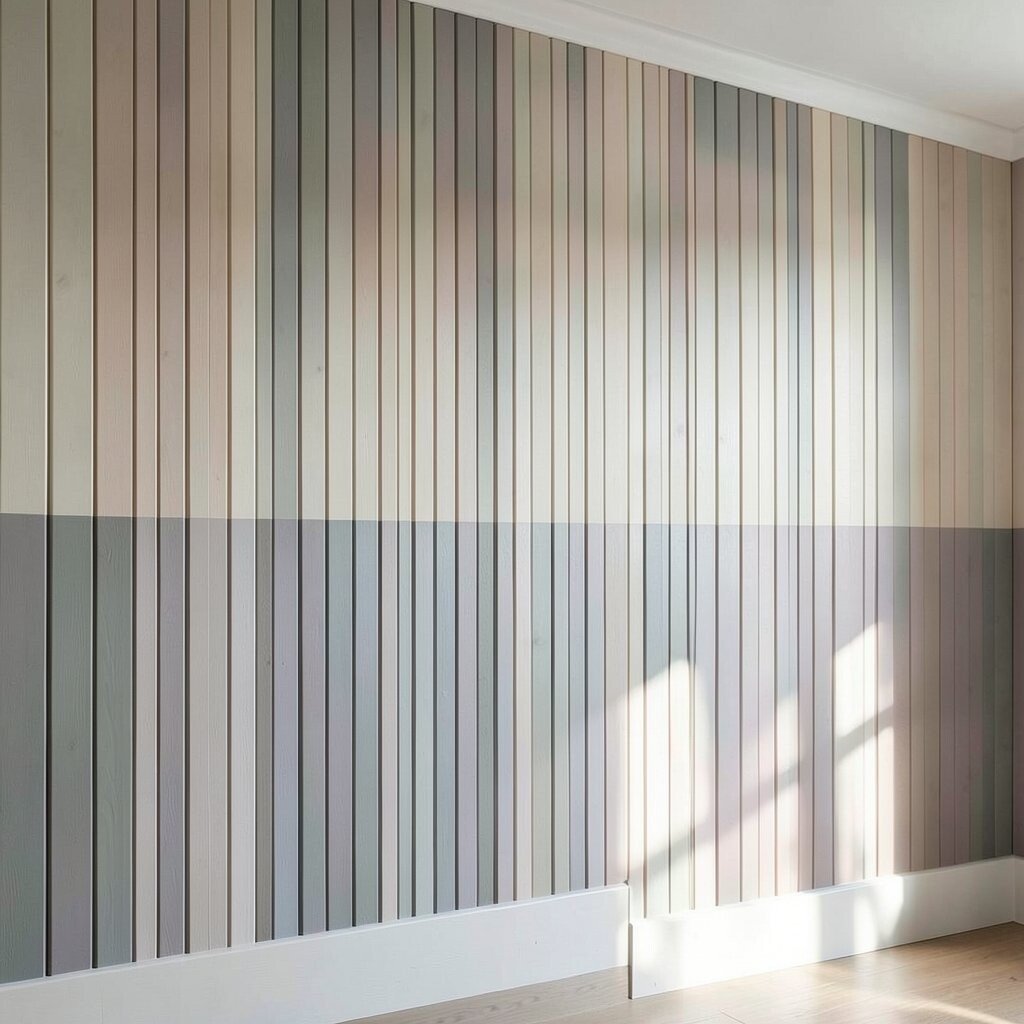
Two-tone beadboard gives visual interest without requiring bold patterns. It’s a great way to add depth while keeping the room calm.
Try a darker color on the lower half and a lighter color above, separated by a clean rail line. The contrast makes the grooves look even more pronounced. Use paint that matches your room’s lighting so the colors don’t shift oddly at night.
For a cost-conscious option, repaint just the panels and keep trim as is. If the trim needs updating, do it in the lighter tone for a consistent backdrop. Add simple décor in matching undertones to keep everything feeling cohesive.
17. Natural Beige Beadboard with Neutral Bohemian Textiles

Beadboard in natural beige feels relaxed and warm, especially with boho textiles. The texture works like a backdrop for layers of soft throws and patterned pillows.
Keep your color palette in the same warm family, then add earth-toned bedding and rugs. This approach makes the room feel curated rather than mismatched. For practical tips, seal the beadboard and use paint that wipes clean.
To make it unique, mix woven items like macramé, baskets, and wood accents. The beadboard grooves add a steady rhythm, so you can keep other décor more playful. If you want a budget win, thrift frames and paint them to match your beadboard tone.
18. Beadboard Behind a Buffet or Sideboard

A beadboard wall behind a buffet makes everyday dining pieces look more elevated. It also gives guests a focal point that feels curated and cozy.
Style the buffet with simple items like a mirror, stacked plates, and greenery. Use the beadboard lines to balance taller décor and avoid visual clutter. If you’re renting or prefer flexibility, consider a panel system that can be adjusted or removed later.
For personalization, paint the beadboard to match your favorite accent color. Soft sage or warm gray looks especially inviting with wood furniture. Keep the trim understated so the focus stays on your styling choices.
19. Beadboard Bathroom Half-Wall with Modern Fixtures

A half-wall beadboard look is a sweet spot for bathrooms. It adds charm while leaving room for sleek fixtures and mirrors.
Pair beadboard with modern faucets and a simple, frameless or thin-framed mirror. This balance keeps the design from feeling too old-fashioned. Choose a paint finish that can handle humidity and occasional splashes.
To make the setup practical, line the lower area with beadboard and keep shelves for storage lightweight. Add a towel ladder or hooks that match the hardware finish. This design feels tidy because it creates a consistent visual “boundary” across the wall.
20. Beadboard with Gallery Wall Frames for Cozy Character
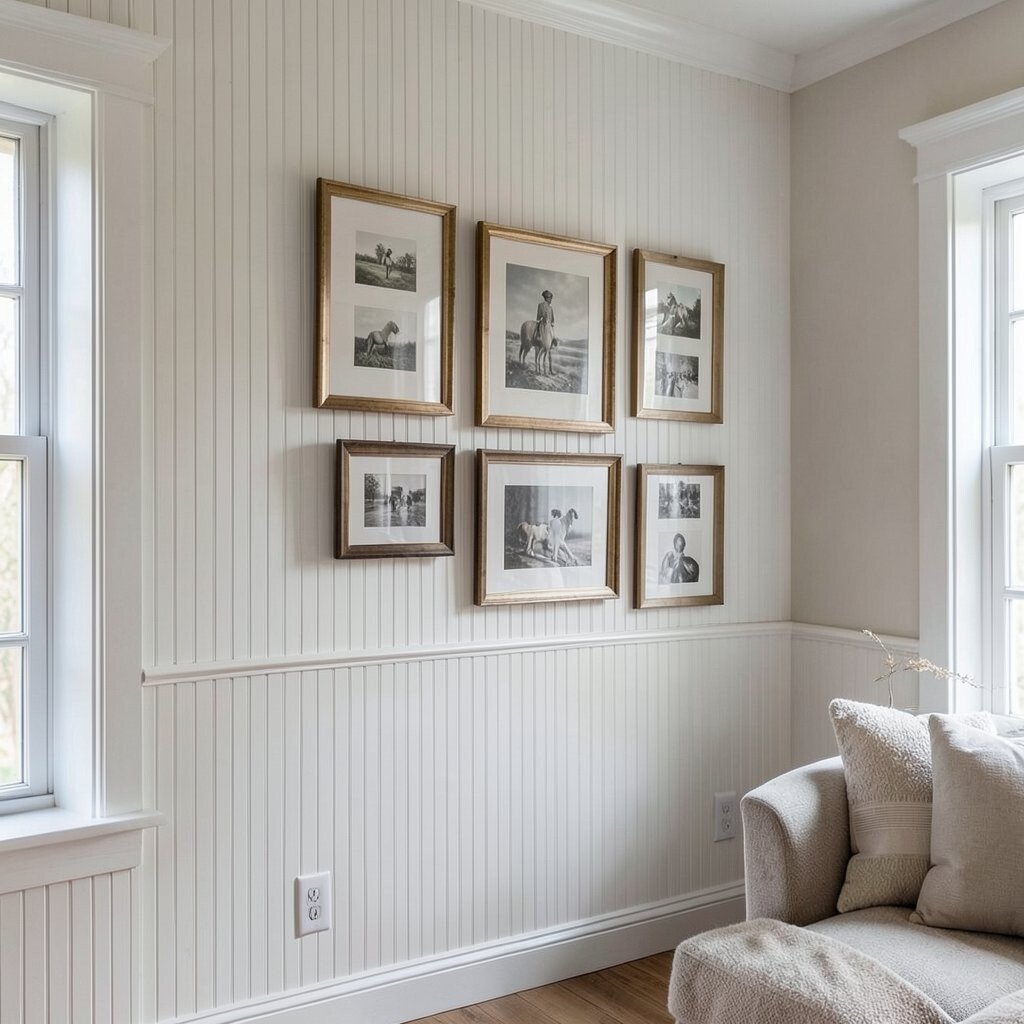
Beadboard is perfect behind a gallery wall because the texture adds warmth under art. The grooves make frames stand out without needing extra colors.
Choose beadboard first, then plan your frame spacing so the layout doesn’t fight with the panel lines. Use a mix of frame sizes in a consistent finish like black, white, or natural wood. For practicality, keep the frames lightweight and use secure wall anchors.
To personalize, include meaningful photos, vintage prints, or seasonal art that you can swap out. The beadboard keeps the background cozy even when the art changes. If you’re working on a budget, create a gallery that uses affordable frames and durable print copies.
21. Beadboard with Wallpaper-Like Styling on One Feature Zone

Beadboard can mimic the look of textured wallpaper, especially when you style it on a single feature wall. It adds depth and character while still feeling orderly.
Paint the panels in a soft neutral and then add one accent element like a bold trim border or a contrasting chair rail. This creates the “designed” feeling of wallpaper but with paneling durability. If you want a twist, match the trim color to a rug or curtain pattern.
For cost considerations, focus on a manageable section such as the wall behind a bed, vanity, or desk. You get a high-impact result without spending for every wall. Keep the rest of the room simple so the beadboard feature remains the star.
When finishing, caulk panel seams lightly for a smooth look that resembles wallpaper texture. Use painter’s tape carefully for straight trim edges. The final effect should feel cozy, tailored, and easy to maintain.