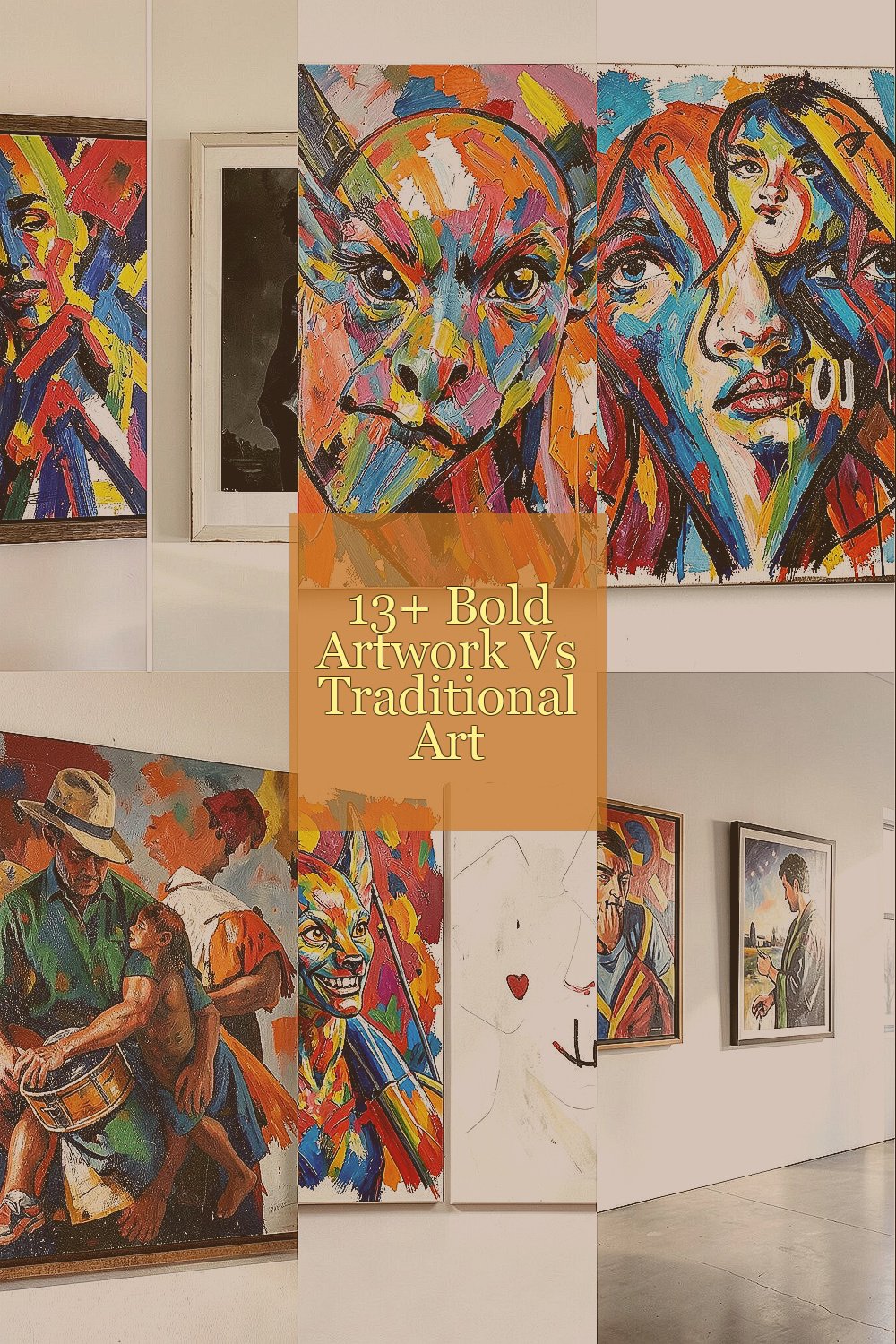
Two kinds of art can light up the same room in totally different ways. Your choice can shape how the art feels, costs, and even how you live with it.
Let’s talk about bold artwork and traditional artwork in a way that helps you pick what fits your style and your life.
-
1. First look: how they grab your eyes
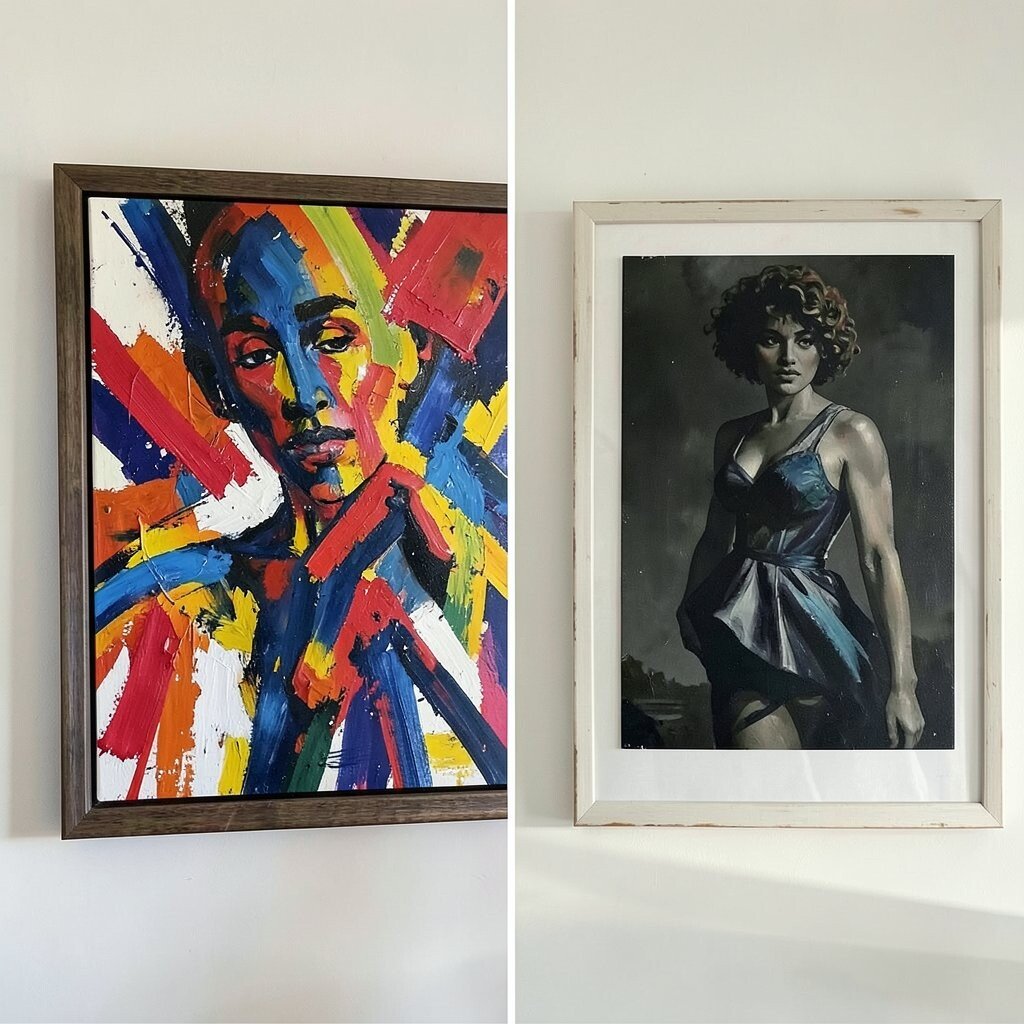
First look: how they grab your eyes Bold artwork often hits fast with bright shapes, strong colors, and clear visual punch. Traditional artwork can feel slower, with softer blends and details that reward a calm look.
When you see bold artwork, your brain tends to notice the main idea right away, like a poster that says, “Look here!” Traditional pieces may invite you closer, almost like you are reading a story line by line.
Try this tip: stand back from your art for a moment, then step closer. If you love the first reaction, bold may fit; if you love the close-up details, traditional might feel right.
One benefit of bold artwork is that it can make a room feel lively even from far away. One benefit of traditional artwork is that it can make a space feel cozy and timeless.
-
2. Materials and methods: what’s actually happening
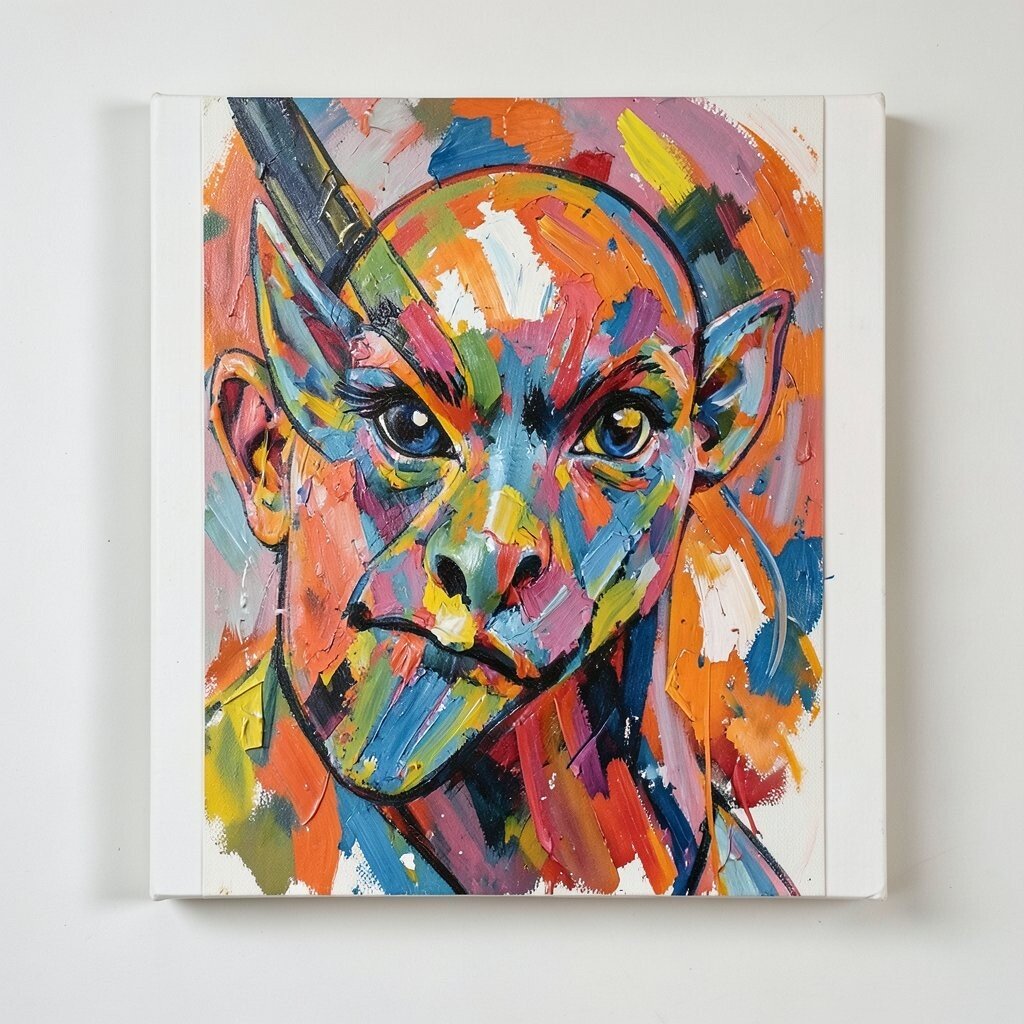
Materials and methods: what’s actually happening Bold artwork usually uses modern tools, like digital brushes, screen prints, or mixed media with crisp edges. Traditional artwork often uses paint, pencil, charcoal, or clay, where each mark can show the artist’s hand.
Because the process can be different, the final texture may also feel different. Bold work can look clean and graphic, while traditional work can show grain, brush strokes, or paper fibers.
If you like “made by hand” marks, traditional methods may feel more personal. If you like sharp design and bold shapes, modern tools can be a great match.
-
3. Personal style: how each one can show “you”
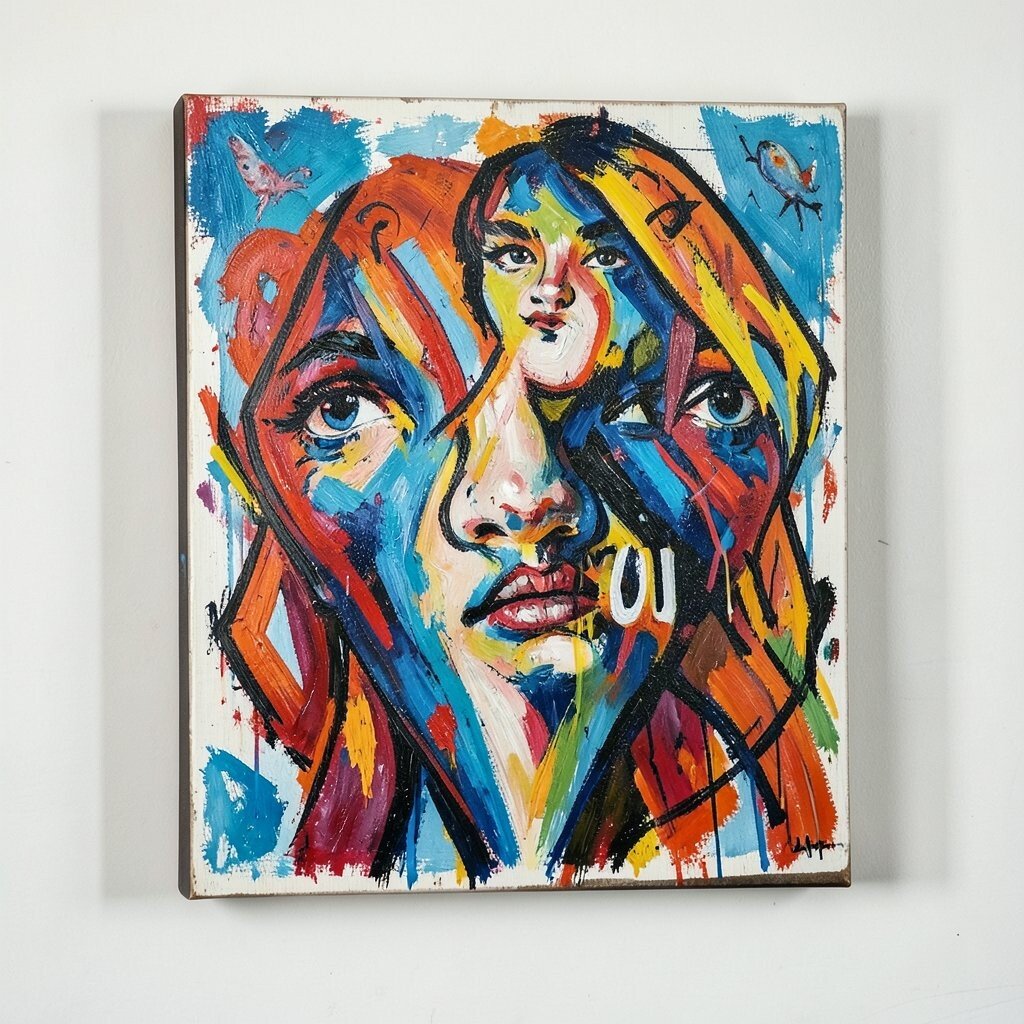
Personal style: how each one can show “you” Bold artwork can match your style if you love clarity, bold contrast, and confident choices. Traditional artwork can match you if you enjoy mood, subtle shifts, and a more gentle vibe.
Uniqueness matters here, because bold pieces often follow a design language that stands out. Traditional pieces also feel unique, especially when the work carries visible changes from start to finish.
Try personalization by building a color set that matches your room or wardrobe. You can also add symbols that mean something to you, like a favorite place, a pet’s name, or a memory.
Benefits show up when your art makes your space feel like home. Either style can do that, but the way it does it will feel different day to day.
-
4. Cost and budgeting: what to expect
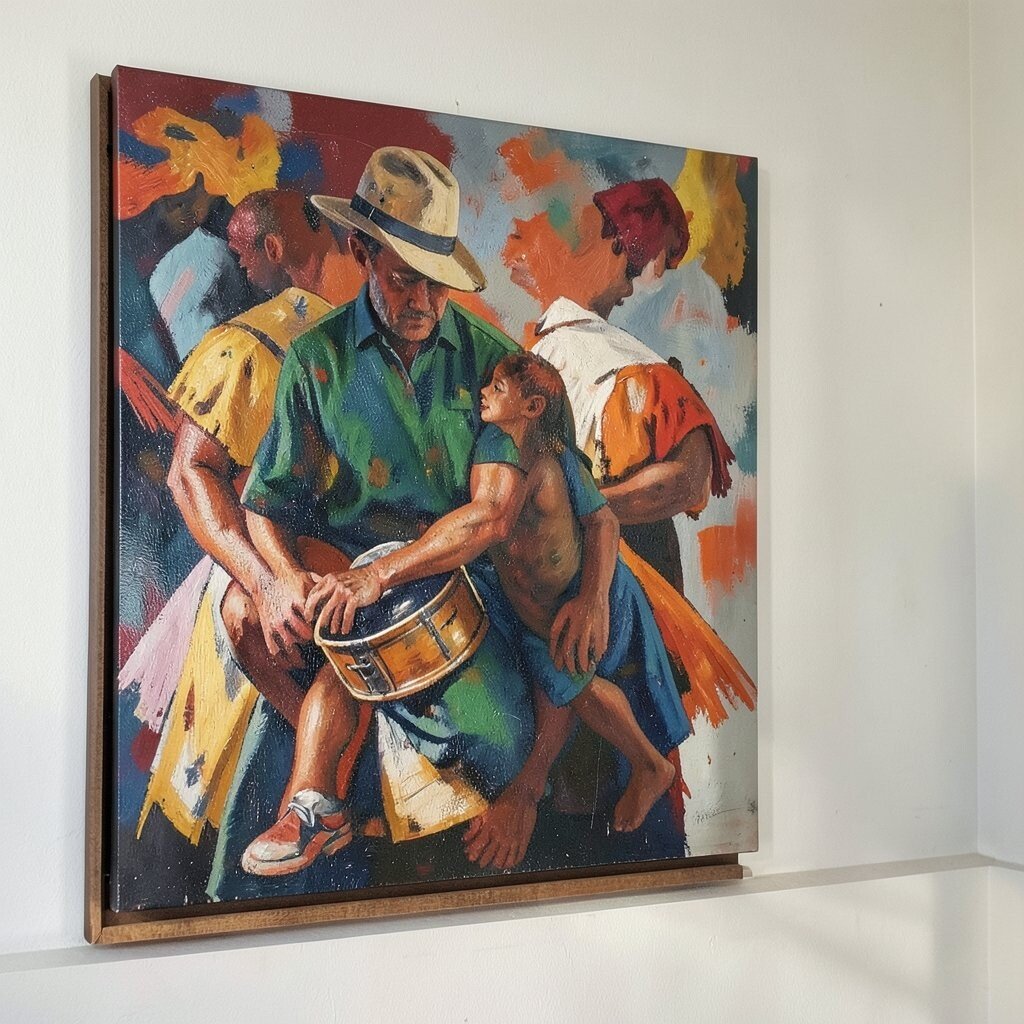
Cost and budgeting: what to expect Bold artwork can sometimes cost less, especially when prints are made in sets or when you buy from newer creators. Traditional artwork can range widely, and some original works cost more because the process takes time and hands-on skill.
Think about your budget like a playlist: you can spend on one “main track” and keep the rest lighter. Another idea is to start with smaller pieces, then add more later as your collection grows.
-
5. Speed of buying: fast joy vs slow growth
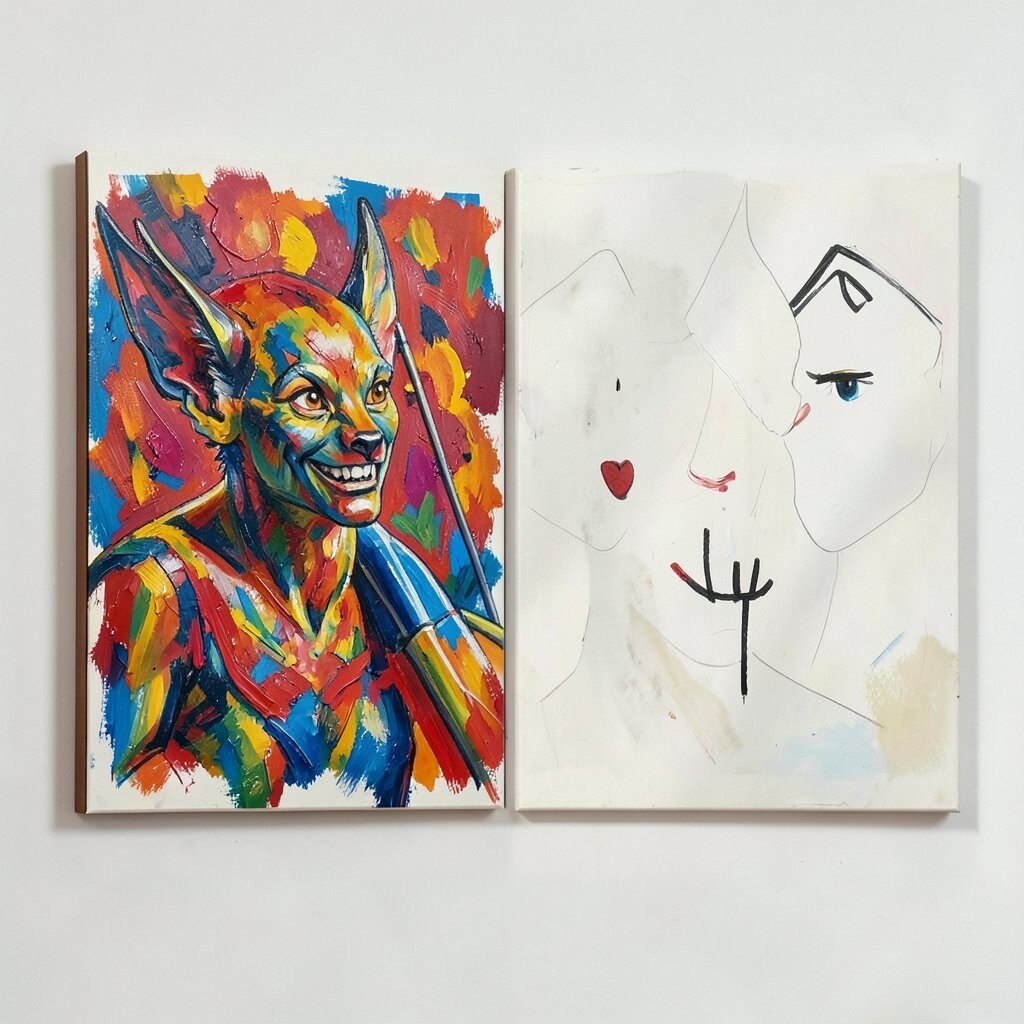
Speed of buying: fast joy vs slow growth Bold artwork often feels ready to enjoy because many pieces are made to be shared quickly. Traditional artwork can take longer to finish, and that waiting can feel meaningful.
If you want quick joy, you can find bold prints, posters, and digital downloads that let you change your space sooner. If you like slow growth, traditional work can become a longer-term project, like saving up for a piece you truly love.
Here’s a suggestion: set a timeline for your purchase based on your needs. If you are moving soon, bold prints may help you style the new place quickly.
-
6. Display and space: where each one shines
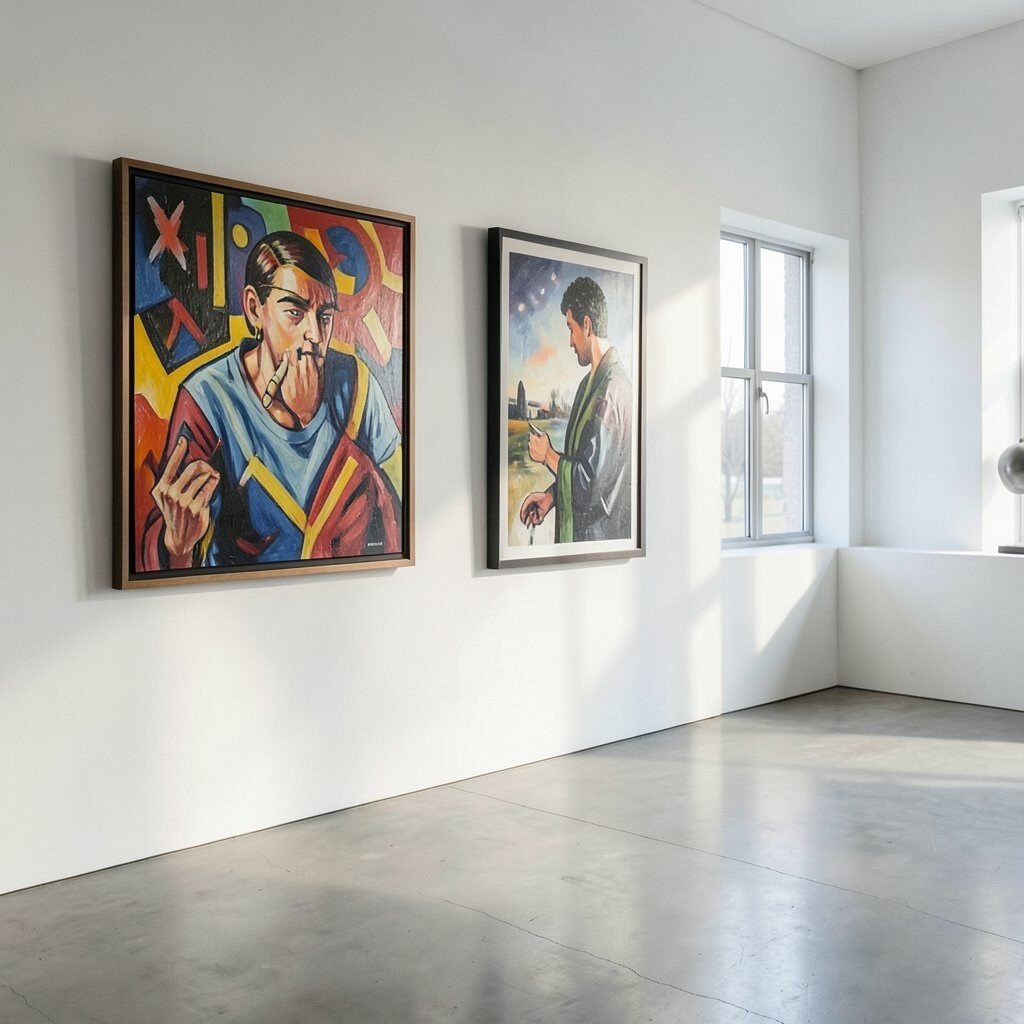
Display and space: where each one shines Bold artwork tends to look amazing on big walls, hallway spots, and places where you want energy. Traditional artwork can shine in quiet corners, reading nooks, and rooms where softer tones fit.
Choose placement by thinking about how people move through your home. Bold pieces can act like landmarks, while traditional pieces can act like calm companions.
Tip: match the artwork size to the distance people stand from it. If it’s across the room, bold often works well because it stays clear at a glance.
Benefits include better harmony with your lighting too. Bold colors can glow under bright light, while traditional works can look warm under lamps.
When you pick a frame, remember that framing can change the mood a lot. A sleek frame can make bold work feel modern, while a simple wooden frame can support traditional art’s gentle warmth.
-
7. Texture and detail: the feel behind the look
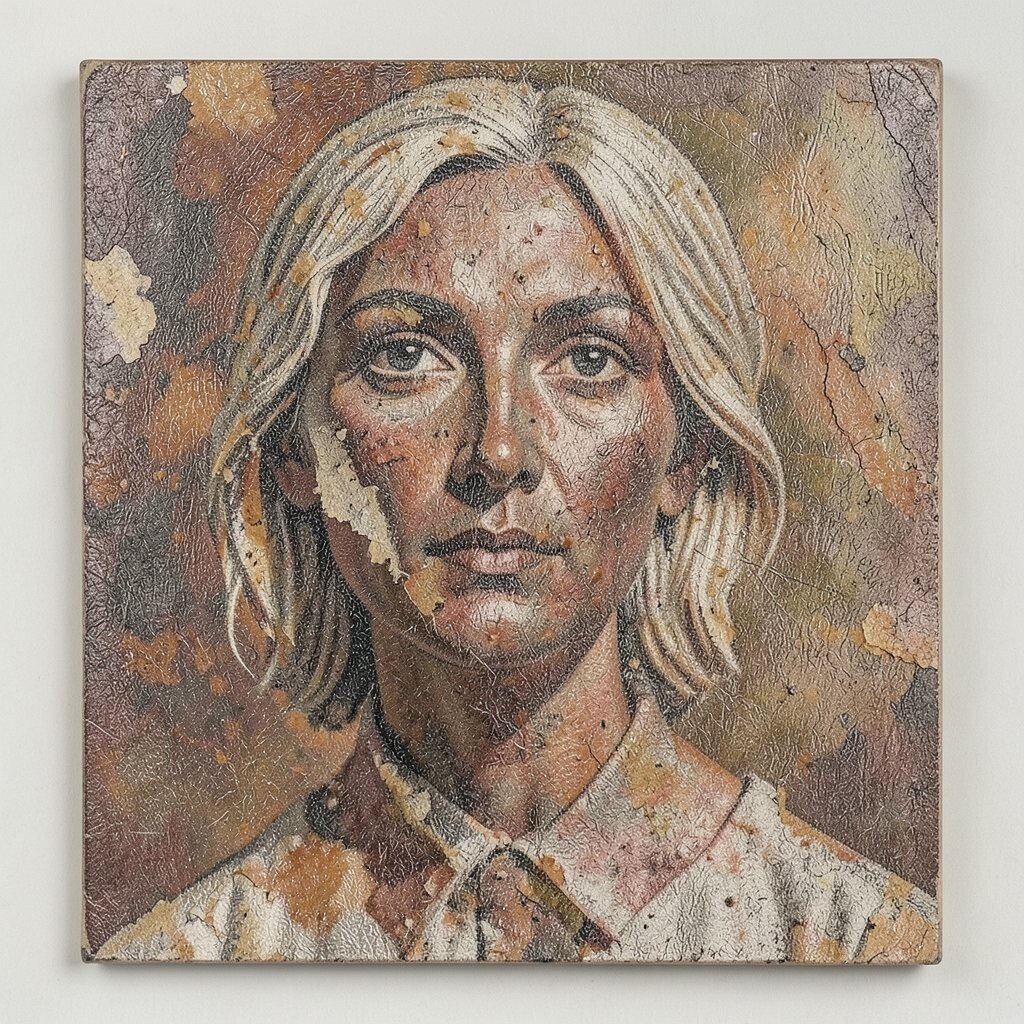
Texture and detail: the feel behind the look Traditional artwork may show texture through thick paint, pencil lines, or carved surfaces. Bold artwork can still have texture, but it often looks more controlled, with clean edges and planned shapes.
Close-up viewing is where many people notice the difference. Traditional work can surprise you with tiny marks that feel like a signature, while bold work can surprise you with crisp layers and strong design.
Try this: touch-friendly substitutes like print samples or swatches can help you judge texture before you buy. If you can’t touch the piece, look for details in photos taken from different angles.
-
8. Emotional mood: what each style says
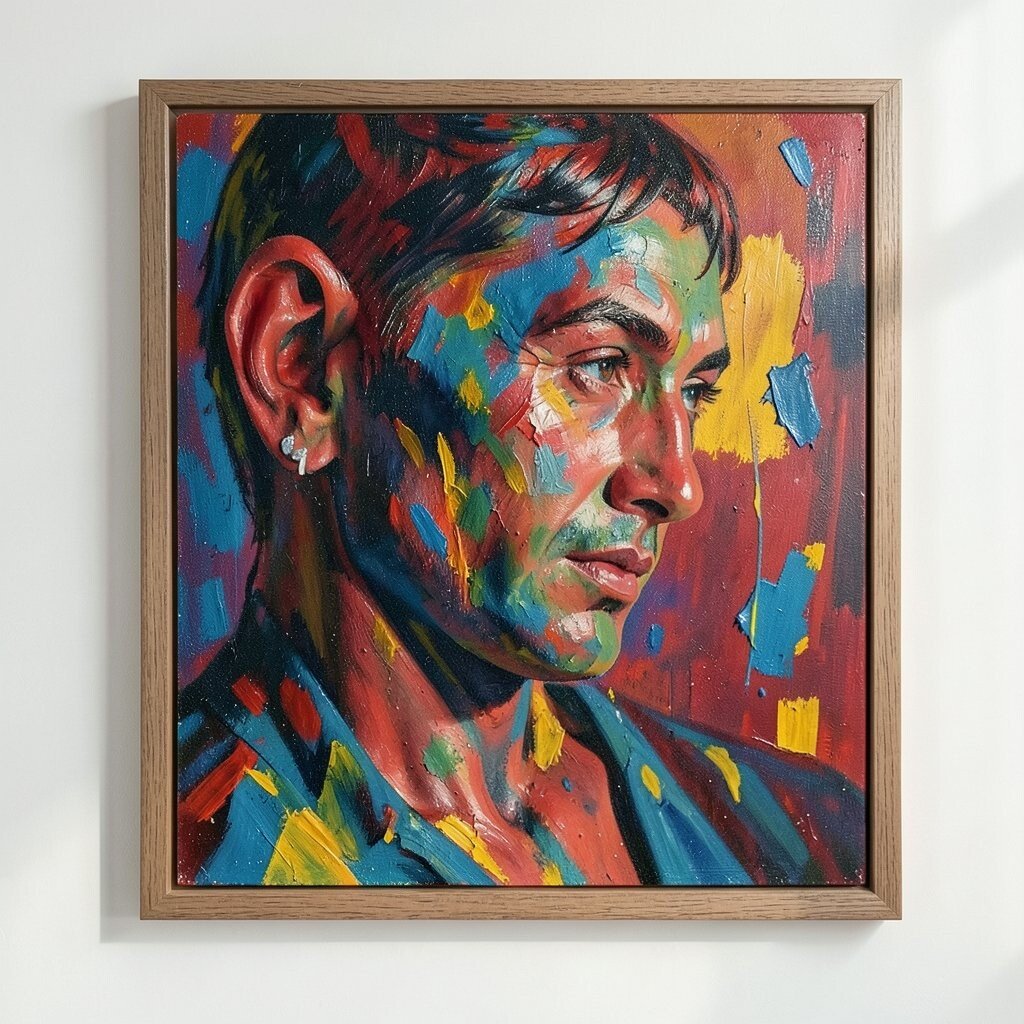
Emotional mood: what each style says Bold artwork often sends a direct message, like confidence, play, or power. Traditional artwork may speak in quieter feelings, like nostalgia, warmth, or calm focus.
To choose better, think about what you want to feel when you look at the art. Do you want your eyes to wake up, or do you want your mind to slow down?
-
9. Uniqueness through variation: how creators make it different
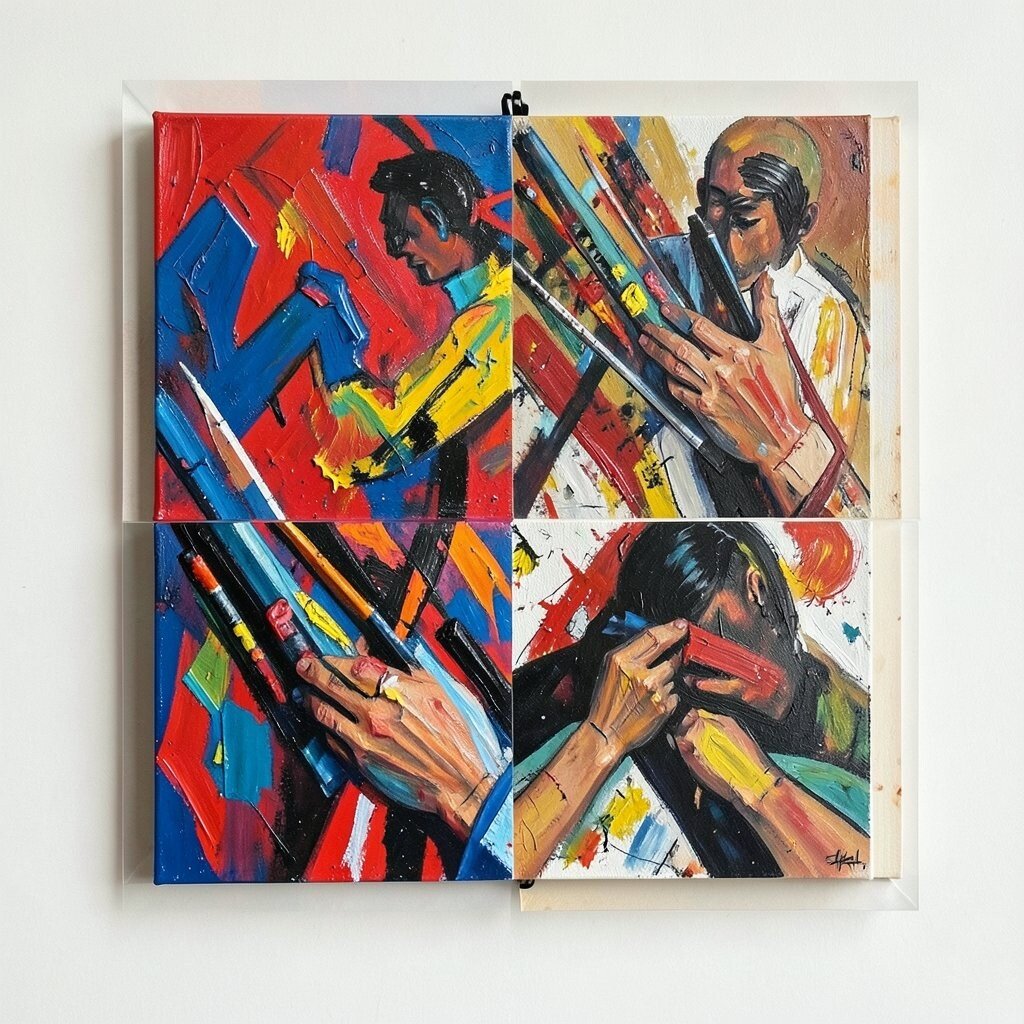
Uniqueness through variation: how creators make it different Bold artwork is unique when the creator experiments with color rules, layout, and unexpected shapes. Even when something is printed, the design can still be one-of-a-kind through special editions or custom versions.
Traditional artwork is unique because the physical process is hard to repeat exactly. Small changes in brush pressure, paint mixing, or drying time can make each work feel truly singular.
Suggestion: ask the artist how their process works and what they do to keep pieces special. If you are buying prints, ask if there are variants, signed copies, or limited runs.
-
10. Current trends: what people are loving right now
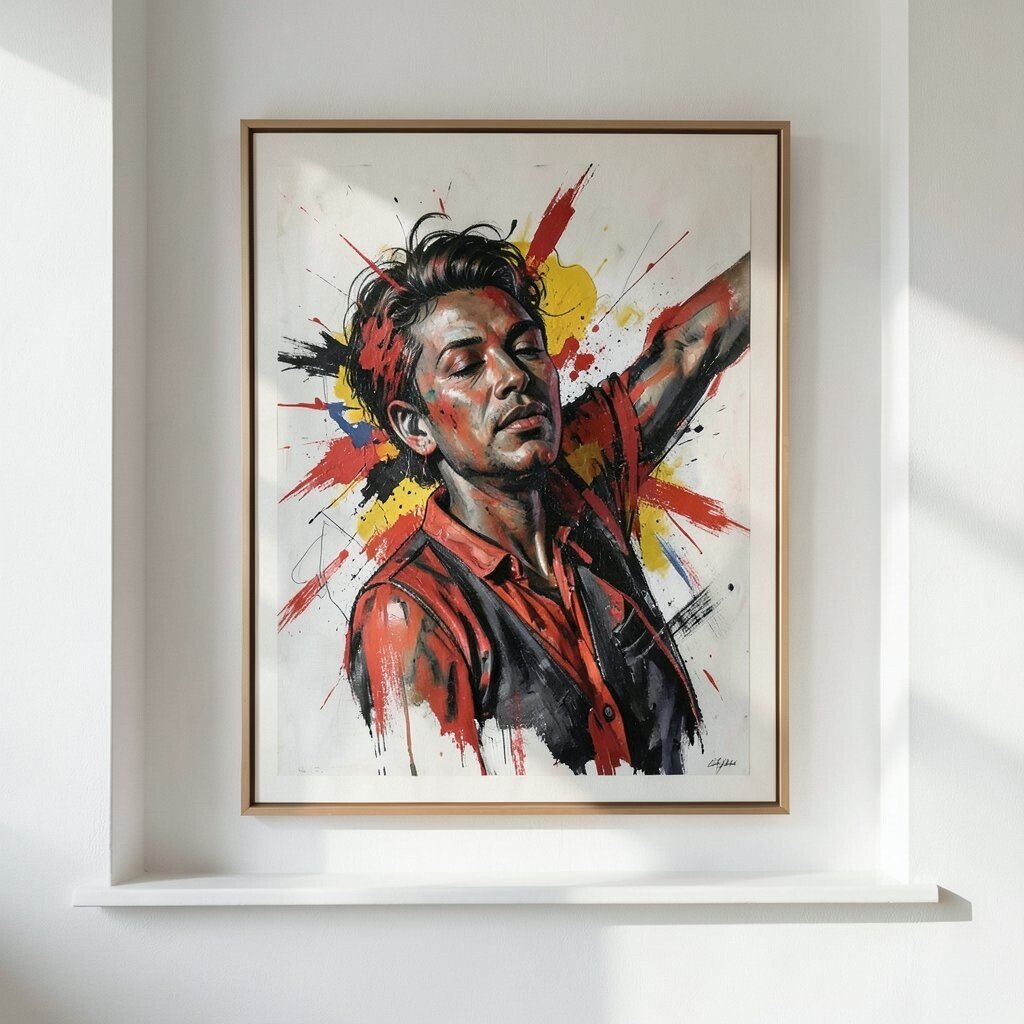
Current trends: what people are loving right now Right now, bold artwork is popular because it fits modern design and social sharing. You often see it in bright album covers, street-style posters, and clean graphic wall art.
Traditional artwork is also staying strong, especially when it blends classic skills with modern themes. People love murals, mixed-media canvases, and paintings that feel personal but still look current.
Trend tip: look at what shows up in your everyday world—cafes, galleries, and home decor stores. If you notice bold patterns everywhere, that might be a sign you will enjoy bold artwork long term.
If you prefer timeless vibes, traditional art can feel evergreen. A good piece can still look beautiful years later because it focuses on craft and story.
-
11. Personal making: owning art is one thing, creating is another
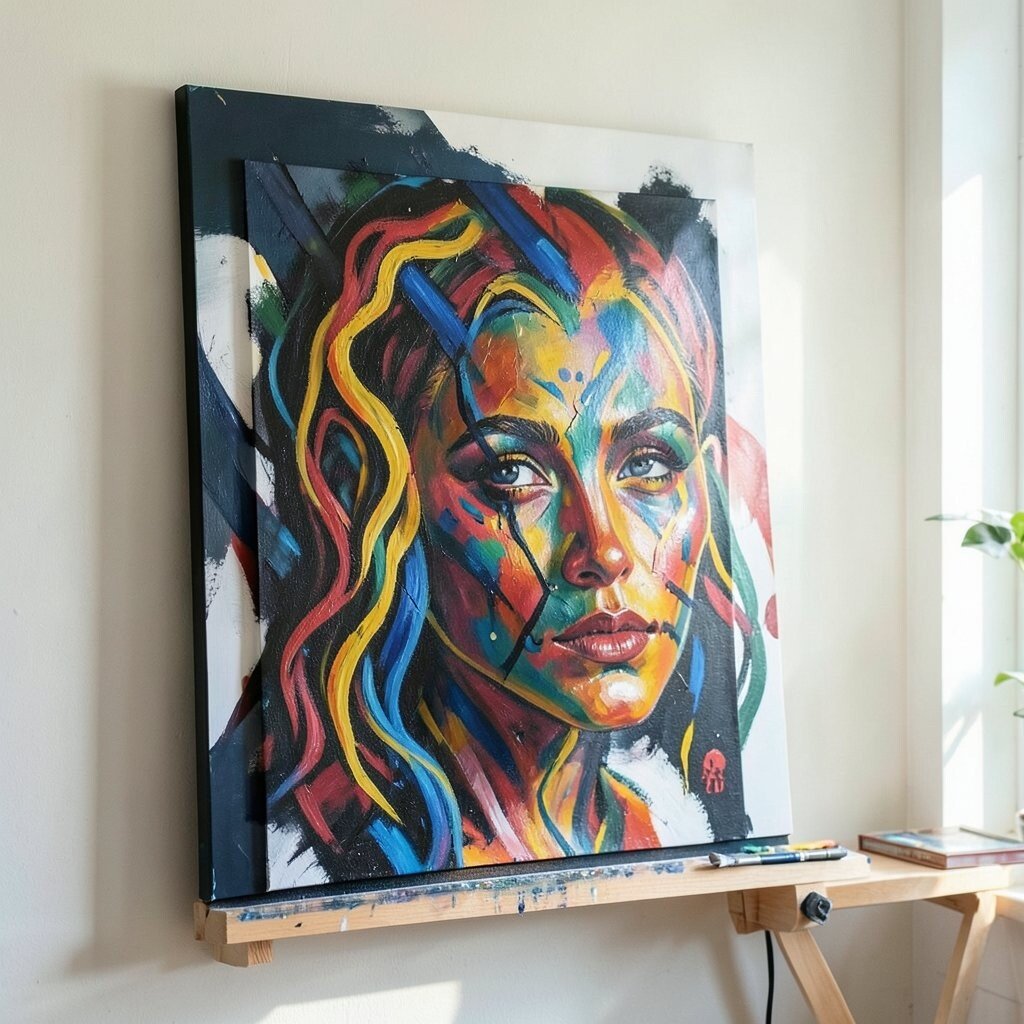
Personal making: owning art is one thing, creating is another Bold artwork can be easier to start making because you can build it step by step with digital tools or simple print methods. Traditional artwork can be very rewarding too, but it usually takes more supplies and time to practice.
One big benefit of learning bold art is that you can test ideas quickly. You can change colors and shapes without wasting lots of materials.
One big benefit of learning traditional art is that you train your eye and hand together. You learn patience, control, and how light affects real surfaces.
Personalization idea: create a series based on one theme, like “friends,” “city nights,” or “ocean calm.” Even if you start small, the series can make your style feel clear.
-
12. Caring for your investment: keeping it looking great
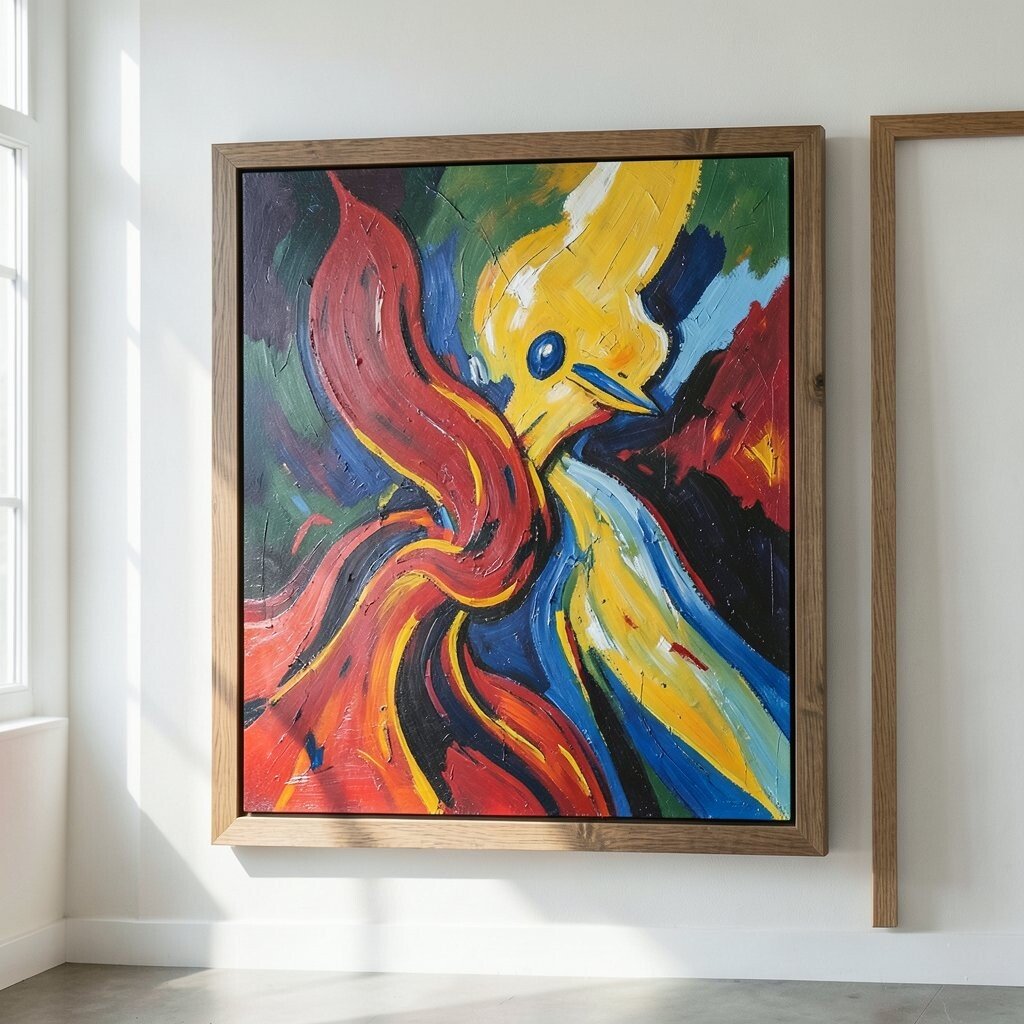
Caring for your investment: keeping it looking great Bold artwork that is printed may need protection from strong sunlight to keep colors bright. Traditional artwork also needs care, especially if it is on paper, canvas, or wood.
For both types, avoid placing art in direct sun for long hours. Use proper glass or UV-protective materials when possible, and keep humidity under control.
Quick tip: if you live in a very sunny room, choose artwork with durable inks or pigment-based prints. For traditional work on paper, ask about archival quality and storage needs.
These care steps help your art last longer, and that is a real benefit for your wallet too. Better care can reduce the chances of fading or warping.
-
13. Buying strategy: how to pick the right piece for you
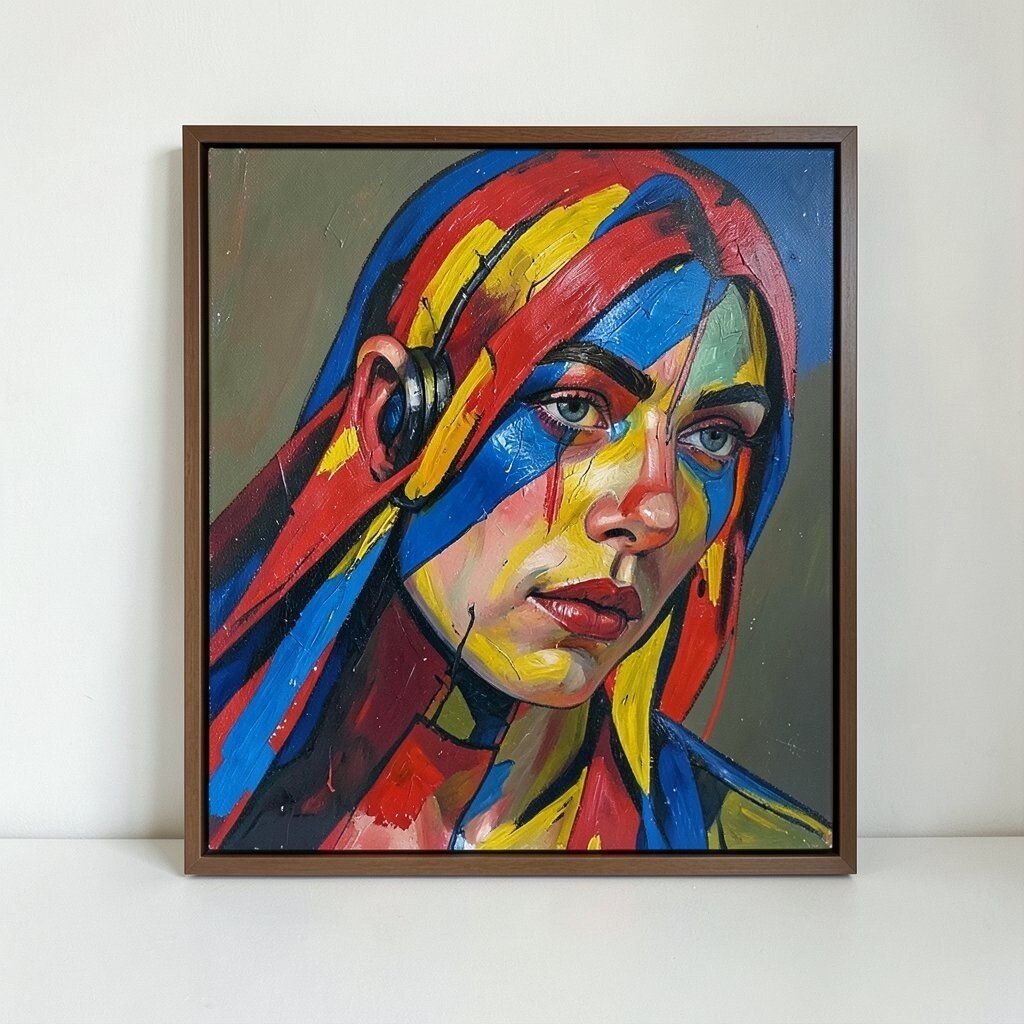
Buying strategy: how to pick the right piece for you Start by listing your “must haves,” like color, size, and mood. Then compare bold and traditional art using those same rules so the choice feels fair.
For bold artwork, check how clear the main idea is from a distance. For traditional artwork, check how you feel about the details when you get closer.
Try a fun suggestion: make a small mood board with three colors and one theme. Add one bold example and one traditional example, then see which one makes you smile faster.
Another tip: buy from places that explain the piece clearly. Look for details like materials, edition type, signatures, and how the artwork was made.
-
14. Making it yours: styling tips for both worlds
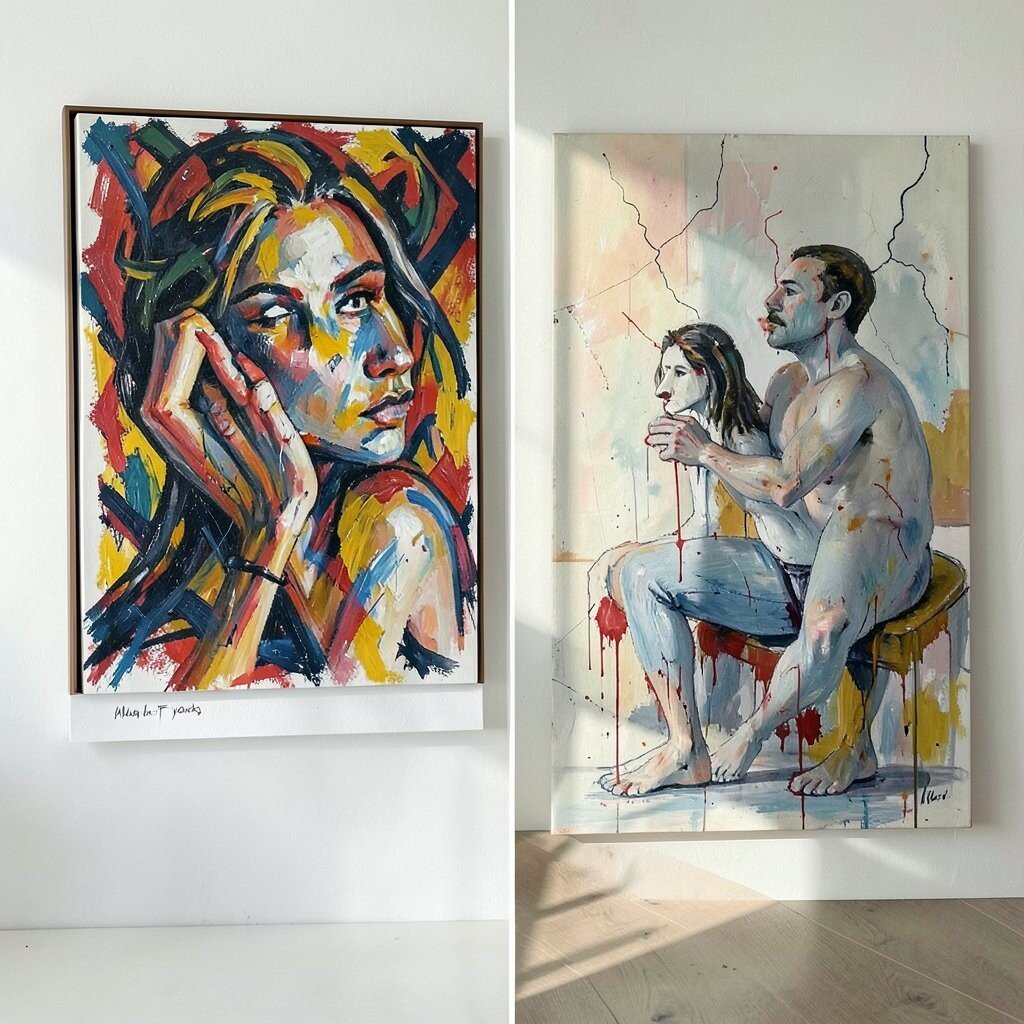
Making it yours: styling tips for both worlds Bold artwork pairs well with clean furniture, simple frames, and simple patterns. If you already have busy decor, choose one strong piece and let it be the star.
Traditional artwork pairs well with natural textures like wood, linen, and warm lighting. If your room is calm and neutral, traditional pieces can add character without shouting.
-
15. Bonus planning: matching art to life moments
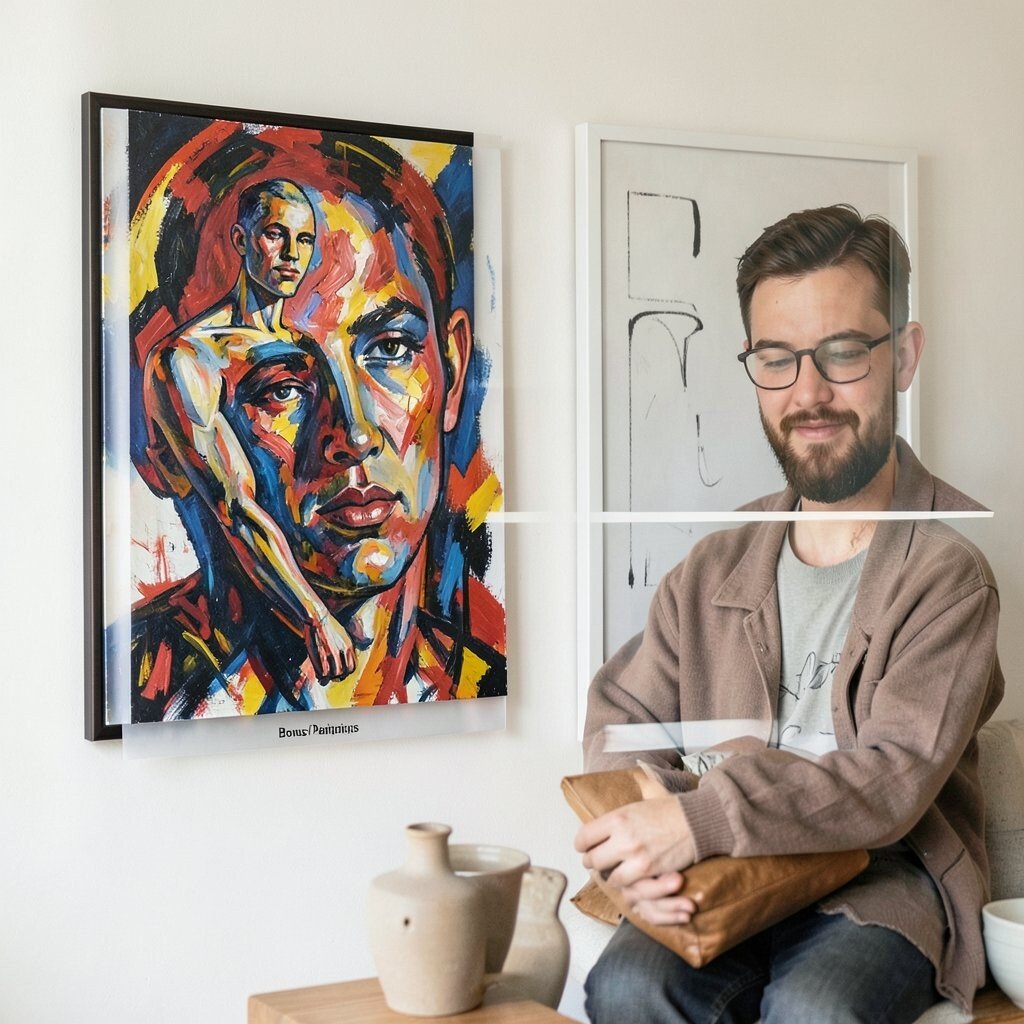
Bonus planning: matching art to life moments Think about the moment you are in, not just the room you see. Bold artwork can fit celebrations, fresh starts, and high-energy seasons.
Traditional artwork can fit transitions too, especially when you want comfort during quiet days. Your choice can become a kind of personal map for how you want life to feel.
Suggestion: pick art that matches your routine. If mornings are busy, bold can energize you, and if evenings are slow, traditional can help you unwind.
-
16. Which one brings the best value for you?
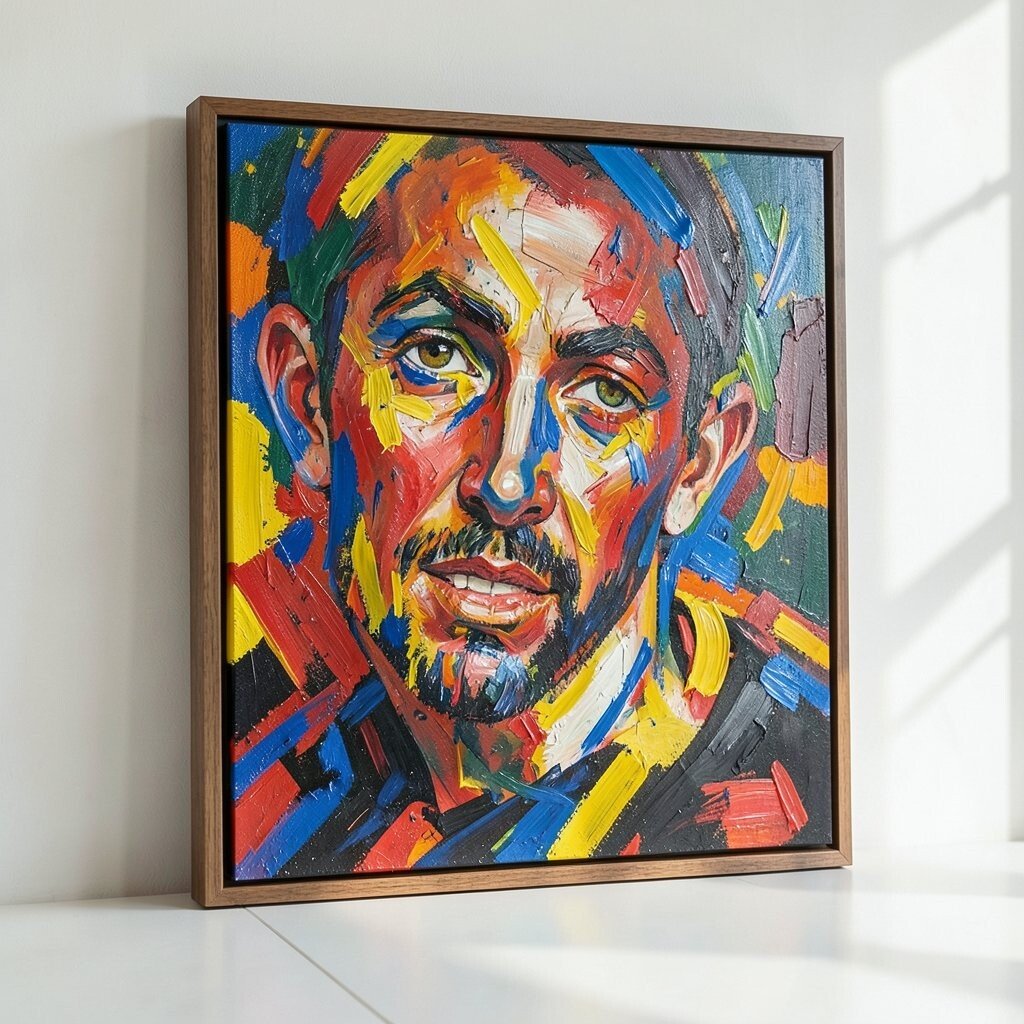
Which one brings the best value for you? Value is not only about price; it is about how often you look at the art and how it supports your mood. Bold artwork can feel like instant payoff because it grabs attention quickly.
Traditional artwork can feel like long-term value because craft and story can keep calling you back. Many people end up loving the same traditional piece for years because it keeps revealing new details.
Tip: ask yourself how you want to feel each time you pass the wall. If you want energy, bold might win; if you want comfort, traditional might win.
-
17. Final matching guide: how to choose without stress
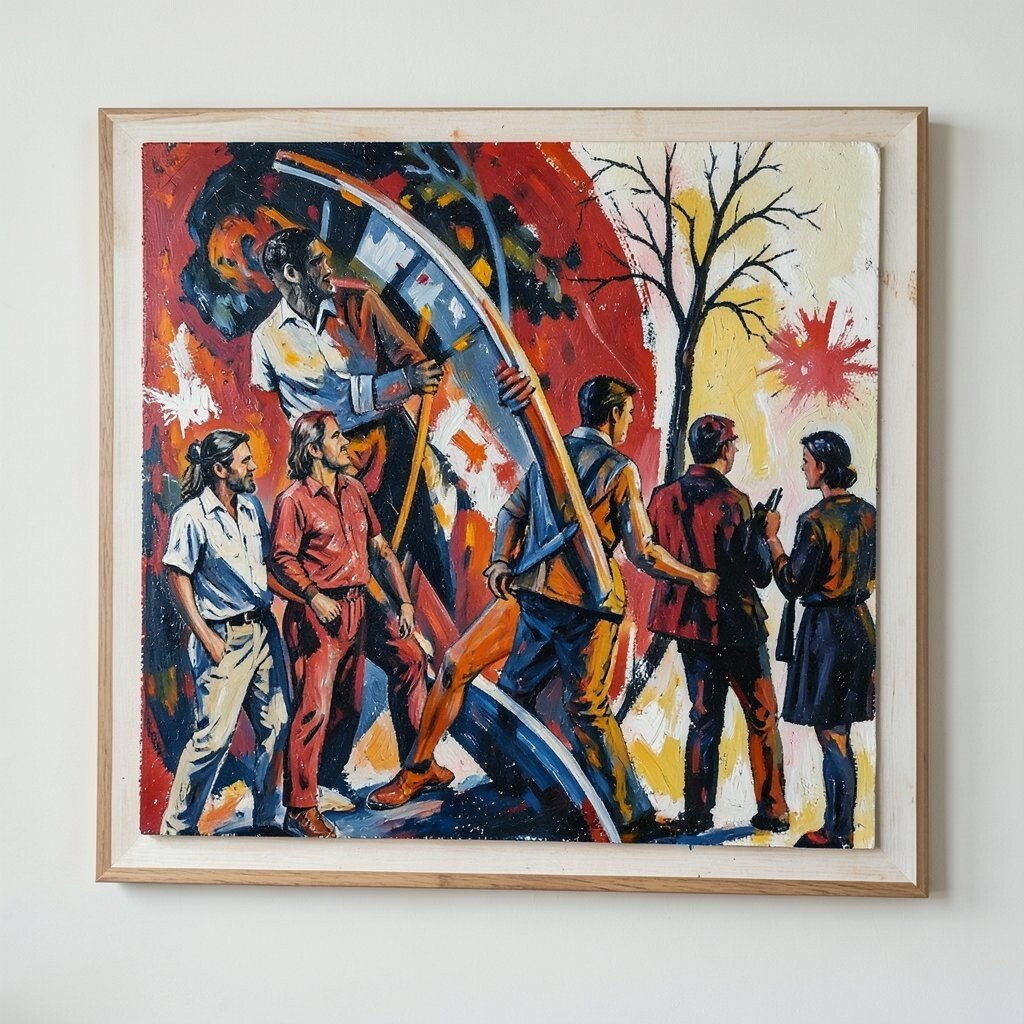
Final matching guide: how to choose without stress Pick one style to start, but keep your mind open for the other later. You can build a collection that mixes bold energy with traditional warmth.
If you are unsure, try the “pair test.” Place a bold piece near something traditional or vice versa, then see if the room feels balanced.
Personalization idea: connect the two styles using one shared color or one shared subject. That small link can make the whole setup feel intentional.
Cost note: mixing styles can be budget-smart. You can choose a larger bold focal piece and add smaller traditional details over time.