Small details can make a kitchen feel warm or feel like it is missing something important. The barstools are usually the first thing your eyes notice, so choosing wisely matters.
When you get them wrong, you might end up with an awkward height, a seat that hurts, or stools that look great but do not work well.
-
1. Ignoring the seat height for how you actually eat
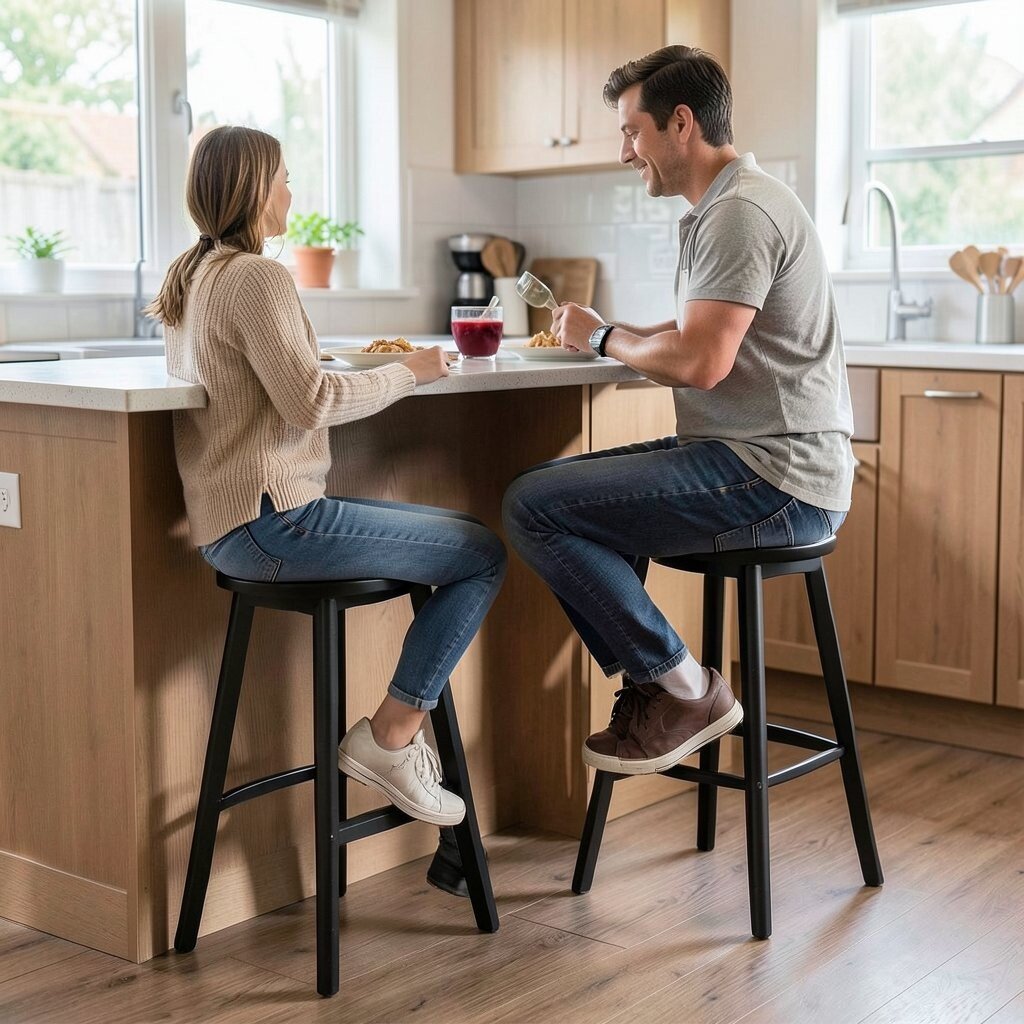
Ignoring the seat height for how you actually eat If the seat is too high, your knees will bump the underside of the counter. If it is too low, you will feel like you are shrinking every time you sit down.
Start by measuring your counter height, then match the barstool seat height to it. When the legs fit comfortably, you get better posture and less fidgeting.
For a visual check, imagine your arms resting on the counter while you sit. That quick picture helps you choose a stool that feels effortless, not strained.
-
2. Choosing style without checking comfort

Choosing style without checking comfort A stool can look sleek with a thin frame and a smooth top, but it may still feel like sitting on a hard bench. Comfort is what keeps people lingering for coffee or helping with snacks.
Look for cushioning where it counts, plus support that fits your body. A gently curved seat and a little padding can make busy mornings feel calmer.
Try it in person if you can, or buy from a place that allows easy returns. Matching comfort to your daily routine is a small upgrade that pays you back every day.
-
3. Buying stools that do not match your table and layout
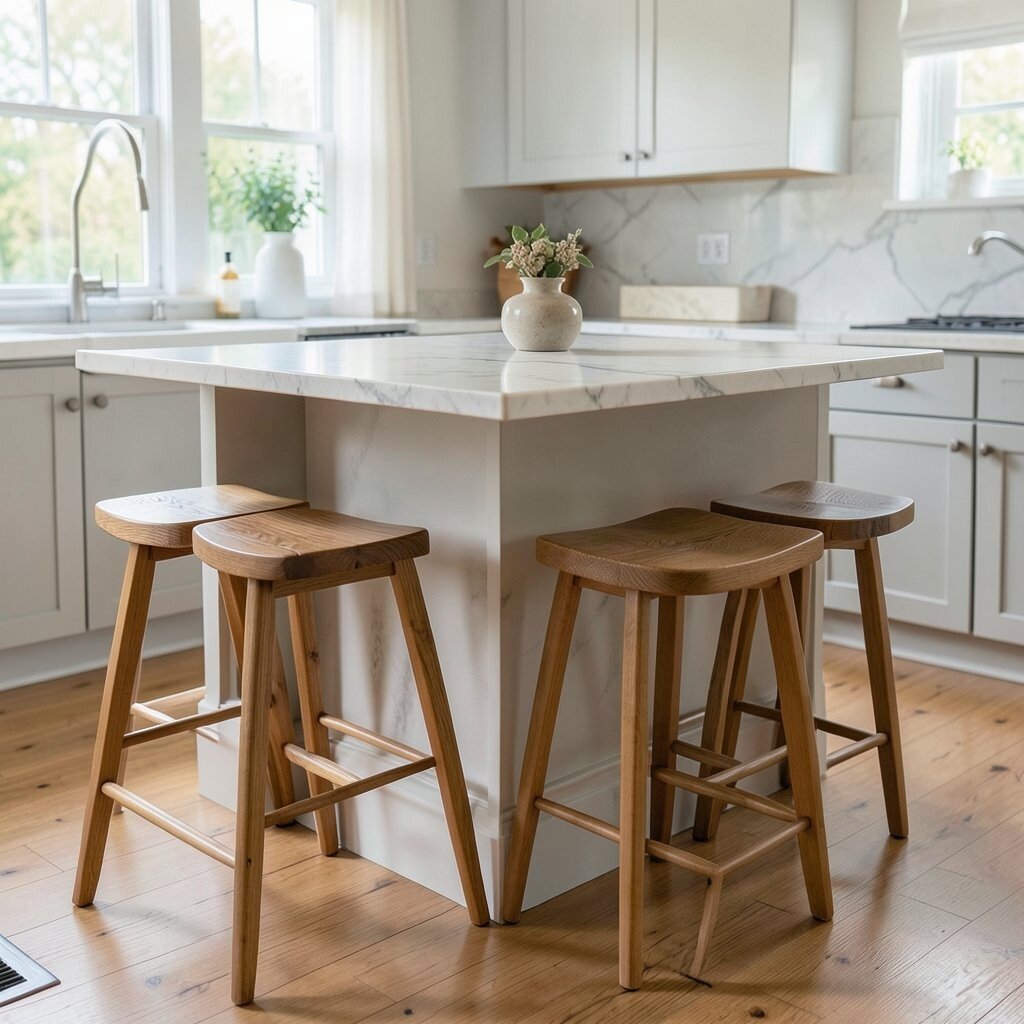
Buying stools that do not match your table and layout You might love the color of a stool, then realize it clashes with your kitchen cabinet tones. Or the stools might crowd the walking path when you pull them in and out.
Before you buy, sketch your layout using paper or a notes app. Mark where you will place stools and how much room you need for legs and movement.
When spacing is right, the kitchen feels open and friendly instead of tight. Consider how many stools you really use on regular days, not just for special gatherings.
Also check the direction your chairs face, because that “flow” affects how the whole room feels. A matching set can look like a team, while mismatched placement can feel scattered.
-
4. Forgetting about footrests and how they change everything
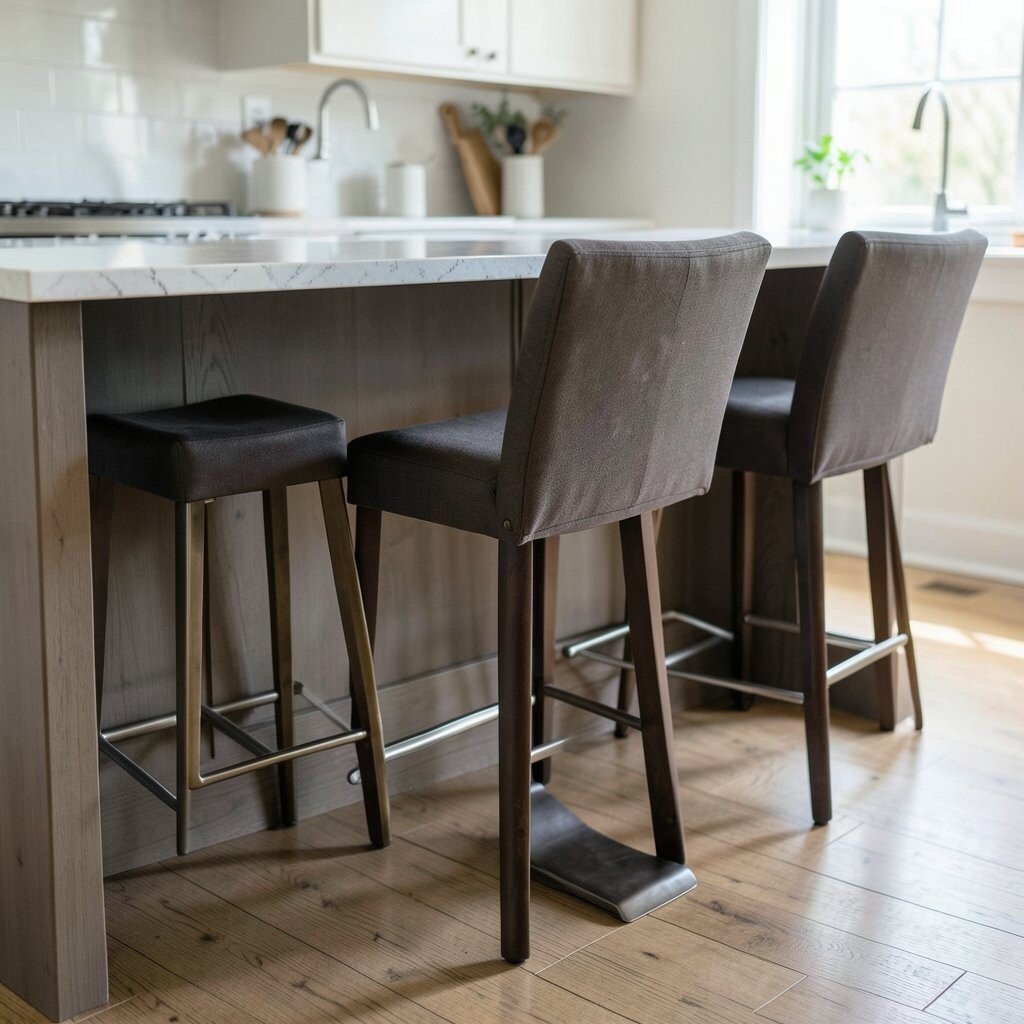
Forgetting about footrests and how they change everything Without a footrest, your feet may hover awkwardly, and your body may tense up. The moment you add a proper rest, your posture often relaxes right away.
Look for sturdy footrests at a comfortable angle, especially if you plan to sit for longer chats. This tiny bar makes eating and working from the counter feel easier.
-
5. Picking materials that stain too easily
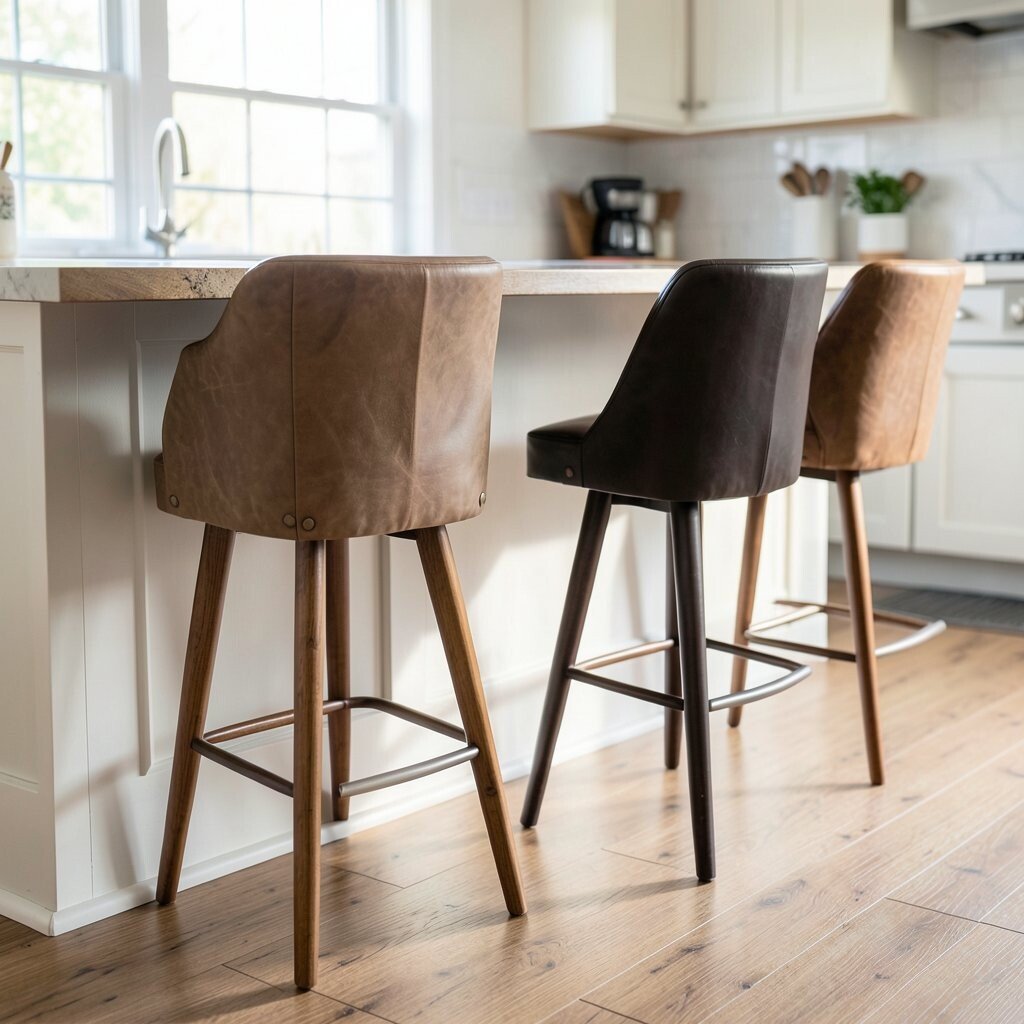
Picking materials that stain too easily Wood and fabric can look cozy, but spills happen in kitchens. A light seat might turn dull quickly after coffee, sauce, or sticky hands.
Choose materials that fit your lifestyle, like easy-wipe finishes or stain-resistant upholstery. If you have kids or pets, think “clean fast” before you think “pretty.”
For personalization, pick a finish you love but pair it with a wipeable seat surface. That way you get style and less stress, which feels like a win.
-
6. Skipping stability and trusting shaky legs
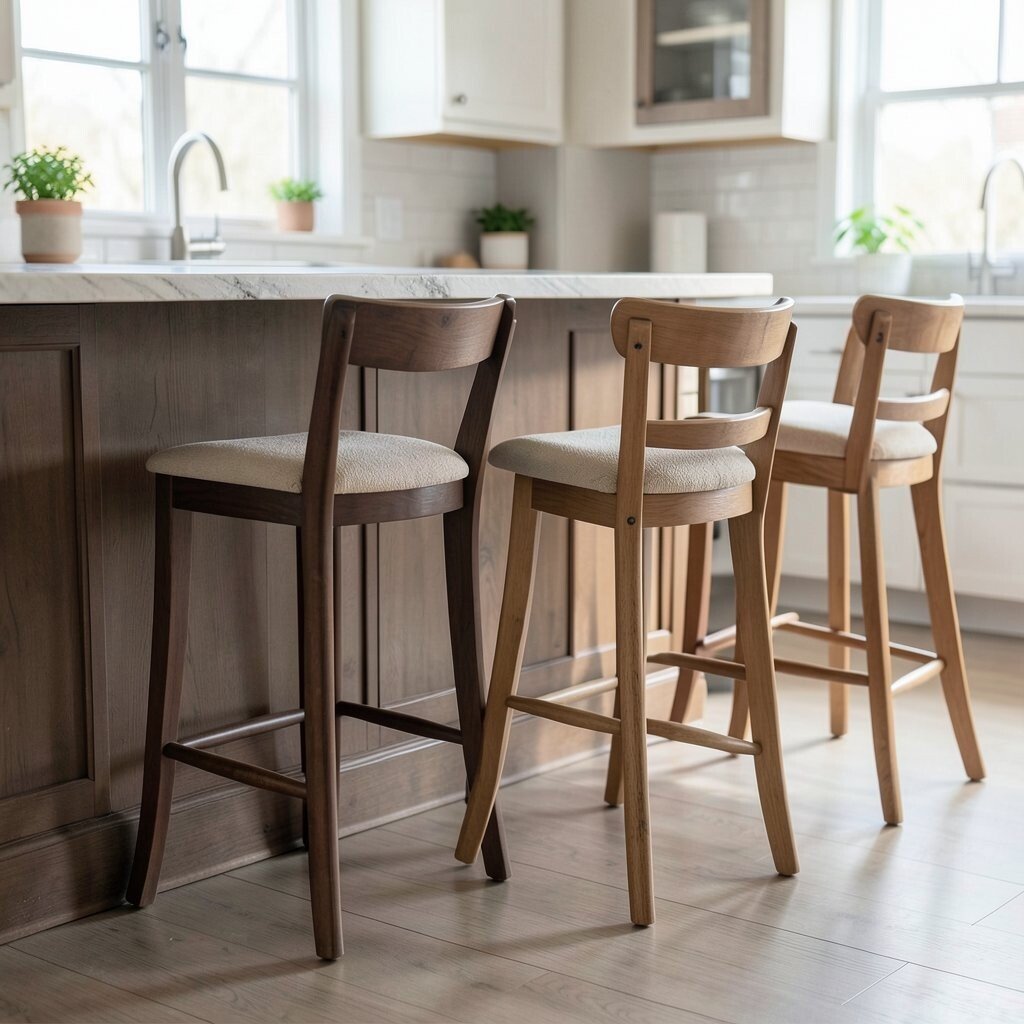
Skipping stability and trusting shaky legs Nothing feels worse than a stool that wobbles when you lean in. It can make you nervous every time you sit down.
Check the base design, the weight capacity, and whether the legs feel solid. A firm foundation helps you feel safe and makes the stool last longer.
When possible, press down at the seat as you would while eating. If it flexes too much, keep looking.
-
7. Choosing a seat shape that does not suit you
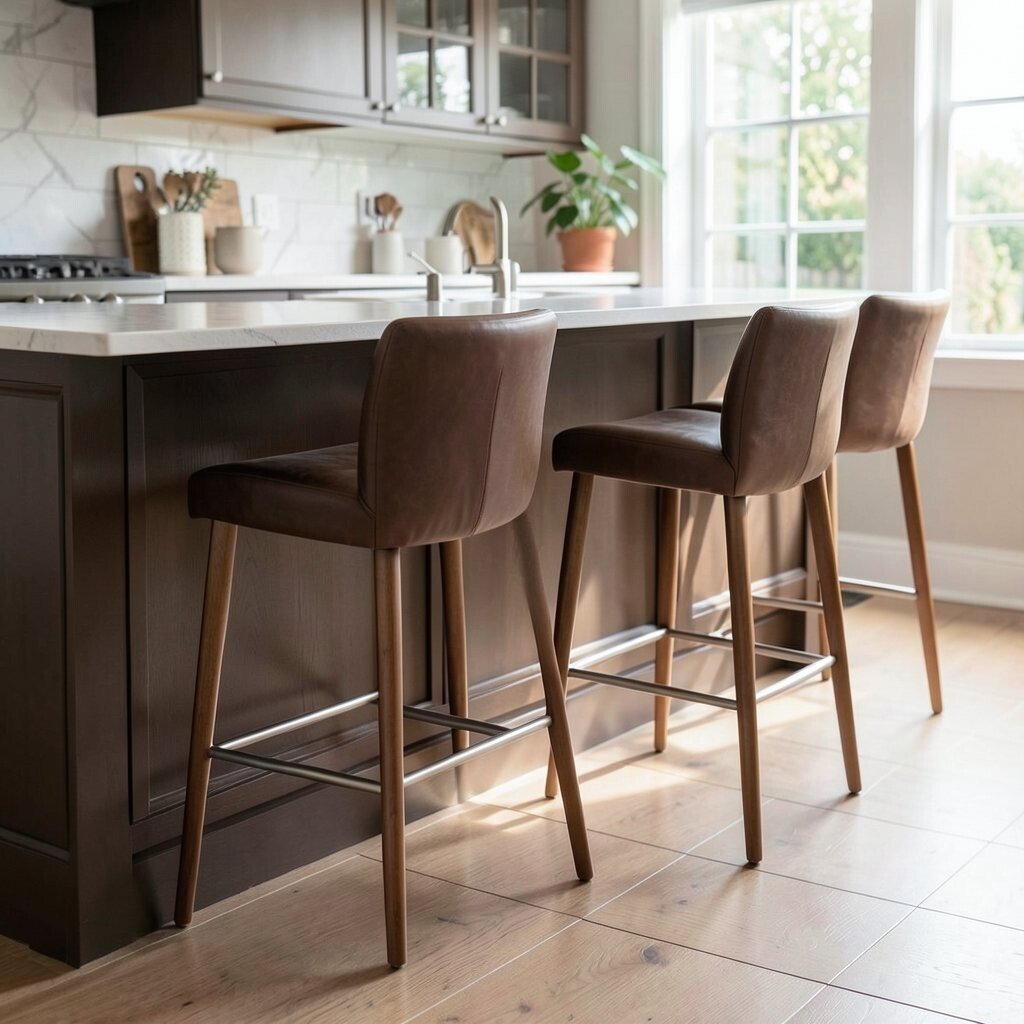
Choosing a seat shape that does not suit you Some seats are flat and sharp-edged, while others are rounded and forgiving. Your body may love one shape and hate the other after a few minutes.
Try to think of how you naturally sit—do you prefer more width or more curve? If you can, test different shapes and notice where pressure builds.
For a custom touch, choose stools that match your body size and comfort needs. This is the kind of choice that feels personal, not random.
-
8. Forgetting about the kitchen color story
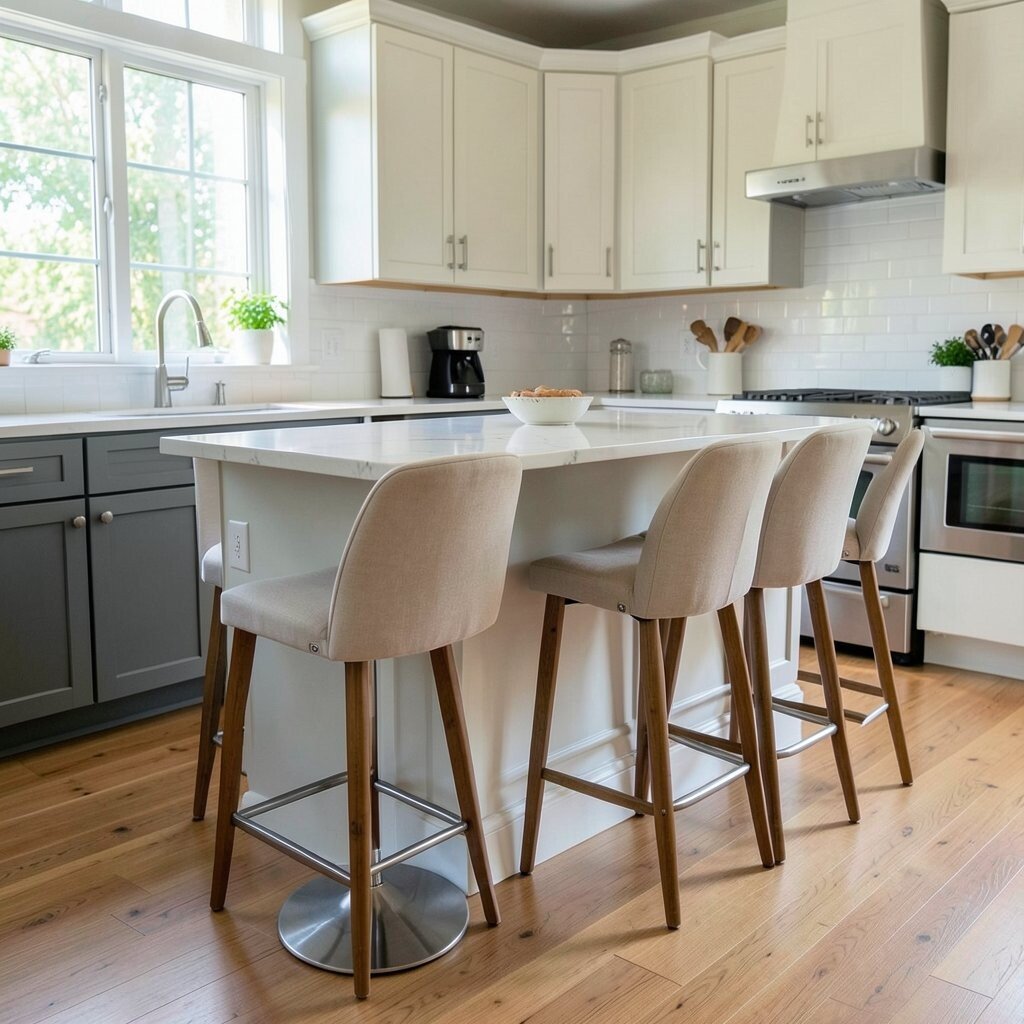
Forgetting about the kitchen color story A bright stool can look like a fun pop at first, but the wrong shade can fight with your floors and cabinets. The kitchen becomes busy, instead of calm.
Look at three things: your wall color, your floor tone, and your cabinet finish. Then pick a stool that complements at least two of them.
-
9. Buying the wrong number of stools for real life
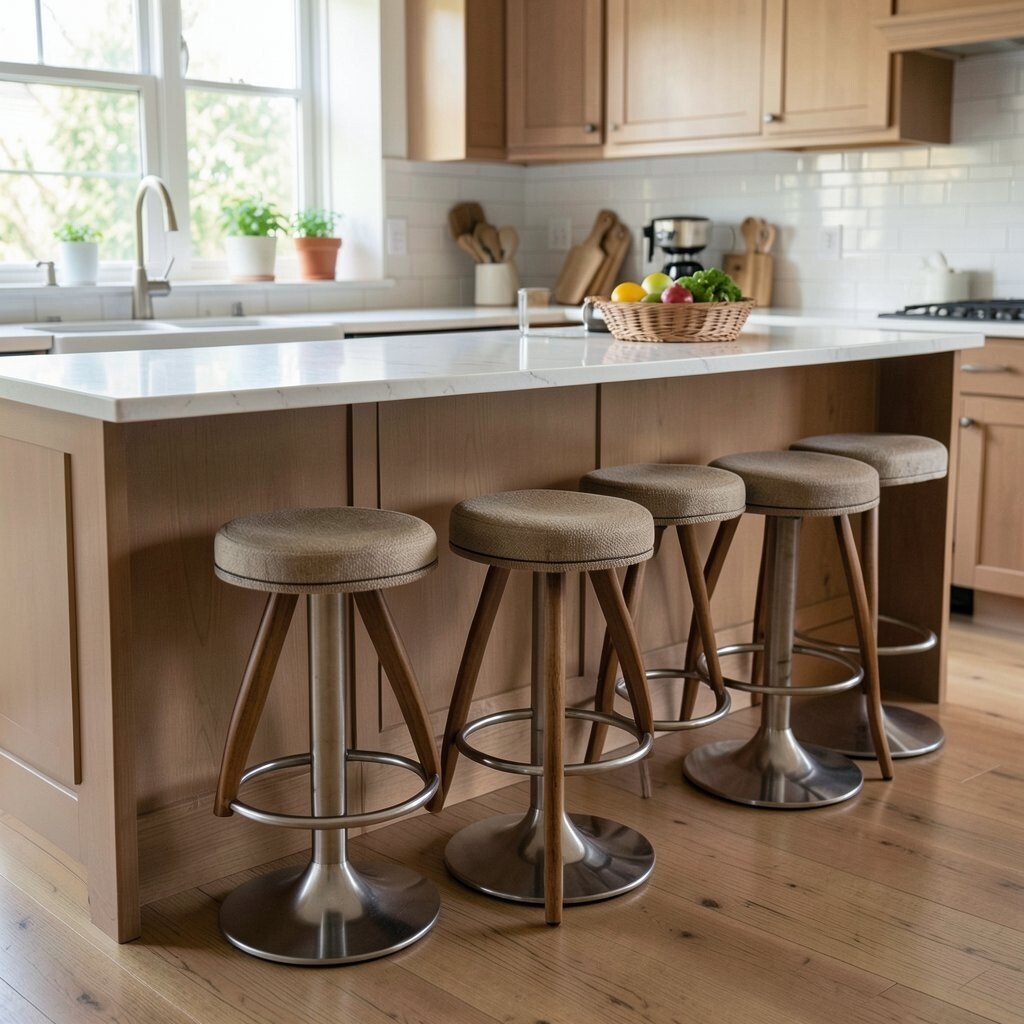
Buying the wrong number of stools for real life You might buy the exact number you think you need, then find you always want one more seat during visits. Or you might have extra stools that just crowd the room.
Count how many people usually sit at the counter during normal days. If hosting is rare, you can choose fewer stools and store the extras neatly.
Consider stackable or slim designs if you want flexibility. That small planning move helps your kitchen stay usable instead of cluttered.
-
10. Ignoring cleaning and maintenance
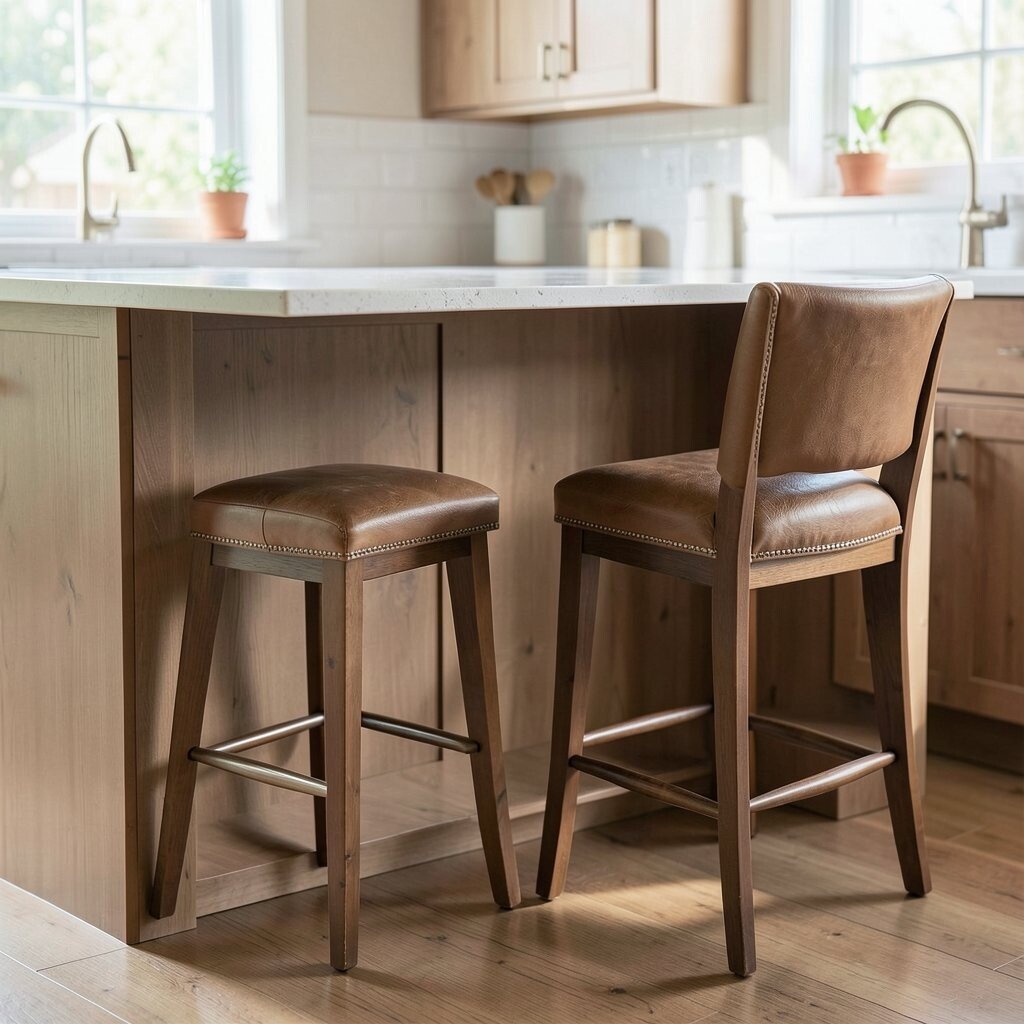
Ignoring cleaning and maintenance If you dread cleaning, you will avoid wiping and that can lead to grime buildup. Then the stool looks tired, even if it was new.
Check if the seat can be wiped quickly and whether the frame resists dust. Smooth surfaces often clean faster than textured ones.
For personalization, pick an easy color or finish that hides small everyday marks. You will enjoy your stools more when upkeep feels simple.
Also keep a small cleaning routine in mind, like a weekly wipe and quick spot checks. Consistency keeps your kitchen looking sharp.
-
11. Not considering noise and floor protection
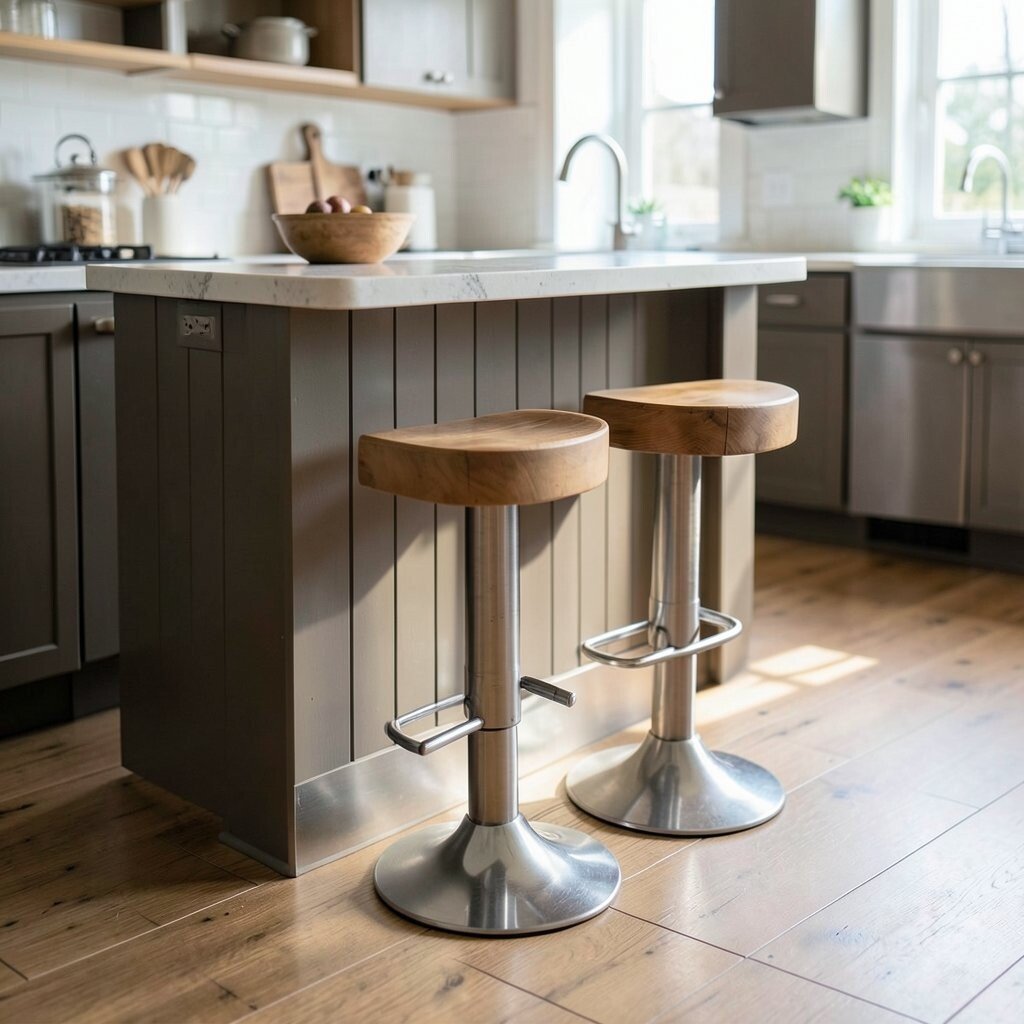
Not considering noise and floor protection Some stools scrape, click, or thud as people pull them in. That sound can grow annoying fast, especially in a quiet kitchen.
Look for floor-friendly glides and consider rubber tips if your floors are delicate. This can protect wood, tile, and laminate from scuffs.
For a quieter feel, choose smoother gliding bases. It is a small upgrade that makes everyday life calmer.
-
12. Choosing hardware finishes that do not match anything
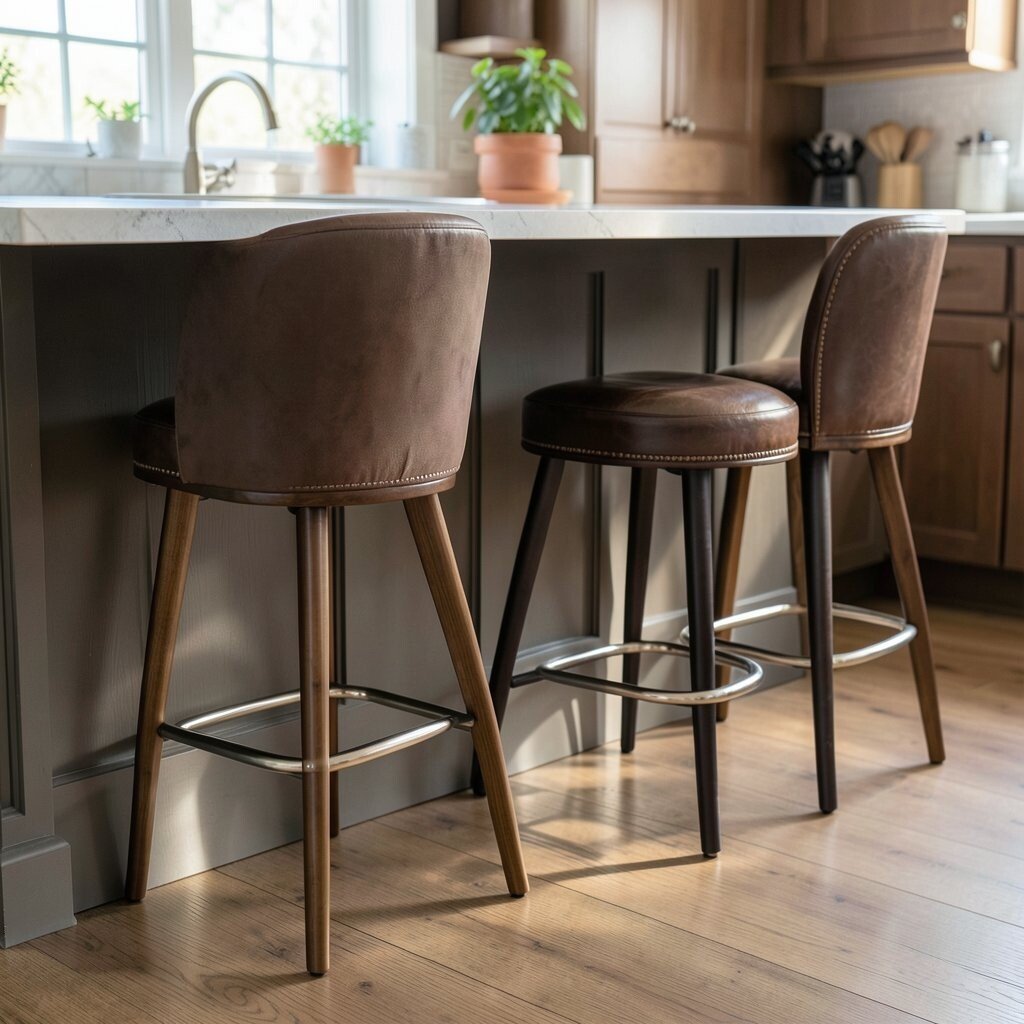
Choosing hardware finishes that do not match anything Chrome may look good in a photo, but it can clash with warm brass knobs or matte black faucets. The mix can feel random instead of intentional.
Check what metals you already have, like cabinet pulls, light fixtures, and faucets. Then pick a stool finish that repeats that metal tone.
If you love mixing metals, do it on purpose. Pick one main metal and let the other act like a supporting character, not a loud competitor.
When the metal story lines up, the room feels designed. That design feeling often makes the whole kitchen look more expensive.
-
13. Overlooking weight capacity
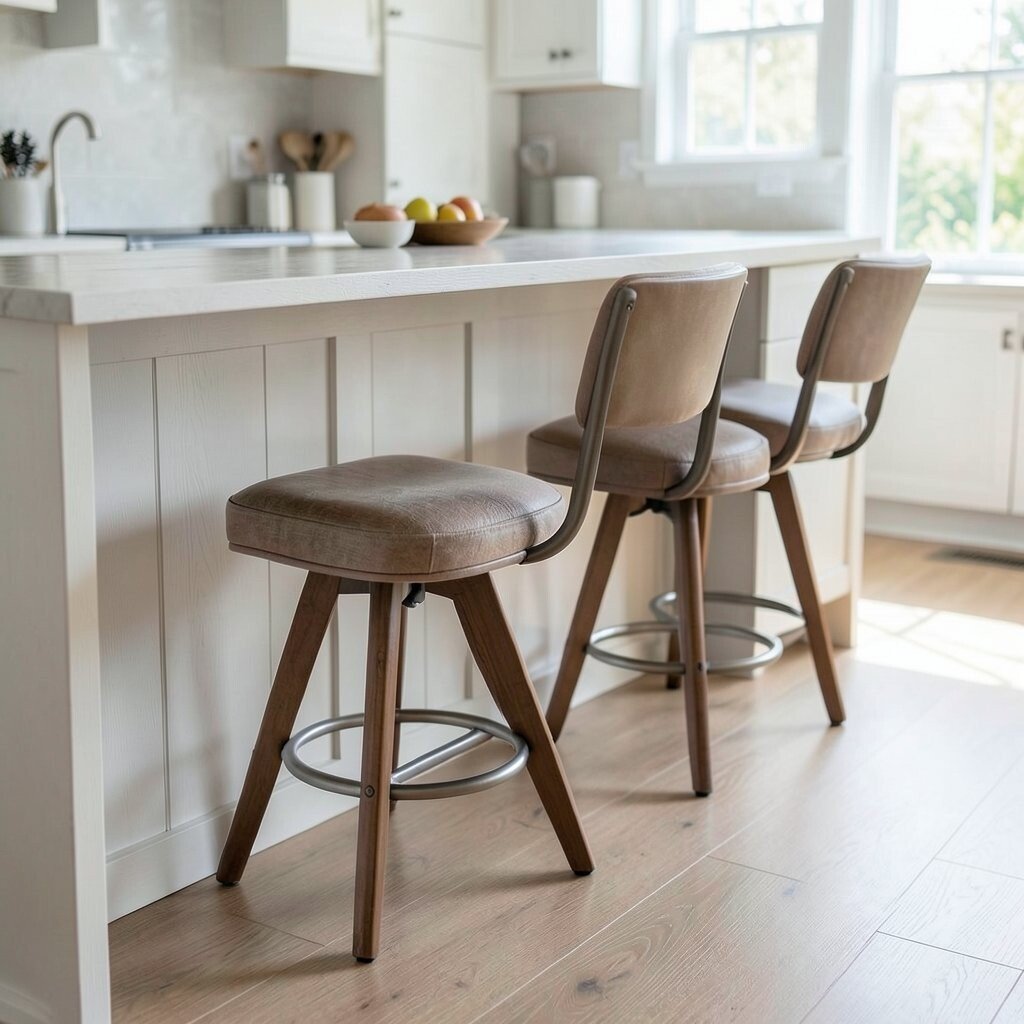
Overlooking weight capacity A stool might feel comfortable but still not handle everyday weight well. Over time, that can cause wobbling or damage.
Check the listed weight capacity and choose one that fits your household. It is a safety step and a longevity step at the same time.
-
14. Getting the cushion thickness wrong
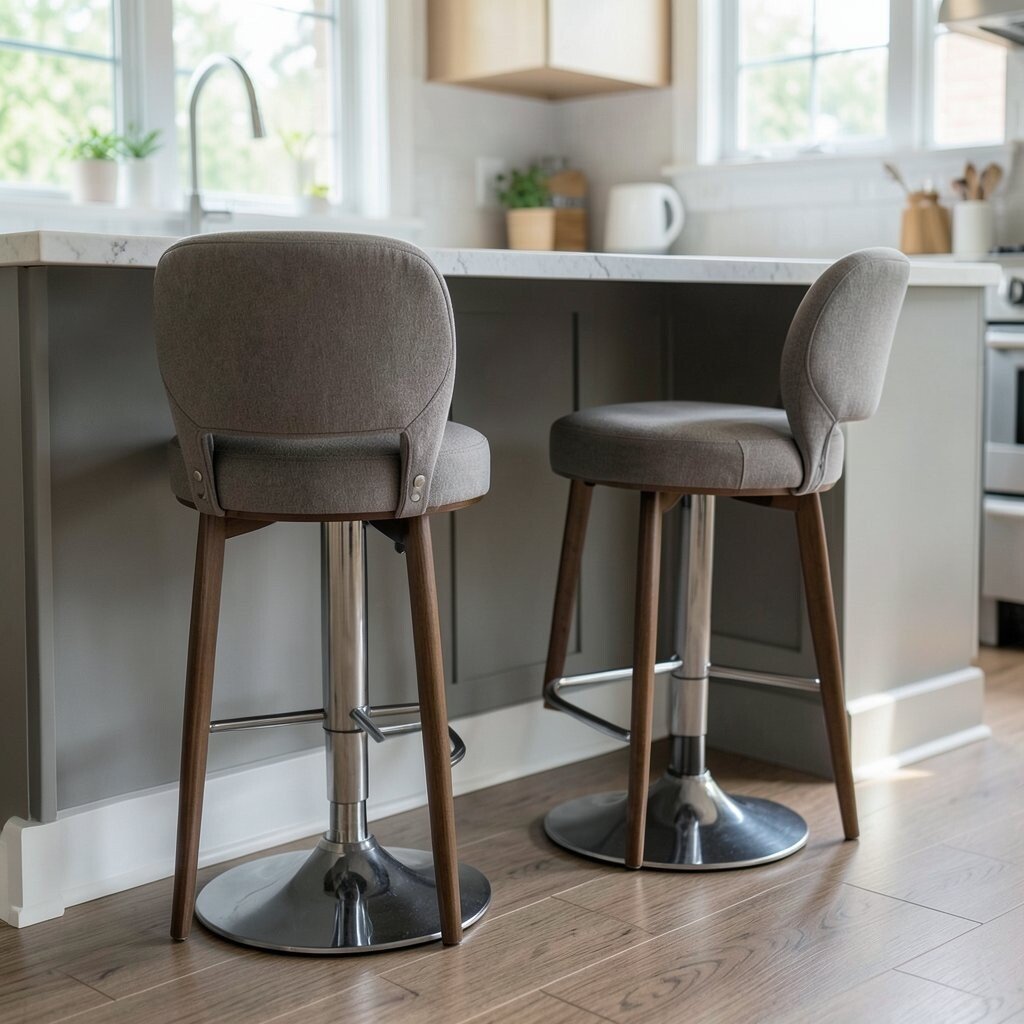
Getting the cushion thickness wrong Thin cushions look neat, but they can flatten quickly and make long sitting uncomfortable. Thick cushions can be cozy, yet they may change the height and alignment.
Consider how long you usually sit at the counter. If it is quick meals, you may prefer a firmer seat; if it is work-from-home, choose more support.
Pair cushion thickness with the right seat height so your body stays comfortable. When those match, your kitchen feels like it was made for your habits.
-
15. Ignoring current trends that affect function
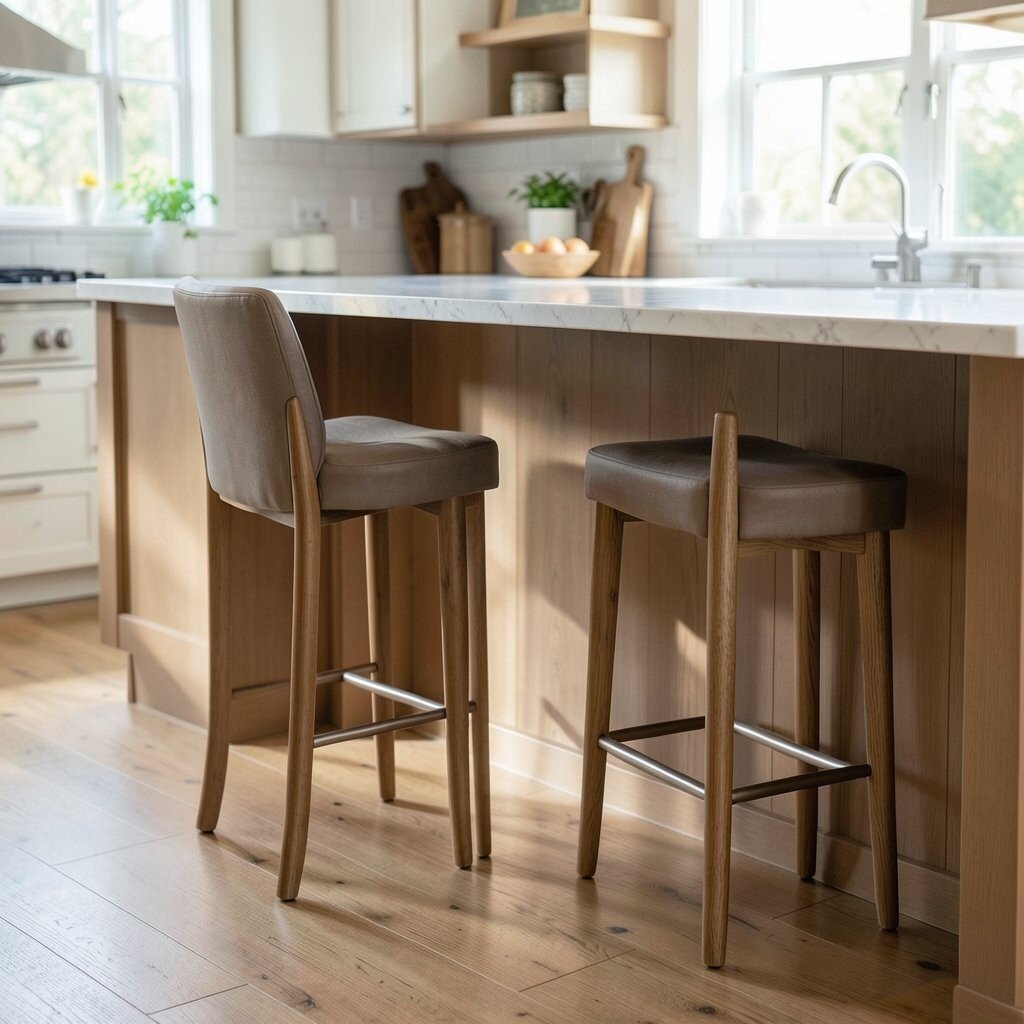
Ignoring current trends that affect function Trends can be helpful, but only when they also work in your space. For example, “backless” styles look modern, yet you may want more support for long meals.
Right now, many people like mixed textures, warm neutrals, and sleek metal frames. Those choices can look great, but still check seat comfort and stability.
Use trends as inspiration, not as rules. Pick one trend element, then build the rest around your daily needs.
-
16. Choosing stools that block under-counter items
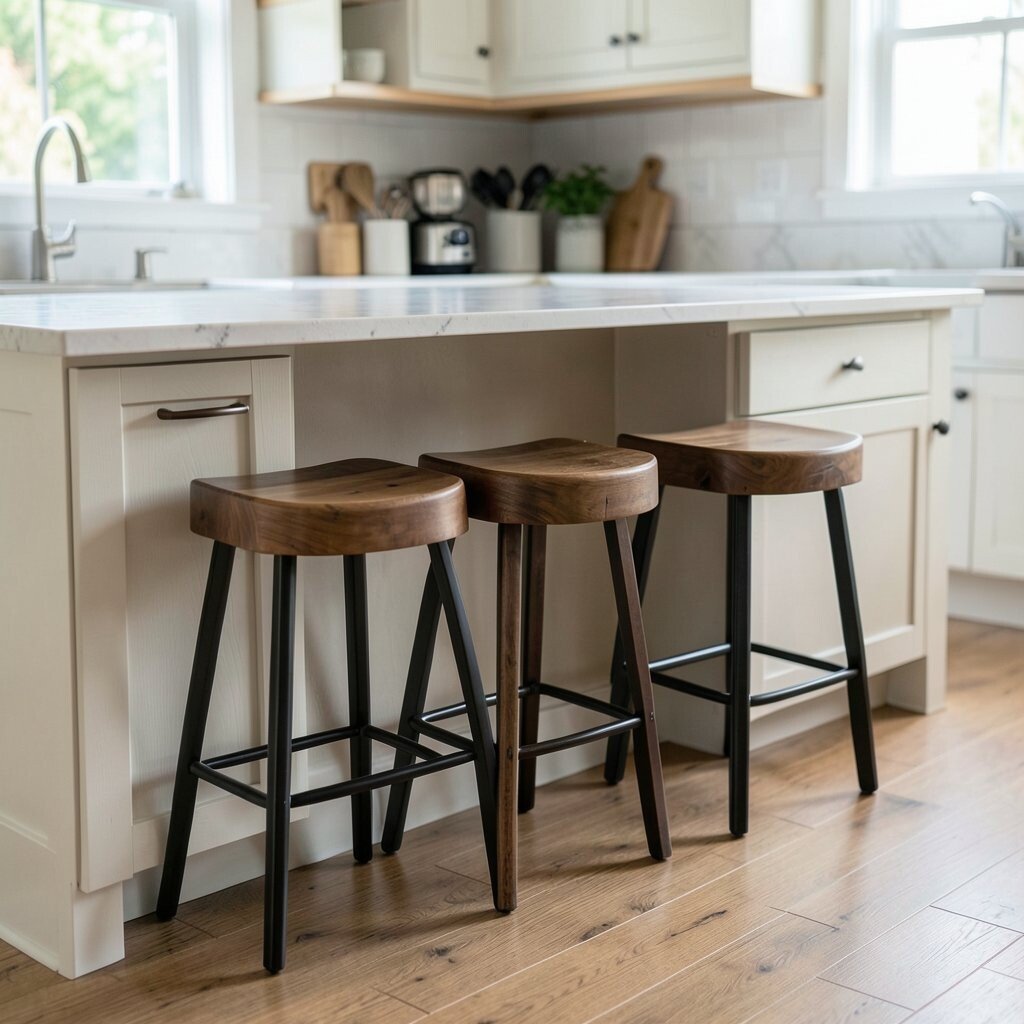
Choosing stools that block under-counter items Some barstools swing or sit at angles that bump trash cans or storage bins. That turns every meal setup into a quick problem.
Before buying, look under the counter and note what stays there. Measure how much clearance you have so the stool does not interfere.
-
17. Forgetting about color fade and sun exposure
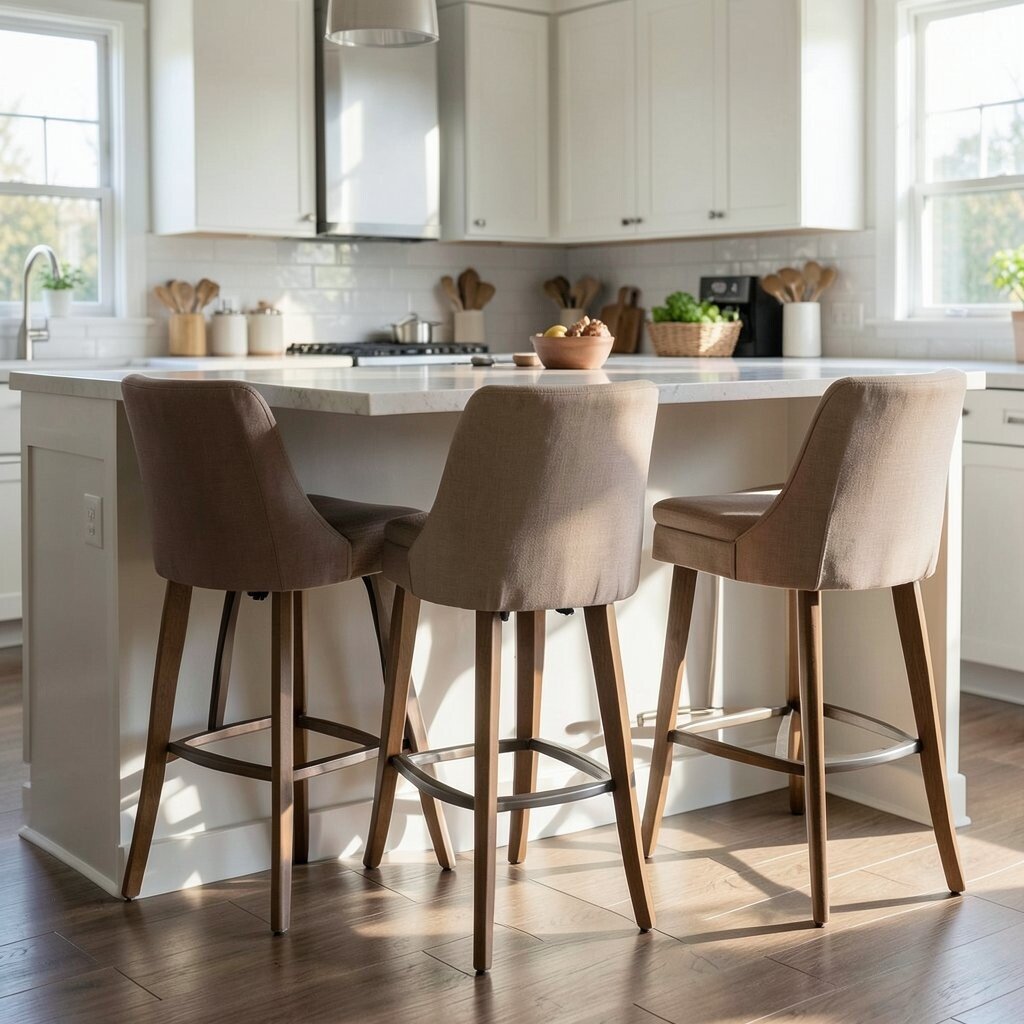
Forgetting about color fade and sun exposure If your kitchen gets strong sunlight, some fabrics and finishes can fade. What looked bold at purchase might look washed out after a few months.
Consider UV-resistant materials or finishes, especially for upholstered seats. If you love bright colors, protect them with smart placement or curtains.
For personalization, choose deeper tones or patterns that hide subtle fading over time. That keeps your stools looking lively without constant replacement.
It also helps to rotate seating habits when you can, especially during long sunny seasons.
-
18. Buying expensive stools you cannot actually enjoy daily
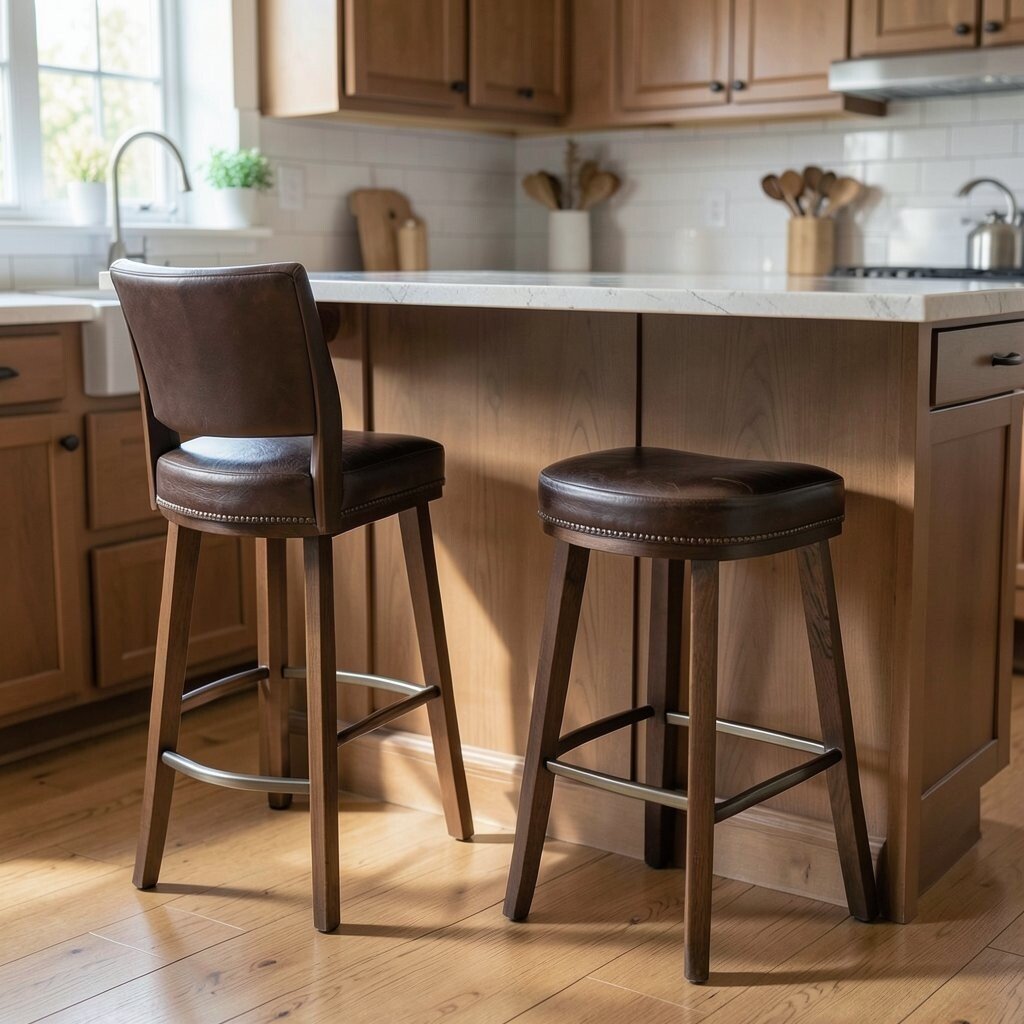
Buying expensive stools you cannot actually enjoy daily Some people choose the most luxurious option, then worry every time someone sits down. That makes the kitchen feel strict instead of cozy.
Set a budget that lets you use the stools without fear. You can still buy beautiful pieces while choosing materials that handle everyday life.
Look at the total cost, including cleaning supplies and possible replacement cushions. Thinking long-term can save money and stress.
-
19. Overpaying without checking build quality

Overpaying without checking build quality A high price tag does not always mean better craftsmanship. Sometimes you are paying for a brand name, while the joints and hardware do not feel great.
Press on stress points and inspect the way parts connect. If the legs feel sturdy and the upholstery looks well-made, that is a good sign.
Check reviews that mention comfort, wobble, and durability. Those real-life notes help you avoid the “looks good, acts bad” trap.
-
20. Underestimating assembly time and future repairs
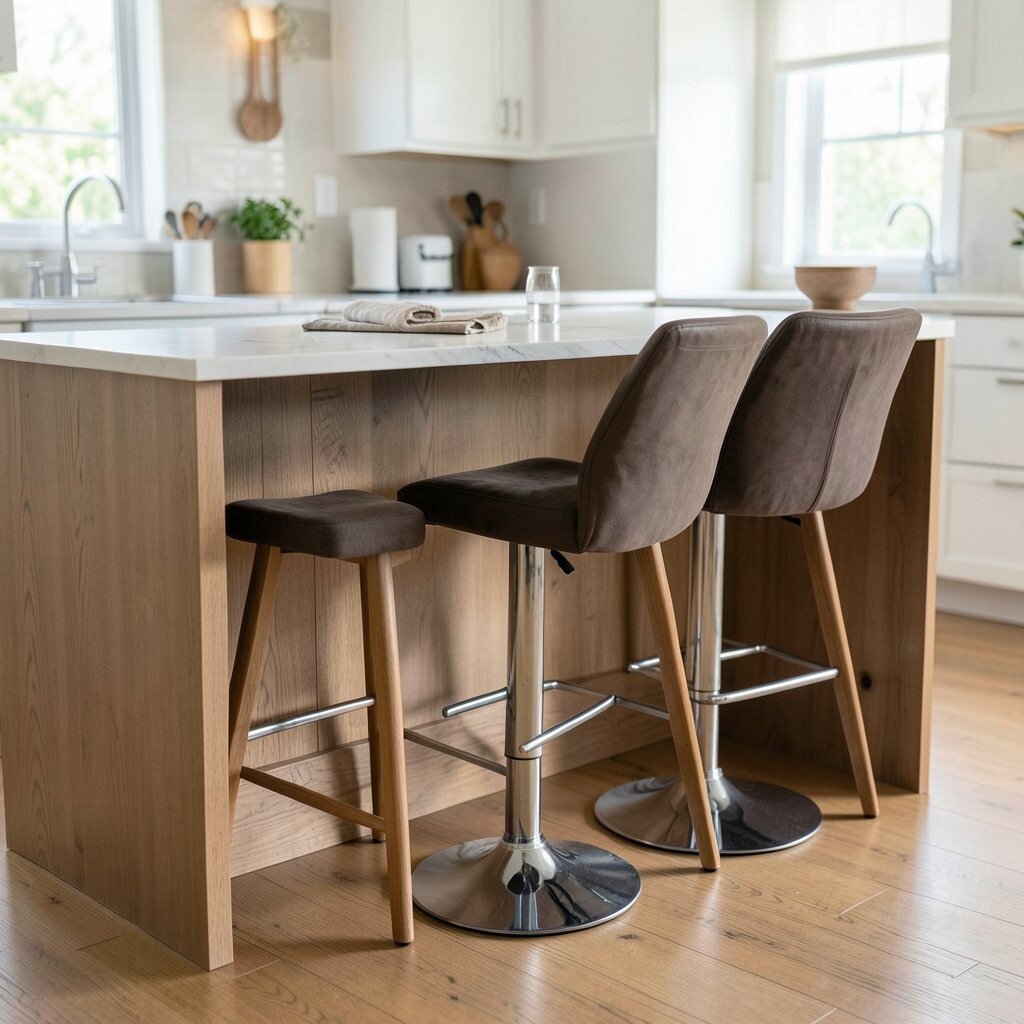
Underestimating assembly time and future repairs Some stools arrive with lots of small parts, and that can turn into an afternoon project. If you struggle with tools, that hassle can feel like a headache.
Look for easy assembly, clear instructions, and solid hardware. Also check whether replacement parts are available if anything loosens over time.
For personalization, consider adding a washable seat cover or swap-friendly cushions. That keeps the stool feeling new without replacing the whole piece.
-
21. Not planning for how you will customize later
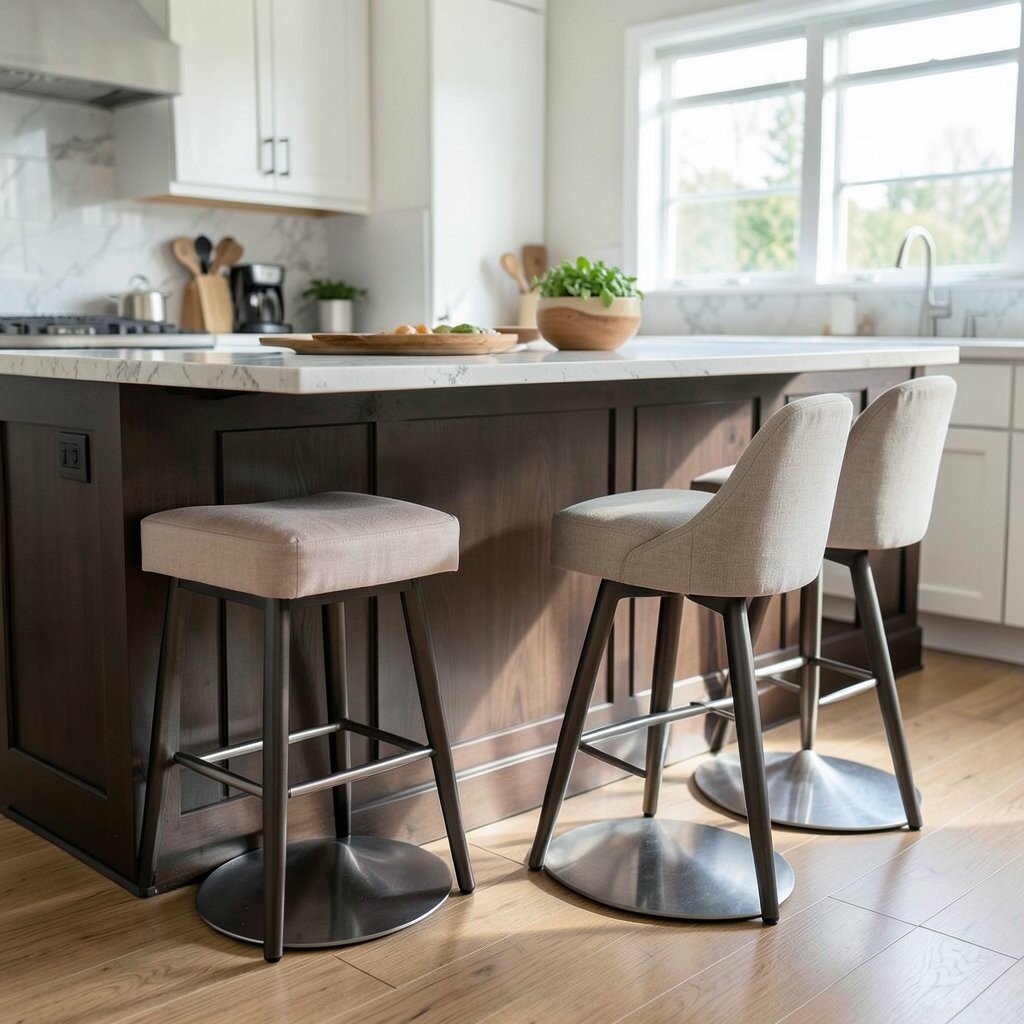
Not planning for how you will customize later Your tastes can change, and that is normal. If you choose a stool that is hard to update, you might feel stuck with an old look.
Pick styles that allow personalization, like removable cushion covers, compatible seat pads, or finishes that can be refinished. That way you can refresh the look while keeping the comfort.
Think about adding accessories that match your season, like neutral covers in winter and lighter colors in summer. Small updates can keep the kitchen feeling fresh without starting over.
It is also smart to consider cost for future upgrades, like cushion replacements. Planning ahead helps you enjoy your stools for years.