
Clutter doesn’t have to win every day. With the right layout, your home can feel calm and easy to use.
When spaces are set up on purpose, you spend less time hunting and more time living.
-
1. Zoning With “Use-First” Layout
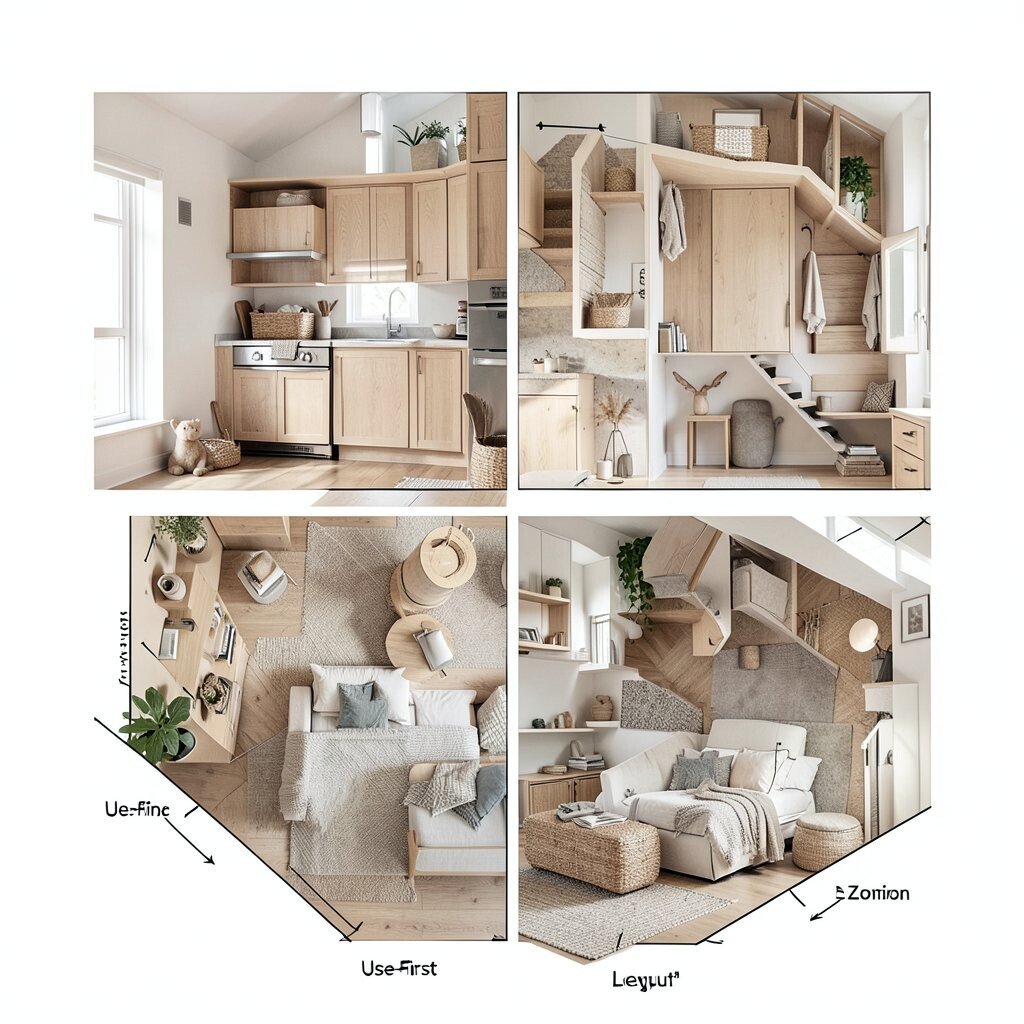
Zoning With “Use-First” Layout Start by mapping your home by how you use it, not by what you own. Put “hot items” in the path you walk most often, like near the entryway or kitchen work area.
For example, keep keys, small wallets, and daily essentials together where you grab them on the way out. This helps things feel predictable, so you put them back the moment you’re done.
-
2. The “Clear Counters” Landing Pad Concept
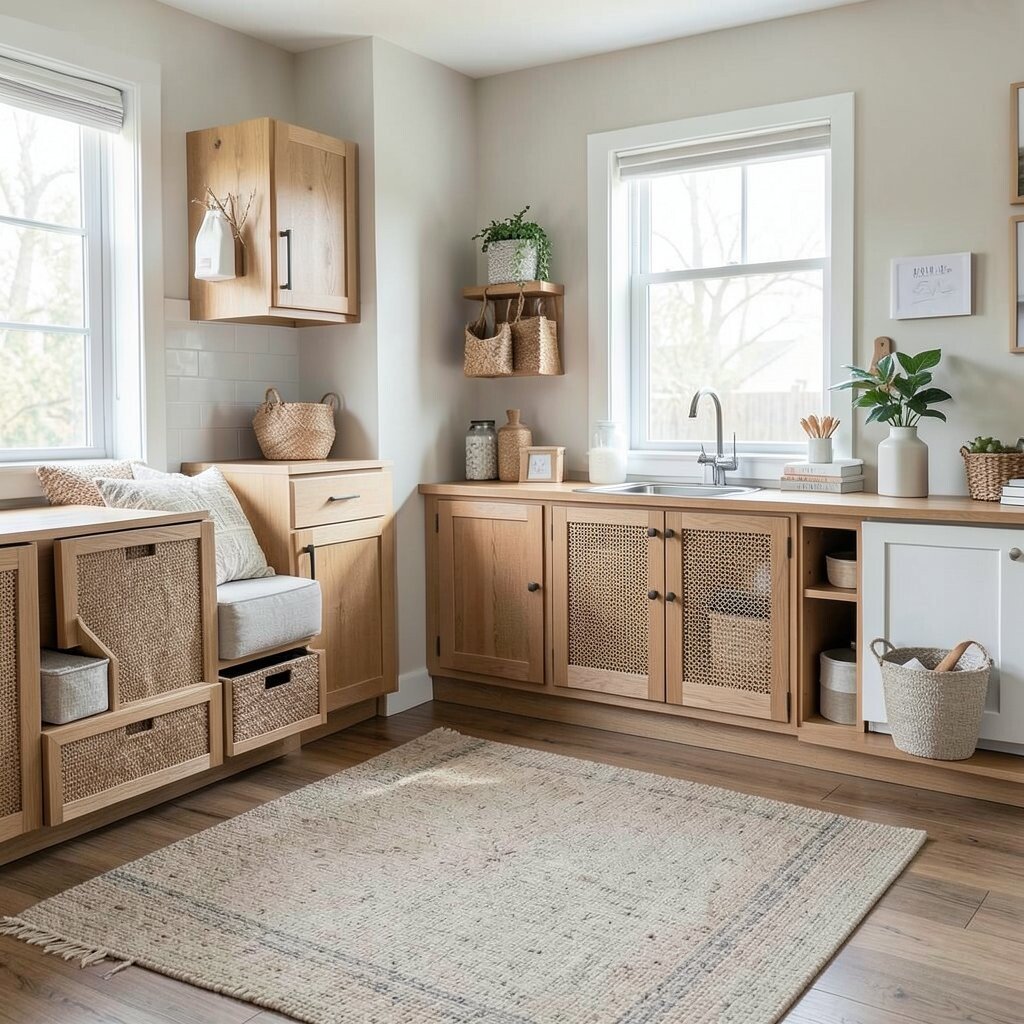
The “Clear Counters” Landing Pad Concept Pick one spot for incoming items so they don’t spread across every surface. Think of a small tray, a basket, or a simple catch-all shelf by the door.
Visually, it looks tidy because the mess has one home. The benefit is huge: you can see what needs sorting without dumping everything later.
To personalize it, label the sections by person or by task, like “today,” “return,” and “mail.” If you want budget-friendly options, try a thrift-store tray and a few removable labels.
-
3. Loop Paths for “Put-It-Back Fast” Storage

Loop Paths for “Put-It-Back Fast” Storage Choose storage spots that match your natural walking loop. If you always move from kitchen to fridge to pantry, set up organizers so items return on that same route.
You’ll love the smooth feeling when your home works like a rhythm. It reduces the chance of leaving items out because the “next step” is already built in.
Try adding small hooks near the route, like for measuring spoons, aprons, or reusable bags. For trends, look for pegboard and slim rail systems that show off tools while keeping them reachable.
Cost can stay low: a few rails, command hooks, and clear bins can do a lot. If you upgrade later, you can swap in nicer finishes without changing the whole plan.
-
4. Stack and Stagger “Visual Inventory” Shelving

Stack and Stagger “Visual Inventory” Shelving Use shelves so you can see what’s inside at a glance. Stagger the front edges of bins or stack books and containers so the labels face out.
This creates a neat look and makes items easier to grab. You benefit from fewer “mystery piles” because you can spot what’s running low.
-
5. Color-Coded Zones for Fast Sorting

Color-Coded Zones for Fast Sorting Assign colors to zones so your brain gets a quick signal. For instance, blue for pantry snacks, green for cleaning supplies, and neutral tones for everyday dishes.
When everything has a matching color cue, returning items feels natural. You also get a pleasing visual pattern that looks designed, not messy.
Personalize it by using colors you already own, like matching bin lids or using washi tape labels. If you’re on a budget, plain folders, marker labels, and thrifted storage can work well.
-
6. Drawer Rules: One Category Per Drawer
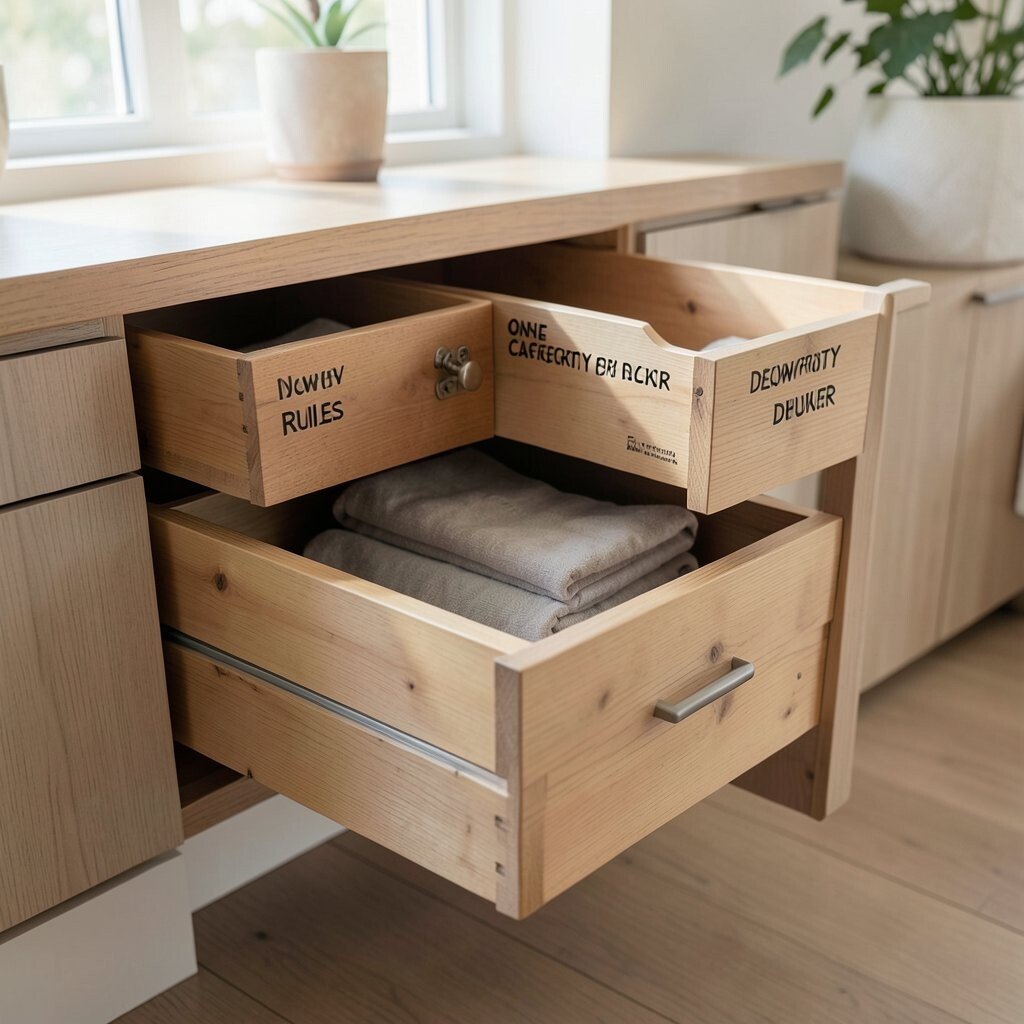
Drawer Rules: One Category Per Drawer Open a drawer and decide: what single purpose should it serve? Keep similar items together, like only socks in one drawer and only belts in another.
Clear dividers help you keep a clean view, even when you’re busy. The benefit is simple: fewer items mix together, so cleanup takes seconds.
Try personalization by grouping by lifestyle, not just category. For example, “workday,” “weekend,” and “special occasion” can guide how you split items.
For cost, start with one or two drawers using low-cost inserts, then expand. Current trend energy includes slim adjustable dividers and drawer organizers with removable sections.
-
7. Vertical Storage for Small Rooms
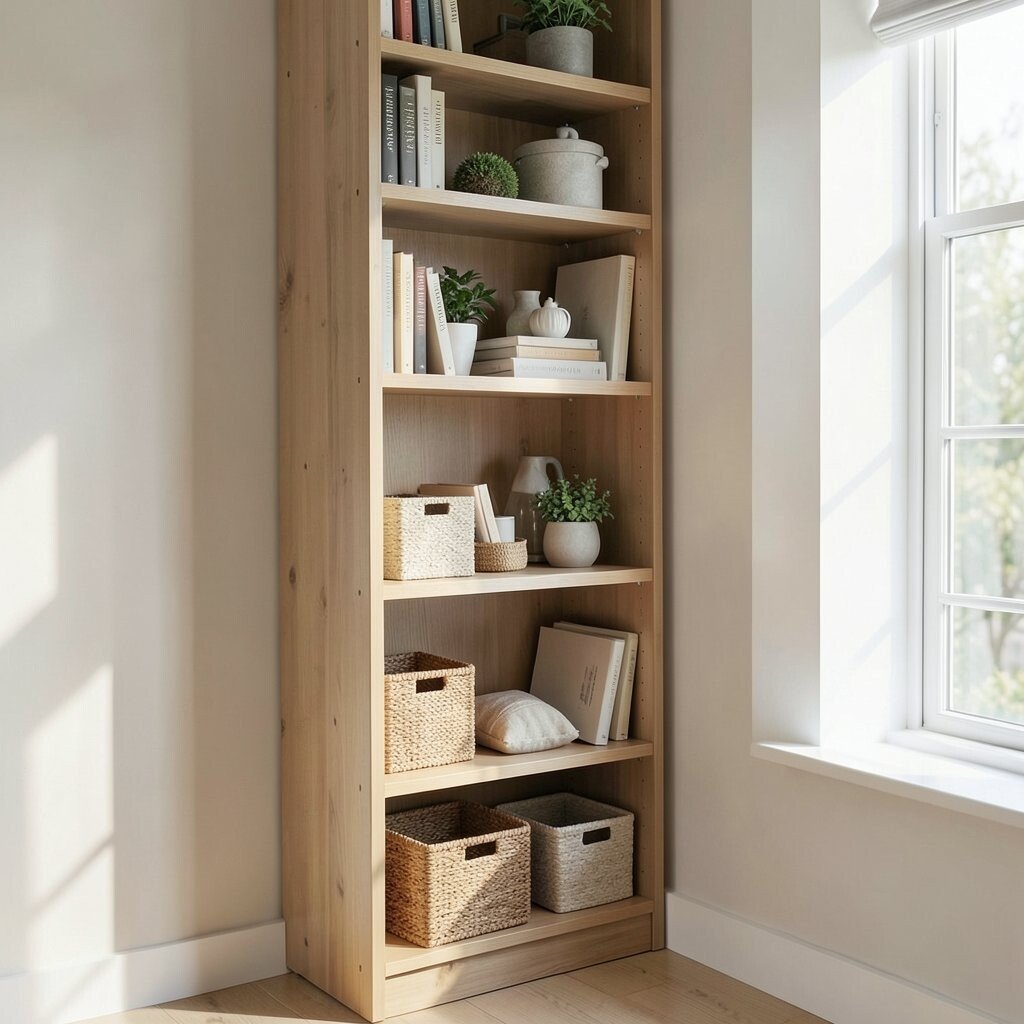
Vertical Storage for Small Rooms Think up, not out. Use wall shelves, door racks, and tall bins to keep items off the floor and counter.
Visually, vertical storage makes a small room feel taller and cleaner. It also saves floor space, which is great for play areas, hallways, and laundry corners.
Personalize by matching the style, like modern metal shelves or warm wood ledges. Add baskets at different heights so both kids and adults can reach what they need.
If you want a budget-friendly start, try a single over-the-door organizer or a peg rail. Many people love this setup right now because it looks organized without taking up extra square footage.
-
8. The “One-In-One-Out” Layout Choice
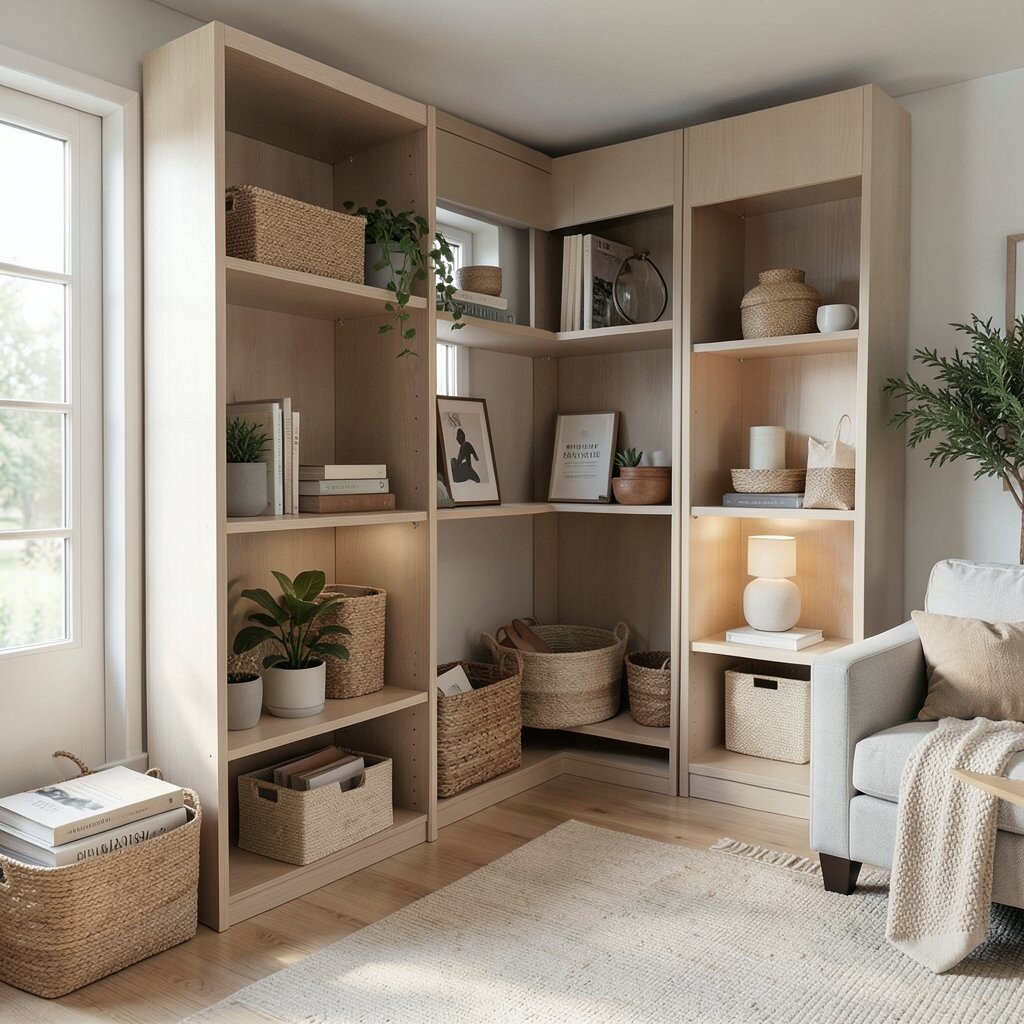
The “One-In-One-Out” Layout Choice Build your layout around a simple rule that limits buildup. When you bring in something new, you set one item aside to donate or store elsewhere.
This keeps your storage system from filling up too fast. It also reduces that stressful feeling of “we must reorganize again.”
To personalize, pick the categories that matter most to you, like shoes, pantry snacks, or craft supplies. Use a donation basket with a clear label so it stays a visible habit.
Costs are usually low, especially if you already have storage containers. The trend here is “maintenance-friendly organizing,” where systems are designed to keep working long-term.
-
9. Under-Use Space “Hidden Mini Stations”
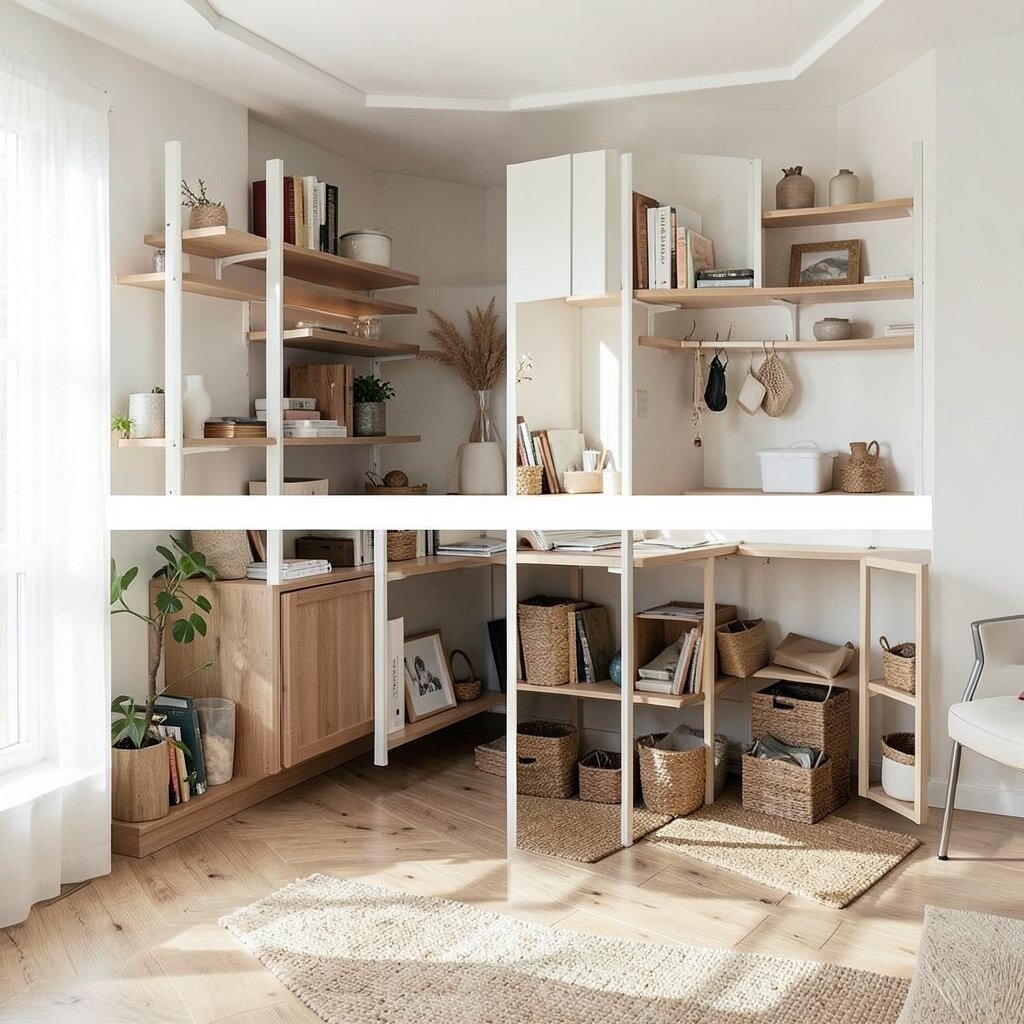
Under-Use Space “Hidden Mini Stations” Every home has spaces you barely think about, like the back of closets or the underside of furniture. Turn one of those areas into a mini station for a specific job.
For example, use an under-sink drawer for gloves, sponges, and a small scrub brush set. The benefit is fewer scattered items because the cleaning tools stay in one place.
Make it unique by building a “grab kit” that matches your routines. If you have pets, keep a pet cleanup kit there with bags and wipes.
-
10. “Everything Has a Border” Homing
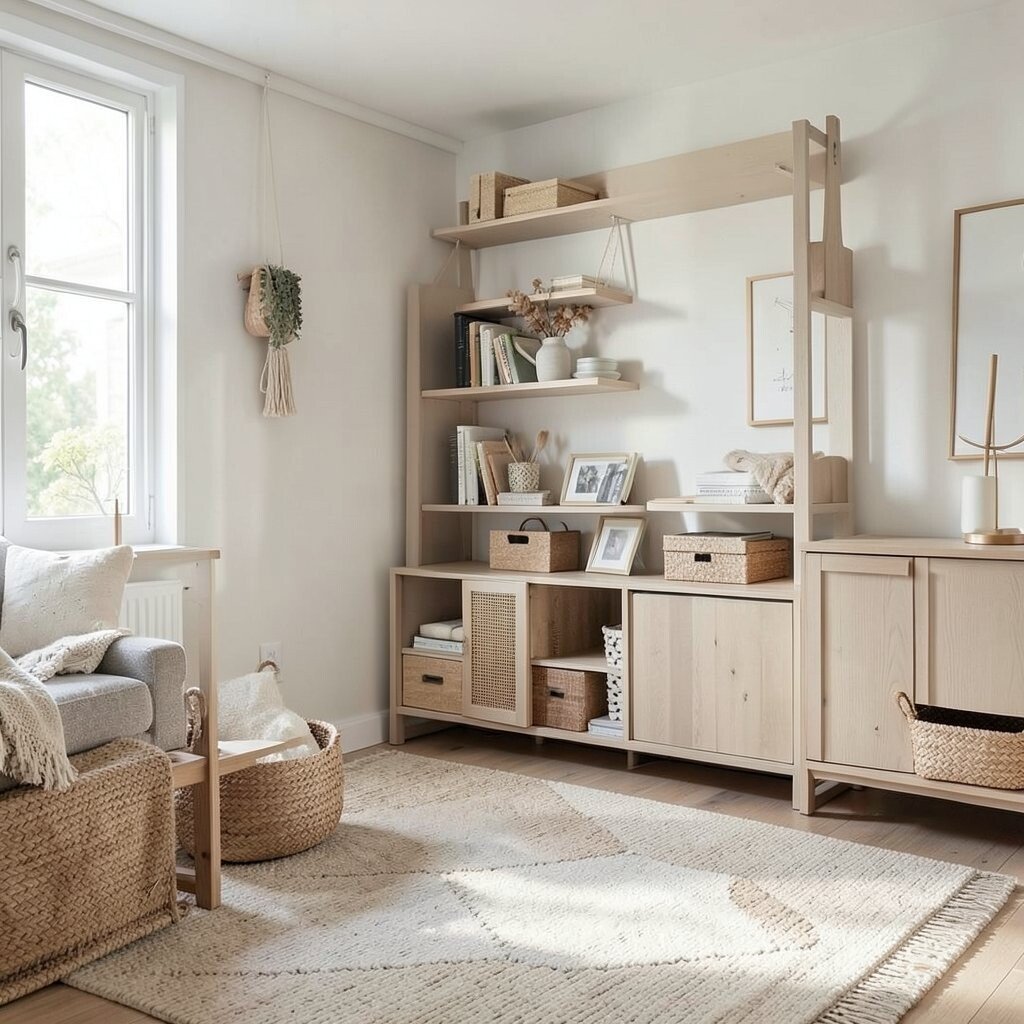
“Everything Has a Border” Homing Use a clear border for where items belong, like a tray edge, a rug section, or a bin outline. When objects stay inside the border, they look neat even when things are busy.
This is great for visual calm because it makes organization obvious. People notice the tidy look faster, and you spend less time adjusting.
Personalize by choosing borders that match the vibe of the room. For a cozy style, use woven baskets and natural labels; for a modern look, pick crisp liners.
-
11. Category “Command Centers” for Papers and Small Stuff

Category “Command Centers” for Papers and Small Stuff Make a dedicated paper hub so documents don’t float around the house. Use a small wall organizer, a vertical file, or a tabletop tray system.
Visually, you’ll see your mail and bills in one neat setup. The benefit is less stress because important items don’t get buried.
Try personalizing with simple sorting words like “Pay,” “Read,” “Keep,” and “Recycle.” If you’re budget-conscious, use inexpensive folders and label them with thick marker.
Current trend: pegboard-style organizers and vertical filing are popular because they show items neatly and save space.
-
12. The “Matching Set” Strategy for Entryways

The “Matching Set” Strategy for Entryways Pick a set of matching tools for your entryway: one tray, one key hook area, one small bin, and one shoe plan. When the pieces match, the space looks intentional.
This concept feels unique because it turns a quick stop area into a mini design moment. You also benefit from fast routines since everything is in the same style and spot.
Personalize by adding a color accent that matches your home, like black labels in a light space or warm wood tones in a cozy room. For cost, mix one nicer piece, like a tray, with a budget basket for everything else.
To keep it working, do a quick reset at the end of each day. Even a one-minute habit keeps the entryway looking fresh.
-
13. Seasonal Swap Shelves With Clear Labels
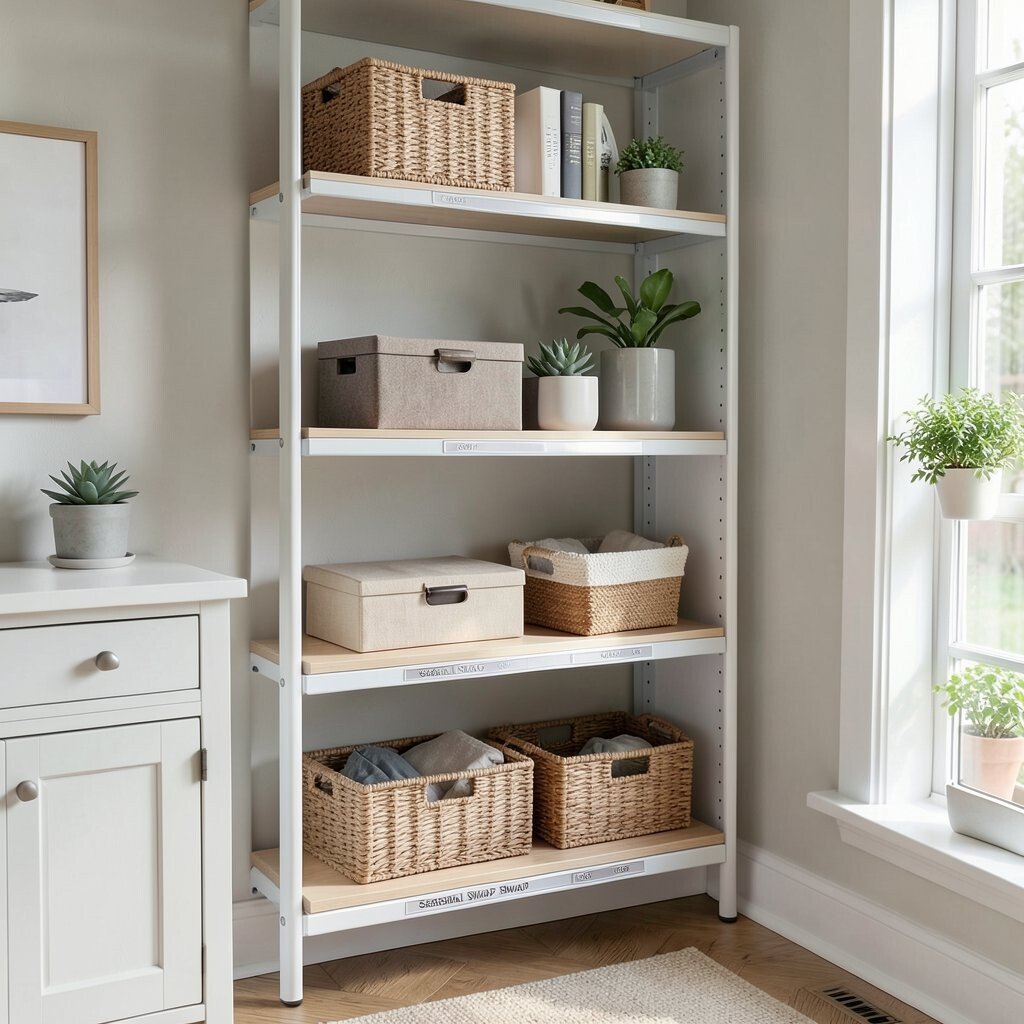
Seasonal Swap Shelves With Clear Labels Set aside a shelf or bin area for seasonal items so they don’t mix with daily gear. Think winter hats in one zone and summer items in another.
This layout reduces clutter because you only keep what you need on hand. The benefit is easier mornings because you can find the right thing quickly.
Personalize by choosing bins that reflect your style, like matching fabric drawers or clear plastic for easy viewing. Add labels that include both item type and month ranges.
-
14. Bathroom “Counter-to-Cabinet” Movement Plan

Bathroom “Counter-to-Cabinet” Movement Plan Look at your bathroom counters and decide what truly must stay out. Move the rest into cabinets using organizers so the countertop stays open and calm.
When products are stored by type—like hair care together and skincare together—the room feels spa-like. You’ll benefit from less mess and faster cleanups after you use things.
To personalize, group by who uses it, like kid-friendly items at lower heights. Cost can be controlled by starting with one organizer, like a small bin for daily skincare, then adding more later.
Current trend: clear-lidded organizers and turntables make it easy to see what you have without digging.
-
15. Closet “Hanger Orientation” and Edit
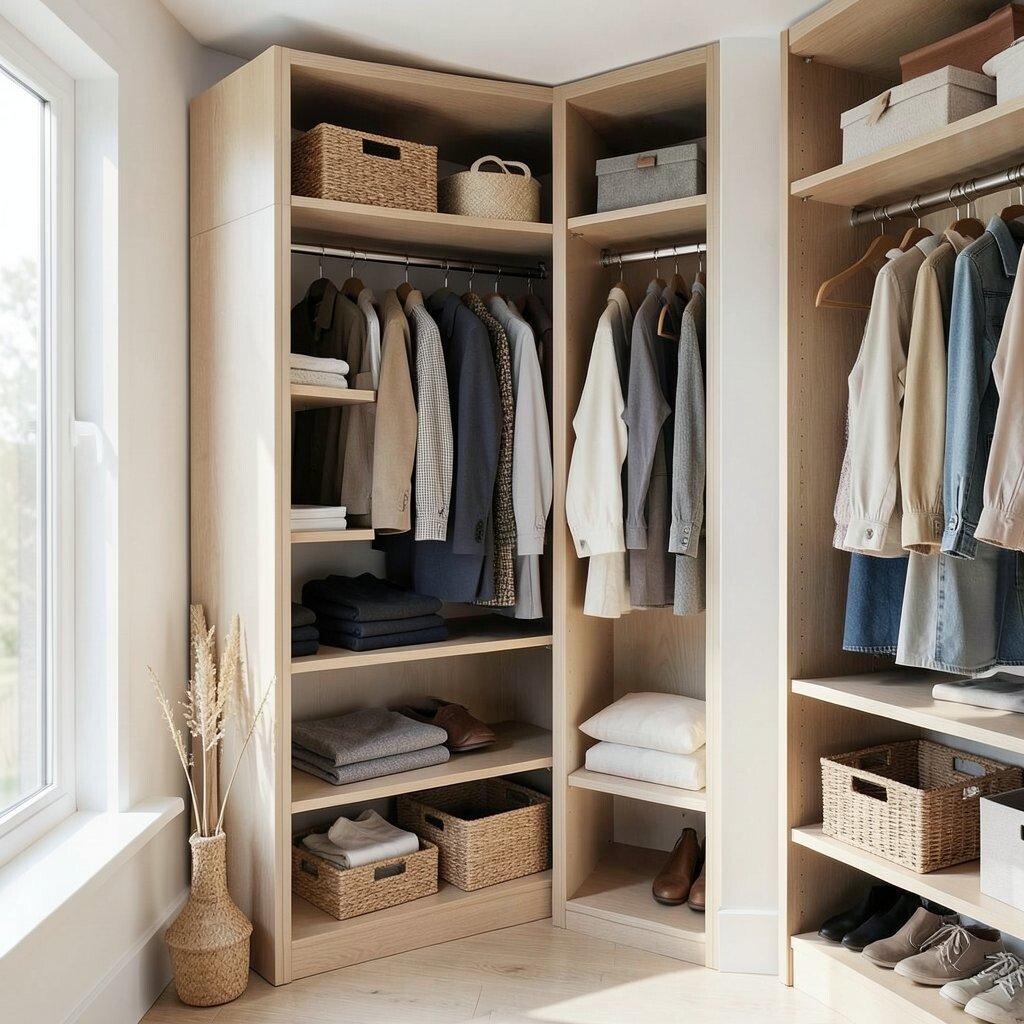
Closet “Hanger Orientation” and Edit Flip the hanger direction so you can spot what you used and what you didn’t. Over time, it creates a clear visual trail of your real habits.
This is a layout idea and a small mindset reset at the same time. The benefit is fewer decision fights because your closet becomes more accurate.
Personalize by color grouping, like tops together and bottoms together, or by lifestyle like “work,” “weekend,” and “special.” If you want to save money, use a marker and simple tape labels instead of expensive closet systems.
-
16. Kid Zones With Reachable Steps

Kid Zones With Reachable Steps Organize for how kids can reach, not how adults wish they could. Use low shelves, picture labels, and bins that slide out easily.
Visually, the space looks playful and neat when toys have clear homes. The benefit is more independence for kids and easier tidying for everyone.
Try personalizing with photos or simple drawings for each bin, like a soccer ball for sports toys. For cost, repurpose shoeboxes and decorate them with sturdy tape.
Current trend: visual storage systems with labels and low-height bins are everywhere because they reduce battles and build confidence.
-
17. “Beauty of Use” Display Shelves
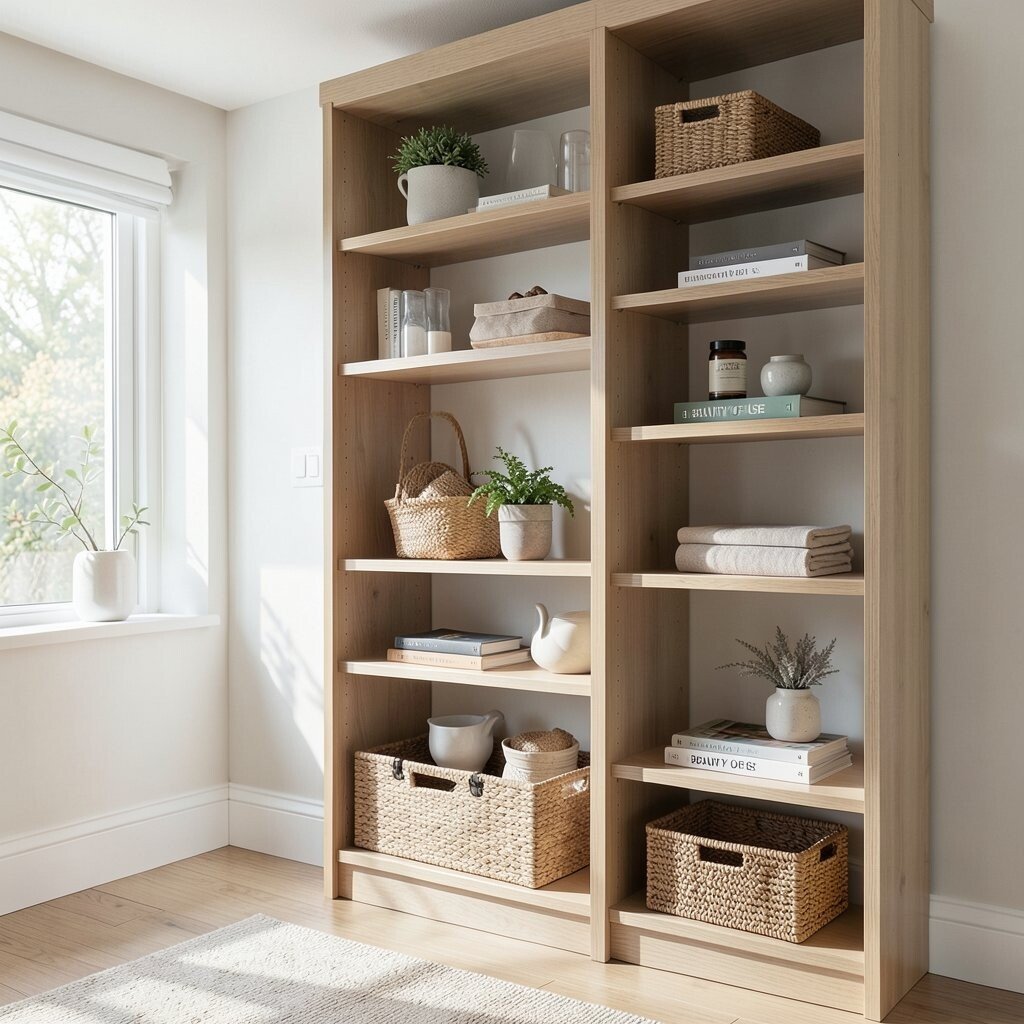
“Beauty of Use” Display Shelves Choose a few items that you want to show, and display them like part of the decor. Use a shelf, a cabinet with open doors, or styled trays to highlight what you love.
This concept feels unique because it mixes function with style. The benefit is that you enjoy using your home while it stays organized.
Personalize by rotating displays with seasons, new gifts, or themed weekends. To keep costs reasonable, start with simple frames, small risers, and labels you can remove later.