Art can change how a room feels without changing its furniture. When you place it with care, your space starts telling your story.
-
1) The One-Focal-Wall Gallery Wall
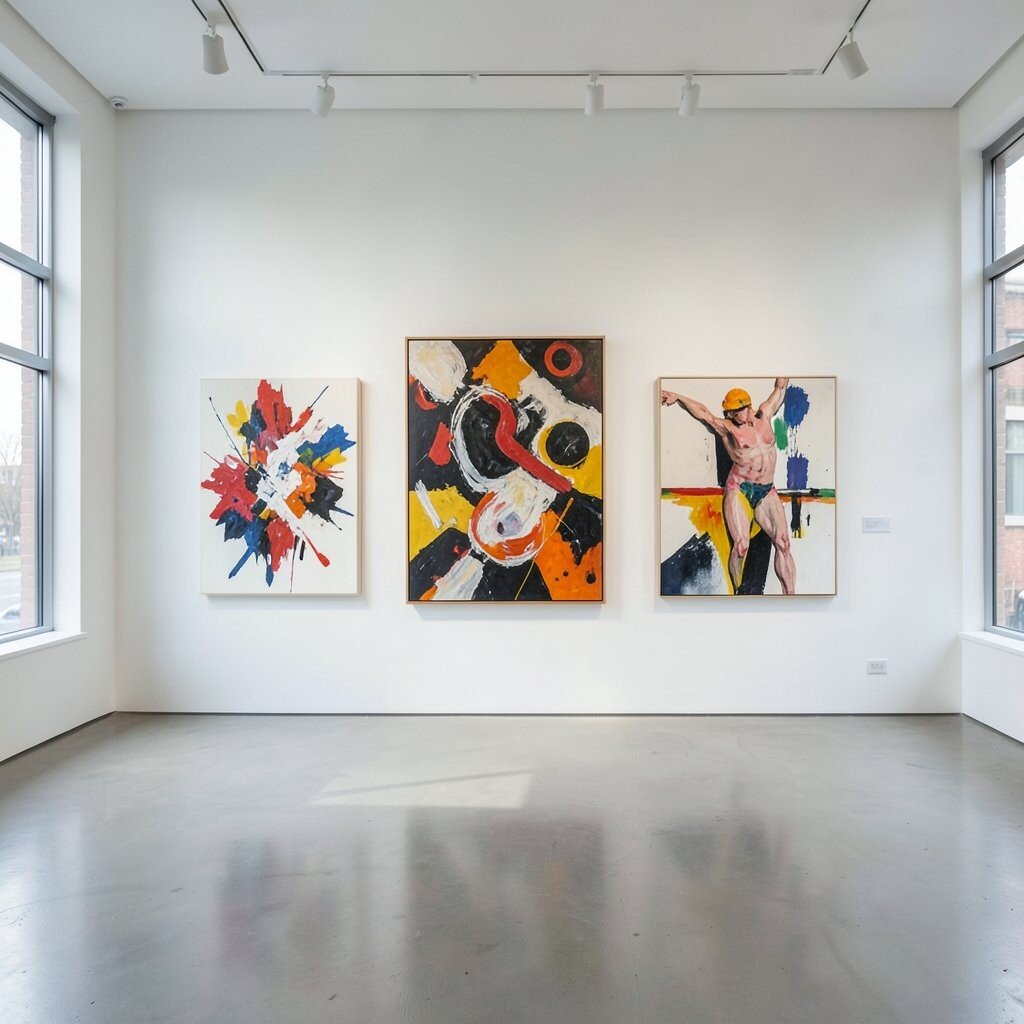
) The One-Focal-Wall Gallery Wall Pick one wall and make it feel like a calm art show. Use a mix of sizes so your eye keeps moving, but keep the colors close enough to match.
Choose frames in simple finishes like matte black or warm wood so the art stays the star. This display is great because it makes a blank wall look finished fast. For personalization, include one piece that has a color you wear often, like a scarf or pillow.
Start with paper cutouts of your artwork and tape them up until the spacing feels right. Keep a consistent border gap between frames for a neat, modern look. Budget tip: use thrift-store frames for the bulk and spend more on one statement piece you truly love.
-
2) Floating Shelves With Rotating Art
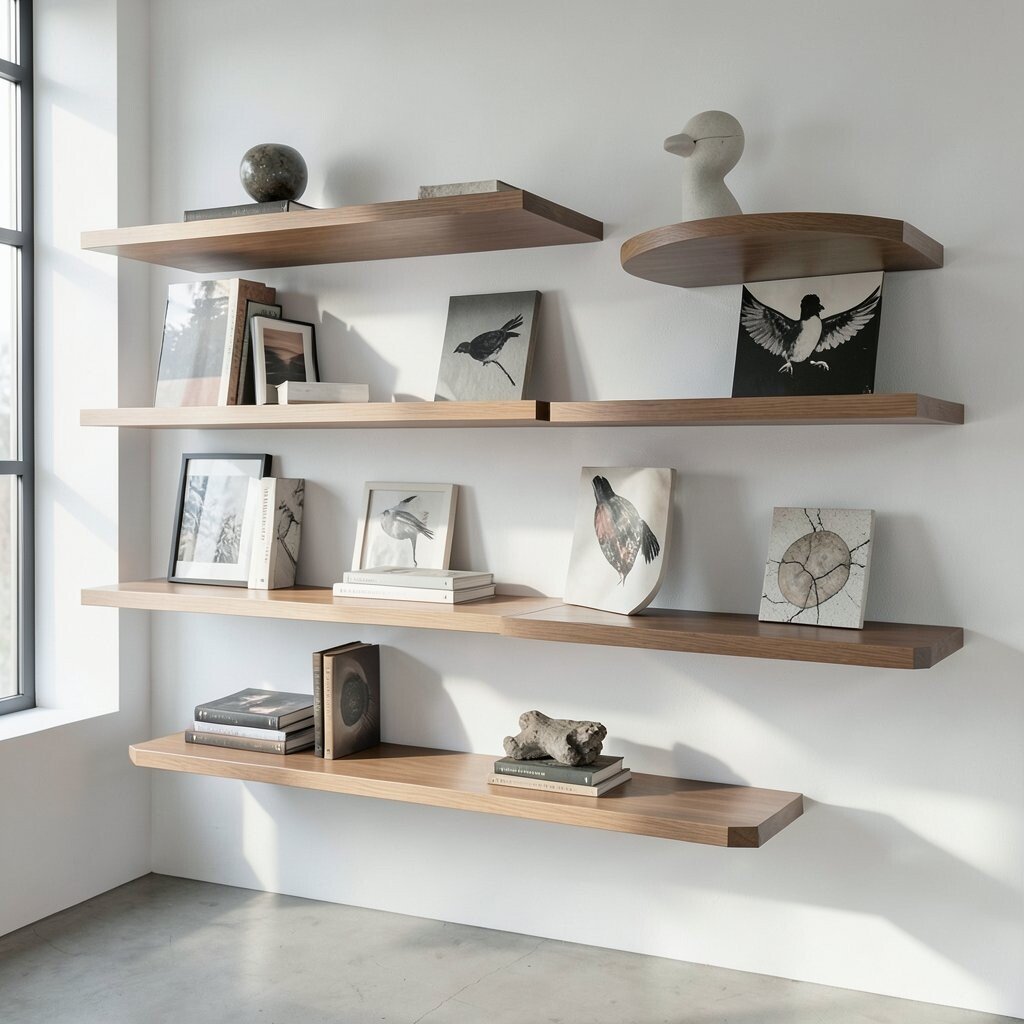
) Floating Shelves With Rotating Art Floating shelves let your art feel light and on purpose. Place small sculptures or bold prints on the shelves, then switch them when you want a new mood.
This is a smart choice for people who like to change things often. The benefit is that it stays contemporary because it looks styled, not stuck in one place. To personalize, mix one artist series with a couple of personal items like tiny ceramics or travel keepsakes.
For setup, keep objects spaced in odd groupings, like three or five, so it looks current. If you’re working with a smaller budget, start with fewer shelves and add later. Recent trend: “layered styling” where art and small objects sit together for a curated, magazine-ready vibe.
-
3) Oversized Canvas Corner Impact
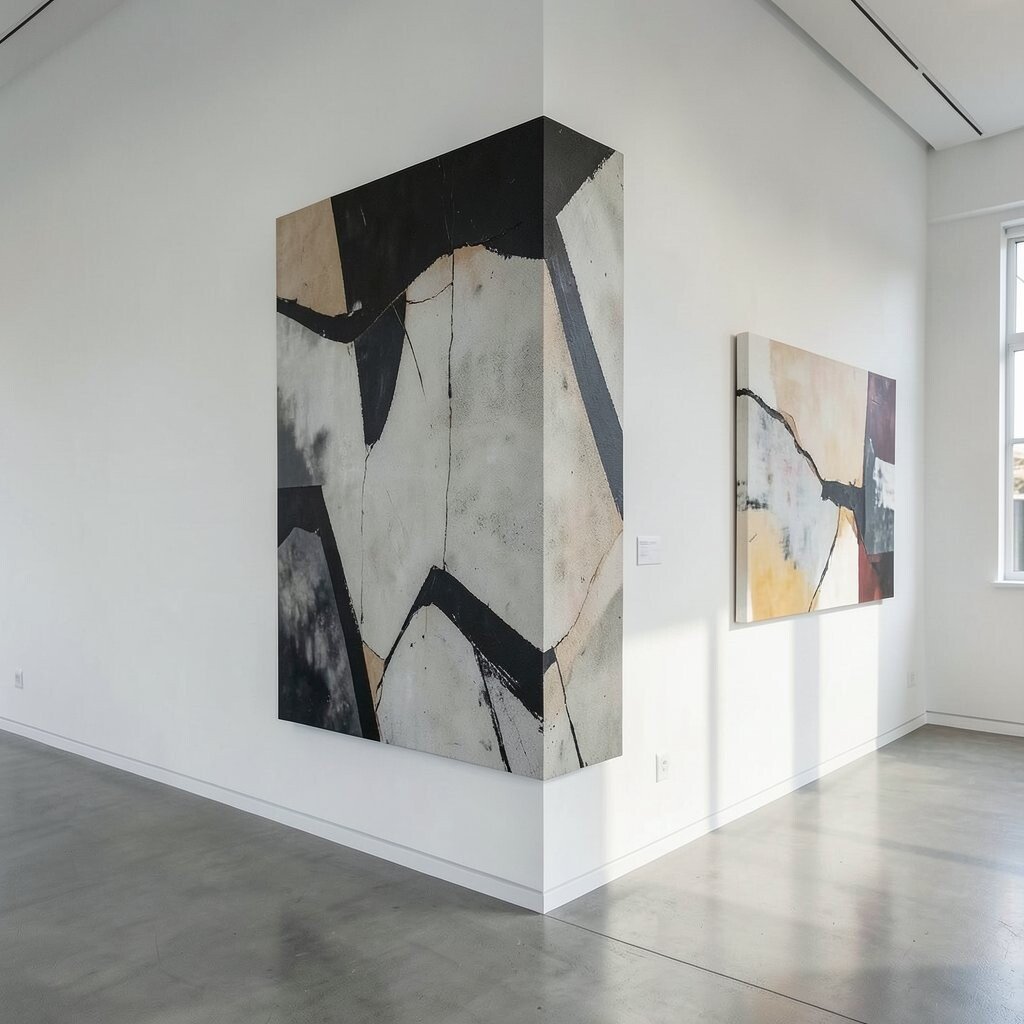
) Oversized Canvas Corner Impact Hang one large canvas near a corner so it grabs attention the moment you walk in. The angle of the corner makes the piece feel even bigger and more dramatic.
This display is unique because it uses negative space instead of filling every inch. It benefits your room by keeping things calm while still adding personality. Personalize by choosing art that echoes a color from your rug or curtains, so everything feels linked.
Try placing the canvas slightly higher than you think, then step back and check the height from standing eye level. If you worry about cost, look for prints that mimic the look of a large painting. Current trend: “statement scale,” where one big piece replaces many small ones.
To make it feel modern, keep the frame simple and clean, or go frameless if the edges are finished.
-
4) Museum-Style Framing With Consistent Matting
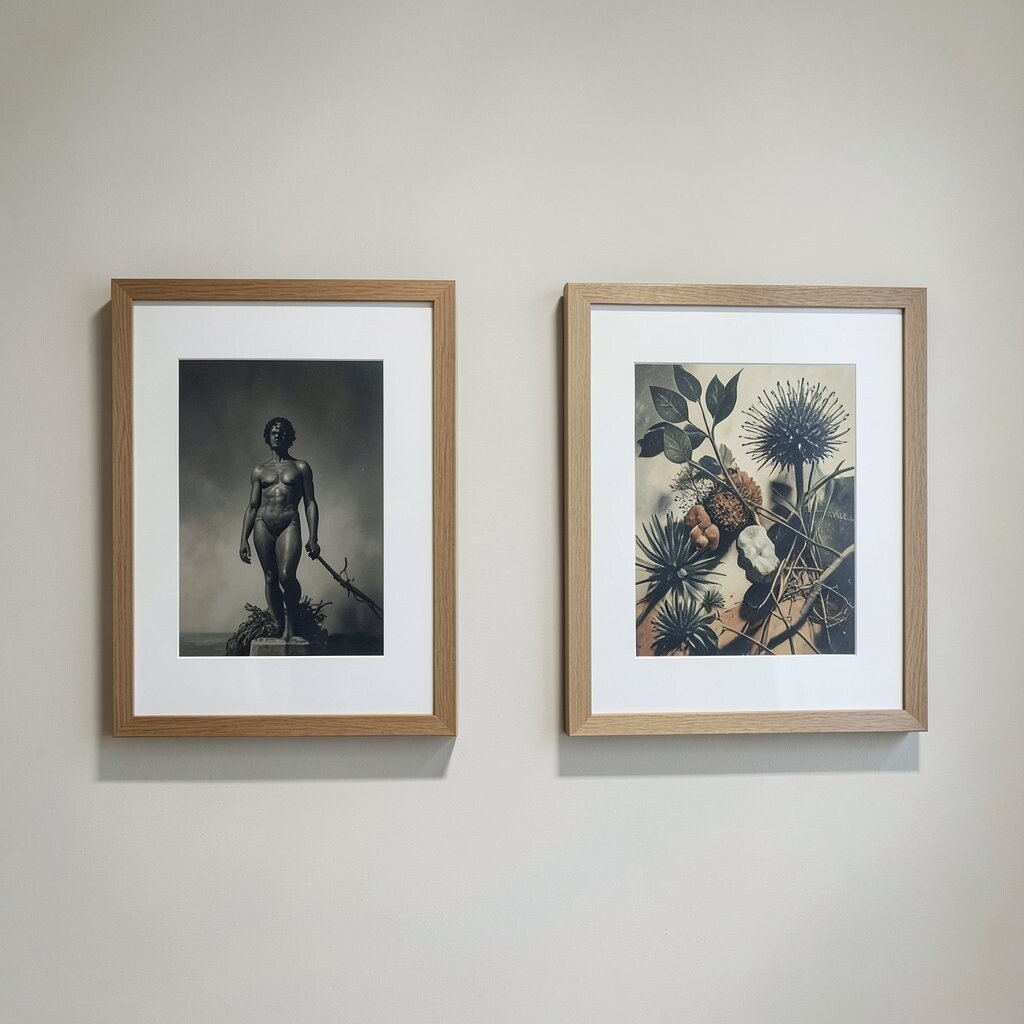
) Museum-Style Framing With Consistent Matting Museum-style framing makes art feel formal and careful. Use consistent mat colors and frame thickness across multiple works for a refined rhythm.
This approach benefits your space because it looks organized even when the artworks vary. It feels unique because the display design becomes a quiet helper to the art, not a loud competitor. Personalize by picking one mat tone—soft white, warm cream, or cool gray—that matches your walls.
-
5) Vertical Line Display Above Seating
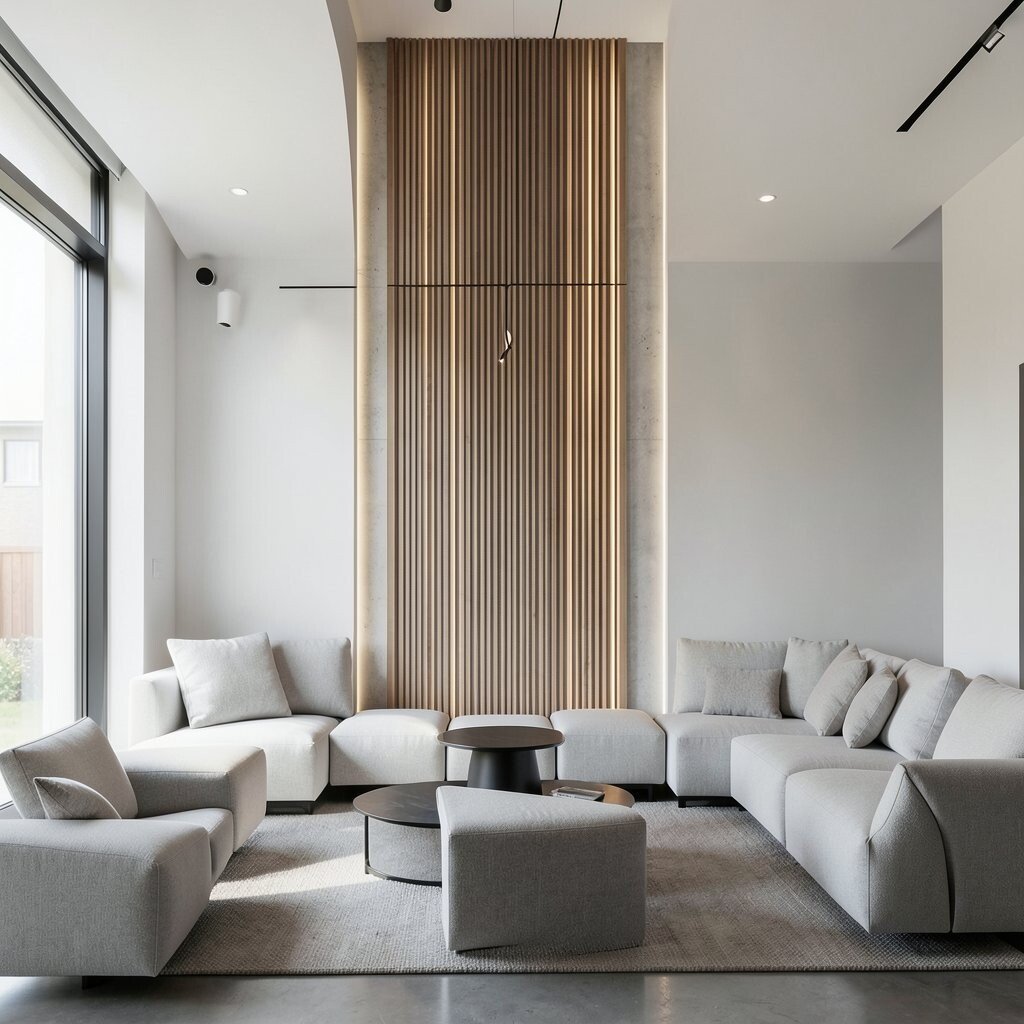
) Vertical Line Display Above Seating If you have a couch, chair, or bench, treat the space above it like a vertical stage. Arrange a set of tall prints or narrow artworks so they rise upward together.
This works beautifully for contemporary interiors because it adds structure and height. The benefit is a cleaner look with fewer pieces, especially if your wall space is limited. To personalize, pick one artwork that includes a theme you love, like city shapes, nature lines, or bold faces.
Start by measuring the width of your seating and keep the artwork centered. Use similar spacing between pieces for a tidy, intentional feel. Cost consideration: prints on quality paper can look expensive, even when they are not.
-
6) Backlit Shadow Box for Small Artwork
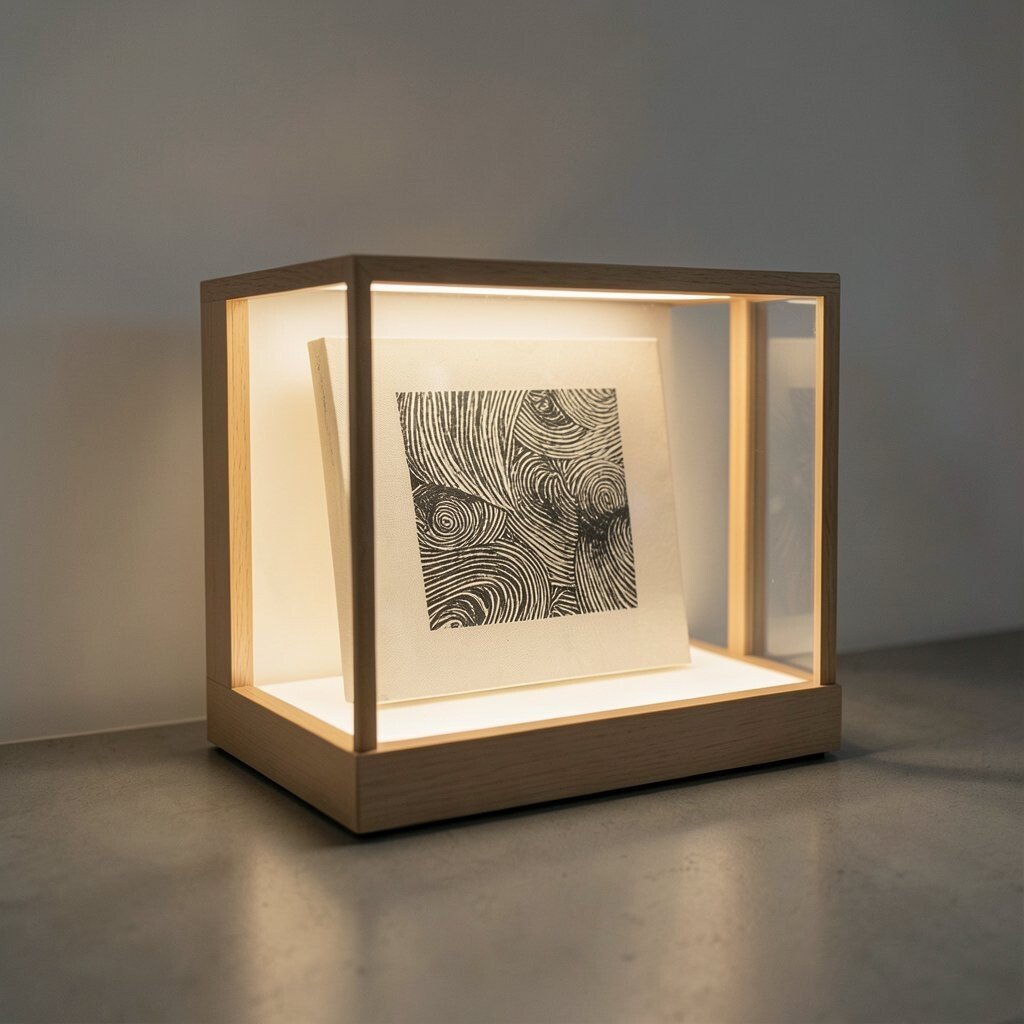
) Backlit Shadow Box for Small Artwork A backlit shadow box turns tiny art into a glowing moment. You can place a small painting, fabric collage, or layered paper under clear glass.
This display is special because it adds light, depth, and texture all at once. The benefit is that it creates a cozy glow at night and makes the art feel “alive.” Personalization idea: use a shadow box for a favorite handwritten page, a pressed flower, or a small fabric sample.
For a current look, keep the design minimal and let the glow do the work. If you want a budget option, consider a small LED picture light instead of a custom box. Tip: use low-heat LED bulbs so your materials stay safe over time.
-
7) Grid Wall With Color-Blocked Prints
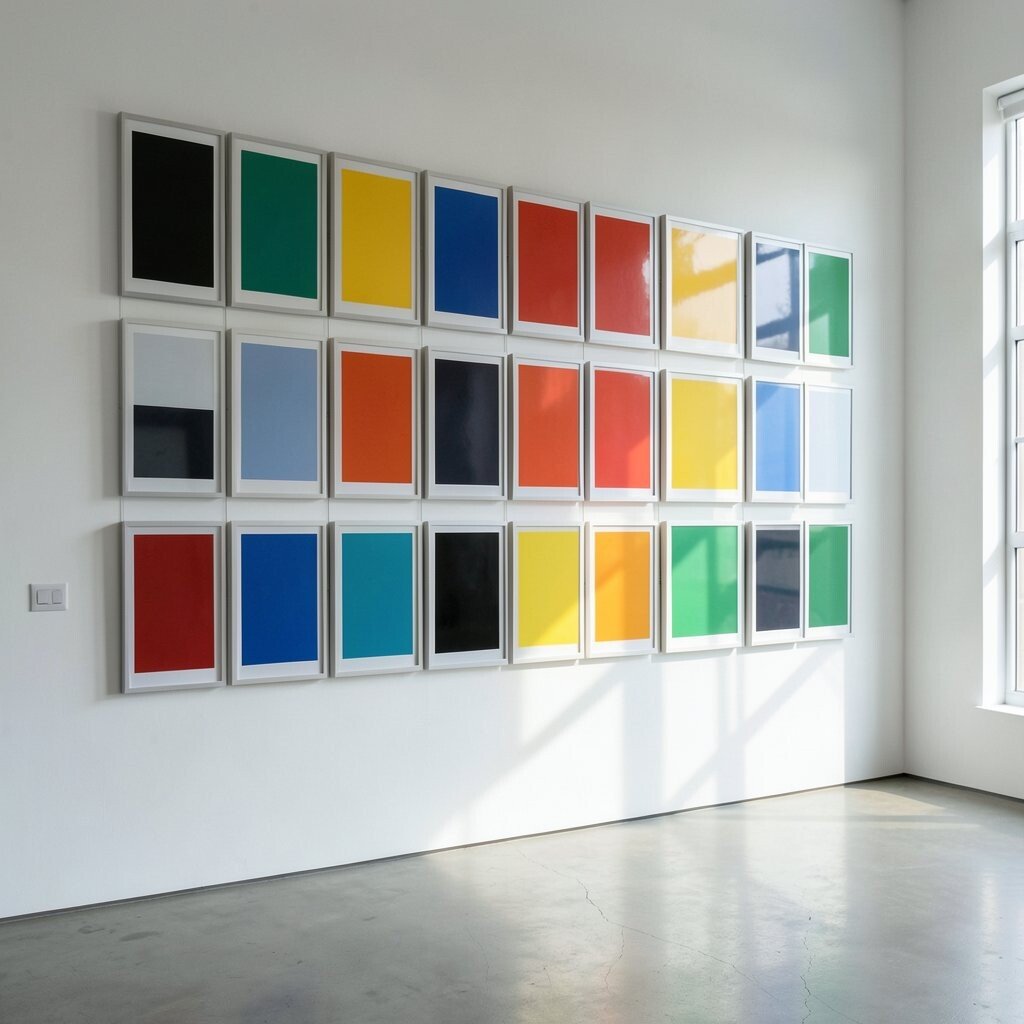
) Grid Wall With Color-Blocked Prints A grid wall is neat, modern, and easy to plan. Arrange prints in rows so each piece feels like part of a larger picture.
This structure is unique because it blends order with creativity. It benefits your room by making visual chaos feel calmer, especially in busy homes. Personalize by choosing a color-block palette that matches your favorite decor, like terracotta with cream or navy with lime accents.
To set it up, measure the wall and decide on one consistent spacing for each print. If you’re cost-conscious, start with poster-size prints and upgrade frames later. Trend note: color-block composition is popular because it looks bold without needing heavy sculptural space.
-
8) Art Hanging in a Curved Line (The Gentle Arc)
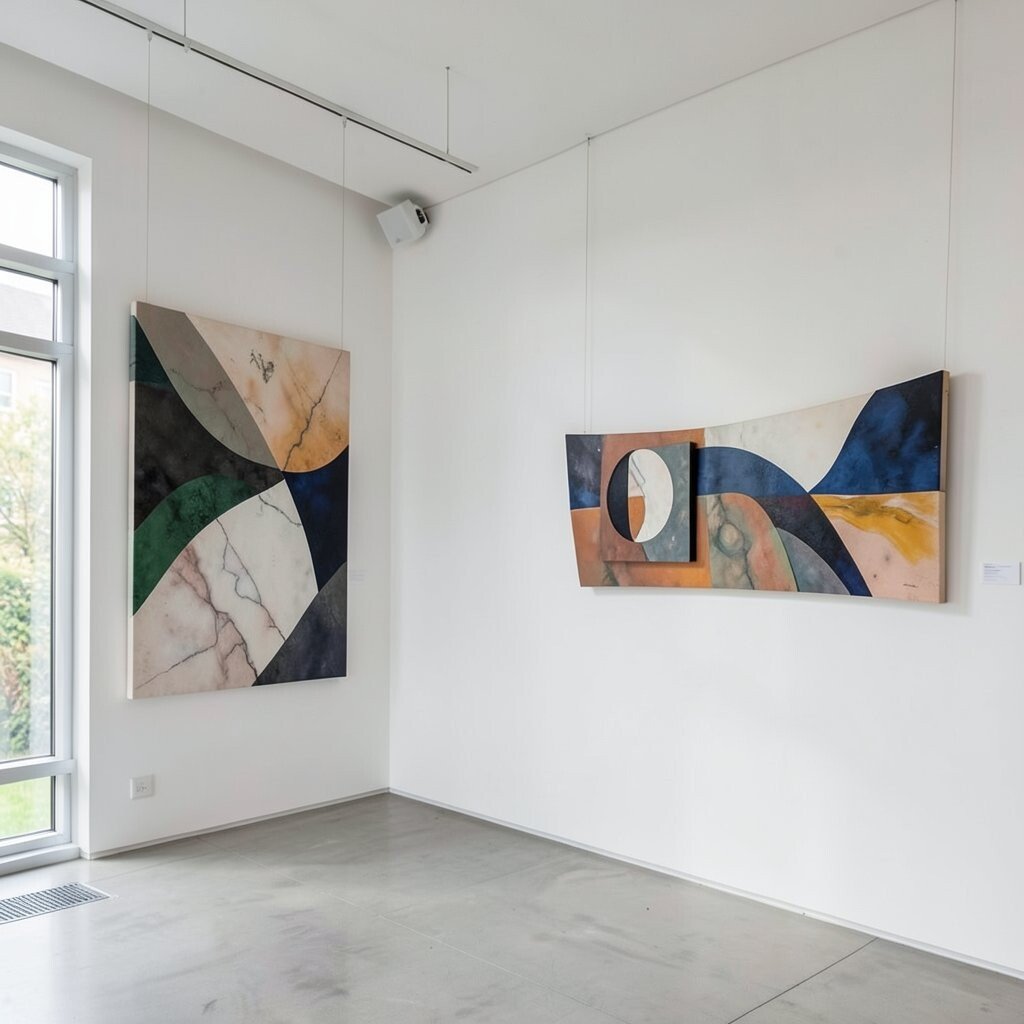
) Art Hanging in a Curved Line (The Gentle Arc) Instead of straight rows, try a gentle arc for a softer, more artistic feel. This method makes even simple prints look designed.
The benefit is that your eyes glide along the wall, which feels relaxed and friendly. It’s unique because it breaks the “rules” in a controlled way, like a curved bookshelf. Personalize by adding one personal piece that feels meaningful, so the arc includes a “home base” you love.
-
9) Picture-Ledges With Sculptures and Prints
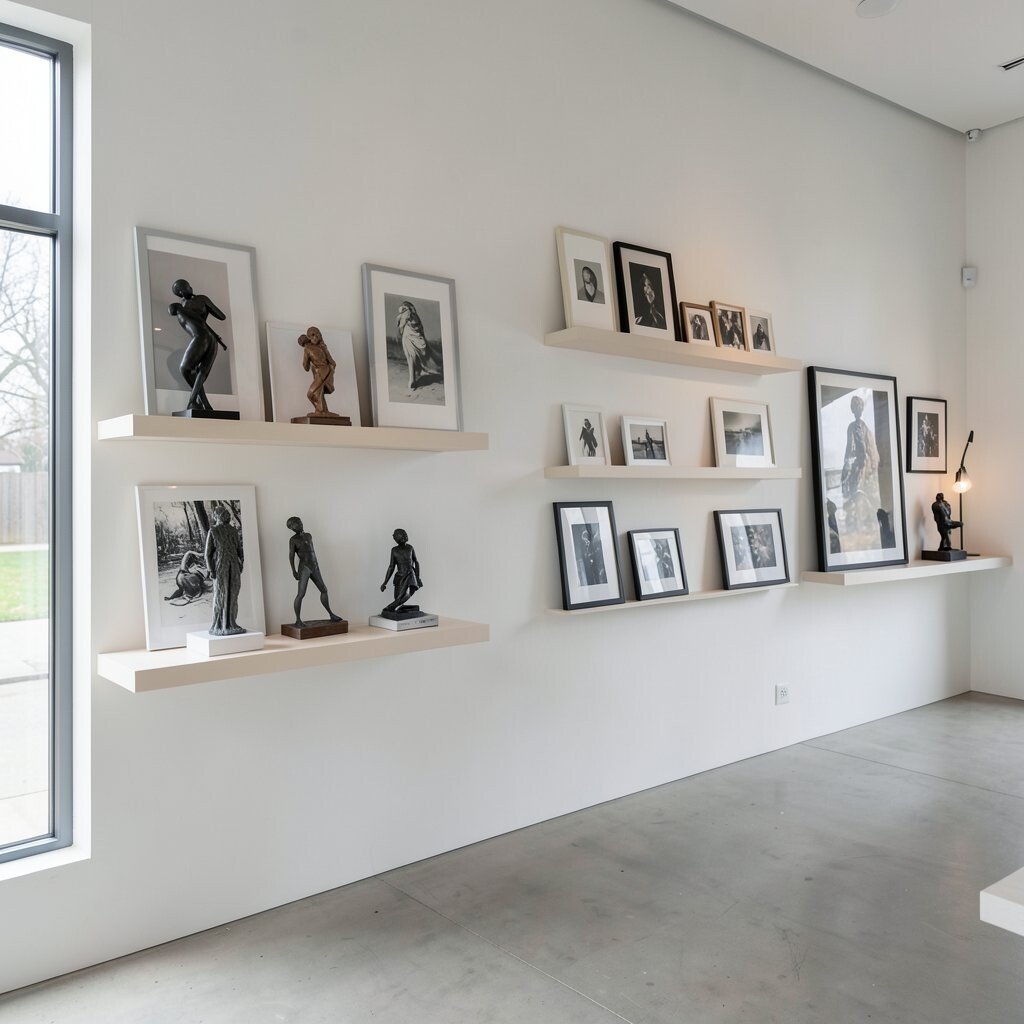
) Picture-Ledges With Sculptures and Prints Picture-ledge shelves give you a ready-made platform for art and small objects. Mix prints with sculptures, ceramics, or glass for a layered look.
This display benefits your space because it turns one wall into a changing scene. It feels unique because it mixes media, like art meets styling. Personalization idea: place one object that has a story, such as a souvenir bowl, a handmade figurine, or a small vase.
To keep it contemporary, limit busy patterns and repeat one shape or color across items. Cost tip: thrift-store sculptures can look great once cleaned and grouped thoughtfully. Current trend: “object + artwork” styling where art doesn’t just hang—it sits in a curated arrangement.
-
10) Gallery Rail With Easy Swaps
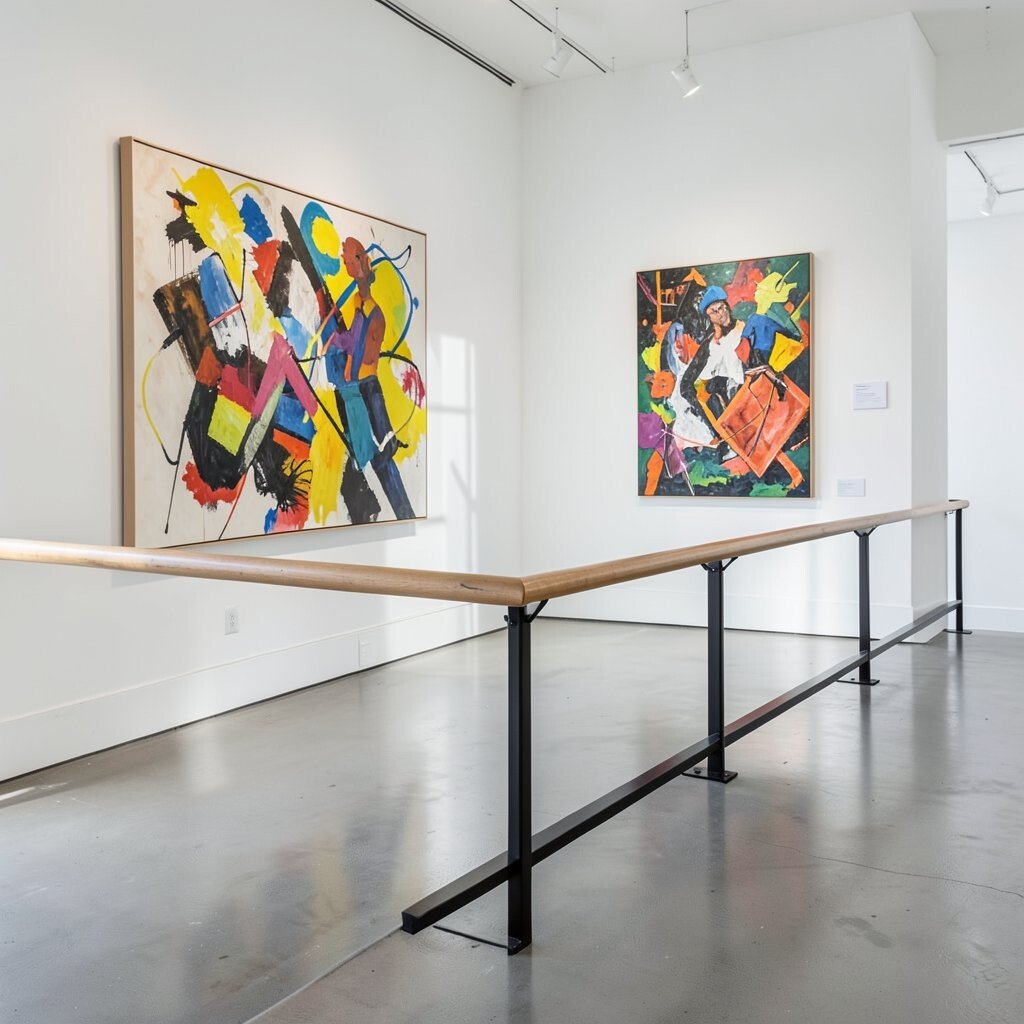
) Gallery Rail With Easy Swaps A gallery rail system helps you hang art without nails everywhere. You can slide frames along the rail and adjust spacing in minutes.
This is unique because it supports a rotating collection, which keeps your space fresh. The benefit is that you can test different layouts before you commit to a final look. Personalize by choosing frames that share the same finish, then swap prints based on seasons or moods.
For setup, use the rail at a consistent height, then level each piece. Budget consideration: rails cost a bit at first, but they save money over time by preventing mistakes and allowing reuse of frames. Trend note: flexible display systems are popular because people want art that can grow with them.
-
11) Color-Themed Diptych or Triptych Sets
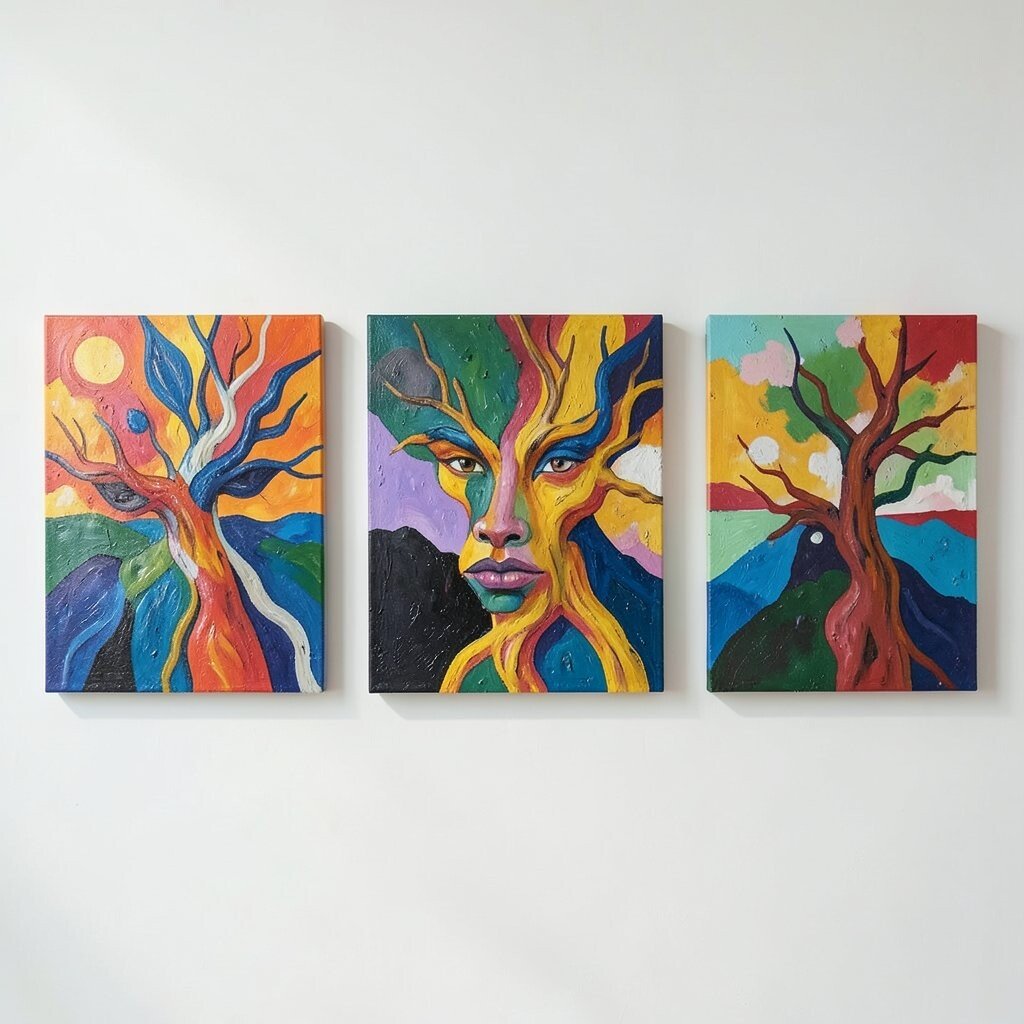
) Color-Themed Diptych or Triptych Sets Pair two artworks as a diptych or group three as a triptych. The key is that they share a theme, palette, or style so they feel connected.
This display benefits your space by creating a clear focal point without overwhelming the wall. It’s unique because the “story” stretches across multiple panels, like a visual sentence. Personalize by selecting one panel that reflects you, like an abstract with colors you love or a print that matches your hobby.
To make it look right, align the edges and keep the spacing consistent. If you want to save money, print only the number of panels you need rather than building a large wall. Current trend: modular art sets that feel modern and easy to update.
Tip: choose frames with thin profiles so the panels look sleek and contemporary.
-
12) Oversized Floor Standing Art Leaning
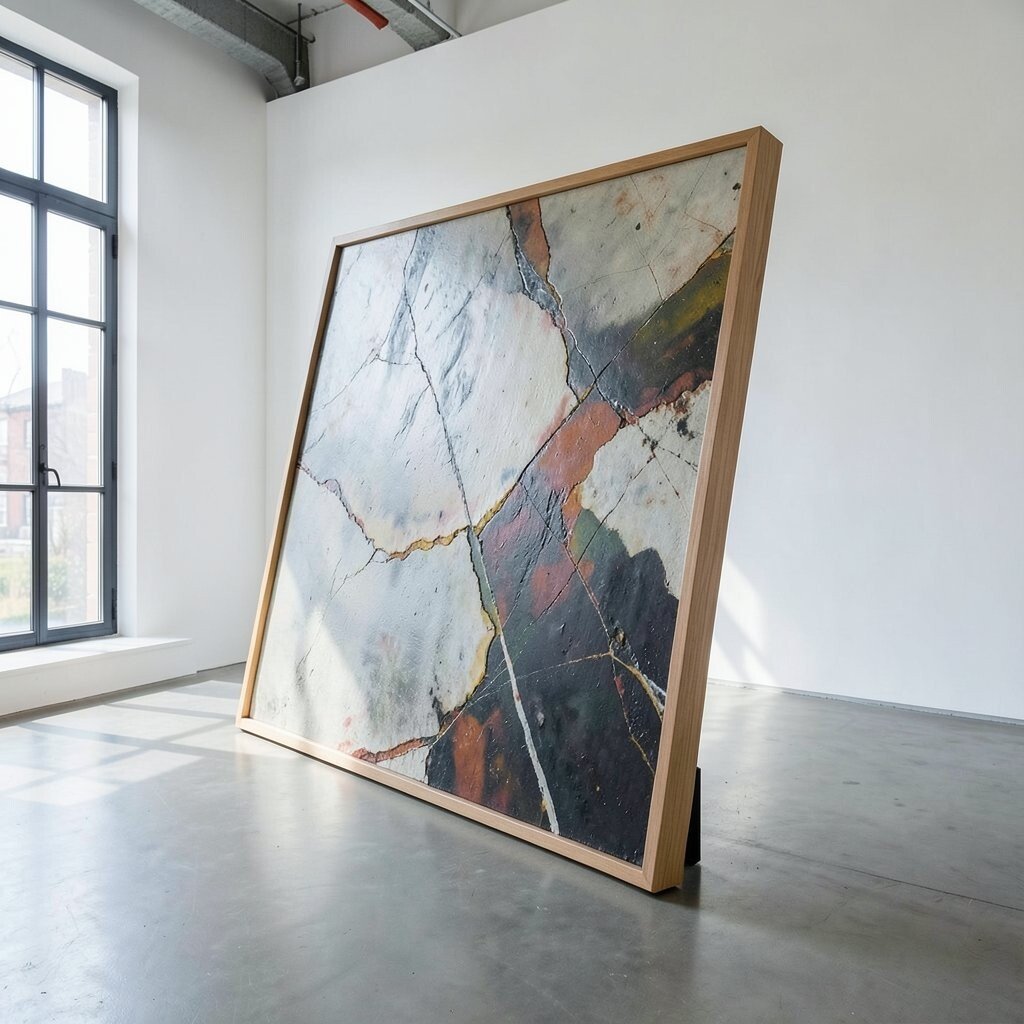
) Oversized Floor Standing Art Leaning Leaning art against a wall is both easy and stylish. Think of a large framed print, canvas, or even a mixed-media piece set on the floor.
This approach is unique because it feels casual, like you’re curating in real time. The benefit is that you can move the art around without heavy hanging tools. Personalize by leaning works that have different textures, like a painting next to a print, so your display looks lived-in and real.
-
13) Hanging From Ceiling Hooks With Rope or Wire
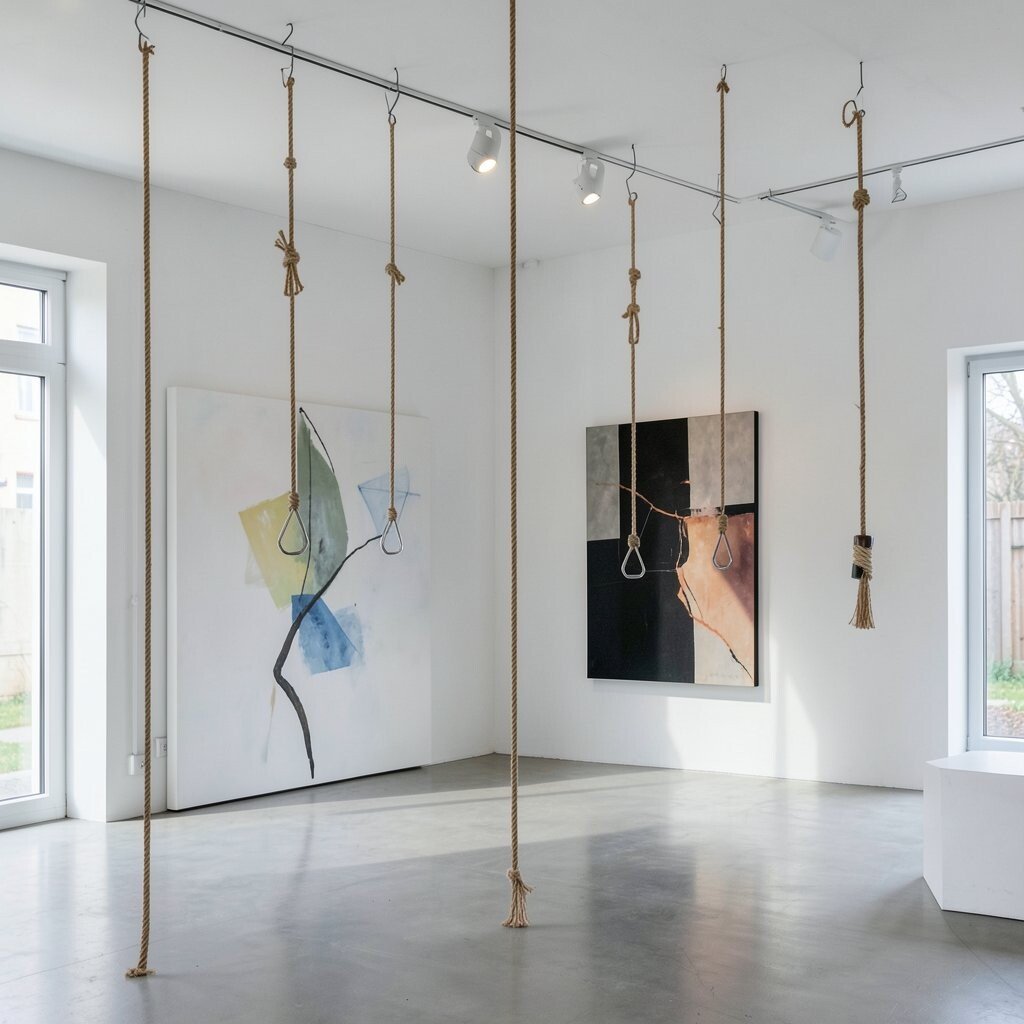
) Hanging From Ceiling Hooks With Rope or Wire Ceiling hanging systems can make art float in a modern way. Use wire or strong rope so the art feels like it’s suspended like a gallery installation.
This display is special because it adds motion and a sense of space. The benefit is that it makes your wall feel lighter and can free up shelf space. Personalize by suspending smaller works with strong color so they pop even when the room is busy.
For safety, use proper hardware rated for the weight and keep the display away from walkways. Cost consideration: the hardware may cost more than simple nails, but the effect can replace several other purchases. Trend note: “installation-inspired” art is popular because it looks like a design-forward exhibit.
-
14) Window-Adjacent Art for Natural Light Glow
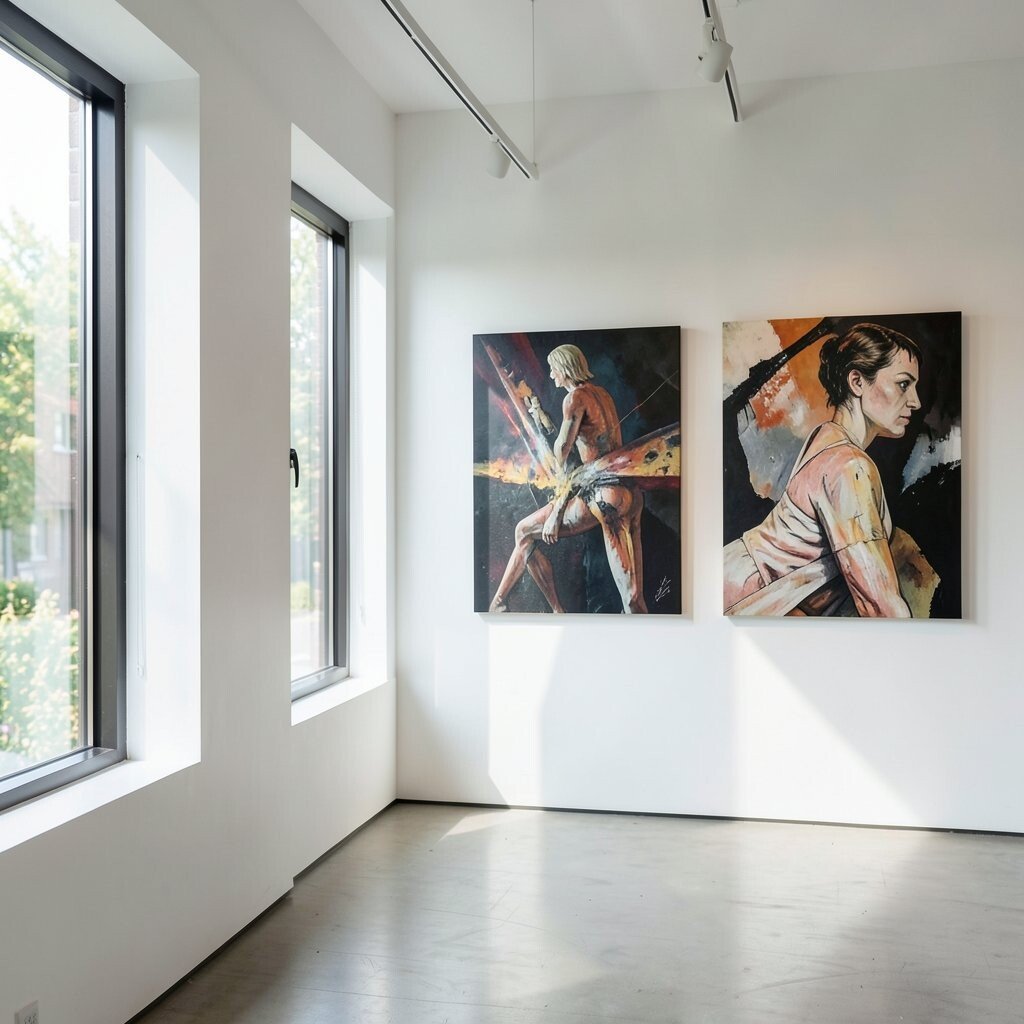
) Window-Adjacent Art for Natural Light Glow Place art near a window so daylight does some of the work. You can position prints, photos, or glass pieces where sunlight will gently brighten them.
This display benefits your space by making colors feel richer and more alive during the day. It’s unique because light becomes part of the artwork presentation, not just a background. Personalization idea: choose art with gentle gradients or reflective elements that respond well to changing light.
Tip: use UV-protective glass for valuable pieces to help prevent fading. If you’re budgeting, start with art that you can easily replace, like prints, and move pricier pieces later. Current trend: using natural light as a design tool, especially with art that has subtle color shifts.
-
15) Textured Wall Panels With Artwork Overlays
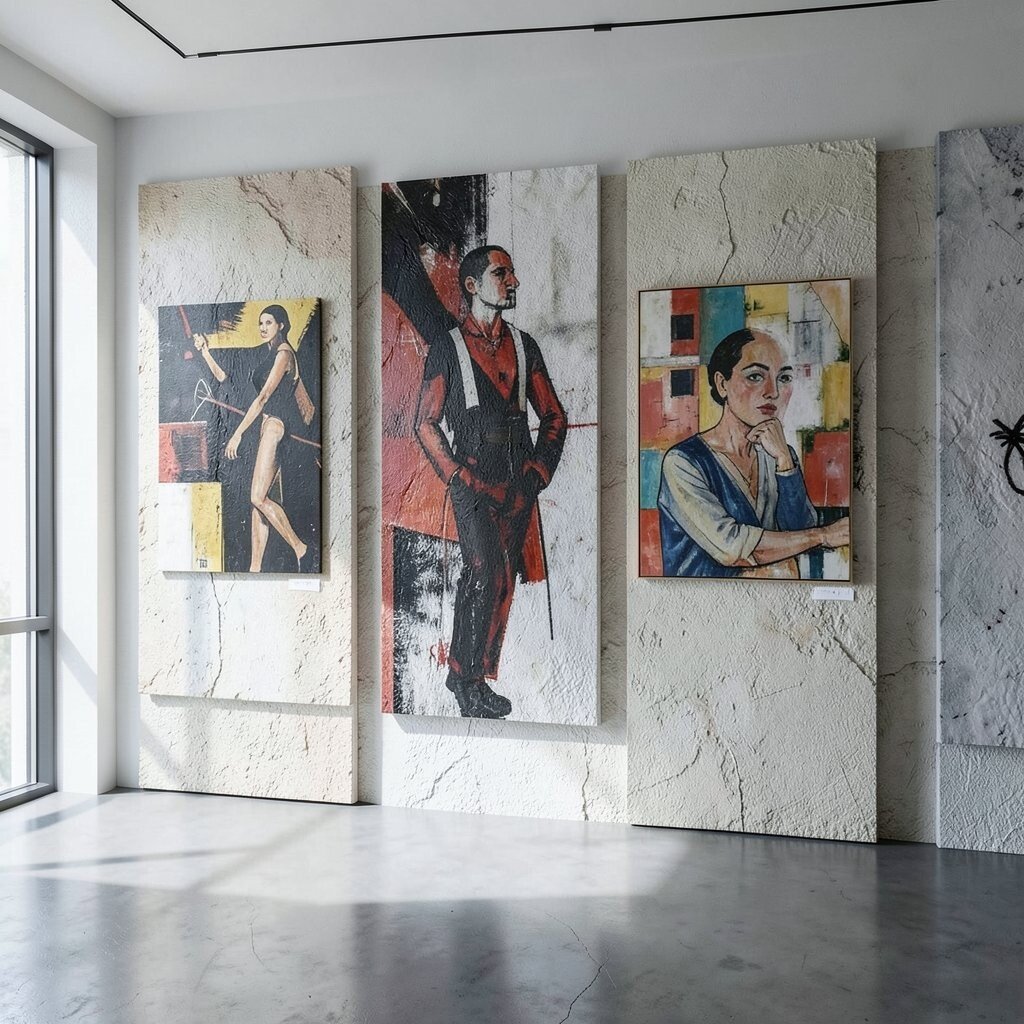
) Textured Wall Panels With Artwork Overlays Texture makes art feel deeper, so consider adding a panel behind it. Use a simple fabric panel, linen board, or slatted wood backdrop, then place artwork on top.
This is unique because it creates a “frame” that isn’t just a border. The benefit is that your art looks more dimensional, even if the piece itself is small. Personalize by choosing textures that match your style, like smooth minimal finishes for modern rooms or warm woven looks for cozy spaces.
To keep the look clean, choose one texture style and repeat it across the wall. Cost consideration: basic foam board or inexpensive fabric can create a strong effect. Trend note: mixed materials—art plus texture—are getting popular because they feel inviting and design-y.
-
16) Framed Shadow-Paper Wall With Layered Typography
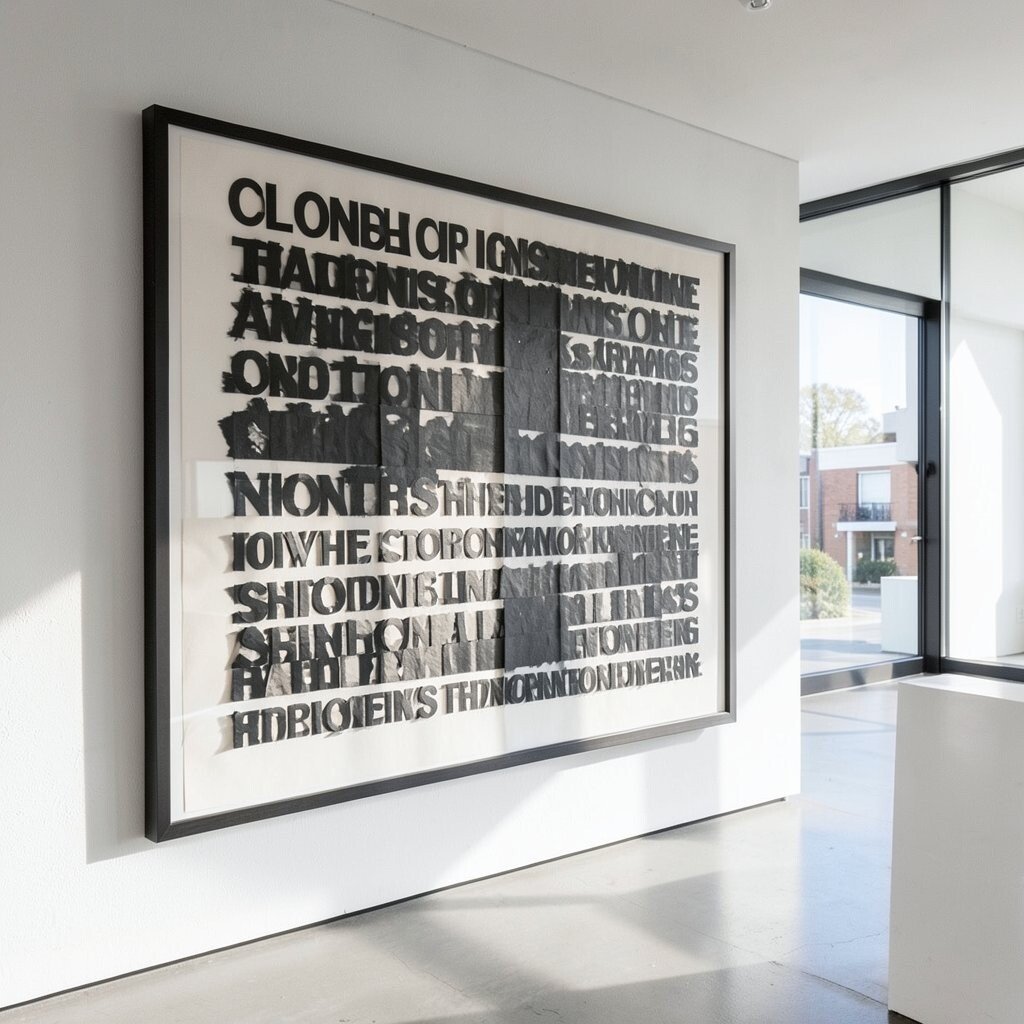
) Framed Shadow-Paper Wall With Layered Typography Create a modern wall using layered paper pieces under glass. Think of soft matte paper, cut shapes, or typography prints stacked to create depth.
This display is unique because it looks like a tiny installation you can hang on a wall. The benefit is that it adds a contemporary graphic feel without needing bulky objects. Personalization idea: use a quote that means something to you, a map fragment, or your favorite shapes cut from colored paper.
For tips, use a clean color palette so the layers feel intentional, not messy. Budget consideration: you can start with affordable printouts and craft paper, then upgrade to better art once you know your taste. Current trend: “layered graphic art” that blends design and handmade details for a fresh, modern look.