Light has a way of making rooms feel calm and welcoming. The right glass door can turn ordinary space into something you love coming home to.
Below are stylish, modern ideas you can actually use, from sleek frameless panels to warm wood-and-glass combos, with practical tips about cost, fitting, and personal touches.
1. Frameless Pivot Glass Door for a “Floating” Look
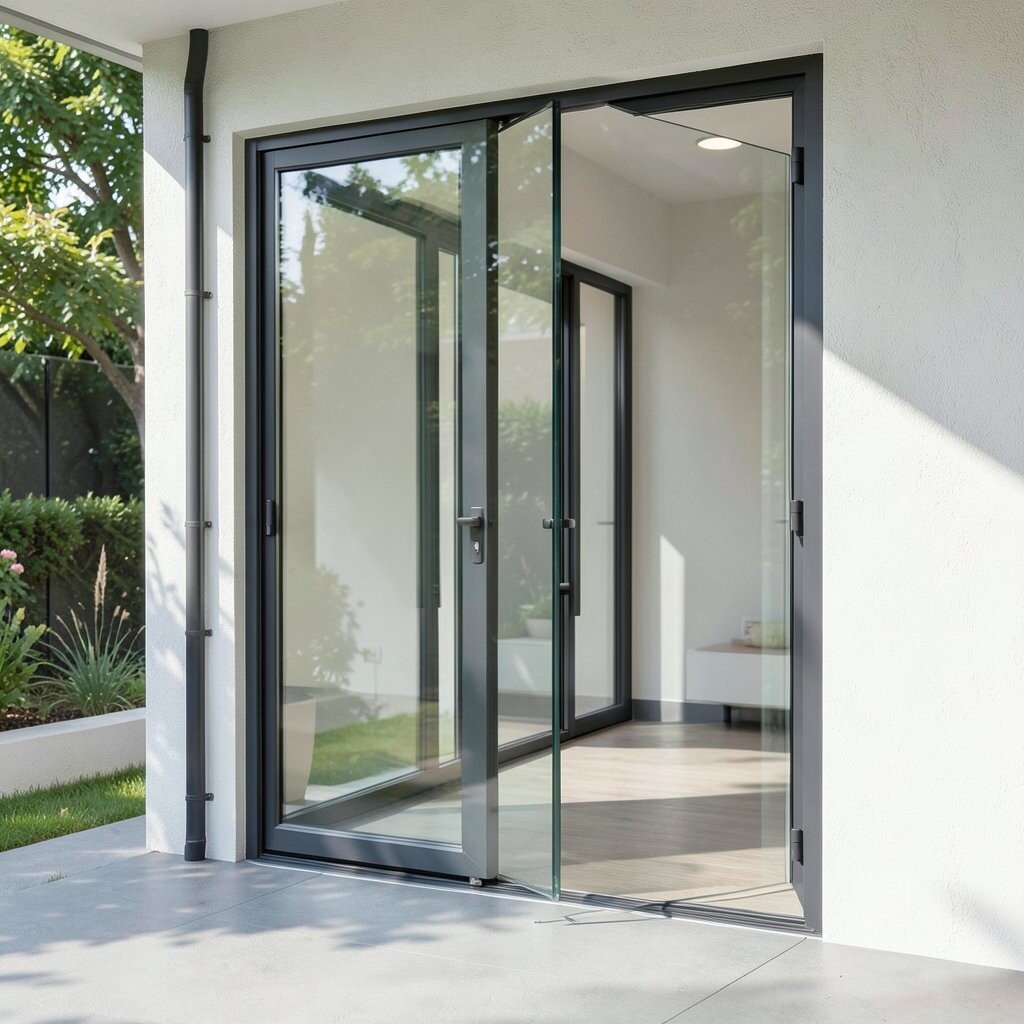
Imagine a wide glass panel that swings on a hinge system and seems to float in midair. You get crisp sightlines that bounce light across the room.
Because it’s frameless, the space feels bigger and brighter, even in a tight hallway. For best results, pair it with slim hardware and clean wall paint so the door looks intentional. If privacy matters, add an interior film in frosted gradients or subtle etching.
Cost can be higher due to custom glass sizing and precision hinges. To manage budget, choose standard sizes where possible and spend on proper installation, not on shortcuts. Personalize it with a colored metal finish—matte black for drama or brushed nickel for a soft, classic vibe.
2. Clear Glass Pocket Door for Quiet, Space-Saving Brightness
A pocket door slides into the wall, so the floor stays open and uncluttered. Clear glass keeps your room from feeling closed off.
This is a great option when you want the look of openness without giving up privacy. Add a top-and-bottom guide that helps it glide smoothly and stay aligned. For tips, measure the wall opening carefully and plan for the wall thickness needed for the track.
Uniqueness comes from the “disappearing” moment when the glass door tucks away. It also helps the room feel airy, because you’re not losing extra width to a swinging door. In terms of cost, pocket hardware can add expense, but it can also save money on floor space work.
3. Frosted Glass Sliding Door with a Gentle Pattern
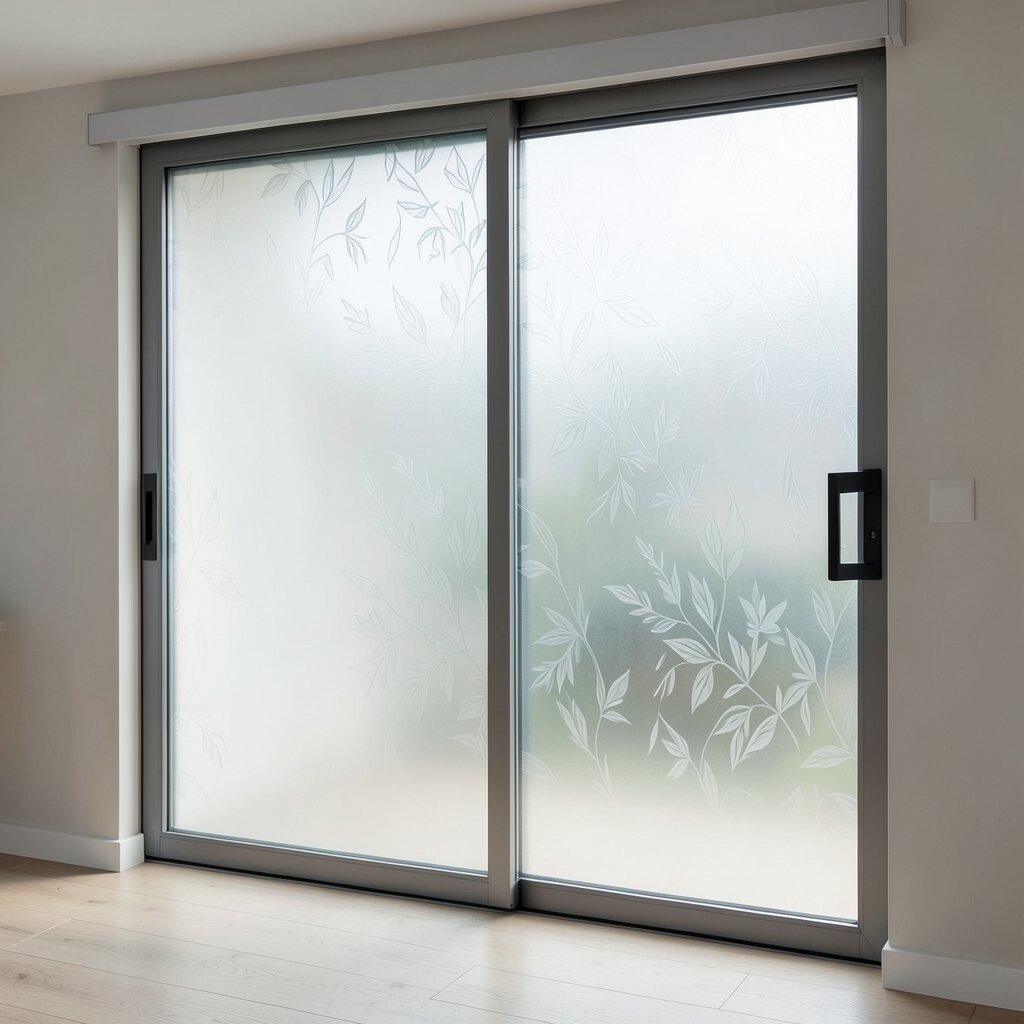
Frosted glass gives you light while still softening what’s behind the door. A mild pattern, like a satin wave, adds charm without making the space feel busy.
This door style is perfect for bathrooms, home offices, and bedrooms where you want brightness with comfort. When the glass slides, you also avoid bumping door swings in narrow areas. For the best glow, choose higher-transparency frosts and avoid overly opaque coatings unless you truly need full privacy.
It’s also trendy right now because designers love “soft privacy” instead of fully dark doors. You can personalize it by picking patterns that match your home: thin lines for modern spaces, rounded dots for a playful feel. Cost considerations are usually mid-range, but specialty patterns can raise the price.
If you’re budgeting, choose a ready-made pattern and invest in quality rollers. Smooth slides matter more than you might think, especially if you open the door often every day. Add warm lighting near the door area so the frosted texture looks even more beautiful at night.
4. Barn-Style Glass Door with Natural Wood Frame
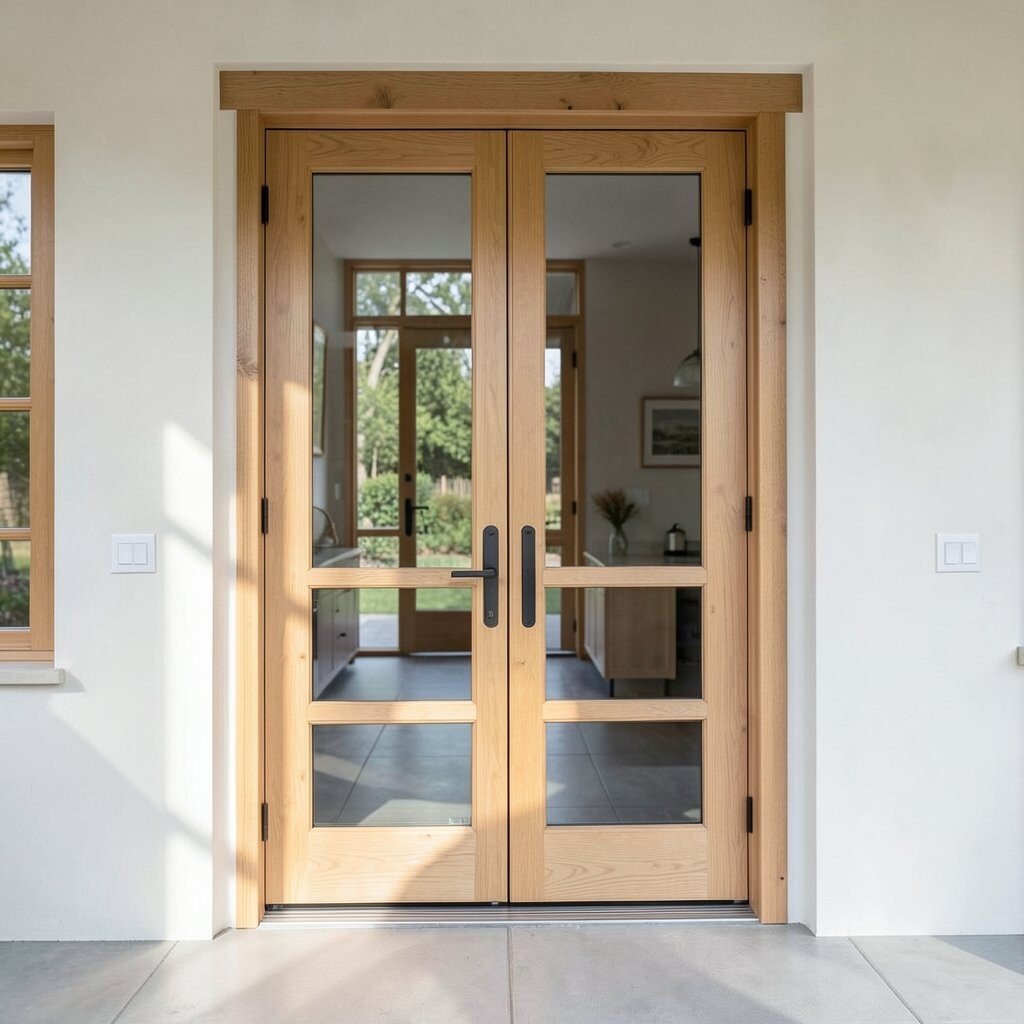
Picture a glass panel set inside a wood frame with a classic barn-door look. The mix of natural warmth and modern glass makes the room feel inviting fast.
This works especially well in living rooms, dining areas, and entry spaces where you want character. A wood-and-glass door lets light travel while still adding texture and personality. For tips, match the wood tone to your flooring or a nearby console, not just to random furniture pieces.
Uniqueness shows up in the grain and the hardware, like black iron track brackets or antique-style rollers. You can personalize the glass with a lightly tinted tint that looks stunning against wood. Cost can vary a lot depending on whether you go custom or use a kit, so ask for a range before you commit.
Current trends lean toward mixed materials and “warm minimalism,” so this style fits right in. If you want it brighter, use clear glass and a high-quality seal to prevent drafts. If you want softer privacy, switch to frosted panels without losing the rustic charm.
5. Edge-Spotlight Glass Door for a Gallery Feel
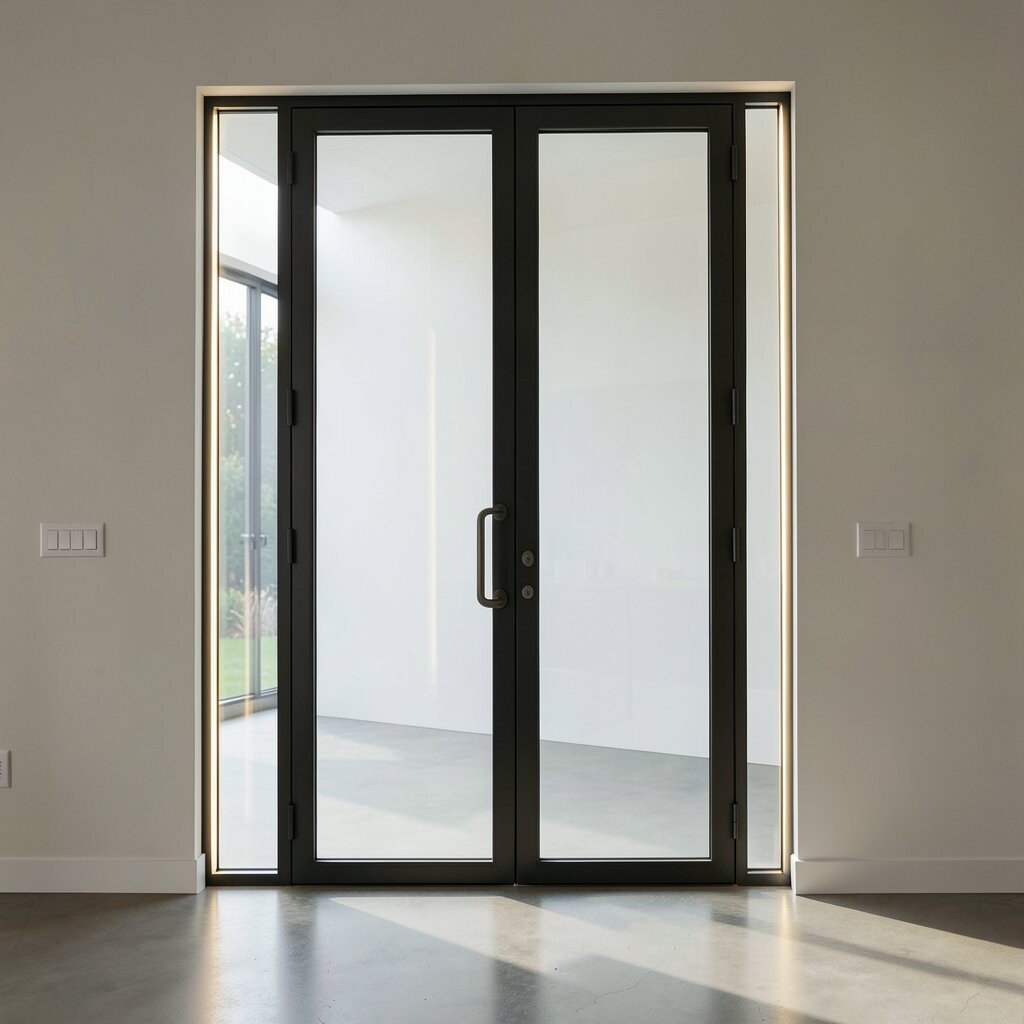
Some glass doors look ordinary in daylight, but glow in the evening. With edge lighting or concealed LED strips, your door becomes like a mini gallery piece.
This kind of door makes hallways and corners feel safer because the light guides you. You also get a modern “halo” effect that highlights the clean glass edges. For tips, use dimmable LEDs so the mood can change from daytime to movie night.
Uniqueness here is all about ambiance, not just the hardware. Cost is usually higher due to electrical work, wiring channels, and specialized frames. To keep it manageable, you can pick lighting that’s easy to service and ask your installer to confirm maintenance access.
6. Pivot Hinged Glass Door with Matte Aluminum Frame
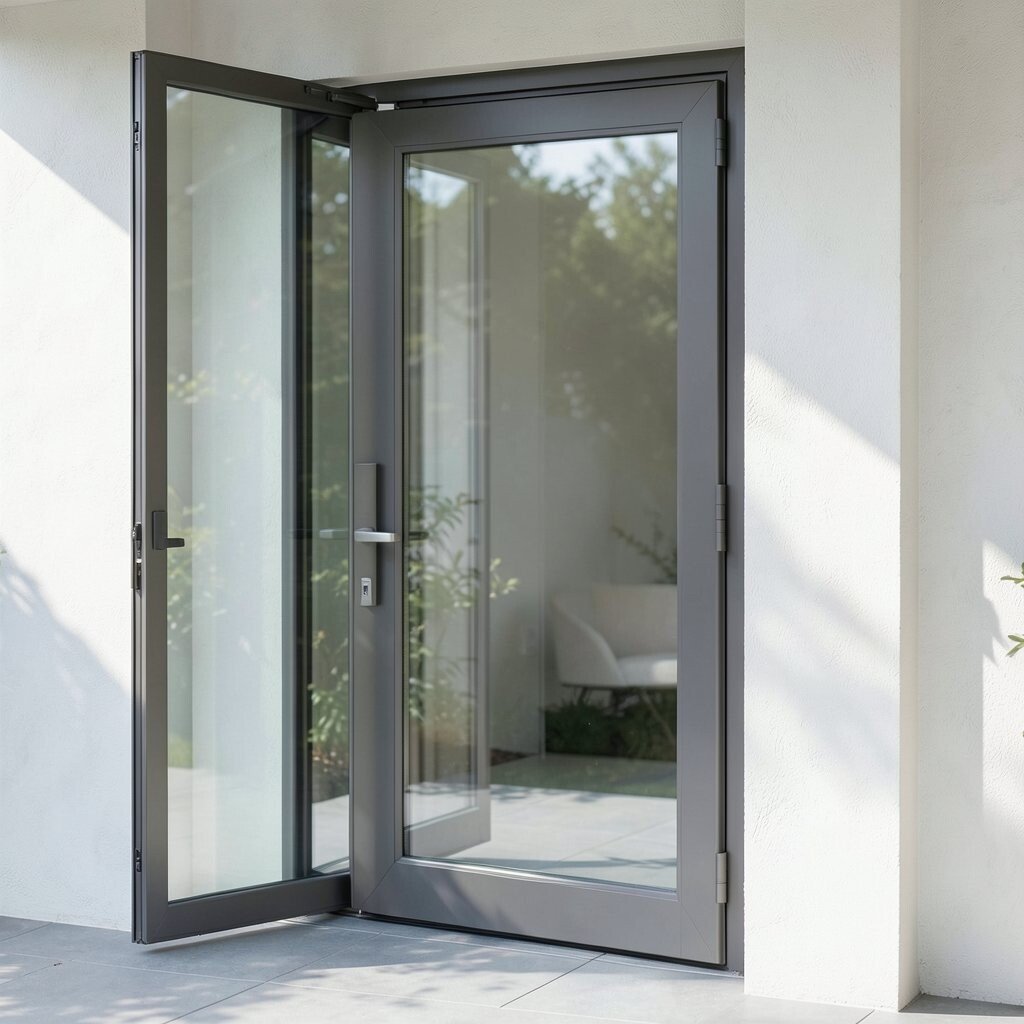
A matte aluminum frame gives a cool, modern border around the glass. When paired with a pivot hinge, it feels bold and architectural.
This door suits modern kitchens, studios, and offices where you want a crisp, clean look. It also helps light flow because the frame is slim, not bulky. For tips, choose tempered glass and ask about safety ratings so you feel confident using it every day.
7. Double-Panel Glass Door for Bold Entryways
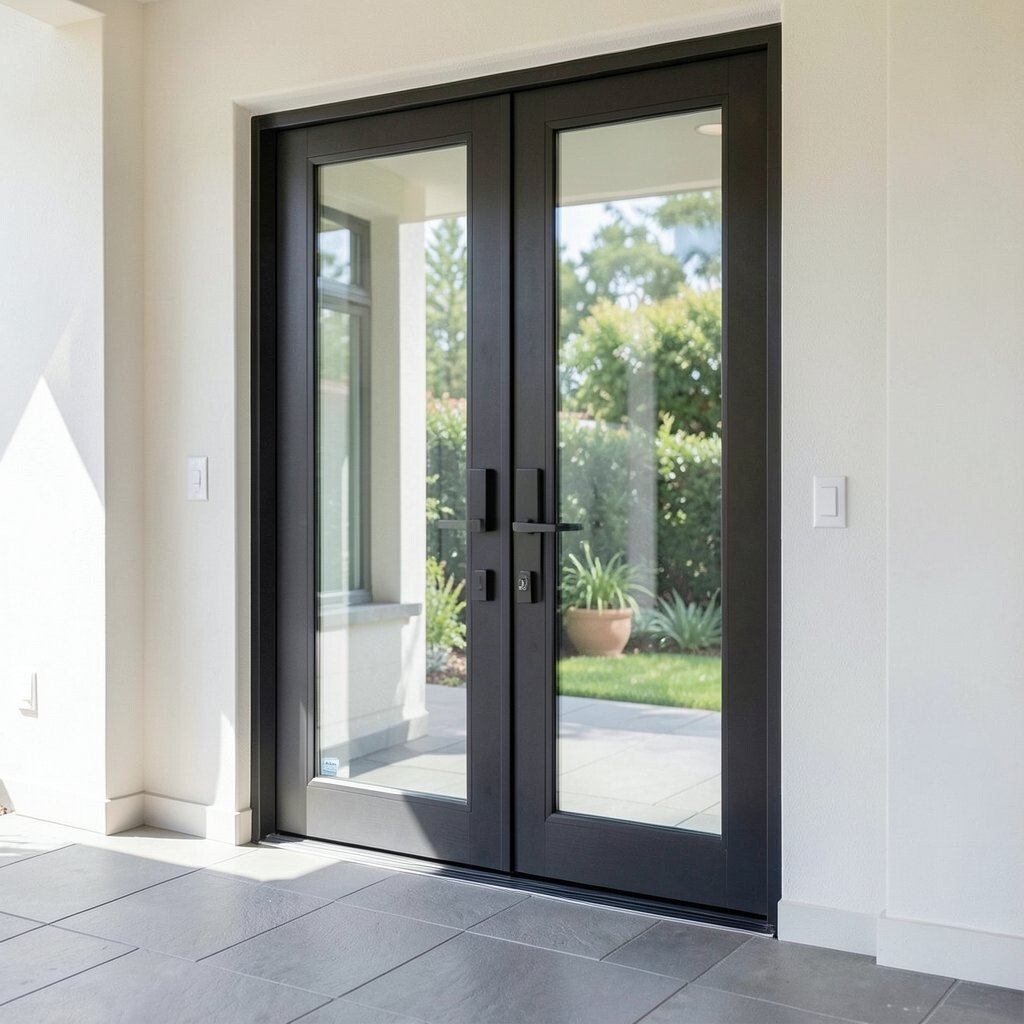
If you have a wide opening, a double-panel glass door can make a big statement. Light hits both panels and spreads across the room in a lively way.
This style works great for entryways and dining rooms because it creates a “welcome” feeling right away. Add matching sidelights or a nearby mirror to amplify brightness. For personalization, choose symmetrical muntins or subtle vertical bars that echo your window grid.
Uniqueness comes from scale, especially when the door is tall and the glass is clear. Cost considerations depend on height and whether you choose custom sizes, since tall doors usually raise the budget. If you’re trying to keep costs down, consider using one large fixed glass panel plus one operable panel.
8. Tempered Safety Glass Door with Clear, Clean Hardware
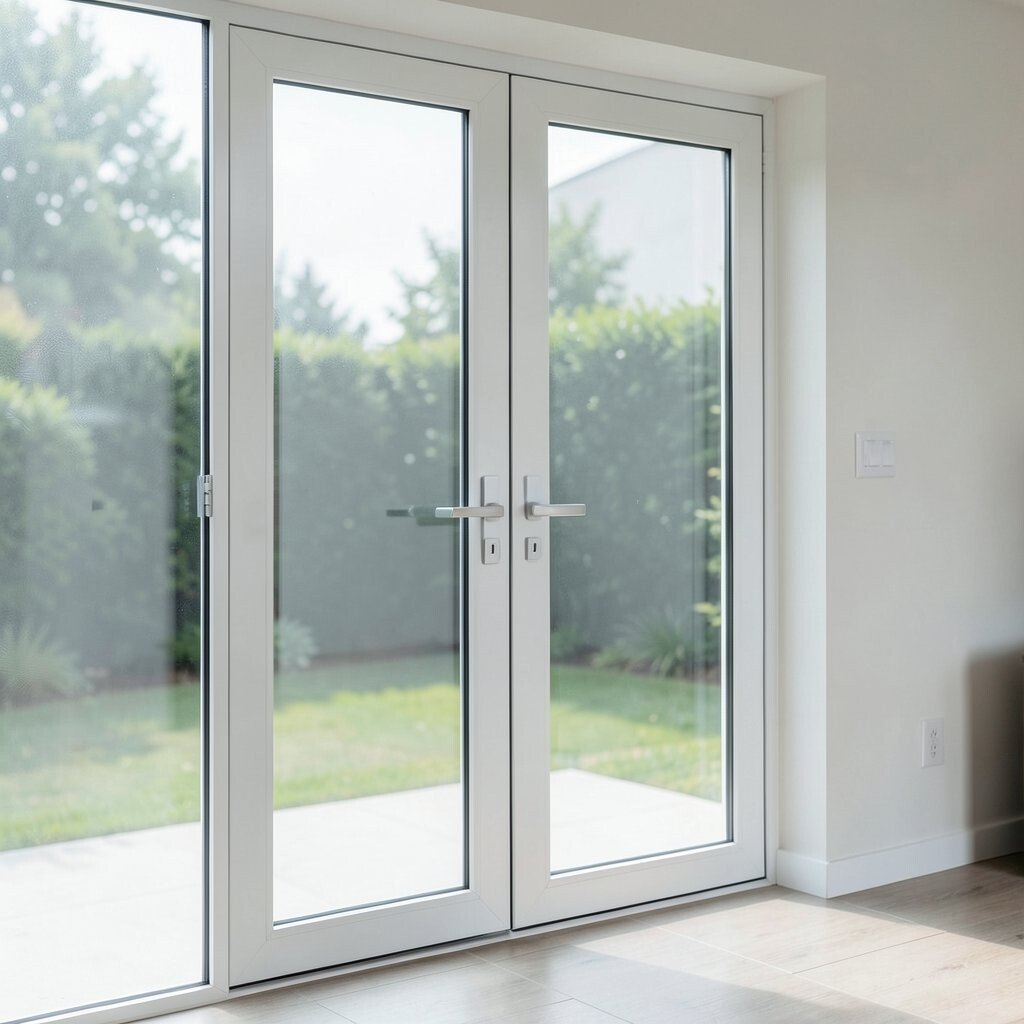
Clear tempered glass looks sharp, especially when the hardware is simple and tidy. The overall effect feels light, modern, and easy to match with almost any interior.
This option benefits you most when you want maximum brightness and a true open view. It also makes cleaning straightforward, because smooth glass needs fewer finishing layers. For tips, use a gentle glass cleaner and micro-fiber cloths to avoid streaks on a daily basis.
Uniqueness is subtle here, but it can still feel special through details like handle shape. Choose a long, curved pull to soften the look, or pick a squared bar handle for a sharper vibe. Cost is often mid-range since clear safety glass is widely available.
Current trends favor minimal hardware and clean lines, so this style is right on trend. For extra personalization, add a thin film strip at eye level so you get privacy where it matters. That small choice can make your door feel tailored instead of generic.
9. Sliding Glass Door with Recessed Rail for a Sleek Wall
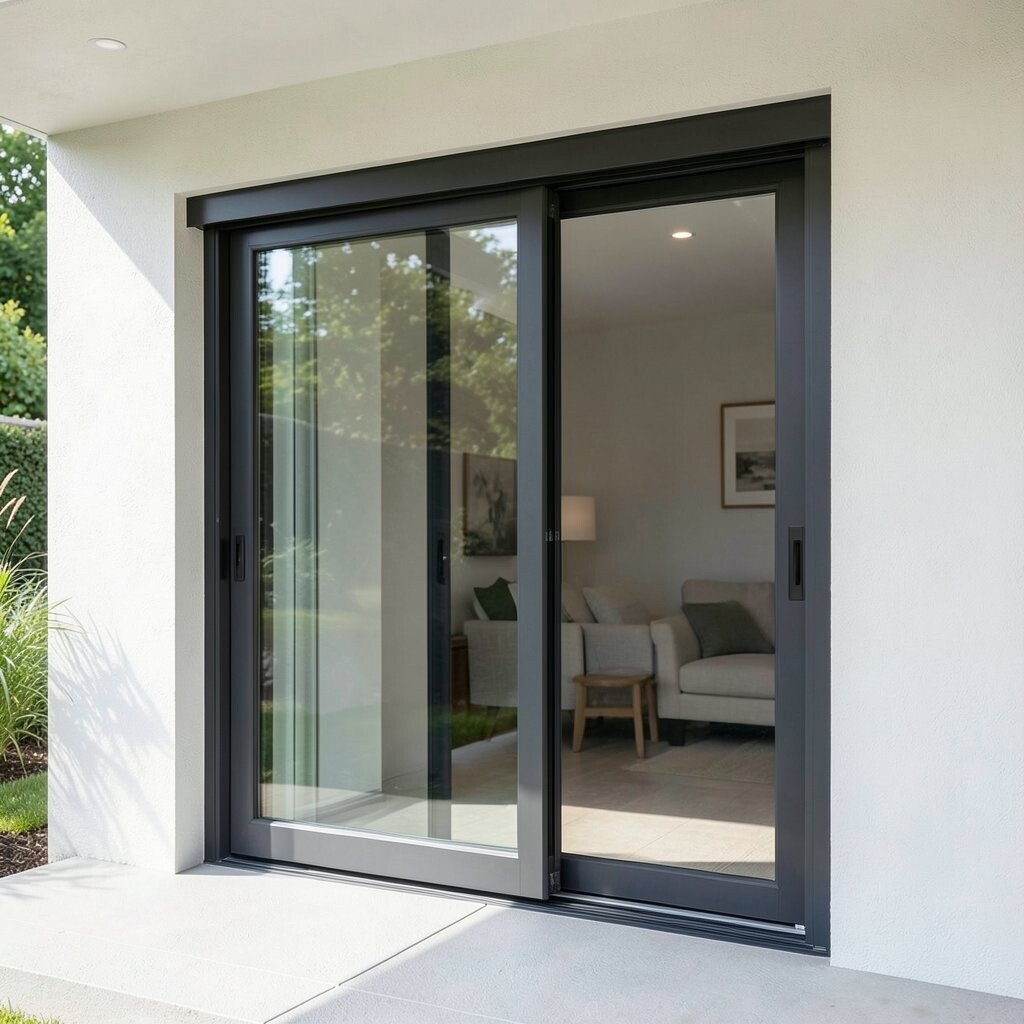
A recessed rail hides the track, leaving a smooth wall line that looks calm. The glass slides in a quiet, modern way and keeps attention on the light.
This is a smart choice if you hate seeing bulky hardware or dust-collecting tracks. When the track is recessed, your door also feels more custom and built-in. For tips, check the wall structure before installation and confirm that the recessed space is deep enough for smooth travel.
Uniqueness comes from the clean silhouette, especially in modern homes. Cost can be higher because recessing and wall finishing take extra work. If you want to stay within budget, plan the door during a renovation so the wall work is already part of the project.
10. Shaker-Style Frame with Glass Inset for Warm Modern Contrast
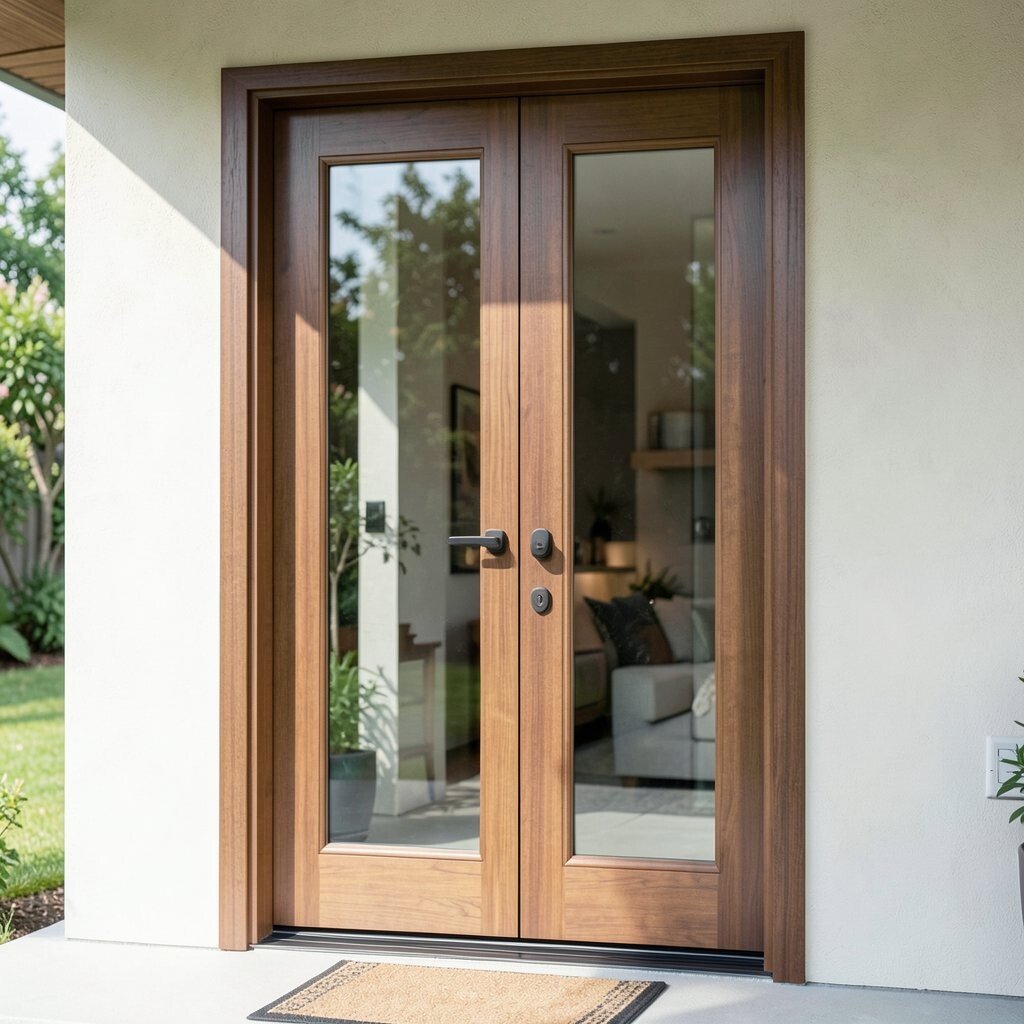
A shaker-style frame brings cozy lines, while a glass inset keeps the room bright. It’s the kind of design that feels familiar but still up-to-date.
This door is a great bridge between classic homes and modern interiors. You get the brightness benefits of glass without losing the “homey” look of wood. For tips, choose a glass type that matches your privacy needs, like clear for open spaces or textured for bedrooms.
11. Smoked or Gray-Tinted Glass Door for Moody Brightness
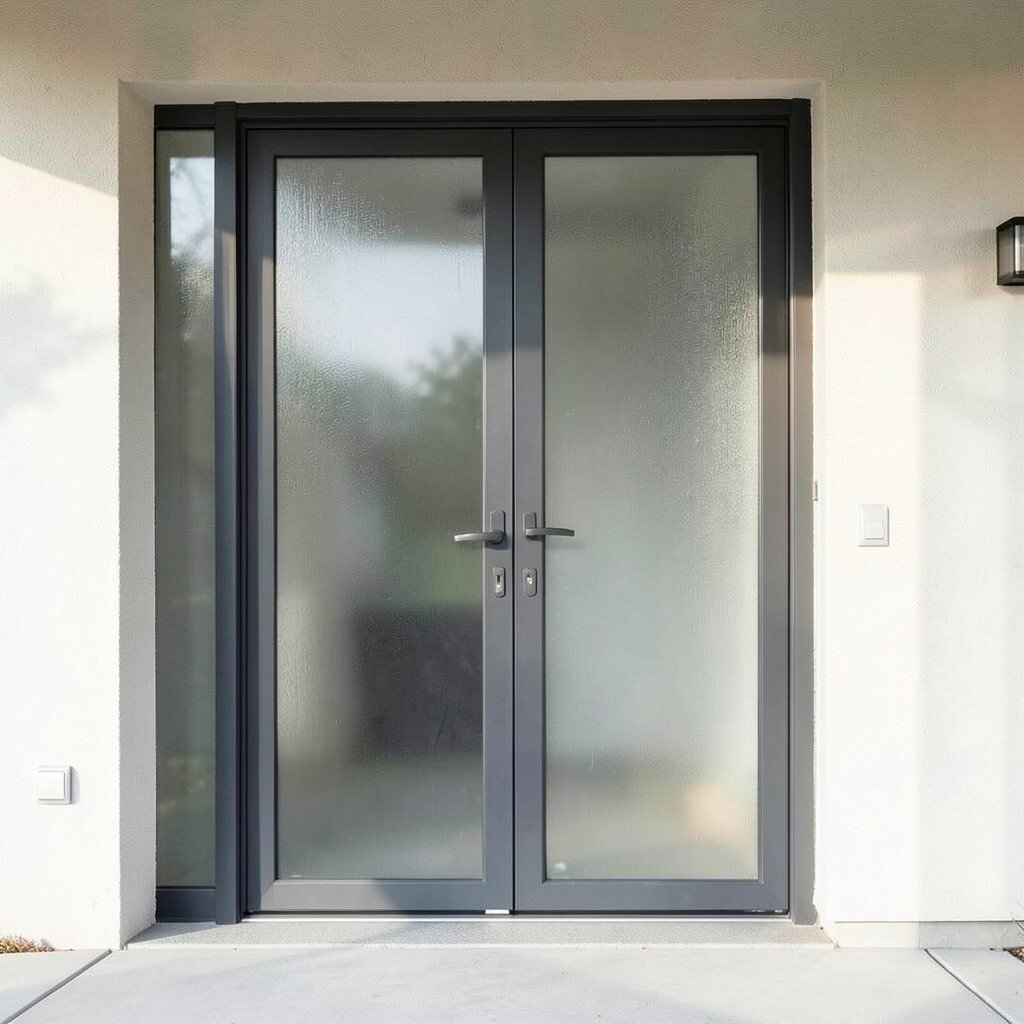
Smoked glass makes daylight feel softer and more elegant. The room stays bright, but the vibe turns calm and slightly dramatic.
This is perfect for spaces with lots of windows, because it controls glare while keeping natural light in the room. It also adds a modern edge that pairs well with black frames, dark floors, or warm wood furniture. For tips, test a sample tint in your room at different times of day so you can see how it changes.
Uniqueness comes from the color itself, especially when paired with hardware finishes like bronze or gunmetal. Cost is usually similar to other premium glass doors, but custom tint options can raise the price. Personalize it by adding a thin, clear band at the top for a more open look.
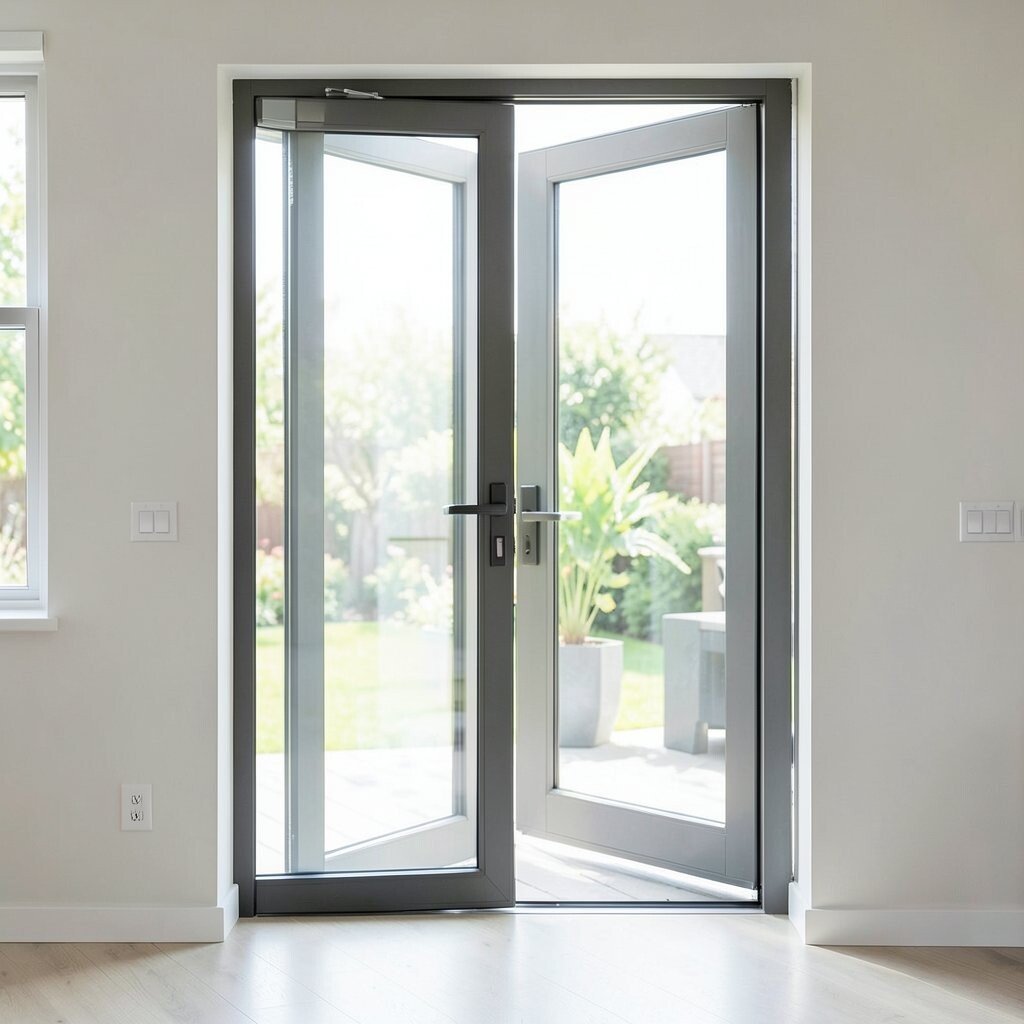
12. Double-Swing Glass Door for Extra Light in Transitional Spaces
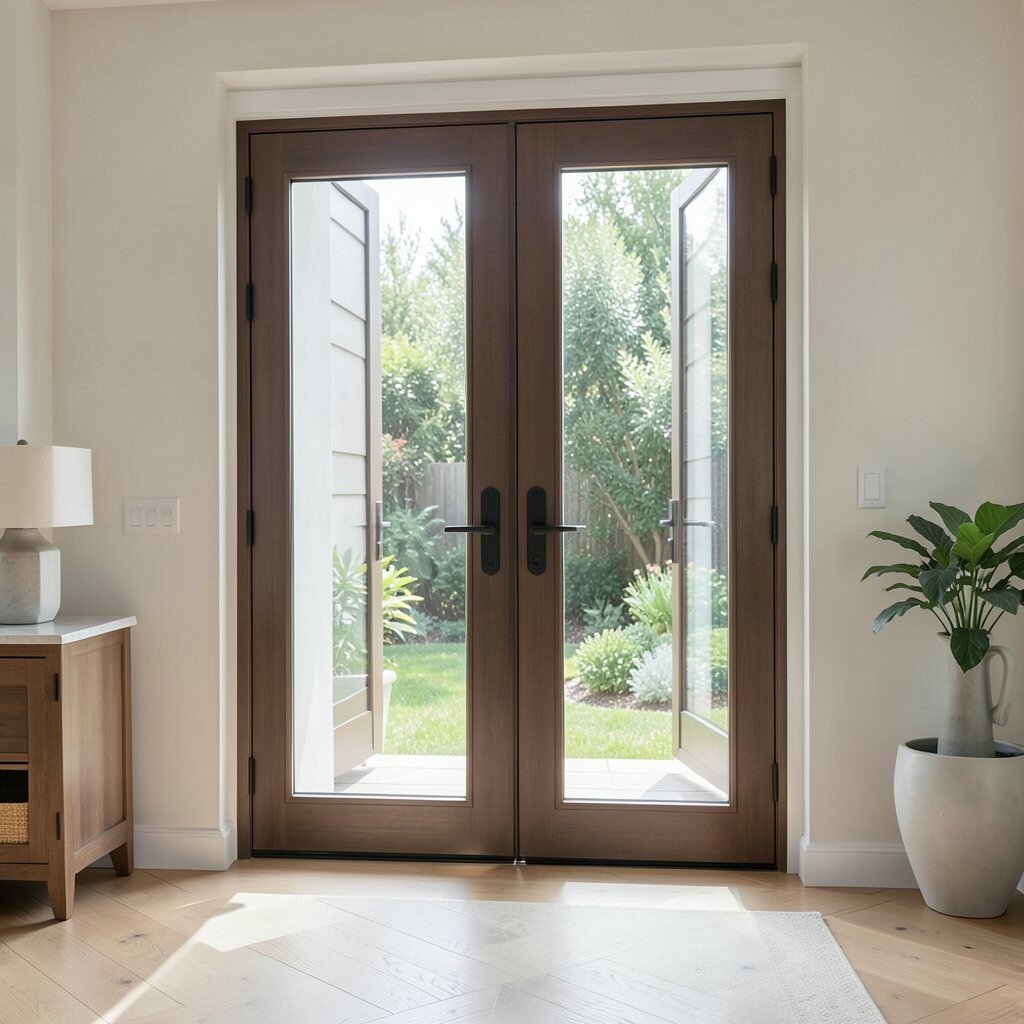
A double-swing glass door lets light move in both directions, which feels welcoming and bright. It’s ideal for living rooms, offices, and wider openings where traffic flows often.
This door benefits you by creating an easy “flow” between spaces, especially when you host guests. It also makes the home feel more open without removing privacy completely. For tips, plan clear paths so the swings don’t block hallways or furniture.
Uniqueness shows up in styling choices like the glass pattern and handle shapes. A simple vertical pull handle can make it feel modern, while decorative hardware can lean classic. Cost can be higher due to extra hinges and hardware on two swinging panels, but you get strong usability.
Current trends often blend smooth glass with architectural metal, so choose a frame color that matches your window trims. For personalization, consider partial frosting on only one panel so you get a layered look. Add weather seals for quieter operation and better comfort.
13. Glass Door with Etched Mandala for Soft Artistic Privacy
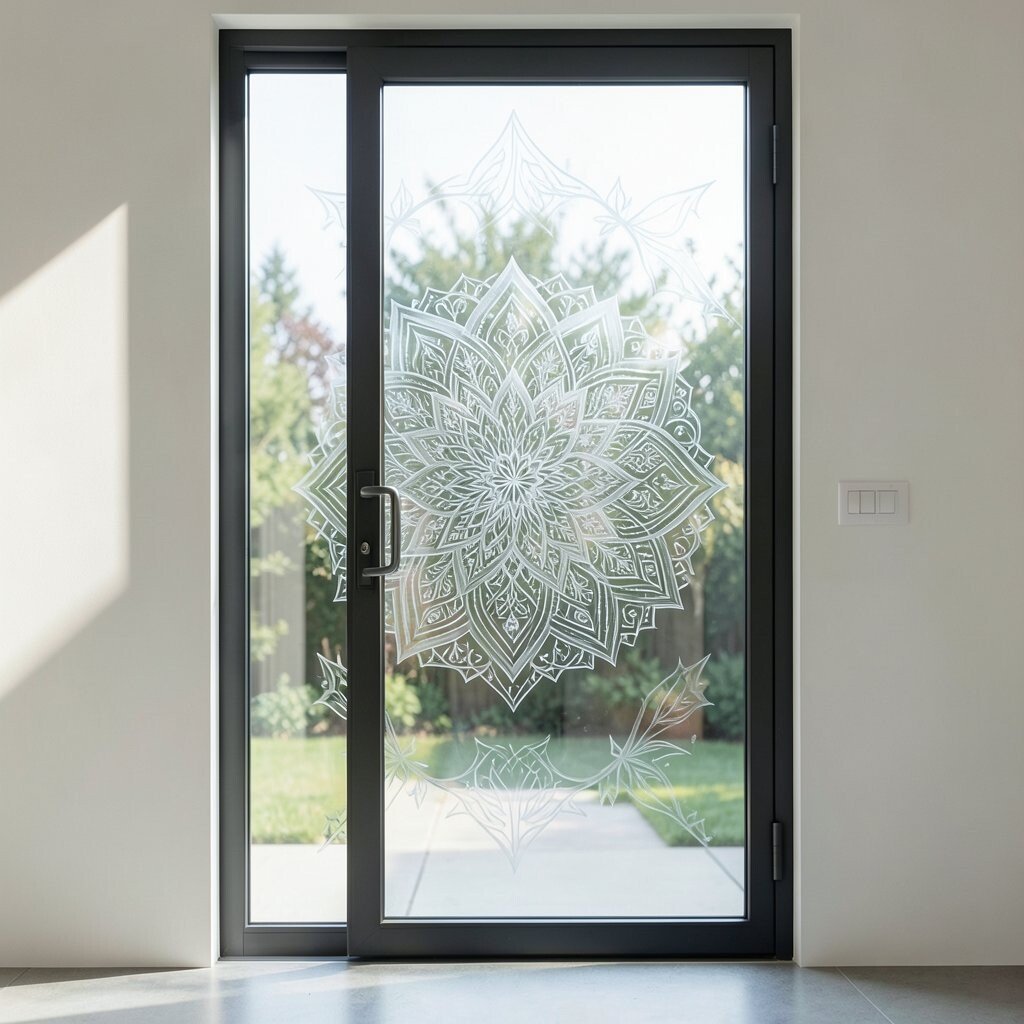
An etched mandala design in glass adds a gentle art piece effect. Light passes through the pattern, so you get brightness with a “glow” in the room.
This door is great for studios, bedrooms, and home offices where you want your space to feel creative. It gives privacy without shutting off the light completely. For tips, choose a pattern size that matches your door scale—large details can feel bold and small ones can look delicate.
Uniqueness is the main strength here, because your door can become the room’s focal point. Cost considerations include custom etching, which can raise the price compared to off-the-shelf doors. To reduce costs, you can pick a smaller etched area, like a centered panel or a band across the middle.
For personalization, match the mandala style to your decor theme: geometric for minimal spaces, floral for romantic rooms. Pair it with calm paint colors like warm white, sage, or light gray to let the glass artwork stand out. If you want a modern edge, combine the etched glass with a sleek metal frame.
14. Clear Glass Door with Thin Metal Grid for Architectural Rhythm
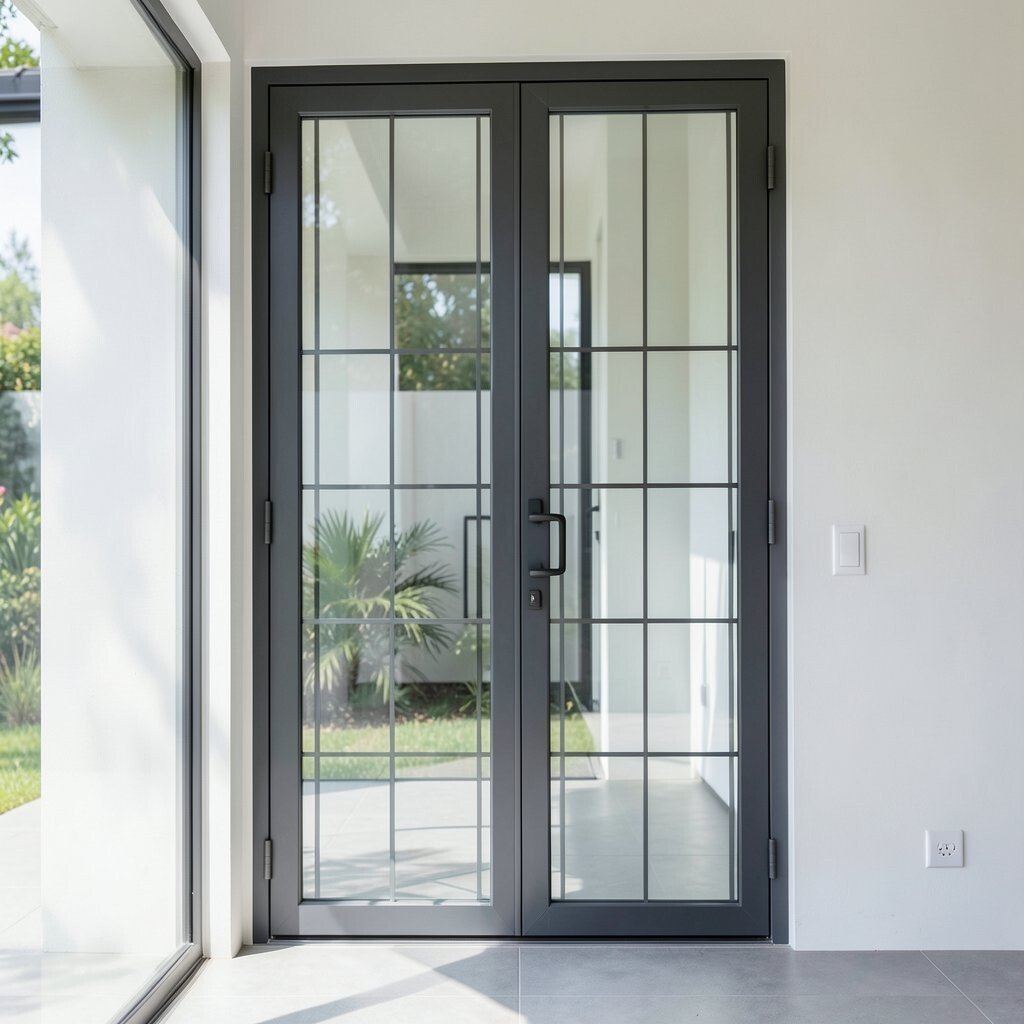
Thin metal grid lines in the glass create a built-in pattern. The look is crisp and architectural, and it helps the room feel organized and bright.
This door benefits you because it adds structure without blocking light like curtains do. It also gives a sense of rhythm, which many people find relaxing. For tips, choose grid spacing that matches other design elements, like your window muntins or cabinet frames.
Uniqueness shows up in the line color too—black grid lines can feel bold, while brushed steel feels airy. Cost can be a little higher due to the grid construction, but the style is worth it when you want a clear design statement. Personalize it by adding a matching grid on nearby glass surfaces, like shelves or interior partitions.
15. Glass Door with Textured Wave Pattern for a “Breeze” Effect
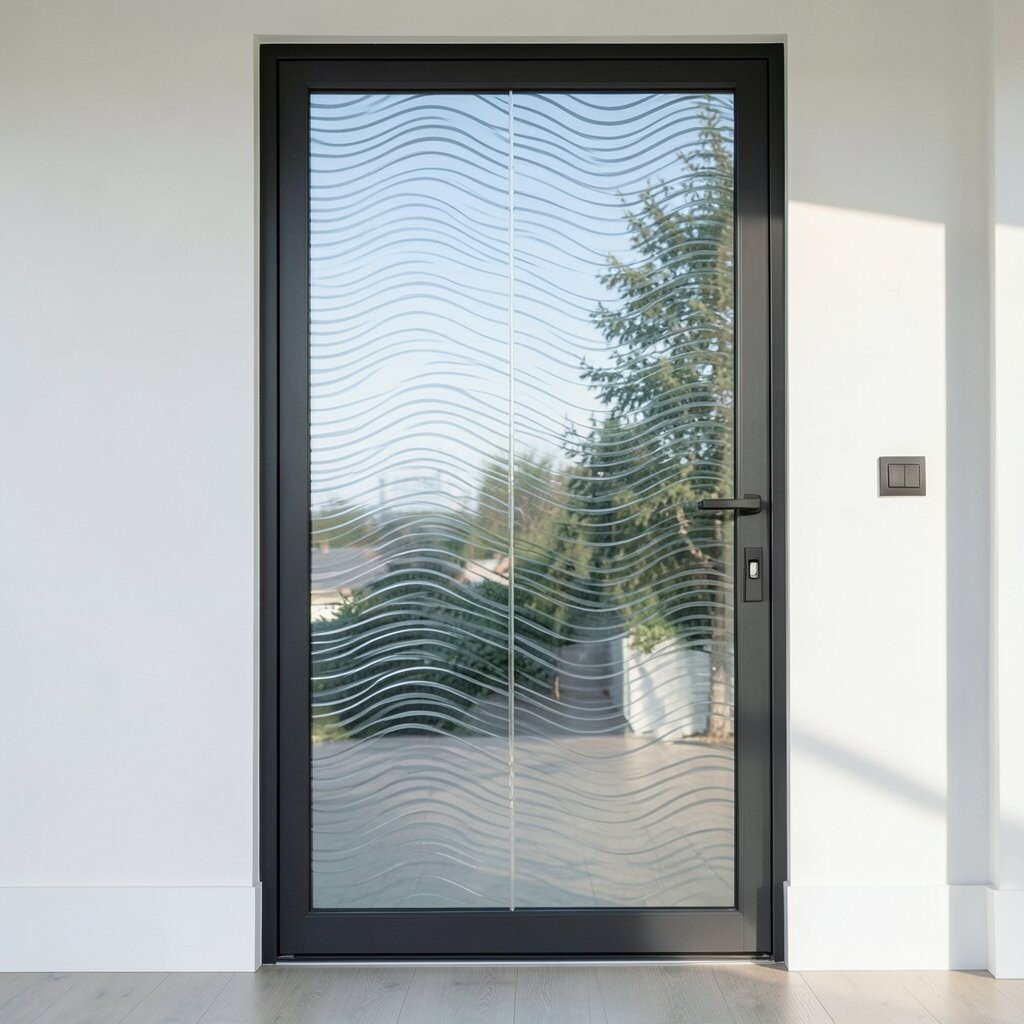
Textured wave glass looks like it’s catching a breeze. The ripples soften reflections and make the light feel gentle.
This is a smart choice for entry doors into bedrooms or quiet spaces because it offers privacy without making the space dark. The wave pattern also hides smudges better than perfectly clear glass. For tips, keep the frame clean and bright so the texture becomes the star, not the dirt.
Uniqueness comes from the texture, which can look different depending on the room lighting. Cost is often mid-range, because textured glass is common in home design. If you want to personalize, choose wave depth and spacing that matches your interior—subtle waves for calm homes, deeper waves for bold design.
16. Pocket Door with Clear Glass Panels and a Minimal Handle
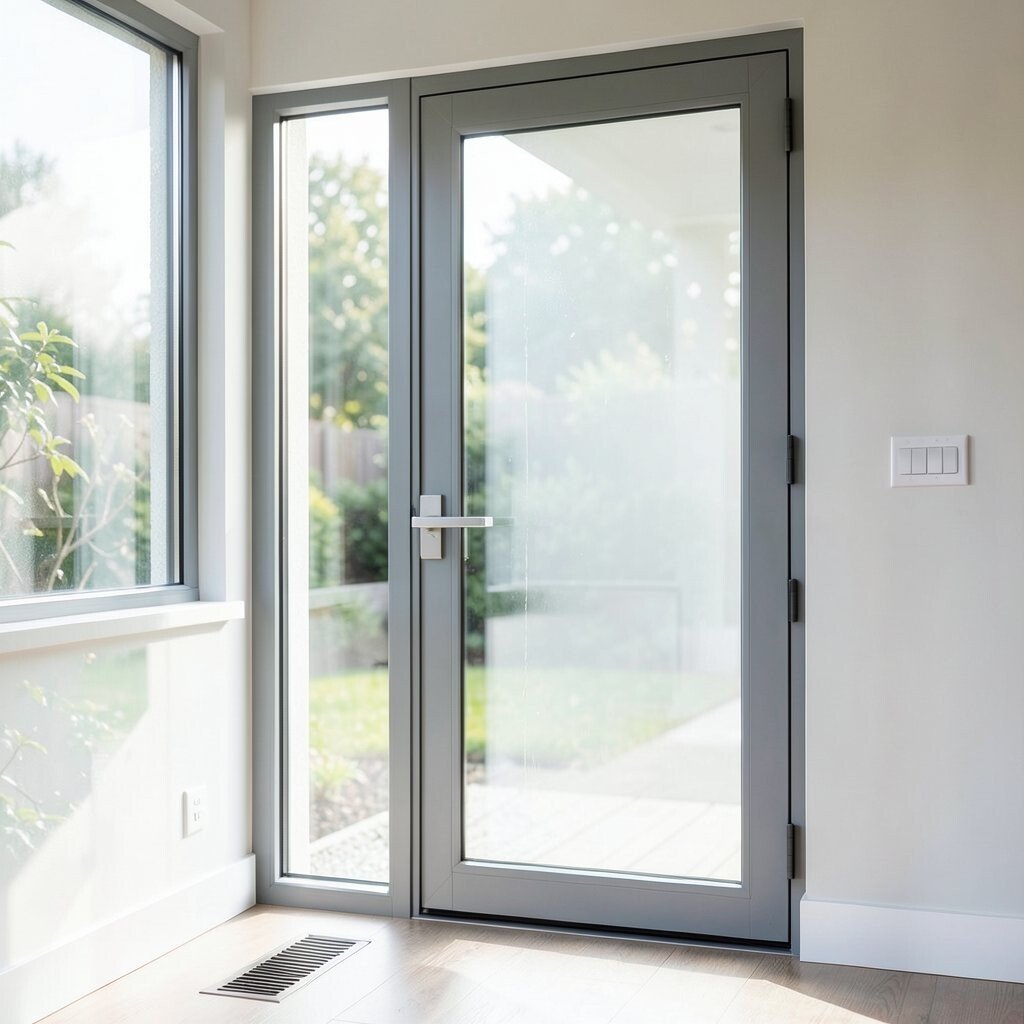
If you love the clean pocket-door look but want the openness of clear glass, this combo is a winner. The door disappears when open, and the glass keeps your view feeling connected.
This style is especially helpful for small spaces where you need every bit of floor space. It also benefits you by making the room feel less chopped up. For tips, choose a minimal handle shape so it doesn’t distract from the glass surface.
17. Hinged Glass Door with Herringbone Tile Accent Inside
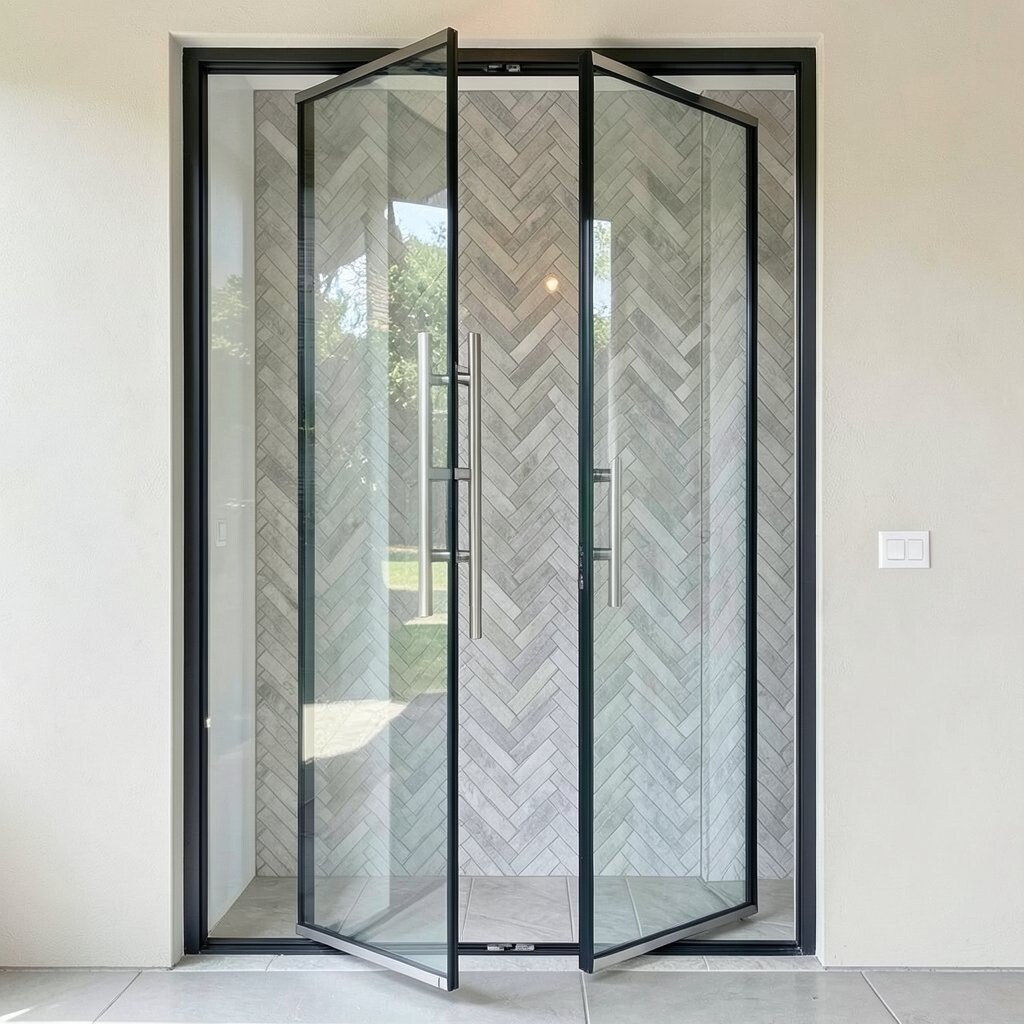
Pair a contemporary glass door with a herringbone tile accent just behind it. The tile pattern catches light through the glass and makes the doorway feel special.
This helps you create “brightness zones,” like a small luminous corner that draws the eye. It’s perfect for a mudroom, pantry entrance, or bathroom doorway. For tips, match grout color to your hardware finish so everything looks cohesive.
Uniqueness comes from combining materials—glass for openness and tile for personality. Cost can be managed because you can use tile only in a narrow feature area instead of covering entire walls. Personalize it with tile colors that match your decor, like warm beige, soft gray, or even a muted blue for a calm pop.
18. Frosted Corner-Panel Glass Door for Targeted Privacy
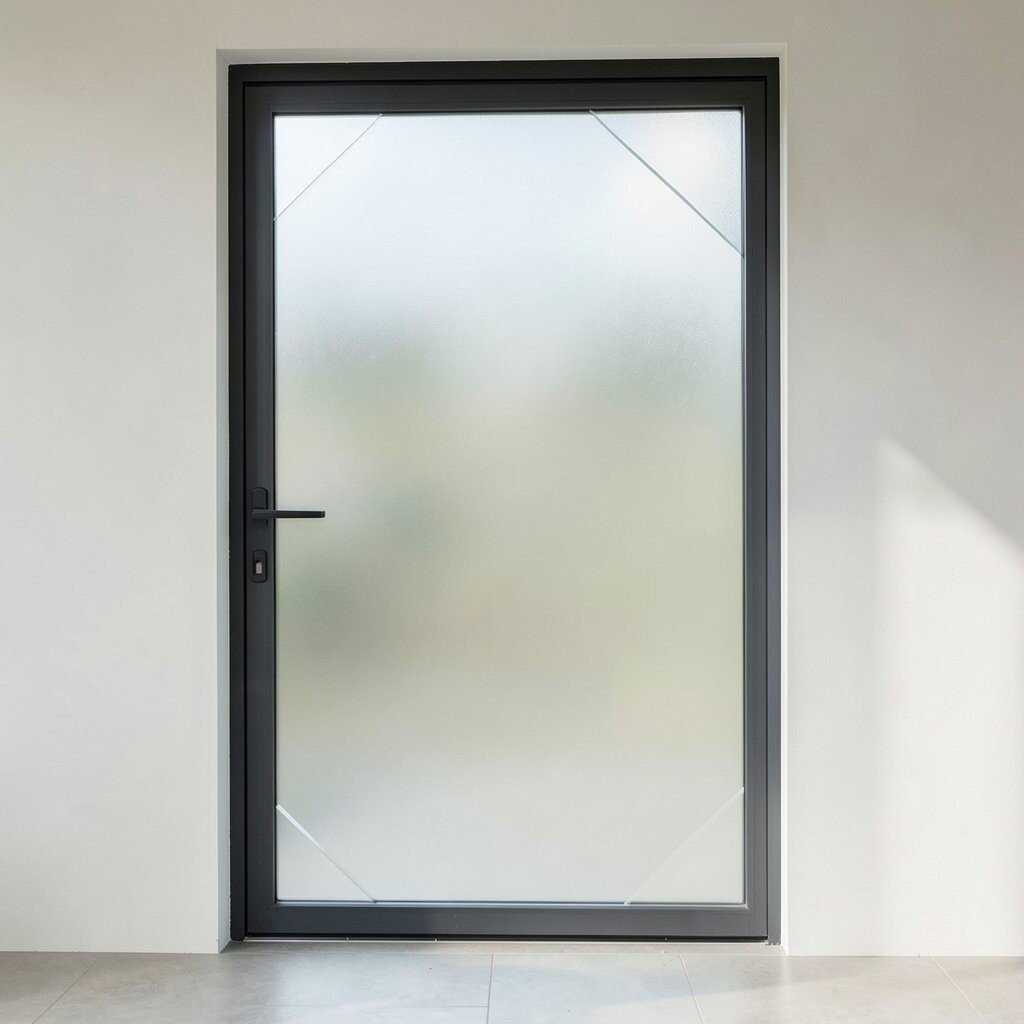
Corner-panel frosted glass is a clever trick for privacy where you need it. You keep the rest clear, so daylight still fills the room.
This door is great for family homes where you want spaces to feel open but not always fully visible. It also works well for entryways that lead to a private area, like a home office. For tips, choose the frosted zone location based on typical sightlines, such as where someone would stand or sit.
Uniqueness is in the “design logic,” since the pattern is purposeful rather than random. Cost is often moderate because it may use partially treated glass instead of fully custom artwork. Personalize by adding a small transparent band at the top for a bright, airy feel.
Current trends favor smart privacy—solutions that look good and do the job. If you’re working on sustainability, ask about long-lasting coatings that resist wear. Finally, budget for proper sealing so the glass door stays easy to use and comfortable year-round.
19. Color-Matched Glass Door with a Statement Frame Finish
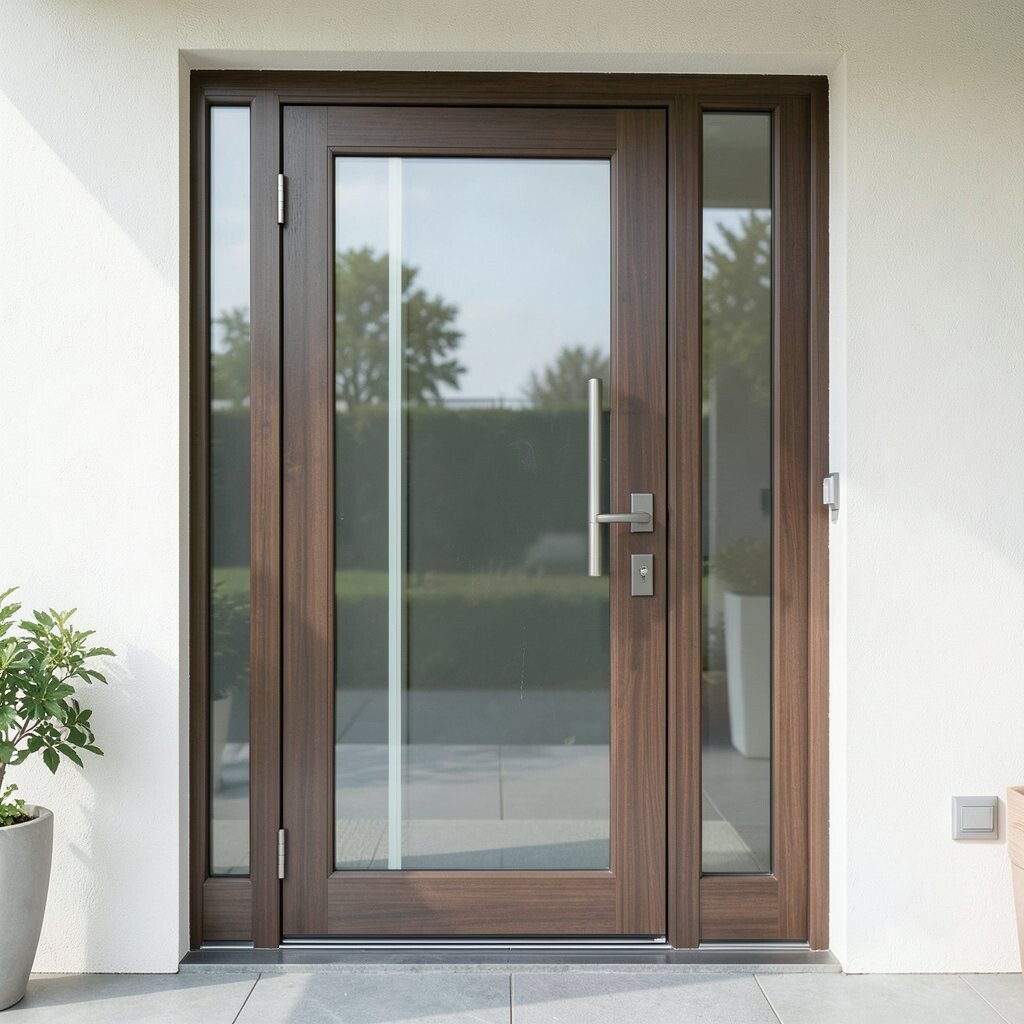
A glass door becomes unforgettable when the frame finish matches the mood of your room. Think deep green, warm brass, or soft terracotta around a clear or lightly frosted panel.
This benefits you by tying your door to the rest of the design, so it looks like it belongs. It also gives you an easy personalization choice that doesn’t require changing the whole space. For tips, pull one accent color from your decor—like a rug pattern or hardware—and use it for the door frame.
Uniqueness is built in because color-framed glass doors feel custom even when you’re using a more standard glass type. Cost varies by finish, especially if you choose powder coating or premium hardware, but it can still be cost-effective compared to custom glass art. Personalize further with matching thresholds, door handles, and nearby light fixtures so the look feels complete.