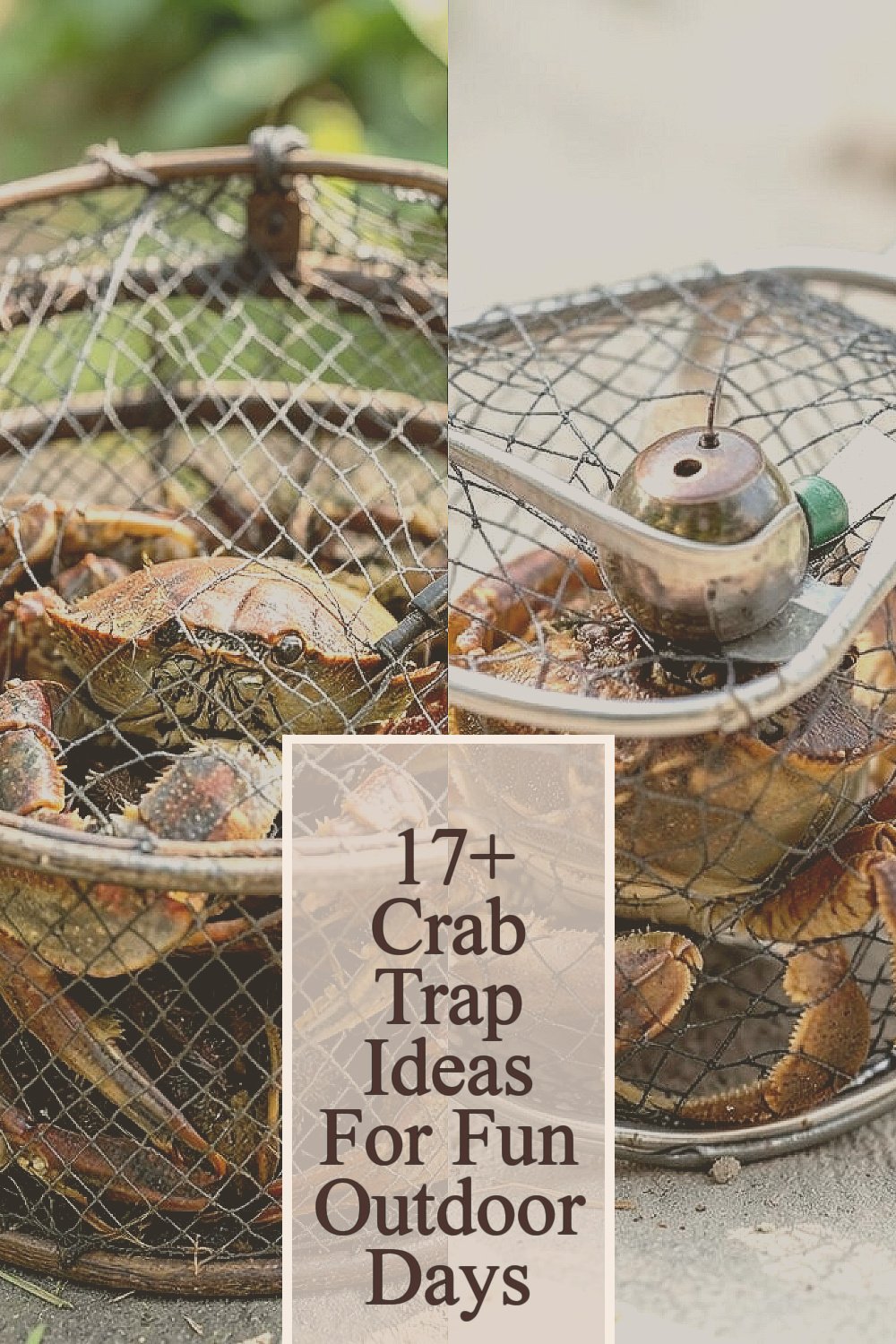
Saltwater air has a way of making everything feel like an adventure. The moment you set a trap, your whole afternoon starts to sparkle.
-
1) The Classic Hand-Crank Cask Trap
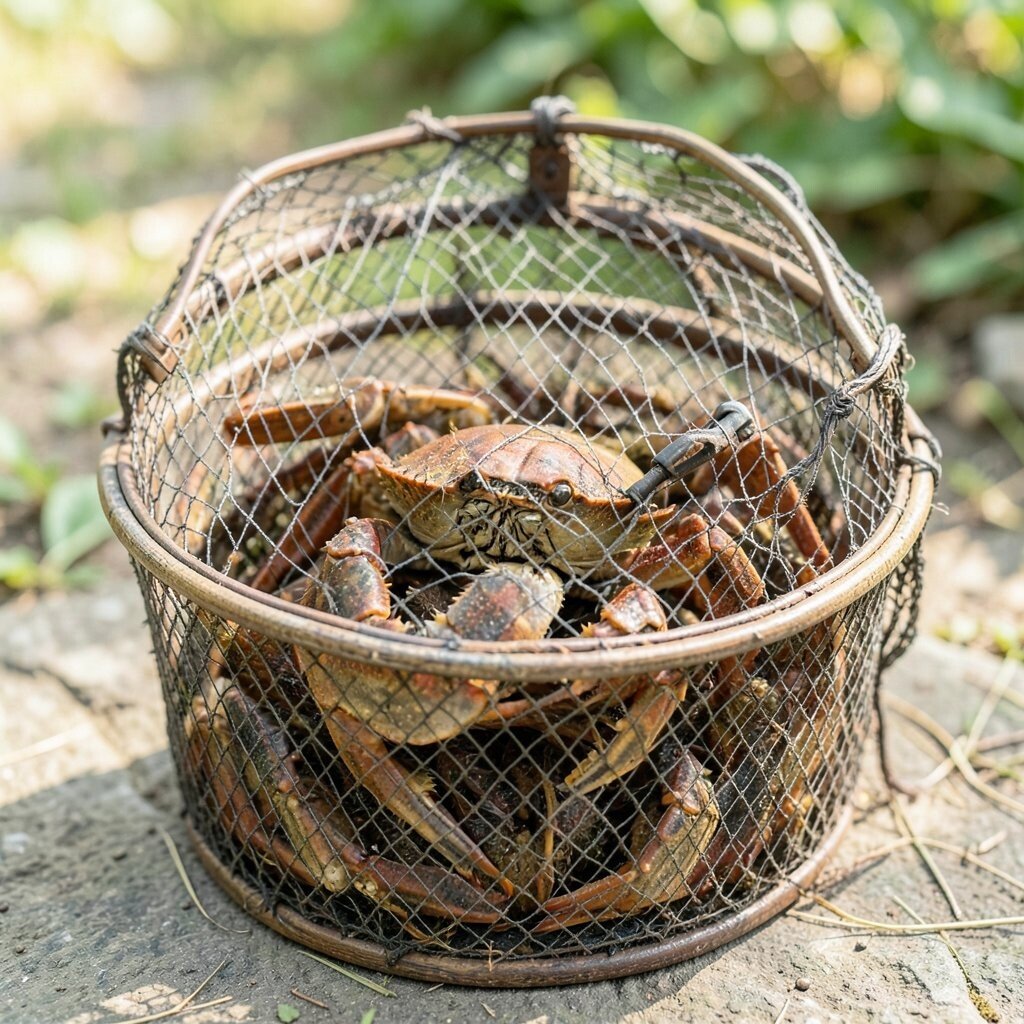
) The Classic Hand-Crank Cask Trap Picture a sturdy round cask style trap with a mesh belly and a simple entry funnel. You can add a small handle so the bait area moves or refreshes without much fuss.
This idea helps you keep the trap tidy and working well as the tide changes. It also feels satisfying because you can adjust it quickly when you notice how crabs are behaving. Use dough bait, cut bait, or a simple fish scrap, then record what time you catch the most.
For uniqueness, paint the cask with bright outdoor-safe colors so it stands out in the sand. Choose durable, UV-resistant mesh so you won’t replace it too often. Tip: keep a spare piece of line on hand so you can re-tie fast if anything gets tangled.
-
2) Bottle-Top Funnel Trap With Float Marker
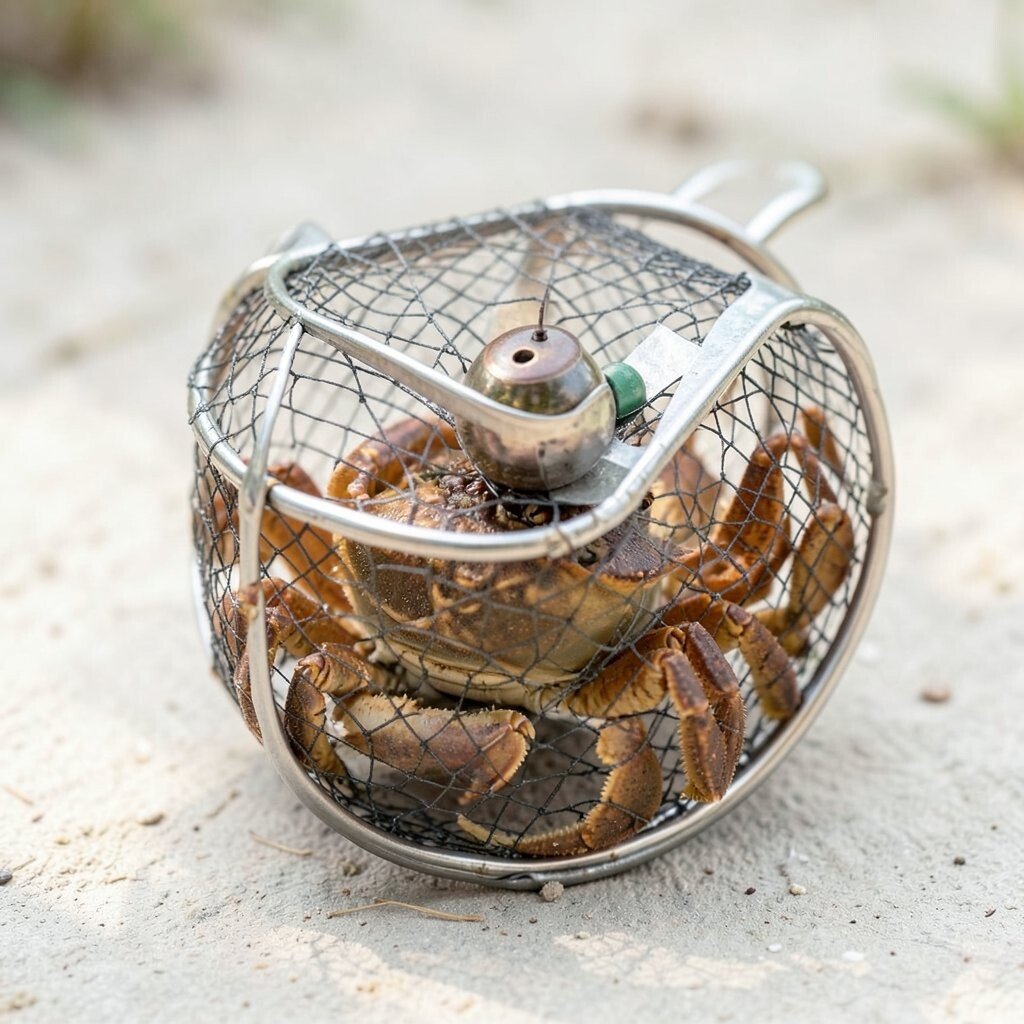
) Bottle-Top Funnel Trap With Float Marker Think of a clear plastic bottle cut into a funnel shape, still simple and playful. Add a float marker that shows your spot like a tiny lighthouse.
This lightweight setup is great for casual shoreline hunts. It’s easy to carry, and it costs less than many store traps. Try using a bait skewer made from a short wooden stick so the bait stays in place longer.
To personalize, use different bait smells and rotate them each hour. Add a small strap so the trap attaches to your line without slipping. A current trend is using visible floats so friends can find your line from far away, especially on windy days.
-
3) Basket-Style Trap With Fold-Over Hinges
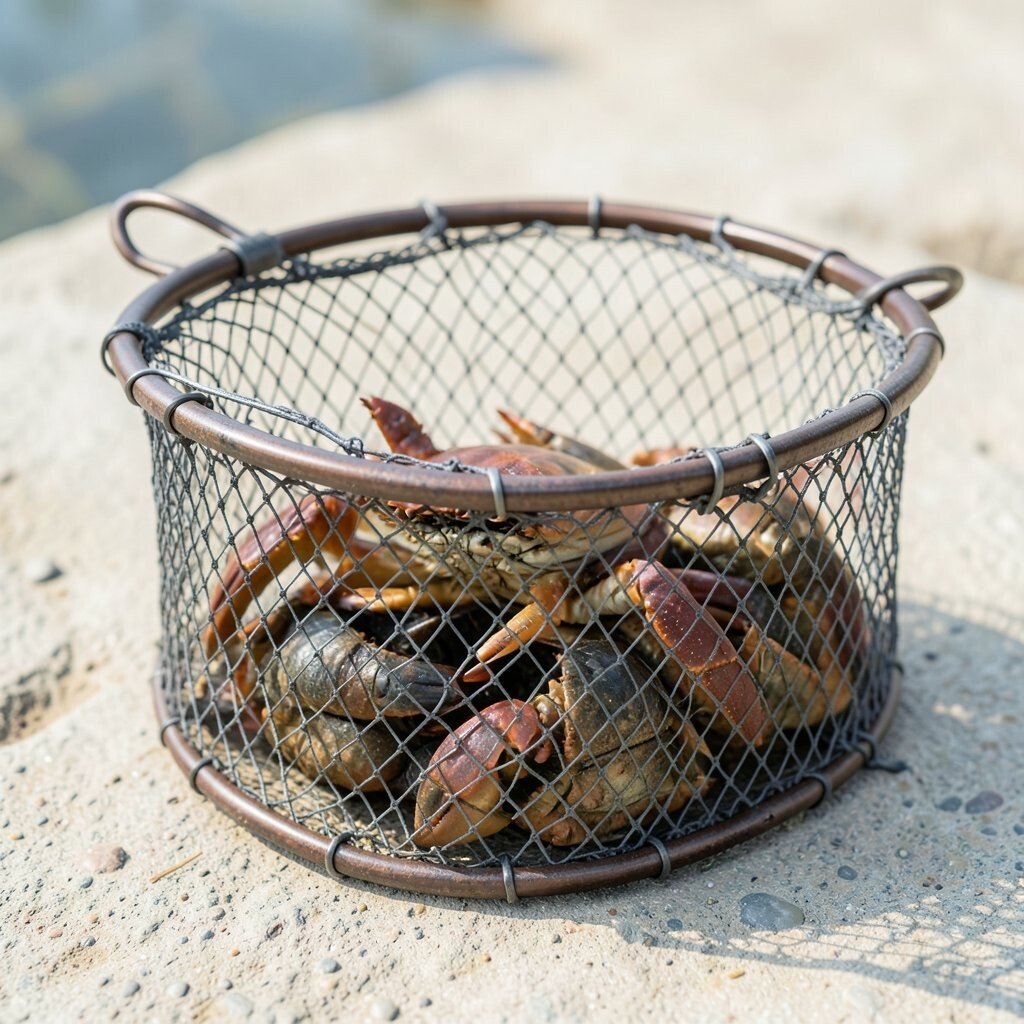
) Basket-Style Trap With Fold-Over Hinges Imagine a woven basket look, but with mesh panels and fold-over hinges. When you lift the trap, the hinge helps the top open smoothly.
This design makes checking catches less stressful and faster. You’ll also spend less time wrestling with stubborn lids. It’s a smart choice for families because everyone can take a turn gently lifting and resetting it.
For tips, line the basket rim with extra mesh so small crabs can’t sneak out early. Use a strong zip tie or outdoor-rated cord for the hinges. If you want cost control, reuse an old basket frame and only replace the mesh.
-
4) Folding Net Hoop Trap for Soft Sand
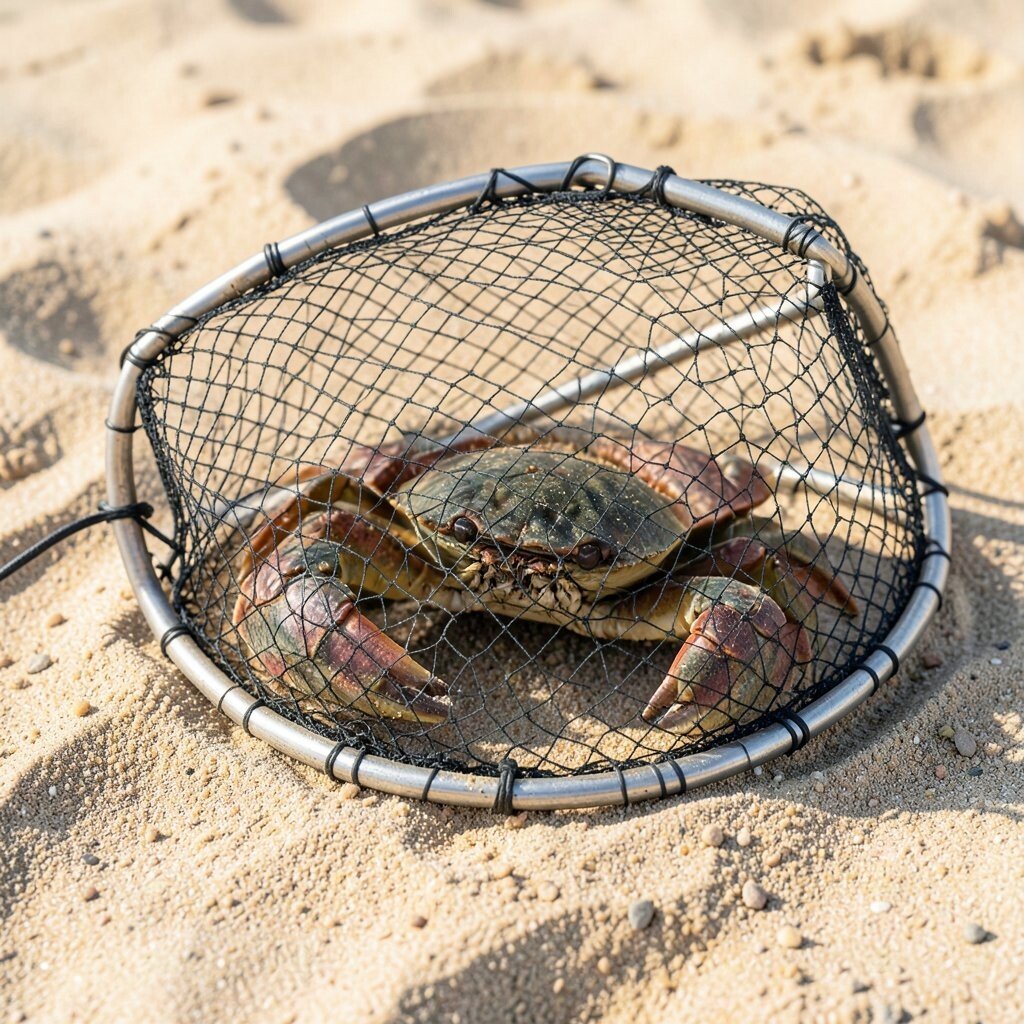
) Folding Net Hoop Trap for Soft Sand Picture two curved hoops that fold flat, then pop back into a circle. The net forms a tunnel-like entry, and it rests quietly in soft sand.
This works well when the bottom shifts, because the trap doesn’t fight the ground. It’s easy to store in a backpack, and you can set it quickly before the fun moves on. To make it safer for crabs, use smoother edges and avoid sharp wire ends.
Personalize it with a color-coded tag so you can tell your own trap line from other people’s. Trend-wise, many outdoor folks now choose modular gear that packs small and sets fast. If you’re budgeting, look for replacement net sections instead of buying a whole new frame.
-
5) PVC Frame Trap With Swappable Bait Pods
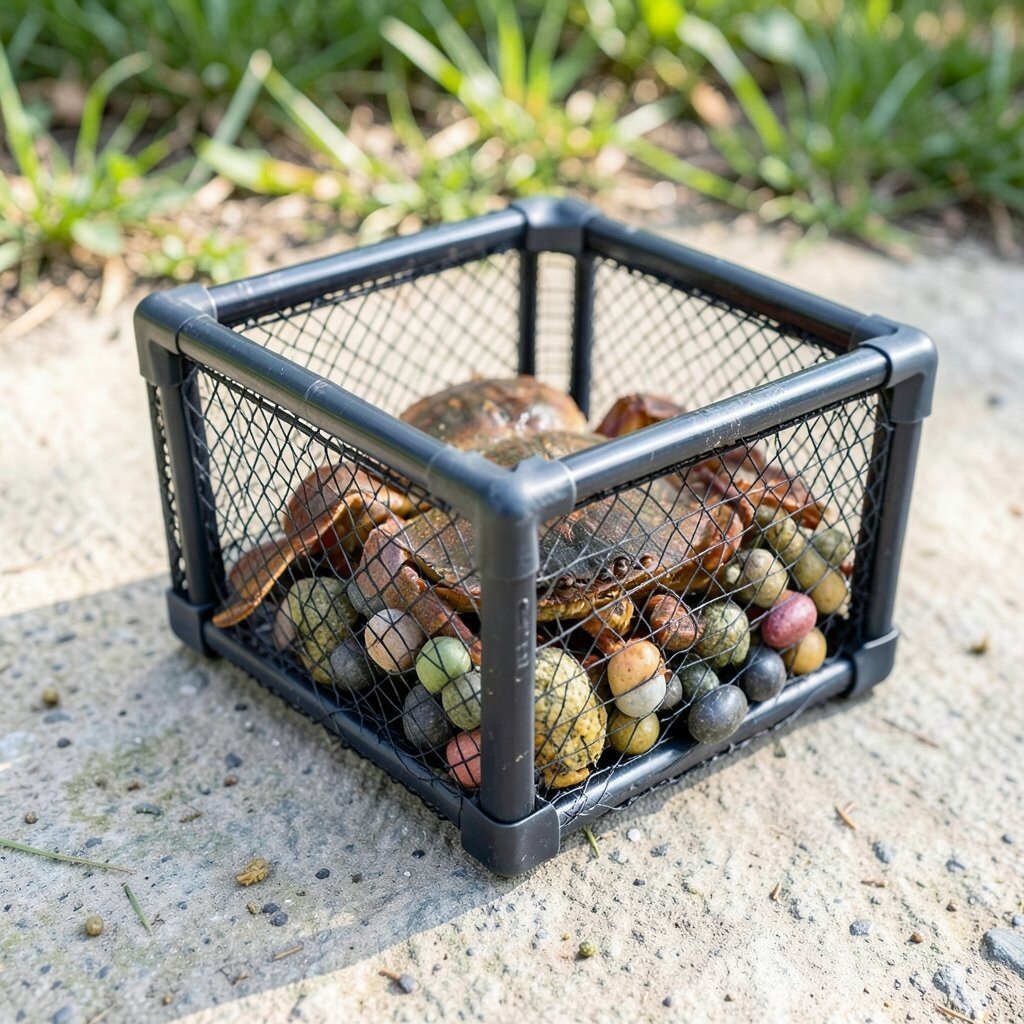
) PVC Frame Trap With Swappable Bait Pods Imagine a neat rectangular frame made from PVC, with a clear front that shows the entry. Inside, you slide in swappable bait pods like little containers.
This helps you switch bait without emptying the whole trap. You’ll also learn which bait works best because each pod is separate and easy to compare. It’s a great match for people who enjoy small experiments on outdoor days.
Uniqueness comes from the pod system, which can be as simple as plastic cups with holes. Add float line attachment points so the trap stays at the right depth. For cost considerations, build the frame once and only replace pods and mesh as needed.
-
6) Rope-Laced Crate Trap With Quick Lift Handle
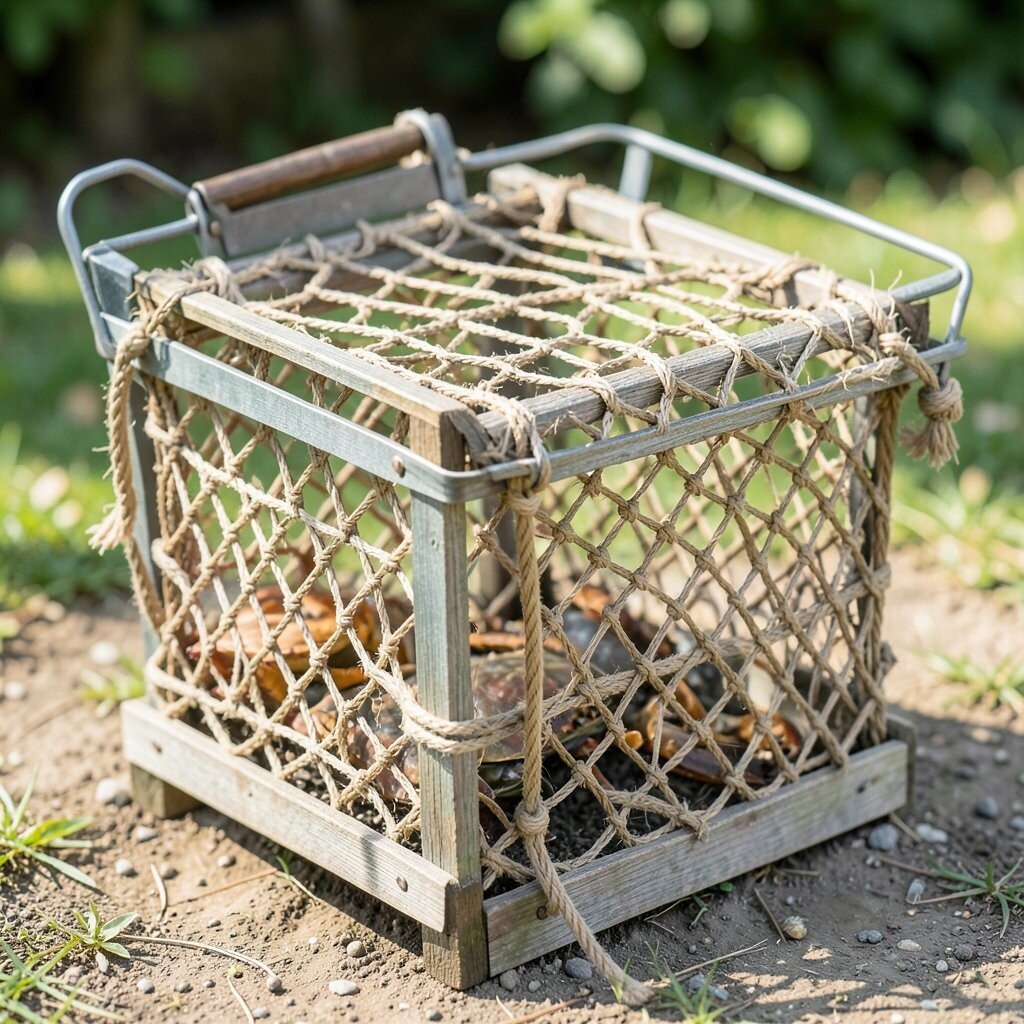
) Rope-Laced Crate Trap With Quick Lift Handle Picture a small crate-like trap wrapped with rope for a classic nautical look. A quick lift handle sits on top, ready for a gentle pull.
This design is sturdy and makes it easy to retrieve your trap without digging. It also protects your hands because you can hold the handle rather than grabbing mesh. Pair it with a soft bait holder so crabs can reach the scent without pulling everything apart.
To personalize, braid the rope in two colors so it looks fun in photos. If you’re on a budget, use secondhand crates and reinforce corners. A modern trend is using simple rigging that reduces tangles, so add a swivel connector if you can.
-
7) Square Net Trap With Corner Guide Funnels
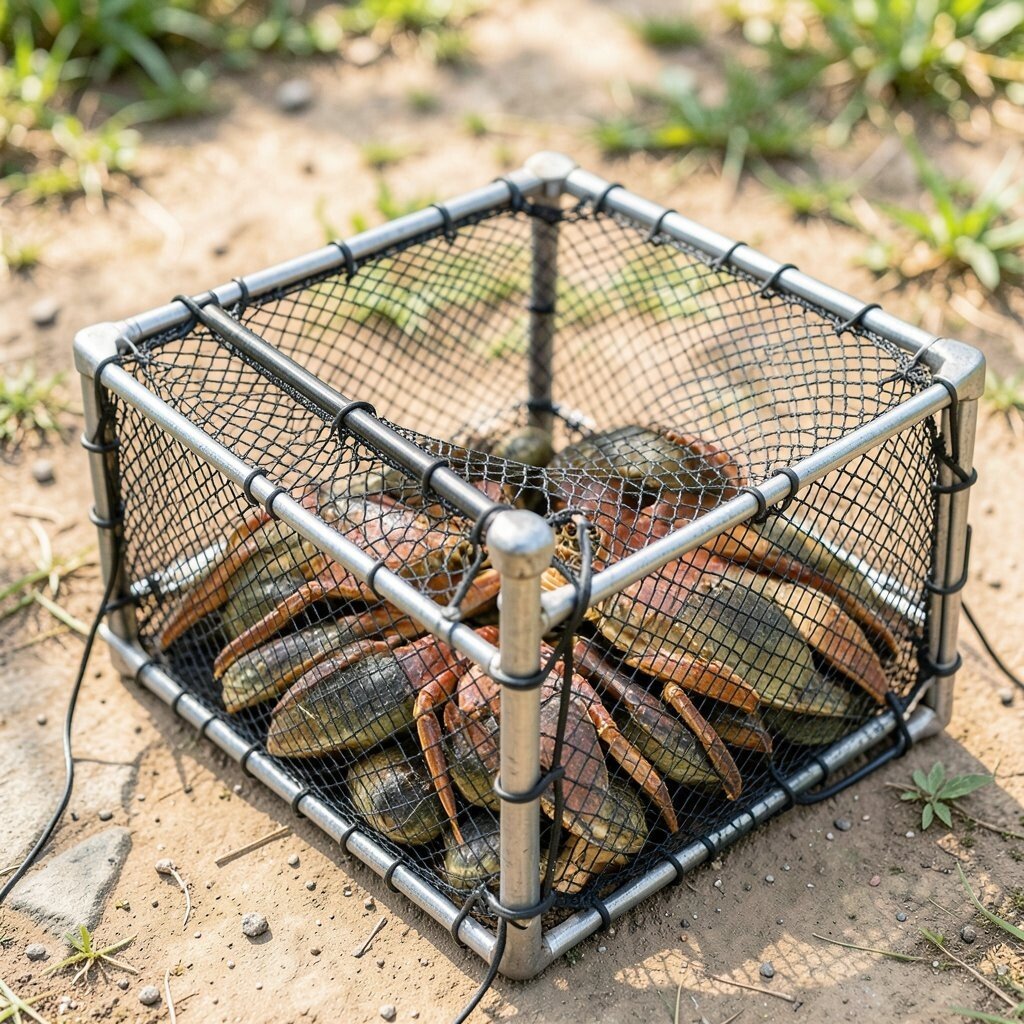
) Square Net Trap With Corner Guide Funnels Think of a square net box with little guide funnels in each corner. Those funnels point inward like tiny doorways for crabs.
This setup can feel like a crab maze, which makes it unique and interesting. The funnels may help crabs enter more naturally, especially when they approach from the side. For best results, place the bait in the center and keep the trap low and stable.
You can personalize the corner guide style by changing funnel size. Try one side larger and another side smaller so you can compare outcomes. Cost-wise, you can build the frame from scrap wood and only buy mesh and line.
-
8) Old Laundry Bag Trap With Twist-Cord Closure
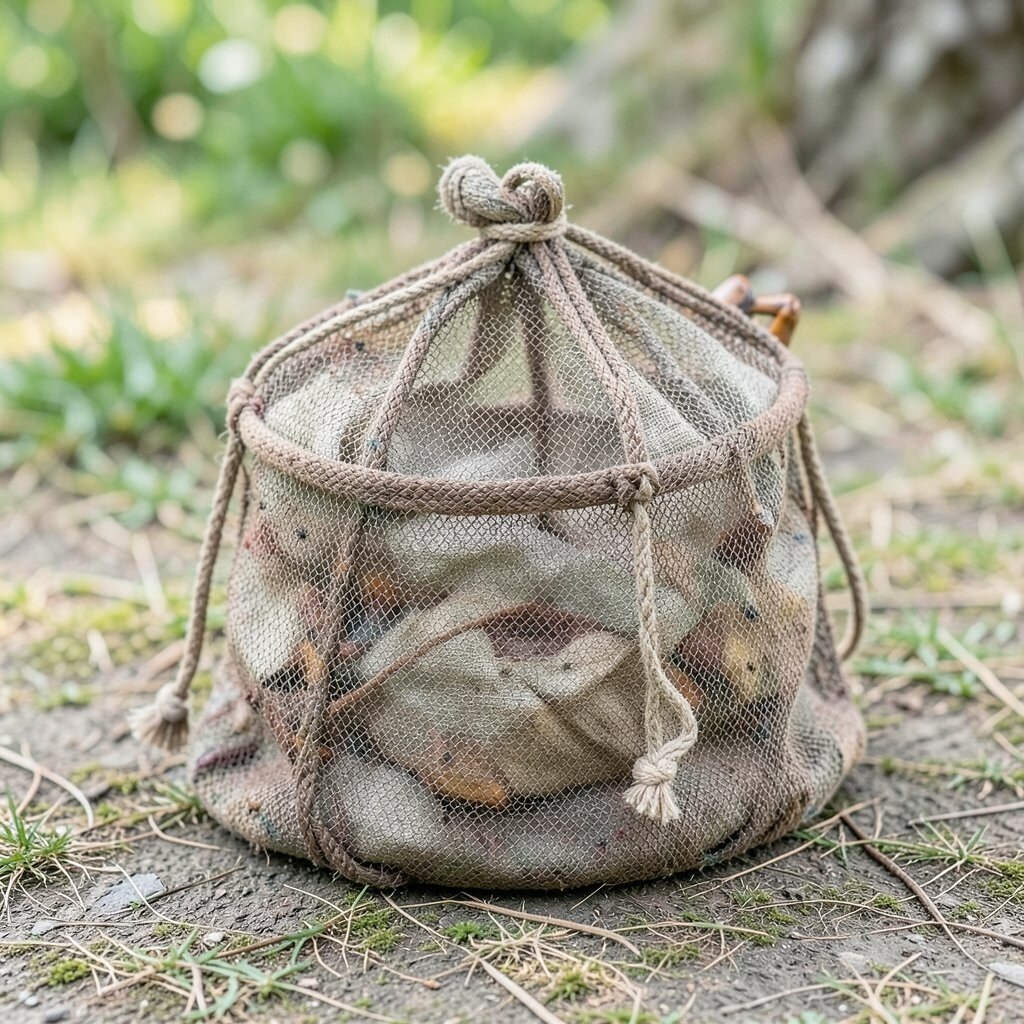
) Old Laundry Bag Trap With Twist-Cord Closure Imagine reusing an old laundry bag and turning it into a crab-friendly net pouch. Use a twist-cord closure that tightens neatly when you secure the line.
This idea is budget-friendly and very easy to make. You’ll also spend less time cutting and measuring because the bag already has a shape. Add a small bait knot or bait pouch inside so the scent doesn’t wash away fast.
Uniqueness comes from the simple upcycle. Make it personal by tagging the line with a charm or a bright ribbon. Trend-wise, upcycling gear keeps showing up in outdoor craft circles because it’s practical and planet-minded.
-
9) Hinged Lid Trap With Sand-Safe Rubber Feet
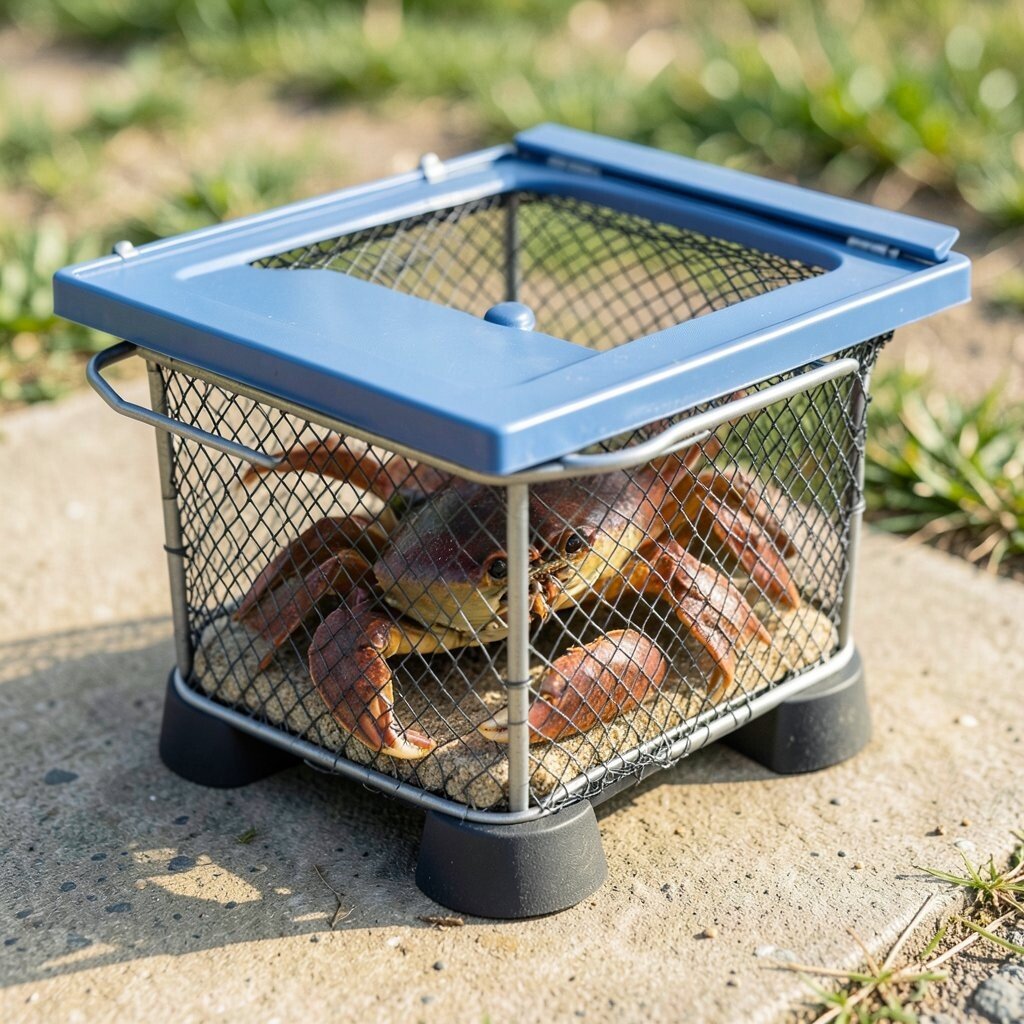
) Hinged Lid Trap With Sand-Safe Rubber Feet Picture a trap with a hinged lid and tiny rubber feet so it doesn’t sink too fast. The feet keep the net lifted just enough for airflow and easy retrieval.
This helps the trap sit steadier, which can improve your chances. It also protects the trap from getting buried after a passing wave. Tip: add a rope loop to the hinge so you can open it without tugging the mesh.
Personalize it with a stamped name tag so it’s clearly yours. For cost, look for rubber feet used for outdoor tools or furniture. A current trend is making gear more “user-friendly,” so smoother lids and better footings are gaining fans.
When you set it, press the feet into the sand lightly rather than forcing them down. Then keep an eye on your line so you can retrieve promptly if you notice movement.
-
10) “Two-Entry” Trap With Left-Right Tunnel Paths
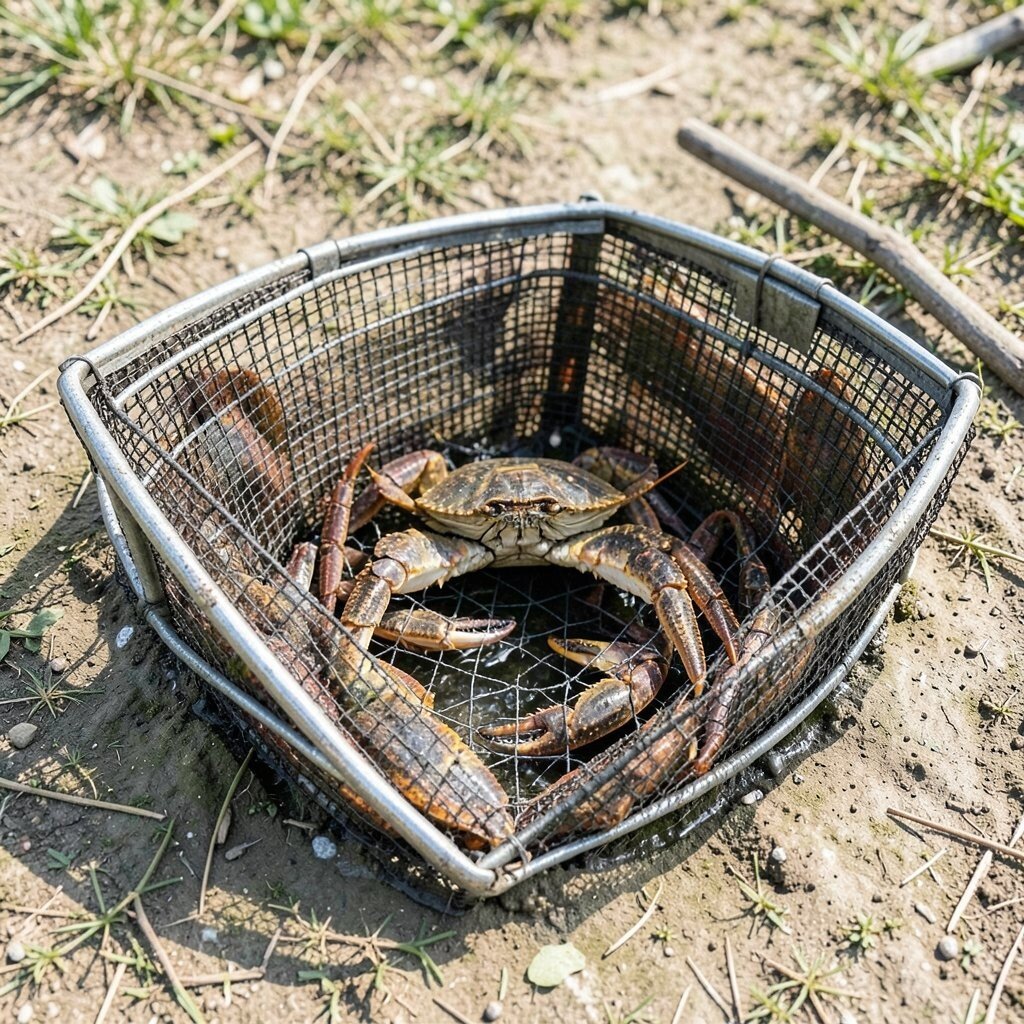
) “Two-Entry” Trap With Left-Right Tunnel Paths Imagine a trap with two separate entry tunnels, one on the left and one on the right. The tunnels lead toward the same bait center.
This gives crabs two ways in, which can make your setup feel like a friendly snack highway. The benefit is simple: you might catch more because crabs don’t have to line up in one direction. Add bait near the back of the tunnel so it holds attention.
To keep it unique, label each tunnel with a small color marker so you can remember what you changed later. Try different bait scents for each side if you use separate bait pockets. For cost considerations, use one frame and only adjust the mesh dividers.
-
11) Slimline Long Trap for Narrow Channels
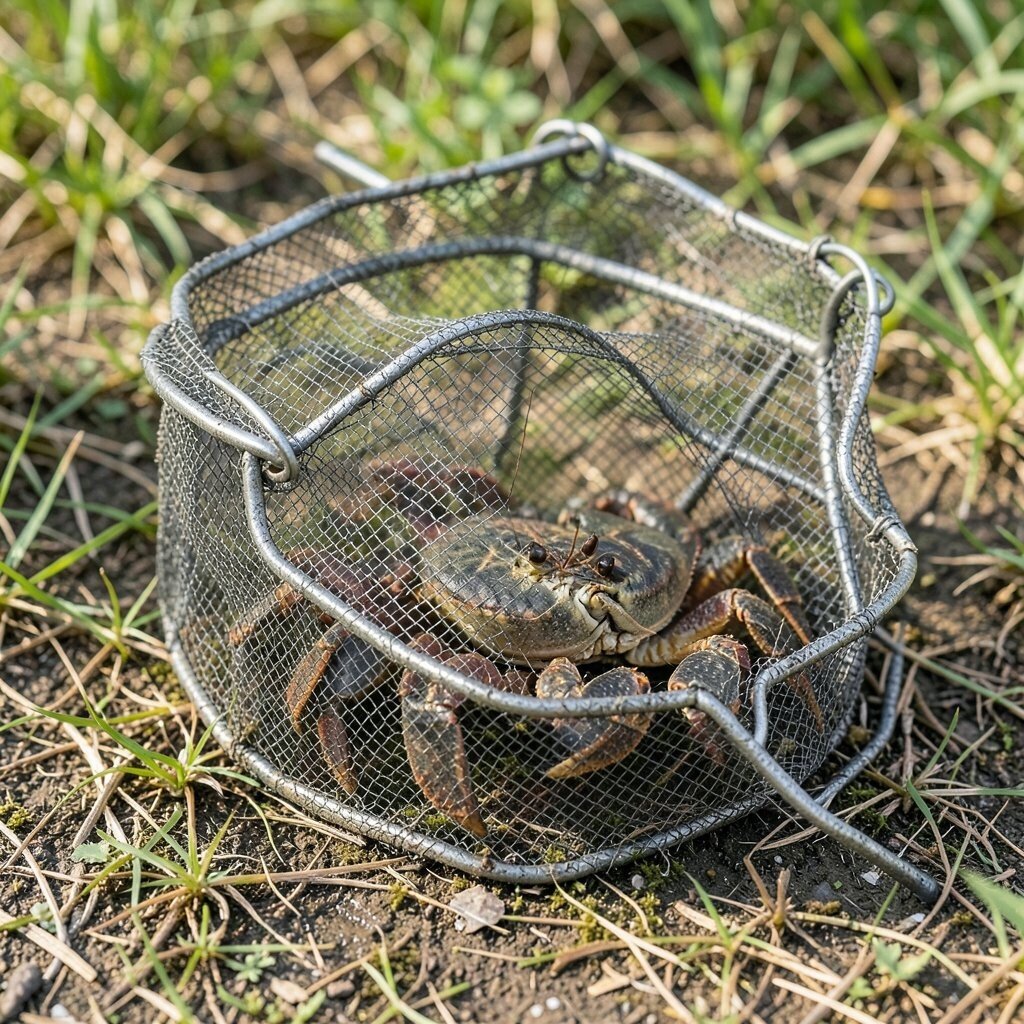
) Slimline Long Trap for Narrow Channels Picture a slim trap that follows the shape of a narrow channel or creek edge. It’s long, low, and tucked along the safer edges where crabs like to move.
This is a smart choice when the shoreline is crowded or when you want to avoid stepping on seagrass. It also helps you set your trap without blocking too much space. Tip: keep the bait toward the center so crabs don’t find an easy exit.
Uniqueness comes from tailoring the length to your spot. Measure the channel width and build a trap that fits comfortably. For personalization, add a small flag marker at one end, so your retrieval is quick.
-
12) Bubble-Float Trap With Adjustable Depth Line
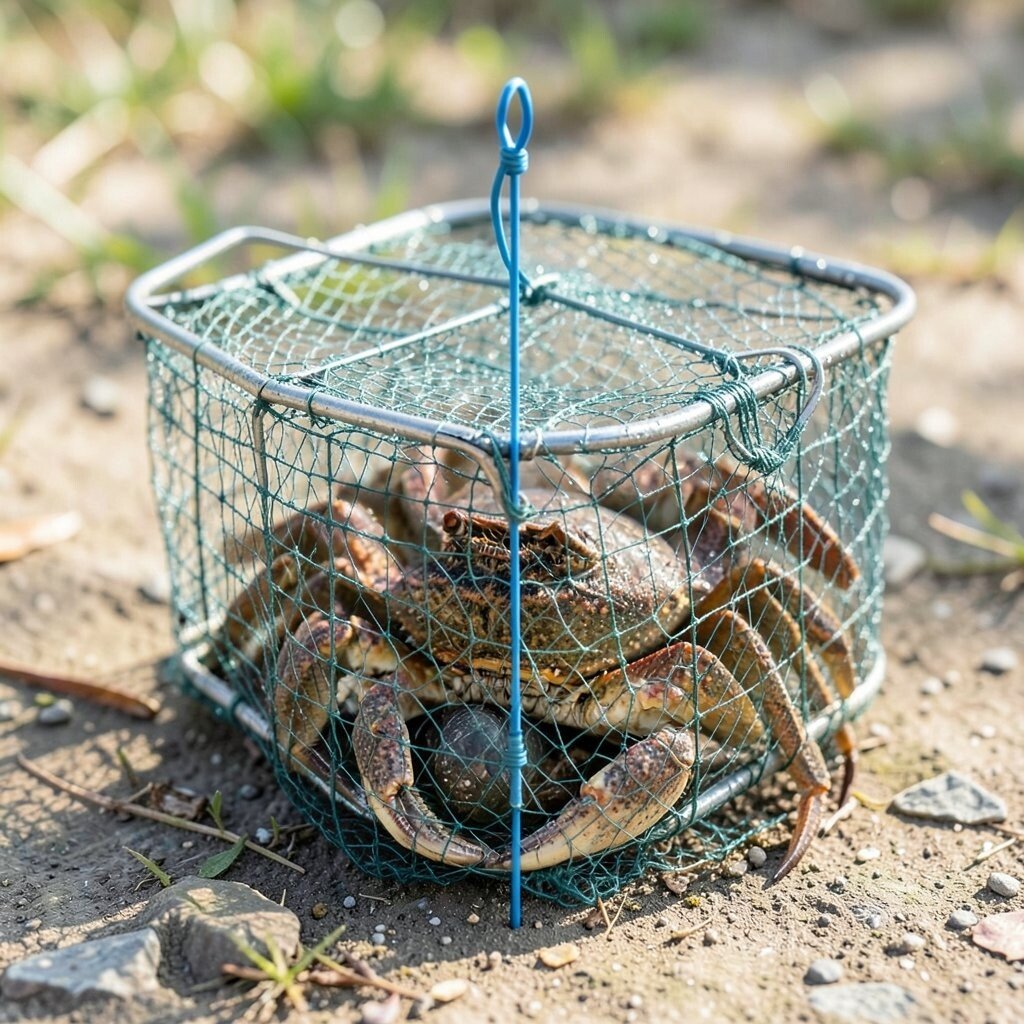
) Bubble-Float Trap With Adjustable Depth Line Imagine a mesh trap held near the bottom by a bubble float. By changing how much line you let out, you choose the depth crabs are most active.
This can help when water depth changes or when you see crabs closer to shore. It’s a benefit because you can adjust without rebuilding everything. Use a secure knot and test it in shallow water first so it behaves on the real hunt.
To personalize, decorate the float with a waterproof sticker sheet or a small tag. A current trend is using adjustable depth rigs because they help anglers and crabbers adapt fast. For cost, you can often reuse floats from old fishing gear.
When you set it, watch the line for slack or unusual pulls. If the float drifts too far, tighten the depth and reposition gently.
-
13) “Clam Shell” Trap With Curved Entry Screen
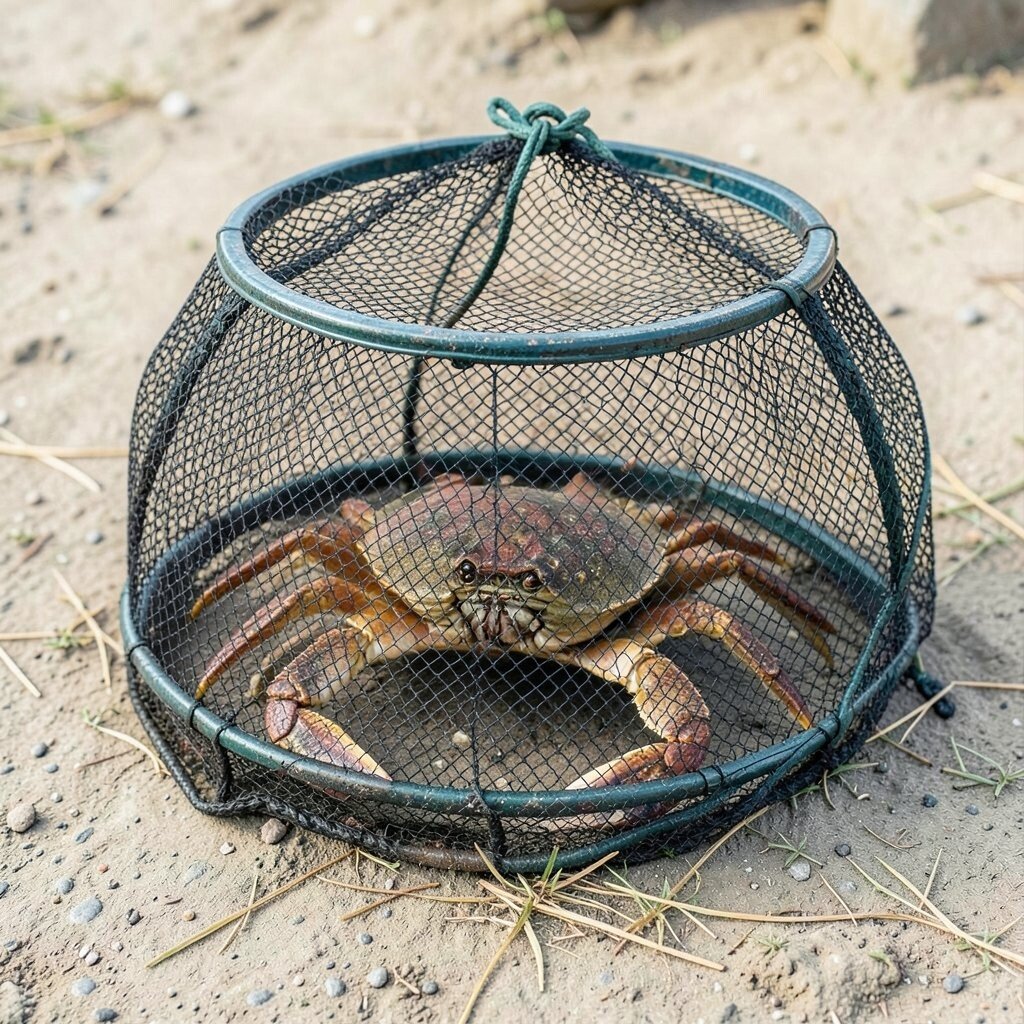
) “Clam Shell” Trap With Curved Entry Screen Picture a trap that looks like a clam shell, with a curved entry screen. The shell shape guides crabs inward as they move along the sand.
This is a fun visual and also a clever way to direct movement. The benefit is that the curved entrance can encourage crabs to follow the tunnel path toward the bait. Tip: use a screen material that won’t snag and keep edges smooth.
Uniqueness can be your shell pattern—paint ridges, add stenciled spots, or wrap the frame with twine. Personalize by choosing a theme, like sea turtles or seaside stripes. Cost-wise, you can build the shell from light plastic or thin wood and spend money mainly on mesh and ties.
-
14) Mesh Drum Trap With Side Windows
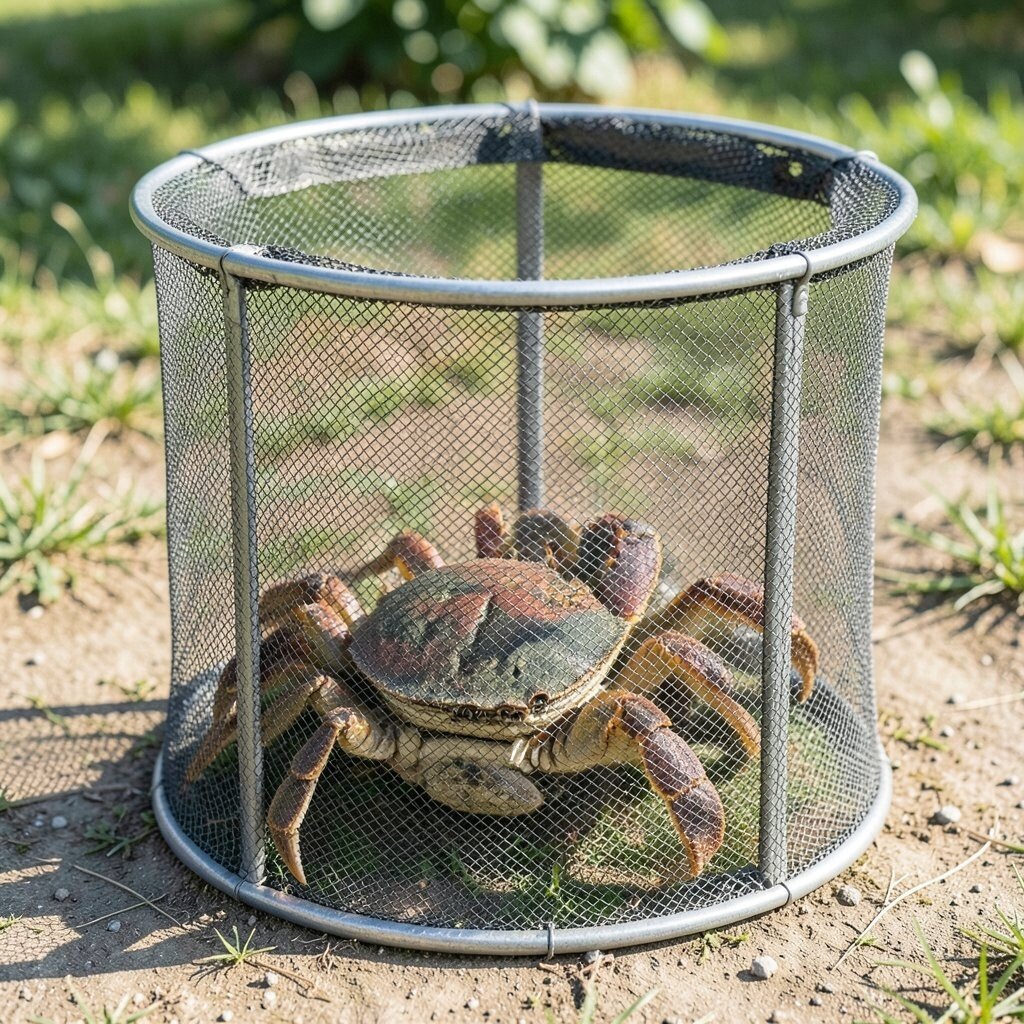
) Mesh Drum Trap With Side Windows Imagine a mesh drum trap with small side windows made from clear plastic. Those windows let you see if crabs are hanging around before you lift it.
This adds a playful “peek” moment while also helping you decide when to retrieve. The benefit is timing—checking at the right moment can reduce the chance of empty pulls. Try adding bait close to the window side so you can spot activity easily.
Uniqueness comes from the see-through sections, which also make great photo moments. If you want cost savings, use clear plastic packaging and cut carefully, then reinforce with tape made for outdoor use. A trend right now is gear that doubles as both tool and entertainment, especially for kids.
When you set it, secure the windows so they don’t flex and tear when crabs bump the mesh.
-
15) Net Sack Trap With Stone-Weight Stabilizer
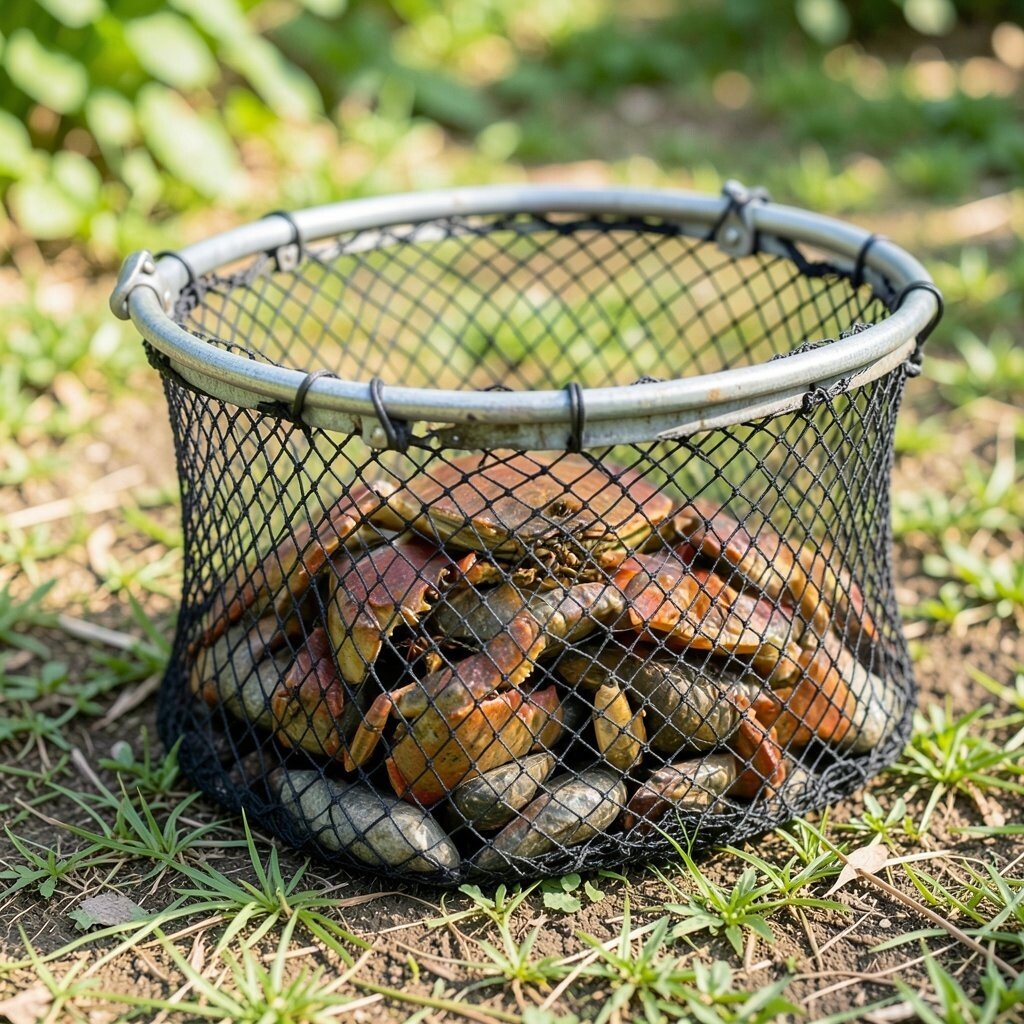
) Net Sack Trap With Stone-Weight Stabilizer Think of a net sack that holds bait, plus a stabilizer weight that prevents rolling. The sack sits upright so crabs find the opening fast.
This design can be helpful when waves or wind want to push your trap around. The benefit is steadiness, which can lead to more consistent checks. Tip: use a flat stone or a small weight in a protective cover so nothing sharp touches the net.
Personalize by wrapping the stabilizer weight with colored rope so it’s easy to grab. For cost, stones are free, but you’ll want a strong cord and sturdy net. Current trend: many outdoor folks emphasize “safe and simple” rigs that reduce chaos during retrieval.
-
16) Scrap-Wood Frame Trap With Weatherproof Hinges
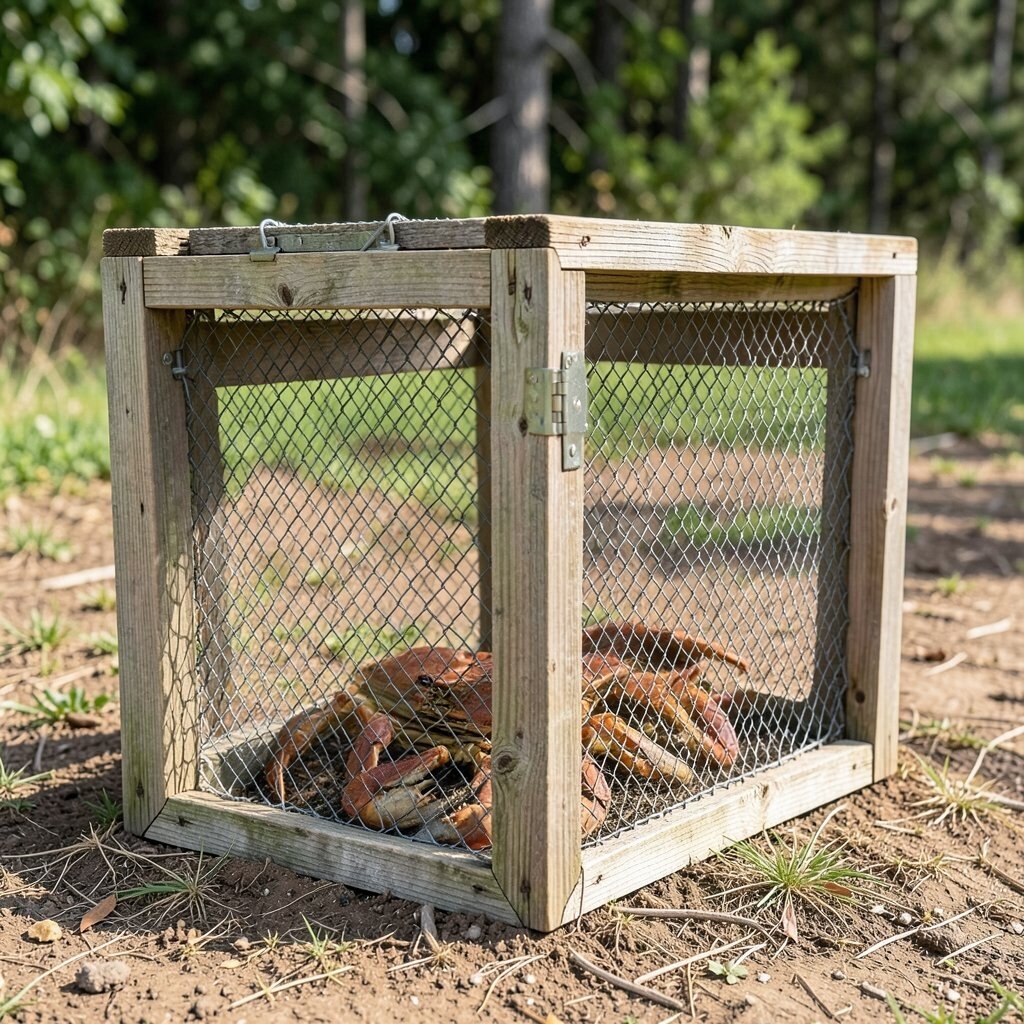
) Scrap-Wood Frame Trap With Weatherproof Hinges Picture a trap built on a scrap-wood frame with weatherproof hinges on top. It looks like a tiny dock tool, sturdy and ready for repeated trips.
This can be unique because wood frames give a natural, handmade vibe. The benefit is durability when you use proper sealant and choose hinges that won’t rust. Tip: seal the wood edges and then attach mesh with corrosion-resistant fasteners.
For personalization, carve a small pattern into the frame, like waves or starfish. Consider cost by using scrap wood and only buying mesh, hinges, and sealant. A current trend is slow-craft building—making gear that feels personal and lasts longer.
When you set it, keep the frame level so the bait stays in the same spot for every check.
-
17) Square Mesh “Window Gate” Trap for Fast Checks
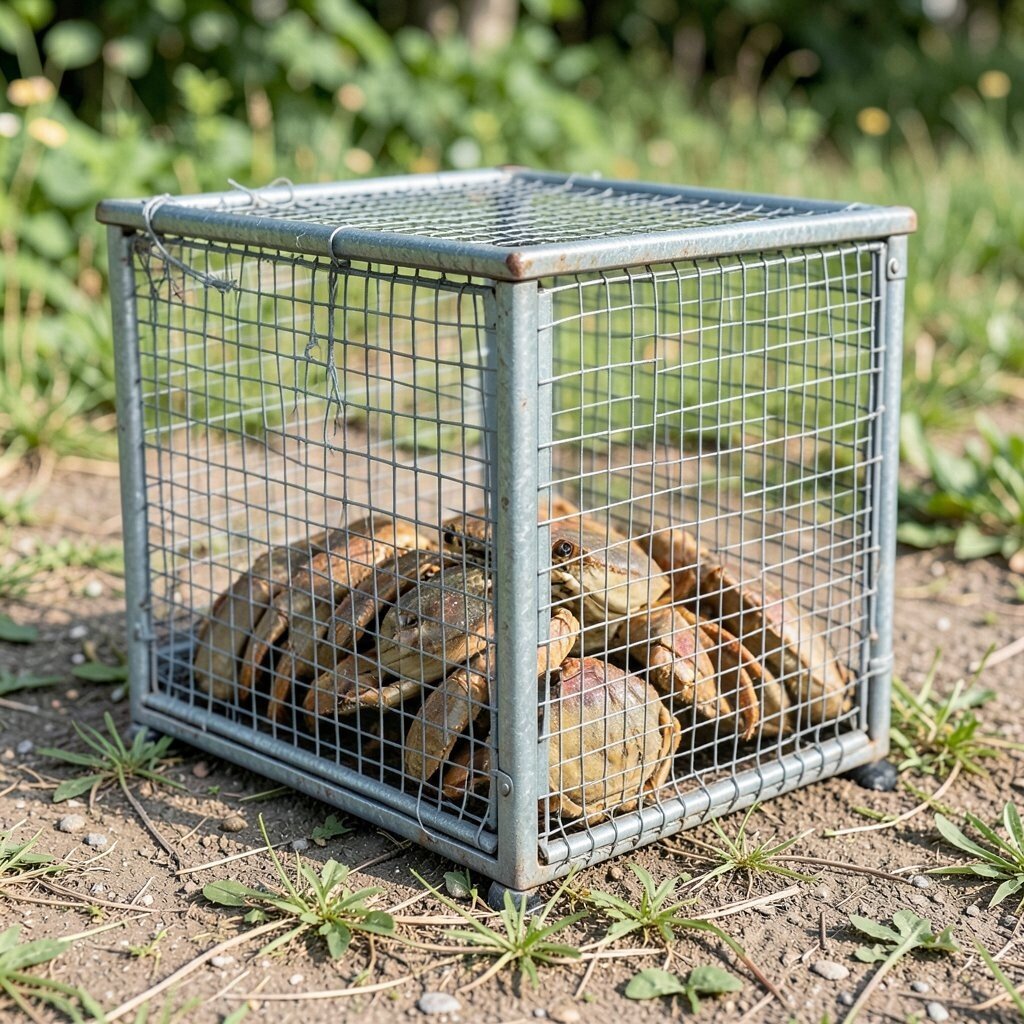
) Square Mesh “Window Gate” Trap for Fast Checks Imagine a square trap with a gate window that opens quickly at the front. The gate helps you check the bait area without fully unloading the whole trap.
This design is great when you want quick, frequent checks during peak crab activity. The benefit is convenience, and it also helps you keep the bait fresh and secure. Tip: attach the gate with a simple latch so it opens smoothly but stays shut when you lift.
Uniqueness comes from the “window gate” look, which feels like a crab door. Personalize by using a bold color for the latch so it’s easy to find in low light. Cost-wise, you can build this with common hardware-store parts and focus spending on strong mesh.
If you’re sharing with friends, each person can decorate their trap gate with a different sticker set.
-
18) Festival-Style Glow-Line Trap for Evening Sets
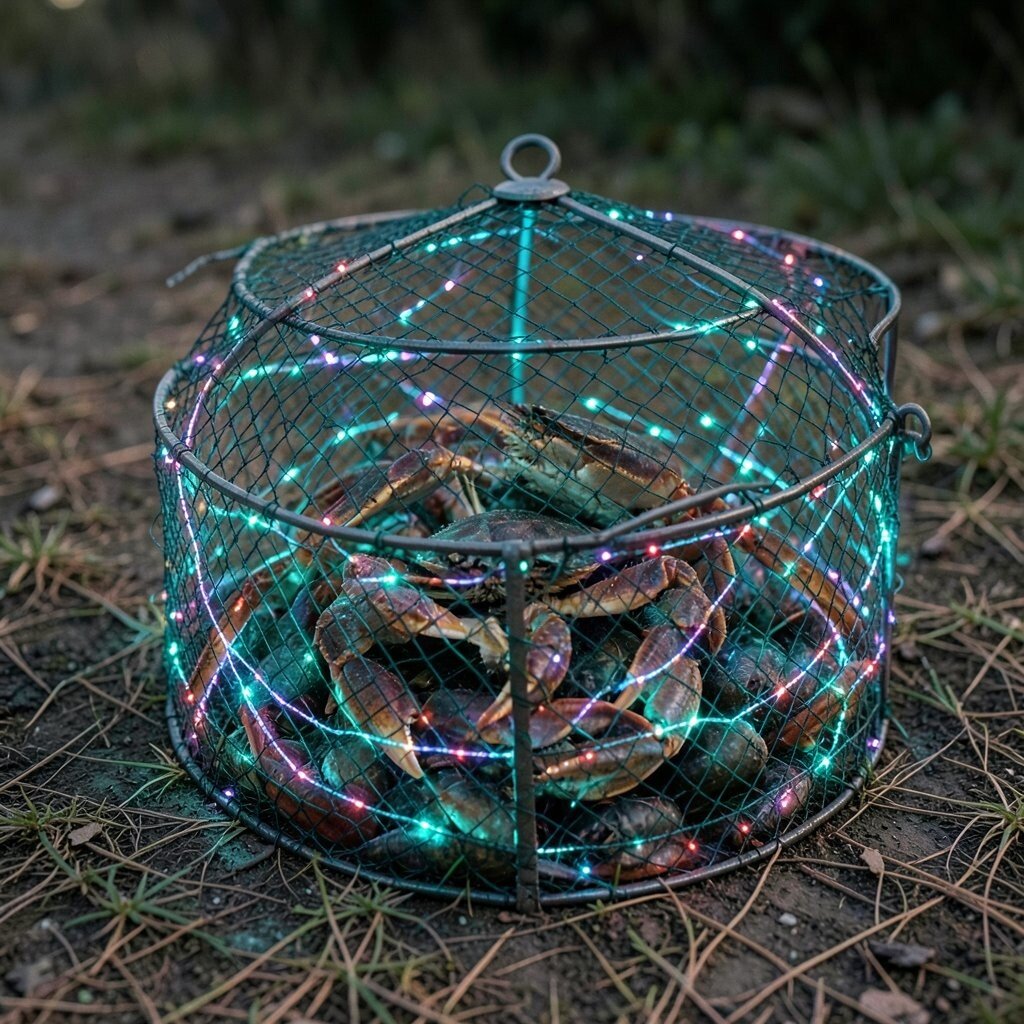
) Festival-Style Glow-Line Trap for Evening Sets Picture a trap set near the shoreline with a glow-line along the retrieval line. It looks like a quiet parade light leading you back to your spot.
This idea is fun because it turns a late-afternoon search into something memorable. The benefit is safety and clarity, since bright line markers help you find the trap faster. Use glow-safe markers, then keep the rest of your gear simple so it doesn’t clutter the beach.
To personalize, choose glow colors that match your group theme, like ocean blue or sunset orange. A current trend is using LED-friendly markers and reflective strips to help people navigate at dusk. For cost, start with one line marker and add more only if it truly helps you.
When you set it, check local rules for night or evening fishing zones, and always keep retrieval calm and careful.