Comfy sitting is easier than you think. Your back deserves support that feels good from the first minute.
When the backrest matches your body and your space, you feel steadier, calmer, and ready to do more.
1. The Classic Pillow-Back Support
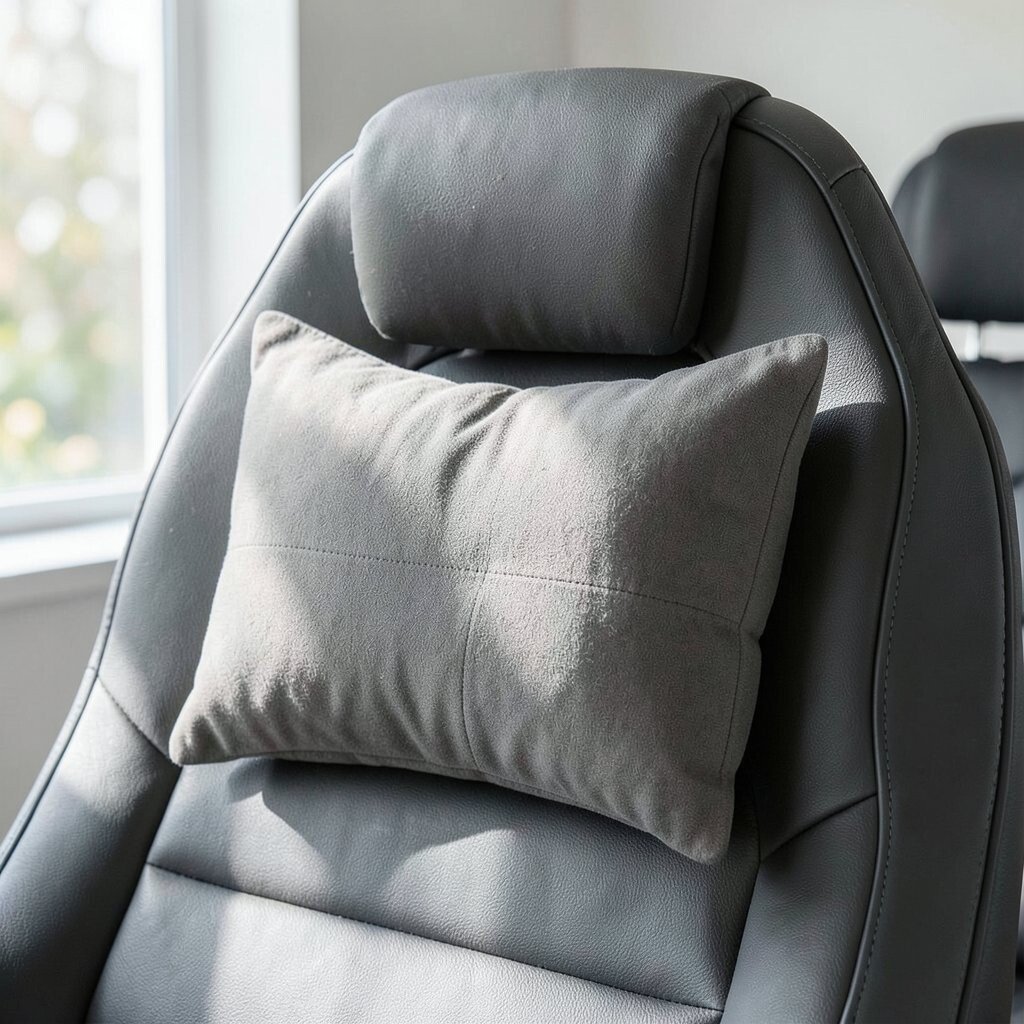
Start with a medium or firm pillow and press it behind your lower and mid back. Choose a pillow cover that feels soft, like cotton or a brushed fabric, so it stays cozy all day.
This option helps reduce that “slumping” feeling and can make your posture look cleaner. It’s also great for quick fixes because you can move it from chair to chair. If your chair already feels fine but your back doesn’t, try placing the pillow slightly higher than you expect.
2. Memory-Foam Seat-Back Combo
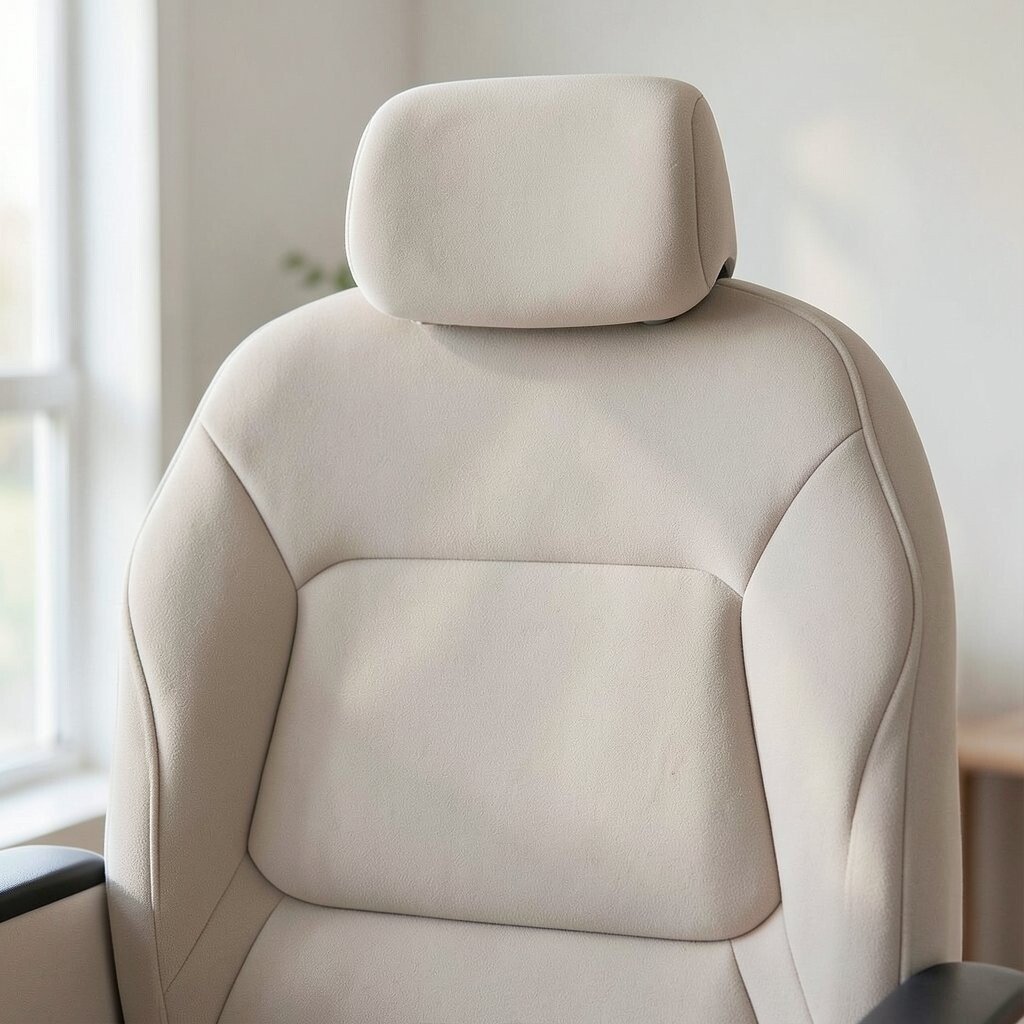
A memory-foam backrest that attaches to a chair can feel like a gentle hug. Look for a shape that follows your spine instead of a flat pad.
When it molds to you, pressure points calm down and your shoulders can relax. That helps during long work sessions, gaming nights, or reading marathons.
For best comfort, pick a thickness that supports you without making you sit too high. Keep an eye on heat, too—some foams stay warmer than others. If you want personalization, add a washable cover in a color that matches your desk vibe.
3. The Roll-Style Lumbar Cushion
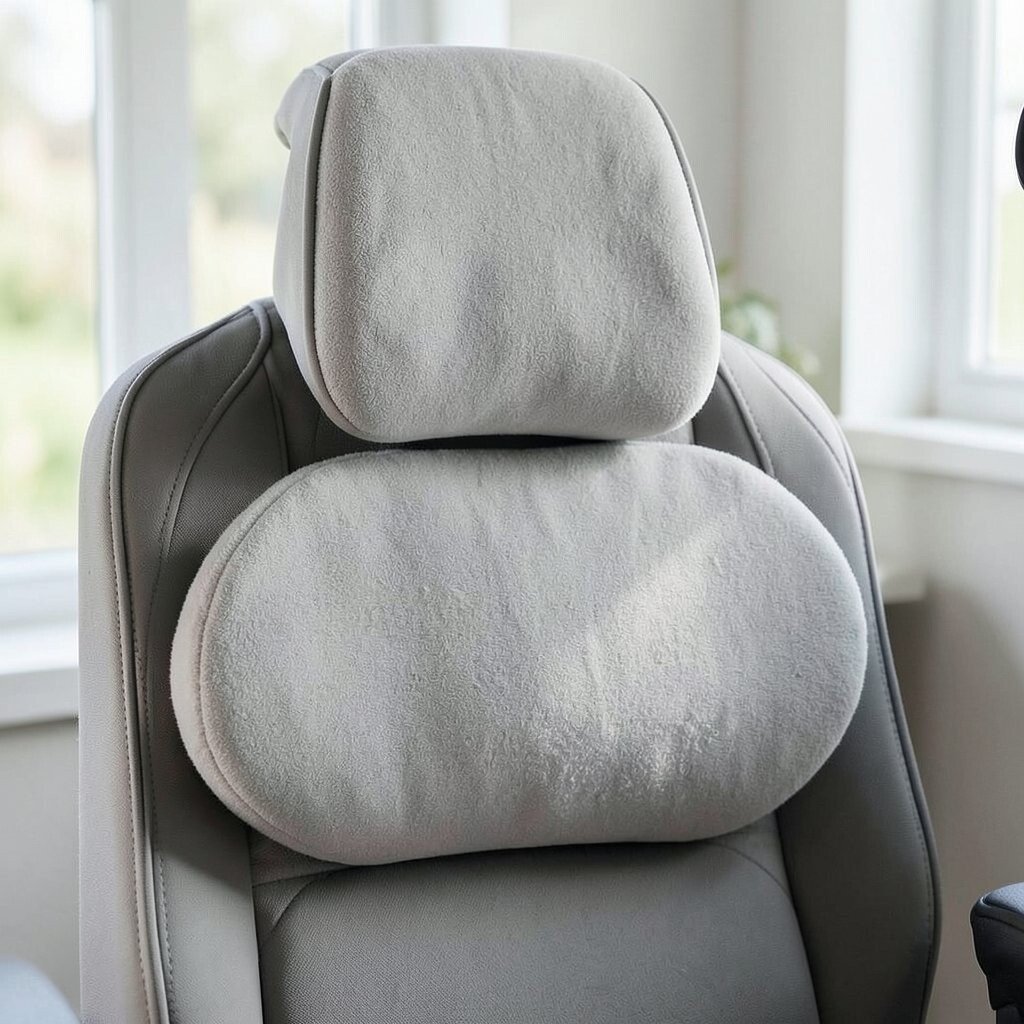
A rolled lumbar cushion is small, but it works hard. You can slide it behind your lower back and adjust it until it feels “just right.”
This is a strong choice if you notice back tightness after sitting for a while. It supports the curve in your spine, which can ease strain and keep you from leaning forward. Many roll cushions come in breathable covers, which is helpful if you get warm easily.
To personalize, try different firmness levels: a firmer roll for structure, a softer roll for comfort. For tips, place it around the height where your lower back naturally curves. If you switch chairs a lot, consider getting a model with straps or non-slip backing.
Cost is usually friendly, since lumbar cushions often cost less than full chair upgrades. A good one is a smart buy because it targets the exact spot that needs help.
4. Adjustable Backrest with Side Bolsters
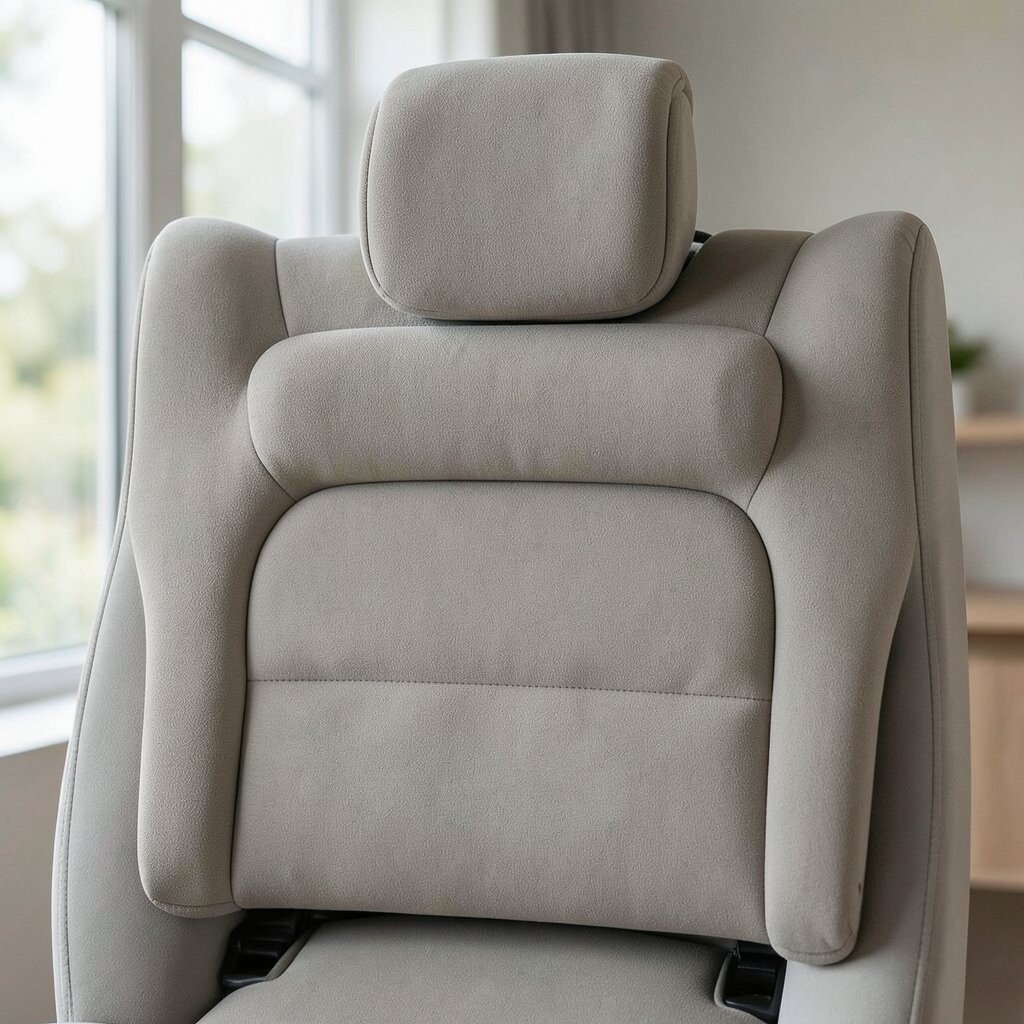
An adjustable backrest with side bolsters supports your back and helps keep your posture steady. Visualize padded wings that gently hold you in place without making you feel boxed in.
This can be great for people who sit with one shoulder higher than the other. You can fine-tune the angle, so your body doesn’t fight the chair.
5. Faux-Fur Throw Pillow Backrest
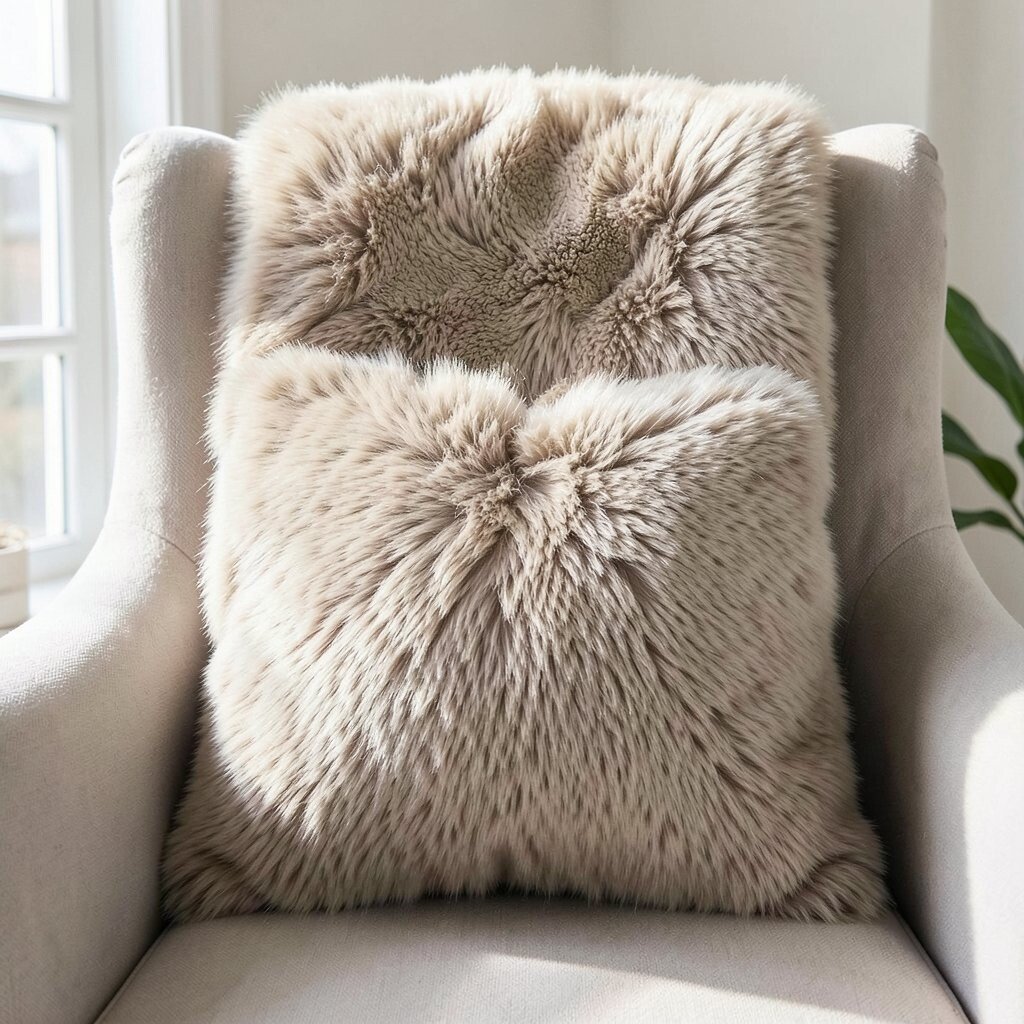
Turn a cozy throw pillow into a comfort system by placing it where your shoulders and upper back need softness. Think fluffy texture, warm colors, and a look that makes your chair feel like part of your home.
This option is unique because it mixes support with style. It can make your space feel welcoming, and that mood boost helps you stay comfortable and relaxed.
For personalization, try a color that matches your room’s “main vibe,” like cream, sage, or deep teal. Cost considerations are easy here: you can start with a single pillow and upgrade cover styles over time. A trend right now is “soft layer styling,” where comfort items look like decor, not just equipment.
6. Contoured Seat-Back Cushion for Office Chairs
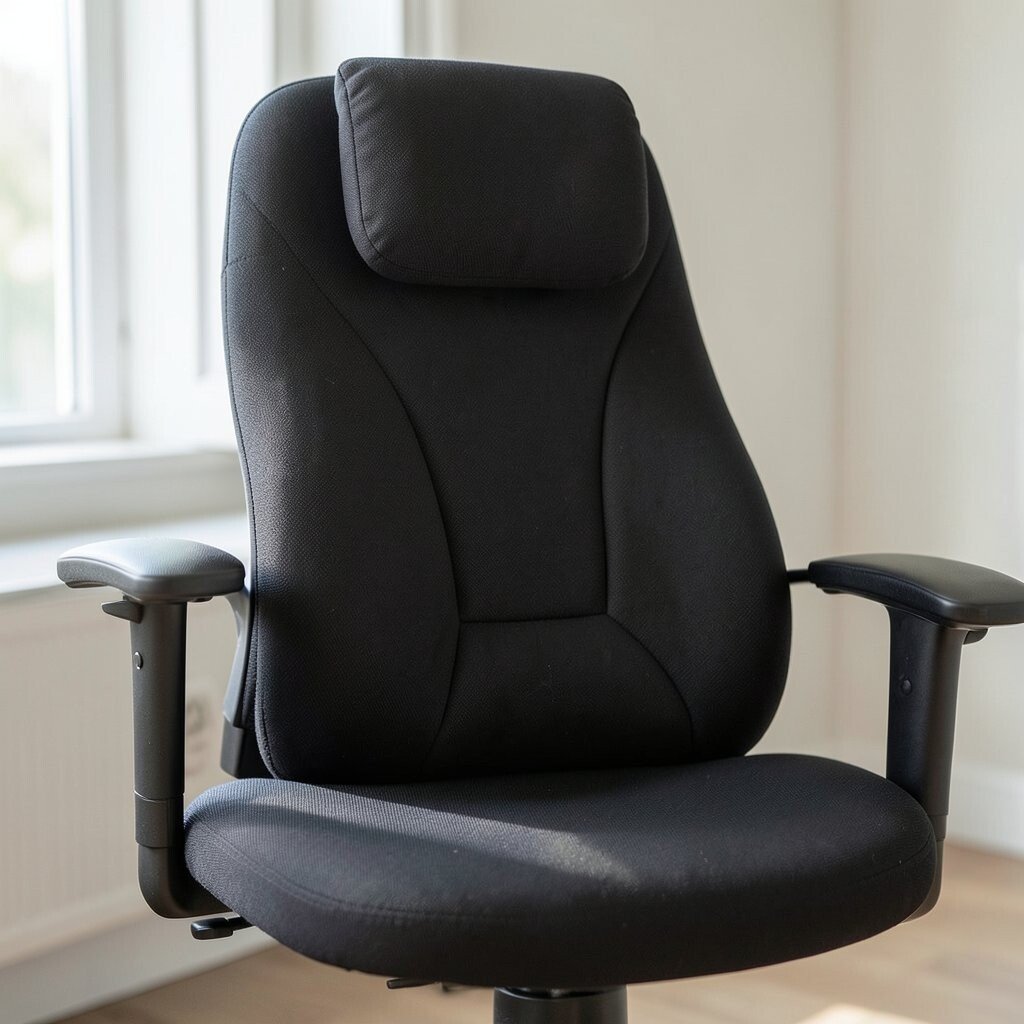
Choose a contoured cushion that covers more of your back than a small pillow. Look for a gently curved surface that supports both your mid back and lower back.
This design helps you sit “stacked,” with your body aligned instead of slouching. It also feels stable, which is helpful when you reach, type, or use a mouse for hours. If you travel or work from different desks, check for a model that straps on quickly and stays put.
7. Standing-Up-Friendly Chair Back Pad
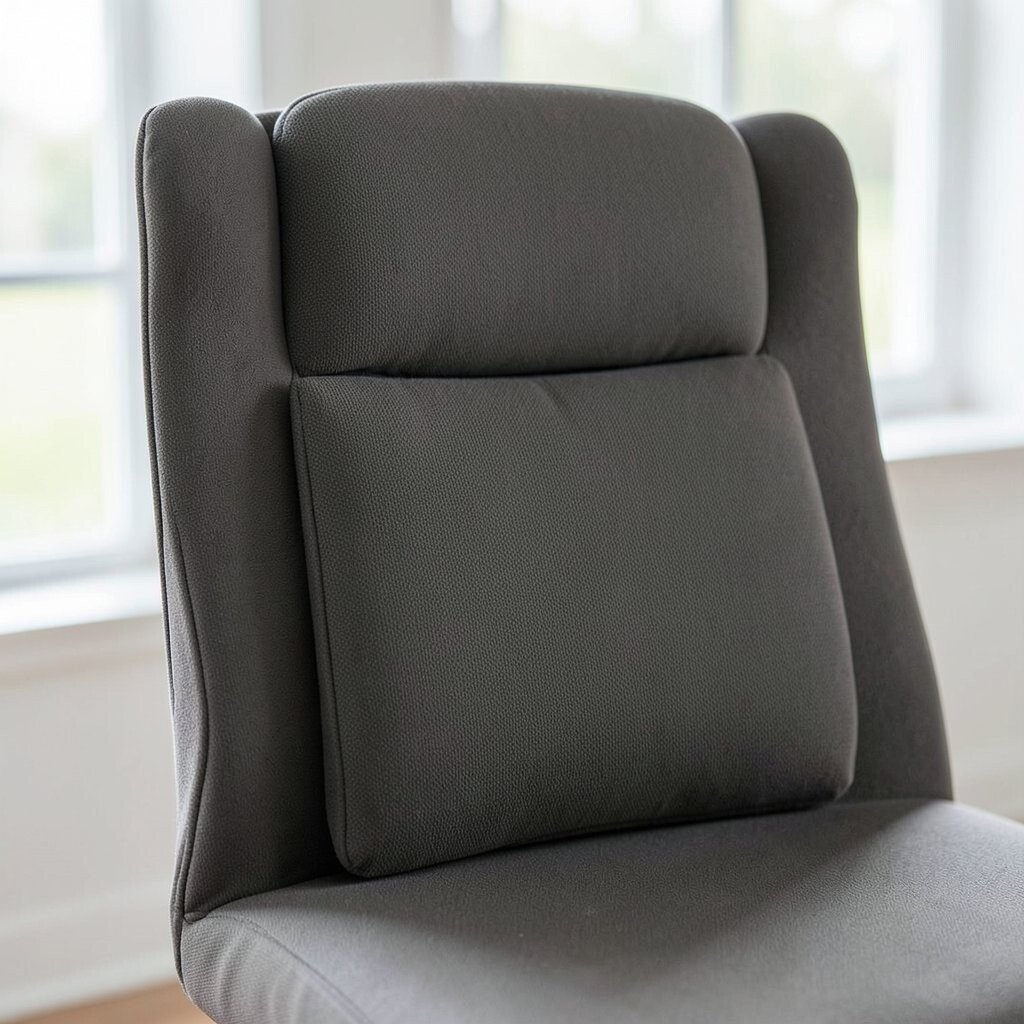
If you stand up a lot, you need a backrest that doesn’t slow you down. A lightweight padded back pad with secure grip points can offer support without bulk.
This style can reduce fatigue because it supports you when you pause and sit again. You also avoid the frustration of heavy cushions that slide or bunch.
For tips, test it in your exact seating position, not just while leaning back. Add a non-slip base if your chair has smooth upholstery. When thinking about cost, compare straps, materials, and return policies—comfort builds fast when returns are easy.
8. Waterfall Edge Cushion for Softer Pressure
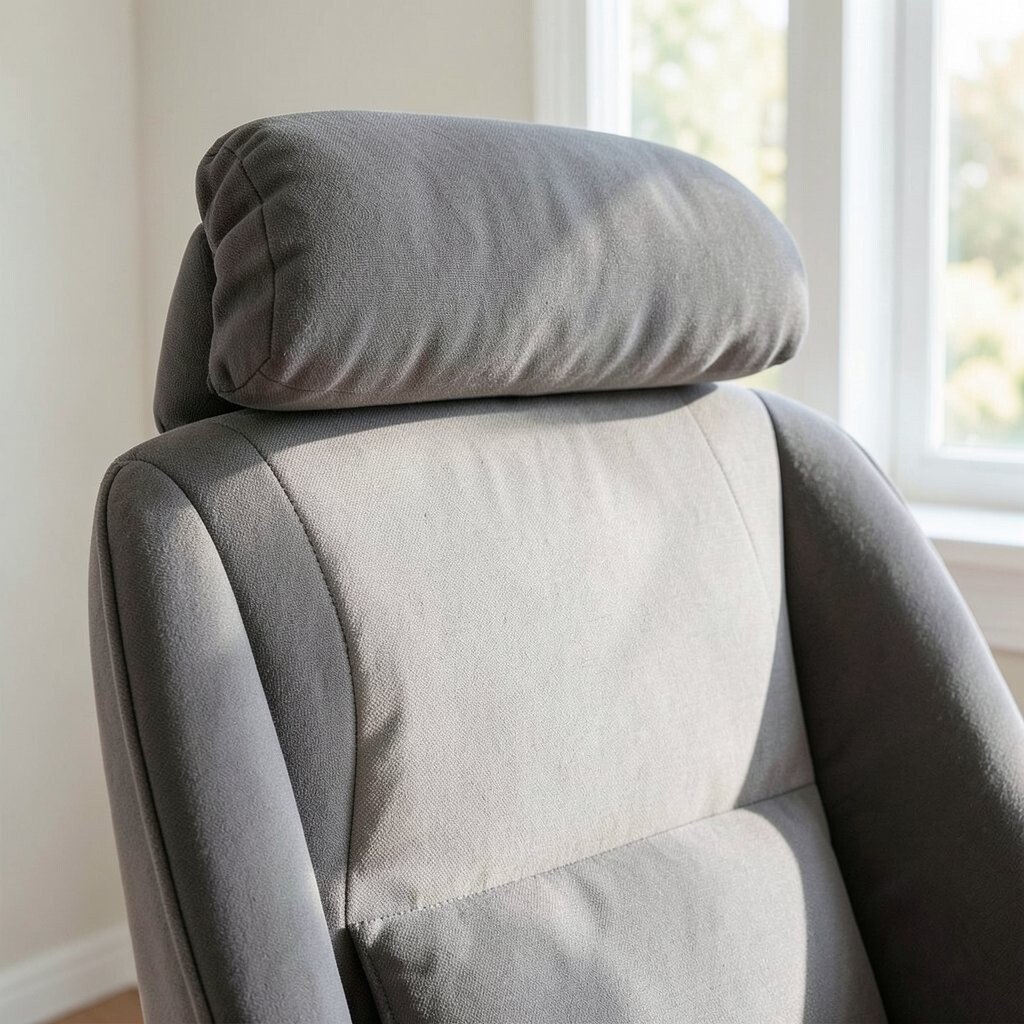
A waterfall edge cushion spreads pressure across your back. Imagine soft layers that slope gently, so you don’t feel one hard spot.
This is a great pick if you get numbness or discomfort after long sitting. The design encourages better circulation and a calmer feeling. Many newer models use breathable foam or fabric to help with airflow.
Personalize by picking a cover color that makes you happy, especially if you spend lots of time at home. For suggestions, adjust the cushion height so it lands on your mid back curve rather than your shoulder blades. If your chair is firm, this kind of cushion can feel like a comfy upgrade without buying a new chair.
Budget-wise, it can land in the mid range, but it may replace the need for several smaller pads. Buying one cushion that does the job can be more cost-effective than collecting many items.
9. Ergonomic Wedge Backrest
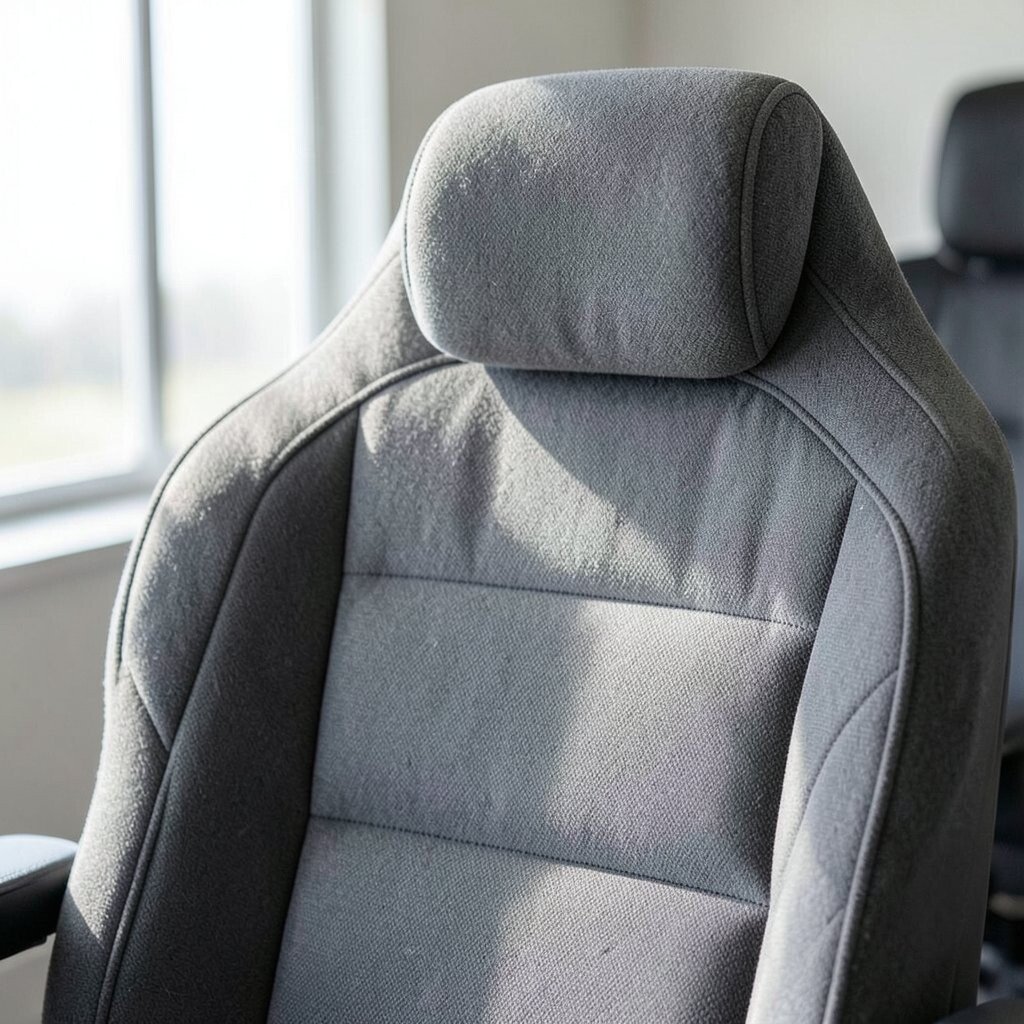
A wedge backrest gently angles your torso, which can help you sit with better alignment. Picture a padded triangle that supports your spine and reduces the “chair pulls you down” feeling.
This can help with slouching and may ease stress in the lower back. Try pairing it with a supportive seat cushion for even more balance.
10. Plush Backrest for Reading Nooks
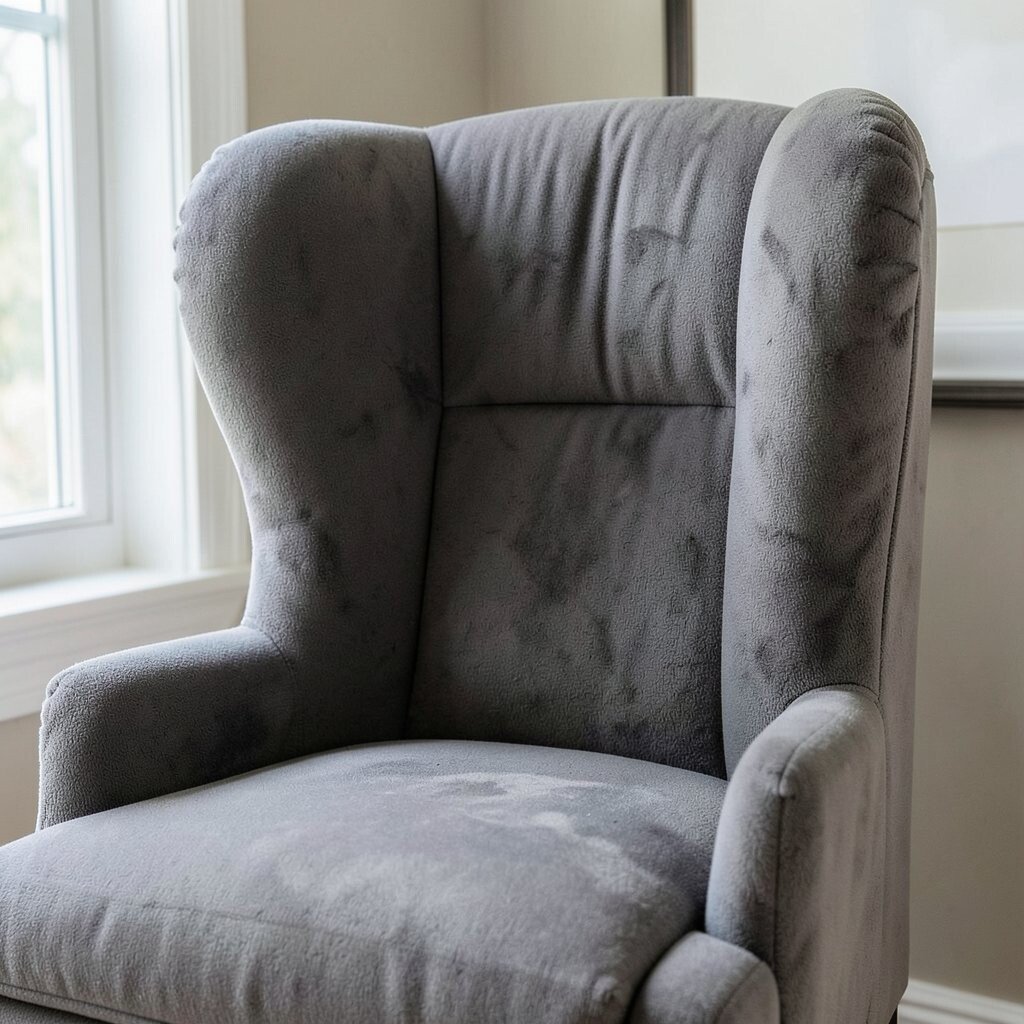
For cozy reading corners, go for a plush backrest that feels like a soft cloud. Choose something that supports your upper back so your head and shoulders feel cared for.
This idea is perfect for slow evenings because it makes you want to stay awhile. You can use it with a floor chair, a small sofa, or even a comfy armchair.
Personalization is easy: pick a pattern like subtle stars or gentle stripes. For tips, match the backrest firmness to your reading habits—long sessions like softer, supportive cushions. Cost can be flexible here, since many plush options come in different sizes and price points.
11. Knit Cover Cushion with Breathable Padding
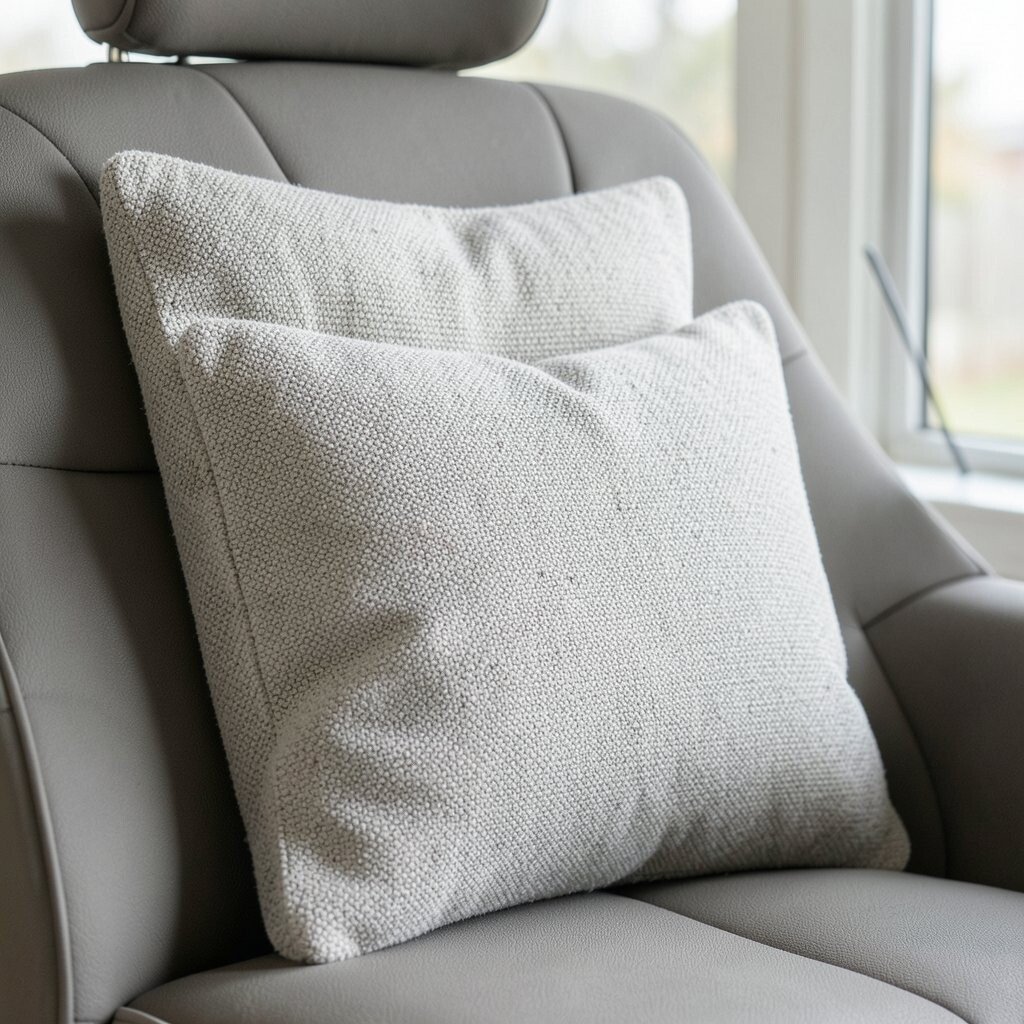
A knit-covered back cushion can look stylish while still being practical. Knit fabrics feel cozy and can help airflow, which matters for warm rooms.
This keeps you comfortable and can reduce sweaty, sticky sensations. It also lets you match your cushion to blankets, curtains, or throw pillows. For personalization, choose a color that blends with your furniture or adds a fun pop for contrast.
12. Gaming Chair Lumbar Booster
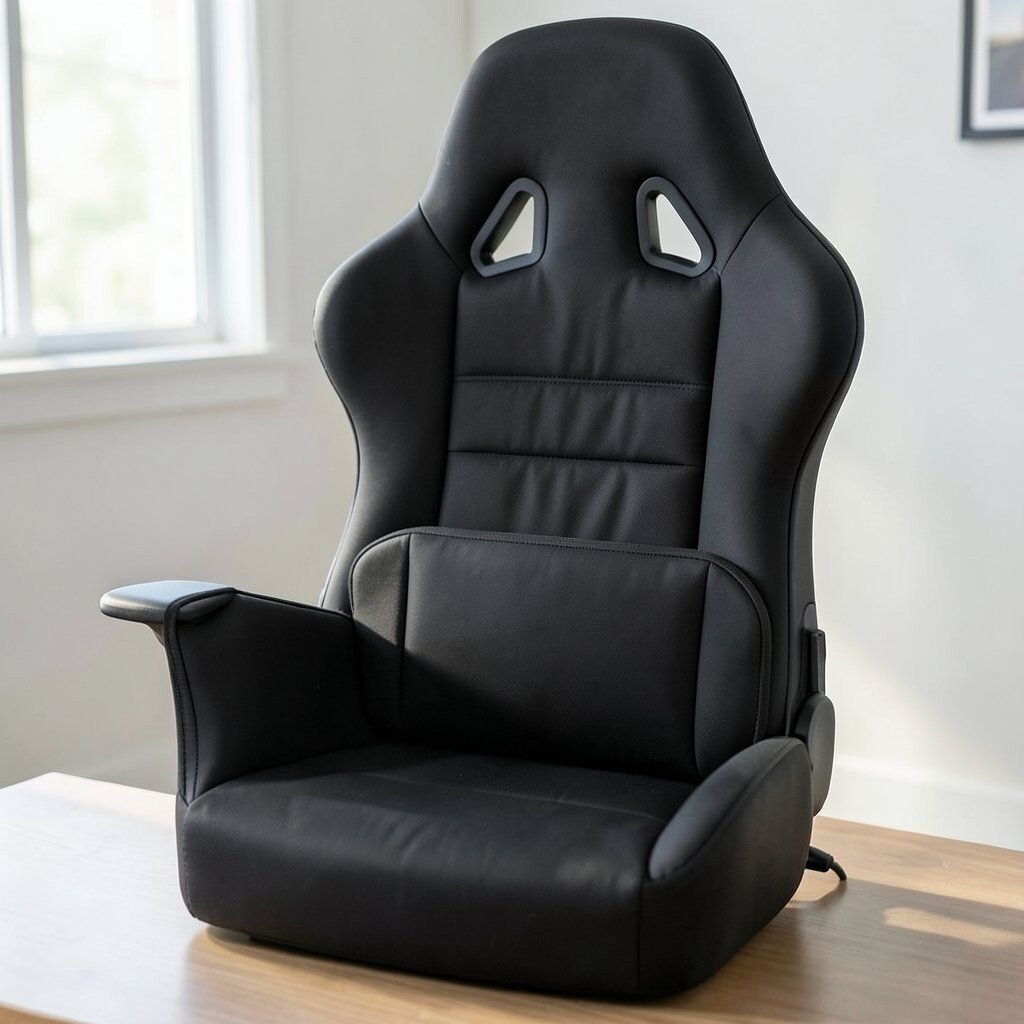
Many gamers spend long hours seated, so a lumbar booster can be a game changer. Think of a thick, supportive pad that clicks into place behind your lower back.
This helps reduce fatigue and keeps your posture from collapsing forward. It can also support your core, so your back feels steadier during intense sessions.
For tips, choose a booster that can be adjusted, not one that forces a single height. Many current designs focus on breathable mesh and easy cleaning. Cost varies, but you may save money by boosting your current chair instead of buying a new one.
13. Trail-Trip Style Outdoor Cushion Backrest
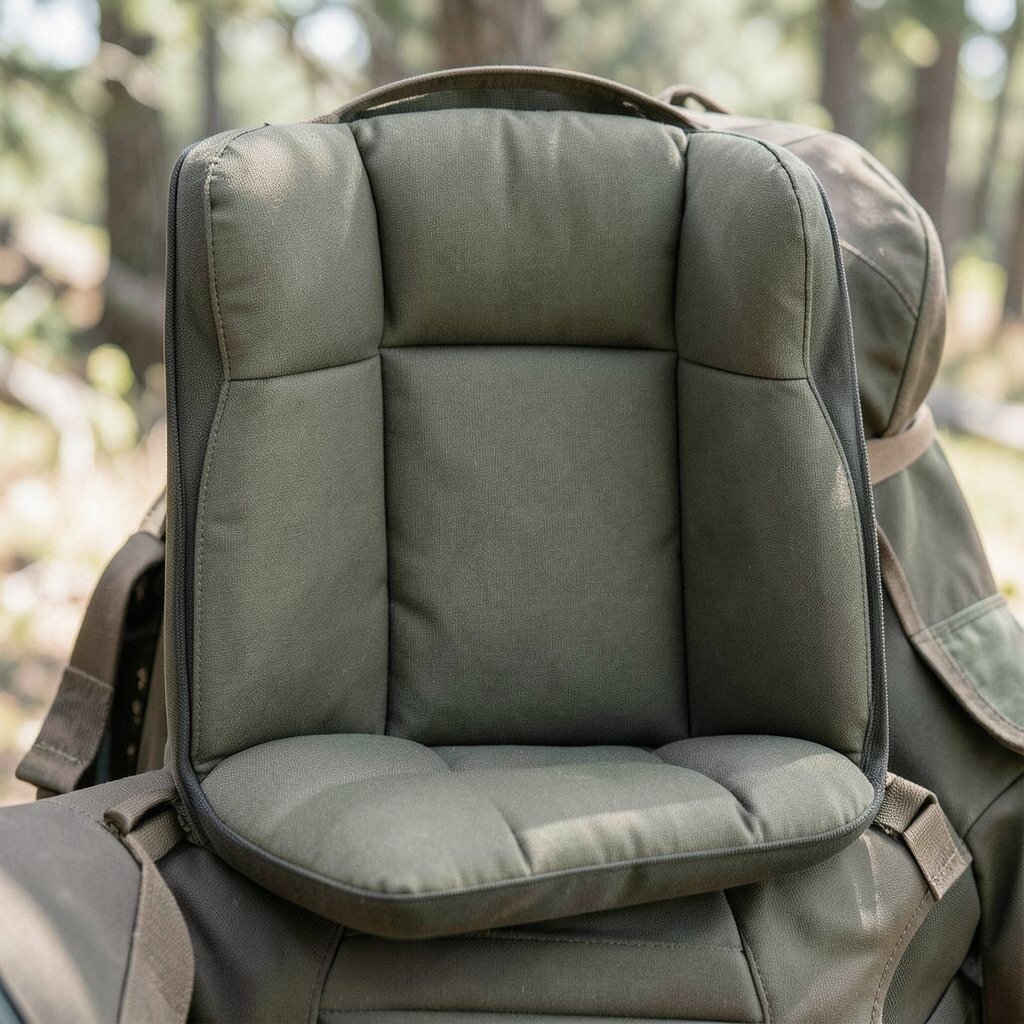
An outdoor-style cushioned backrest works well for home too. Picture water-resistant fabric, sturdy seams, and foam that handles day-to-day use.
This is unique because it often includes features like easy wiping and stronger materials. If you snack while working or you have kids, it can be a lifesaver. You still get comfort, but with a tougher, practical feel.
Personalize by picking a color that matches your outdoor gear or your home’s earthy palette. For suggestions, pair it with a chair mat or a non-slip base to keep it stable. Cost considerations are smart here: you may pay a bit more up front, but durability can be worth it.
A current trend is “outdoor comfort indoors,” where materials look sleek but are made to be lived with. This backrest fits that vibe well.
14. Backrest with Heating or Cooling Layers
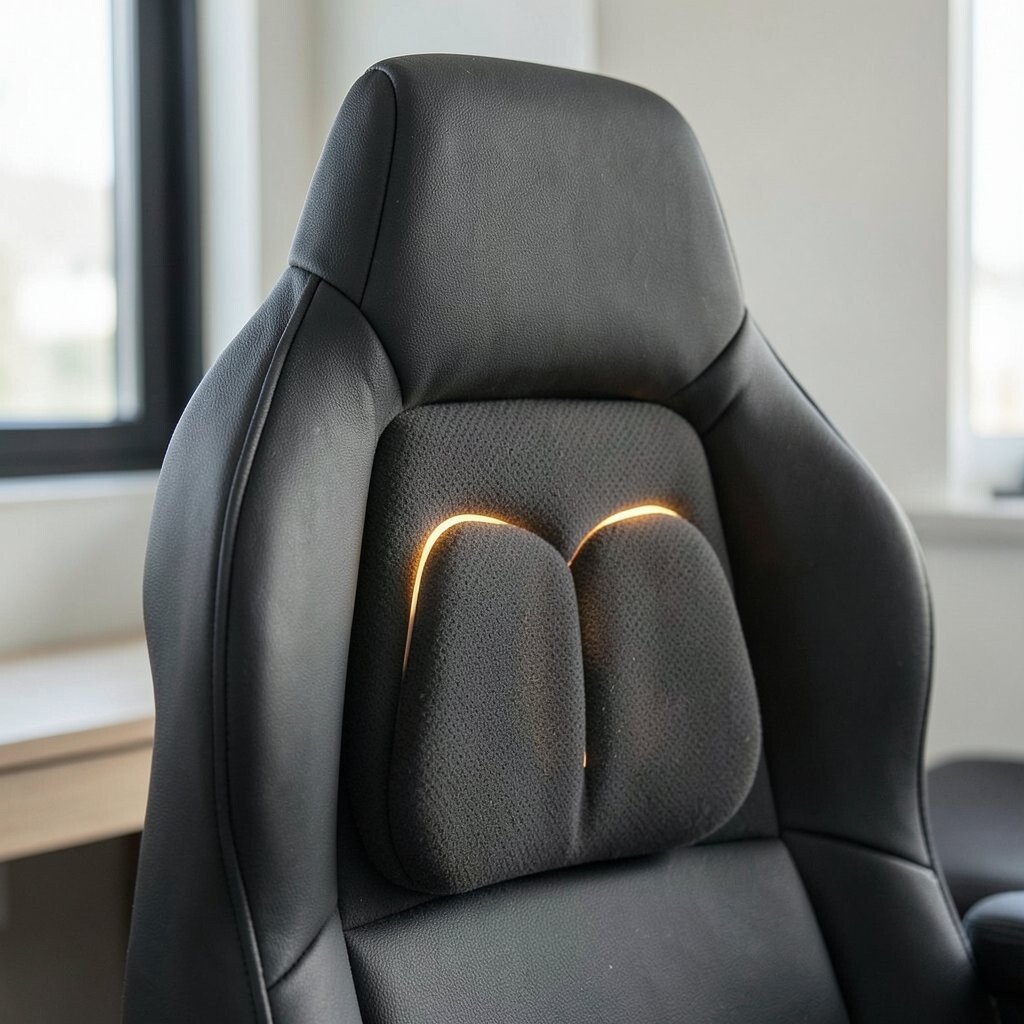
If you love warm comfort or need relief after a long day, consider a backrest with heating or cooling. Visualize gentle temperature support that makes your back feel cared for before you even move.
This can help you feel more relaxed and may ease stiffness. For tips, follow the instructions for safe use and keep the controller accessible but not tangled.
15. Removable Washable Cover Backrest
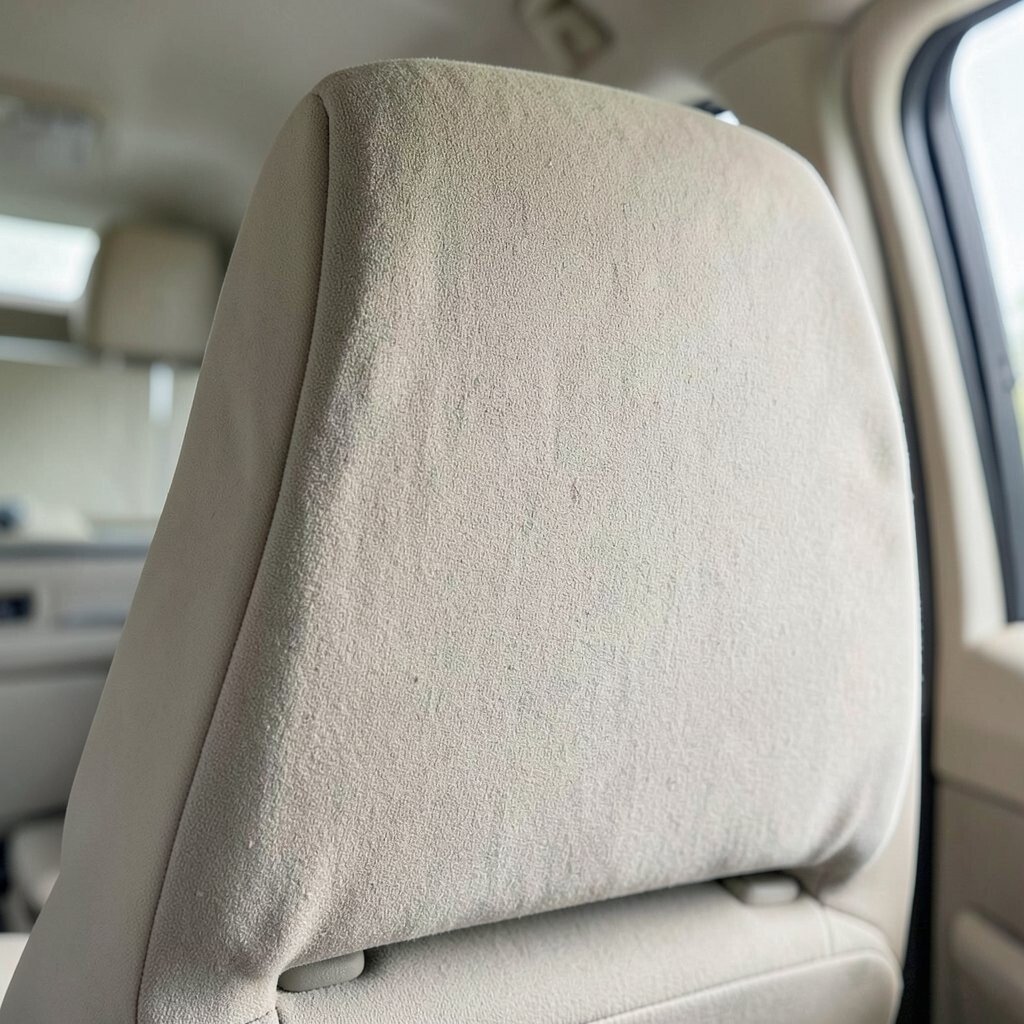
A cushioned backrest with a removable washable cover keeps things fresh and easy. Imagine soft padding inside, with a cover you can pull off like a pillowcase.
This is a practical idea that helps hygiene without extra effort. It also lets you personalize by changing covers for seasons and moods.
For suggestions, look for a cover that fits snugly and doesn’t slip when you adjust your posture. Cost can be slightly higher than simple cushions, but the long-term value is strong. A current trend is “mix-and-match comfort,” where covers become your style feature.
16. Layered Cushion Backrest with Micro-Padding
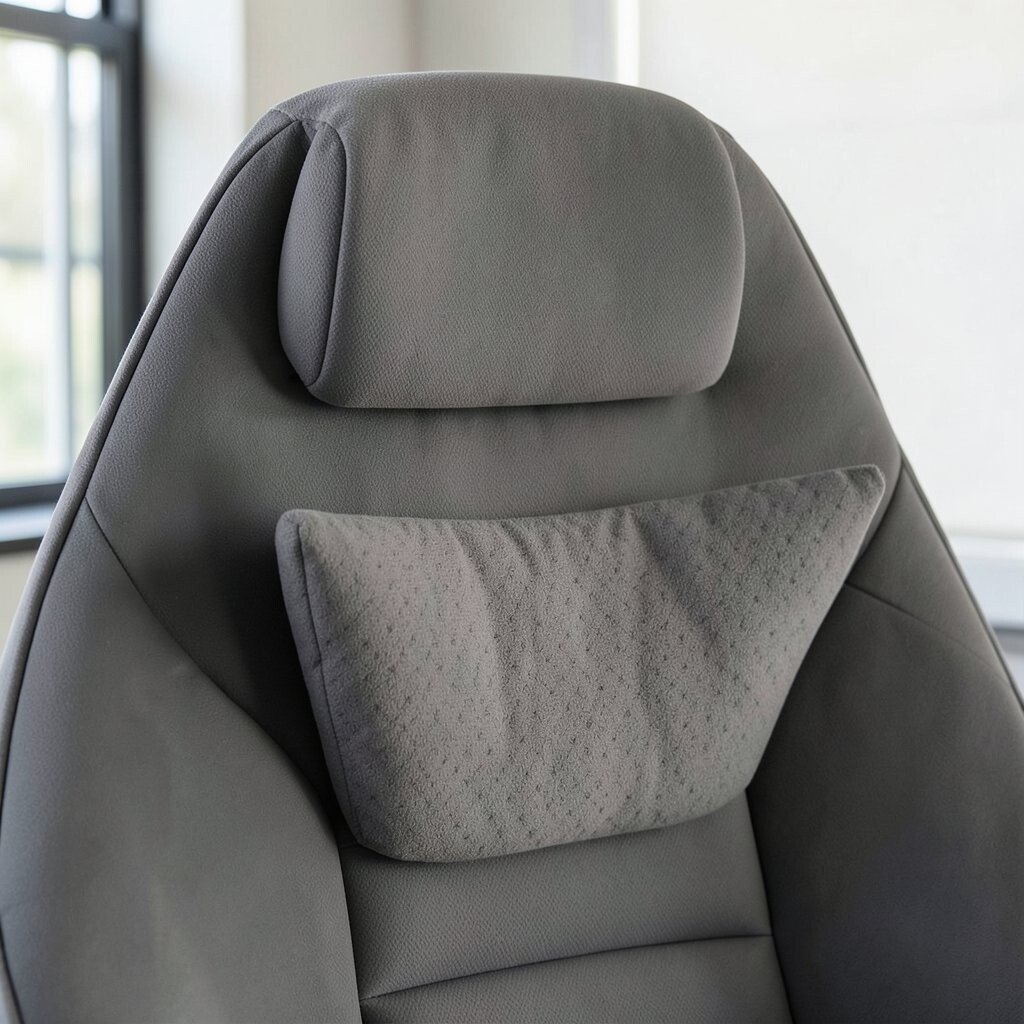
Layered backrests combine a supportive base with softer top padding. Think of it like a sandwich, where the bottom gives structure and the top adds comfort.
This can feel amazing if you want both stability and softness. It helps smooth pressure so your back doesn’t feel “pointy” after a while. For tips, start with a medium firmness and adjust your chair height so your hips and spine feel aligned.
17. Backrest for Small Spaces with Compact Shape
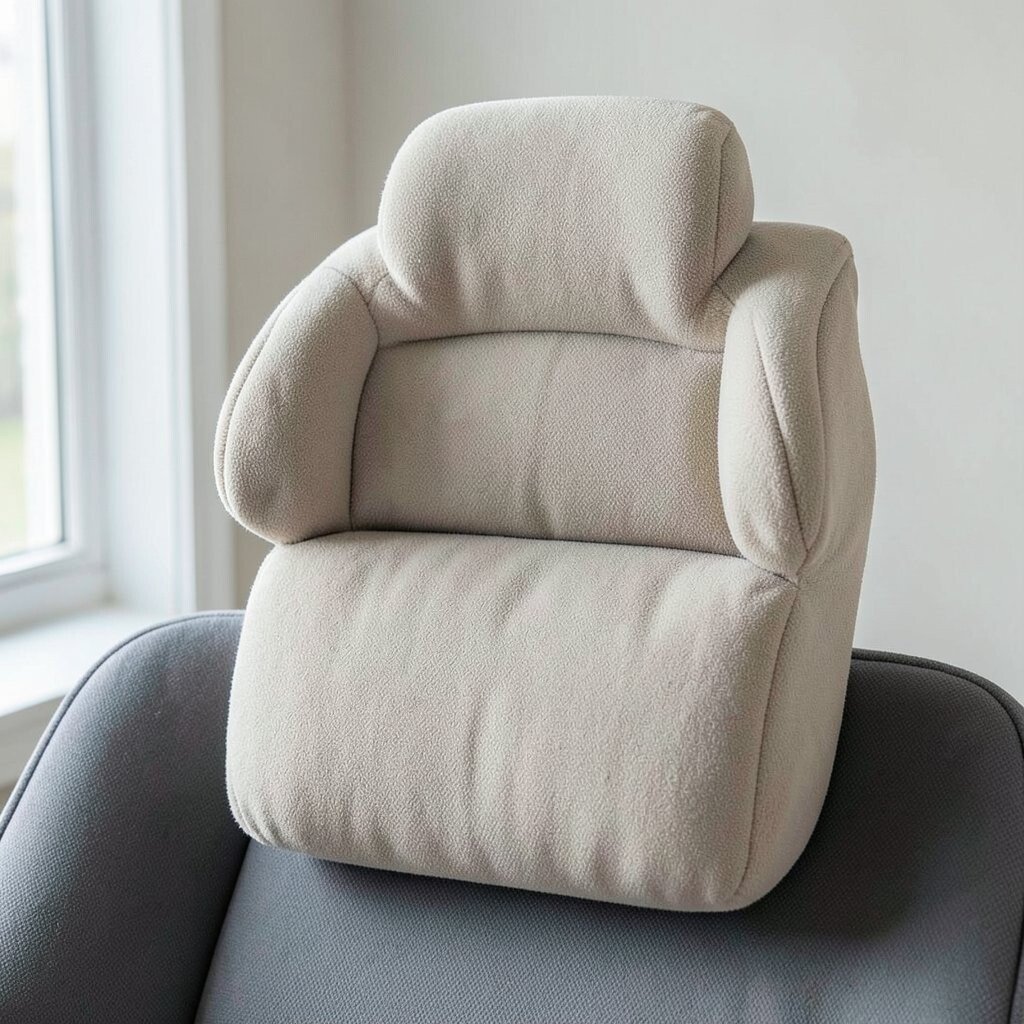
If your space is tight, pick a compact cushioned backrest that doesn’t stick out. Look for a slim profile that supports your spine without crowding your desk area.
This helps you sit comfortably even when chairs are smaller or desks are narrower. You also keep the room looking tidy, which can make your whole setup feel calmer.
For personalization, choose a color that matches your walls or your chair, so it looks built-in. Cost considerations are often friendly with compact cushions, since you’re buying less material. A helpful tip: check the attachment method so it stays secure when you scoot your chair in and out.
18. Shape-Memory Backrest with Strap-On Fit
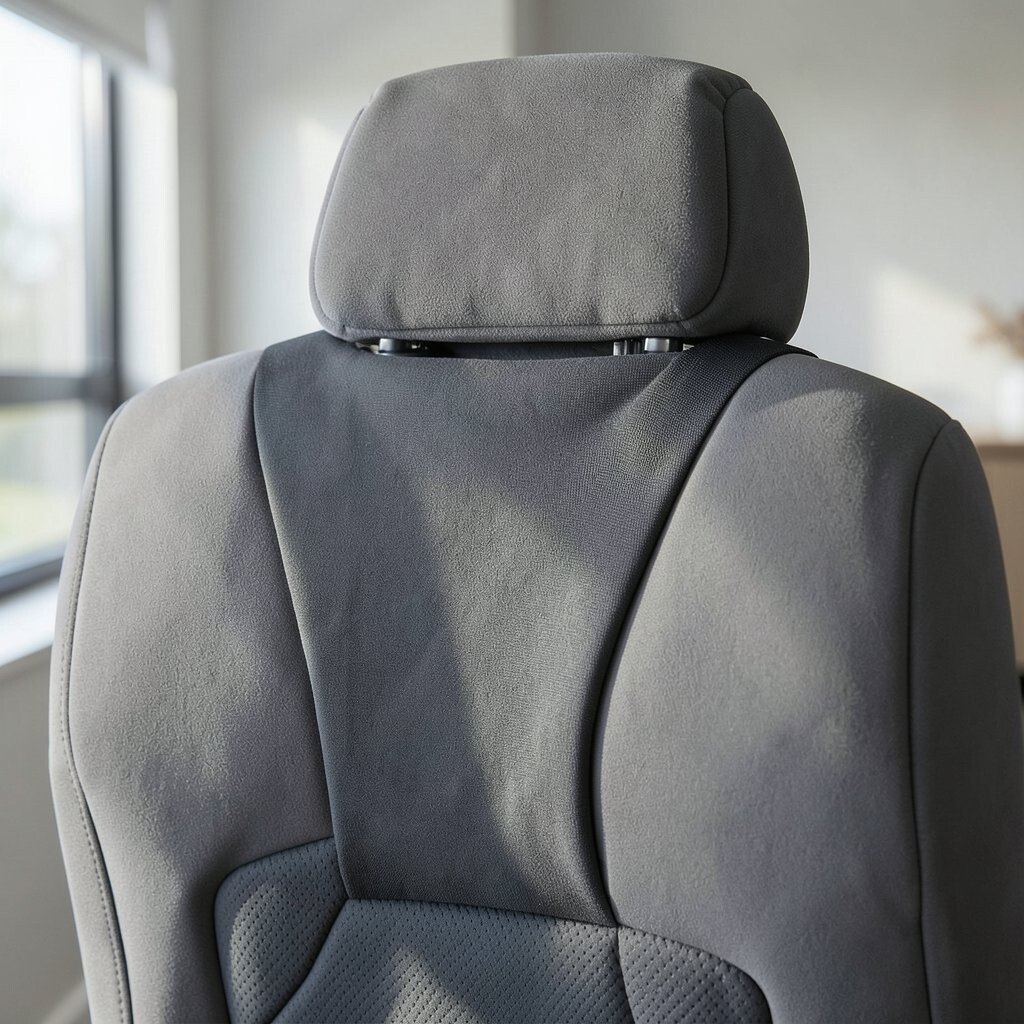
A strap-on backrest can give you flexible comfort without permanent installation. Picture a cushioned back piece that wraps around your chair frame with adjustable straps.
This is unique because it’s easy to adjust, and it stays where you put it. It can support your mid back so your shoulders don’t creep forward. Many models use shape-memory or supportive foam that bounces back after you stand up.
For tips, tighten the straps until the cushion feels supportive, not tight. If you get back pain from slouching, place it slightly higher than your lumbar only cushion. Personalization is easy: swap colors by using different covers or choosing a cushion in a fun pattern.
Cost varies based on foam quality, strap design, and size. If you plan to use it for years, consider spending a little more on better materials and a solid return policy.
19. Bolster-Style Backrest for Relaxed, Everyday Comfort
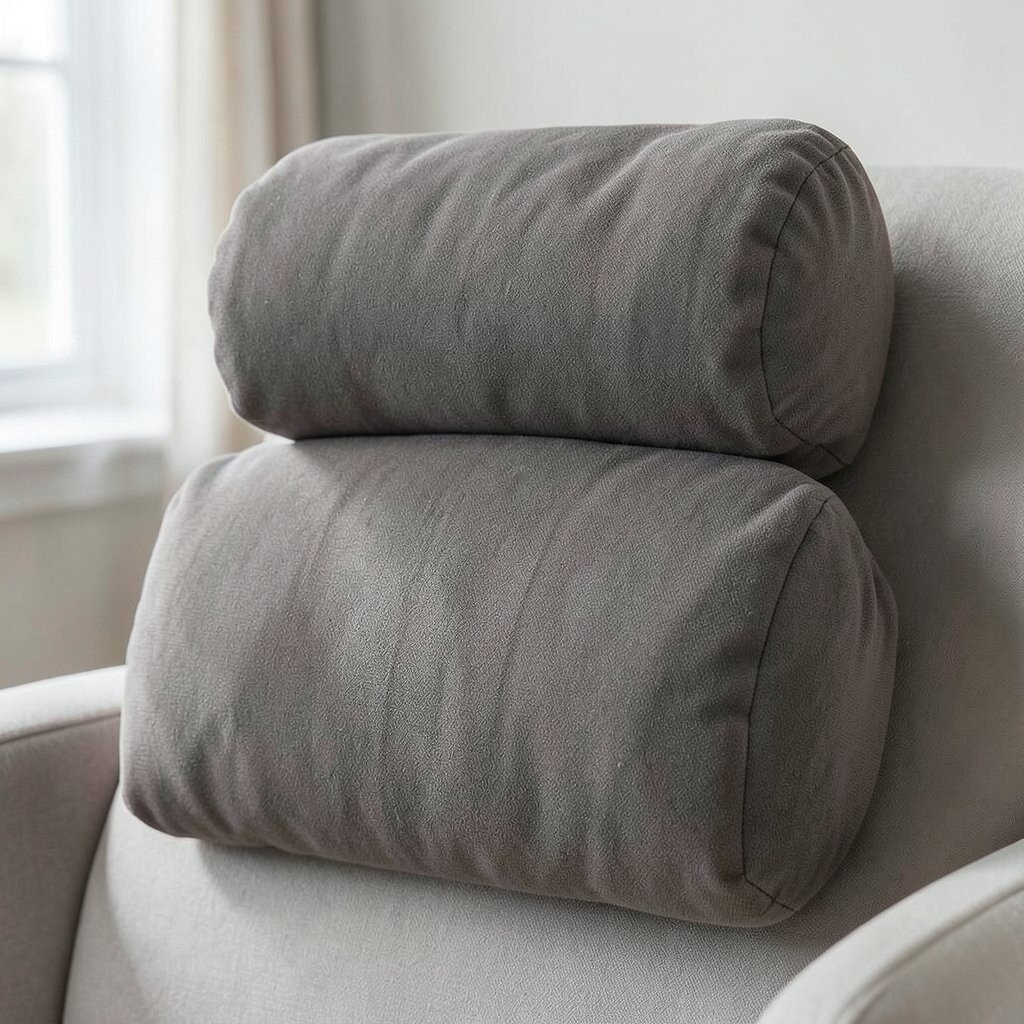
A bolster-style backrest uses long, cushy padding along your spine’s height. Imagine a supportive “sausage” cushion that wraps behind you and makes sitting feel more supported and relaxed.
This can be incredibly comfortable for everyday tasks like cooking, reading, or using a laptop. For tips, place it at the height where your lower and mid back naturally need help, and adjust until it supports without pushing you forward.