Light can feel louder when glass doors frame it. The right material choices help rooms look cleaner, brighter, and more you.
-
1. Clear Float Glass
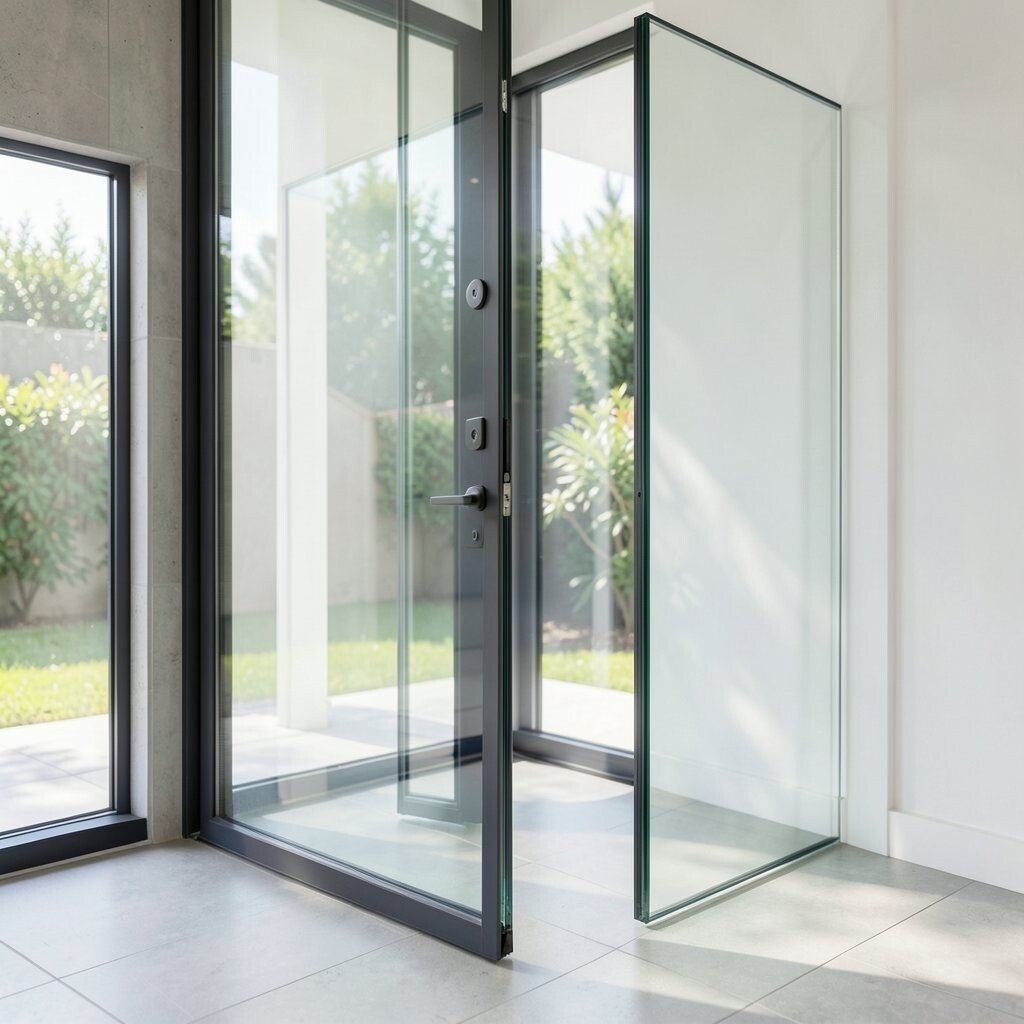
Clear Float Glass Clear float glass shows off what is behind it with crisp, calm shine. It makes hallways, offices, and entryways feel bigger and more open.
Because it is smooth and even, it helps light travel farther across a space. You get a tidy, modern look without heavy design work. For tips, pair it with slim metal frames and warm lighting to add comfort.
For personalization, try a clear glass door with etched numbers or tiny frosted stripes along the edges. Cost is usually mid-range, depending on thickness and how wide your door openings are. A current trend is “invisible” framing, where the hardware is minimal and the glass does the talking.
-
2. Low-E Energy-Saving Glass
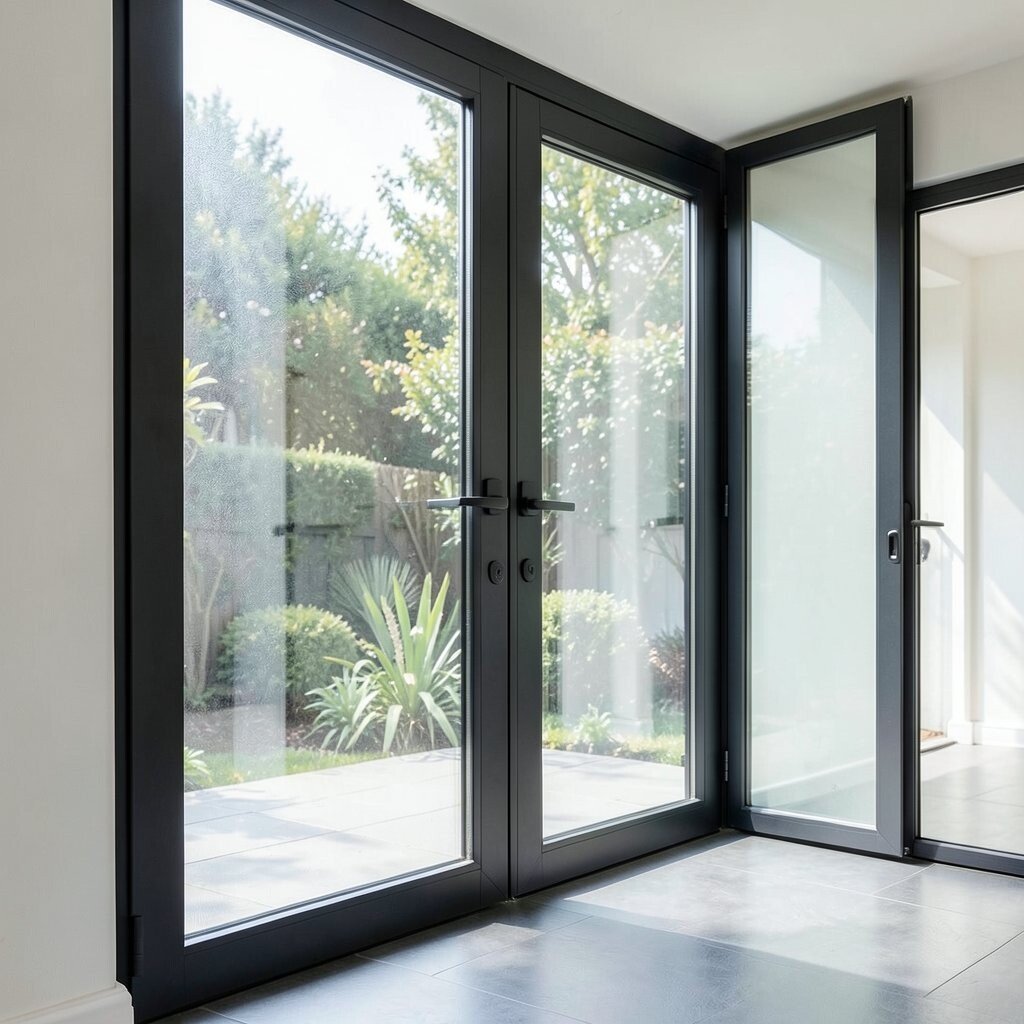
Low-E Energy-Saving Glass Low-E glass reflects heat while still letting light in, so rooms stay comfy. You can enjoy bright spaces without feeling too hot or too cold.
It helps reduce energy loss, which can lower heating and cooling pressure over time. Visually, it may show a soft tint in certain angles, but many looks still feel sleek and clean. When you plan your layout, think about sun direction so the reflection works with your windows instead of against them.
For personalization, choose low-E with a neutral look so it matches both cool and warm paint colors. Budget-wise, it often costs more than standard clear glass, but it can pay back through efficiency. A popular choice for current builds is combining low-E with minimal framing for a “smart” modern vibe.
-
3. Tempered Safety Glass
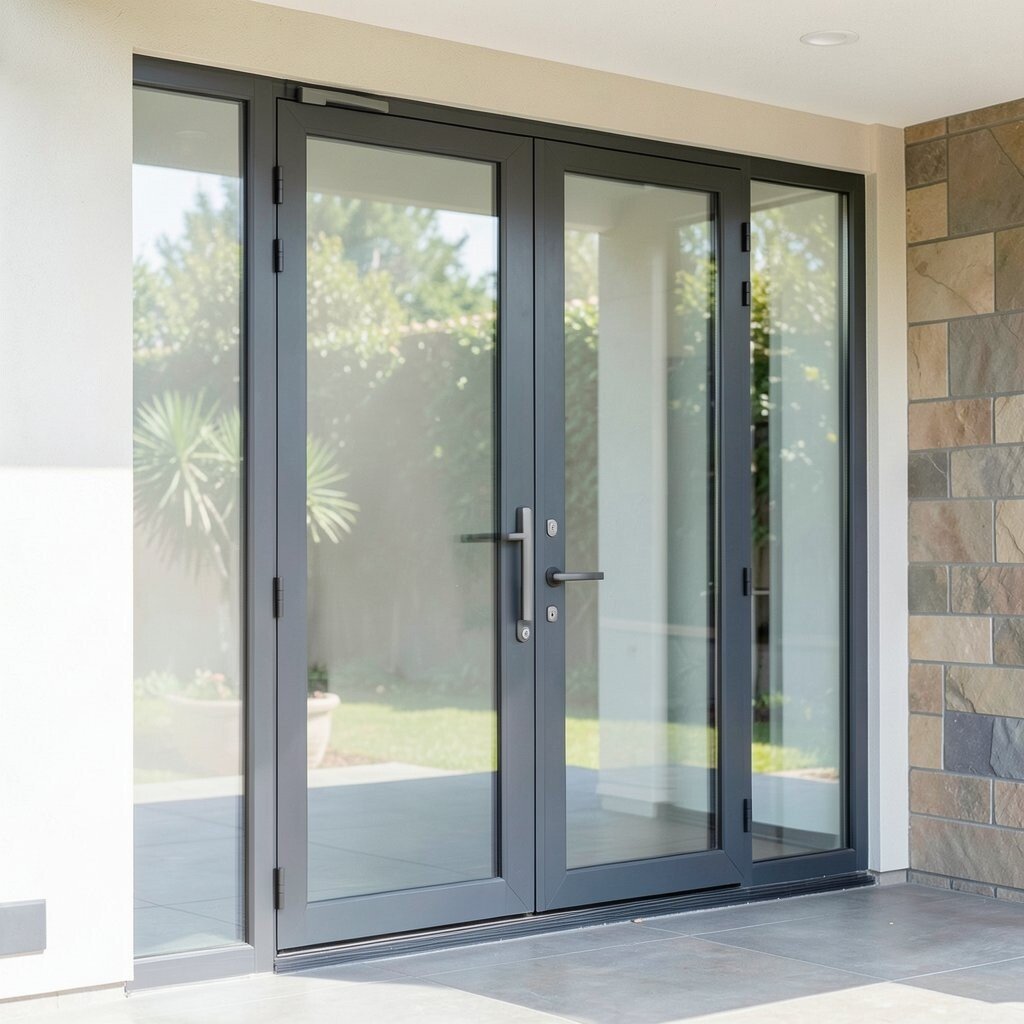
Tempered Safety Glass Tempered glass is built for safety, and that matters when doors get daily use. Its visual style stays clear and bright, which keeps your home looking tidy and open.
In strength, it is harder to break than many regular glass types. If it does fail, it crumbles into small pieces instead of sharp shards. That gives you peace of mind for kids, pets, and busy households.
For tips, check the door size and choose a thickness meant for that scale. You can also select hardware that supports the load so the frame feels steady. Cost is often a little higher than basic glass, but the upgrade is worth it for most families.
-
4. Laminated Glass for Quiet Rooms
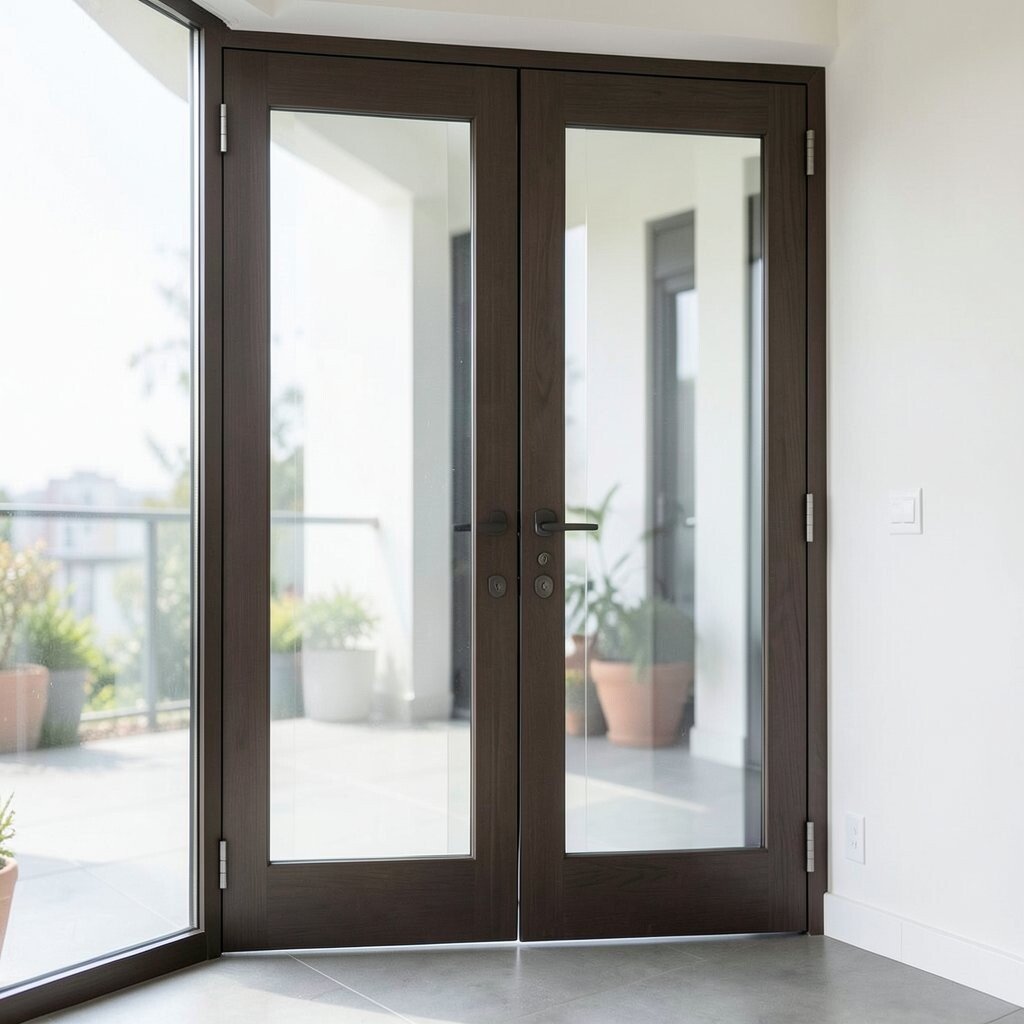
Laminated Glass for Quiet Rooms Laminated glass uses layers that can help block sound, which is a big win for home offices and bedrooms. You still get a bright, see-through view, but your space feels calmer.
This material can reduce noise coming from outside or from other rooms. It is also known for extra safety because the layers hold together. A practical tip is to pair it with sturdy frames and solid door hardware for the best quiet effect.
For personalization, consider a version with a slight tint so it matches your style without feeling heavy. Cost can be higher than standard glass, mainly because of the layered build. A current trend is using glass doors to keep spaces connected while still protecting privacy and comfort.
-
5. Frosted Glass for Soft Privacy
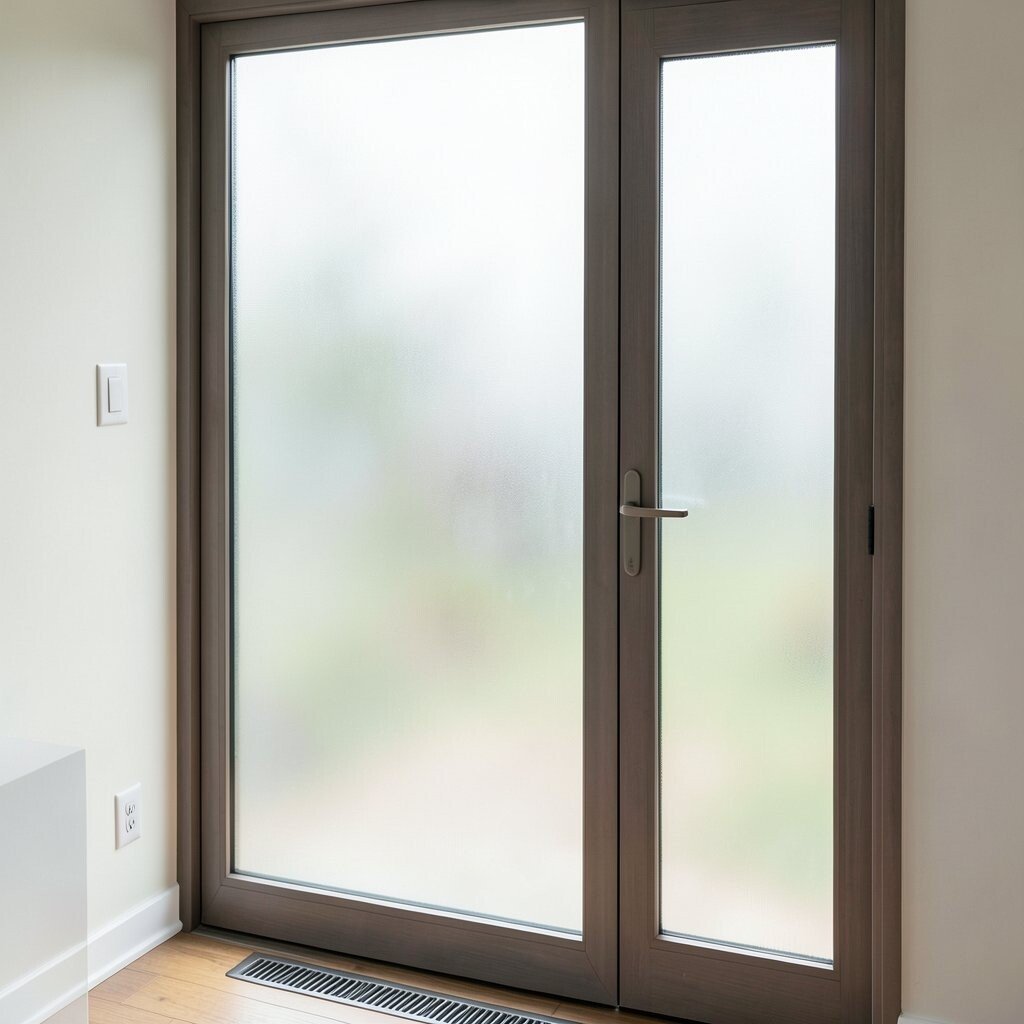
Frosted Glass for Soft Privacy Frosted glass creates a gentle, milky glow that still lets light pass. It gives you privacy without turning the room dark.
People love how it blurs shapes, so bathrooms, offices, and studios feel safe. It also hides fingerprints better than many clear options. If you want it to look extra stylish, use frosting only on select panels or edges.
For personalization, pick a pattern like random speckles, line frosting, or subtle geometric blocks. Cost is usually mid-range, and pricing depends on the pattern and size. A trend you will keep seeing is “privacy with style,” where frosted doors look design-forward instead of plain.
-
6. Patterned Glass for Textured Charm
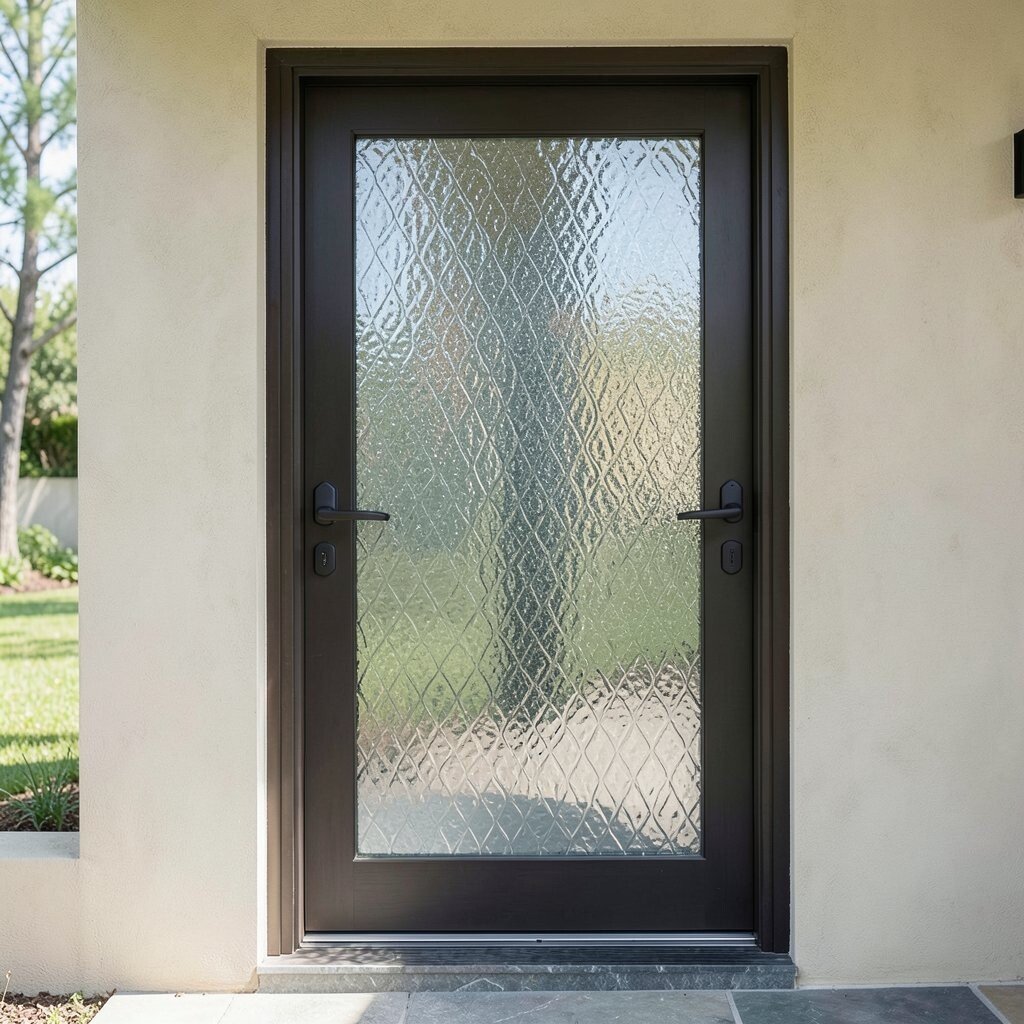
Patterned Glass for Textured Charm Patterned glass adds texture that catches light in a fun way. You get brightness plus visual interest, even when the door is closed.
Different patterns can hide details while keeping the room feeling open. They also make your door look like a design feature rather than a basic barrier. A helpful tip is to match the pattern scale to the door size so it looks intentional.
For personalization, choose dots, ripples, or small waves that match your home’s vibe. Cost can vary a lot because specialty patterns may be harder to source. Right now, many people choose patterned glass for entry doors and interior doors to get that “boutique” look.
-
7. Smoked or Tint-Glass for Moody Style
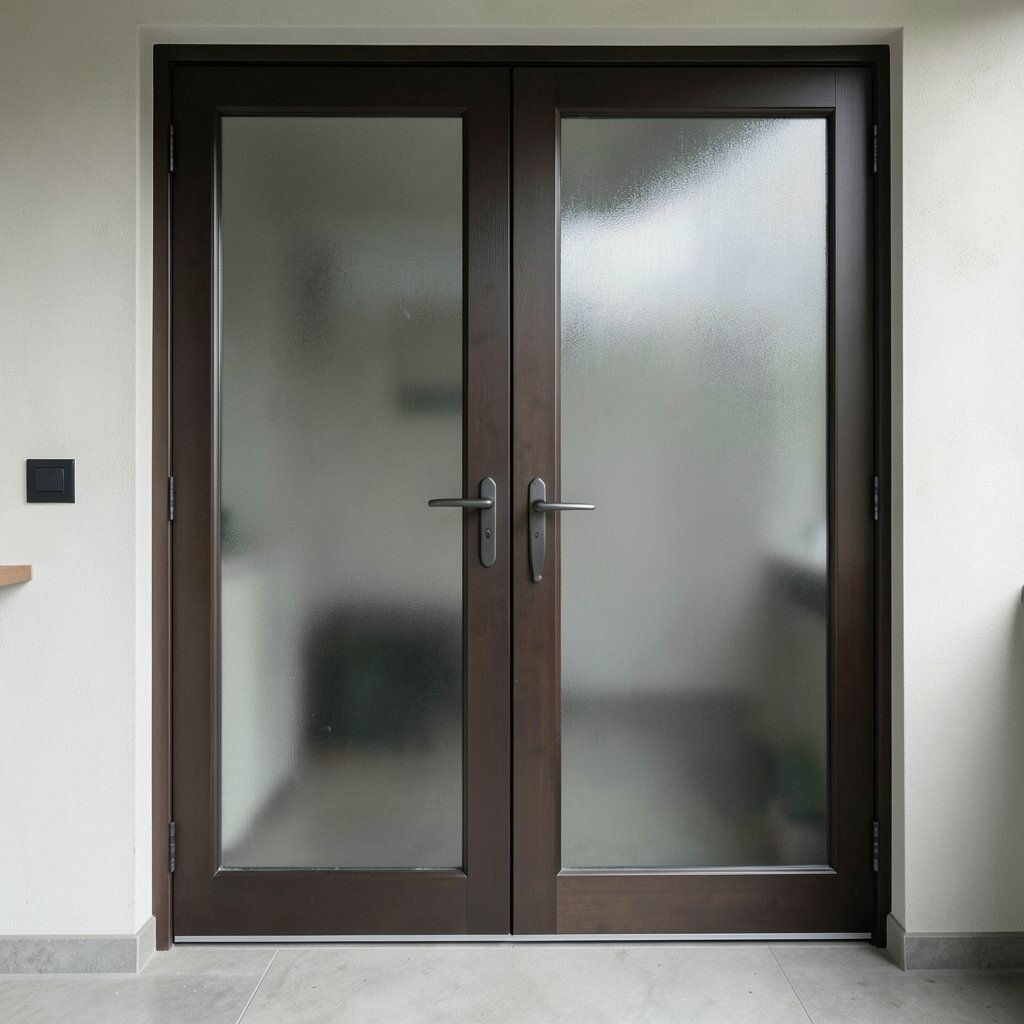
Smoked or Tint-Glass for Moody Style Smoked glass brings a warm, modern mood and still keeps light flowing. It creates a stylish contrast with lighter walls and bright flooring.
You get privacy and design drama at the same time. Tinting can reduce glare, which is helpful near sunny rooms. For tips, pair it with soft gold or matte black hardware to make the color feel rich, not dark.
For personalization, decide how strong the tint should be, from light haze to deeper smoke. Cost may be a bit higher than clear glass, because tinted options can require special manufacturing. A current trend is using tinted glass doors to make open plans feel grounded and elegant.
-
8. Acrylic Inserts for Lightweight Options
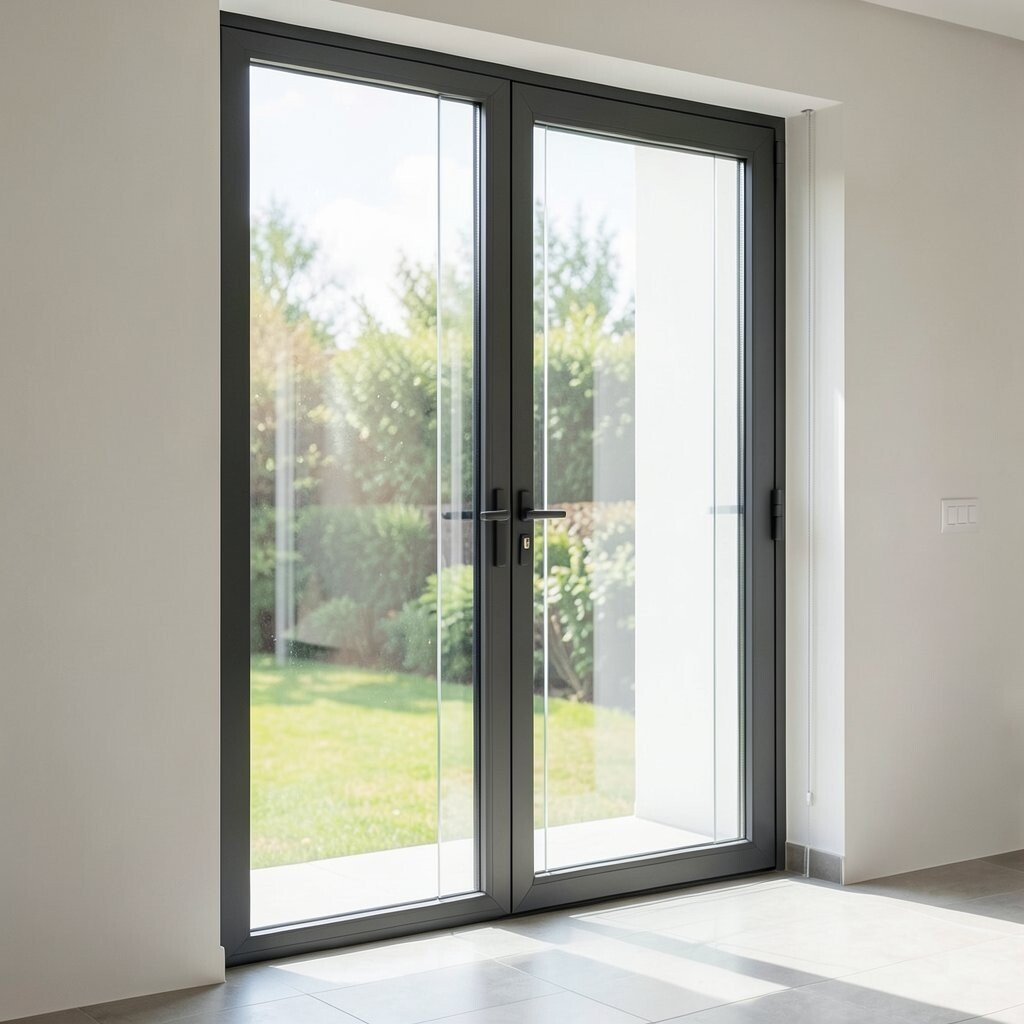
Acrylic Inserts for Lightweight Options Acrylic is lightweight and can work well for certain door designs. It can keep rooms bright while making installation easier in many cases.
It is often less heavy than glass, which can matter when you want smoother operation. Acrylic can also be shaped for various looks, depending on your system. A tip: choose high-quality acrylic with good UV protection so it resists haze over time.
For personalization, you can pick clear, tinted, or even colored acrylic panels for a playful style. Cost is often lower than glass, but it depends on thickness and finishing. A trend is mixing materials, like pairing an acrylic panel with metal or wood frames for a modern “hybrid” look.
-
9. Glass + Metal Frame Systems
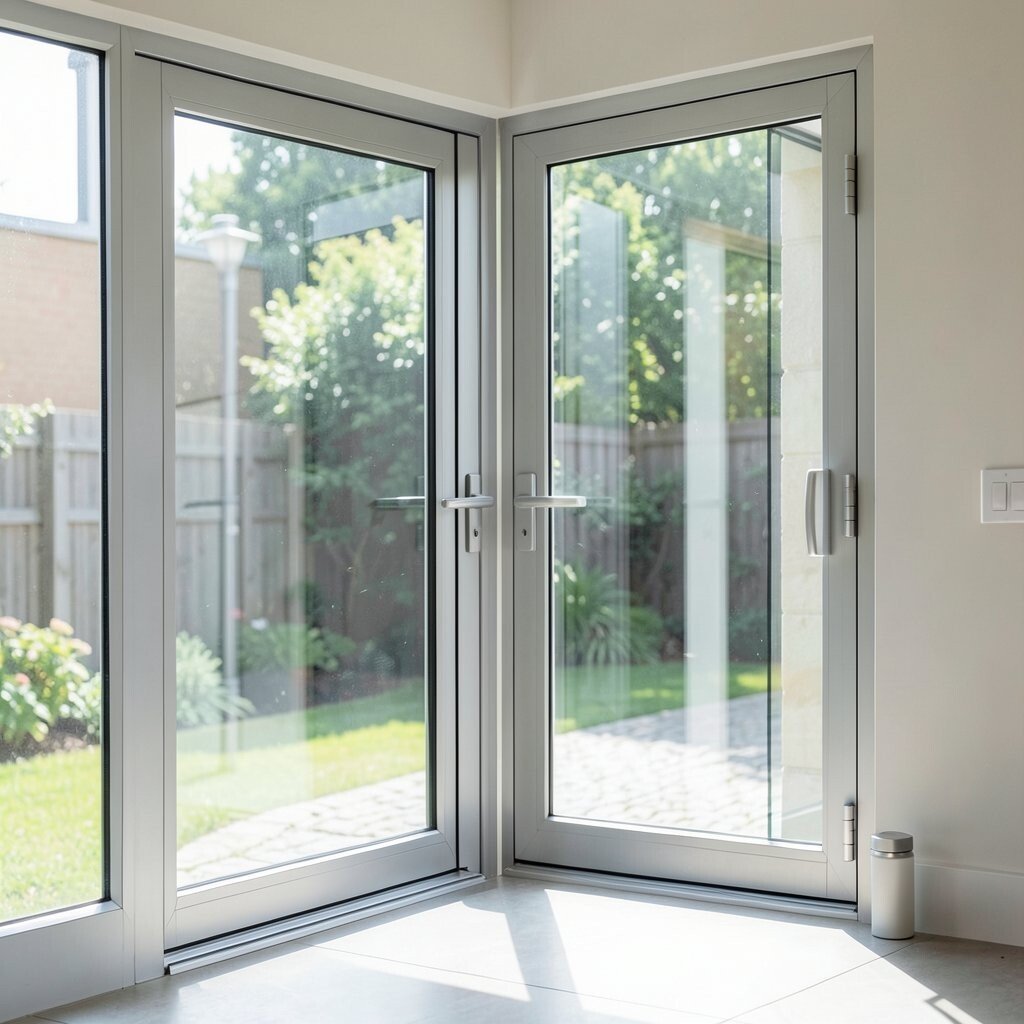
Glass + Metal Frame Systems Metal frames make glass doors look sharp and clean. You see straight lines, slim profiles, and a modern rhythm that many people love.
They are great for durability, especially in active areas like kitchens and offices. A tip is to match the frame finish to your other hardware, like cabinet pulls and light fixtures. When you do, the whole room feels coordinated.
For personalization, try matte black for a bold contrast or brushed aluminum for a softer, airy style. Cost depends on the metal and the door system, but mid to higher budgets are common. A current trend is combining metal frames with minimal handles to keep the focus on the glass.
-
10. Wood-Framed Glass Doors for Warmth
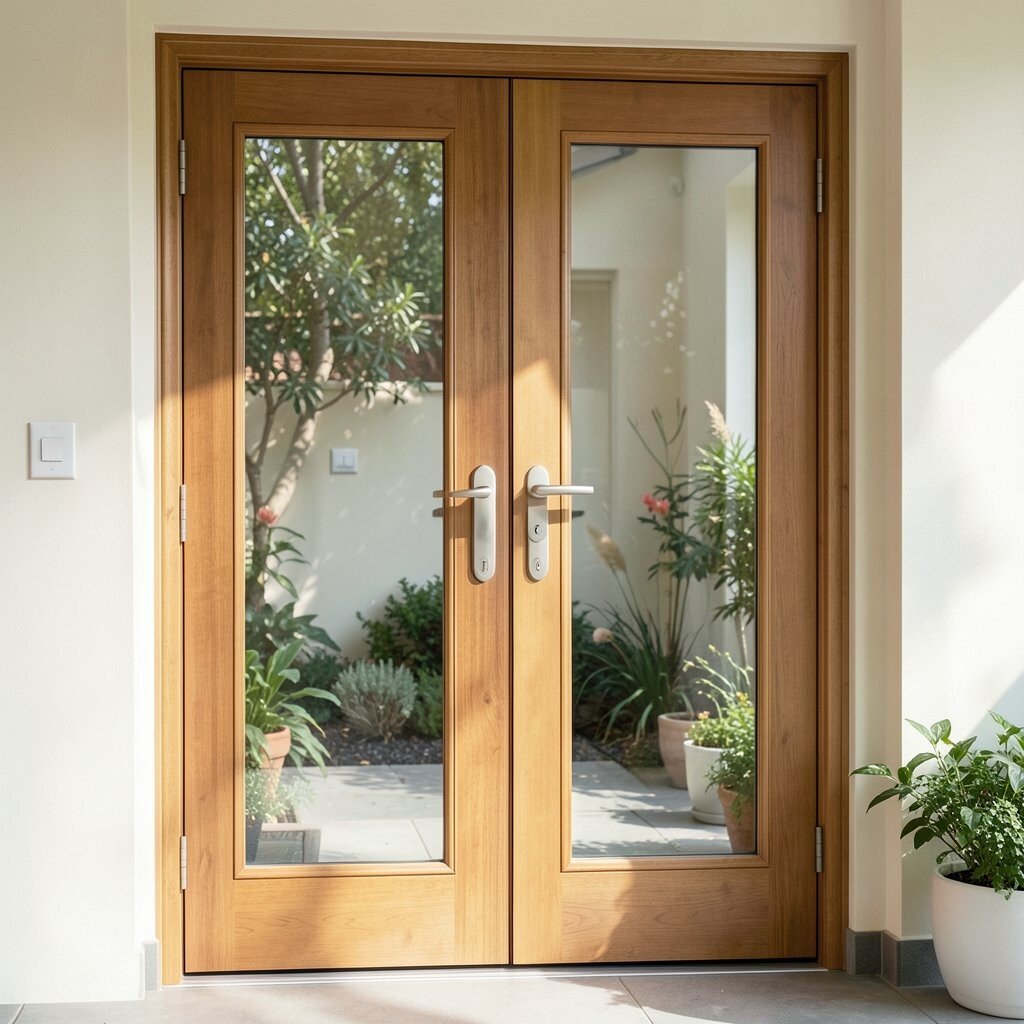
Wood-Framed Glass Doors for Warmth Wood frames add warmth right away, even when the door is mostly glass. You get that bright openness plus a cozy, natural feel.
Wood can also help your door blend with floors, trim, and furniture. It is a nice choice if you want the glass to feel welcoming instead of cold. For tips, choose a wood finish that matches your undertone, like warm honey, neutral oak, or cool gray-stained tones.
For personalization, add a stain that matches your room or paint the frame for a pop of color. Cost can range from mid to higher, especially for solid wood and custom sizes. A trend is using wood frames with clear or lightly tinted glass to bring balance to modern interiors.
-
11. Fiberglass Frames for Weather-Ready Spaces
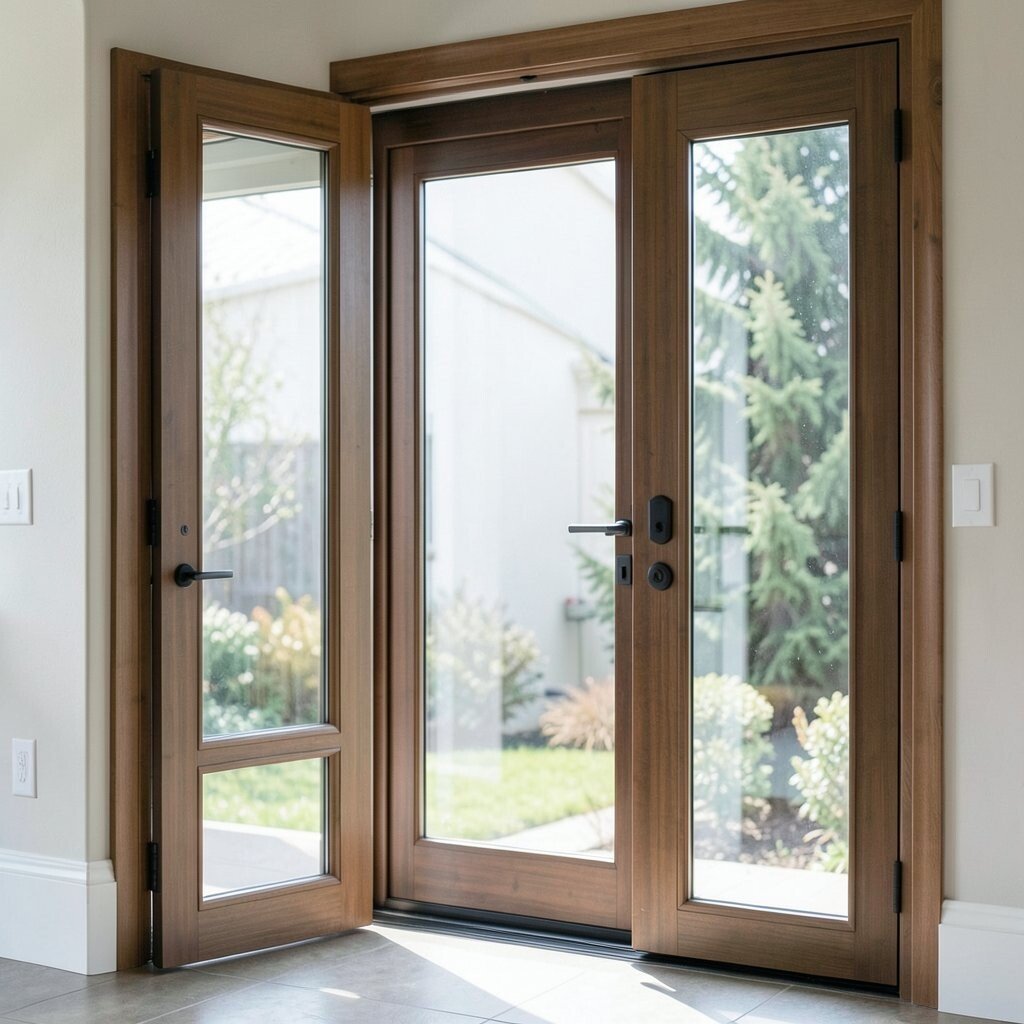
Fiberglass Frames for Weather-Ready Spaces Fiberglass frames are known for stability, which is useful in areas with changing weather. They help glass doors stay aligned and smooth to open.
Because fiberglass resists warping, it can be a smart choice for exterior-facing spaces or entryways. Visually, it can be made to look like wood, so you still get that styled warmth. A helpful tip is to choose a finish that resists scuffs if the door gets high traffic.
For personalization, consider matching fiberglass trim to your siding or door color. Cost is often mid-range to higher, but the payoff is less maintenance and more consistency. Current designs often feature clean glass with durable frames for a “low fuss, high style” look.
-
12. Aluminum Frames for Sleek, Modern Lines

Aluminum Frames for Sleek, Modern Lines Aluminum frames look crisp and modern, and they hold glass in a neat, slim way. They are popular when you want a bright interior that feels polished.
They are lightweight yet strong, which helps doors open smoothly and close firmly. For tips, pick an aluminum finish that matches your existing metals, like brushed or powder-coated styles. That little detail helps the door feel like part of the design plan, not a random add-on.
For personalization, try a powder-coated color like soft white, deep charcoal, or warm bronze. Cost can vary, but aluminum systems often land in the mid to higher range depending on the door type. A trend is using aluminum frames with large glass panels to create wide sight lines and airy rooms.
-
13. Steel Frames for Heavy-Duty Style
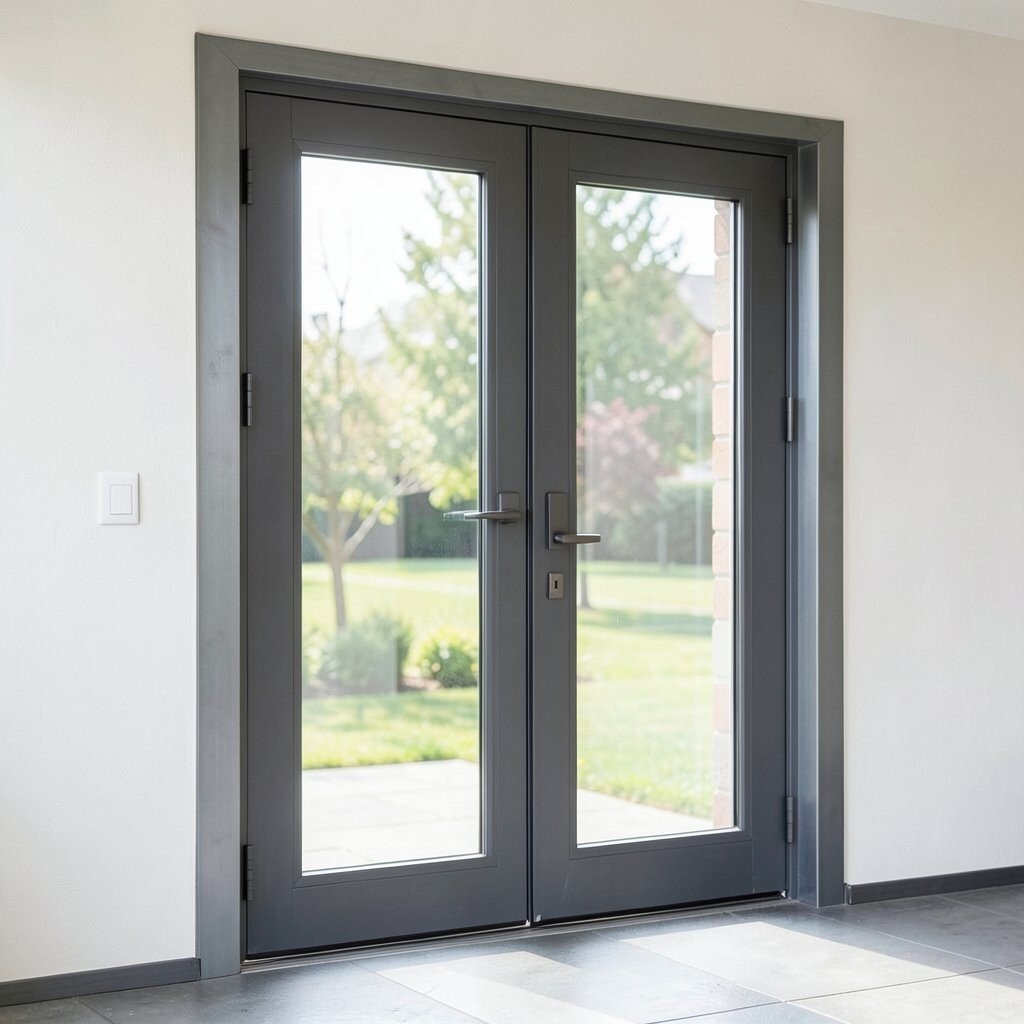
Steel Frames for Heavy-Duty Style Steel frames bring bold strength and a strong design look. If you like industrial or modern farmhouse vibes, this option can feel perfect.
They can handle weight well, which is helpful for larger doors and thicker glass. A tip is to balance the steel look with warm elements, like light wood floors or soft fabric curtains. That contrast makes the space feel welcoming.
For personalization, choose a finish like matte black, textured gray, or even a custom color. Cost is often higher because steel systems are sturdier and may require professional installation. A current trend is mixing steel frames with clear glass to keep the room bright while still adding character.
-
14. Stained Glass-Style Panels for Artistic Light
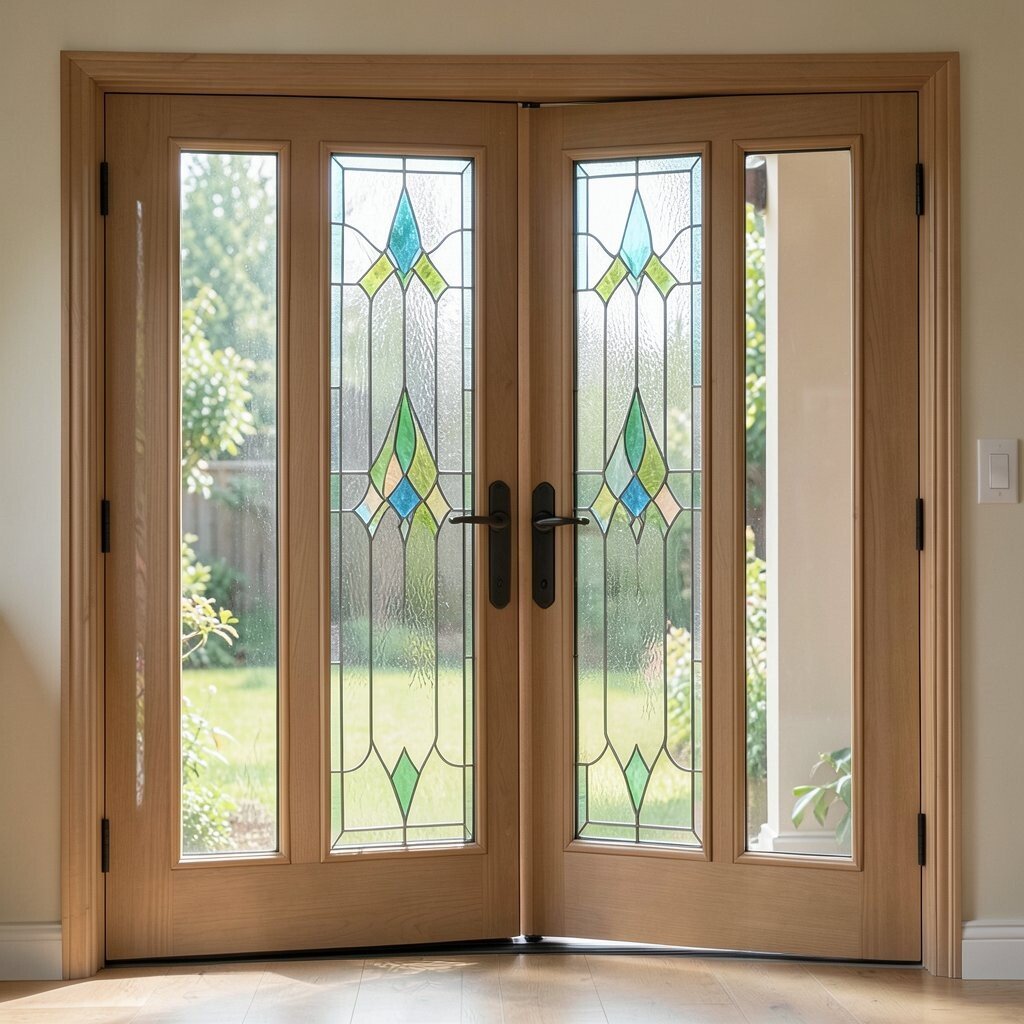
Stained Glass-Style Panels for Artistic Light Stained glass-style panels turn sunlight into color, and that feels magical. Even when you are not using bright lighting, the door can glow softly.
You get a one-of-a-kind look that feels like art instead of only a door. Patterns can create a friendly mood in entry spaces, kids’ areas, or creative studios. A tip is to limit colors if you want a calm vibe, or add bolder tones if your space already has neutral walls.
For personalization, choose colors that echo your decor, like greens from plants or blues from artwork. Cost can be higher because stained glass-style panels are more involved, and custom work costs more. A trend is adding color glass to make homes feel personal and expressive without adding clutter.
-
15. Mirror-Backed Glass for Bright Reflections
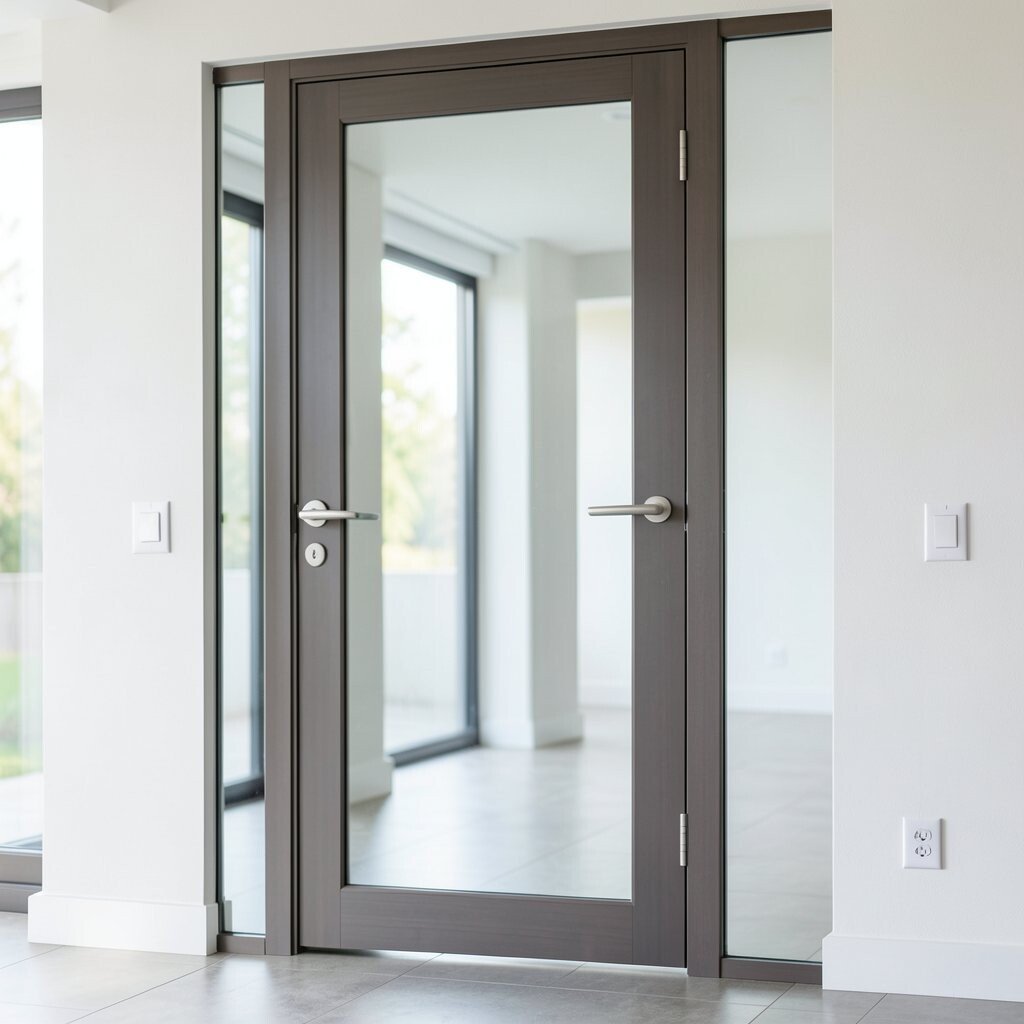
Mirror-Backed Glass for Bright Reflections Mirror-backed glass can bounce light around a room in a clever way. It helps small spaces feel open, because reflections make walls look deeper.
It can also add a polished, stylish feel, especially in hallways and dining areas. For tips, consider where the reflection points so you highlight something you like, such as artwork or a beautiful light fixture. Avoid aiming reflections at messy areas, because the door will show it off.
For personalization, pair mirror-backed sections with frosted privacy panels for a balanced look. Cost is usually mid-range to higher due to the mirrored backing and finish quality. A current trend is using mirrored glass accents to add brightness without needing extra windows.
-
16. Graphene-Coated and Self-Cleaning Glass
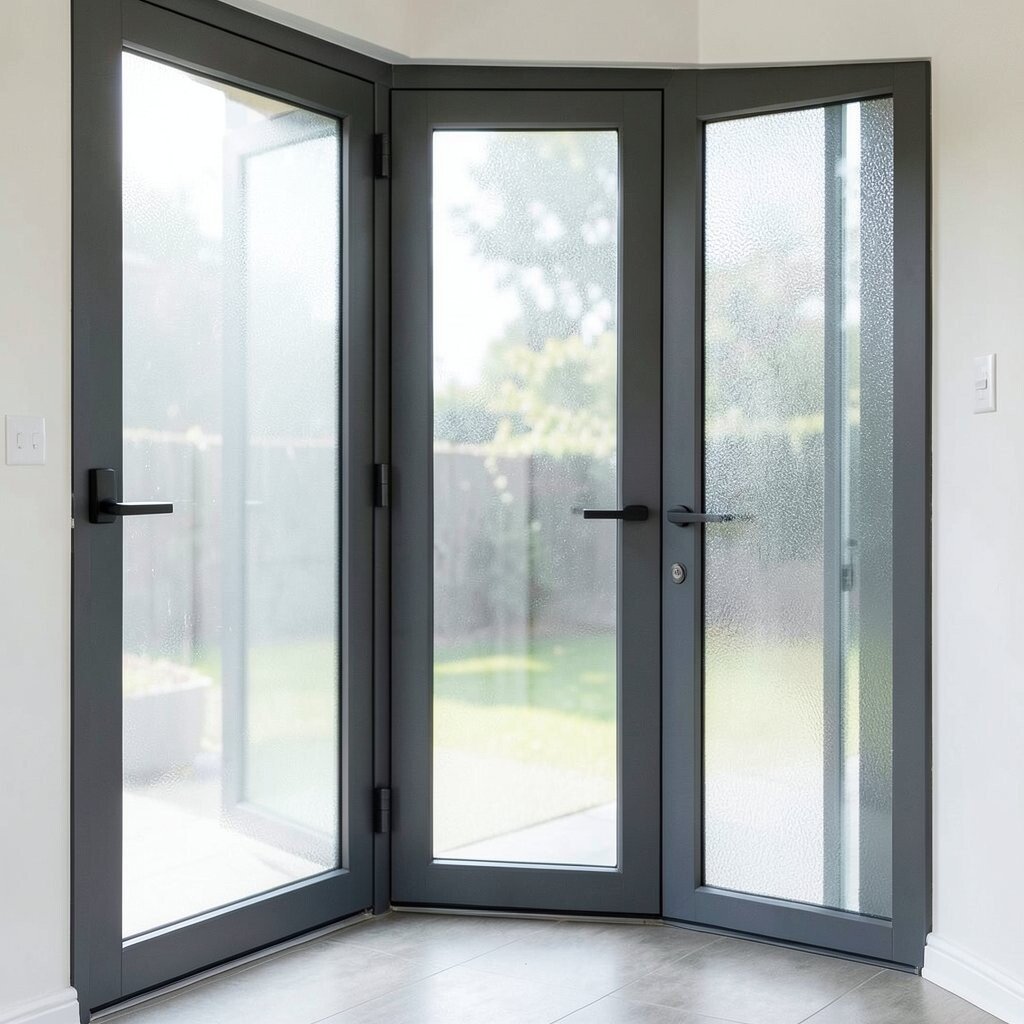
Graphene-Coated and Self-Cleaning Glass Self-cleaning coatings help glass stay clearer with less effort. They use surface behavior that makes dirt slide away and water spread evenly.
This means fewer wipes and a fresher look, which is great for busy homes. It also helps the glass keep its shine, so your space stays bright day after day. A tip is to follow care instructions, because coatings work best with proper cleaners.
For personalization, choose this material for doors where you want low maintenance, like exterior entries or bathrooms. Cost is often higher than basic glass, but the time saved can be a real benefit. A current trend is pairing “smart surface” glass with modern frames to make homes feel both sleek and practical.