Hanging planters make your room feel fuller in minutes. They also bring greenery up where light and style can meet.
1. Rope Macramé Planter Trio
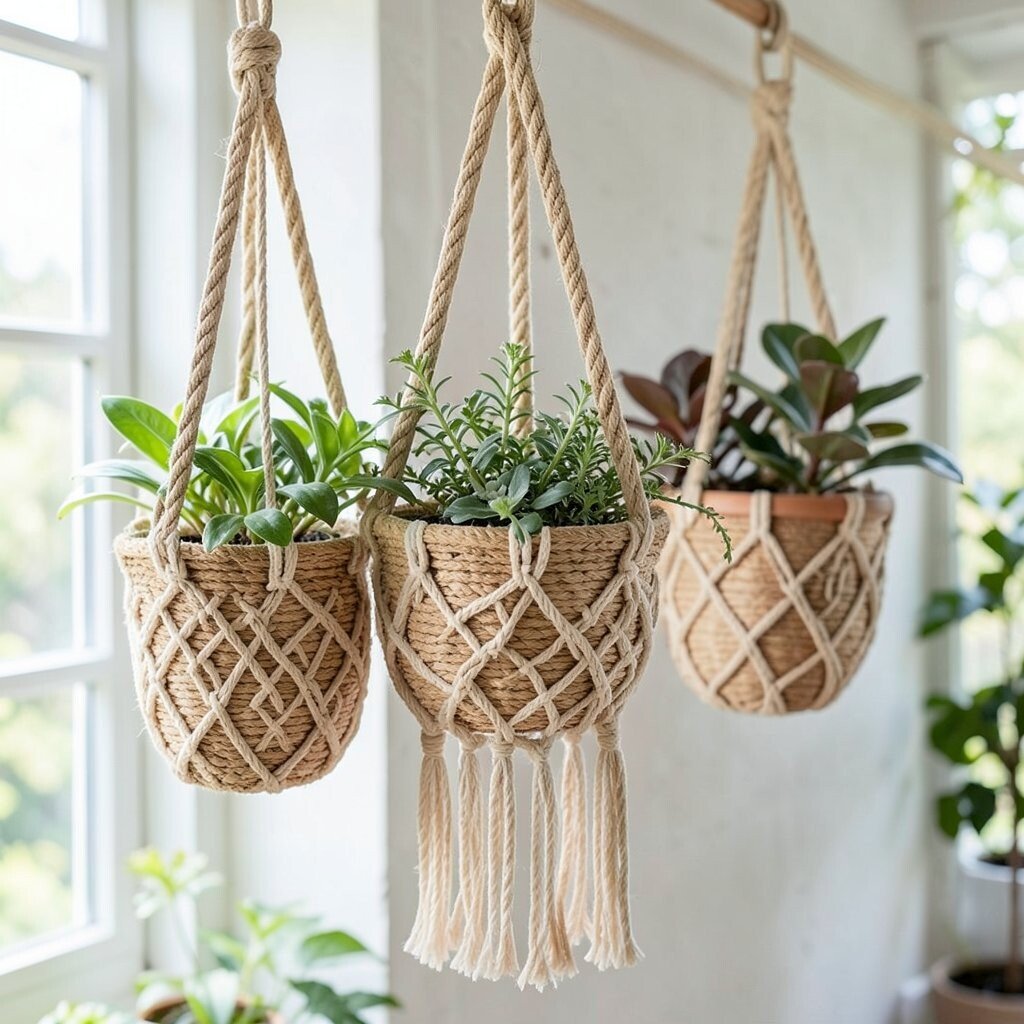
These planters hang like little indoor rainclouds made of texture. The rope knots add cozy charm while your plants spill over the sides.
Choose three matching rope colors for a clean look or mix two tones for a fun twist. Use a lightweight plastic liner inside the pot so watering doesn’t soak the rope. Keep them at eye level near a window for the best light and the best “wow” effect.
2. Wall Track With Adjustable Planter Hooks
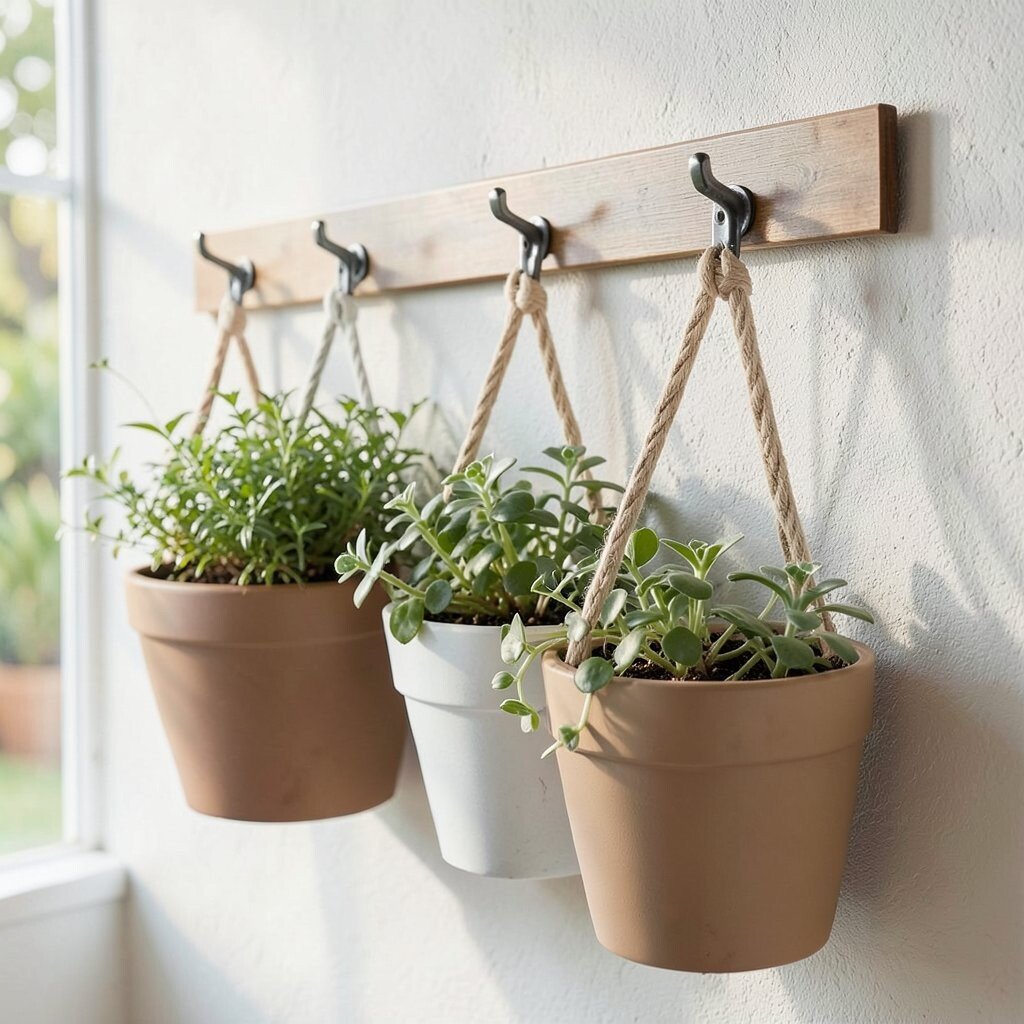
This option lets you move planters without drilling new holes every time. It’s great for renters or anyone who likes to change layouts often.
Pick a simple rail with evenly spaced hooks, then hang small pots in a neat row. Use a drip tray under each pot to protect the wall and floor. For a personalized look, alternate plant sizes so the top looks airy and the bottom feels lush.
When selecting hooks, check weight ratings and leave extra safety space for wet soil. In bright rooms, try trailing pothos or string of hearts. In lower light corners, go with hardy choices like philodendron hederaceum.
3. Ceramic Hanging Planters With Color-Block Glaze
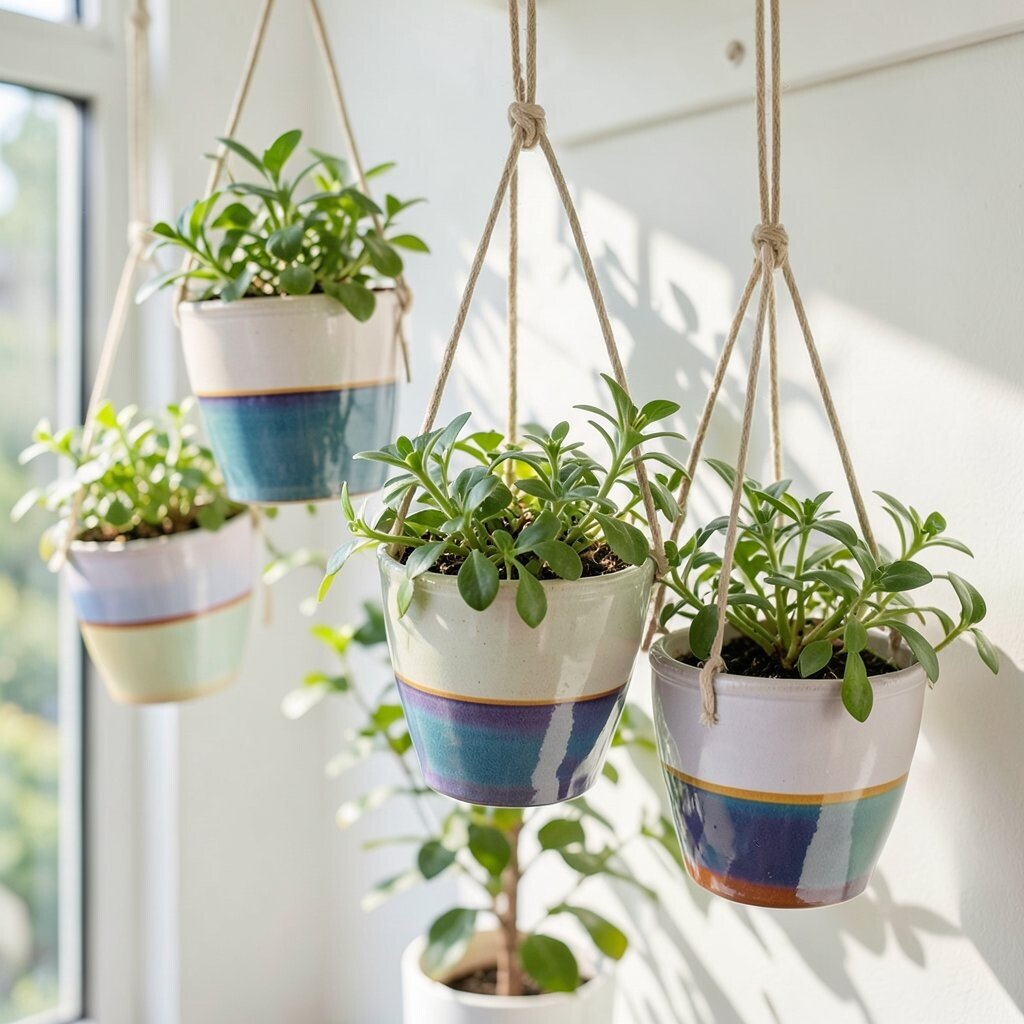
Bold ceramic planters add a “designed” feeling even when the plants are small. A glossy glaze catches light and makes greenery look richer.
Try color-block styles with two or three shades, then repeat the same colors in pillows or artwork. For practicality, choose planters with secure hanging loops so the weight stays centered. Line the pot with a breathable liner to help soil hold moisture without overwatering.
Place them near a reading nook where the movement and shine feel relaxing. If your space is minimal, use muted blue-gray ceramics to keep things calm. If you love energy, go for sunflower yellow or deep teal accents.
Cost depends on size and glaze quality, but you can start with one statement planter and add smaller ones later. That approach keeps your budget steady while your room still looks intentional.
4. Hanging Succulent Bowl With Rope Loop
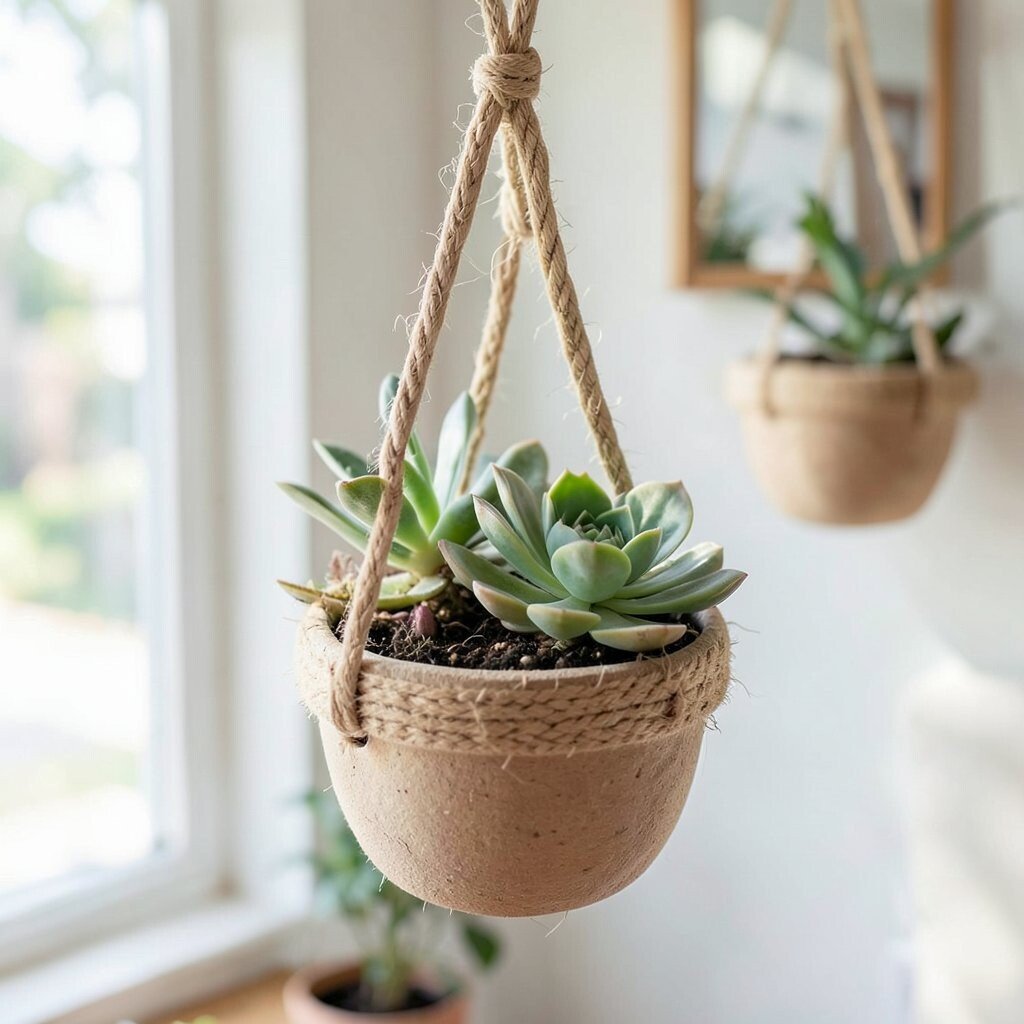
This look feels modern and tidy because succulents stay compact. A bowl planter also makes watering easier since the soil stays contained.
Use a rope loop and a shallow bowl with drainage holes, then add small succulents like echeveria or haworthia. Let the soil dry out fully between waterings to prevent rot. Hang it where you get strong light, such as a sunny kitchen window.
5. Vertical Ladder With Mini Hanging Pots
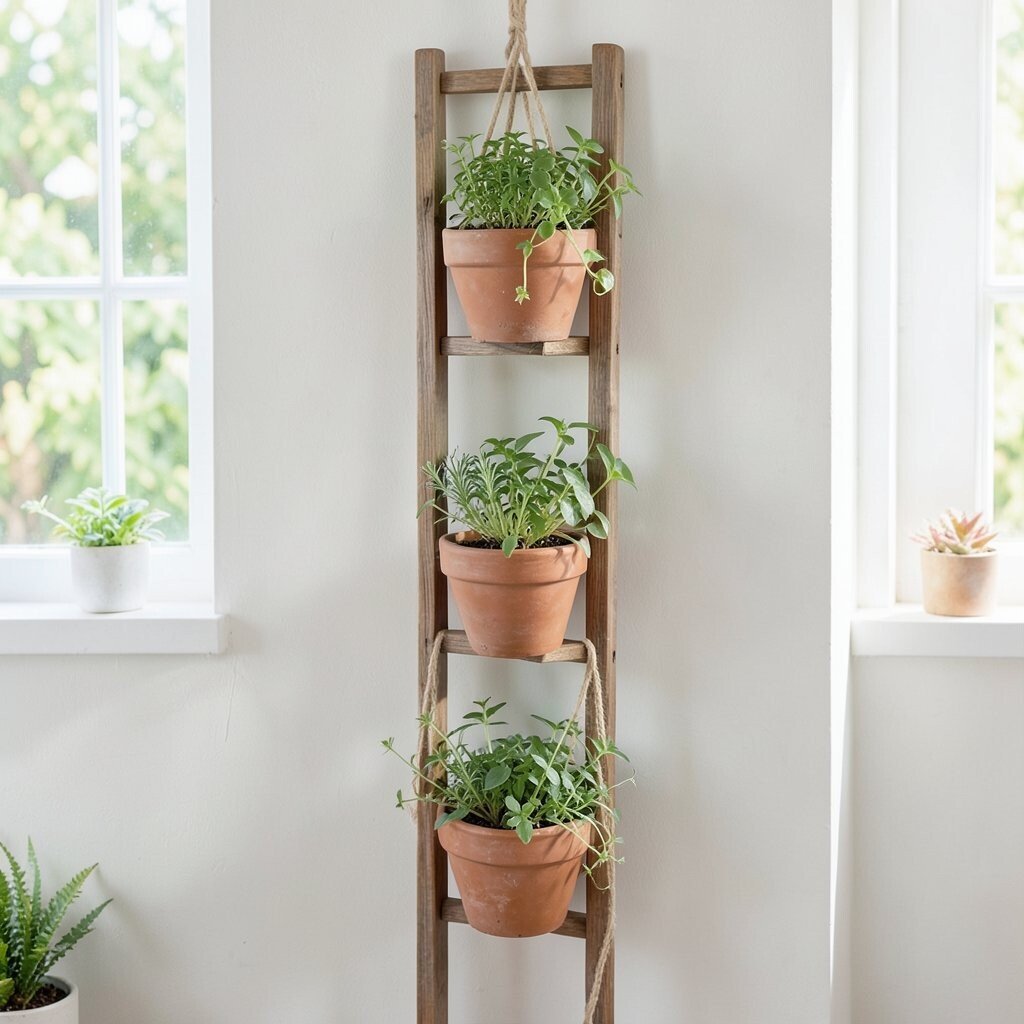
A ladder-style display turns your plants into a “living shelf” without taking up floor space. The small hanging pots create layered greenery that feels playful.
Start with a simple wooden or metal ladder, then attach hooks along the rungs. Use equal pot sizes for a balanced look, or vary heights to create a natural rhythm. Keep plants themed by choosing one color pot set, like terracotta only.
For practical care, group plants with similar watering needs together. In sunny rooms, use sun lovers like basil or ivy-leaf plants, but in shade, choose calmer options like spider plant. If you want a budget-friendly plan, repurpose clean glass jars with rope ties and use them as lightweight covers.
6. Clear Glass Cylinder Planters in a Row
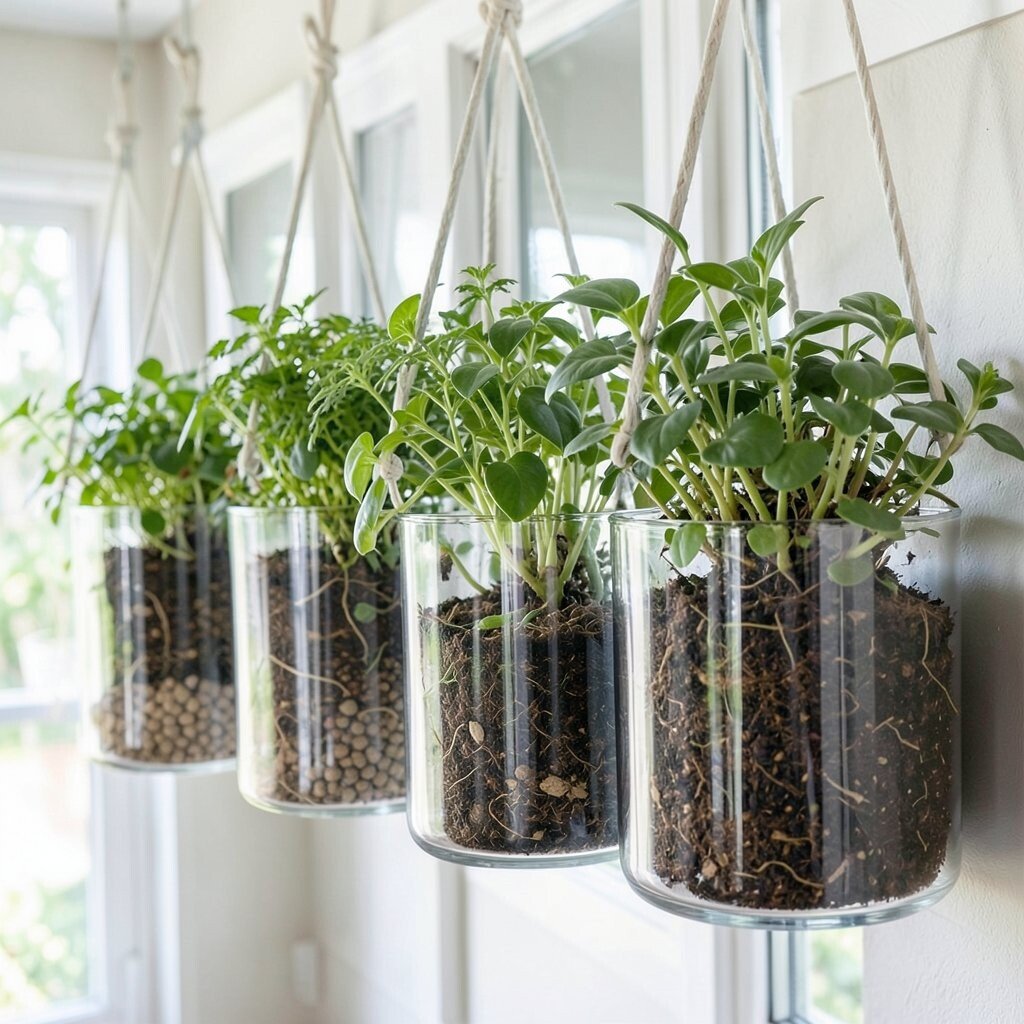
Clear cylinders show roots and soil texture in a really satisfying way. They also make your hanging display feel airy instead of heavy.
Hang three to five cylinders at the same height so the line looks intentional. Use a frame or string system that keeps them stable and level. Add water when needed, and consider switching to hydro-friendly plants like lucky bamboo or simple root starters if you enjoy low-mess care.
For personality, paint the top rims or use color-block cord in a matching theme. This style is often mid-range in cost depending on whether you buy ready-made planters or assemble your own. Either way, the glass catches light and makes even small plants look bigger.
7. Upcycled Teacup Hanging Planters
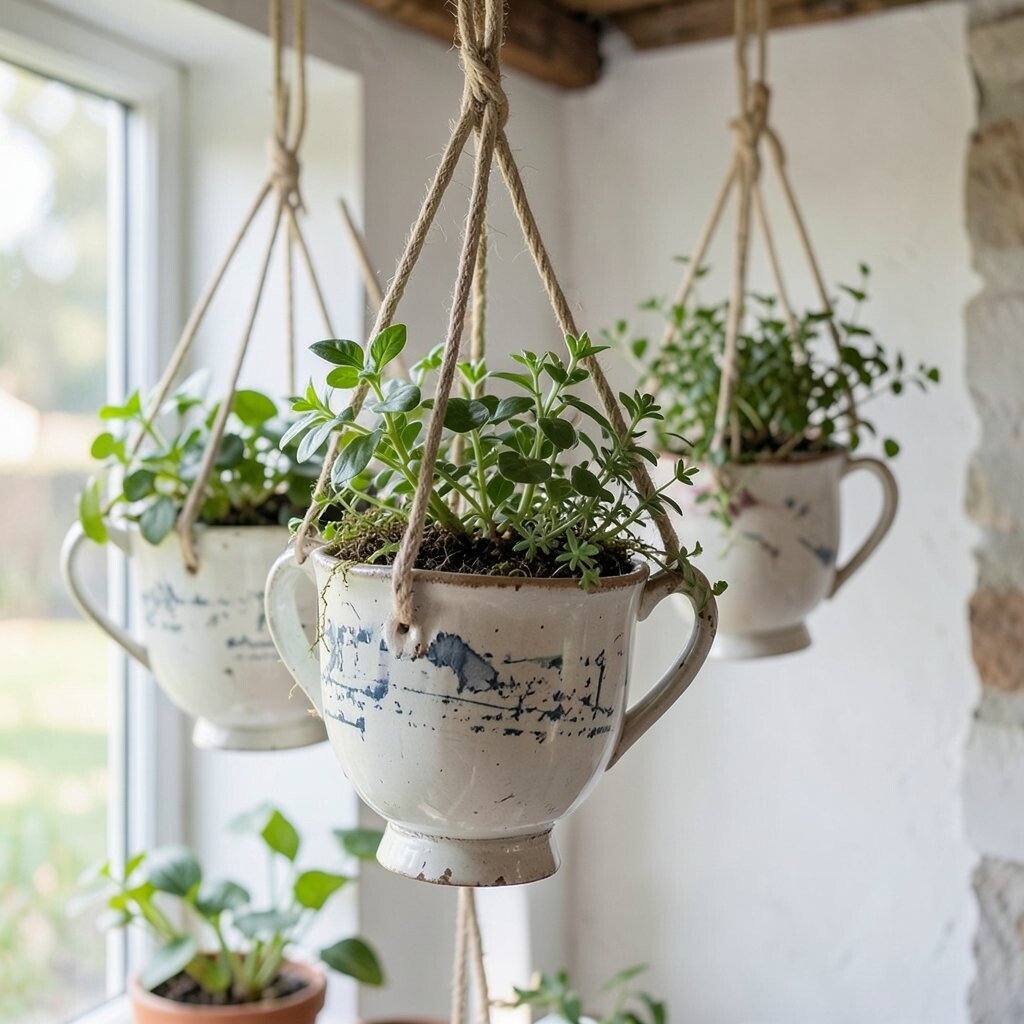
Teacups feel nostalgic and charming, like you’re styling a cozy café at home. They also make great “tiny homes” for small plants.
Search for mismatched cups with interesting patterns, then drill drainage holes if needed. If you don’t want to drill, use small nursery pots inside the cups and remove them to water. Hang them with twine or slim chains so each cup sways gently in the air.
Personalize by pairing a single plant type across the cups, like mini ferns, or mix textures with baby succulents and trailing greens. This idea can be very affordable if you find cups at thrift stores. Just make sure the hanging method is secure and can hold the weight after watering.
8. Hanging Planter Macramé “Swing” Style
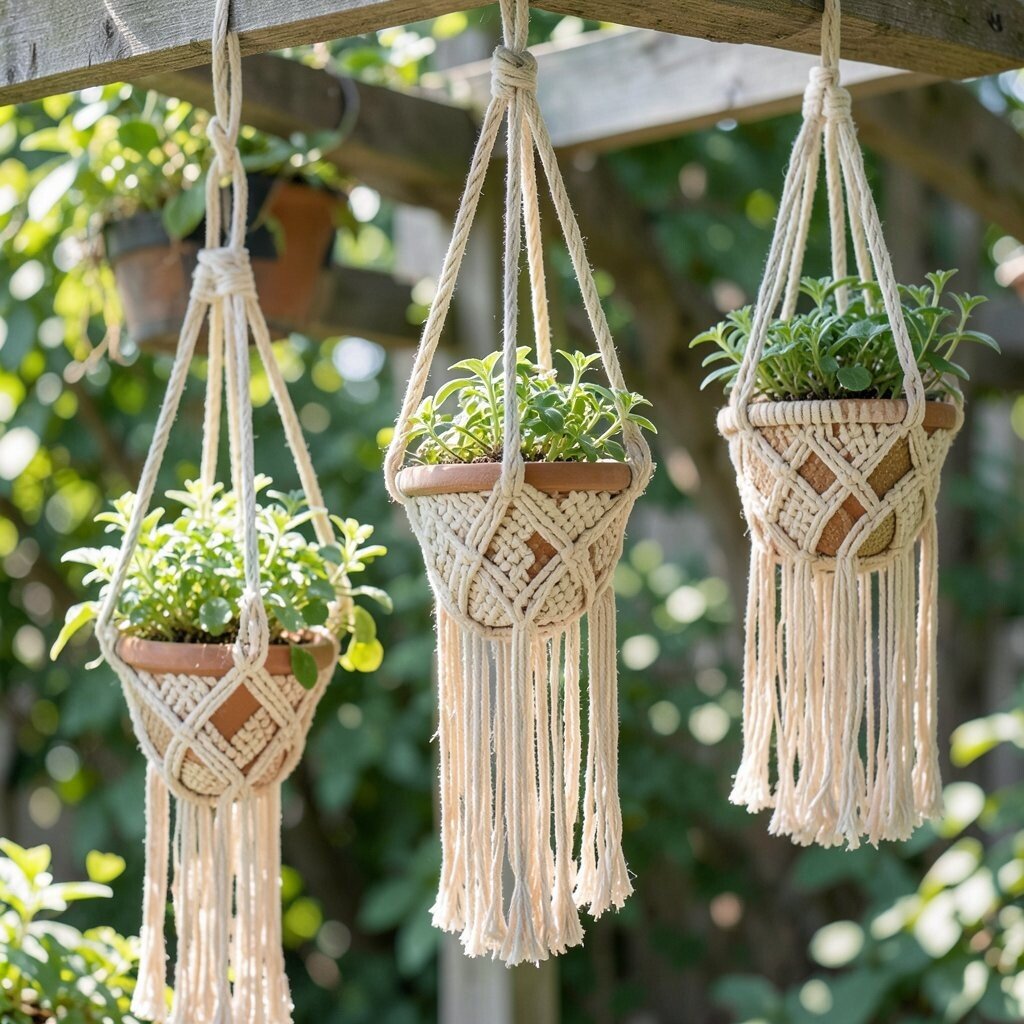
Instead of a straight hang, a swing-style planter adds movement and a fun, relaxed vibe. It feels like your plants are gently waving at you.
Use a sturdy support beam or ceiling hook, then attach a swing seat frame with two ropes on each side. Hang a mid-weight pot so it moves smoothly without bouncing too much. If you want a tidy look, choose one plant variety and let it spill over the rim for a soft curtain effect.
These planters look best in bright living rooms and near patios where there’s airflow. The unique part is the gentle swaying, which can make the display feel alive even when you’re busy. Budget-wise, the ropes and pot are affordable, but strong hardware is worth paying for.
As a practical tip, keep the swing away from ceiling fans so leaves stay neat and the cord doesn’t twist. Rotate the pot occasionally for even growth, especially for trailing plants.
9. Woven Basket Hanging Planter With Liner
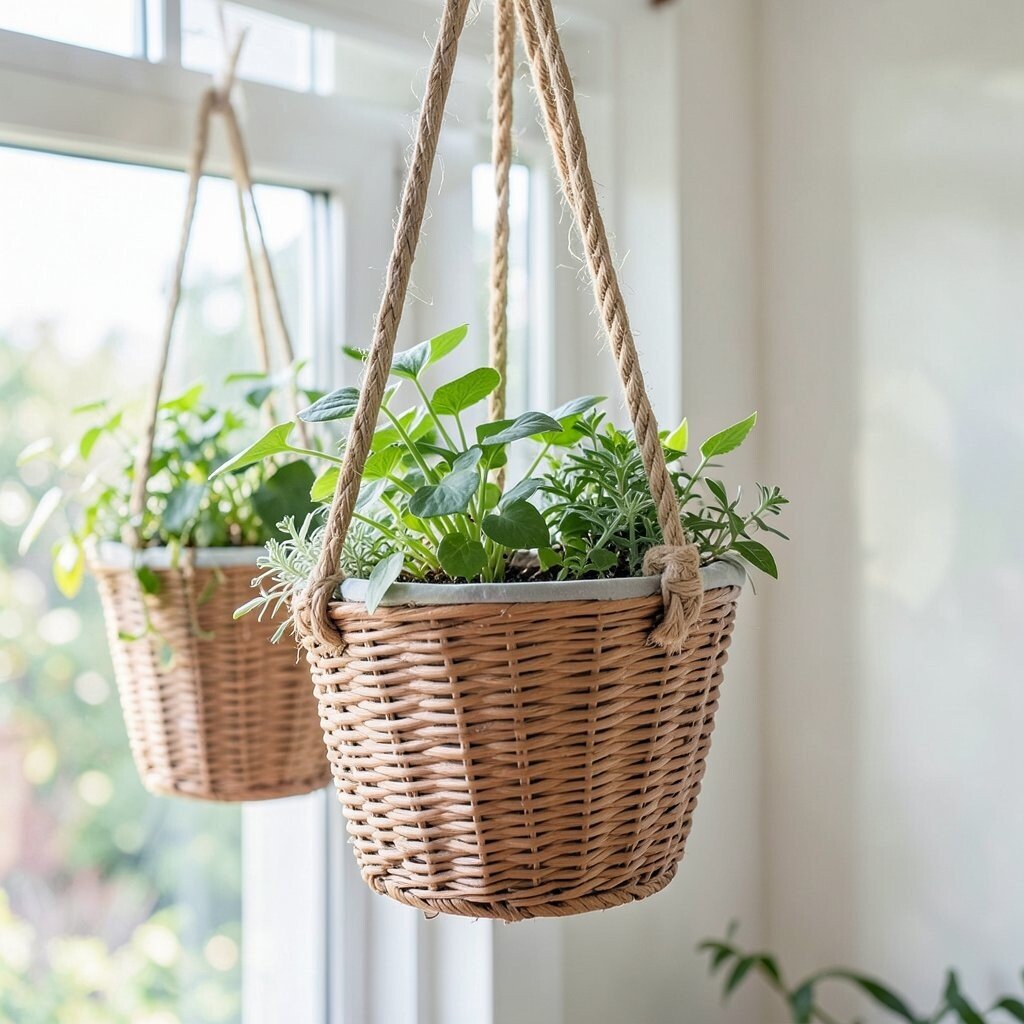
A woven basket brings natural texture and warmth that works with nearly any decor. When you add a liner, it becomes a practical planter, not just a pretty basket.
Choose a basket with sturdy edges, then add a moisture-retaining liner and a saucer or drip tray if needed. Plant with herbs like mint or small leafy greens if you enjoy using fresh flavors at home. For a unique look, use a mix of plants with different leaf shapes, like pothos and small philodendron.
10. Hanging Planters Made From Old Metal Pails
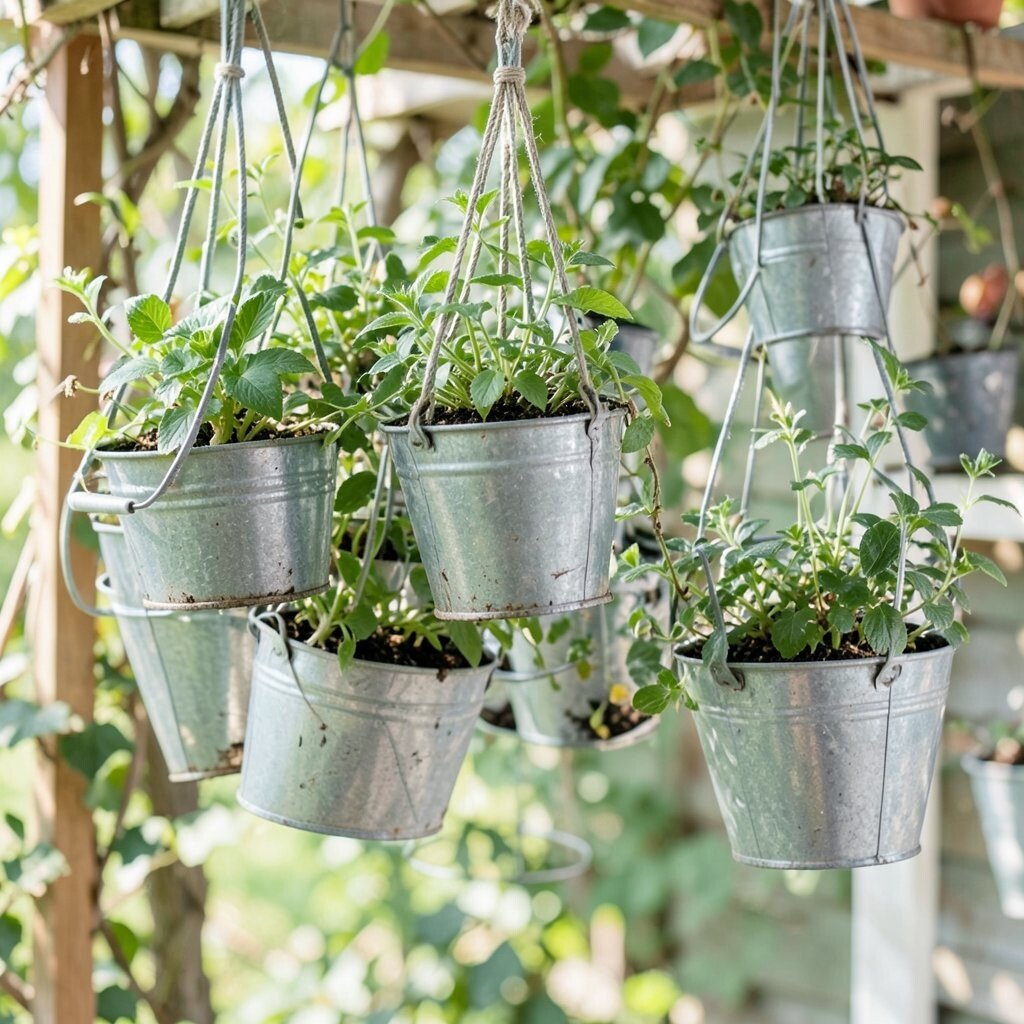
Metal pails look bold and industrial, especially with a simple black chain. They also create a strong contrast against soft green leaves.
Pick pails with handles, then hang them at slightly different heights so the cluster feels casual. Drill drainage holes and add a tray, because metal holds water differently than ceramic. To personalize, paint the pails matte white or keep them rust-toned for an earthy vibe.
For plant suggestions, try hardy trailing plants like pothos or creeping fig. In bright spots, you can even grow small herbs if you keep watering consistent. Costs vary based on how you source them, but thrift finds can make this an easy budget win.
11. Minimalist Hanging Planter With Leather Straps
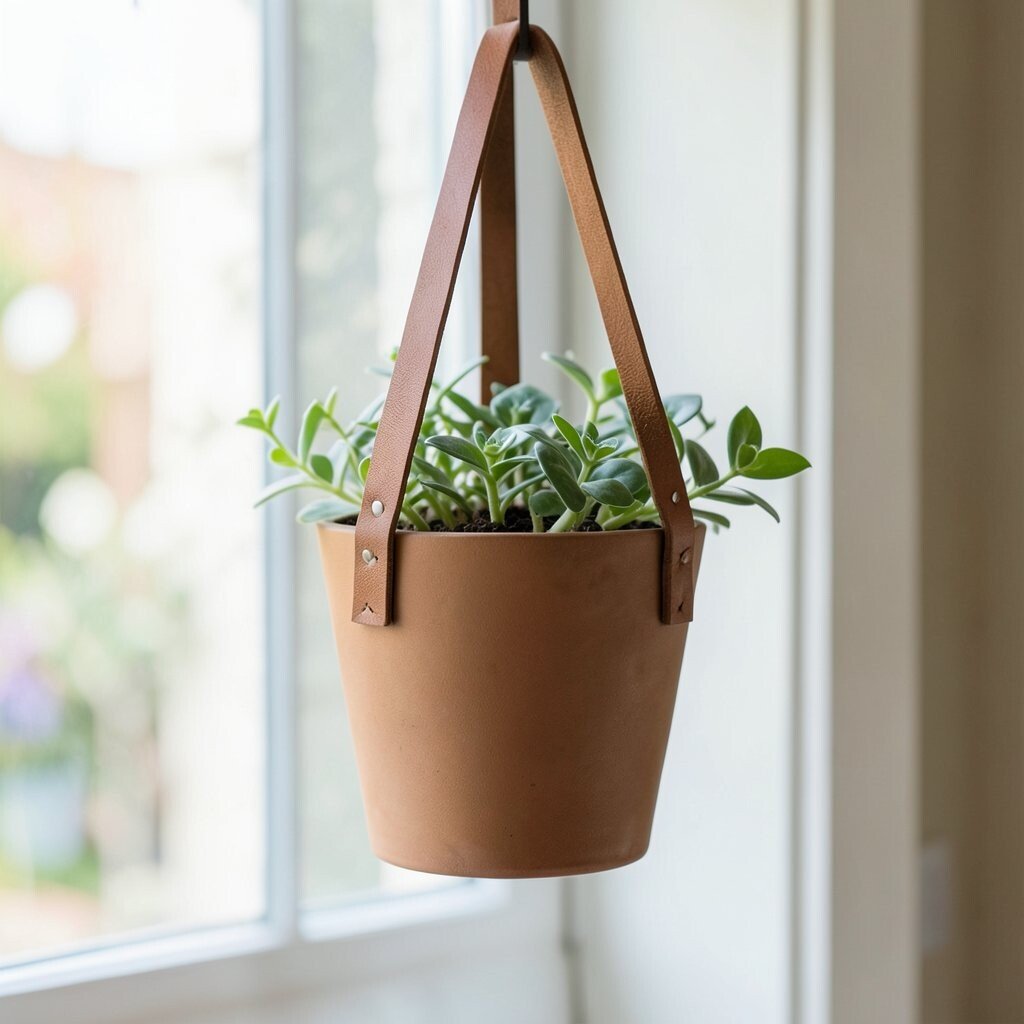
Leather straps look sleek and upscale, and they pair beautifully with modern furniture. The clean lines make your plants feel like part of the design.
Choose a simple planter pot with a loop or insert hook, then thread it onto leather straps. Adjust the strap length so the plants sit at the perfect height for your space. Use neutral strap colors like tan or black to match belts, bags, or furniture accents.
This style stands out because it feels structured, not messy. A practical tip is to keep the planter close to the wall if you have limited space, which reduces the chance of bumping. For plants, try compact varieties like snake plant pups or small ZZ plants for low-fuss greenery.
12. Repurposed Rain Gutter Hanging Planters
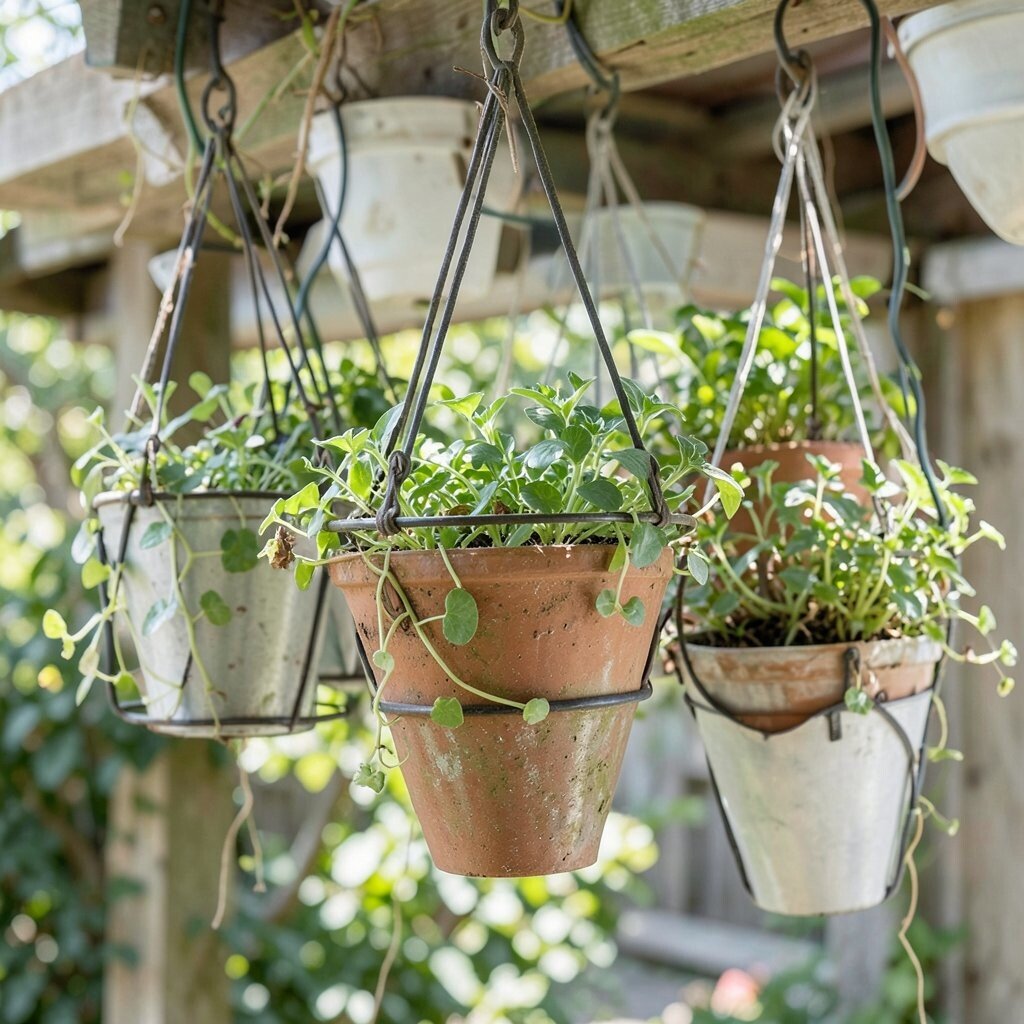
A rain gutter planter is a smart way to create a long, lush display. It’s especially great for balconies and windows where you want more growing room.
Mount the gutter horizontally, then hang it with brackets and add a liner inside. Drill drainage holes at the low points so water doesn’t pool. Plant a mix of trailing plants and upright growers so you get layers, not just one flat green line.
For personalization, paint the gutter to match your outdoor trim or give it a weathered look. This idea can be very cost-effective if you already have a gutter or can find one cheaply. It’s also a current trend because it blends function and style like a mini garden wall.
13. Single Statement Hanging Planter Over a Chair
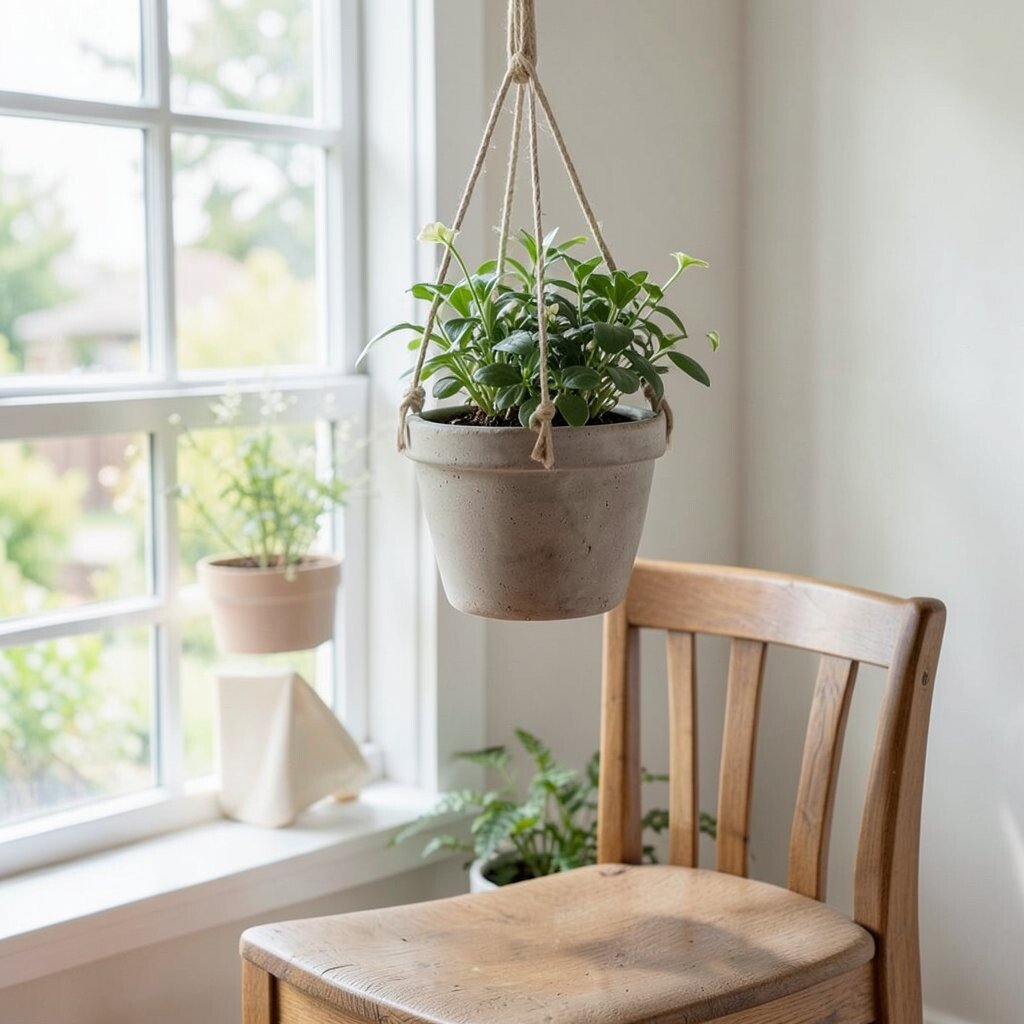
One hanging planter can change the entire mood of a room. When it’s placed above a chair, it feels like the greenery is “framing” your space.
Pick a planter that matches your style, such as a woven basket, ceramic pot, or simple terracotta. Hang it at a height where the leaves won’t scrape furniture, usually slightly above the top of the chair back. Use a trailing plant like English ivy, pothos, or hoya for that soft, draping look.
This works well with small budgets because you can invest in one high-quality planter rather than many. For practical care, check the cord or chain regularly and use a drip tray so no water drops land on upholstery. If you want a unique twist, add a second small pot on the side at a lower height.
In terms of trends, asymmetry is popular right now, and a single statement piece gives that designer feel fast.
14. Hanging Planters in a Sunburst String Grid
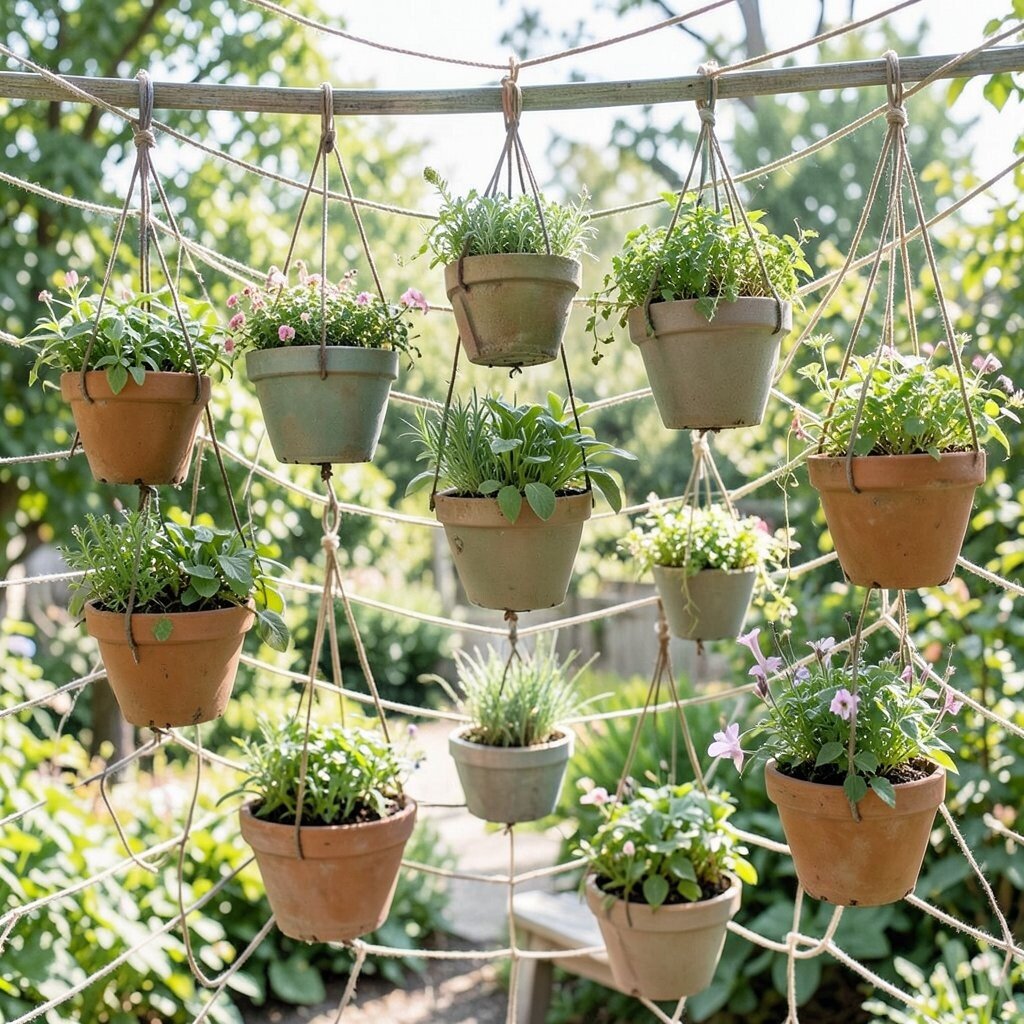
A string grid planter setup can look like a modern art piece. It turns your hanging plants into a geometric pattern that brightens the whole wall.
Use strong hooks and stretch cording in a sunburst or radial pattern, then hang small planters at different lengths. Choose plants with similar care needs so upkeep stays simple. For visual balance, group plants by color, like all green foliage or all variegated types.
15. Galvanized Pipe Planter Frame With Hanging Pots
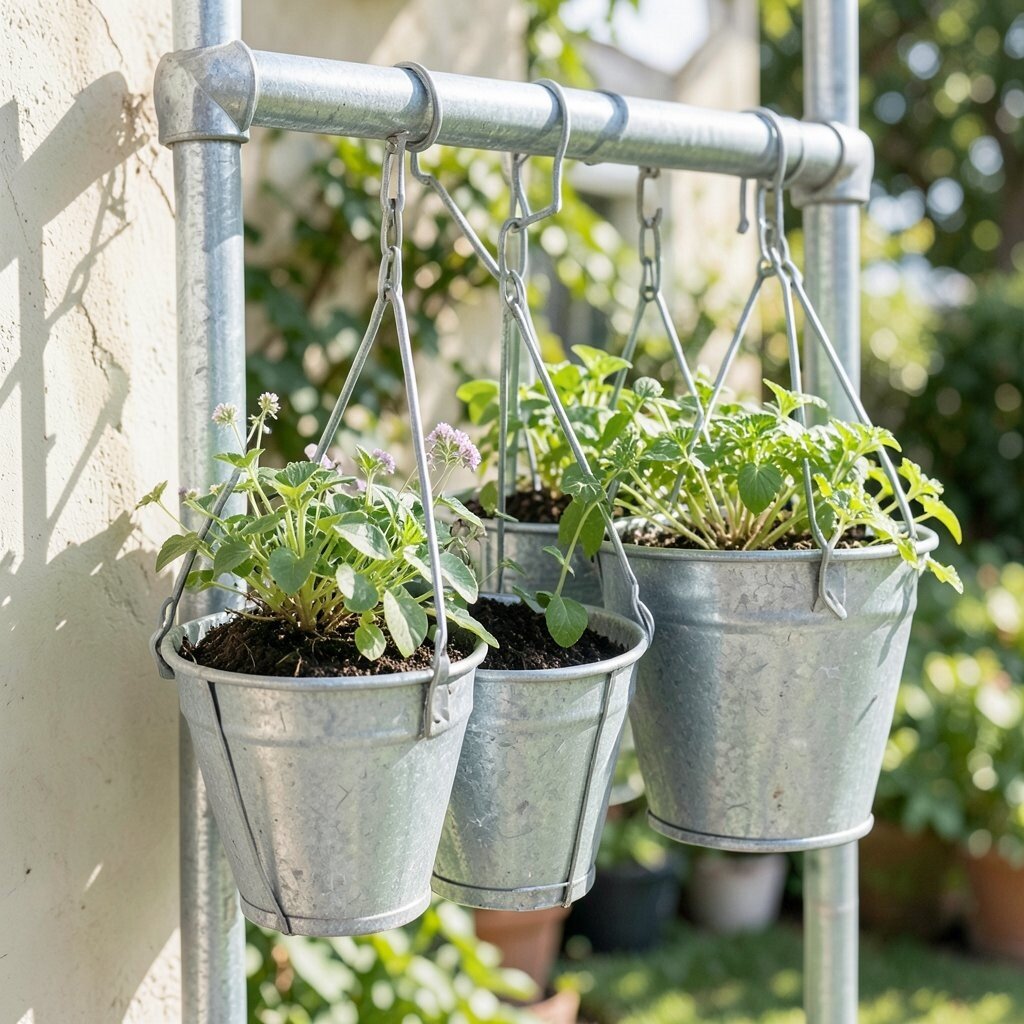
This idea adds an architectural feel, almost like a workshop shelf made for plants. Galvanized pipes give it durability, and hanging pots bring softness.
Build a small frame with horizontal pipe sections, then attach hanging points under it. Use rope or chains to suspend lightweight planters, and keep pot sizes consistent for a clean look. For plants, consider pothos, philodendron, or small ferns that fill space without needing deep soil.
Cost can be moderate if you buy pipe and fittings, but it’s a fun DIY that can last for years. Personalize by sanding and spray painting the pipes a color that matches your room. As a practical tip, make sure the frame is securely anchored, especially when plants get heavier after watering.
16. Hanging Planter With a Vintage Birdcage Base

A birdcage base makes your planter feel whimsical and special. It also creates an airy top structure that helps the display stand out.
Place a pot inside the cage, then hang the cage by the handle or a ceiling hook. Add drainage and a liner so the cage doesn’t get wet from the bottom. For plants, choose trailing varieties so the greenery looks like it’s “nesting” inside the cage.
Personalize with a small faux bird or a ribbon tied around the cage door area. If you like seasonal style, swap the ribbons for spring, summer, and fall. This can be budget-friendly if you find a cage at a thrift store, but antique cages may require careful handling and cleaning.
17. Hanging Herb Wall With Pots Spaced for Airflow
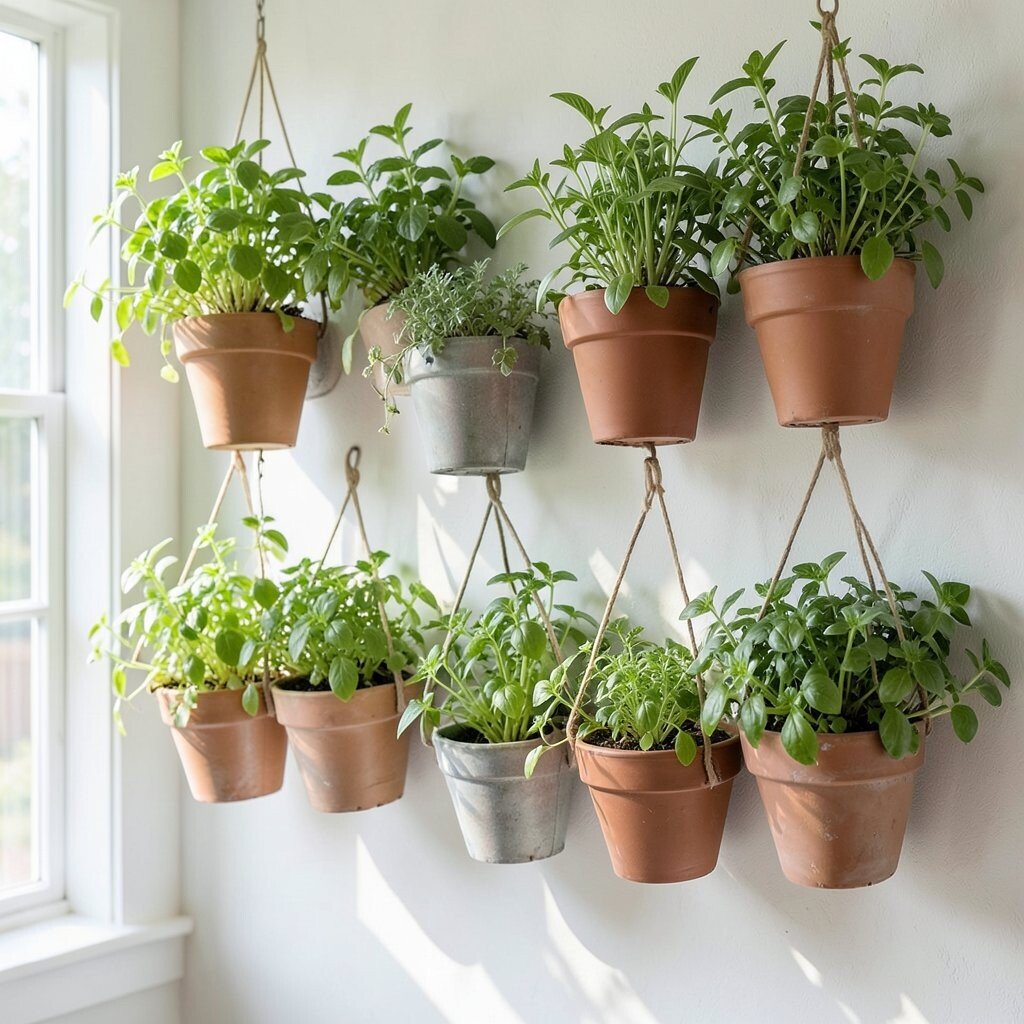
Hanging herb planters bring both beauty and usefulness to your everyday life. You get fresh smells when you brush past them, plus handy greens for cooking.
Use hanging pots with drainage and space them so air can move between plants. Good choices include basil, thyme, parsley, and chives, especially if your light is bright. Install them near a kitchen window or under an overhang for easy watering access.
To keep it practical, create a simple watering routine and label each pot if you mix herbs. This setup looks trendy because it combines design with real function, like a mini countertop garden that moved upward. Cost is manageable since herb planters can be small, and you can start with just two or three varieties.
18. Concrete Look Hanging Planters for Modern Style
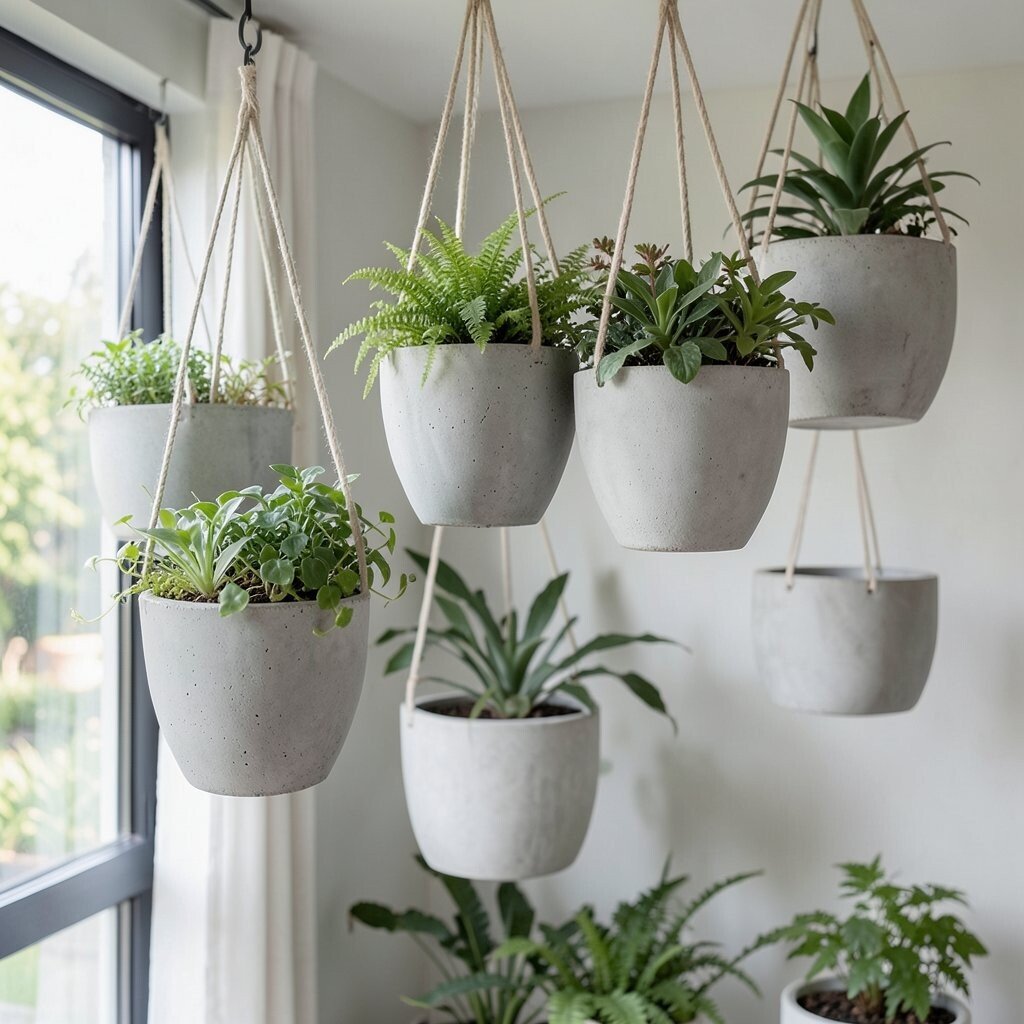
Concrete-style planters add a strong modern vibe, especially in calm neutral rooms. Even when the plants are small, the planter shape does a lot of the heavy lifting.
Choose lightweight “concrete look” containers to avoid hanging hardware that struggles with weight. Use plants with strong silhouettes like dracaena or compact snake plant. Add one trailing plant on the side for contrast so the display doesn’t feel too rigid.
Personalize by using matte planters and pairing them with warm-toned cords or black straps. Practical tip: check drainage and place a saucer beneath if water can leak. Costs range depending on brand, but you can get the look without spending a fortune by choosing smaller sizes first.
19. Color Pop Hanging Planters With Solid-Cord Suspension

If your room feels a little too calm, color pop planters fix that fast. Hanging pots in bright shades look playful and make greenery stand out.
Pick one strong color like coral, lime, or cobalt, then choose cords in a neutral tone like white or natural jute. Space the planters in a loose cluster so it feels organic, not factory-made. For plants, trailing options look great, because the leaves soften the bold pot shape.
For personalization, match planter colors to a rug, curtain, or accent art piece. This is a current style approach because bold accents are trending in home decor right now. Budget-wise, bright plastic planters are often cheaper, while ceramic pops are more expensive but last longer.
20. Hanging Planter Macramé With Plant Labels and Care Cards
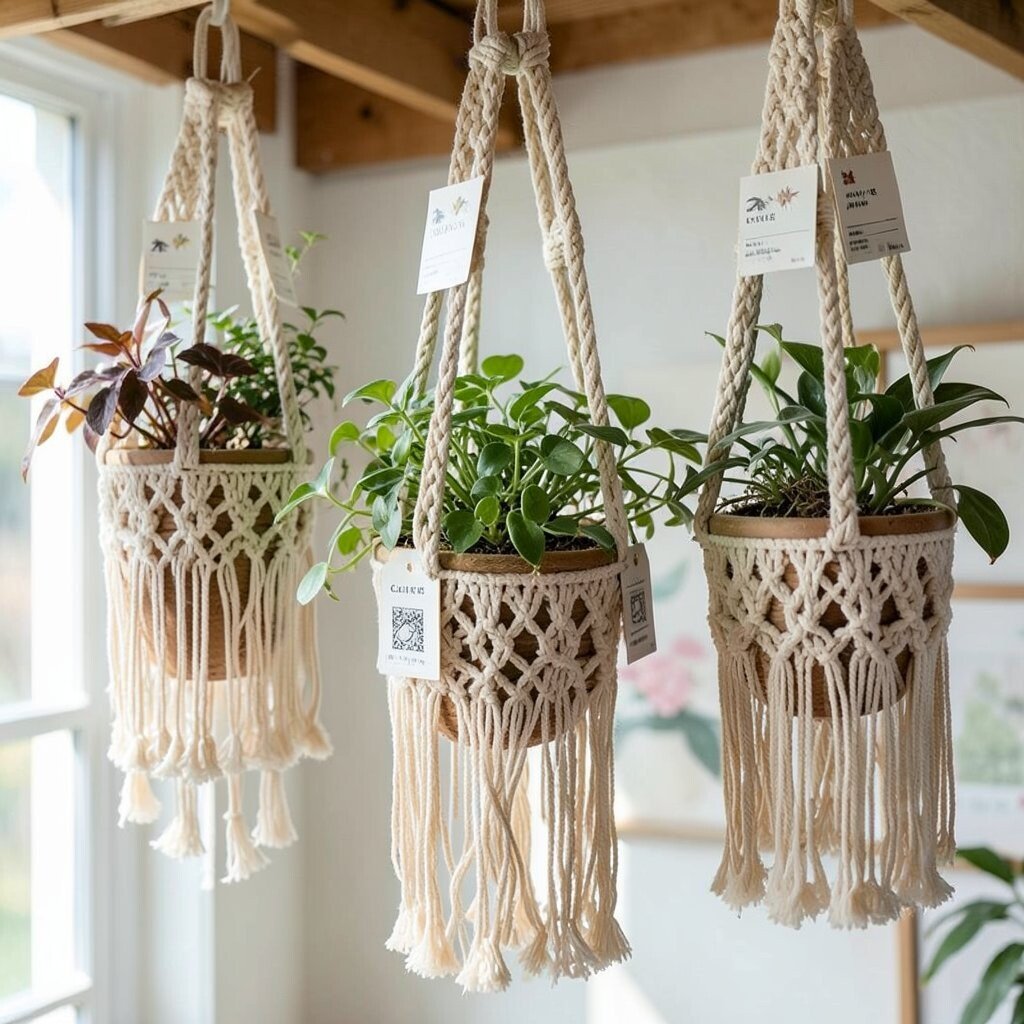
Macramé plus plant labels makes your hanging garden feel organized and intentional. It’s a small upgrade that helps you care for each plant correctly.
Hang your macramé planters as usual, then add simple labels with plant names or light needs. Use waterproof mini cards if you water often, and attach them to the cord with clips. This is especially useful if you have mixed plants like pothos, philodendron, and ferns in the same display.
For practicality, group plants that like similar watering schedules, so you don’t accidentally overwater. Cost is usually low since labels and clips are inexpensive. The unique twist is turning a pretty display into a system you can maintain easily without guessing.
21. Tiered Hanging Planters for a Floor-to-Ceiling Look
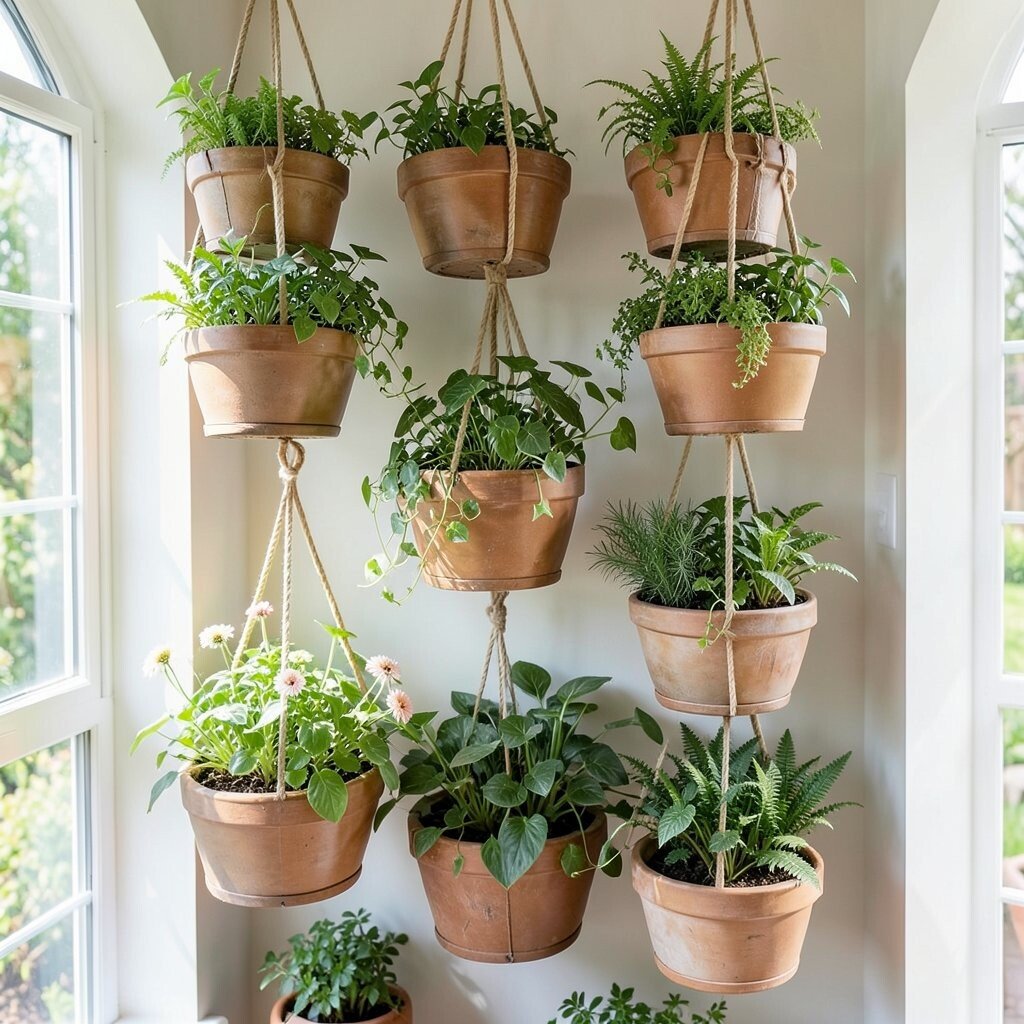
Tiered hanging planters create a mini indoor waterfall effect, with leaves cascading from top to bottom. It’s one of the most dramatic ways to brighten a space without adding clutter.
Choose a tiered frame or a multi-cord system that keeps each level stable and evenly spaced. Put taller, upright plants at the top and trailing plants on the lower tiers so the silhouette looks intentional. Keep drainage in mind by using liners and drip trays on every level.
To personalize, select a theme like all green foliage or a mix of variegated plants for extra sparkle. Cost can be higher for tiered systems, but you can save money by starting with three tiers and expanding later. This style also matches current trends because vertical gardening remains popular for small spaces.