Picture your yard after a fresh rain, when every leaf looks shinier and the air smells sweet. Now imagine that feeling every day.
Your layout decides how cozy, calm, and lively the space can feel—so choose it like you mean it.
-
1. The Courtyard of Layers
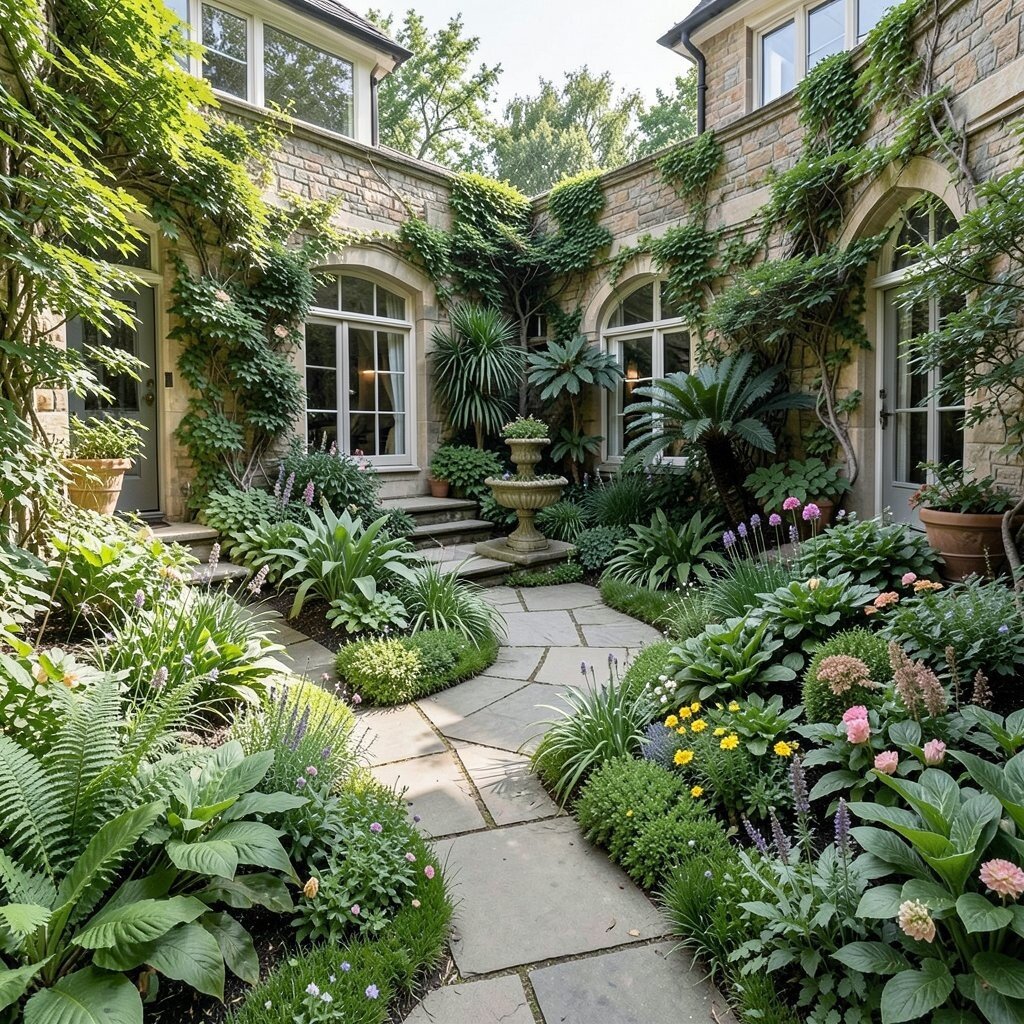
The Courtyard of Layers Start with a small “room” feeling, like a garden courtyard tucked into your yard. Use a low hedge or tall shrubs to frame the space so the inside feels special.
Then stack plants in layers: taller evergreens at the back, medium shrubs in the middle, and soft perennials in front. This layout looks lush because your eye keeps finding new textures.
For an easy win, pick a color theme like peach and purple or blue and white. Add a path of stepping stones so you can wander slowly and reach every corner for watering.
Budget tip: buy a few bigger shrubs first, then fill around them with affordable perennial starts. In warm-season trends, many gardeners are mixing native plants with a few showy flowers for a full look that still supports local wildlife.
-
2. The Moonlit Border Along a Fence
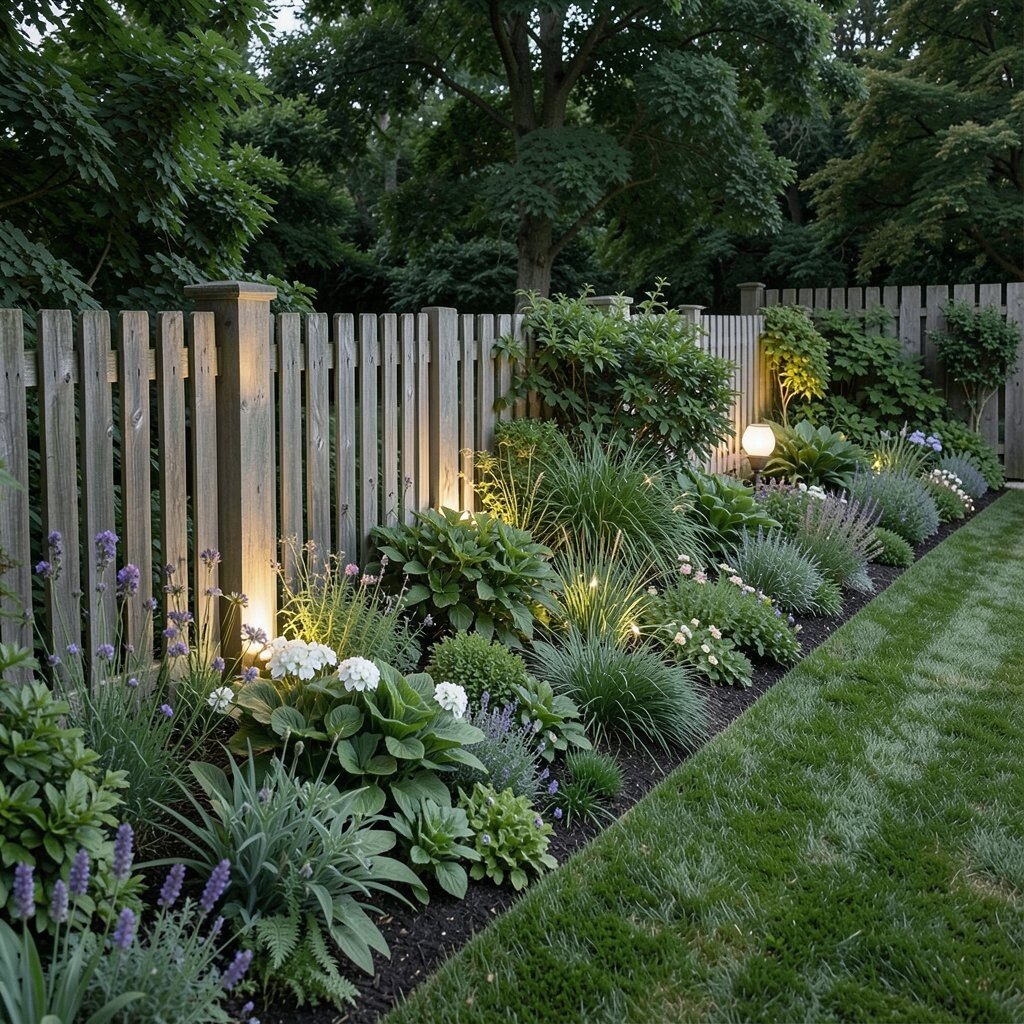
The Moonlit Border Along a Fence Run a border down one side and treat the fence as a background canvas. Choose light-colored blooms like white, pale pink, and lilac so the border feels soft at dusk.
Place taller plants near the back so the flowers don’t get blocked. Keep the front edge neat with repeating low plants, so it looks designed even on busy weeks.
To make it lush without chaos, group plants in “drifts,” meaning clusters that look like they naturally belong together. This makes the border feel full even if the plants are still growing in.
For personalization, add a seasonal touch such as spring tulips, summer roses, or fall asters. Consider drip irrigation along the fence line to save water and reduce leaf wetness, which helps prevent disease.
-
3. The Cottage Path With Wild Joy
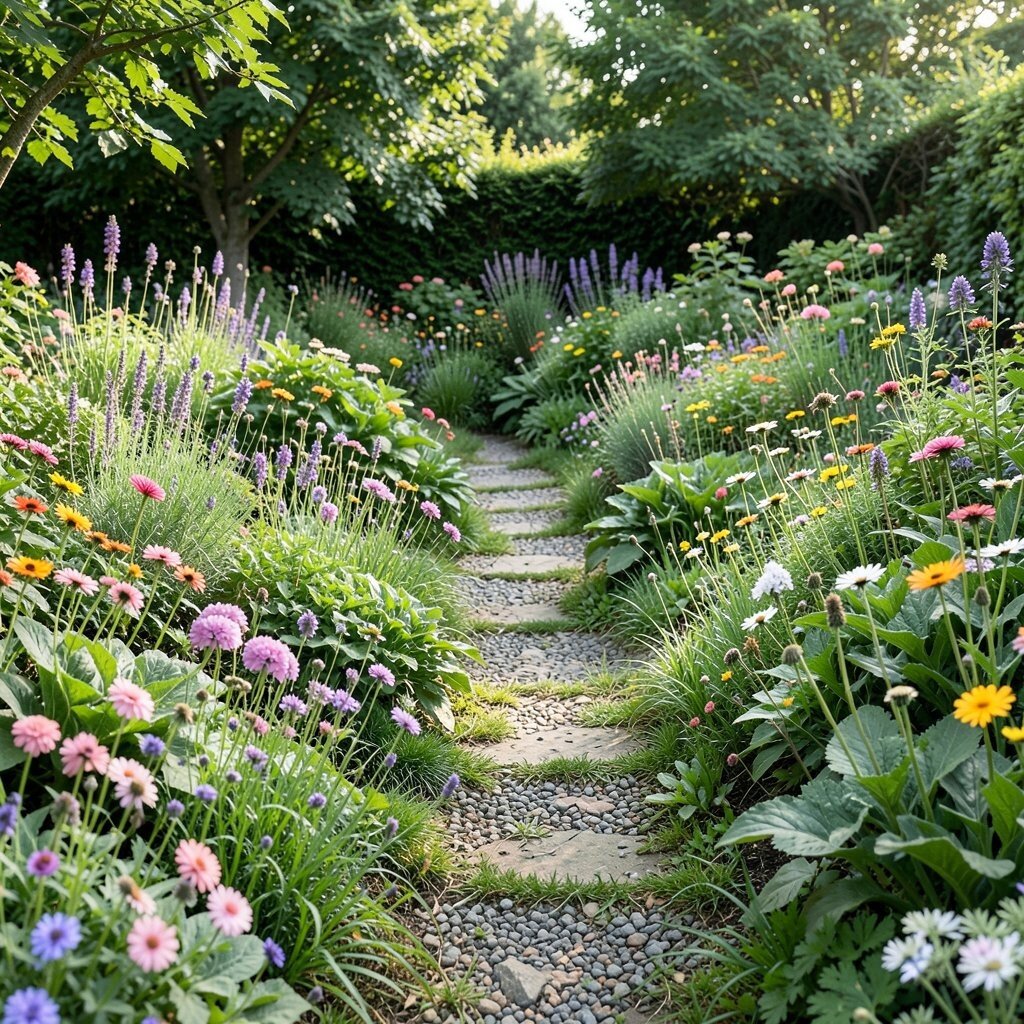
The Cottage Path With Wild Joy Create a winding path that curves like a story. Let plants spill around it instead of lining everything perfectly.
Choose a mix of roses, sweet peas, or tall delphiniums with airy herbs for a naturally lush vibe. When plants overlap, you get that “ready-to-walk-into” feeling.
Keep maintenance happy by using mulch with a thick layer and pulling weeds early. Trim back in late winter so new growth arrives strong and clean.
To personalize, repeat one favorite flower in two or three spots so it feels like your signature. If you love fragrance, put the most scented plants closest to the seating area.
Cost-wise, start with fewer plant types and add more of them over time. Current trends often lean toward natural-looking “cottage” mixes, but gardeners are using native perennials to keep the look abundant and easier to maintain.
-
4. Raised Bed Loops for Easy Harvest Beauty
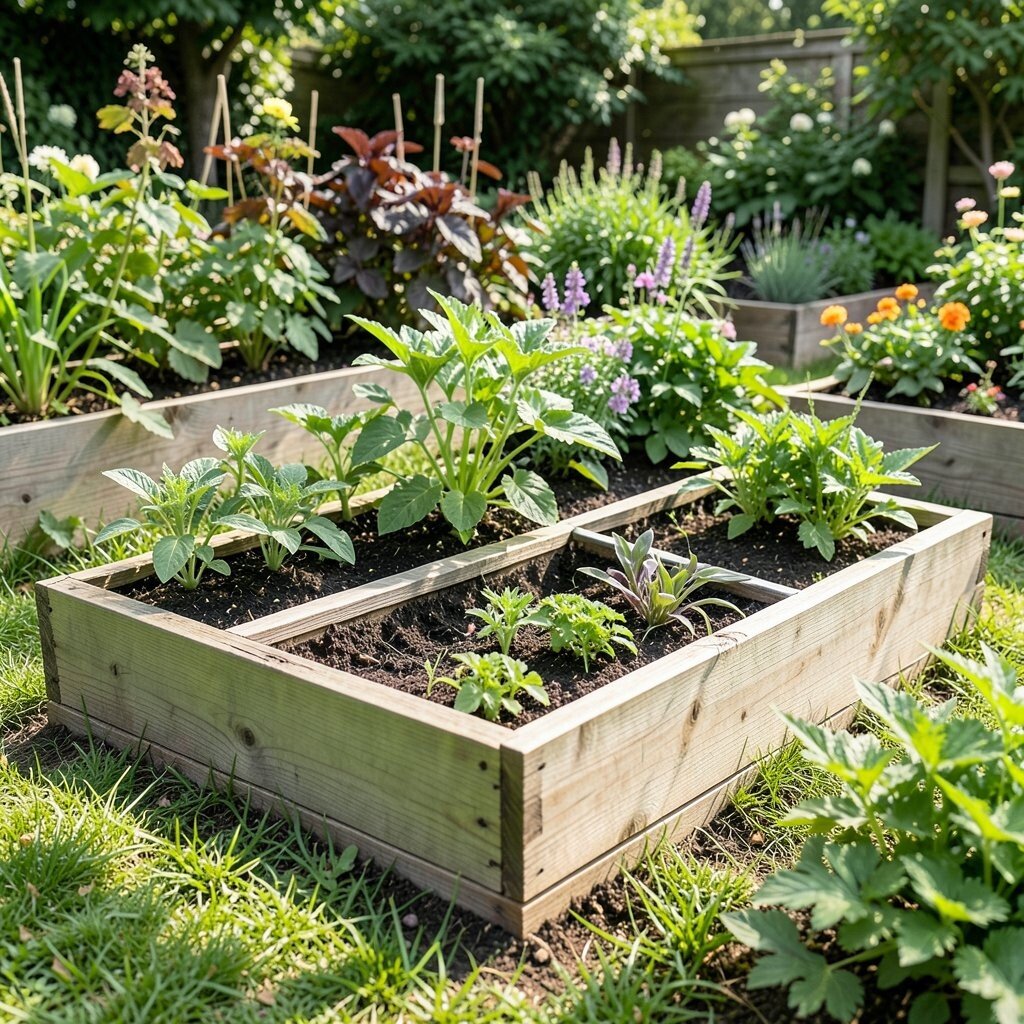
Raised Bed Loops for Easy Harvest Beauty Build raised beds in gentle loops instead of straight rectangles. The rounded shape makes the garden feel softer and more welcoming.
Fill beds with leafy greens, herbs, and a few flowering companions like calendula. This adds lush greenery and also brings pollinators to the area.
For benefits, raised beds improve drainage and reduce soil compaction, which means healthier plants. They also make weeding and harvesting less tiring.
Personalize by labeling your beds with cute plant markers or using a color-coded system. If you want a “just-right” look, keep one bed dedicated to tall crops like tomatoes and another to low crops like lettuce.
-
5. Waterwise Zen With Ferny Texture
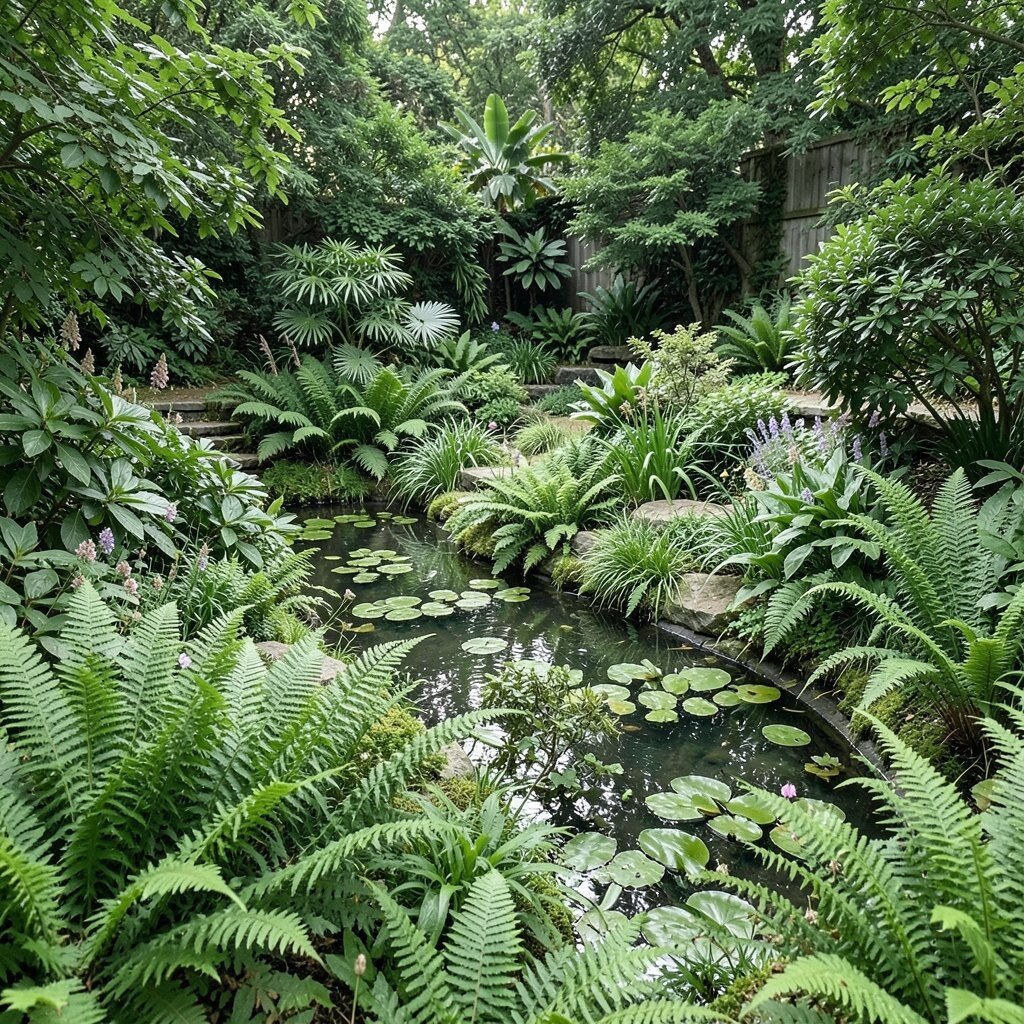
Waterwise Zen With Ferny Texture Design a quiet space using rocks, gravel, and lush greens like ferns and shade-loving plants. Use a mix of textures so the yard feels rich even with less lawn.
Place drought-tolerant plants alongside moisture lovers, but group them by water needs. That way, the “lush” parts get enough care, and the drier areas stay healthy too.
Add a small trickle feature, like a bowl fountain or a gentle pump flow. The sound can calm you, and the mist can help certain plants do better.
For personalization, choose a path made of smooth stepping stones and set lanterns along it. Budget tip: build it in stages—start with plants and a simple rock layout, then add the water feature later.
Current trends include modern Japanese-inspired yards that still feel warm and lived-in. People love them because they look tidy, yet they don’t feel cold.
-
6. The Sun-Gathering Grid of Planters
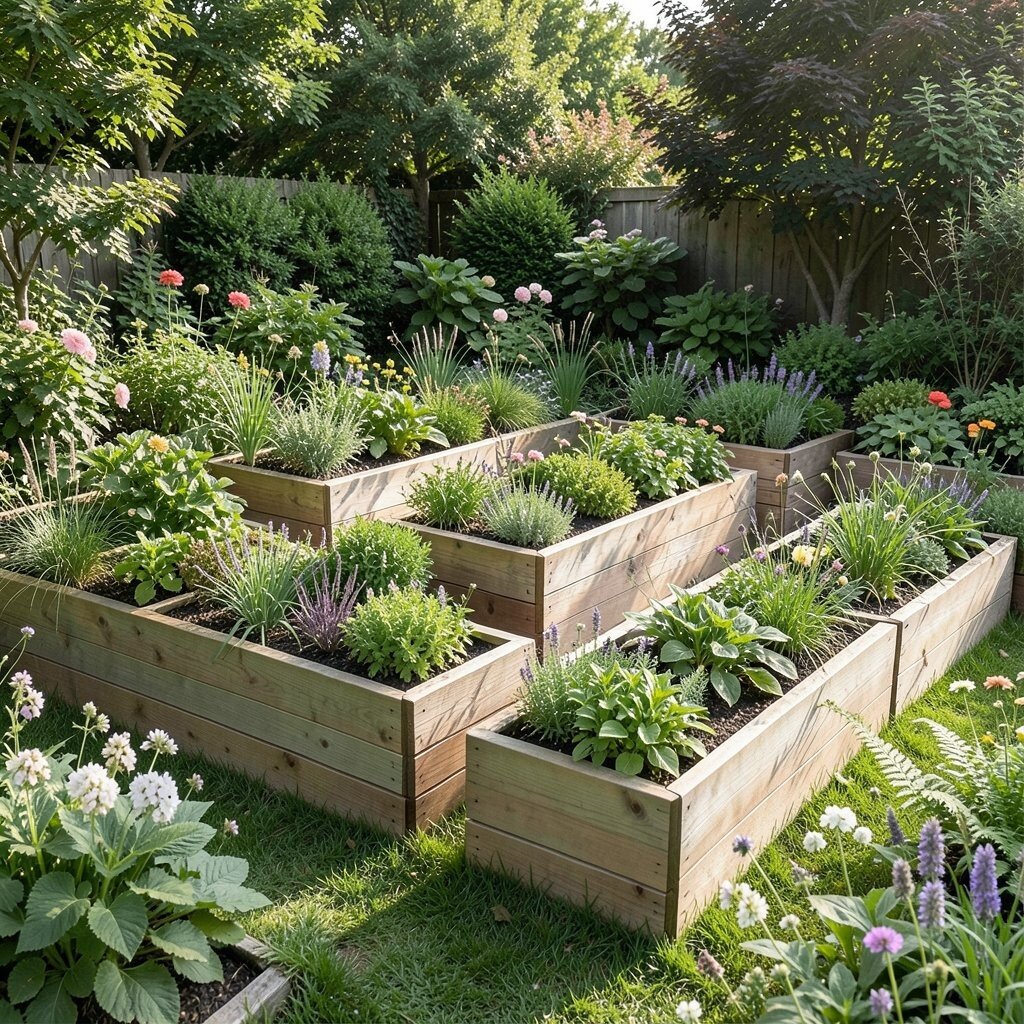
The Sun-Gathering Grid of Planters Turn your yard into a sunny display with large planters arranged in a grid. Each box becomes a mini garden, and the whole yard looks instantly lush.
Pick plants that spill over edges, like trailing varieties of sweet potato vine or creeping thyme. Add upright plants in the center for contrast.
Because planters warm up quickly, they can be great for summer growth. You also get easy personalization by swapping plants every season.
For cost considerations, try mixing big containers with a few smaller ones. You can use affordable plastic pots inside stylish outer covers to keep the look polished.
-
7. Layered Hedge Wall With a Secret Seating Nook
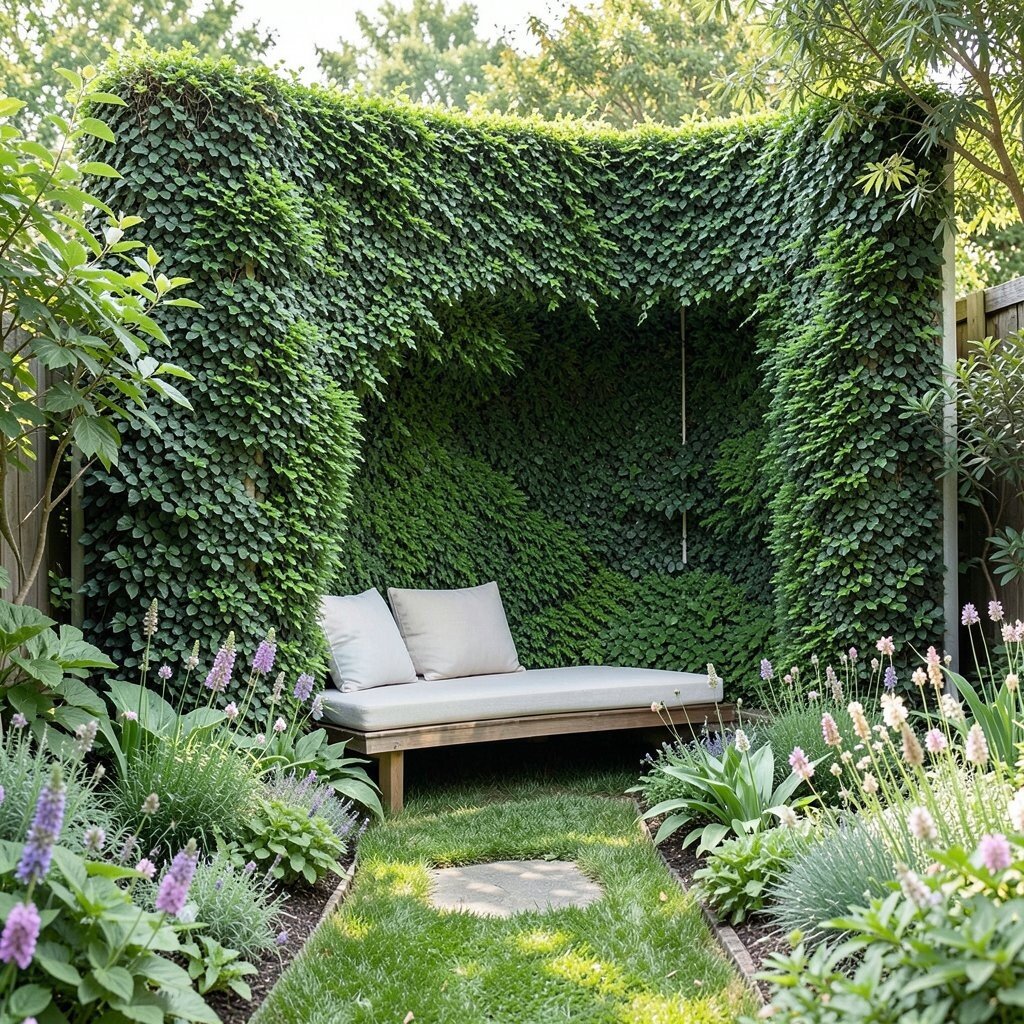
Layered Hedge Wall With a Secret Seating Nook Build a long hedge wall to create a private “backdrop” that makes the garden feel deeper. Behind the hedge, you can also hide an ugly fence section or utilities.
Make a gap in the wall for a seating nook, and surround it with dense planting. Use climbing vines on a trellis to add vertical lushness without adding too much width.
For benefits, you get privacy, softer sound, and a comfy place to rest. Adding fragrant plants near the nook makes the space feel extra inviting.
Personalize with string lights, a small bistro set, or a bench with outdoor cushions. If you want a trend, many yards are adding warm lighting and “outdoor living rooms” that feel like an extension of the home.
Budget tip: use fast-growing vines to fill space quickly, and then replace with slower, long-term plants later. Also check local plant sales for bundles to save money.
-
8. The Wildlife Meadow With a Soft Finish
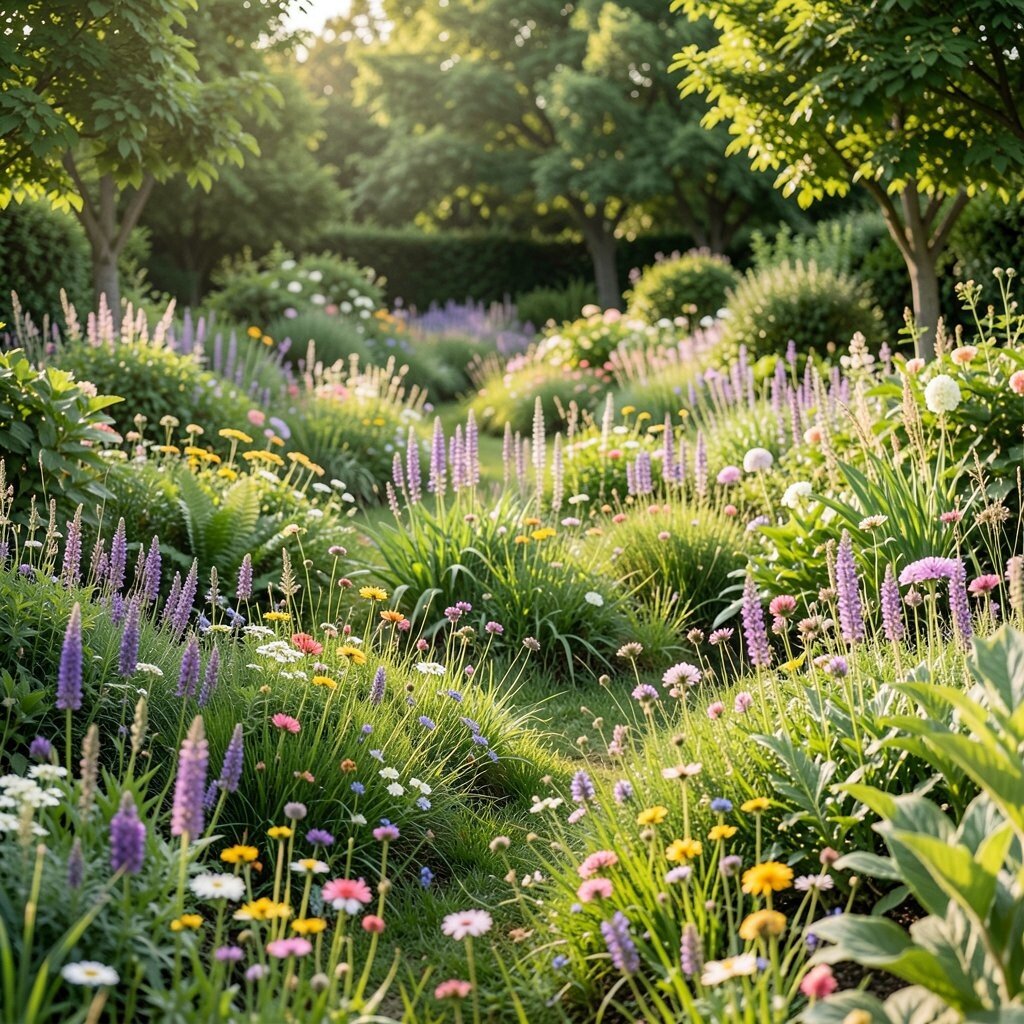
The Wildlife Meadow With a Soft Finish Instead of trying to make every inch perfect, create a meadow-style area. Choose a mix of native grasses and flowering perennials for a natural, lush look.
Let some plants grow a little tall, especially at the back. This creates a “moving garden” feeling when breezes roll through.
Benefits are huge: more pollinators, more birds, and less lawn mowing. If you water early on, many native plants settle in and need less help later.
For personalization, add a small “accent strip” of bright flowers like purple coneflower or black-eyed Susan. Keep the edges slightly trimmed so the meadow looks intentional, not messy.
-
9. Tucked-In Shade Garden Under Trees
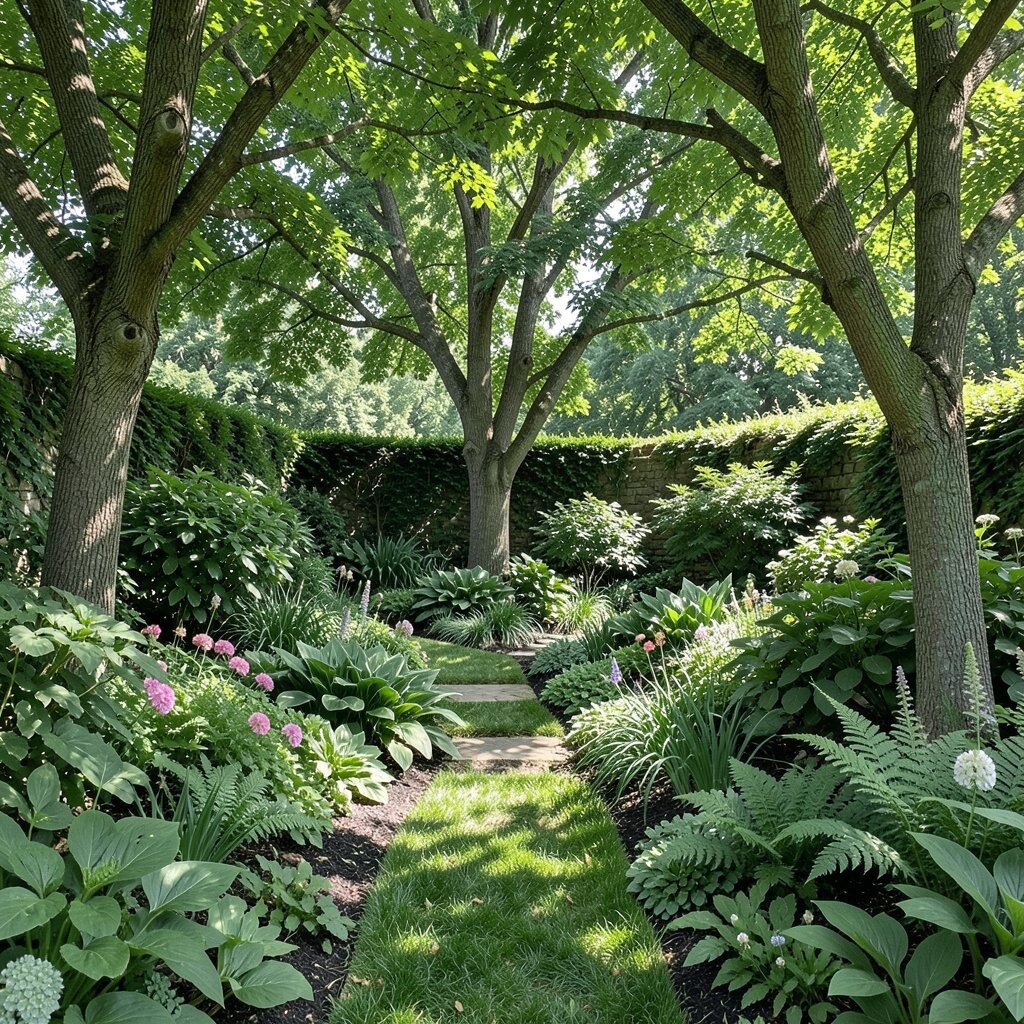
Tucked-In Shade Garden Under Trees Use the area under trees to your advantage. It can look lush if you choose plants that love shade and filtered light.
Pick groundcovers like hosta, foamflower, or sweet woodruff to create a thick green carpet. Add taller shade plants in drifts so it feels full.
For benefits, you save mowing and make use of a tricky space. Shade planting also helps trees stay cooler at the soil level.
Personalize with seasonal color pockets by adding bulbs where leaves are thin in spring. Budget tip: start with hardy plants and expand slowly using cuttings or divisions from friends.
Current trends include “understory” gardens that look like forest edges. People love them because the yard feels calm and layered, like a living painting.
-
10. Vertical Garden Towers and Spilling Color
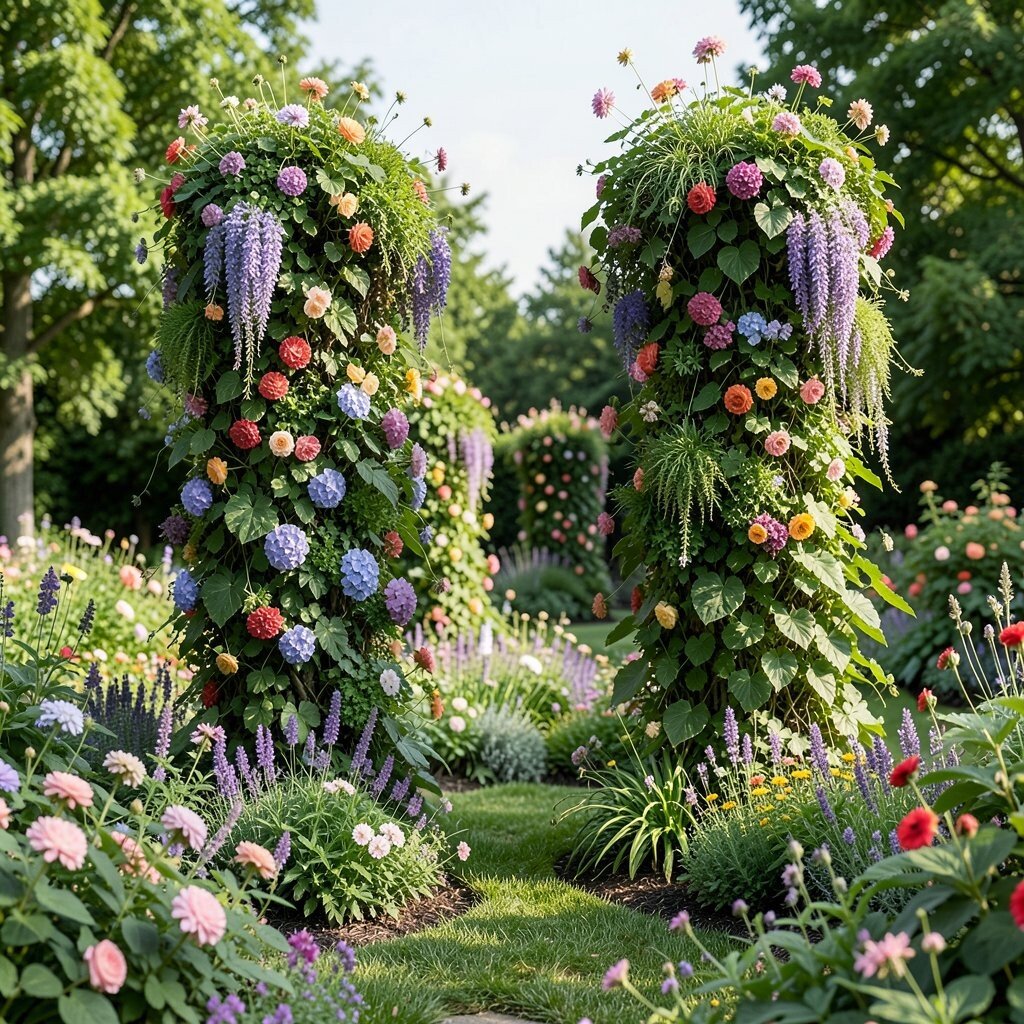
Vertical Garden Towers and Spilling Color Build a lush look upward by adding trellises, garden towers, or sturdy vertical planters. This works especially well in narrow yards.
Plant climbing flowers like clematis or train vines along a frame. Pair them with trailing plants so you get a cascade effect.
Benefits include better use of space, plus more flowers for pollinators. You also get quick visual impact, because vertical growth makes the yard feel abundant right away.
For personalization, tie a small theme together, like “raspberry and rose” or “mint and lilac.” Use weather-safe hooks to hang small planters for extra color.
Cost considerations: you can build trellises from treated wood or metal and then attach planters. Look for sales on small container plants, since that’s often the cheapest way to get the lush look fast.
-
11. The Cul-de-Sac Blossom Circle
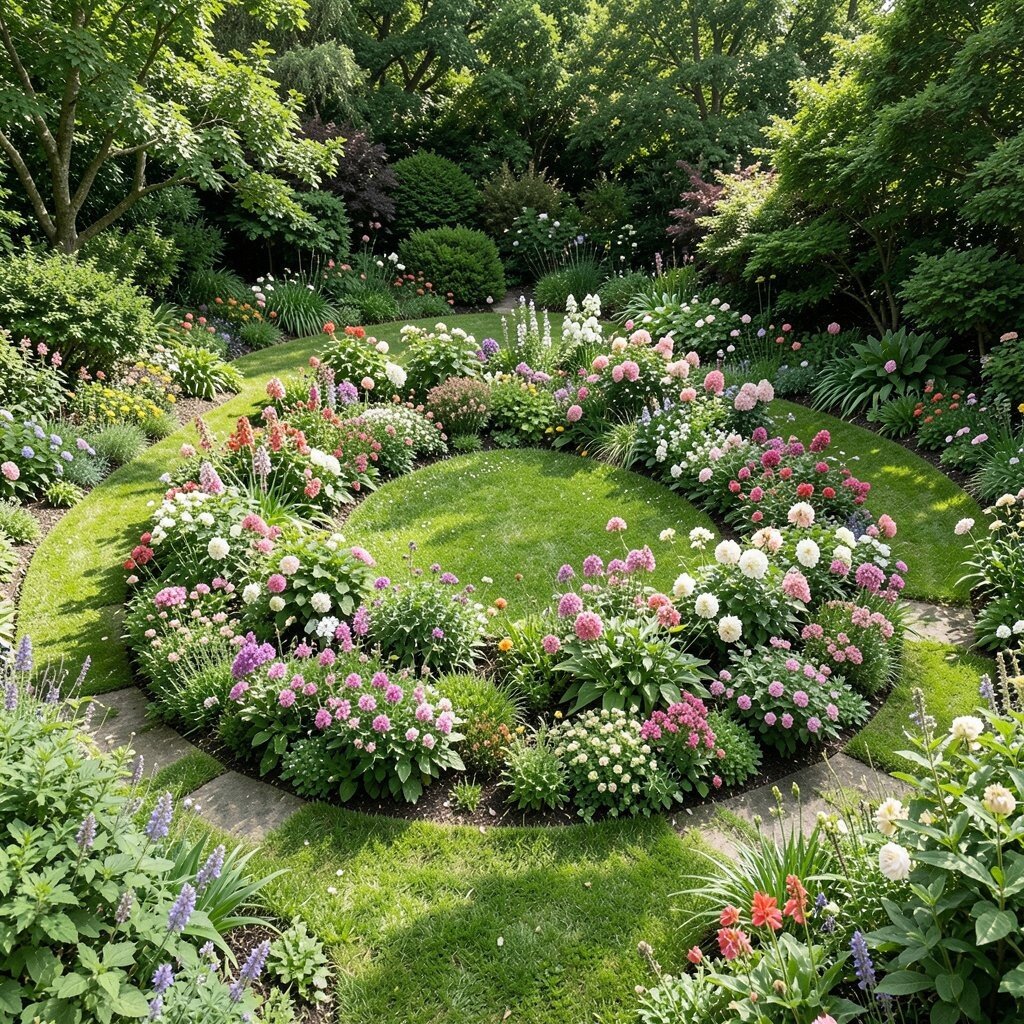
The Cul-de-Sac Blossom Circle Arrange beds in a circular shape around a focal point. A simple birdbath, statue, or container fountain can become the centerpiece.
Use curved borders that guide the eye, and repeat a few plant types around the circle. Repetition makes the garden feel thick and intentional.
For benefits, a central focal point keeps the space from feeling flat. Circles also help water reach plants more evenly if you use soaker hoses or drip lines.
Personalize by matching the plant colors to the focal piece, like cool blues near a stone birdbath. Add a small bench so you can sit in the “center” view and enjoy the lush wrap-around planting.
-
12. Border + Lawn Sandwich With Big Texture
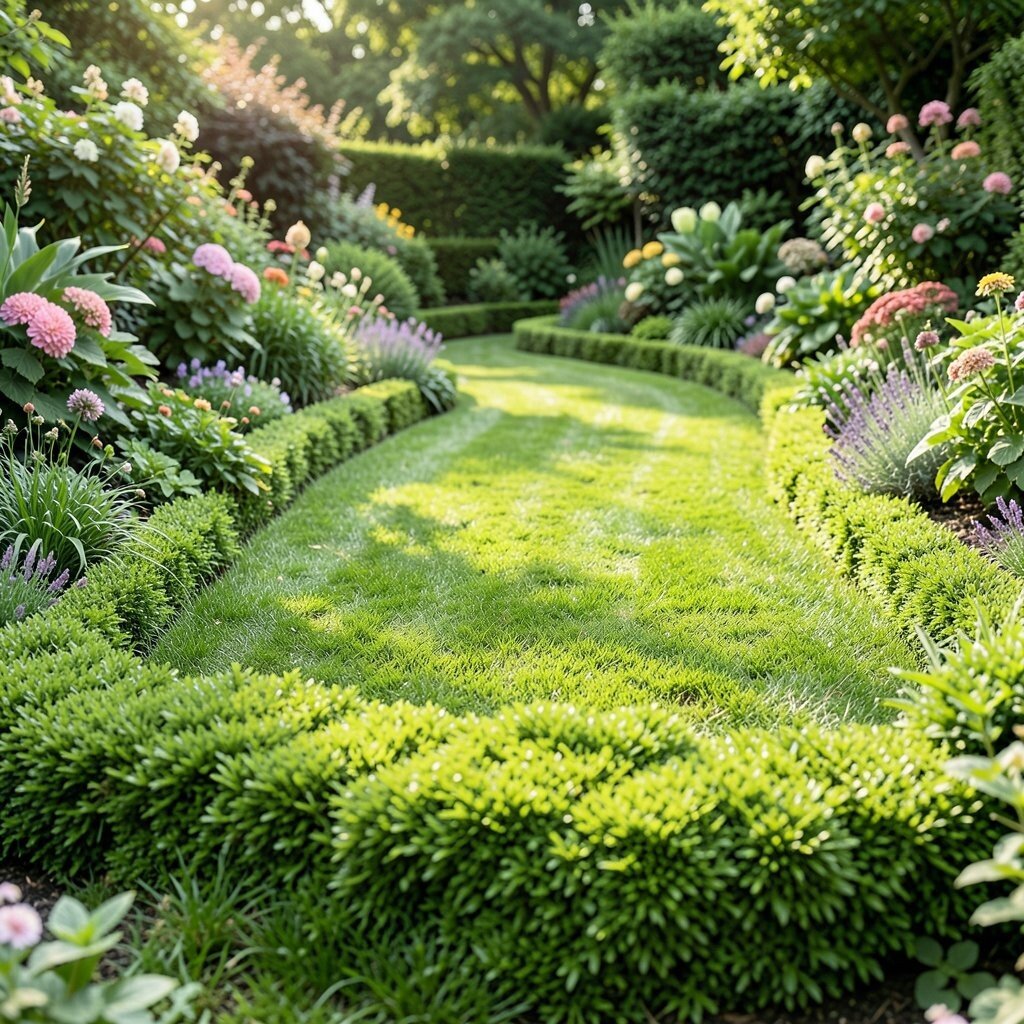
Border + Lawn Sandwich With Big Texture Create a wide border on both sides, then leave a manageable lawn strip in the middle. The border provides color, and the lawn gives your yard a calm resting space.
Choose plants with different leaf shapes, like ornamental grasses, broad-leaf perennials, and narrow-flowering stems. Texture is what makes lush gardens feel rich from a distance.
Benefits: you’ll get curb appeal without needing to plant every inch. It can also reduce weeds because the border is dense and well-mulched.
For personalization, add a short “theme row” like all-white blooms on one side. Cost considerations: use a mix of slightly cheaper perennials for bulk and invest in a few premium plants as anchors.
-
13. The Boxwood-and-Bloom Formal Comfort
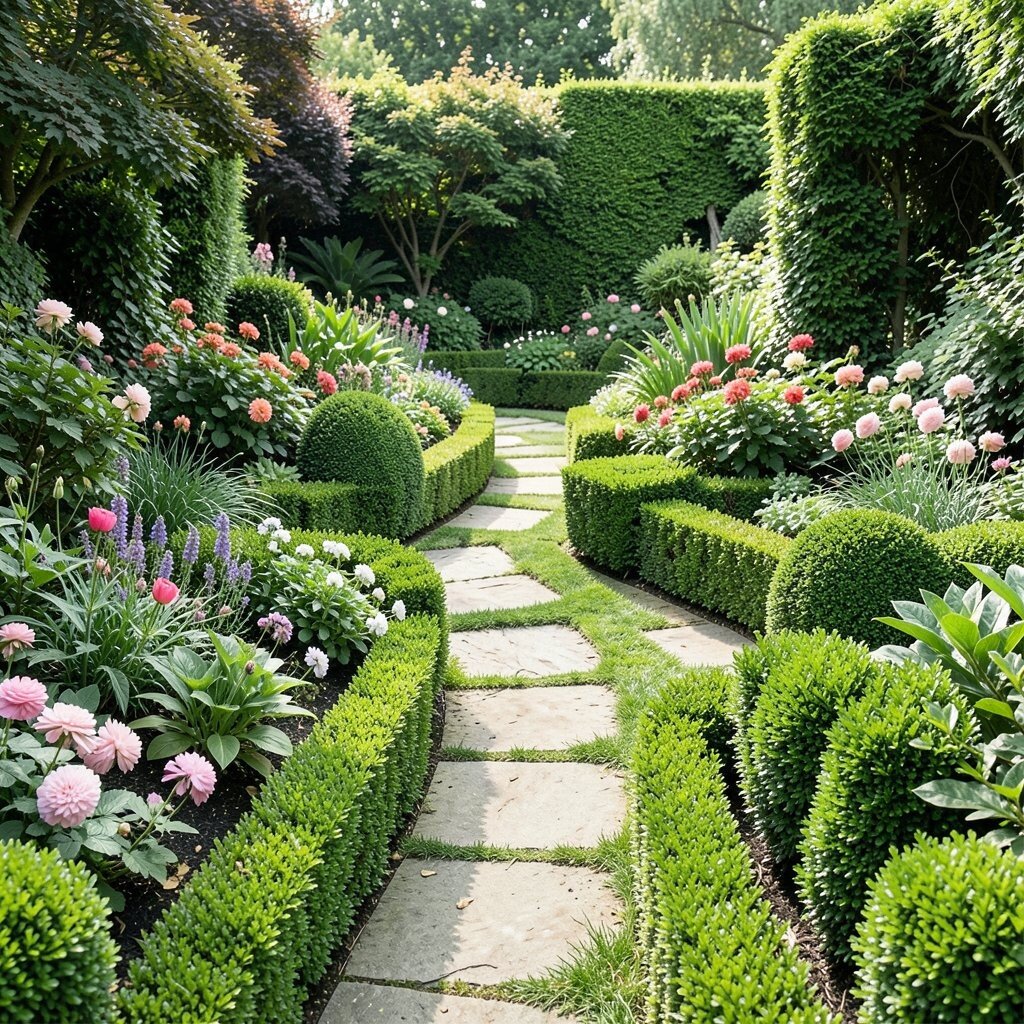
The Boxwood-and-Bloom Formal Comfort If you love a neat look, combine structured shrubs with soft, colorful flowers. Boxwood-like shapes or other evergreen shrubs give you year-round structure.
Then weave in blooming perennials between them for a lush, friendly feel. Keep plants spaced so each one can grow, instead of crowding too soon.
Benefits include a tidy look even when flowers fade. You also get a more “designed” yard that still feels warm because you’re adding blooms.
Personalize with seasonal swaps, like adding spring bulbs for early color and autumn flowers for fall drama. Budget tip: buy a few shrubs and repeat the same plant pattern for a consistent look.
Current trends often mix formal structure with natural planting, so you can keep the edges crisp and still let perennials look abundant.
-
14. The Edible Flower Border for Color and Food
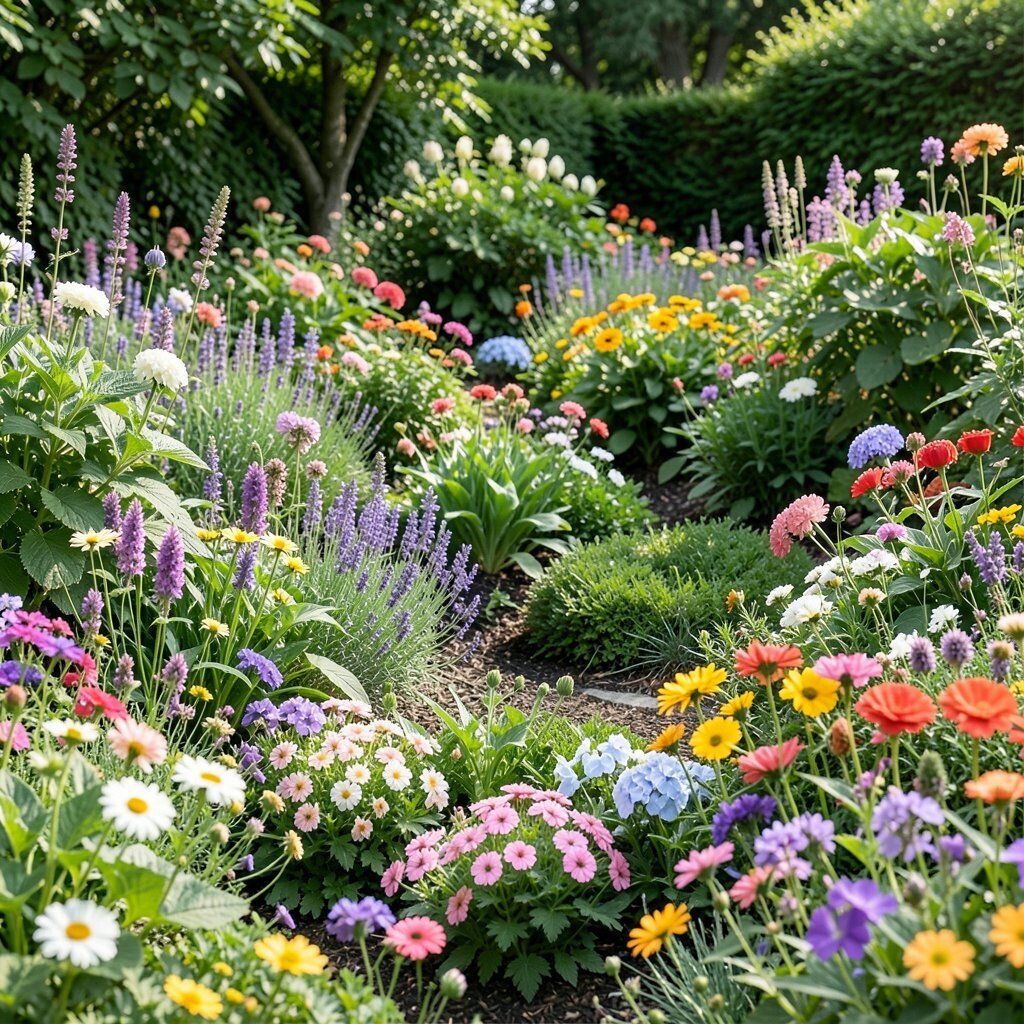
The Edible Flower Border for Color and Food Make your border useful by planting herbs and edible flowers alongside classic ornamentals. Think of herbs as “green glue” that helps everything look lush.
Use plants like basil, chives, nasturtiums, and calendula to add pops of color. Many of these also taste great and attract helpful insects.
For benefits, you get beauty and harvest in the same spot. It can reduce waste too, because you’ll actually use what you grow.
Personalize by choosing flavors you love—maybe Italian herbs or spicy heat from peppers in warmer months. If you want a trend, “cut-and-come-again” gardens are growing in popularity, meaning plants keep producing after you harvest.
-
15. Jungle-Inspired Corner With Big Leaves
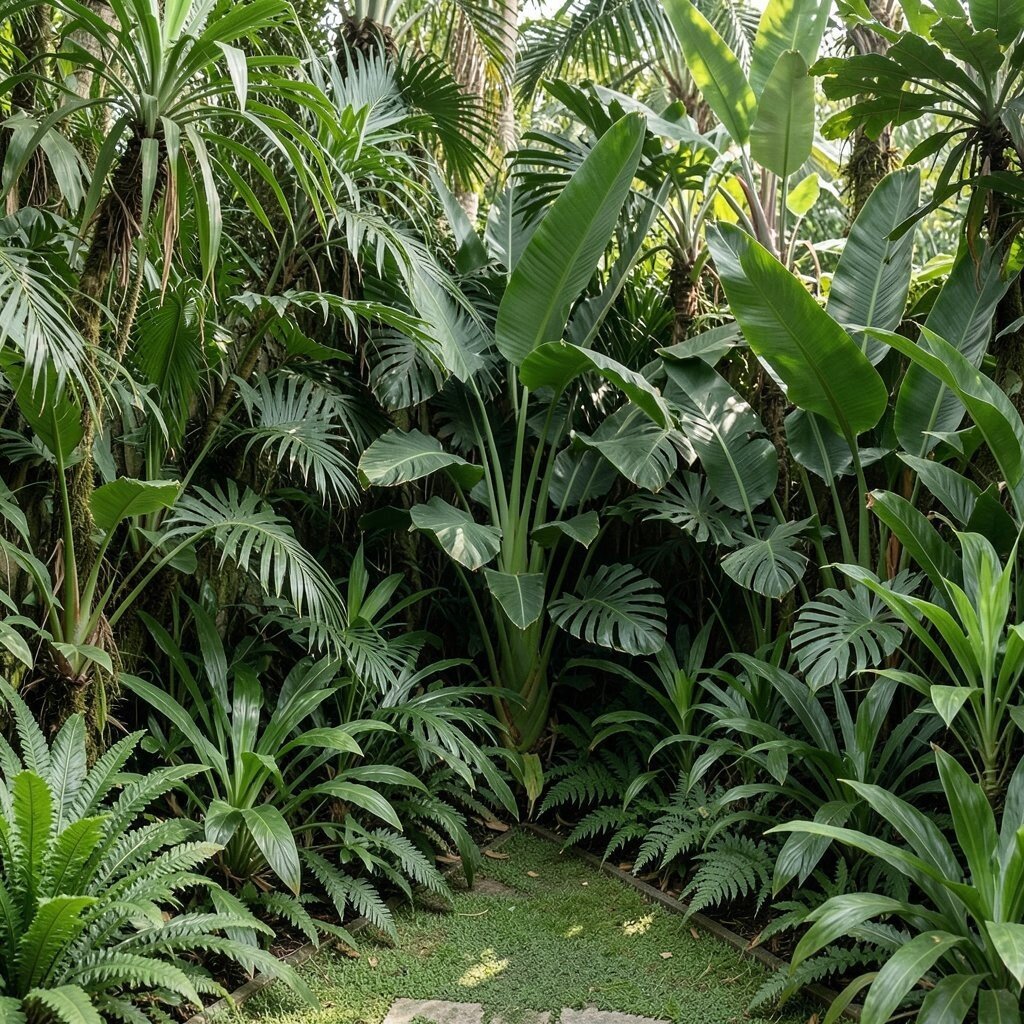
Jungle-Inspired Corner With Big Leaves Create a lush corner using plants with bold, big leaf shapes. This style feels like a mini vacation, even when you’re just stepping out the door.
Pair tropical-looking plants, such as canna, banana-like plants (where climate allows), or hearty hardy substitutes. Add smaller flowering plants around the edges so the corner doesn’t look flat.
Benefits include a dramatic look that stands out in summer. It also helps you hide plain walls because foliage does the heavy lifting.
Personalize by choosing pots with matching colors, like matte black or warm terracotta. Cost considerations: some bigger plants cost more at first, so buy the strongest “statement plant” and fill in with smaller ones.
-
16. The “Three Levels” Raised Terraces
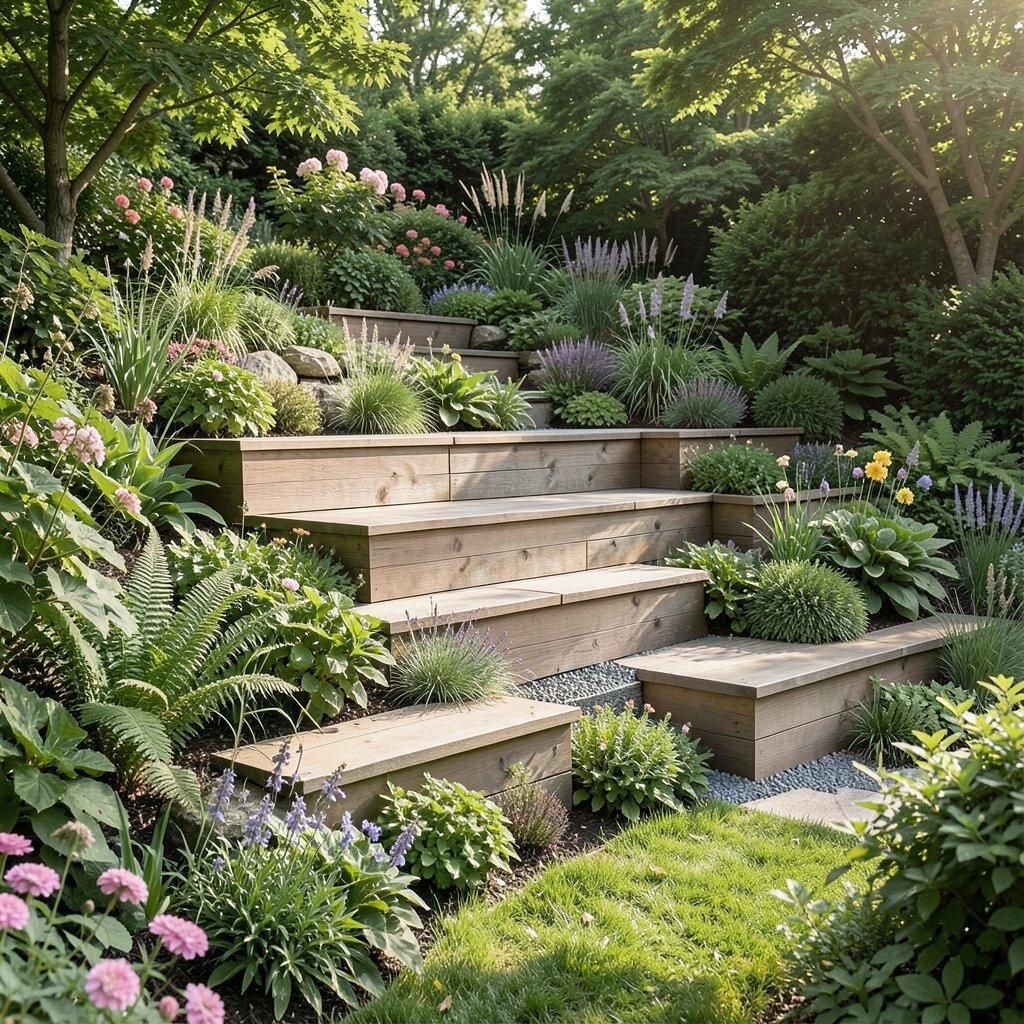
The “Three Levels” Raised Terraces Turn a slight slope or uneven yard into terraced planting with three levels. Each step becomes a stage for lush growth.
Place taller plants on the top level, medium plants in the middle, and low plants on the bottom. This gives you structure and prevents the back plants from crowding the front.
For benefits, terraces slow down runoff and help water soak in. You also get a garden that looks more expensive because the design feels layered.
Personalize with different mulch colors on each terrace, like dark brown plus a lighter gravel tone. Budget tip: start with basic wooden or stone edging, then add plants as you improve the soil over time.
-
17. Mossy Path With Riverstone Edges
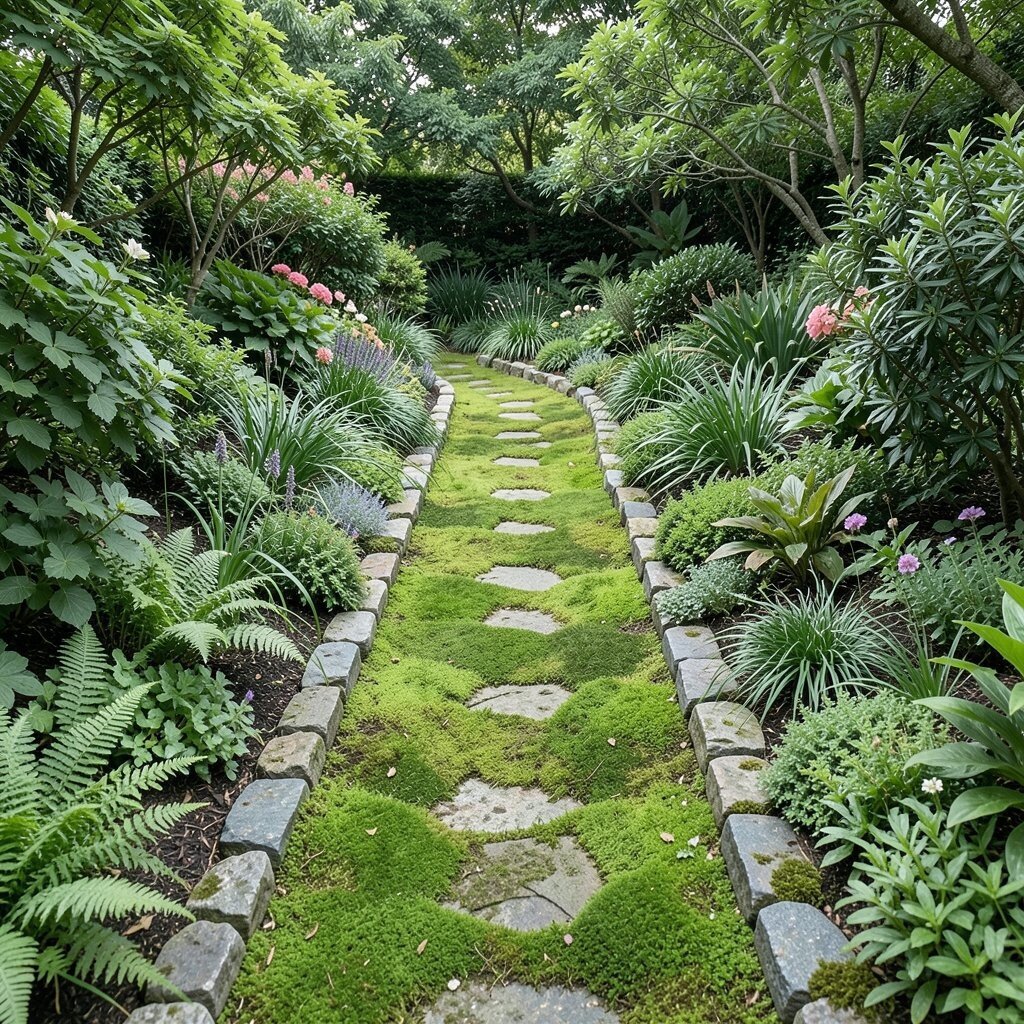
Mossy Path With Riverstone Edges Build a path that looks like it belongs in a forest. Use river stones for borders and leave gaps for moss or low plants.
In the gaps, plant tiny groundcovers that can handle foot traffic. This makes the path feel alive and lush without needing constant attention.
Benefits include a cool, natural look and less mud after rain. The stone also helps with drainage, so your walkway stays nicer longer.
Personalize by choosing stones with similar color shades for a calm look. If you want trend momentum, naturalistic paths and “soft edging” are very popular because they blend modern design with wild charm.
Cost considerations: small stone can add up, so buy in bulk if you can. You can also start with a smaller path and expand later.
-
18. The Pergola Flower Corridor
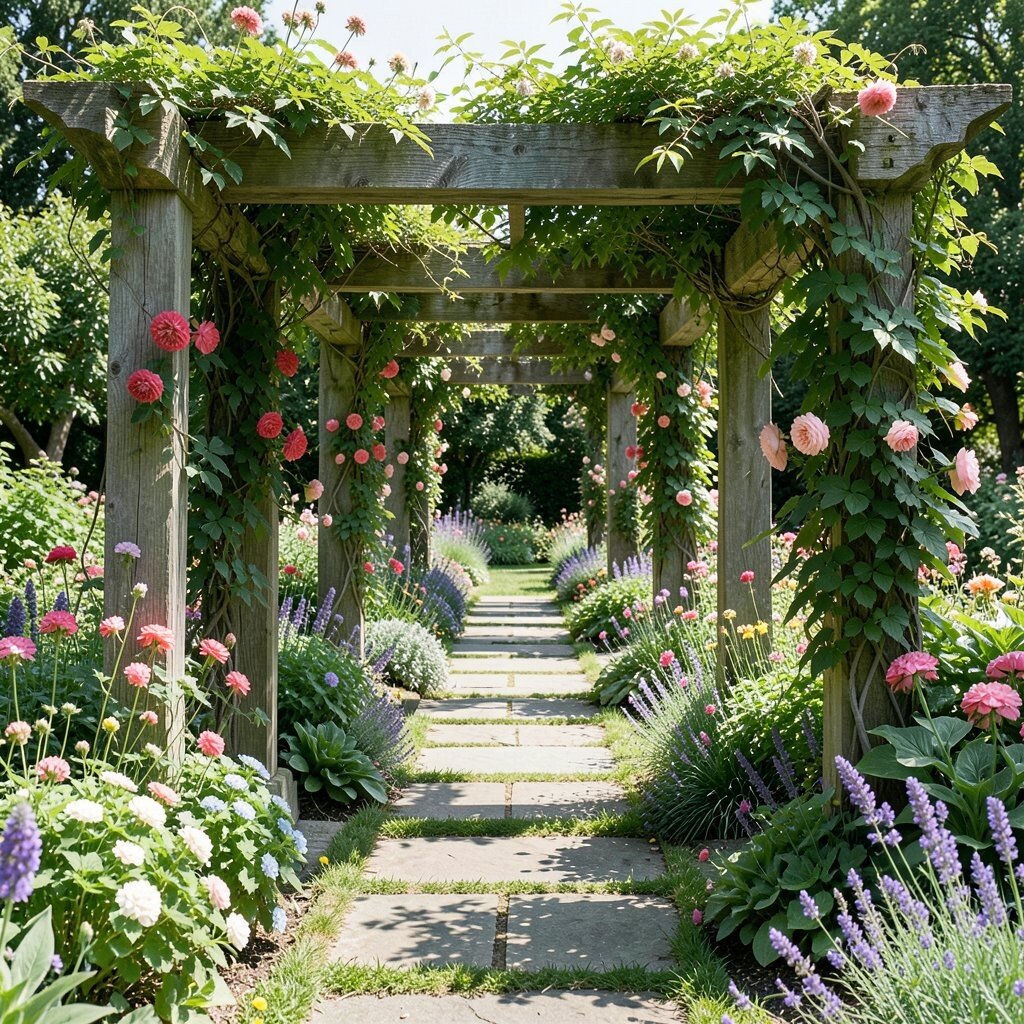
The Pergola Flower Corridor Create a corridor by placing a pergola over a walkway. When climbing vines cover the beams, the whole path turns into a lush tunnel.
Choose flowering climbers and support them with twine or clips. Add planters along the sides so the space looks full from every angle.
Benefits include shade for hot days and a wow factor when guests walk through. It also encourages you to spend time outdoors because the space feels like a destination.
For personalization, match your vine blooms to your favorite paint colors, like purple near the house and white near the gate. Budget tip: consider starting with one strong corner or one short section if you’re working in phases.
-
19. The Wildlife-Friendly Water Bowl Garden
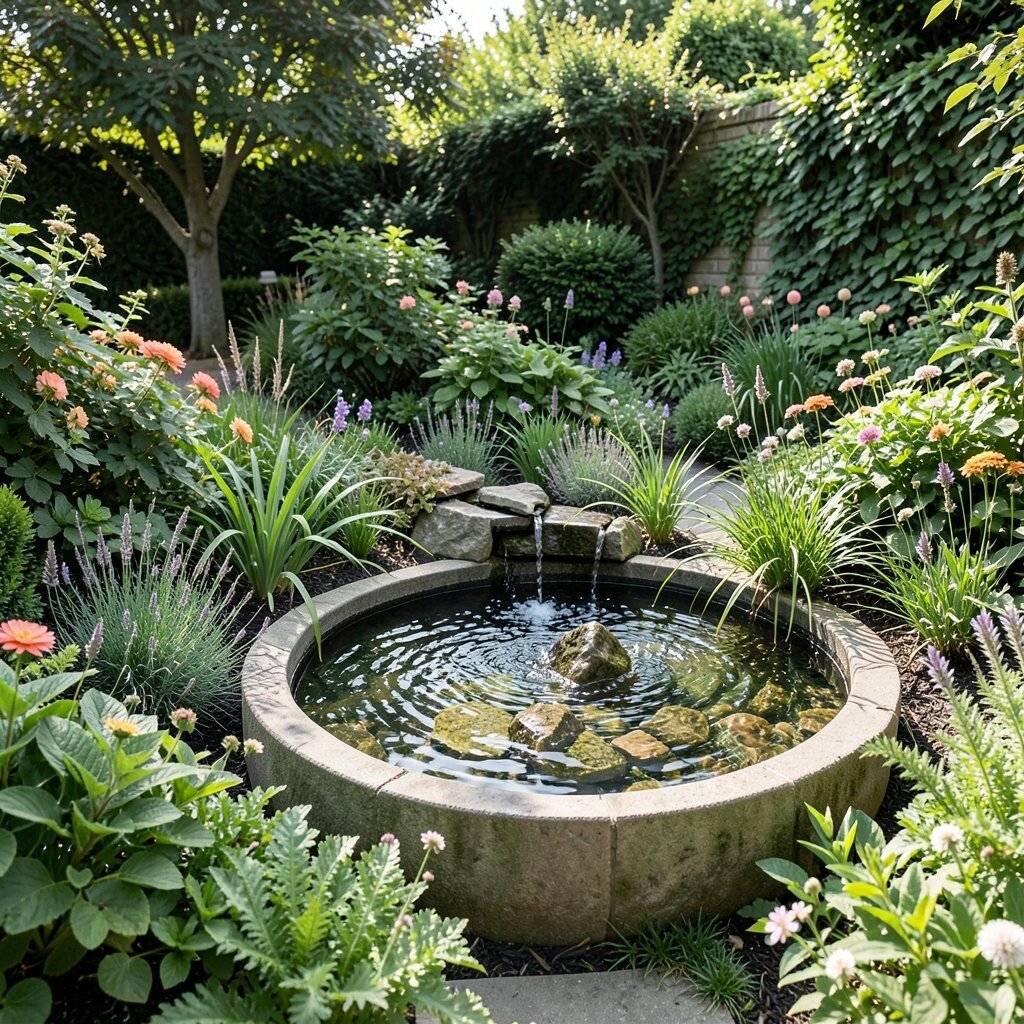
The Wildlife-Friendly Water Bowl Garden Place a water bowl or small birdbath at the center of a planting cluster. Then build plants around it so visitors can land and hide safely.
Choose a mix of nectar plants and leafy cover, so insects and birds have what they need. Add flowers that bloom at different times for steady activity.
For benefits, you’ll see more birds, butterflies, and beneficial insects. You also get a lively scene that makes the garden feel magical, even on quiet mornings.
Personalize with a gentle solar light or a decorative basin cover. Cost considerations: keep it simple with a quality bowl and focus your budget on plants, because plants will make the whole layout lush.
-
20. Patio Pots With a Curtain of Green
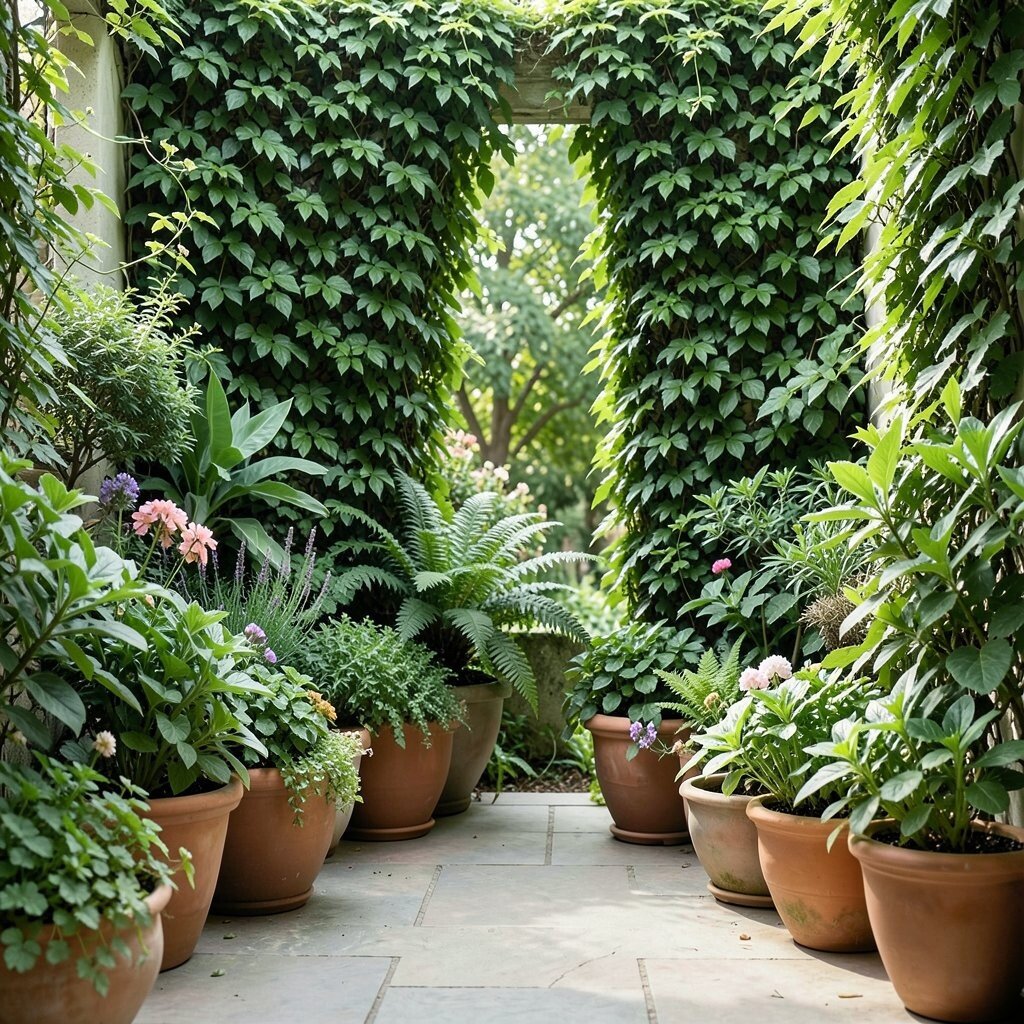
Patio Pots With a Curtain of Green Turn your patio into a lush retreat using large pots and repeating plants. Arrange containers so they create a curtain effect, not random clutter.
For the “curtain,” use tall planters at the back and trailing plants to spill toward the walkway. Choose reliable plants that stay attractive, like evergreen groundcovers in colder seasons.
Benefits include easy control of soil and less stress from hard ground. Pots also make personalization simple because you can swap colors without rebuilding the whole yard.
Personalize with your favorite container style, like sleek modern, classic ceramic, or rustic wood. Budget tip: buy a few quality planters first, then use cheaper pots underneath decorative outer planters.
-
21. The Corner “Forest Edge” Border
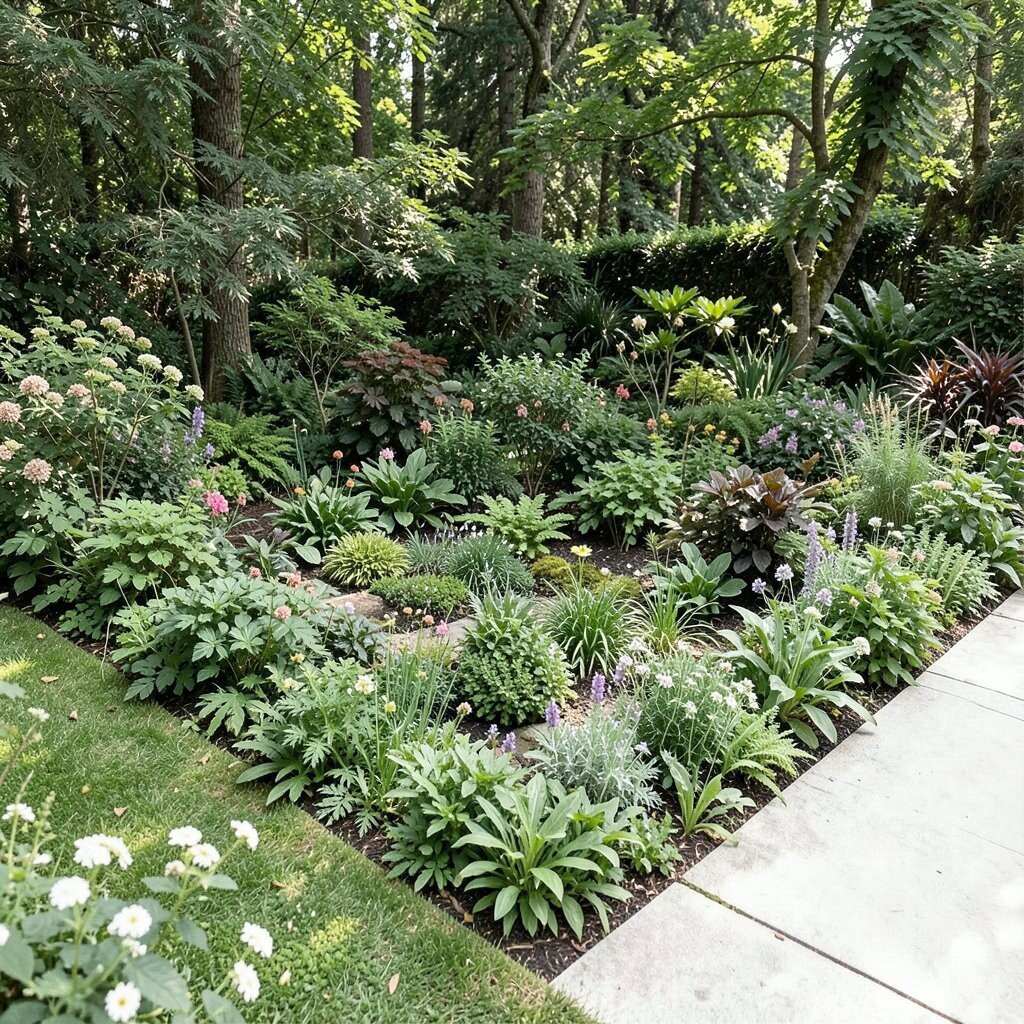
The Corner “Forest Edge” Border Make one corner feel like the edge of a woodland. Start with shrubs and small trees that create height and shelter.
Then add understory plants and groundcovers so the whole corner looks thick. Use overlapping layers so the area never looks empty.
For benefits, a forest-edge border softens hard landscaping like fences, walls, and driveways. It can also reduce wind because dense plants act like a natural barrier.
Personalize by choosing one standout plant type, like ferns for drama or flowering shrubs for color. Cost considerations: native trees and shrubs can be cheaper than you expect, especially if you find local sales or start with smaller sizes.
Current trends include “soft corners” that look wild but still tidy. This style fits that trend perfectly because it looks natural and layered.
-
22. Seasonal Color Blocks in a Clean Layout
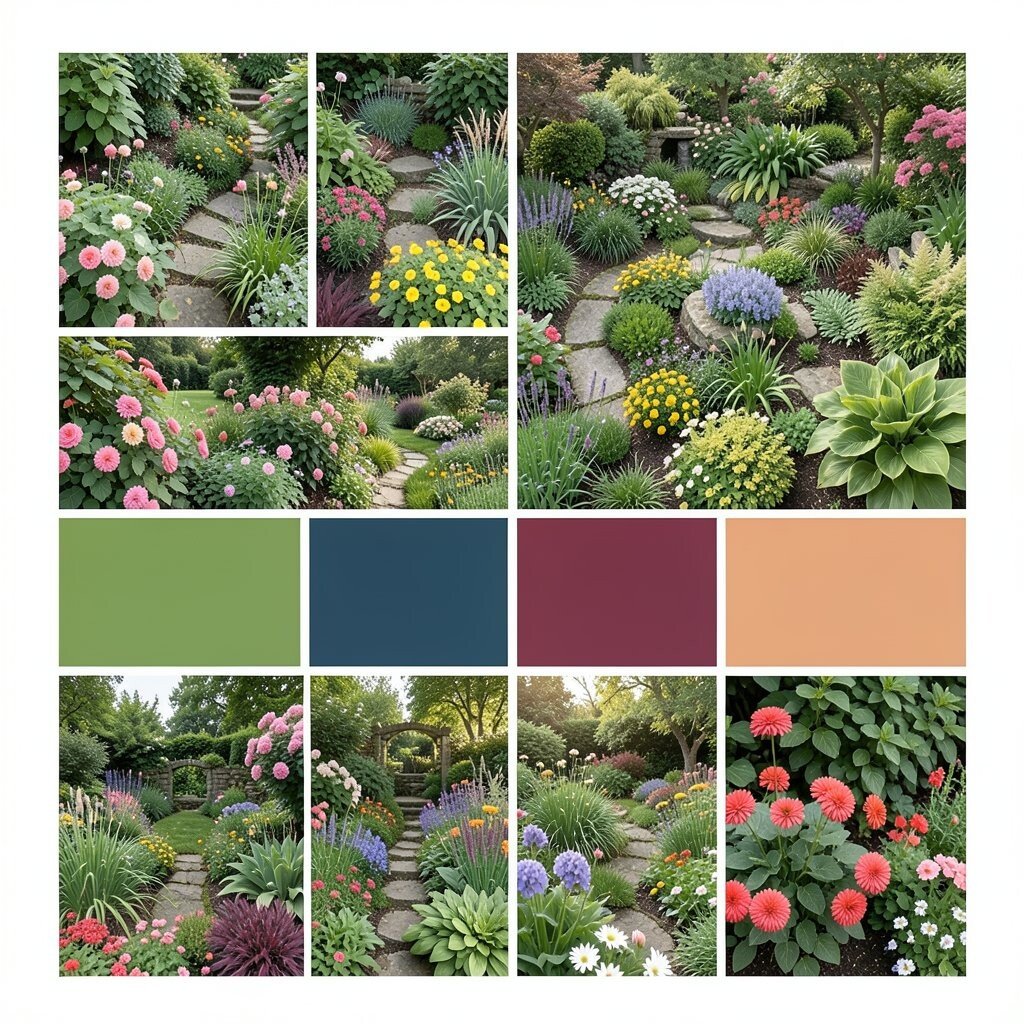
Seasonal Color Blocks in a Clean Layout Plan your yard like a patchwork quilt with color blocks that change through the seasons. Keep the shapes simple and repeat the same block style in different places.
Choose plants that bloom at different times so each block stays interesting. You can also add leafy plants to keep the area lush even when flowers pause.
For benefits, you get a yard that always looks intentional, not temporary. It’s also easier to shop, because you know exactly how many blocks you want and what height range fits each one.
Personalize by using your favorite palette: bright spring tones, warm summer shades, and rich fall colors. Budget tip: use smaller plants for edging and invest in a few mid-size anchors for fullness.