Measuring spoons can turn tiny kitchen tasks into fun moments. You’ll be surprised how creative you can get with just a few small tools.
1. Rainbow Spice Measuring
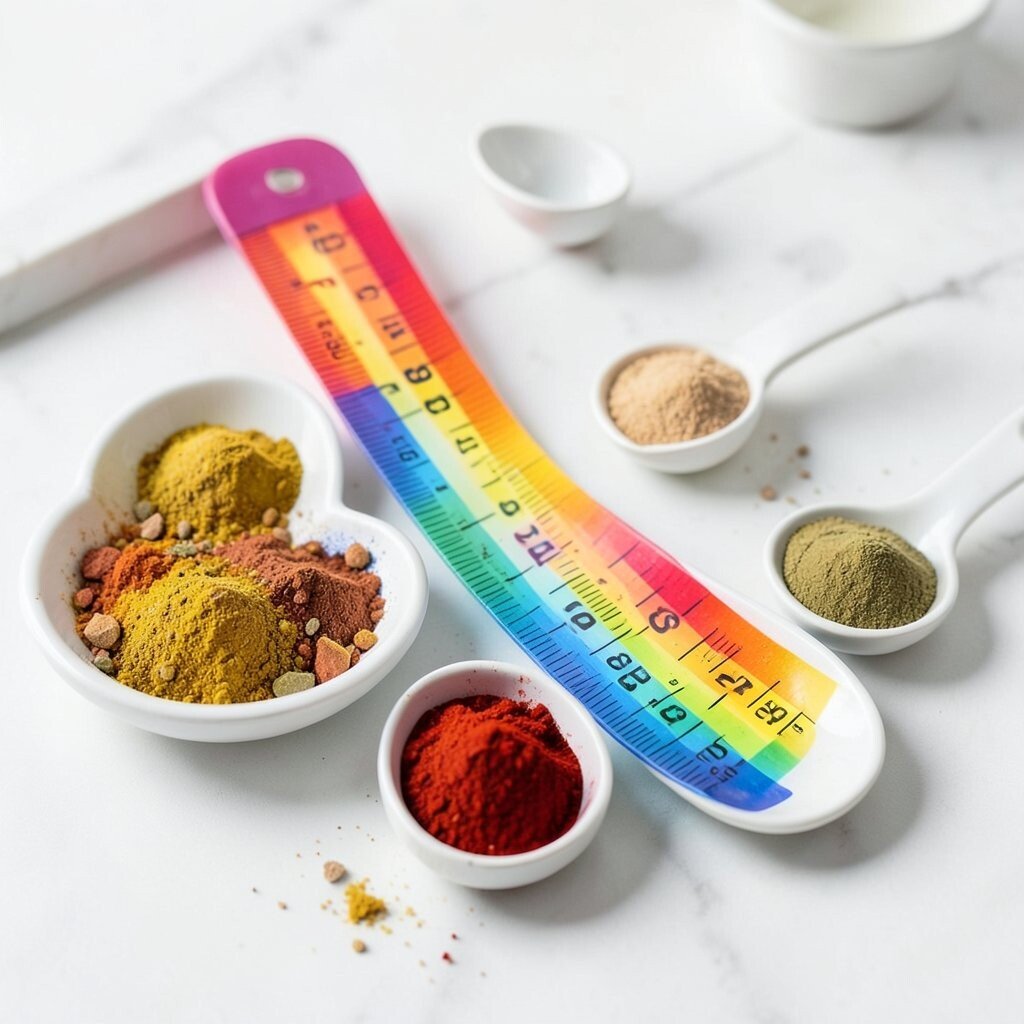
Pick three to five colorful spices and line up your measuring spoons like a mini rainbow. Each spoon becomes a tiny label that makes cooking feel like art.
To start, measure equal amounts into small bowls, then label them by color so you can grab fast while cooking. This looks great on a counter and helps you learn portion sizes by eye. If you’re on a budget, use spices you already own and rotate them by season.
2. Snack “Portion Party” for Kids
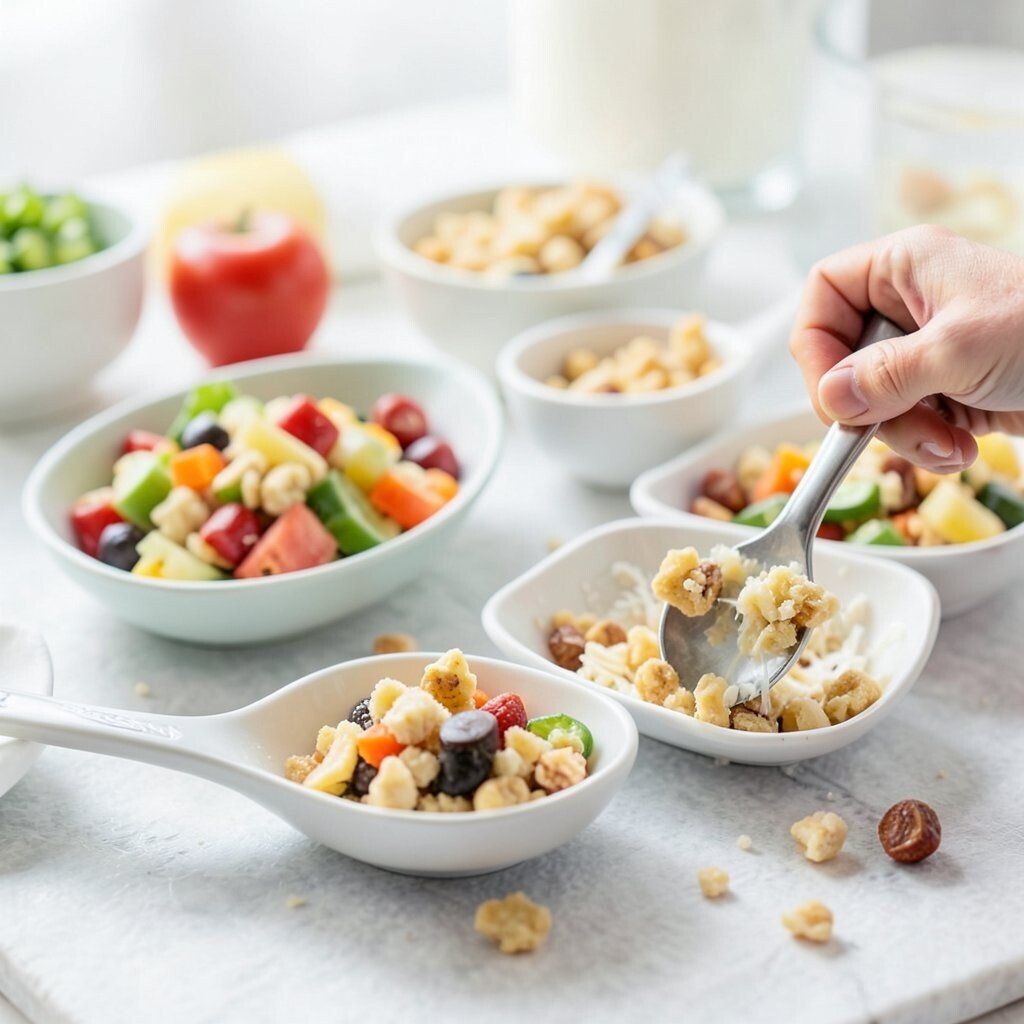
Turn measuring spoons into a game where kids build snacks with exact portions. It feels like play, but you’re still teaching portion control.
Set out cereal, chocolate chips, or nuts and let each person use a designated spoon size for their mix. Offer a simple recipe card so they can follow along without stress. Try a weekly theme like “movie night mix” to keep it exciting and new.
For personalization, choose spoon sizes that match your family’s favorite flavors. Use small cups to avoid spills, and wipe spoons right away for easy cleanup. This can cost almost nothing if you reuse containers and buy bulk ingredients when possible.
3. DIY Vanilla Sugar Shortcut
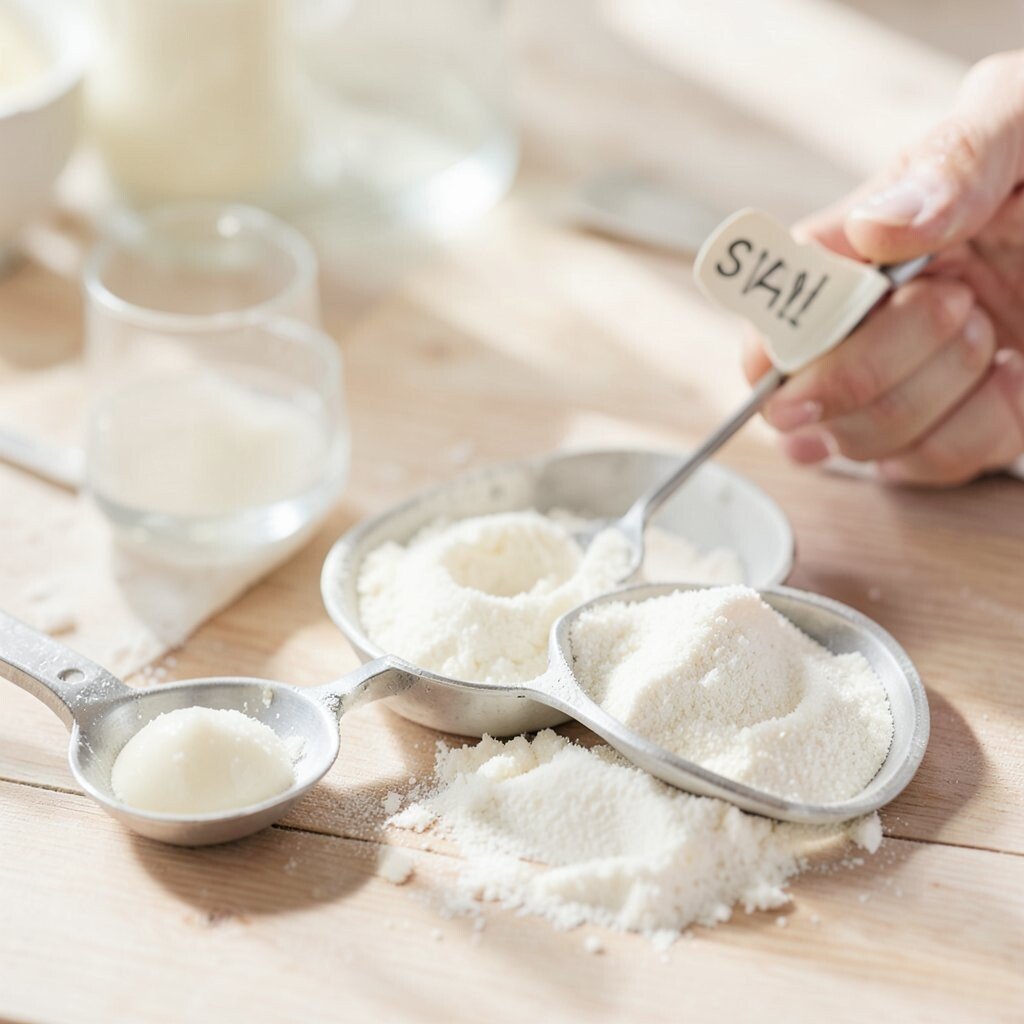
Mix vanilla powder or ground vanilla with sugar by measuring it by spoon. The result is sweet, fragrant, and perfect for quick baking.
Use a consistent ratio so every batch tastes the same, then store it in a jar with a date label. A tablespoon measuring spoon makes repeat batches easy, and half-teaspoon spoons help when you want lighter sweetness. You can also swap in cinnamon for a cozy twist.
What makes this unique is how the small tool guides your flavor strength. Start with one or two batches, then adjust the spoon amounts based on feedback from taste tests. This trend is popular right now because it supports homemade flavors instead of store-bought mixes.
Personalize by adding a pinch of salt or a tiny amount of citrus zest after measuring. Keep the jar in a cool cabinet so it stays fresh. It’s usually cheaper than buying flavored sugar packets, especially if you buy vanilla or vanilla beans in bulk.
4. Herb Teas in Measured Steps
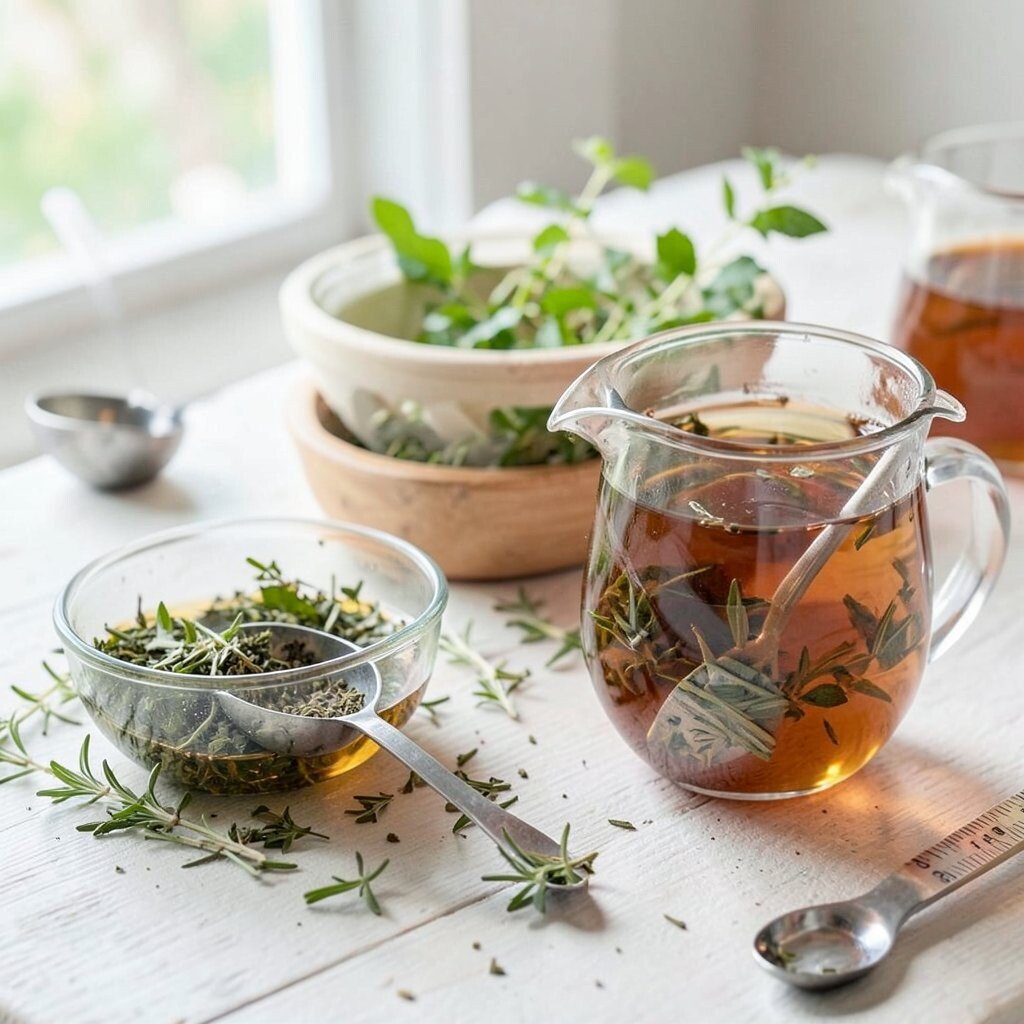
Use a measuring spoon to portion dried herbs for steady, comforting tea. Each cup becomes more consistent and easier to repeat.
Try one spoon size for herbal blends, then adjust next time by swapping to a slightly bigger spoon. It’s a gentle way to learn how different herb strengths change flavor. Keep notes on a sticky note near the kettle so your next cup tastes just right.
5. “Sauce Lab” for Small-Batch Experimenting
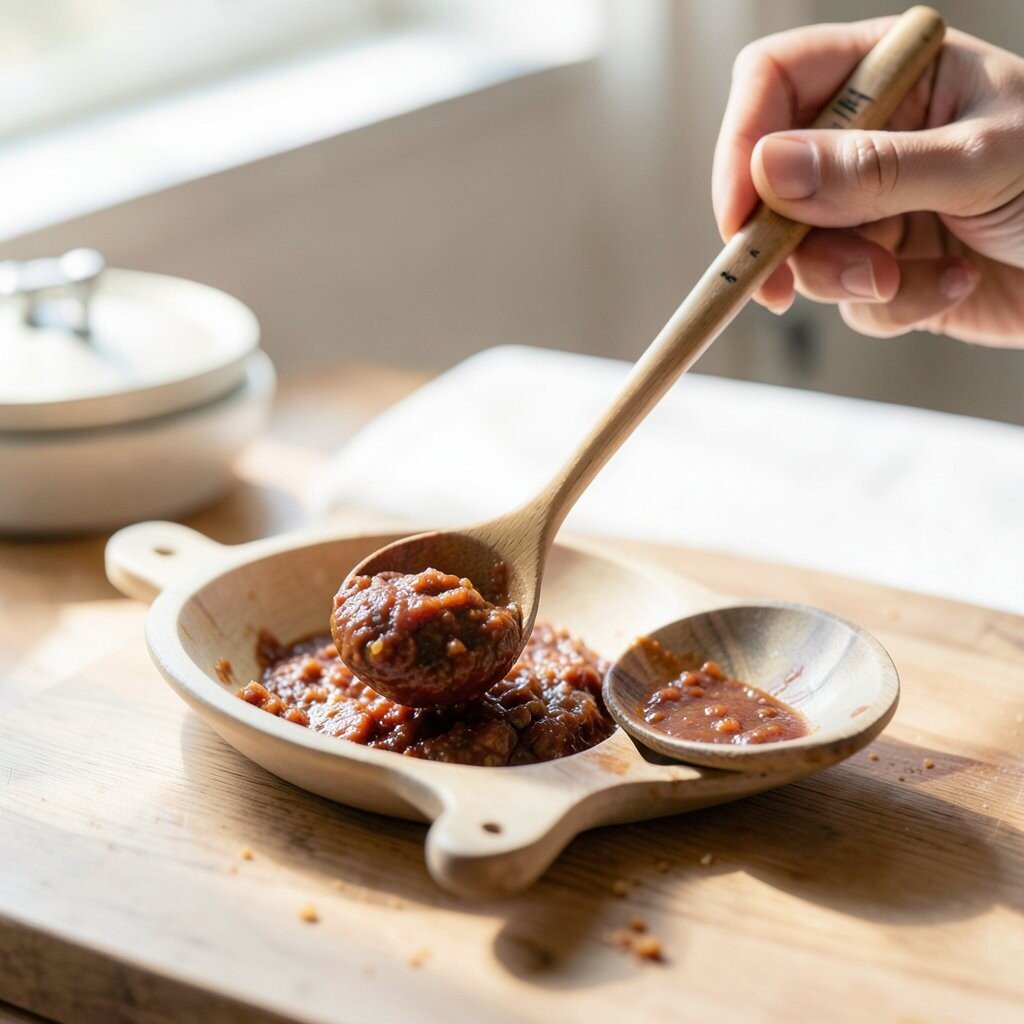
Create homemade sauces by mixing tiny amounts with measuring spoons. Small batches mean you can test new flavors without wasting ingredients.
Start with a base like soy sauce or ketchup, then add measured sweetness, salt, and acidity using different spoon sizes. This makes it easy to tweak heat level with chili flakes and to dial in tang with vinegar or lemon juice. If you enjoy trends, this matches the current love for quick, homemade condiments.
Personalize by making one spoon chart for your go-to sauce so anyone in the house can repeat it. Cost stays low because you use common pantry items and only cook what you need. Clean-up is simple since measured amounts prevent messy overpouring.
6. Cookie Dough Texture Check
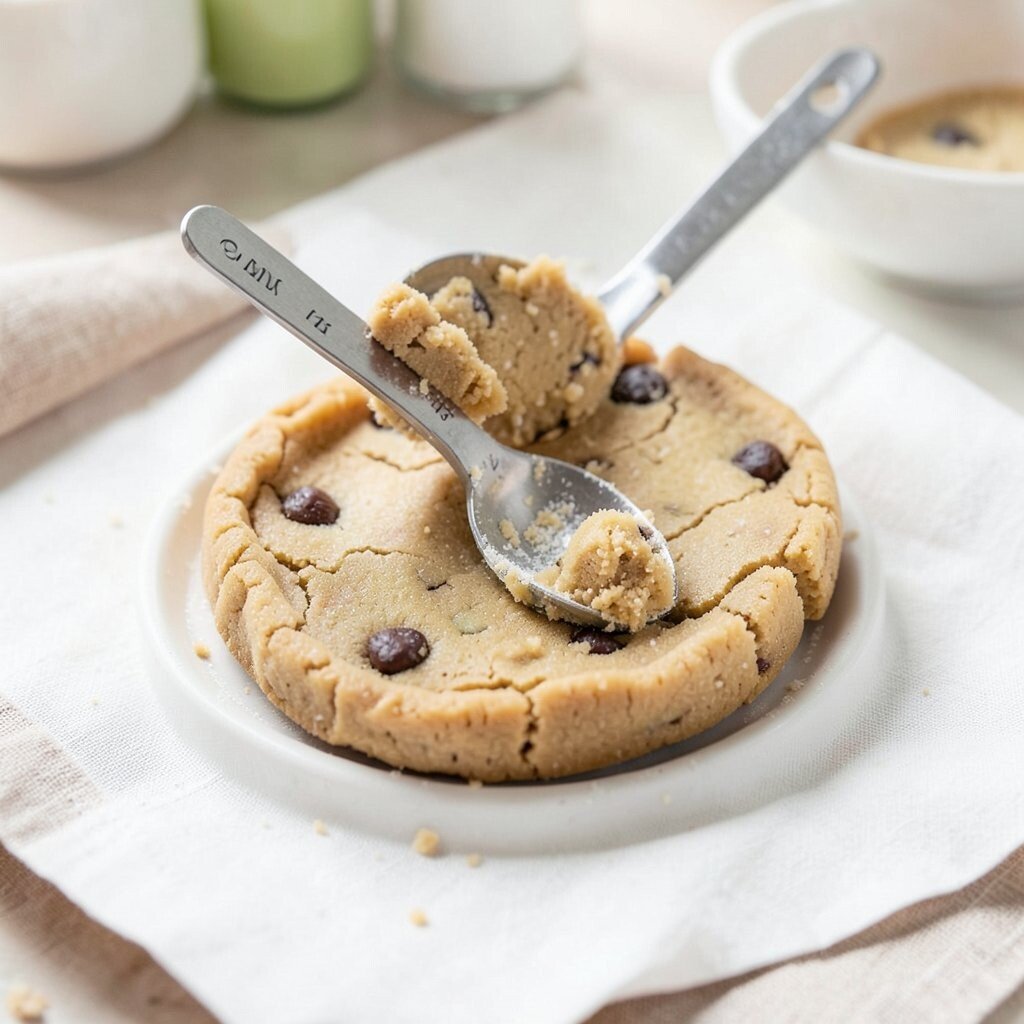
Use measuring spoons to fine-tune add-ins like baking powder, spices, and vanilla. Tiny changes can make cookies chewy, crisp, or extra soft.
When you add leavening or flavor, measure carefully so the dough texture stays predictable. Try a spoon method for small additions like salt, cinnamon, or espresso powder so you can compare batches. Keep your notes on which spoon sizes you used for best results.
7. “Leftover-Spoon” Refrigerator Organizer
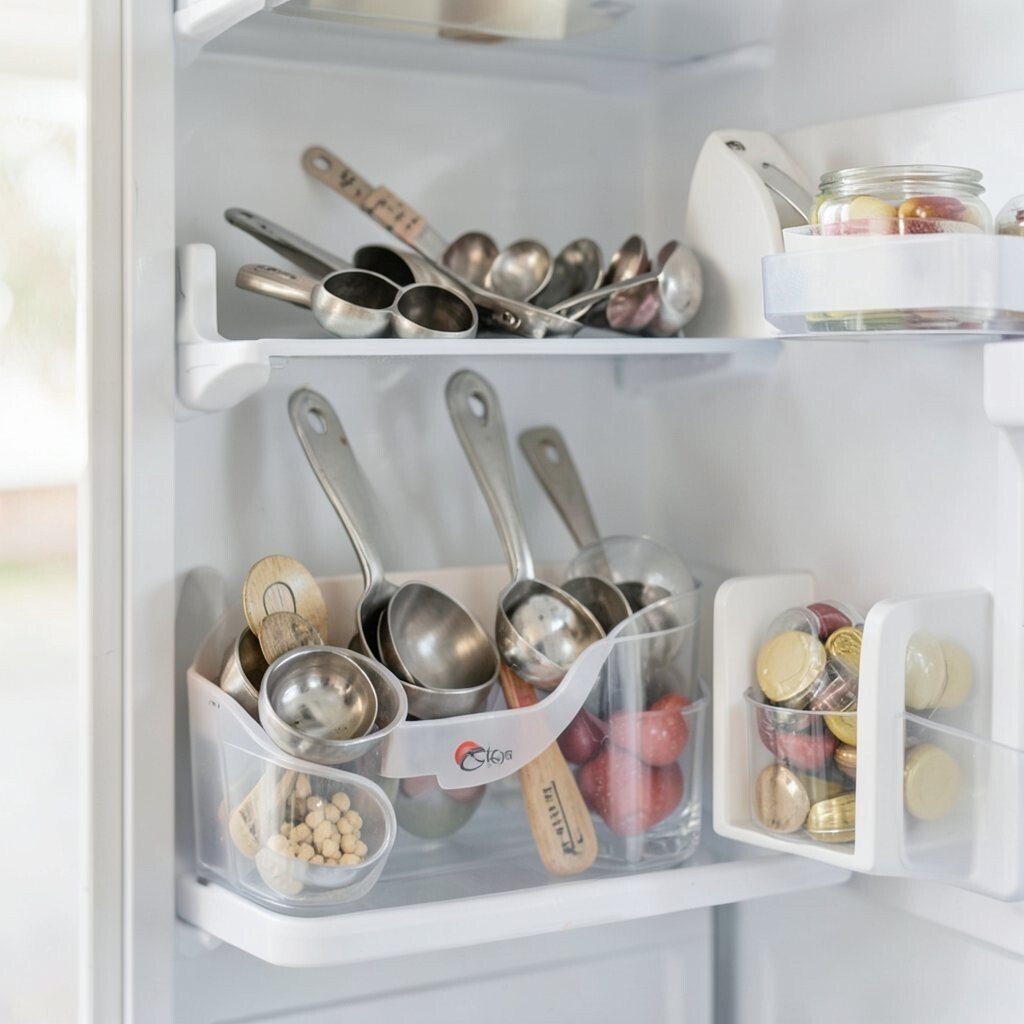
Dedicate one drawer or jar for leftover ingredients measured by spoon. It turns messy pantry bits into tidy grab-and-go portions.
For example, measure remaining herbs into small sealed bags or jars, then label with the spoon size. This makes cooking faster because you won’t guess how much is left. It’s also a practical way to reduce food waste.
To personalize, match labels to recipe names you actually make, like “taco seasoning” or “chili boost.” Consider adding a small scoop for dry items, but rely on measuring spoons for the first portion so your labels are accurate. If you’re saving money, bulk refill stores can help you build a steady ingredient stash.
8. Marble Cake “Perfect Level” Baking
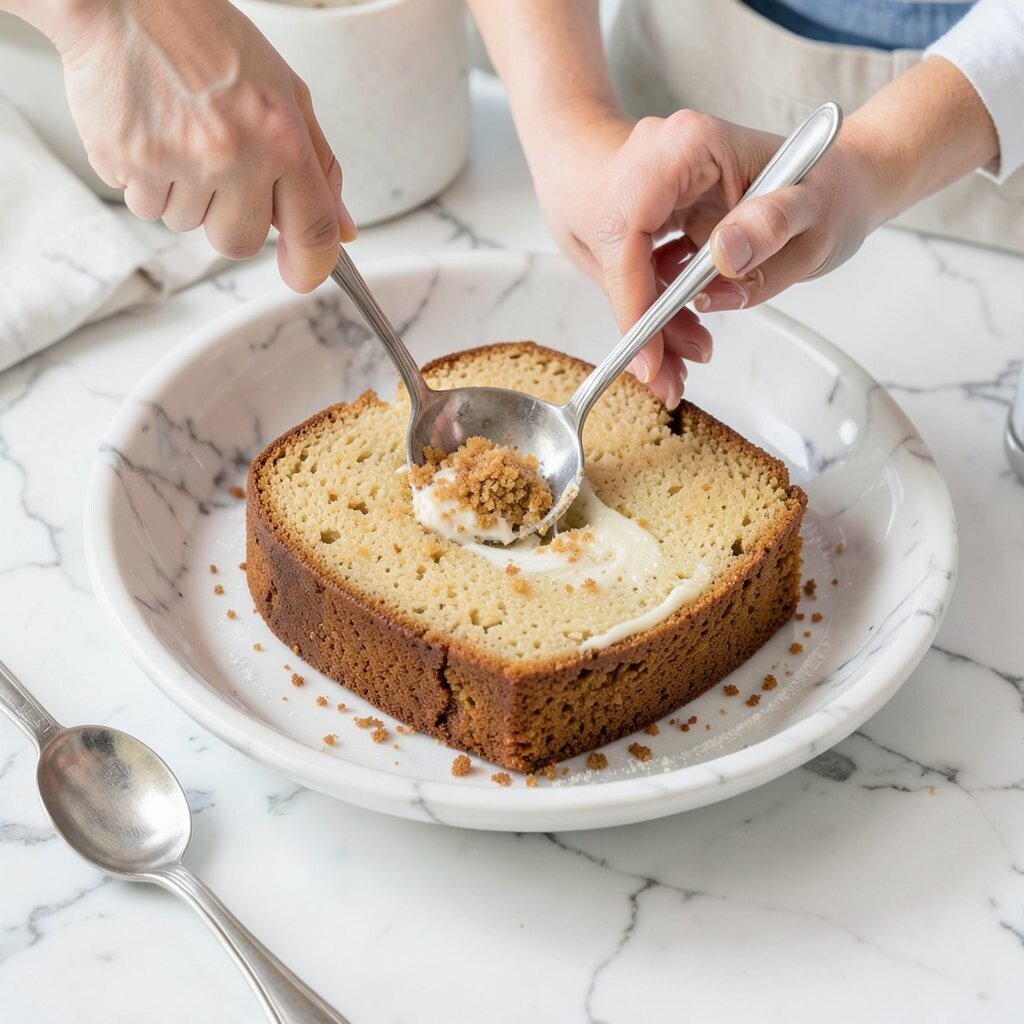
Use measuring spoons to keep batter add-ins balanced so swirls look beautiful. When your amounts are consistent, your baking rises with more confidence.
Measure cocoa powder, vanilla, and any flavor extracts using the same spoon sizes each time. This makes the two batter colors stay consistent, which helps the marble pattern look clean and bold. If you like a trend, this supports the popular “bakery-style at home” look.
What’s unique here is how the spoon creates a visual promise: even measurements lead to even swirls. Start small, and if the swirl seems dull, increase the cocoa spoon by a tiny step. Keep a kitchen timer so mixing doesn’t overdevelop batter.
Personalize by adding a spoon of instant coffee to deepen chocolate flavor. For cost considerations, use cocoa powder from a pantry refill option rather than specialty brands. Store your powders in airtight containers to keep them fresh between bakes.
9. Measuring Spoon Play-Dough Recipes
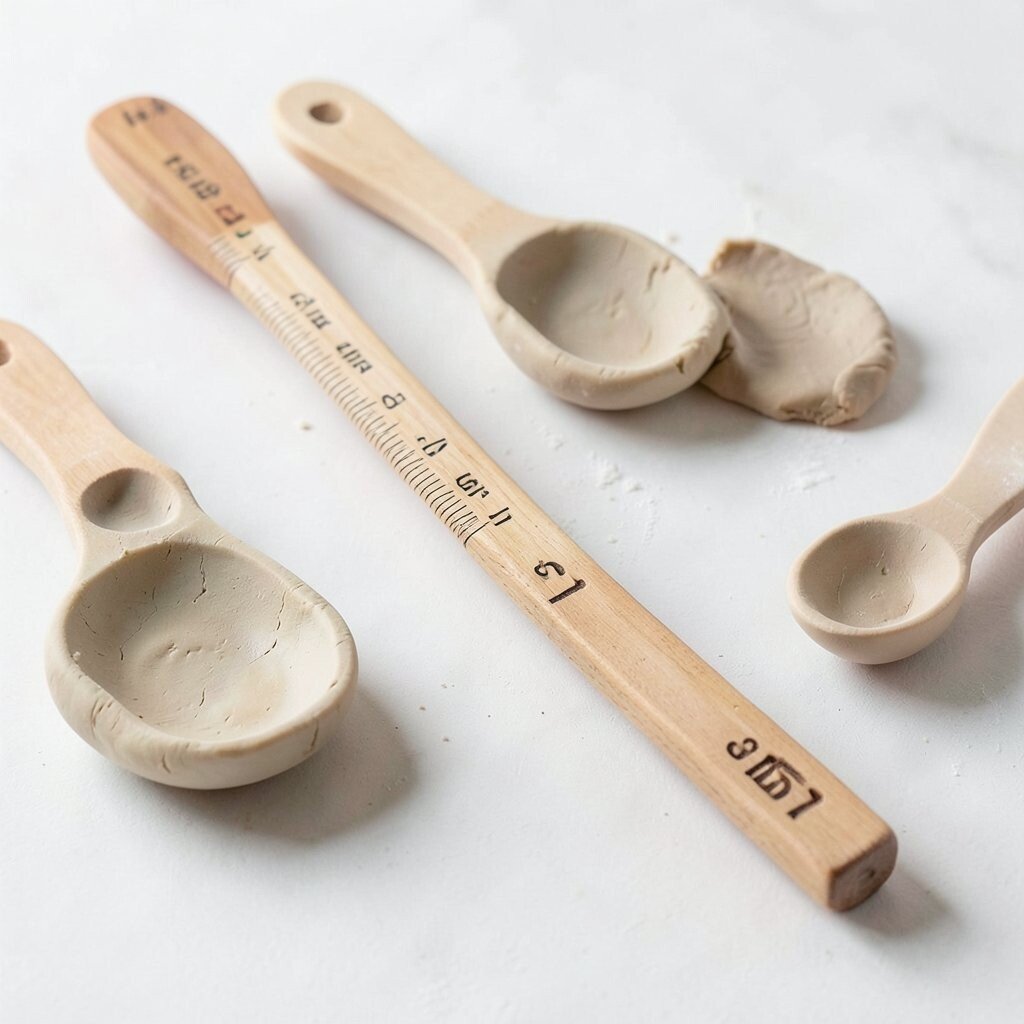
Whip up a quick play-dough batch by measuring safe, simple ingredients. It’s a fun weekend activity that keeps kids busy and curious.
Use measuring spoons to portion salt, flour, and oil, then mix in warm water slowly. You’ll learn which spoon sizes create the best texture for kneading and shaping. Add food coloring in small spoon amounts for bright, personalized colors.
10. Layered Lemon Dressing Jars
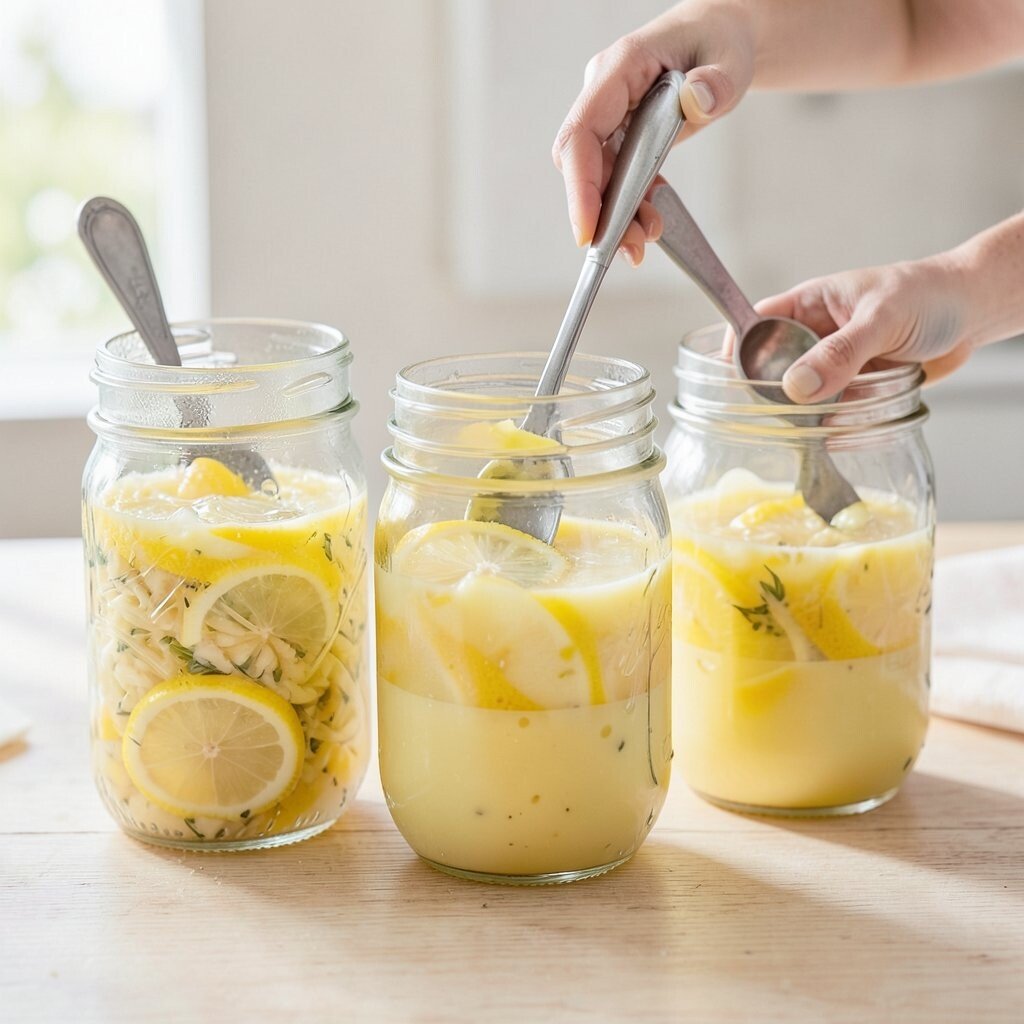
Make dressing by measuring each ingredient with spoons, then layer it in a jar. When you shake it later, everything blends smoothly.
Start with measured oil, then add measured citrus juice, salt, and a pinch of sweetness. Layering helps you see what you’re using, and it also makes packing for lunches easier. This idea fits the current trend of “meal prep you can actually enjoy.”
For personalization, create a spoon-based ladder of flavors, like mild to bold, and label each jar. Keep costs down by using lemons when in season and buying oils in larger bottles. A jar funnel helps prevent spills when you’re pouring smaller amounts.
11. Spicy Rub Builder for Grilling
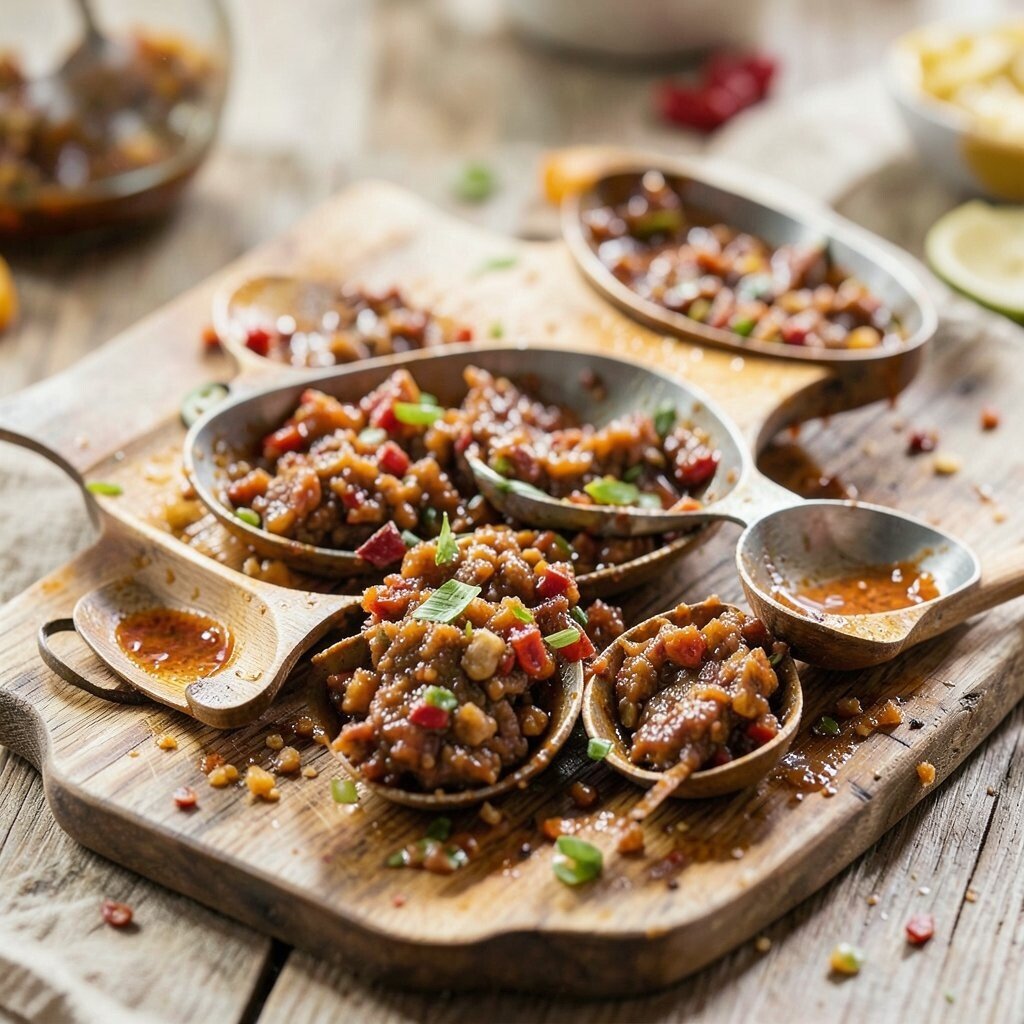
Measure rub ingredients with spoons so every batch has the same kick. That consistency helps your grill results feel reliable, not random.
Combine measured paprika, chili powder, garlic powder, and salt using spoon sizes you trust. Add a small spoon of brown sugar for balance, then test on a tiny piece of meat or vegetables. When you find your favorite mix, write the spoon amounts on a label.
12. Tea-Time Cookie Sprinkle Stations
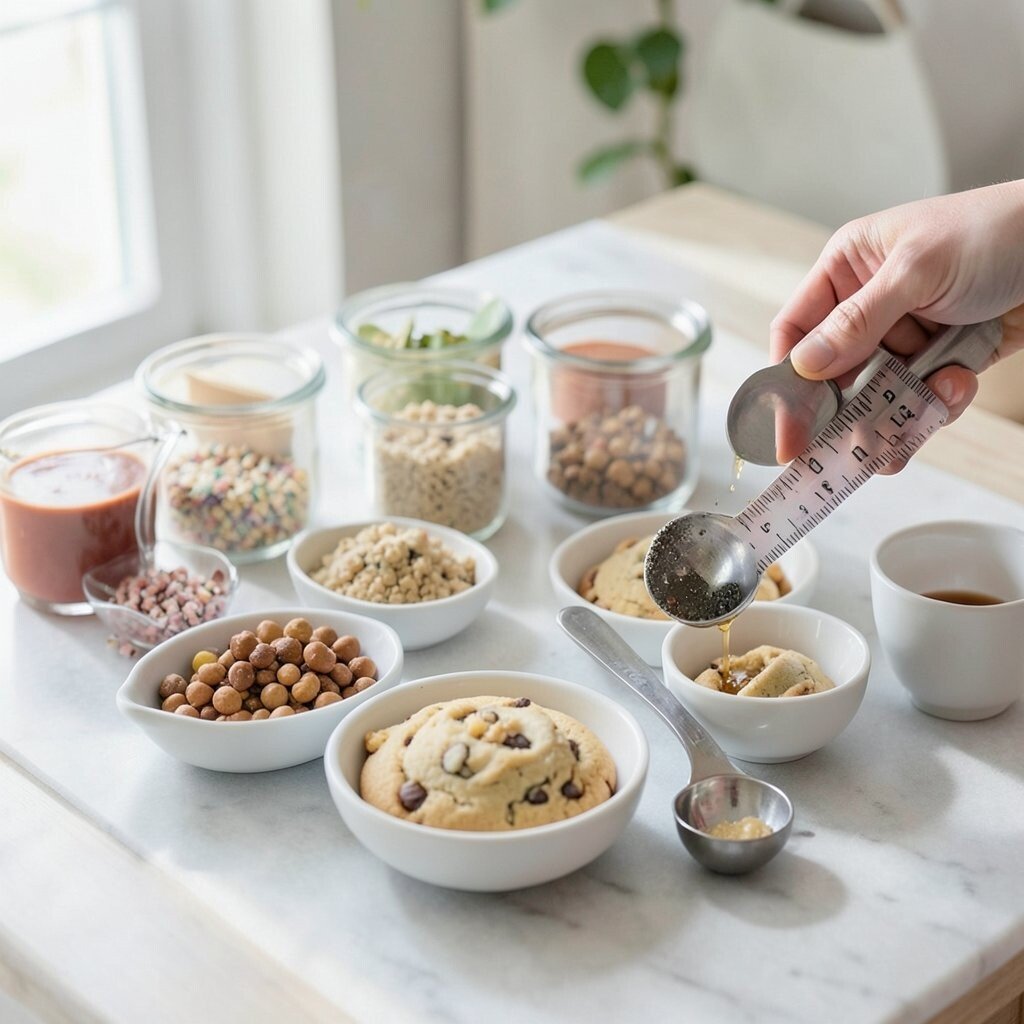
Set up a sprinkle station using measuring spoons for precise topping amounts. It makes desserts look fancy while keeping portions balanced.
Measure tiny spoon portions of colored sugar, cinnamon sugar, or chocolate shavings so each cookie gets the same look. Kids and adults can participate, and no one needs guesswork. It’s a fun way to personalize without making a mess.
For cost, buy bulk sprinkles in refill packs when available, then store them in small jars. Keep a damp cloth nearby so you can wipe stray sugar quickly. This idea matches the current love for “small details that look bakery-level.”
13. One-Spoon Pancake Rescue
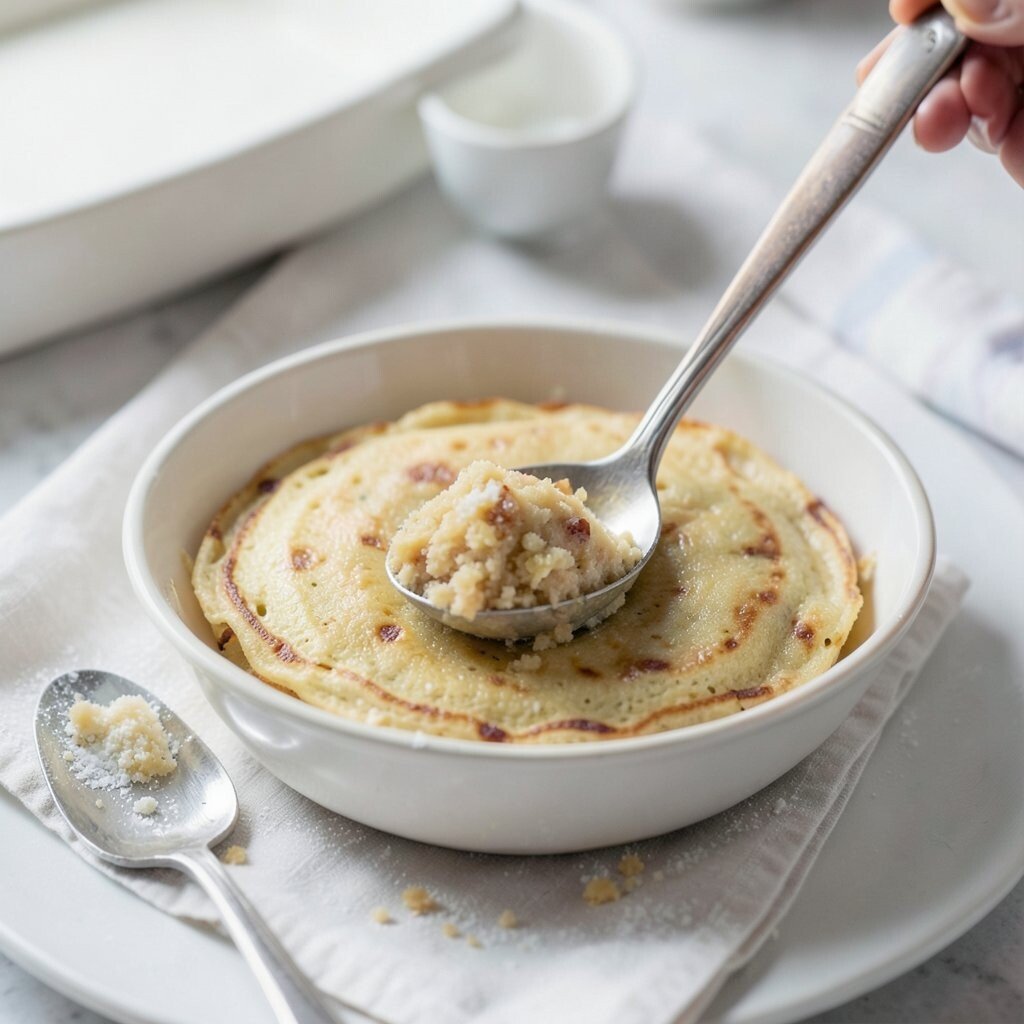
If your pancake batter tastes off, measuring spoons help you fix it fast. You can adjust with precision instead of tossing the whole bowl.
Use a teaspoon spoon to correct sweetness, a half-teaspoon spoon for salt tweaks, and a tiny spoon for extra vanilla. Stir gently, then cook a test pancake to check the flavor and thickness. This is practical because you learn the impact of each small change.
What makes it unique is the “rescue mindset” built around measured additions. You’ll also waste less ingredient, since you only add what’s needed. Try making a simple flavor chart for your favorite family breakfast style.
Personalize by mixing in spice blends, like pumpkin spice or cinnamon, using measured spoon amounts. For cost considerations, keep baking staples in your pantry so you don’t need specialty items. This keeps weekend breakfast budget-friendly.
14. DIY Fruit Jam “Taste Tuner”
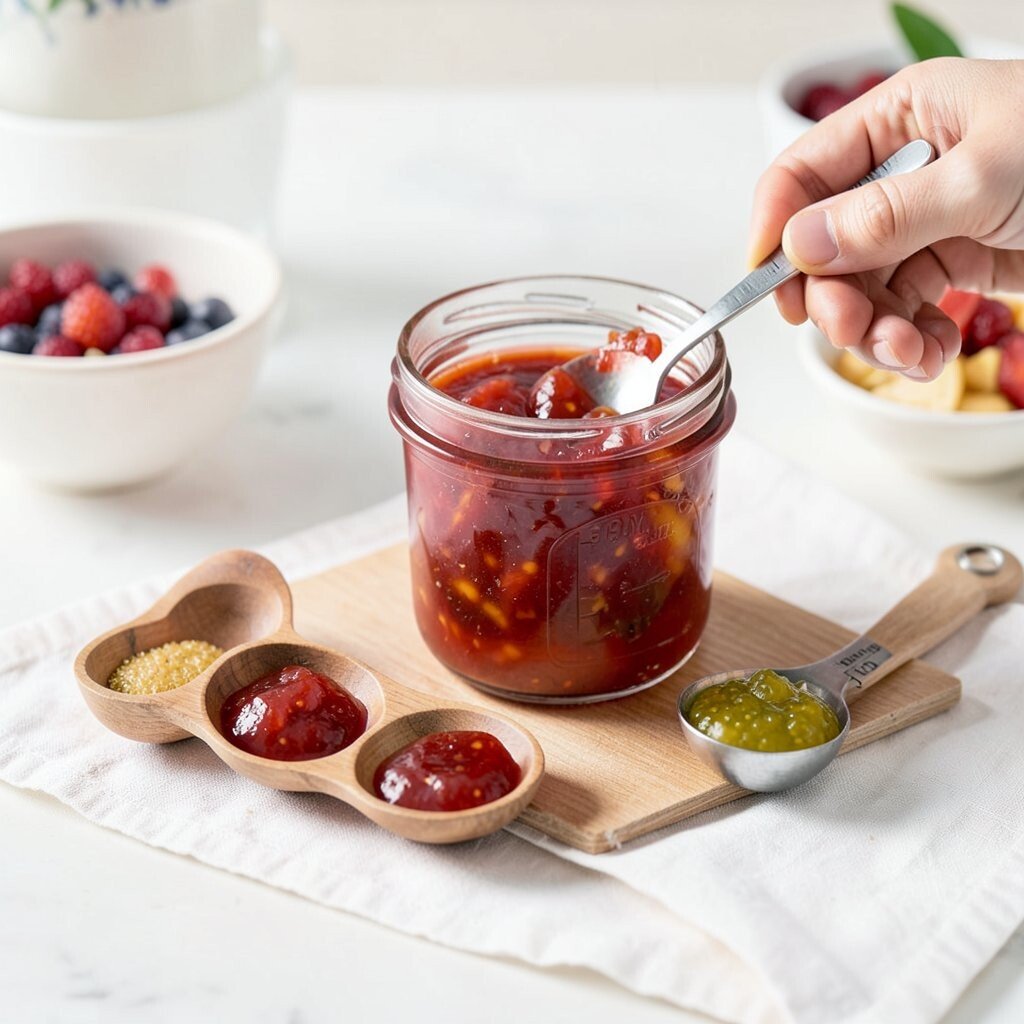
Measure sugar and lemon juice with spoons to tune your jam flavor. Small changes can shift jam from tart to sweet without trouble.
Use a spoon to add sugar little by little while the jam simmers, then taste when it thickens. Measuring helps you avoid over-sweetening, which is one of the biggest jam mistakes. Keep a jar in the fridge for quick taste tests.
15. Overnight Oats Spoon Playlist
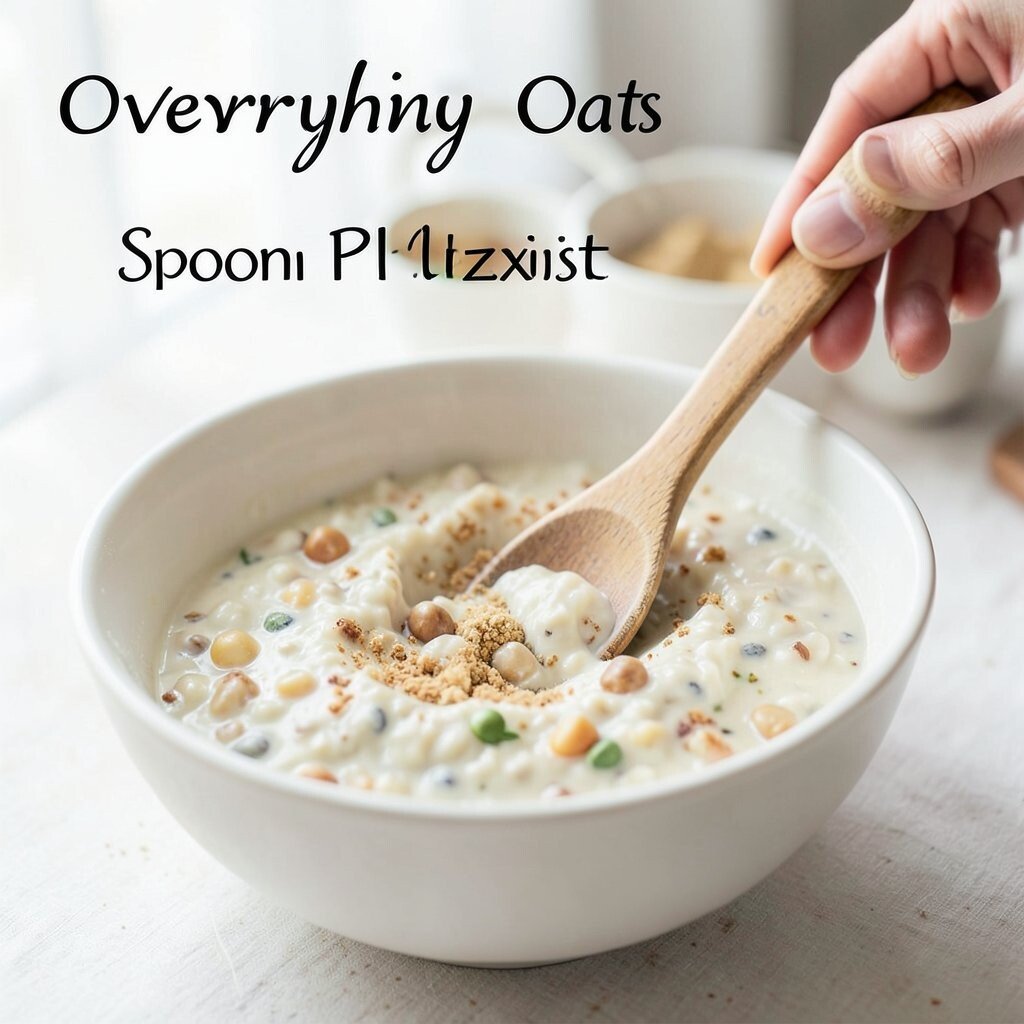
Plan your overnight oats like a playlist, with each flavor added by measuring spoon. Each jar becomes a different “song” of taste.
Measure your base like oats and chia, then add toppings such as cinnamon, vanilla, or cocoa in spoon amounts. Personalization is easy because you can mix and match flavors by spoon size. It’s also trending because overnight oats are popular for quick breakfasts and meal prep.
Use sealed jars and label them with the spoon amounts so you can repeat the ones you love. Cost is usually low since oats and basic flavoring are affordable. If you buy berries when they’re on sale, your spoon-based mix stays budget-friendly.
16. Baking-Scale Match: Spoon to Gram Guide
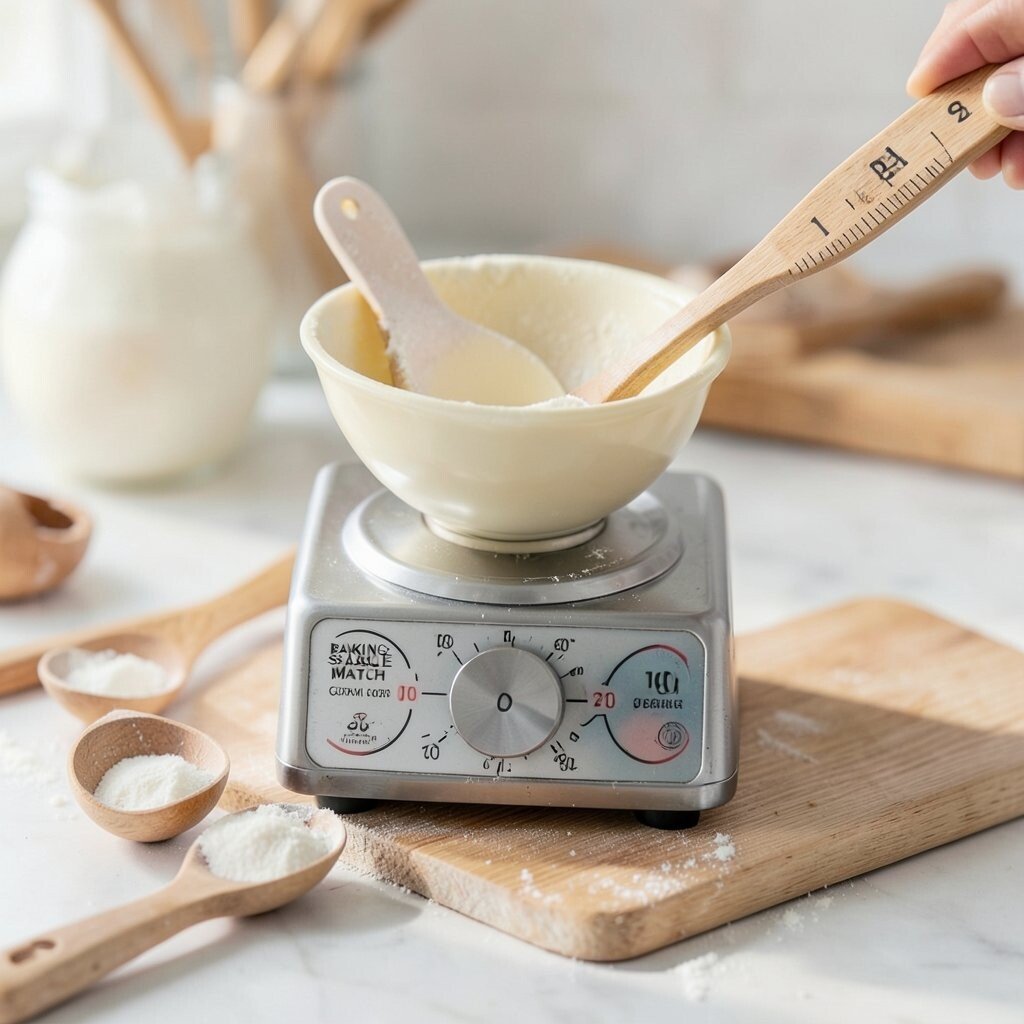
Create a simple kitchen guide that matches spoon sizes to approximate weights. It helps when you want more accuracy without buying new tools right away.
Pick a few common ingredients like sugar, flour, and cocoa, then measure and record your typical spoon-to-gram amounts. This is unique because it builds your own kitchen math based on your preferred packing style. Over time, you’ll learn which ingredients need “level” spoons versus “heaped” spoons.
17. “Sauce Swirl” Paint for Veggies
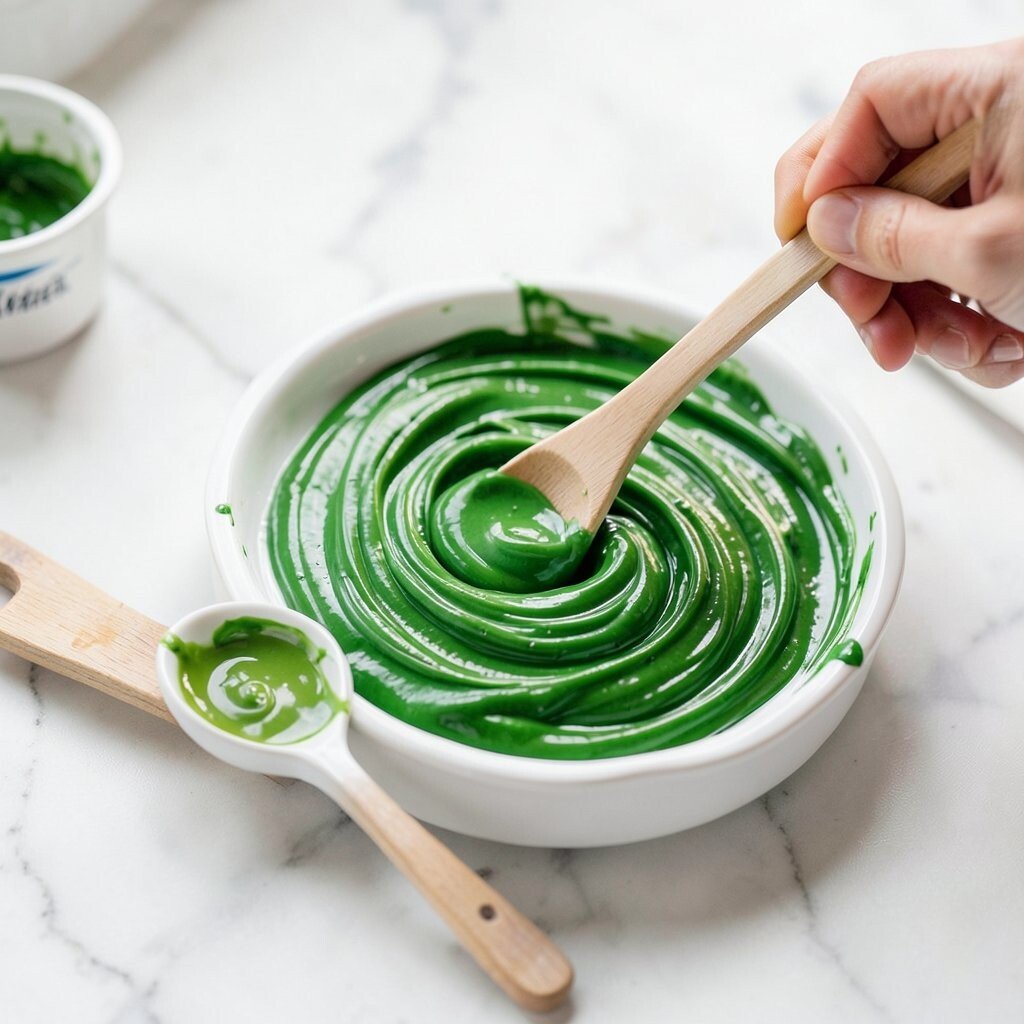
Use measuring spoons to make a quick sauce swirl for roasted vegetables. It turns plain veggies into something bright and fun.
Measure a few ingredients like olive oil, vinegar, honey, and spices, then stir and drizzle. Keep the amounts small so the sauce coats without pooling. This approach is practical for busy weeknights and supports the trend of making vegetables taste amazing.
Personalize by choosing a theme, such as sweet-sesame or garlic-lemon, and write the spoon measurements on a card. If you’re cost-conscious, use pantry staples and skip expensive pre-made sauces. Clean-up is easier when you measure before you cook instead of pouring by eye.
18. Spiced Hot Chocolate Mix Jars
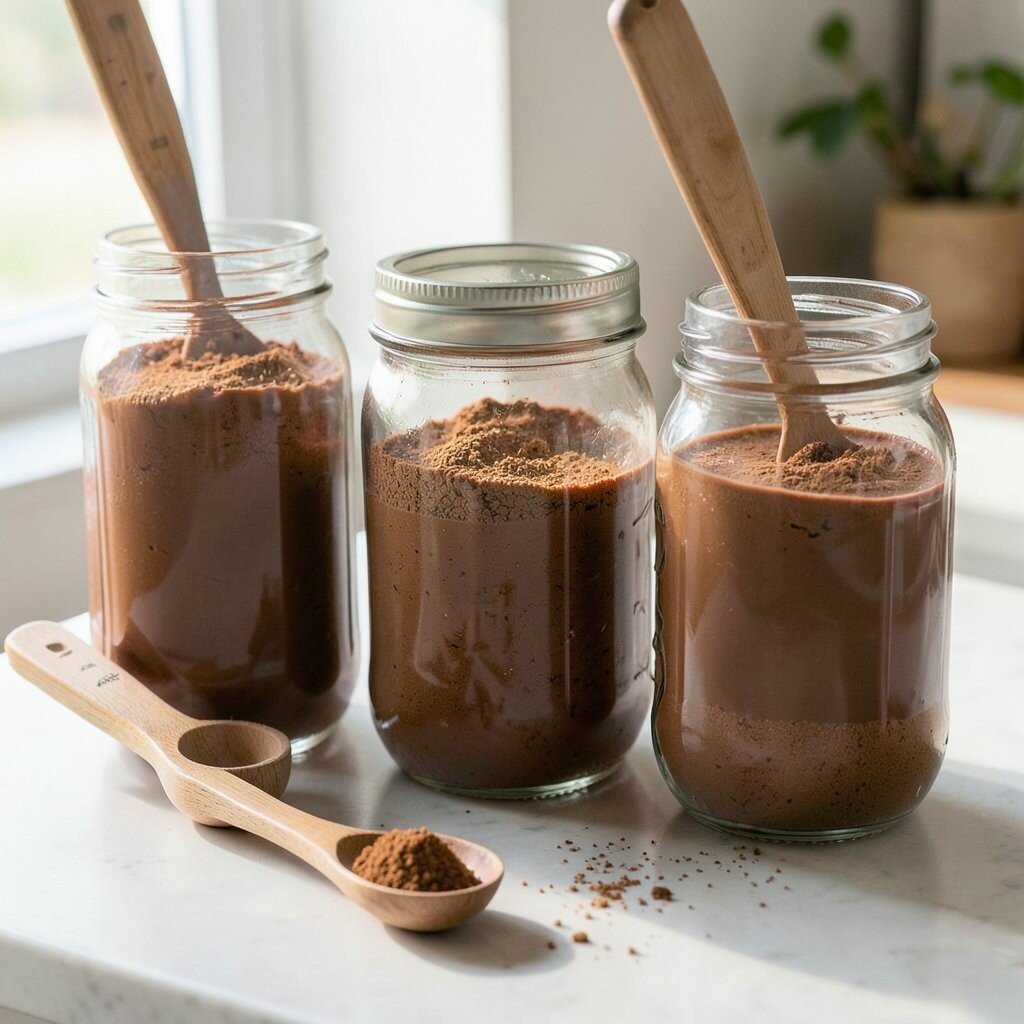
Build hot chocolate mix with measured spoons for smooth, consistent cups. It’s perfect for gifts and cozy nights in.
Measure cocoa powder, sugar, and a pinch of salt, then store in jars. When serving, use a spoon amount of mix per mug so you can scale up for guests. This idea feels current because homemade drink mixes are popular for sharing.
19. Spice Scent “Museum” Sampling
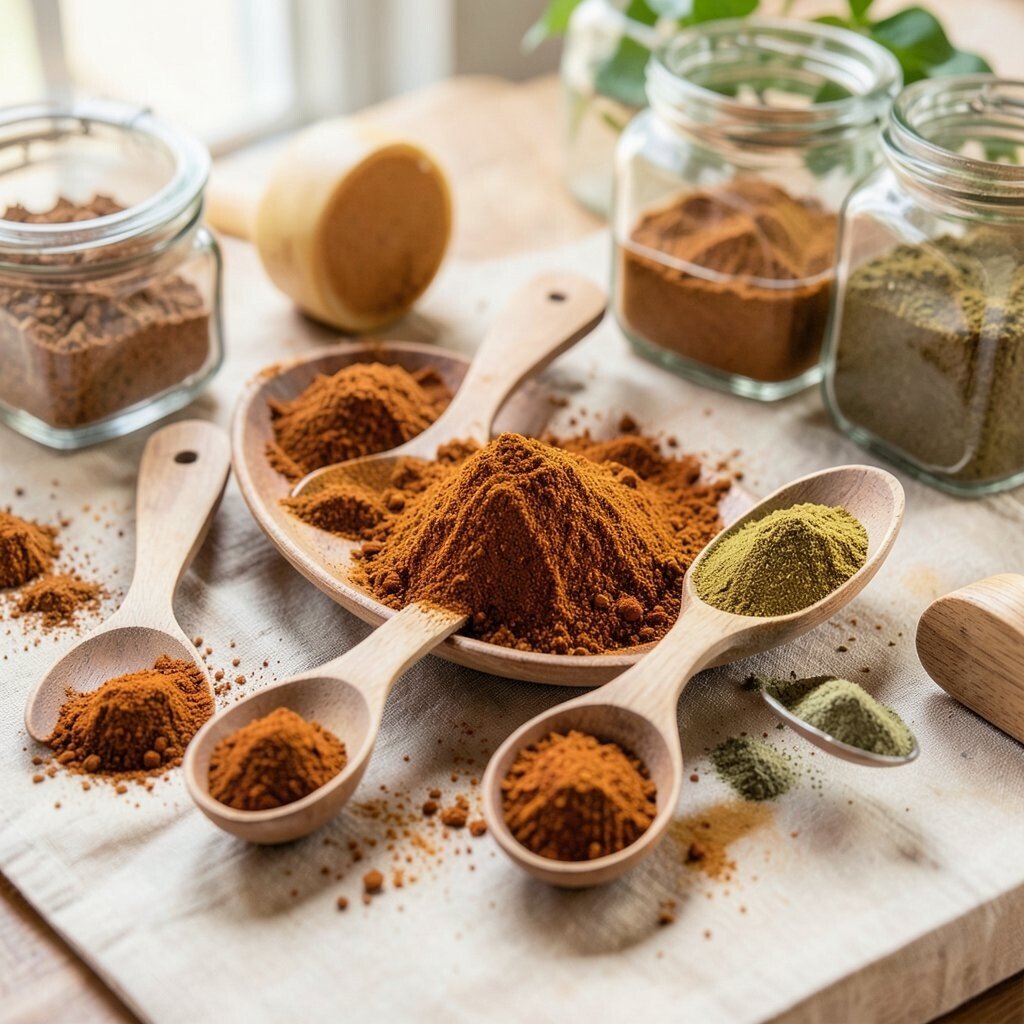
Set up a scent museum by measuring small portions of spices in matching spoons. People can smell and guess what they are before cooking.
Measure a tiny spoon portion into small cups so the scents stay strong and neat. It makes cooking lessons feel playful and helps you notice differences between flavors. Personalize the “exhibit” by choosing a theme like Mediterranean herbs or baking spices.
20. Healthy Dressing with Measured Balance
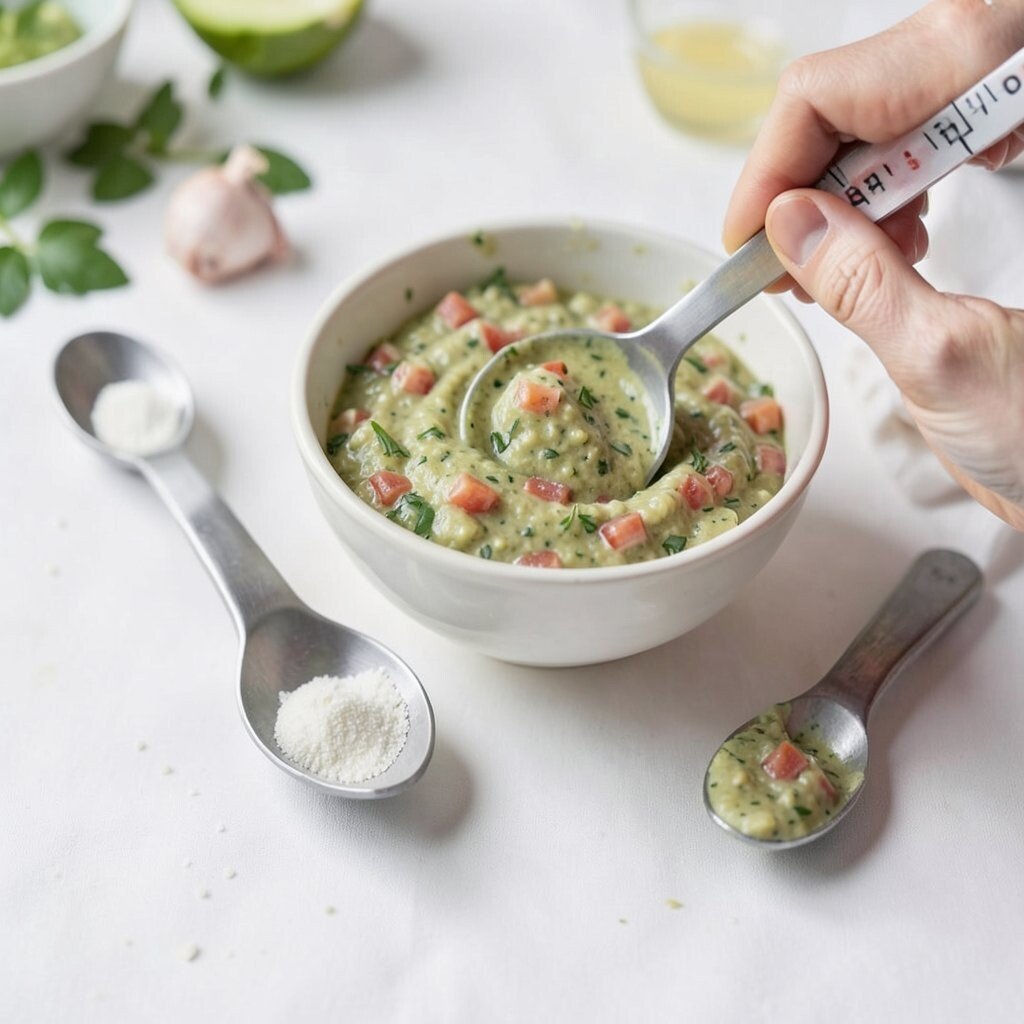
Make a healthier dressing by measuring oil, acid, and seasonings in spoons. Balanced flavor helps you enjoy salads without needing lots of extra toppings.
Start with a measured ratio, then add mustard, garlic, or herbs using small spoon portions until it tastes right. This uniqueness comes from the idea of “flavor math” that keeps your dressing satisfying. If cost matters, use a basic vinegar and one favorite herb blend instead of buying multiple specialty dressings.
21. Measuring Spoon Gift Tags for Pantry Swaps
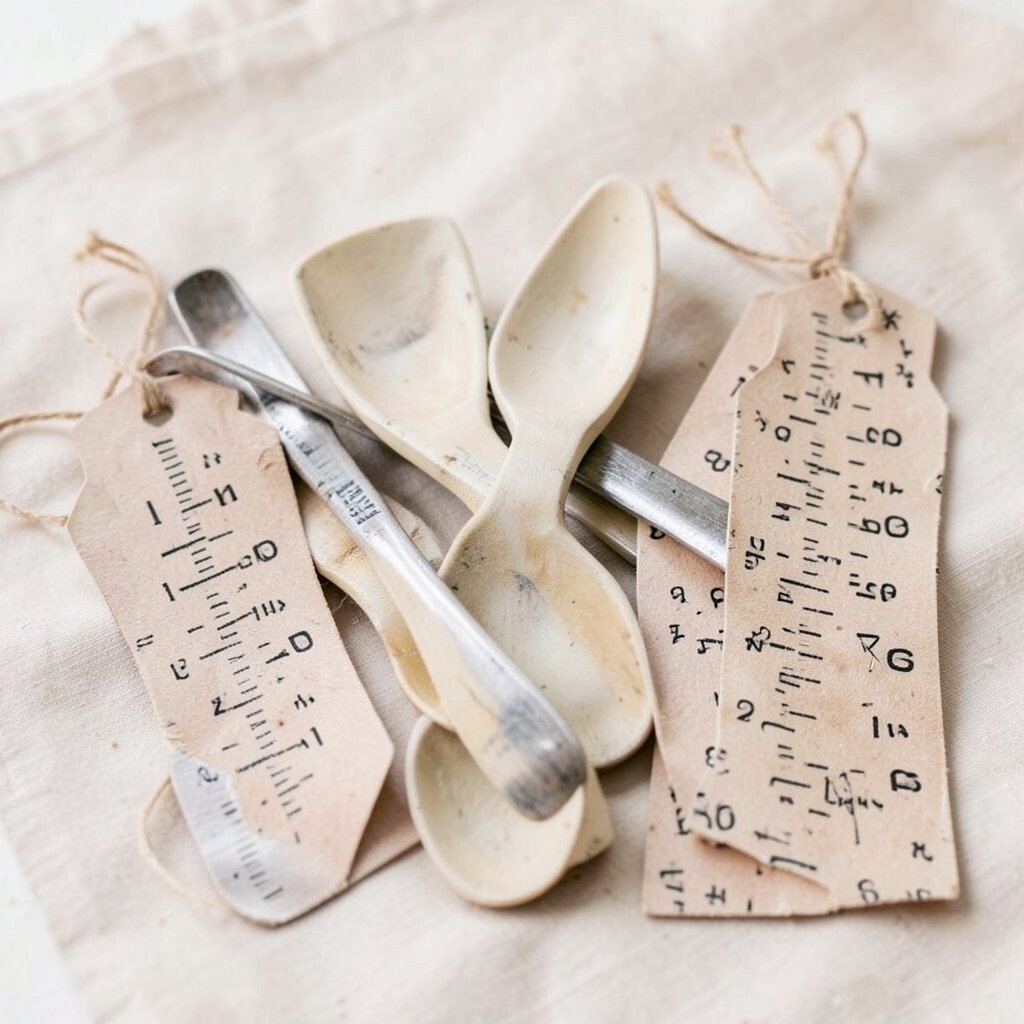
Create fun gift tags that include the measuring spoon amount for each ingredient. They make pantry swaps easy when you cook from different recipes.
Write down the spoon sizes for your favorite staples on tags, then attach them to jars or canisters. It’s practical because you can grab an ingredient and know exactly how much to use without searching. For personalization, use colorful marker designs or seasonal themes so your pantry looks lively.
1. Rainbow Spice Measuring
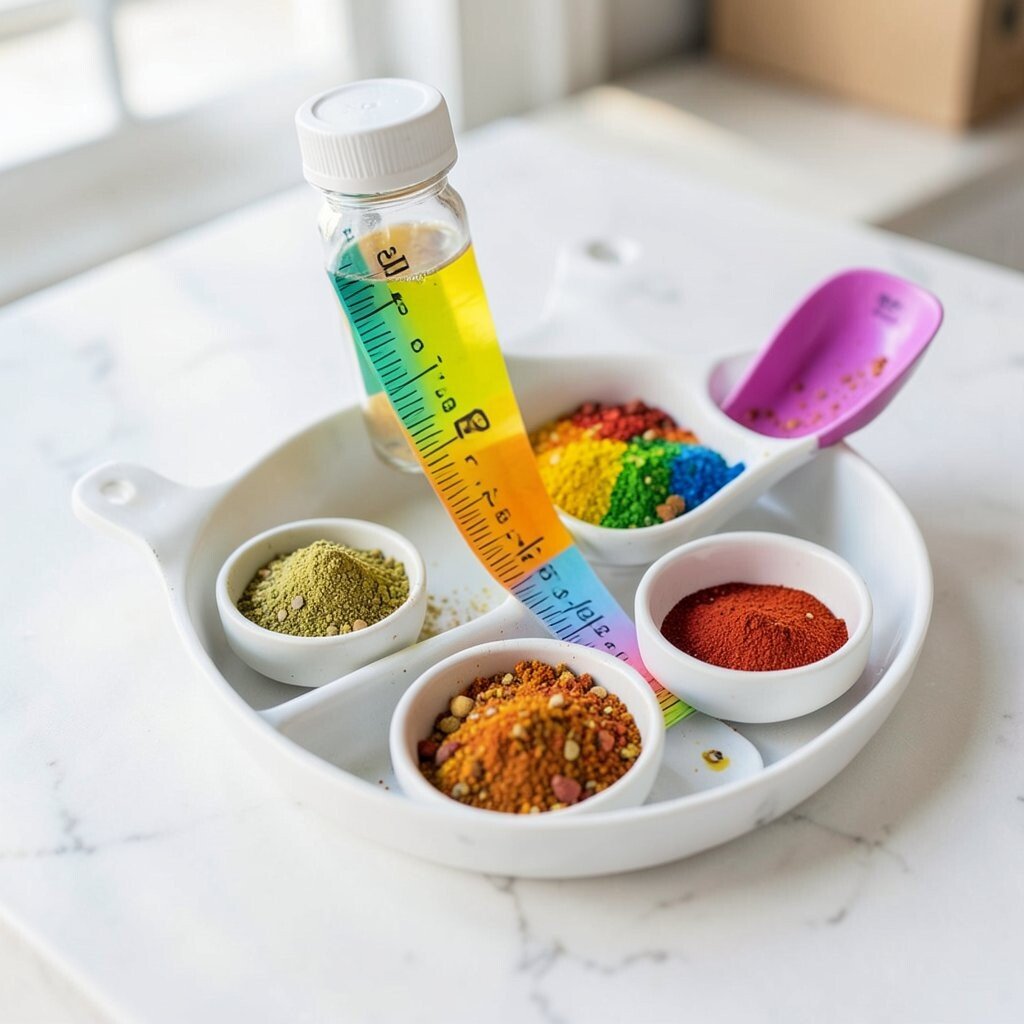
Pick three to five colorful spices and line up your measuring spoons like a mini rainbow. Each spoon becomes a tiny label that makes cooking feel like art.
To start, measure equal amounts into small bowls, then label them by color so you can grab fast while cooking. This looks great on a counter and helps you learn portion sizes by eye. If you’re on a budget, use spices you already own and rotate them by season.
2. Snack “Portion Party” for Kids
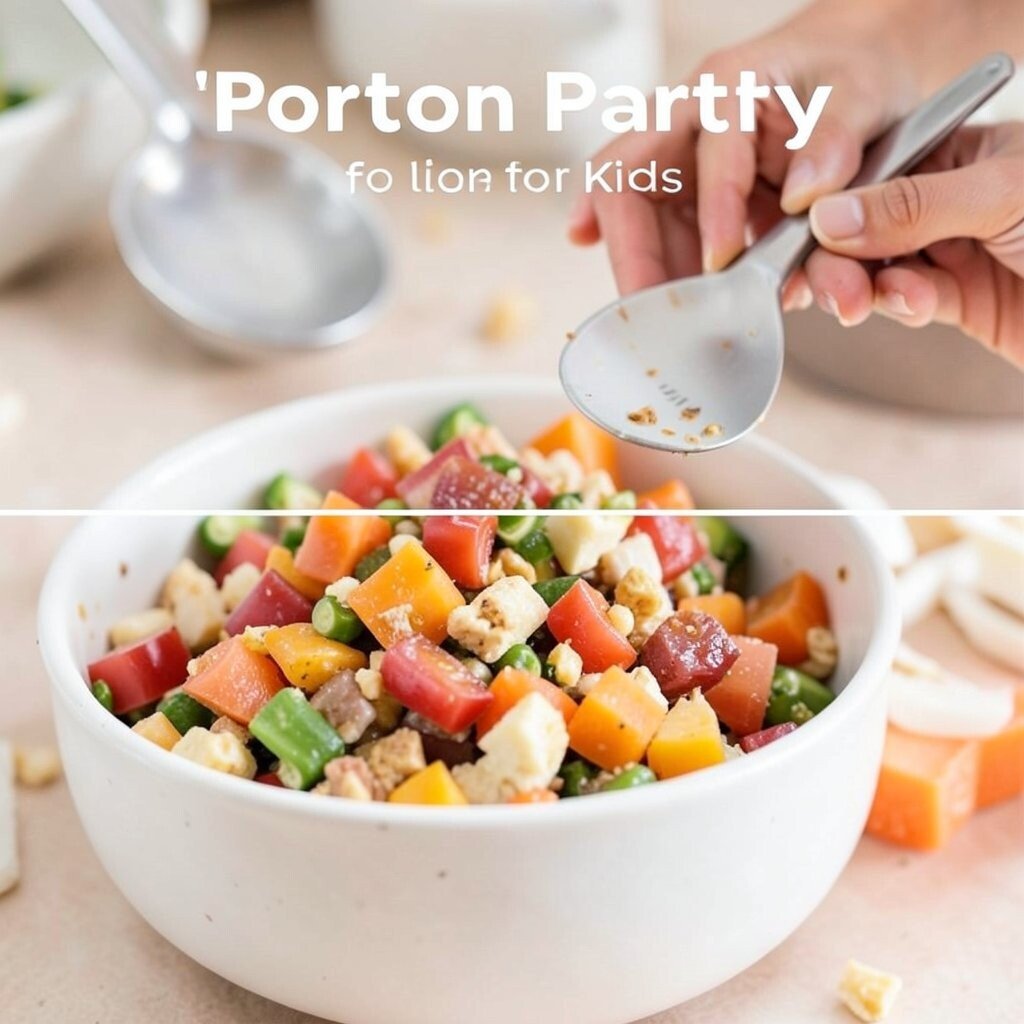
Turn measuring spoons into a game where kids build snacks with exact portions. It feels like play, but you’re still teaching portion control.
Set out cereal, chocolate chips, or nuts and let each person use a designated spoon size for their mix. Offer a simple recipe card so they can follow along without stress. Try a weekly theme like “movie night mix” to keep it exciting and new.
For personalization, choose spoon sizes that match your family’s favorite flavors. Use small cups to avoid spills, and wipe spoons right away for easy cleanup. This can cost almost nothing if you reuse containers and buy bulk ingredients when possible.
3. DIY Vanilla Sugar Shortcut
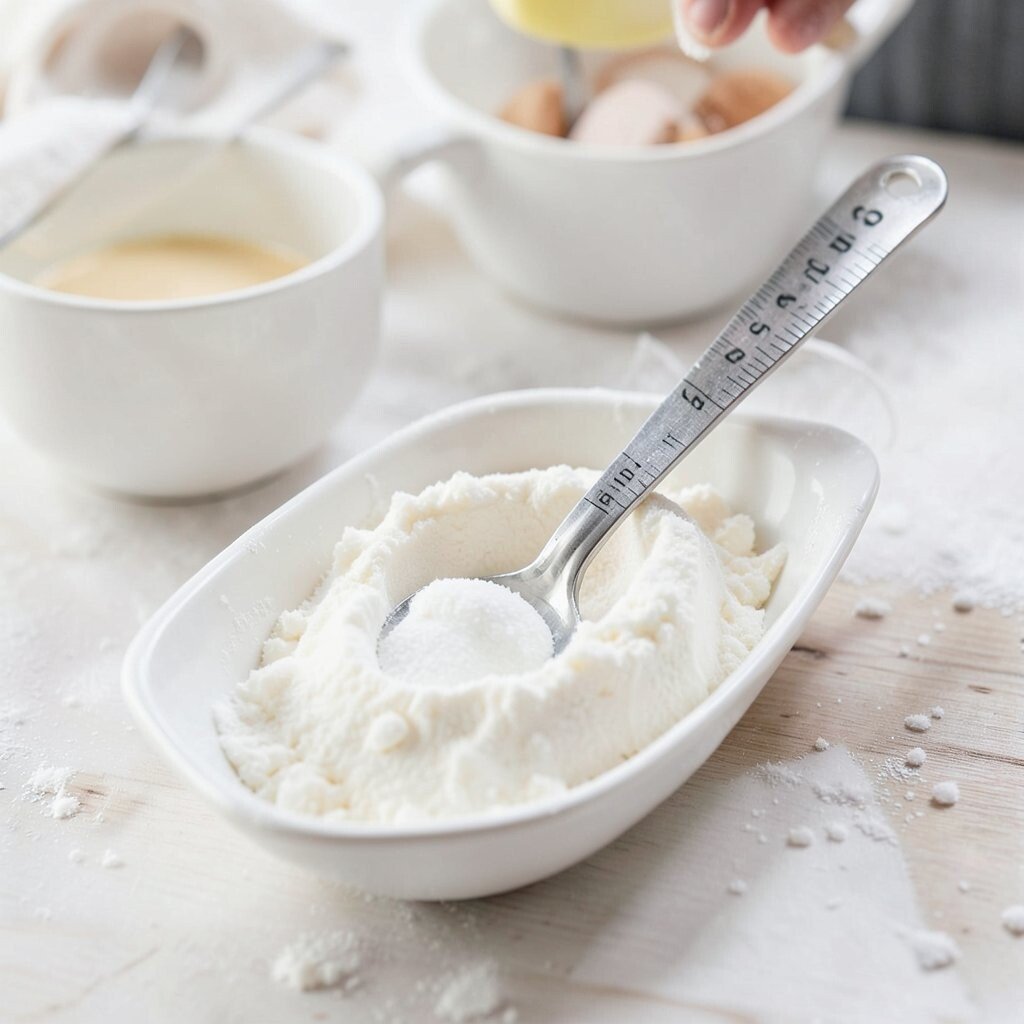
Mix vanilla powder or ground vanilla with sugar by measuring it by spoon. The result is sweet, fragrant, and perfect for quick baking.
Use a consistent ratio so every batch tastes the same, then store it in a jar with a date label. A tablespoon measuring spoon makes repeat batches easy, and half-teaspoon spoons help when you want lighter sweetness. You can also swap in cinnamon for a cozy twist.
What makes this unique is how the small tool guides your flavor strength. Start with one or two batches, then adjust the spoon amounts based on feedback from taste tests. This trend is popular right now because it supports homemade flavors instead of store-bought mixes.
Personalize by adding a pinch of salt or a tiny amount of citrus zest after measuring. Keep the jar in a cool cabinet so it stays fresh. It’s usually cheaper than buying flavored sugar packets, especially if you buy vanilla or vanilla beans in bulk.
4. Herb Teas in Measured Steps
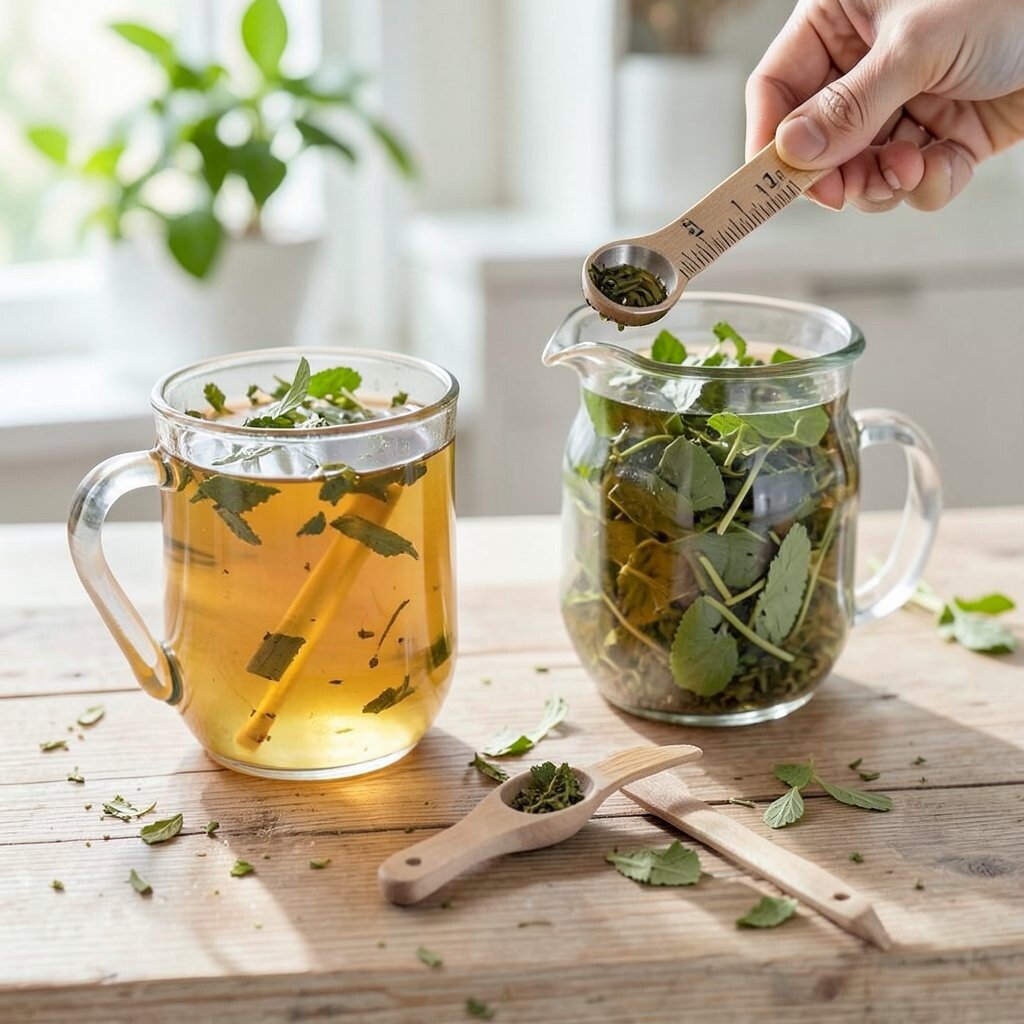
Use a measuring spoon to portion dried herbs for steady, comforting tea. Each cup becomes more consistent and easier to repeat.
Try one spoon size for herbal blends, then adjust next time by swapping to a slightly bigger spoon. It’s a gentle way to learn how different herb strengths change flavor. Keep notes on a sticky note near the kettle so your next cup tastes just right.
5. “Sauce Lab” for Small-Batch Experimenting
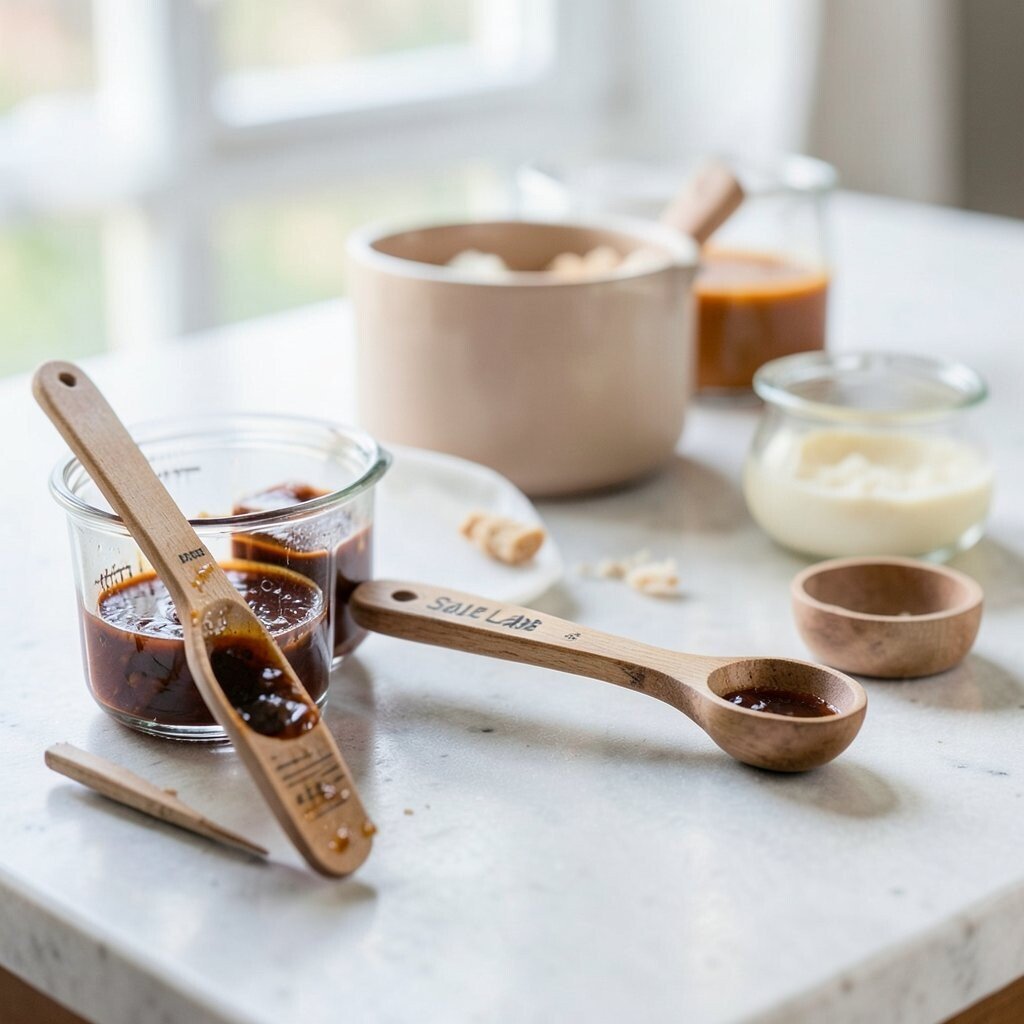
Create homemade sauces by mixing tiny amounts with measuring spoons. Small batches mean you can test new flavors without wasting ingredients.
Start with a base like soy sauce or ketchup, then add measured sweetness, salt, and acidity using different spoon sizes. This makes it easy to tweak heat level with chili flakes and to dial in tang with vinegar or lemon juice. If you enjoy trends, this matches the current love for quick, homemade condiments.
Personalize by making one spoon chart for your go-to sauce so anyone in the house can repeat it. Cost stays low because you use common pantry items and only cook what you need. Clean-up is simple since measured amounts prevent messy overpouring.