Mesh strainers are small, but they can change your whole cooking routine. You will be amazed how many everyday tasks they handle.
1. Over-Sink Citrus Juice Safety Guard
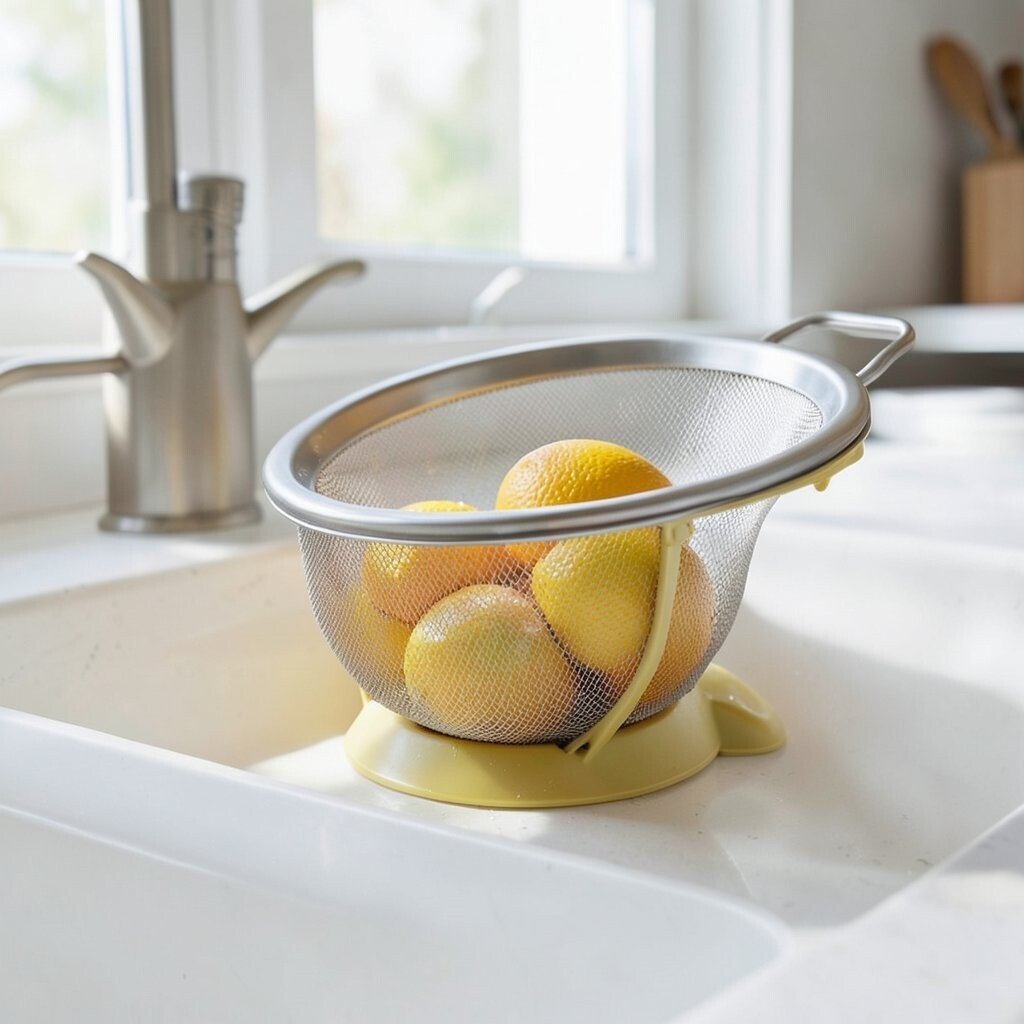
Catch seeds and pulp while you pour juice straight from the bowl. It also helps prevent clogs in your drain.
Choose a fine stainless steel mesh so juice passes quickly but unwanted bits stay behind. If you squeeze with your hands, place the strainer over the cup and press the pulp through gently. For cost, a simple stainless model is usually the best value and lasts for years, and you can find them at most kitchen stores. For personalization, match the handle style to your sink accessories, and keep one dedicated “juice” strainer so flavors don’t mix.
2. Homemade Yogurt Straining Station
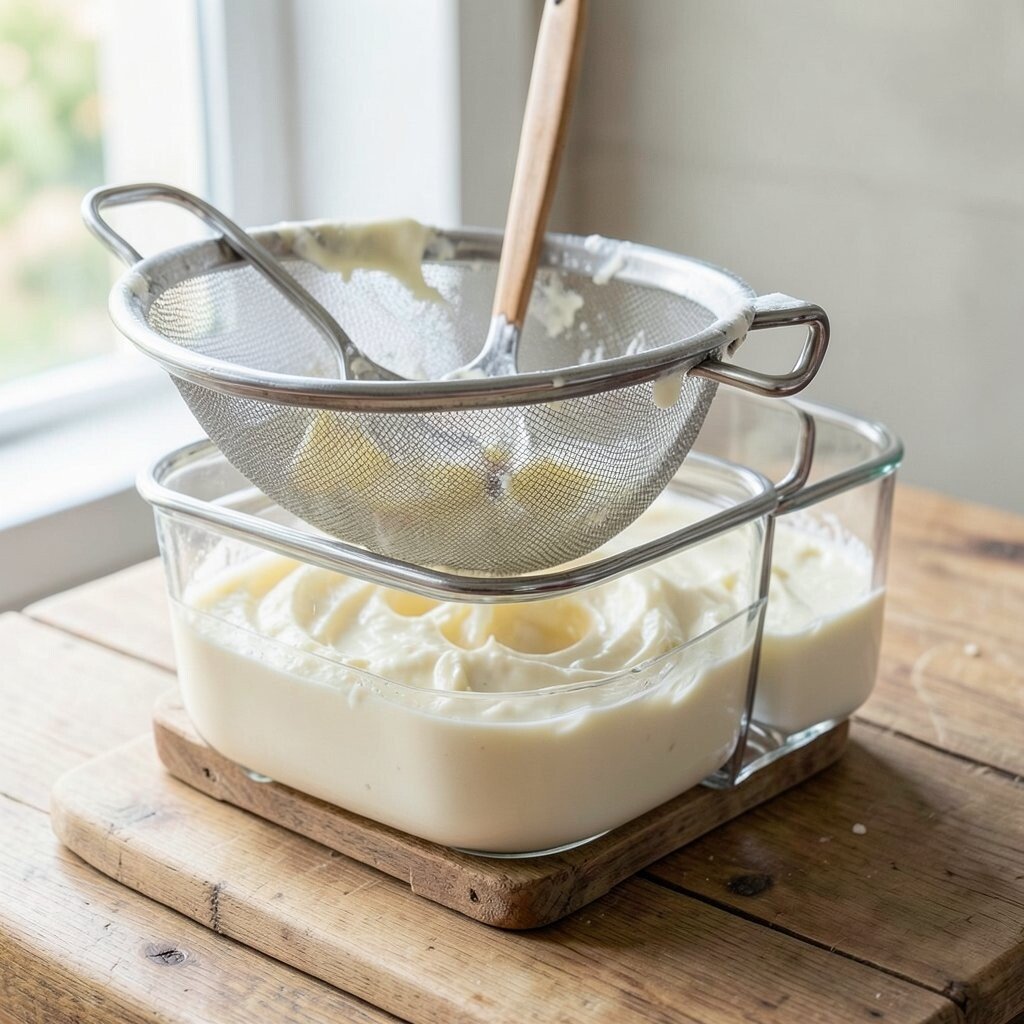
Turn regular yogurt into thick Greek-style yogurt without complicated tools. A mesh strainer lets whey drain while keeping the creamy texture.
Line the strainer with cheesecloth or a thin nut-milk bag, then set it over a bowl and refrigerate. The thicker you want it, the longer you wait, but check every few hours so it doesn’t get too stiff. This setup is unique because the mesh helps the whey release evenly, not in messy splashes.
To avoid waste, keep the drained whey for baking or smoothies. Stainless steel is affordable and easy to clean, while some newer fine nylon options are lighter if you prefer quick handling. A current trend is using smaller strainers for “single-serve” jars, which makes portioning easy and reduces cleanup time.
3. Crunchy Topping Sifter for Toasted Breadcrumbs
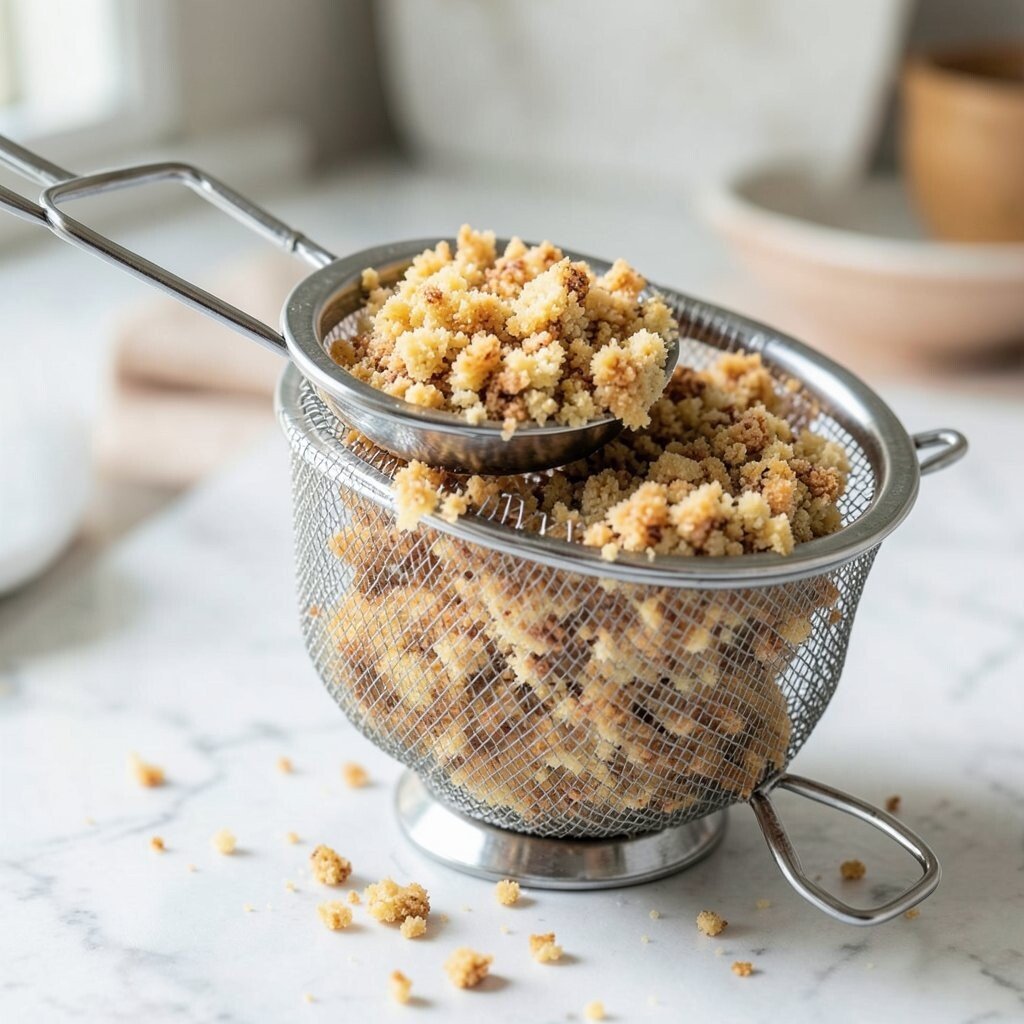
Use a mesh strainer to sprinkle evenly flavored crumbs on casseroles and salads. The tiny gaps help create a light, even layer.
Toast breadcrumbs until golden, then rub them gently through the mesh to break up clumps. This is helpful when crumbs come out uneven from the pan, and it spreads them where you want crunch. You can also sift seasoned crumbs with herbs, garlic powder, or grated cheese for a fast upgrade.
For practical tips, let crumbs cool first so they don’t turn into paste. Choose a mesh size that matches your topping goal: fine mesh for delicate coatings, slightly coarser mesh for rustic texture. A nonstick-coated strainer can cost more, but it often makes cleanup quicker after cheesy crumb mixes. Personalize by making “theme crumb blends” like pizza-style or lemon-pepper, then label each one on a container.
If you want extra control, sift over parchment instead of directly on food, then pour onto the dish.
4. Berry Rinse and Seed Catcher
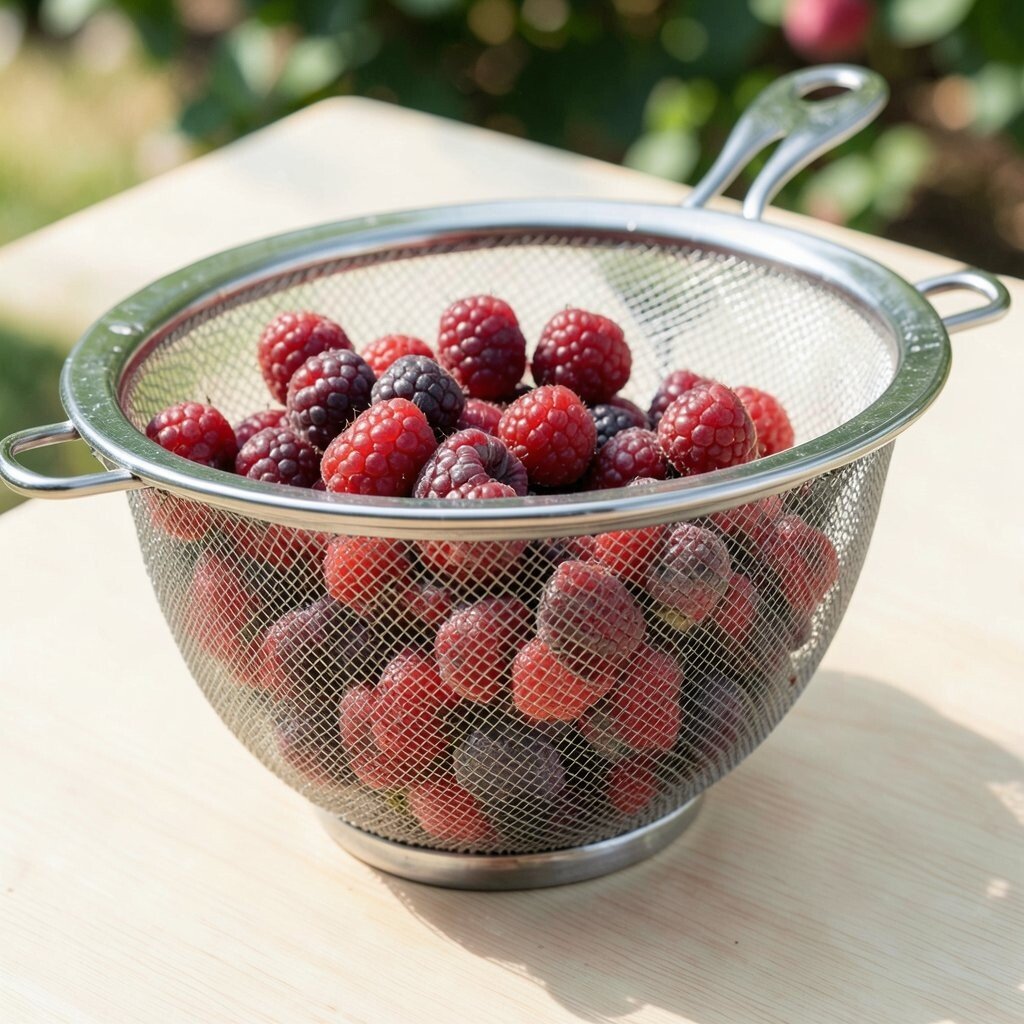
Rinse strawberries, raspberries, or blackberries without losing tiny pieces. A mesh strainer catches debris while letting berries flow through.
Hold it under the faucet and move berries gently so water reaches every corner. This works especially well for berries that trap sand or dust, and it is a simple routine you can repeat often. For budget, look for a sturdy wire mesh, but avoid overly thin frames if you toss lots of fruit at once.
5. Rice Rinse Method for Cleaner Cooking
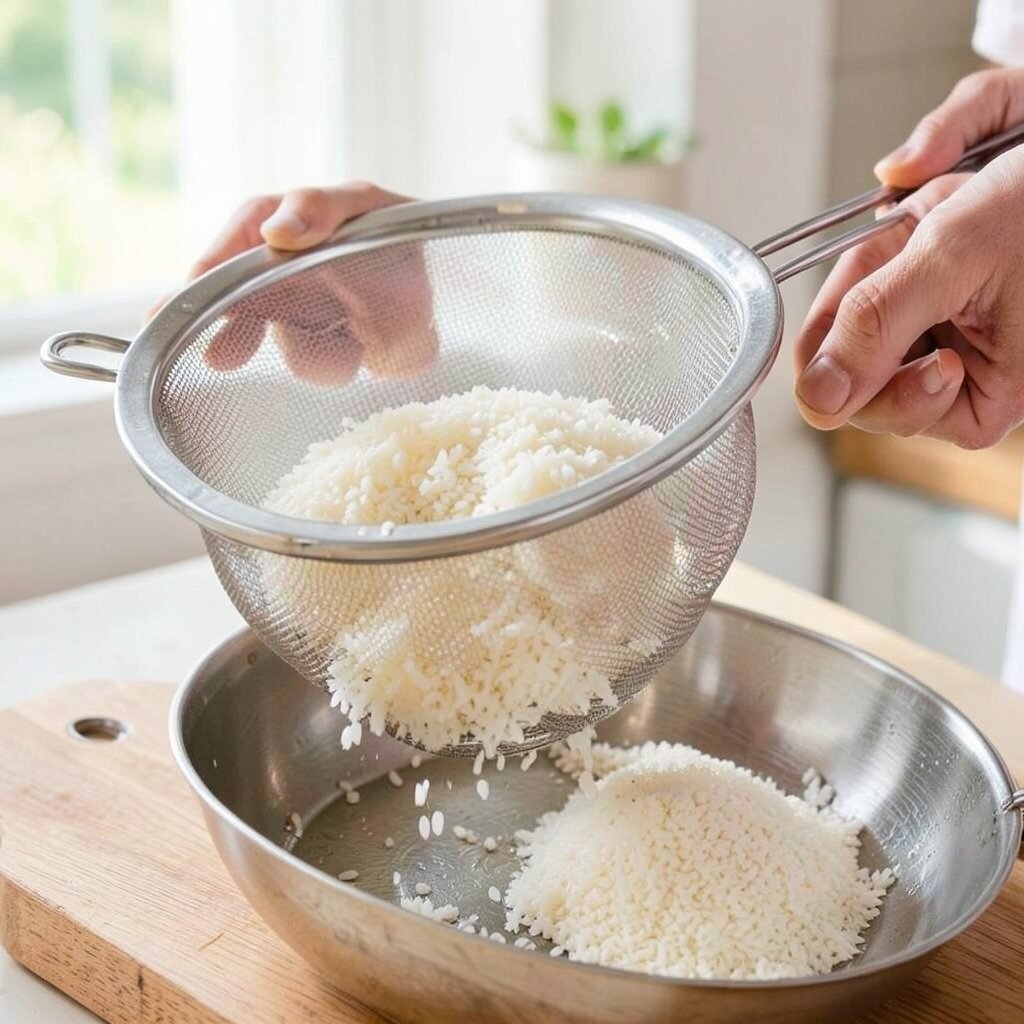
Rinsing rice is easier when you use a mesh strainer instead of a colander. The fine holes keep grains from escaping while letting cloudy water drain.
Swish rice in a bowl, then pour the water through the strainer, repeating until the water runs clearer. This gives you more consistent results for sticky or fluffy rice recipes. If you cook often, consider a strainer with a comfortable grip and a wide rim so it rests on pots securely.
To personalize, dedicate a strainer to grains so it never smells like onions or herbs. A lightweight mesh model can be cheaper, while stainless steel is worth it if you want long-term durability. Some cooks also use a strainer with a handle to drain rice faster when making meal prep batches.
6. Tea Leaf and Herb Infuser Strainer
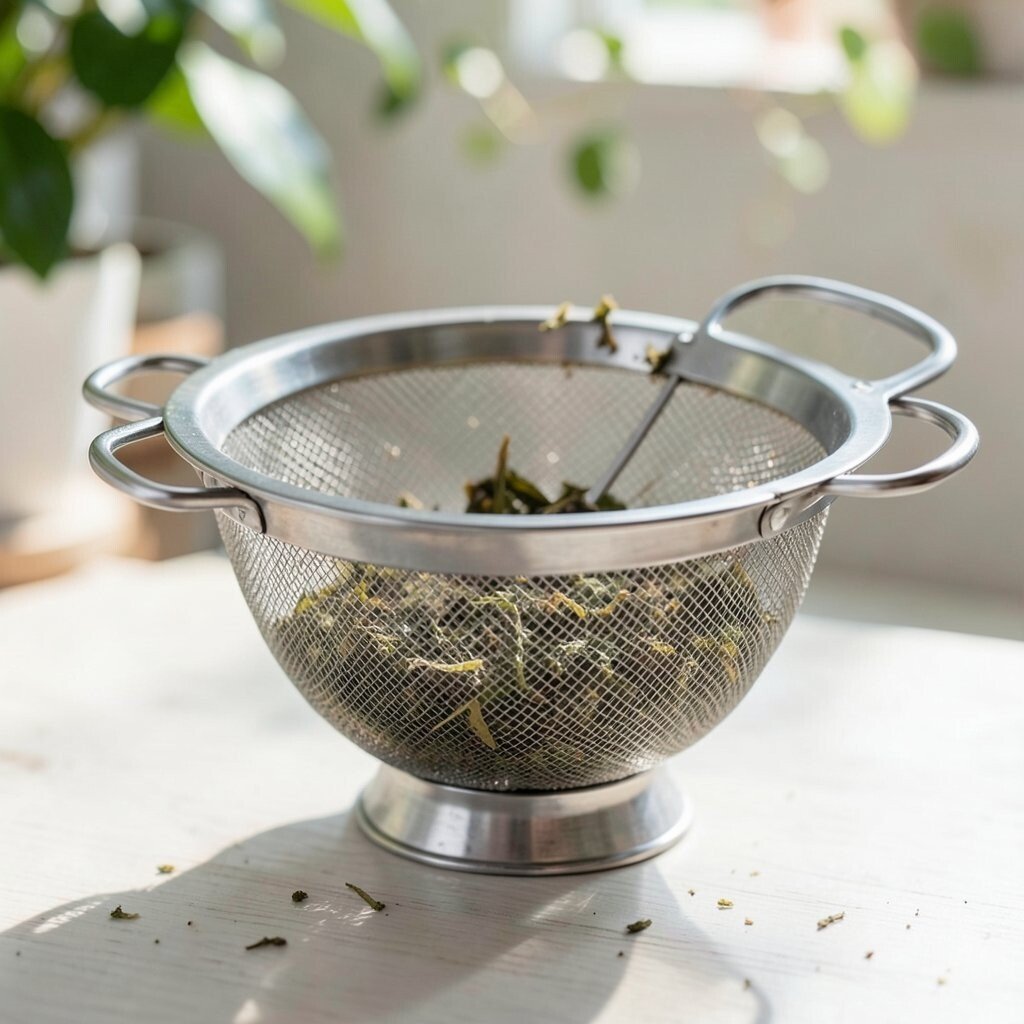
Steep loose tea leaves without risking gritty bits in your cup. A mesh strainer turns loose herbs into a smooth drink.
Place the strainer over your mug, add leaves, and pour hot water over them. For stronger flavor, you can stir gently, then lift the strainer carefully to avoid spills. This is unique because you are not stuck with a single-use sachet, and you can adjust the amount of leaves every time.
If you use fresh mint or rosemary, give the strainer a quick rinse right after use so oils don’t stick. Stainless mesh tends to handle heat well, and it is usually mid-range in cost depending on size. A current trend is making “custom sprig teas,” and a small strainer makes that style practical at home.
For personalization, keep one strainer for caffeinated tea and another for herbal drinks to keep flavors distinct.
7. Pasta Water Grabber for Sauces
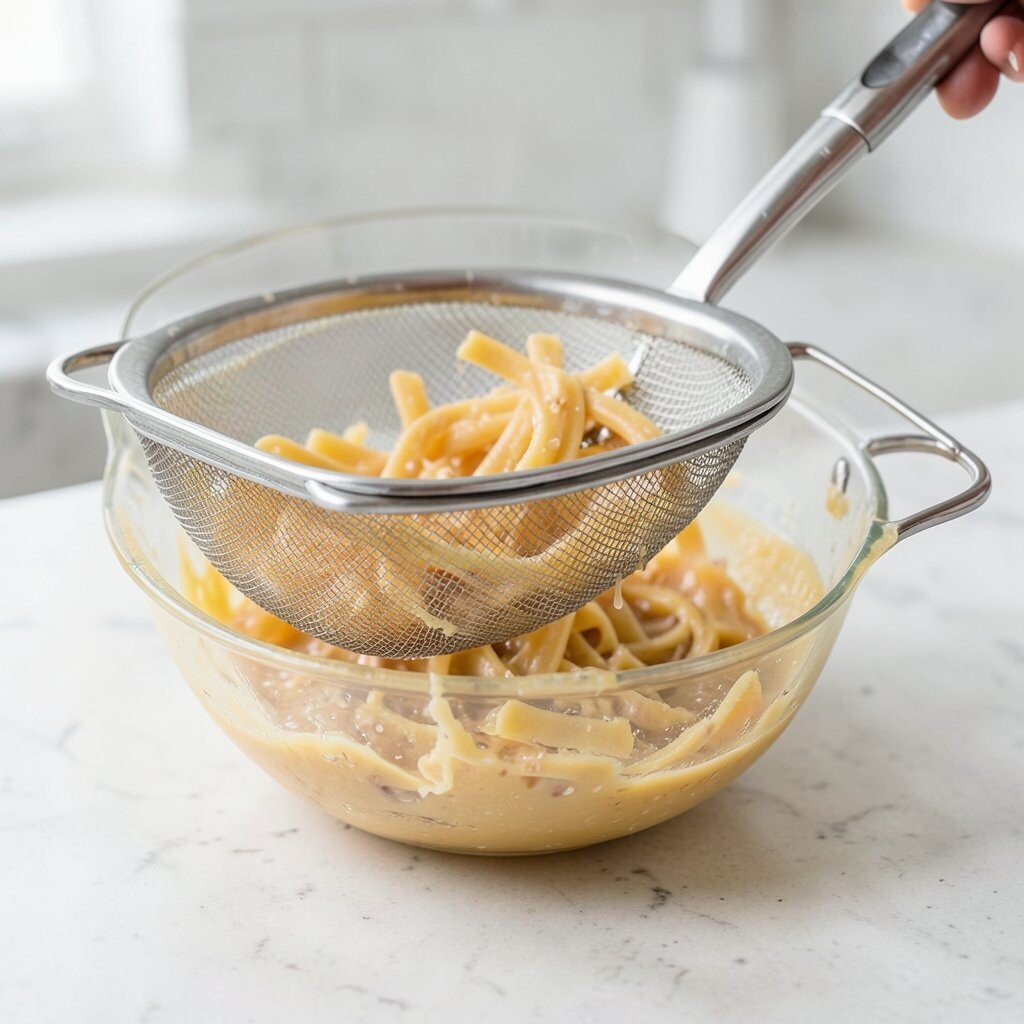
After draining pasta, save some starchy water for glossy sauces. A mesh strainer helps you scoop pasta without losing too much liquid.
When you drain, gently catch a portion of pasta in the strainer and let excess water drip into a measuring cup. The texture from that starchy water helps sauces cling to noodles. This method is unique because it separates what you need—pasta and controlled water—without awkward pouring.
To keep it practical, drain pasta into the strainer over a bowl, then measure right away. Stainless steel works great and is easy to clean, though very fine mesh can slow draining if the strainer is too small. If you love cooking in batches, consider a slightly larger mesh strainer to save time. Personalize by using it only for Italian-style meals so you don’t transfer flavors between cuisines.
For cost control, choose a reliable standard strainer rather than fancy specialty pieces you may only use once in a while.
8. Garlic-Sausage Rendered Fat Drainer
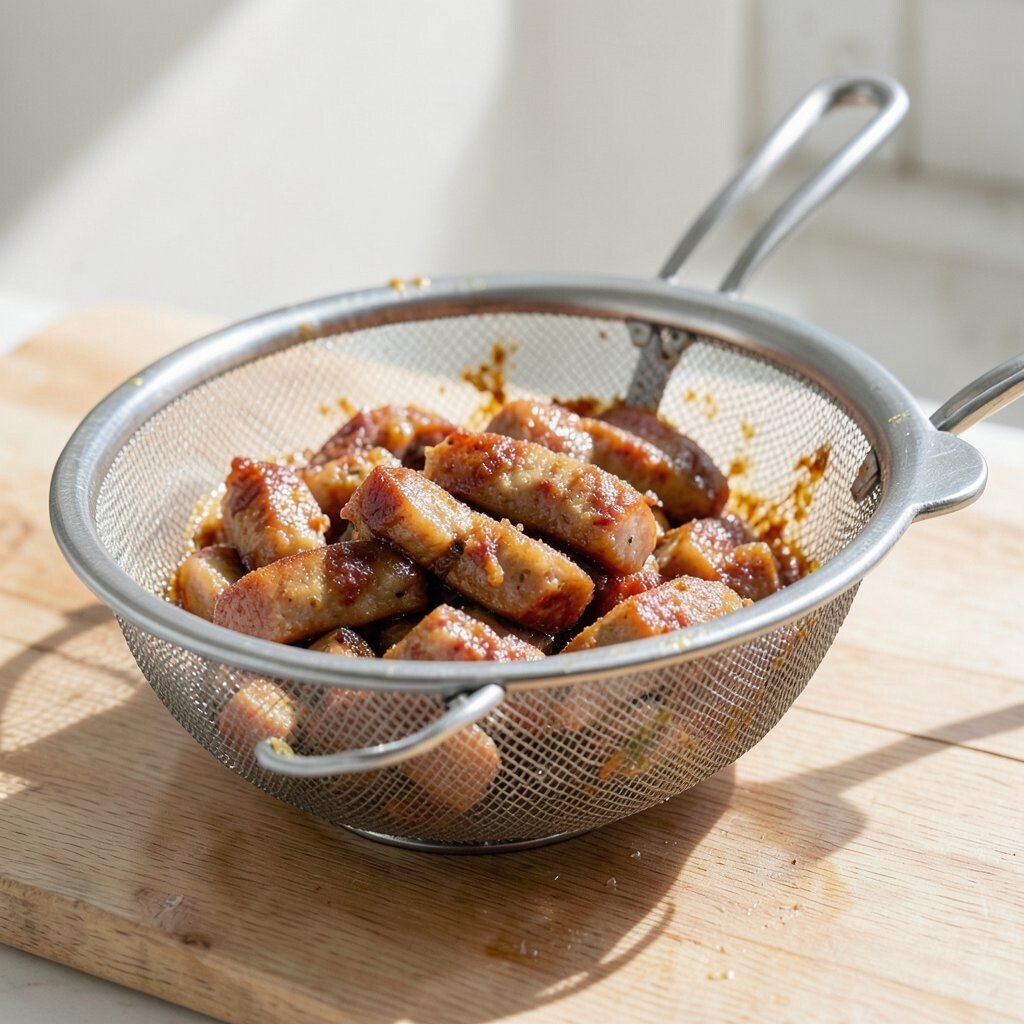
Separate flavorful rendered fat from browned bits when cooking sausage or bacon. A mesh strainer keeps chunks out of your cooking oil.
Pour warm rendered fat through the strainer into a heat-safe jar. The mesh traps crispy pieces, so your next recipe tastes clean and smooth. You can reuse the fat for cooking, which is both thrifty and flavorful.
For practical tips, let the fat cool slightly so it pours more safely and does not warp delicate materials. Stainless mesh is the safest option for heat, even though it may cost a bit more upfront. If you want personalization, label your jars with dates and what the fat was flavored with, like “bacon” or “garlic sausage.”
9. Homemade Cornbread or Pancake Mix Clump Breaker
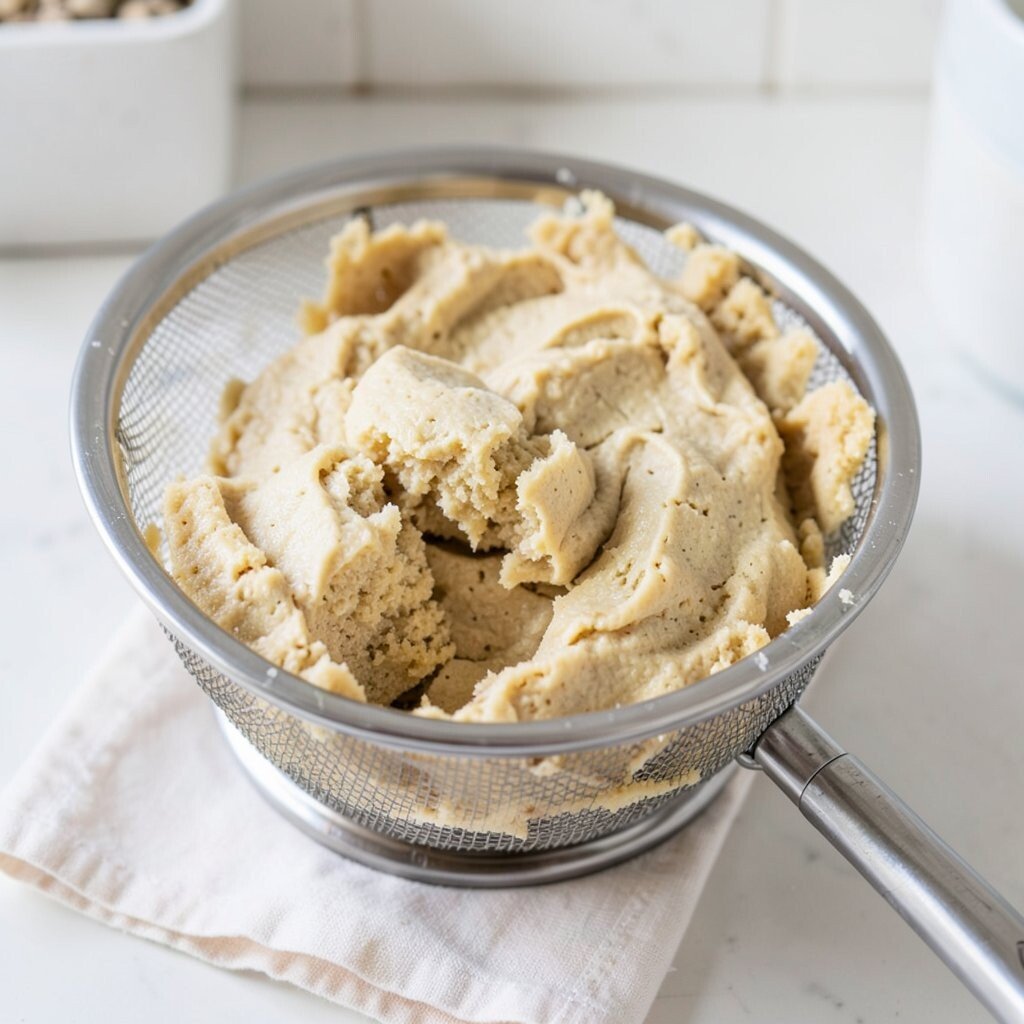
Mixer lumps can ruin pancakes, waffles, or quick breads. Sifting dry ingredients through a mesh strainer makes batter smoother.
Pour flour, baking powder, or cocoa into a bowl, then shake the mesh strainer over the bowl to break clumps. This is unique because you can sift right before mixing, which helps keep baking soda and powders active. It is also faster than passing ingredients through a dedicated sieve for some kitchens.
Choose medium-fine mesh so it sifts evenly but still handles thicker mixes. For practical tips, tap gently and stop when the strainer feels too slow, then stir the remaining bits into the batter. A basic strainer is usually inexpensive, making it a smart “first tool” for new cooks. Personalize by creating a “breakfast mix routine” where you sift every time for consistent rise.
If you bake often, leaving the strainer in your baking drawer saves time and encourages better results.
10. Chocolate Shaving and Cocoa Smoothing Funnel
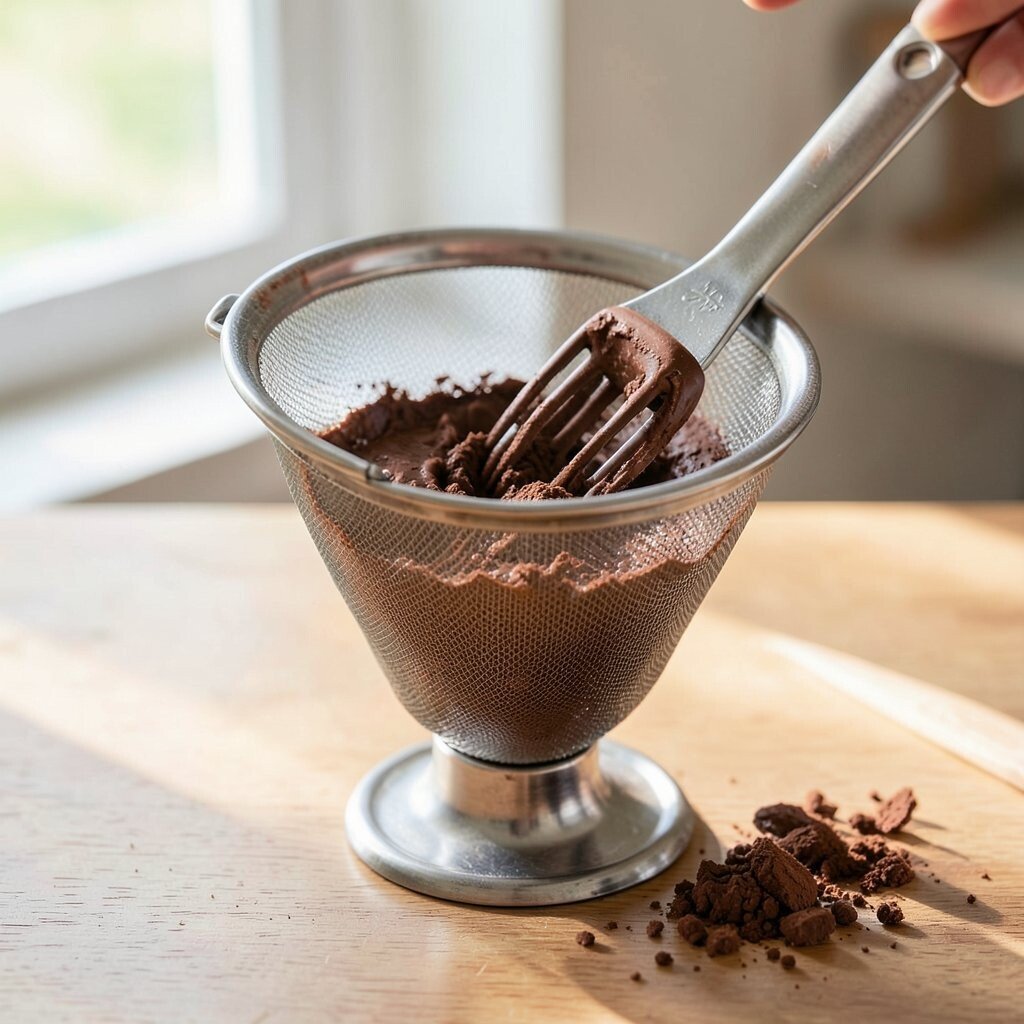
Use a mesh strainer to create fine chocolate shavings or to smooth cocoa powder on top. It makes desserts look like bakery plating.
For cocoa, dust the surface by shaking a filled strainer held above the dessert. For chocolate, scrape softened chocolate with a spoon or grater, then gently press through the mesh for a finer sprinkle. This is unique because the mesh turns rough dusting into an even, professional layer.
To keep flavors separate, wash the strainer quickly after chocolate use, or it may harden. Stainless steel is usually the best choice since cocoa sticks less than oils. Costs vary, but a simple mesh strainer is often cheaper than specialty dessert sieves. For personalization, keep one strainer only for chocolate so it never picks up salty seasonings.
11. Spices Toast and Strain for Softer Heat
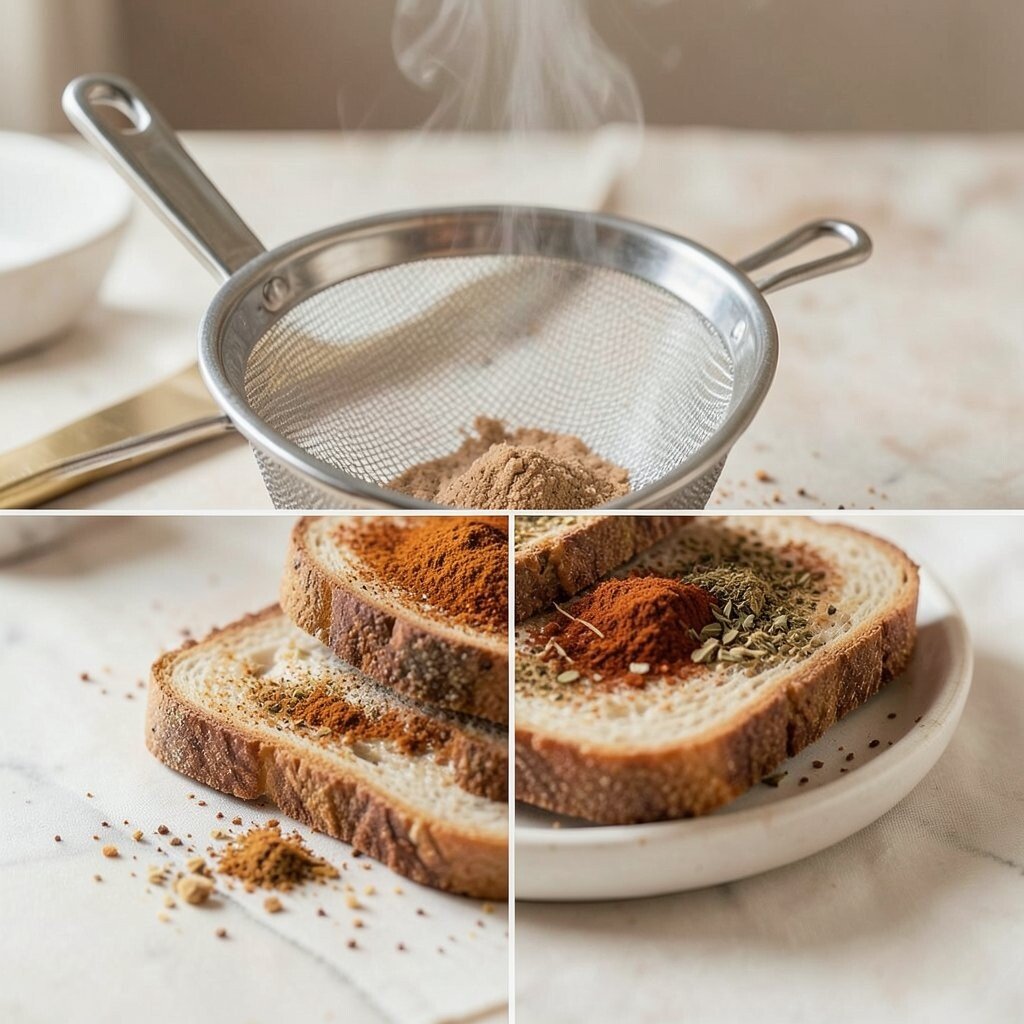
When you toast whole spices, you can end up with tough bits in the final dish. A mesh strainer helps you remove those pieces.
Toast spices in oil, then strain the oil through a mesh strainer and pour it back into your pan. This keeps the aroma while reducing gritty texture in soups and sauces. It is unique because it improves mouthfeel while still capturing spice flavor.
For practical tips, use a fine mesh for small spices and a slightly coarser one for larger seeds like cumin. Stainless steel holds up well and is easy to rinse, though it may need careful cleaning if sticky oils cool on it. Cost is usually low to moderate, and you can often find a good size for kitchen use. Personalize by using one strainer dedicated to spicy oils so your next batch tastes consistent.
12. Herb Chopping Cleanup Catcher
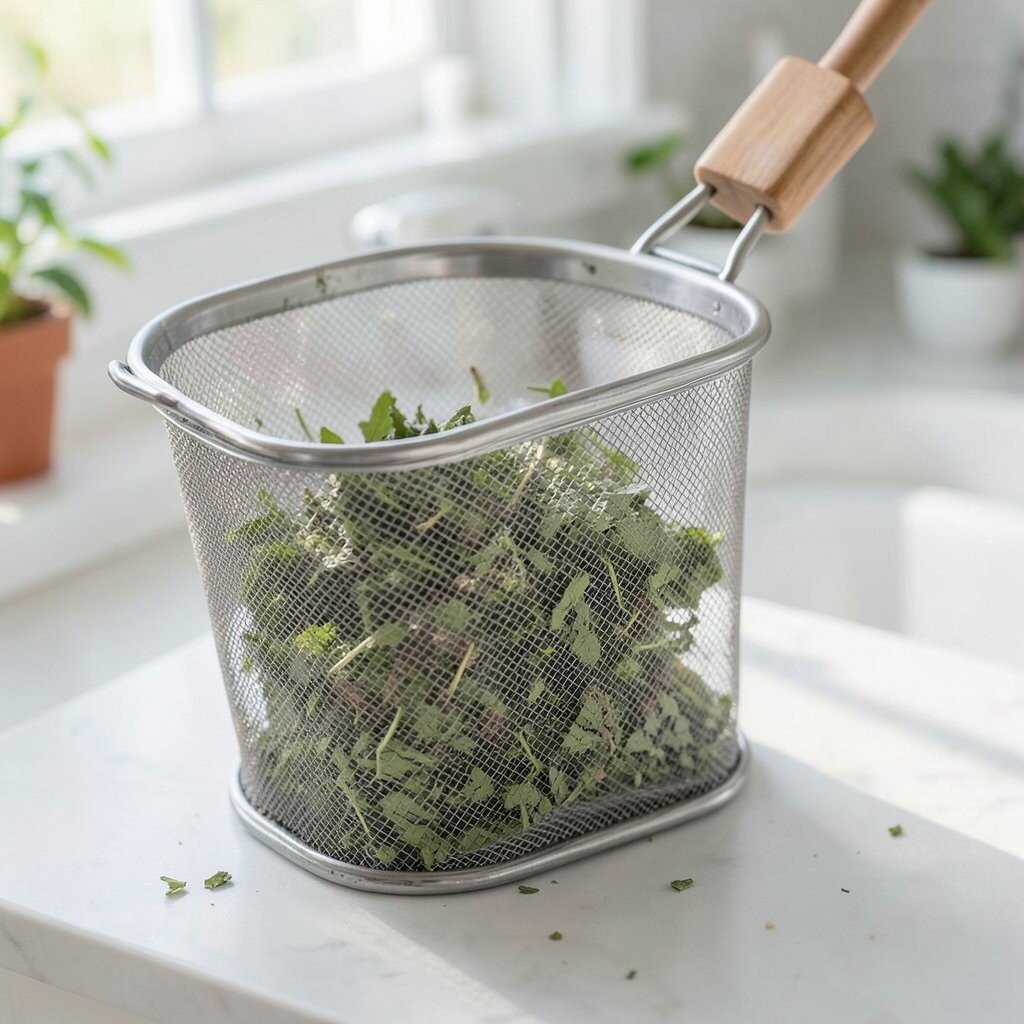
Chop parsley, cilantro, or basil without losing pieces to the cutting board edges. A mesh strainer can act like a quick “catch tray” while you work.
Place the strainer on your counter and scoop herbs into it with your knife as you chop. Then pour herbs into your bowl for cooking. This is unique because it turns cleanup into a simple transfer, not a messy sweep.
For practical tips, choose a strainer with a wide rim so it stays stable. After, rinse or wipe immediately so moisture doesn’t collect in the mesh. A budget-friendly stainless one is ideal, and it is usually faster to rinse than a cutting board full of scattered herb bits.
13. Bread Crumb “Diet” Upgrade for Gluten-Free Options
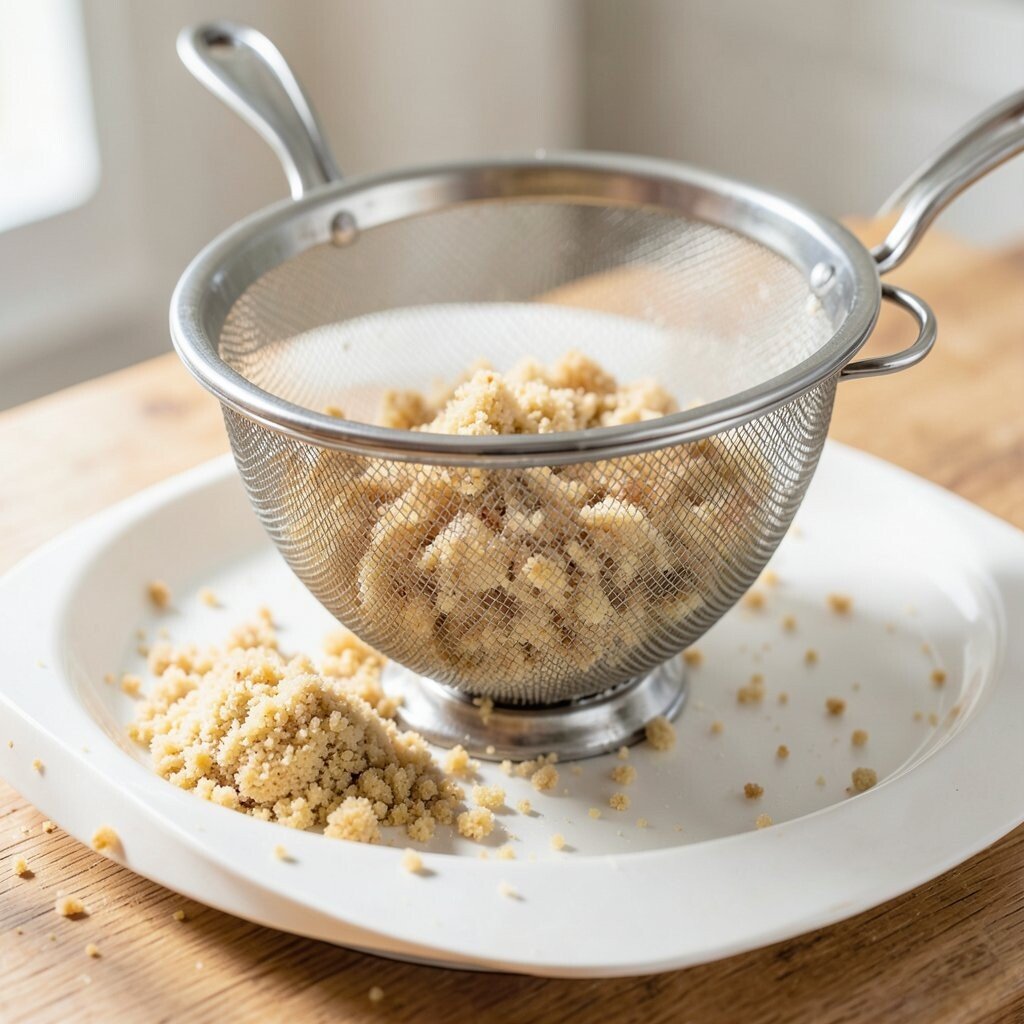
Want lighter crunch for gluten-free cooking? A mesh strainer helps you control crumb size and texture.
Grind gluten-free crackers or toasted rice crumbs, then shake them through the mesh to get a more even coating. This keeps coatings crisp and prevents large chunks from burning. It is unique because it lets you customize texture, which matters for both frying and baking.
For cost considerations, you might already have grinder tools, so the strainer is a low-cost upgrade. Stainless mesh is good for dry crumbs, and it cleans quickly if crumbs don’t clump. Personalize by saving a dedicated strainer for gluten-free crumbs so you avoid cross-contact worries. If you cook for others with sensitivities, this small habit can make a big difference.
To get perfect control, stop shaking when the larger pieces remain, and reuse them for thicker coatings later.
14. Smooth Protein Shake Blending Helper
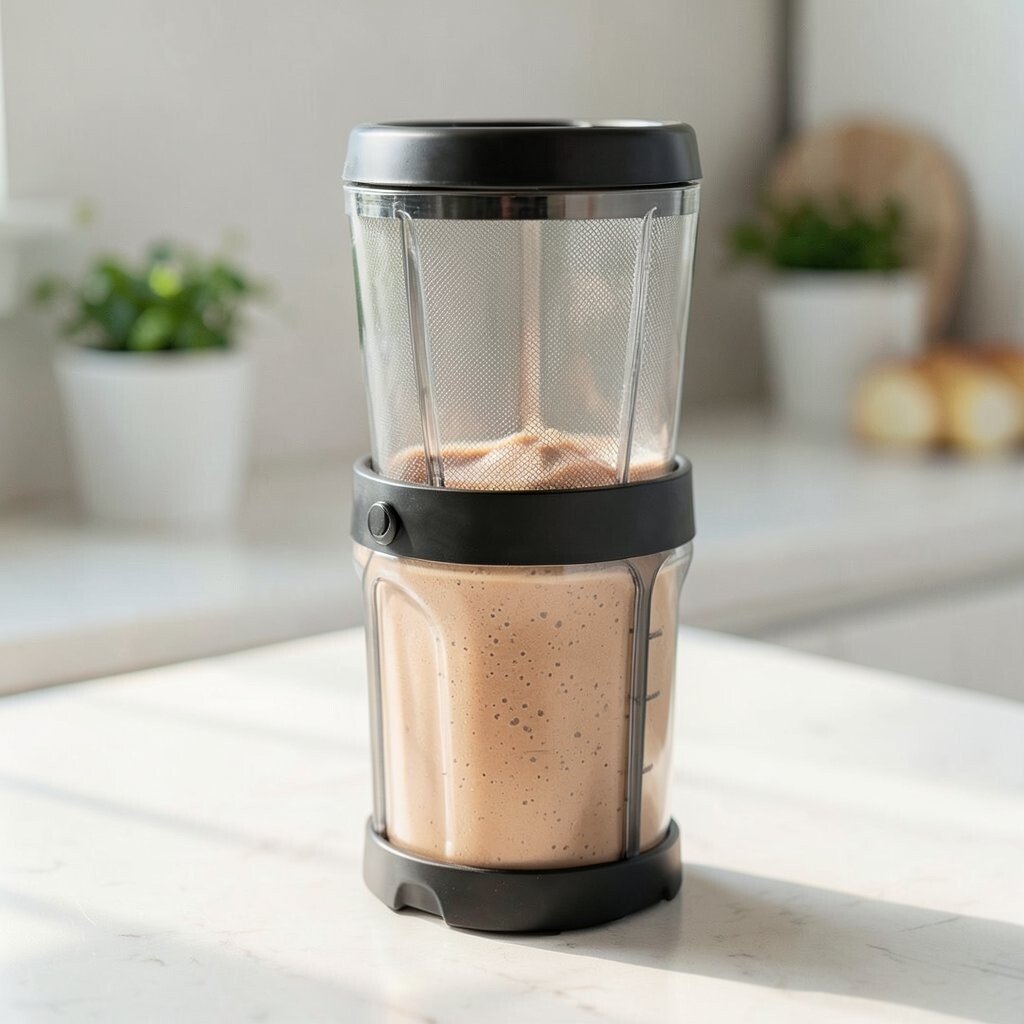
Even if you blend, some ingredients settle or clump. A mesh strainer can catch those lumps before they reach your cup.
Pour your shake through a fine mesh over a shaker cup or glass. This quick strain helps powders mix better and makes every sip smoother. It is unique because it works as a “final polish” after blending, not as the main mixing step.
15. Quick Cooling for Hot Soup Fixes
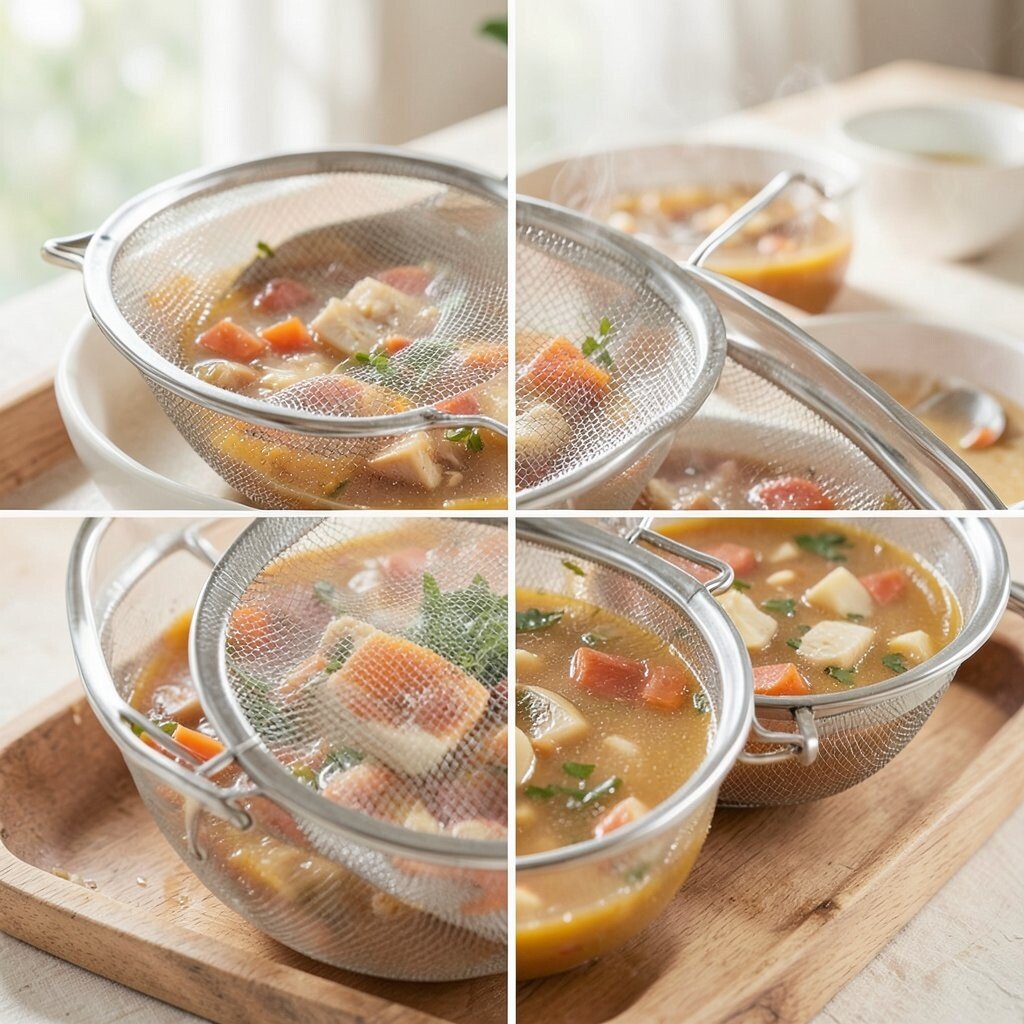
When soup is too hot, you might need to cool a portion quickly for serving or safe storage. A mesh strainer can help separate and cool in controlled portions.
Pour soup through the mesh into a shallow bowl so it spreads out and cools faster. The mesh also catches solid bits if you want a smoother sip, like removing onion pieces. This is unique because it speeds cooling and can refine texture at the same time.
To keep it practical, use oven mitts and avoid splashing, and choose a durable stainless strainer that can handle heat. Costs are usually moderate, and this use is a great way to justify owning one high-quality mesh tool. Personalize by using one strainer for “smooth blends” and another for “chunks,” so your cleanup stays simple.
16. Flour and Sugar Portion Control for Less Mess

Measuring messy ingredients is easier when you can sift small amounts at a time. A mesh strainer gives you control without heavy scooping.
Fill the strainer with flour or powdered sugar, then tap gently to dose over a bowl or pan. This reduces clumps and helps you avoid dumping too much. It is unique because you get both measurement and sifting in one motion.
For practical tips, weigh ingredients if you follow recipes closely, and use the strainer to distribute the measured amount evenly. Stainless mesh is typically inexpensive, while models with a fine finish can cost slightly more. Personalize by marking the handle with a small label like “powder sugar” so you don’t mix residues. Current trends lean toward “tidy measuring,” and this method fits that style.
17. Homemade Salsa Texture Tamer
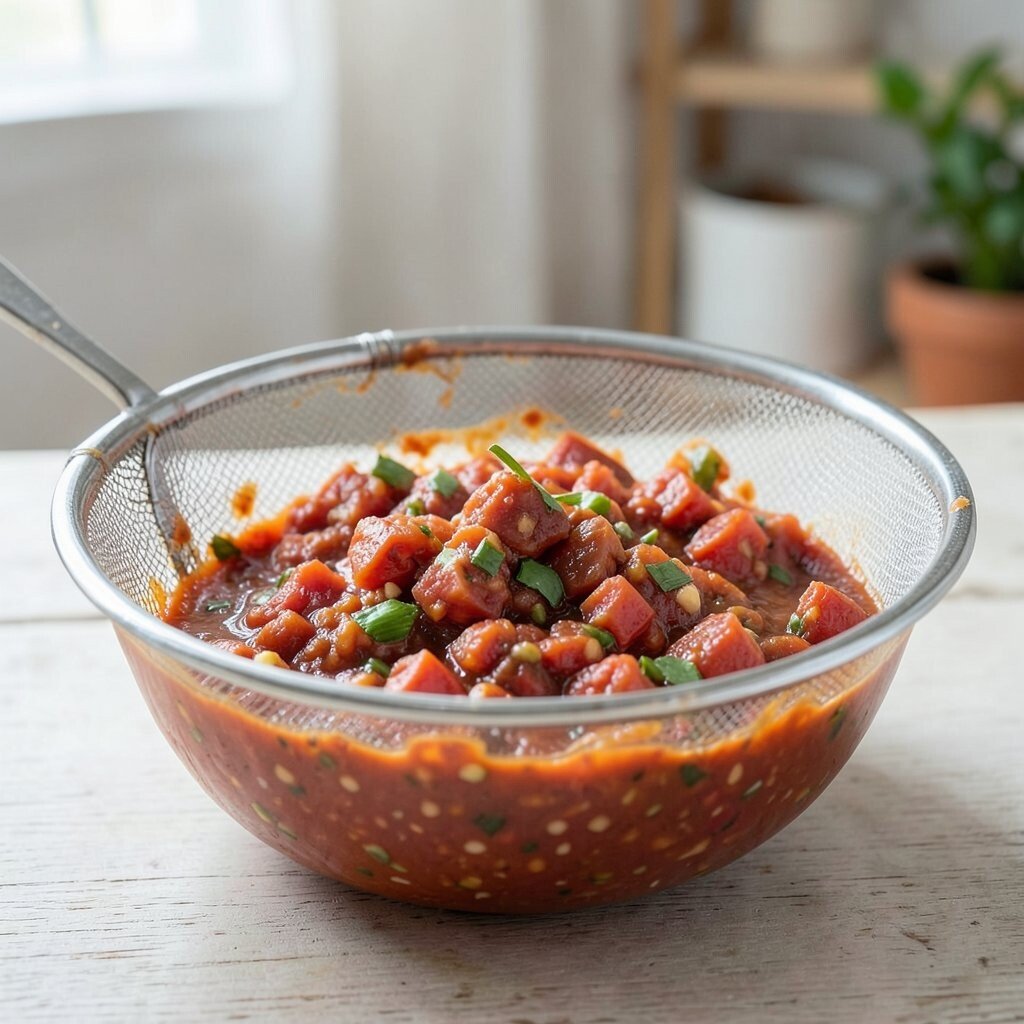
Salsa can turn watery or too chunky depending on the tomatoes. A mesh strainer helps you control texture while keeping flavor.
After chopping, strain the liquid portion through the mesh, then mix the thicker tomato bits back into your salsa. This reduces excess juice and helps flavors concentrate. It is unique because you can adjust salsa texture without starting over.
For practical tips, use a coarser mesh if you want more texture, and a finer mesh if you prefer a smoother salsa. Rinse right away if tomato stains settle, and stainless steel usually cleans better than coated materials. Cost considerations are simple since many kitchen strainers are affordable. Personalize by keeping a strainer near your produce station so it becomes part of your salsa routine.
18. Fry Batter “Drain and Crunch” Filter
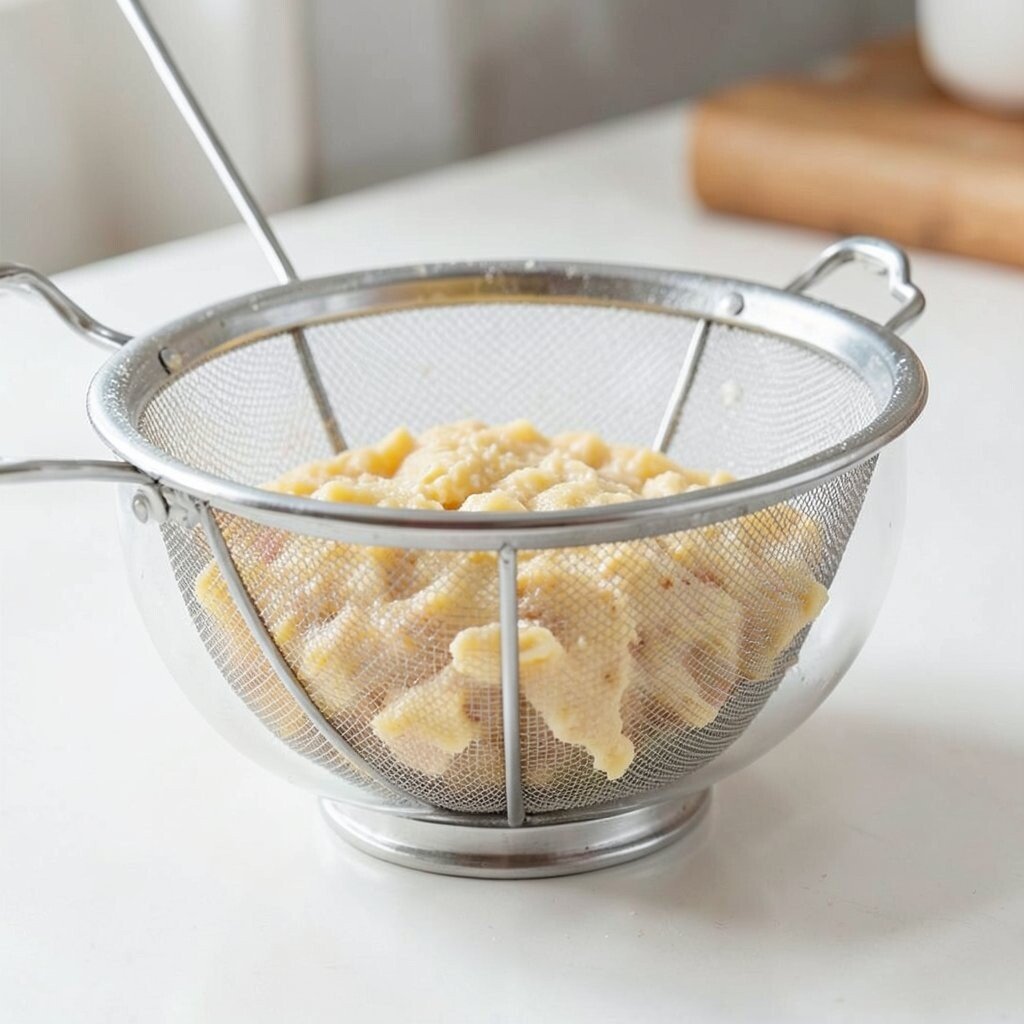
Deep-fried foods can get greasy when excess batter oil lingers. A mesh strainer helps drain and keep them crisp.
After frying, transfer hot items onto the strainer set above a plate or bowl so oil drips off while airflow helps them stay crunchy. This method is unique because the mesh creates more circulation than a flat paper towel alone. It also keeps crumbs from pooling on surfaces.
For practical tips, do not overcrowd the strainer, or it can trap steam and soften food. Stainless steel works well for heat, and it usually costs less than specialty cooling racks. Personalize by placing the strainer near your fryer station so it is always ready for fries, fritters, or chicken bites. A current trend is “crisp-first plating,” and this method supports that goal.
For best results, let a few minutes of draining pass before seasoning with salt.
19. Vegetable Noodle or Zoodle Cleanup
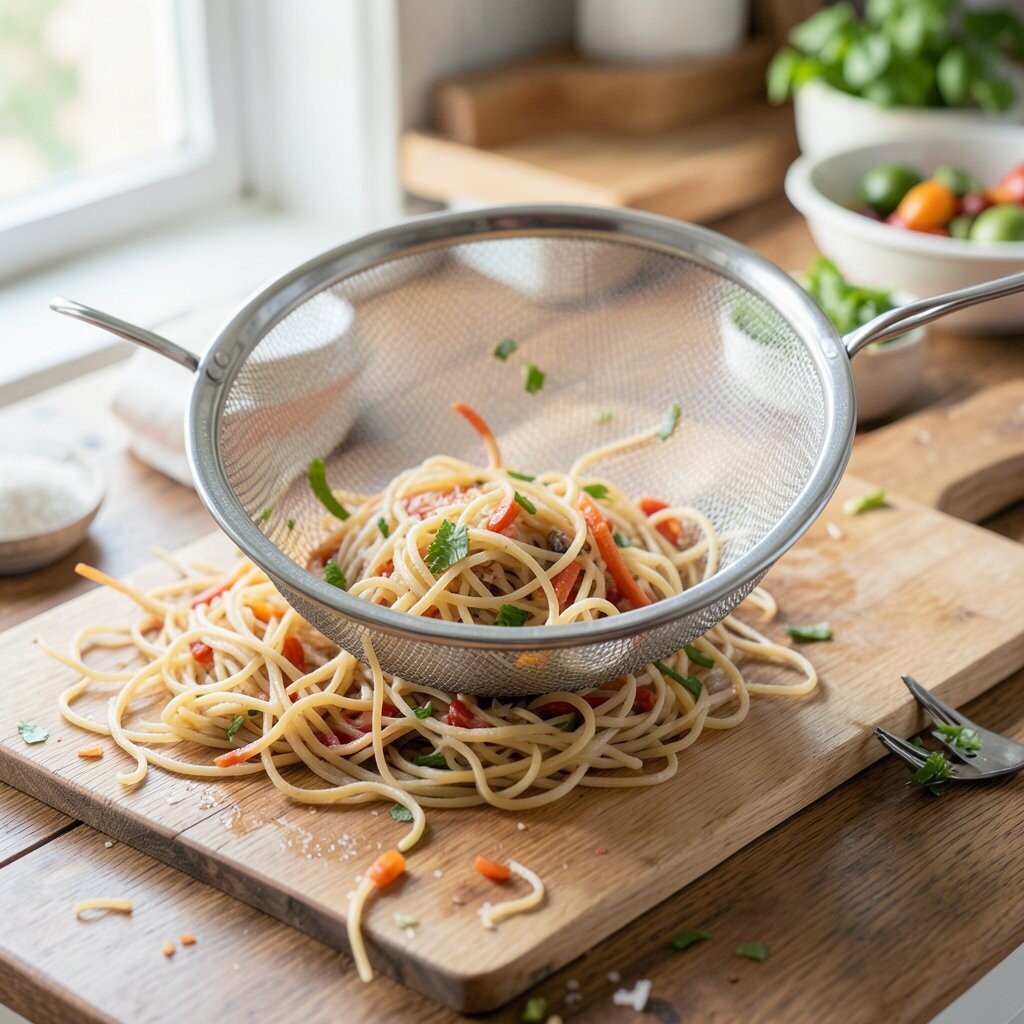
Zoodles hold water, and that can make sauces watery. A mesh strainer helps you remove extra moisture.
After spiralizing zucchini, place zoodles into the mesh strainer and press gently with a spoon to release water. Then cook them in a hot pan so they stay tender, not soggy. This is unique because you can adjust how dry you want them by pressing more or less.
For practical tips, pat or squeeze lightly, then cook right away so they don’t reabsorb water. Choose a strainer with comfortable handling, and consider a lightweight plastic handle if you strain often. Cost is usually low, and it is a great use if you already own a spiralizer. Personalize by dedicating a strainer to produce so it stays fresh for veggie prep.
20. Brewed Tea “Second Cup” Reuse Strainer
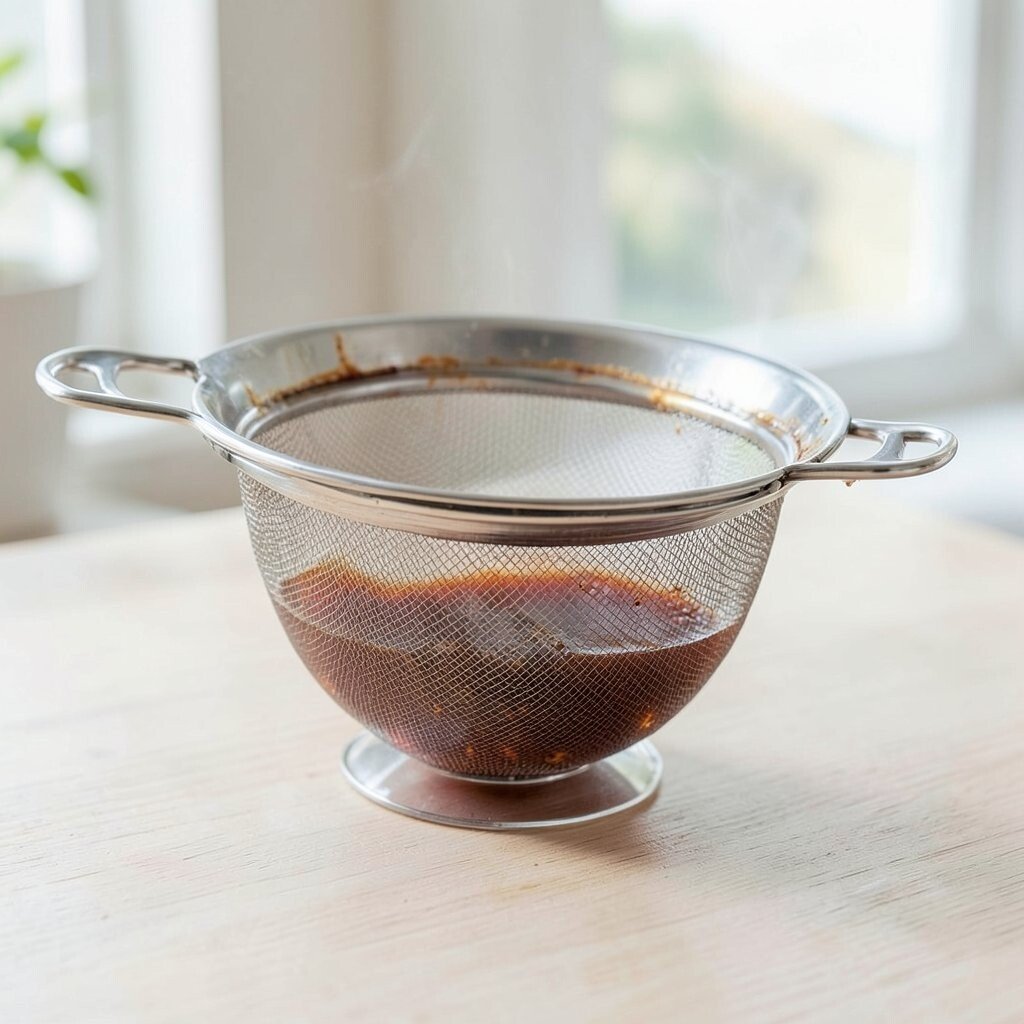
Instead of discarding tea leaves after one cup, you can get a second brew in many teas. A mesh strainer makes that step neat and controlled.
Steep your tea, then pour it through a mesh strainer into a second pot or mug for reuse. The mesh keeps leaf bits out so the second cup does not feel too gritty. This is unique because it supports waste-reducing habits without needing extra gadgets.
For practical tips, keep brewing times shorter for the second cup, and rinse the strainer between uses if you switch tea types. Stainless mesh is often the best investment because it handles hot water consistently. Costs are manageable, and this method can stretch your tea spending. Personalize by keeping a small labeled container for “leftover leaves” so your routine is effortless during busy mornings.