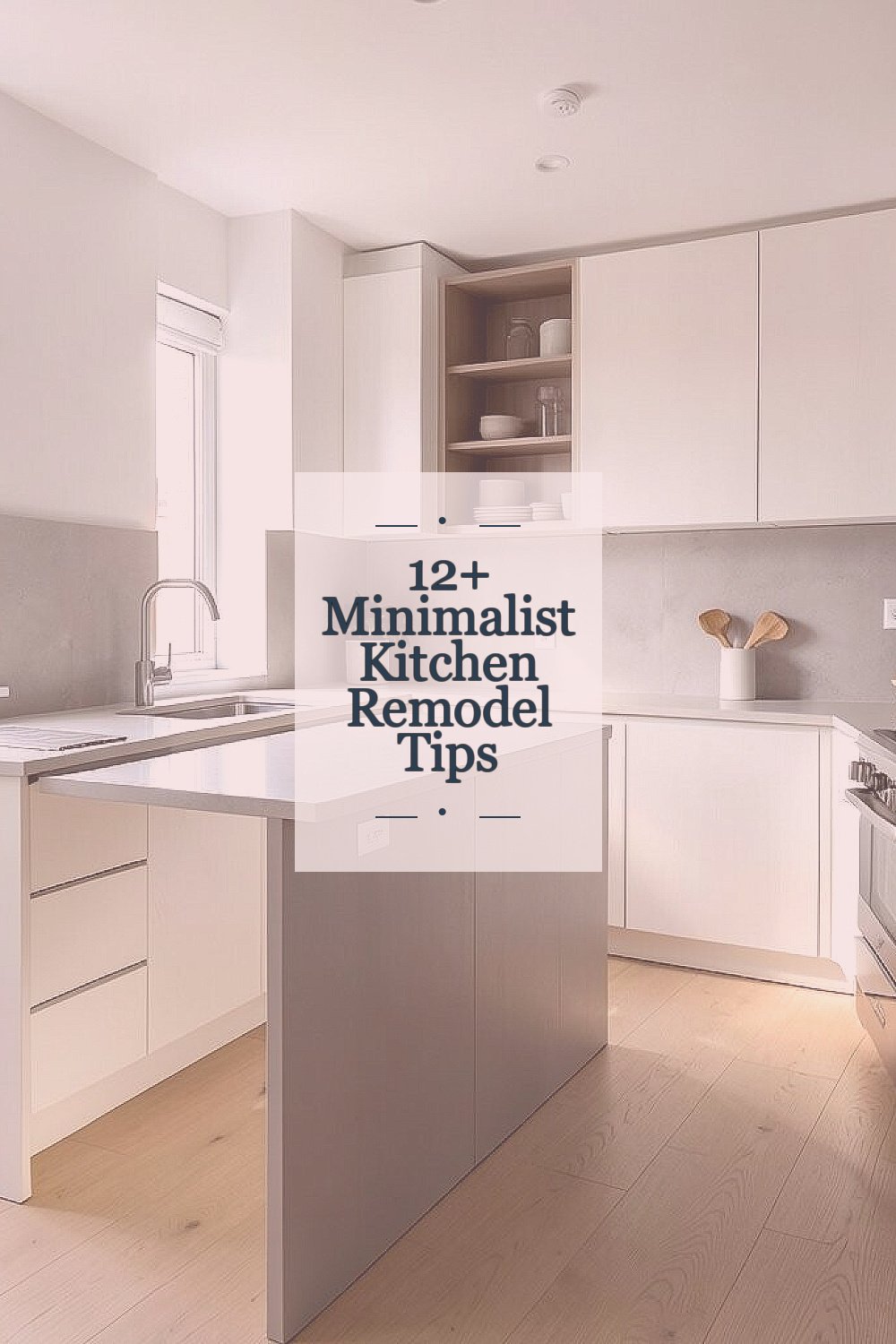
Small kitchens can feel tight, but they can also feel calm. With smart choices, your space can look crisp, work smoothly, and feel like you.
-
1. Start With a “Less, But Better” Layout Plan

Start With a “Less, But Better” Layout Plan When you picture your kitchen, imagine clear paths between the sink, stove, and fridge. A tidy layout helps you move without bumping into things.
Choose one main work zone and keep it open. If you cook often, place the cutting board near the prep area. If you bake, make drawer space for tools so they stay within reach.
-
2. Choose One Light Color Family for Walls and Cabinets

Choose One Light Color Family for Walls and Cabinets A pale wall or warm white cabinet can make the whole room feel bigger. It also gives your counters a clean, bright background.
Pick a color family you love, then keep finishes similar. Matte paint on walls often hides scuffs, which is helpful in city life. For cabinets, consider a simple shaker style to keep the look fresh.
If your current kitchen has dark trim, you can soften it with light hardware. This change usually costs less than replacing everything. You’ll get a big visual upgrade with a smaller budget.
-
3. Use Slim Countertops and Multipurpose Surfaces

Use Slim Countertops and Multipurpose Surfaces Your counters are like the kitchen’s “stage,” so make them feel neat. Light stone or clean laminate can look modern without feeling cold.
Go for one main counter material for a smooth, unified look. If you want extra function, add a thin ledge or a small bar-style section. That way, you can prep, set down hot pans, or eat a quick snack.
Keep edges simple and avoid heavy patterns that can feel busy. A minimalist surface makes the room easier to clean each day. It also helps small appliances blend in instead of taking over the space.
-
4. Pick Storage First, Then Design the Look

Pick Storage First, Then Design the Look In an urban apartment, your best style tool is smart storage. Before choosing finishes, decide how you’ll store food, dishes, and cooking tools.
Swap crowded shelves for vertical organizers and drawers with dividers. Pull-out racks can hold spices and bottles neatly. This reduces visual clutter, which is the secret to that calm minimalist vibe.
Even a modest budget can go far with the right inserts. Think about what you use daily and tailor storage around that routine.
-
5. Install Easy-To-Open Drawer Fronts and Soft Hardware

Install Easy-To-Open Drawer Fronts and Soft Hardware Frictionless drawers feel great because they glide smoothly every time. When handles are consistent, the kitchen looks more polished.
Minimalist hardware often uses sleek bar pulls or warm, small knobs. Choose finishes that match your faucet and cabinet trims for a tidy look.
If you’re handy, replace just the hardware first, and you’ll see the style shift quickly. This is usually an affordable update compared to full cabinet replacement. It also helps you enjoy using the kitchen, not avoid it.
-
6. Go for Matte Finishes to Hide Everyday Marks

Go for Matte Finishes to Hide Everyday Marks Matte surfaces can look soft and modern, like a clean piece of paper. They also tend to hide fingerprints and tiny smudges.
Consider matte cabinet paint, a matte faucet, or a low-sheen backsplash. Pairing matte with a simple countertop can keep the contrast calm, not harsh.
In busy apartments, you want finishes that survive real life. This makes daily cleanup faster, since you won’t constantly hunt for glare or fingerprints. It’s a small choice that brings real peace to your routines.
-
7. Use a Backsplash That Looks Clean From Every Angle

Use a Backsplash That Looks Clean From Every Angle Your backsplash protects your walls, but it also sets the mood. A simple tile pattern can make the kitchen feel ordered and bright.
Try subway tile in a clean white, or use a thin-line mosaic for a subtle detail. If you want a more modern look, consider a solid slab-style surface. Keep grout lines minimal when you can.
This trend fits minimalist spaces because it adds structure without loud decoration. Installation costs vary, so compare tile vs. sheet panels based on your budget. Either way, choose something you won’t tire of after a few months.
-
8. Make Your Lighting Layered, Not Just Bright

Make Your Lighting Layered, Not Just Bright Good lighting is like a warm hug for your kitchen. It helps your counters look crisp and your cooking area feel safe.
Use a mix of overhead light, under-cabinet lights, and one gentle accent. Under-cabinet LEDs highlight backsplash and prep zones, which makes everything feel sharper.
Look for dimmers if you can, because dim light makes evenings feel cozy. This upgrade often costs less than major remodel work. It also brings instant “new kitchen” energy.
-
9. Choose a Sink and Faucet That Feel Streamlined

Choose a Sink and Faucet That Feel Streamlined A sleek faucet can turn a basic sink into a focal point. When the lines are clean, the whole room looks more intentional.
Consider a single-basin sink for uninterrupted space and easy cleaning. Or choose a smaller second basin if you do lots of dishes. For minimalist style, match the faucet finish to your cabinet hardware.
This choice supports daily comfort, since good water flow makes cooking tasks faster. While premium fixtures cost more, you can balance the budget by keeping other areas simple. The result feels like a tidy upgrade you’ll notice every day.
-
10. Add Open Shelving Carefully With a “Curated” Rule

Add Open Shelving Carefully With a “Curated” Rule Open shelves can look airy, but they need clear rules. If everything sits out, the room can feel messy again.
Instead of showing every mug, style only a small set of items. Use matching containers for dry goods and keep their labels neat. Add one small plant or a simple art book to bring warmth.
If you love the look but worry about clutter, use shelves only above a less-used corner. You can also mix open shelving with solid cabinet doors for a balanced look. This gives you a modern feel without constant organizing pressure.
-
11. Create a Hidden Storage “Home” for Small Appliances

Create a Hidden Storage “Home” for Small Appliances Small appliances can steal attention and create visual noise. A minimalist kitchen shines when tools have a home.
Build a slim appliance garage or a dedicated cabinet space for your daily gear. A coffee station that stays inside a cupboard can look clean most of the day. For mixers and blenders, pick a spot that matches where you cook.
Clear the countertops and you’ll instantly feel calm when you walk in. This is a budget-friendly habit plus a smart design choice. You can even start with storage baskets while you save for built-ins later.
-
12. Choose Minimalist Window Treatments for Airy Privacy

Choose Minimalist Window Treatments for Airy Privacy Window style matters because it shapes how your kitchen feels in the daytime. When light enters evenly, the space looks fresh and inviting.
Try simple roller shades, light linen curtains, or sleek blinds with clean lines. If you need privacy, choose a fabric that filters light rather than blocks it completely. In small kitchens, this keeps the room bright while still giving you comfort.
Neutral tones match minimalist decor and keep focus on your counters. Depending on the materials, window treatments can range from very budget-friendly to mid-range. Pick what fits your comfort needs and your daily routine.
-
13. Finish With Personal Details That Still Stay Minimal

Finish With Personal Details That Still Stay Minimal The last step is where your kitchen becomes yours. Add one or two personal touches that feel meaningful and calm.
Try a small board with clean typography, a fruit bowl in a single color, or a set of matching jars. Add a warm towel color or one simple print for personality. Keep it limited so the space stays airy, not crowded.
Minimalism doesn’t mean no style, it means intentional style. Choose items that match your everyday life, like a favorite mug you use often. This gives your remodel a “home” feeling without adding extra clutter.