
Imagine a museum that feels like a living storybook. Every hallway invites curious kids to touch, try, and learn.
-
Sandstone Sky Atrium: Fossil Fossil, Look Closely
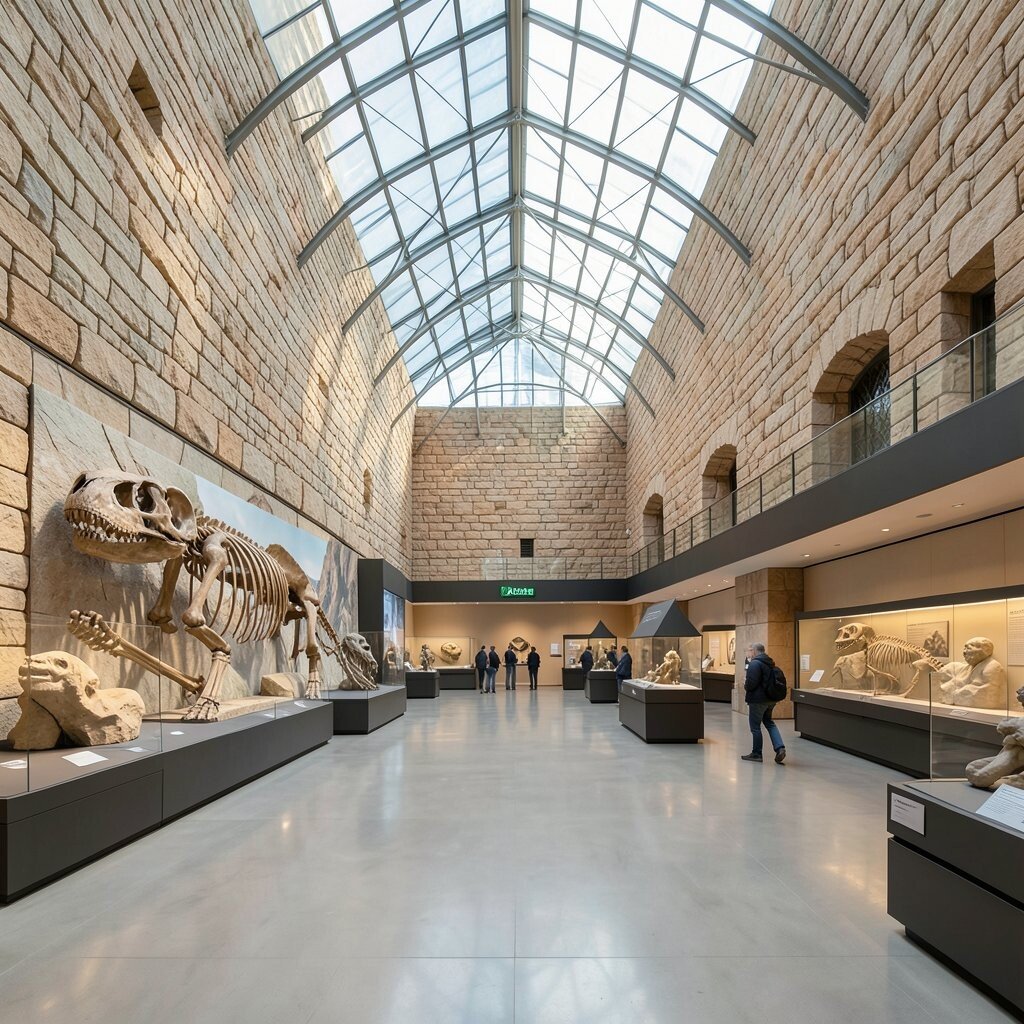
Sandstone Sky Atrium: Fossil Fossil, Look Closely A tall atrium rises like a warm sandstone canyon, and the ceiling glows with moving “weather clouds.”
In the center, kids can peer into glass-front mini-ridges where replica fossils look half-buried.Add interactive light-tables that brighten different layers as children press big, soft buttons.
Guides can suggest a “find-a-feature” mission: shape, size, and a guess for what it used to be.
For personalization, give each visitor a color card to match the layer they’re studying. -
Rotating Claw Lab: Build a Safe Predator Mystery
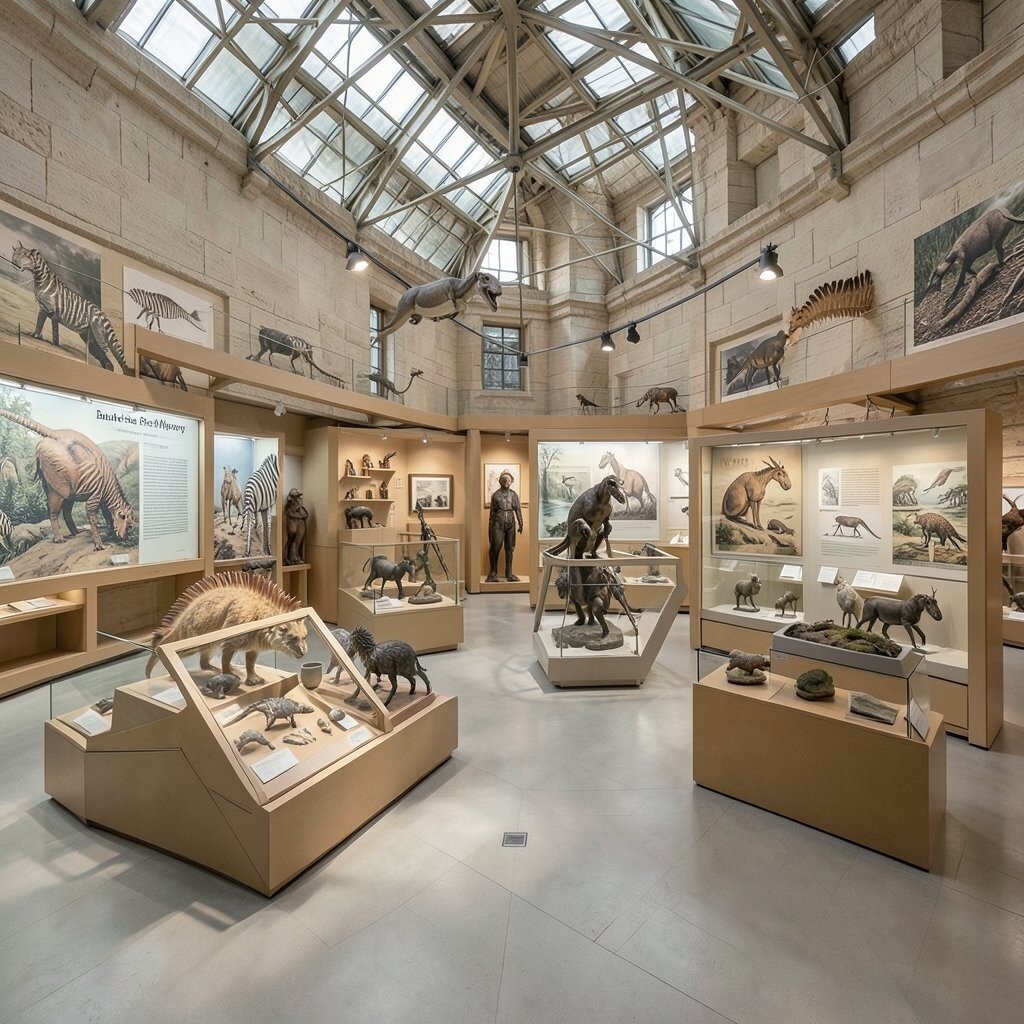
Rotating Claw Lab: Build a Safe Predator Mystery A friendly “claw bench” lines the wall with rounded tools that mimic teeth, beaks, and claws.
Kids can compare angles and textures on touch-safe replicas under bright spotlighting.This layout supports science thinking by turning observation into hands-on testing.
Add a short matching station where children pick a “tool” and predict the animal’s job.For uniqueness, let the bench rotate so the same tools look “before” and “after” as labels change.
A simple tip: encourage kids to say their guess out loud, then check the display cards.
Cost can stay reasonable by using durable molds, replaceable labels, and low-energy lighting. -
Time Trail Corridor: Walk Through Eras Using Footprints
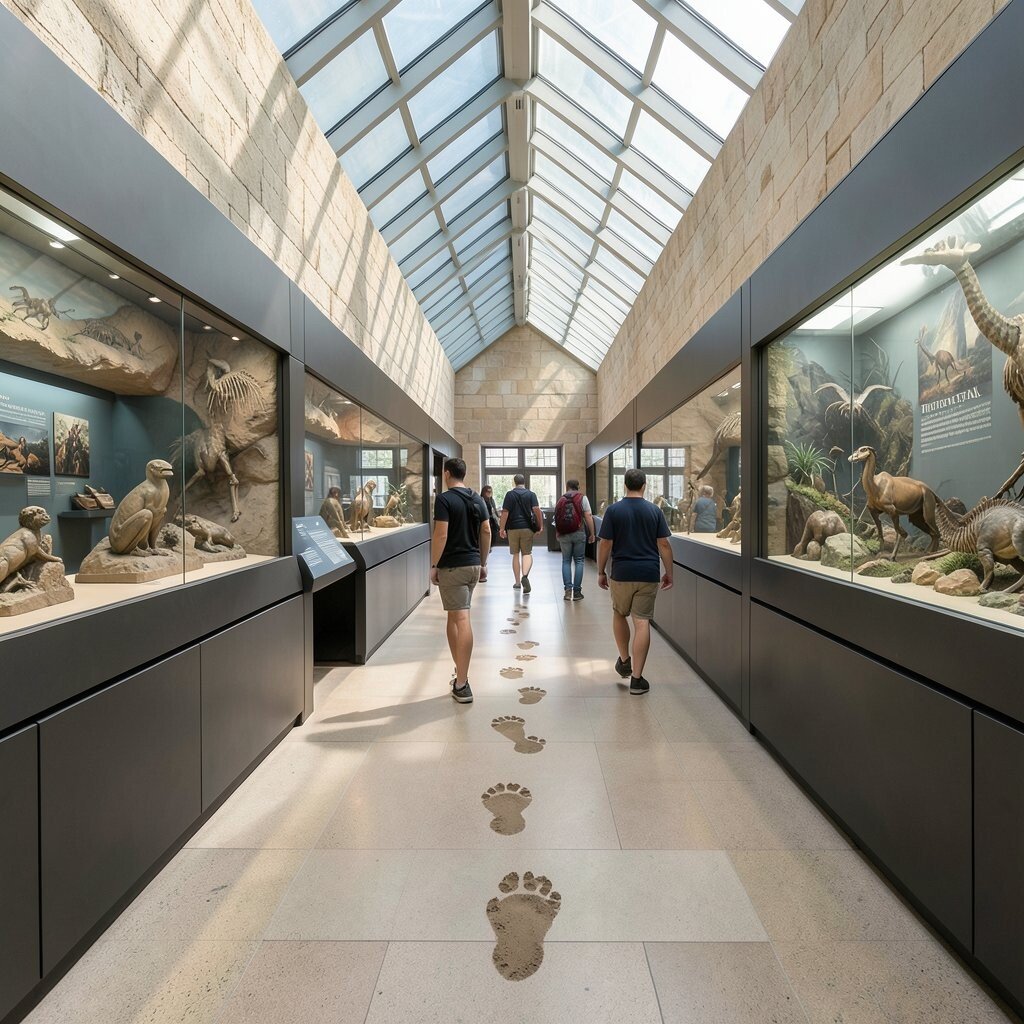
Time Trail Corridor: Walk Through Eras Using Footprints The hallway floor becomes a trail of footprints that shift color as you walk forward.
Murals of eras wrap around the corridor like a gentle timeline with friendly creatures in the corners.Each step can trigger a sound cue and a short “What changed?” prompt on an overhead panel.
Kids get a benefit that feels real: they build a sense of order without memorizing dates.
Offer picture cards showing one plant and one animal per era.To personalize, let kids choose a “story role,” like plant watcher or fossil finder.
A quick suggestion is to pause at each marker and ask kids to draw one detail they notice.
For cost, consider reusable floor graphics and battery-friendly, spotlit sensors.Current museum trends point to motion-and-moment learning, so timed prompts keep attention strong.
The design also works well for different ages by changing the reading level on the panels.
Keep the steps short and the messages friendly. -
Rainforest Canopy Zone: Hear Leaves, Feel Patterns
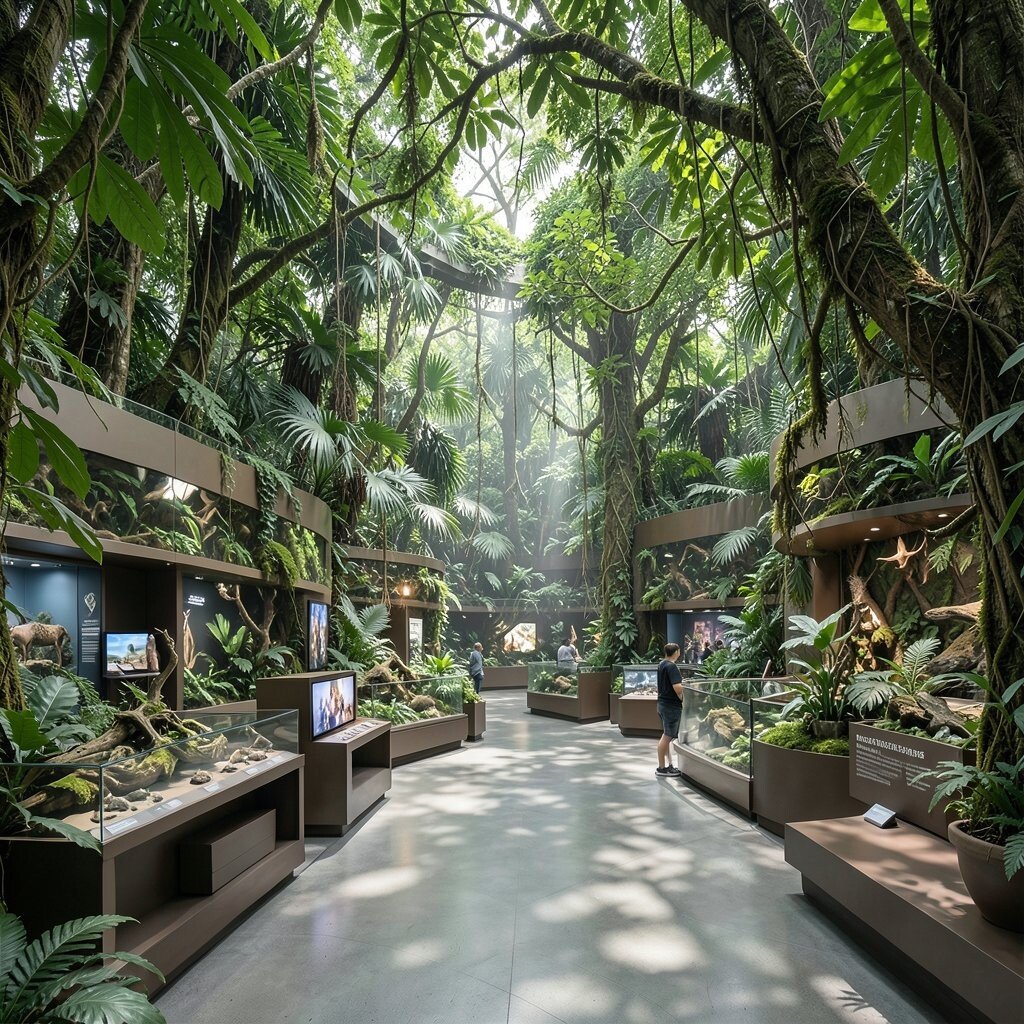
Rainforest Canopy Zone: Hear Leaves, Feel Patterns A ceiling “canopy” of hanging leaf shapes creates a soft, leafy light inside the room.
Kids can step under misty spritz jets and feel leaf-texture pads on the walls.
A gentle stream sound makes the space feel alive, not loud.This concept builds empathy and respect for nature by highlighting how habitats support life.
Suggestion: ask kids to compare leaf textures and guess which plants need more water.
Personalization idea: add a “habitat passport” stamp for each texture they test. -
Underwater Without Swirl: Kelp Kites and Air-Bubble Science
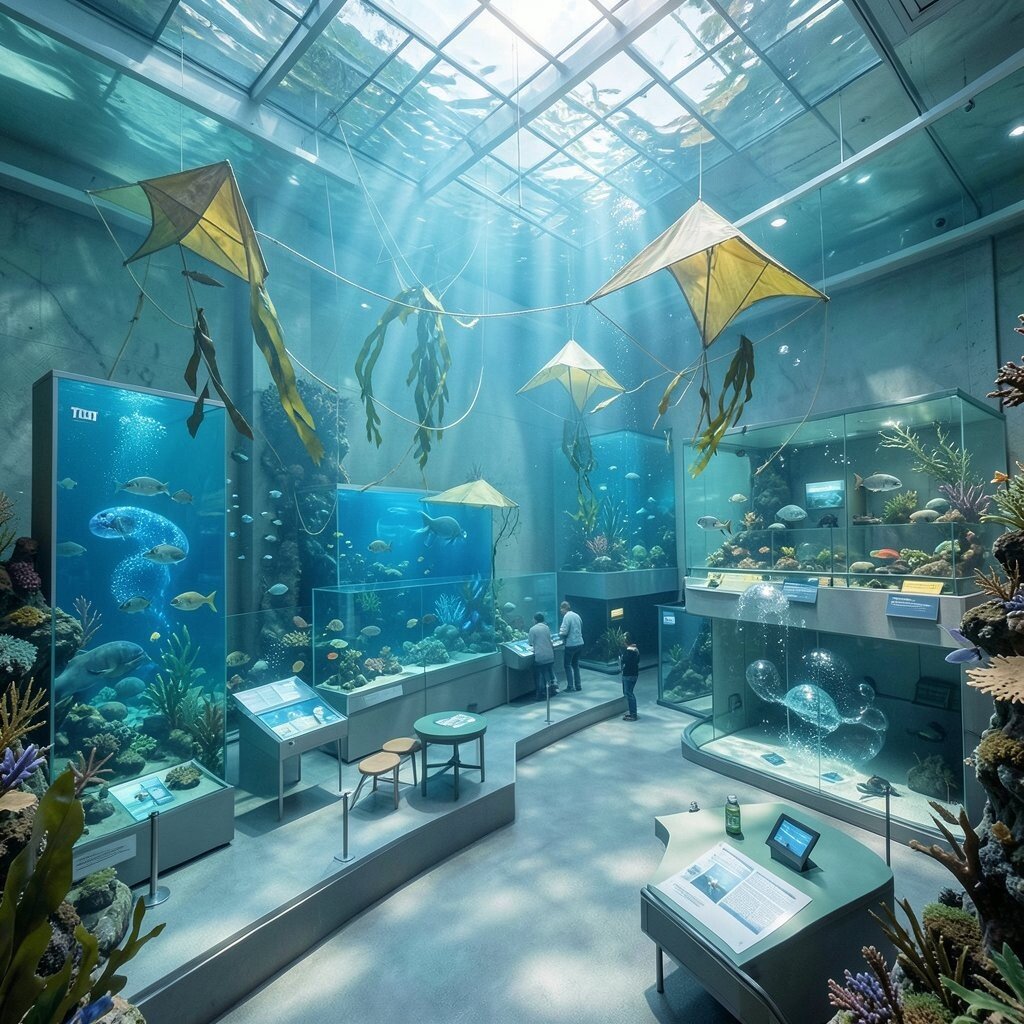
Underwater Without Swirl: Kelp Kites and Air-Bubble Science A low “ocean window wall” shows water-like lighting with slow waves made from LED panels.
At kid height, translucent kelp ribbons sway when children pull a handle lightly.The benefit is learning about buoyancy and water flow through movement you can control.
For uniqueness, include a bubble sorter where kids place “air” chips into different paths.Tips: try a “two tries” rule so kids predict, then reset and test again.
Cost can be managed by using shared motion components and durable acrylic panels.
Add personalization with icons that let children mark what they think will float higher. -
Crystal Cave Corner: Color Paths for Mineral Magic
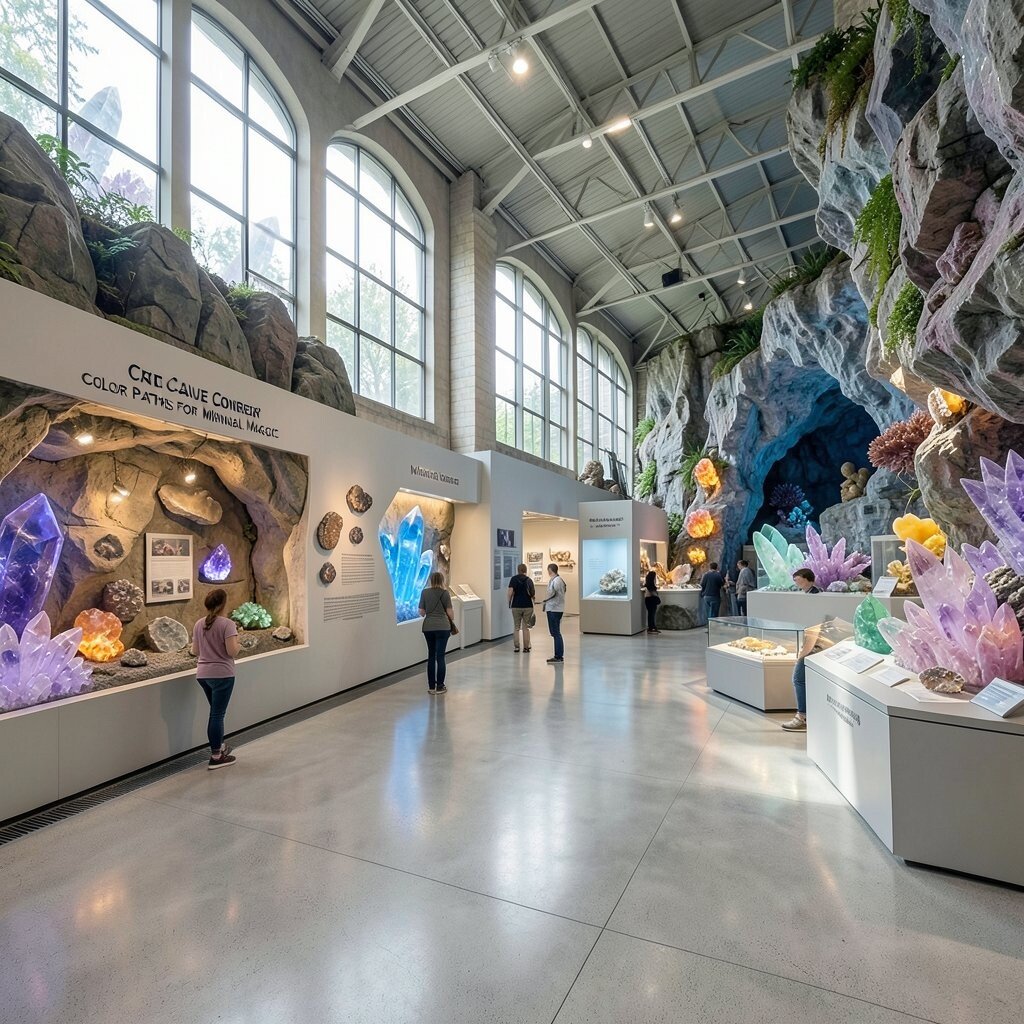
Crystal Cave Corner: Color Paths for Mineral Magic The room glows with gem-colored LEDs, and faceted display columns sparkle like tiny mountains.
Touch-friendly crystal replicas sit in labeled alcoves with soft lighting behind them.An interactive “light prism drawer” lets kids slide trays to change the beam color.
Each color highlights a different property, like sparkle or streak, in kid-sized language.This layout’s benefit is confidence: kids feel like scientists without needing special tools.
Suggestion: ask them to find one mineral that “matches their favorite color mood.”
For cost, prioritize lighting design and swap-out labels instead of costly gemstones. -
Volcano Maker Studio: Safe Foam Eruptions and Gas Guessing
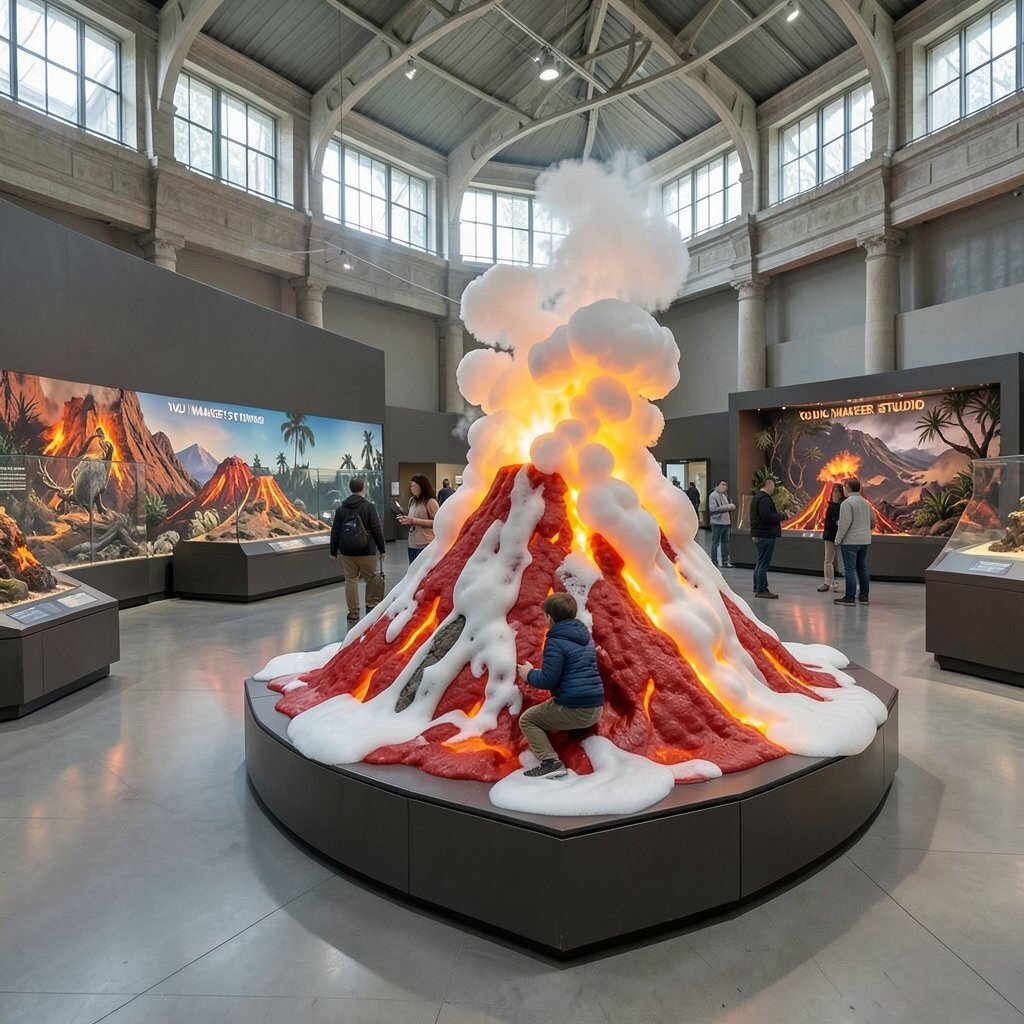
Volcano Maker Studio: Safe Foam Eruptions and Gas Guessing A volcano-shaped worktable anchors the room with clear shields and calm, visible “chambers.”
Kids can pour measured foam mix ingredients into cups, then watch eruptions safely behind glass.The benefit is turning a big wow moment into clear cause-and-effect learning.
Keep the station personal by offering “eruption roles,” like scientist, engineer, or narrator.
Provide quick suggestion cards: predict, build, test, and record with a stamp.For uniqueness, add a gas guessing game using light indicators that mimic bubbles.
Cost considerations: use reusable silicone parts, easy-to-clean basins, and child-safe materials.
Current trends in hands-on learning favor repeatable mini-experiments, not one-time demos. -
Migration Mural Walk: Follow the Birds on a Moving Map
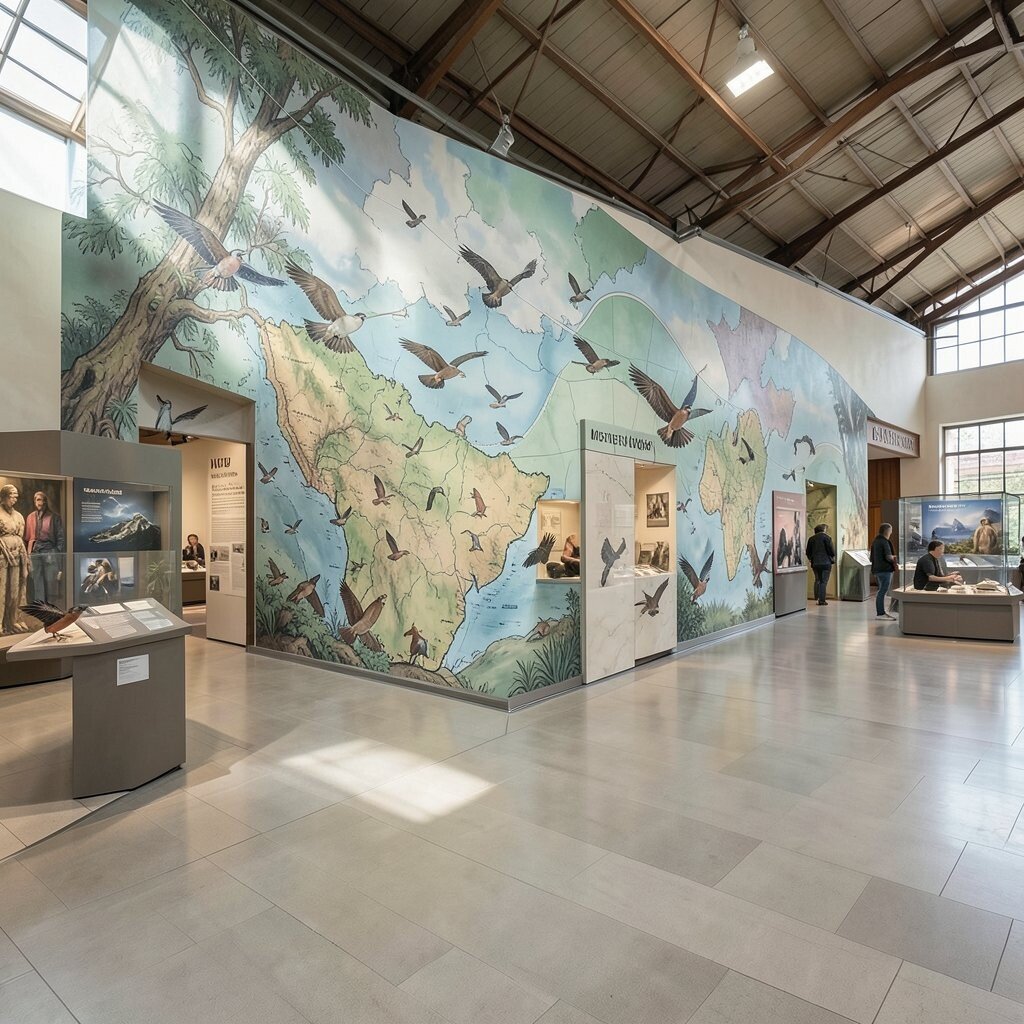
Migration Mural Walk: Follow the Birds on a Moving Map A long mural shows birds in mid-flight, and a “moving map” screen scrolls beneath it.
Kids can pull rope segments that gently shift the route lights to different continents.
The visuals feel like a game, not a lecture.This design helps kids understand migration as a real journey tied to food and weather.
Tip: pair a “route story” prompt, such as “What would you pack?”
Personalization can come from letting kids choose a character bird and name it. -
Cosmic Visitor Corner: Meteor Touchstones for Real-World Wonder
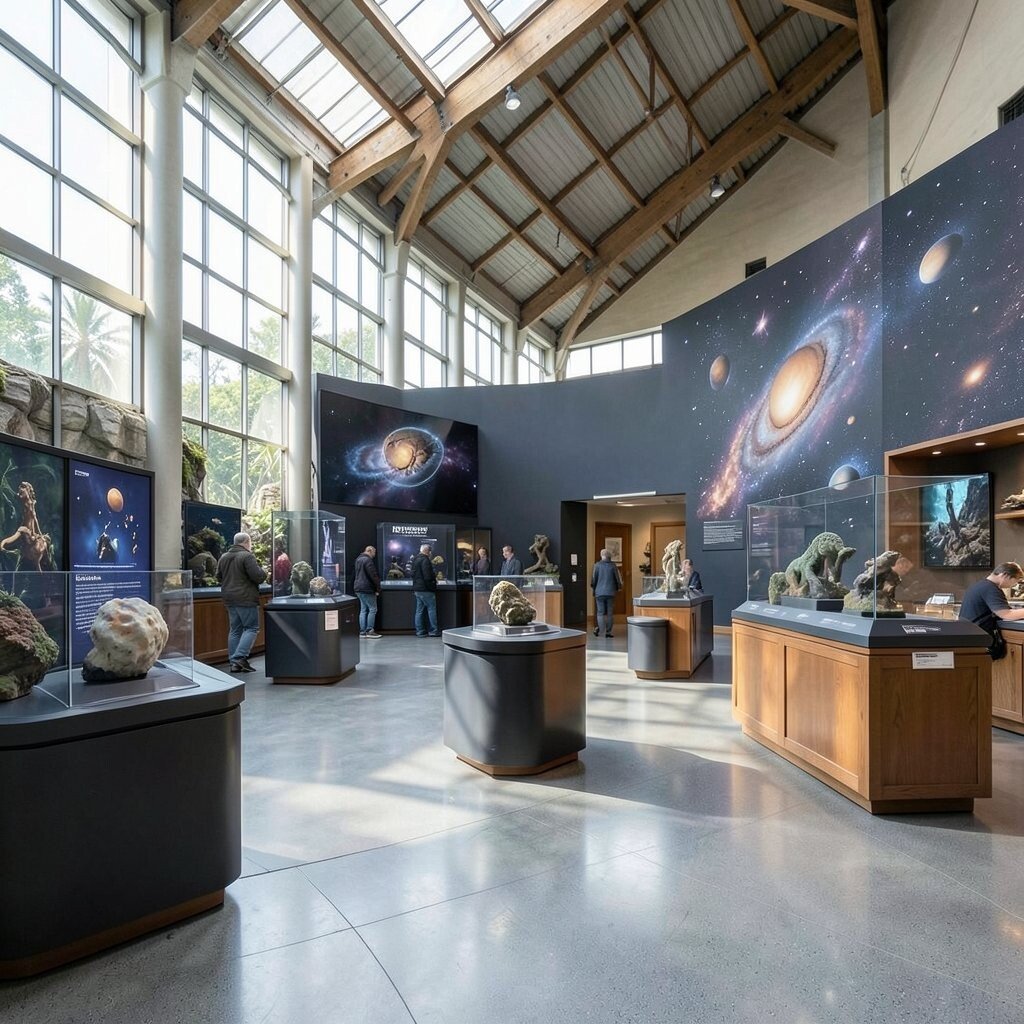
Cosmic Visitor Corner: Meteor Touchstones for Real-World Wonder A darkened alcove frames meteor-like rocks with gentle spotlighting and star stickers on the floor.
Kids can compare stone samples in clear drawers while listening to short sound bites.The benefit is helping kids connect natural history to space in a friendly way.
For uniqueness, include a “scratch test” demo using safe tools and clear comparison charts.Suggestions: encourage kids to describe one difference in texture and one in color.
Personalization idea: let visitors build a “meteor postcard” with a chosen rock fact.
Cost can be kept manageable by using durable sample replicas and printed templates. -
Habitat Build Zone: Moss Blocks and Mini-World Engineering
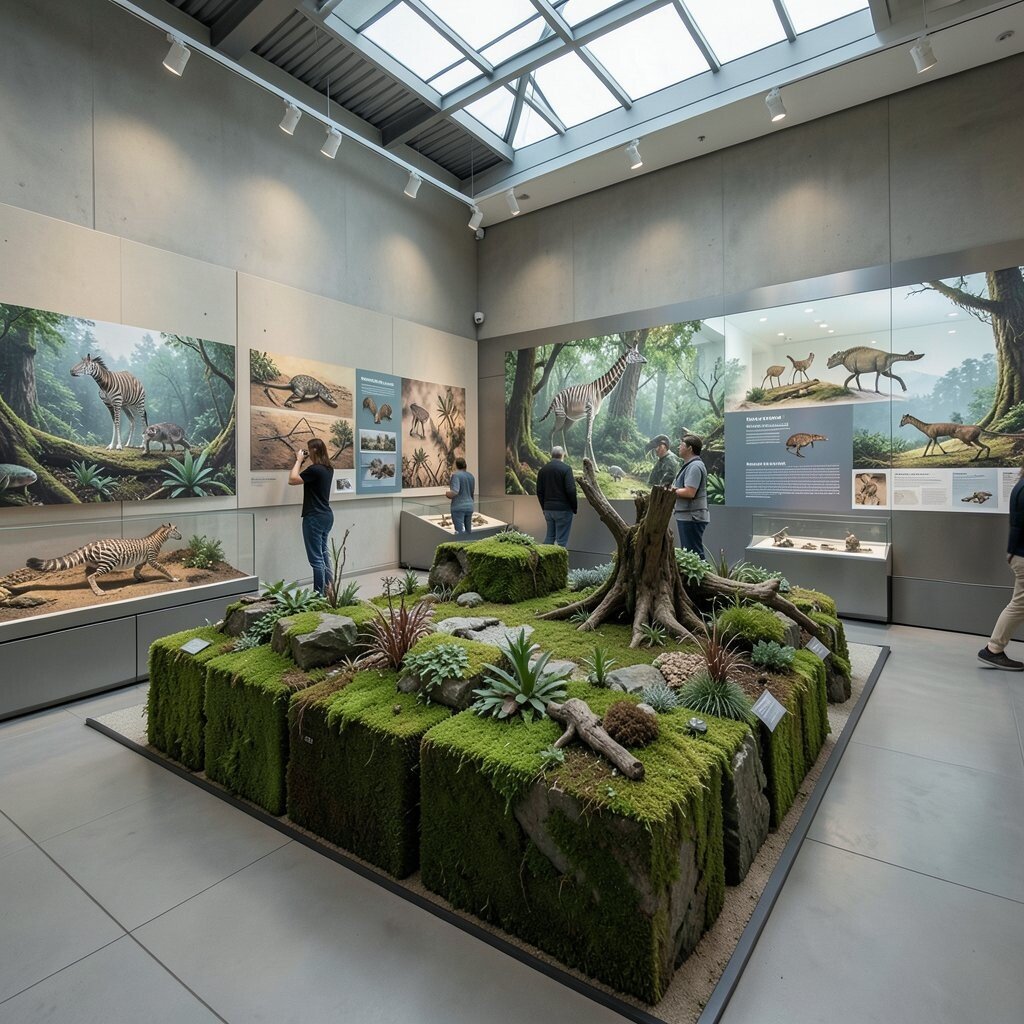
Habitat Build Zone: Moss Blocks and Mini-World Engineering A soft green floor base is surrounded by bins of moss-like blocks, fake grasses, and seed paper.
A clear wall displays sample mini-ecosystems like tiny apartments for plants and animals.Kids can build habitat scenes using sturdy pieces that click together like puzzle bricks.
This layout benefits learning because it shows how living things depend on each other.
Add a personalization element by letting kids choose “needs cards” such as shade or water.For uniqueness, include a “weather crank” that changes lighting and triggers a plant response label.
Tips: ask kids to build first, then compare their scene to a real habitat photo wall.
Cost considerations: choose modular materials that can be reused across many age groups. -
Bug Buffet Bench: Pick, Probe, and Place (Without Fear)
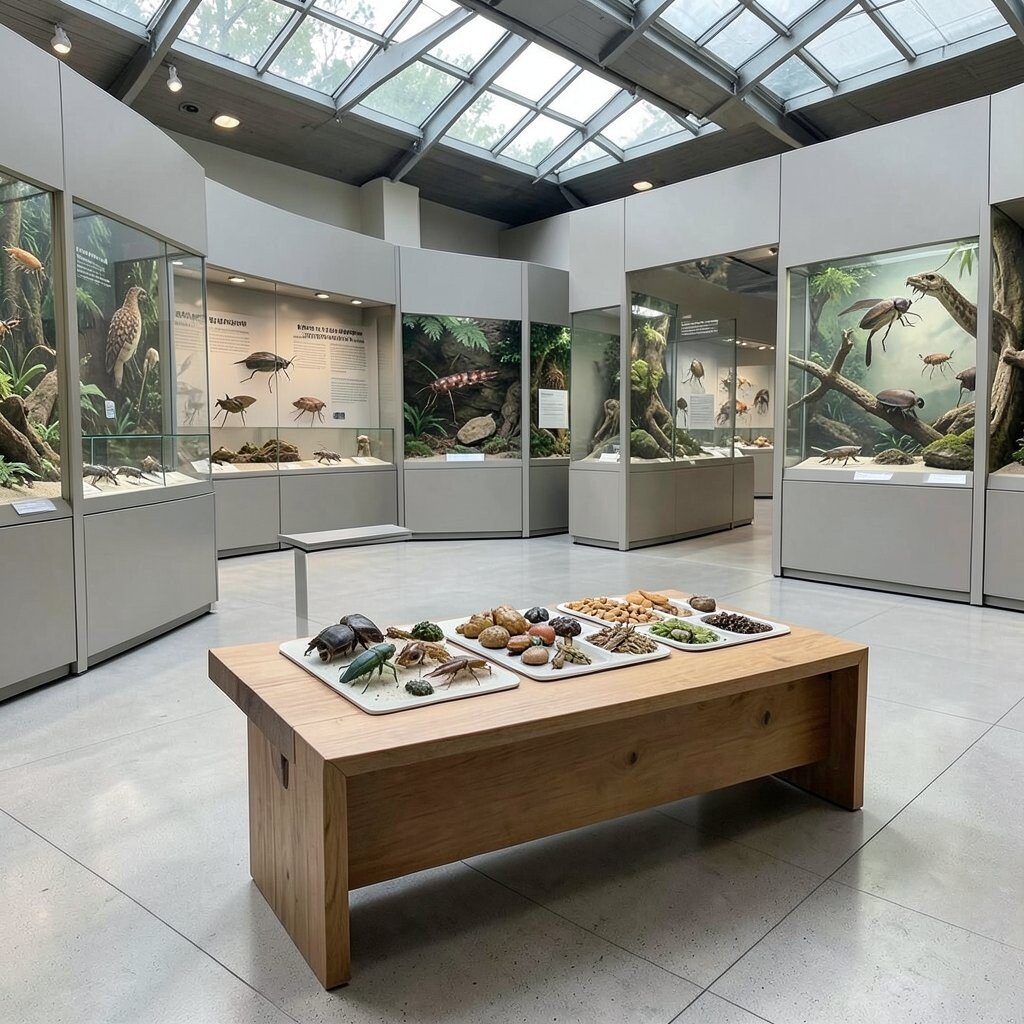
Bug Buffet Bench: Pick, Probe, and Place (Without Fear) A colorful wall of insect-shaped mirrors gives every kid a playful view of their own shadow.
Nearby, illustrated drawers hold magnifying lenses and safe, touchable bug models.This concept supports learning about biodiversity while keeping things gentle and non-scary.
Add a “feeding job” game where kids match insects to roles like pollinator or decomposer.For uniqueness, use interactive screens that respond to kid choices with a friendly “job story.”
Tip: encourage kids to pick one insect they already like, then learn a surprise fact.
Cost can be controlled with mostly printed visuals and a few shared interactive stations. -
Fossil Field Workshop: Dig, Sort, and Curate Your Own Finds
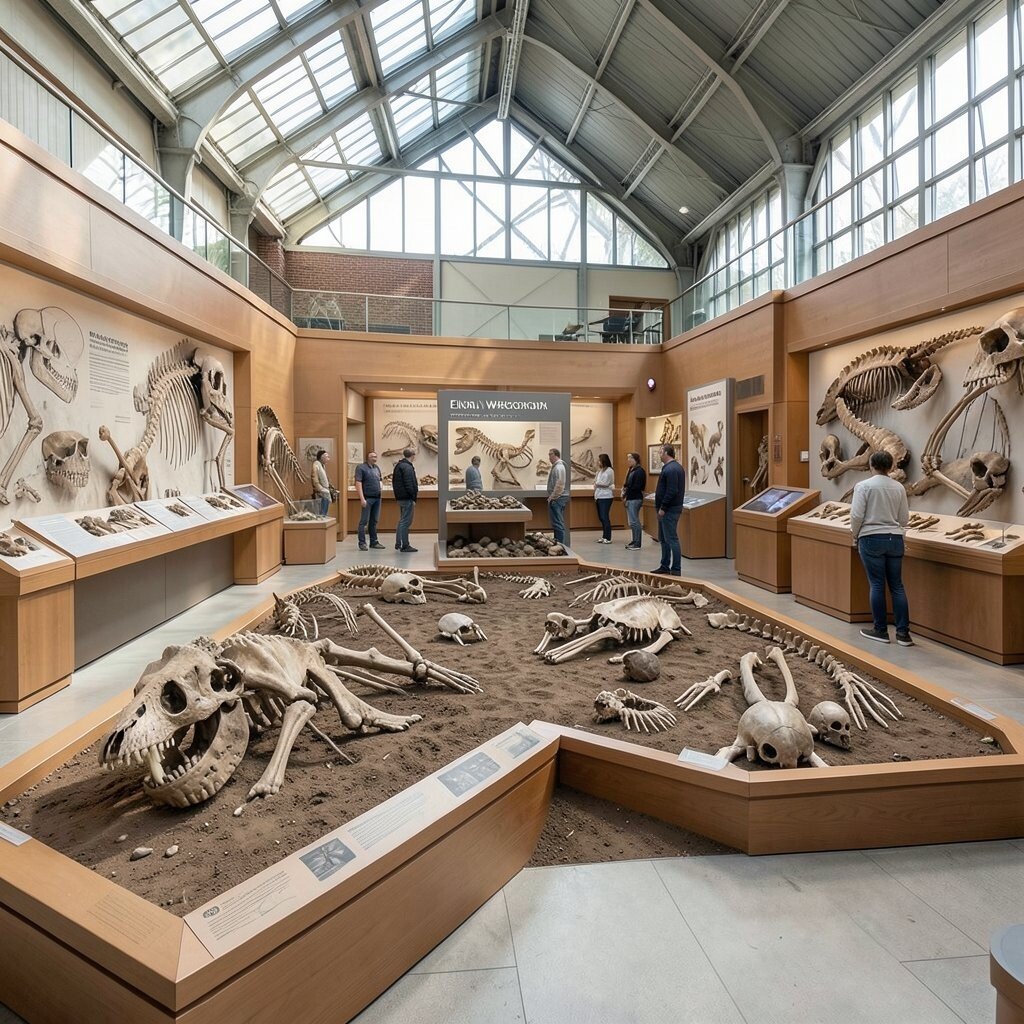
Fossil Field Workshop: Dig, Sort, and Curate Your Own Finds A long table looks like a fossil dig site with sand trays and hidden replica bones.
Clear sorting bins sit along the sides, and a big “curation checklist” sits in the middle.Kids benefit by practicing careful sorting, labeling, and “story building” about what they found.
Suggestion: give them a two-step challenge, like find a leaf imprint then match it to a plant timeline.
For personalization, provide sticker seals that become their exhibit label name.Make it unique by adding a “compare box” where children place fossils side by side under lights.
Cost considerations: use replaceable sand layers, inexpensive molds, and durable trays.
Current trends lean toward “maker museums,” so kids leave with something they made and named.Keep the experience smooth by having a staff member refill trays while kids rotate stations.
Add a photo spot where their fossil chart pops up on a screen for instant sharing.
This boosts motivation without extra materials. -
Whale and Wave Theater: Stories With Clickable Sound Scales
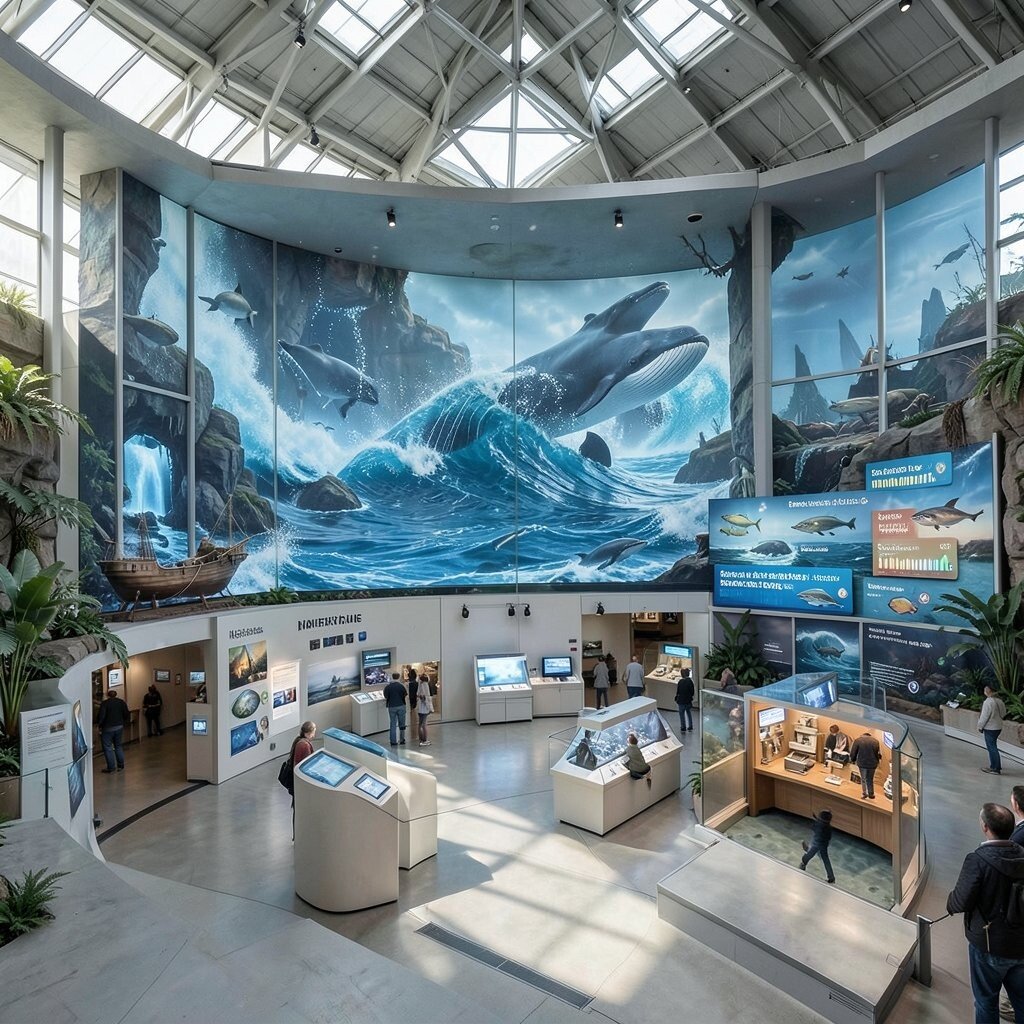
Whale and Wave Theater: Stories With Clickable Sound Scales A small theater wraps kids in a gentle wave projection on three walls.
Seats have simple buttons, and each button changes the sound “scale” of sea life calls.The benefit is learning communication in animals through active listening.
For uniqueness, include a “match the sound” panel where kids pick which creature made the call.
Tips: let kids pick a sound first, then ask them to predict the creature before revealing. -
Coastline Clatter: Shell Sorting, Tides, and Friendly Tools
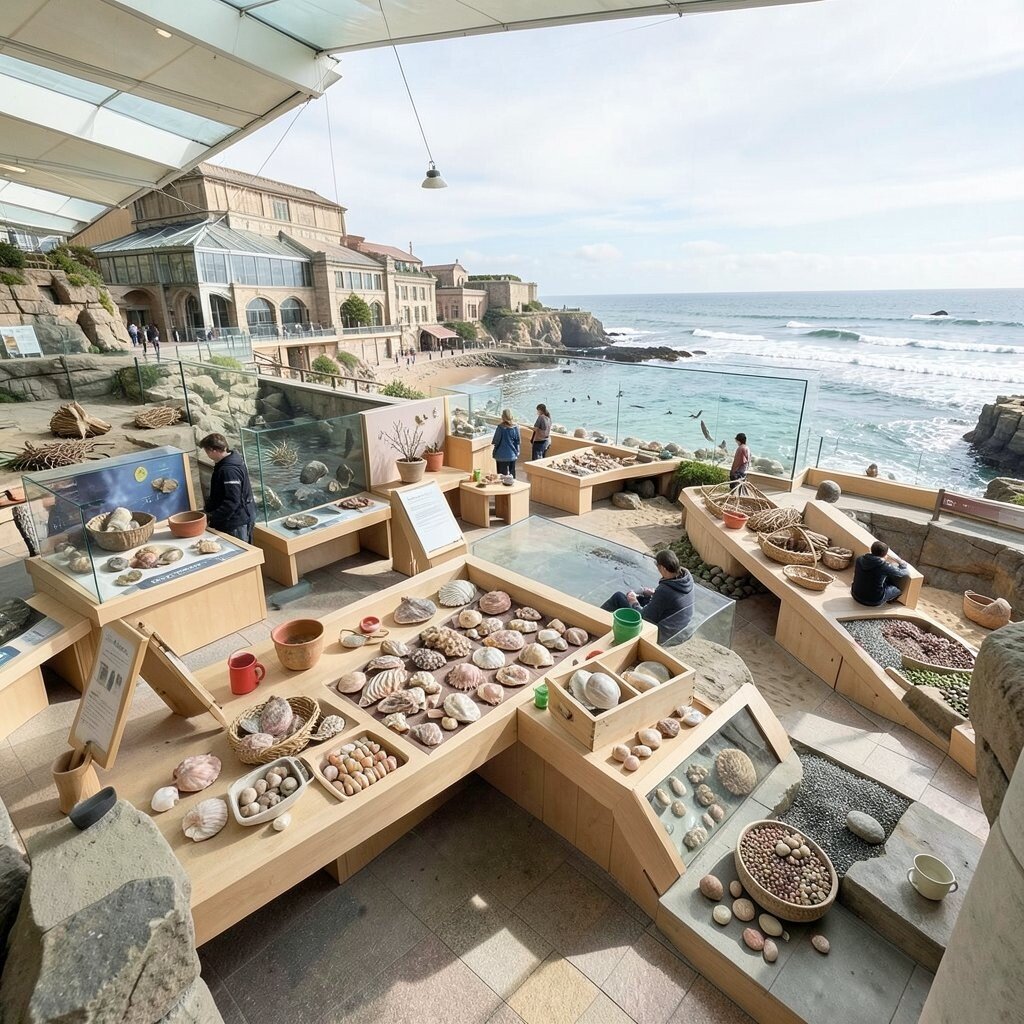
Coastline Clatter: Shell Sorting, Tides, and Friendly Tools A bright coastal room uses a wave-pattern floor and a low “tide table” children can tilt.
Shell replicas and safe sand pieces move across channels like a mini model coastline.
Everything looks cheerful and not too messy.This layout teaches about tides, shoreline zones, and how different animals live in different areas.
Suggestion: create a “job for the tide” prompt, such as “Who moves when the water rises?”
Personalization idea: let kids choose a tide hero and give it a name badge. -
Detective of Time Signs: Use Magnets to Read Ancient Clues
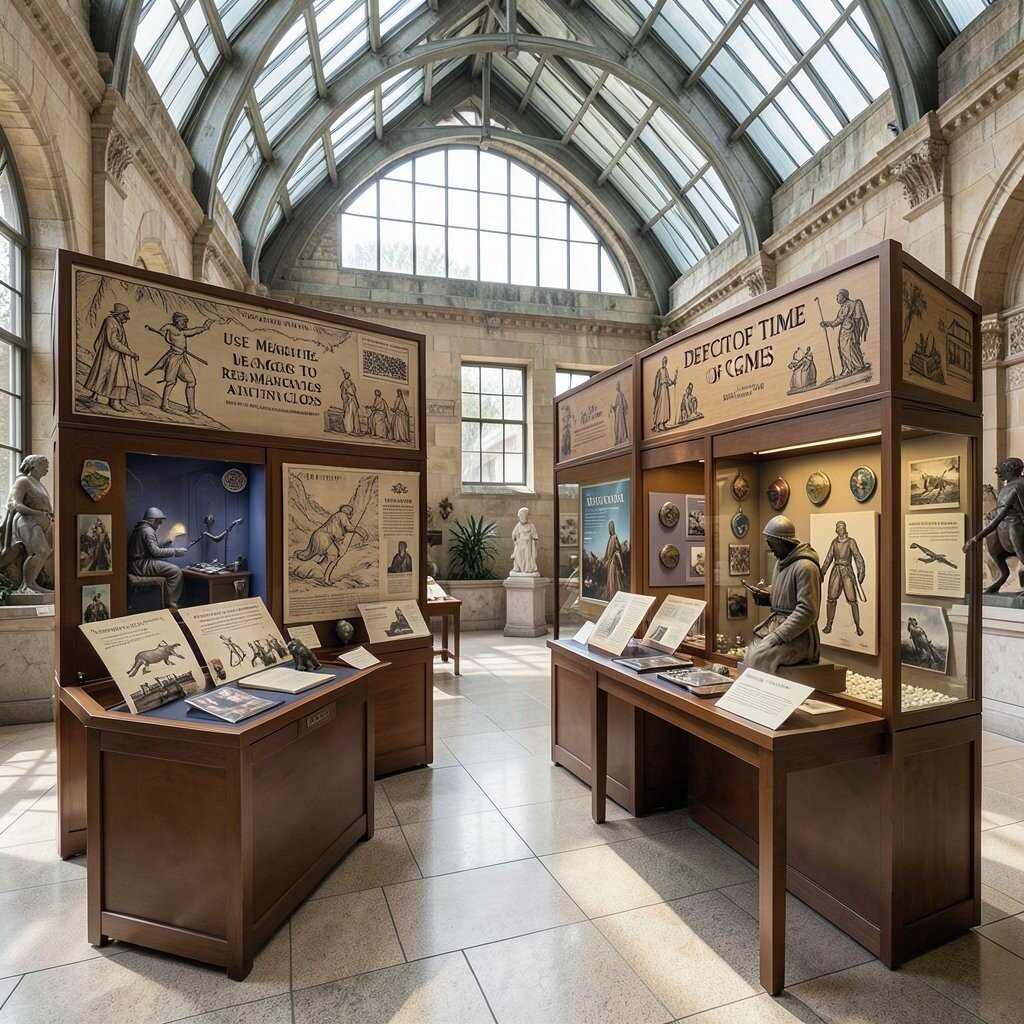
Detective of Time Signs: Use Magnets to Read Ancient Clues A wall display shows big “time signs” with magnetic shapes and illustrated clue cards.
Kids place magnets on tiles that light up, linking clues to eras and animal groups.The benefit is pattern thinking, because kids connect visual clues to categories.
For uniqueness, build clue tiles that combine, like a “teeth + tail + habitat” puzzle.Tips: encourage kids to explain their reasoning using “I think because…” phrases.
Personalization can happen by letting kids pick a clue theme like survival, homes, or food.
Cost considerations are usually lower here because the main tools are magnetic tiles and printed cards. -
Rain Gauge Roof: Weather Stations for Kid-Controlled Data
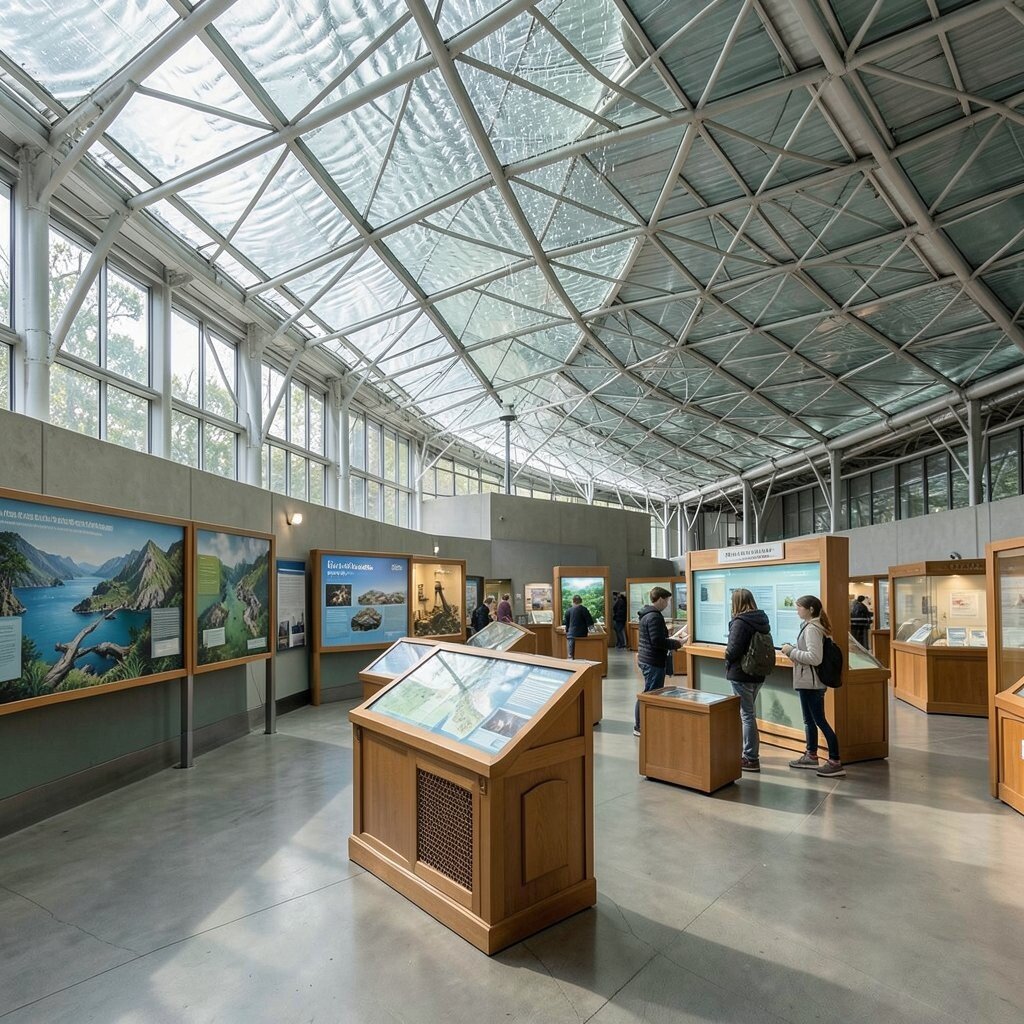
Rain Gauge Roof: Weather Stations for Kid-Controlled Data Above a central platform, a roof grid holds moving weather symbols that respond to child input.
Kids can spin gentle dials that change “rain,” “wind,” and “cloud cover” visuals on screens.This concept benefits kids by connecting weather choices to outcomes they can see.
Add a small data nook where each child places a colored token on a “today’s forecast” board.
For personalization, allow different learning tracks: art mode for pictures and science mode for symbols.To make it unique, include a “weather challenge” where kids match a forecast to a habitat choice.
Cost considerations: favor simple mechanical parts and LED panels over complicated devices.
Current trends include visual data and intuitive dashboards for families, which this supports well. -
Growing Bones Garden: Storybook Plants With Real Plant Clues
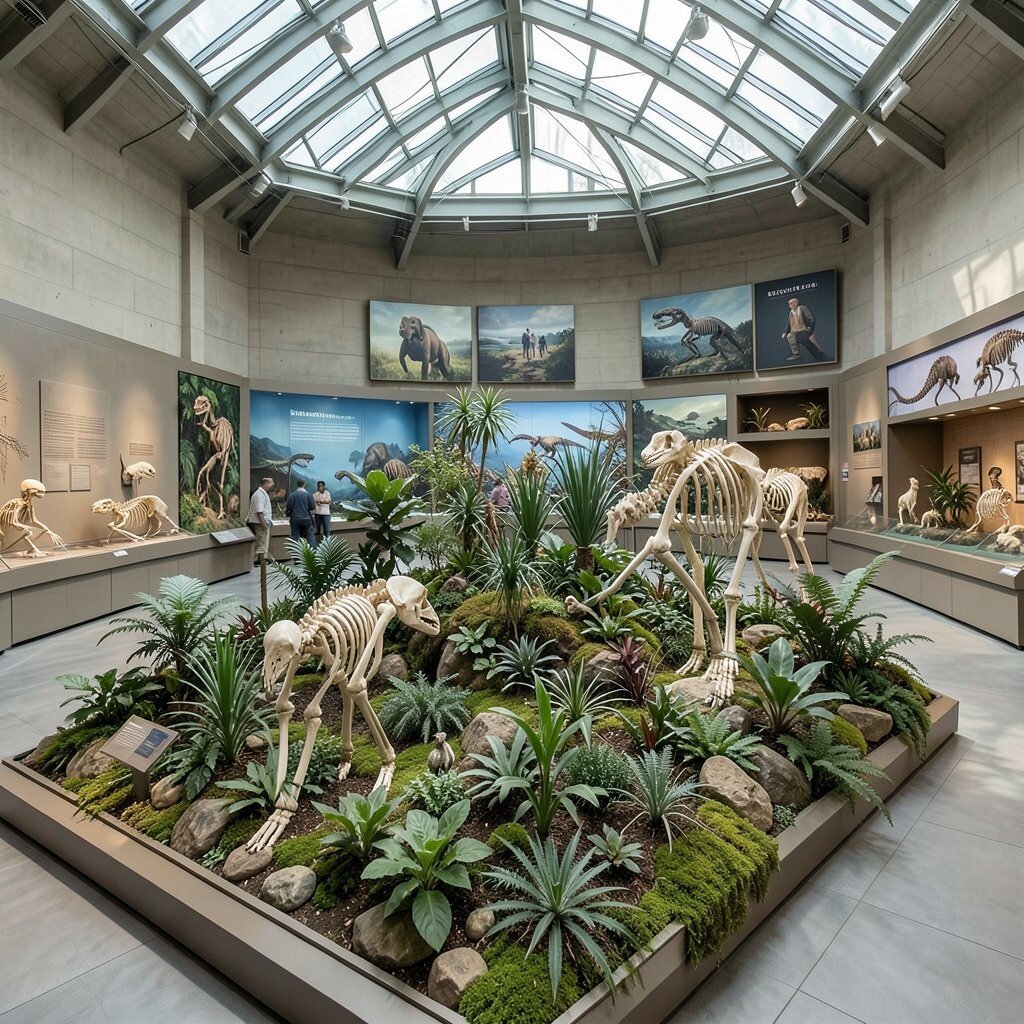
Growing Bones Garden: Storybook Plants With Real Plant Clues A garden-like room uses raised planters shaped like bone segments, lined with readable labels.
Kids water “seed stories” that show time-lapse images on small screens when plants sprout.The benefit is gentle learning about life cycles and how plants and animals connect.
For uniqueness, design a “food chain sprinkler” that changes color based on which planter is chosen.Tips: ask children to predict how the plant will change in their imagined timeline.
Personalization idea: give each kid a mini tag to attach to the planter for a returning visit plan.
Cost considerations can stay reasonable by using low-maintenance plants and simple, replaceable display sleeves.Make the station family-friendly by providing a quiet corner with nature journaling cards.
This supports kids who learn best by drawing instead of only touching.
It also helps keep the noise level calm. -
Fur, Feathers, Scales Wall: Touch Mat Morph Match
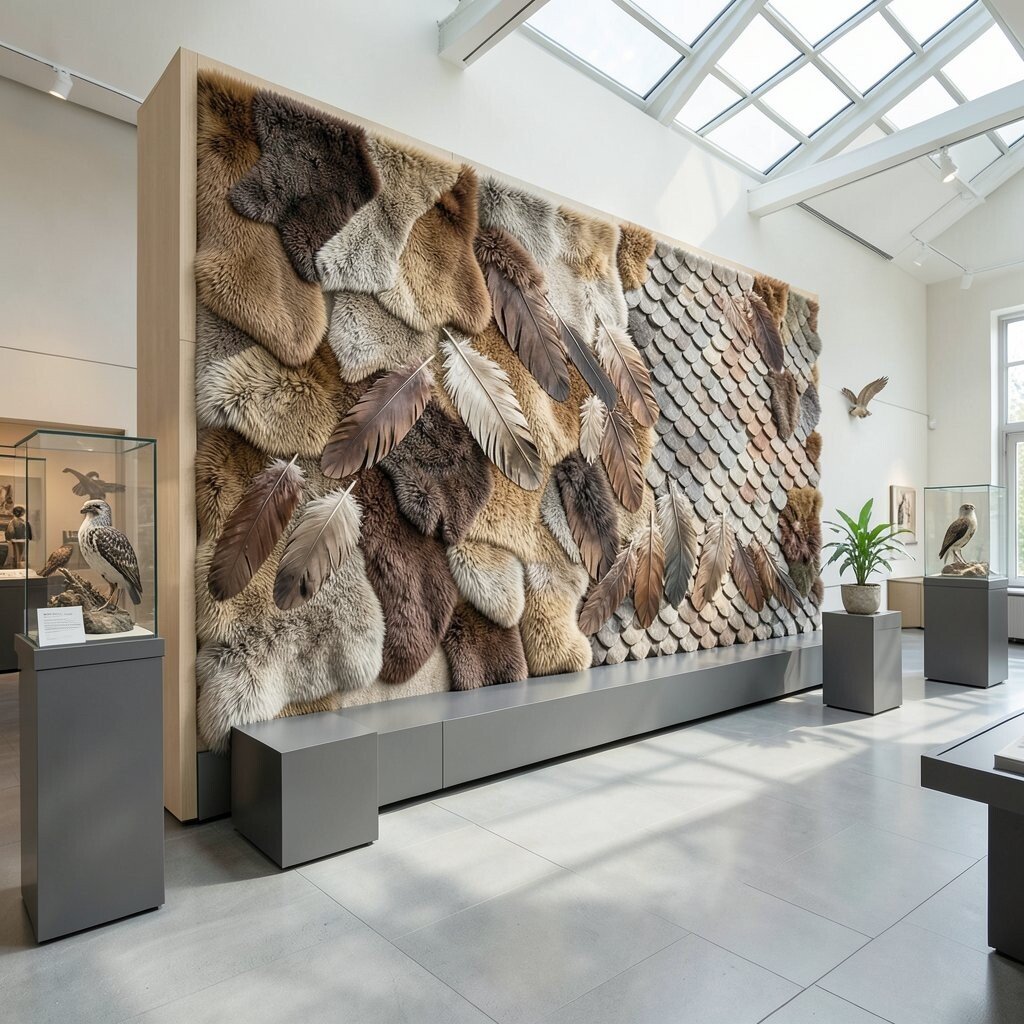
Fur, Feathers, Scales Wall: Touch Mat Morph Match A long wall of touch mats shows animal coverings in bright, friendly textures.
Kids press each mat to hear a short description and see what habitats it suits.This benefits learning because it turns “what does it feel like?” into science about adaptation.
For uniqueness, use a “morph match” game where a kid selects a texture then matches an animal silhouette.
Tips: invite kids to compare two textures and describe differences in their own words.Personalization can include a “favorite covering” badge card that kids wear while they tour.
Cost considerations are good here because tactile materials can be swapped and maintained easily.
Current trends in accessibility encourage multisensory design, and this fits perfectly.Keep wording simple on labels and ensure everything is washable and safe.
Add staff tips about how to guide touch without rushing.
That makes the experience kinder for shy kids too. -
Topographic Theater: Build a Mountain With Contour Cards
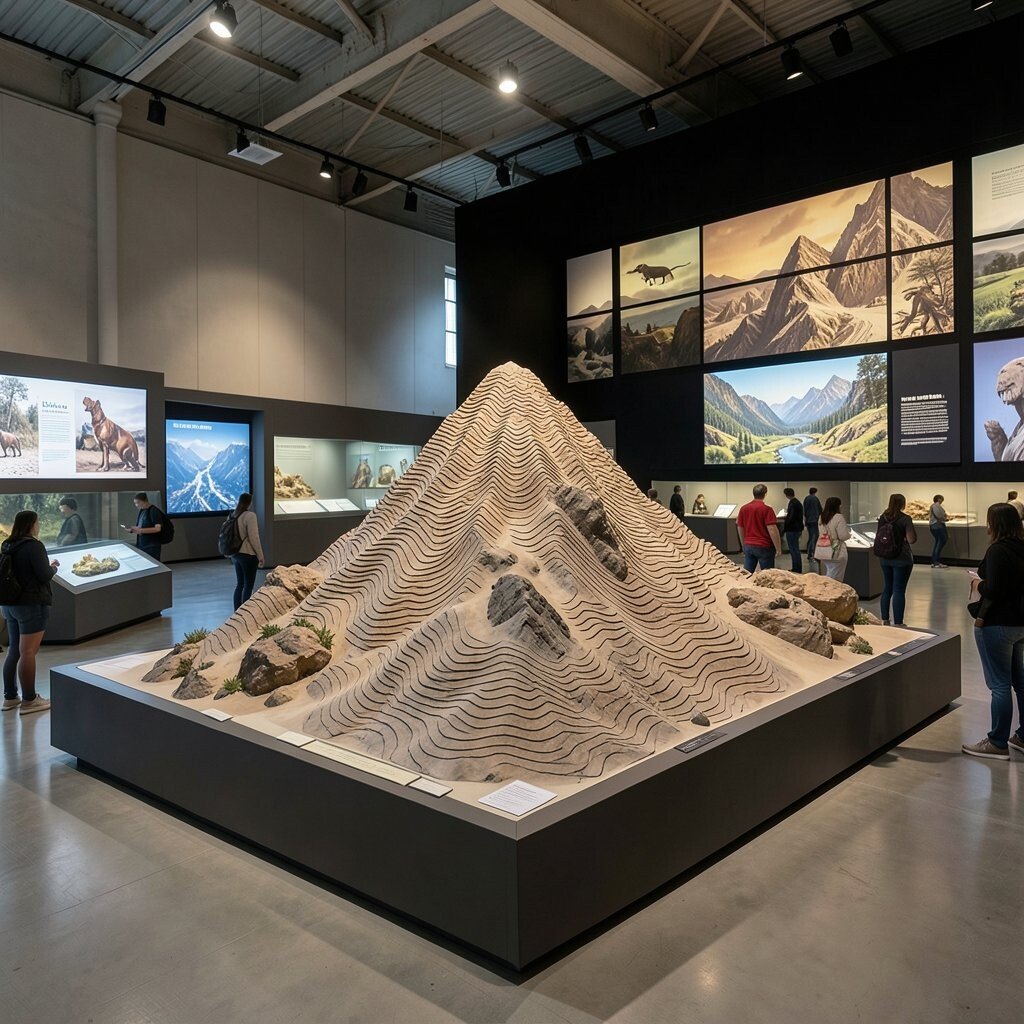
Topographic Theater: Build a Mountain With Contour Cards A raised “mountain board” includes contour card tracks that kids stack like giant layers.
A projector displays a topographic pattern that updates as layers change.The benefit is strong spatial learning, because elevation becomes something kids can build and test.
For uniqueness, include a tiny “river” channel that appears when the correct layers create a slope.
Tips: let kids make two mountains, then compare which one forms a river route.Personalization ideas include choosing a “theme map” such as snow peaks or desert ridges.
Cost considerations: use lightweight cards, reusable magnets, and sturdy boards for long life.
Current trends favor interactive mapping that feels game-like, and this does. -
Migration of Colors Gallery: Paint, Pair, and Learn With Specimens
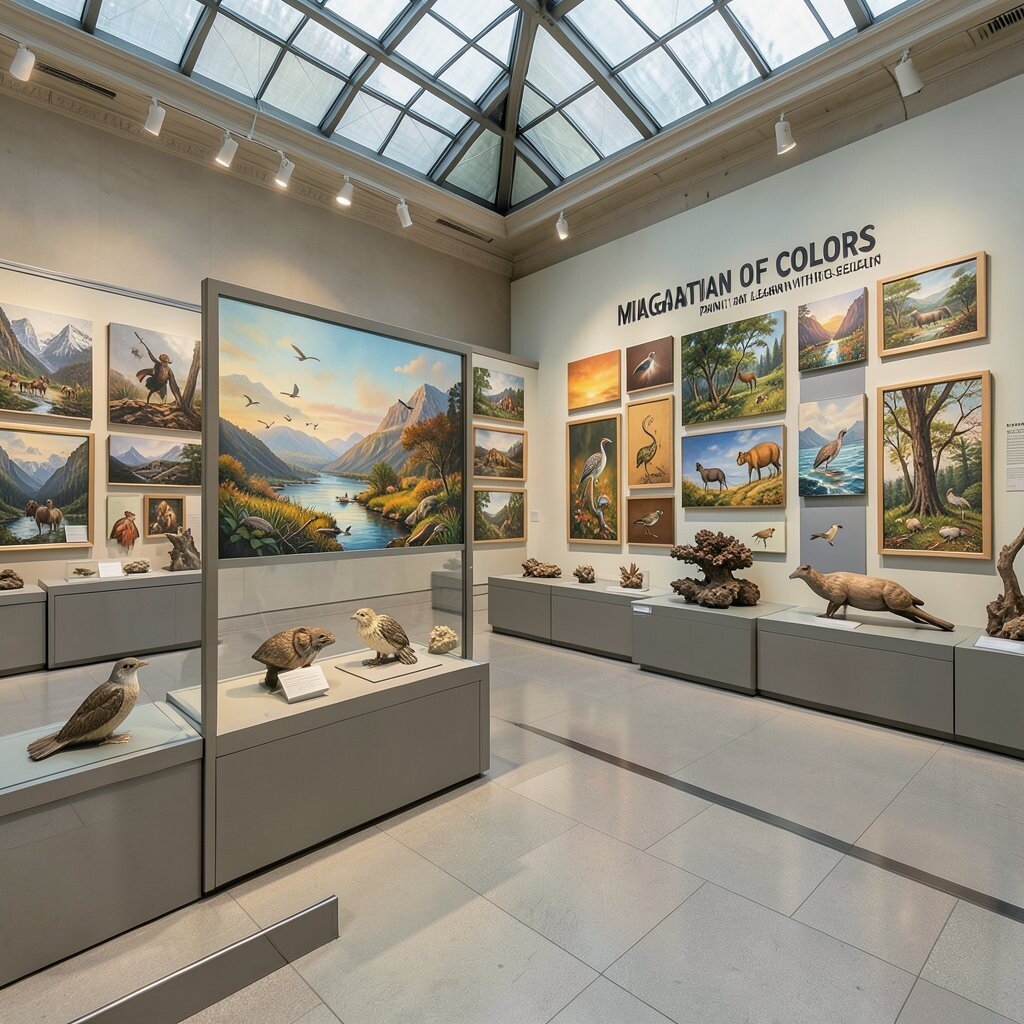
Migration of Colors Gallery: Paint, Pair, and Learn With Specimens The gallery walls use a soft gradient that changes color as kids move, like a living sky.
Specimen-style frames show watercolor shapes that kids can re-sort into correct groupings.This layout benefits kids by connecting color to life functions like camouflage and warning signals.
For uniqueness, include a “color challenge” where the exhibit asks kids to match a pattern to an environment.Tips: suggest making a “blend test” by comparing how patterns look against backgrounds.
Personalization can happen by letting kids create a temporary “signature pattern” on a card.
Cost considerations: printed cards, reusable backgrounds, and a few interactive prompts keep budgets steady.Add a friendly photo corner so families can capture kids holding their pattern card near a matching backdrop.
This supports the idea of museums as shareable learning spaces.
Keep the choices limited so kids don’t feel overwhelmed.