
A brighter room can feel like fresh air. Skylight windows help daylight travel farther, even into corners you rarely use.
1. Classic Fixed Skylight for Everyday Glow

A fixed skylight is a simple window in the roof that brings steady daylight into a room. It makes ceilings look taller and colors look more true.
You’ll notice the difference most in hallways, bathrooms, or living areas with limited windows. Choose tempered or laminated glass for safety and durability, especially if the skylight is near walkways. In cost terms, fixed units usually cost less than operable ones, so you can spend more on better framing and insulation.
2. Venting Skylight That Feels Like Fresh Air

A venting skylight opens to release heat and moisture, which is great in rooms that get stuffy. It can also help cool a space during mild weather.
Look for designs that open with a remote, a wall switch, or a manual crank so you can control airflow easily. For practical tips, place it over areas where steam collects, like bathrooms or top-floor dens. Budget-wise, operable models cost more due to hardware and roof integration, but the comfort payoff is real.
To personalize, pick a frame finish that matches your window trim and consider a tint for glare control. Many homeowners also pair venting skylights with ceiling fans to improve circulation. That combo helps rooms feel lighter without relying only on air conditioning.
3. Tubular Skylights for Brightness in Tight Spaces

Tubular skylights are small on the roof and still brighten rooms far below. They use reflective tubing to carry daylight into closets, laundry areas, and narrow hallways.
What makes them unique is their ability to add light without major roof changes. For best results, measure the path length and choose the right diameter tube so light doesn’t fade. If you have a single-story home, they can be a smart alternative when a full-sized skylight feels too disruptive.
Installation is usually more budget-friendly than large skylights because framing is simpler. You can also add a diffuser dome inside to soften the brightness for a cozy look. Many modern models come in different interior finishes, so the light won’t feel too harsh.
To keep things simple, aim for minimal turns in the tube route and plan placement early before finishing floors. Even a small change in roof location can dramatically affect the amount of light reaching the ceiling. This idea is perfect for homes where every inch matters.
4. Skylight Over a Reading Nook for Cozy Sunbeams

Placing a skylight above a reading nook turns natural light into a daily routine. The sunlight shifts across the seat and creates a calm, welcoming vibe.
Use it near a comfortable chair or built-in bench so the bright area becomes the focal point. Consider adding blackout blinds for early mornings or for seasonal glare. If you’re planning a remodel, you can budget for matching trim and a ceiling diffuser that blends smoothly with the room.
5. Sun Tunnel with Diffuser for Soft, Even Light
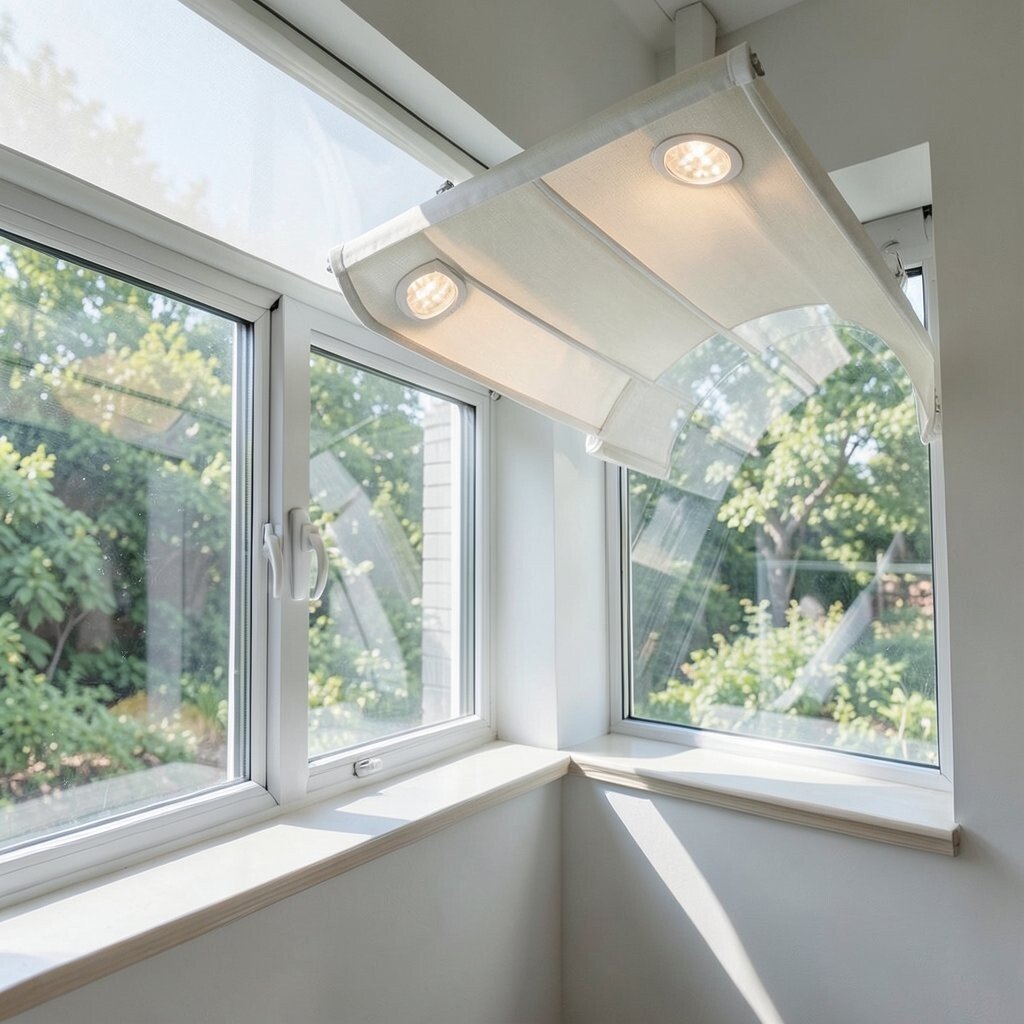
A diffuser-style light entry spreads daylight so you don’t get sharp hot spots on the ceiling. It’s a great choice when you want a gentle glow in bedrooms and dining rooms.
This setup works especially well when you want consistency across the day. Choose diffusers designed to reduce glare and improve clarity, and make sure your roofing system is well sealed. For costs, diffusers may add a bit to the price, but they often reduce complaints about harsh brightness.
Personalize the interior by matching the diffuser color with your ceiling paint or fixture finishes. Many options are designed to look like elegant glass rather than a technical add-on. With the right placement, the room can feel brighter without feeling “sunburny.”
6. Low-Iron Glass Skylight for Clear Color and Views

Low-iron glass keeps daylight looking crisp and helps minimize the greenish tint that some older skylights show. The result is clearer color in walls, floors, and artwork.
This idea is unique because it focuses on visual quality, not just brightness. If you love the look of true whites and accurate paint tones, low-iron glass is a strong upgrade. You’ll usually pay more than standard glass, but it can be worth it if your skylight is in a main living area.
7. Double-Pane Insulated Skylight for Better Energy Comfort

A double-pane skylight adds insulation, which helps stabilize indoor temperatures. That means less heat loss in winter and less heat gain in summer.
Insulated models often use special coatings and gas fills to improve performance. For practical tips, check the unit’s energy rating and make sure the flashing kit matches your roof type. Even if the upfront cost is higher, energy savings can show up over time.
To personalize, choose a model with a slim profile that fits your roof pitch and interior ceiling style. Many homeowners also like the way insulated glass reduces noise during rain. This is a “comfort-first” skylight idea that still looks beautiful.
8. Frame-Mounted Skylight for a Clean Architectural Look
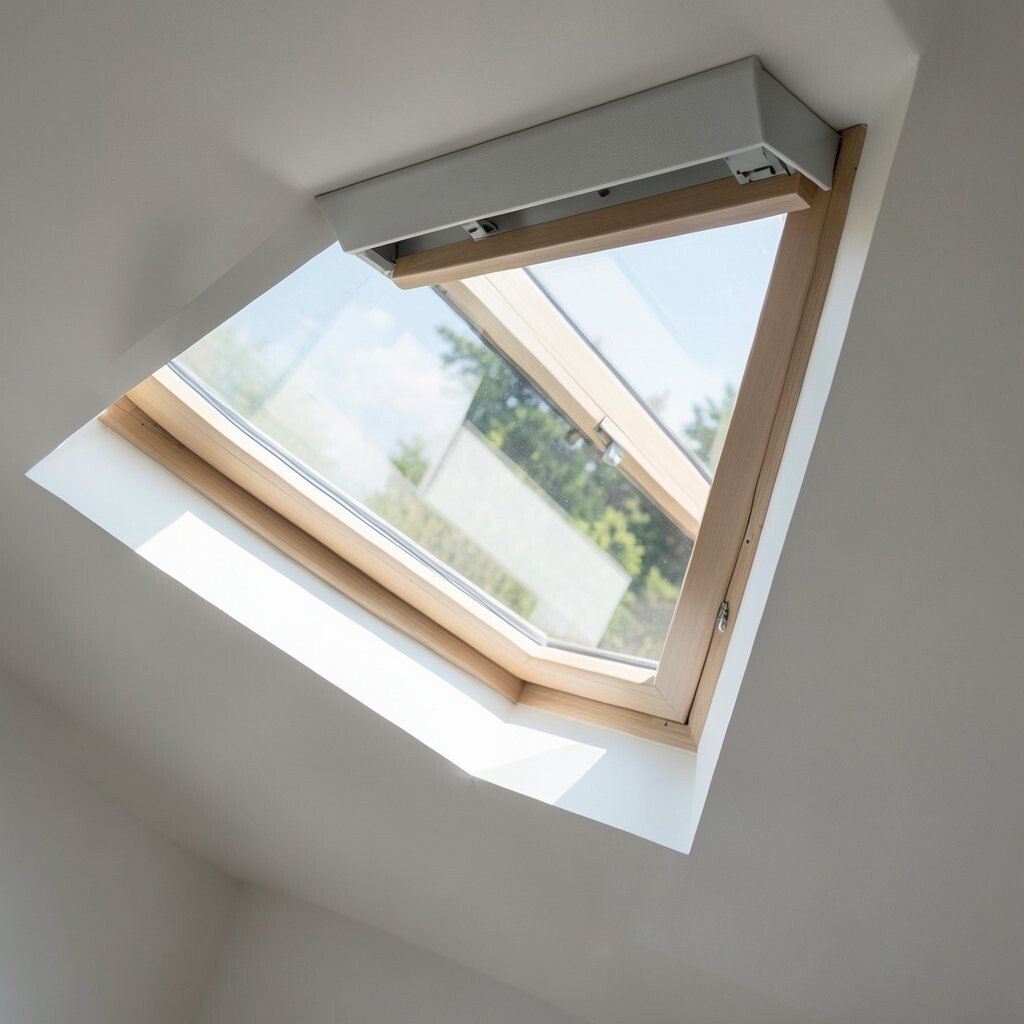
A frame-mounted skylight sits neatly in a well-built curb, which creates a tidy architectural line. It can make the roof opening feel intentional instead of temporary.
What makes it stand out is the structure around the glass, which can help with sealing and long-term durability. If you’re aiming for a modern style, choose clean, straight edges and materials that match nearby windows. Practical tip: work with a contractor who has experience flashing curb-mounted units so leaks don’t become a future headache.
Cost considerations depend on curb height and roof complexity, but this style often costs more than a basic drop-in version. Still, the stronger installation approach can reduce long-term maintenance. It’s a great option when you want skylight beauty that lasts.
Consider adding a ceiling trim ring inside for a finished, designer touch. That small upgrade can make the skylight look like part of the room rather than a roof feature. It’s one of those details people notice right away.
9. Pyramid Skylight for Drama and Ceiling Wow-Factor
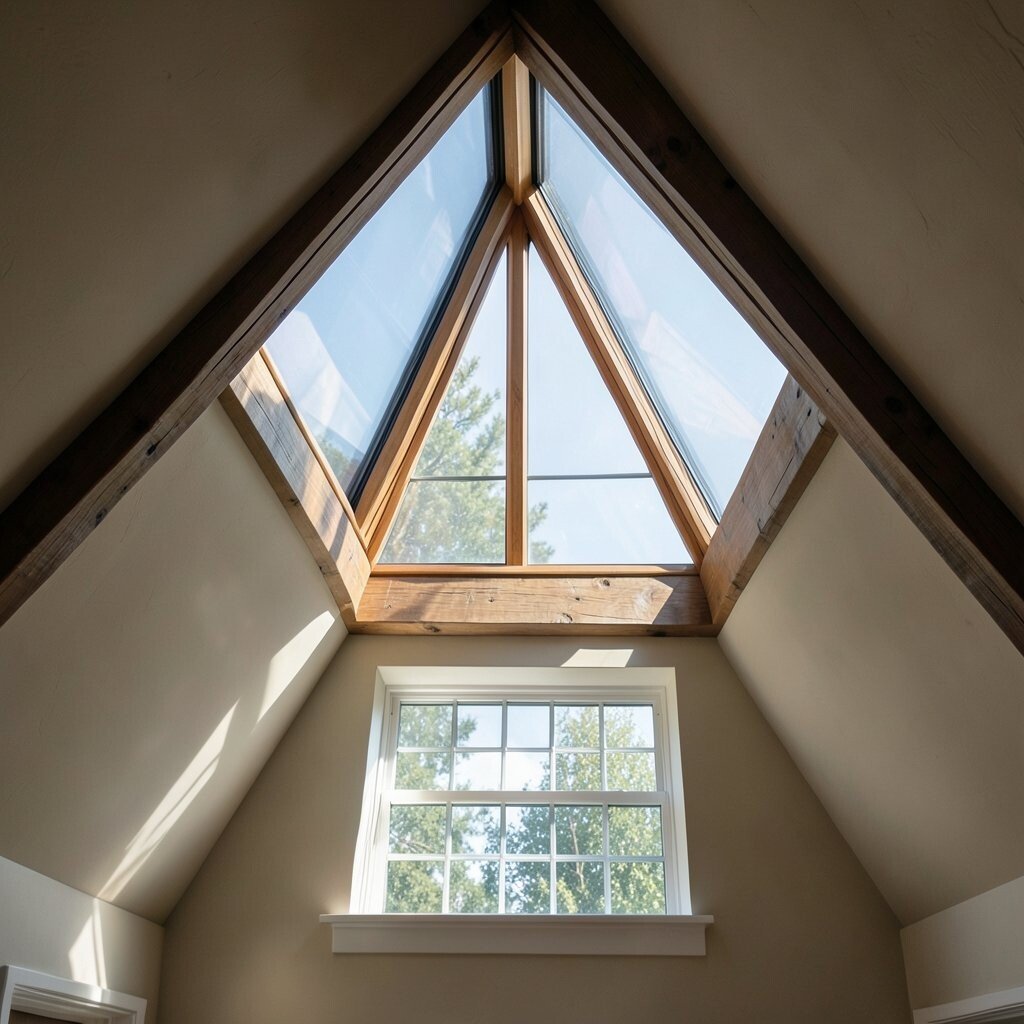
A pyramid skylight adds bold geometry that can feel almost like a tiny glass skylight dome. The shape helps daylight bounce around in interesting ways.
This idea is unique because it brings a “gallery window” feeling, especially in entryways and central living spaces. Choose it when you want a statement piece rather than a quiet source of light. In cost terms, shaped skylights can cost more because the design is more complex and the roof framing requires careful work.
For practical tips, make sure the ceiling below has enough height so the design doesn’t look crowded. You may also want curtains or shades for privacy and glare control. Many homeowners use pyramid skylights with warm ceiling lights at night, so the contrast looks intentional.
Personalize by selecting glass options that meet your climate needs. If you live somewhere with strong sun, a tint or coating can help protect furniture. This skylight idea turns daily daylight into a visual centerpiece.
10. Black-Frame Skylight for Modern Contrast

A black-frame skylight creates a crisp contrast against light ceilings and neutral walls. It’s a popular trend because it looks sleek and modern.
For a practical approach, pair it with black window hardware, pendant lights, or door handles so the look feels cohesive. You can also choose black interior trim for a more dramatic ceiling effect. Costs are usually similar to standard frames, but customization may raise the price slightly.
11. Skylight with Retractable Shade for All-Day Control
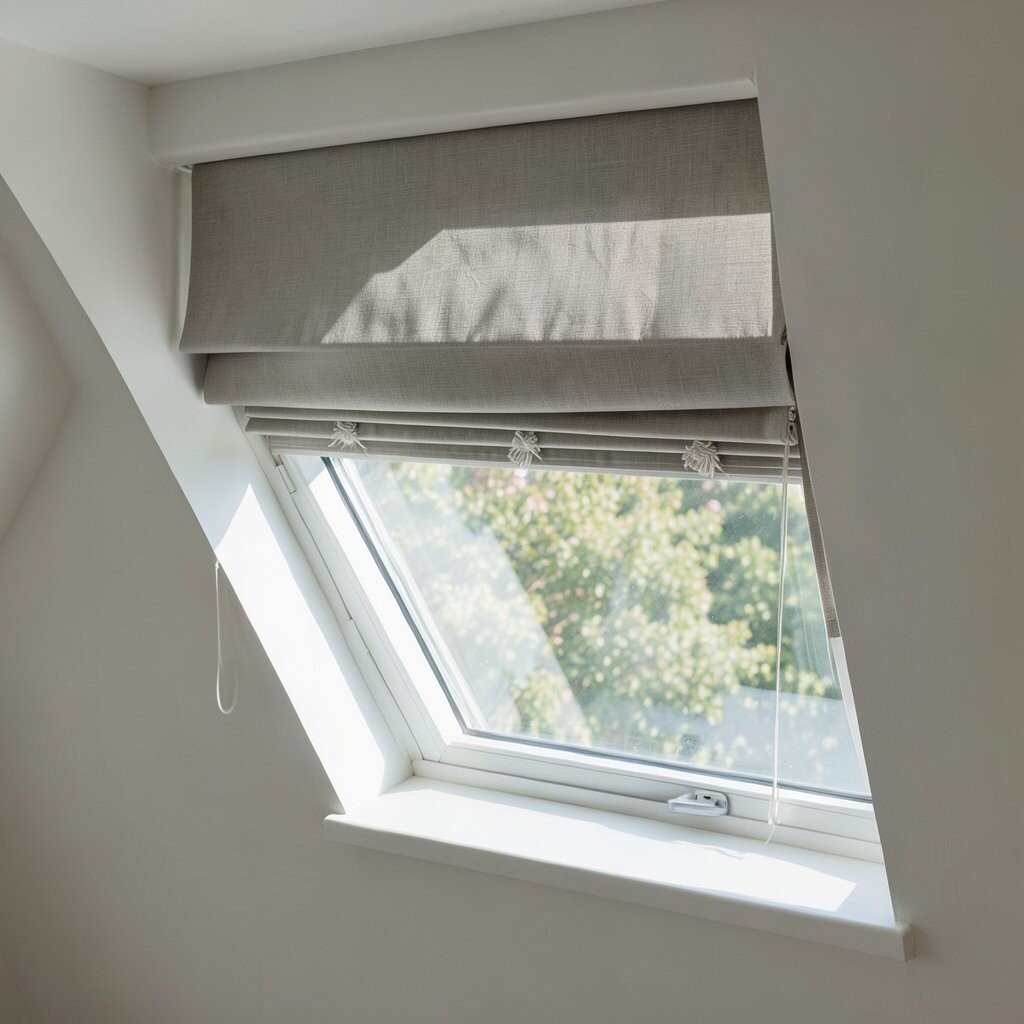
A retractable shade gives you control over brightness, privacy, and heat on demand. It’s especially helpful in rooms that get strong afternoon sun.
This makes the skylight feel useful every day, not just when the sun is “just right.” Look for shades that block glare and reduce UV exposure without making the room too dark. For practical tips, install the shade system so you can reach it easily from seating areas.
Cost considerations depend on whether the shade is manual or motorized, and motorized systems typically cost more. Still, many homeowners find it’s worth it because you can adjust light without climbing ladders. Personalize by selecting shade colors that match your room’s vibe, like soft white for airy rooms or light gray for a calm, modern look.
12. Skylight Window Over Kitchen for Bright Cooking

Putting a skylight over the kitchen adds daylight right where you need it for food prep. It can make countertops look cleaner and help the whole space feel more energetic.
What makes this idea special is how it improves task visibility while reducing reliance on overhead lights during the day. For practical tips, choose a model with glare control and consider the sun’s path so you don’t get blinding reflections on shiny surfaces. If you cook often, look for a well-sealed unit because steam and humidity can travel upward.
Cost considerations depend on the size and whether you choose an insulated or venting skylight. Venting can be helpful near cooking areas, but it may add complexity. Personalize by coordinating trim with cabinet hardware and selecting a skylight placement that frames the room like a natural focal point.
13. Skylight with Built-In LED for Even Night-to-Day Lighting
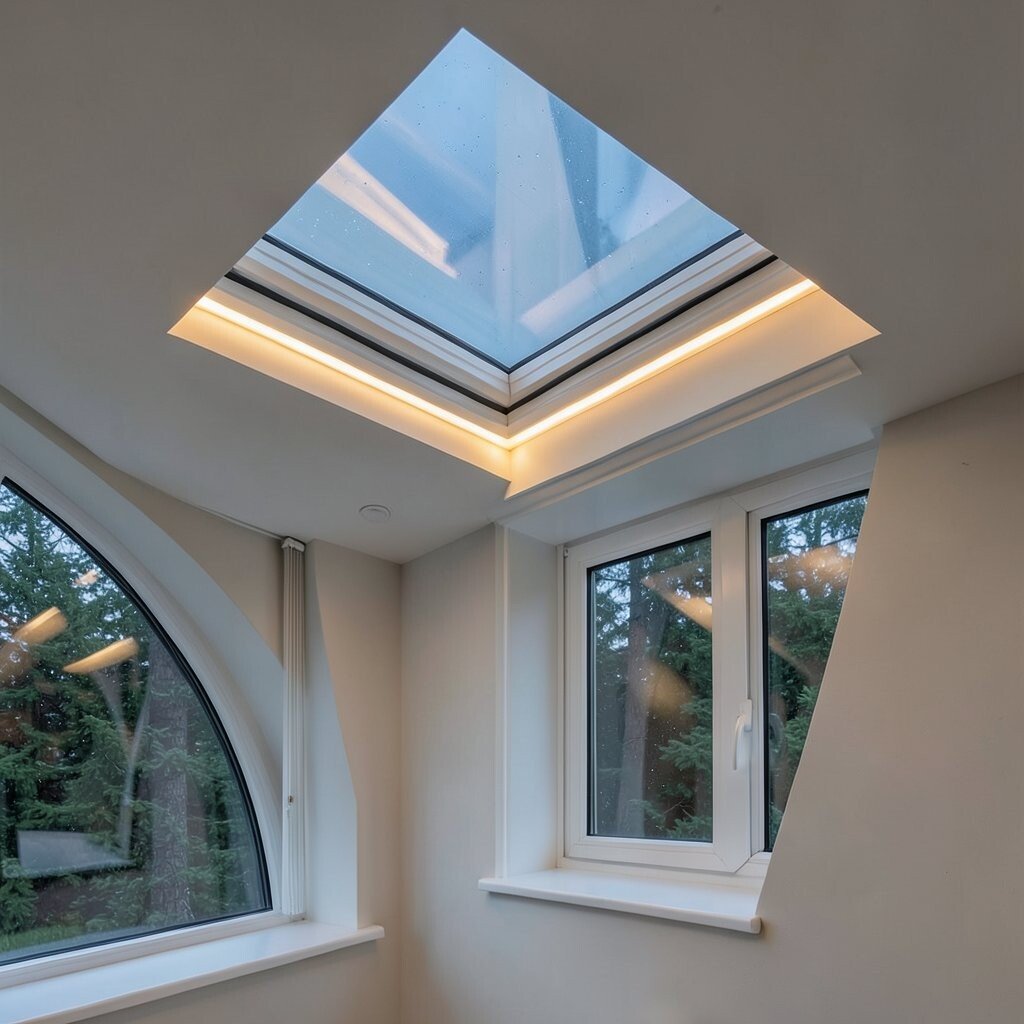
A skylight window paired with an LED light can bridge the gap between daytime brightness and evening comfort. It helps keep the space bright without using harsh overhead bulbs.
What makes it unique is the “daylight and nightlight” concept in one design. Some systems dim gradually, which can make the room feel more relaxing. For practical tips, confirm that the LED temperature and dimming options match your preferences for warm or cool light.
In cost terms, integrated lighting usually increases the price, but it can reduce the need for extra ceiling fixtures. Personalize the effect by choosing warmer LED tones for cozy living rooms or cooler tones for kitchens and workspaces. With the right setup, the skylight can function like a natural light feature and a modern lighting upgrade.
Be sure to plan wiring during installation so the finished look stays clean. If you’re renovating, this is a good time to think about smart controls like timers or app dimming. That turns the skylight into a practical centerpiece.
14. Clerestory-Style Skylight for Long, Gentle Daylight

Clerestory skylight designs bring daylight from a higher strip, similar to windows placed near the roofline. They can wash a room with light in a smooth, even pattern.
This idea is unique because it’s less about a single bright spot and more about long illumination across walls. Practical tips include aligning the light with the room’s layout, like aiming toward dining areas or artwork. Costs vary widely depending on how much length you install and whether it’s part of a roof remodel.
15. Skylight Window with Safety Film for Added Peace of Mind

Skylight windows can feel more exposed than regular windows, so safety upgrades matter. Adding safety film helps hold glass together if it breaks.
This is a unique approach because it focuses on daily peace of mind, especially for homes with kids or pets. For practical tips, choose film rated for skylights and follow manufacturer guidance for installation and cleaning. While safety film may cost less than replacing a whole unit, it’s best to pair it with high-quality glass and proper flashing.
Personalization can be simple, like choosing a film that reduces glare without changing the light color too much. Consider planning this upgrade when replacing the skylight or doing roof work, so everything is properly sealed. In many homes, the small cost of film can prevent major concerns in the future.
16. Curved or Dome Skylight for Soft Lighting and Style

A curved or domed skylight spreads daylight in a softer way than perfectly flat glass. It can make the ceiling feel more organic and calming.
This idea stands out for its gentle look and the way it diffuses light across the room. Practical tips include choosing a dome style that fits your roof pitch and ensuring proper waterproofing. Cost considerations depend on material type and whether you choose a high-end dome for better performance.
17. Skylight Window in the Stairwell for a Light-Up Journey

Adding a skylight to a stairwell makes movement feel brighter and safer. It turns a normally dark space into something welcoming and open.
What makes it unique is the “vertical light effect,” where daylight travels up and down as you move. For practical tips, place the skylight so it doesn’t create glare on steps, especially during early morning or sunset. If the stairwell is used at night, consider combining the skylight with low-level step lighting.
Cost can be moderate to high depending on roof access and the size of the skylight. Personalize by choosing a shape that matches your railing style, like a rectangular modern opening or a more classic design. With smart placement, the skylight becomes a design feature you notice from multiple floors.
For energy comfort, consider insulated glass and well-sealed flashing. That helps the stairwell feel more comfortable year-round. It’s one of those practical upgrades that also looks stunning.
18. Skylight with Frosted or Textured Glass for Privacy
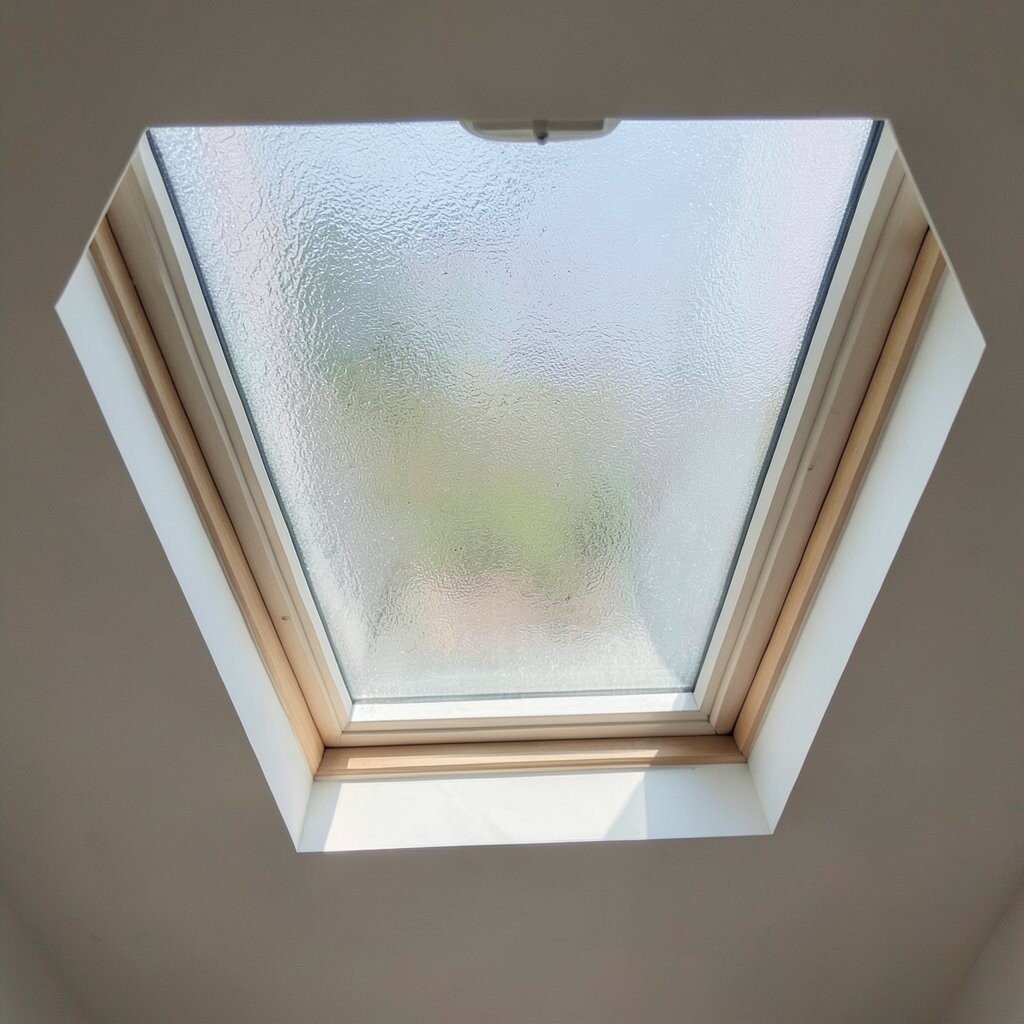
Frosted or textured skylight glass keeps the daylight while hiding direct views. It’s perfect for bathrooms, bedrooms, and areas near neighbors.
This idea is unique because it blends privacy with brightness, so you don’t have to rely on heavy curtains. For practical tips, choose a texture that spreads light evenly so the room looks warm instead of patchy. Consider also how the texture affects glare on glossy tiles or countertops.
Cost considerations vary depending on the glass type, but frosted options are often a moderate upgrade. Personalize by selecting a texture that fits your style, like subtle diffusion for a soft glow or a stronger pattern for a spa-like feeling. With the right glass, you get natural light without sacrificing comfort.
19. Solar-Powered Skylight Fans for Heat Relief

Solar-powered skylight fans pull hot air out of the room and help reduce heat buildup. The idea is both functional and energy-conscious.
This concept is unique because it combines daylight access with ventilation, using sunlight to run the fan. Practical tips include placing the skylight where it gets decent sun exposure and checking fan sizing for your room volume. Cost may be higher than a basic skylight, but you could see savings through reduced cooling needs and less reliance on portable fans.
To personalize, choose a fan system that matches the skylight frame and select control options that fit your routine. Some systems work automatically based on temperature, which is convenient. If you’re planning a skylight project in warm climates or top-floor rooms, this is a smart trend that adds comfort beyond lighting.
Make sure the installation includes proper sealing and wiring guidance if required by your model. A well-installed unit helps prevent moisture issues while keeping airflow consistent. The payoff is a brighter space that also feels cooler and fresher.