A well-organized spice rack can make cooking feel faster and calmer. Small changes can turn cluttered jars into a kitchen you enjoy using every day.
1. The Classic Drawer Divider Spice Rack
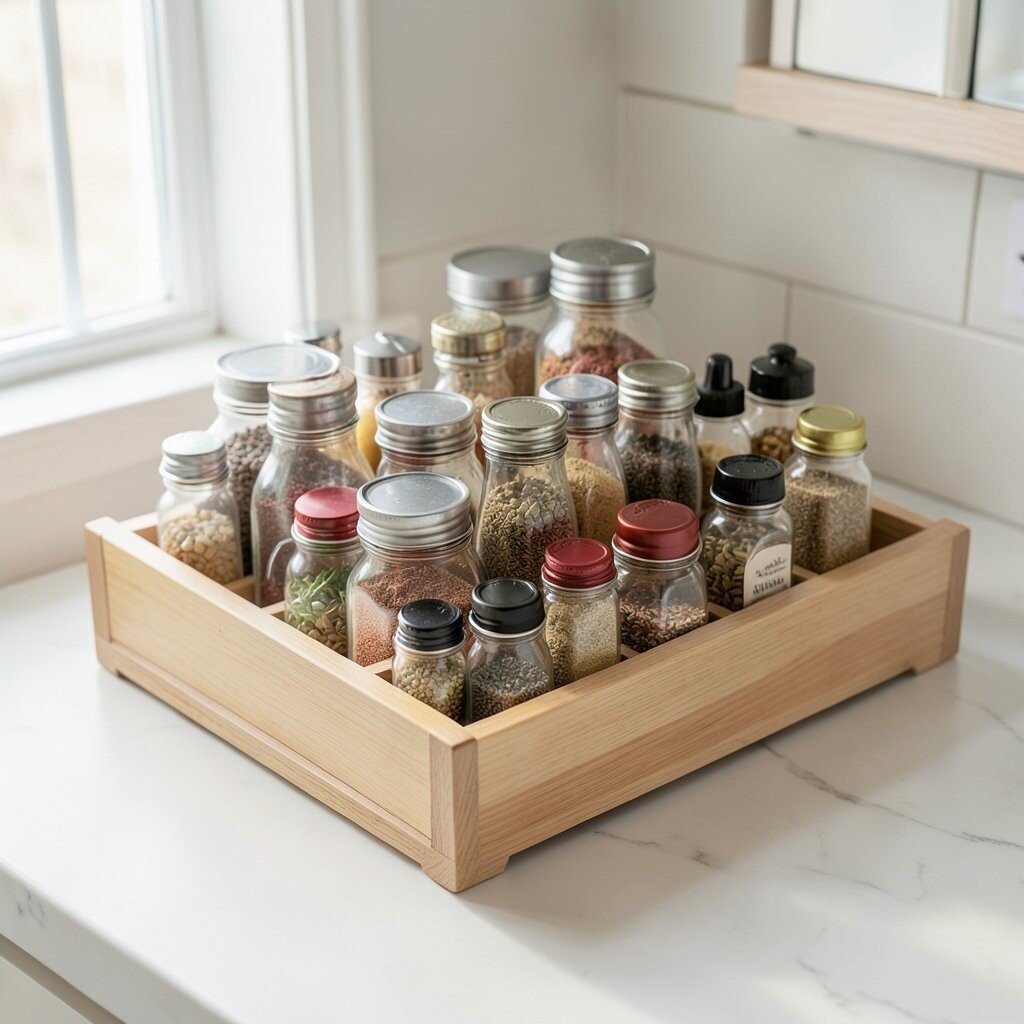
A spice rack in your drawer keeps everything close and easy to wipe clean. You can still see labels, so grabbing cumin or oregano doesn’t turn into a scavenger hunt.
Use slim dividers sized for bottles, jars, or spice tins. Line the drawer with a non-slip mat so glass doesn’t slide when the drawer opens. For a personal touch, group spices by meal type, like tacos together or baking spices together.
2. Door-Mounted Spice Storage With Adjustable Trays
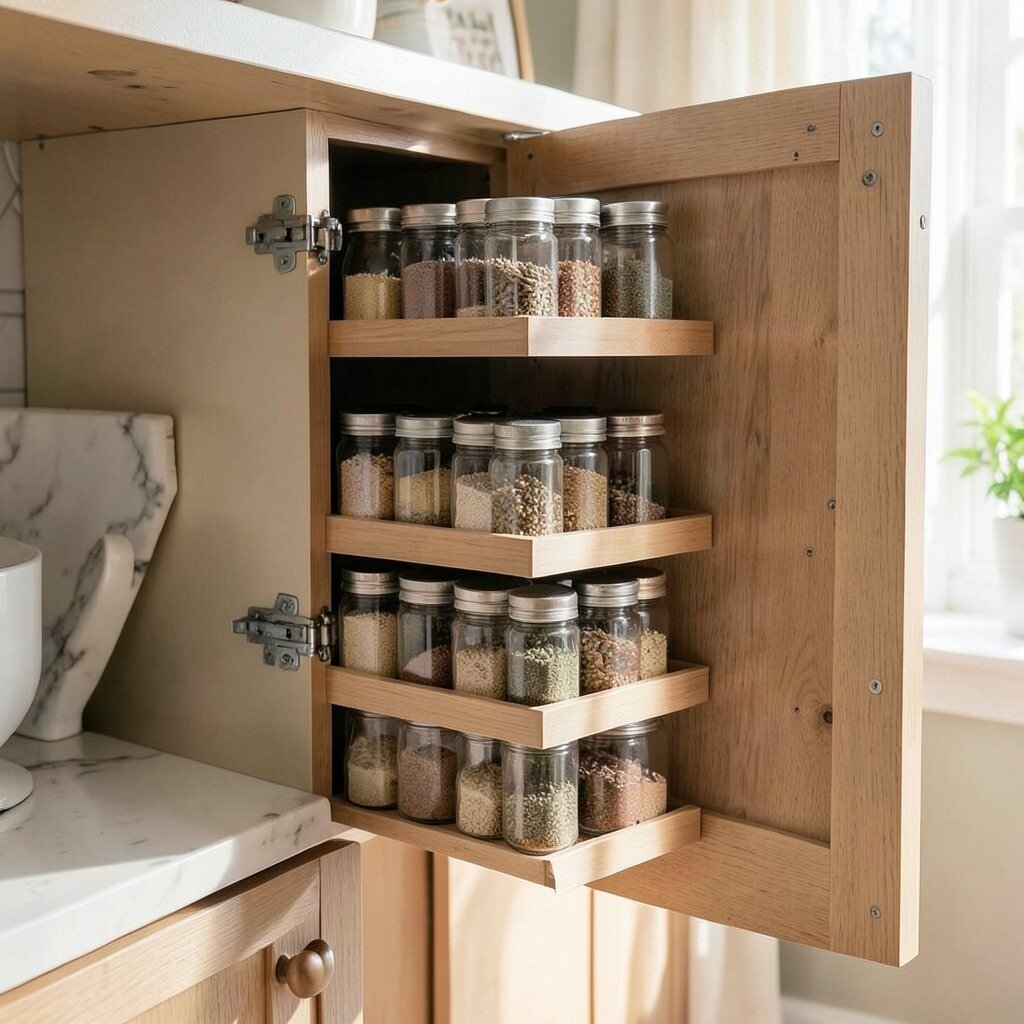
Your cabinet door can become prime real estate for spices. When each jar has its own slot, you’ll spend less time digging and more time cooking.
Choose a rack with adjustable trays so it fits your jar size now and later. Add small hooks for measuring spoons to keep your workflow tidy. If you like customization, paint the frame a color that matches your kitchen hardware.
For cost, look for simple starter versions and upgrade the tray inserts when you buy new spices. A current trend is using clear or semi-clear organizers so you can scan your collection at a glance.
3. Vertical Wall Rack With Magnetic Spice Lids
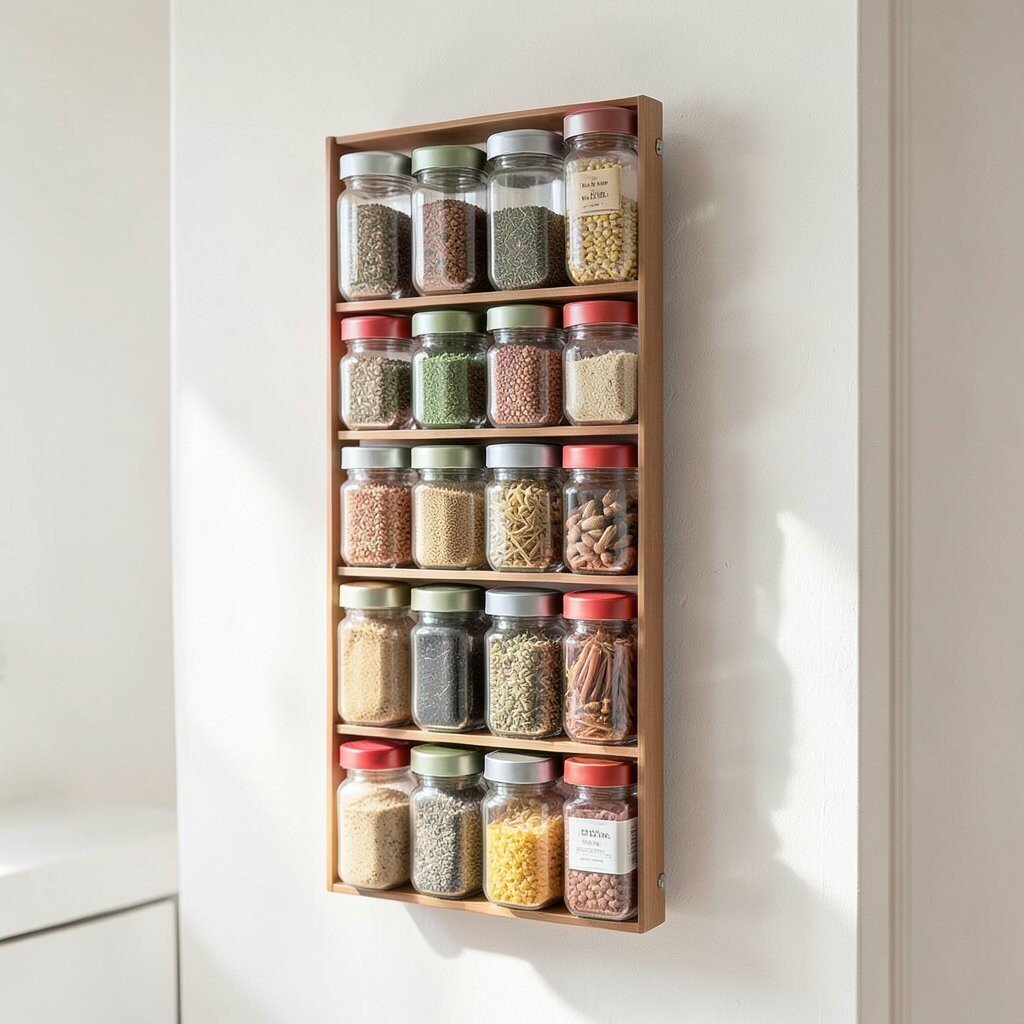
A wall rack looks neat and turns spices into a mini display. Magnetic lids make access quick without digging through crowded shelves.
Mount a vertical strip and pair it with metal caps or magnetic rings. Keep frequently used spices at eye level, and place smaller jars higher or lower for balance. Use a light marker to label each position so guests can find things too.
This setup is unique because it’s both functional and decorative. It also helps reduce cabinet clutter, especially in small kitchens. Consider a removable magnetic option if you rent or want flexibility.
Cost varies by brand, but DIY magnetic lids can be cheaper than buying new jars. Right now, many people are mixing minimal racks with matching labels for a clean, modern look.
4. Lazy Susan Turntable for Corner Cabinets
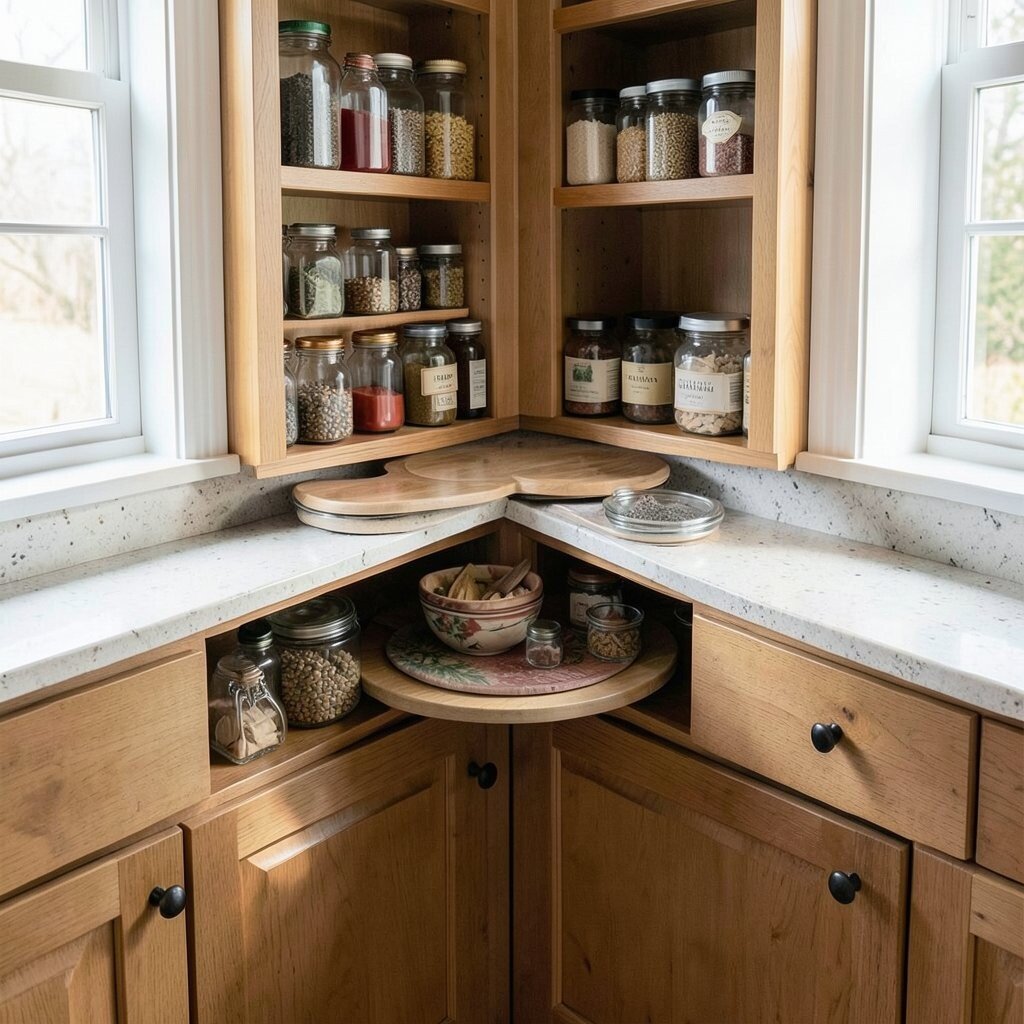
A lazy Susan makes corner cabinets finally usable for spices. Instead of reaching awkwardly, you simply spin to find what you need. It keeps bottles from getting buried behind larger items.
Pick a turntable size that fits the cabinet space and the number of jars you have. Use small bins or rings so bottles stay upright when the tray rotates. For personalization, rotate seasonal spice groups, like grilling blends in summer and cozy baking mixes in winter.
5. Over-the-Shelf Under-Cabinet Spice Rail

An under-cabinet rail brings spices down to countertop height. You can grab them quickly while you cook, which feels really handy. It also frees up shelf space for bigger cooking tools.
Look for rails with easy-slide hooks so different jar shapes can fit. Add a label strip for each row so you don’t have to read tiny fonts. If you like matching sets, choose rails that complement your cabinet finish.
For cost, rails often cost less than full cabinet organizers. A trend that’s growing is mixing rails with heat-friendly labels and minimalist jar designs for a sleek, tidy kitchen look.
6. Mason Jar Spice Rack With Built-In Label Bands
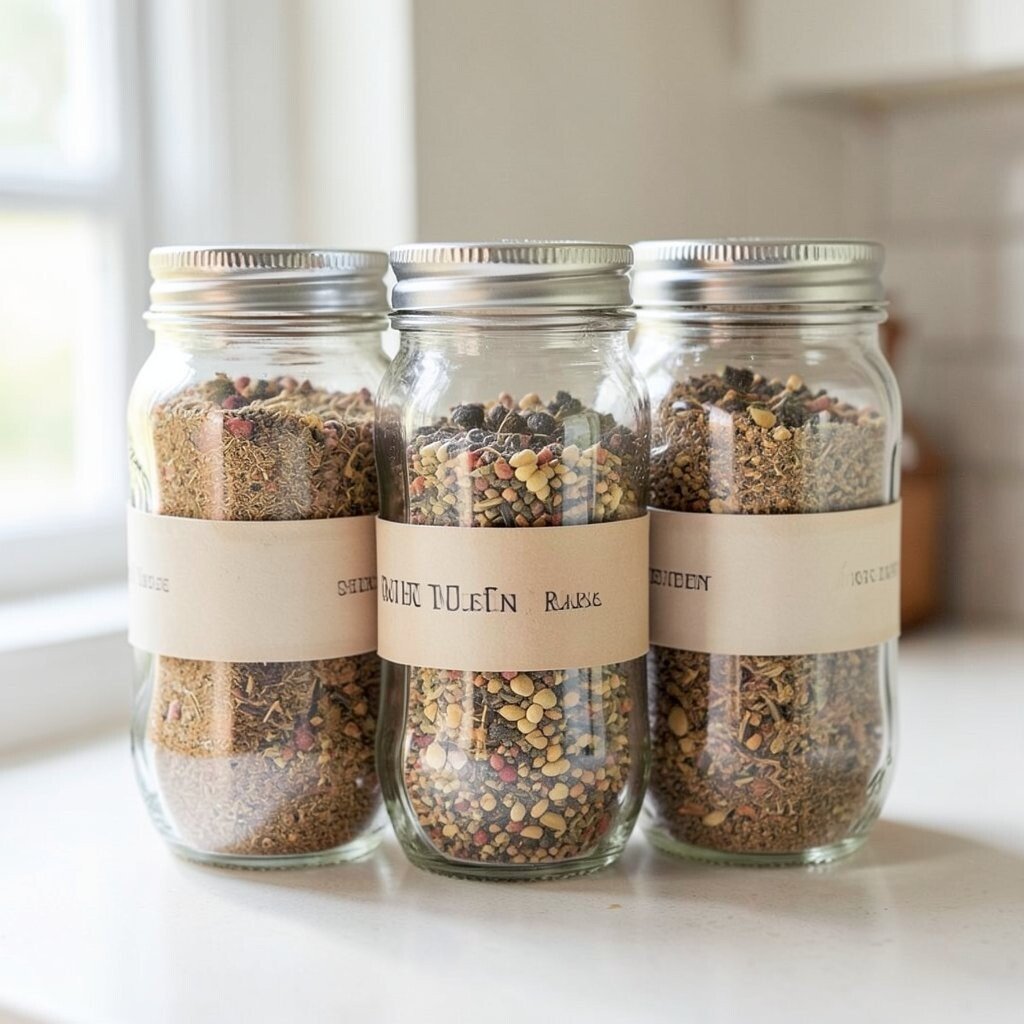
Mason jars are charming and practical, and they make spices feel organized. You get clear visibility, so you can spot color and texture without opening every jar. Plus, they look cozy on open shelves.
Use a slim wooden or metal rack to hold jars upright. Add label bands on the lid or jar neck, and consider writing the date you bought the spice. For personalization, color-code labels by category like “herbs,” “spice blends,” and “baking.”
7. Rotating Shelf System for a Narrow Pantry
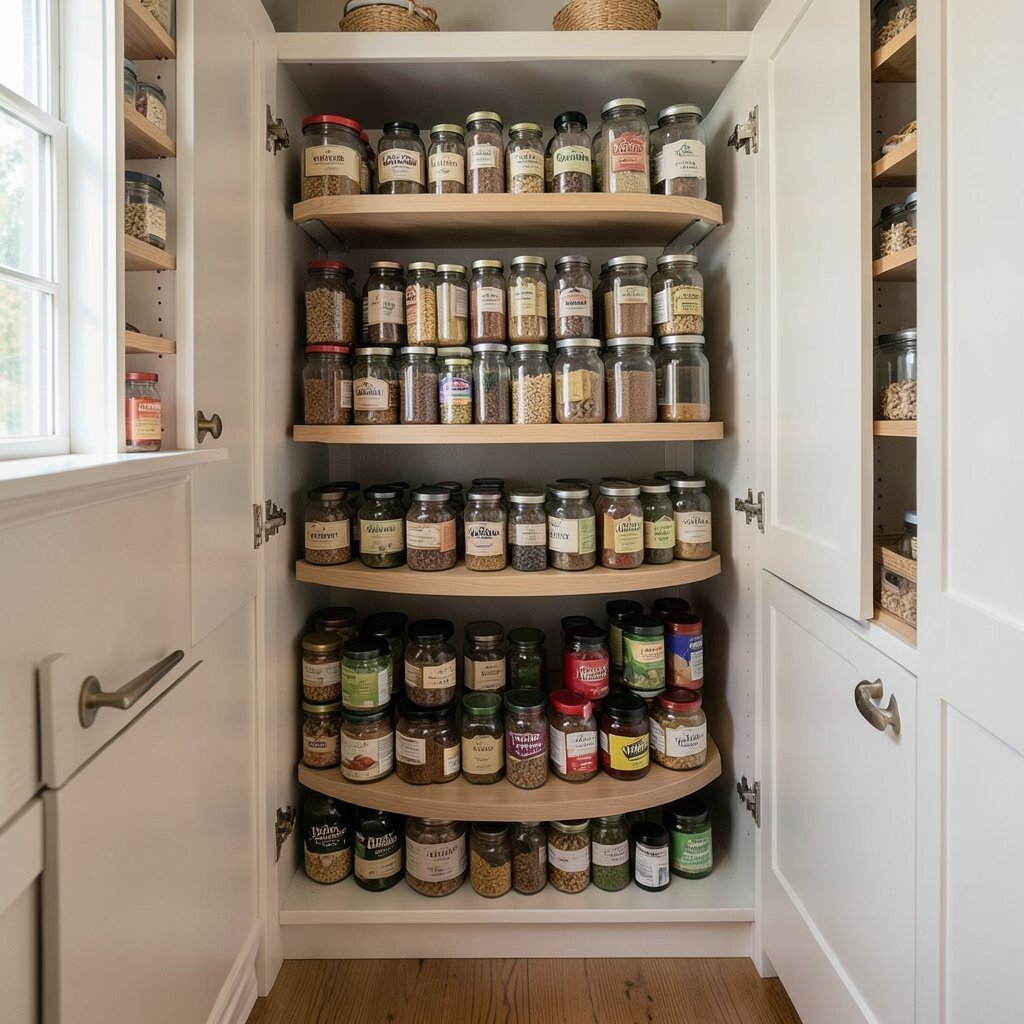
If your pantry is narrow, stacking can waste space and bury smaller jars. A rotating shelf system uses the space more evenly. You can reach farther without knocking things over.
Choose a system with multiple tiers and smooth rotation. Place tall bottles on the bottom tier and smaller jars on the top tier to prevent wobble. Keep your most-used spices in the front sections for quick grabs.
This idea feels unique because it turns a tight pantry into a neat viewing area. It’s especially helpful if you buy spice refills in bulk. For cost, compare the tier count to your jar collection so you don’t overpay for unused space.
8. Tiered Countertop Spice Carousel on a Base
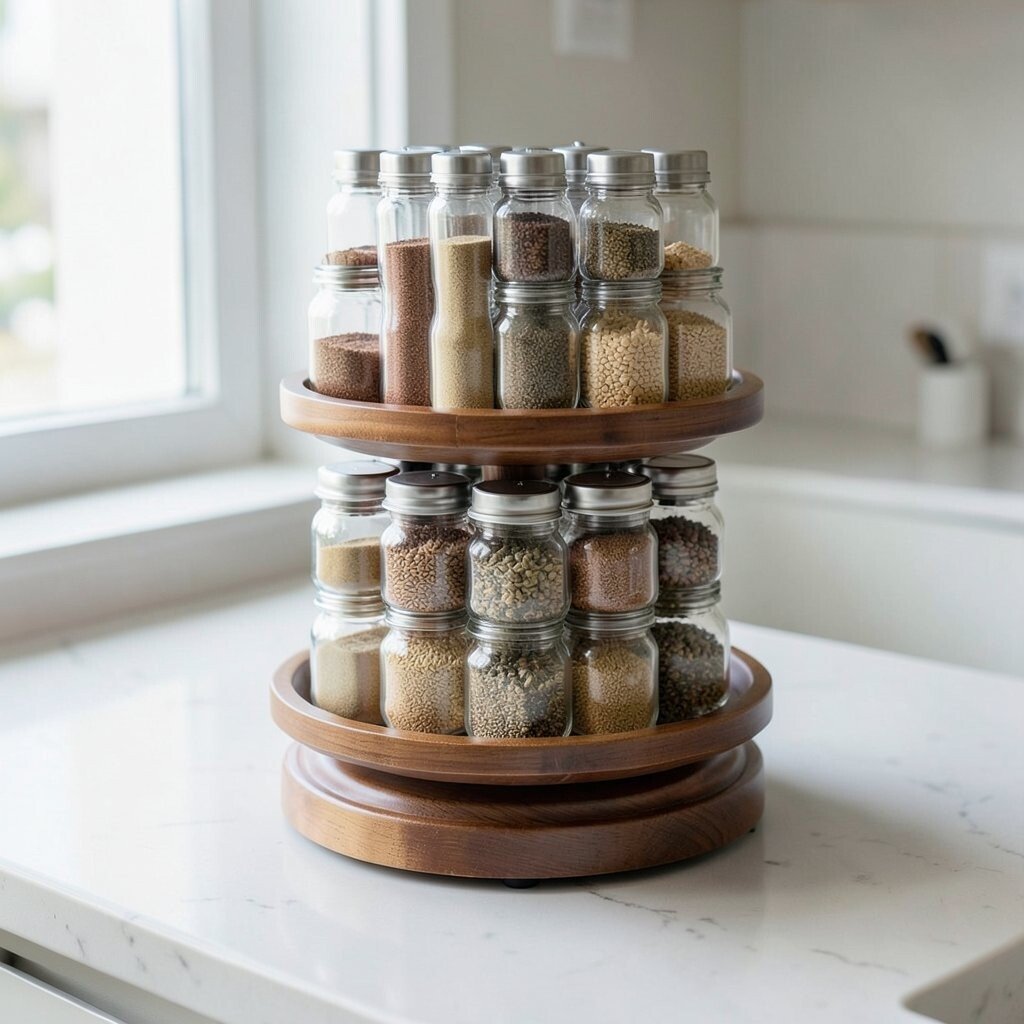
A countertop carousel is like a spice station for everyday cooking. Everything is at hand, so recipes move along smoothly. It’s perfect when you want quick access without opening cabinets.
Pick a carousel with removable compartments so you can adjust as your spice collection grows. Choose a base that’s stable and won’t tip on busy prep days. Add small cards or tags for cooking notes, like “best for chili” or “starter curry.”
For personalization, style the labels with your favorite fonts or match them to your pantry theme. This is a current trend because it mixes practicality with countertop decor. If you worry about clutter, keep only the spices you use weekly on the carousel and store backups elsewhere.
Costs range from budget-friendly carousels to high-end rotating stands. A smart approach is starting with a small carousel and expanding the number of jars when it feels right.
9. Fridge-Free Spice Bin for Easy Meal Prep
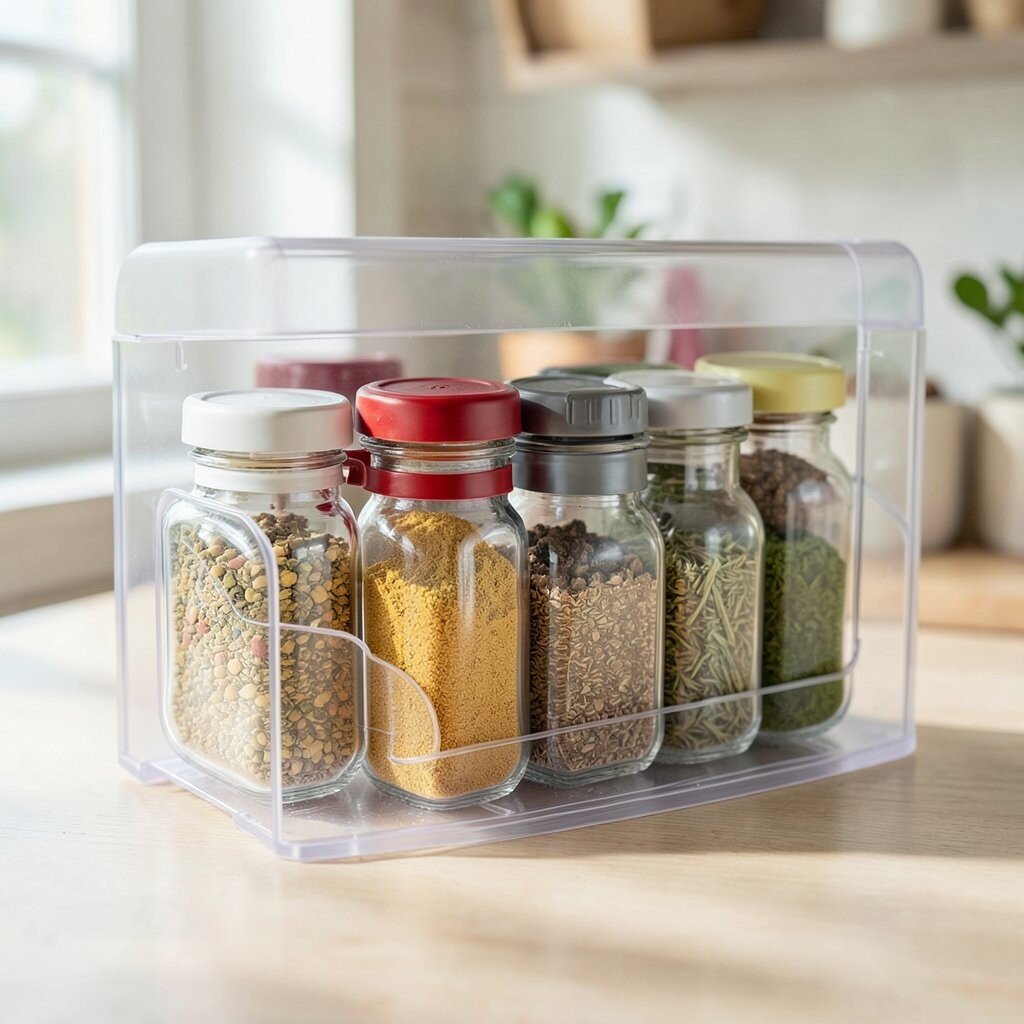
Some spices belong near your prep zone, not far away. A small spice bin on a nearby shelf keeps meal prep moving fast. It can also reduce the temptation to overbuy because you can easily see what you already have.
Use a shallow, clear bin with dividers so jars stay separated. Keep the bin tucked on a side shelf, cart, or even a drawer organizer. For personalization, make a “weeknight essentials” section with items you reach for most.
What makes it unique is its focus on routine. If you prep veggies, marinate proteins, or cook from a plan, having spices nearby is a game changer. Consider placing it in the same spot each week so your brain knows where to look.
For cost, you can reuse containers you already have, like old storage trays. The trend toward meal-prep organization makes this idea feel modern and practical.
10. Pegboard Spice Rack With Hooks and Small Shelves

Pegboard can turn a blank wall into a useful spice hub. Hooks hold bottles neatly, while small shelves create extra space for tools like funnels. It also looks creative and artsy.
Paint the pegboard to match your kitchen, then mount it near your cooking area. Arrange spices by frequency, with daily staples on the lower half for easy reach. Add a small shelf for seasoning packets if you still use them sometimes.
11. Stackable Spice Drawer Inserts With Pull-Out Trays

Stackable inserts keep spice bottles off the bottom of drawers where they get messy. Pull-out trays make it easy to reach the back row without digging. This setup works well when you own many small bottles.
Choose inserts that match your drawer width and allow for stacking without wobble. Use labels or color dots to make finding blends quick. Consider separating powders from dried herbs so you don’t mix textures accidentally.
This idea stands out because it’s modular. You can grow the system as you add new spices or swap bottle styles over time. For cost, start with one insert and add stacks later instead of buying everything at once.
Right now, many kitchens are leaning into “build as you go” organizing, which makes stackable trays a smart long-term choice.
12. Lazy Cabinet Pull-Out Spice Organizer With Full View
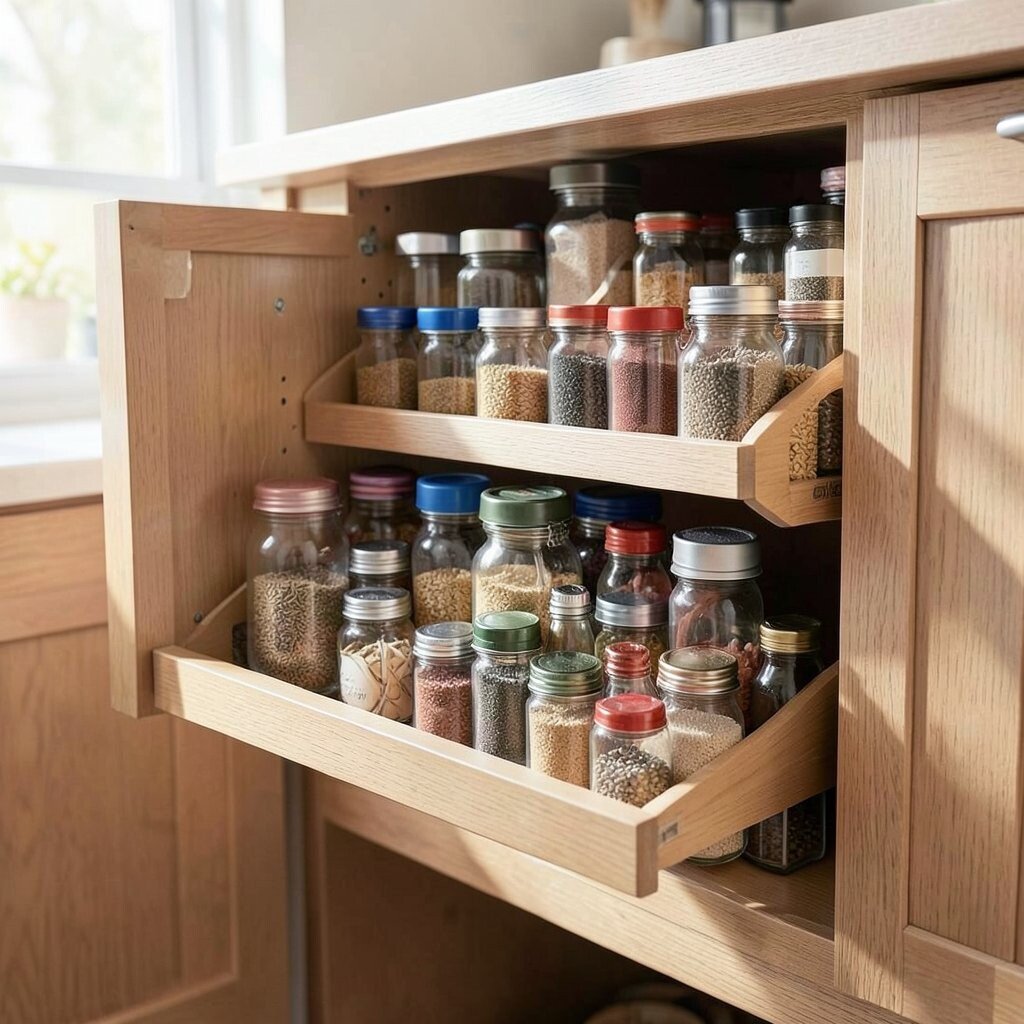
A pull-out organizer makes your spices visible every time you open the cabinet. Instead of reaching deep, you pull forward and see everything clearly. This helps prevent duplicates and keeps spices from expiring unnoticed.
Pick a full-view design so tall jars don’t block smaller ones. Use adjustable racks to fit different jar heights and lid sizes. Add a simple label system, like alphabetical or by cuisine, to speed up your cooking.
What makes it unique is the “no blind spots” feel. Many people love it because it reduces kitchen frustration. When you plan for cost, measure your cabinet width first to avoid buying an organizer that looks close but won’t fit.
13. Magnetic Spice Strip on a Chalkboard Panel
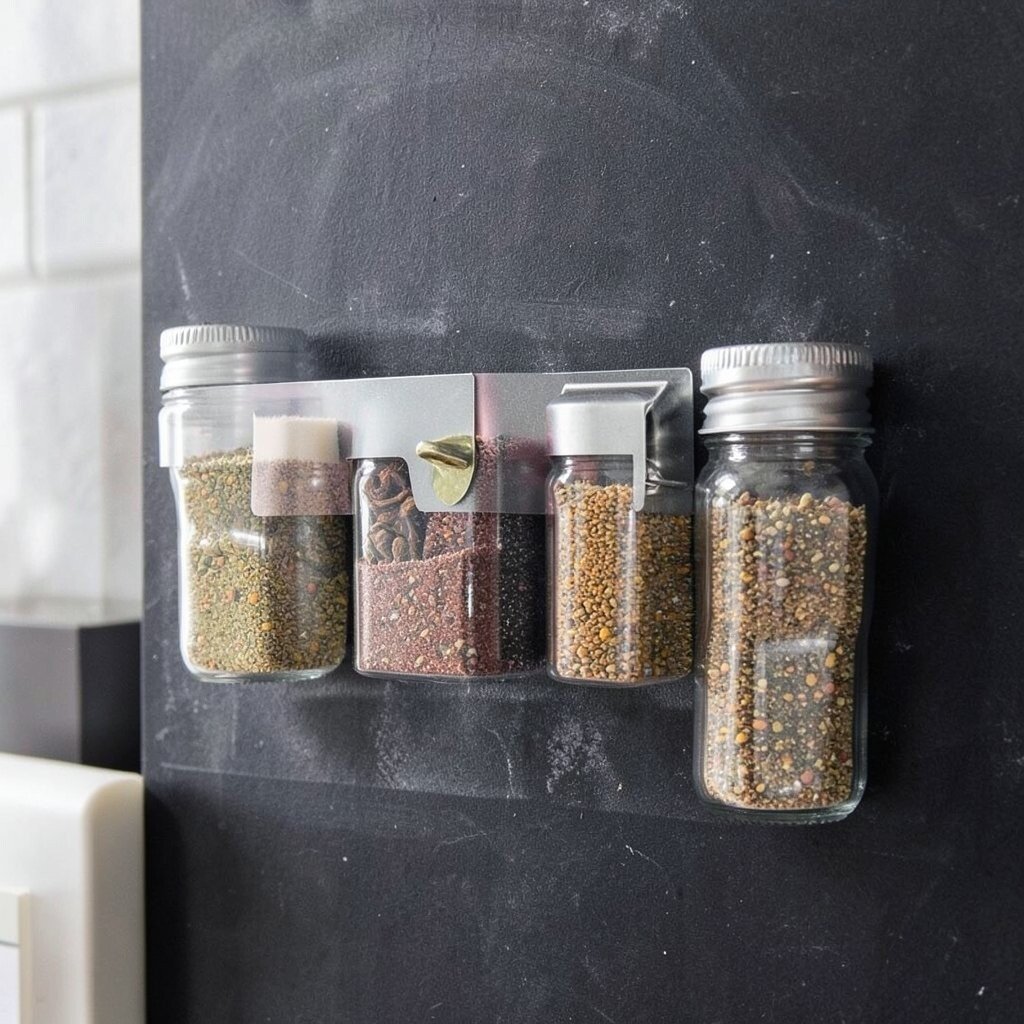
A chalkboard panel brings a fun, customizable vibe to your spice storage. When spices cling to a magnetic strip, you can rearrange them anytime. It also makes labels easy to update.
Mount a chalkboard where you like seeing it, then add magnetic caps to your jars. Write spice names directly on the board or use small chalk tags near each position. If you enjoy variety, change the layout for seasonal cooking without replacing stickers.
This setup is unique because it mixes organization with creativity. You can write a weekly meal plan or remind yourself what to use before it loses flavor. For cost, chalkboard panels can be affordable, especially if you pick a basic size and reuse existing jars.
Current trends favor writable labeling and flexible setups, since it feels more personal than fixed labels alone.
14. Shelf Liner Spice Labels and a Clear Front Cabinet

A clear front cabinet paired with shelf labels makes your pantry look intentional. You can see jars instantly, and labels keep the system consistent. It’s a great choice if you like a clean, modern aesthetic.
Install shelf liner to reduce slipping, then add label strips to jar fronts. Group spices by type, like savory, baking, and blends, so the cabinet stays easy to navigate. For personalization, choose label colors that match your kitchen theme.
15. Hanging Spice Pouches on a Towel Bar Rail

Hanging pouches are a smart option when you want light, flexible storage. They keep spices from piling up and make it easy to grab small items. This can be especially helpful in apartments or tight kitchens.
Use pouch organizers with clear windows or removable labels. Put heavier spice bottles lower and lighter herbs higher to keep the system balanced. If you like it neat, fold measuring spoons into the same area so everything stays together.
This idea feels unique because it borrows from craft storage and adapts it to cooking. For cost, pouches are often budget-friendly and easy to replace. A current trend is using soft organizers to keep kitchens looking organized without installing permanent fixtures.
16. Spice Rack With Rotating Spinners for Single-Hand Access
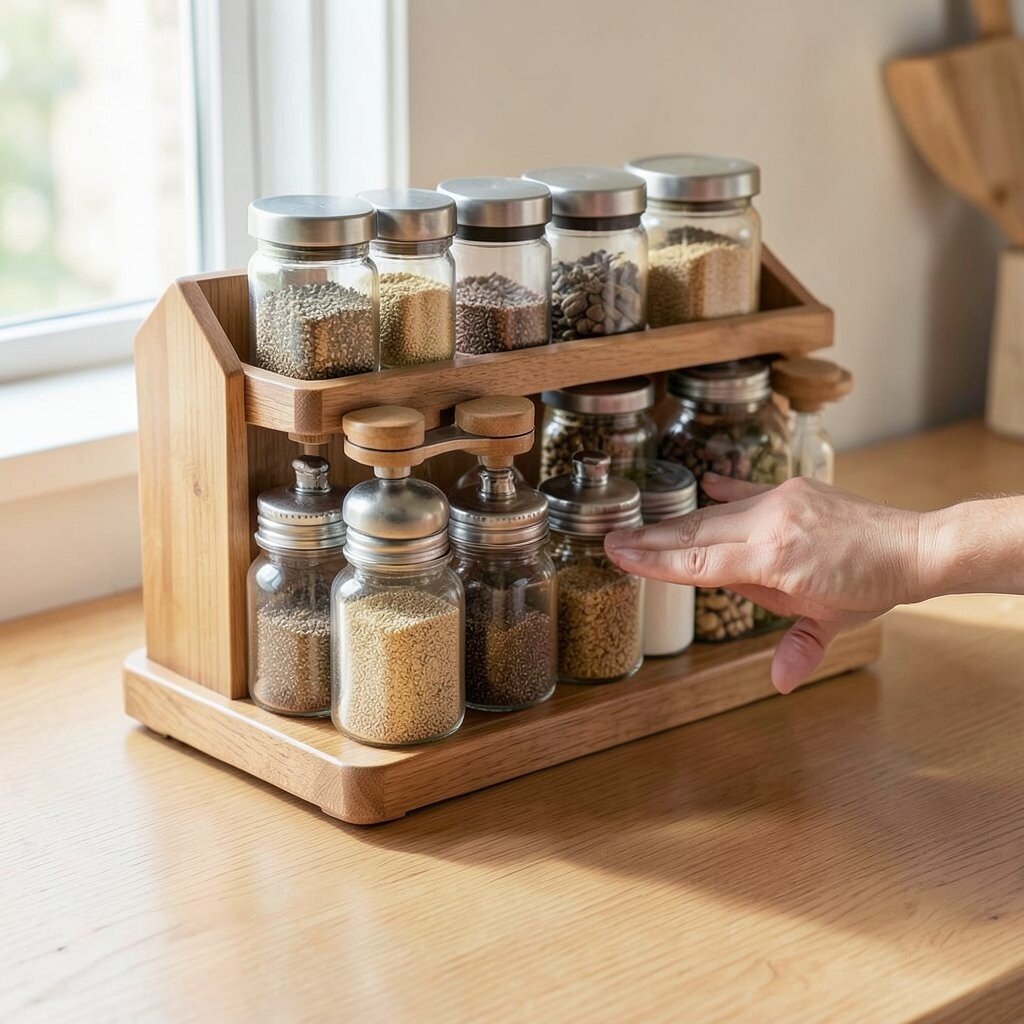
A rotating spinner rack makes it easy to reach spices with one hand. Instead of pulling a drawer, you spin a section and grab the jar you need. It’s perfect for fast cooking during busy weeknights.
Choose a rack that has multiple spinning compartments and a solid center base. Arrange spices by frequency of use so the busiest flavors are within easy reach. Consider adding a tiny “refill shelf” behind or above for backup jars.
This setup is unique because it combines speed with neatness. You’ll notice the difference when cooking from recipes that call for multiple spices. For cost considerations, compare the number of compartments to your current jar count so you buy the right size the first time.
Trends show more “grab-and-go” kitchen accessories, and spinners fit that vibe nicely.
17. Under-Sink Pull-Out Spice Tray for Bulk Condiments

Under-sink storage can handle heavier items if you do it thoughtfully. A pull-out tray keeps bulk seasonings and sauces from creating a messy floor-level pile. It also clears cabinet space for your main spice jars.
Use a pull-out tray with sides so jars won’t fall when you open the door. Keep only non-perishable seasonings here, and leave room for cleaning supplies. For personalization, use waterproof labels because under-sink areas can get humid.
18. Dedicated Spice Corner With a Wall Shelf and Bin Tower

A dedicated spice corner makes organizing feel intentional. When spices live together in one zone, you’ll stop mixing them across different shelves. The corner also looks visually appealing when you keep it tidy.
Install a sturdy wall shelf for bottles and pair it with a slim bin tower for packets, mixes, or backups. Use bins for smaller items so they don’t clutter up the shelf. Add labels to the bins and keep one bin for “to use soon” items so older spices get attention.
19. Sliding Shelf Spice Rack Inside a Pantry Cabinet
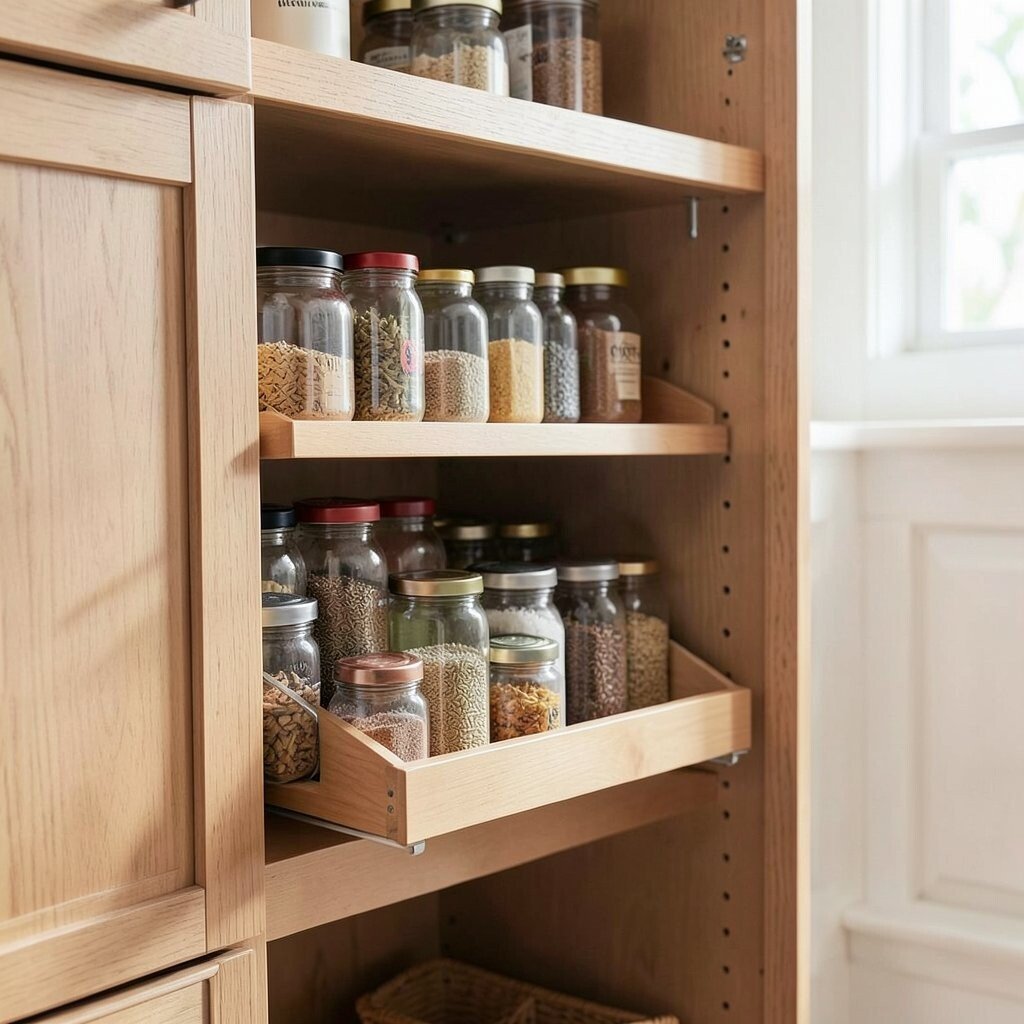
A sliding shelf inside a pantry cabinet lets you reach the back without dumping jars. It keeps spices upright and protected, which helps jars stay organized longer. This is a great solution when your pantry has deep shelves.
Choose a sliding hardware system designed for the weight of glass and metal lids. Install a rail stop so jars don’t roll when the shelf slides out. For personalization, arrange spices by cuisine—Mediterranean, Mexican, Asian—or by your top three weekly recipes.