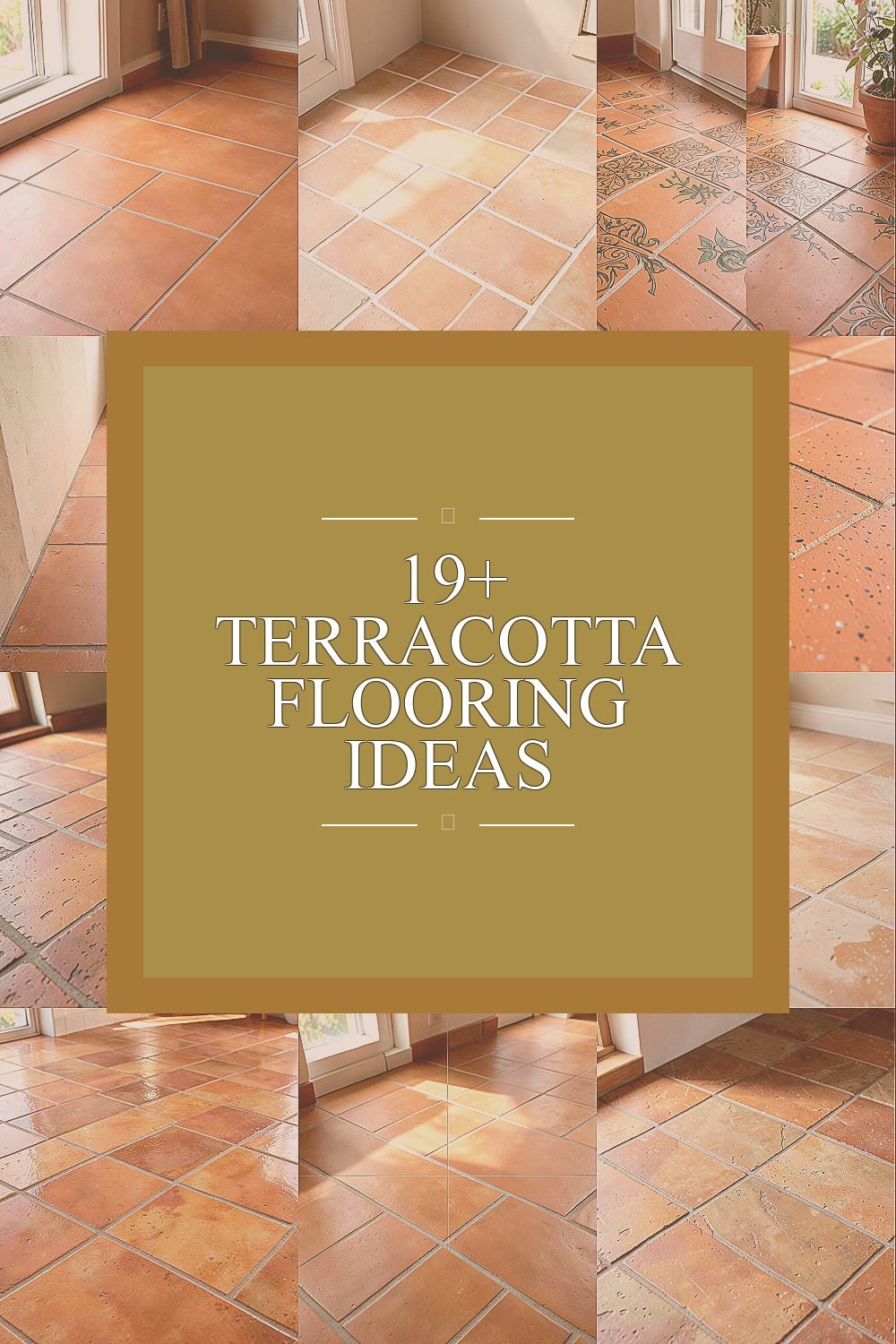
Terracotta floors bring warm color and natural character into everyday rooms. The right style can make your space feel brighter, cozier, and more personal.
1. Classic Terracotta Tiles With Soft Matte Finish

Matte terracotta tiles look grounded and welcoming. They catch light gently instead of reflecting it harshly.
Choose a uniform size for a clean, steady look that visually calms busy rooms. This finish hides small scuffs and everyday wear better than glossy options. For a practical upgrade, seal the tiles so stains wipe away with less effort and you keep that rich orange-brown tone.
2. Light Terracotta With Whitewashed Grout for Airy Contrast

If your space feels dark, go for lighter terracotta tones with bright grout. The contrast makes edges look crisp and gives walls a little breathing room.
Whitewashed or off-white grout can make the floor read as brighter and more open. It also helps the floor pattern feel intentional even in small rooms. Pair it with cream trim and pale curtains to keep the whole area feeling sunlit.
When budgeting, remember grout color affects the final look as much as the tile itself. Ask your installer about recommended sealing for the grout too, since lighter grout can show dirt sooner. A simple maintenance plan will help you keep the “fresh and airy” effect longer.
3. Terracotta With Hand-Painted Accent Patterns

Hand-painted touches on terracotta tiles feel like art you can walk on. You get warmth plus personality without needing major renovations.
Look for subtle motifs like sunbursts, vines, or geometric corners to keep the floor from overwhelming the room. These accents work especially well in entryways, kitchens, and spaces where guests notice details. For practical placement, use accent tiles in a border or center strip so the design stays balanced.
This idea is unique because no two tiles look exactly the same, and that natural variation adds charm. It can also hide minor color differences that might bother you with perfectly uniform tile. Plan your layout with measurements before purchase so the painted sections land where you want them.
Cost can be higher since painted tiles are often made in smaller batches. To stay on budget, mix a limited number of accent tiles with simpler fields. You’ll still get the wow factor without tiling the entire room in premium pieces.
4. Terracotta Planks in a Narrow Rectangle Layout

Plank-style terracotta in a narrower rectangle gives a long, elegant pathway look. It can make a hallway feel longer and a living room feel more refined.
Choose a staggered lay or a straight-run pattern depending on the vibe you want. Staggering adds movement, while straight runs keep things crisp and organized. For comfort, consider using warm underlay and check the tile thickness for a stable, not-too-hard feel underfoot.
5. Terracotta Floor With a Warm Neutral Border

A border can make terracotta feel finished and intentional. It frames the room like a picture and helps your layout look designed, not accidental.
Pick border tiles in a slightly different terracotta shade or a muted tan to avoid harsh color jumps. This style is great for open-plan spaces because it subtly defines zones like dining and kitchen. Keep the main field simpler so the border stands out without taking over.
For practical results, ask for a layout sketch before installation. You’ll want the border to align with doorways and major sight lines. Sealing is key here, because grout lines in decorative layouts can collect dirt more easily if left unprotected.
6. Burnt Orange Terracotta With Earthy Speckling

Burnt orange terracotta with speckling feels lively and full of character. The tiny flecks help hide everyday marks and add depth in different lighting.
This option is unique because the texture reads richer without requiring complicated patterns. It also suits homes with active life, pets, or frequent cooking since imperfections become part of the design. Pair it with warm wood furniture and matte black accents for a modern earthy style.
7. Reclaimed-Look Terracotta for Vintage Warmth

Reclaimed-look tiles bring history and charm to any room. They can make new spaces feel instantly lived-in and inviting.
To get the best brightening effect, balance darker reclaimed tiles with light walls and pale furnishings. The patina and variation can still feel cohesive when you keep other colors calm. Consider using reclaimed-look terracotta in kitchens or mudrooms where durability and character both matter.
Budget-wise, reclaimed finishes may cost about the same as premium new tiles, but the “old world” vibe can reduce the need for extra decor. Ask about wear ratings and sealing needs, especially if tiles show more texture than standard styles. A good installer will help keep the final floor level despite uneven-looking surfaces.
8. Terracotta Herringbone for a Bright, Dynamic Pattern

Herringbone terracotta creates movement that visually energizes a room. The pattern catches light differently across the floor, making it feel brighter.
Pick terracotta tiles that are similar in tone so the pattern stays elegant rather than busy. This look can add a touch of sophistication even in casual spaces. For practicality, choose a grout color close to the tile so the joints look clean but not distracting.
Herringbone can be more labor-intensive, which may raise installation costs. However, the payoff is a floor that looks like a design statement. If you’re worried about price, start with a smaller area like a foyer or a kitchenette and expand later.
You can also personalize the floor by mixing two adjacent shades in the same herringbone direction. That subtle variation keeps the pattern interesting while still feeling harmonious. Seal the finished surface well so grout lines stay easier to maintain.
9. Light Sand-Toned Terracotta for Coastal-Like Airiness

Sand-toned terracotta feels airy and relaxed, even when it’s still warm. It’s a great bridge between earthy flooring and light, breezy interiors.
Look for colors that lean toward beige or pale terracotta rather than deep orange. This choice helps rooms feel open, especially when you pair it with white walls and linen textures. Add a light rug and simple brass fixtures to keep everything bright and soft.
Because these tones are lighter, they may show dust sooner, but that’s easy to manage with regular sweeping. For cost considerations, lighter tiles often come in both basic and premium finishes, so you can shop within your range. A matte surface will reduce glare and make the floor look natural throughout the day.
10. Gloss-Reduced Terracotta With Subtle Color Variation

You don’t have to choose a shiny tile to benefit from reflection. Terracotta with a low-sheen look can lift brightness while staying cozy.
Subtle color variation helps the floor feel less flat, so it stays visually interesting. It also makes normal wear less noticeable over time. Choose a neutral grout to keep the overall look unified, and seal the surface to make cleaning simple.
If you love modern design, pair this floor with clean-lined furniture and a few textured accents. Low-sheen tiles fit well with both warm and cool color palettes. Ask about slip resistance if the room is prone to water, like a bathroom or entry.
11. Terracotta Tiles With a Grid Layout for Clean Modern Lines

A grid layout makes terracotta feel organized and contemporary. The steady rows create a clear visual rhythm that can brighten the room.
Choose square tiles or consistent rectangles, and keep grout lines narrow if possible. Narrow joints make the floor look smoother and more streamlined. This style is especially helpful in small rooms because it reduces visual clutter.
For personalization, try two complementary tile sizes, like mixing larger and smaller rectangles to form a simple grid. It adds a design detail without turning the floor into a busy mosaic. While the tile itself sets most of the cost, grout choice and installation time will also affect the final price.
Use warm white walls and light-colored cabinetry to keep the terracotta from visually shrinking the room. Regular cleaning and sealing will preserve the color so it stays fresh instead of fading with time.
12. Terracotta Flooring With a Natural Stone Look Finish

Some terracotta finishes mimic natural stone, adding quiet sophistication. You get warmth like clay with the steadiness of stone patterns.
This style is unique because the variation reads more like veining than speckling. It pairs beautifully with travertine-like accessories and earthy stone countertops. To brighten your space, combine the floor with pale stones and light wood grains.
From a practical standpoint, stone-look terracotta can be a sweet spot for families who want durability. Ask for a wear rating suitable for your foot traffic level. Sealing is still important, but the surface finish may resist staining better than highly porous tiles.
13. Terracotta and Cream Mosaic Medallions

Mosaic medallions make your floor feel like a focal point. They can brighten a space by drawing the eye to the center rather than the corners.
Pick medallion designs with cream, pale beige, or off-white accents so they light up the terracotta base. Keep the pattern scale moderate so it doesn’t overwhelm a small room. This works well for entryways, bathrooms, and kitchen islands where you want a confident style moment.
This idea stands out because it combines classic warmth with intricate detail. Even a single medallion can make the whole room feel custom. For best results, ensure the border around the medallion uses simpler tiles to keep transitions clean.
Cost can be higher because mosaics require more precise installation. To manage the budget, consider one medallion area rather than multiple patterns. Plan grout color carefully, since lighter grout will create a stronger contrast and a brighter, more decorative look.
If you want personalization, choose a motif that matches your home style, like geometric for modern spaces or floral for traditional rooms. A good installer can help you align the design with furniture placement so it looks intentional.
14. Terracotta Flooring in a Monochrome Warm Taupe Tonal Range

Monochrome tonal terracotta turns warmth into a calm, modern palette. When the shades are closely related, the room feels cohesive and bright.
Look for terracotta tiles that lean toward warm taupe, cinnamon, or muted clay. This avoids strong orange contrast while still keeping the earthy character. Pair with soft white walls, brushed nickel, and natural textiles to keep the lighting feeling gentle.
15. Terracotta With a Diagonal Pattern for Optical Expansion

Diagonal layouts can make a room look larger because they shift the visual lines. Terracotta on a diagonal adds energy while still staying warm and grounded.
Choose tiles with consistent color and thickness so the diagonal lines look crisp. If you use darker terracotta, balance it with lighter rugs and curtains to prevent the room from feeling heavy. This style can be a great option for living rooms and dining areas where you want a brighter feel.
Installation may take more cutting, which can affect labor costs. However, the result often looks like a high-end design choice. For personalization, use two shades in alternating runs to make the diagonal pattern subtle rather than loud.
16. Terracotta Stamped or Textured Tiles for a Spa-Like Feel

Textured terracotta tiles can feel like a spa because they add gentle depth. The surface detail creates soft shadowing that brightens without needing extra color.
Go for shallow stamp textures if you want a more comfortable step and easier cleaning. Deeper textures can look amazing but may require more careful maintenance to keep them looking fresh. This style is especially inviting in bathrooms and sunrooms where you want a calm, natural vibe.
When considering cost, remember textured tiles sometimes cost more due to manufacturing complexity. Budget for proper sealing, too, since texture can trap dirt if left unprotected. Pair with simple fixtures in warm chrome or matte brass to highlight the earthy tone.
17. Terracotta Tiles Paired With Light Wood Planks at Thresholds

Mixing terracotta with light wood near thresholds creates a smooth, bright transition. It feels intentional and can reduce the “single material” look that some people tire of.
Use wood at doorways, in hallways, or around a kitchen doorway to soften the terracotta. This also helps with comfort underfoot when you want a warmer feel near seating or standing areas. Choose wood in pale oak or ash so the terracotta stays the star while everything else stays light.
This idea is practical because it can help with expansion joints and movement between surfaces. It can also help your budget, since you may use terracotta only where it matters most. For a polished finish, coordinate the grout color with the undertone of the wood and keep the height transitions even.
18. Handcrafted Look Terracotta With Irregular Edges for Character

Irregular-edged terracotta tiles bring artisan character that feels full of soul. The subtle unevenness adds charm and makes the floor look naturally beautiful.
Because the edges vary, this style hides small installation differences that can show up with perfect tile. It’s unique in the way it makes every step feel slightly different. If you want the floor to brighten the room, keep surrounding colors light and choose fixtures that reflect warmth.
Cost can be higher when tiles are handcrafted and made in smaller runs. To keep expenses reasonable, use these tiles in a focused area like a kitchen alcove or a entry landing. Always confirm the exact tile size range so the installer can plan for spacing and pattern consistency.
Sealing is essential to protect textured, handmade surfaces. Ask about maintenance schedules and products designed for terracotta so the color stays rich. With good care, this style ages beautifully rather than looking worn.
19. Moroccan-Inspired Terracotta Patterned Zones With Neutral Grounds

Moroccan-inspired terracotta can brighten a room through bold geometry and warm highlights. When it’s done right, it feels festive without being overwhelming.
Use patterned tiles in zones like a kitchen backsplash floor area or a bathroom shower-adjacent section. Keep the rest of the flooring neutral so the pattern acts like a spotlight. Choose designs with cream, muted teal accents, or soft yellow tones if you want extra brightness.
20. Custom Color-Blocked Terracotta for a One-of-a-Kind Layout

Color-blocking lets terracotta act like a design canvas. By separating tones into defined sections, you can make the room feel modern and bright.
Select two or three terracotta shades that share a common undertone, like peachy orange, terracotta red, and warm beige. This keeps the look cohesive even when the pattern feels playful. For practicality, plan how furniture will sit so the color blocks support the room’s layout rather than fight it.
Custom layouts can cost more because they require extra planning, cutting, and possibly more tile variety. However, you can control the budget by limiting color blocks to one main wall-to-wall section. If you want personalization, add a thin line border in a lighter tone to frame the blocks and enhance brightness.