Warm kitchens feel grounded, like the room is breathing with you. Textured stone floors bring that steady, natural vibe from every step.
-
Terracotta-Hued Tumbled Travertine With Soft Veins
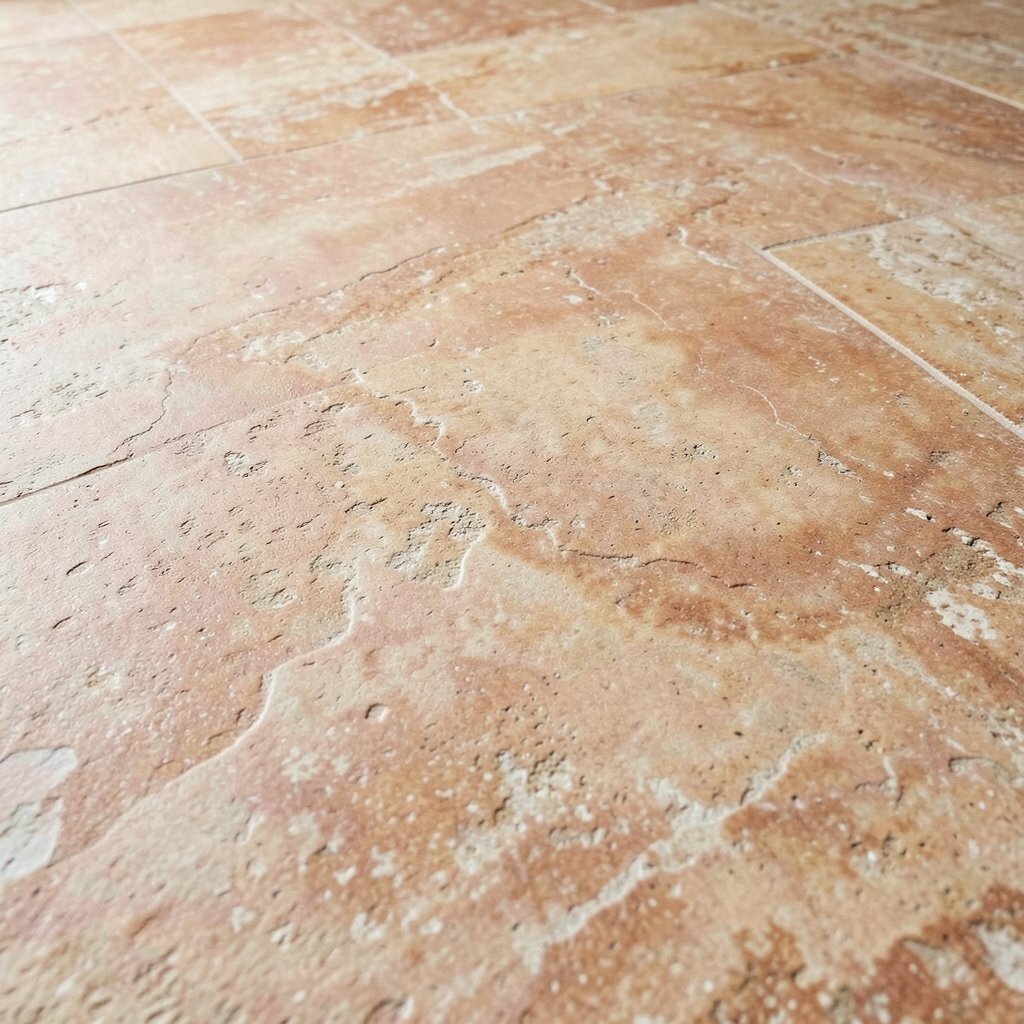
Terracotta-Hued Tumbled Travertine With Soft Veins Imagine walking on sun-baked earth, but in a smooth, comfortable way. Tumbled travertine has tiny pits and gentle edges that make each tile look one-of-a-kind.
This texture hides small scratches better than glossy stone. It also helps keep your kitchen feeling cozy instead of slippery. For best results, seal the floor with a breathable stone sealer, then re-seal on schedule to keep stains from grabbing on.
To personalize, mix slightly varied tile batches for a more natural map-like layout. Pair it with warm wood cabinets, matte black faucets, and terracotta planters. Costs can run mid to high depending on sourcing and installation, but the look often feels worth it because each tile carries character.
-
Riven Slate in Clay, Olive, and Taupe Layers
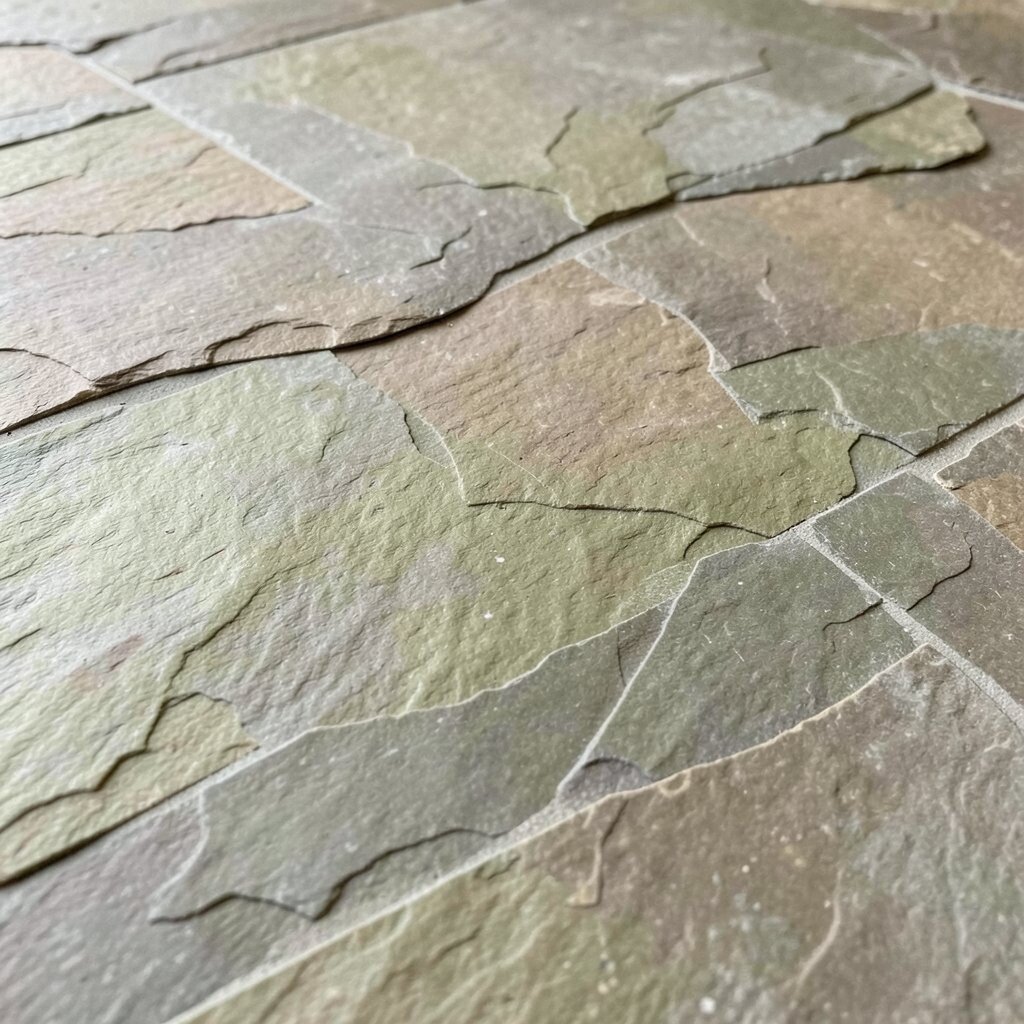
Riven Slate in Clay, Olive, and Taupe Layers Riven slate looks like thin rock sheets that were gently broken by time. The surface feels lively, with natural ridges that catch light in a quiet way.
This choice is popular in current kitchen styles that lean rustic and calm. Slate is also durable, especially with proper sealing, and it can handle heavy foot traffic. If you have kids or lots of cooking, you will like how the texture helps reduce visible mess.
For tips, choose a honed finish rather than a very rough one, so wiping stays easy. Use a slip-resistant sealer rated for kitchens, and place felt pads under chair legs and rugs. Budget-wise, slate can be pricier, but you may save money by buying fewer add-ons because it does so much visually on its own.
-
Champagne Limestone With Brushed Texture
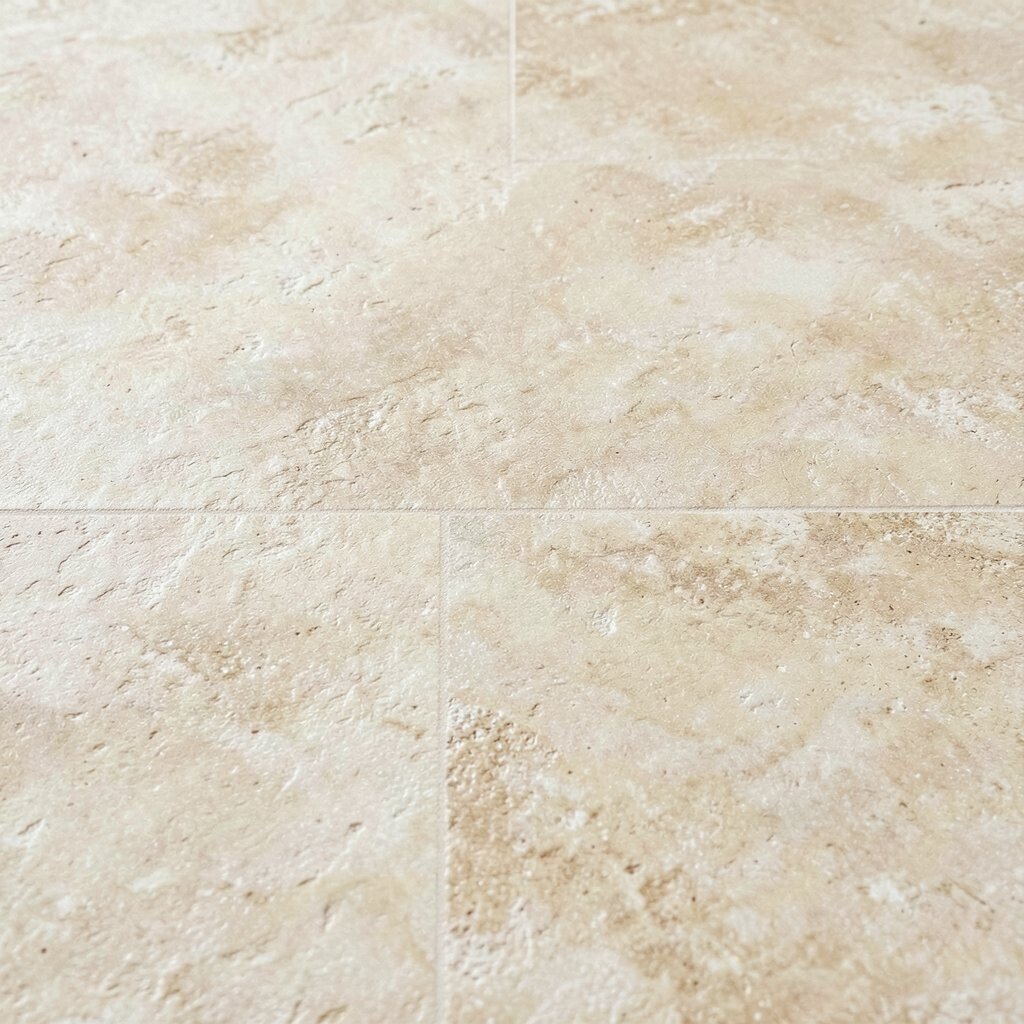
Champagne Limestone With Brushed Texture Limestone in champagne tones adds calm brightness without losing an earthy mood. The brushed surface keeps glare down, which makes the whole kitchen feel softer.
You get a natural, slightly creamy look that matches both modern and farmhouse cabinets. Texture helps with grip, especially when the floor is damp. To keep it looking fresh, use pH-neutral cleaner and avoid harsh acids that can dull stone.
For personalization, try a running bond pattern to stretch the room visually. Pair it with warm gray grout or a tone-matched grout for a seamless, high-end look. Costs vary by thickness and finish, but limestone often sits in the mid range compared with more exotic stones.
Current trend energy: people love light earth tones because they make kitchens feel airy while still natural. If your backsplash is darker, this floor will balance everything and keep the color story gentle.
-
Sandstone-Look Composite With Realistic Stone Texture
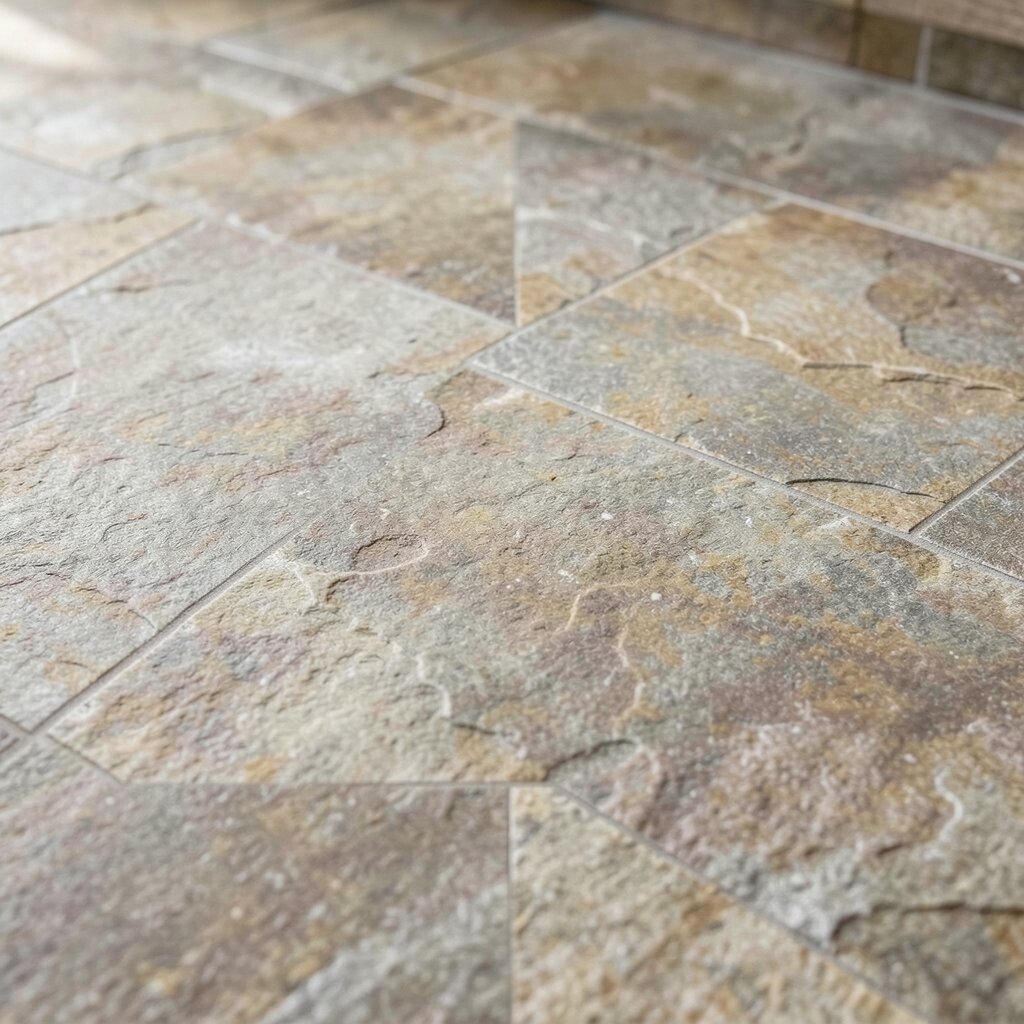
Sandstone-Look Composite With Realistic Stone Texture If you want the look of textured stone without the same upkeep, sandstone-look tile or composite can be a smart move. The texture is usually molded to mimic natural pits and grains, so it still feels tactile underfoot.
Many homeowners like it because it can be easier to clean and sometimes costs less than natural stone. It also can be consistent in color, which makes it simpler to plan patterns. Choose a product labeled for kitchen use and verify slip resistance before buying.
For tips, pick grout in a warm sand shade to hide minor color shifts and daily cooking marks. Personalize with a simple border strip that matches cabinet hardware, like aged bronze or brushed nickel. Trend-wise, this “stone look” category is growing because people want style plus easier maintenance.
-
Walnut-Brown Honed Granite With Peppery Speckle
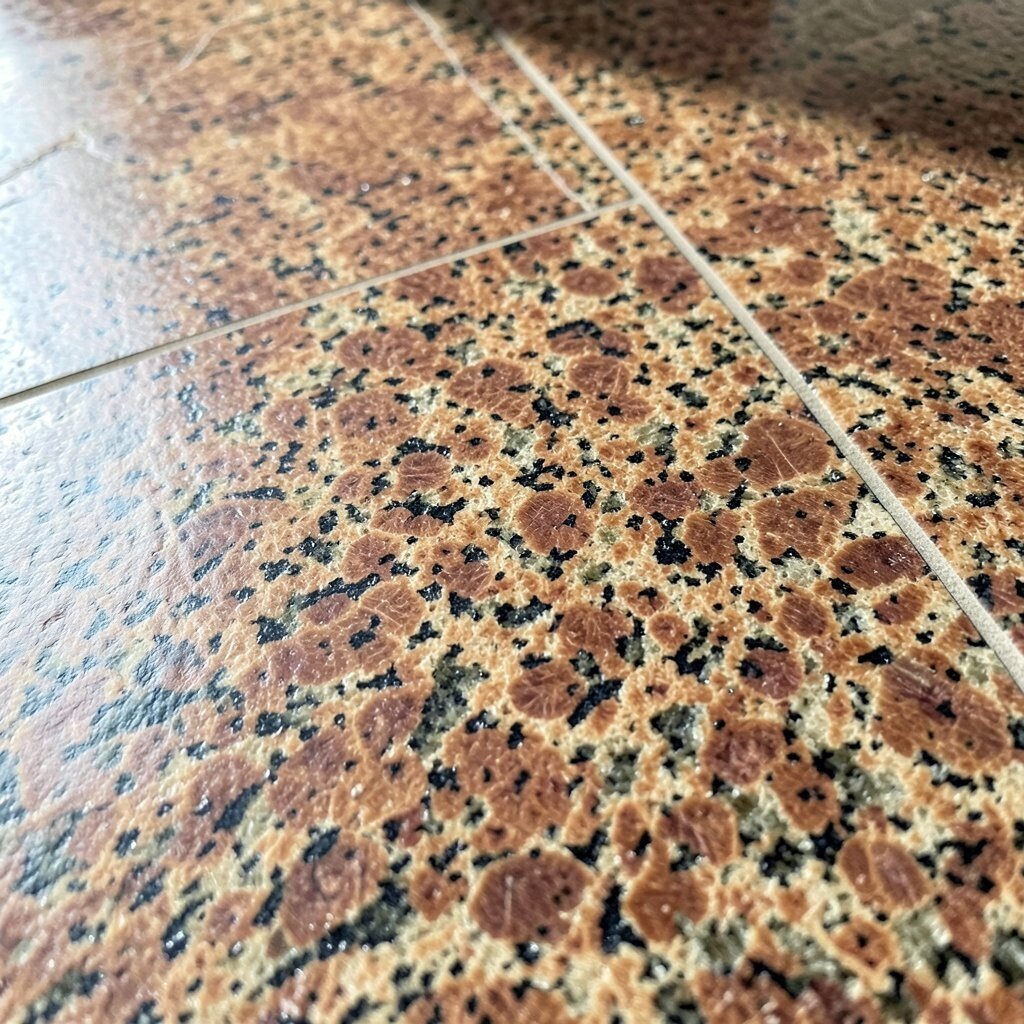
Walnut-Brown Honed Granite With Peppery Speckle Granite speckle can look like tiny seeds scattered across a warm floor. In a walnut-brown shade, it reads earthy and rich, not busy.
Honed granite gives a matte, smooth texture that still feels strong and grounded. It is a great benefit for kitchens because it resists many stains and handles spills well with normal sealing. For best results, seal if your installer recommends it, then wipe with mild soap and water.
To personalize, consider a large-format layout with thin grout lines for a modern feel. Add a sisal or jute-look rug near the sink to soften steps and protect from everyday splashes. Cost can be higher than some limestone, but durability often makes granite a long-term value.
-
Earthy Beige Marble With Micro-Fluted Texture
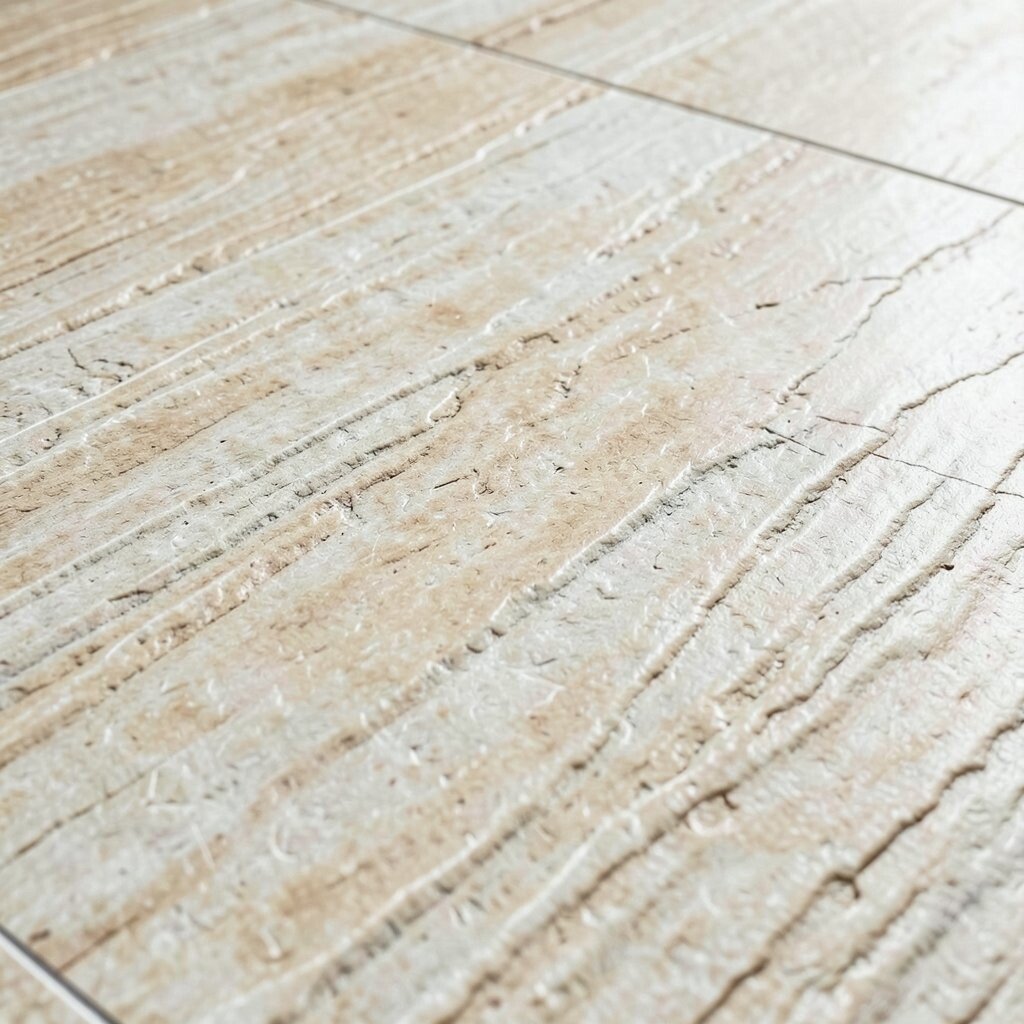
Earthy Beige Marble With Micro-Fluted Texture Marble can feel fancy, but micro-fluted or lightly textured surfaces keep it from looking too slippery or too polished. Beige veining adds warmth, like soft swirls in warm sand.
The benefits include a luxurious look that still works for everyday cooking. Texture helps with foot grip, and the light color makes smaller kitchens feel larger. Just remember marble is sensitive to acids, so you will want coasters under bottles and quick cleanup after citrus or tomato spills.
For personalization, pair marble tones with warm brass fixtures and a cream-colored wall. If you want a grounded vibe, add darker cabinet pulls or a charcoal range hood. Costs can be high because marble materials often cost more, so plan for that and get a solid installer who understands sealing and care.
-
Rust-Colored Cobblestone-Style Tiles With Grout Depth
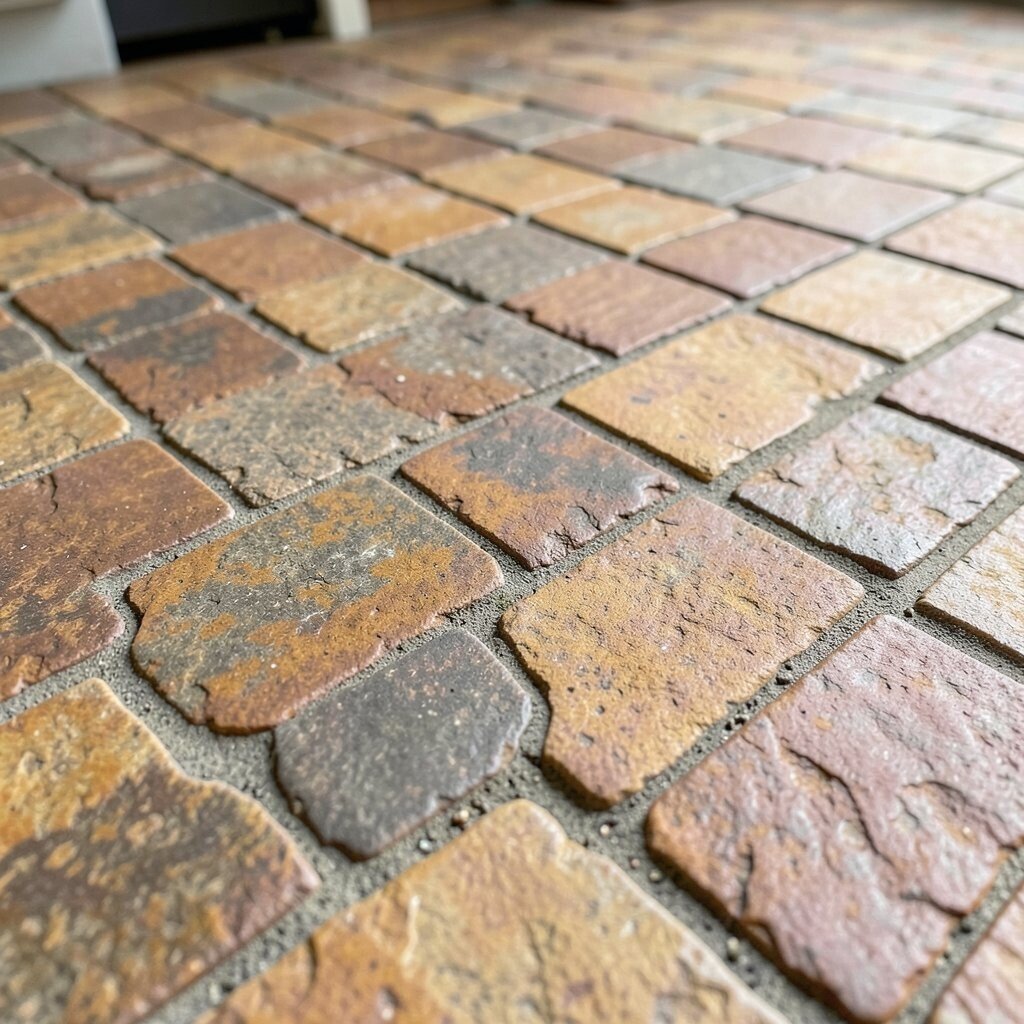
Rust-Colored Cobblestone-Style Tiles With Grout Depth Cobblestone-style tiles bring a lived-in, old-world feeling to modern kitchens. Rust and iron-brown tones look especially great when paired with warm lighting.
The visual uniqueness is huge: you get that tiny “street texture” look where light bounces from stone to stone. The benefit is grip, because the surface has lots of small edges. The tip here is important: deep grout lines need regular cleaning, so choose a grout sealer and keep up with it.
Personalization idea: select two rust tones and alternate them in a gentle random rhythm. That can feel natural without being chaotic. Cost considerations are mixed; tile can be affordable, but extra grout work and sealing can add to labor.
If you love current trends, this style matches the renewed interest in heritage details and tactile materials. A matte backsplash and warm wood accents help it look intentional, not costume-like.
-
Olive Tinted Slate Tiles With Slightly Chamfered Edges
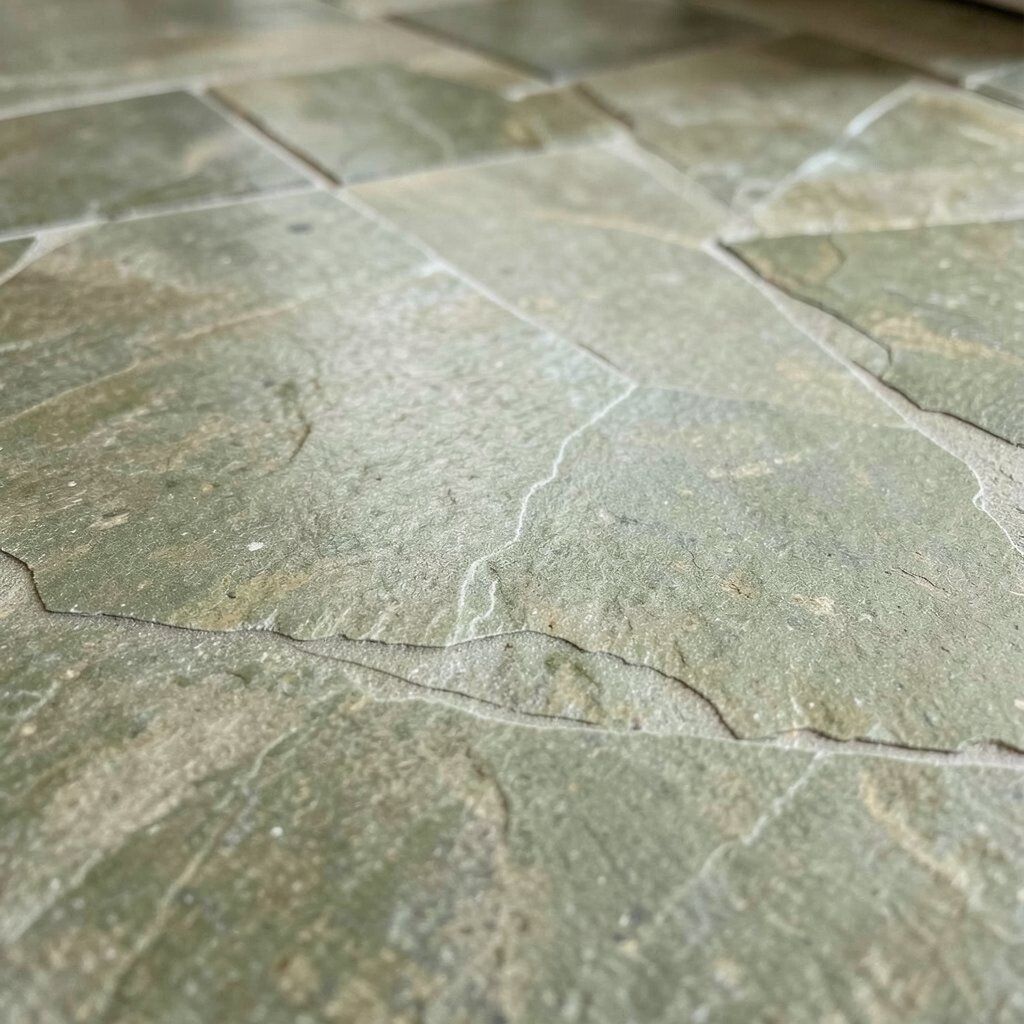
Olive Tinted Slate Tiles With Slightly Chamfered Edges Olive slate makes a kitchen feel calm and grounded, like herbs in the garden. Slightly chamfered edges add a clean frame to each tile, which makes the texture look even more sculpted.
This is a strong choice for benefits because slate is tough and handles daily life well. The textured surface also helps with safe footing. For tips, use a stone-specific cleaner and keep grit off by adding a doormat at the entrance and using felt pads.
Personalize by matching grout color to the darker green undertones rather than going super light. That makes spills less noticeable and keeps the look tidy. Cost can be mid to high depending on thickness, but slate’s longevity can make it feel like a smart investment.
-
Caramel Travertine in a Linear Pattern With Tidy Grooves
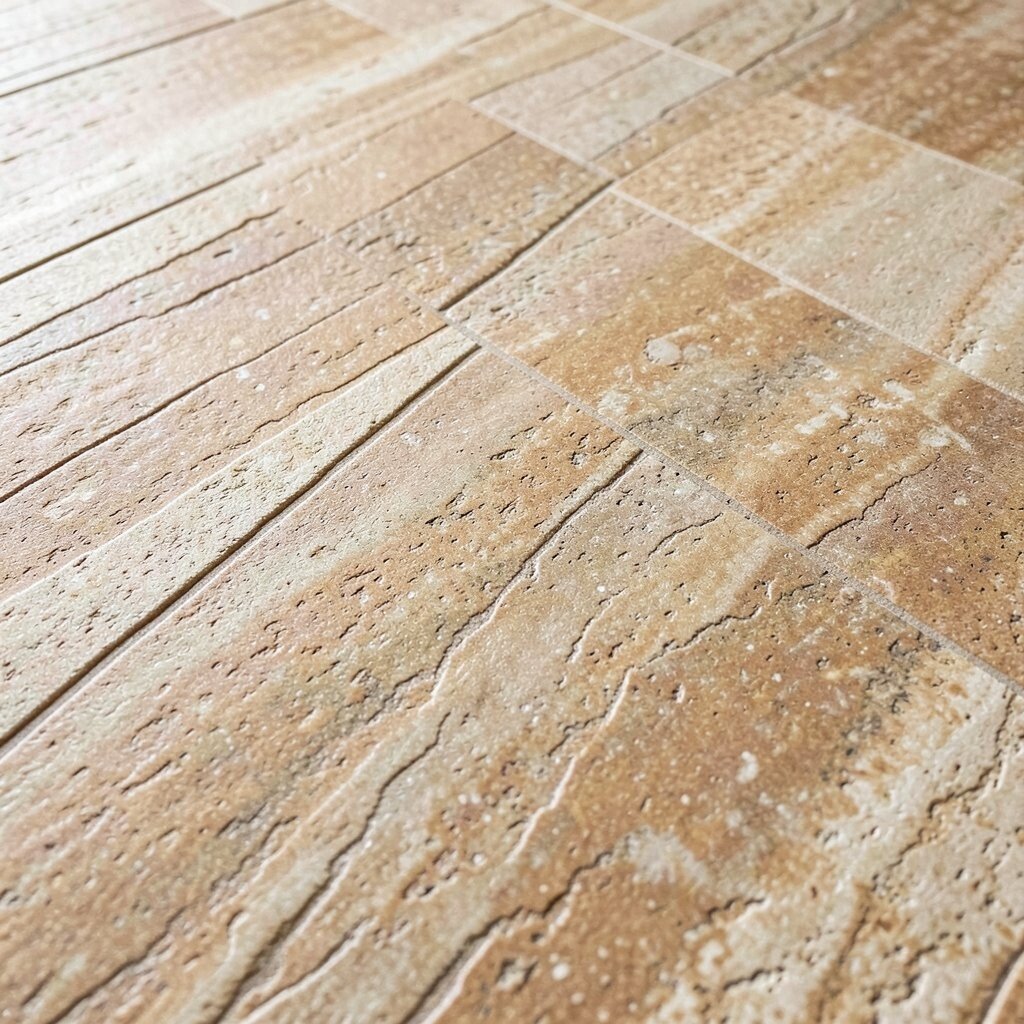
Caramel Travertine in a Linear Pattern With Tidy Grooves Caramel travertine with linear textures looks like elegant lines drawn in warm clay. When tiles have small grooves, they create a rhythm that feels calm and controlled.
The benefit is a balanced look: textured, yet still easy to design around. A linear pattern can also make hallways and open kitchens feel more organized. For tips, choose grout that matches the caramel tone closely so the grooves remain the star.
Personalization ideas are endless: try a long plank layout, then echo the same direction in your backsplash tile. Current trend note: many kitchens now use subtle pattern flow, like repeating lines in two different materials for a cohesive design.
Cost considerations: travertine can be mid-priced, but cut quality matters. Ask to see samples in different lighting and get installation quotes that include leveling and sealing, so surprises stay away.
-
Smoky Taupe Granite With Leathered Finish
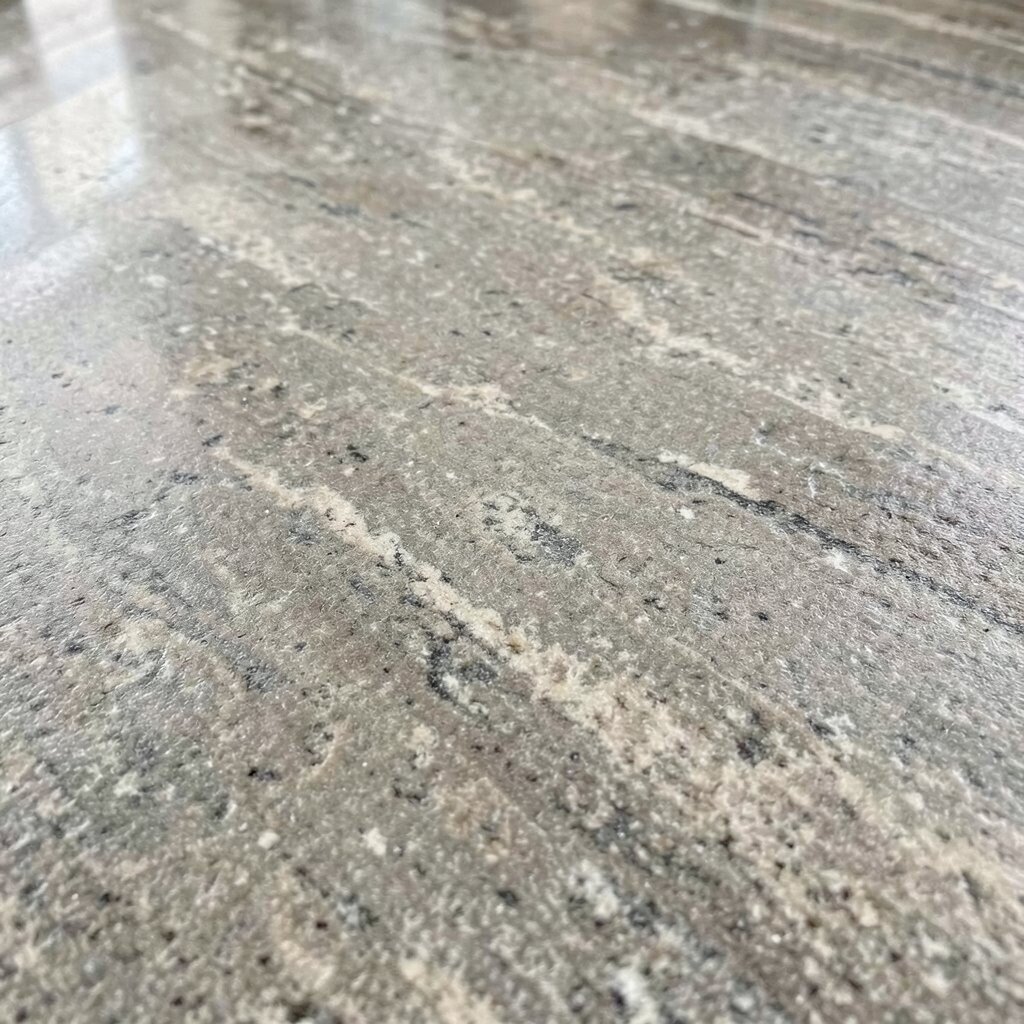
Smoky Taupe Granite With Leathered Finish A leathered finish on granite feels like soft-focus stone. Smoky taupe tones add a modern earthy mood without turning the room dark.
This is a great benefit for kitchens because leathered granite usually stays slip-friendly and resists everyday stains. You also get a natural look that hides hairline marks better than shiny surfaces. For tips, sweep often and avoid abrasive scrubbers that can dull the finish over time.
Personalize by pairing with warm white walls and rich walnut cabinets, then add a few matte ceramic pieces for texture variety. If you have a lot of stainless steel appliances, this floor helps warm up the room. Cost can be mid to high, but the finish quality helps the floor look premium for years.
-
Redwood Tinted Limestone With Natural Edge Variation
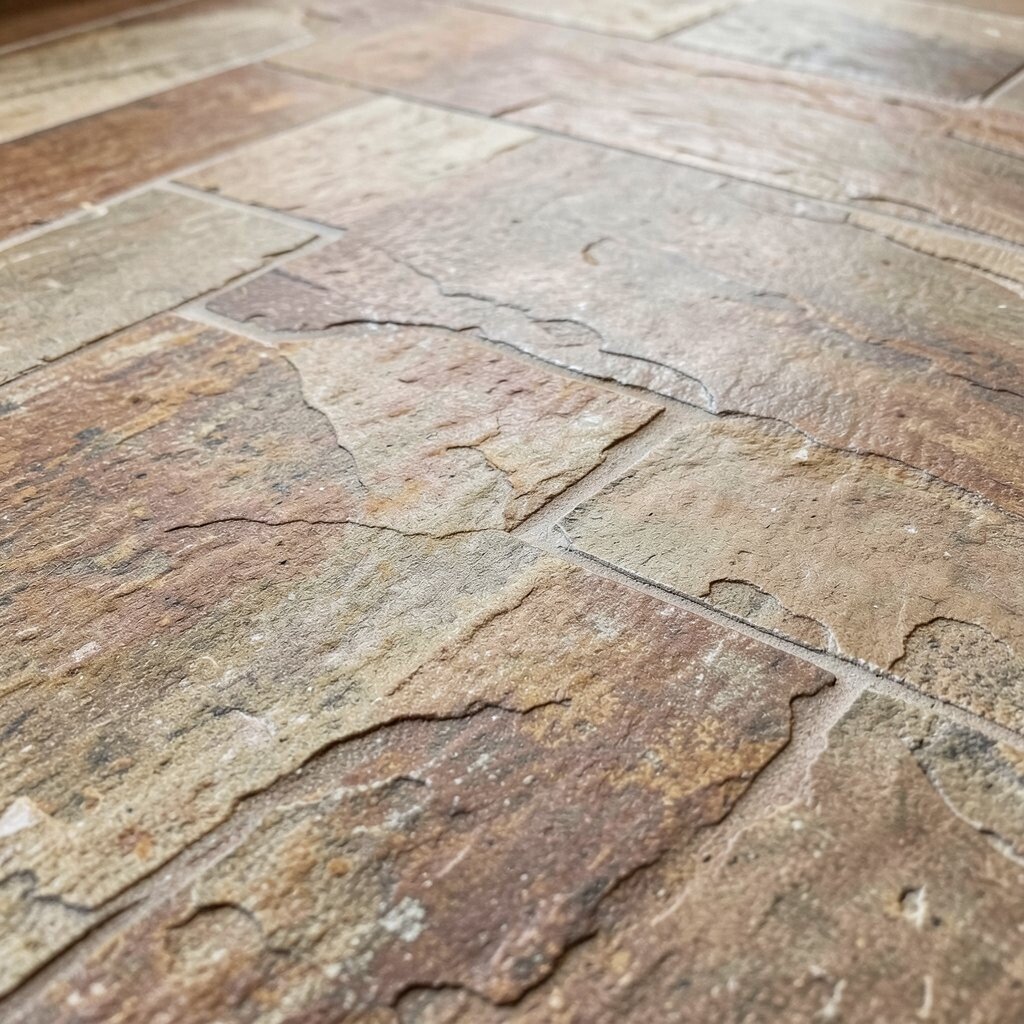
Redwood Tinted Limestone With Natural Edge Variation Redwood tinted limestone brings a gentle blush of warmth, like the inside of a warm wooden cabin. Natural edge variation makes it feel organic and artisan-made.
Benefits include a soft look that still feels rugged enough for kitchen life. Limestone can be comfortable underfoot, and the tonal variety helps hide small scuffs and crumbs. For tips, seal well and clean with a gentle stone cleaner to protect the surface.
Personalization idea: use a staggered tile layout where edges vary, creating a casual drift across the floor. Pair with woven baskets, linen curtains, and warm lighting to make the color feel even richer. Cost can be higher when natural edges are more labor-intensive, but the result can feel custom.
-
Clay-Color Microcement Look in Stone-Like Texture
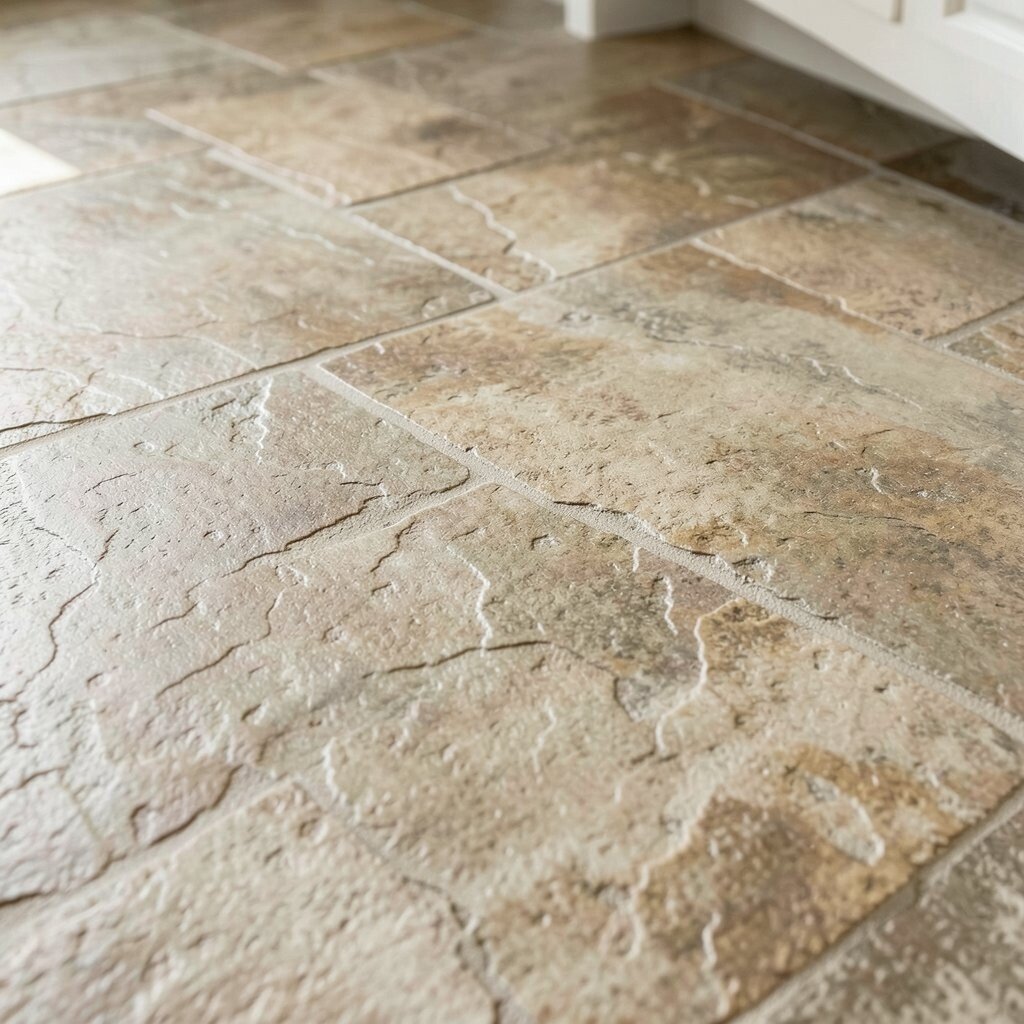
Clay-Color Microcement Look in Stone-Like Texture Microcement-style flooring with stone-like texture can give you a seamless, modern feel. Clay color keeps it earthy, so the sleek surface still feels warm.
One big benefit is the “no tile chaos” look, with fewer grout lines to maintain. Texture adds grip, and the uniform surface can make kitchens feel spacious and clean. Tips: make sure the system is rated for wet areas and use a topcoat made for kitchen traffic.
For personalization, consider subtle aggregate specks in the top layer so the floor has visual depth. This also works well with current minimalist trends that still want natural warmth. Cost can vary a lot because systems differ, so get quotes from installers who have strong references in kitchens.
-
Honey Brown Marble-Granite Blend With Speckled Depth
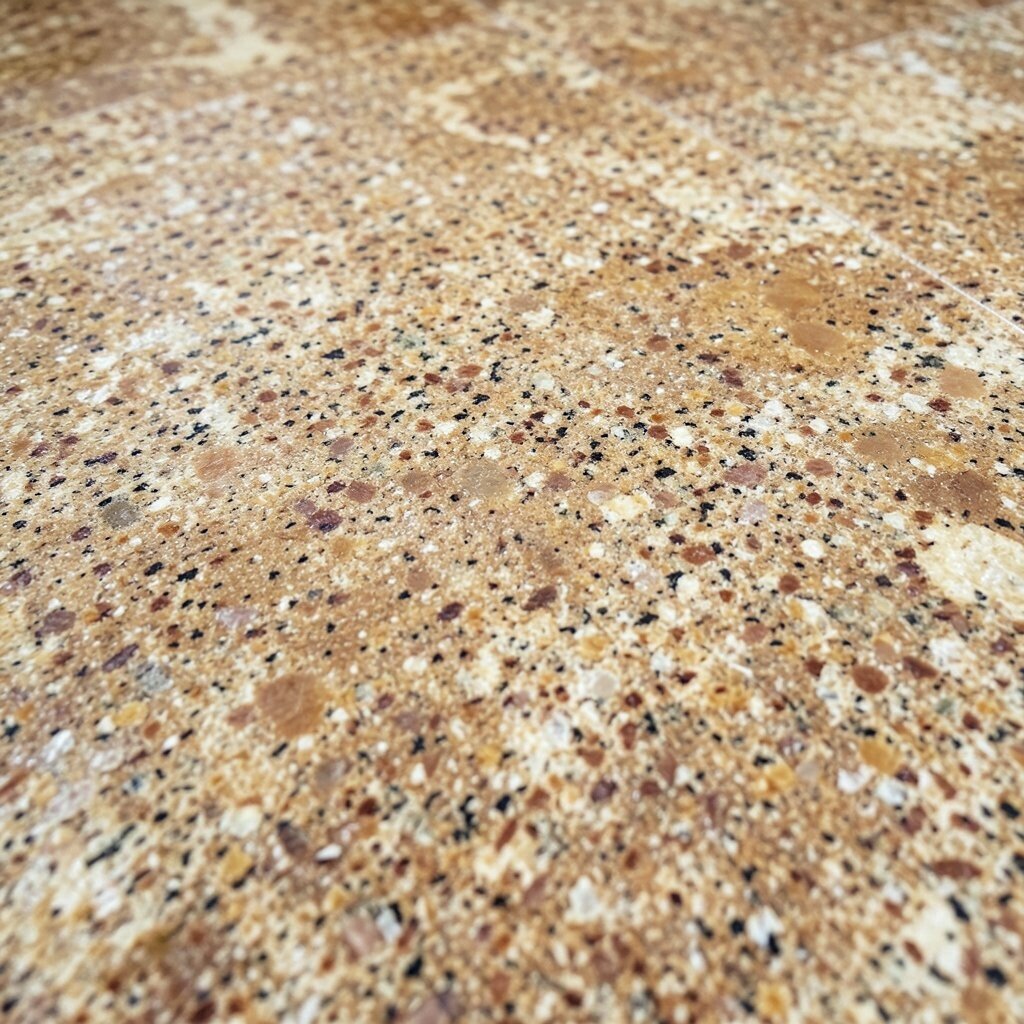
Honey Brown Marble-Granite Blend With Speckled Depth A marble-granite blend with honey brown tones can look like caramel swirled with tiny sparks. The texture usually feels richer because the surface shows depth from speckles and subtle movement.
The benefit is the best of both worlds: a natural, elegant look plus strong everyday performance. Many blend stones seal nicely, which helps with spills. For tips, choose a finish that leans toward honed or textured rather than polished, especially near the sink.
Personalization idea: match your grout to a midtone in the stone rather than the lightest color. That makes daily life easier because stains and cooking splashes blend in. Cost depends on the exact blend and thickness, but it can be a smart option when you want luxury without the most extreme prices.
-
Earthy Charcoal-Grey Slate With Warm Brown Undertones
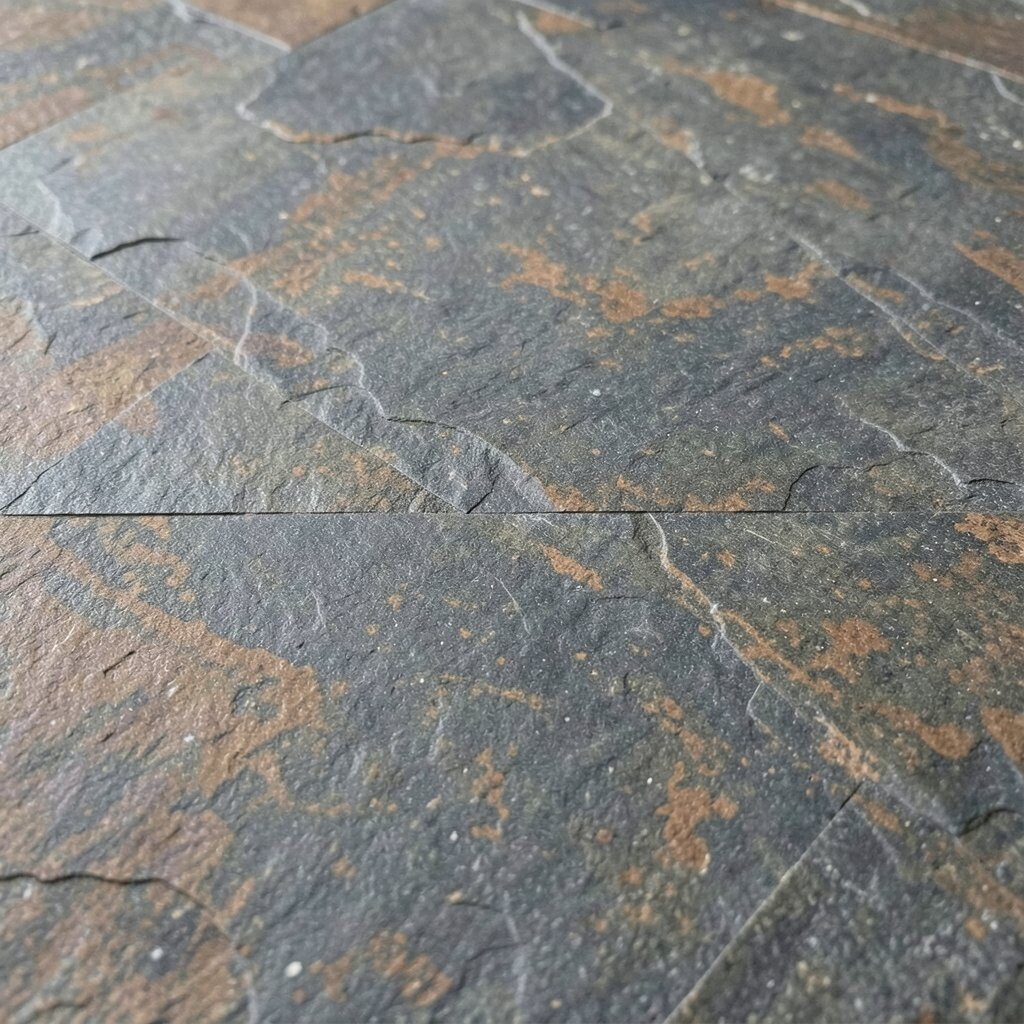
Earthy Charcoal-Grey Slate With Warm Brown Undertones Dark slate with warm brown undertones looks dramatic and cozy at the same time. The textured surface keeps the room from feeling cold, even when the floor is darker.
This choice can be a big benefit for hiding everyday marks. Texture plus darker tone means crumbs and small smudges stand out less than on very light floors. Tips: use a grout color that echoes the brown undertones, and keep a microfiber mop ready for quick cleanups.
Personalization ideas: add a warm wood island, a beige rug near seating, and soft pendant lighting. Trend-wise, earthy dark floors are gaining love because they look striking and pair well with many cabinetry styles. Cost considerations: slate can cost more, but you get a custom-feeling look that stands out without extra decor.
-
Warm Clay Porcelain With Raised Stone Look
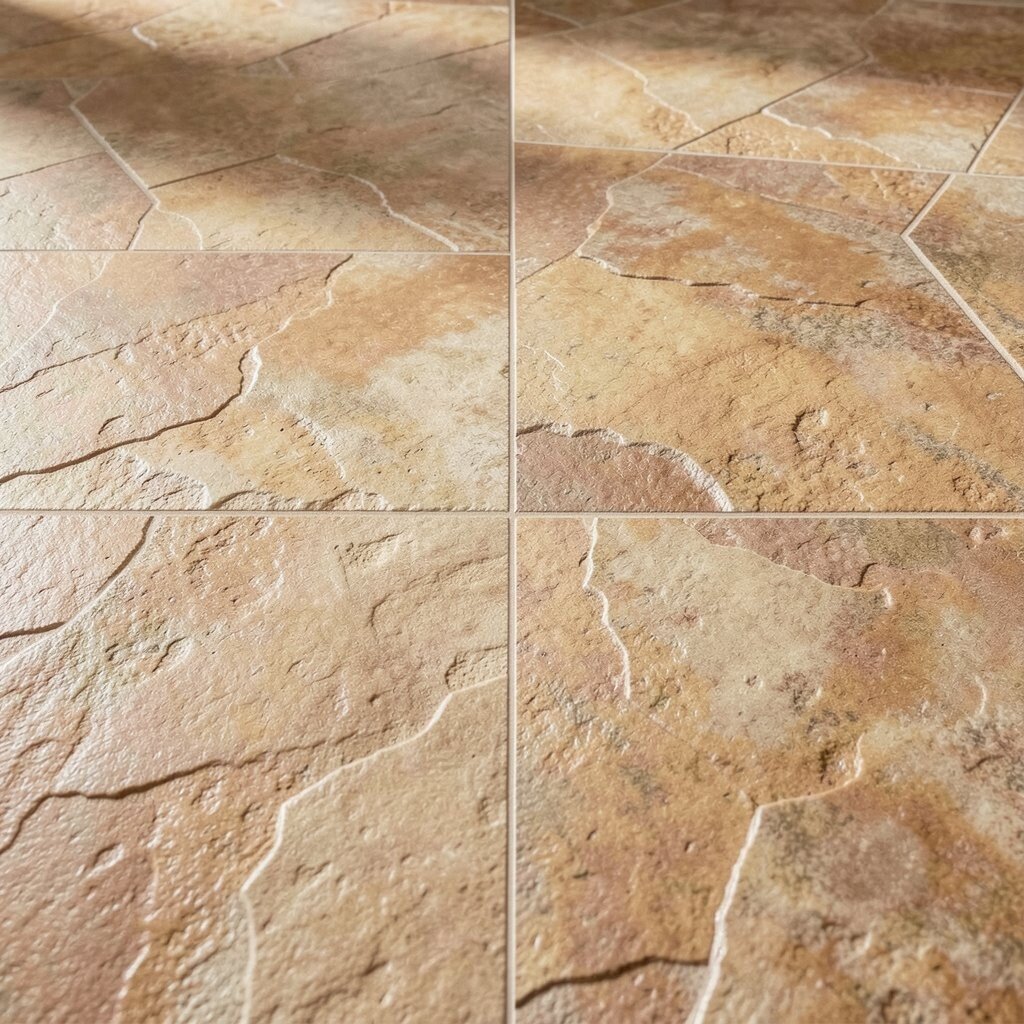
Warm Clay Porcelain With Raised Stone Look Warm clay porcelain can mimic raised stone texture while staying practical for busy kitchens. The surface may have subtle bumps and patterns that feel natural when you step onto it.
This is often a benefit because porcelain tends to handle stains well and needs less re-sealing than many natural stones. It also can be consistent in size and color, making installation smoother. For tips, choose a slip-resistant rating and test a few sample tiles in your kitchen lighting so the color looks right by day and by night.
Personalization idea: use a matte finish, then add a contrasting grout line in a creamy off-white for a classic look. If you want more “earthy,” add warm bronze accessories and terracotta-toned decor. Cost can be more budget-friendly than natural stone, while still giving that textured, high-end vibe people want.