
Coastal kitchens look breezy, but the right countertop has to work hard. The trick is making the surface stay beautiful in real life.
You can get that salt-air vibe without giving up durability, style, or peace of mind.
-
1. Start with the “coastal job description,” not the look
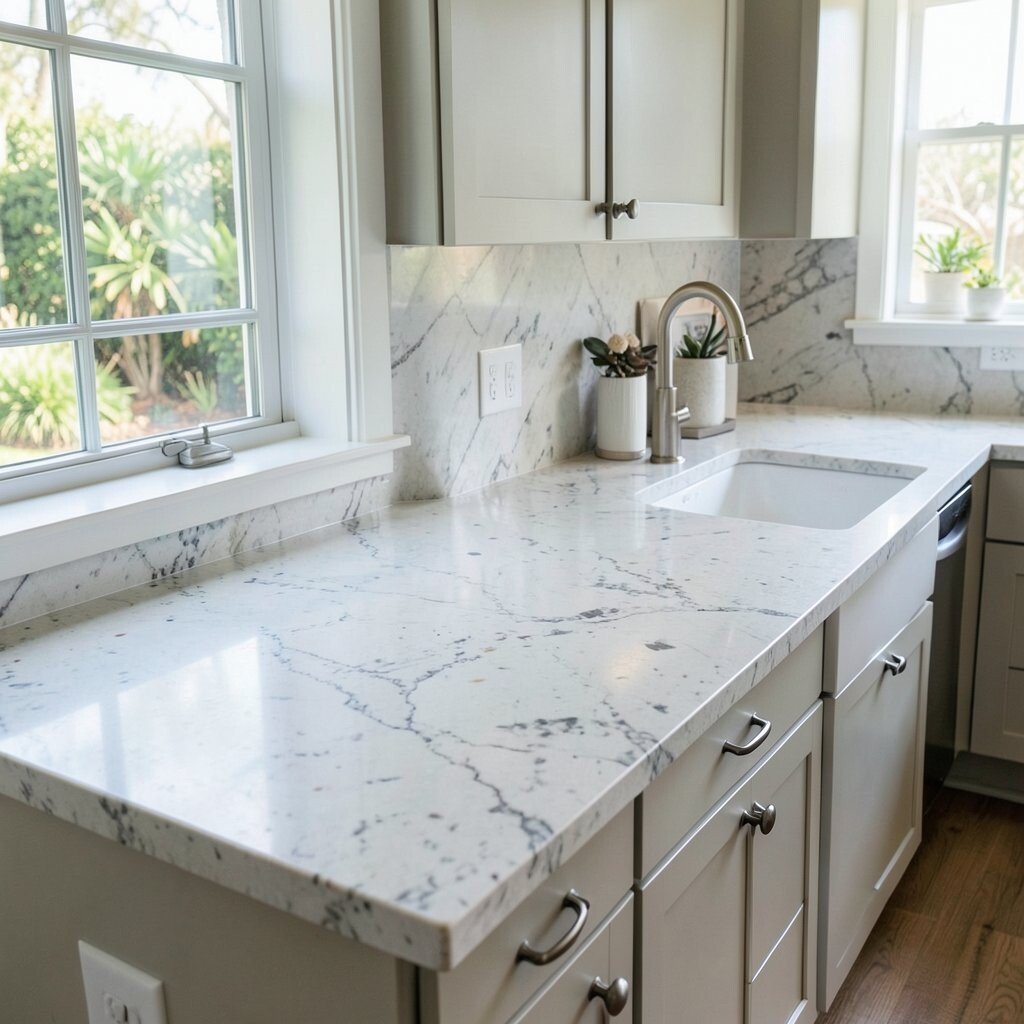
Start with the “coastal job description,” not the look Think about how your space behaves every day. Coastal countertops deal with more moisture, more humidity, and more chances for water to sit where it shouldn’t.
That means the best choice is the one that matches your household rhythm. If you cook often, wipe spills quickly and keep steam from lingering, you’ll get better results. If kids splash, pets drink, or you entertain a lot, you need a surface that forgives everyday mess.
-
2. Don’t ignore what your countertop does after the sale
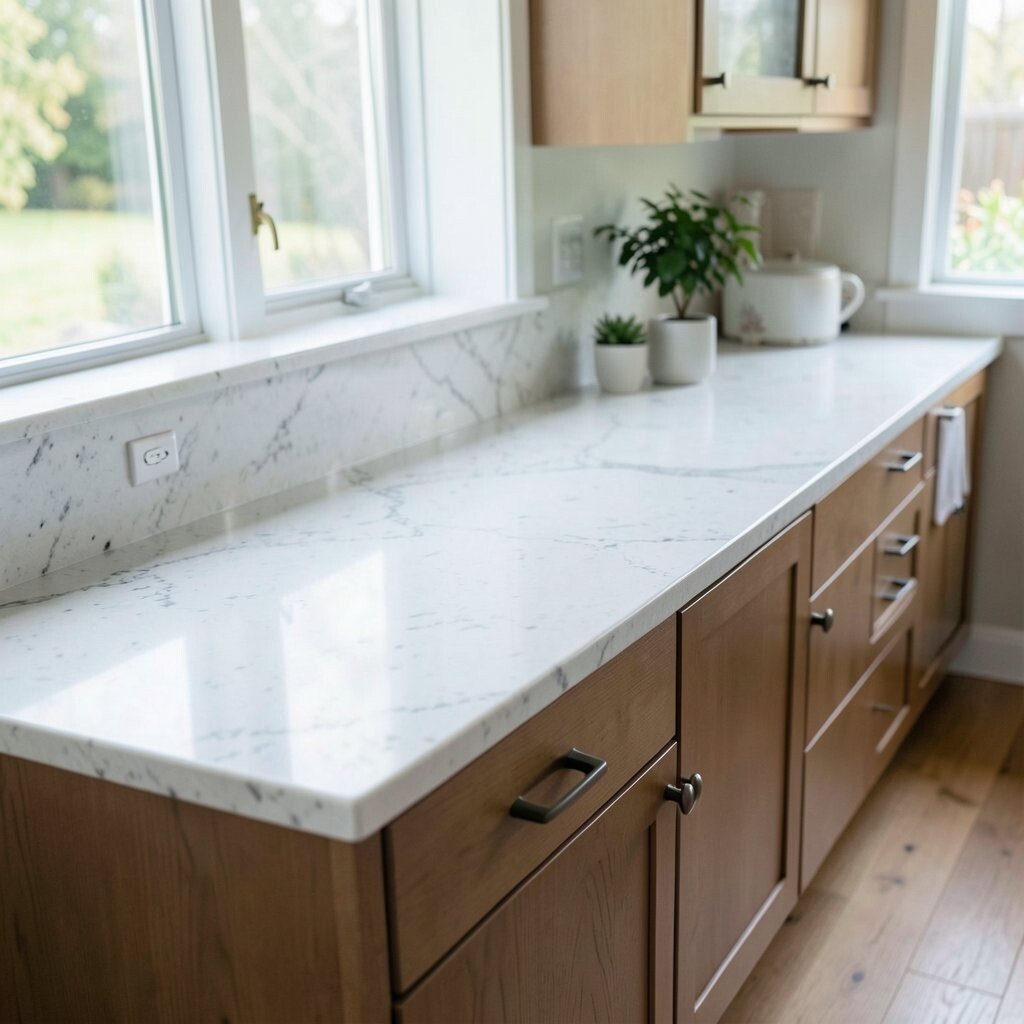
Don’t ignore what your countertop does after the sale Many people picture countertops as a one-time purchase, but they act like a long-term system. The surface needs care, protection, and smart habits.
Sealers, cleaners, and maintenance routines all affect how coastal styles age. Even the prettiest stone can dull if it’s treated like it’s invincible. The benefit of thinking ahead is that you can choose a material you can realistically maintain.
Plan for how you’ll clean: gentle soaps, microfiber cloths, and quick wipe-ups help. If you want lower effort, look for materials known for easier care. Personalize your routine by choosing a sealing schedule you can actually follow, not one that sounds impressive.
-
3. Color choice is really about undertones, not just “blue or white”
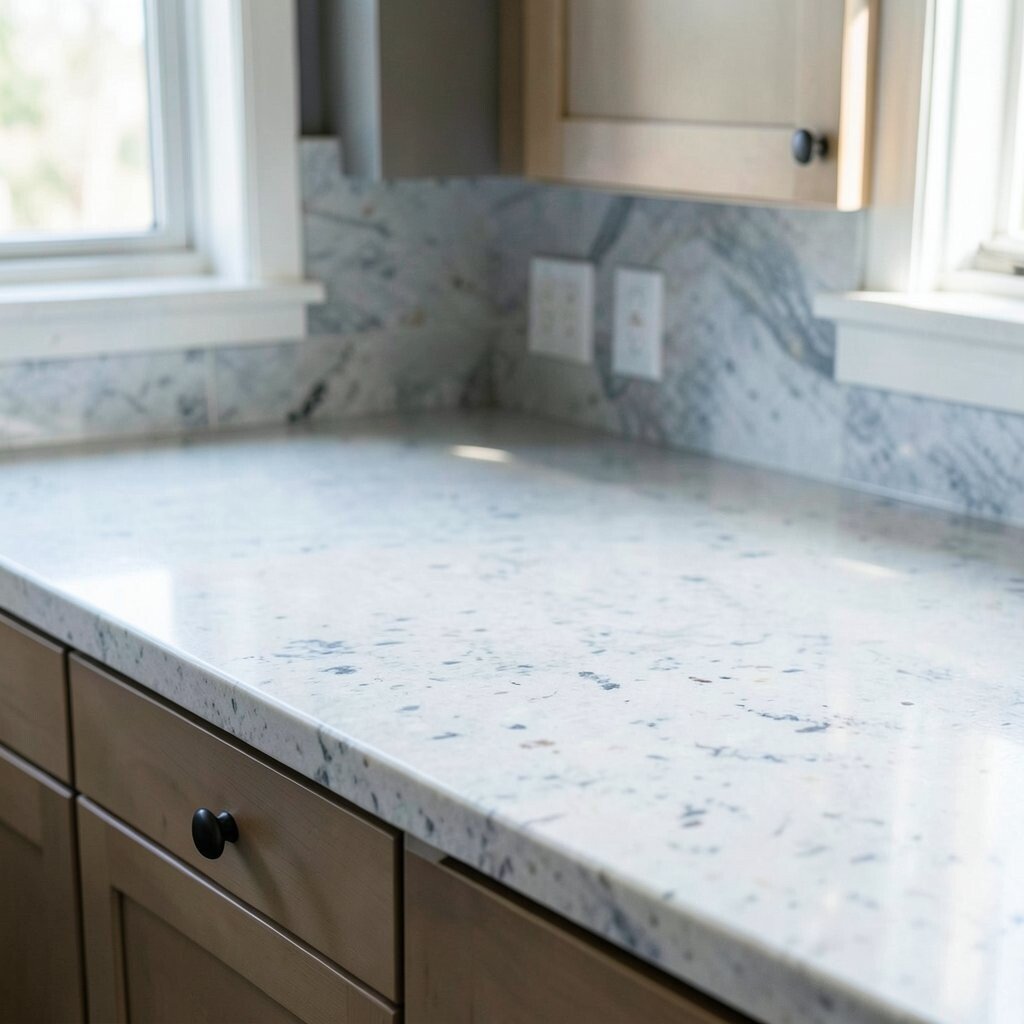
Color choice is really about undertones, not just “blue or white” Coastal countertops can look perfect in a photo, then feel flat in your home. The difference often comes from undertones that show up under real light.
Warm-white cabinets can make cool stone look icy, while cool cabinets can make warm stone look muddy. Aim for harmony between your countertop and your flooring, hardware, and backsplash. This gives you that airy look without losing depth.
Bring home samples and view them in morning light and evening light. You’ll notice how the movement in the stone shifts across the day. A tip: hold samples next to your paint color and check under natural sun, not just store lighting.
For personalization, match the vibe of your space: seaspray gray for calm, shell cream for cozy, or soft driftwood beige for a grounded feel. Cost may rise with premium slabs and rare colors, so choose the undertone you want most, then decide what you’ll compromise on.
-
4. Pay attention to edge profiles, because coastal style loves softness
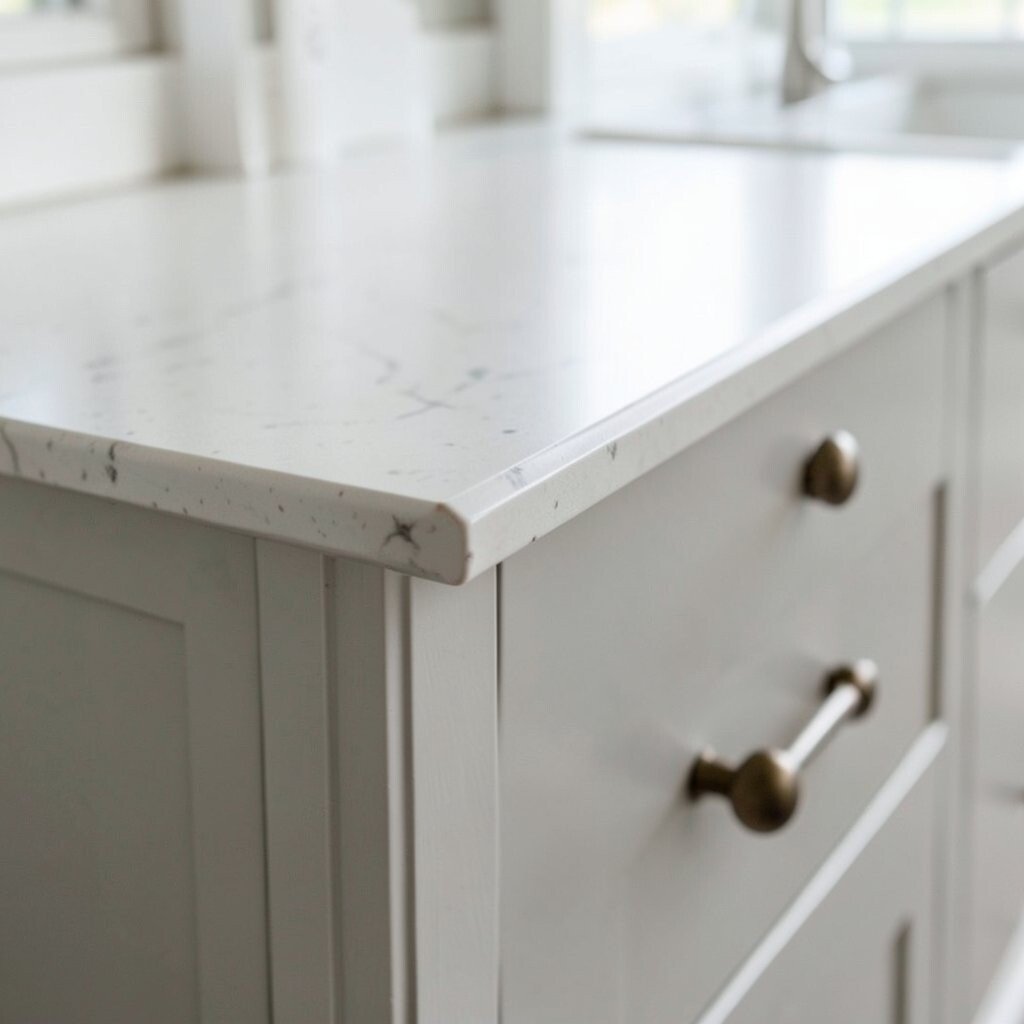
Pay attention to edge profiles, because coastal style loves softness A crisp edge can feel formal, but coastal kitchens often look best with gentle lines. Rounded edges catch light like tiny waves, making the whole surface feel friendlier.
Choosing the right profile can also help hide small chips over time. The practical benefit is fewer sharp spots that invite accidental knocks. Talk to your fabricator about the edge that fits your daily life.
-
5. Patterns should match your layout and your eye
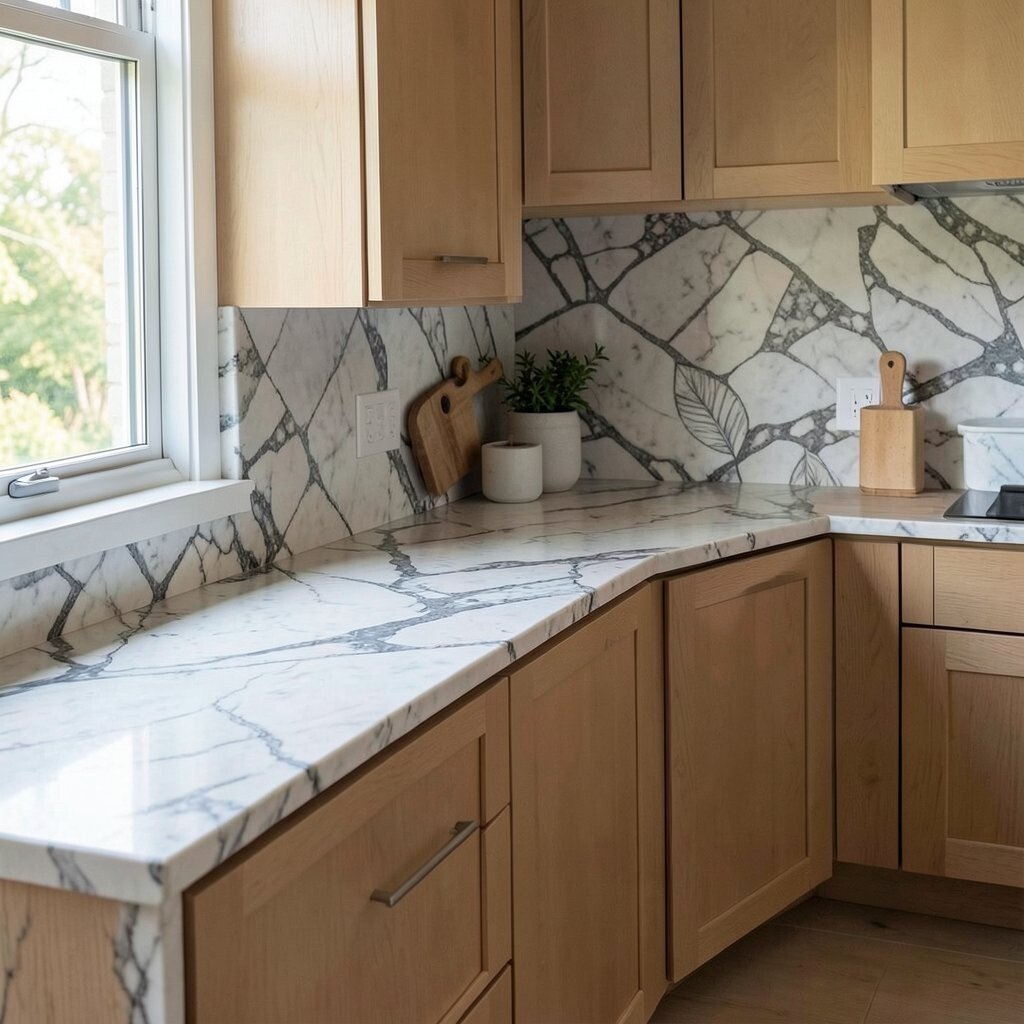
Patterns should match your layout and your eye Stone veining is beautiful, but not every pattern works in every room. Big, busy movement can overpower a small kitchen, while tiny movement can feel too plain in a wide space.
Use pattern scale to guide how your kitchen feels. A clean, subtle look can keep the room calm. A bold pattern can become a “statement wave” that makes the space feel special.
Ask for slab photos or view the specific slab you’re buying. Personalize by aligning veining directions with cabinet lines for a tidy, custom look. If cost matters, you may be able to choose a slab category that fits your budget while still giving the pattern you love.
-
6. Salt and sunscreen are both “stain-makers” in disguise
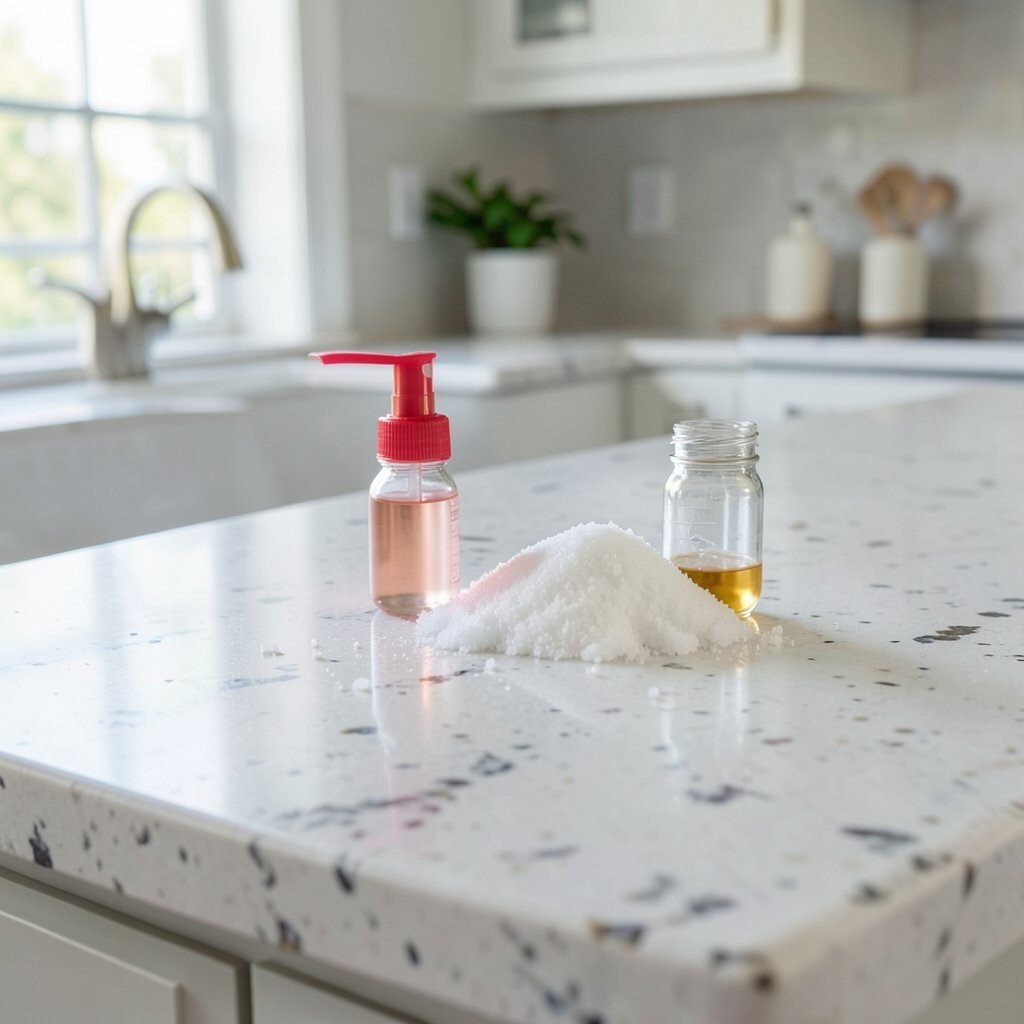
Salt and sunscreen are both “stain-makers” in disguise Coastal living brings more outdoor time, and that means sunscreen, lotions, and sandy mess can land on your counters. Over time, those products can leave behind dull spots or uneven discoloration.
Choose materials that resist staining and clean up fast. Natural stone often benefits from sealing and quick wiping. Quartz is generally more stain-resistant, but you still want to clean spills promptly.
A helpful tip: keep a small bottle of pH-neutral cleaner under the sink. For personalization, set up a “beach day” wipe station so the mess doesn’t sit and become harder to remove.
-
7. Your backsplash and countertop should “talk,” not compete
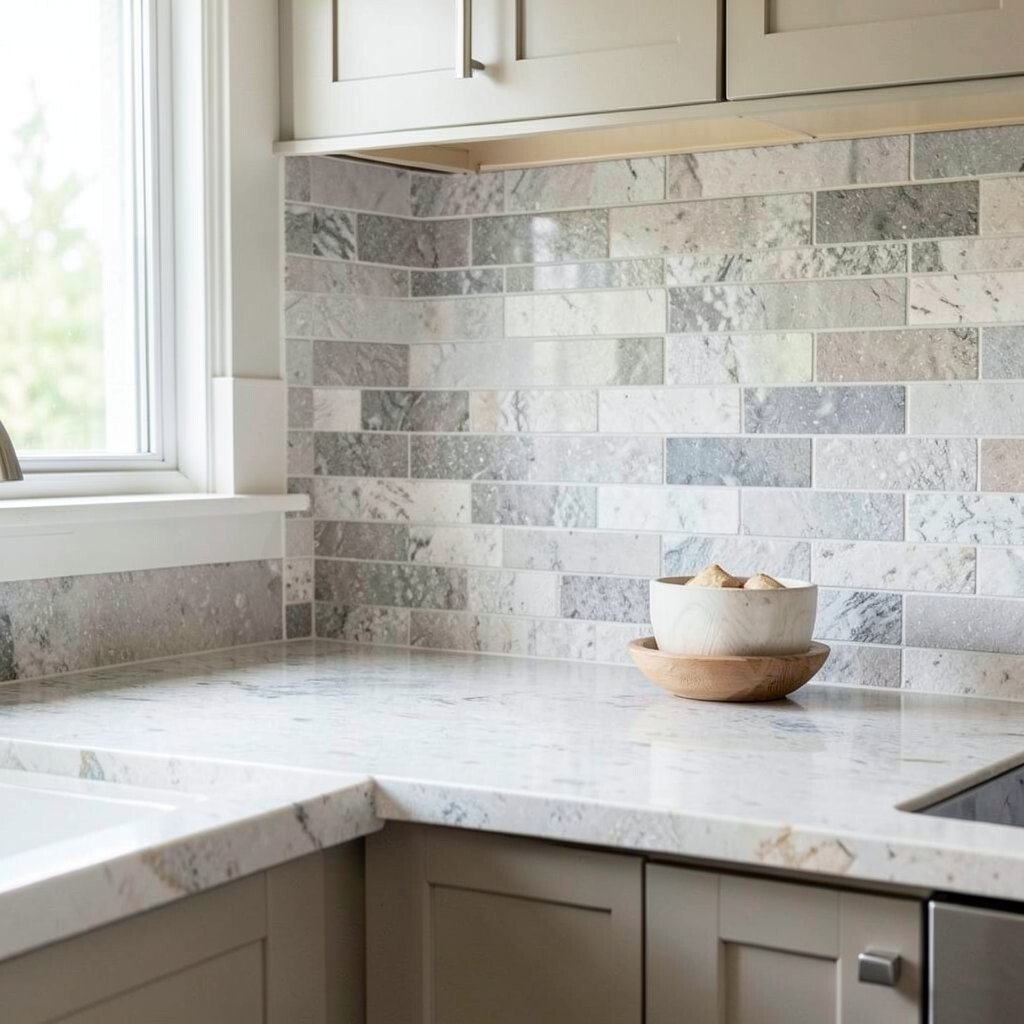
Your backsplash and countertop should “talk,” not compete Coastal kitchens look cohesive when materials share a similar energy. If your countertop is creamy and warm, a cool, stark backsplash can feel jarring.
Try thinking in families: sea-glass tones pair well with soft grays, and warm shells pair well with creamy whites. This boosts the visual flow across the room.
For a tip that helps fast, bring your countertop sample and hold it near your backsplash tile. Look for the same level of brightness and similar undertones. This reduces the chance of spending money and then feeling “something is off.”
-
8. Seams matter more than you think
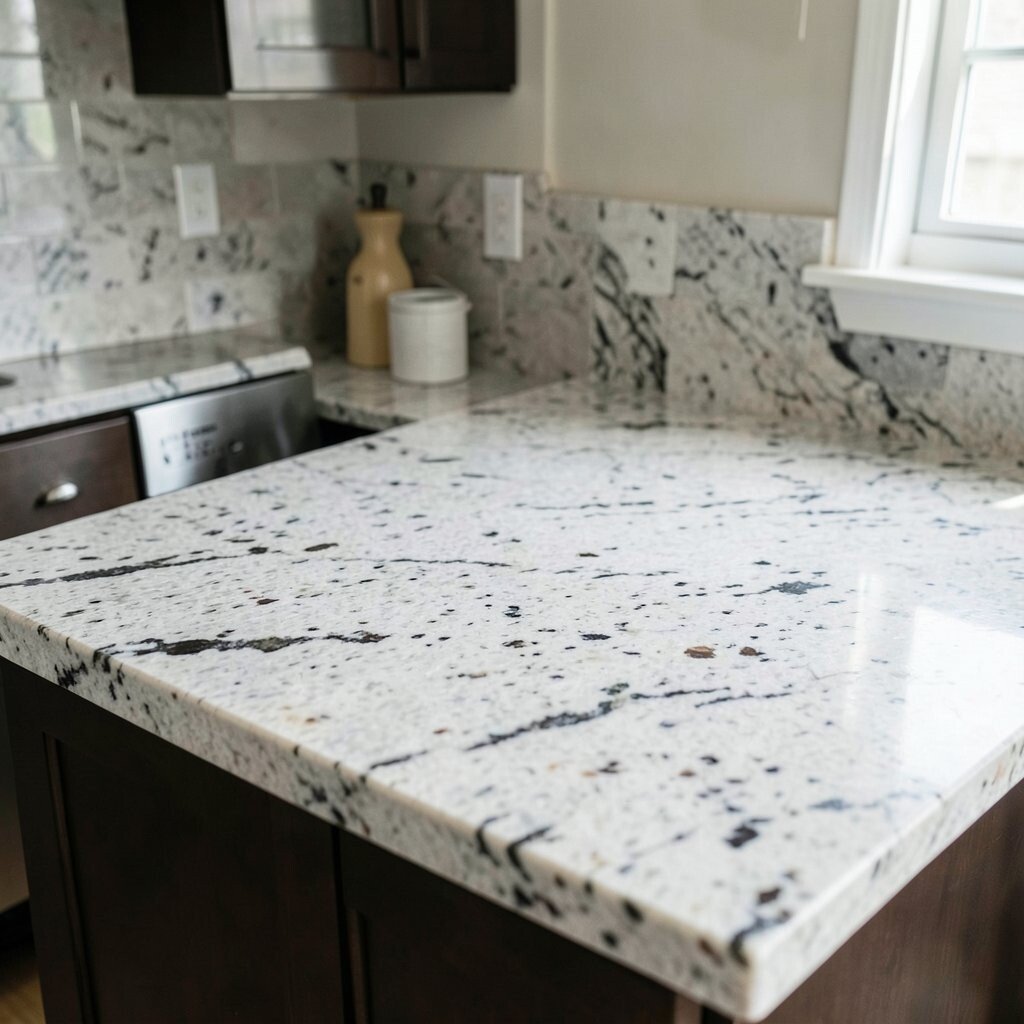
Seams matter more than you think Every countertop has seams, but their placement changes the look. A well-planned seam can disappear, while a poorly planned one can draw your eye every time you turn around.
Coastal homes often have open layouts, so seams are easier to notice when you can see across the kitchen. Ask your fabricator about seam placement and how they handle pattern matching. A clean seam line supports that calm, breezy vibe.
-
9. Lighting can make or break your coastal palette
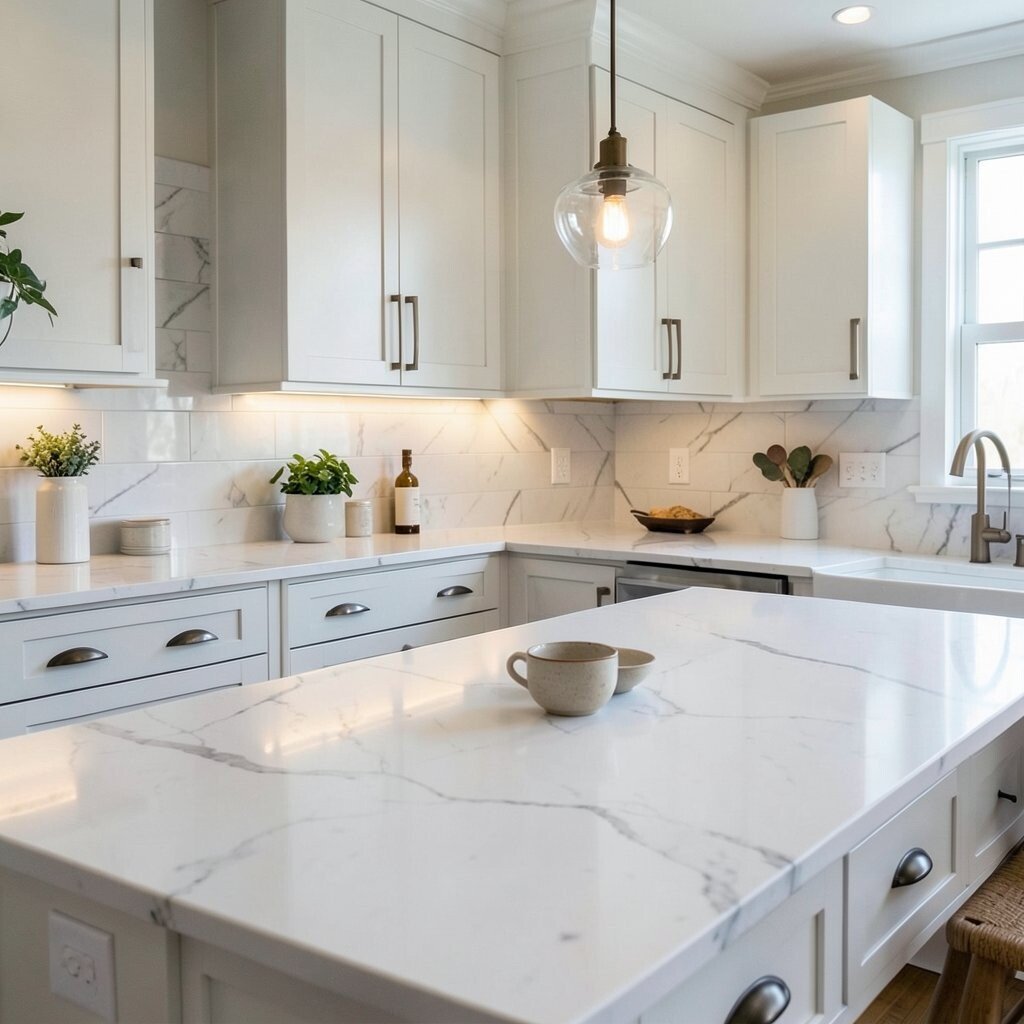
Lighting can make or break your coastal palette In coastal rooms, lighting often includes sunlight, window light, and warm bulbs. Each one shifts how colors show up on the surface.
If your countertop looks perfect in daylight but gray at night, your lighting choices are to blame. The benefit of testing samples in your actual room is that you can fix the palette before installation.
Use the same bulb temperature for your tests if you can. Personalize the mood with layered lighting, like under-cabinet glow and pendant accents. This also helps you see stains or water spots early, which keeps your countertop looking great longer.
-
10. Thickness and support can affect how “solid” it feels
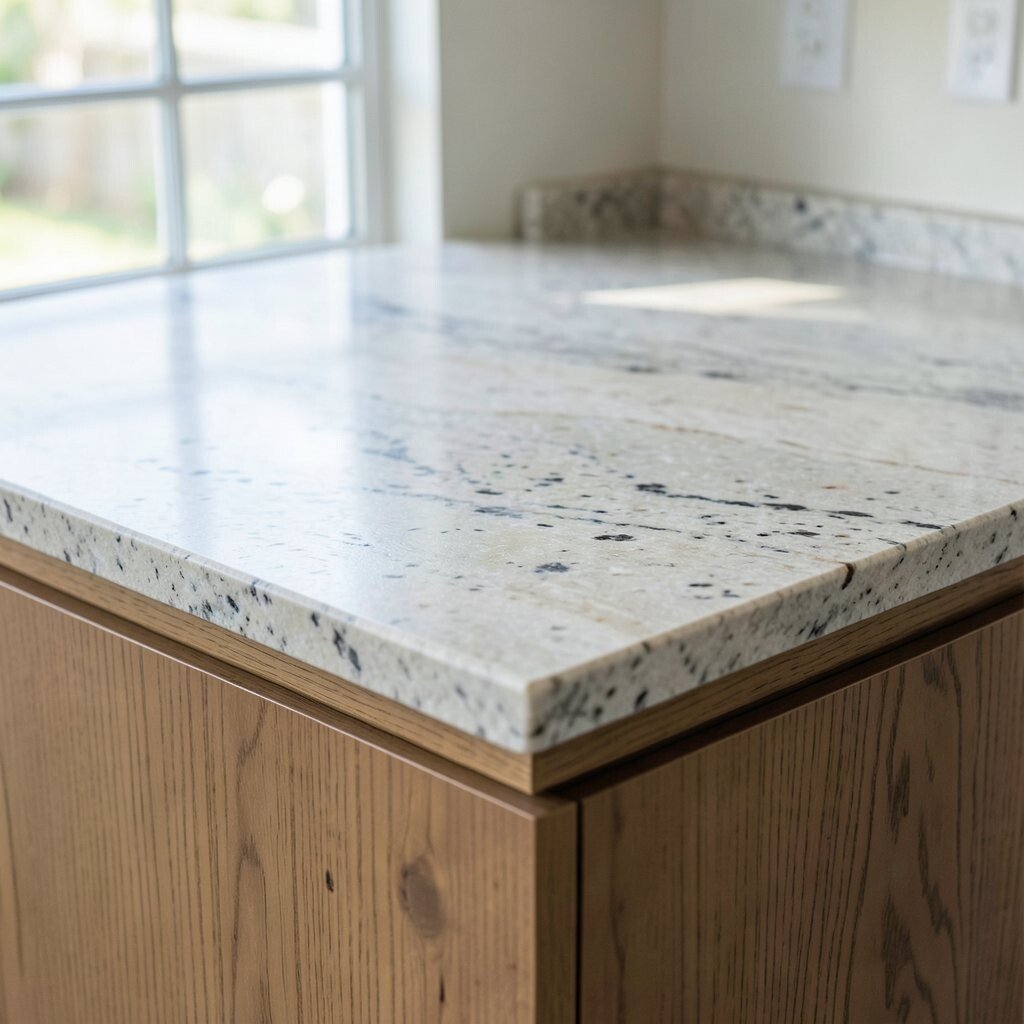
Thickness and support can affect how “solid” it feels When you run your hand over a countertop edge, you can feel sturdiness. Thicker-looking slabs often give a more custom, high-end feel.
Support matters too, especially in areas with sinks and heavy use. If the countertop isn’t well supported, it can flex slightly, and that can affect how it handles daily stress. A stable surface also helps cabinets stay aligned and keeps your fit looking neat.
A tip: ask your installer about the underlayment and support system. Personalization idea: choose a thickness that fits your style goals, then keep your budget balanced by selecting a slab category rather than the most expensive option. This helps you spend where it shows most.
-
11. Pick finishes like you pick outfits: for the way you live
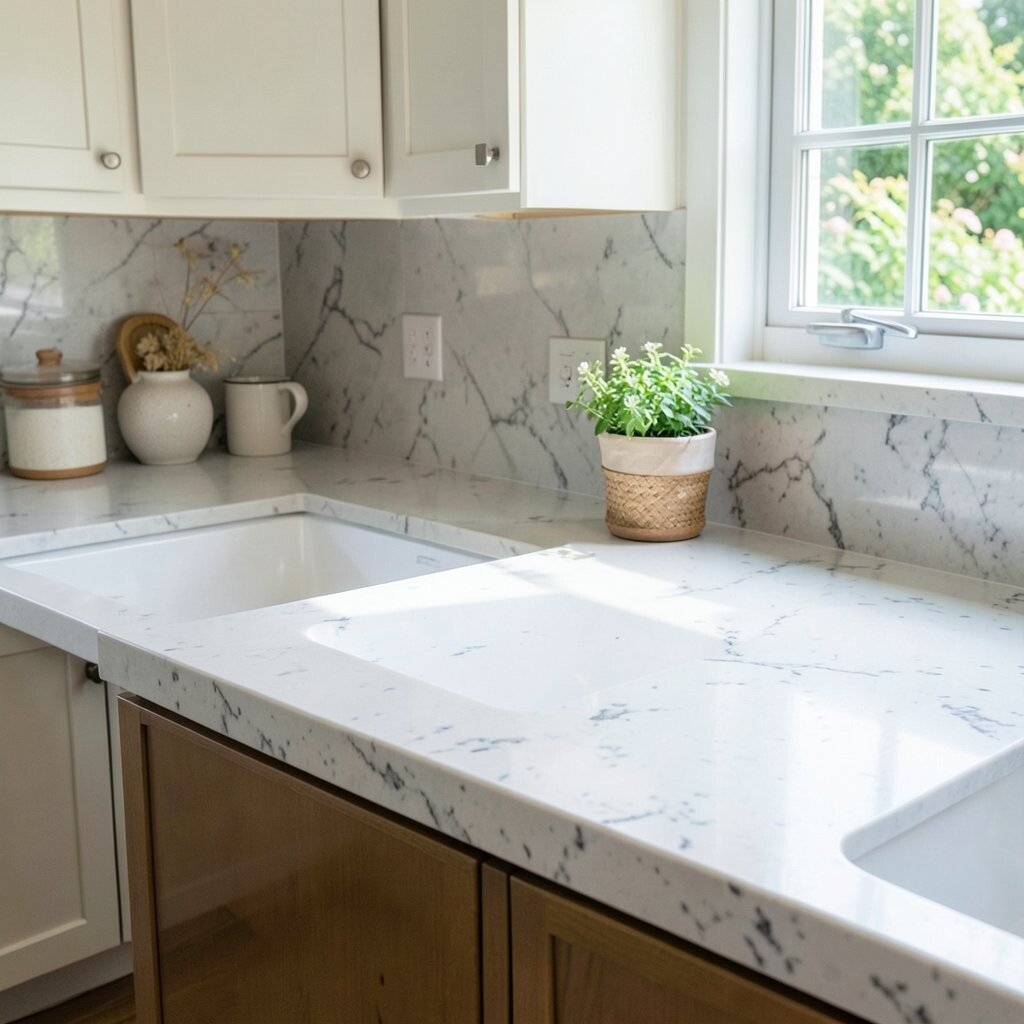
Pick finishes like you pick outfits: for the way you live Matte finishes hide small marks, while polished finishes shine more strongly under light. Coastal kitchens often look best with finishes that reflect “sea-glass energy,” not harsh glare.
If you hate fingerprints, a honed or matte look can be a lifesaver. If you love sparkle, a lightly polished finish can still feel soft when matched with warm lighting. The benefit is comfort: you’ll enjoy the surface more because it matches your routine.
Test finish samples on the exact section of your counter where you’ll see it most. Personalize your choice by considering whether you want a calm, spa-like mood or a bright, beach-day mood. Cost considerations can show up here too, because finishing processes may change the overall price.
-
12. Sealer choice is as important as the material
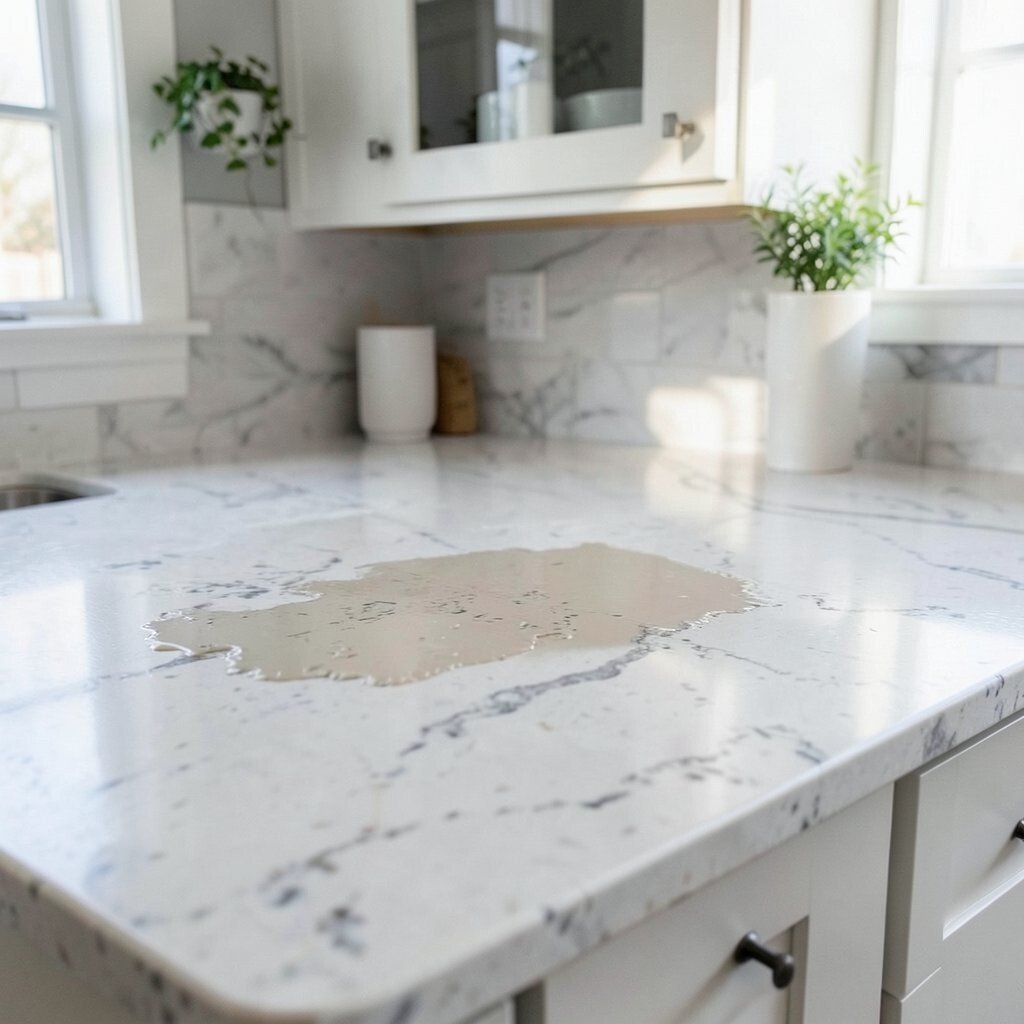
Sealer choice is as important as the material Some countertops need sealing, while others don’t, and the type of sealer matters. If you use the wrong product, you may reduce stain resistance or change the look you love.
Ask about the sealing plan before installation. A solid plan keeps your stone looking fresh, especially in humid coastal air.
To keep it easy, set a maintenance calendar and keep the right cleaner on hand. If your countertop gets used daily, sealing too rarely can lead to long-term blotchy areas. Personalization tip: choose a sealing schedule that fits your household, and don’t let it become a stressful chore.
Cost varies, so get details on both the initial sealing and any future resealing. This helps you budget without surprises later.
-
13. The sink area needs special planning for water, splashes, and heat
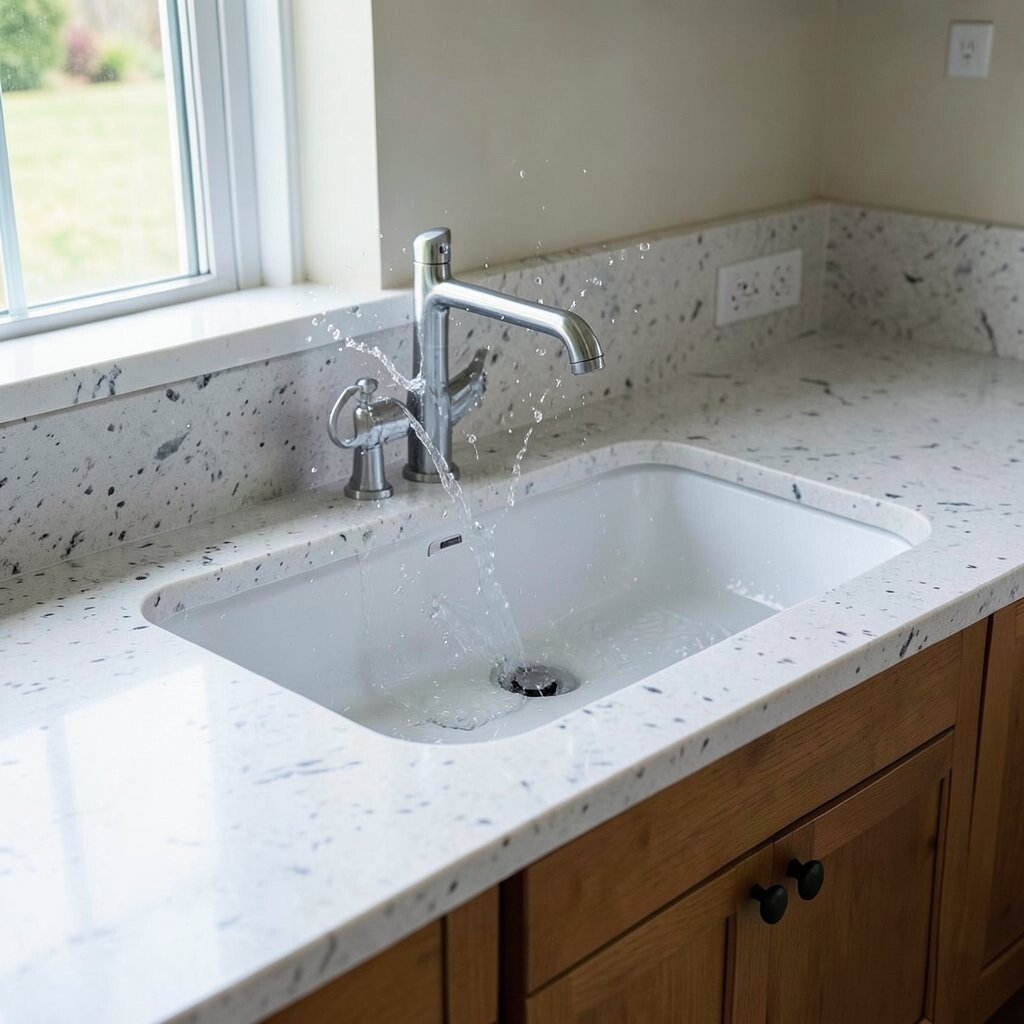
The sink area needs special planning for water, splashes, and heat Coastal kitchens can be busy, and sinks are where water does most of its work. Countertops around the sink often collect splashes, soap drips, and wet cookware.
Choose materials that handle moisture well and consider protective measures like a well-fitted sink rim. Heat and water together can also be tougher on some surfaces, so use trivets for hot pans. The benefit of extra planning is fewer spots and less worry.
-
14. Look for coastal-friendly materials that handle everyday life
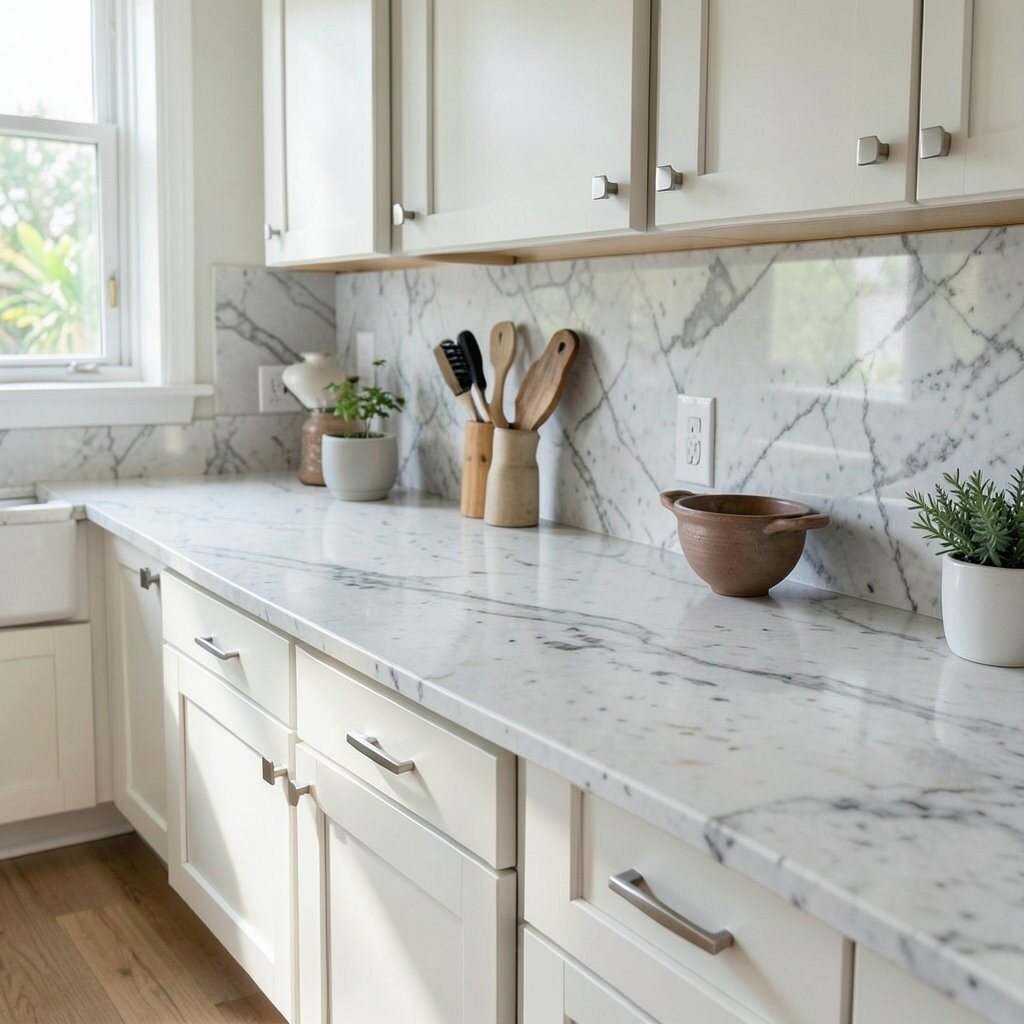
Look for coastal-friendly materials that handle everyday life Natural stone like quartzite or granite can bring dramatic beauty, while quartz often gives a clean, consistent look. Marble can feel luxurious and ocean-like, but it often needs more careful care.
In coastal homes, the “best” choice is usually the one that matches your cleanup habits. If you want lower maintenance, quartz is a popular pick because it resists stains more strongly. If you want natural variation and a unique slab, many homeowners love granite or quartzite.
A tip: compare the material’s resistance to stains and scratches, then match that to your lifestyle. Personalize by choosing the look that makes you smile, not only the one that sounds fancy. Cost considerations are real here: premium slabs and certain stones can raise the total, so decide where you want to invest most—beauty, durability, or consistency.
-
15. Current trend: “weathered calm” beats harsh white every time
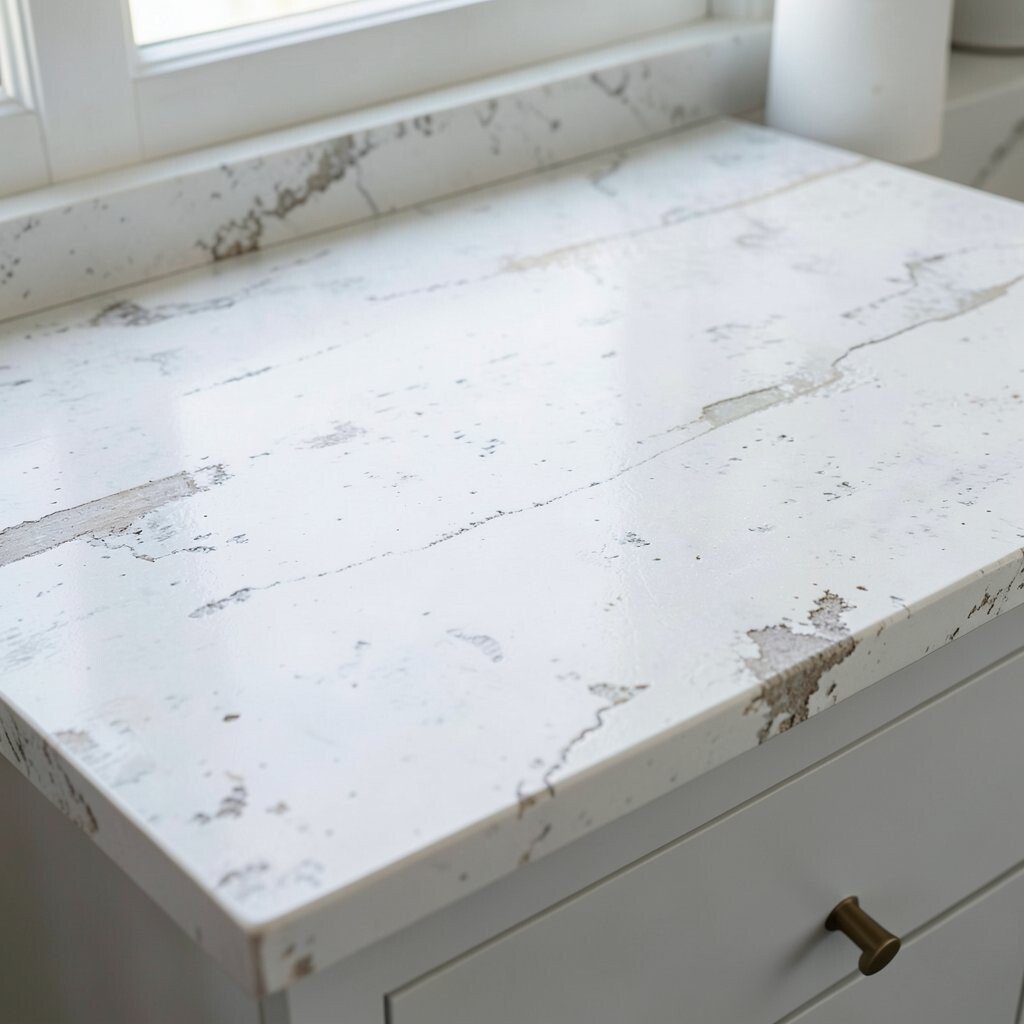
Current trend: “weathered calm” beats harsh white every time More coastal kitchens are moving toward softened whites, driftwood grays, and gentle creams that feel lived-in. The vibe is airy, but it still looks warm and human.
That trend is also practical, because light wear shows up less. A countertop that looks like it already belongs in a beach house can hide tiny changes over time.
To personalize this trend, combine your countertop with hardware and accents in warm metals like brushed brass or satin nickel. Pick a backsplash that feels like sea-washed texture rather than super shiny tiles. Cost can vary, but you can keep budget under control by choosing a look that hides small imperfections instead of chasing perfect uniformity.
-
16. Treat your edges and corners like design features, not leftovers
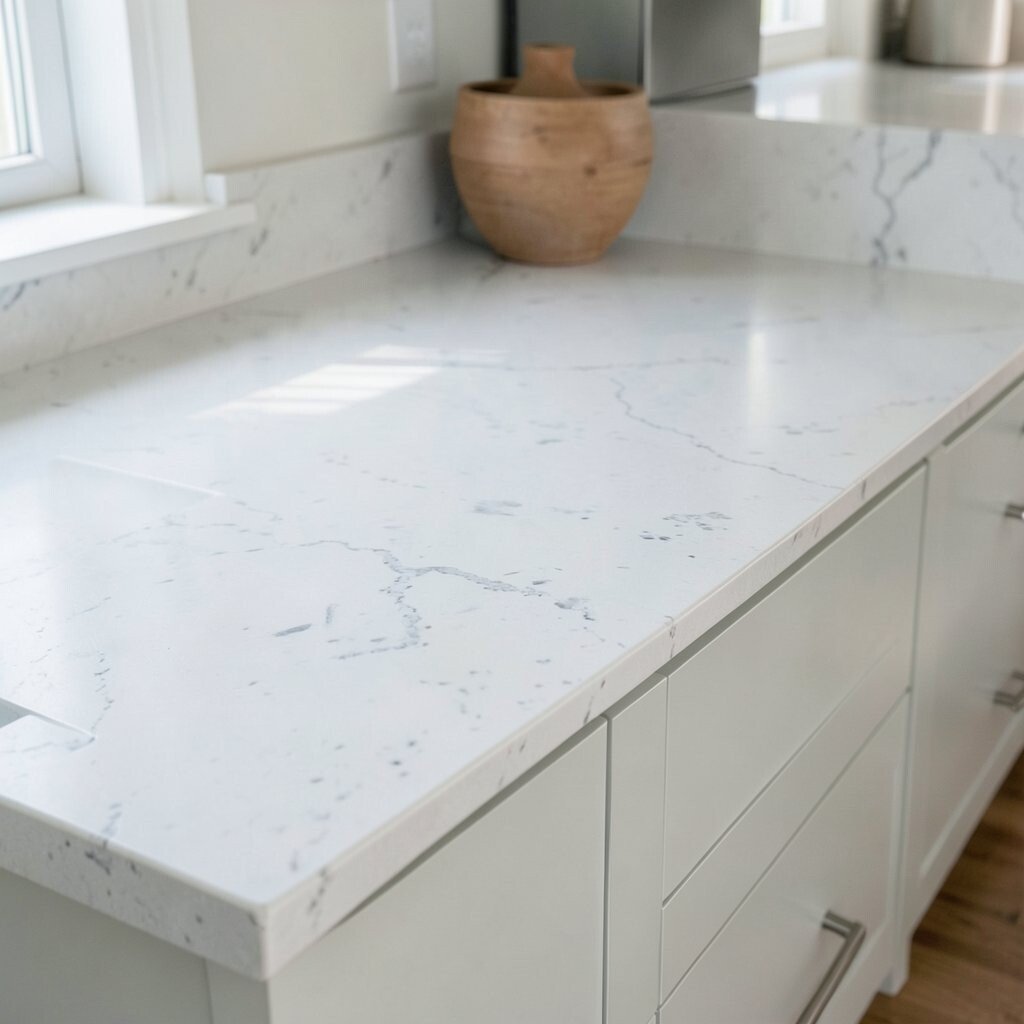
Treat your edges and corners like design features, not leftovers Coastal spaces invite touch—hands rest on counters, kids run fingers along edges, and entertaining brings people close. That makes corners and edges a big part of the feel.
If your countertop has sharp corners, the room can feel less welcoming. A rounded corner, bullnose edge, or softened profile can look effortless and keep the surface feeling friendly.
A practical tip: make sure the fabricator measures carefully so corners align with cabinetry. Personalization idea: choose an edge that matches your style—sleek for modern coastal, rounded for classic coastal, or slightly decorative for cottage coastal. Cost may shift depending on edge complexity, so ask for a few options and pick the one that gives the most “wow” for the price.
Also consider how the countertop will meet the wall. Neat transitions help the kitchen feel finished, which matters when you’re going for that beach-house calm.
-
17. Budget for the full countertop story, not just the slab price
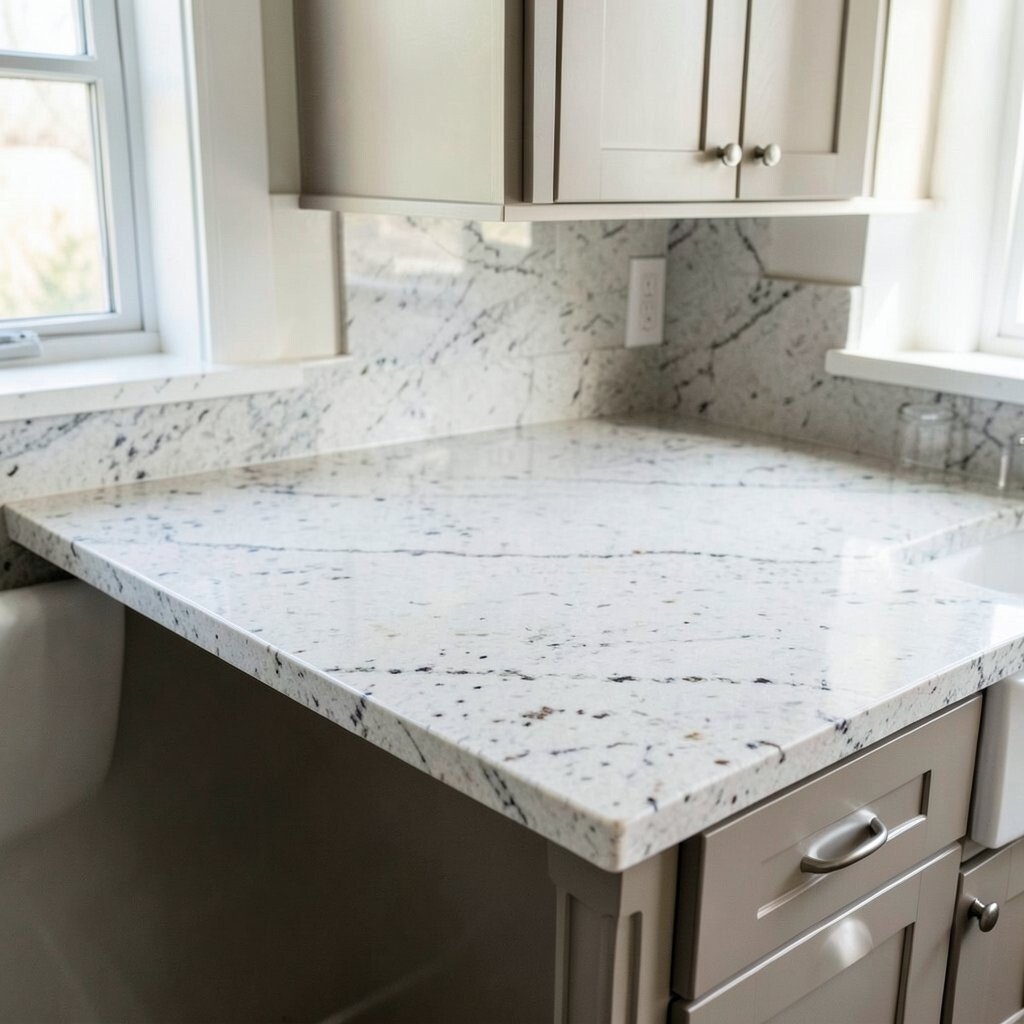
Budget for the full countertop story, not just the slab price It’s tempting to look only at material cost, but installation details add up quickly. Layout complexity, cutouts, sink fit, and seam planning all affect the final cost.
Ask for a detailed quote that includes template, fabrication, transport, and installation. If you want matching patterns, that may increase cost too. The benefit of budgeting fully is fewer surprises and less stress when you’re already excited.
To keep costs friendly, consider simple layout changes, like adjusting the direction of seams or choosing a less complex edge. Personalize with meaningful upgrades, such as a standout finish or a durable material in the right color family. If you must compromise, compromise in the places that people don’t notice every day.
-
18. Make a coastal “care plan” so the countertop stays beautiful
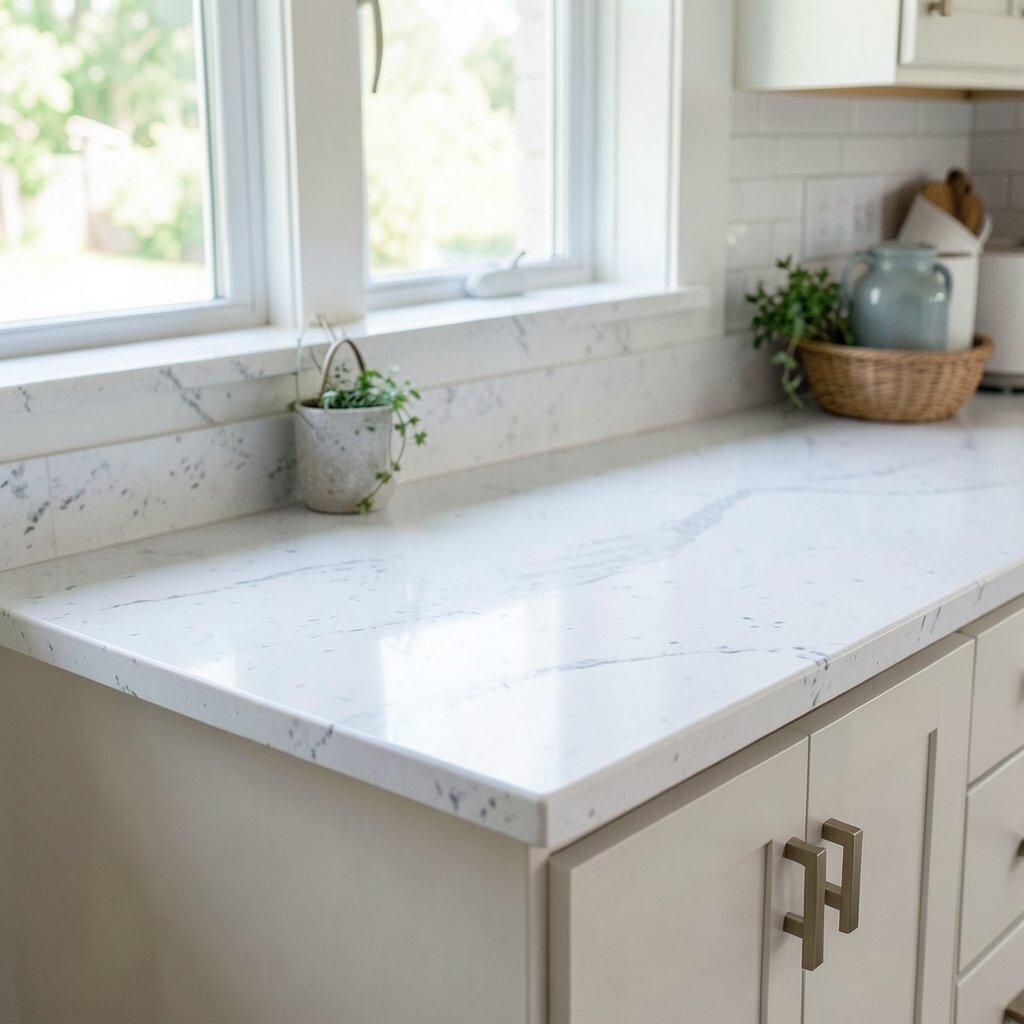
Make a coastal “care plan” so the countertop stays beautiful Once your countertops are installed, your habits become the biggest factor in long-term beauty. Coastal kitchens get moisture and sand, and the surface needs consistent, gentle care.
Use coasters, trivets, and a quick wipe routine. Keep cleaners that match your material, because the wrong products can dull finishes or damage stone. The benefit is simple: you’ll spend less time fixing problems and more time enjoying your home.
For personalization, create a small countertop kit with your preferred cloth, cleaner, and a gentle stain remover if your material allows it. Current trend: many homeowners are choosing easy-care setups that look neat, not messy. If you do it right, the kit can blend into your coastal theme with woven storage or ceramic canisters.
Cost consideration matters here too, because spending a little on the correct cleaning tools can protect a bigger investment. Choose products that are safe for your specific countertop and stick with them. When you match care to your material, your countertop will keep that fresh, breezy coastal look for years.