
Coastal countertops can feel like sunlight trapped in stone. Yet a few quiet details decide whether your kitchen looks dreamy or ends up disappointing.
Here are the practical, low-key truths that most people only learn after the sample chips come home.
-
1. Salt air doesn’t just smell “beachy”—it works on your surface
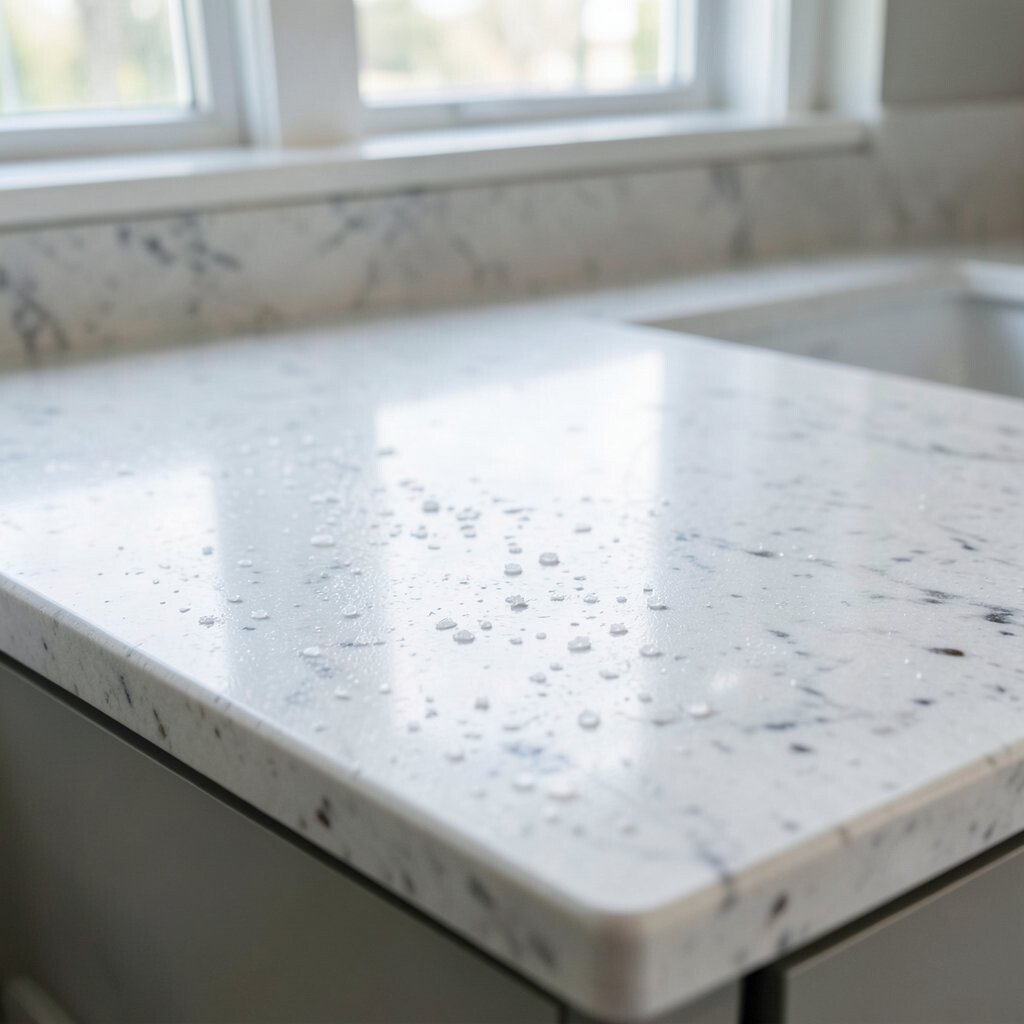
Salt air doesn’t just smell “beachy”—it works on your surface When you live near the ocean, salty air can ride in on breezes and settle on countertops. Even if you wipe daily, tiny deposits can build up over time.
That buildup can dull the shine and make colors look less crisp. A big benefit of coastal-style stone and surfacing is that you can keep them looking bright with the right care. Use a gentle daily wipe and avoid leaving damp salt streaks to dry on their own.
-
2. Honing in on the finish matters more than you think
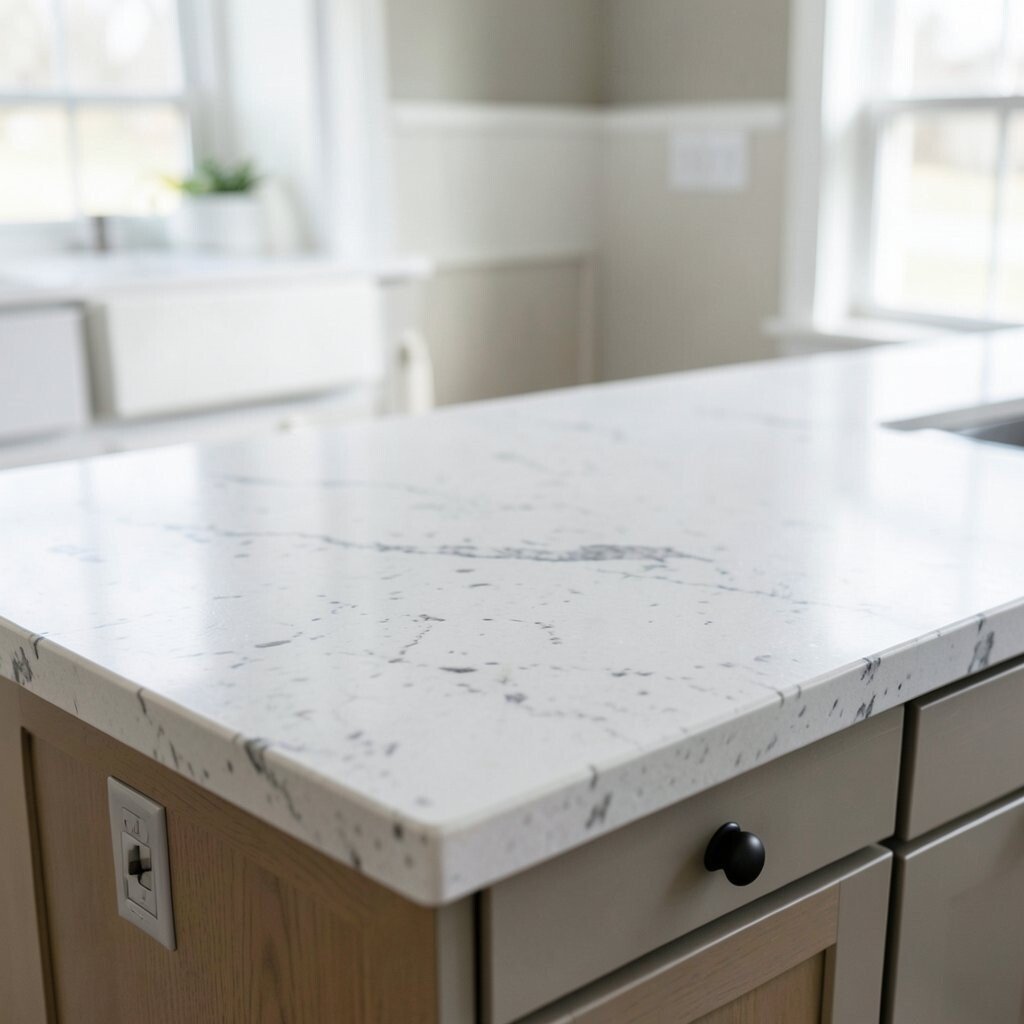
Honing in on the finish matters more than you think High-gloss looks like it belongs in a magazine spread. Matte and satin finishes, though, can hide fingerprints and small water spots much better.
That’s a real benefit when you cook often and wipe often. If you’re near the coast, a finish that resists spotting can save you time and frustration.
Ask your fabricator what finish performs best with your climate, then test it with a simple at-home routine. Try a damp cloth on a sample and watch how the sheen changes after drying.
-
3. Porosity is the silent deal-breaker
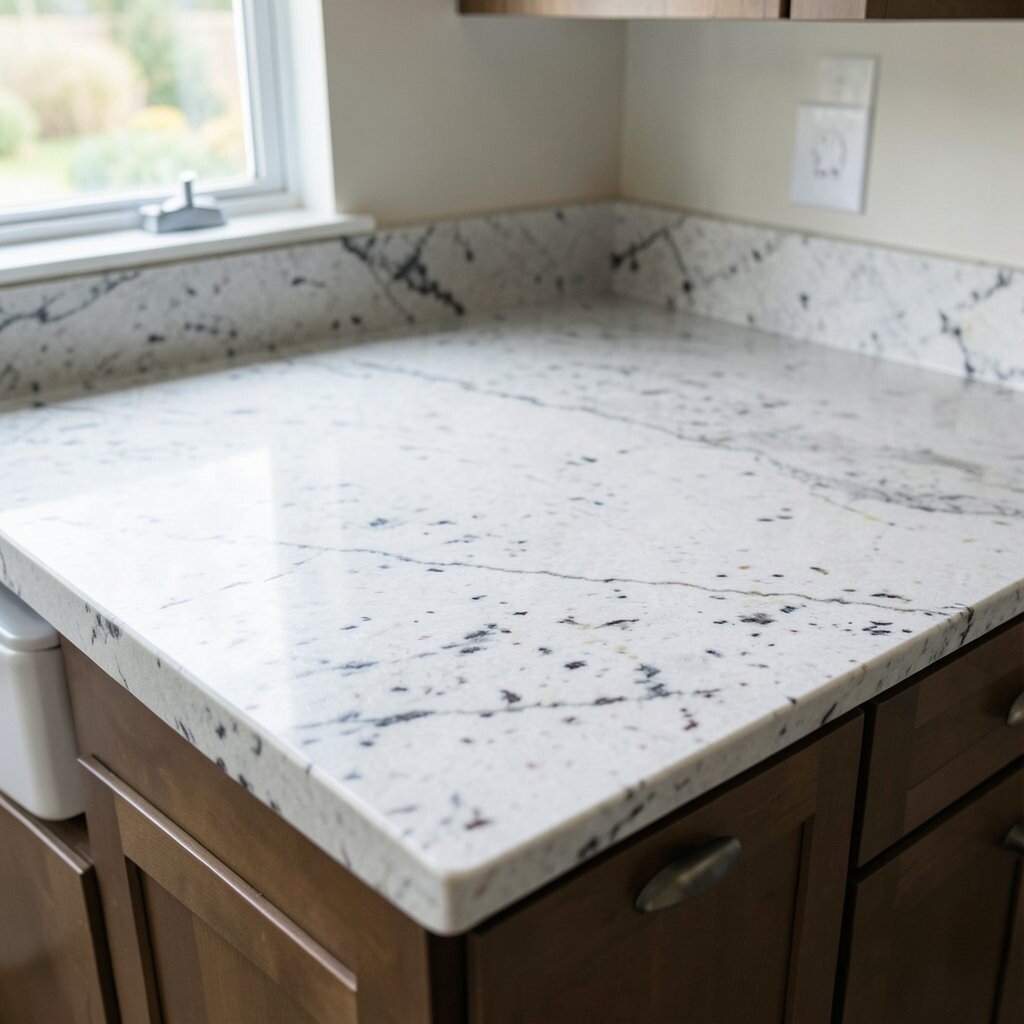
Porosity is the silent deal-breaker Many “coastal” looks come from materials with different levels of absorption. If a countertop can soak up liquids, spills can leave marks even when you clean right away.
Because coastal kitchens often mix food, sunscreen-like lotions, and sandy hands, you need a surface that stays calm under mess. Sealing schedules and maintenance steps vary, so plan your long-term care before you commit.
Look for products that clearly state stain resistance and recommended sealing. If you like the look of natural stone, ask for the right sealer for your environment and lifestyle.
That choice can be the difference between “always beautiful” and “why is it getting spots?”
-
4. The “beach” color story needs a lighting plan
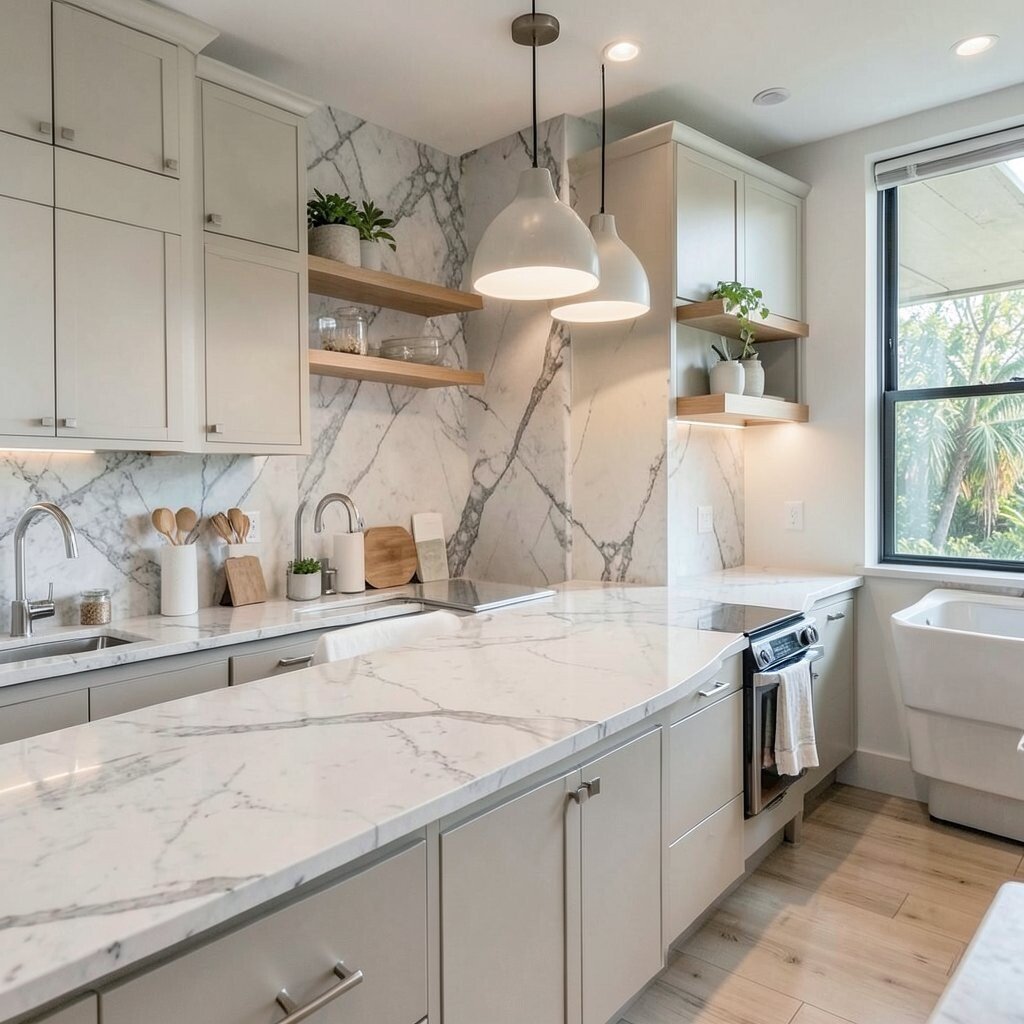
The “beach” color story needs a lighting plan Countertops look different under morning sun, warm bulbs, and cloudy afternoon light. The same creamy off-white can read airy and bright in one kitchen and yellowish in another.
If you want that coastal calm, bring countertop samples to your actual space. Compare them next to your cabinets and flooring, and check them near windows at different times of day.
This small step helps you avoid a color mismatch that can cost real money to fix. It also helps you personalize your design so it feels like your home, not a copy of a Pinterest board.
-
5. Veining can look like waves, but scale is everything
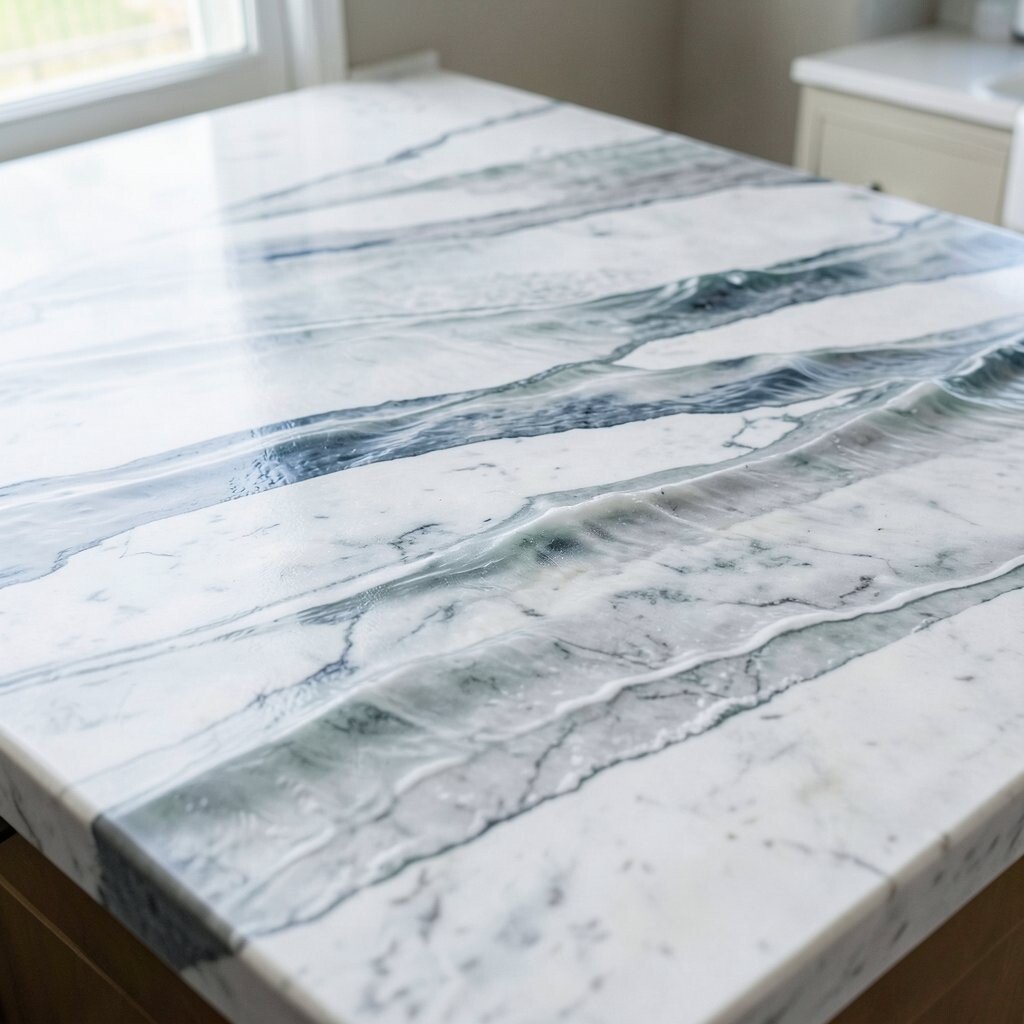
Veining can look like waves, but scale is everything Some stones and quartz have veining that feels like ocean movement. Big dramatic lines can be striking, while subtle movement can feel softer and more elegant.
Pick the scale that matches your space. For example, if your backsplash is bold, you might want calmer veining on the counter.
To personalize the look, match the veining direction with how you view the countertop from your entry point. If you can, choose slabs that place lighter areas in the main sight lines.
-
6. Edge profiles can make or break the coastal vibe
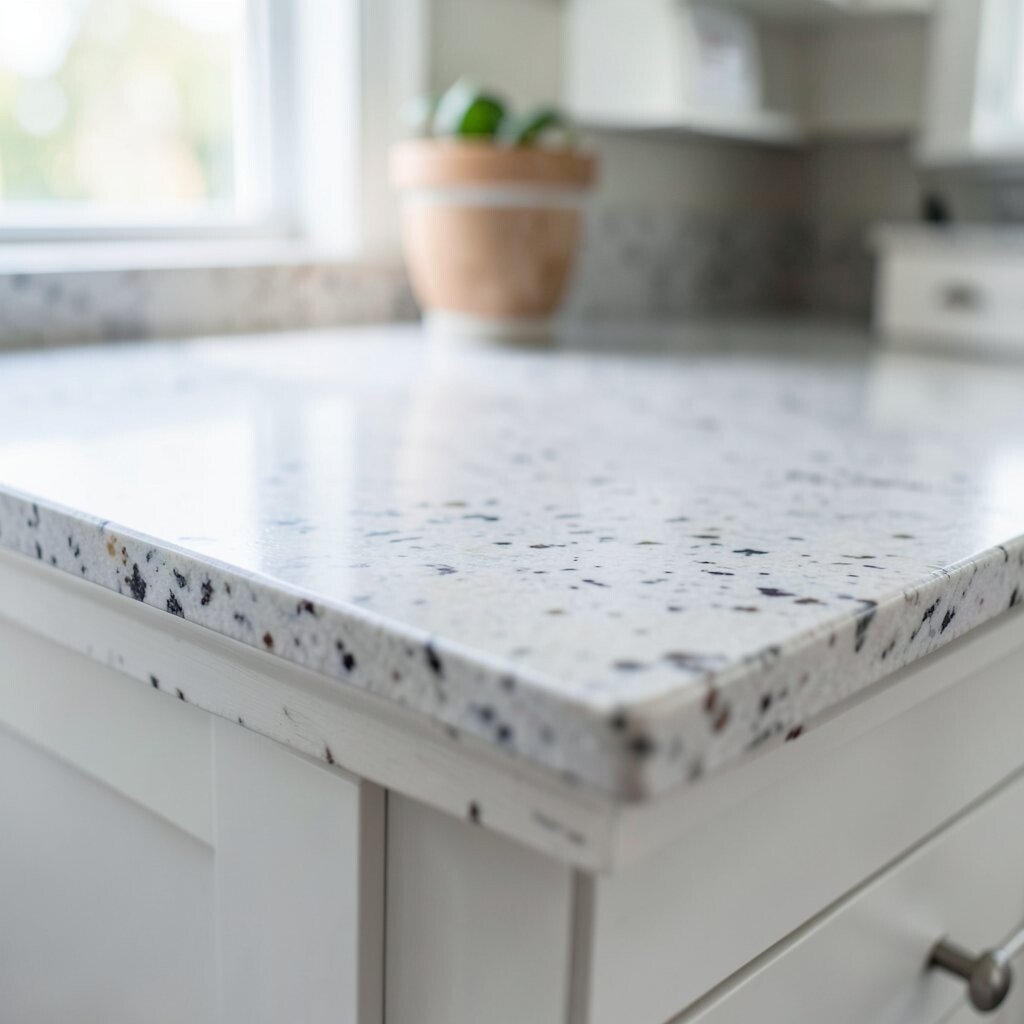
Edge profiles can make or break the coastal vibe Coastal design often feels relaxed, so sharp edges can look a little out of place. Softer edges can mimic the smooth curve of shoreline stones.
There’s also a practical side: the more detailed the edge, the more places water and grime can cling. That’s why choosing a simpler profile can be both beautiful and easier to keep clean.
-
7. Backsplash pairing is not a “finishing touch”—it’s the main act
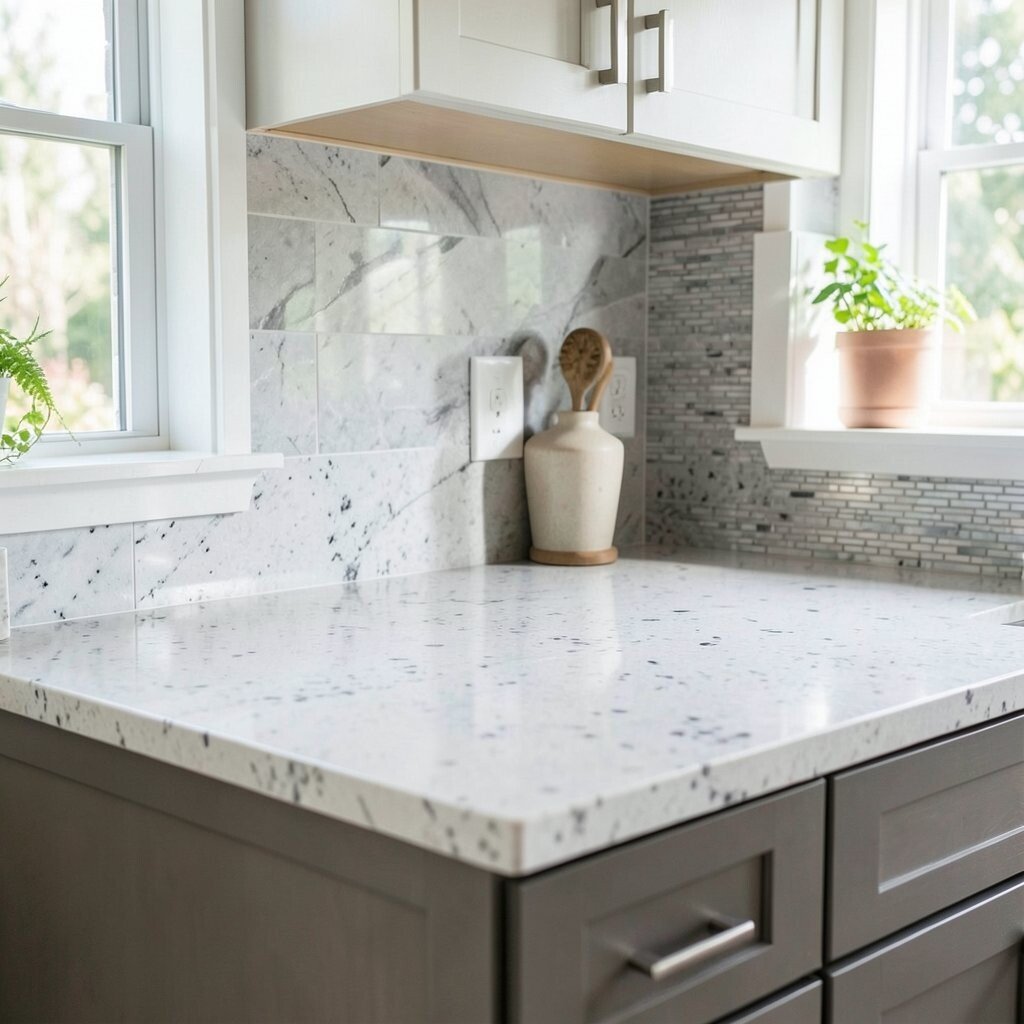
Backsplash pairing is not a “finishing touch”—it’s the main act If your countertop is the ocean, your backsplash is the shoreline. Choose a pairing that supports the color story instead of fighting it.
Consider shimmery glass tiles, bead-like textures, or calm neutral grout that won’t stand out too much. A well-chosen backsplash helps your countertop stay the star.
For personalization, match your grout shade to your cabinet undertones so everything feels connected. When you plan this early, you can budget more accurately and avoid redoing parts at the end.
-
8. Waterproofing routines should start before install day
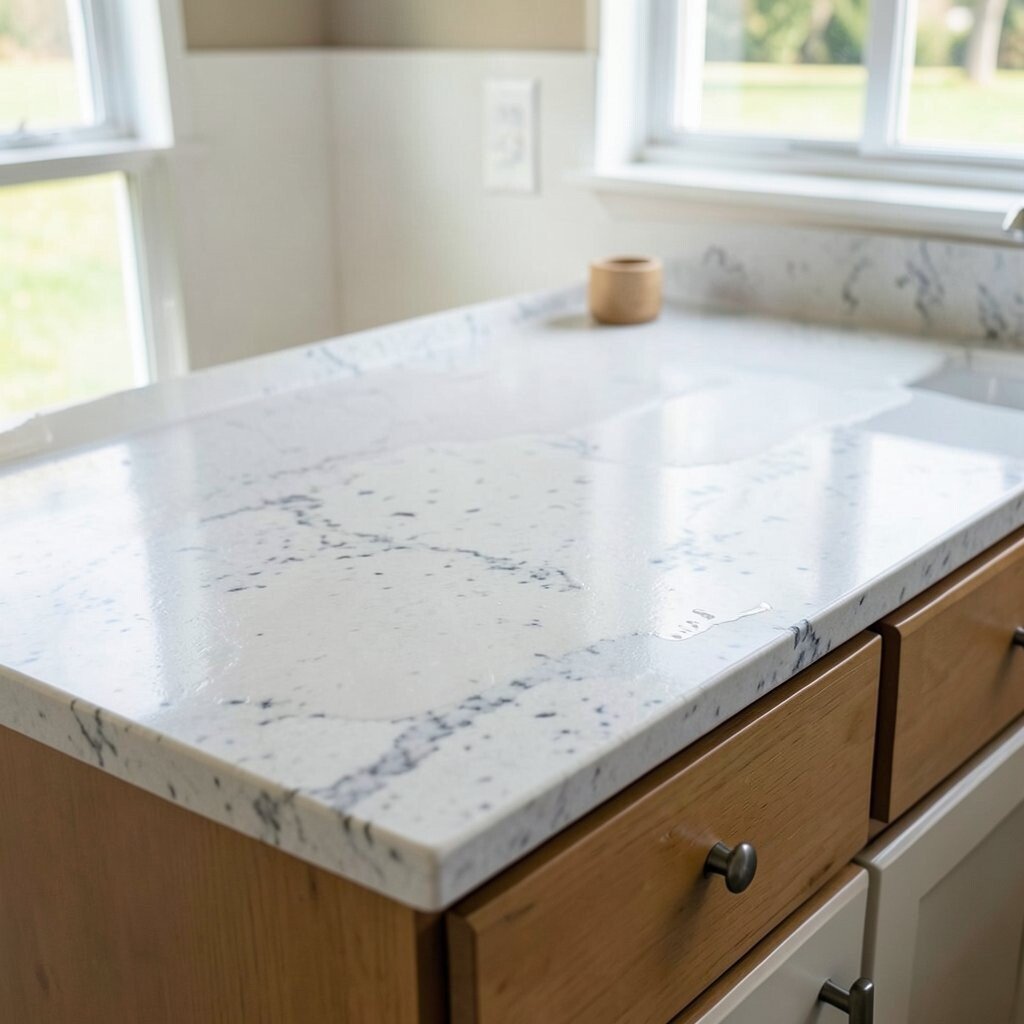
Waterproofing routines should start before install day Even strong materials need smart habits around seams and edges. Water loves the tiny spaces where pieces meet.
Make sure your fabricator uses quality sealing and proper installation techniques. Then follow a routine that includes drying after heavy splashes.
If you want coastal durability, treat the seams like “high-traffic” zones. A small cloth stored nearby can help you wipe quickly, which keeps your countertop looking crisp longer.
-
9. Corners and sink areas need extra attention
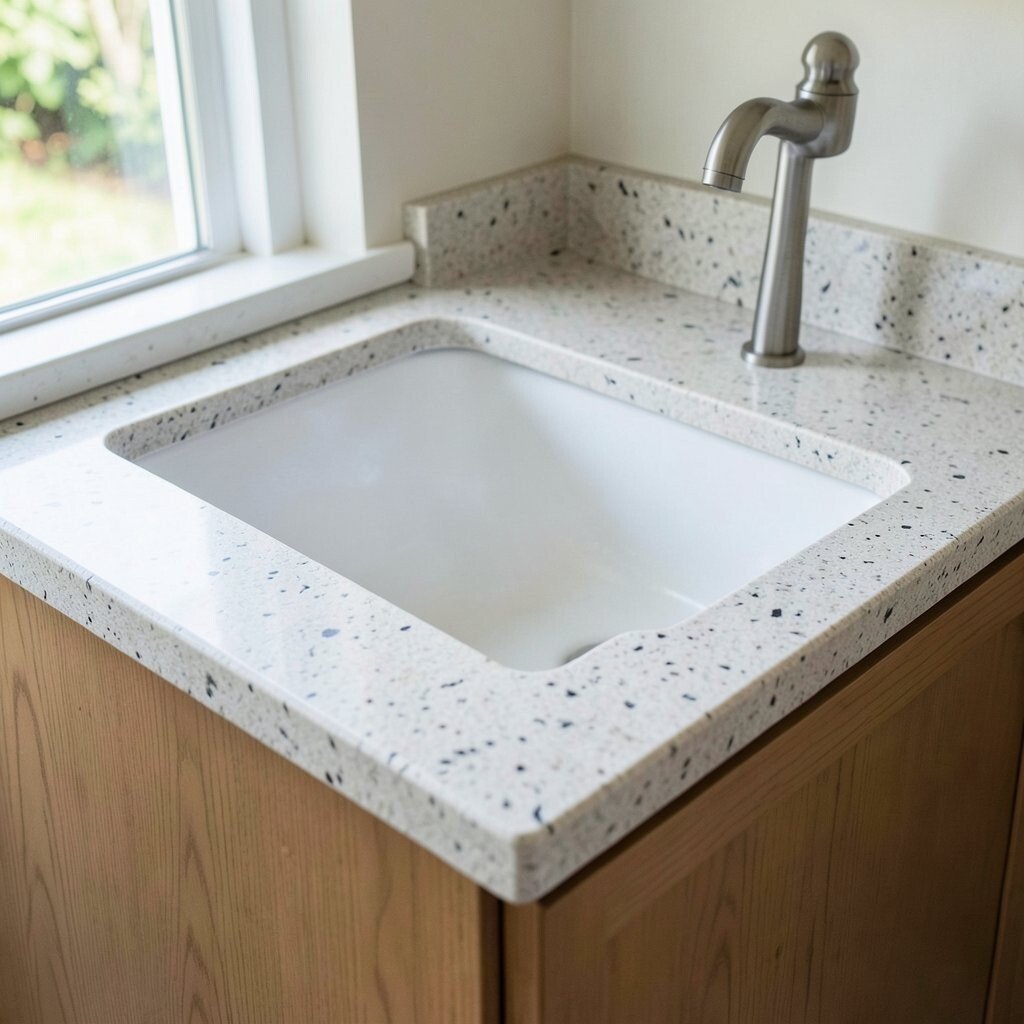
Corners and sink areas need extra attention Kitchen sinks are where everyday life happens, and coastal kitchens add extra exposure from wet hands and salt residue. Around the sink, the surface can take more hits from soap, water, and residue.
Use a sink mat for gentle protection and wipe the area after rinsing. This helps prevent dull spots and keeps the color from looking uneven.
-
10. Cutting boards beat “just one small slice” more often than you think
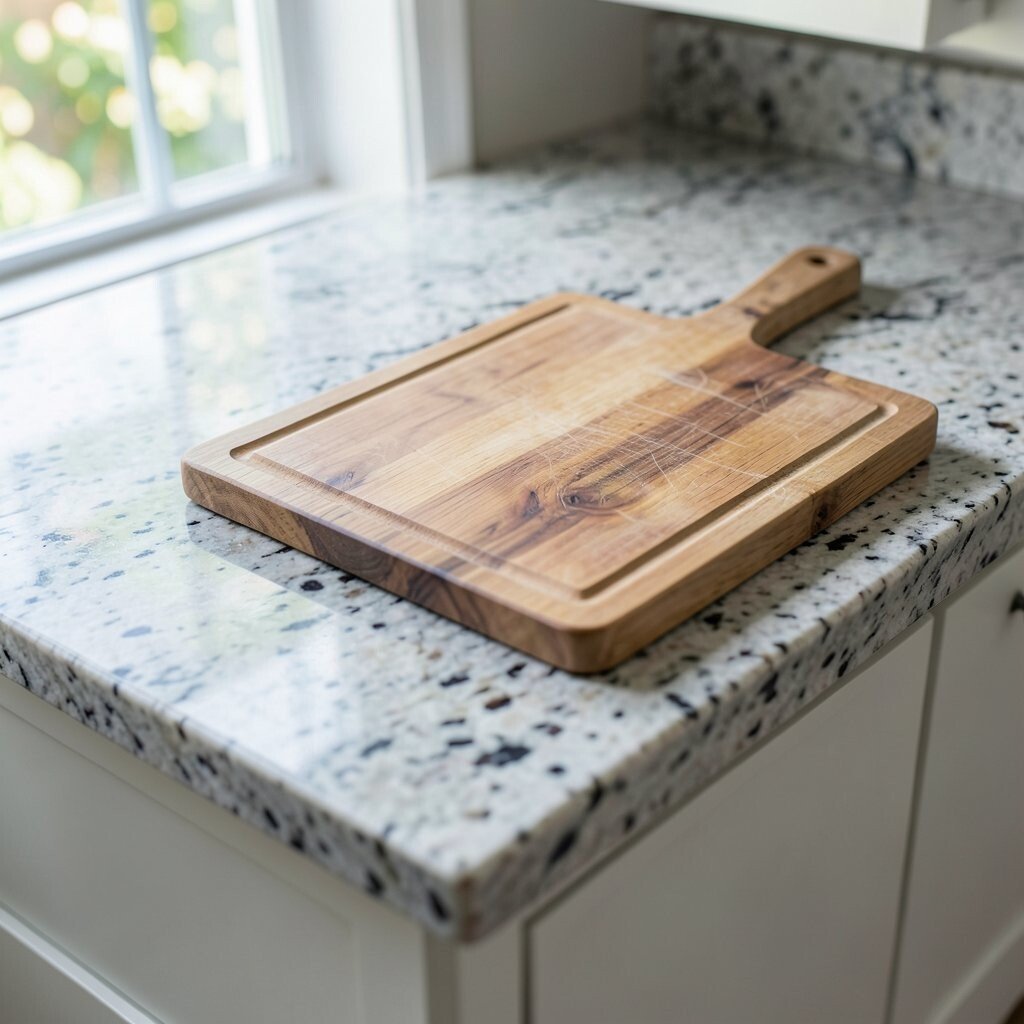
Cutting boards beat “just one small slice” more often than you think Countertops can look tough, but small scratches can build up fast. Coastal homes tend to have more beach snacks, citrus prep, and outdoor entertaining, so knives see a lot of action.
A cutting board is an easy upgrade that protects the surface and keeps it looking smooth. You can even choose a board that matches your coastal style, like light wood with a natural finish.
For cost considerations, boards are cheaper than repairs, and they help your countertop stay glossy longer. Think of it as maintenance that pays you back every day.
-
11. Heat habits matter when your countertop has a stunning finish
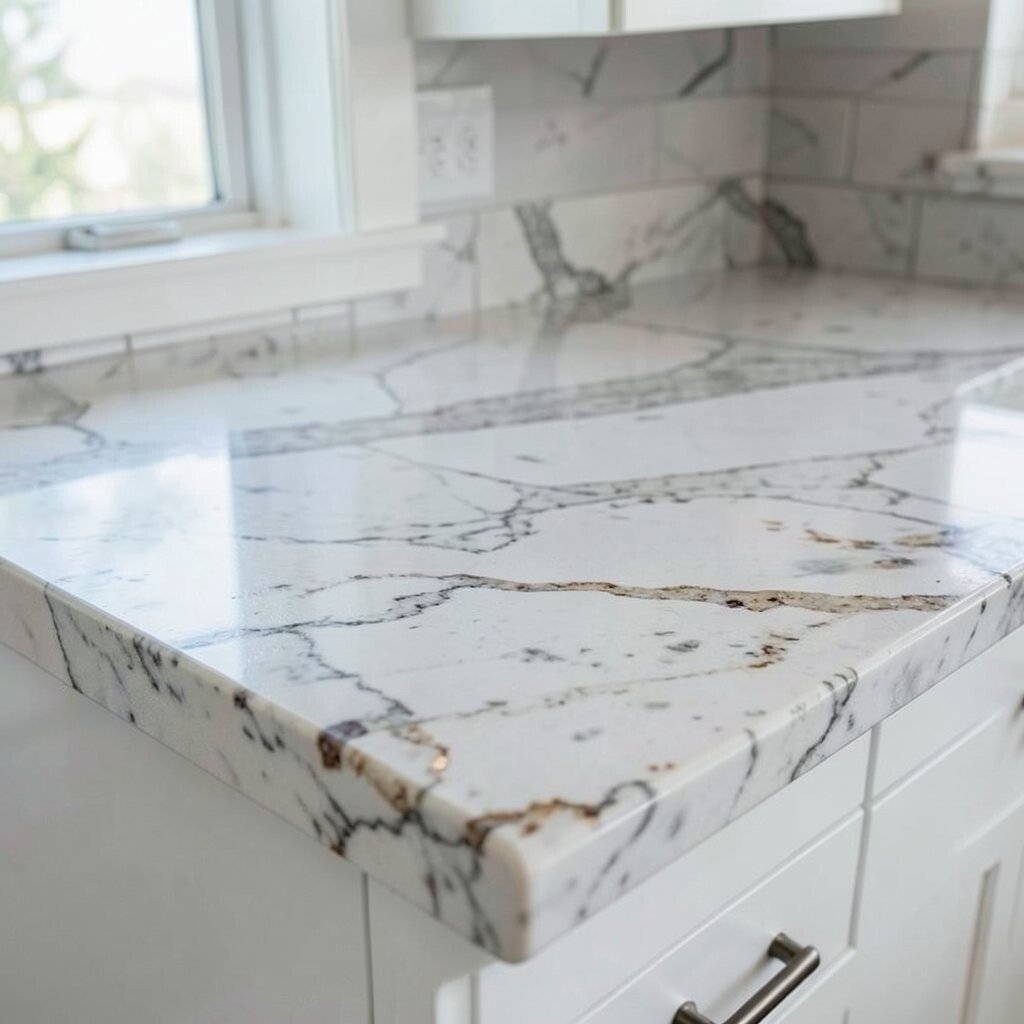
Heat habits matter when your countertop has a stunning finish Some coastal counters handle heat better than others, but none love sudden hot pans. A dramatic finish can also show heat marks more easily than you expect.
Use trivets and keep a small stack near the stove. This keeps your countertop safe and keeps your kitchen feeling polished, not panicked.
If you entertain often, plan for more heat events and put heat protection in your workflow. Your countertop will look better, and you won’t have to spend on replacements or resurfacing.
That “one time” moment adds up, especially when the coastal look is meant to feel effortless.
-
12. Quartz is popular for a reason, but it still needs care
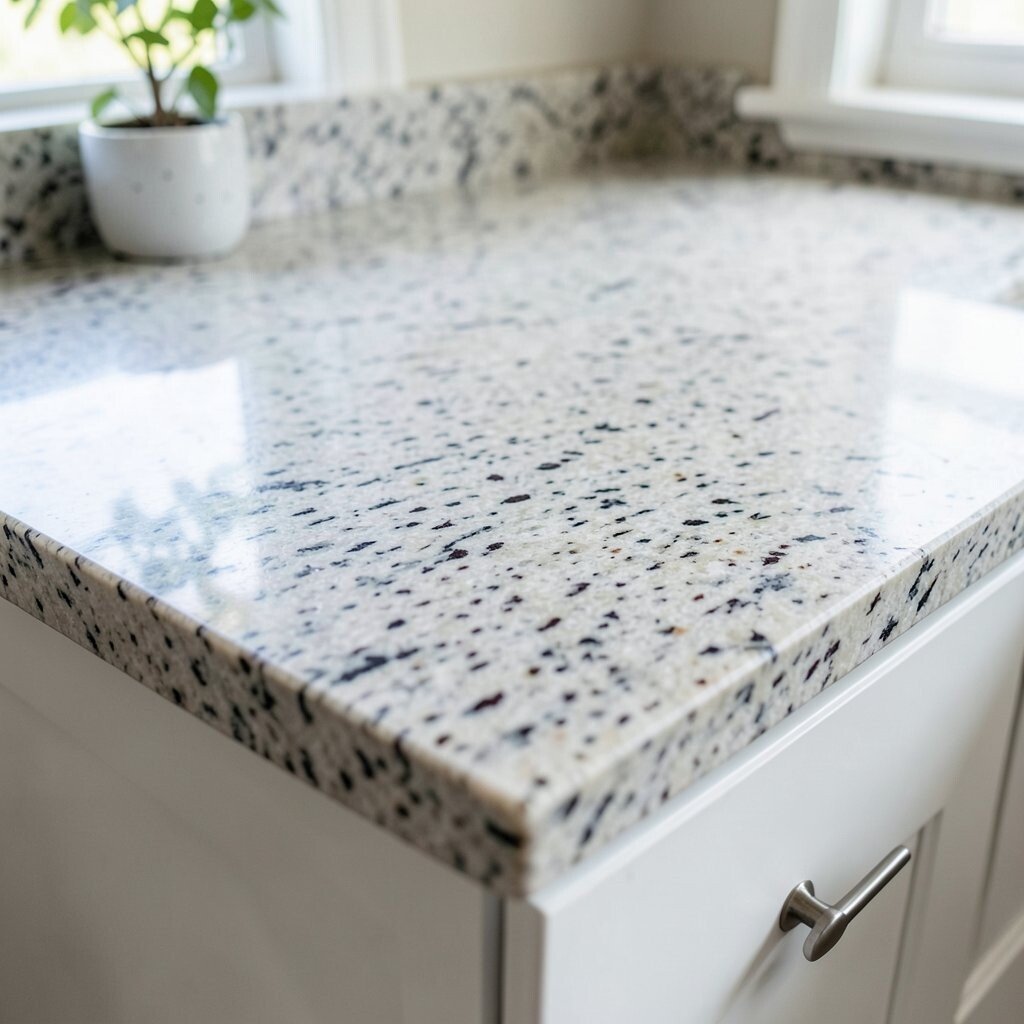
Quartz is popular for a reason, but it still needs care Quartz can deliver consistent color, a coastal-friendly look, and good everyday durability. It also tends to resist staining better than some natural stones, which is a big benefit in busy homes.
Still, cleaning products matter. Harsh chemicals can dull shine or leave residue behind, so choose cleaners designed for your countertop type.
To personalize, pick quartz with gentle wave veining or cloud-like patterns that feel coastal. Your kitchen can look calm and clean without feeling too formal.
-
13. Natural stone can be breathtaking, yet planning is part of the beauty
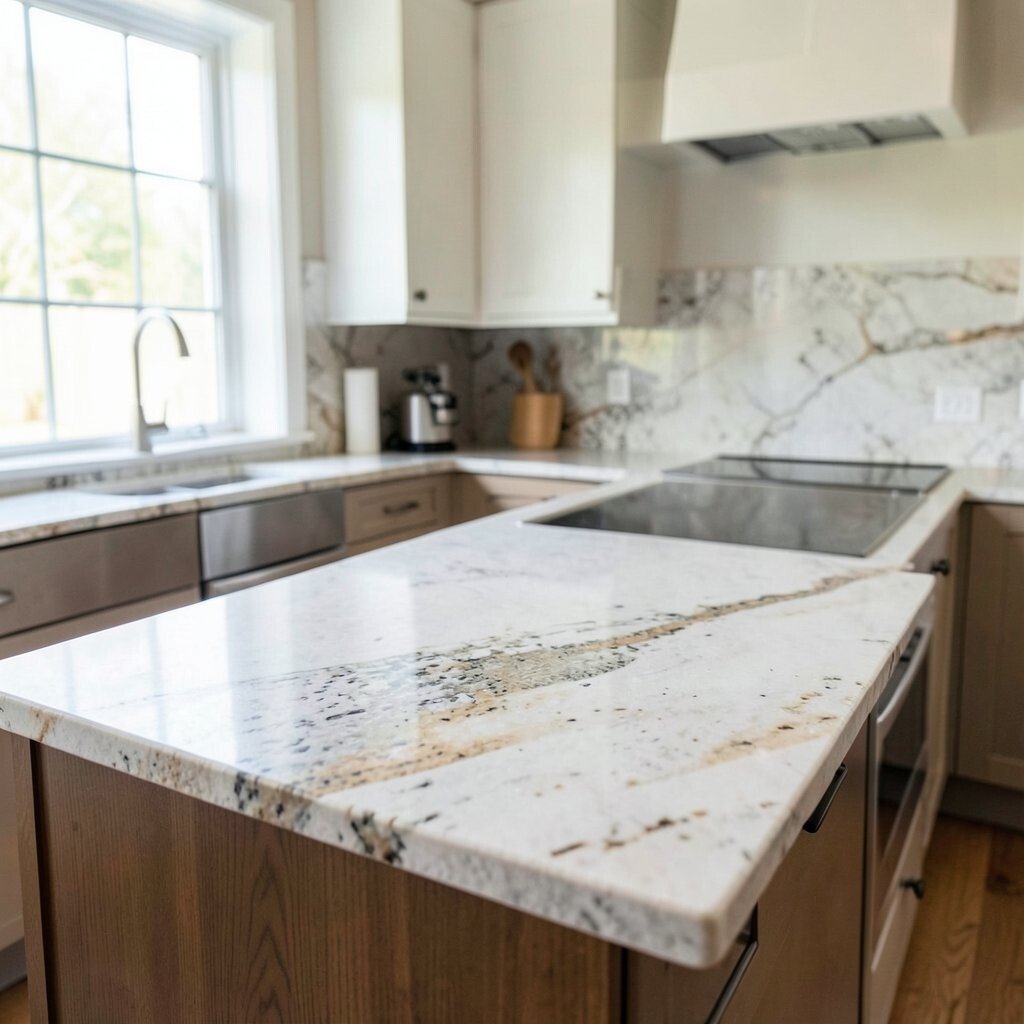
Natural stone can be breathtaking, yet planning is part of the beauty Granite, marble, and other stones can have that unmatched coastal character. Each slab can look like a one-of-a-kind seascape.
But natural stone often needs sealing and thoughtful cleaning. That may sound like extra work, yet it can become a simple habit once you set it up.
A great tip is to ask how often sealing is recommended for your exact material and finish. Then decide if that schedule matches your lifestyle, not just your aesthetic dreams.
-
14. Color undertones can surprise you with gray, green, or warm shifts
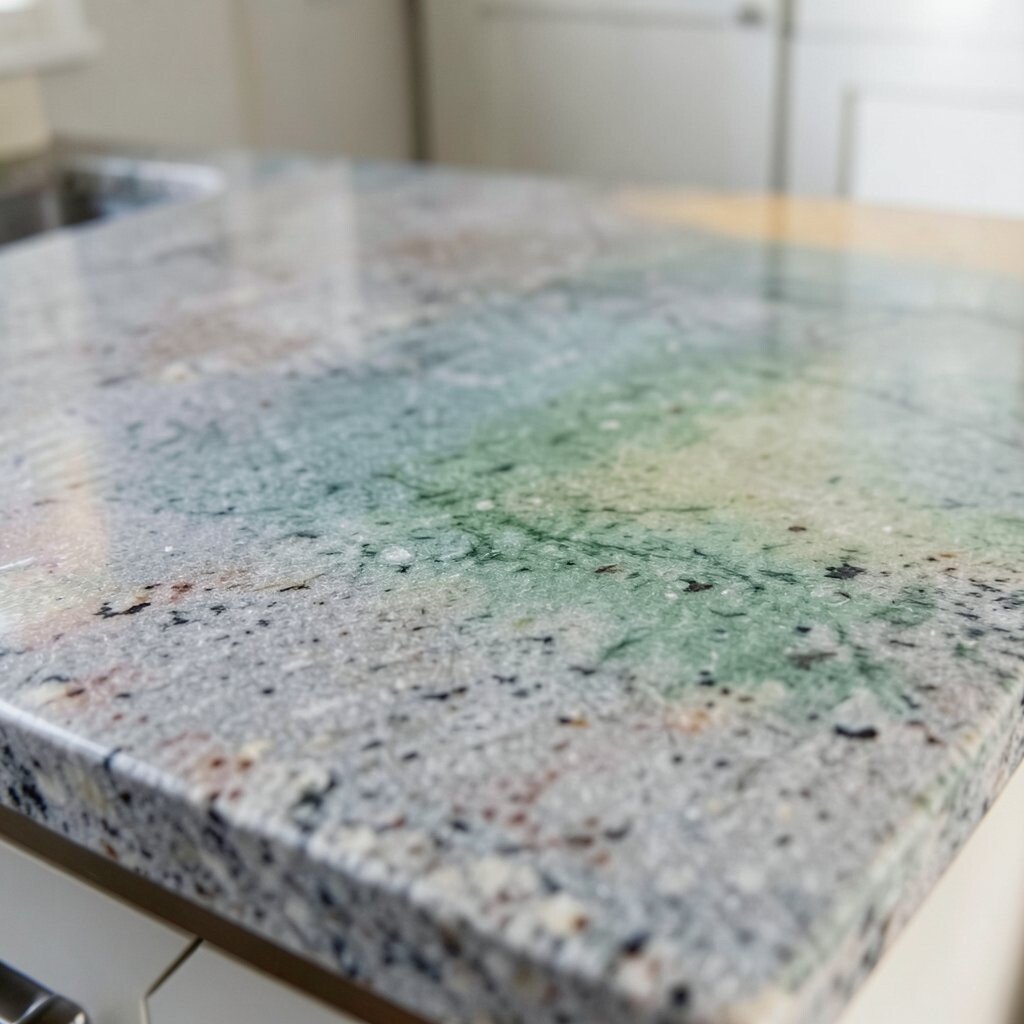
Color undertones can surprise you with gray, green, or warm shifts Coastal countertops often appear white or creamy, but undertones can lean cool or warm. Under certain lighting, a “bright white” can tip toward gray, or cream can look too yellow.
Before you buy, check the countertop beside your faucet and cabinet hardware. Metals can pull out undertones you didn’t notice in the showroom.
-
15. The right cleaner keeps the shine without wearing it down
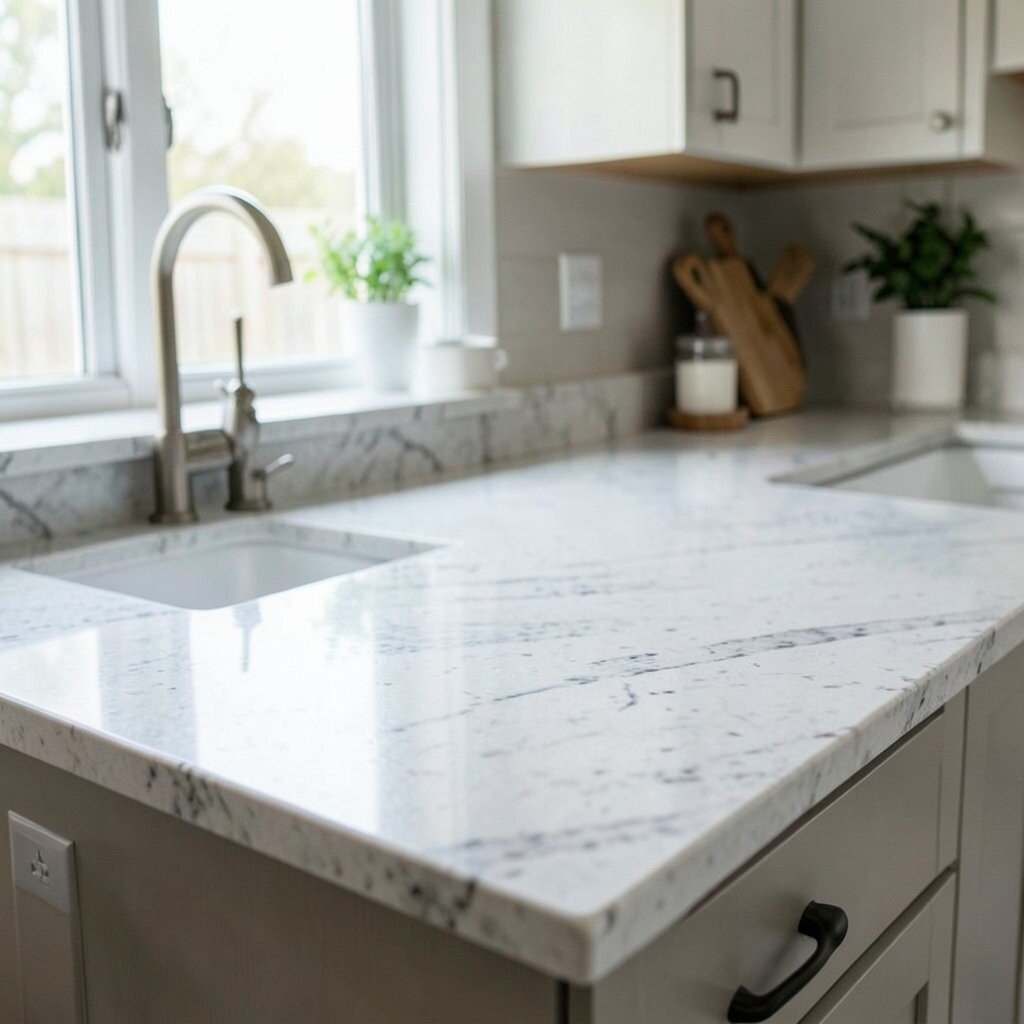
The right cleaner keeps the shine without wearing it down A coastal countertop is like a finish on a favorite shell—beautiful when treated gently. Many people use strong cleaners because they feel “extra clean,” but that can actually damage the surface over time.
Use a mild, pH-balanced cleaner and warm water for most everyday mess. Then dry with a soft cloth to prevent water spots, especially in humid coastal areas.
This approach is a benefit for both appearance and lifespan. It’s also budget-friendly because you won’t need as many maintenance products or repairs.
For a personalized routine, keep your cleaning supplies in a small caddy so you use them consistently.
-
16. Seams can be noticeable, so ask about layout early
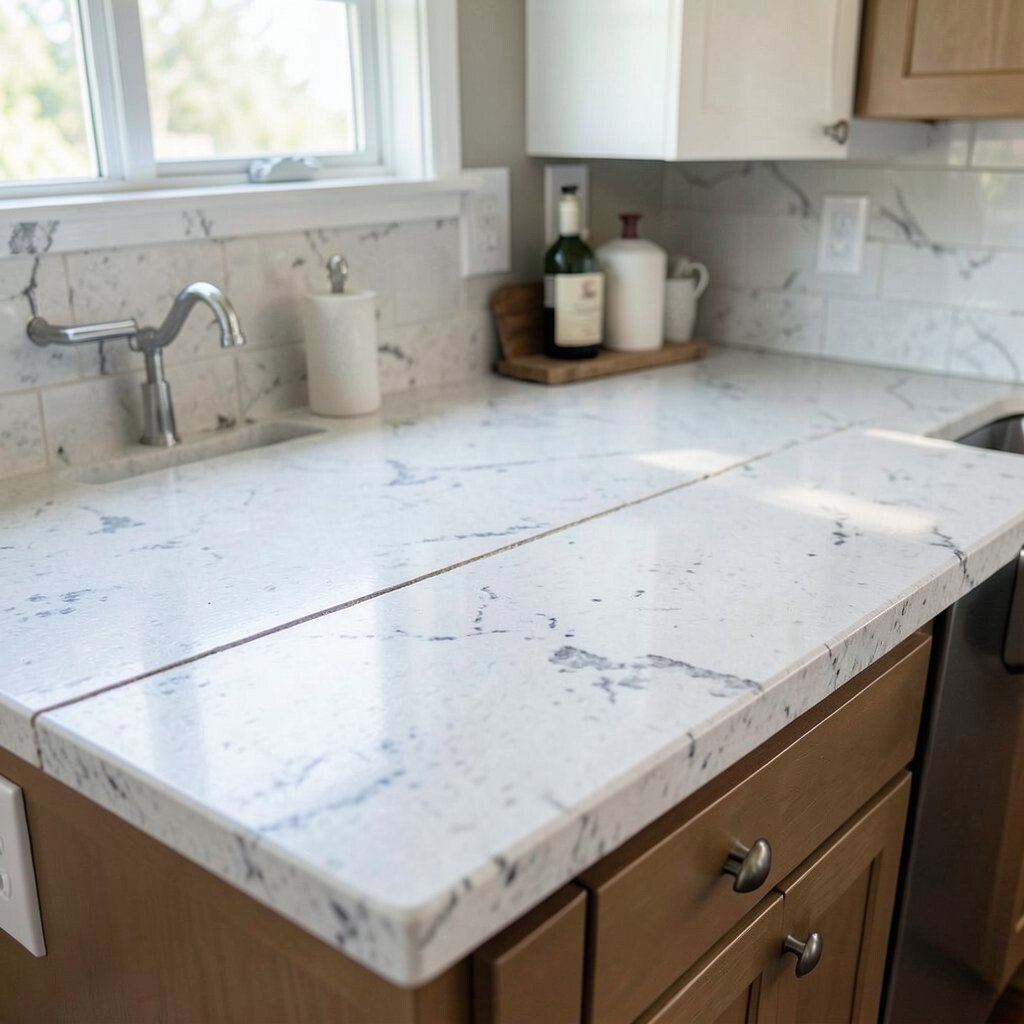
Seams can be noticeable, so ask about layout early When countertops are installed in sections, seams become part of the design. In coastal-style homes, lighter colors can make seams stand out more.
Ask how your layout choices affect seam placement and visibility. A smart layout can keep seams where they’re less noticeable, like near corners or under certain lines of sight.
This is also where personalization helps: align seams with your cooking habits and your viewing angles. If you always look at the main run while standing by the sink, plan the seam so it doesn’t catch your eye.
-
17. Under-mount sinks can change the cleaning feel
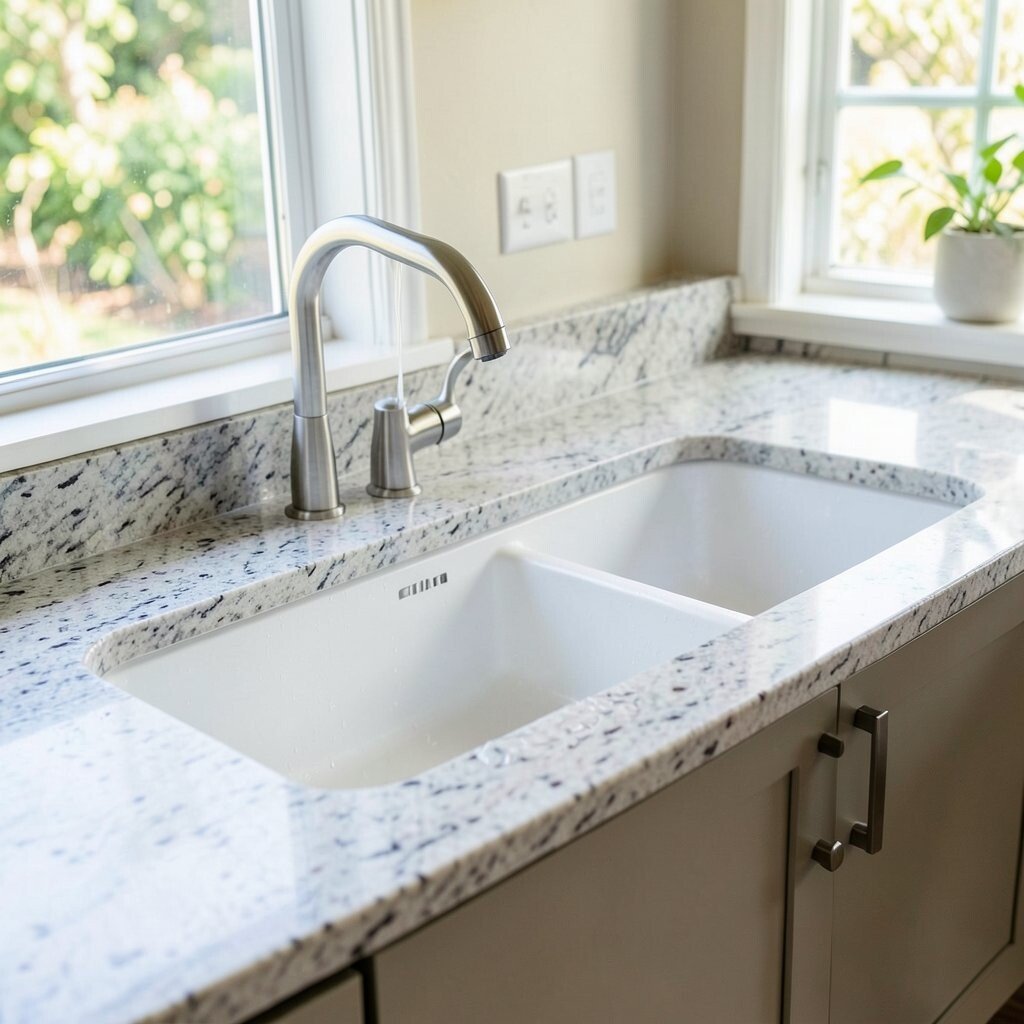
Under-mount sinks can change the cleaning feel Under-mount sinks look sleek and easy, and they can give coastal kitchens a clean, continuous look. But cleaning needs a good routine around the seam area.
If you choose this style, use a soft scrub pad and avoid rough tools that can scratch edges. You’ll enjoy the smooth visual line, and you’ll keep food and grit from collecting along the transition.
For personalization, pair an under-mount sink with a faucet finish that matches your hardware. That small detail can make the whole space feel calmer and more intentional.
Budget-wise, sink style and installation choices can shift the final total, so price compare early.
-
18. Sample days are where you save money later
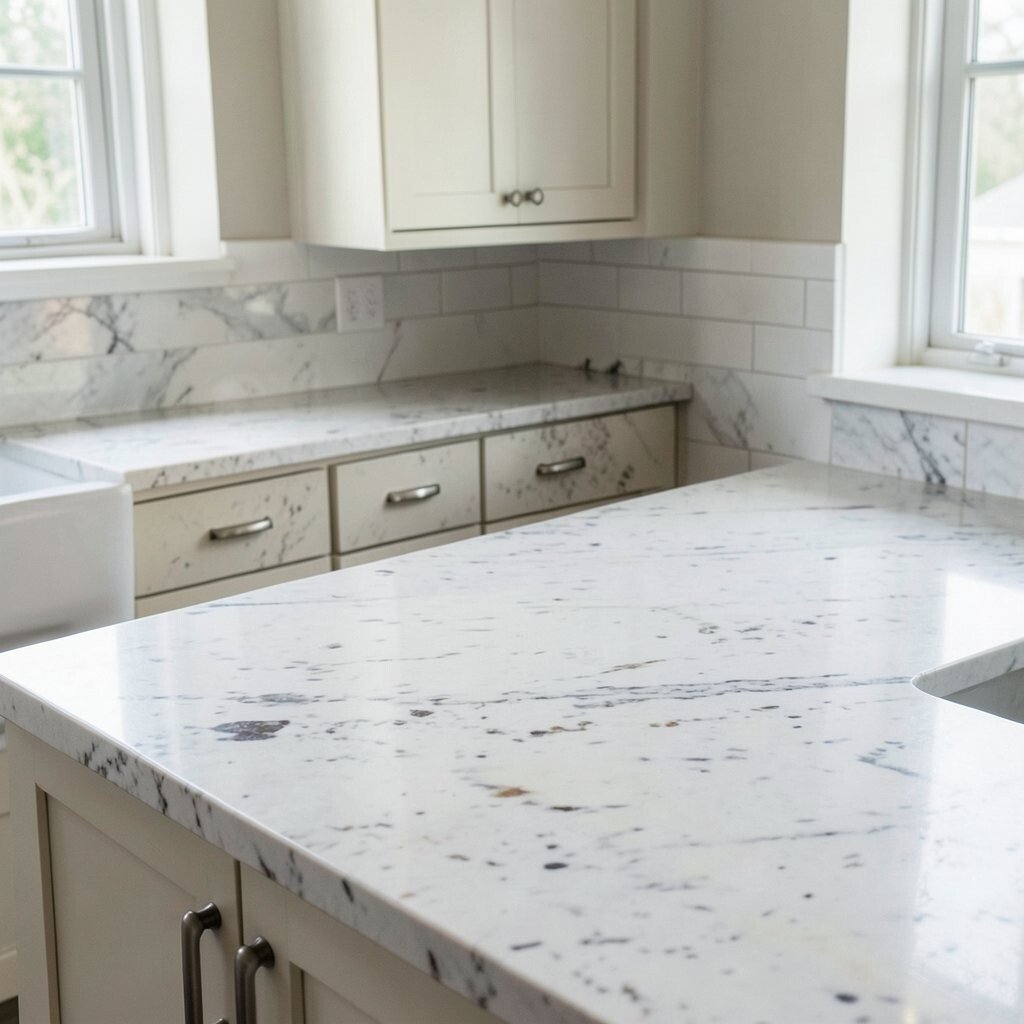
Sample days are where you save money later It’s tempting to choose the first slab that looks right in a showroom. But coastal kitchens rely on light, color undertones, and cleaning habits, so samples matter.
Bring small pieces or swatches home and hold them near your walls and floors. Then try a simple test: place them under natural light and under your interior lighting.
-
19. Coastal countertops can be stylish without being theme-heavy
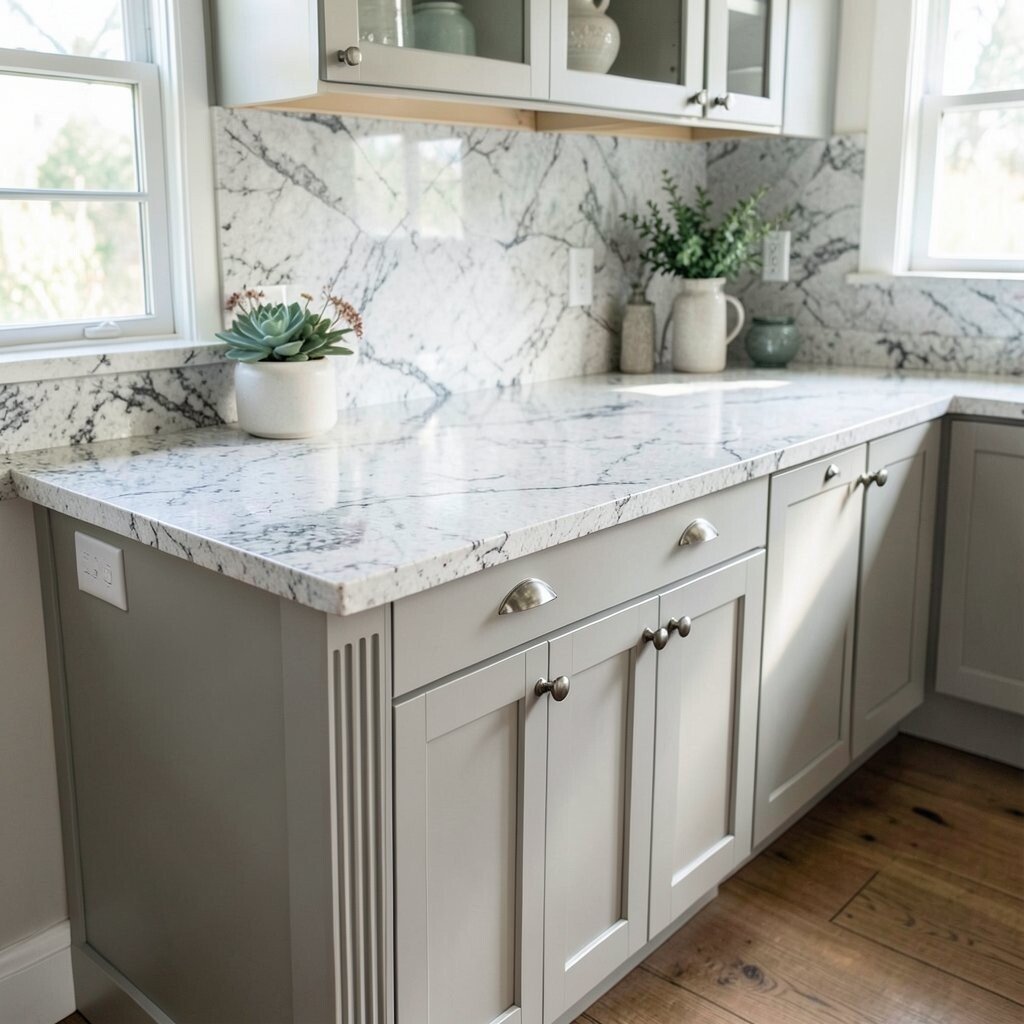
Coastal countertops can be stylish without being theme-heavy Some people go all-in on shells and blues, and it can feel like a costume. A smarter approach is to choose a coastal countertop palette that feels timeless, like sand, sea glass, and driftwood neutrals.
You get the uniqueness of a beach-inspired look, but you avoid the “too much” feeling. This also helps long-term costs, because you can update accessories without replacing the countertops.
To personalize, add small accents like a textured runner, gentle coastal artwork, or hardware finishes that echo the color story. Choose countertop patterns that feel like waves, then keep the rest of the room calm so everything blends.
That balance makes the look irresistible—and it helps you enjoy your kitchen for years.